History History 5 min read

America’s front porch

Ellis Island: From execution site to America's main immigration station
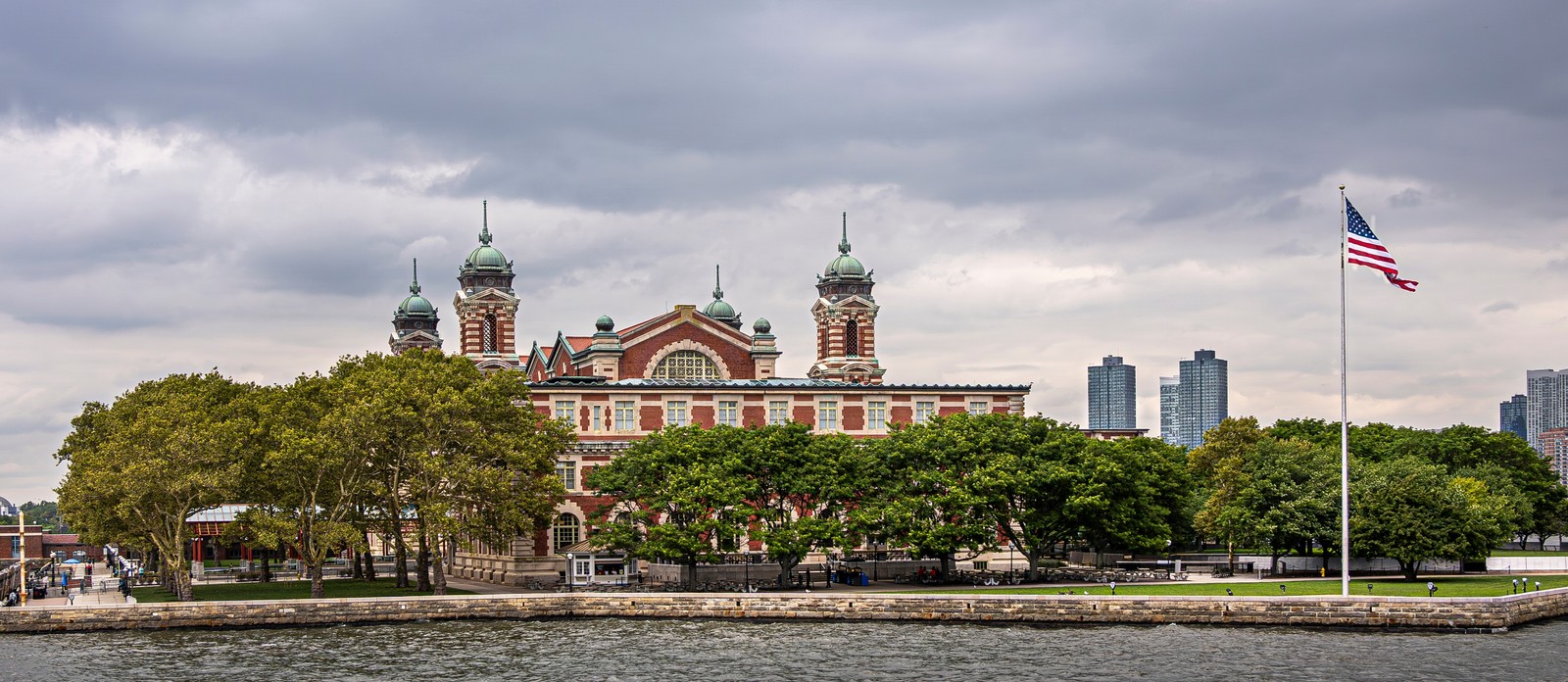
Image: Claudine Van Massenhove

Since its founding, America was regarded as the "land of opportunity", but the number of immigrants who came in search of a better life increased dramatically in the 19th century, and most of them entered the country through the Ellis Island immigration station. When did the station open its gates? Is it still operational today? Let’s explore the history of the Isle of Hope and Tears.

1
A grim past
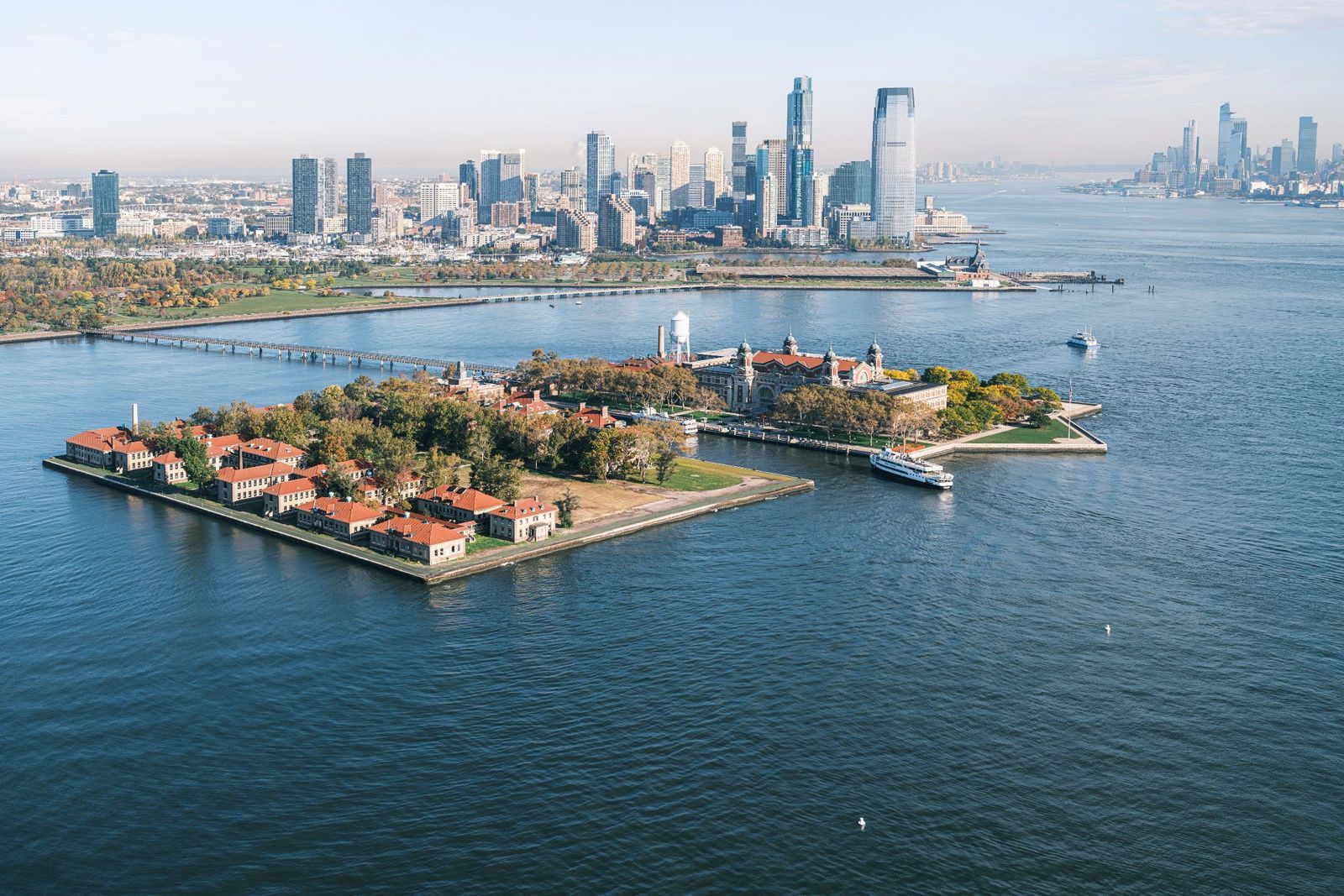
Image: Lumin Osity

One of the three "Oyster Islands" in Upper New York Bay—along with Liberty Island and the now-submerged Black Tom Island— Ellis Island changed hands many times during the Dutch and British colonial periods. Initially known as Little Oyster Island, it was often used as an execution site for pirates. In 1774, Welsh merchant Samuel Ellis acquired the island, renamed it after himself, and, in the early 19th century, the government bought it to build a fortress.

2
Why Ellis Island?
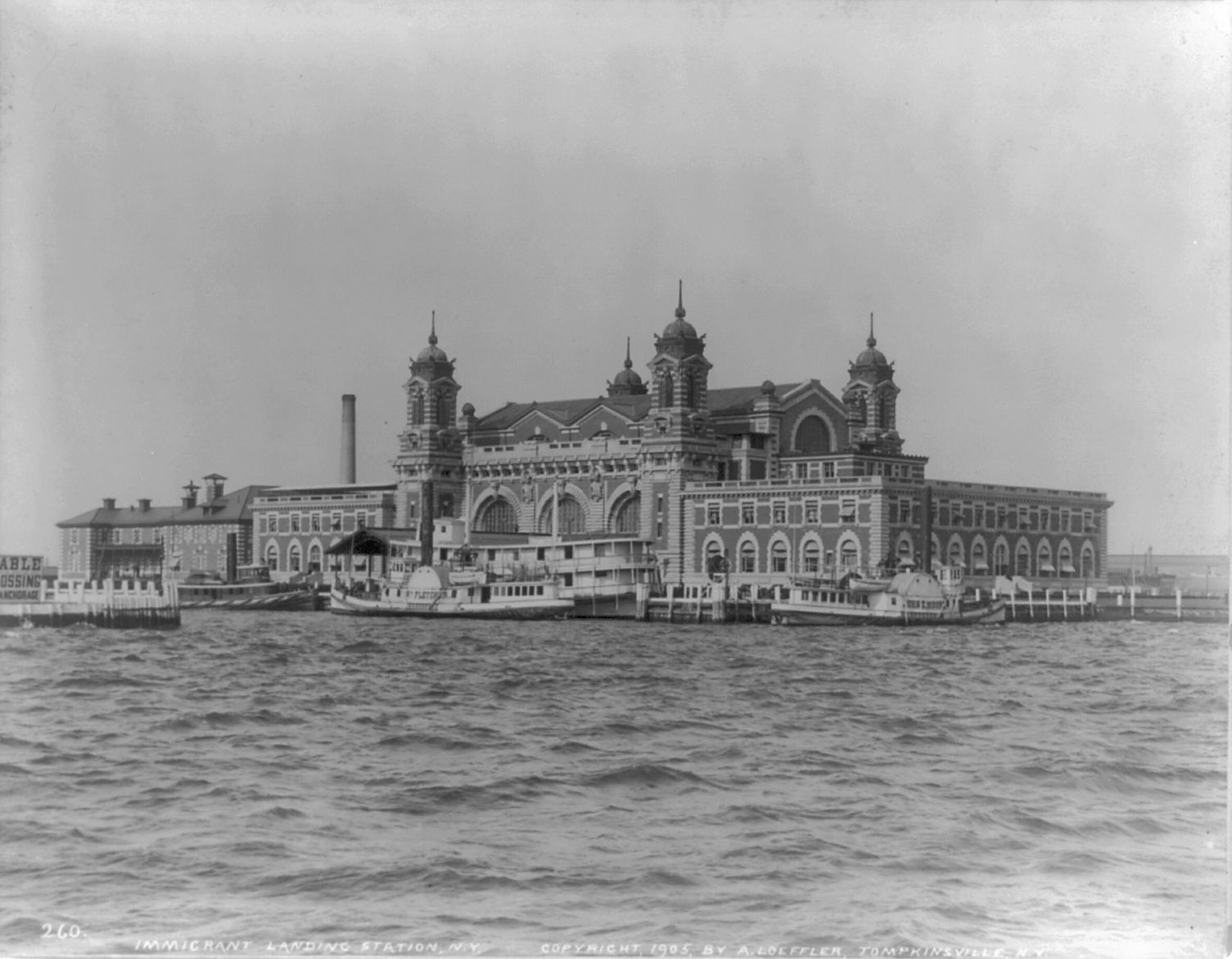
Image: A. Coeffler, Public domain, via Wikimedia Commons

In 1890, the American government decided to shut down the Castle Clinton immigration station on the southern tip of Manhattan due to mismanagement and immigrant abuse. After surveying several locations, Ellis Island was chosen as the site for the new station , and in two years, offices, an immigrant hotel, a hospital, a detention building, a laundry building, and a utility plant were built.

3
A growing island
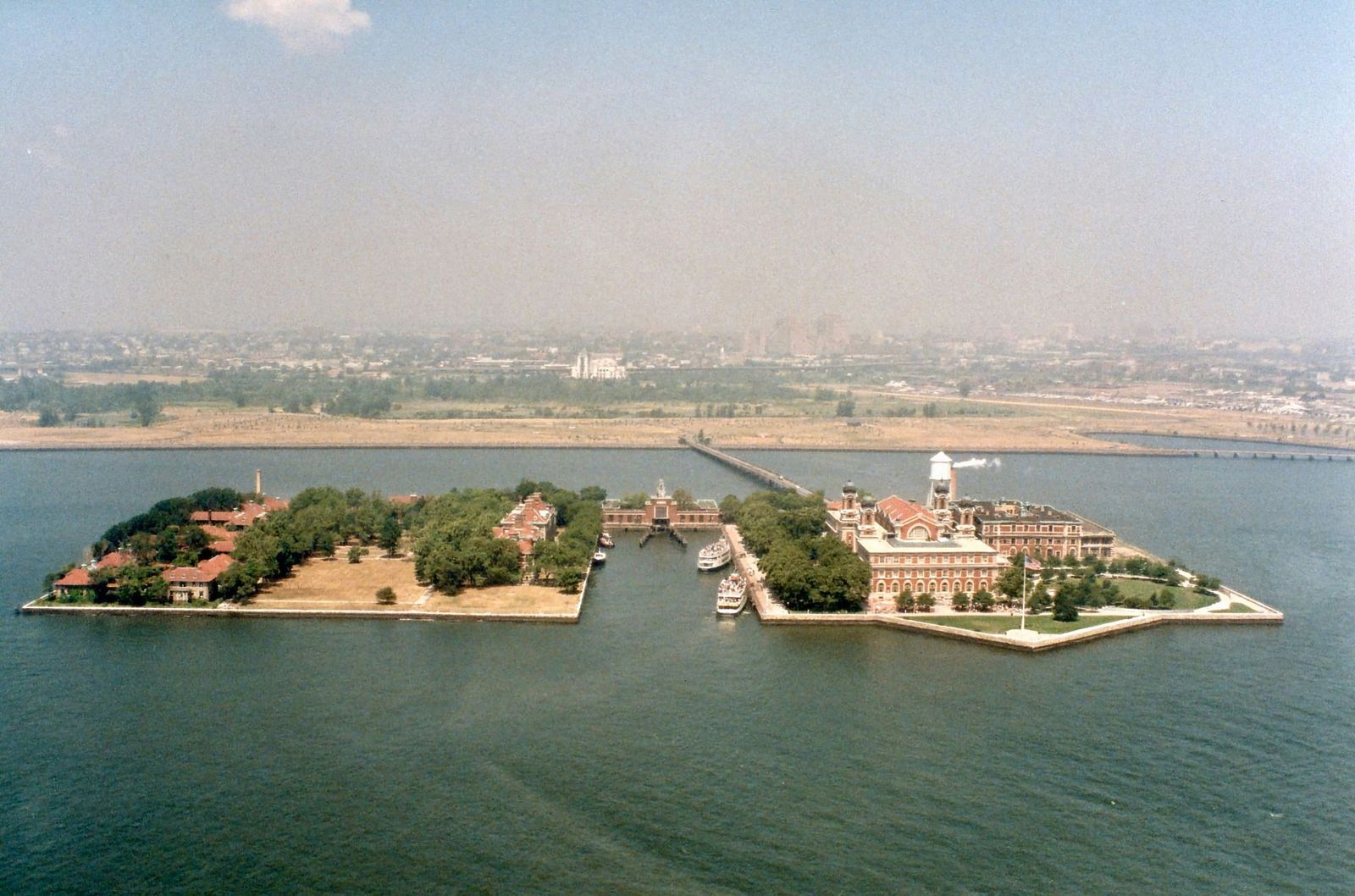
Image: Tomas Martinez

Did you know that Ellis Island used to be much smaller? As construction of the station started, the island was expanded through the creation of three artificial islands, which were then connected to the original land , and much of the dirt and rock used was sourced from the excavation of early New York City subway tunnels. In the end, the island’s original 3.3 acres were expanded to 27.5 acres, meaning that nearly 90% of Ellis Island is manmade.

4
The gateway to America

Image: Luis Santos

On January 1, 1892, Ellis Island station opened its doors, and the first to come through them were three children. 17-year-old Annie Moore and her two younger brothers had travelled alone from Cork, Ireland, to meet with their parents , who had migrated a few years earlier. Today, a statue depicting the Moore siblings stands on Ellis Island as a tribute to all those who came to America through the station. From its opening in 1892 to its closure in 1954, the station processed more than 12 million immigrants from all over the world.

5
A connection with nearly half of America
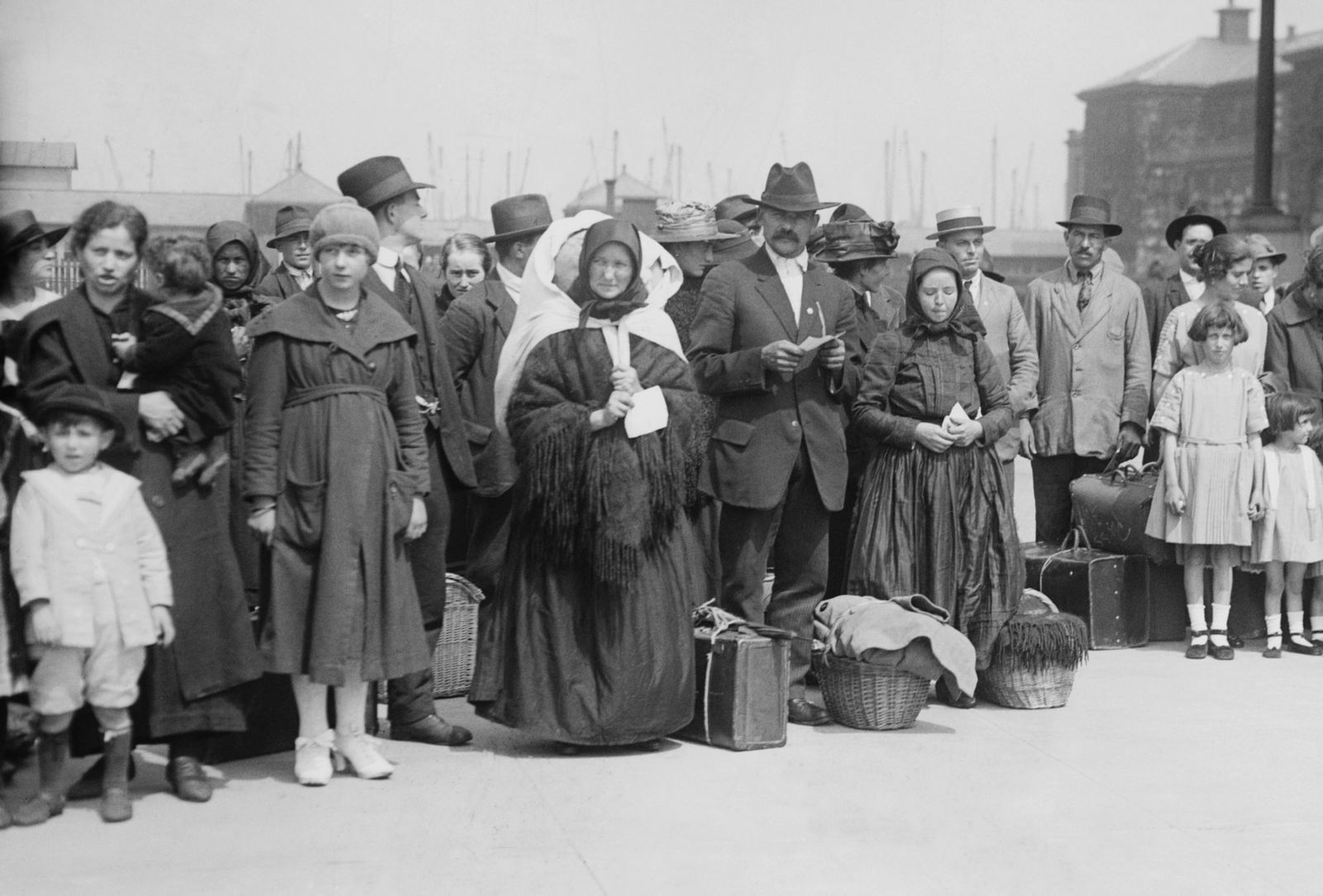
Image: Everett Collection

While Ellis Island was not the only immigrant station in America, it was definitely the busiest. It is estimated that around 33 to 40% of living Americans (more than 100 million people) can trace their ancestry back to an Ellis Island immigrant. Today, the station’s records are available online, allowing anyone wanting to explore their family’s past to find their ancestors’ immigration records.

6
Isle of tears
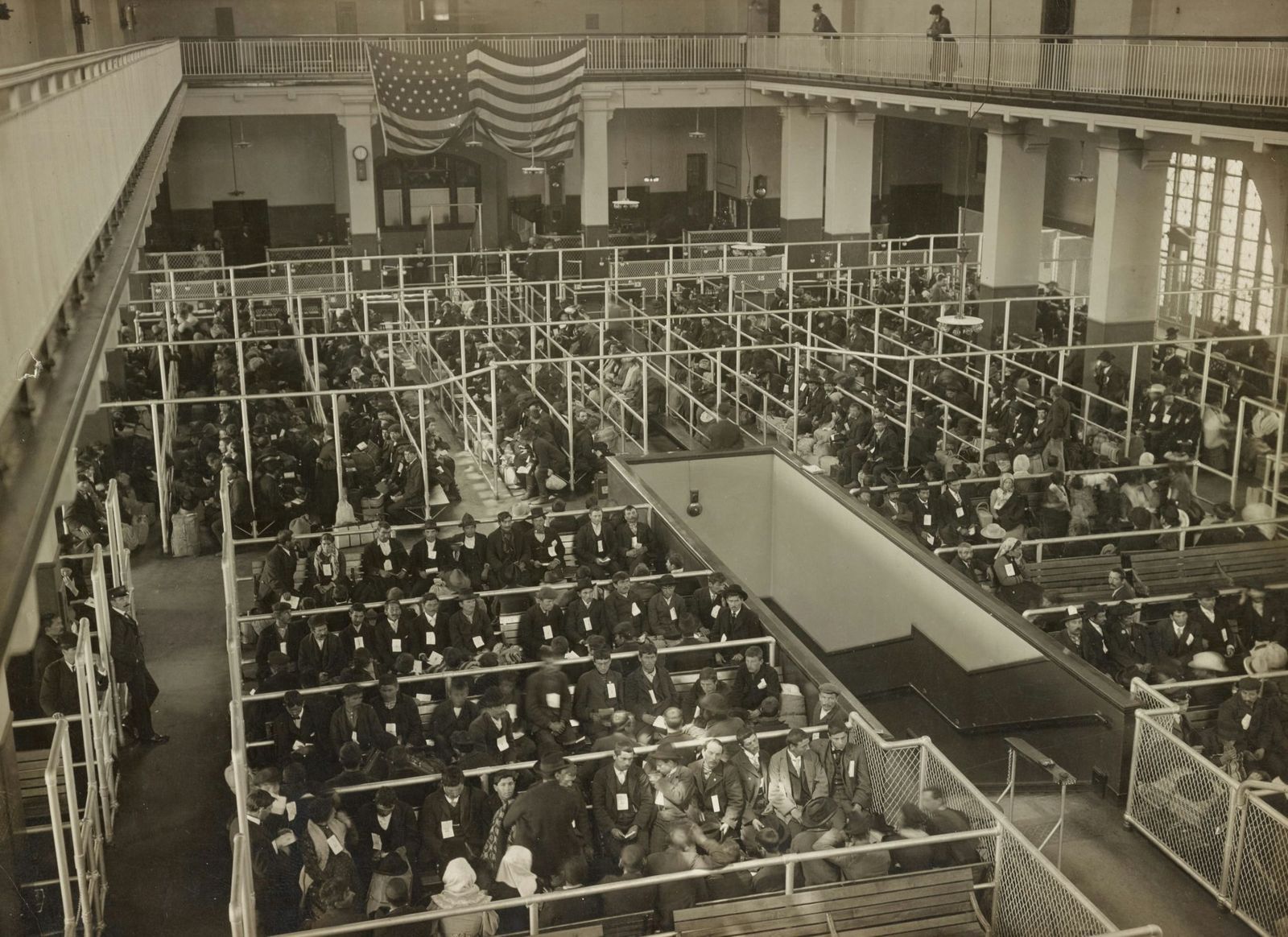
Image: The New York Public Library

While the popular myth about immigrants having to wait for days to be processed is not true, the inspection process at the station was long and thorough, usually completed in 3 to 5 hours. A medical inspection to rule out physical ailments and infectious diseases was done first, and suspicious cases were sent out to a different area of the station for further testing. Afterwards, a legal questioning about the immigrant’s origin, story, profession, final destination, and economic means was conducted by officers. Those who failed one or both inspections had the chance of a formal hearing before facing deportation, and it is estimated that only 2% of total arrivals were denied entry.

7
Restrictions
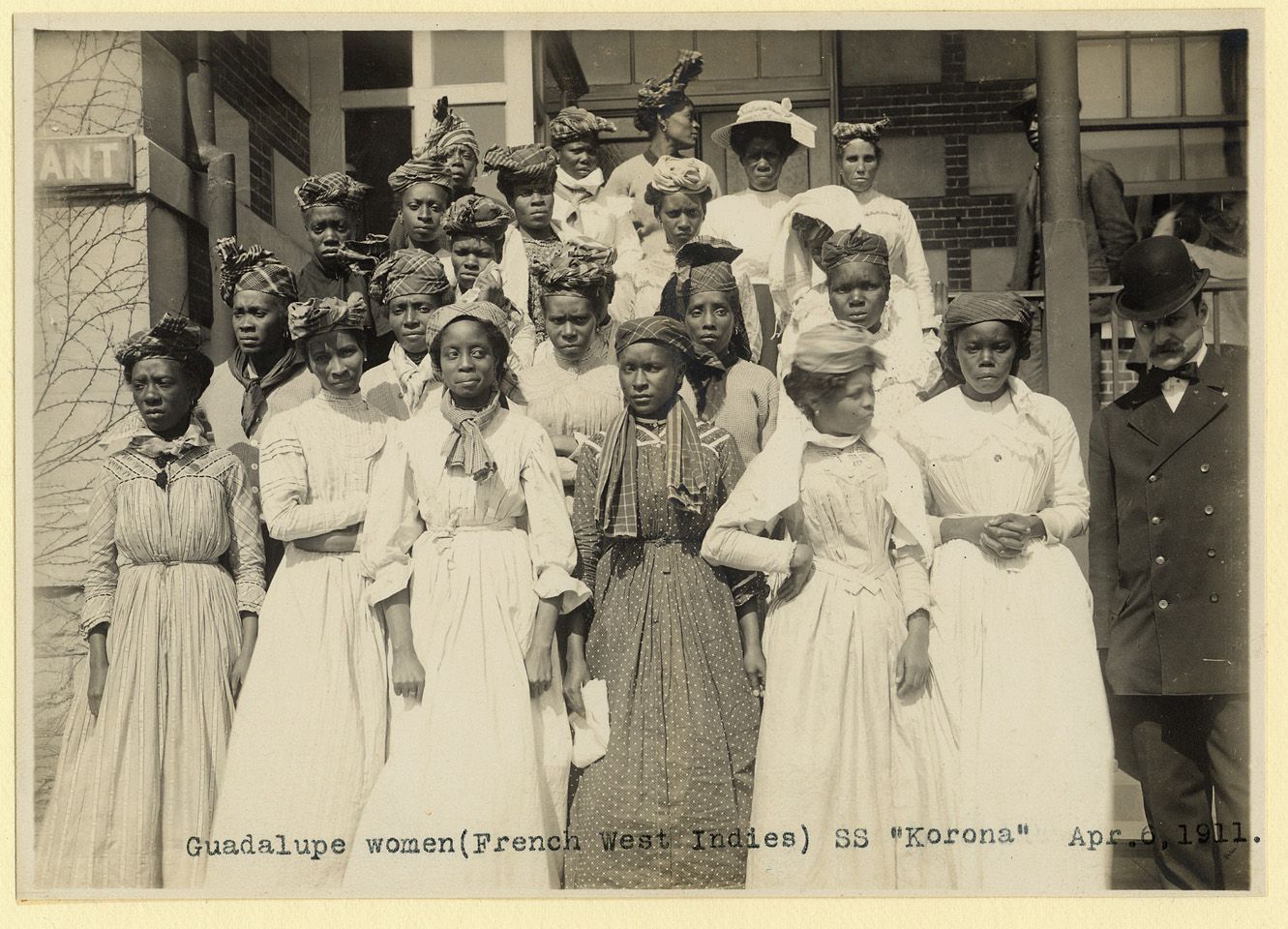
Image: English: NPS Photo, Public domain, via Wikimedia Commons

In the early 1920s, immigration quotas based on past censuses were enforced. In 1921, the immigration cap per nationality was restricted to 3% of the U.S. population of that origin represented in the 1910 census, a decision that heavily favored northern and western European immigrants. Three years later, the quota was reduced to 2% of the 1890 census, which further restricted immigration from southern and eastern Europe, as well as from Asia and Africa . In 1924, a new migration policy required migrants to secure a visa before the journey, which drastically reduced the number of people going through the station.

8
The detention center
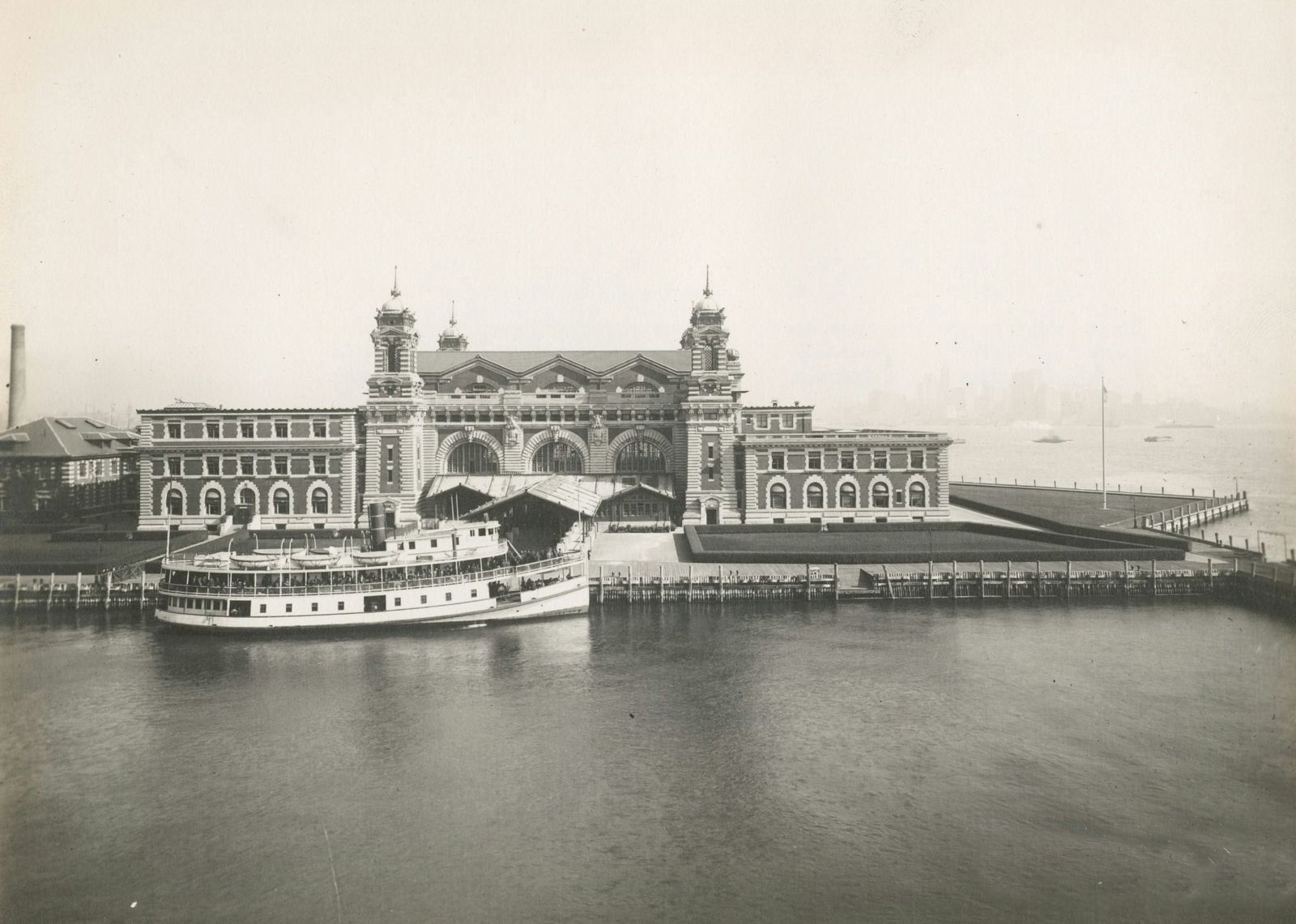
Image: The New York Public Library

As the flow of immigrants coming through Ellis Island diminished, part of the facilities were repurposed as a detention and deportation center, with the station temporarily closed during WWI, doubling as a jail and a treatment center for wounded soldiers. By the 1930s, the station mainly served as a holding place for individuals detained for illegal entry, overstayed visas, or medical reasons. Unlike other stations, such as Angel Island on the West Coast, Ellis Island was not used as a detention camp for Japanese Americans during WWII, but it was one of the main detention centers for Axis nationals in the New York Area , and later for alleged communist sympathizers during the Red Scare.

9
Who owns Ellis Island?
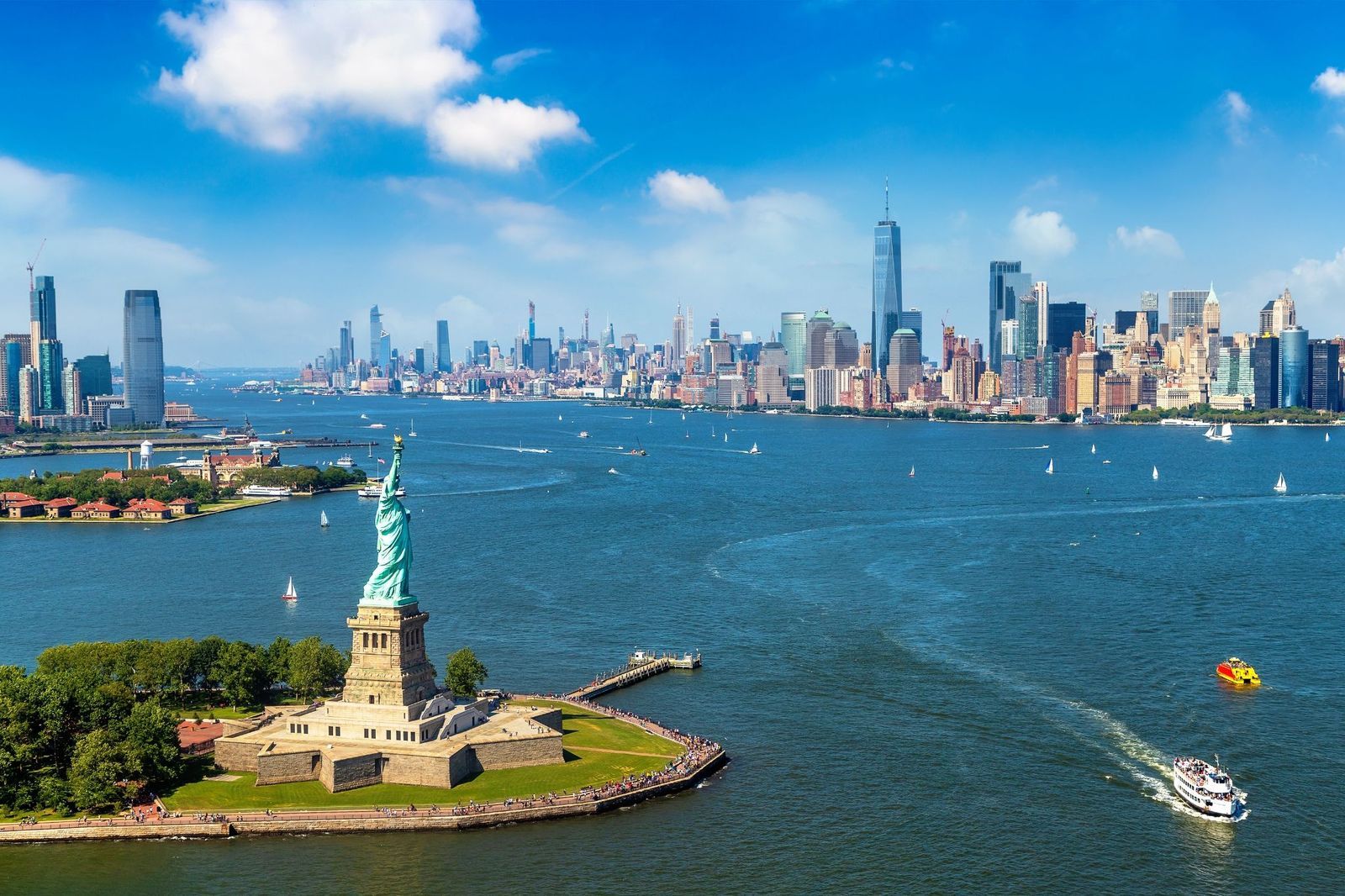
Image: Sergii Figurnyi

Several islands in New York Harbor have been a point of contention between the States of New York and New Jersey, including Ellis Island. In 1834, the U.S. Supreme Court ruled that the above-water land of Ellis Island belonged to New York, while the surrounding submerged land was part of New Jersey, but the matter was not resolved. In 1993, New Jersey contended that, when the island was artificially expanded to make room for the immigration station, it had been done on the submerged land, and therefore, it was part of New Jersey . In 1998, the Supreme Court ruled in favor of New Jersey, stating that New York only had sovereignty over the original 3.3 acres

10
Ellis Island today
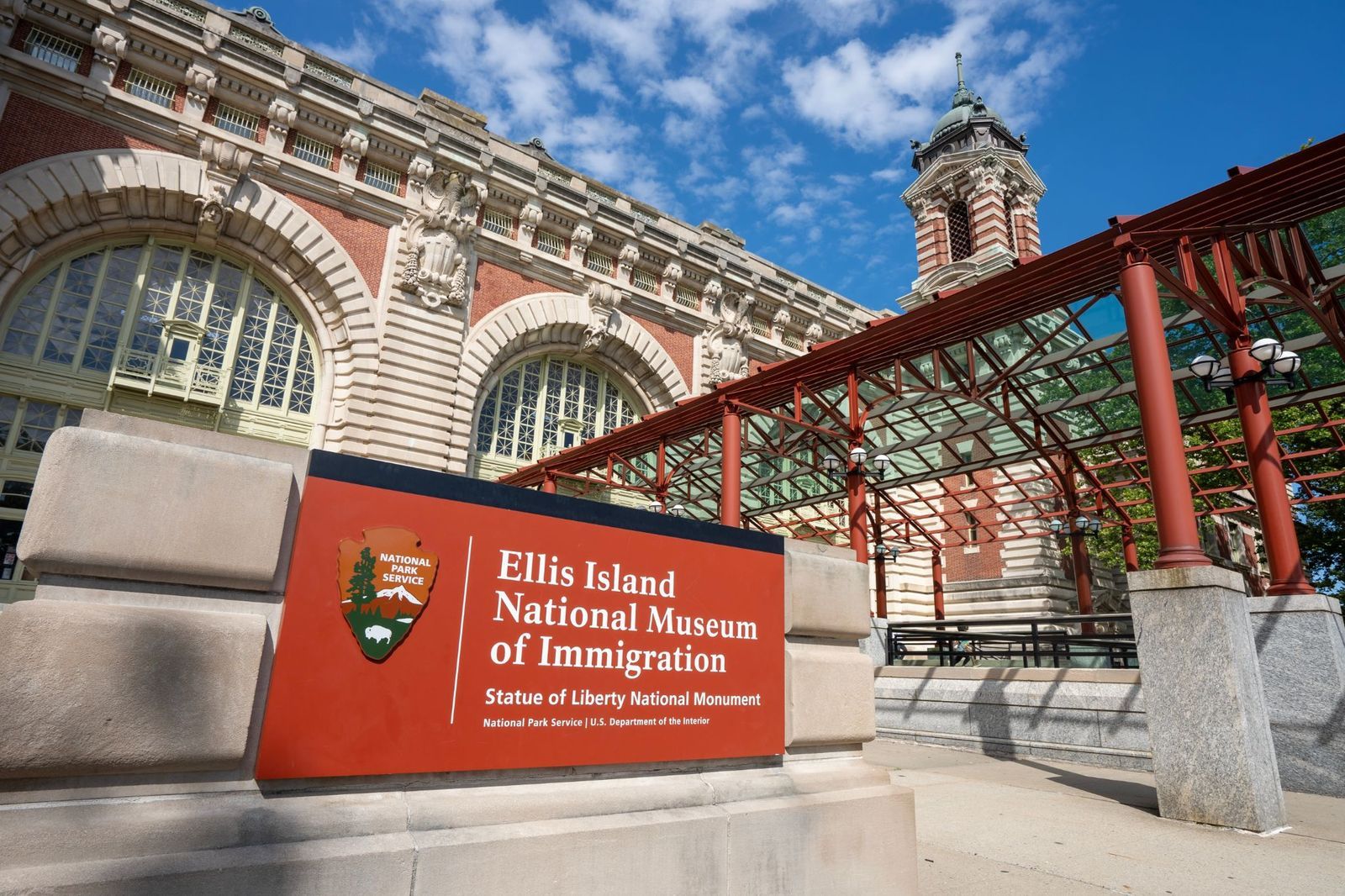
Image: Tada Images

In 1965, Ellis Island was designated as part of the Statue of Liberty National Monument, and its restoration process started in 1984, opening as a museum in 1990. Accessible only by ferry from Battery Park in Manhattan or Liberty State Park in New Jersey , the complex offers guided tours through the installations and access to passenger records. Museum access is free for all visitors, but they need to purchase a ticket for the official ferry.

Culture Culture 4 min read

WHERE IS KAMCHATKA, ANYWAY?

Which Are The 10 Most Popular Board Games In America?

Image: Mesh

Even in this day and age, most board games are stacked and forgotten in some dusty closet. However, everyone holds memories of sharing many hours playing with friends and family over a board of Monopoly, Scrabble, or one of thousands of other options. We have narrowed that number to a mere ten, focusing on the most popular ones in America. Which ones have you played?

1
Pictionary

Image: Kelly Sikkema

Who hasn’t played Pictionary at least once in their life? The whole gameplay boils down to drawing a picture so that others can guess what it is. It’s like "charades" with drawings instead of actions.

While this is a board game, the board itself is the least important part of the game. The only things that matter are the drawings and how people guess what they are. Anybody of any age can get into the game and have a good time.

2
Game of Life

Image: Jaciel Melnik

One of the most popular board games of all time, the Game of Life, was created in 1960. The idea is that you want to end the game with more assets than anyone else. The basic gameplay involves spinning the spinner and making a handful of key decisions at intersections. It is in those moments that you influence which way your "life" will turn out.

The whole game is, like life itself, very luck-driven and not very strategic. This game laid the groundwork for many modern, narrative-driven games.

3
Clue

Image: Towfiqu barbhuiya

Clue was the first mass-market game to make bluffing and deduction an explicit part of the game. During gameplay, you’re always trying to analyze your opponents’ moves and react accordingly.

A game that spawned a million more games, Clue takes its participants on a journey to solve a murder using a series of clues given throughout the session. Even if you never played it (and chances are that you have), you know it.

4
Chutes And Ladders

Image: Biao Xie

Chutes and Ladders was inspired by an ancient Indian board game that originated around the year 200 BC. The game is luck-driven; there is no strategic element to either the ancient or the modern version.

Just like in The Game of Life, the gameplay involves spinning a spinner and advancing the specified amount of spaces it indicates. Ladders move you up higher on the board, and chutes drop you down to lower spaces.

5
Risk

Image: Dave Photoz

Risk has one of the most recognizable boards of any board game, with its colorful map divided into strange countries. The focus is set on one of the oldest of human ambitions: to conquer the world.

It is not the kind of game you want to play if you only have a few minutes to spare, since the entire gameplay can take up to a few hours. But, if you have the time and at least one other player, it is well worth it.

6
Trivial Pursuit

Image: Claudia Wolff

If answering questions about different topics of general human knowledge is your thing, then Trivial Pursuit is definitely your game. The board itself is not the center of the game. It serves the purpose of marking which theme must be answered in each turn and where each player is in the gameplay.

Some prefer the questions about sports, while others hope to get the questions about culture. But there is always something for everyone.

7
Scrabble

Image: John Benitez

Another well-known board game, Scrabble is the foundation of just about every word-based tabletop game that has come since its first appearance in 1948. In this game, the pieces you work with are thrown into a bag and doled out by random chance.

You can make maneuvers to benefit yourself and to block others, but the real advantage is in the hands of those with a strong vocabulary and a good memory to recall the words at the right time.

8
Checkers

Image: Gabriel Meinert

A game so simple that it can be played and enjoyed by children, Checkers is a very straightforward strategy game, similar to Chess in some aspects (especially the board) but simpler in many others.

The gameplay, intended for two players, involves forward movements of uniform game pieces and mandatory captures by jumping over opponent pieces.

9
Monopoly

Image: Joshua Hoehne

Another all-time modern classic, Monopoly shares a similar objective as the previously mentioned The Game of Life: finishing the game with the most properties and money possible.

Monopoly has many themed versions and variants, including popular culture themes, and digital versions. But the gist in all of them is: roll the dice, buy properties, pay rent to other players, and pray not to land on Boardwalk or Parkway Avenue, especially if there are hotels (unless you own those two).

10
Chess

Image: Randy Fath

Let us finish this list with the Game of Kings itself, Chess : the best-selling game of all time, played by countless generations across the globe. Learning the basic moves is simple; mastering them is something different altogether.

Whether you are an advanced player, an aficionado, or someone who is considering learning it, Chess is good for you. It provides excellent exercise for your brain, infinite hours of fun, and can be played at any age.

History History 4 min read

Which ad do you remember?

From Nike to Dove: Discover the stories behind 12 iconic ads

Image: Shreesha bhat

Some ads are so catchy, clever, or downright bold that they become part of American culture. From slogans we still repeat to jingles we can’t forget, the best campaigns leave a lasting impression. Take a look at the stories behind 12 of these iconic pieces. Which one do you remember most?

1
Pepsi: "Is Pepsi OK?"

Image: NIKHIL

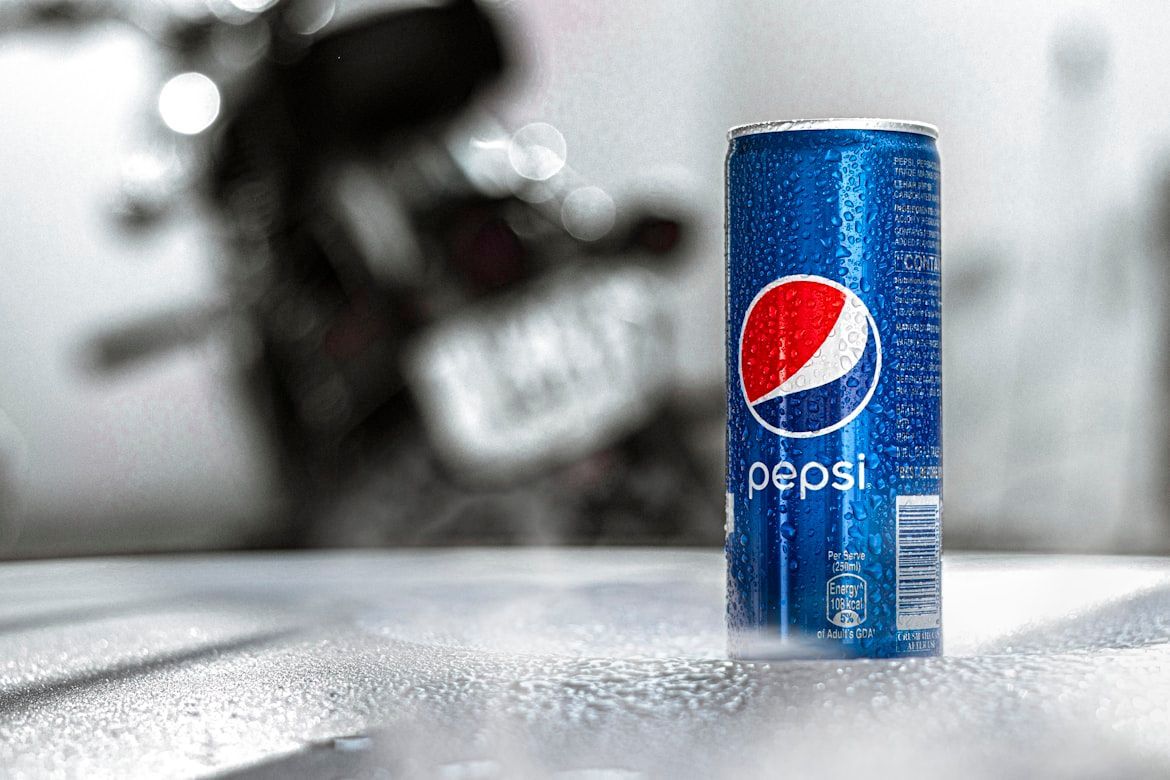
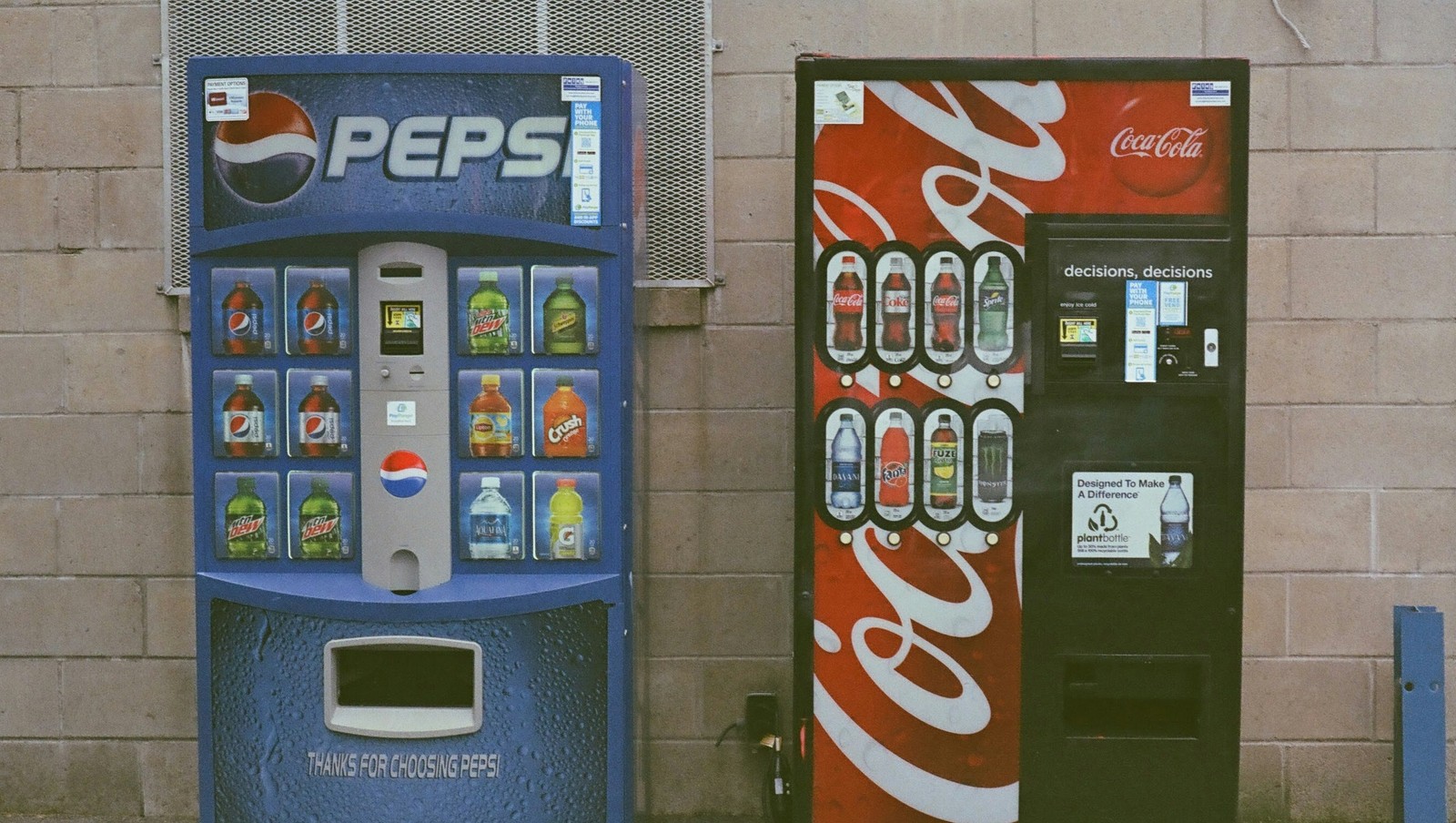
If you’ve ever asked for a Coke and heard, "Is Pepsi OK?", you’re not alone—it’s a common scenario that has become a cultural cliché. In 2019, Pepsi embraced that moment and turned it into an ad campaign.

Featuring celebrities, the ads leaned into the joke and confidently rebranded Pepsi as more than just "OK."

2
Westinghouse: "We Can Do It!"

Image: Nayani Teixeira

Westinghouse Electric’s We Can Do It! poster, created during World War II to boost morale among female workers , later became a symbol of female empowerment in the 1970s.

Initially unrelated to the Rosie the Riveter character, the poster eventually gained widespread use in advertisements and pop culture, celebrating women’s strength and independence.

3
Pan-American Coffee Bureau: "Give yourself a coffee break!"

Image: Jakub Dziubak

In the 1950s, the Pan-American Coffee Bureau popularized the concept of the "coffee break" with a campaign that encouraged workers to relax while drinking the popular beverage .

By the 1960s, coffee breaks had become so essential that the United Auto Workers union demanded them in their contracts, even threatening a strike if they were not included.

4
Marlboro: The Marlboro Man

Image: Brendan Stephens

Created in 1954, the Marlboro Man transformed Marlboro from a women’s cigarette into a symbol of rugged masculinity . The iconic cowboy became so recognizable that by the late '90s, nearly 90% of schoolchildren knew him.

The character was retired in 1998 as part of a tobacco industry settlement that banned the use of human and cartoon figures in advertisements.

5
Ad Council: "Friends don't let friends drive drunk."

Image: Aedrian Salazar

Launched in 1983, the "Friends Don’t Let Friends Drive Drunk" PSA became a cultural milestone, directly addressing the widespread problem of drunk driving .

At the time, alcohol was involved in roughly half of all car crash fatalities. The campaign played a key role in shifting public attitudes and helped reduce that number to around 31% in the decades that followed.

6
Levi Strauss & Co.: "A Guide to Casual Businesswear"

Image: Varun Gaba

In the 1980s, "Casual Fridays" gained popularity , but many companies quickly regretted the trend as employees began showing up in overly casual or sloppy attire. In 1992, Levi Strauss & Co. capitalized on the situation by releasing A Guide to Casual Businesswear , promoting its Dockers and Levi’s brands as polished, workplace-appropriate options.

By 1995, Levi’s reported record sales of $6.2 billion, helping to redefine "business casual" and promoting a more professional yet relaxed dress code in the workplace.

7
Snickers: "You’re Not You When You’re Hungry"

Image: Shyam Mishra

Snickers’ Super Bowl ad featuring Betty White, in which hunger causes a man to momentarily "become" her during a football game , became an instant hit and introduced the now-iconic tagline: "You’re Not You When You’re Hungry."

The campaign's humor and relatable message made it highly successful, with the concept evolving over the years through new scenarios and celebrities.

8
KFC: "FCK"

Image: Aleks Dorohovich

During a 2018 chicken shortage , KFC used humor to manage the crisis with a bold ad that featured an empty bucket and the letters "FCK" in place of its logo .

This self-aware and cheeky approach helped diffuse customer frustration and strengthened the brand’s connection with its audience through honesty and wit.

9
Pepsi: "Pepsi Challenge"

Image: NIKHIL

Pepsi’s second entry on this list is the iconic "Pepsi Challenge," a blind taste-test campaign that invited consumers to compare Pepsi and Coca-Cola .

By focusing on taste and showing that many participants preferred Pepsi, the campaign successfully shifted public perception and boosted brand loyalty during the fiercely competitive "Cola Wars" of the 1980s.

10
Nike: "Just Do It"

Image: wuyi

Launched in 1988, Nike’s "Just Do It" campaign featured athletes like 80-year-old marathoner Walt Stack to inspire people from all walks of life to take action.

The slogan quickly resonated with audiences, sparking countless personal stories of bold choices and perseverance. It has since become one of the most enduring and recognizable taglines in advertising history.

11
California Milk Processor Board: "Got Milk?"

Image: engin akyurt

Launched in 1993, the legendary "Got Milk?" campaign emphasized the importance of milk through a study showing how people felt when they ran out .

With its clever use of celebrity endorsements and pop culture references, the campaign ran for over two decades and produced hundreds of memorable ads nationwide, cementing its place as one of the most influential marketing successes in advertising history.

12
Dove: "Real Beauty"

Image: Matthew Tkocz

Launched in 2004, Dove’s "Real Beauty" campaign aimed to boost self-confidence by challenging traditional beauty standards.

Featuring real women instead of professional models , the campaign focused on diversity, aging, and natural imperfections, promoting a more inclusive and empowering definition of beauty.

Explore more American facts

Choose your favorite category!

General
General

As American as apple pie—the very best America has to offer!

Culture
Culture

Delve into the astounding richness of American lore.

Geography
Geography

Hop in and explore vast and diverse American landscapes.

History
History

Discover the key moments that shaped the United States.