General General 4 min read

Sworn enemies

All-American rivalries: 10 feuds that left their mark in history
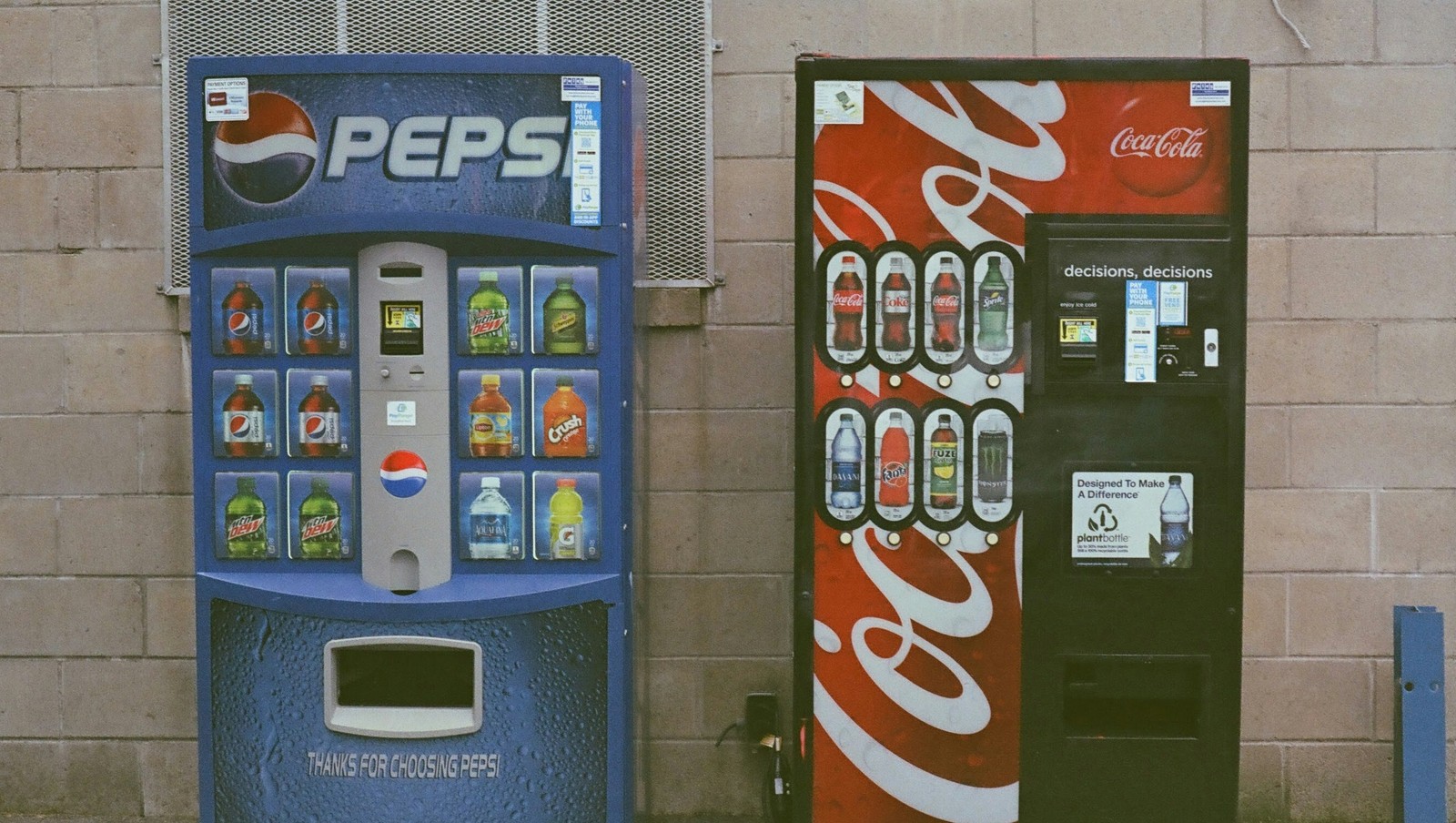
Image: Nik A.

America is often described as the land of opportunity, and opportunity frequently comes hand in hand with conflict. American history has served as background for many rivalries—some of them real, others inflated by legend—that have greatly influenced American culture. Let’s take a stroll down (rival) memory lane!

1
Coca-Cola vs. Pepsi

Image: K8

The "Cola Wars" have been going on for decades, but it seems that there’s no resolution in sight. In the late 1970s, both companies started directing their marketing campaigns against each other, with mixed results , though Coca-Cola always seems to be half a step ahead of Pepsi. They have both gained a loyal following, but the war remains as strong as ever.

2
Hamilton vs. Burr
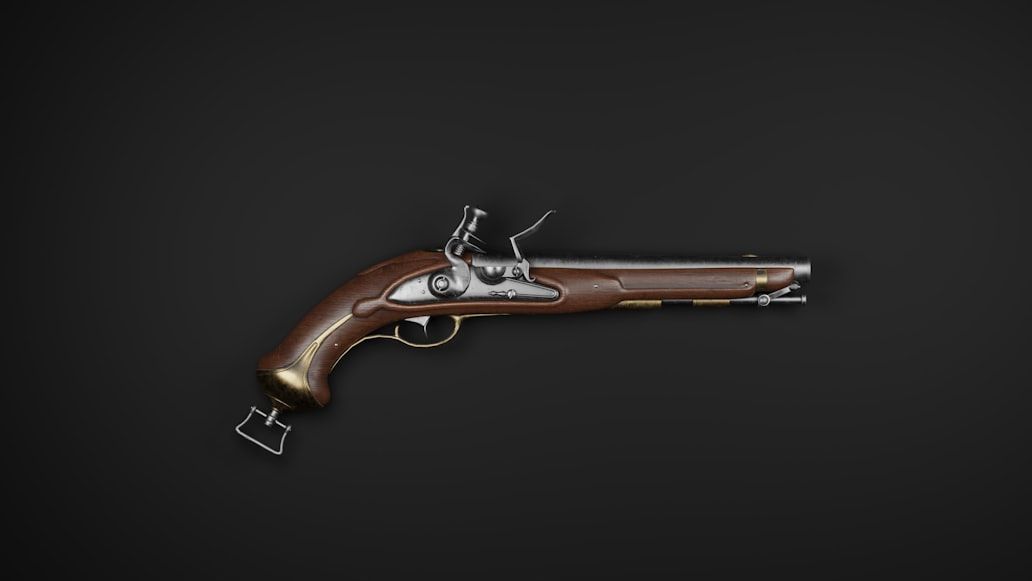
Image: Suleman Serwar

Political rivalries are not uncommon in America, but few include a deadly duel involving a sitting vice president. The animosity between Alexander Hamilton and Aaron Burr intensified after Burr won a Senate seat from Hamilton’s father-in-law, Philip Schuyler. During the presidential election of 1800 and the New York gubernatorial election of 1804, Hamilton actively supported candidates opposing Burr. Deeply angered by Hamilton’s continued opposition and public criticism, Burr challenged him to a duel, and the rest is history.

3
Yankees vs. Red Sox
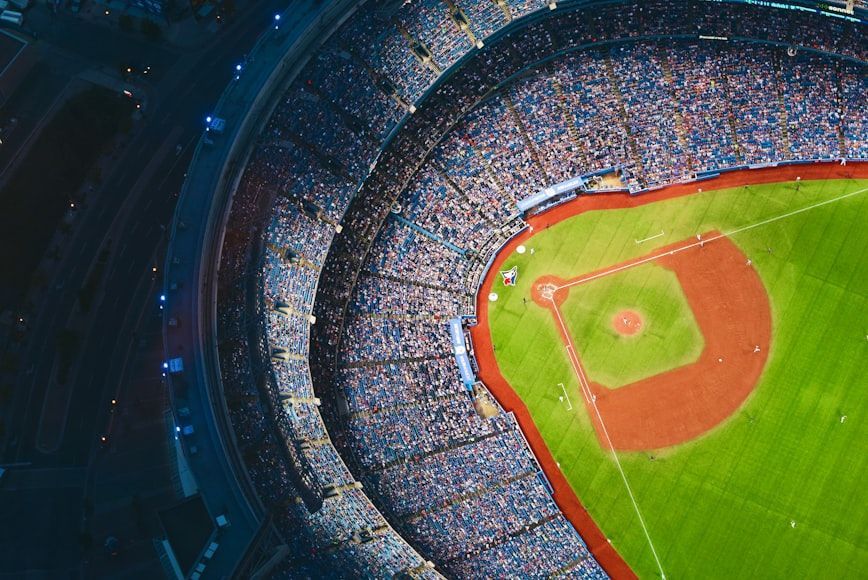
Image: Tim Gouw

Sports fans are dedicated, but few rivalries match the intensity of those who support the New York Yankees and the Boston Red Sox. They have been rivals since their first meeting more than 120 years ago, with the Yankees often being perceived as a dominant team, while the Red Sox filled the role of the underdog . Their enmity deepened dramatically in 1920, when Babe Ruth was sold to the Yankees. What followed was an 86-year championship drought for Boston, popularly known as the "Curse of the Bambino," which the Red Sox finally broke in 2004.

4
Miami vs. Tampa

Image: Denys Kostyuchenko

Can a sandwich cause a rift between two cities? It sure can. Cuban sandwiches are a Floridian staple , and their construction is often considered set in stone: ham, roast pork, Swiss cheese, pickles, and mustard on Cuban bread, served pressed. Unless you live in Tampa. There, a strong Italian influence has translated into the addition of Genoa salami to the Cuban sandwich, much to the outrage of their Miami neighbors.

5
Mark Twain vs. USPS
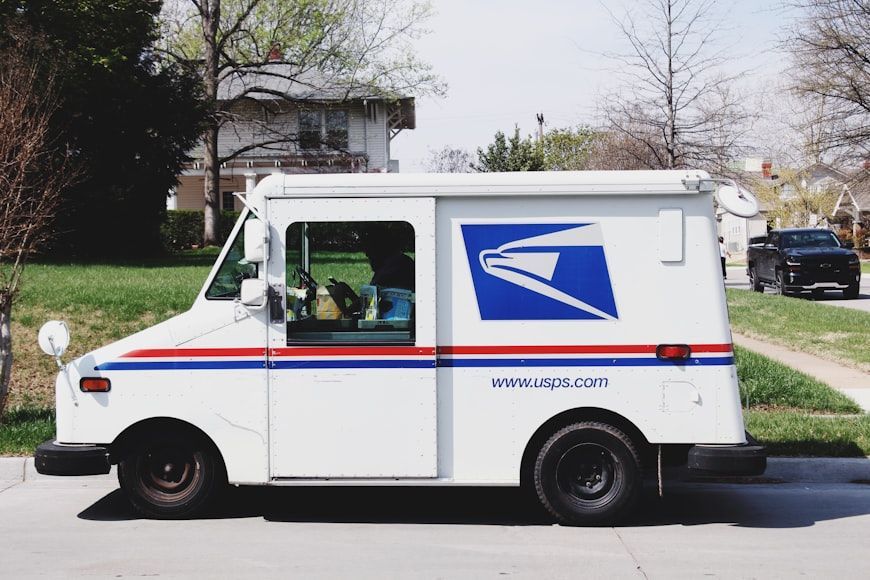
Image: Joel Moysuh

Renowned writer Mark Twain had no qualms about criticizing the things he disliked, and he surely disliked the United States Postal Service . He thought it costly, inefficient, and overregulated, and he made sure to let everyone know in articles, complaint letters, and conversations with influential figures. In a poetic turn of events, the USPS released a Mark Twain commemorative stamp in 2011.

6
Hatfields vs. McCoys

Image: Tuan Nguyen

One of the most infamous feuds in American history, the rivalry between the Hatfield and McCoy families shook the West Virginia-Kentucky area for three decades . Starting with the murder of a McCoy who was returning home from war, the hostilities and deaths escalated to a point where the Supreme Court was forced to intervene.

7
Edison vs. Tesla
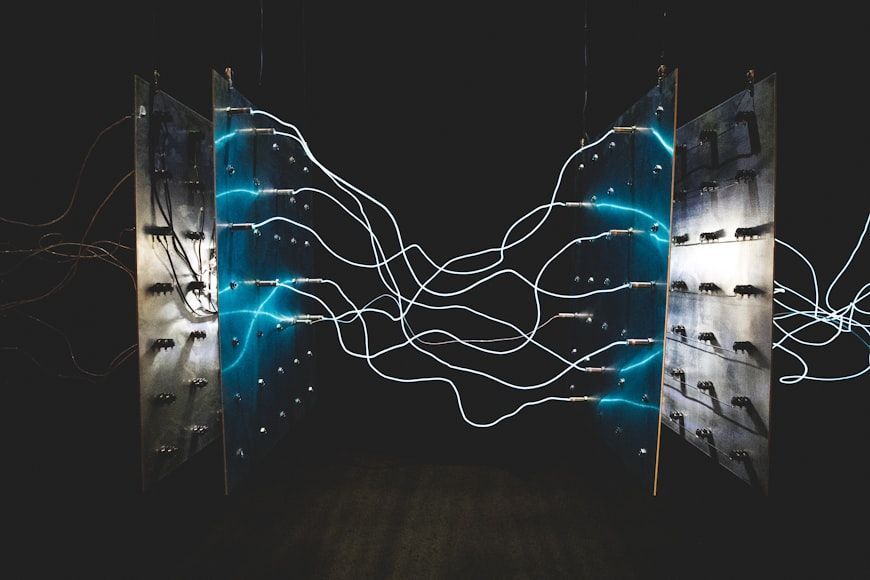
Image: israel palacio

Many inventors were involved in the so-called "War of the Currents," waged on electric power systems, but Thomas Edison and Nikola Tesla are the most remembered. Edison championed direct current (DC) electrical systems, which operated at relatively low voltages and were suited to short-distance distribution. Tesla, working with George Westinghouse, promoted alternating current (AC), which could be transmitted over long distances more efficiently. Despite Edison’s strong campaign to discredit AC and its proponents, it ultimately became the standard power system.

8
Joan Crawford vs. Bette Davis
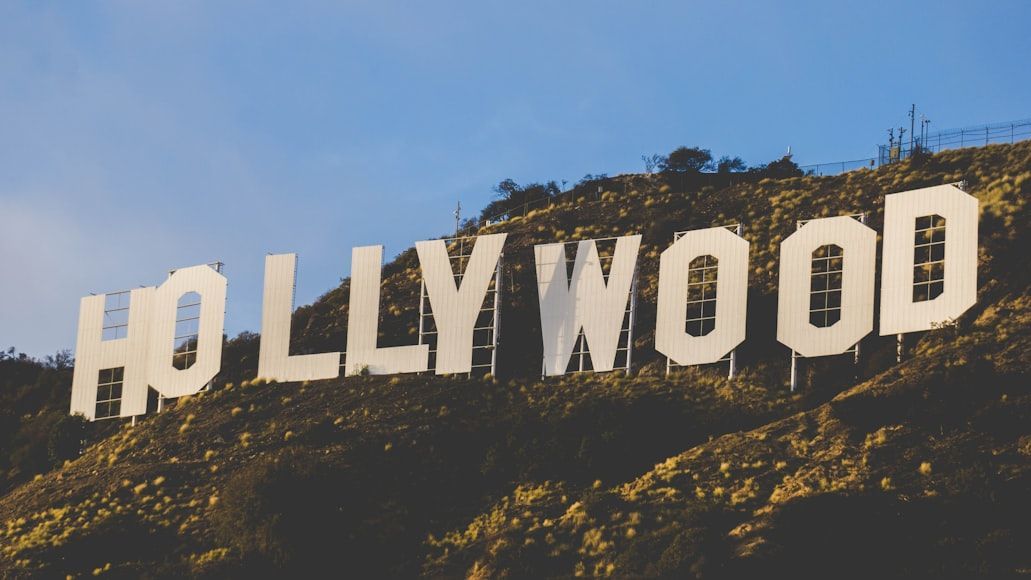
Image: De'Andre Bush

Rivalries are everywhere in the film industry, but some become the stuff of legends. Allegedly, the feud between Joan Crawford and Bette Davis was never as intense as portrayed. While the two actresses did clash at times over personality differences, professional competition, and rumored romantic entanglements, much of the rivalry’s enduring reputation was fueled by gossip columns and sensational press coverage. And their respective film studios took advantage of it.

9
Burger King vs. McDonald’s
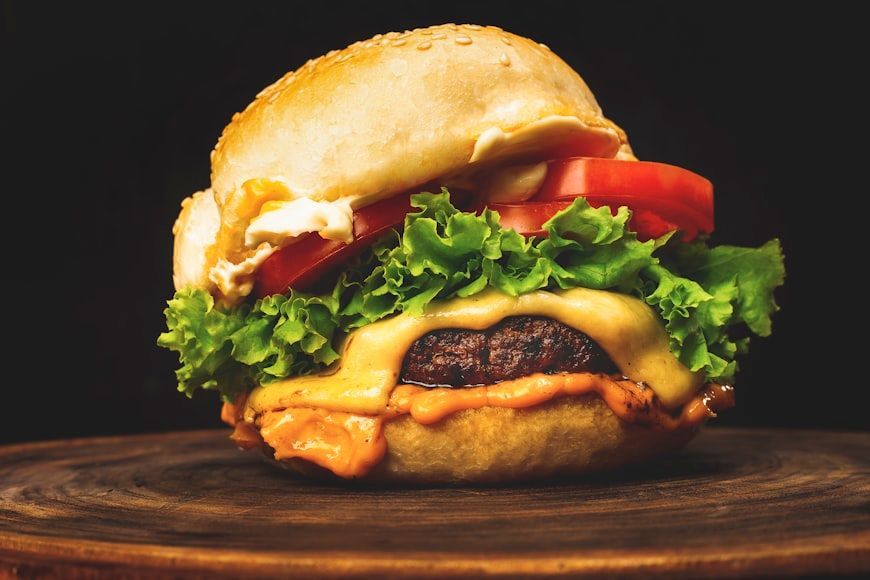
Image: mafe estudio

The fast-food industry has always had McDonald’s as one of its key players, but other companies have given their all to take that position. Burger King is one of McDonald’s oldest challengers , and has repeatedly tried to influence their customer base through a series of aggressive and often tongue-in-cheek marketing campaigns. While other brands, such as Wendy’s or Five Guys, have dipped their toes in the "Burger Wars," McDonald’s and Burger King remain two of the biggest names in the industry.

10
Edgar Allan Poe vs. Rufus Wilmot Griswold
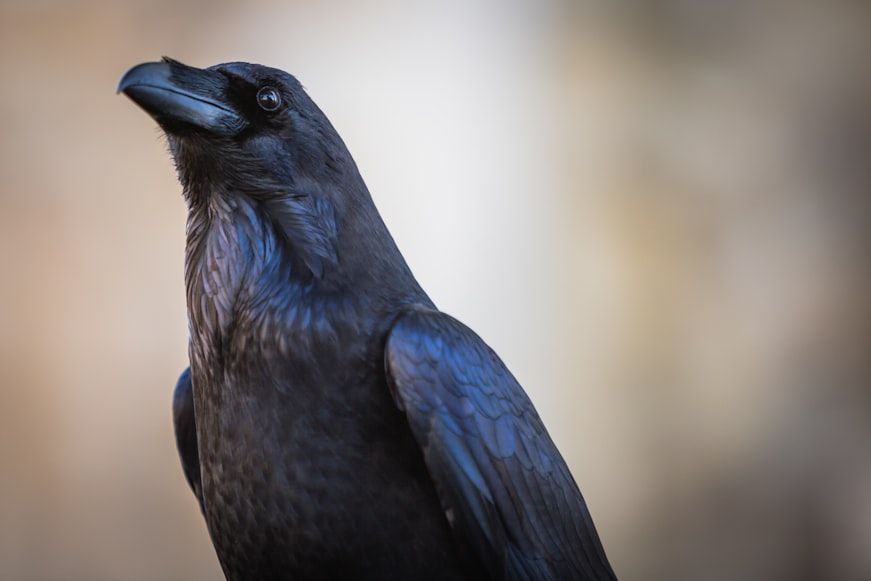
Image: John Cobb

While Poe looms far larger than Griswold in the modern American mind, much of what the public believes about the "Nevermore" poet was influenced by his rival . Their feud began with the publication of a poetry anthology by Griswold, which displeased Poe due to its contents and criticism of his own poetry. The animosity intensified when they both vied for the same editorial position and, reportedly, the affections of the same woman. After Poe’s death, Griswold wrote an obituary and a biography filled with attacks and slander, which contributed to the idea of Poe as a drunkard and a madman.


Culture Culture 4 min read

More than machines: 10 robots that taught us what it means to be human

Image: Mathieu Stern

Across more than a century of filmmaking, robots have appeared on screen in countless roles: assistants, threats, companions, and quiet observers of human behavior. Their designs and functions have shifted with changing technology, storytelling styles, and cultural concerns. Some arrived in the age of space optimism, others during periods of skepticism about machines. Together, these 10 robots reflect how American cinema has imagined technology and how those images have stayed familiar over time.

1
C-3PO ( Star Wars , 1977)

Image: Lyman Hansel Gerona

Few film robots are as easy to recognize as C-3PO. Introduced in Star Wars: A New Hope in 1977, this tall, golden droid was designed to handle translation and communication. Voiced in an unmistakable British accent by Anthony Daniels, his smooth metal surface, rigid stance, and gentle manner make his role in the story immediately clear. C-3PO appears in nearly every main installment of the franchise, and he was even made into toys and theme park attractions.

2
R2-D2 ( Star Wars , 1977)

Image: gromit15

Not all iconic robots speak in words. C-3PO’s companion R2-D2, first seen in Star Wars: A New Hope (1977), communicates through "beeps and whistles" rather than spoken language. He is a droid designed to assist with navigation, maintenance, and technical repairs. Within the story, he frequently carries information, fixes equipment, or helps characters escape danger. His "trashcan" shape is a masterclass in functional design, and his bravery as a "swiss-army-knife" repair droid made him arguably the most heroic character in the franchise.

3
T-800 ( The Terminator , 1984)

Is it human, or only pretending to be? When The Terminator was released in 1984, the T-800, played by Arnold Schwarzenegger in his breakout role, stood apart from earlier robots by appearing human. In fact, he’s more of a cyborg, since it combines an internal metal structure with external living tissue. Thanks to his appearance, he can move unnoticed among people, which is essential to his role in the story. Lines like "I'll be back" and "Hasta la vista, baby" are embedded in pop culture, making the T-800 one of the most iconic in cinema history.

4
Robby the Robot ( Forbidden Planet , 1956)

Image: Farbsynthese

In 1956, long before sleek digital effects, Robby the Robot arrived on screen. His bulky metal body, exposed wiring, and clear dome head first appeared in the film Forbidden Planet . Robby can speak in full sentences, follow complex instructions, and perform tasks such as cooking, transporting people, and providing protection. After the film’s release, a similar aesthetic appeared in several television shows and movies. He was the first on-screen robot to have both a lovable personality and a complex design.

5
EVE ( WALL·E , 2008)

Image: Aman Pal

EVE’s design is iconic for its minimalism: she has no visible joints and no exposed mechanics. She first appears in Pixar’s 2008 animated film WALL·E . Her name means Extraterrestrial Vegetation Evaluator, and she has a limited vocabulary. Her smooth white exterior, compact shape, and floating movement make her very different from her older, more mechanical-looking predecessors. Despite her coldness, she eventually learns the warm emotions of love.

6
Dot Matrix ( Spaceballs , 1987)

Image: Pedro Miguel Aires

With her metallic gold body, upright posture, and humanlike mannerisms, Dot Matrix, introduced in Spaceballs (1987), was designed to resemble a "protocol droid." Yes, she is a clear parody of _Star Wars_’ C-3PO, born from the genius mind of Mel Brooks. Voiced by Joan Rivers, Dot Matrix is famous for her "Virgin Alarm" and her role as a sarcastic, overprotective governess to Princess Vespa (Daphne Zuniga) rather than a technical aid.

7
RoboCop ( RoboCop , 1987)

Image: magocarlosyo

RoboCop, played by Peter Weller, is introduced as a law-enforcement cyborg, combining human elements with heavy metallic armor. In the story, he carries out police duties such as patrol, investigation, and public order enforcement using advanced technology. The design—a silver-visored helmet and hydraulic movements— symbolized 1980s corporate greed and the loss of individual identity to the machine.

8
Johnny 5 ( Short Circuit , 1986)

Image: JUNXUAN BAO

Unlike the sleek EVE from WALL·E , Johnny 5 looks like a prototype, with exposed wires and tank treads. He is a small robot built for military testing, with large camera-like eyes and movable arms. After an accident alters his programming, he begins to act independently rather than following commands. He asks questions, observes everyday objects, and interacts closely with human characters. This combination of curiosity, humor, and a non-threatening appearance helped make Johnny 5 an icon of 1980s science fiction.

9
Gort ( The Day the Earth Stood Still , 1951)

Image: Sun God Apolo

Appearing in The Day the Earth Stood Still (1951), Gort is a seamless, 8-foot-tall silver sentinel who represents the terrifying potential of nuclear-age technology. He follows instructions precisely and does not engage in conversation with humans. In the film, his purpose is to enforce rules rather than explain them, acting only when necessary. His iconic "visored" eye that fires a disintegration beam and the phrase "Klaatu barada nikto" remain his enduring legacy.

10
Rachael (Blade Runner, 1982)

Image: Alexandra_Koch

At first glance, Rachael (played by Sean Young) does not appear to be a robot at all. Introduced in Blade Runner (1982), she is an android created to blend into human society, with natural speech, human behavior, and no visible mechanical parts. Unlike earlier film robots, her design relies on appearance and memory rather than metal or machinery. In the story, she believes her memories and feelings are real. This focus on memory and identity, rather than physical ability or function, is why her role is still discussed in relation to artificial intelligence and what defines a human being.

Culture Culture 4 min read

Rediscovering the inventor

Did he save a child's life? Discover 10 fun facts about Thomas Edison!

Image: WikiImages

The history of the United States of America wouldn't be the same without the contributions of Thomas Edison. Known for being a great businessman and inventor who patented more than 1,000 creations, Edison also had many other facets you may not have known about. From strange marriage proposals to his poetic last words, join us to discover 10 incredible facts about the Wizard of Menlo Park!

1
Young inventor

Image: Randy Fath

Although we all know that Edison was an inventor -and one of the best- very few know that his passion was already loudly expressed at the young age of 10.

At that age, while other children were naturally playing ball in the park, Edison was already interested in chemistry, physics, mathematics, and electricity. At 12, he set up his first laboratory in the basement of his parents' house, where he began to do his first experiments! Some stories claim that explosions in the basement were more frequent than their parents would have liked.

2
Self-taught

Image: Nicola Tolin

Edison's educational path was very different from the one many of us probably had. In fact, Edison had almost no formal education.

Thomas Edison attended school for only a few months. Due to some hearing problems he developed as a child, his mother decided to homeschool him, teaching and encouraging him, which awakened his impressive curiosity and appetite for knowledge.

By the time he was a preteen, he was already an autodidact. This fact was crucial on his way to becoming one of our country's most important inventors.

3
Young entrepreneur

Image: Jingda Chen

The young Edison was not only curious and intelligent; he was also an entrepreneur.

When he was just a boy of 12, he sold snacks, candy, cigars, magazines, and newspapers on the Grand Trunk Railroad. From that age, he displayed a determined character, which enabled him to raise money for his experiments.

But his ambition was so strong that he started his own newspaper, the Grand Trunk Herald. That's right! Little Edison assembled and printed his newspaper and sold it to passengers and people who frequented the train stations.

4
Hero

Image: Sugden Guy sugden

Did you know that Edison was also a hero? That's right!

In fact, we could say that his act of heroism as a teenager was the event that started his great career. By the age of 15, Edison was working and traveling on the Grand Trunk Railroad, where he became close to a station master and telegraph officer. One day, Edison spotted the station master's two-year-old son playing on the tracks as a train sped toward him. Without hesitation, he jumped and rescued the child.

The boy's father was so grateful that he offered to teach Edison how to use the telegraph system. And what do you think? He accepted immediately!

5
Marriages

Image: Fernando @cferdophotography

Between labs and experiments, Thomas Edison also had time for love.

Thomas Alva Edison married twice in his life. His first wife was Mary Stilwell Edison, whom he married in 1871. Mary and Thomas had three children. Sadly, she passed away in 1884 after 13 years of marriage.

His second marriage was in 1886 to Mina Miller Edison. With her, Edison had three more children. As it couldn't be otherwise, it's said that Edison asked Mina to marry him in a rather peculiar way: he proposed using Morse code!

6
His children's nicknames

Image: Sandie Clarke

Thomas Edison's creativity was evident in everything he did, and there's an anecdote that exemplifies this perfectly.

The inventor's passion and humor blended and resulted in fun and loving nicknames for his first two children. As we told you, by 1876, Edison already had two children from his first marriage. They were Marion and Thomas Jr., whom Edison called "Dot" and "Dash," respectively. Yes, you got it: it was a reference to Morse code!

7
First phonograph recording

Image: Call Me Fred

As you probably know, in 1877, Thomas Edison introduced the phonograph. It was the first device capable of recording and reproducing sound!

As a result of his experiments, this device completely changed the history of communication. But what did the first recording made with the phonograph say?

Edison made a cute choice for his first recording: a recitation of the beloved nursery rhyme "Mary Had a Little Lamb." That was the first time in history that anyone heard a previously recorded voice!

8
His work team

Image: The National Library of Norway

It seems that Edison had a tendency for affectionate nicknames and monikers.

Edison didn't reserve nicknames just for his children; he also gave them to the members of his large staff. Many people worked in Edison's famous laboratory at Menlo Park, which he referred to as his "invention factory." Engineers, scientists, technicians, and people with different kinds of expertise gathered there to help make the great inventor's ideas possible. Edison affectionately referred to them as his "muckers," a nickname that shows not only his sense of humor but also his strong team spirit.

9
His health

Image: Dan Meyers

One of the best-known aspects of Edison's health was his hearing loss when he was very young. Contrary to what one might think, Edison stated that this fact didn't negatively affect his career development. In fact, he believed it helped him focus and dedicate more time to his inventions and discoveries.

However, as an adult, he developed some other health problems. Some sources suggest that Edison's habits, including long hours in the lab and a poor diet, contributed to health issues like heart problems and diabetes.

10
His last words

Image: Jonathan Borba

Edison's life was full of adventures, discoveries, love, and many other things. The American inventor didn't abandon his creativity even when it was time for him to leave this world.

It's said that, at the age of 84 on his deathbed, Thomas Edison looked at his wife, Mina, and uttered the words, "It's very beautiful over there."

While it's difficult to make a unique interpretation of these nice and calm words, their poetic and inspirational character is undeniable.

Explore more American facts

Choose your favorite category!

General
General

As American as apple pie—the very best America has to offer!

Culture
Culture

Delve into the astounding richness of American lore.

Geography
Geography

Hop in and explore vast and diverse American landscapes.

History
History

Discover the key moments that shaped the United States.