Lawn and order
How the American lawn was born: 10 moments that shaped our frontyards
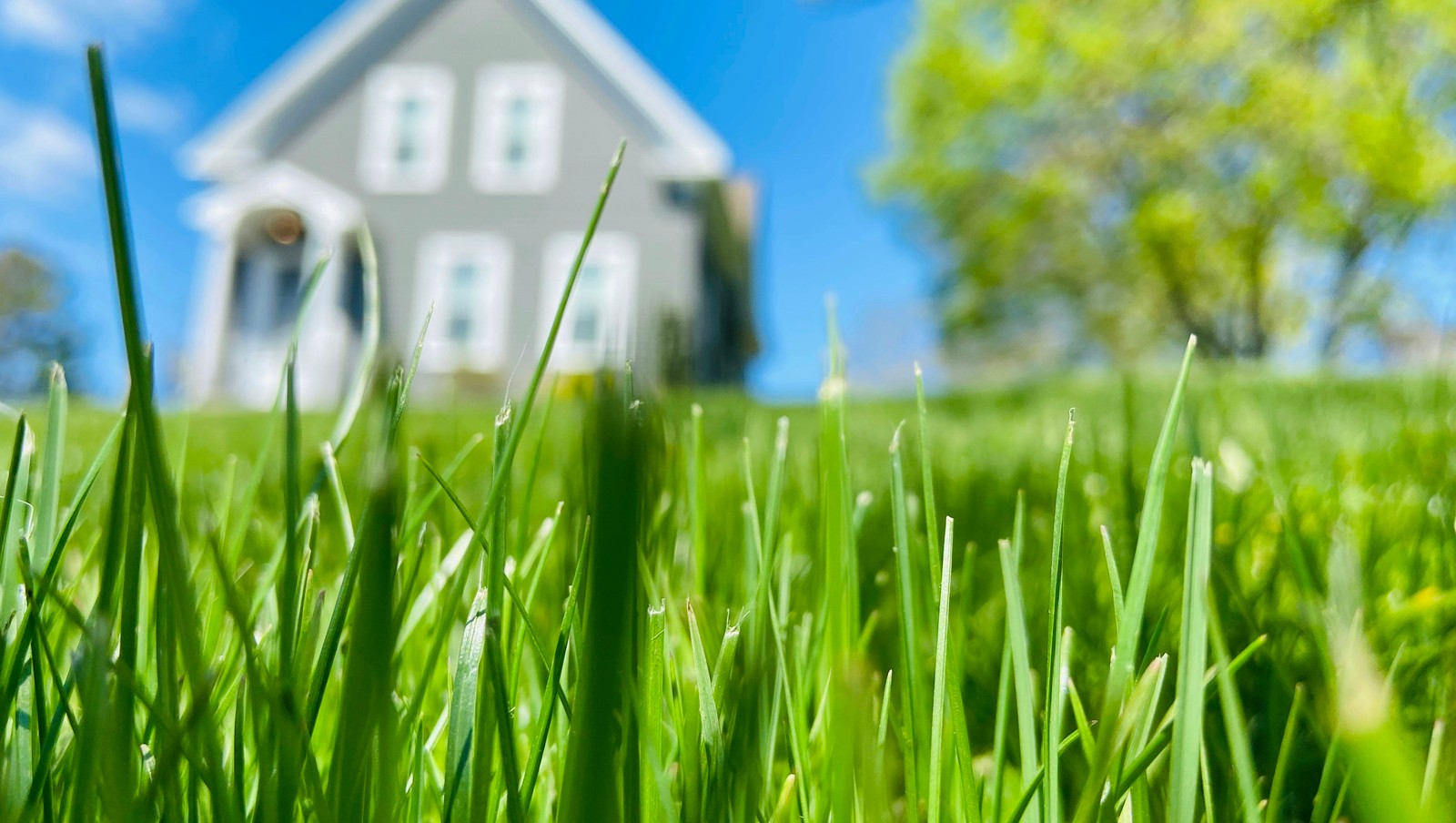
Image: Gunnar Ridderström
The American lawn didn’t sprout overnight. It grew from European ideals, industrial changes, suburban planning, and clever marketing. From elite colonial estates to postwar tract homes, each step shaped how grass became a national obsession. Here are 10 factual milestones that explain how a simple patch of green became a defining feature of U.S. domestic life.
1
European origins

Image: Martin Zenker
Lawns — and by lawns we mean closely mown grassy spaces — began appearing in 17th- and 18th-century Britain and France as signs of wealth. This was because only aristocrats or large estates could afford to keep grass short and manageable.
Before mechanized tools, scythes, shears, or grazing animals were used to maintain lawns, so turf was largely limited to those who could own the necessary manpower or animals. Early American colonists imported these aesthetics and tried to replicate them in their architecture and homes, albeit less formally.
2
Public parks set the bar
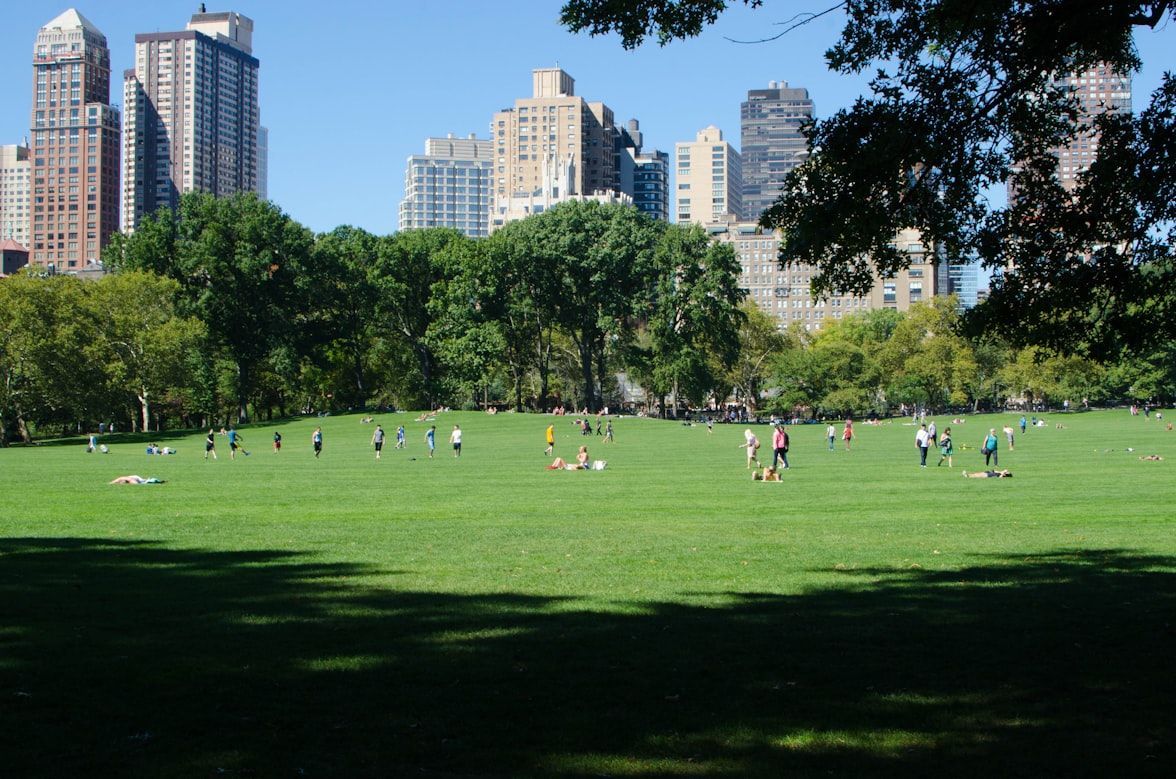
Image: Carl Newton
Early urban park designers, strongly influenced by European landscaping ideas, laid out wide expanses of turf in city parks, showing the public a "civilized" green aesthetic. That made clipped lawns part of the civic-space ideal, and not just a private luxury.
These parks helped cement the association between grass lawns, order, leisure, and modern urban life in American culture.
3
Mechanical breakthroughs
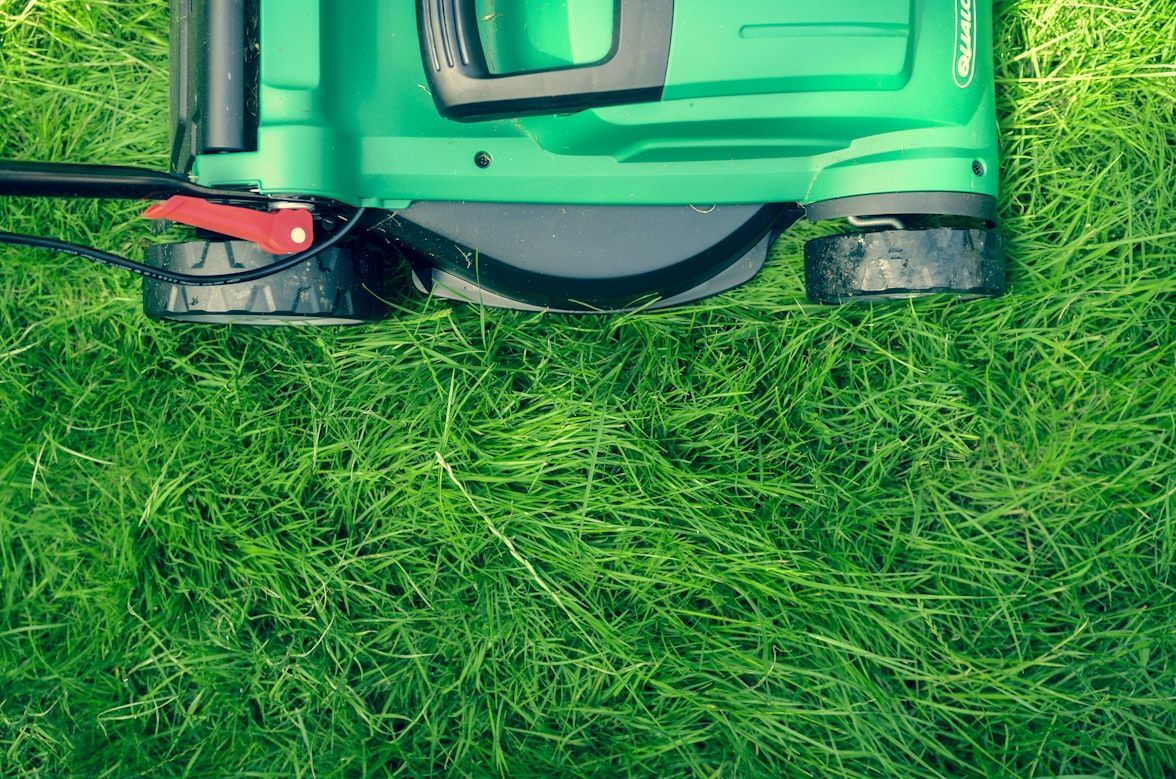
Image: Daniel Watson
In 1830, English engineer Edwin Beard Budding patented the first mechanical lawn mower, inspired by a wool-mill reel used to trim cloth.
Budding’s design used a cylinder of blades powered by a rear roller, making it easier to cut grass evenly, and largely replaced laborious scything or grazing, cutting down the cost of maintaining such status symbols in the process.
4
Et pluribus lawnus
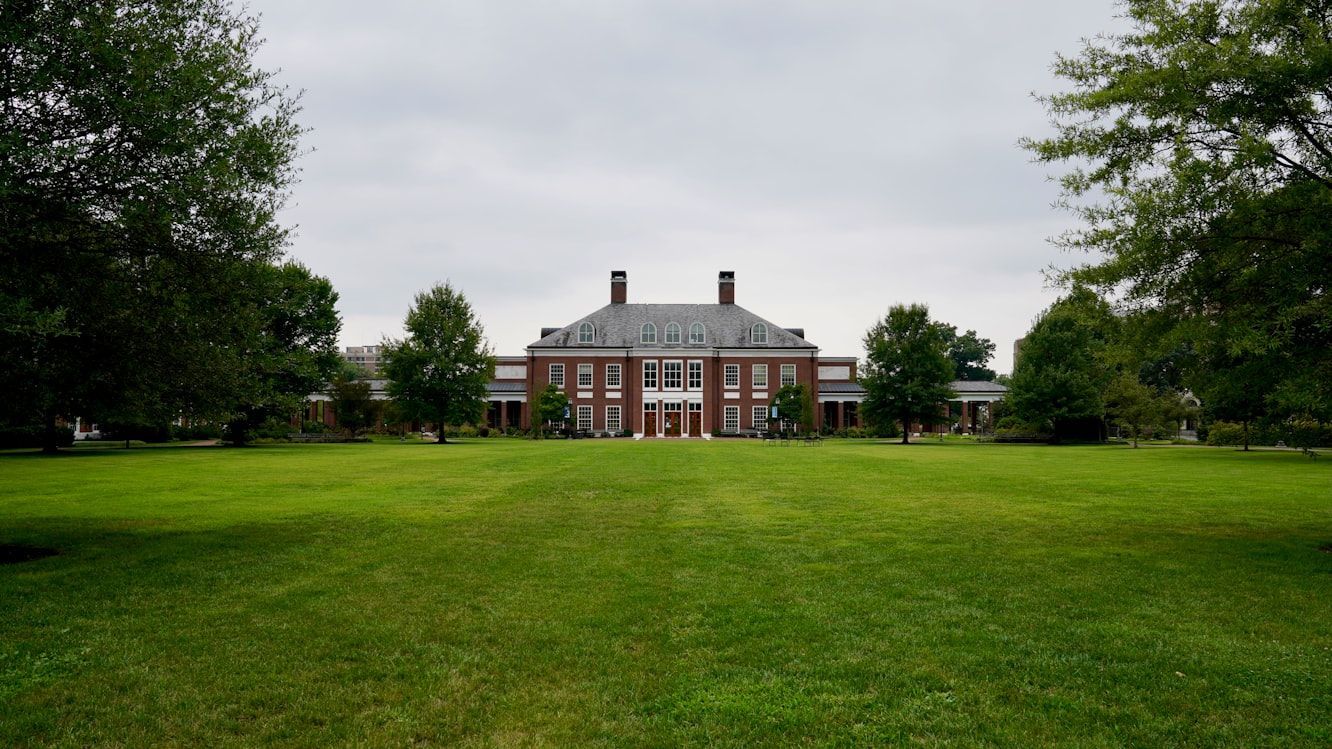
Image: Gang Hao
Once affordable lawn mowers—including lighter push-mower variants in America—became popular, maintaining a lawn became feasible for aspiring middle-class homeowners.
This sparked a major transformation in both private and public architecture, as many well-to-do homes that before could not afford it began attempting to replicate the European lawn style in some fashion or another.
5
Suburban dreams

Image: Venrick Azcueta
For decades, lawns remained a steady feature of American architecture and green-space design; however, it wasn’t until after WWII that the true lawn boom began. Returning veterans and government-backed mortgages fueled rapidly expanding suburbs.
Developer William Jaird Levitt and his company built thousands of nearly identical homes, each with its own front and back lawn. By the 1950s and ’60s, lawns had become central to the "American Dream," symbolizing stability, middle-class respectability, and neighborhood uniformity.
6
A bit of chemical help
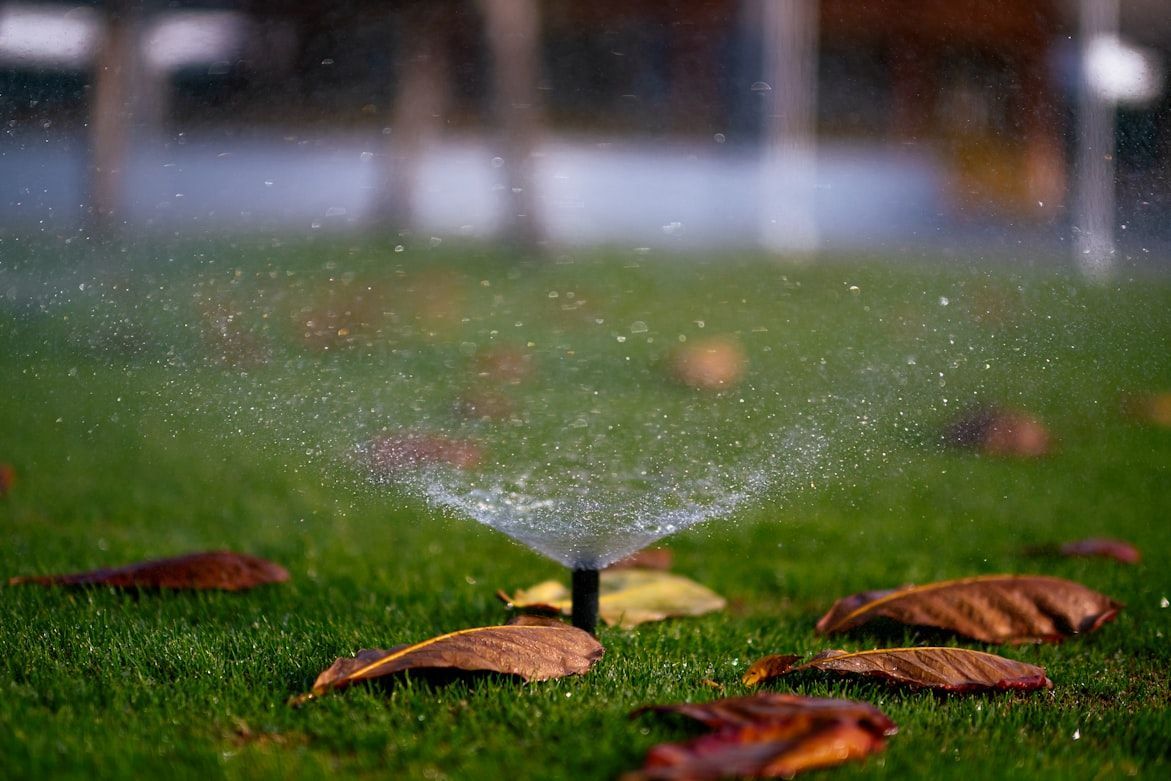
Image: Victor Furtuna
After the war, synthetic fertilizers (derived partly from wartime chemical technologies) became widely available to consumers, enabling lush, uniform lawns even in soil and climate conditions unsuited to grass.
This lowered the barrier to achieving a "perfect" lawn, further popularizing lawns as part of the American identity and raising the expectations of what the perfect lawn should look like.
7
Begone, pesky weeds!

Image: Dmitry Burdakov
In addition to fertilizers, in 1944, researchers discovered 2,4‑Dichlorophenoxyacetic acid (2,4-D), the first widely effective selective herbicide — killing broadleaf weeds while leaving grasses largely unharmed.
Deployed commercially soon after WWII, 2,4-D made maintaining uniform, weed-free lawns much easier and was quickly adopted in home lawn products.
8
Thou shalt keep thy lawn green

Image: Tiago Rodrigues
As suburbs proliferated, lawn maintenance became a shared social norm — homeowners' associations and neighborhood covenants often started to expect regular mowing and upkeep.
Keeping a well-groomed lawn became not just an aesthetic choice but also a mark of civic responsibility and conformity to norms.
9
Environmental worries
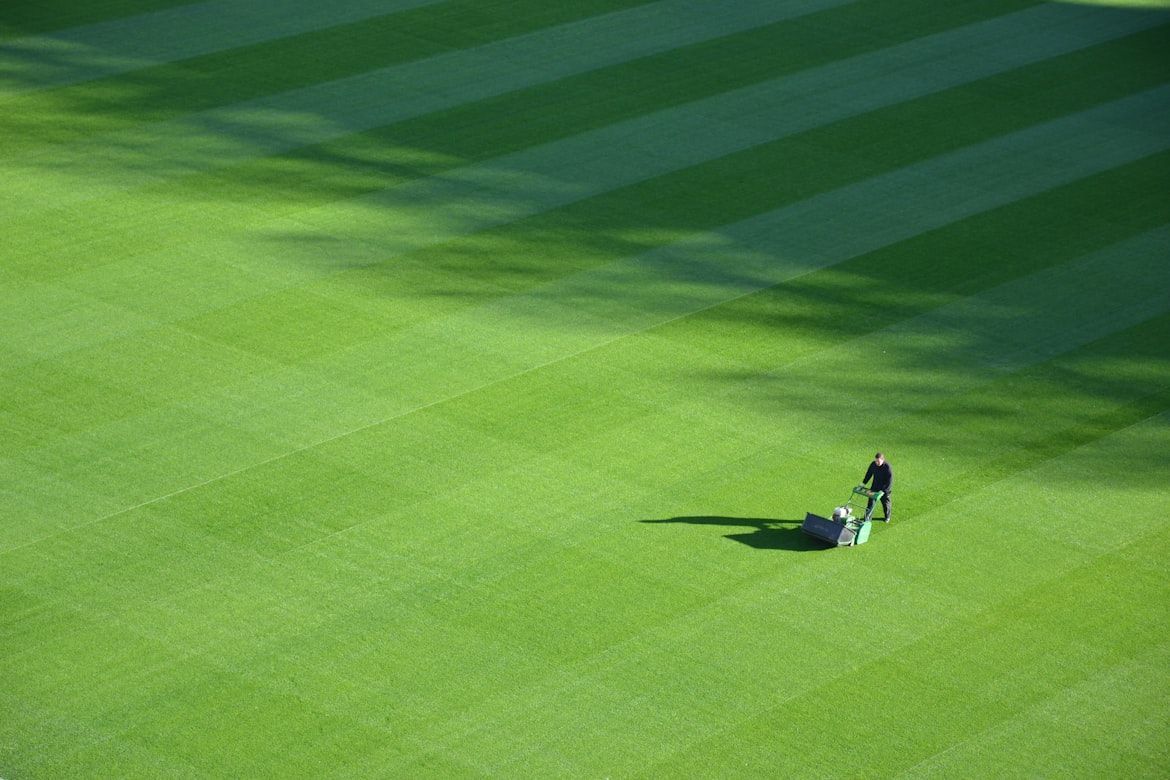
Image: Rémi Müller
By the mid- to late 20th century, the ecological cost of the lawn aesthetic became visible: heavy water use for irrigation, chemical runoff from fertilizers and herbicides, and reduced biodiversity as a consequence.
These drawbacks spurred both scientific and public debate about the sustainability of the traditional lawn model — especially in water-scarce regions, where it was both impractical and resource-intensive.
10
The birth of mixed lawns
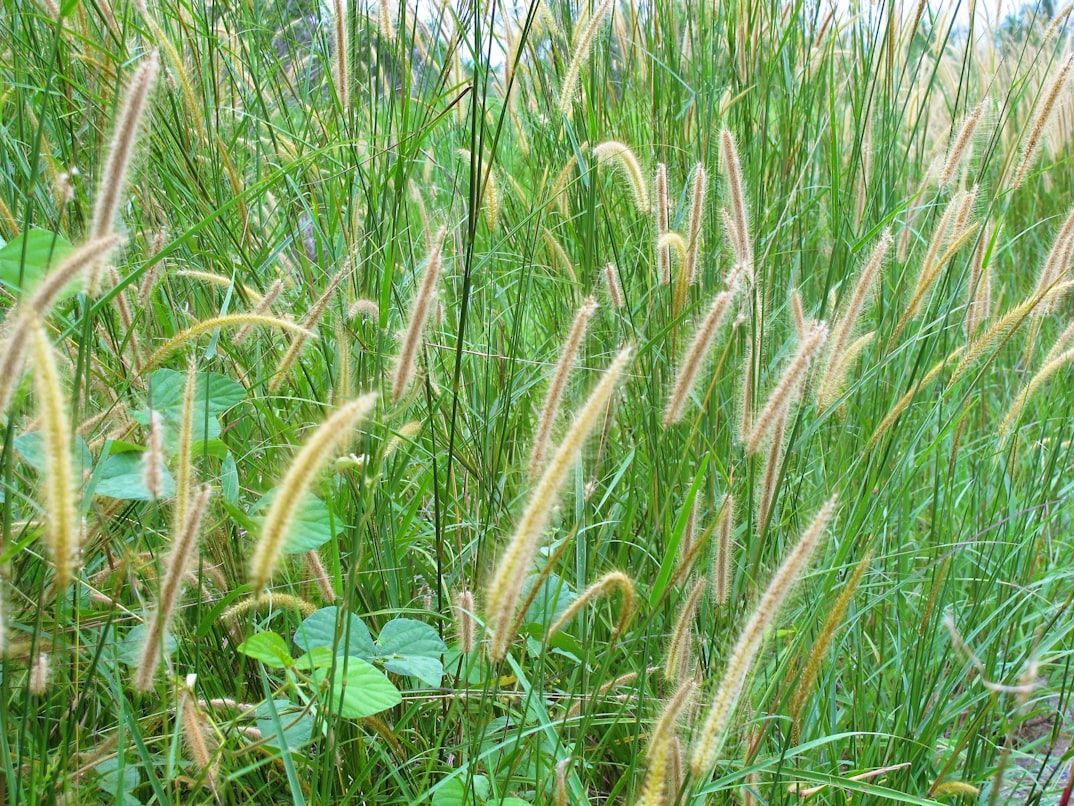
Image: Ruben Sukatendel
Growing environmental awareness, droughts, and changing tastes have prompted many homeowners and municipalities to adopt drought-tolerant landscaping, native plants, or mixed-species yards instead of the traditional uniform turf.
As a result, today the "ideal lawn" is evolving as we speak: classic turfgrass still remains common, but alternative yard styles now offer more varied ecological, economic, and aesthetic options.