General General 3 min read

On the road

Driving us crazy: Traffic rules too strange to be true (But they are!)
Image: Wolfgang Eckert

We all recognize the red octagon of STOP signs or notice the speed limits, but that’s not all to traffic laws. America’s roads are full of surprises, and if you don’t believe us, just read this article! Today, we’re taking a scenic (and slightly absurd) drive through some of the oddest traffic laws in the country. Buckle up: You won’t believe what’s technically illegal out there!

1
Florida – Meter feeding for elephants
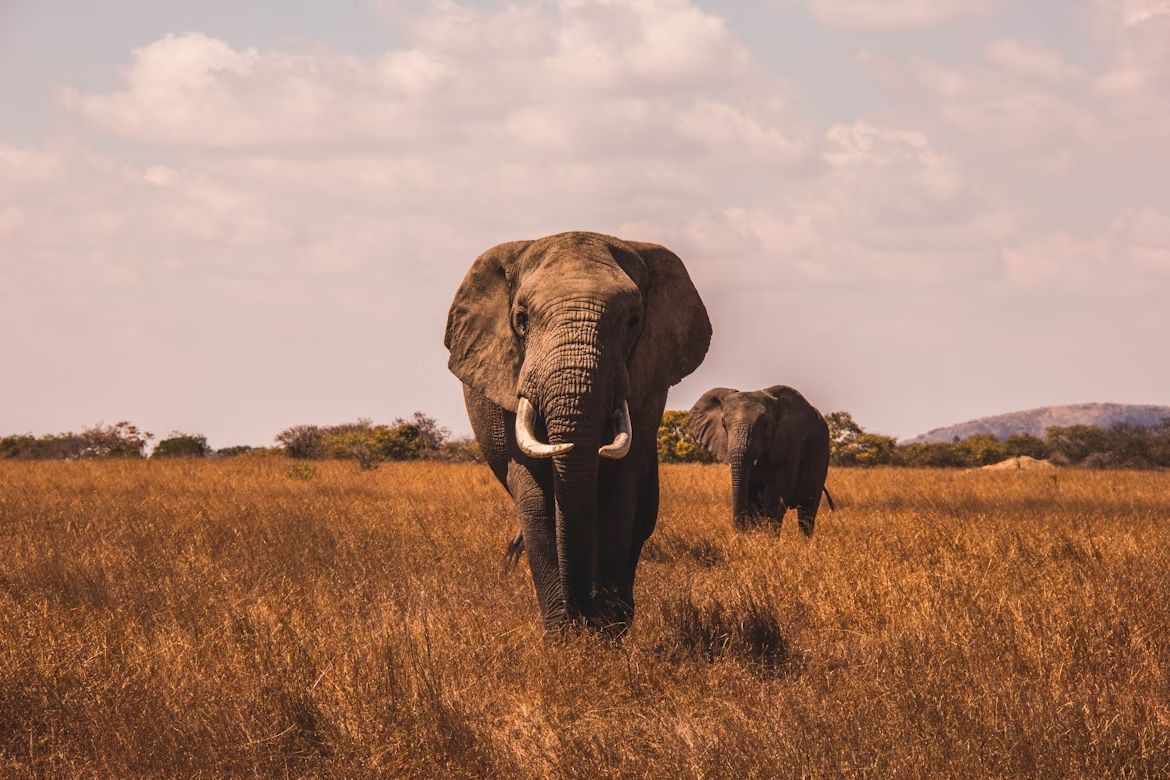
Image: AJ Robbie

Florida’s traffic code once required that if you tied your elephant, goat, or alligator to a parking meter, you had to pay the fee, just as you would for a car. It sounds wild today, but it’s rooted in a time when people actually rode animals into town.

Though it’s not actively enforced (we checked), the law technically still lingers on the books. So, you'd better leave your pet elephant behind from now on!

2
Idaho – Seniors and motorcycles don’t mix
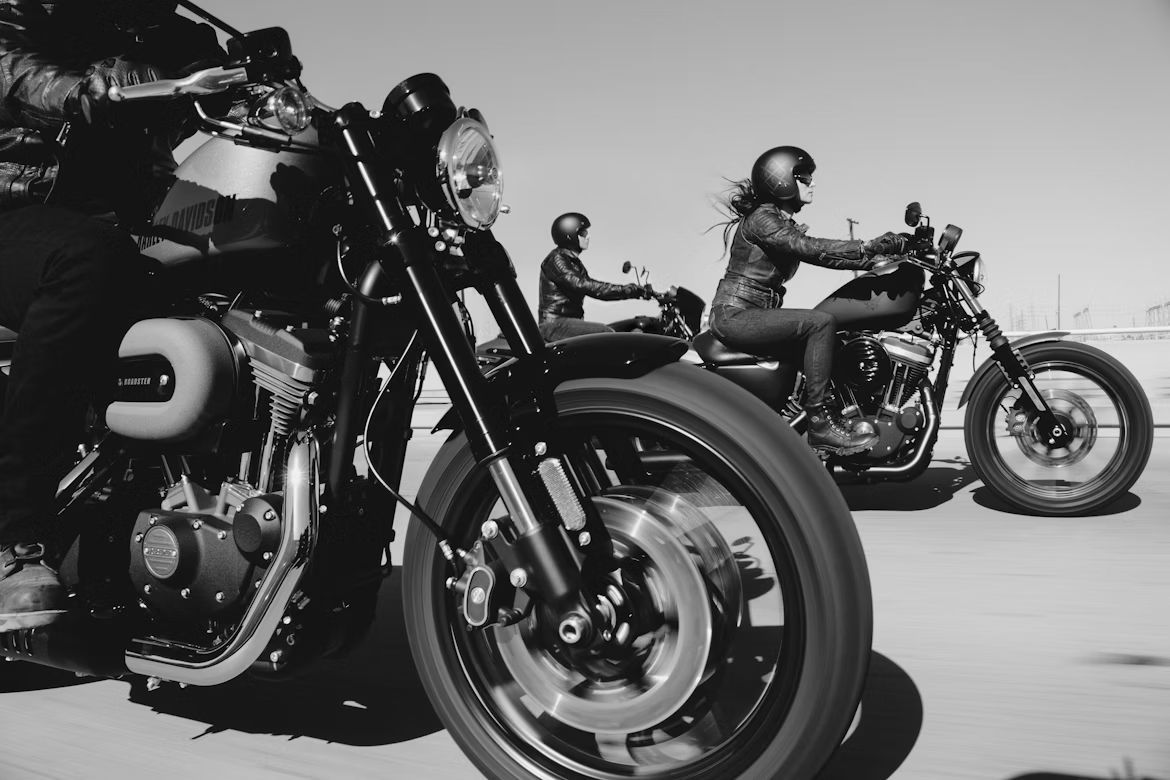
Image: Harley-Davidson

In Idaho Falls, it’s long been rumored that a local ordinance makes it illegal for anyone over 88 to ride a motorcycle. That sounds oddly specific—and a bit ageist. Whether it was meant to encourage safety, misinterpreted, or inspired by one daredevil granny, no one’s quite sure.

While there's no sign of active enforcement (or even proof it still exists), the message seems clear: once you’re nearing 90, it might be time to stick to the golf cart.

3
Arizona – Don’t even think about driving in reverse

Image: Jerry Kavan

Arizona doesn't mess around when it comes to driving in reverse. On public roads, moving backward is a big no-no. While it’s unlikely you’ll get arrested for backing out of a driveway, pulling a full-speed reverse cruise down Main Street might land you in hot water. Arizona wants you to move forward in life—literally.

4
Illinois – You need a steering wheel to drive
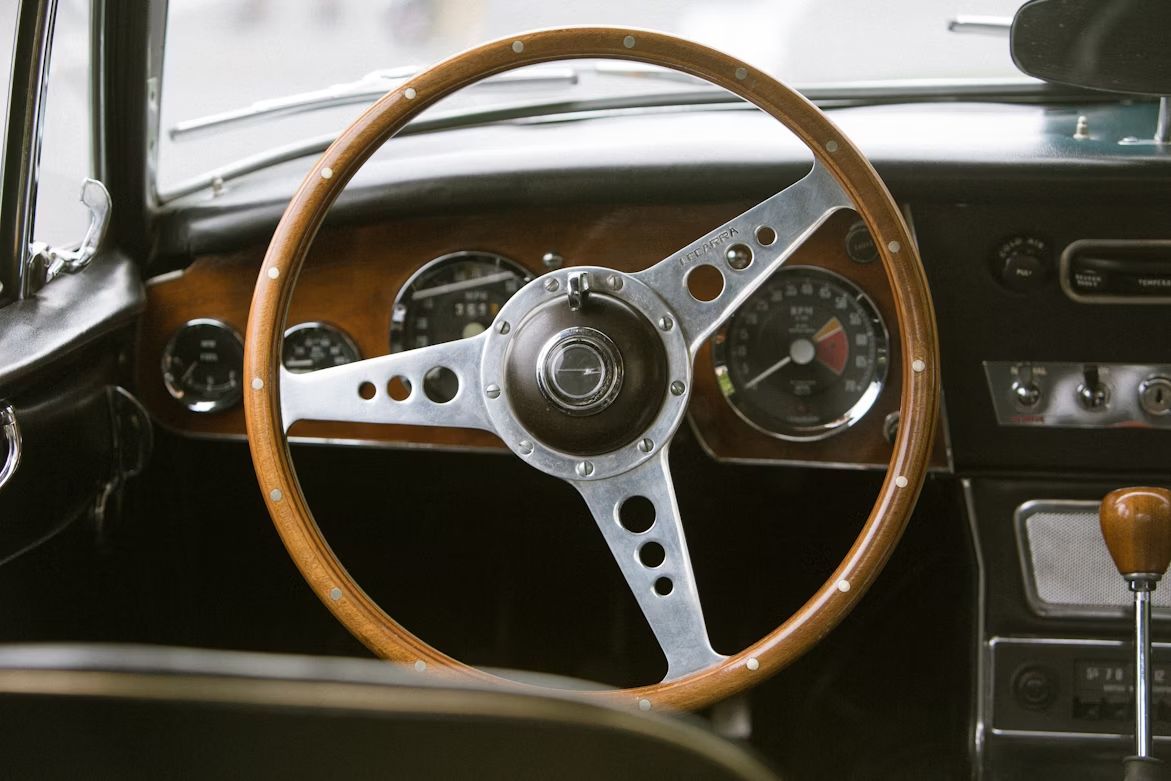
Image: Zach Wiley

Well, isn’t that obvious? Apparently not—because Illinois actually has a law stating that you can’t drive a car without a steering wheel.

Even if it seems like common sense, laws like this were created during the early days of car modifications, when people got creative (and sometimes reckless). So, if you were planning to steer your car using a rope-and-pulley system… maybe don’t.

5
Maine – No Sunday car shopping
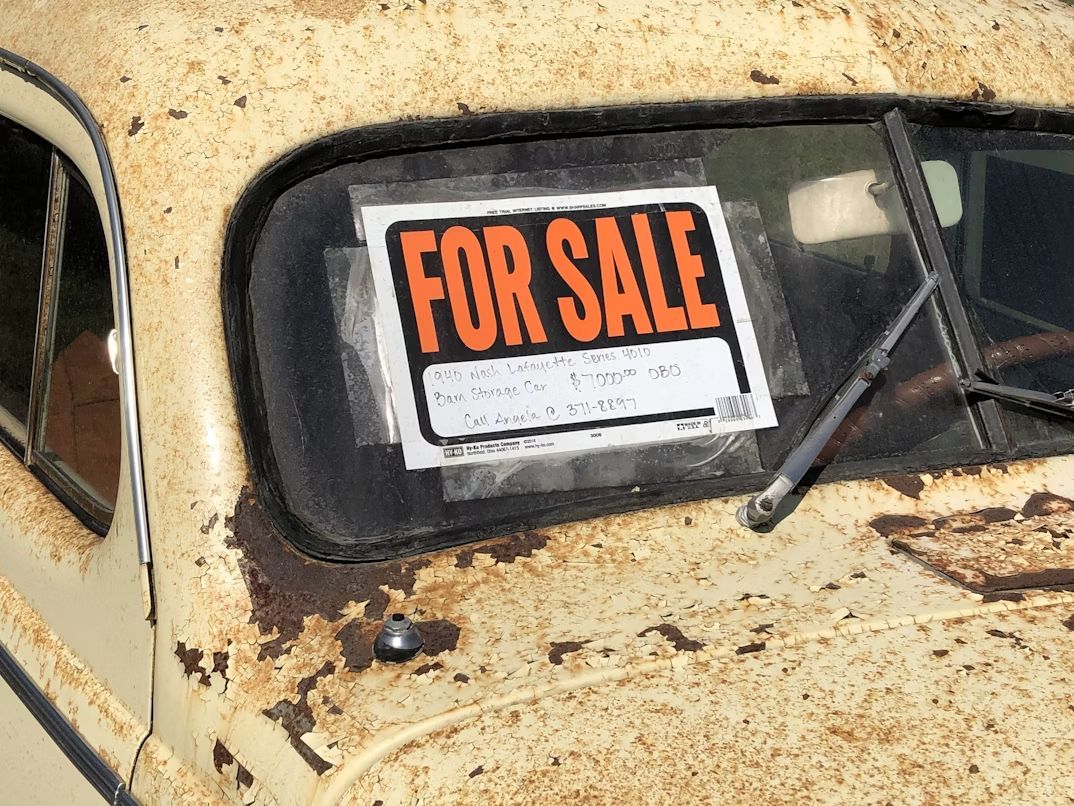
Image: Hilbert Hill

In Maine, it’s illegal to buy a car on Sunday. Dealerships are closed by law, making it impossible to seal the deal on the most relaxing day of the weekend. Why? The rule has roots in so-called "blue laws," which were designed to preserve Sunday as a day of rest. So in Maine, if you get a wild urge to car shop after church, you’ll have to wait until Monday.

6
Michigan – Streets are not for reading

Image: bruce mars

Michigan has a law that says you can’t sit in the middle of the road and read a newspaper. Yeah, no joke!

We know—it’s hard to imagine someone actually doing this (unless it was a very juicy headline), but the law’s goal is clearly about safety. Still, you have to admit the mental image is pretty great—just don’t try it unless you want to make the evening news.

7
New Hampshire – Bus fumes are not a high
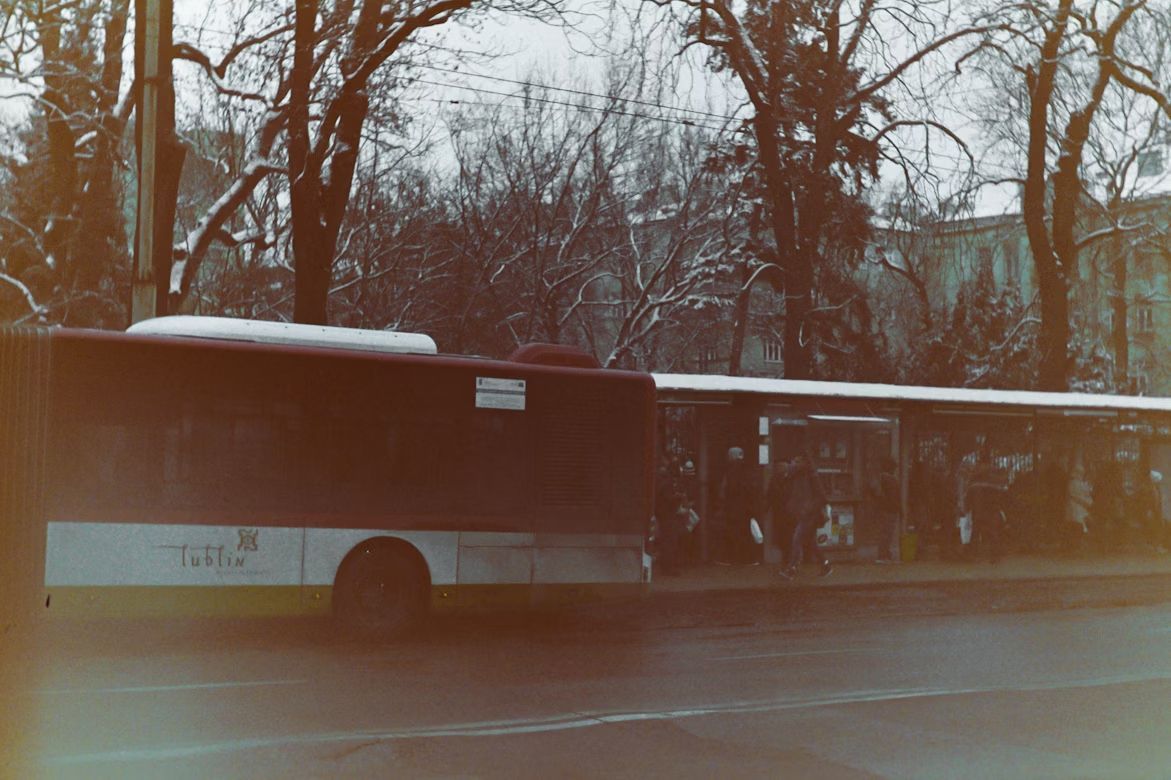
Image: Lizgrin F

New Hampshire takes a hard stance on inhaling bus fumes "with intent to cause euphoria." That’s a legal phrase, not a band name. It’s part of the state’s broader anti-huffing laws, aimed at curbing substance abuse.

Well, that’s odd!

8
Vermont – Backfiring is a no-go in Rutland
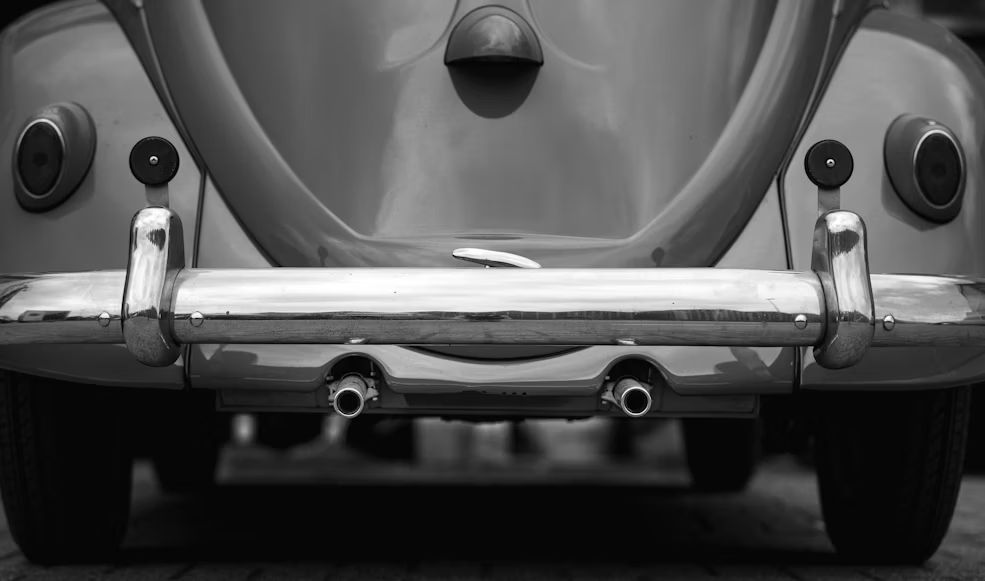
Image: RoonZ nl

In Rutland, Vermont, letting your car backfire could technically get you in trouble. This law was probably put in place to cut down on noise or prevent panic during quieter times in history.

Today, it’s unlikely to get you arrested, but a surprise backfire might still earn you some serious side-eye from the locals. If you ask us, this should be a law everywhere!

9
Wisconsin – Hands off the handlebars? Not allowed
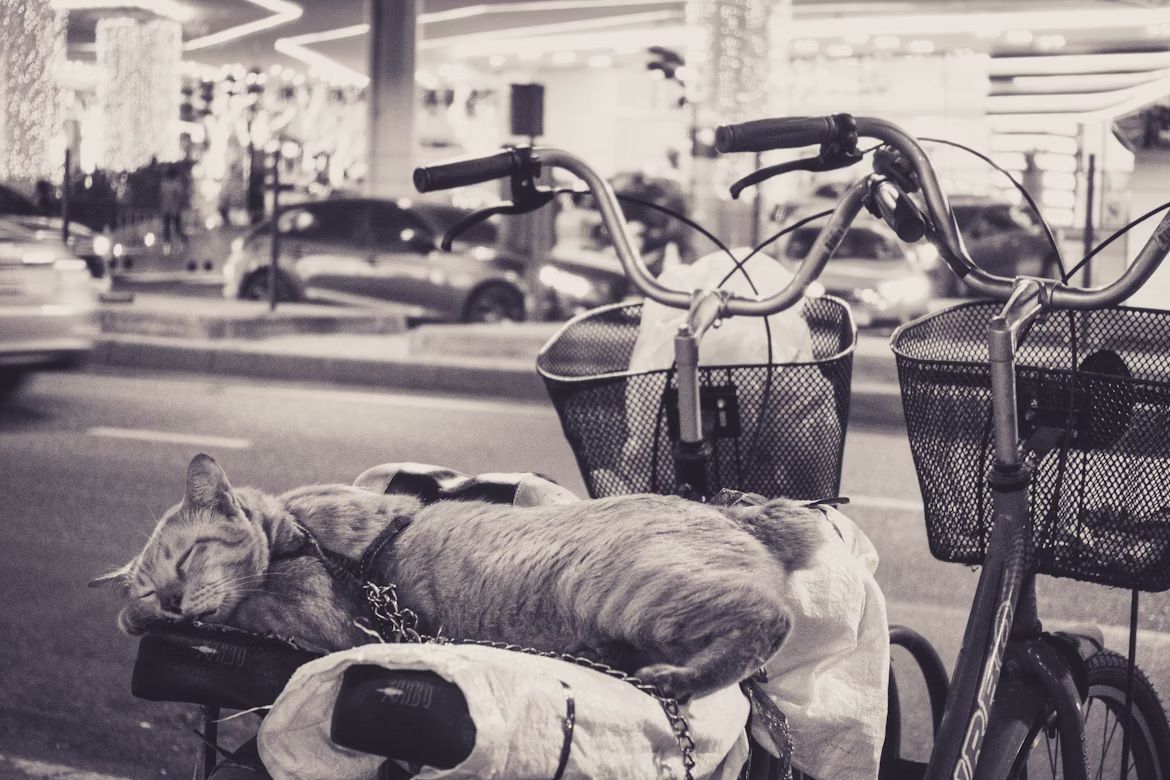
Image: Darko Pribeg

In Wisconsin, you’re not allowed to ride a bicycle with no hands. Even if you’re showing off your balance skills from the 1970s, the law says at least one hand must stay on the handlebars.

It’s all about safety—but if you’re feeling rebellious, maybe show off at the park. Just don’t do it on public roads. Keep it hands-on!

10
South Carolina – No trash hoarding in Hilton Head
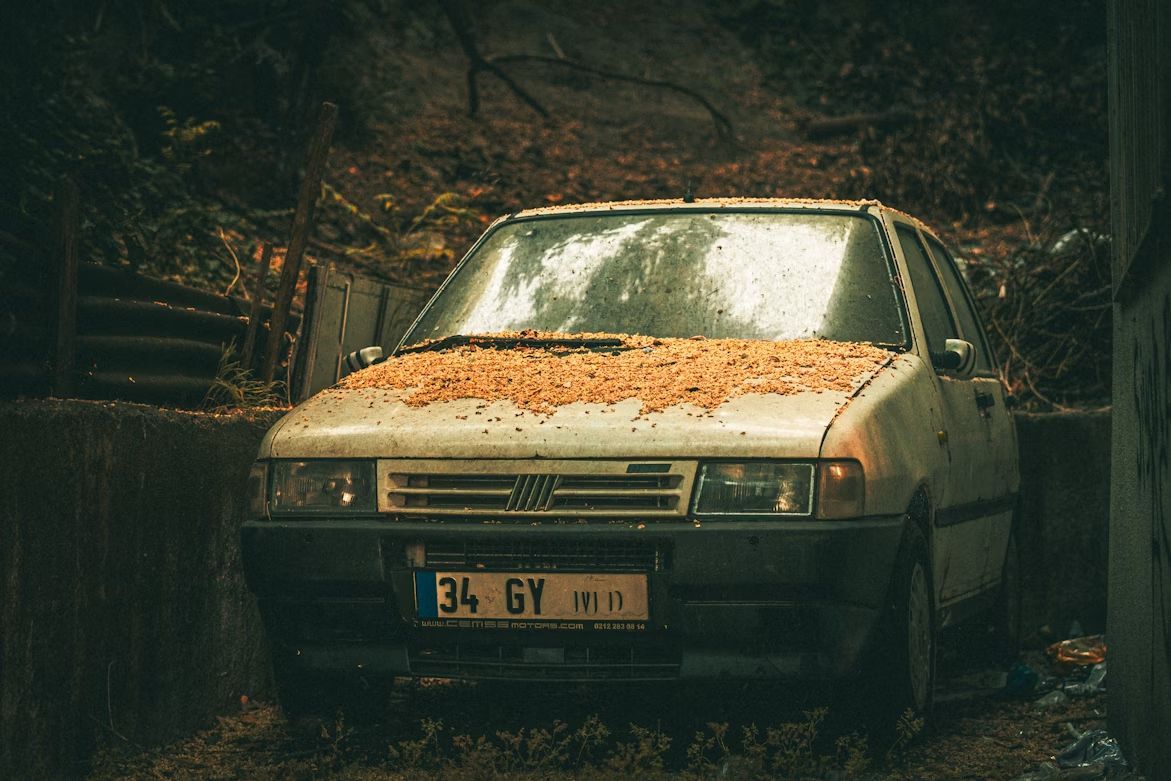
Image: Alireza Mirzabegi

In Hilton Head, it’s illegal to store trash in your car. That’s right—your vehicle can’t double as a mobile garbage can. The law aims to keep the area clean and tourist-friendly, but it also sounds like a not-so-subtle jab at anyone using their backseat as a trash bin. Hilton Head wants pristine beaches and clean cars!

Culture Culture 5 min read

Multifaceted heroes

The King of Rock 'n' Roll himself? Celebrities who served in the military

Image: pasja1000

Did you know that Jimi Hendrix performed 26 parachute jumps or that Bea Arthur was a pioneer woman in the Marine Corps? The award-studded careers of these celebrities made some of us forget that they served in the U.S. military before becoming international stars. Let's explore their feats!

1
Elvis Presley

Image: Clem Onojeghuo

Yes, the King of Rock 'n' Roll, who revolutionized music with hits like "Hound Dog," was drafted into the U.S. Army. Presley was offered to serve in the Special Services entertaining troops but chose to serve as a regular soldier.

The most well-known name in entertainment at the time, he was stationed in Germany and earned the rank of Sergeant. There, he met his future wife , Priscilla Beaulieu.

2
Morgan Freeman

Image: Harald Müller

Morgan Freeman, the legendary actor revered for his deep, resonant voice and commanding presence, served as a radar technician in the U.S. Air Force before his acting career took off.

There, he harbored dreams of becoming a fighter pilot. Eventually, though, his time in the cockpit revealed that flying was not his true passion.

3
Humphrey Bogart

Image: Tomas Martinez

The iconic star of Casablanca served in the U.S. Navy during World War I. He worked as a coxswain aboard the USS Leviathan , transporting troops to Europe.

Some versions attribute his signature lip scar —and, by extension, his unique speech—to an injury during his service, though some claim it was from a brawl or childhood incident.

4
Jimi Hendrix

Image: Aditya Wardhana

Jimi Hendrix is widely regarded as one of the greatest guitarists in history. What’s less known about him is that he served as a paratrooper with the 101st Airborne Division back in the 60s.

Even less known is that he enlisted in the Army at age 19 as part of a deal to avoid jail time after being caught joyriding stolen cars. He completed 26 parachute jumps before being honorably discharged a year later due to injuries.

5
Bea Arthur

Image: Ajeet Mestry

Yes, Bea Arthur, one of the beloved Golden Girls , was also a trailblazer as one of the first women to serve in the U.S. Marine Corps during WWII.

Her sharp wit and memorable roles like Dorothy Zbornak earned her multiple awards and the hearts of many Americans. But before acting, she had worked as a typist and truck driver for the Marine Corps, eventually reaching the rank of Staff Sergeant.

6
Bob Ross

Image: https://images.unsplash.com/photo-1662796246357-36ffa59acbca?

Can you believe that the cherished, gentle-voiced host of The Joy of Painting served in the U.S. Air Force for 20 years?

Bob Ross, the soothing icon of creativity and positivity who taught millions how to paint in the famous PBS series, was once a Master Sergeant. He worked as a medical records technician stationed in Alaska. It is said that he once vowed never to yell again after retiring.

7
Mr. T

Image: Skitterphoto

Mr. T, born Laurence Tureaud, is recognized for his role in Rocky III and the hit television series The A-Team. Before his rise to fame, though, he was a military police officer in the 1970s.

There, he stood out in basic training, so much so that he was named the top trainee out of 6,000 recruits. An anecdote retells that he was ordered by his sergeant to chop trees down as a punishment. After one hour, he had chopped down 70 trees and was told to stop.

8
Adam Driver

Image: Venti Views

Actor Adam Driver is known for his roles in films like Marriage Story and the Star Wars trilogy . Few know that he enlisted in the U.S. Marine Corps after 2001 and served for nearly three years before being discharged for a mountain biking injury.

Driver served as a mortar in the 1st Battalion, 1st Marines. After being discharged, he co-founded Arts in the Armed Forces , a nonprofit that brought art programs to military personnel and families.

9
Chuck Norris

Image: Andrea De Santis

Chuck Norris, the action star legend, was once an Air Policeman in the U.S. Air Force. It was there, in fact, where he first began his training in martial arts.

A pop culture icon for his tough-guy image and humorously exaggerated abilities, he was deployed to an air base in South Korea in the late 50s. There, he earned black belts for multiple disciplines in martial arts , including Tang Soo Do and Taekwondo.

10
Johnny Cash

Image: Markus Spiske

Here's another musician who had a career in the military. Johnny Cash, the legendary country singer, was a radio operator in the U.S. Air Force.

The "Man in Black" was a Morse Code listener intercepting Soviet transmissions in West Germany during the Korean War. Allegedly, it was during this time that he bought his first guitar and began writing songs.

11
Paul Newman

Image: Keanu K

The blue-eyed actor from Butch Cassidy and the Sundance Kid also served as a radioman and gunner during World War II. He trained as a pilot but was reassigned as an operator and rear gunner due to colorblindness.

In fact, he avoided flying in the Okinawa campaign due to an ear infection his pilot had. This saved both their lives, and Newman lived on to become a Hollywood legend and philanthropist.

12
Clint Eastwood

Image: Brice Cooper

Clint Eastwood, the iconic actor and filmmaker, was drafted into the U.S. Army during the Korean War. He worked as a swimming instructor for the 35th Infantry Regiment.

He even survived the crash landing of a Navy torpedo bomber with engine problems. He and his pilot had to swim two miles to shore near Point Reyes, California.

13
James Earl Jones

Image: Piotr Makowski

Before lending his iconic voice to Darth Vader and Mufasa, James Earl Jones trained as an Army Ranger and served as a second lieutenant in the Korean War.

After graduating from college in the 50s, he was assigned to the Army's 2nd Infantry Division in Korea. He received an honorable discharge as a first lieutenant in 1955 and went on to pursue the same career his father had: acting.

General General 3 min read

Open your wallet

Loose change and dollar secrets: Fun facts about US currency

Image: Viacheslav Bublyk

You use money every single day, but you might be surprised after learning some details about it! From presidents facing the "wrong" way to secret symbols hiding in plain sight, U.S. coins and bills are packed with quirky details and curious history. Whether you're flipping a penny or eyeing a $100 bill, there’s more going on than meets the wallet. Let’s dig into some of the strangest, sneakiest, and most surprising facts about American currency.

1
The $2 bill is real and still legal

Image: Alicia Razuri

Yep, that mysterious $2 bill featuring Thomas Jefferson isn’t a collector’s fantasy. It’s still produced today (though rarely), and the reverse shows the Signing of the Declaration of Independence. People tend to save them, thinking they’re rare, but you can spend them just like any other bill.

2
The penny used to be made of pure copper

Image: Adam Nir

During WWII, copper was needed for ammo, so in 1943, pennies were made from steel and coated in zinc. They looked silver and rusted easily, some even stuck to magnets! Today, most pennies are actually 97.5% zinc with just a thin copper coating.

3
George Washington didn’t appear on the first $1 bill.

Image: Jonathan Borba

The very first $1 bill (from 1862) featured Salmon P. Chase, the Secretary of the Treasury at the time. Washington didn't show up until 1869, and Chase had a not-so-humble role in placing his own face there.

4
There’s a tiny owl hidden on the $1 bill

Image: rc.xyz NFT gallery

Take a magnifying glass to the upper-right corner of the "1" on a dollar bill. Some people swear there’s a tiny owl or spider hidden in the pattern, said to symbolize wisdom or surveillance. Officially, it's just part of the ornate design, but still a fun little mystery!

5
The $100,000 bill actually existed

Image: Dmytro Glazunov

No, you can’t use it at Target. Printed in 1934 and featuring Woodrow Wilson, this gold certificate was used only for transactions between Federal Reserve Banks. It was never meant for public use, and owning one today is illegal!

6
Lincoln faces the other way for a reason

Image: JustStartInvesting

On most bills, presidents face to the right. But on the penny, Lincoln faces left. One theory is that the designer used a portrait that happened to face left, but it also makes Lincoln the only president looking "inward" when coins are lined up in value order.

7
"In God We Trust" wasn’t always on our money

Image: Jonathan Borba

That phrase didn’t become mandatory on U.S. currency until 1955 during the Cold War. It first appeared on coins in 1864, but the push to include it everywhere came as a nod to America’s spiritual identity in contrast to atheistic communism.

8
Coins last way longer than bills

Image: Barry A

Your average dollar bill survives about 6.6 years in circulation. Coins? They can keep going for 30 years or more! That’s why coins are still a budget-friendly way for the government to make money — and we mean that literally!

9
The buildings on the back aren’t random

Image: Ryan Quintal

Each bill’s reverse side typically features a building related to the person on the front. For instance, the Lincoln Memorial is on the back of the $5 bill (with Lincoln on the front), and the White House appears behind Andrew Jackson on the $20 bill. The choice of course had to do with government history itself! Which building do you think is missing?

10
There are secret codes on every bill

Image: Andrew Dawes

Look closely and you’ll spot tiny letters and numbers that identify which printing plate was used and where the bill was made. Ever see a tiny "F6" on a $1? That means it was printed in Atlanta, Georgia.

11
A dollar is technically made of cloth

Image: Live Richer

Despite calling it "paper money," U.S. bills are actually made of 75% cotton and 25% linen. That’s why they feel so distinct, and don’t shred like regular paper when they get wet (though they still don’t love laundry day).

Explore more American facts

Choose your favorite category!

General
General

As American as apple pie—the very best America has to offer!

Culture
Culture

Delve into the astounding richness of American lore.

Geography
Geography

Hop in and explore vast and diverse American landscapes.

History
History

Discover the key moments that shaped the United States.