General General 4 min read

Everything sweet!

Bake, slice, repeat: Discover some of the best American pies!

Image: congerdesign

Few things are as American as apple pie, right? But that's not the only dessert; there’s much more to the American dessert table. From regionally inspired treats to creative twists on classic flavors, the pies and cakes enjoyed across our nation are a significant part of our culinary culture and identity. Do you prefer fruity fillings, creamy custards, or rich cakes? Whatever you choose, there’s an option for you, and we’ve gathered 12 of them in this article! Just don’t blame me if you get hungry halfway through!

1
Apple pie

Image: Priscilla Du Preez 🇨🇦

You can’t talk about traditional American desserts without mentioning apple pie, so let’s kick off this article with it! While its roots trace back to Europe, apple pie has become a symbol of American pride.

It’s the perfect combination of buttery crust, sweet apples, and warm spices like cinnamon. Of course, like any traditional dish, there are several variations. But isn’t it great to go back to the basics? If there’s one pie everyone loves, this is it!

2
Brown Derby cake

Image: amirali mirhashemian

The Brown Derby Cake isn’t your typical pie, but its story is worth savoring. It was created in 1927 by caterer Harry Baker in Los Angeles.

You might be wondering about the name’s origin—it comes from its domed shape, which resembles a derby hat. Made famous by the iconic Brown Derby restaurant, this cake combines rich chocolate layers with airy whipped cream and fruit for a delicious finish. If you’re feeling fancy, this is the treat to try!

3
Cranberry pie

Image: Food Photographer | Jennifer Pallian

Do you know how some feelings can be tasted? Well, if you want to taste autumn, have a slice of cranberry pie.

This tangy treat is a favorite during the holiday season, thanks to its beautiful red hue and bold flavor. Made with fresh or dried cranberries, sugar, and a hint of orange zest, it perfectly balances sweetness and tartness. Serve it at Thanksgiving and watch it quickly become the star of the show.

4
Sour Cream Rhubarb Pie

Image: Maximilian Zahn

If you’ve never tried sour cream rhubarb pie, you’re in for a treat. The tartness of the rhubarb is mellowed by a creamy custard filling made with sour cream, creating a dessert that is both tangy and luxurious.

Often topped with a crumbly streusel, this pie is a Midwest favorite that feels both rustic and indulgent. Give rhubarb a chance—in a pie, it’s a superstar!

5
Pecan pie

Image: nikohoshi

Speaking of classics, pecan pie is the king of Southern desserts—and for good reason, we might say! With a gooey filling made of sugar, butter, and eggs, topped with toasted pecans, it’s as rich as it gets.

Traditionally served during Thanksgiving, this pie has a caramel-like sweetness that pairs perfectly with whipped cream. And the crunch of the pecans? It’s dessert perfection in every bite!

6
Lemon tart

Image: Ira Ushak

Okay, this isn’t technically a pie, but a lemon tart deserves a spot in this article, don’t you think? This tangy dessert features a velvety lemon custard nestled in a buttery crust.

It’s like sunshine on a plate—bright, bold, and just the right amount of sweetness! Lemon tarts are refreshing compared to heavier desserts, there’s not a specific season for them, making them perfect year-round. It’s a must-try for citrus lovers!

7
Squash Custard Pie

Image: Natalia Y.

This one might come as a surprise to you, but it’s a delicious nod to fall flavors, and if you like pumpkin pie, you’ll like this one too. Made with sweetened pureed squash, eggs, cream, and warm spices, it offers a fun and unique twist, right?

Squash pies have been part of American cuisine since colonial times, showcasing the resourcefulness of early cooks. It’s a cozy, comforting dessert that’s perfect for sweater weather.

8
Oregon’s Marionberry Pie

Image: micheile henderson

Oregon takes pride in many things, and one of them is marionberry pie—as it should! Marionberries, a cross between two types of blackberries, are sweet, juicy, and perfect for a pie. Native to Oregon, these berries create a filling that’s rich and slightly tart. The pie is a regional treasure, it's as Oregonian as rainy days and coffee shops.

9
Coca-Cola cake

Image: Toa Heftiba

No, we’re not kidding. Coca-Cola cake was born in the South, and it is as uniquely American as its namesake soda.

In case you were wondering, yes, Cola is a key ingredient, and it gives the rich, moist chocolate cake a subtle caramel flavor. It’s often topped with a fudgy glaze, and if you’re a Coca-Cola fan, you simply must try a slice of this one!

10
Carrot cake

Image: Sharon Chen

As you can see, using vegetables as key ingredients in pies is quite common—and successful! Carrot cake is a moist, spiced cake studded with grated carrots and often walnuts or raisins. As if that weren’t enough, we can’t forget about the cream cheese frosting, which made it quite popular among Americans. Do you like this one?

Culture Culture 5 min read

PAPER AND INK ICONS

Celebrate These Literary Giants With These 10 American Book Characters!

Image: Thought Catalog

America has produced its fair share of groundbreaking authors . With 15 Nobel Literature laureates so far, our country’s history is filled with a myriad of unforgettable characters and stories that have left their marks on the world.

We have chosen to select 10 of the most quintessential literary characters from American books. These characters have become symbols in their own right, and are almost as famous as the authors that created them.

1
Tom Sawyer

Image: Daniel Chekalov

We’ll start with an American classic . If Mark Twain is considered "the Father of American Literature" , then it would also be fair to consider Tom Sawyer as the father of many great literary characters. And while it is true that "The Adventures of Tom Sawyer" was heavily overshadowed by its sequel "Adventures of Huckleberry Finn", we have decided to choose Tom over Huck mostly because he was Mark Twain’s first and perhaps most iconic character.

Tom is introduced in the novel as an orphan boy who lives with his Aunt Polly in Missouri. Characterized by his penchant for avoiding work, Tom often uses his cunning and wits to skip school and chores. Perhaps his most famous feat is convincing the neighborhood kids that painting Polly’s fence was immense amounts of fun, and charging them for the privilege of doing his busy work.

2
Captain Ahab

Image: Austin Neill

Herman Melville tackled the issues of fanaticism and the battle between humankind and nature in his 1851 masterpiece "Moby Dick". In that sense, the character Melville chose as a vessel to portray these themes is definitively Captain Ahab, the frantic and monomaniacal captain of the whaling ship Pequod , hellbent on capturing the great white whale Moby-Dick.

While Ahab's obsession is fueled by revenge (since the whale bit off his leg), many critics observe how the captain’s mind doesn’t allow for any other feeling other than his mindless obsession with catching Moby-Dick. In the end, this hatred makes him forget to care for himself and his crew, and in their final battle, the whale drags Captain Ahab’s body beneath the sea.

3
Jack Torrance

Image: Luis Villasmil

Immortalized by Jack Nicholson’s superb performance in the 1980 film adaptation of "The Shining", Jack Torrance is arguably the tortured main character of this iconic horror masterpiece. Jack is a down-on-his-luck writer who gets hired as the winter caretaker of the fictional Overlook Hotel, a historical location in the Colorado Rockies.

Much like Captain Ahab, a big part of "The Shining" focuses on Jack’s fight against his own demons. However, where the Captain fails Torrance succeeds: While the dark presence that rules the Overlook possesses him and makes him attack his family, Jack overcomes these manipulations and sacrifices himself in order to save his wife and son.

4
Hester Prynne

Image: Debby Hudson

Hester Prynne might be the very first American heroin : The protagonist of Nathaniel Hawthorne’s "The Scarlet Letter" faces public humiliation and the disdain of her fellow residents of the Puritan Massachusetts Bay Colony, who force her to wear a red "A" on her clothes after committing the sin of adultery.

Yet, Hester always maintains her dignity and love for her daughter Pearl throughout the rest of her life. In the end, the red "A" that decorates her tombstone is not a reminder of her transgressions, but a monument to her determination.

5
Ignatius J. Reilly

Image: mana5280

Ignatius J. Reilly, the bumbling protagonist of "A Confederacy of Dunces", is no hero. He is more of a man-child, an unemployed and unpleasant buffoon whining about the lack of morality in his birthplace, the beautiful city of New Orleans. However, there’s no denying that Ignatius is a wonderfully crafted character and an essential part of what makes John Kennedy Toole’s novel so unforgettable.

"A Confederacy of Dunces" is, undeniably, a unique book: Its characters are as particular and hilarious as the bizarre situations in which they constantly find themselves. In that regard, Ignatius is the perfect protagonist for this unparalleled masterpiece.

6
Philip Marlowe

Image: Michelle Ding

What image comes to mind whenever you hear the phrase "private detective"? Do you picture a sullen man dressed in a beige overcoat and matching fedora , immersed in intense inner monologues about unsolved cases? Well, if that’s the case, you can thank iconic American author Raymond Chandler for creating the quintessential private detective, Philip Marlowe.

Immortalized by the great Humphrey Bogart in the film "The Big Sleep", this chainsmoking detective is one of pop culture’s most iconic characters and one that has endured as a symbol throughout its 90 years of history.

7
Atticus Finch

Image: David Veksler

Just like Philip Marlowe, many consider Atticus Finch to be the quintessential American lawyer : After all, his character is defined by his honesty and dedication to justice. However, the depth of this character from Harper Lee’s "To Kill a Mockingbird" is not only determined by his morality, but for the unconditional love he feels for his two children, Scout and Jem.

"To Kill a Mockingbird" tells the story of the Finch family, which is intertwined with the prejudice-filled trial of Tom Robinson. Atticus acts as Tom’s defense attorney, as he battles the hateful mob mentality of this 30’s Alabama town.

8
The March sisters

Image: micheile henderson

It would feel wrong to separate the four March sisters - Meg, Jo, Beth, and Amy - from Louisa May Alcott’s iconic novel "Little Women", so we have decided to include multiple characters in this entry. Alcott’s masterpiece describes the lives of these four sisters and focuses on their passage into womanhood.

Set in 19th century Massachusetts, "Little Women" is considered to this day to be one of the cornerstones of American literature . Not only that, many believe that the author was able to create a new form of sentimental literature with this book.

9
Blanche Dubois

Image: Lokesh Anand

Tennessee Williams's "A Streetcar Named Desire" proves itself to be a gemstone of American literature just by the genius in its title: While it might seem completely objective, referring to a real-life New Orleans streetcar line named "Desire", it also perfectly describes the unstoppable passion that involves the characters of this play.

In that regard, this play’s protagonist, Blanche Debois, is definitively unforgettable: A stunning yet down-on-its-luck Southern Belle who moves to her sister’s place in New Orleans. She is considered one of the most iconic characters in theater and was played on uncountable occasions.

10
Dorothy Gale

Image: ActionVance

We’ll end this article with one of the most popular American characters in our country’s history. Few characters are as iconic in pop culture as Dorothy Gale is: Immortalized by Judy Garland’s unforgettable performance, Dorothy’s trip to the wonderful land of Oz will forever be a part of American culture and history.

Perhaps the reason why this character is so memorable is the fact that, at the time when L. Frank Baum’s original book was published, Dorothy seemed to be just like every other American girl living on a farm. In a way, millions of American children were able to join Dorothy throughout her trip through the yellow brick road.

General General 3 min read

Banned in the USA

Would you ban velvet Elvis paintings? These towns really did it

Image: Dmitry Alexandrovich

The Land of the Free has had its fair share of strange bans over the years, and not all of them make sense today. From quirky laws to outright odd restrictions, plenty of everyday things have been outlawed at one point or another. Here are 12 unusual things that, believe it or not, were once banned in the U.S.

1
Sliced bread

Image: Laura Ockel

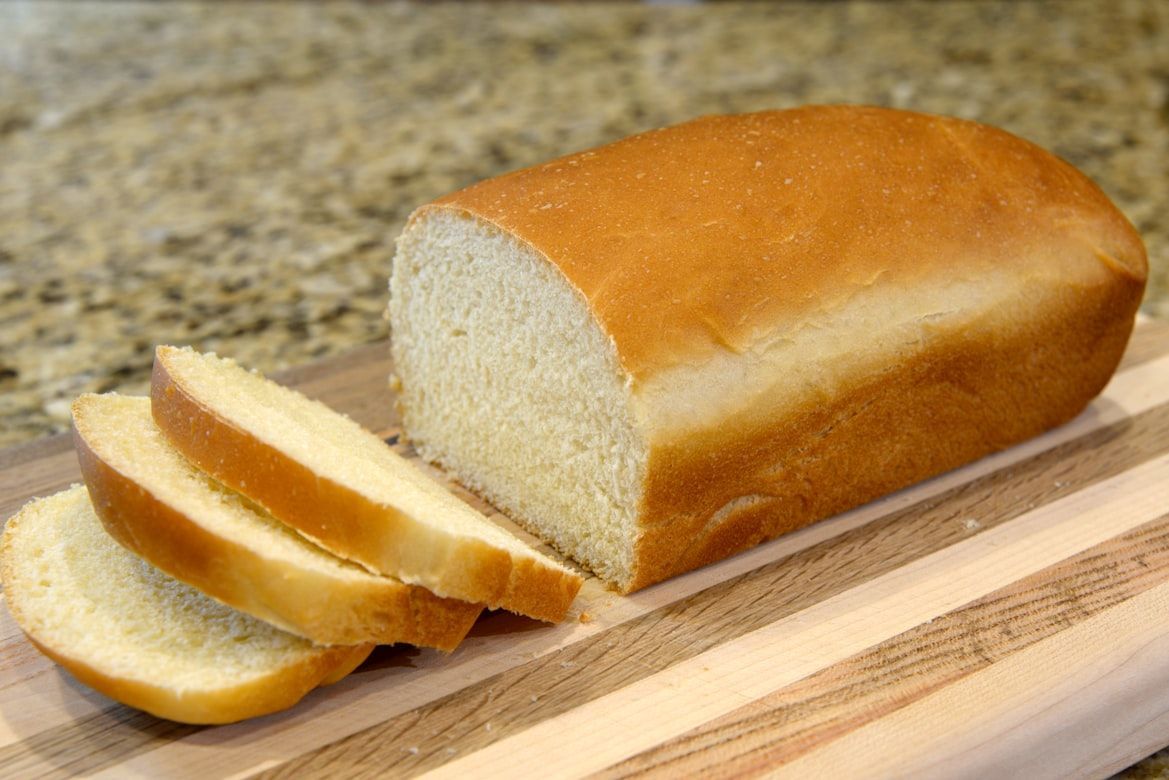
Not even the best of inventions are safe from odd bans. In 1943, the U.S. government temporarily banned pre-sliced bread as part of wartime resource conservation .

Thankfully, the ban only lasted a few months. Housewives, bakeries, and even newspapers complained, arguing that sliced bread was a necessity. The ban was lifted quickly due to public backlash.

2
Pinball machines

Image: Louie Castro-Garcia

Believe it or not, from the 1940s until the mid-1970s, pinball machines were outlawed in several major cities, including New York and Chicago. Officials claimed the machines promoted gambling and corruption .

Machines were confiscated and destroyed. The ban finally ended when it was proven that pinball was more skill-based than luck, leading to its revival as a popular arcade game.

3
Yo-Yos

Image: Eric Prouzet

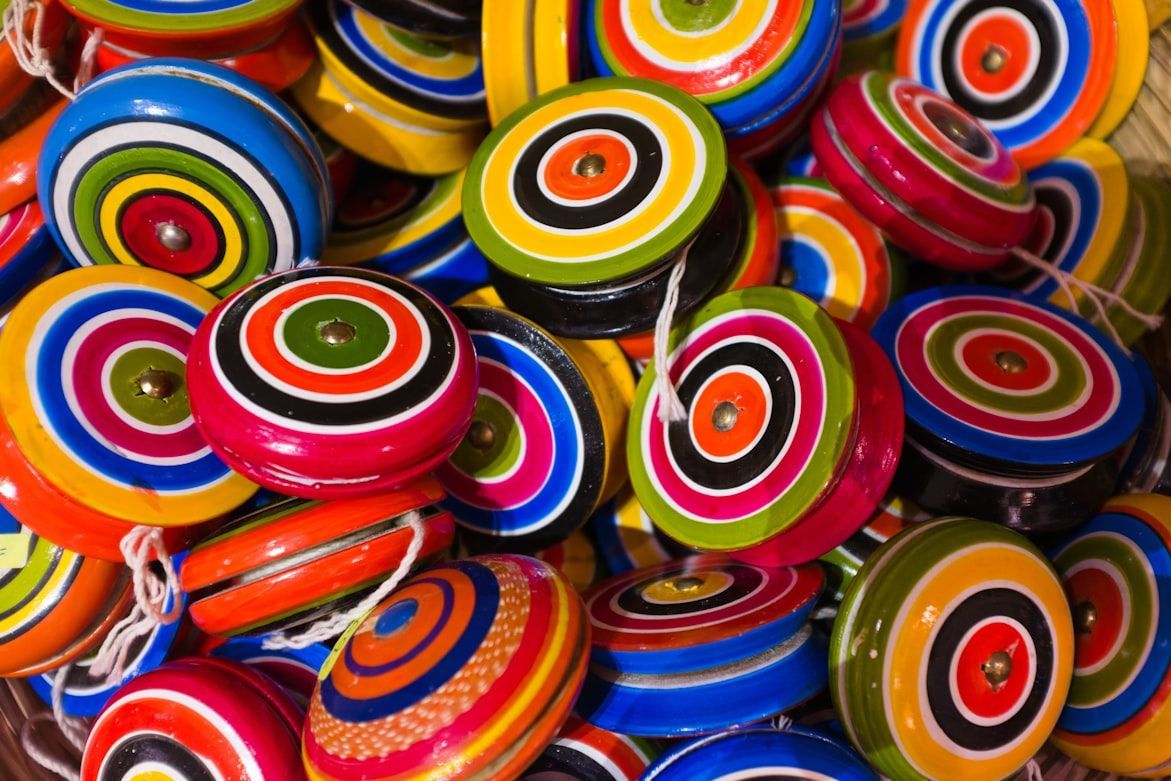
During the 1930s, some U.S. towns banned yo-yos, believing they caused bad luck and distracted children from schoolwork . The fad was seen as both frivolous and superstitious.

Though short-lived, the bans show how something as harmless as a toy could spark moral panic and strange local laws.

4
Christmas

Image: Erwan Hesry

In the 1600s, the Puritans of Massachusetts Bay Colony banned Christmas , claiming it was rooted in pagan traditions and encouraged rowdy behavior .

Anyone caught celebrating risked punishment or fines. It wasn’t until the mid-1800s that Christmas gained widespread acceptance in the U.S.

5
Dancing after midnight

Image: Scott Broome

At different occasions during the 20th century, some cities enforced laws that restricted or outright banned late-night dancing . New York City’s "Cabaret Law" limited dancing to licensed venues only.

Authorities argued it was about maintaining order, but many saw it as cultural repression. By the 1990s, these laws faced strong opposition, and most have since been repealed, allowing nightlife to thrive.

6
Comic books

Image: Waldemar

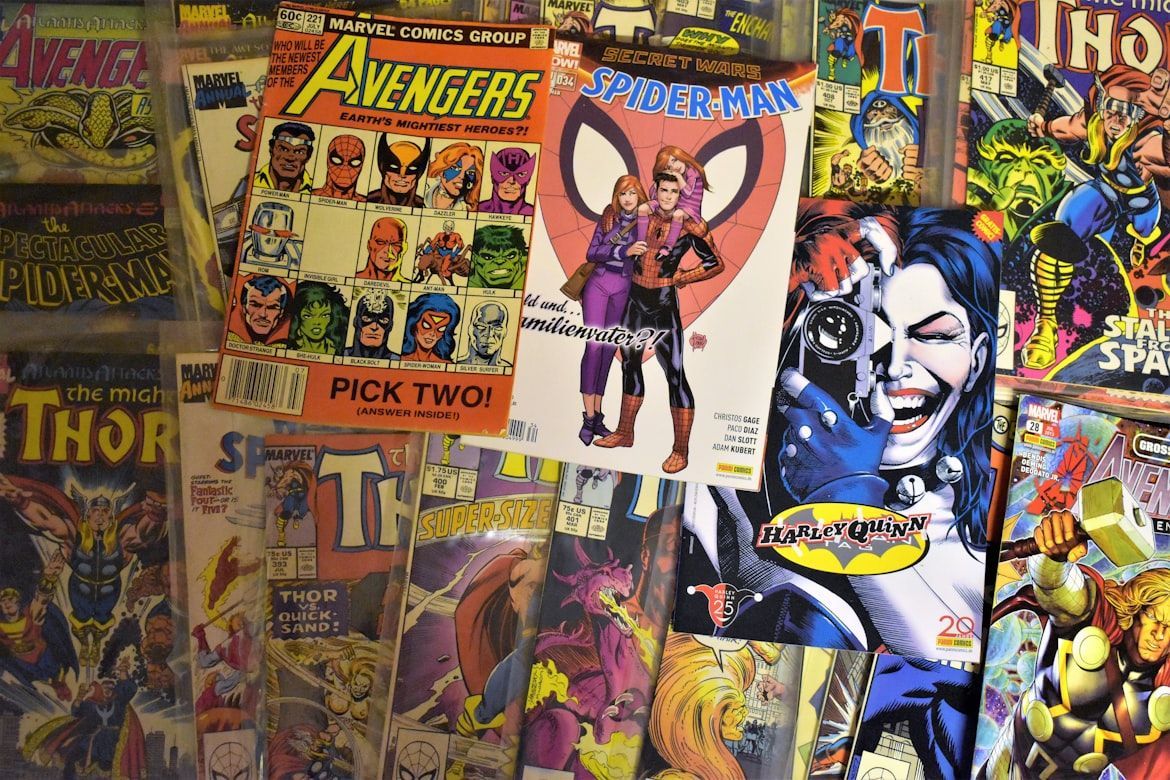
Comic books have been a scapegoat for different things in different periods. For example, in the 1950s, they came under fire, accused of corrupting America’s youth . Parents, educators, and politicians believed violent and horror-themed comics encouraged delinquency.

Entire towns banned sales, and even public book burnings took place in different corners of the country.

7
Yellow margarine

Image: Marine Le Gac

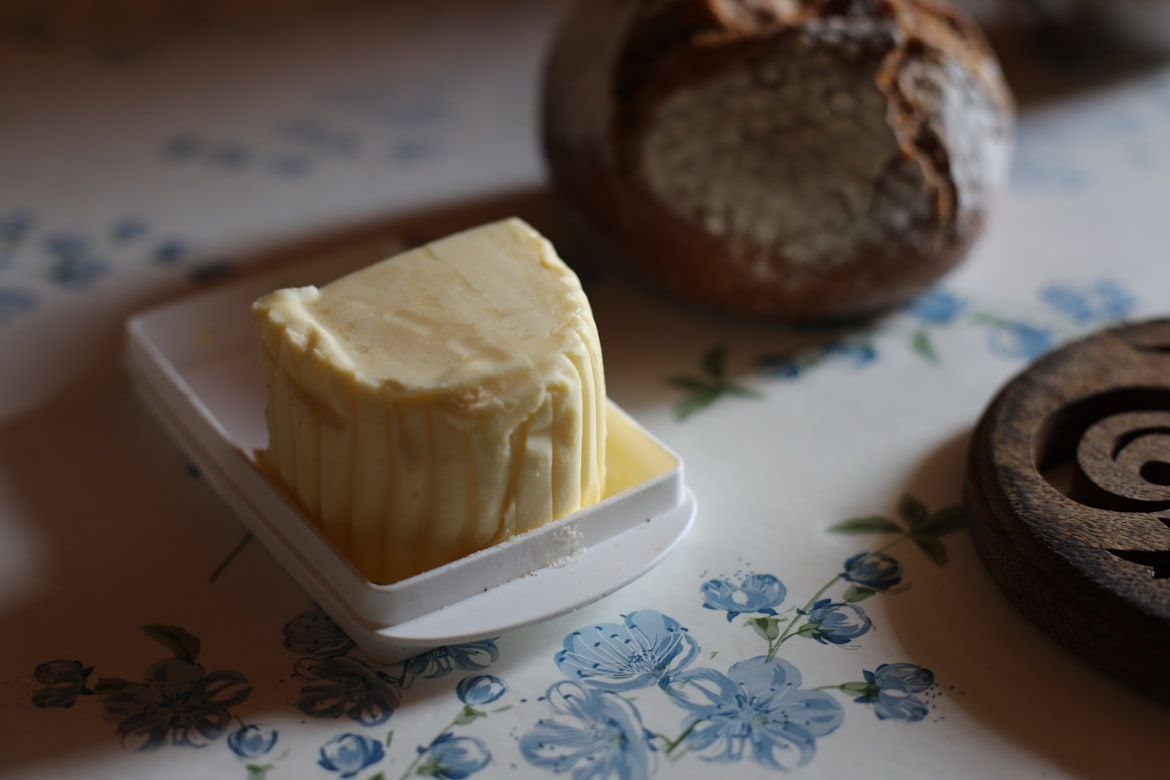
Being a substitute for butter, margarine was heavily lobbied against by dairy farmers in the late 1800s. Several states passed laws banning margarine dyed yellow to resemble butter .

As a result, margarine was sold plain white, or consumers had to mix in dye packets themselves. These odd restrictions lasted well into the mid-1900s before finally being repealed.

8
Men’s long hair

Image: Siri louis

During the 1960s and 70s, schools across the U.S. cracked down on boys with long hair . Beatles-inspired styles were viewed as rebellious, unclean, and disruptive.

Some students were suspended or expelled over hair length. These policies reflected the cultural clashes of the era.

9
Left-handed writing

Image: Anna Savina

For much of the 19th and early 20th centuries, left-handed students were forced to switch hands . Teachers tied their left arms or punished them until they wrote with their right hand.

This practice was based on superstition and prejudice, with left-handedness considered "wrong" or even sinister.

10
Bathing suits above the knee

Image: Brett Jordan

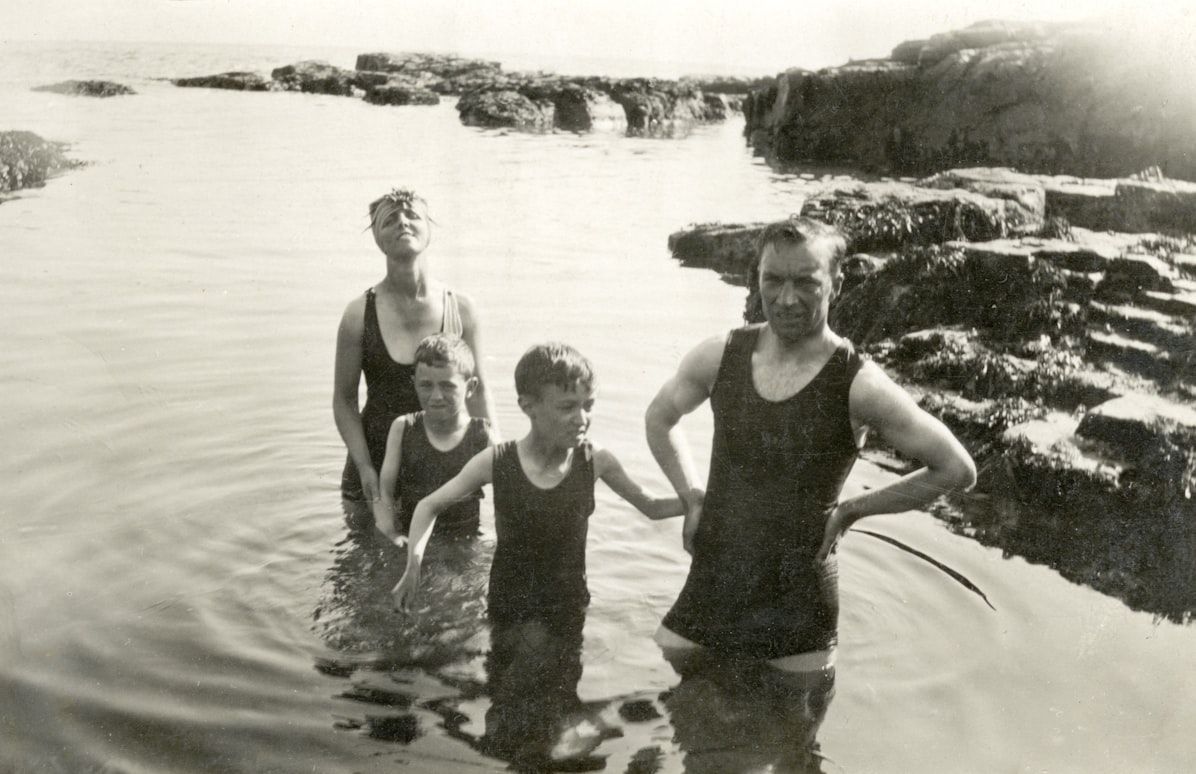
In the early 1900s, strict laws dictated swimwear modesty at public beaches . Bathing suits that rose above the knee could result in fines or even arrest by "beach police."

Photographs from the time show officers measuring swimsuit lengths with rulers. The bans slowly disappeared as fashion and social norms shifted.

11
Coffee

Image: Jakub Dziubak

In the late 1600s, in Boston, coffee was briefly banned for being considered dangerous and unproductive . Authorities feared it encouraged idleness and vagrancy.

Coffeehouses were seen as gathering places for gossip and dissent. The ban didn’t last long, and coffee soon became a staple of American culture, eventually surpassing tea in popularity.

12
Velvet Elvis paintings

Image: Susan Mohr

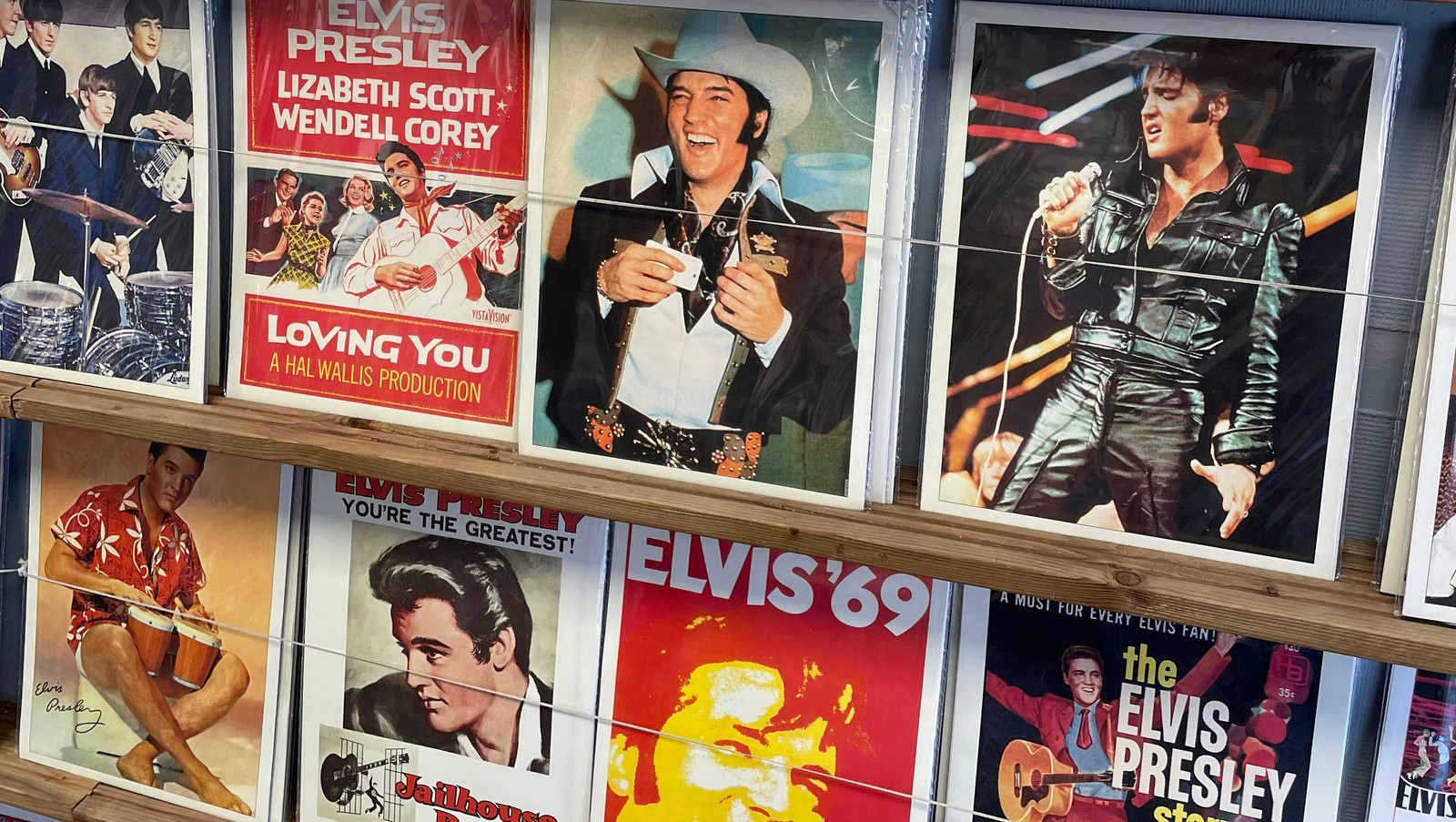
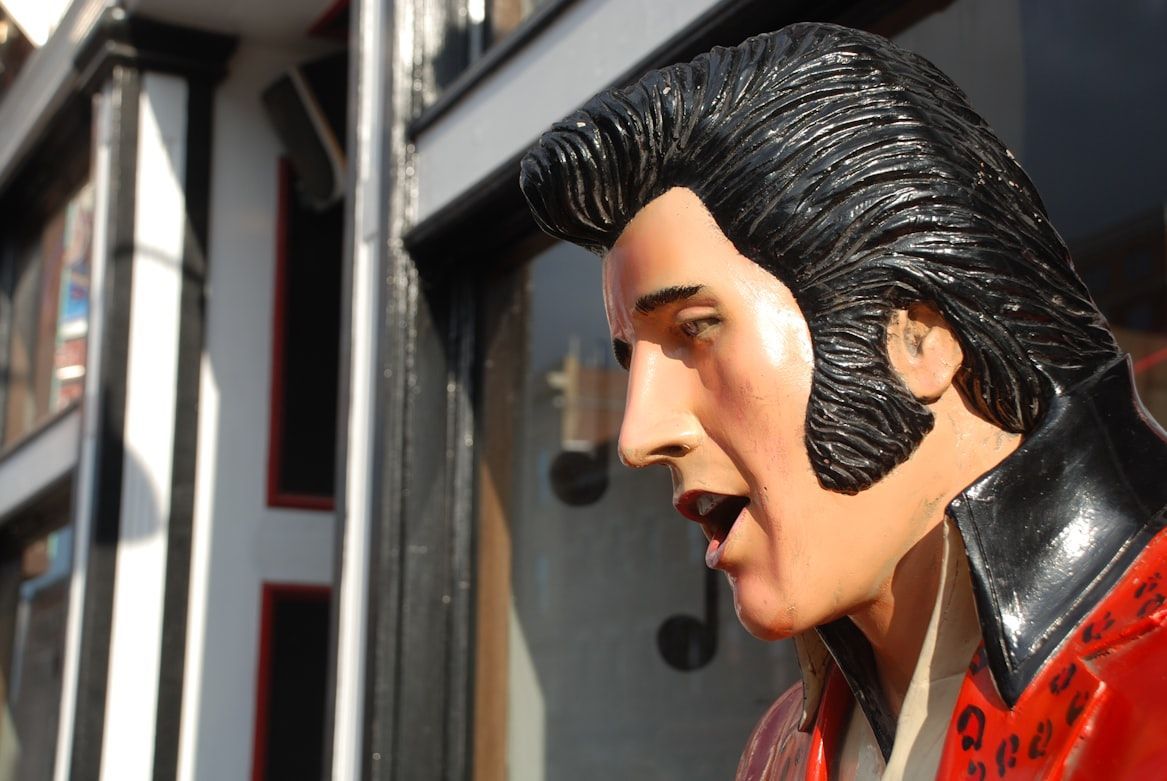
In the 1970s and 80s, velvet Elvis paintings became a kitschy art craze. Some towns, embarrassed by the trend, tried banning their sale, calling them indecent or tacky .

Though the bans were rarely enforced, they reflected how taste and morality sometimes crossed into law.

Explore more American facts

Choose your favorite category!

General
General

As American as apple pie—the very best America has to offer!

Culture
Culture

Delve into the astounding richness of American lore.

Geography
Geography

Hop in and explore vast and diverse American landscapes.

History
History

Discover the key moments that shaped the United States.