General General 4 min read

Fast-food flops

Do you recall these 11 big McDonald's menu fails?

Image: Lucas van Oort

Around 2014, McDonald's received a lot of criticism for not including healthier, more nutritious options on its menu, especially for kids. In response, the company embarked on a mission to create bubblegum-flavored broccoli. Needless to say, it was a complete failure. But this was not the only unsuccessful attempt to introduce new recipes and flavors. Throughout its several decades of existence, the Golden Arches has ventured into a wide variety of products that didn’t receive the expected reception. Do McPizza, Hula Burger, or McDLT ring a bell? Join us as we look back at 11 McDonald's products that were complete misfires!

1
McLean Deluxe
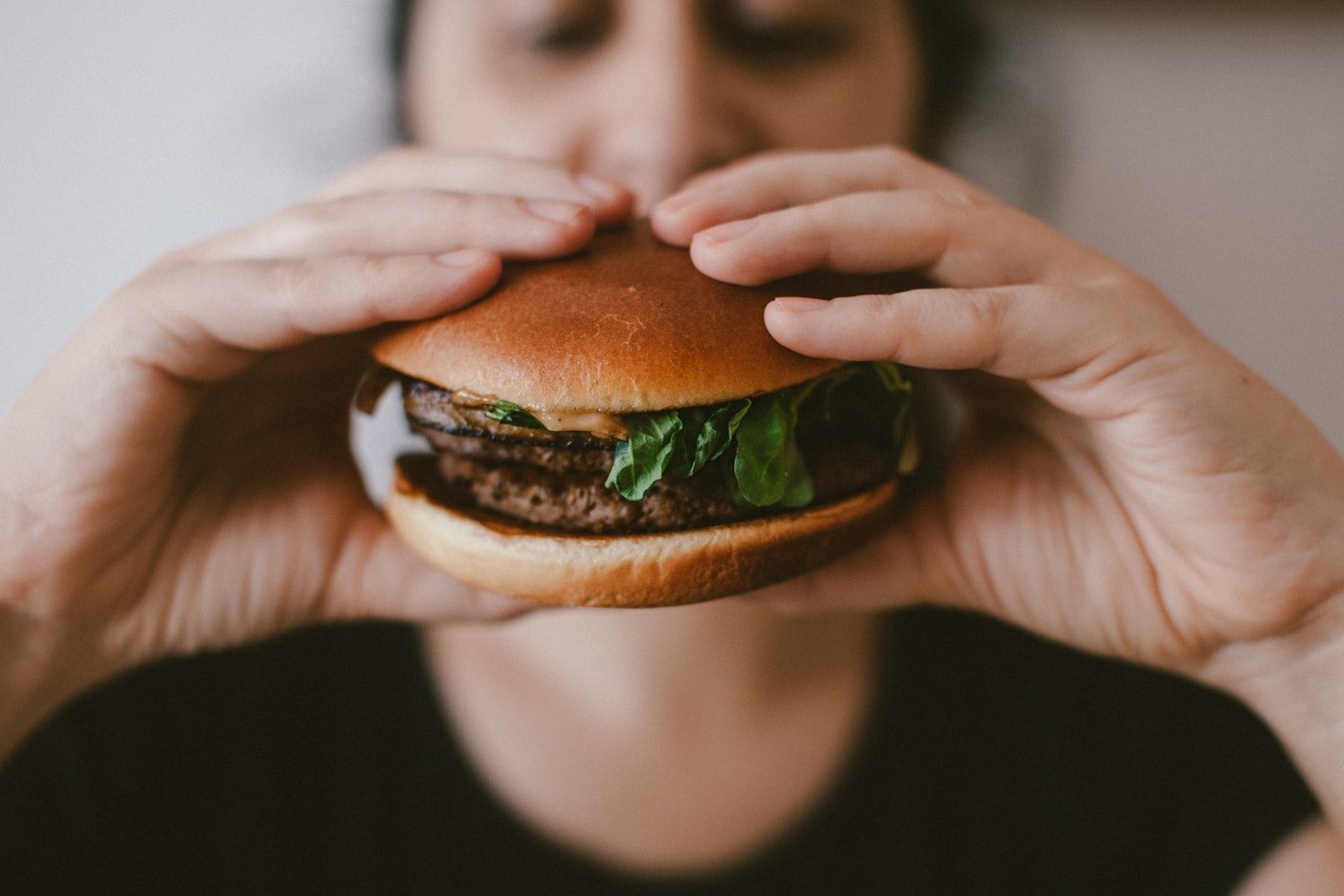
Image: Szabo Viktor

Remember the low-fat diet craze of the 1990s? Well, McDonald's was no stranger to it. To attract customers seeking "healthier" options, Mickey D's introduced the McLean Deluxe—a supposedly lighter burger than the Big Mac . The patty, developed by food scientists at Auburn University, was made with 90% meat and seaweed extract.

The company’s intentions were noble, but most consumers weren’t convinced by the "low fat but tastes great" slogan. Apparently, it was not tasty enough for the American palate and was ultimately pulled from stores in 1996 .

2
McHotDog
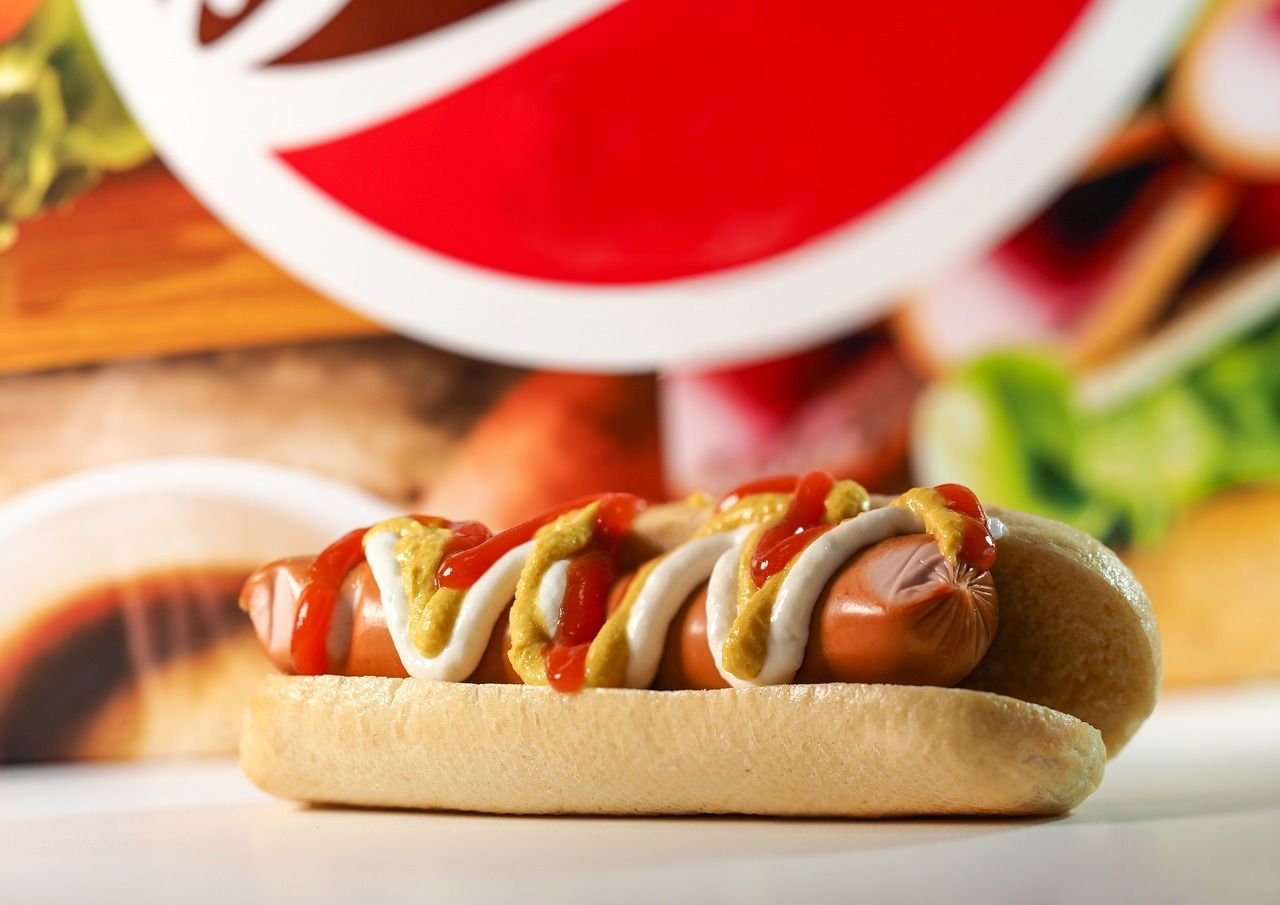
Image: sstoyanov

It doesn’t seem far-fetched for McDonald's to offer a hot dog on its menu. Yet, for many years, the company avoided it because Ray Kroc—the man who transformed McDonald's into the megafranchise we know today—had banned them on the grounds that sausages were of questionable quality.

Despite his reservations, McDonald's introduced the McHotDog in several locations in the mid-1990s. For unknown reasons, however, the product never took off. Have you ever tried it? What did you think?

3
McDLT

Image: Aaron Boucicault

No, it has nothing to do with Subway's BMT or the classic BLT sandwich. The McDLT, introduced in 1984, was a lettuce and tomato burger with only one novelty: it was sold in a Styrofoam container, separated in two, and you had to assemble it yourself.

The most likely reason for the McDLT’s demise was the backlash against Styrofoam in the late 1980s, due to its environmental impact. And let’s be honest—how many people actually want to assemble their own hamburger?

4
Hula Burger

Image: Irene Kredenets

Long before vegan options became popular, Ray Kroc attempted to offer a meatless option for Roman Catholics to eat during Lent. Introduced in 1963, the Hula Burger was essentially a cheeseburger with a slice of pineapple instead of a meat patty.

The idea was a complete flop and was quickly replaced by the Filet-O-Fish, which served the same purpose but was much better received by the public.

5
McLobster

Image: ucomedia

Believe it or not, McDonald's once had a lobster roll on its menu. Introduced in 1993, the McLobster was a sandwich served in a hot dog bun with lobster sauce and shredded lettuce.

Why did it fail? Mostly because of the price . Not only was it expensive for a fast food chain, but if you wanted lobster, you’d probably go to a seafood restaurant instead—don’t you agree?

6
Arch Deluxe

Image: HamZa NOUASRIA

Flavor-wise, the burger "with the grown-up taste" was decent enough, the problem was the marketing campaign that went along with it. The Arch Deluxe was designed for adults , featuring more sophisticated and expensive ingredients.

However, the ads showed Ronald McDonald engaging in adult activities and young rappers saying, "Yuck," which failed to resonate with anyone. The product flopped and was discontinued in 2000 . After all, no matter how old we are, when we go to McDonald's, we all want to feel like kids again.

7
McPizza
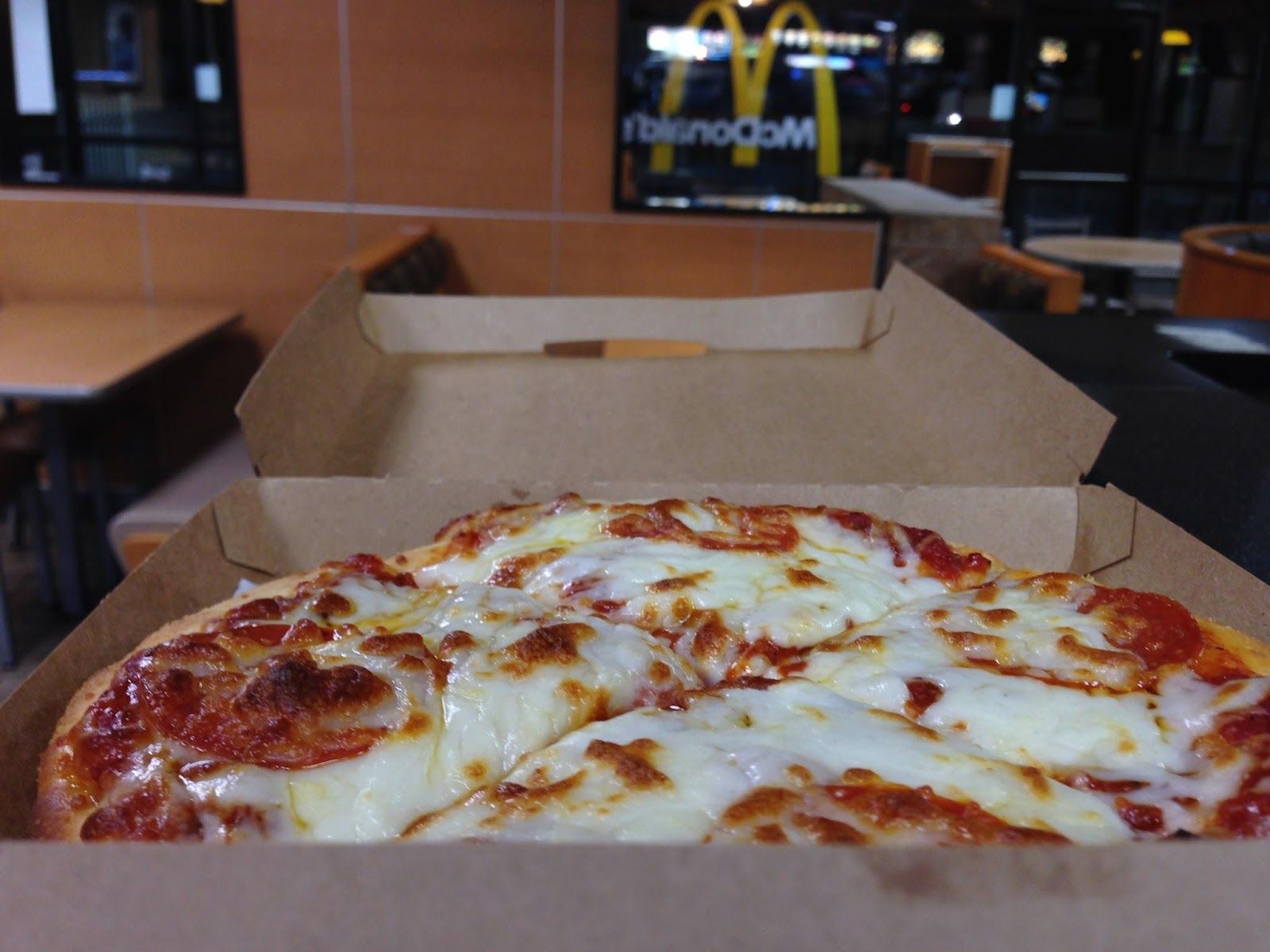
Image: dankeck, CC0, via Wikimedia Commons

In hindsight, McDonald's should have stuck to selling burgers. But we have to give them credit for trying something different. In the late 1980s, the Golden Arches attempted to expand its menu with dinner options, introducing the McPizza. Sold only after 4 p.m. , it was heavily promoted through a major marketing campaign.

However, it was doomed to fail. Pizza takes much longer to prepare than a burger, and most people prefer to buy theirs from traditional pizza parlors. The McPizza was discontinued around 2000 and hasn’t returned to the menu since.

8
McPasta

Image: Lance Lozano

Just as pizza was a bad idea, offering pasta dishes at a burger joint was an even bigger stretch. Since the 1970s , McDonald's has attempted to market pasta, adding items like spaghetti and meatballs, lasagna, and fettuccine to its menu.

Needless to say, despite multiple attempts, all of McDonald's pasta products eventually flopped.

9
Onion Nuggets

Image: Brett Jordan

In 1975, a year after Burger King debuted its famous Onion Rings, McDonald's introduced Onion Nuggets. As the name suggests, this side dish consisted of small, fried onion pieces .

Unfortunately for vegetable lovers, Onion Nuggets were not as successful as their ring-shaped competitors and were finally removed from the menu in the mid-1980s. Just a few months later, McDonald's launched Chicken McNuggets, which proved to be a far bigger success.

10
McSalad Shakers

Image: Hermes Rivera

It seems that most of McDonald's attempts to offer healthier options were fruitless. The McSalad Shakers were salads sold in plastic cup-like containers that you had to shake to distribute the dressing evenly.

Although they featured three appealing flavors—Chef, Grilled Chicken Caesar, and Garden—McSalad Shakers lasted only a few years on the market. In 2003, the cups were replaced by traditional bowls, which, you’ll probably agree, make much more sense.

11
McDonaldland Cookies

Image: 三岁 陈

It remains a mystery why this item disappeared from the McDonald's menu, as it was a favorite among many for years. First introduced in 1974, this dessert consisted of crunchy lemon-flavored cookies shaped like the classic McDonaldland characters—Grimace, Hamburglar, The Fry Kids, Birdie, and Ronald himself!

McDonaldland Cookies came with the Happy Meal but were discontinued in the early 2000s , likely due to health concerns. The good news is, if you want to bring back this childhood flavor, you can still find them in Australia!

Culture Culture 5 min read

HOLLYWOOD REGRETS

What If: 10 Actors Who Turned Down Big Roles

Image: Shlag / Kal Visuals

Forrest Gump played by an actor other than Tom Hanks? What would "Gone with the Wind" be like with Cary Grant in the lead role? Or the blockbuster "Titanic" without Kate Winslet as Rose? Characters become classics mostly thanks to the actors who bring them to life. Hollywood history is full of examples in which incredibly famous characters came close to being played by someone else . In this article, we present 10 stars who, for various reasons, dropped iconic roles that ended up being played by other actors who knew exactly how to make the most of them.

1
Sean Connery, The Lord of the Rings

Image: Thomas Schweighofer

One of the actors who has turned down the most iconic roles in cinema history is probably Sean Connery. For example, he passed on to interpret the evil cannibal in "The Silence of the Lambs", which later earned Sir Anthony Hopkins an Academy Award for Best Actor.

But perhaps the most curious decision of his career was to refuse the role of Gandalf in the 2001 adaptation of "The Lord of the Rings". The producers went so far as to offer him up to ten million dollars and 15% of the film's profits, which would have amounted to around 400 million dollars. Years later the actor declared that he didn’t understand the script and that he didn’t find Tolkien's work attractive enough. Go figure!

2
Gwyneth Paltrow, Titanic

Image: David_Do

More than 25 years after its premiere, we can’t imagine any actress other than Kate Winslet playing the young socialite Rose Bukater in Titanic . However, the director's first choice for the role was American actress Gwyneth Paltrow . After reading the text, Paltrow told her agents that she found the story too corny and ended up turning down the role.

James Cameron's film was a box-office success and Winslet was nominated for an Oscar for her work . But there was another plot twist: a year later, in 1988, the British actress turned down the "Shakespeare in Love" project for which Paltrow won the golden statuette.

3
Al Pacino, Star Wars

Image: Saksham Gangwar

Al Pacino, who starred in great films such as "The Godfather" and "Scent of a Woman", admitted that he was offered the role of Han Solo in "Star Wars", but didn’t accept it because he didn’t understand George Lucas' script .

Recently, he said at an event: "They offered me so much money. I don't understand it.... So I said I couldn't do it. I gave Harrison Ford a career." Truth be told, other actors like Christopher Walken didn't trust the project either . Perhaps in the mid-1970s, no one could have imagined that this fantasy saga would become a multi-million franchise still widely revered by audiences to this day.

4
Marilyn Monroe, Breakfast at Tiffany’s

Image: pure julia

Starring an iconic Audrey Hepburn, "Breakfast at Tiffany’s" was released in 1961. That role marked a turning point in Hepburn’s career, consolidating her as a serious actress. However, Truman Capote, author of the original novel, was totally against her being the protagonist .

Apparently, he wrote the story with Marilyn Monroe as the carefree Holly Golightly in mind . As it turns out, Monroe's acting coach rejected the idea because she didn't want the actress to play "a lady of the night." Capote was never happy with the result and even said, "It is the most miscast film I've ever seen. It made me want to throw up."

5
Gary Cooper, Gone with the Wind

Image: Ian Wagg

Producer David O. Selznick's first choice for the role of Rhett Butler in "Gone With the Wind" was the great Gary Cooper. However, the actor from "The Virginian" didn't want it, and he showed it quite strongly. Cooper reportedly predicted that the film would be the biggest flop in Hollywood history . He allegedly said, "I'm just glad it'll be Clark Gable who's falling on his face and not Gary Cooper."

Of course, he couldn't have been more wrong. Not only is the film considered one of cinema's greatest masterpieces, but it also earned Clark Gable an Oscar nomination for Best Actor and made him one of the most iconic actors of the 20th century. Did Cooper regret it later?

6
Kim Basinger, Basic Instinct

Image: Vlad Deep

Sharon Stone's name will always be associated with the thriller "Basic Instinct" and that famous leg-crossing scene. Although it was the role that made her famous, she got it because other actresses such as Julia Roberts, Michelle Pfeiffer, Geena Davis, Kathleen Turner, and Meg Ryan had previously rejected it.

In the beginning, the film's leading man, Michael Douglas, had recommended Kim Basinger , who had already starred in the erotic romantic drama "9½ Weeks" in 1986. However, Basinger considered Paul Verhoeven's film too extreme for her and chose not to do it. In the end, "Basic Instinct" was one of the highest-grossing films of 1992, although not without controversy.

7
John Travolta, Forrest Gump

Image: Yosuke Ota

The producers' first choice to play the lead role in "Forrest Gump" was John Travolta . The "Grease" and "Saturday Night Fever" actor turned down the role that would later earn Tom Hanks his second Academy Award.

With hindsight, however, we know that Travolta did the right thing . Besides the fact that we couldn't imagine anyone else playing the tender, naïve Forrest, Travolta said no because he had another project in the works. That other film ended up giving him the best character of his entire career: Vince Vega in Pulp Fiction —probably also Quentin Tarantino's best film.

8
Molly Ringwald, Pretty Woman

Image: Look Studio

Vivian Ward's character in "Pretty Woman", which made Julia Roberts a star and for which she won a Golden Globe, had been previously offered to Molly Ringwald . At just twenty years old, Ringwald was already an icon and a reference for the girls of her generation and one of the most sought-after and best-positioned actresses in Hollywood. However, she decided to turn down the offer and go to Paris.

Around that time, she also didn't land roles in "The Silence of the Lambs" and "Working Girl". Those decisions cost her dearly and although she tried to resume her career in the United States years later, it was not easy for her to regain the star status she had had during the 80s.

9
Leonardo DiCaprio, Boogie Nights

Image: Regina Valetova

Leonardo DiCaprio as charismatic porn star Dirk Diggler? Believe it or not, it could have happened. However, at the time DiCaprio felt that director Paul Thomas Anderson didn't have much experience and turned down the lead role in "Boogie Nights" to make "Titanic".

Years later, Di Caprio said in an interview that the 1997 period drama was a film he would have loved to make. "Boogie Nights" is certainly both an audience and critics favorite and the one that catapulted Mark Wahlberg to fame. But if Di Caprio hadn't starred in "Titanic", would he have the career he has today? Luckily, we'll never know!

10
Bette Midler, Sister Act

Image: cottonbro studio

The lead character in "Sister Act" had originally been written for Bette Midler . However, the actress, singer, and comedian was hesitant because she was worried that her fans would not want to see her play a nun.

Producers pestered her for several weeks but Midler felt she could wear anything but a nun's costume and ended up not accepting it. The job eventually went to Oscar winner Whoopi Goldberg who, due to the film's huge success, returned for a sequel in 1992.

General General 3 min read

Monikers of all sorts

Your favorite city has a nickname, but do you know its origin?

Image: Henning Witzel

New York is the Big Apple, Chicago is the Windy City, and New Orleans is the Big Easy. They feel so natural that most of us never stop to ask, "Why that name?" Every one of these labels has a story, some funny, some serious, and some a bit mysterious. Let’s take a fun tour through ten well-known city nicknames.

1
The Big Apple, New York City

Image: Jermaine Ee

New York may be famous for bagels, pizza, and hot dogs , but its nickname has nothing to do with fruit. The term "Big Apple" started popping up in horse racing circles in the 1920s, when jockeys and trainers used it as shorthand for the city’s top racetracks. A sportswriter named John Fitz Gerald picked it up and popularized it in his columns. Decades later, the city even used it in tourism ads, and the rest is history!

2
The Windy City, Chicago

Image: Dulcey Lima

Chicago’s nickname might sound like a weather forecast, but the truth is more colorful. Newspapers in the late 1800s used "Windy City" to poke fun at local politicians , suggesting they were full of hot air. Sure, Lake Michigan’s winds played a part, but it was really the dig at the city’s bragging that made the phrase hit home!

3
The City of Brotherly Love, Philadelphia

Image: Catherine Kerr

This one is actually quite simple, actually. Philadelphia’s name comes from the Greek words for love, phileo, and brother, adelphos . The city’s founder, William Penn, wanted it to be a place of religious freedom and fair treatment, even making agreements with Native Americans over land. In short, the nickname reflects the city’s values. Beautiful, isn't it?

4
Sin City, Las Vegas

Image: David Vives

We don’t really need to explain why Las Vegas is called Sin City: casinos, nightlife, and more than a little temptation . You know how the saying goes, what happens in Vegas… But the roots go deeper. In the early 1900s, Block 16 downtown had a reputation linked to illegal businesses, and the label stuck. Nevada later legalized gambling in 1931, and that sealed Las Vegas’ image as the country’s playground of vice.

5
The Big Easy, New Orleans

Image: Harold Wainwright

New Orleans picked up the nickname "The Big Easy" in the 1970s as a playful contrast to New York’s "Big Apple." The first to use it was a columnist, and later a novel and film with the same title helped spread it. The name suits the city well because its music, food, and culture have an effortless, laid-back feel that still defines New Orleans today.

6
Beantown, Boston

Image: Lance Anderson

Boston baked beans are behind this nickname , but you probably already figured that out. Now, let’s look at the deeper layer here: during the colonial era, molasses poured into the city as part of the triangular trade, and it flavored both rum and beans. Traders nicknamed Boston "Beantown" back then, though today it is mostly tourists who still use the term.

7
The Emerald City, Seattle

Image: Luca Micheli

Seattle’s leafy scenery gave it the name Emerald City. Surrounded by water, rain, and forests, the city is filled with parks like Discovery Park and the Arboretum, which keep it vibrant throughout the year. The nickname highlights Seattle’s natural beauty, providing a refreshing contrast to its reputation for gray skies.

8
The Mile High City, Denver

Image: Owen Lystrup

Denver sits at an exact elevation of 5,280 feet above sea level, which is why it’s called the Mile High City. Fun fact about this: at Coors Field, the local baseball stadium, a row of purple seats marks the one-mile line . Visitors often notice the altitude the first time they climb a hill or sip a beer, so the nickname is more than just clever branding. Do you like this city?

9
The Magic City, Miami

Image: Pontus Wellgraf

Miami earned the nickname Magic City not for magicians (that would’ve been a fun story, right?), but for how quickly it grew . In the late 1800s, Julia Tuttle, a local landowner, helped bring the railroad and development to the area. In no time, Miami transformed from farmland into a bustling hub. We could say it was magic, don’t you think?

10
The City of Angels, Los Angeles

Image: Henning Witzel

Some nicknames have more intriguing stories, but that’s not the case for LA. Los Angeles’ nickname is about as straightforward as they come. "Los Angeles" translates directly from Spanish as "The Angels." In short, this elegant nickname mirrors the city’s name itself, one that’s full of angels, apparently!

Explore more American facts

Choose your favorite category!

General
General

As American as apple pie—the very best America has to offer!

Culture
Culture

Delve into the astounding richness of American lore.

Geography
Geography

Hop in and explore vast and diverse American landscapes.

History
History

Discover the key moments that shaped the United States.