Culture Culture 3 min read

What’s on the menu?

American cuisine: 10 regional dishes to try
Image: Louis Hansel

America’s regional cuisine is as varied as the country itself, a result of more than two centuries of different influences coming together and creating new traditions. When we think about regional dishes, some fan favorites come to mind: Philly cheesesteak, Texas BBQ, different pizza styles, gumbo, and many more. But some dishes, no matter how popular and representative of their region, seem to be less talked about. Here are 10 regional favorites that are worth a try.

1
Cioppino
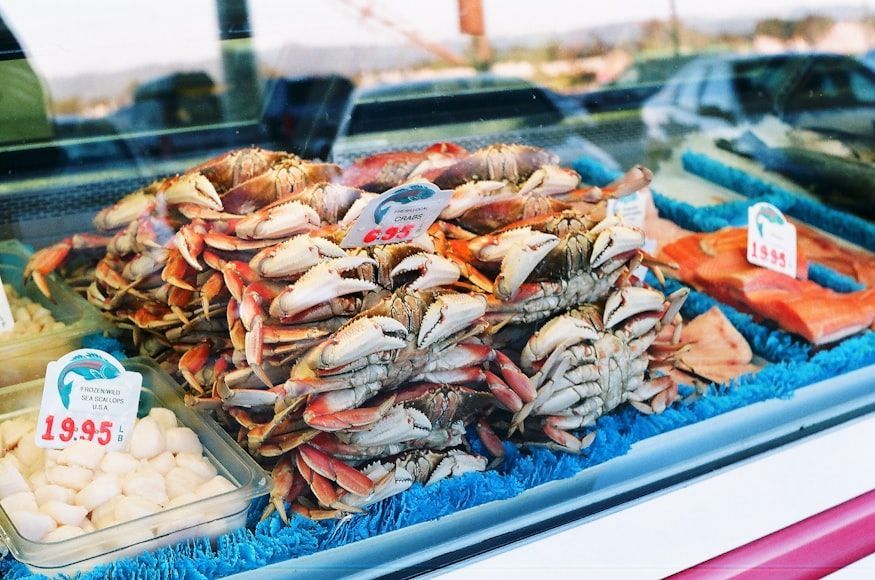
Image: James Wei

A not-so-talked-about product of the Italian influence in America, cioppino is an underrated representative from San Francisco. A tomato-based seafood stew (or a soup, depending on who you ask), it started as a struggle meal made with whatever was caught that day, and it is now a beloved dish that reflects the city’s history.

2
Fry bread
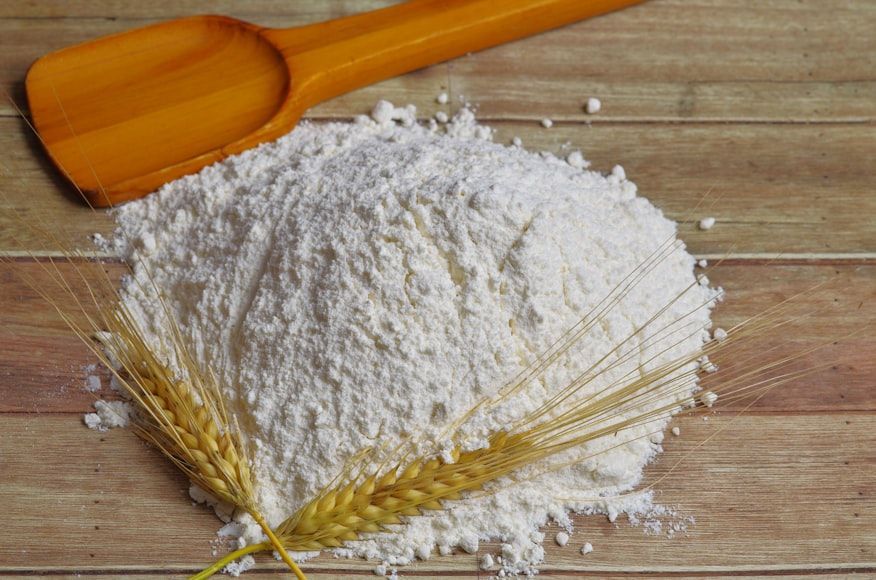
Image: Immo Wegmann

When thousands of Navajo people were forcefully displaced from Arizona to New Mexico, they were provided with meager rations for the 300-mile journey: flour, water, salt, and lard. From these scarce provisions, they created a fried dough, chewy on the inside and crispy on the outside. Originally eaten on its own, it is nowadays paired with all kinds of toppings.

3
Poi
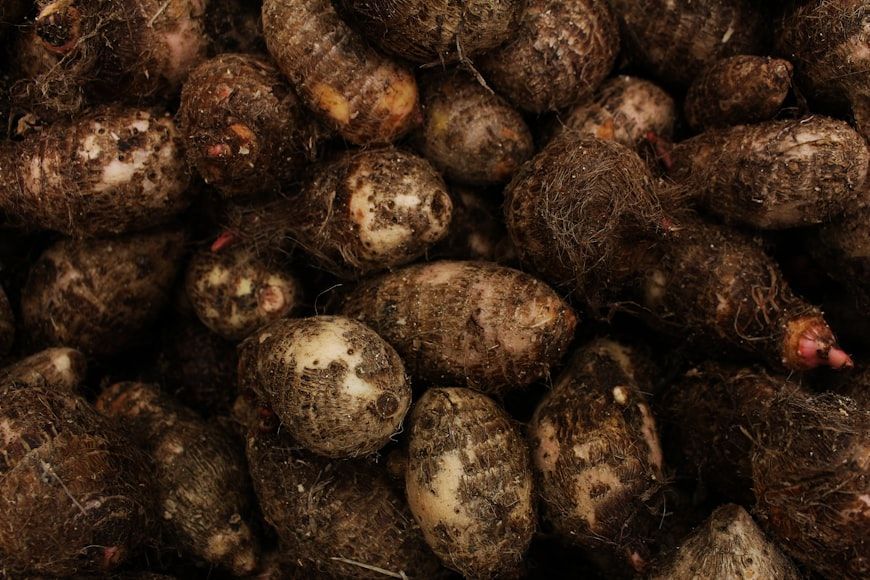
Image: Daniel Dan

Made from steamed and mashed taro root, this Hawaiian dish can be enjoyed in several ways. Although sweeter when freshly made, it is often paired with other savory dishes. It can also be left to ferment, which gives it a more sour taste. Highly nutritious, poi has been a staple in Hawaiian and Polynesian cuisines for centuries.

4
Étouffée
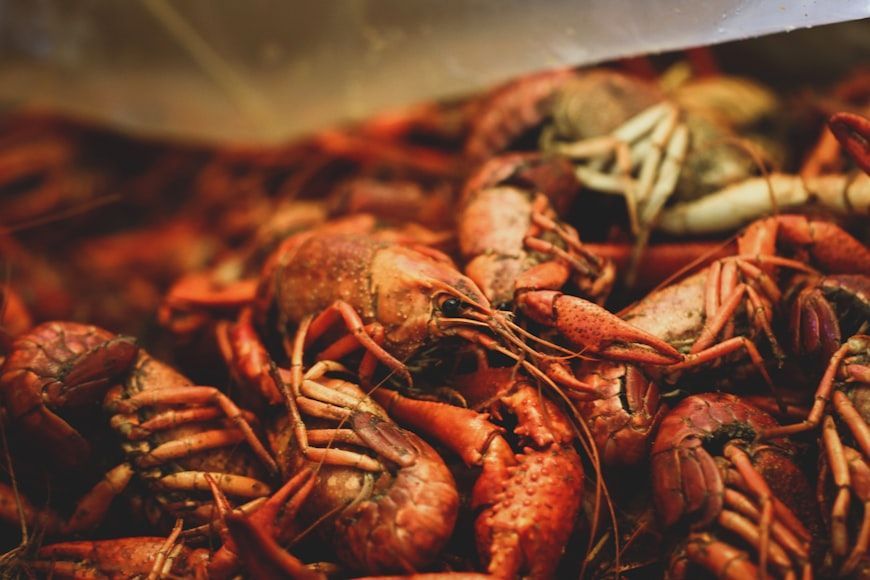
Image: Stephanie Moody

Gumbo and jambalaya might be what first come to mind when thinking about Louisiana, but étouffée (meaning ‘smothered’) should not be overlooked. Thicker than gumbo —though sharing many of its ingredients—, étouffée delivers what its name promises: a rich, gravy-like, shellfish stew that smothers the accompanying rice. Depending on whether you are having a Creole or a Cajun étouffée, it may or may not contain tomatoes.

5
Crab cakes
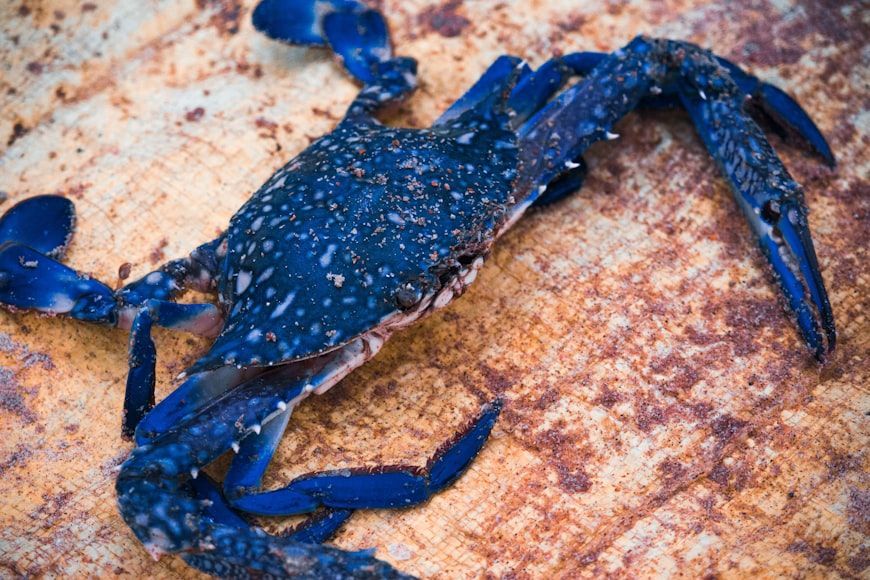
Image: Girish Dalvi

This dish can be found all along the Atlantic coast, but its most famous iteration is associated with Chesapeake Bay, Maryland. With a history that goes back to Native Americans, modern crab cakes can be enjoyed sautéed, baked, grilled, deep-fried, or broiled, and are most of the time made with blue crab, though other crab meats can be used.

6
Clam chowder
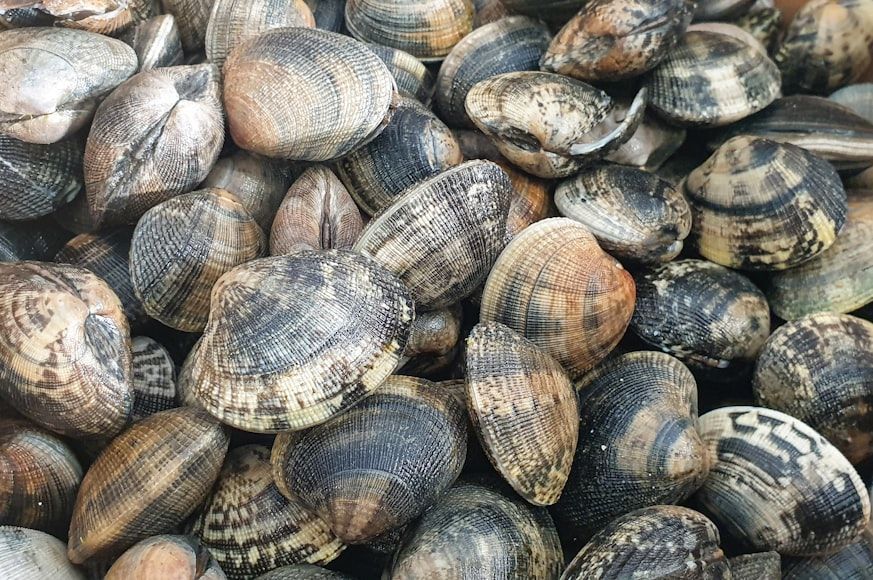
Image: henry perks

A New England staple, this dish draws influence from British, French, and Nova Scotian traditions. Although it was not dairy-based in its origins, modern clam chowder gets its rich texture from milk or cream, and features butter, potatoes, pork, and, of course, clams. Other famous variations differ mainly in the soup base, such as the Manhattan clam chowder (made with tomato) or the Rhode Island clam chowder (made with a clear broth).

7
Hush puppies
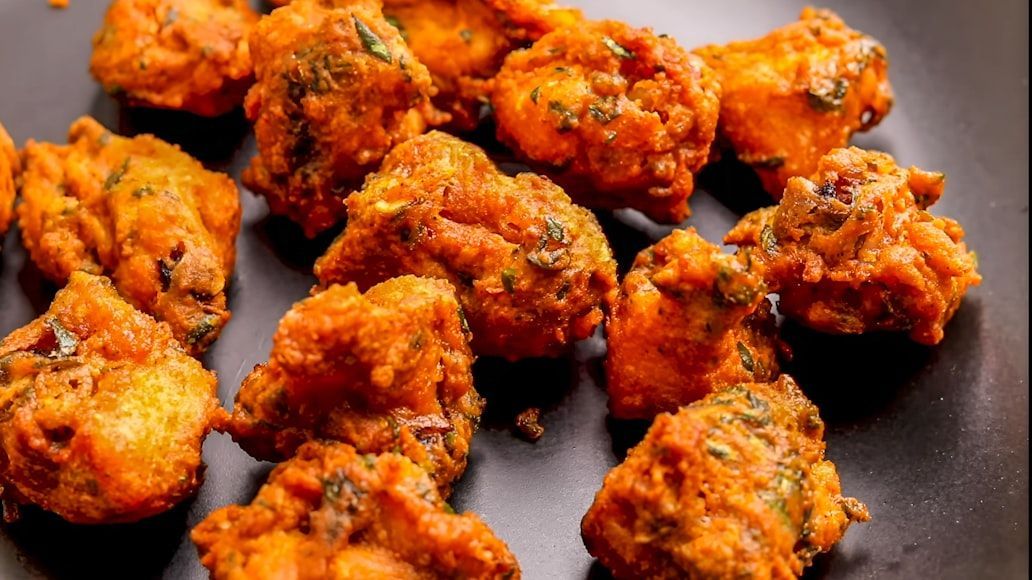
Image: Abhijit Biswas

A Southern classic, these cornmeal fritters became popular during the Civil War because they were affordable and versatile. Usually made plain to serve as a side dish, they can also have cheese, jalapenos, whole corn grains, and other fillings added.

8
Marionberry pie
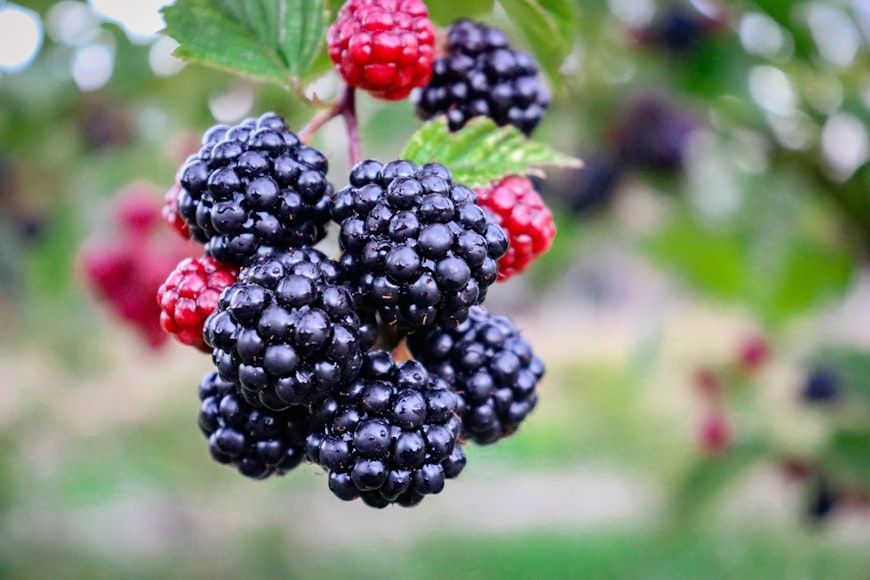
Image: Amanda Hortiz

Oregon's signature dessert, this pie filling features marionberries, a blackberry hybrid developed in the 20th century. Compared with regular blackberries, marionberries have a deeper, more complex flavor, resulting in a sweeter and sharper pie filling. A summer staple, it is often served alongside vanilla ice cream.

9
Runza
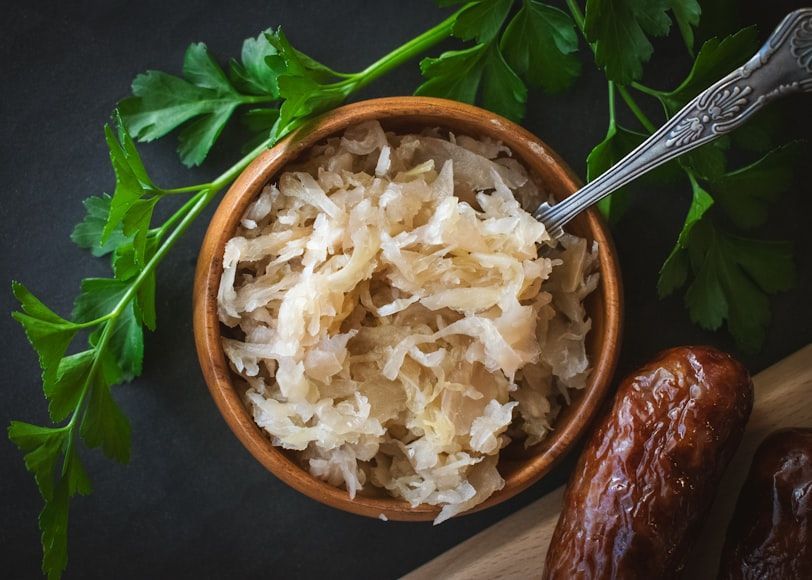
Image: Kelsey Todd

Food from the Midwest is sometimes reduced to casserole dishes and jello salads, but it is more varied than some might think. Runza, a sandwich-hot pocket hybrid filled with beef, cabbage, and onions, is an example of how midwesterners transformed immigrant food traditions into something new. Originating in Nebraska, runzas are derived from German and Eastern European pirogs , a baked, filled dough.

10
Akutaq
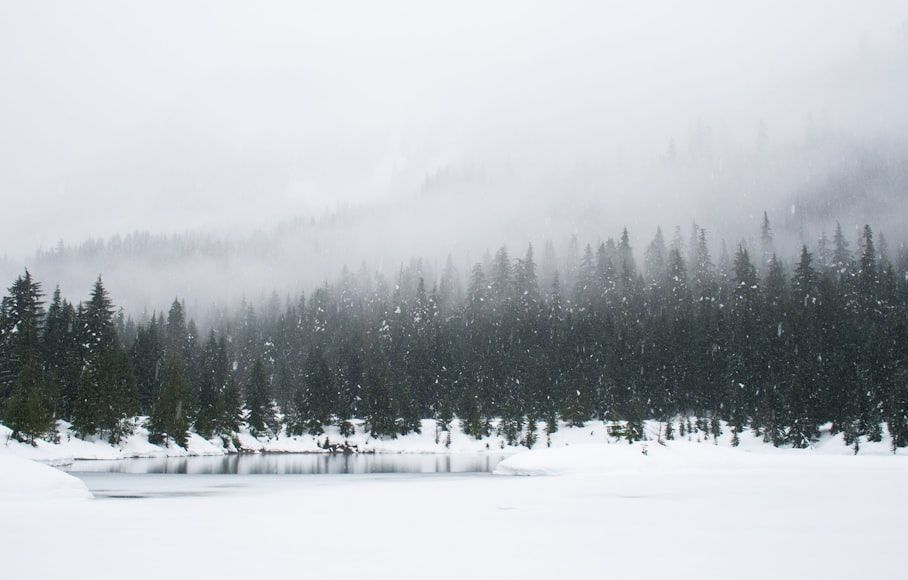
Image: Adam Chang

Though this Alaskan delicacy is technically an ice cream, don’t expect it to be like the ice creams you are used to. Made from reindeer fat, seal oil, fresh snow, berries, and sometimes, ground fish, akutaq is a dessert, a snack, a spread, and a main dish all in one. Developed as a way to preserve fruits and animal fats, this nutrient-dense dish has everything you need to face the harsh Alaskan winters.

General General 4 min read

Behind the scenes

Can you really buy an Oscar for a dollar? Little-known facts about awards

Image: RDNE Stock project

America must really love handing out awards if we have a full season devoted to it. You’ve watched it on your TV a thousand times, but did you know the winners can sell their Oscars? And what about the fact that the Golden Globes are not actually a hundred percent gold? Here’s all we know about award season . Put that dress and suit on, and walk down the red carpet of our site to get all the details!

1
The Golden Globe: Lighter than it looks

Image: MUILLU

Despite its prestigious reputation, the Golden Globe is one of the lightest major awards, it weighs just 7.8 pounds. That’s about the same as a small bag of sugar. Not exactly a workout for the winners, right?

While it may not be as heavy as an Oscar or a SAG Award, it’s still one of the most recognizable trophies in Hollywood.

2
A golden glow-up in 2009

Image: Kier in Sight Archives

The Golden Globe has been around since 1944, but in 2009, the award got a makeover . Its base was updated and they reinforced the top for a more durable design.

The refresh made sure this little trophy could withstand the excitement (and maybe the occasional after-party mishap). The new design kept its classic golden charm while making it sturdier for future winners.

3
Golden Globe: What’s it made of?

Image: Zlaťáky.cz

Now, let’s talk materials: Did you think the Golden Globe is all gold? Not quite! Up to 2019, the trophy was coated in 24-carat gold , sitting on an exotic marble base. However, the new design is made of zinc, brass, and bronze. Goodbye, marble!

That mix of materials makes it both elegant and solid, though it’s still one of the lighter awards out there.

4
The SAG Award: Hollywood’s heaviest trophy

Image: Venti Views

If you’ve ever bowled a strike, you’ve lifted something as heavy as a SAG Award. This trophy called "The Actor" is the bulkiest of the bunch, with a hefty 12 pounds .

Contrary to Golden Globe winners, SAG Award winners need a little arm strength to hoist it up for their acceptance speeches. But hey, considering how much actors work out for movie roles, a little extra weight shouldn’t be a problem!

5
A trophy with a military past

Image: Scott Webb

The SAG Award isn’t just heavy, it’s made of solid bronze originally developed for the US Navy.

The same material used in World War II for ship propellers and shell casings is now used to honor Hollywood’s finest, how about that?

6
The SAG Award: The baby of the group

Image: Tim Wildsmith

Compared to other long-standing awards, The Actor is still the new kid on the awards block. The SAG Awards are only 30 years old , they are the youngest of the major Hollywood trophies.

However, they’ve quickly become one of the most respected honors in the industry. They acknowledge and reward actors and crews from TV shows and they are highly valued among artists.

7
The Grammy’s original name: The Eddie?

Image: Clem Onojeghuo

The Grammy Award almost had a very different name. Originally, the National Academy of Recording Arts and Sciences considered calling it "The Eddie," after Thomas Edison, the inventor of the phonograph.

That’s clever, but eventually, they settled on "Grammy," inspired by the gramophone, an early record player.

8
Handcrafted with care in Colorado

Image: Randy Fath

Unlike mass-produced trophies, each Grammy is handmade by John Billings and his small team in Ridgeway, Colorado.

It takes 15 hours to craft just one , making each award a true work of art. With only a few people in charge of making them, and only a few people in the world who can win it, there’s a special touch to every trophy.

9
Why the Grammys use fake trophies on stage

Image: Markus Spiske

Ever noticed how winners don’t immediately have their names on their Grammy Awards? That’s because they’re handed blank fake trophies during the ceremony!

After the show, Billings’ wife, Robin Meiklejohn, carefully engraves the real nameplates . That way, winners get their correctly labeled awards without any last-minute surprises. We bet you’ll be double-checking next time you watch it!

10
Oscar nameplates: Everyone gets one, just in case

Image: Serge Le Strat

Unlike the Grammy Awards, where nameplates are engraved after the winners are announced, the Academy Awards prepare nameplates for every nominee ahead of time. That means each nominee’s name is already printed and waiting backstage, ready to be attached. The losers’ nameplates? Well, let’s just say they don’t make it onto the trophies

11
The Oscar: More gold than any other award

Image: Samuel Ramos

Hollywood’s most coveted trophy isn’t just tall, it’s loaded with gold . The Academy Award has more gold than any other major trophy. So, to keep it shiny, the polishing work will require a little time!

It takes an hour of careful work to make sure each Oscar gleams on awards night. Because let’s face it, under those bright Hollywood lights, who wants a dull statue?

12
What’s with the Oscar’s base?

Image: Carol Highsmith's America

Have you ever wondered why the Oscar statue has a unique look? The base is designed as a five-section film reel , representing the Academy’s five core branches: actors, writers, directors, producers, and technicians.

It’s a nod to the many different talents that make a great film possible. A meaningful detail on Hollywood’s biggest prize, don’t you think?

13
Why you can’t sell an Oscar for more than $1

Image: Ilya Chunin

Think an Oscar could get one a fortune? Think again! Since 1950, every Oscar winner must agree to offer the trophy back to the Academy for just $1 before selling it.

This rule prevents an underground market for Hollywood’s highest honor, naturally. So if you’re dreaming of buying one, you might need to win it the old-fashioned way: By making a great movie!

14
Why is it called "Oscar"?

Image: Mirko Fabian

The name "Oscar" has a fun origin story. Legend has it that Margaret Herrick, a former Academy librarian, thought the statue looked like her Uncle Oscar , and the name just stuck! Maybe that’s not the real story, but it’s certainly better than calling it "The Academy Award of Merit."

Geography Geography 4 min read

Try not to laugh!

Why? No name? You won’t believe these US towns are called that!

Image: Jeremy Adams

America is home to some truly unique town names… You know, some are charming, some are also confusing , but then again, some make you wonder what exactly the founders were thinking. For example, is Unalaska trying to fly solo? Whether inspired by accidents, geography, or a bit of a je-ne-sais-quoi , these towns prove that creativity knows no bounds. Try to pick a favorite!

1
Unalaska, Alaska

Image: Hari Nandakumar

Despite what the name suggests, Unalaska is not trying to break away from the rest of the state. The town’s name comes from Agunalaksh , the original name given by the Unangan people. Over time, spelling and pronunciation changes led to the simplified version: Unalaska.

In the late 1800s, the US Board on Geographic Names made it official, but don’t worry, it’s just the name; the beauty is certainly Alaskan!

2
Why, Arizona

Image: Kaileen Fitzpatrick

If you’ve ever asked yourself "Why?", you might be thinking too hard. This Arizona town got its name because of a simple road design: State Routes 85 and 86 originally met in a Y-shape.

When it was time to name the community, the locals wanted to call it Y (yes, you read that right), but Arizona law required town names to have at least three letters. So, they got creative and went with Why. Why, right?

3
No Name, Colorado

Image: Rich Martello

What do you call a town when you just can’t decide on a name? Apparently, (and logically, if we might say so), No Name. The story goes that when developers were working on Interstate 70, they left the town’s exit sign blank.

A transportation official later labeled it "No Name", and the locals decided to go with it . State officials tried to rename the area, but the people weren’t having it. They simply loved it!

4
Burnt Store, Florida

Image: Done By Alex

The name Burnt Store sounds like something out of a Wild West showdown, and the real story (or the legend, actually) isn’t too far off, you know?

Legend has it that in 1849, a trading post on the Peace River was burned to the ground after an attack. The store’s manager, George Payne, had dealings with the Seminole Indians before he was killed in an ambush. Shortly after, the store itself was destroyed. The tragic event left a permanent mark on the town’s history and its name.

5
Santa Claus, Indiana

Image: Ryan De Hamer

Originally called Santa Fe, this town located in Indiana had to change its name when officials discovered another Santa Fe already existed in the state.

People saw this as an opportunity, and instead of picking something new and extraordinary, they went all in on holiday spirit and became Santa Claus in 1856.

The town fully embraces its Christmas identity; it has attractions like Holiday World, Lake Rudolph Campground, and Frosty’s Fun Center. If you love the holidays, this is the place to be!

6
Bald Head, Maine

Image: Michael Denning

If you’re expecting a town full of shiny, bald-headed guys, well, you might be disappointed. Bald Head, Maine, actually gets its name from a nearby cliff called Bald Head Cliff .

Now, we all want to know the same: Does it look like a bald head? Sorry to disappoint, but not really. Still, the name has stuck, and the scenic beauty of the area more than makes up for any confusion. Just don’t show up expecting a bald head convention!

7
Accident, Maryland

Image: Colin Lloyd

Accident, Maryland, owes its name to an actual accident… Well, kind of. In the 1700s, two land surveyors both accidentally claimed the same piece of land without realizing it . One of them, William Deakins, Jr., later allowed the other, Brooke Beall, to keep it. Rather than rename the town, the name Accident stuck. Talk about a happy accident… And generosity!

8
Whynot, North Carolina

Image: Brendan Steeves

Similar to Why, Arizona, this North Carolina town also came about after a naming debate that got a little too long.

Legend has it that settlers were arguing over what to call their new town when one exasperated resident finally said, "Why not just name it Whynot and go home?" And just like that, Whynot was born.

9
Boring, Oregon

Image: everett mcintire

Yes, we get it. The first thing that comes to mind is "Why would you name your town this?" But despite what the name suggests, Boring, Oregon, isn’t actually boring . If you need some proof, just ask the locals!

Named after William Harrison Boring, one of its early settlers, the town became a hub for the timber industry. To make things even funnier, Boring has international "sister city" partnerships with Dull, Scotland, and Bland, Australia. If you ever visit, you’ll find that Boring is anything but!

10
Mosquitoville, Vermont

Image: Peter James Eisenhaure

If you were reluctant to visit Boring, imagine visiting Mosquitoville! The name alone makes us want to grab a can of bug spray!

Mosquitoville is actually a small community in Barnet, Vermont, and while we can’t confirm just how many mosquitoes live there, the name doesn’t sound very promising. You’ll just have to go one summer and find out! Only if you dare!

Explore more American facts

Choose your favorite category!

General
General

As American as apple pie—the very best America has to offer!

Culture
Culture

Delve into the astounding richness of American lore.

Geography
Geography

Hop in and explore vast and diverse American landscapes.

History
History

Discover the key moments that shaped the United States.