General General 4 min read

Raise a Glass

Do you choose them too? The top 10 favorite drinks in America!

Image: Alleksana

Whether at a party, an important dinner, a wedding, or on vacation, enjoying a drink can create a nice moment. And while the mixtures and types of drinks are varied, it seems that we Americans know very well what our favorites are. Join us to discover America's 10 favorite cocktails; you may be in for a surprise or two!

1
Margarita

Image: Julie Sd

Margarita is a name we all recognize. So much so that it stands out as one of the most popular drinks in America. With roots in Mexican culture, the Margarita is a well-designed drink, blending the strong flavor of tequila with fresh lime juice and triple sec.

With simple ingredients and preparation, this drink is one of the most popular among those looking for a perfect balance of flavors.

2
Martini

Image: Johann Trasch

A classic of classics, the Martini has its rightful place on this list. Not only is it one of the most famous cocktails in the world, but it's also one of Americans' favorites. We understand why: its combination of gin, dry vermouth, and an olive or lemon twist makes it hard to beat.

Born in the 19th century and rising to fame during the Prohibition Era, the Martini proves that simplicity can perfectly go hand in hand with elegance and sophistication.

3
Moscow Mule

Image: Gary Meulemans

The Moscow Mule, created in America in 1940, has since become one of the most beloved cocktails. With a perfect blend of vodka, ginger beer, and fresh lime juice, this drink offers a refreshing taste, perfect for any summer evening.

But that's not all: Its iconic copper mug not only keeps the Moscow Mule always cold but also gives it a unique look!

4
Espresso Martini

Image: Krists Luhaers

Now, let's talk about one of the surprises on the list: the Espresso Martini. Although it has gained popularity in recent years (especially among coffee and cocktail fans), the recipe for this drink has actually been around since the 1980s.

Let's be honest: its formula is genius. It blends extremely popular flavors -vodka and coffee- into one perfect drink. Often meticulously crafted and served in a chic glass, this drink definitely gets all the attention.

5
Old Fashioned

Image: Bon Vivant

The Old Fashioned teaches us that something doesn't have to be new to be on trend. In fact, this is one of the classic American drinks and is already part of the cocktail tradition in our country.

Bourbon, sugar, bitters, and a twist of citrus peel: that's all it took for this cocktail to win the hearts of many Americans and become an icon of our culture.

6
Mojito

Image: Marc Schulte

When summer arrives, there is a drink that becomes one of the stars. We're talking about the famous Mojito, which successfully mixes mint, lime, rum, sugar, and soda water. Delicious, right?

If rum isn't to your liking, you can easily substitute it with other spirits, such as vodka or gin, which makes it a versatile and adaptable option to different contexts and events. In addition, its preparation is very simple, so you don't need to leave your home and go to a bar to enjoy its refreshing taste.

7
Long Island Iced Tea

Image: sangsang pic

Some may be disappointed to learn that the popular Long Island Iced Tea has no tea in it at all. That's right, this cocktail is made with vodka, rum, gin, tequila, triple sec, sour mix, and a splash of cola. Potent, don't you think?

Perhaps it's its boldness that makes it so popular, as it ranks among the top choices for Americans. But let's be honest: this might not be the best drink if you have to be up early the next morning.

8
Spritz

Image: Miikka Luotio

If the cocktail in the previous entry seemed too much for you, the Spritz might be the perfect choice. As one of the drinks with the lowest alcohol content on the list, the Spritz stands out for its light and refreshing taste.

Plus, its preparation is incredibly simple. All you need is Prosecco, Aperol (sometimes replaced for Campari), and a splash of soda water. And as if all that weren't enough, its characteristic orange tones make it an Instagram-worthy cocktail.

9
Mimosa

Image: Briona Baker

When it comes to brunches, the Mimosa takes the spotlight. It seems to be one of the most popular drinks for celebrating special occasions during the day, thanks to its refreshing, light taste and relatively low alcohol content.

Since it is made with just two ingredients -orange juice and sparkling wine in equal parts- we can all make it at home. Simply mix the ingredients, pour into a tall champagne flute, and you're ready to enjoy!

10
Bloody Mary

Image: Nicole Honchariw

Hand in hand with the Mimosa, the Bloody Mary also stands out as a classic brunch cocktail. Its ingredients -vodka and tomato juice- pair perfectly with the dishes typically served at such gatherings. In addition, different spices, seasonings, and garnishes are often added to its two basic ingredients, making it a versatile drink that can be adapted to different tastes and preferences.

Fun fact: Although it has remained relevant over the years, this cocktail is reported to be most popular among Generation X!
History History 3 min read

Black blood

How oil powered the world: a story of America’s most lucrative industry

Image: Provincial Archives of Alberta

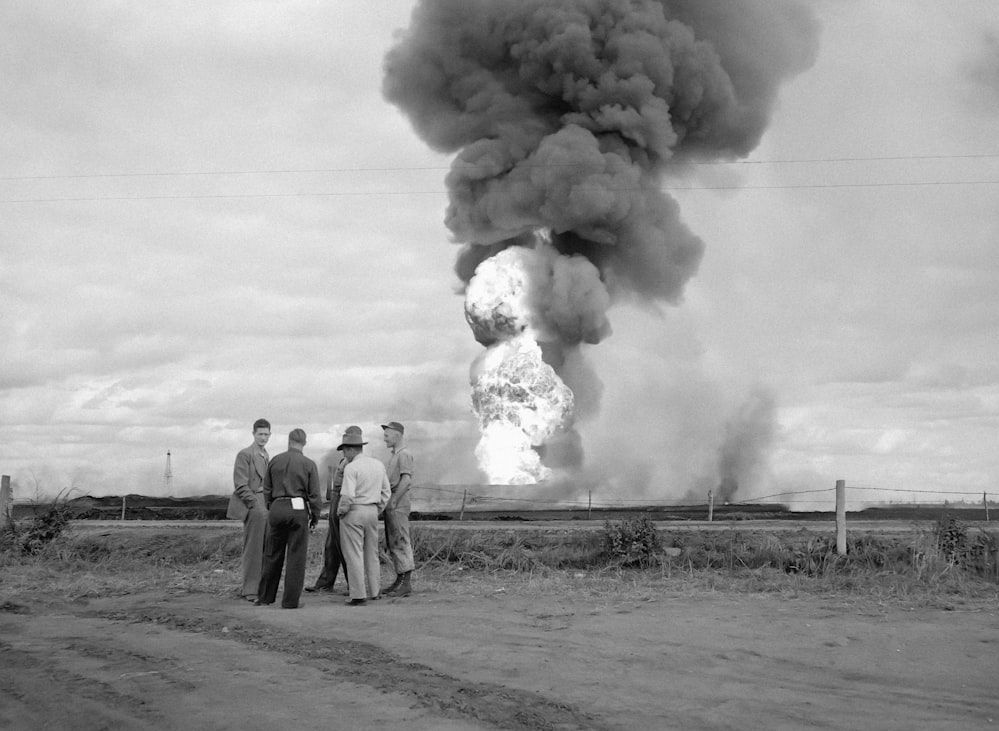
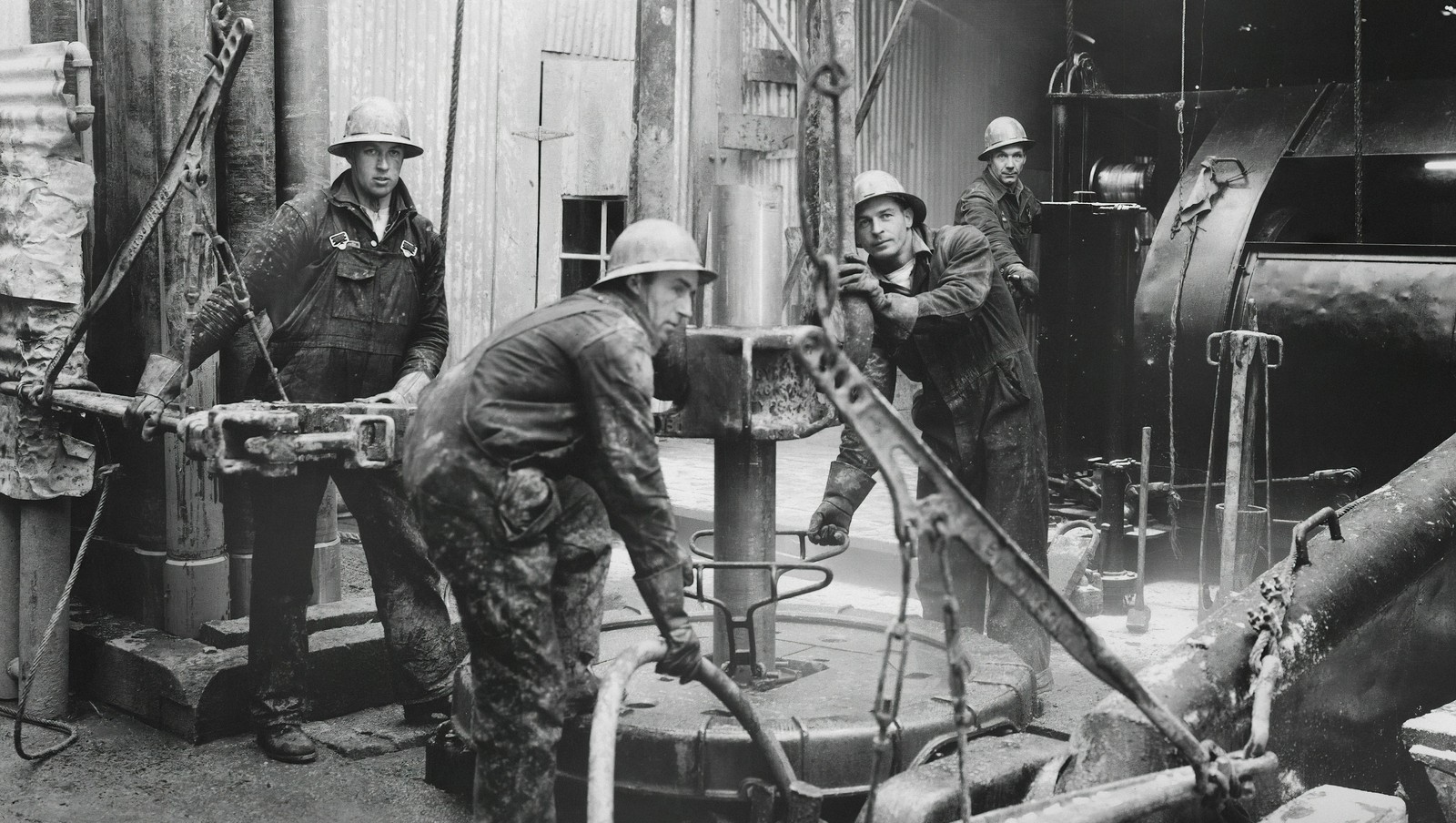
Since the first oil well was drilled, the United States’ crude oil industry has been a story of ambition, innovation, and power. Here are 10 pivotal moments—from the first black gold gush to the modern shale surge—that defined the role of oil in America.

1
1851: Early refining emerges

Image: Cedrik Wesche

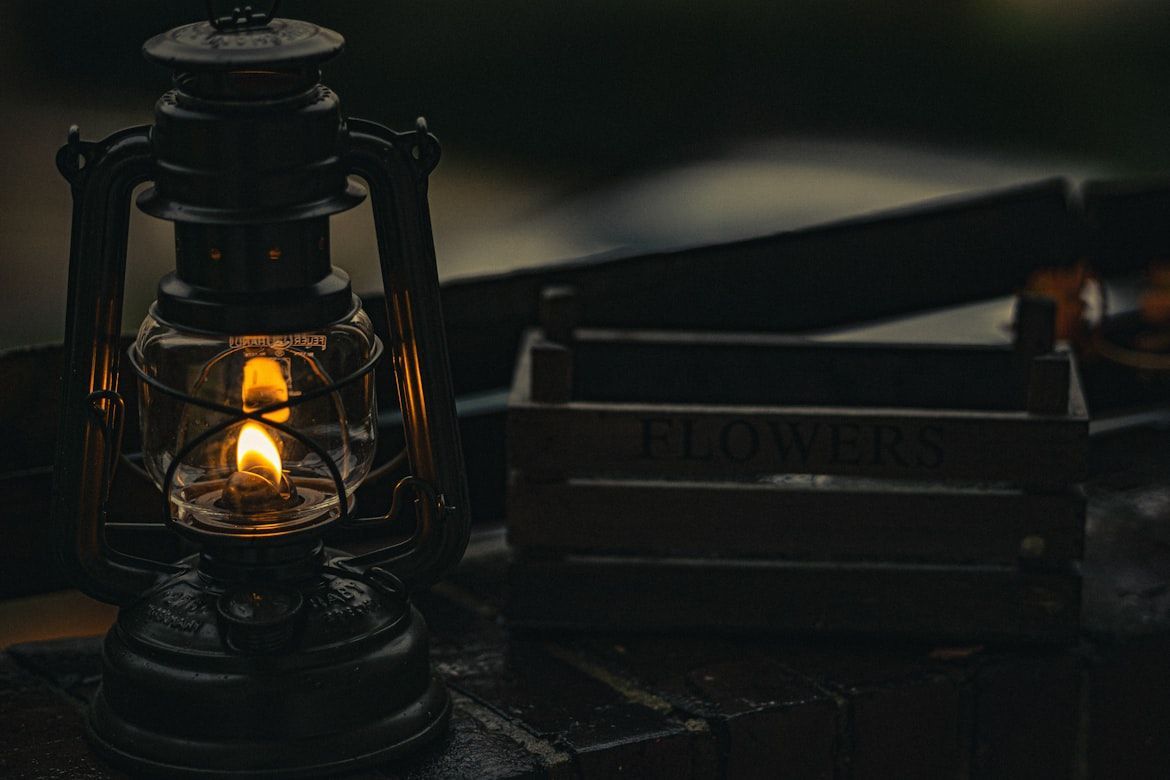
Just before the drilling boom, chemists like Samuel Kier developed small stills to refine crude oil into kerosene for lamps.

That innovation turned oil from a curiosity into a practical commodity. Kerosene replaced whale oil, making lighting cheaper and more widely available, and it created demand for a reliable crude supply.

2
1859: First commercial well

Image: Provincial Archives of Alberta

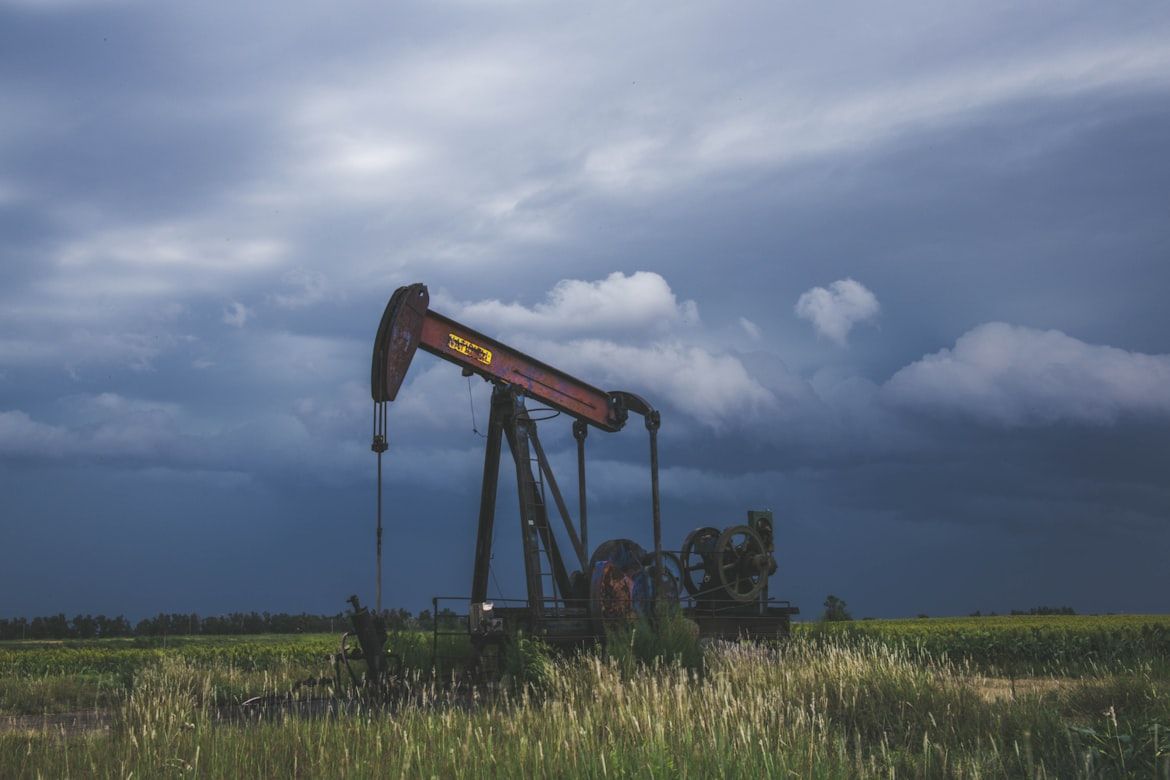
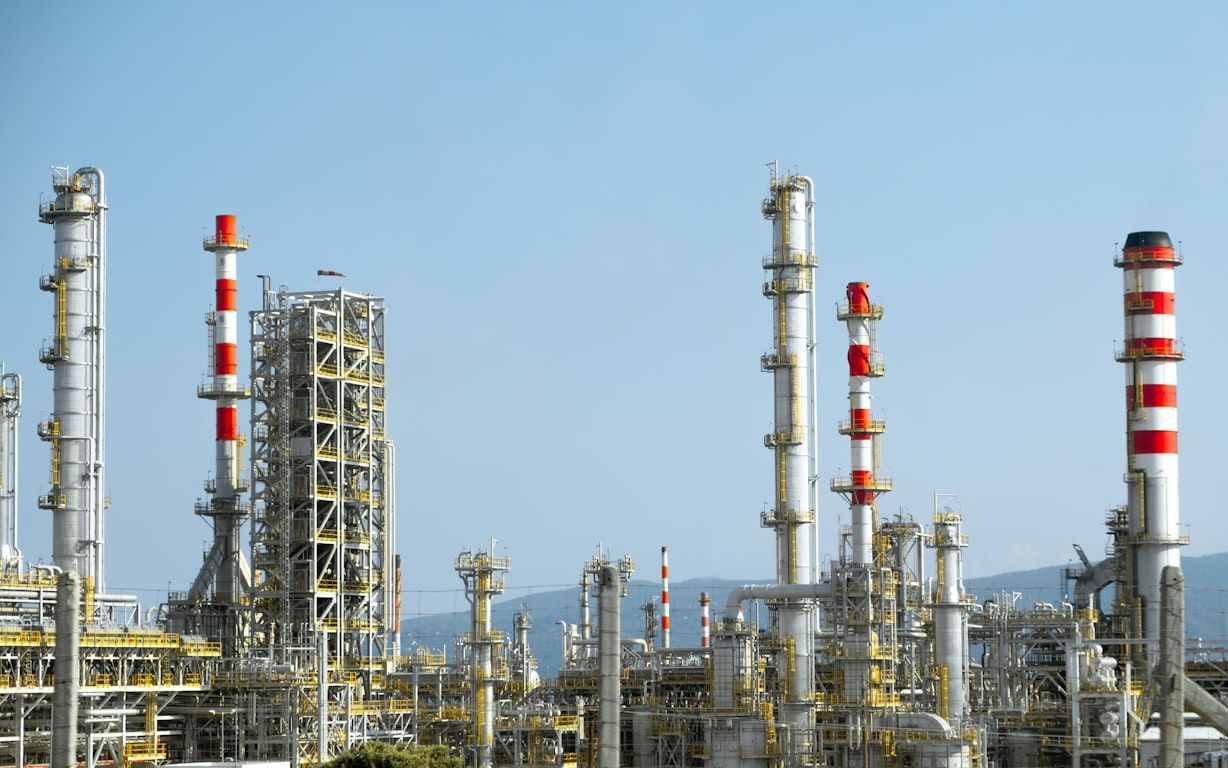
On August 27, 1859, Drake Well near Titusville, Pennsylvania, drilled by Edwin L. Drake, became the first purposefully drilled commercial oil well in U.S. history.

This moment ignited the first true American oil boom. Suddenly, it was possible to produce large volumes of crude—not just collect surface seepage—and to refine it into useful fuels.

3
1860s–1870s: Pennsylvania oil rush

Image: Jeff W

Word of the Drake success spread fast, and drilling spiked throughout Pennsylvania. Towns such as Titusville swelled almost overnight as wells and refineries spread along Oil Creek Valley.

Railroads extended into western Pennsylvania to transport oil across the country, embedding petroleum into America’s emerging industrial infrastructure.

4
1890s: Dawn of the automobile

Image: Matthew Lancaster

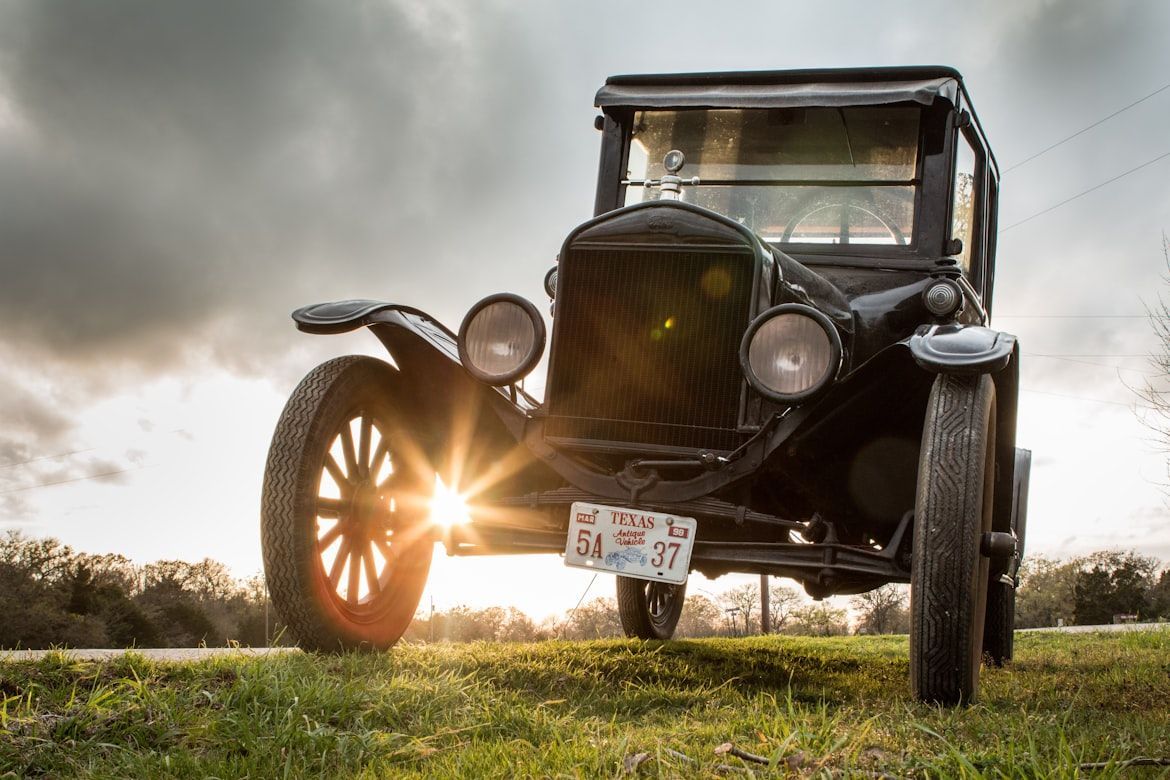
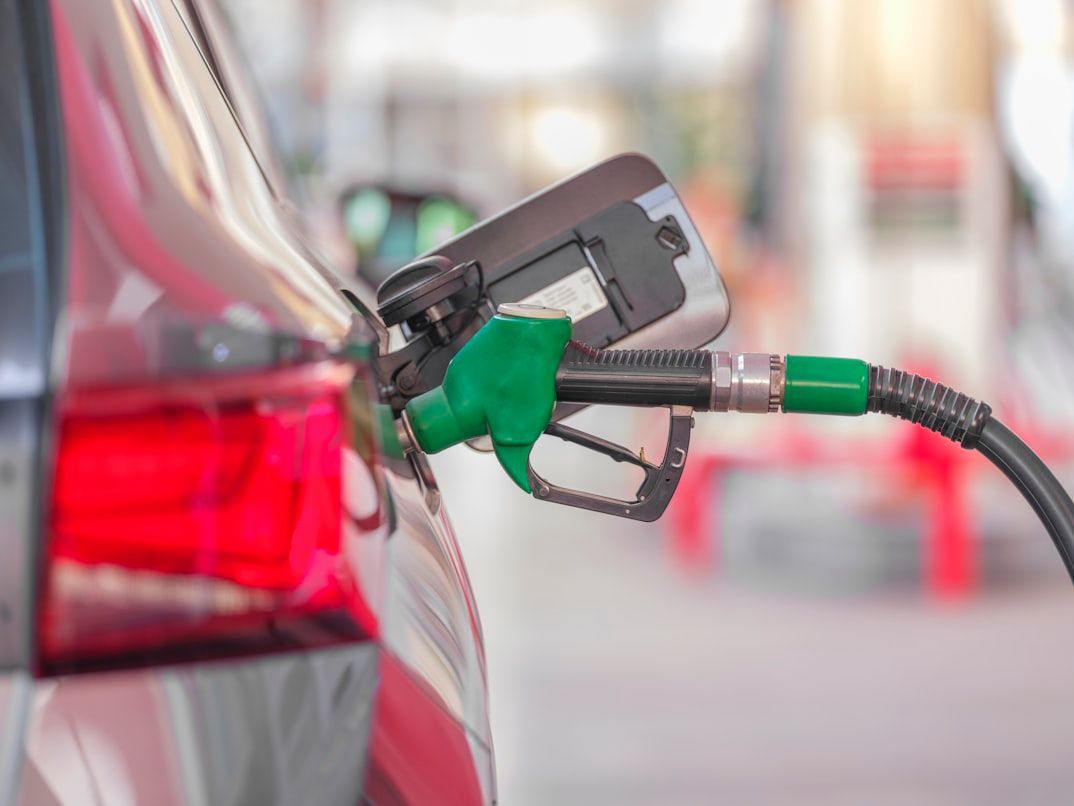
By the 1890s and into the early 20th century, the rise of the automobile created growing demand for gasoline , which had previously been a relatively minor byproduct of crude oil refining.

This shift moved oil’s primary role away from lighting and industrial lubrication and toward transportation fuel , setting the stage for petroleum to dominate America’s energy needs in the decades that followed.

5
1900s–1910s: Rise of big oil companies

Image: Russel Bailo

Following early successes, oil refining and distribution consolidated. Firms like Standard Oil Company rose to dominate refining, pipelines, and distribution networks.

At the same time, new oil fields and competition still challenged monopolies and spread oil wealth and infrastructure across more regions of the country.

6
1914–1945: Oil & war

Image: Roman

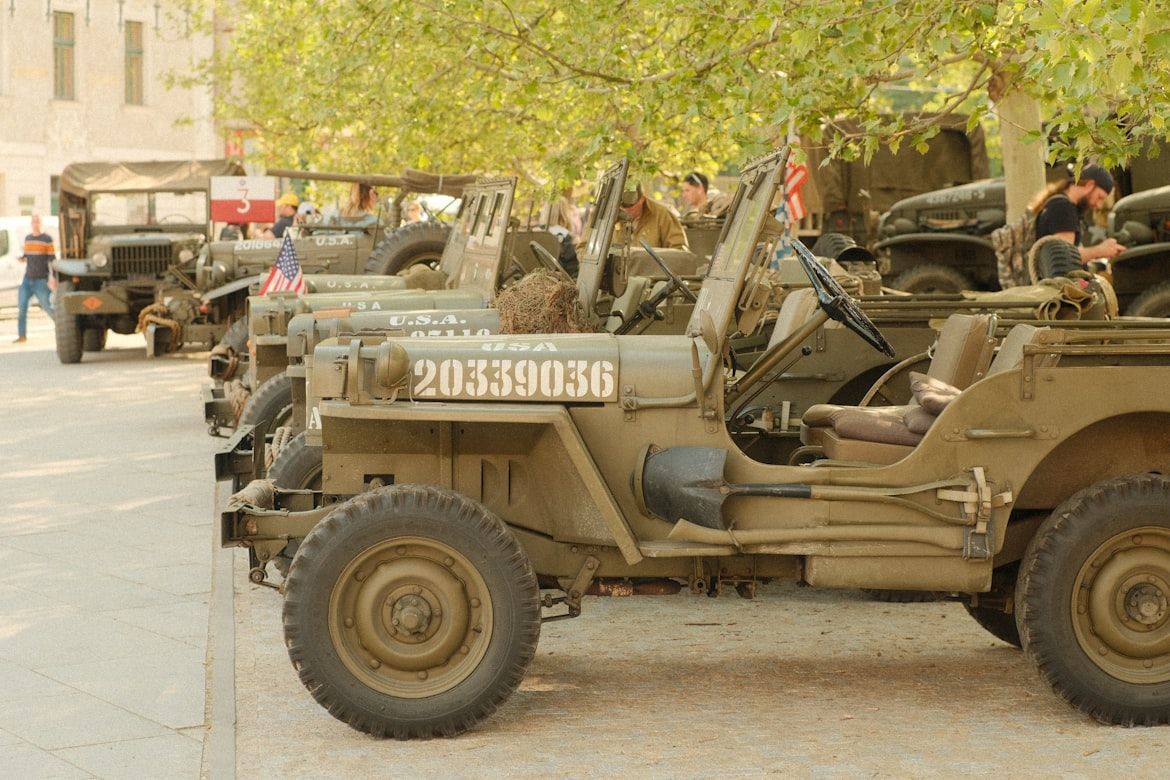
During both World War I and World War II, U.S. oil production and refining capacity became critical to the Allied war effort , fueling ships, vehicles, aircraft, and manufacturing.

That strategic role cemented oil’s position not only in industry but also in American global power, military strategy, and foreign policy.

7
1960: A global oil cartel forms

Image: Christian Harb

On September 14, 1960, the main oil‑exporting nations formed the Organization of the Petroleum Exporting Countries (OPEC) to coordinate oil production and influence prices globally.

Though initially limited in power, OPEC’s rise began to challenge American dominance , setting the stage for decades of geopolitical tension around oil supply.

8
1969: Santa Barbara oil spill

Image: matt brown

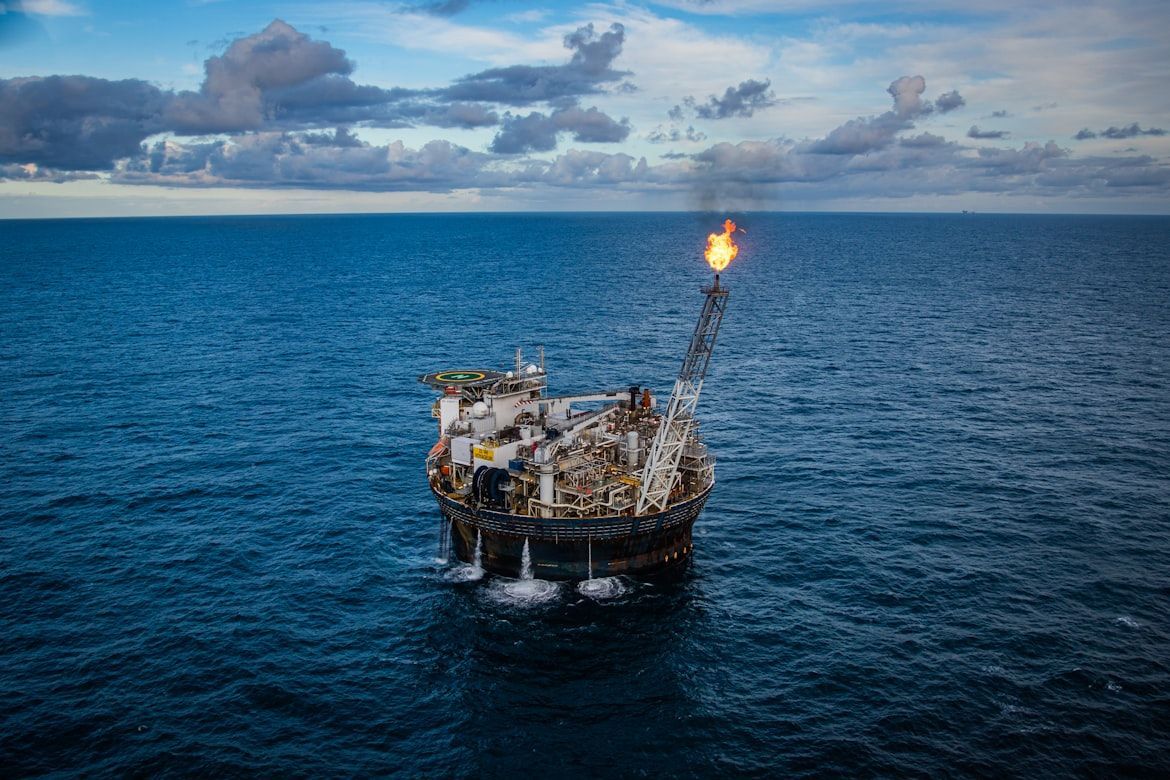
In early 1969, a blowout from an offshore drilling platform released tens of thousands of barrels of oil into the waters off California’s coast, devastating marine life and beaches.

The resulting public outrage helped trigger a surge in environmental awareness and regulation, marking a turning point in how the oil industry was perceived socially and politically.

9
1970–1973: Peak and decline

Image: Documerica

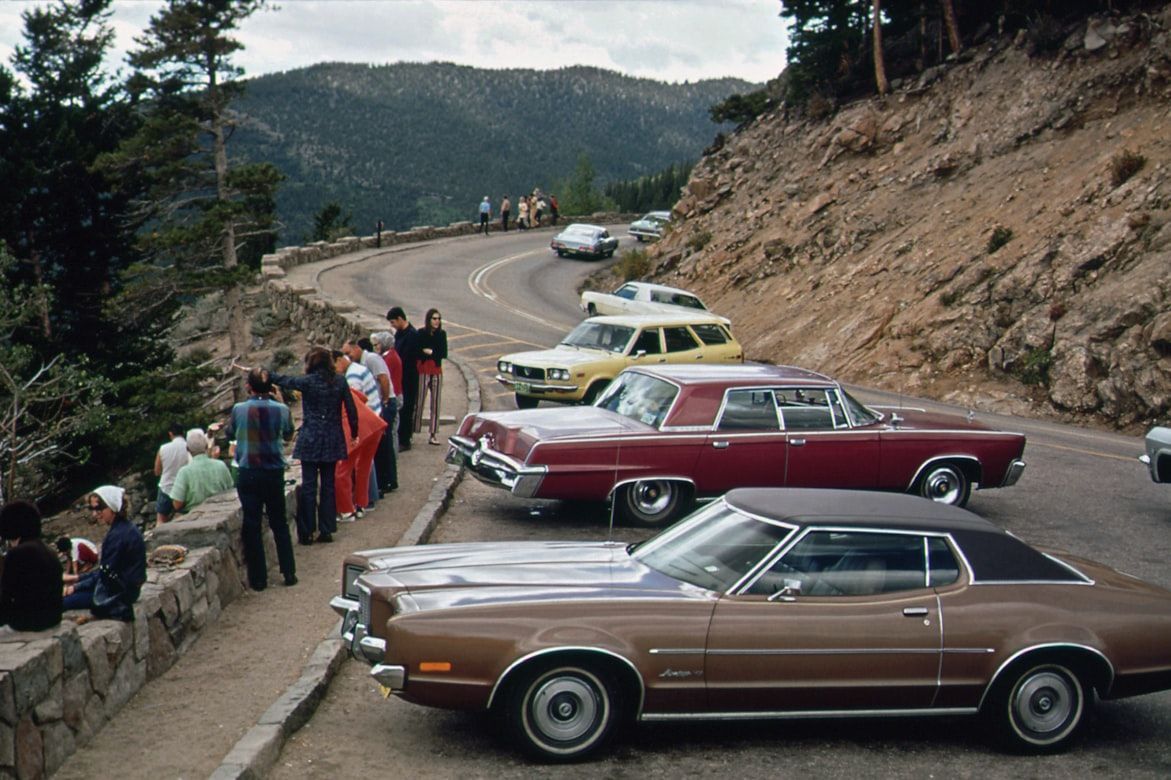
By 1970, U.S. conventional oil production reached its peak, but soon after began a decline as domestic fields matured and couldn’t keep up with the growing demand.

As American production fell, the country gradually became more reliant on foreign oil, a shift that would have major economic and political repercussions.

10
2000s–2010s: Top oil producer again

Image: engin akyurt

In the early 2000s, engineers refined techniques like hydraulic fracturing and horizontal drilling. This unlocked vast shale‑oil and shale‑gas reserves previously uneconomical to tap.

From about 2010 onward, U.S. crude oil production rose sharply, reversing decades of decline. By 2019, the country was producing at levels not seen since the early 1970s.

History History 4 min read

Old-school education

10 classroom habits that once ruled U.S. schools—but are gone for good

Image: Nicola Tolin

Many once-standard school customs in the U.S. have quietly vanished—phased out by shifting norms, safety rules, and cultural changes. These traditions shaped daily routines for generations, yet few remain today. From daily cursive drills to milk breaks , here are 10 traditions that have disappeared, along with the reasons behind their decline.

1
Home economics class

Image: Merve Sehirli Nasir

Home economics as a school subject peaked in the mid-20th century, teaching sewing, cooking, and budgeting —often aimed at girls.

By the 2000s, however, many states had folded it into a broader "family and consumer sciences" category, as shifting gender roles and changing cultural habits made the old curriculum feel increasingly outdated.

2
Woodshop in every school

Image: benjamin lehman

Lightly supervised children with access to power tools? Today, it seems hard to believe, but woodshop was a standard industrial arts course throughout the 1950s–1980s.

Declines began in the 1990s due to higher liability insurance costs, budget cuts, and a growing emphasis on college-prep academics over practical skills. Some schools still maintain limited woodworking programs, often using them as hands-on, integrated learning tools.

3
The dodgeball era

Image: Wan San Yip

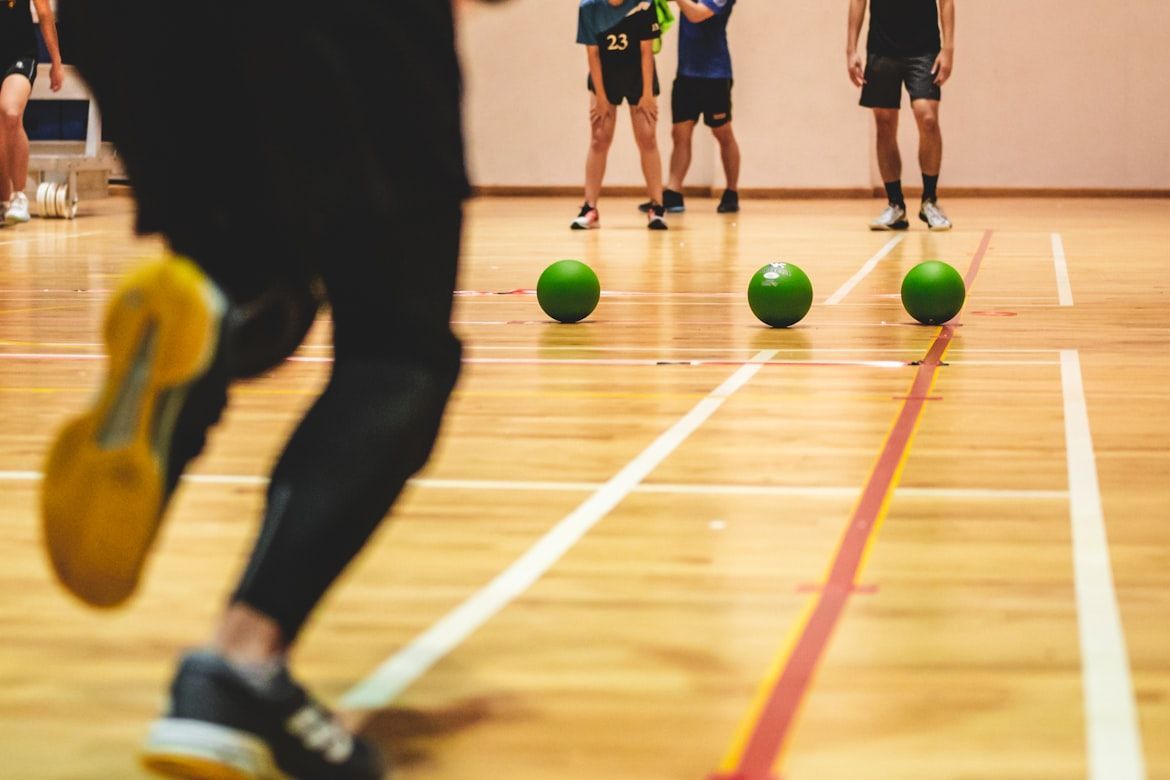
Dodgeball dominated physical education classes well into the 1990s, often using hard rubber balls that were notorious for causing stingers, bruises, and occasional injuries . The game was popular because it required little equipment, could fill an entire class period, and kept large groups of students active.

By the 2000s, however, concerns about safety and bullying led many districts to restrict or replace dodgeball with more structured team sports. Some schools still play modified versions, usually with soft foam balls and strict rules.

4
Chalkboard dusting

Image: Vitaly Gariev

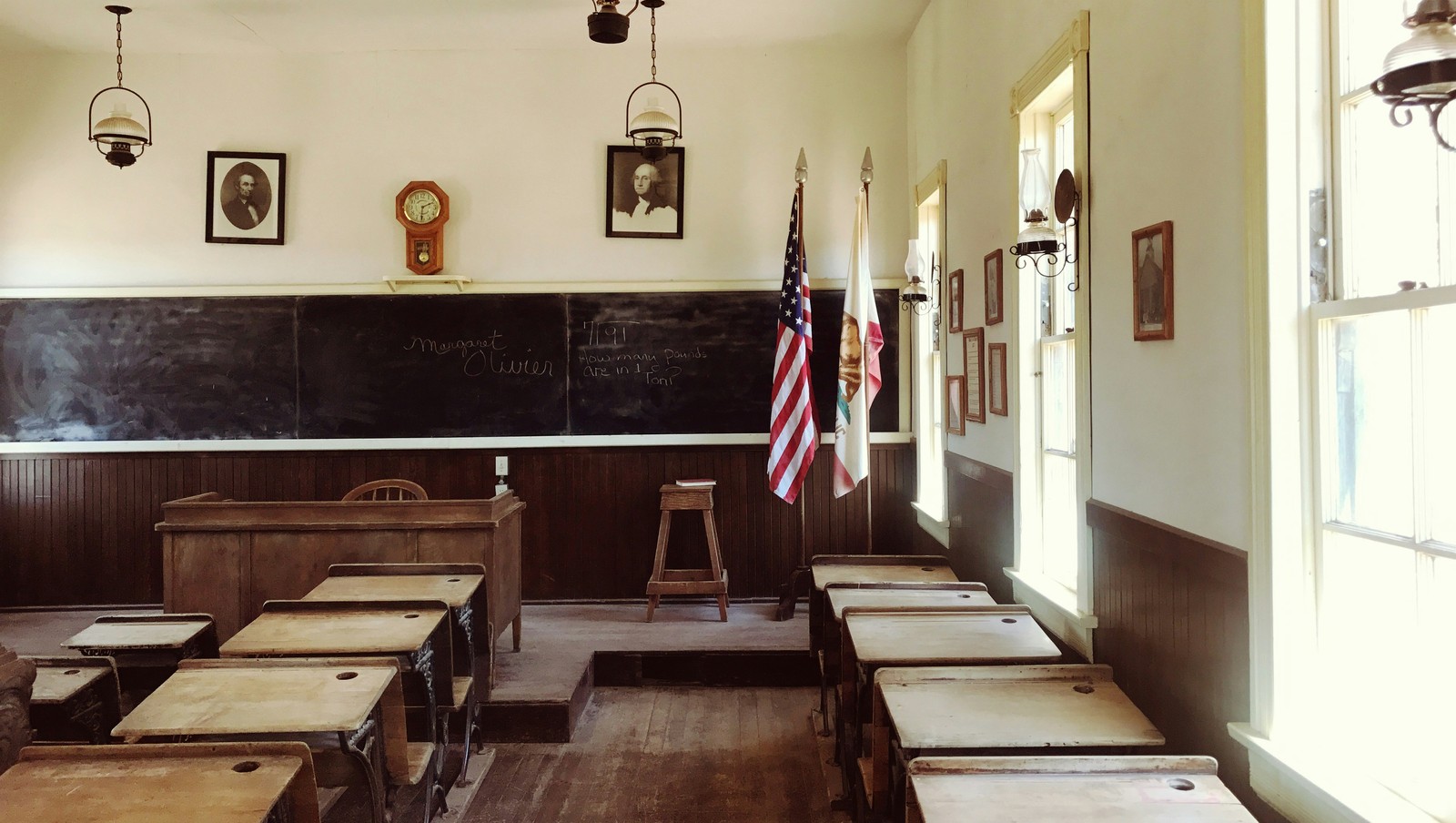
For over a century, green and black chalkboards were the centerpiece of American classrooms, with students regularly assigned to "clap out" erasers outside to clear the built-up dust. Chalk was cheap, durable, and easy for teachers to use in large rooms.

By the 1990s, districts began replacing chalkboards with whiteboards due to dust concerns linked to asthma and indoor air quality. The shift accelerated as overhead projectors, digital displays, and interactive whiteboards provided cleaner surfaces and reduced inhalation hazards.

5
Daily milk breaks

Image: ROBIN WORRALL

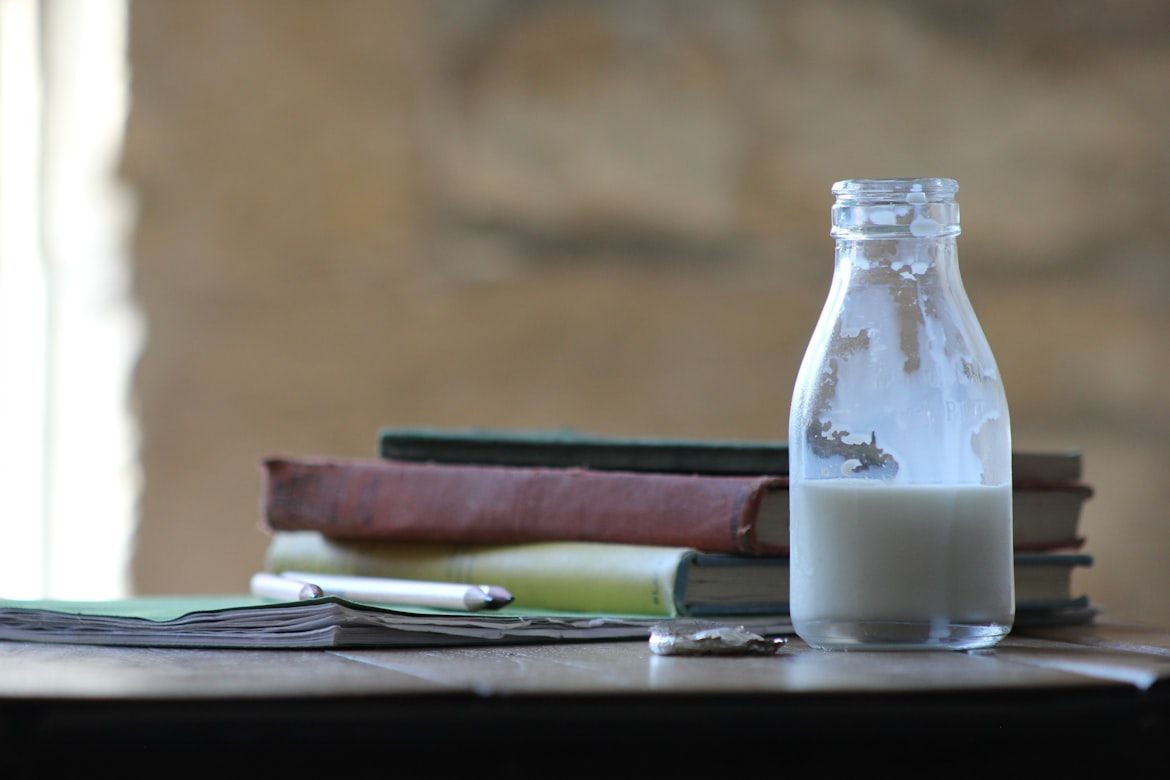
Mid-morning milk breaks became common in American elementary schools after the USDA expanded dairy subsidies through programs like the Special Milk Program in 1954. For decades, students lined up for small cartons—usually whole milk—intended to boost childhood nutrition and support U.S. dairy producers during periods of surplus.

By the 1990s and 2000s, milk breaks declined as updated nutrition guidelines shifted schools toward broader meal programs rather than standalone milk service.

6
In-school smoking lounges

Image: Andres Siimon

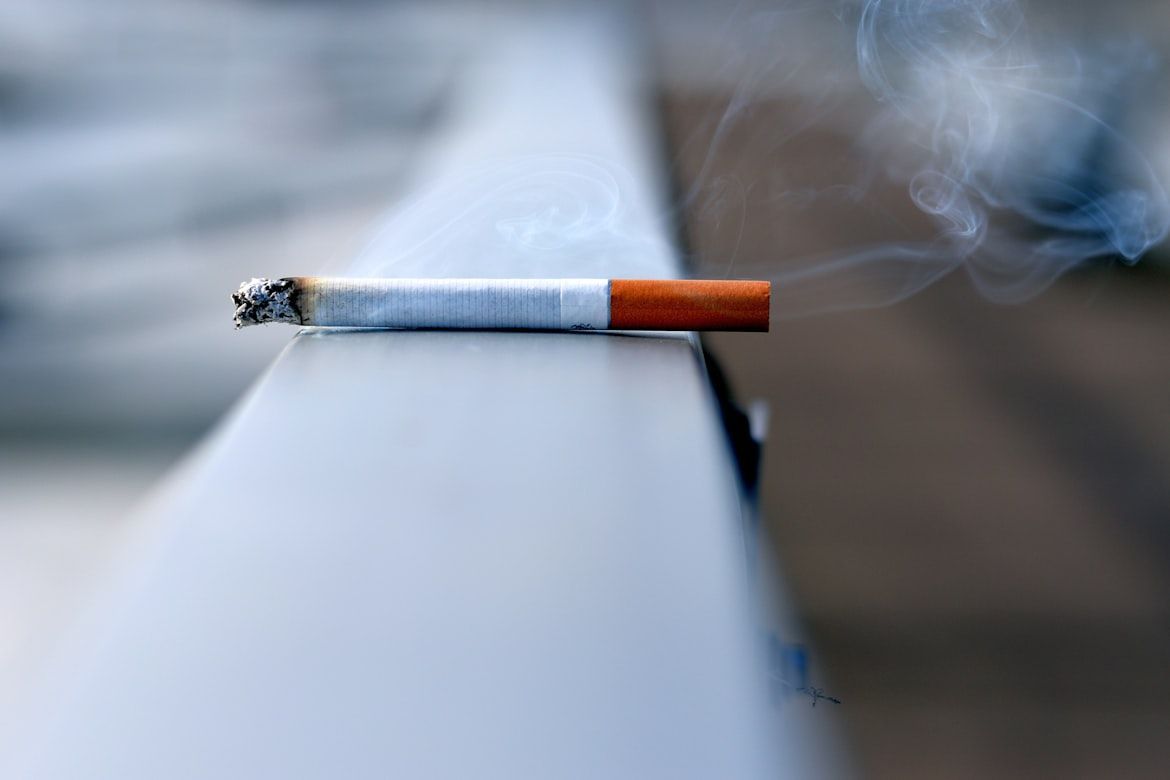
The idea of teens openly smoking on school grounds would be almost unimaginable under today’s health and liability standards. But through the 1960s and into the early 1980s, many American high schools—especially in the Midwest and Northeast—maintained designated smoking areas for students.

The practice disappeared quickly as federal and state regulations tightened, beginning with widespread adoption of indoor smoking bans in the late 1980s and early 1990s. The 1994 Surgeon General’s report and anti-tobacco campaigns further pushed districts to eliminate student smoking sections altogether.

7
Daily cursive drills

Image: Aaron Burden

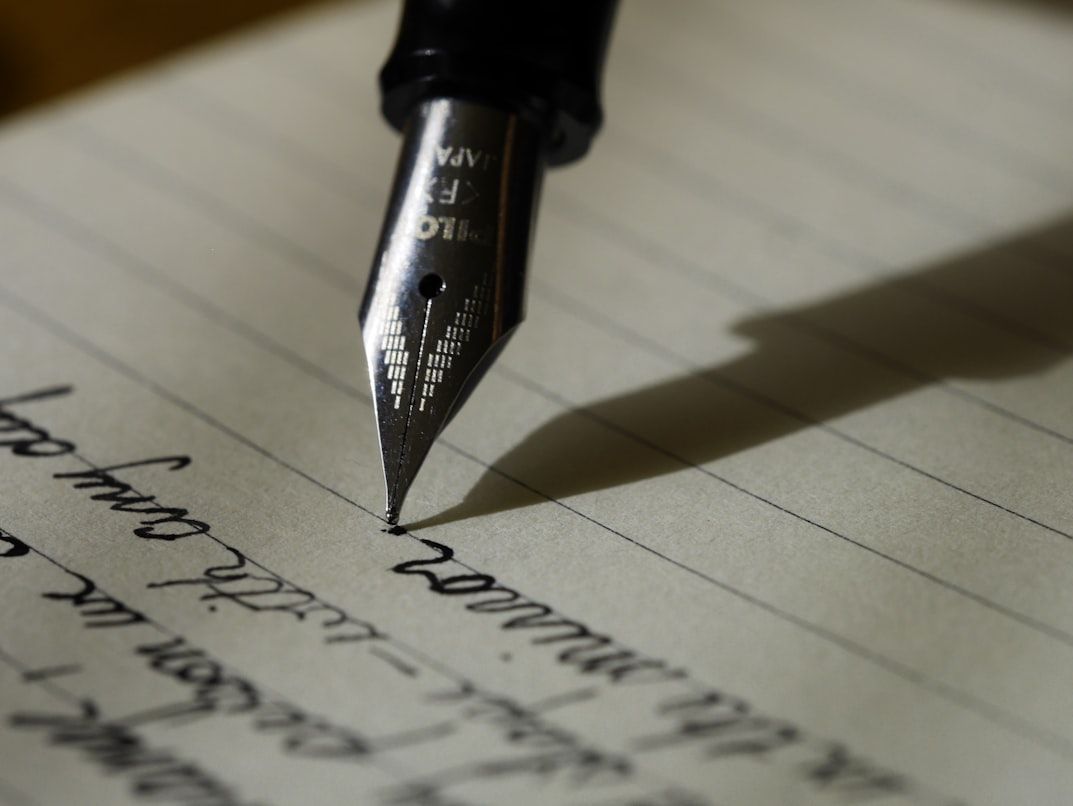
For most of the 20th century, daily cursive drills were a nonnegotiable part of American schooling , often reinforced by specific handwriting manuals. Teachers devoted significant class time to perfecting loops, slants, and connected strokes, because cursive was considered essential for legibility, speed, and personal discipline.

The decline accelerated after the rollout of the Common Core State Standards in 2010, which omitted cursive entirely in favor of keyboarding and digital literacy benchmarks. With shrinking instructional time, cursive was often one of the first skills removed from early-grade schedules.

8
Class pet enclosures

Image: Minjae Cho

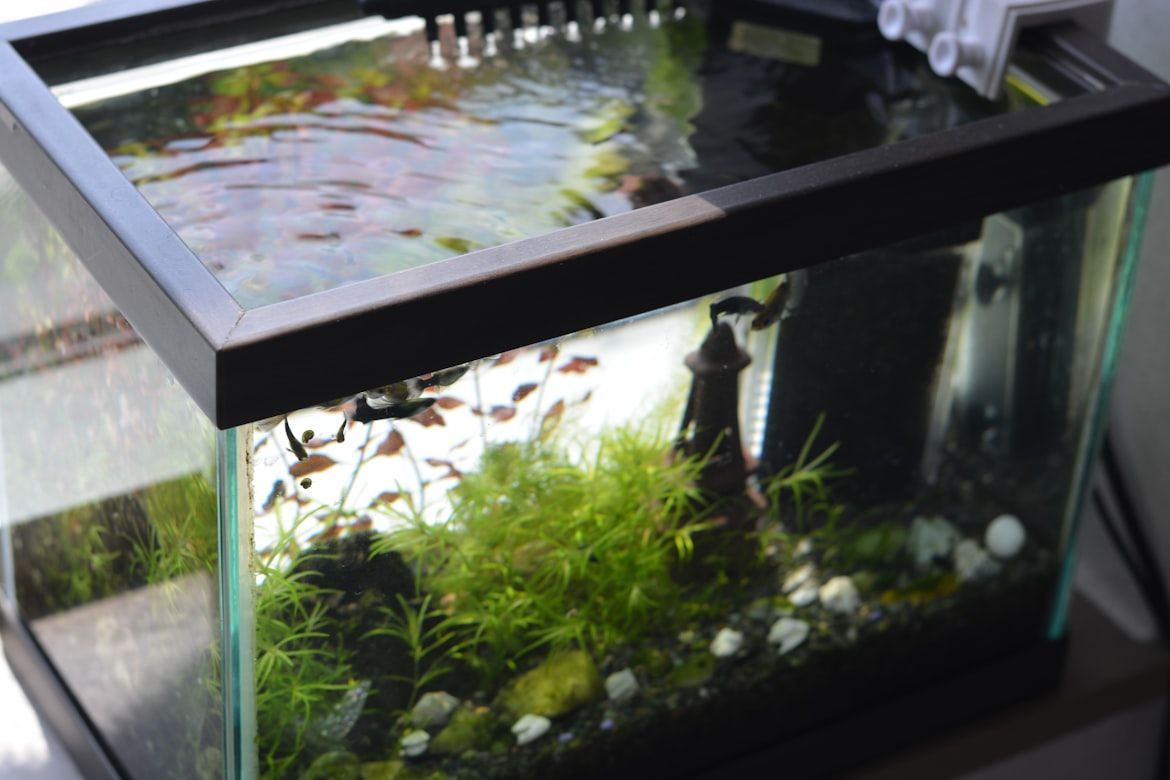
From the 1960s through the 1990s, class pets—hamsters, guinea pigs, turtles, goldfish, and even the occasional lizard—were staples of American elementary classrooms. Teachers used them to teach responsibility, empathy, and basic biology , and many classes created rotating "pet helper" charts for feeding and tank cleaning.

Today, the idea of a live animal in a crowded classroom, handled daily by students, feels out of step with modern safety, allergy, and sanitation standards. Maintenance costs, humane-treatment rules, and the challenge of caring for animals during breaks led schools to retire these longtime classroom mascots.

9
Student hall monitors

Image: Christopher Ryan

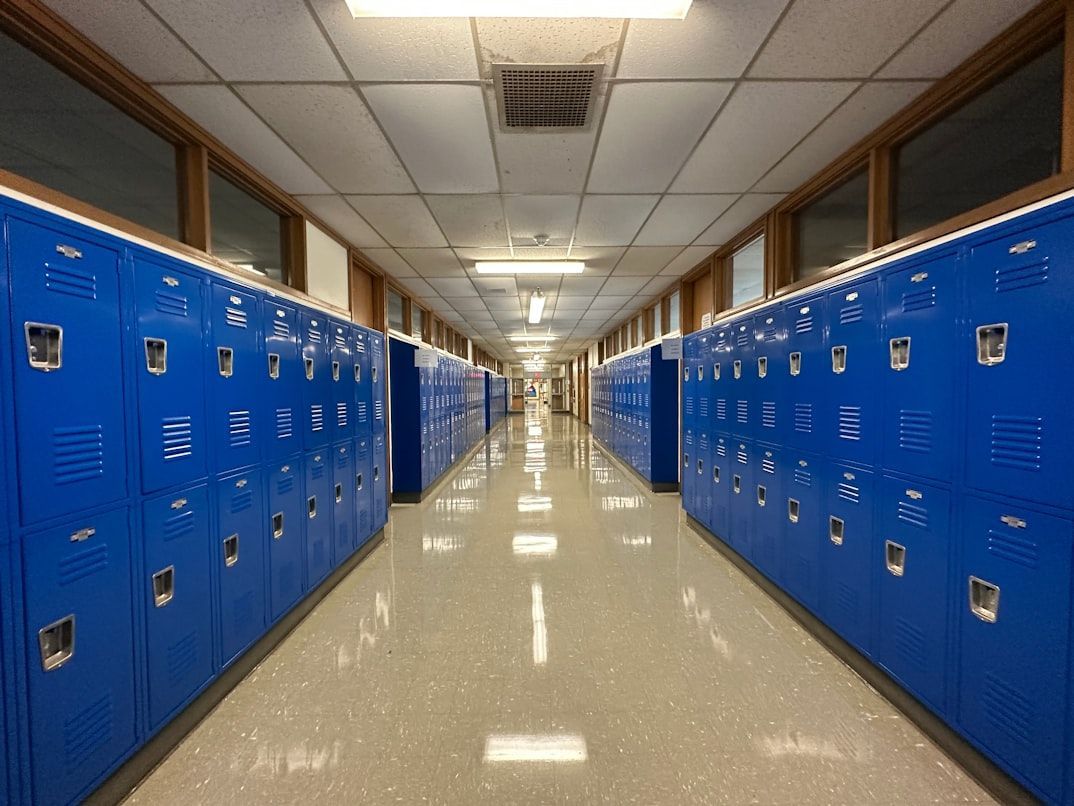
For much of the mid-20th century, student hall monitors were a fixture in American schools. Selected students—often upper-grade or high-performing—wore badges or sashes and were tasked with checking hall passes, reporting loitering, and keeping noise down between classes.

By the 1990s, the role faded as schools adopted professional security staff, stricter attendance protocols, and legal liability rules that made peer enforcement impractical. As districts invested in cameras, campus supervisors, and centralized discipline systems, the traditional hall monitor quietly disappeared from most American schools.

10
Morning physical calisthenics

Image: Philip White

From the 1950s through the early 1970s, influenced by Cold War fitness campaigns, many American schools began the day with school-wide calisthenics —jumping jacks, toe touches, and arm circles—led over the PA system.

The practice faded as schedules tightened and PE moved into dedicated class periods, with research favoring structured fitness over brief daily routines. Today, the idea of entire schools performing synchronized drills feels almost militaristic.

Explore more American facts

Choose your favorite category!

General
General

As American as apple pie—the very best America has to offer!

Culture
Culture

Delve into the astounding richness of American lore.

Geography
Geography

Hop in and explore vast and diverse American landscapes.

History
History

Discover the key moments that shaped the United States.