Culture Culture 4 min read

Celebrity pets

Discover the exotic pets of these celebrities
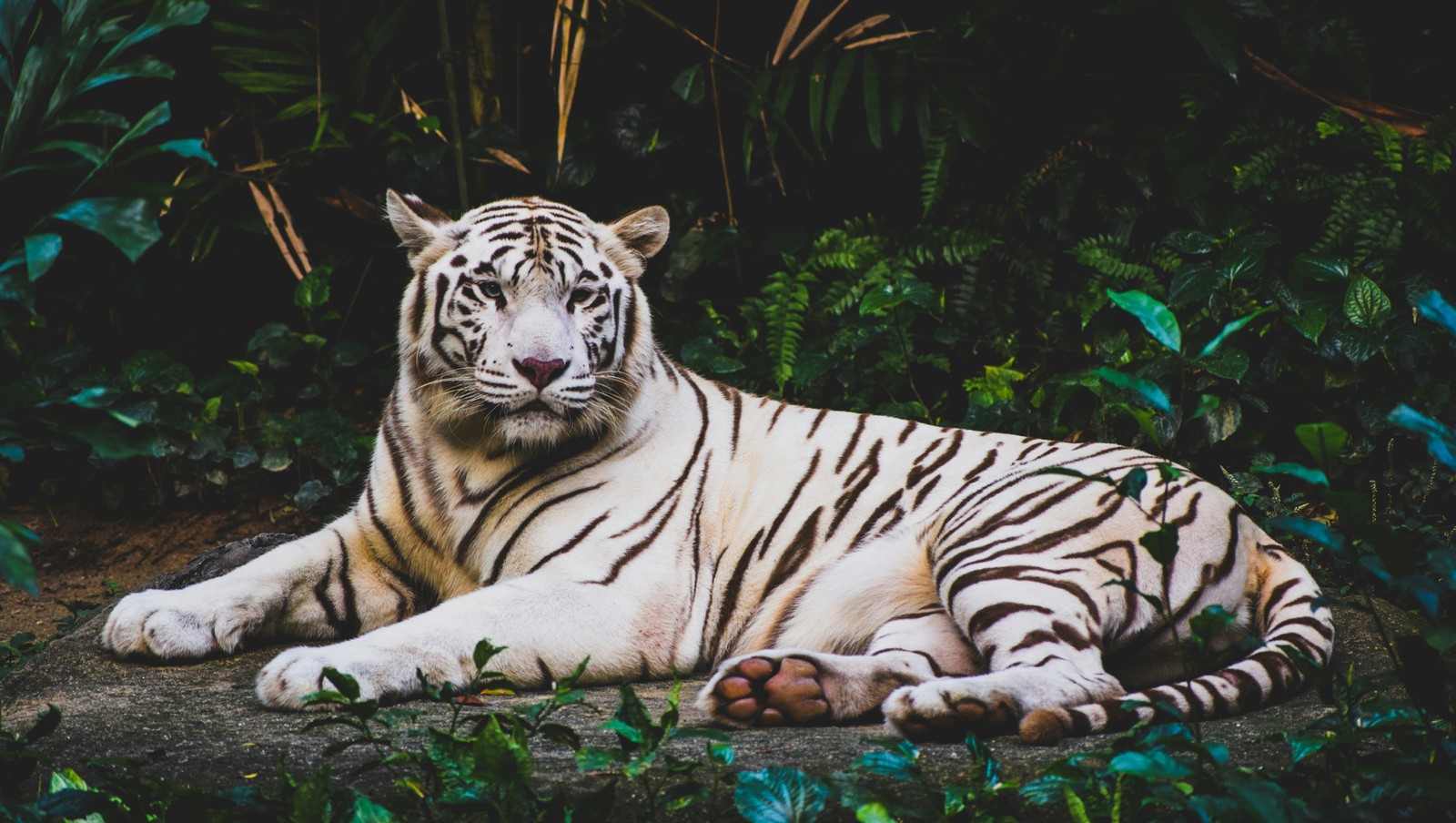
Image: Smit Patel

Most of us have a great love for animals and generally choose dogs or cats as our domestic companions. However, the eccentric rich and famous always go one step further. From chimpanzees and tigers to cobras and deer, discover the exotic pets of 10 Hollywood celebrities. Some of them you won't believe!

1
Michael Jackson’s chimpanzee
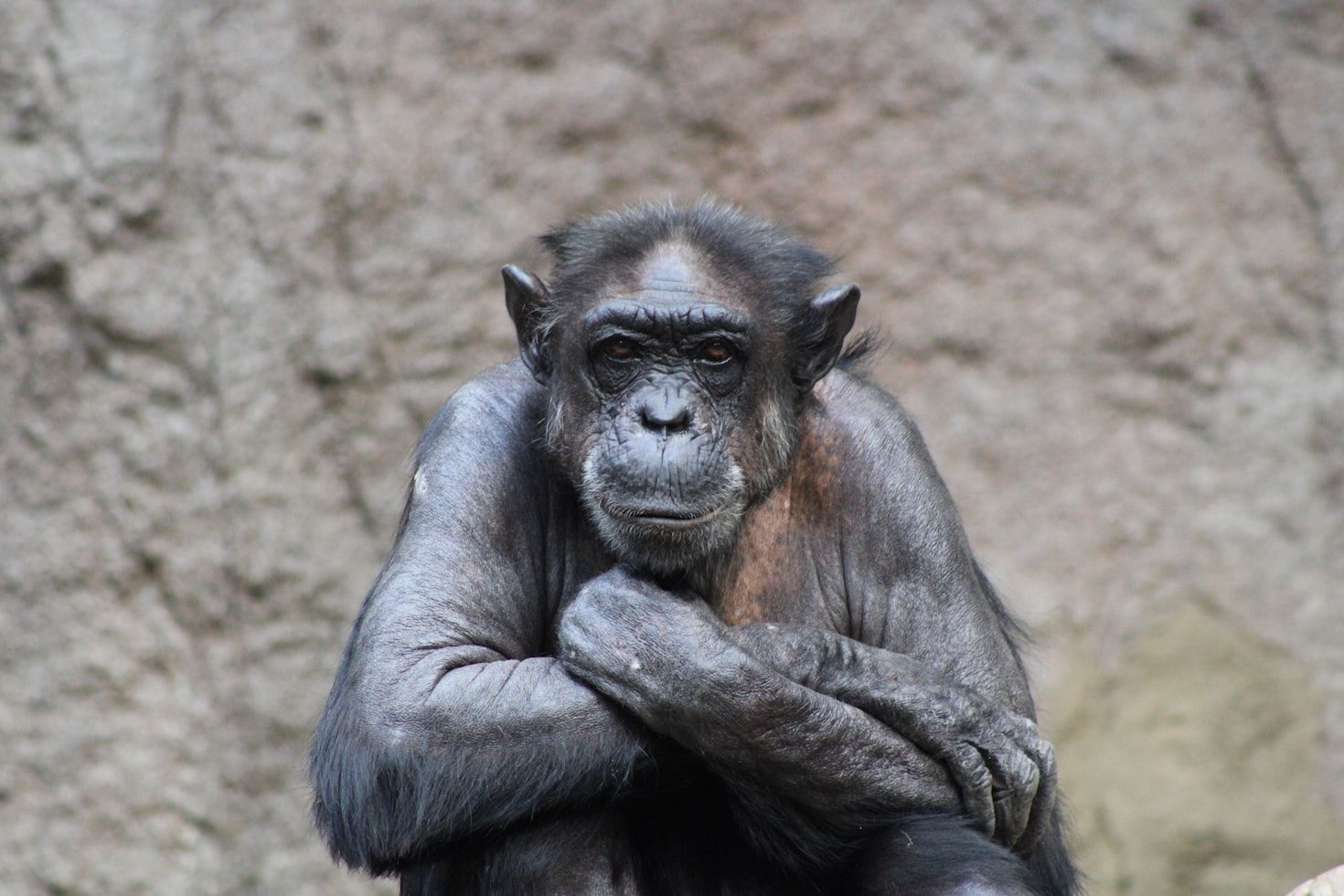
Image: MediaEcke

At his Neverland ranch, the King of Pop had his own zoo with exotic animals such as exotic birds, an albino python, two tigers named Thriller and Sabu, and even an elephant, a gift from Liz Taylor. But by far, Michael Jackson’s favorite pet was Bubbles, a chimpanzee he introduced as his son and followed him everywhere.

You‘re probably wondering what happened to Bubbles, right? Well, you'll be glad to know that the 41-year-old chimpanzee now leads a quiet and normal life. He lives at the Center for Great Apes in Wauchula, Florida, where he pursues unique hobbies such as painting. Surely, Michael would be happy to see his beloved pet living a nice retirement.

2
Audrey Hepburn’s fawn deer
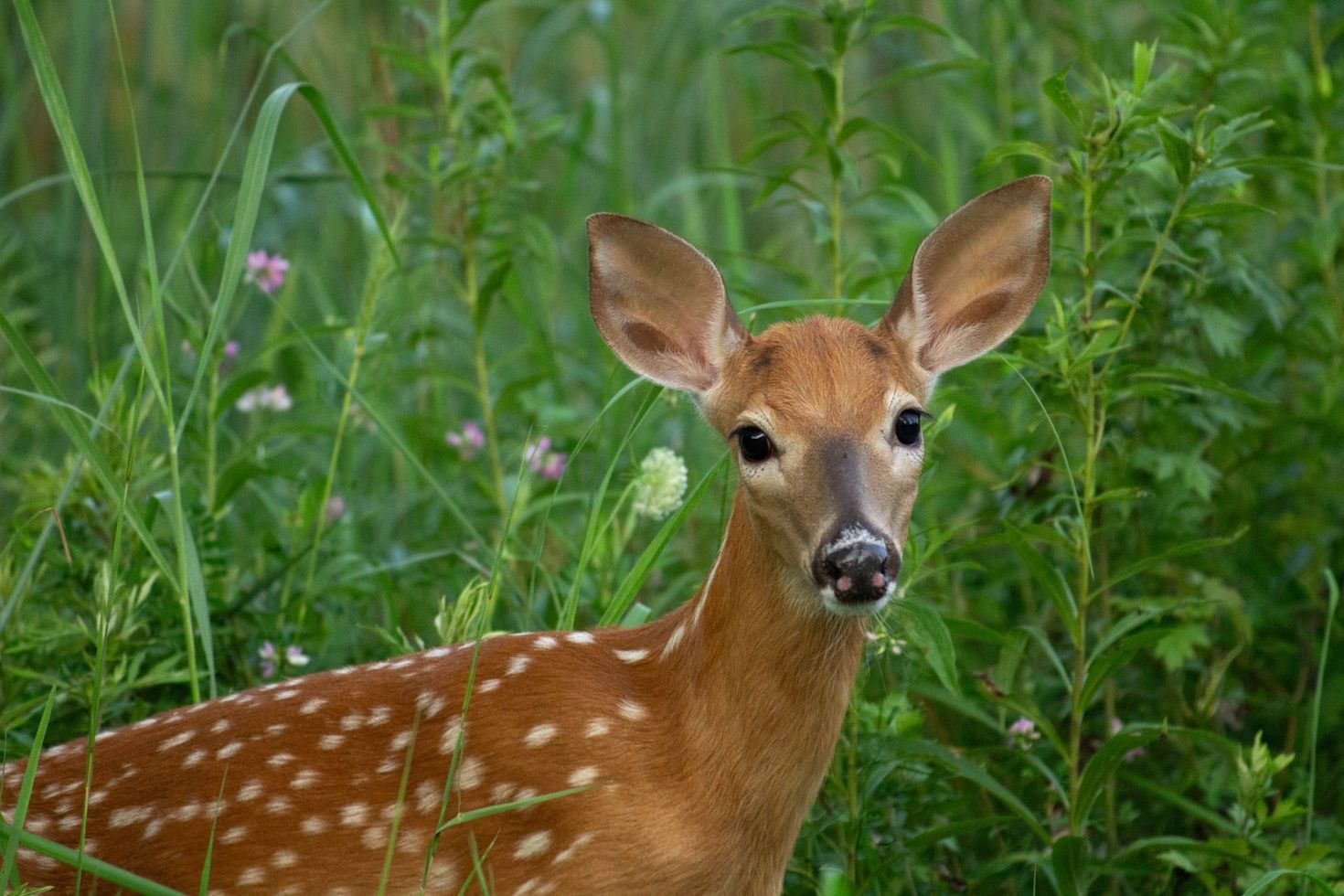
Image: Jen Dries

The mythical actress Audrey Hepburn had one of the most unique pets in Hollywood history: a baby deer named Pippin. This beautiful and gentle animal seems to match perfectly with the grace and elegance of the actress who captivated the hearts of fans around the world, don't you think?

Hepburn met Pippin in 1958 during the filming of Green Mansions and fell in love at first sight. The actress adopted the fawn and brought it to her Beverly Hills home, where it quickly made friends with Mr. Famous, the family dog.

3
Elvis Presley’s kangaroo
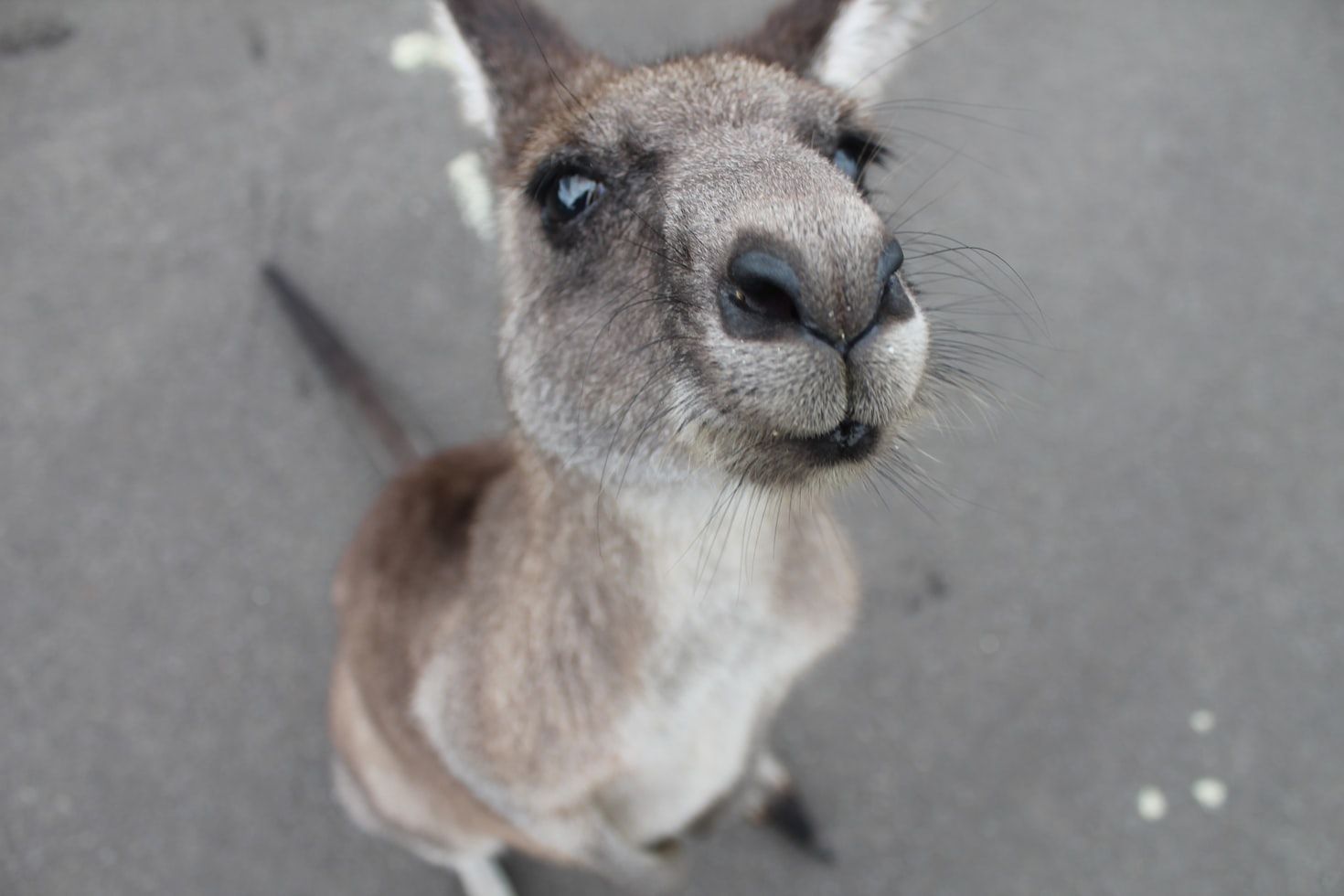
Image: Iván Lojko

Throughout his life, the King of Rock and Roll kept several pets at his beloved Graceland. But did you know one of them was a kangaroo? Yes, exactly! In addition to horses, dogs, a chimpanzee named Scatter, birds, and a squirrel monkey, Elvis had a kangaroo given to him by his agent Lee Gordon in 1957. Elvis tried to train it, but when he eventually failed, he gave it to the Memphis Zoo.

4
Melanie Griffith’s (many) lions, tigers, and cheetahs
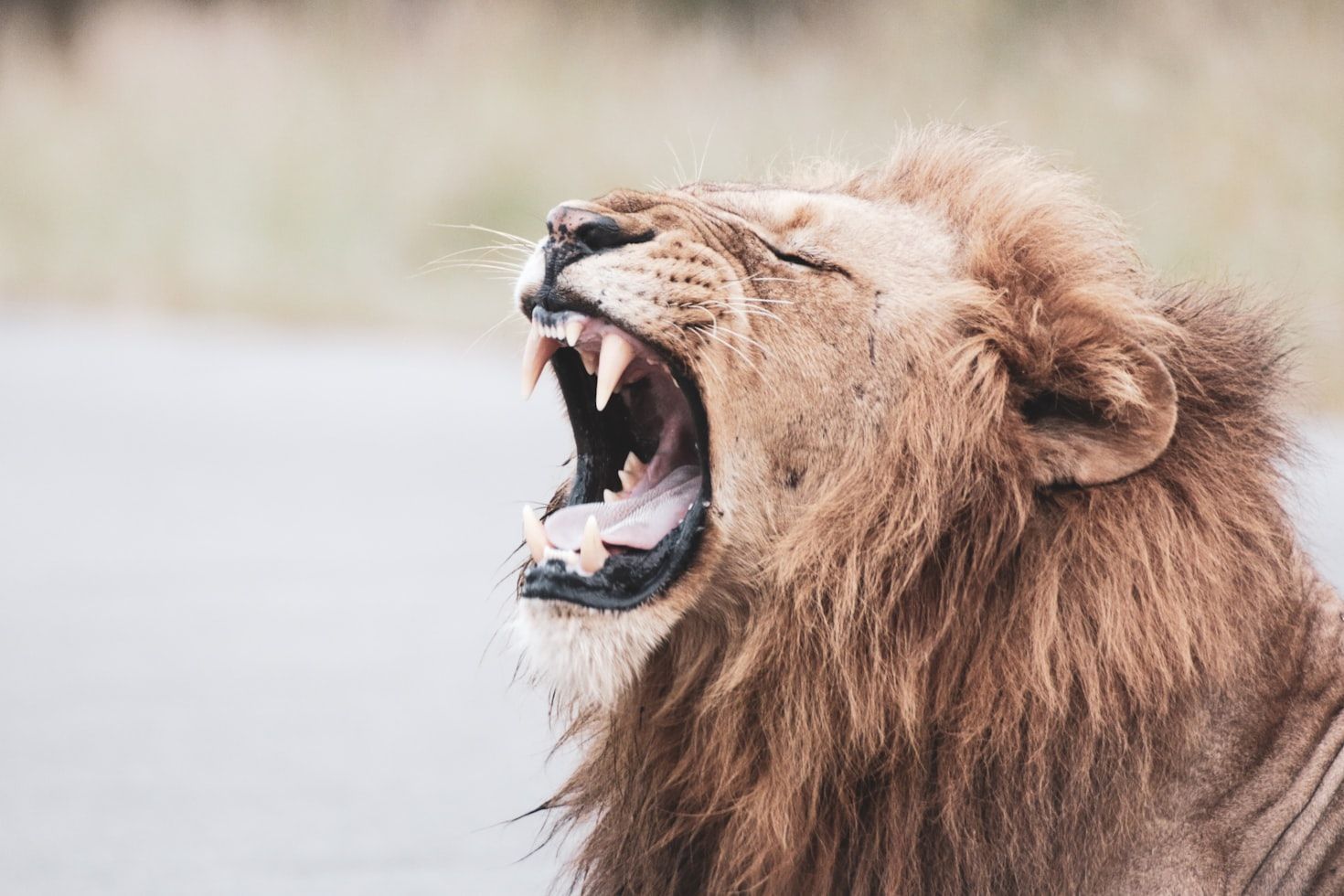
Image: Glen Carrie

When Melanie Griffith was a teenager, her mother, the famous actress Tippi Hedren, decided to make a film about endangered lions. An animal trainer warned her that if she wanted to learn more about these felines, she had to "live with them for a while".

So the whole family moved to a ranch in California and adopted cheetahs, tigers, cougars, and lions. What was supposed to be a five-week shoot turned into five years. On one occasion, Melanie was attacked by a lion, resulting in over 50 stitches and reconstructive surgery on her face. The experience was so negative that the actresses now advocate for a ban on the exotic cat trade.

5
George Clooney's Vietnamese pot-bellied pig
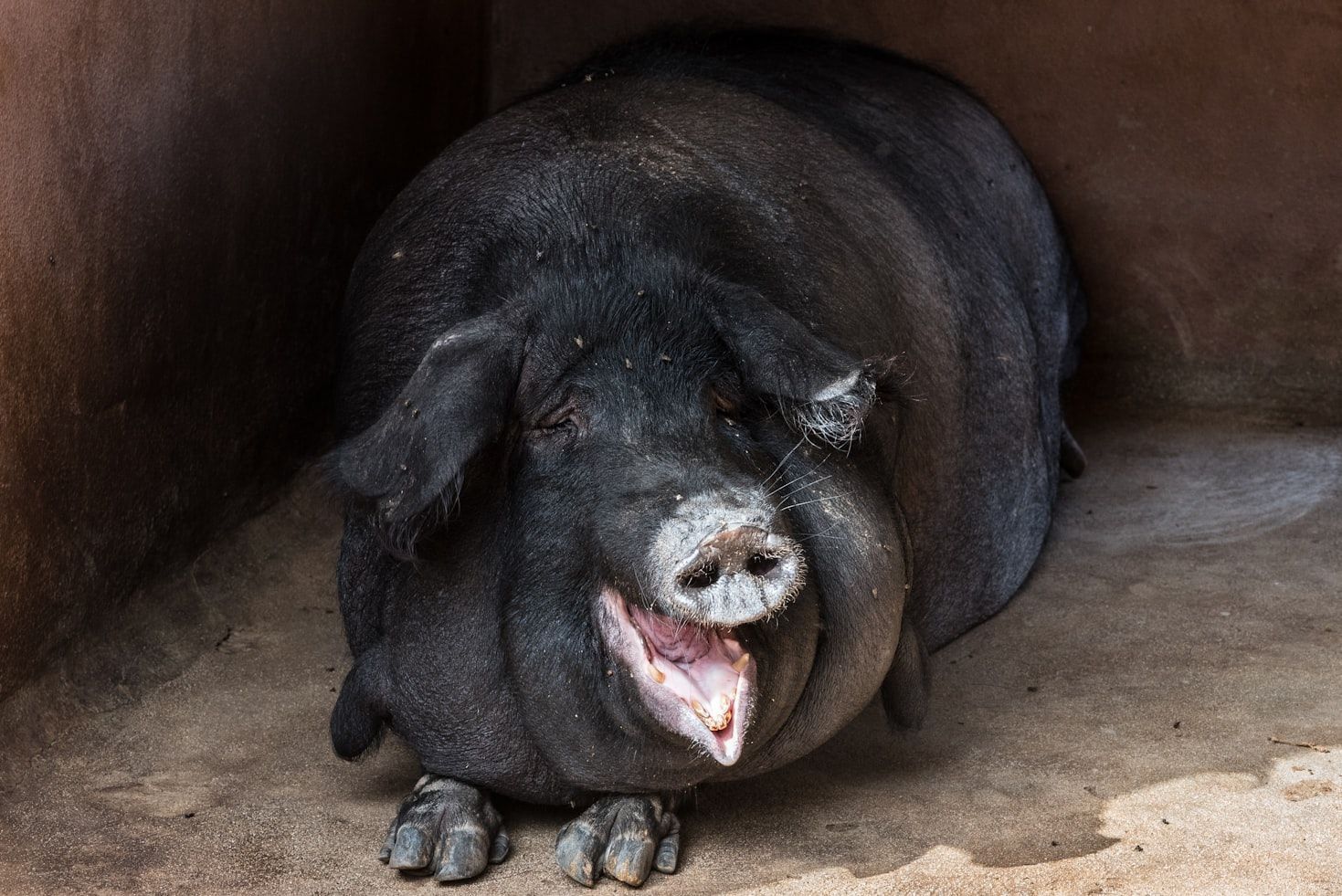
Image: Jez Timms

Did you know that George Clooney once had a pet pig? In 1988, his then-girlfriend, actress Kelly Preston, gave him a Vietnamese pot-bellied pig as a gift. The animal grew to 300 lbs and lived with the Hollywood star for 18 years.

But that's not all! In 1994, when the infamous Northridge Earthquake that caused 72 deaths, 12,000 injuries, and $25 billion in losses hit Los Angeles, Max saved his owner's life. Clooney claims he was born again that day and will be forever grateful to his furry friend.

6
Reese Witherspoon’s donkeys
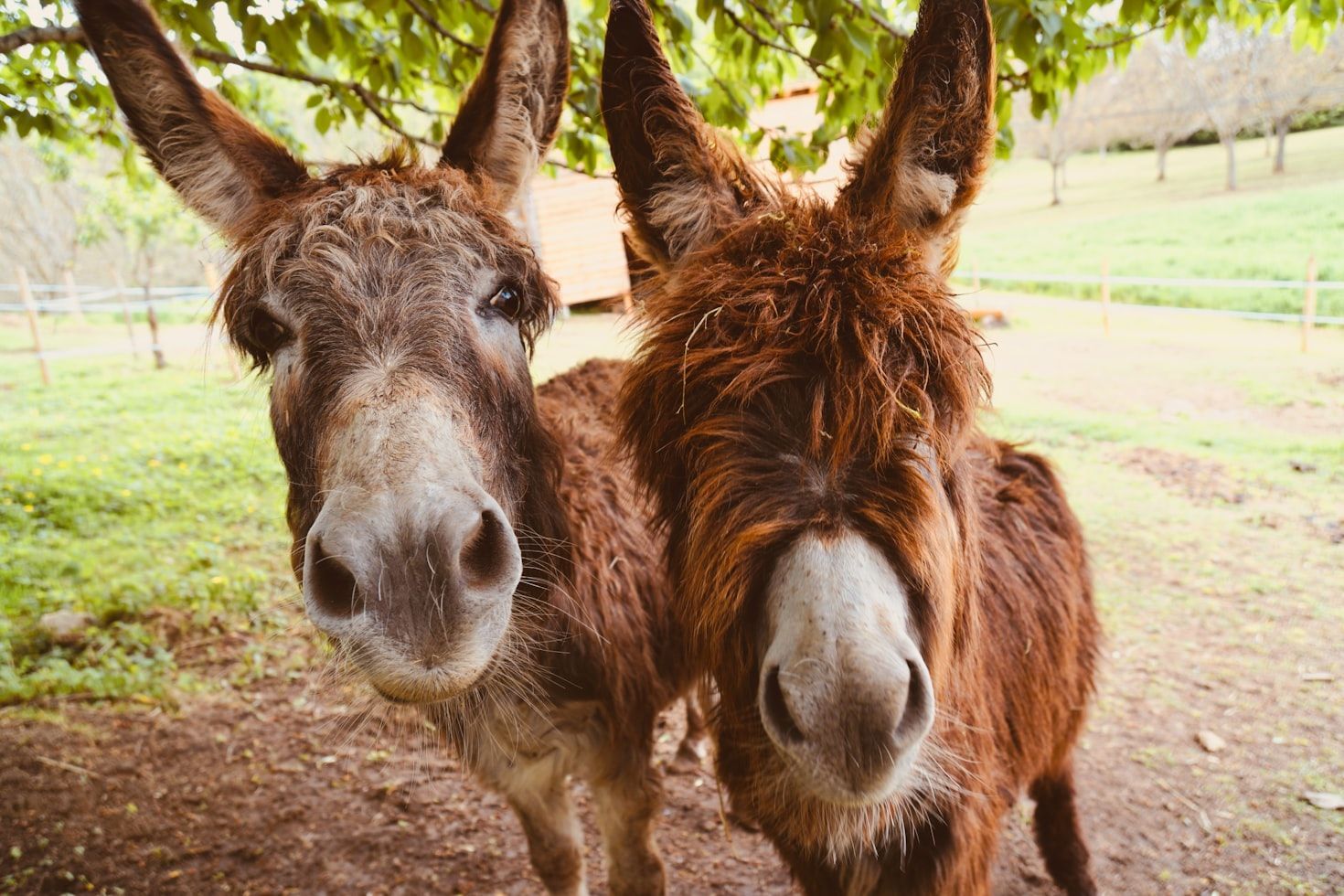
Image: Erwan Hesry

Reese Witherspoon is a big fan of animals. Owner of an entire farm, she tends to at least three dogs, two piglets, twenty chickens, three goats, and a pony.

But her most famous pets are Honky and Tonky, two incredible miniature donkeys that she and her children play with frequently.

7
Nicolas Cage’s albino cobras
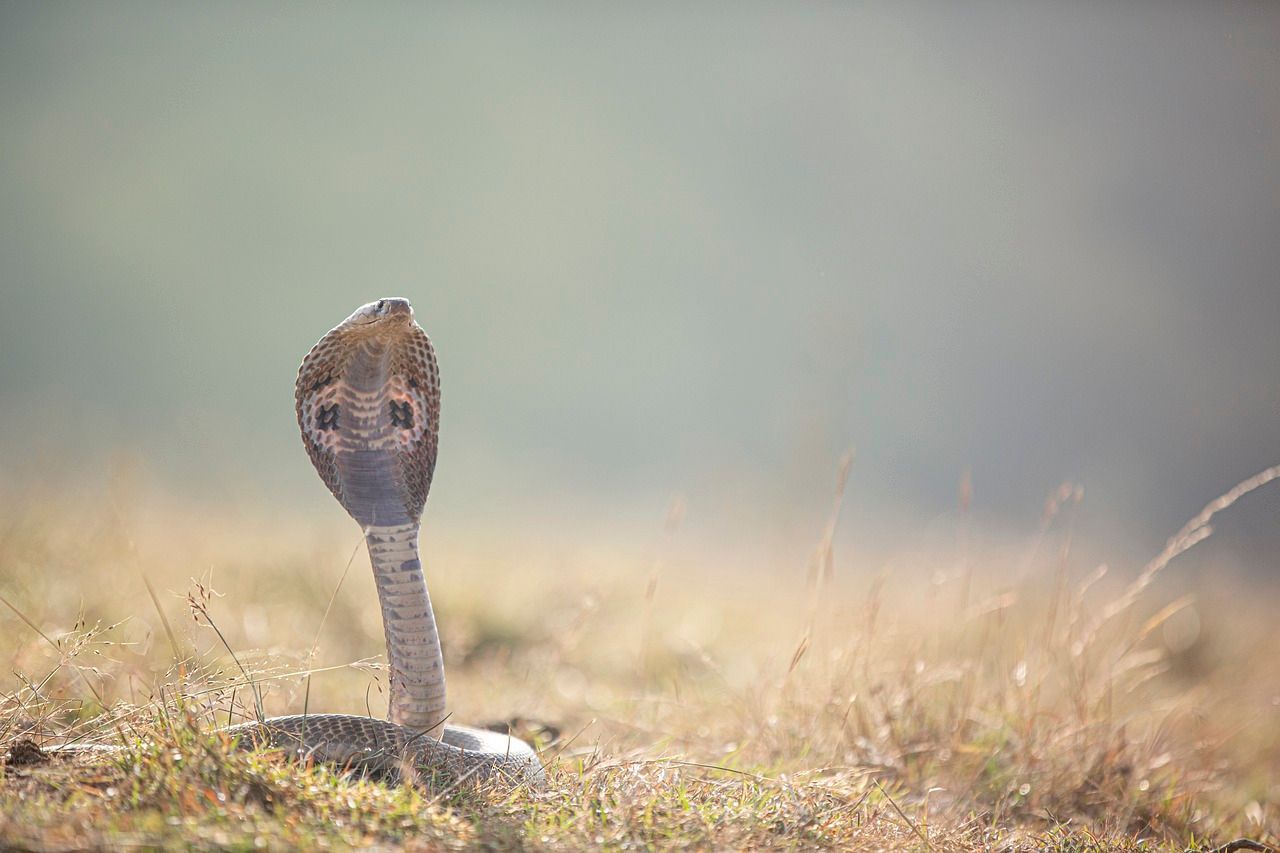
Image: Anilsharma26

Nicolas Cage is well known for his bold and eccentric personality, both on and off the screen. He has a passion for exotic animals, so it's no wonder he once adopted two albino cobras —one of the rarest and most venomous snakes in the world— as pets.

Despite spending tens of thousands of dollars on them, his love for these rare reptiles caused him major legal and safety challenges, forcing him to reconsider his decision. Ultimately, he decided to send them to a professional wildlife center, ensuring they received the best care.

8
Paris Hilton’s kinkajou
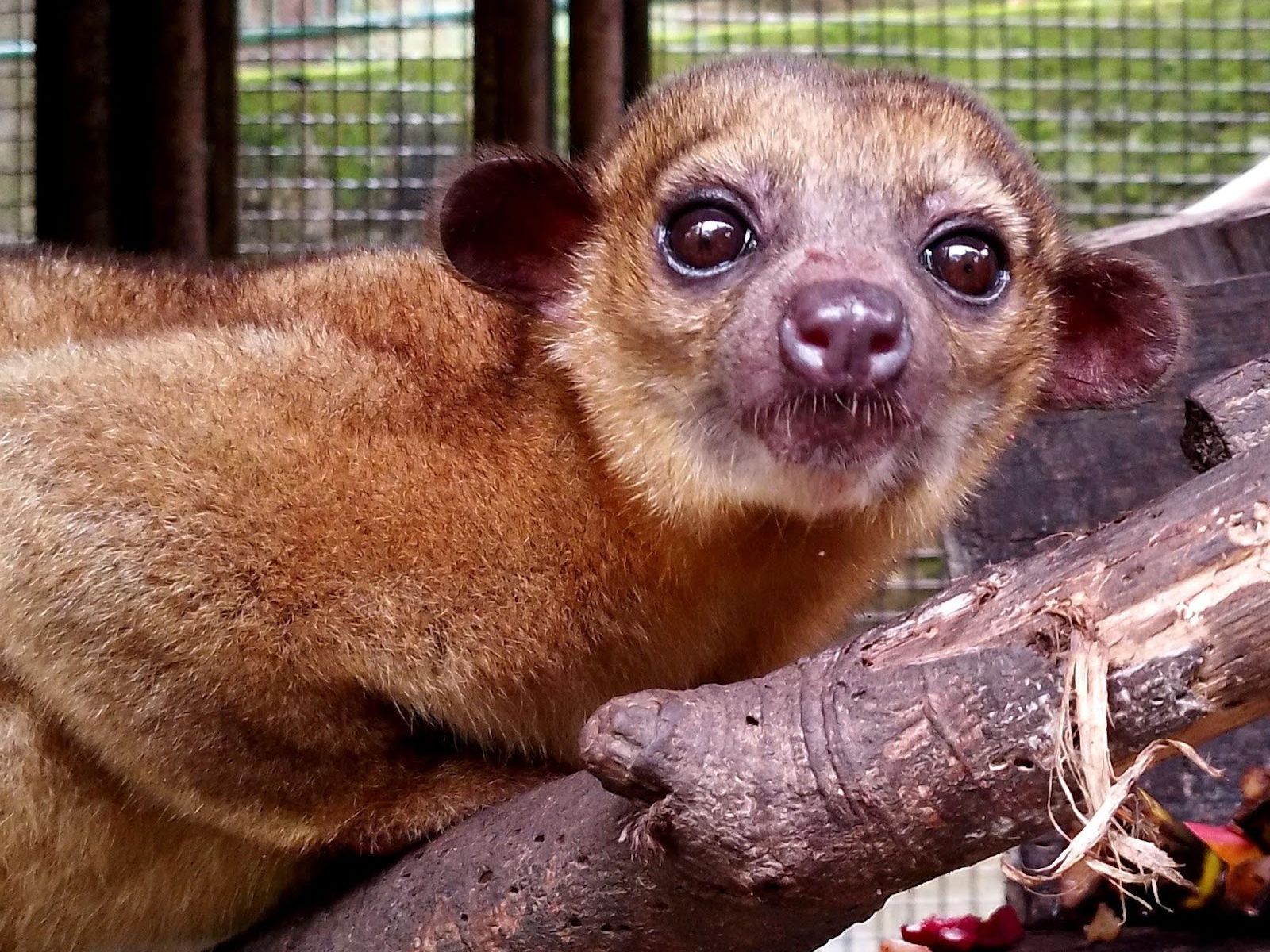
Image: Aramburu Carlos, CC0, via Wikimedia Commons

Paris Hilton is known for her extravagant lifestyle. In addition to lavish mansions, closets full of designer clothes and shoes, and expensive jewelry, the hotel heiress invests much of her fortune in pets. That's how, in 2005, she adopted a kinkajou she named Baby Luv.

You're probably wondering what a kinkajou even is. Kinkajous are wild mammals native to the rainforest, relatives of raccoons and coatis. Their large, round eyes and playful nature make them seem like ideal pets, but in reality, they shouldn't be taken out of the wild. Paris learned this the hard way: the animal bit her arm, and she had to be hospitalized. After the incident, the socialite had to relocate Baby Luv to a wildlife sanctuary.

9
Miley Cyrus’ pig
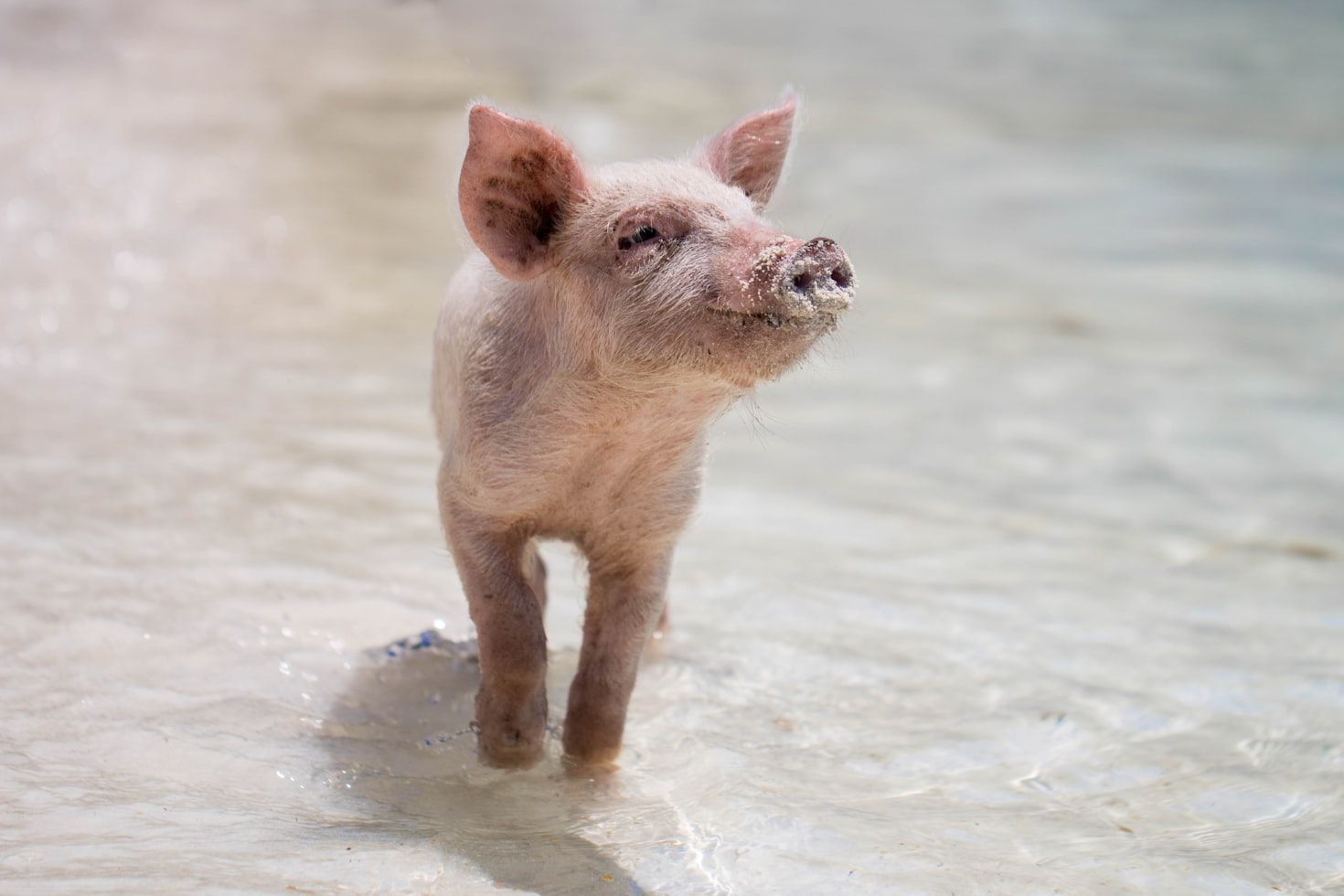
Image: Forest Simon

Miley Cyrus is a well-known animal advocate who collaborates directly with PETA. She has a home farm where she lives with seven dogs, two horses, two ponies, several cats, and until 2019, a pig.

Of all her companions, Pig Pig was the recurring star on the singer's Instagram account. Miley adopted her in August 2014 after her dog, Floyd, died. Sadly, five years later, Miley had to share some bad news with her thousands of followers: "Very sad to say... my dear friend Pig Pig has passed away," she wrote.

10
Mike Tyson’s tiger
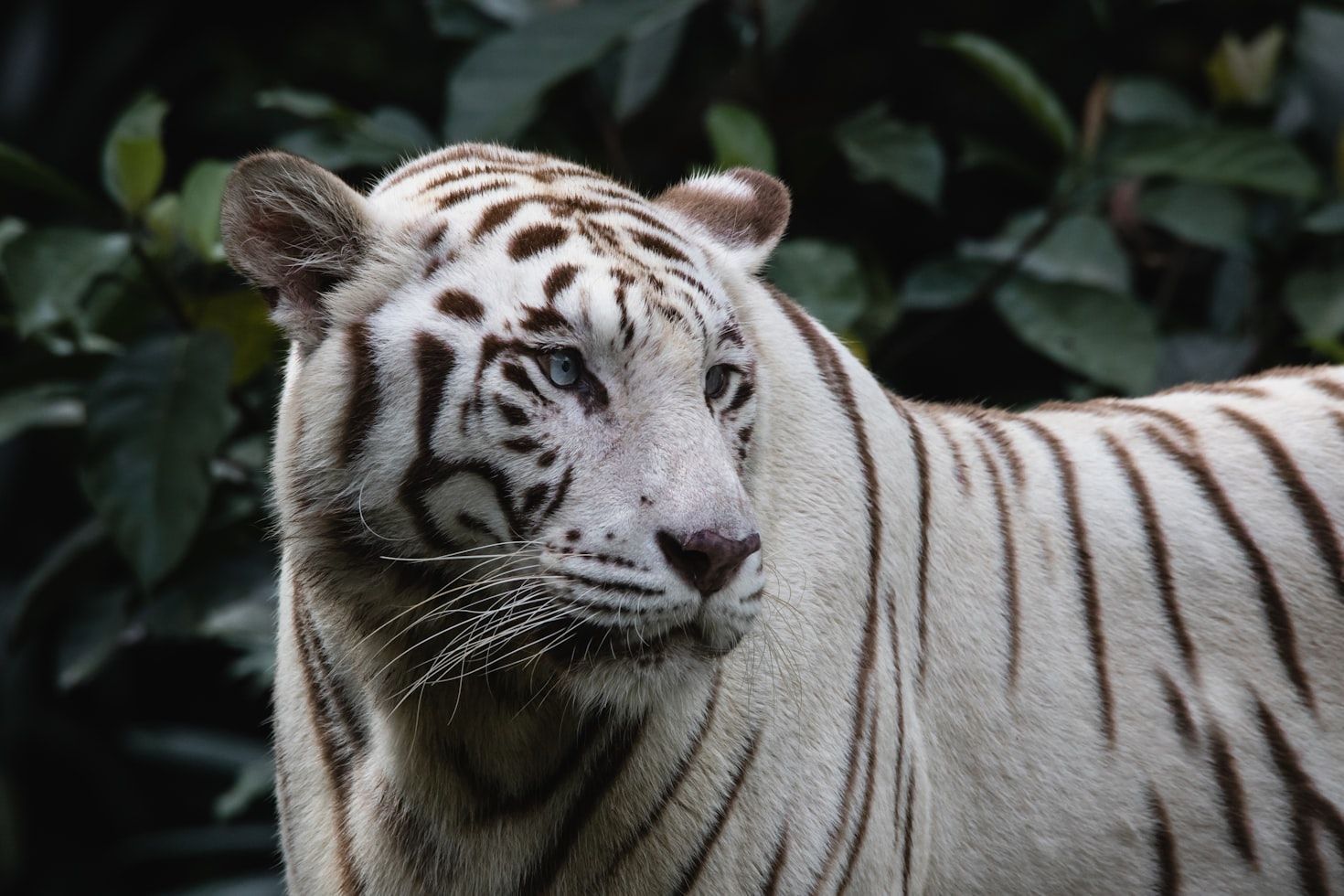
Image: Alicia Chong

The famous boxer Mike Tyson kept a considerable number of big cats as pets. But his favorite was a female Bengal tiger he named Kenya. They lived together for almost two decades, and it was amazing to see him next to the 550-pound animal. The former champion was in charge of feeding her, they walked together, and she even slept in his bed.

Tyson was never afraid of animals considered dangerous. But when the tiger began to age, it became too risky to keep her in the house. Eventually, he was forced to get rid of Kenya.

Culture Culture 5 min read

"To be true to ourselves, we must be true to others."

Presidential goals: The 12 moments that defined Jimmy Carter

Image: National Archives and Records Administration, Public domain, via Wikimedia Commons

Long before he set foot in the Oval Office—and for decades afterward—Jimmy Carter built a life filled with unexpected achievements and heartwarming stories that showed his true character. From growing up in the small town of Plains, Georgia, to working side by side with volunteers well into his later years, Carter’s journey has been as remarkable as it has been relatable. These 12 moments offer a closer look at the farmer, the naval officer, the peacemaker, and the neighbor next door who happened to become the 39th President of the United States.

1
A farm boy from Georgia

Image: Pezibear

Before Jimmy Carter became a household name, he was a small-town boy with dusty feet and big skies overhead. Life on his family’s peanut farm in Plains, Georgia, was all about early mornings and honest work —milking cows before breakfast, hauling feed, and tending rows of peanuts under the hot Southern sun. There were no shortcuts, just neighbors lending a hand, Sunday suppers, and the comfort of familiar faces. Those long, simple days gave Carter a lasting respect for hard work, humility, and the quiet rewards of a life well lived.

2
Graduating from the Naval Academy

Image: Guy Kawasaki

In the spring of 1946, Jimmy Carter proudly accepted his diploma from the U.S. Naval Academy in Annapolis, Maryland. It was the result of years of study, drills, and determination. From the moment he first stepped onto campus, the call of the sea seemed to be in his blood. The Navy offered him adventure, discipline, and the chance to serve his country aboard vessels that carried him far beyond the red clay fields of Georgia.

3
Training in nuclear engineering

Image: Daniil Zameshaev

Long before campaign trails and speeches, Jimmy Carter was studying the technology that powered the Navy’s most advanced submarines. The training was intense: every calculation had to be precise, every decision double-checked. There was no room for guesswork, only methodical thinking and steady hands. Those long hours in classrooms and labs didn’t just prepare him for service at sea; they built a mindset grounded in patience, careful planning, and practical problem-solving that he carried into every chapter of his life, including his presidency.

4
Running the family peanut business

Image: Ivan Bandura

Once his naval service came to an end, Jimmy Carter headed back to Georgia, ready to take the reins of the family peanut farm. But he wasn’t comfortable with just preserving the status quo. Carter rolled up his sleeves and introduced fresh ideas and more modern farming practices to the fields. Thanks to his hard work and smart management, the farm grew into one of the top operations in the area. He knew every inch of those acres, not just as farmland, but as the foundation of his family’s legacy.

5
Governor of Georgia

Image: Mick Haupt

When Jimmy Carter became governor of Georgia in 1971, he brought a refreshing promise: honest leadership with open doors. People appreciated how down-to-earth he was, whether chatting with them at the state capitol or sharing a meal at a local diner. His style was all about being accessible and straightforward. Over time, Carter built a reputation as a hardworking leader who stayed close to everyday people, earning their respect by listening carefully and delivering results.

6
The President with a warm smile

Image: National Archives and Records Administration, Public domain, via Wikimedia Commons

In 1977, Jimmy Carter stepped into the role of the 39th President of the United States. He wasn’t one for stuffy ceremonies or rigid protocols; instead, he valued a friendly handshake, a sincere smile, and honest conversations in which people felt genuinely listened to. With Carter around, the atmosphere at the White House became a bit more casual and welcoming, reflecting his easygoing and approachable nature.

7
The Camp David peace talks

Image: Central Intelligence Agency from Washington, D.C., Public domain, via Wikimedia Commons

During the first year of his presidency, Jimmy Carter welcomed the leaders of Egypt and Israel to Camp David. For nearly two weeks, he played the roles of attentive listener, skillful negotiator, and steady encourager. His calm and determined approach helped bring both sides together, resulting in the Camp David Accords, a historic agreement that still stands as a powerful example of Carter’s dedication and perseverance.

8
A love for fishing

Image: National Archives and Records Administration, Public domain, via Wikimedia Commons

Carter’s passion for the outdoors remained strong throughout his life. Whether he was wading knee-deep in a cool river or casting a line from a modest boat, fishing offered him a respite from his demanding duties as president. With a rod in hand, he found time to think, connect with nature, and recall the easygoing rhythm of his childhood days in rural Georgia.

9
Energy-saving sweaters

Image: Jimmy Carter's Presidential Photographs, Collection: White House Staff Photographers Collection, Public domain, via Wikimedia Commons

At a time when energy was in short supply, Carter didn’t just give speeches about saving power; he led by example. On national television, he appeared wearing a cozy cardigan sweater, encouraging Americans to lower their home thermostats and put on a warm layer instead. That small, relatable act sent a clear message: Carter wasn’t just asking people to conserve energy; he was doing it himself, showing that simple changes could make a big difference.

10
Nobel Peace Prize

Image: [null Courtesy], Public domain, via Wikimedia Commons

In 2002, Jimmy Carter received the Nobel Peace Prize, honoring his decades-long commitment to promoting peace and defending human rights around the world. This award wasn’t about politics or prestige; it celebrated a lifetime devoted to bridging divides and working toward understanding among people of different nations, cultures, and beliefs.

11
Building homes

Image: Photo by Chris Wingard. – U.S. Department of Energy from United States, Public domain, via Wikimedia Commons

Long after leaving the White House, Jimmy Carter showed he wasn’t one to shy away from hard work. Through Habitat for Humanity , he picked up a hammer and rolled up his sleeves, helping to build homes for families in need. It was hands-on, honest labor, the same kind of hard work he’d been familiar with since his childhood on the Georgia farm.

12
The farmer who wrote books

Image: National Archives and Records Administration, Public domain, via Wikimedia Commons

From heartfelt memoirs to thoughtful poetry, Jimmy Carter has authored more than 30 books over the course of his life. Writing became his way of sharing experiences, wisdom, and dreams for a better world. Much like tending his farm or casting a line in a quiet river, Carter approached writing with patience, care, and a personal warmth that will surely connect with readers for decades to come.

General General 6 min read

Happiness in a bowl

What’s your favorite cereal? The top 10 most popular brands in America

Image: DS stories

On any given day, one out of every two Americans starts his or her morning with a bowl of cereal. Altogether, Americans consume roughly 2.7 billion boxes every year. Although the story of cereal began around 10,000 years ago with the advent of agriculture, cold breakfast cereals are a more recent and decidedly American development that quickly expanded to the rest of the world. Whether you prefer Corn Flakes or Froot Loops over Cheerios and Lucky Charms, you'll likely find your favorite cereal in this article. Join us as we look back on 10 of America's most popular breakfast brands!

1
Corn Flakes

Image: Sten Ritterfeld

Who hasn't started their day with a bowl of Corn Flakes at least once? While Corn Flakes weren't exactly the first packaged cold cereal product sold in America, they are undoubtedly the most iconic. As early as 1902, William Keith Kellogg began mass production of his first cereal after proving its efficacy and popularity with patients at the Battle Creek Sanitarium, where he worked alongside his prestigious doctor brother.

The Kellogg brothers were focused on offering a healthier alternative to the traditional pork-and-beef heavy English-style breakfasts that most Americans were eating at the end of the 19th century. Therefore, they developed a process that allowed them to transform thin slices of cereal into small toasted flakes of wheat or corn. Since then, Corn Flakes, combined with fresh milk, have been one of the most popular breakfasts among Americans, young and old.

2
Cheerios

Image: Deena Englard

Did you know that a one-ounce serving of Cheerios contains nearly 250 individual "O's."? Crazy, right? Introduced in 1941 by the American company General Mills, Cheerios is one of the first oat-based ready-to-eat cereals and remains one of the most widely consumed in the United States.

Back in the 1930s, General Mills engineers tested more than 500 formulas and experimented with 10 different shapes and sizes before perfecting the now-iconic "O." They finally came up with the delicious cereal that offers the nutrients of 4 cereals: oats, corn, wheat, and rice. Today, there are about 20 different flavors of Cheerios available in the U.S., including Honey Nut, Chocolate, and Apple Cinnamon. Which one is your favorite?

3
Rice Krispies

Image: Lisa Fotios

Kellogg’s is one of the most influential breakfast cereal companies in the United States and the world, and we have them to thank not only for Corn Flakes but also for our beloved Rice Krispies. This breakfast cereal made from crispy rice first appeared on the shelves in 1928. It was revolutionary at the time because the company used a new patented process called "oven-popping" to manufacture them.

Rice Krispies’ success may have been due to its claim that the cereal would remain floating even after 2 hours in milk. The brand's classic slogan honoring this unique quality—"Snap! Crackle! Pop!"—was introduced around 1939 and is still used on packaging today. For decades, Rice Krispies has been one of the most popular cereals among consumers, so much so that even the Rolling Stones recorded a short song for a television commercial promoting the brand in 1964. Do you remember the catchy tune?

4
Cap'n Crunch

Image: Samantha Gades

Cap'n Crunch cereal, a combination of corn and oats, was developed in the early 1960s by Pamela Low, a flavorist who was inspired by a brown sugar and buttered rice recipe from her grandmother. Since its debut, additional flavors have been introduced, including Berries, Peanut Butter, and Chocolate.

But did you know that Cap'n Crunch’s full name is Horatio Magellan Crunch ? The iconic cartoon mascot was developed for the Quaker Oats Company by Allan Burns, a screenwriter and television producer who later co-created popular shows like The Munsters and The Mary Tyler Moore Show . Since its introduction in 1963, the late 18th-century naval captain, born on Crunch Island—a magical land in the Sea of Milk—has won the hearts (and bowls) of countless consumers across America.

5
Trix

Image: Sascha Bosshard

General Mills introduced Trix in 1954 as the first fruit-flavored cereal. Initially, it wasn’t marketed exclusively for kids, but because of the bright colors, it soon became a favorite among the little ones. When Trix was first launched, it featured round cereal balls in three flavors: "Raspberry Red," "Orange Orange," and "Lemony Yellow." It wasn't until 1991 that Trix became the first fruit-shaped breakfast cereal.

But as with other brands on this list, Trix is best remembered for its mascot rather than the cereal itself. In fact, the Trix Rabbit is one of the single longest-running ad campaigns in television history. Since the 1960s, the brand has kept the same character, the same slogan—"Trix are for kids!"—and the same storyline: the rabbit’s endlessly thwarted attempts to steal a box of cereal.

6
Frosted Flakes

Image: Engin Akyurt

If we talk about the sweetest cereals on the market, we cannot fail to mention Frosted Flakes. The concept and technology of a "frosted" cereal was developed in 1939 by Jim Rex, a salesman from Philadelphia who unfortunately didn’t have much success with his product Ranger Joe Wheat Honnies. The idea, though, was soon adopted by the breakfast cereal industry, and by 1952, Kellogg introduced Sugar Frosted Flakes to its lineup.

That same year, Kellogg launched a campaign featuring Tony the Tiger, Frosted Flakes’ famous mascot, who proudly declared, "Sugar Frosted Flakes are Grrr-reat! The slogan and the character became so popular in the United States that it's probably more quintessential than the cereal itself.

7
Lucky Charms

Image: Céline Druguet

The mini marshmallows found in Lucky Charms, whose technical and copyrighted name is Marbits , were invented, along with the cereal, by General Mills product developer John Holahan in 1963. One morning, he cut up a few orange marshmallow Circus Peanuts, mixed them into a bowl of Cheerios, and was delighted with the result. The rest, as they say, is history.

Lucky Charms is inspired by Irish culture. Its mascot, Lucky the Leprechaun debuted on St. Patrick's Day in 1964. The successful combination of this endearing character, delicious shaped oat pieces, and colorful little marshmallows was quickly embraced by children around the world. Tasty, crunchy, and fun, this cereal has undeniably revolutionized American breakfasts forever.

8
Froot Loops

Image: Yusuf Timur Çelik

Toucan Sam has been a part of our lives for more than 60 years now. Kellogg’s iconic mascot—a blue, anthropomorphic toucan with the ability to smell Froot Loops from great distances—was introduced alongside the O-shaped cereal in 1963.

Froot Loops were developed after Kellogg attempted to displace General Mills' Cheerios from the market. The idea of introducing fruity flavors proved to be a success, even though, years later, the company admitted that the different colors did not correspond to unique fruit flavors. In recent years, Froot Loops have faced criticism for their use of artificial colorings and high sugar content. Yet, they still have plenty of fans and they remain one of the best-selling cereal brands in America.

9
Cinnamon Toast Crunch

Image: Francisco Jacquier

Another popular breakfast cereal created by General Mills is Cinnamon Toast Crunch. In fact, the company sells over 100 million boxes a year of this brand alone, putting it just behind Cheerios and Frosted Flakes in sales. How about you—do you have a box of Cinnamon Toast Crunch waiting in your pantry?

These delicious little squares of whole wheat and rice, topped with cinnamon and sugar, were first launched in 1984 and were an instant hit. And it makes sense, given that, in a way, they were invented by a child. Cinnamon Toast Crunch was developed by General Mills scientists and product managers after an unnamed child suggested the idea of a cinnamon toast-flavored cereal during a radio contest. Since then, it has remained one of America's favorite cereals and we don't expect its popularity to wane any time soon.

10
Life

Image: Binyamin Mellish

More than 60 years after its creation, Life remains one of the top 10 best-selling cereal brands in the United States. Introduced on the market in 1961 by the Quaker Oats Company under the slogan "The most useful protein ever in a ready-to-eat cereal," Life is a multigrain cereal enjoyed by millions of family households across the country.

Like its competitor Trix, Life has also made history in marketing and advertising. A famous Life commercial featuring Little Mikey, a hard-to-please four-year-old boy, aired nationally from 1972 to 1984, making it the longest-running commercial in television history . Have you seen it? We bet you have!

Explore more American facts

Choose your favorite category!

General
General

As American as apple pie—the very best America has to offer!

Culture
Culture

Delve into the astounding richness of American lore.

Geography
Geography

Hop in and explore vast and diverse American landscapes.

History
History

Discover the key moments that shaped the United States.