General General 2 min read

More than just books

Discover 12 things your neighborhood library offers aside from books
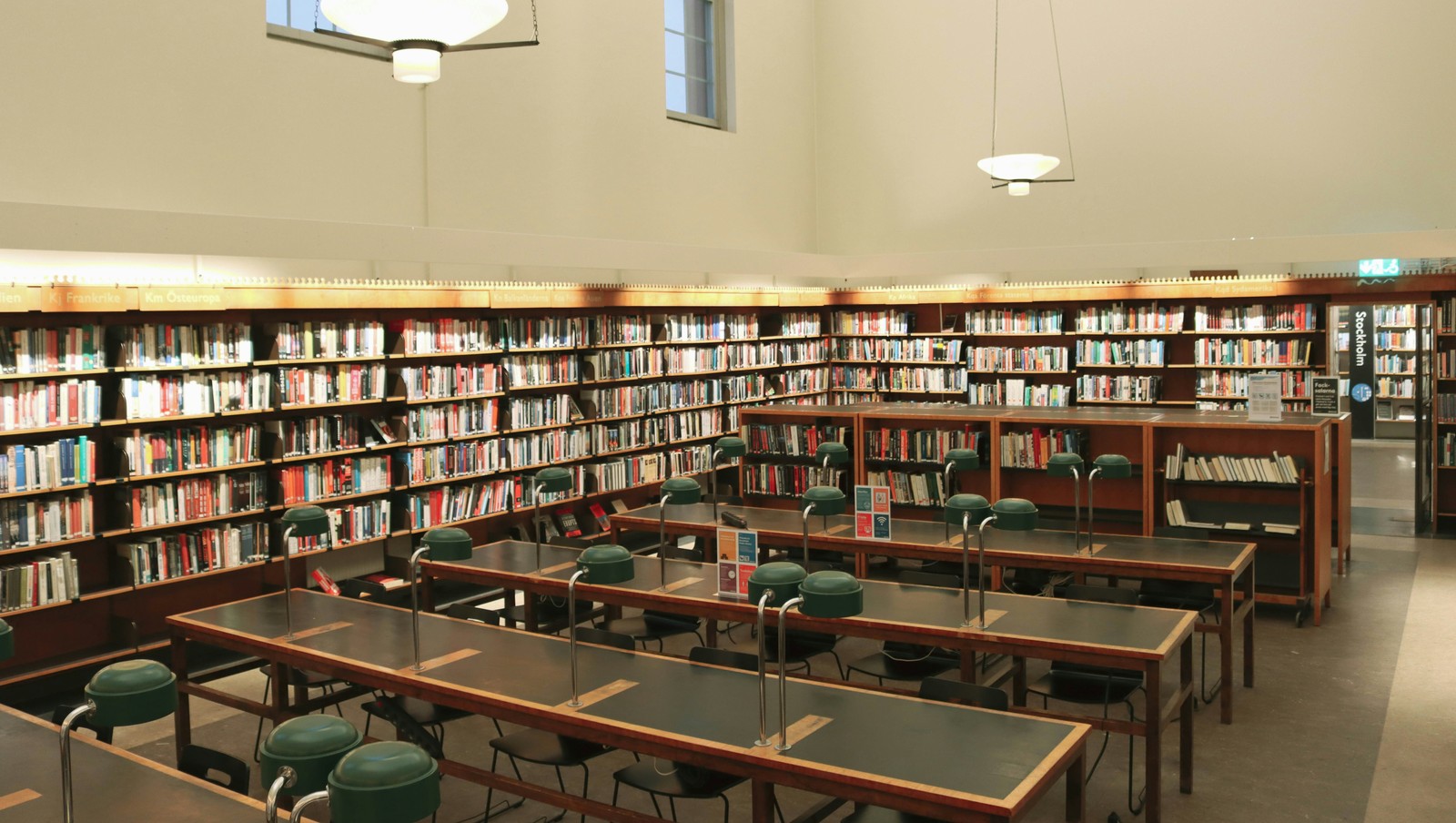
Image: chris robert

Think a library’s just for borrowing books? Think again. These days, libraries offer much more than shelves of novels and encyclopedias. From live music recitals and foreign language classes to free Wi-Fi and cozy workspaces, there’s something for everyone. Check out these 12 features that might be waiting for you at your local library!

1
Museum tickets

Image: Moralis Tsai

Many libraries in the U.S. and worldwide offer free passes to museums, zoos, and cultural centers . It's a great way to explore local attractions without spending any money.

Check with your local library to see what’s available. Some even let you reserve passes online.

2
Language classes
Image: Ling App

Many libraries offer free language classes, either in person or through online platforms .

It's a great way to start learning a new language or improve your existing skills. Be sure to check what your local library offers.

3
Wi-Fi
Image: Franck

Many public libraries have partnered with companies like Verizon to offer Wi-Fi hotspots for checkout, helping those without internet access at home or travelers stay connected.

This service helps bridge the digital divide and ensures patrons can access important online resources and services.

4
State Park passes
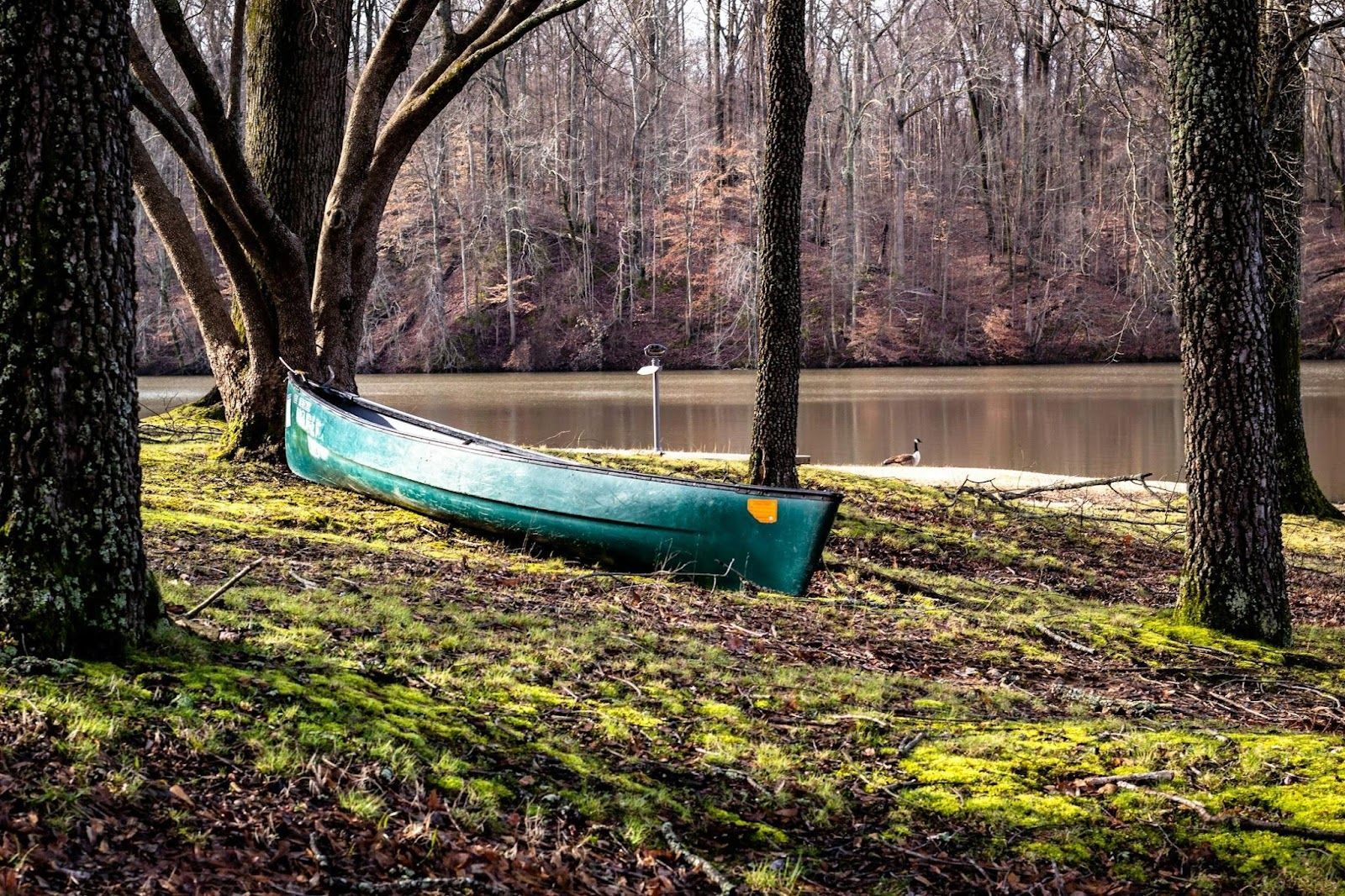
Image: Joshua J. Cotten

Several libraries across the U.S. offer free passes to local and state parks . This is a great way to explore nature without the added cost.

5
Telescopes
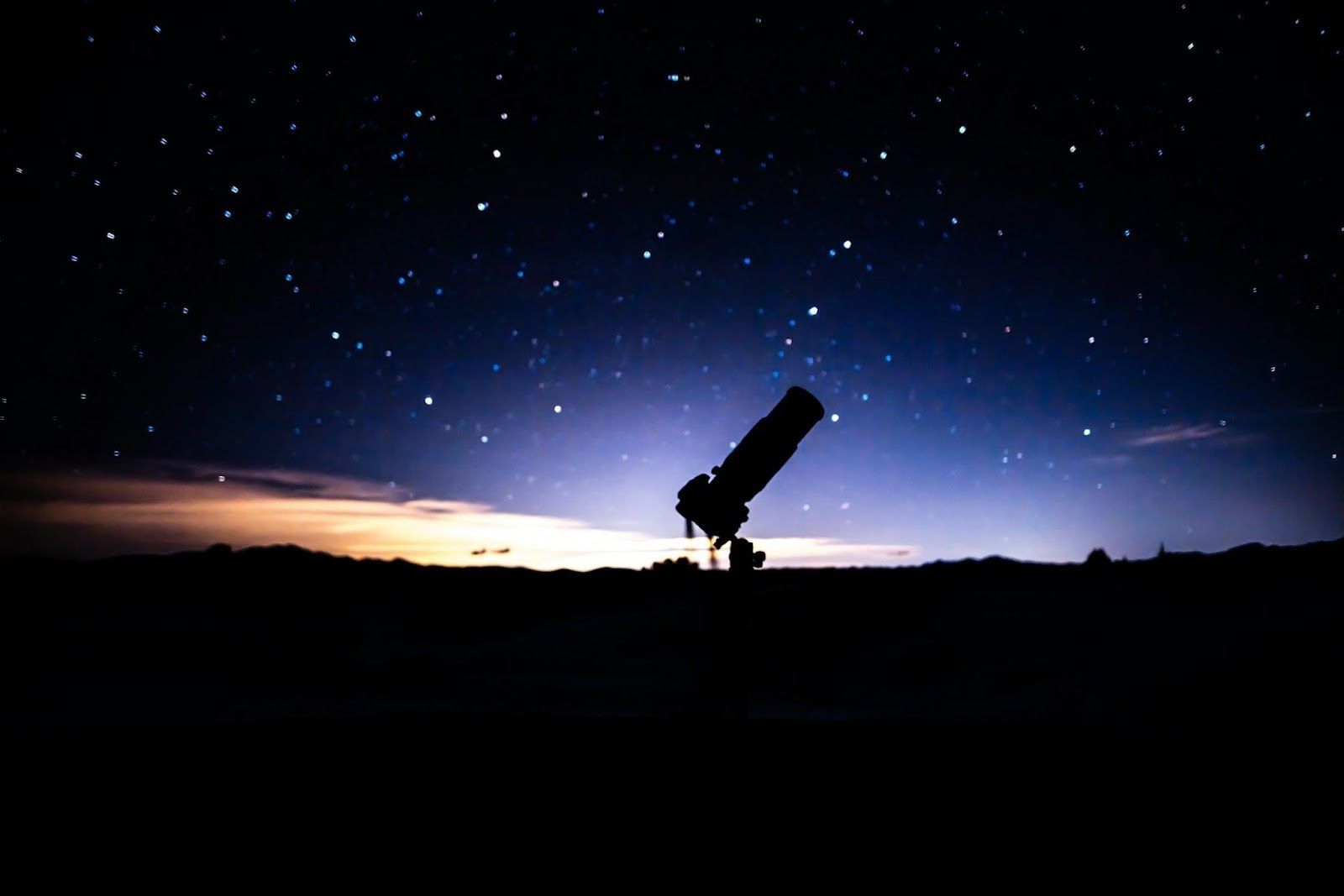
Image: Patrick Hendry

Local astronomical societies and clubs have teamed up with libraries to offer telescopes , just like books.

This gives visitors the chance to explore the night sky in remarkable detail—perfect for beginners and astronomy enthusiasts alike.

6
Video and board games
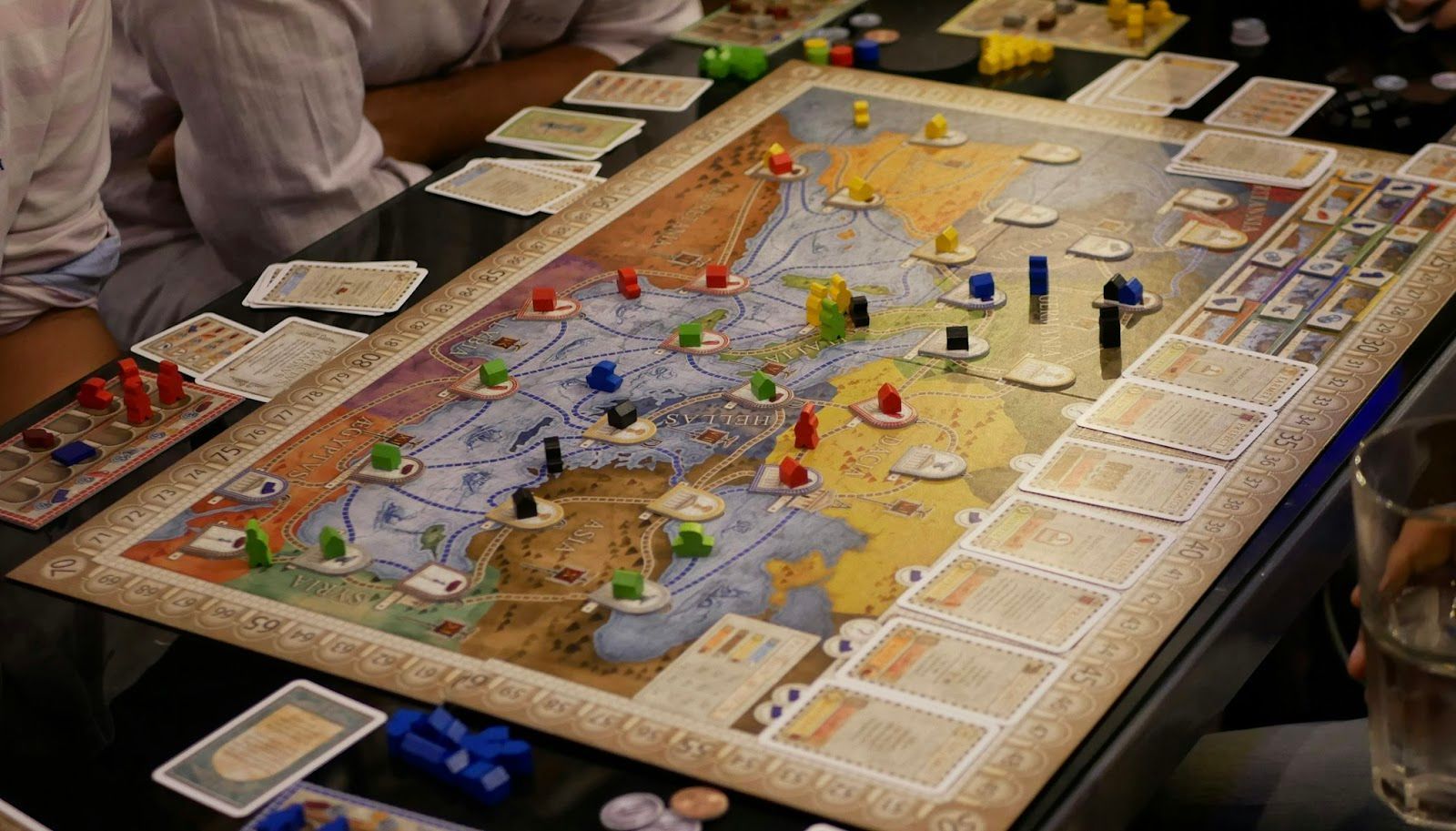
Image: Karthik Balakrishnan

Many libraries offer game collections to their visitors, including both classic board games and popular video games .

This provides a fun, free way for patrons to enjoy games without needing to buy them.

7
Early literacy programs

Image: Michał Parzuchowski

Librarians are passionate about promoting early literacy and getting kids excited about reading. Many libraries offer age-specific programs at different times, often featuring fun themes and activities to keep young readers engaged.

8
Concerts
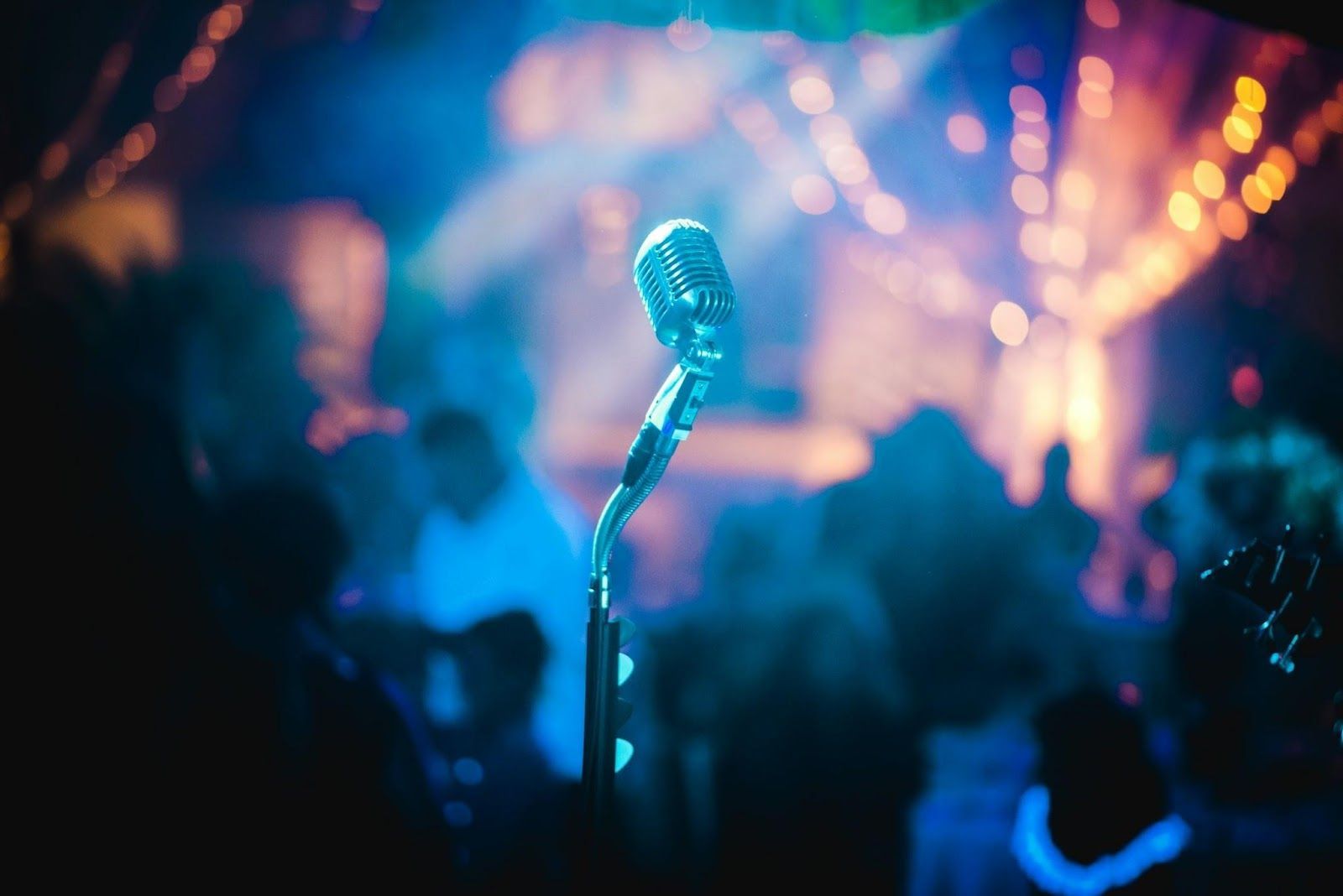
Image: BRUNO CERVERA

Many libraries host free concerts throughout the year, featuring a variety of musical genres.

These performances cater to different audiences, providing a great way to enjoy live music without spending a dime .

9
Genealogy
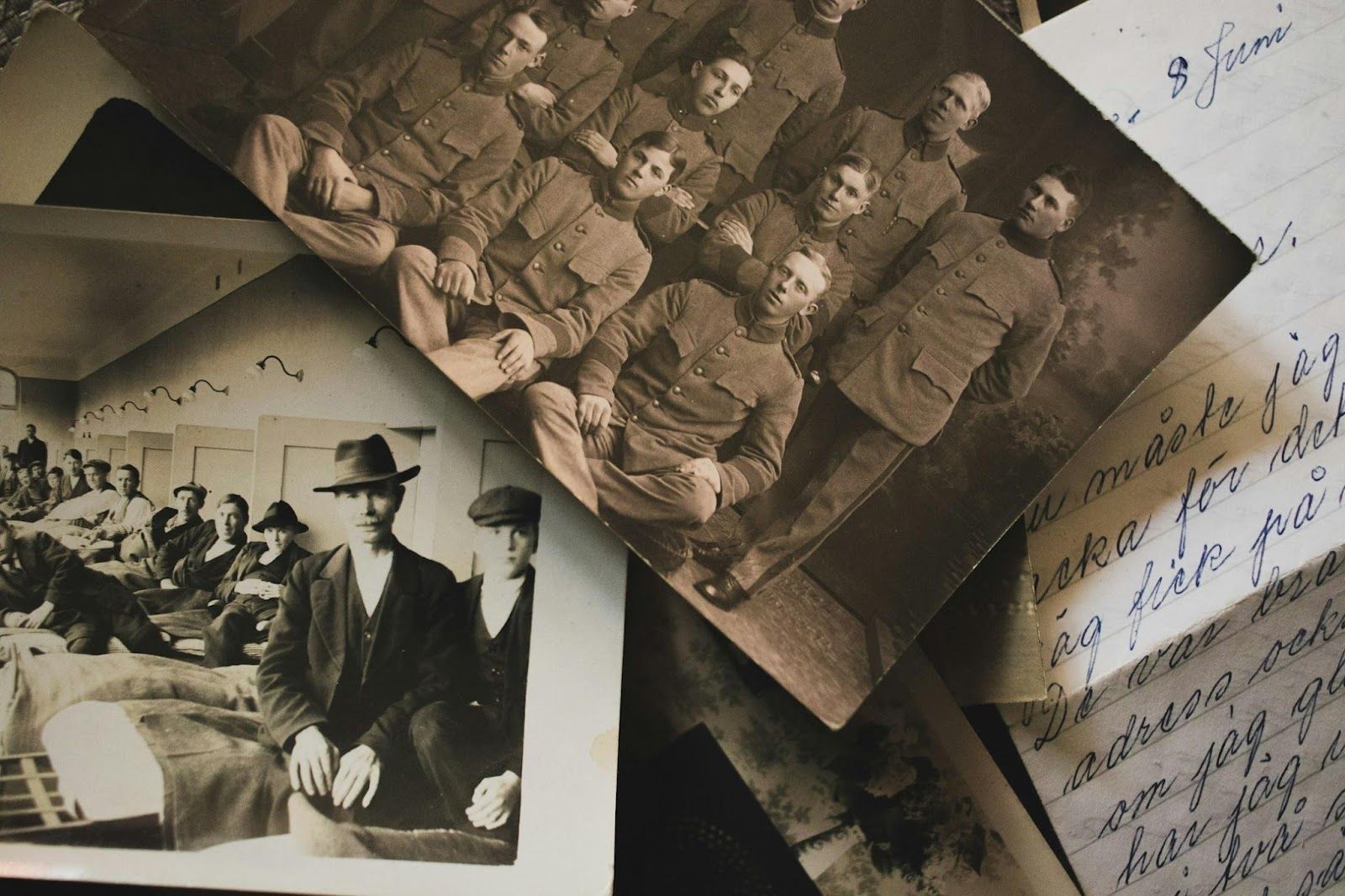
Image: June Hansen

Some libraries offer free access to the library edition of Ancestry.com, allowing users to explore their family history .

Available on-site, it provides the same features as a personal subscription, including access to global records and historical documents.

10
Movies
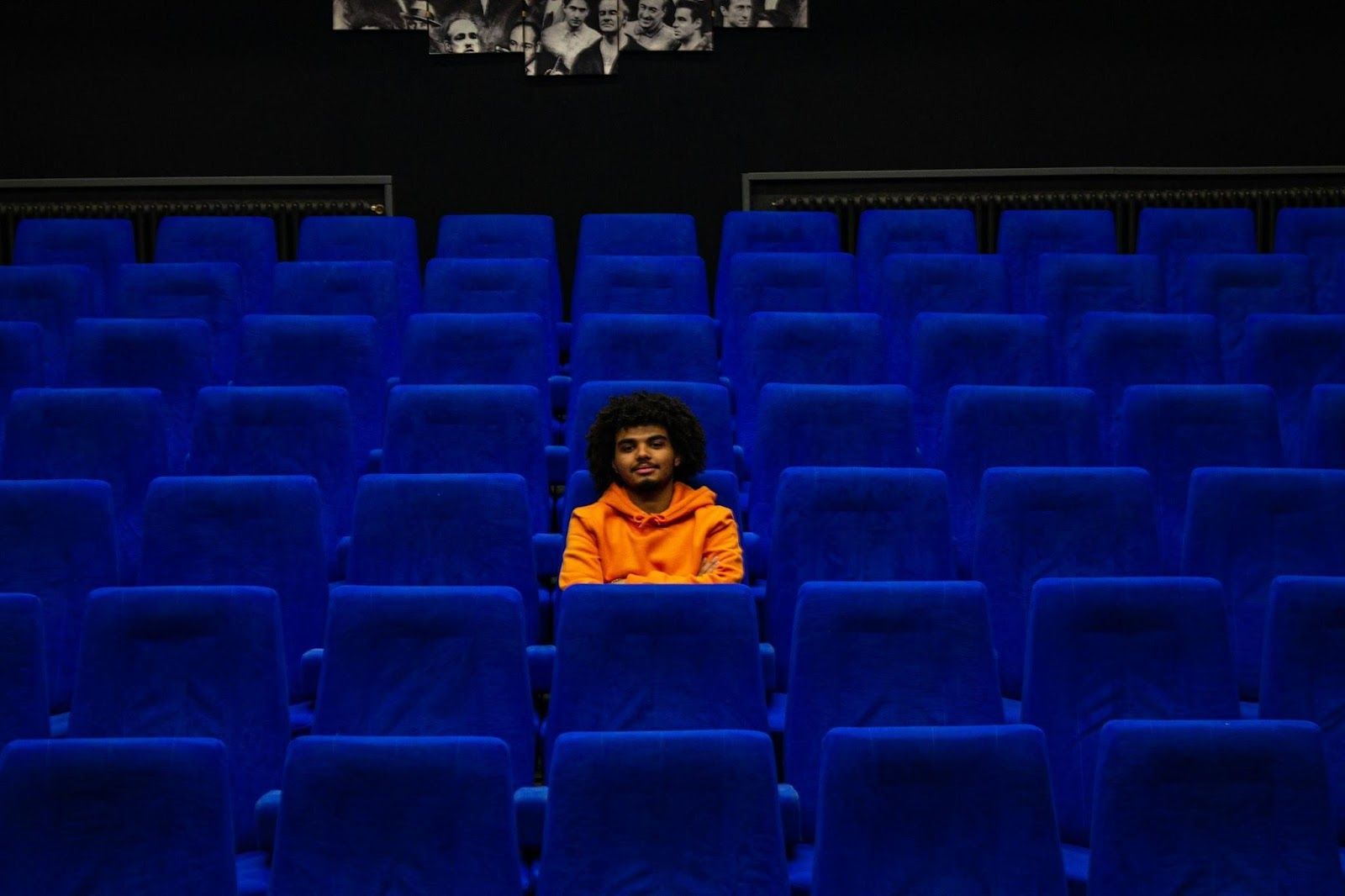
Image: Marius GIRE

Many libraries not only lend movies but also host free movie screenings. These events often include kids' films during school breaks, holiday specials, and midday showings for all ages .

11
Printers
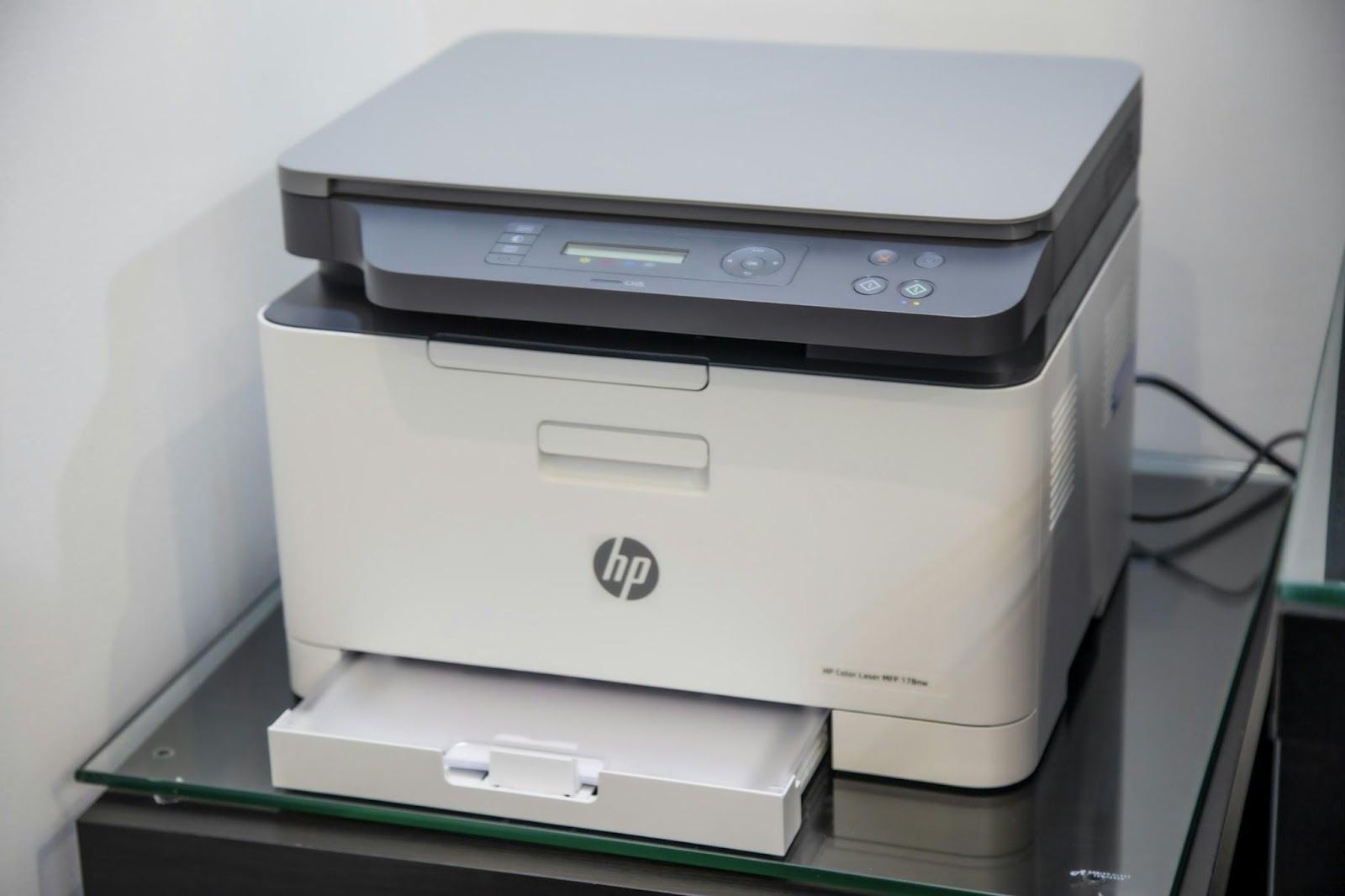
Image: Mahrous Houses

No printer at home? Some libraries let you email documents for printing at a small fee . They may also offer faxing and copying services. Additionally, many libraries provide access to a range of tools, such as 3D printers, scanners, and more.

12
Computers

Image: Keith Kasaija

Many libraries offer desktop computers with internet access for their patrons to use, free of charge. These stations give visitors a quiet space to complete online tasks, work, or study.
History History 4 min read

"Speak easy when you order"

Did you know these facts about the Prohibition era?

Image: DayanaLiquorNerd / maja7777

Endless myths and stories have permeated our culture about the era when alcoholic beverages were banned. Did pharmacists really get rich selling whiskey? Were all women in favour of Prohibition? In fact, were all rulers in favor of it, or did some publicly celebrate its ending? Let’s dive into some not-so-well-known facts about the Eighteenth Amendment .

1
The term "Speakeasy" came from a whispered instruction

Image: Shtefan Lounge

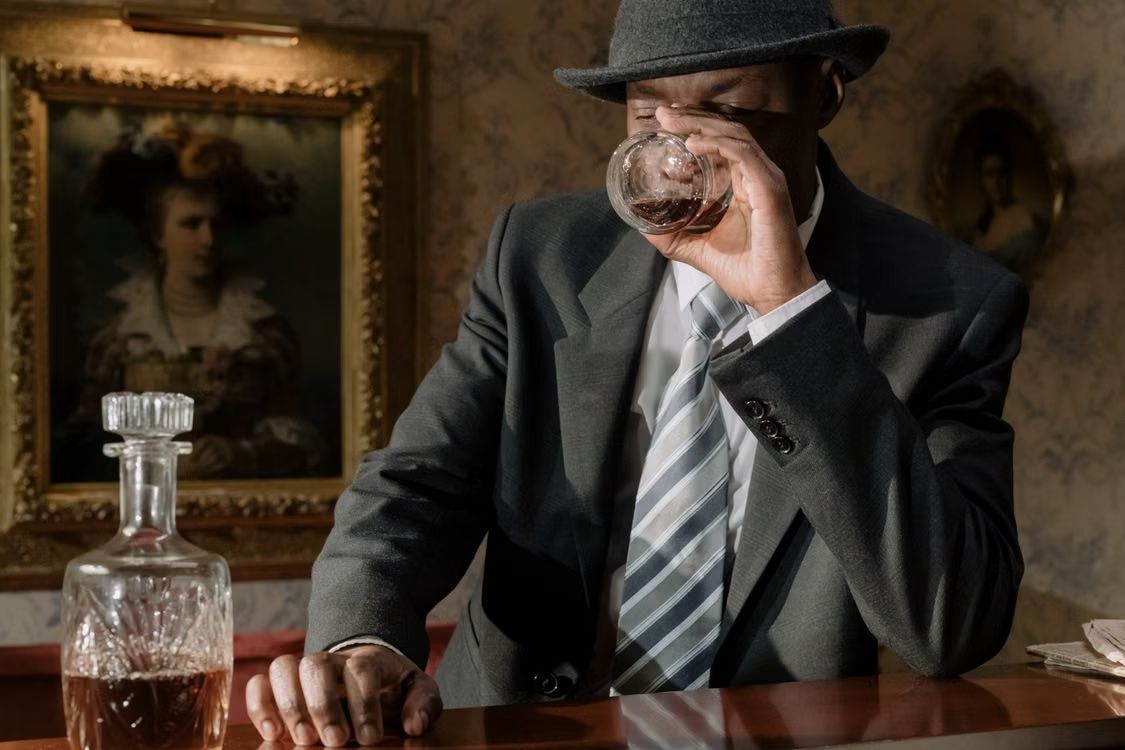
This expression, by now forever associated with the Prohibition Era, came from bartenders quietly warning patrons to "speak easy" when ordering illegal drinks.

It is believed that the phrase was already in use in 1800s saloons, but it took off during Prohibition. Hidden behind trapdoors or fake businesses, these secret bars required passwords or knocks to enter.

2
Prohibition sparked the rise of NASCAR

Image: Caleb Woods

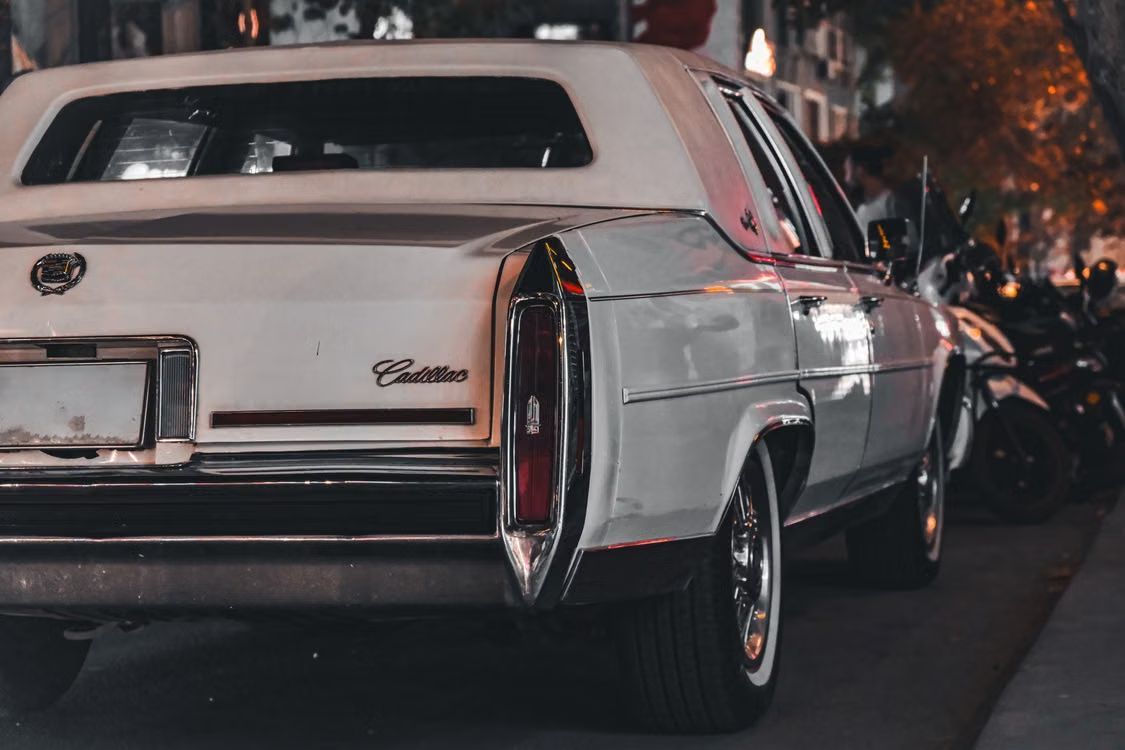
Southern moonshiners during Prohibition needed to move whiskey fast. To evade federal agents, they needed to modify cars for speed and for driving through uneven terrains under the cover of the night.

What do you do with that peculiar set of skills when the Prohibition ends, then? Many of these trained drivers began racing each other for fun , and eventually for prizes. These informal competitions laid the groundwork for stock car racing, and in 1948, NASCAR was officially founded.

3
Grape bricks were a legal alternative

Image: Keegan Houser

Though commercial winemaking was banned, winemakers adapted quickly by selling "grape concentrate bricks" legally.

They were dense blocks that came with a cheeky warning: "Do not dissolve in water , add yeast, and let sit for 21 days, or it may ferment into wine." Of course, that’s exactly what people did.

4
Al Capone opened a soup kitchen

Image: Drew Gilliam

During the Great Depression, mob boss Al Capone operated a soup kitchen in Chicago, serving thousands of unemployed individuals .

The sign outside read "Free Soup, Coffee & Doughnuts for the Unemployed." It was certainly a clever PR move that helped soften his infamous image, even as he profited from illegal booze and violence.

5
There was a "whiskey prescription" loophole

Image: Anastasia Zhenina

While Prohibition outlawed alcohol sales, there was one major exception: whiskey prescribed by a doctor. The government allowed the writing of prescriptions for " medicinal liquor ," so millions were written. Patients could pick up their booze at a local pharmacy, usually in a clearly labeled bottle: "For Medicinal Use Only."

6
"Mountain Dew" meant Moonshine

Image: Josh McLain

Long before it was a neon-green soda, "mountain dew" was slang for homemade whiskey . The term already appeared in folk songs of the Appalachian region back in the 19th century, and it became especially popular during Prohibition, as illegal distilling became widespread.

In the 1940s, the creators of the soft drink Mountain Dew originally formulated it as a mixer for whiskey. The name was a wink after the bootlegging culture it came from.

7
Women were on both sides of the front lines

Image: Agustina Tolosa

Fierce women activists led the temperance movement, yes. For example, Carrie Nation famously stormed saloons with a hatchet. But many women also thrived in the world of illegal liquor.

Some saw Prohibition as an opportunity and became successful bootleggers, smugglers, and speakeasy owners. One of the most famous was Gertrude "Cleo" Lythgoe, nicknamed "The Queen of the Bahamas," who smuggled high-end liquor from Nassau to the U.S. East Coast and built a fortune.

8
Toothpaste and hair tonics were alcoholic

Image: Chelms Varthoumlien

With liquor banned, some people turned to unlikely products to get drunk. Items like bay rum aftershave, vanilla extract, hair tonics, and even toothache drops were legally sold and packed with high-proof alcohol. Desperate drinkers downed them despite the awful taste and potential health risks.

In New York City alone, an estimated 150,000 gallons of bay rum were consumed for intoxication in a single year.

9
Bootlegging funded jazz and nightlife

Image: cottonbro studio

Prohibition did help launch a cultural revolution . Speakeasies became centers of nightlife and music, and in places like Harlem, they gave rise to the Harlem Renaissance. Jazz greats like Duke Ellington and Billie Holiday got their start playing in these clubs.

10
New York’s mayor toasted the end with a beer… on air

Image: Muhammed ÖÇAL

When the 21st Amendment officially ended Prohibition on December 5, 1933, New Yorkers celebrated with flair. So did their mayor. Fiorello La Guardia, a vocal critic of the alcohol ban , marked the occasion by cracking open a beer during a press conference and drinking it on live radio.

La Guardia had long argued that Prohibition bred crime and disrespect for the law, so this on-air symbolic gesture made sense and marked the beginning of instant change.

11
Some states didn’t ratify the end until the 21st century

Image: Chris Hardy

Though the 21st Amendment repealed Prohibition in 1933, some states and counties held out for decades . Mississippi didn’t officially end state Prohibition laws until 1966; that’s 33 years after the national repeal. Kansas, meanwhile, banned public bars until 1987.

Even today, Prohibition echoes remain. Several U.S. counties are still "dry," meaning alcohol sales are restricted or banned outright.

History History 4 min read

Side hustles

Whiskey, Hollywood, and Grammys? Unexpected jobs of former presidents!

Image: The Cleveland Museum of Art

Picture this: You have just finished your term as President of the United States. It was a tough job to tackle, but you made it. It’s your first day out of office, and you wonder, "What’s next?" A world of possibilities opens up. What is the first thing you would do in that position? These former presidents, from Washington to Bush, went different ways and took up activities most Americans don’t even know about. Let’s take a look at some fascinating second acts of former U.S. presidents.

1
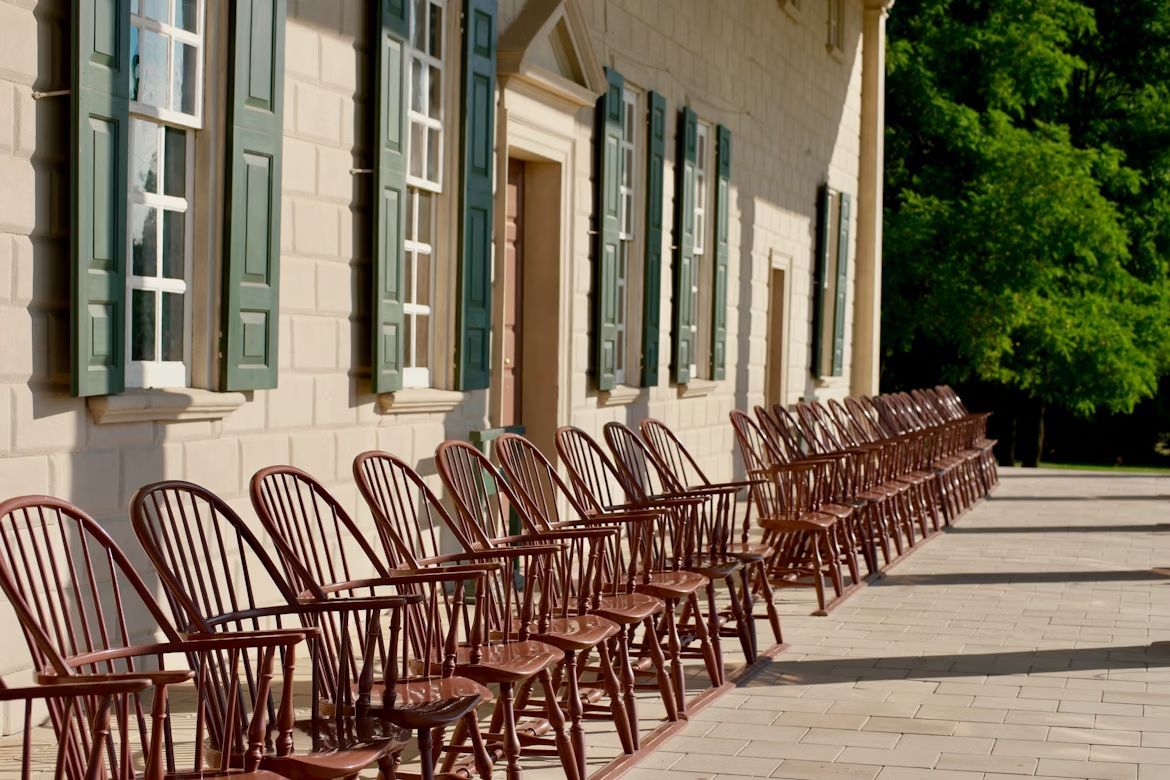
George Washington - The whiskey-making Founding Father

Image: Daniel Vogel

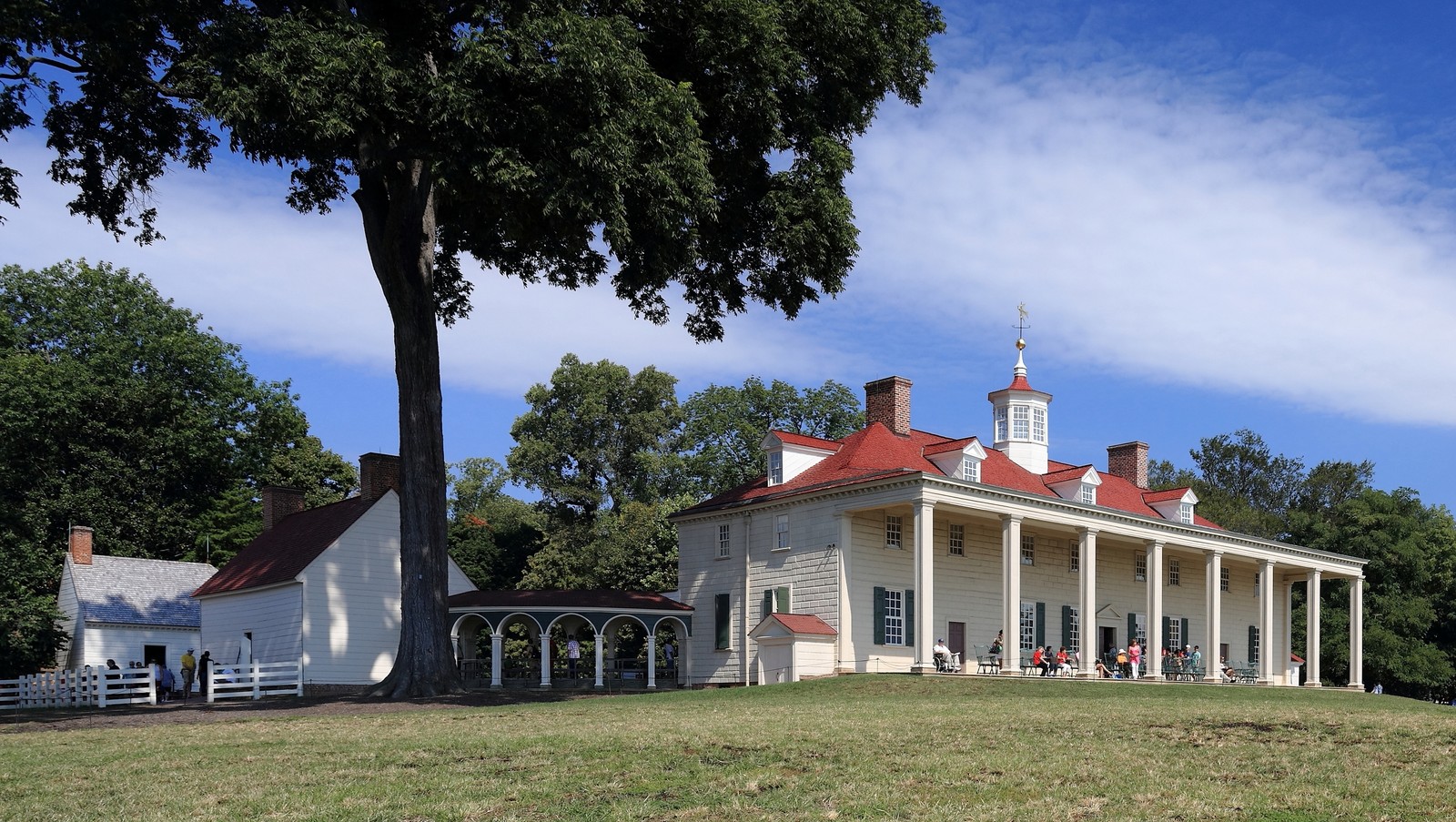
After leading the nation, George Washington stepped into the world of spirits, whiskey spirits, that is! In 1797, his farm manager convinced him to open a distillery at Mount Vernon . Within two years, it became one of the largest in the country, producing nearly 11,000 gallons of whiskey annually.

Here’s a fun fact: Washington didn’t need a marketing team. His whiskey was sold in unmarked barrels to local merchants, and his operation was so successful that it became one of the top money-makers in the area. The best part? You can try it today at the reconstructed distillery!

2
Theodore Roosevelt - Adventurer-in-Chief

Image: Zetong Li

Not one to sit still, Theodore Roosevelt went on an exploration of the Amazon rainforest after leaving office. In 1913, he embarked on a seven-month journey to map an uncharted river . Guess what it’s called today? The Roosevelt River, of course!

The expedition was grueling: he caught malaria, suffered a leg injury, and nearly died. Though he made it back home, his health never fully recovered. Roosevelt’s post-presidency was all about adventure and risks!

3
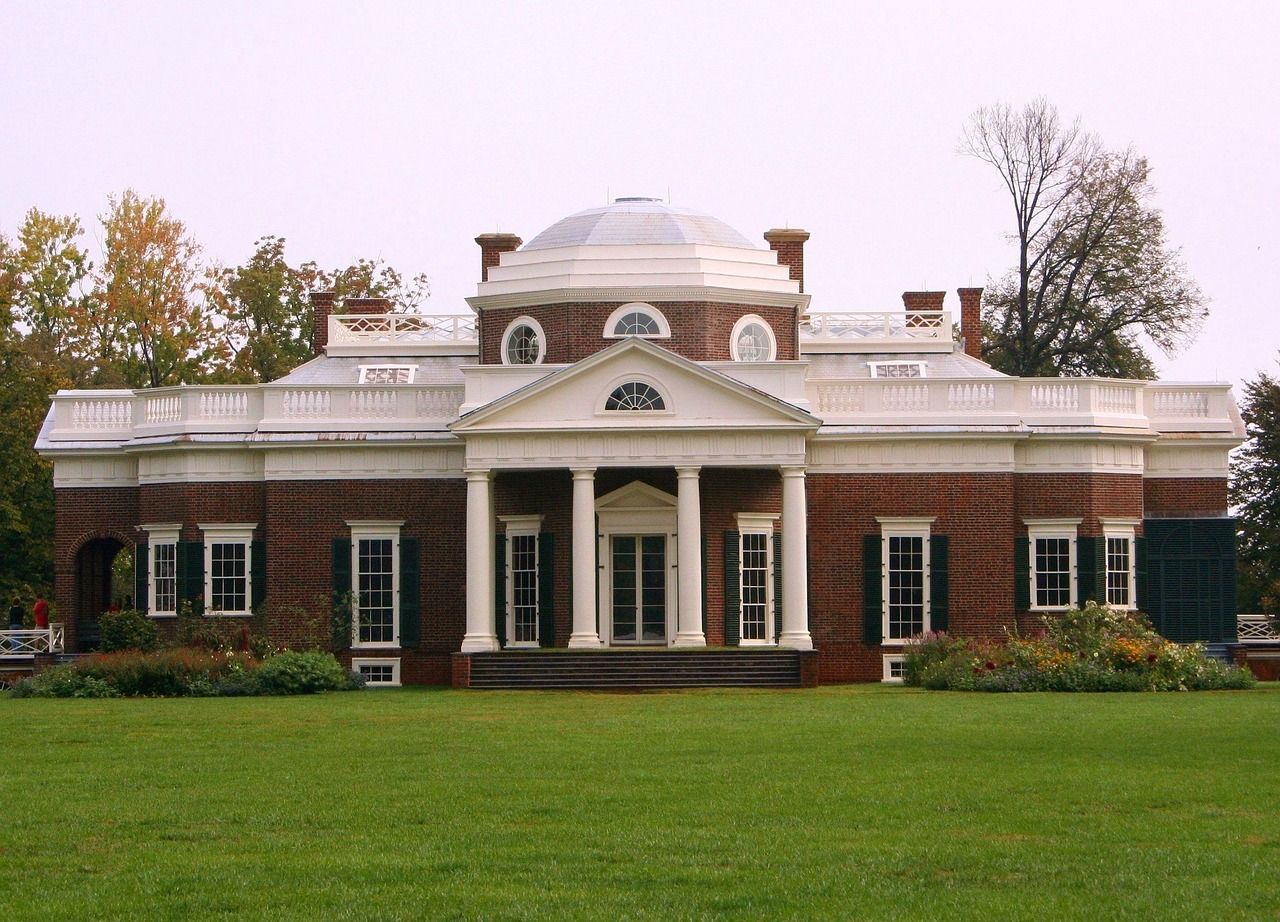
Thomas Jefferson - The University Founder

Image: Ryan Ledbetter

Thomas Jefferson didn’t just help write the Declaration of Independence; he also founded the University of Virginia . A firm believer in education, he wanted to create a university that emphasized academic freedom and rigorous learning. So, in 1819, ten years after leaving office, he established the University of Virginia, which opened in 1825.

Jefferson personally designed the campus, including its iconic Rotunda, and hand-picked the first professors. He once called the university one of his greatest accomplishments, right up there with drafting the Declaration of Independence.

4
John Quincy Adams - From President to Congressman

Image: Ian Hutchinson

John Quincy Adams didn’t believe in retirement, you know? He didn’t go back for a second term, but instead of stepping away from public service, he returned to Congress, serving in the House of Representatives for nine terms until his death in 1848.

His dedication earned him the nickname "Father of the House." Even in his final moments, he was working: he collapsed on the House floor after casting a vote and died two days later. Well, once a public servant, always a public servant.

5
William Howard Taft - From President to Supreme Court Justice

Image: Adam Michael Szuscik

Most former presidents take a step back from government, but William Howard Taft went in the opposite direction. After serving as the 27th president, he was appointed Chief Justice of the Supreme Court in 1921.

He later admitted that being on the Supreme Court was his true calling, famously stating, "I don’t remember that I ever was president." Taft remains the only person in history to have served in both roles! Talk about an upgrade!

6
Calvin Coolidge - Presidential columnist

Image: AbsolutVision

Some former presidents write memoirs, but Calvin Coolidge took it a step further. From 1930 to 1931, he wrote a nationally syndicated newspaper column titled Thinking Things Over with Calvin Coolidge .

His articles covered a range of topics, from politics to everyday life. As it turns out, running a country gives you plenty to write about!

7
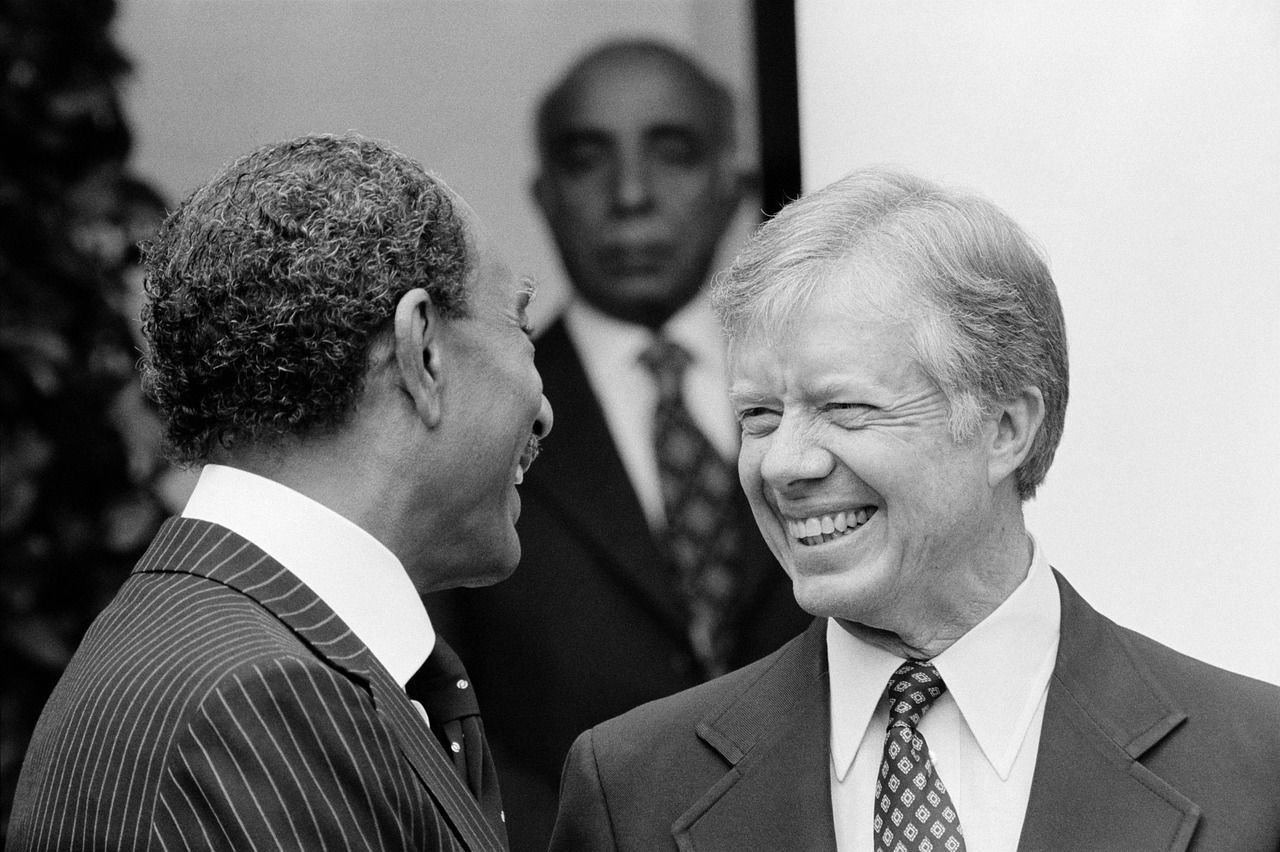
Jimmy Carter - The humanitarian president

Image: Library of Congress

If there’s one president who redefined life after the White House, that is Jimmy Carter. In 1982, he founded the Carter Center , a nonprofit organization focused on democracy, health, and human rights.

He has also spent decades working with Habitat for Humanity, personally helping to build homes for those in need. In 2002, Carter’s humanitarian work earned him the Nobel Peace Prize, making him the only former president to receive the honor for efforts made after leaving office. He once said his post-presidency was "more gratifying" than his time in politics. Only logical, right?

8
Ronald Reagan - A Knight of the Realm

Image: Annie Spratt

Yes, that’s a literal title. Ronald Reagan didn’t take up a new career after leaving office, but he did receive an unexpected knighthood from Queen Elizabeth II. In 1989, just months after stepping down as president, he was made a Knight Grand Cross of the Most Honorable Order of the Bath.

While it’s a prestigious honor, American citizens aren’t allowed to use the title "Sir," so there was no "Sir Ronald" in the works. Reagan wasn’t the only president to receive this honor; Dwight Eisenhower and George H.W. Bush were also knighted.

9
Bill Clinton - Grammy-winning storyteller

Image: Annie Spratt

Bill Clinton has always been a gifted speaker, so it’s no surprise that he won not one, but two Grammy Awards, though they weren’t for playing his famous saxophone. He won Best Spoken Word Album in 2004 and 2005, narrating both a children’s book and his autobiography.

Clinton joins a small but prestigious club of American presidents who have won Grammys, including Barack Obama and Jimmy Carter. His ability to captivate audiences didn’t end with politics; he simply found a new stage.

10
George W. Bush - From the White House to the Art Studio

Image: Yannis Papanastasopoulos

After serving two terms as president, George W. Bush discovered a surprising new passion: painting. How about that? In 2012, he began taking art lessons , and by 2013, his paintings were revealed to the public following an email hack.

Bush embraced his new hobby and has since published several collections, including Portraits of Courage , which features paintings of US military veterans. His artwork has been exhibited in galleries, proving that a president can become an artist, too. While politics was his career, painting has become his personal form of expression.

Explore more American facts

Choose your favorite category!

General
General

As American as apple pie—the very best America has to offer!

Culture
Culture

Delve into the astounding richness of American lore.

Geography
Geography

Hop in and explore vast and diverse American landscapes.

History
History

Discover the key moments that shaped the United States.