History History 3 min read

America’s past

Grab a root and learn some interesting Civil War Lingo!
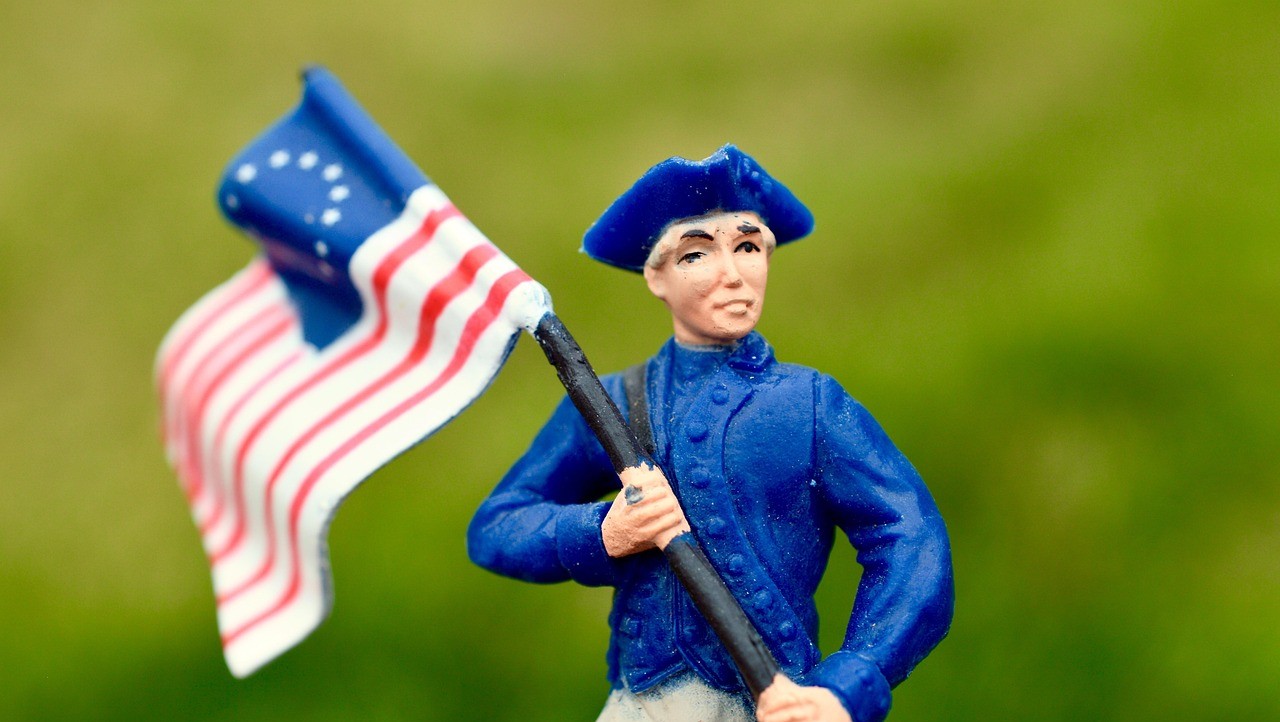
Image: Erika Wittlieb

The Civil War wasn’t just cannons and cavalry. It was also a time when soldiers invented a whole dictionary. Some terms were funny, some grim, and others quite practical. Today, we’ll peek into the soldier’s vocabulary , from "fresh fish" rookies to the itchy reality of "graybacks." So pull up a chair, maybe grab a root, and let’s take a trip through the words that marched alongside history.

1
Fresh fish
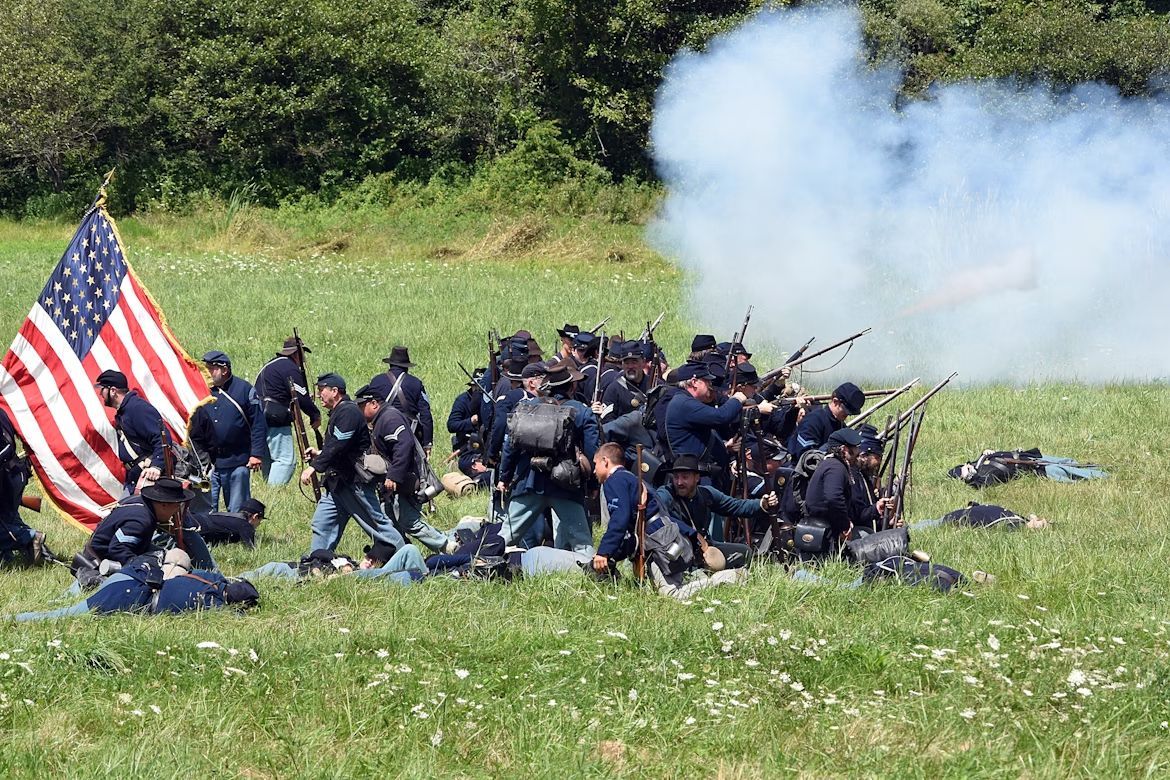
Image: Chris Chow

If you were new to the army , you were "fresh fish." Veterans spotted them a mile away, wide-eyed, uniforms still smelling like the depot, and not yet hardened by camp life. They got teased, trained, and sometimes tricked. Of course, every seasoned soldier once wore the "fresh fish" badge, so the teasing came with a knowing grin.

2
Grab a root
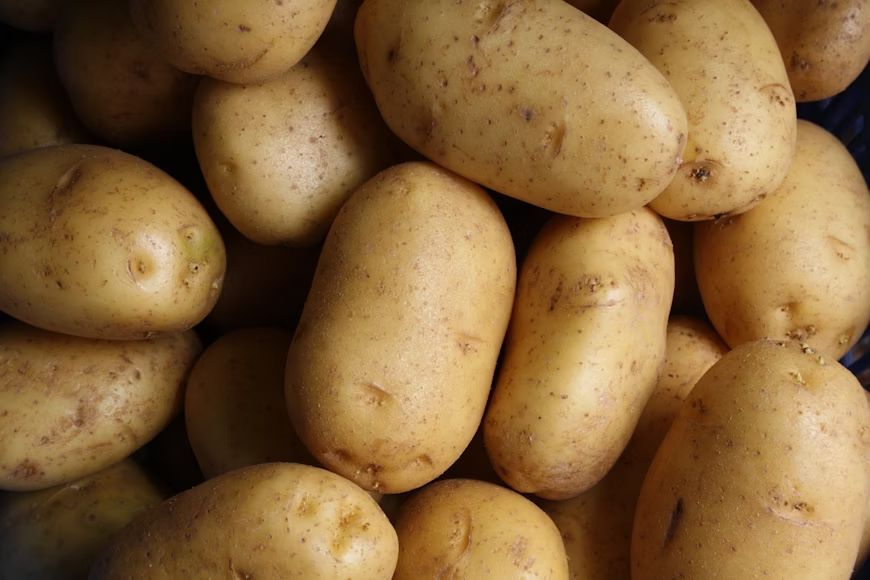
Image: Lars Blankers

Dinner time in camp could mean beans, hardtack, or, if you were lucky, a potato. Asking someone to "grab a root" was soldier shorthand for "let’s eat." Potatoes were cheap, filling, and easy to cook over a campfire.

3
Sawbones
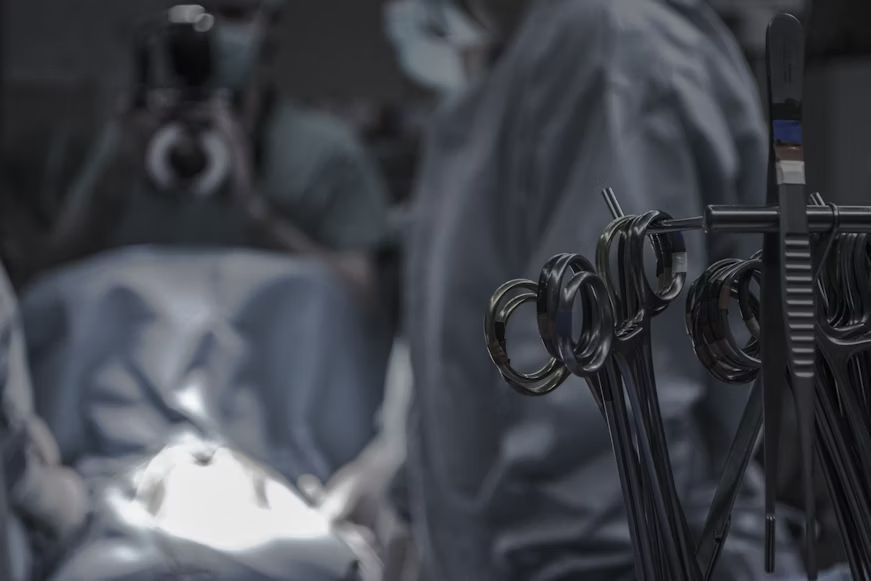
Image: Piron Guillaume

Medical science in the 1860s wasn’t exactly what we call gentle. Army surgeons were nicknamed "sawbones," partly for their skill with amputations, a normal procedure during wartime. It wasn’t always fair, since many doctors were dedicated and resourceful, but the name stuck.

4
Graybacks
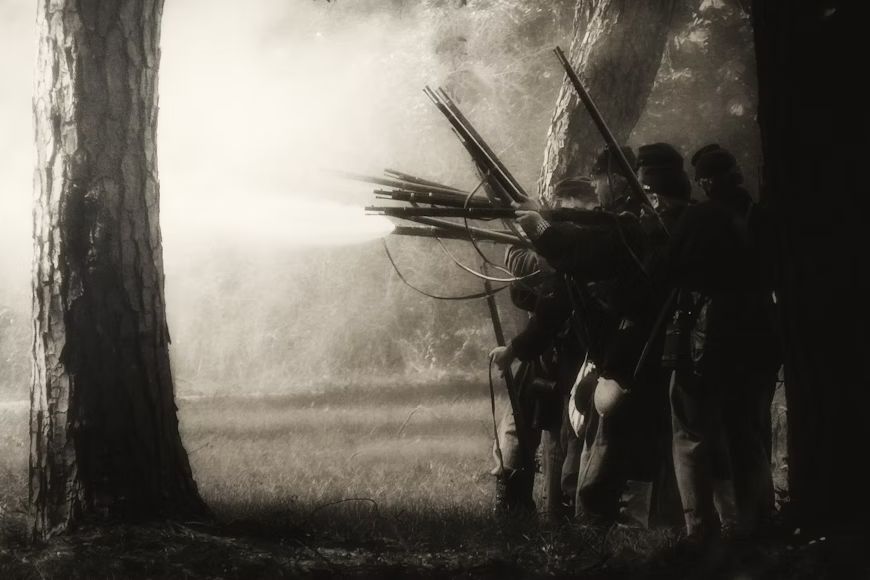
Image: Scott Umstattd

Ask a soldier about "graybacks" and you might get two very different answers. One was lice, the pest that thrived in crowded camps. The other was a nickname Union troops used for Confederate soldiers . Either way, it wasn’t a compliment.
5
Bonnie Blue Flag

This was the hit song of the Confederacy , praising the states that left the Union. The "Bonnie Blue Flag" itself showed a single white star on a blue field, the first banner of the Confederacy. The song’s lively chorus made it a favorite at rallies, campfires, and any place soldiers needed a boost of spirit.

6
Furlough
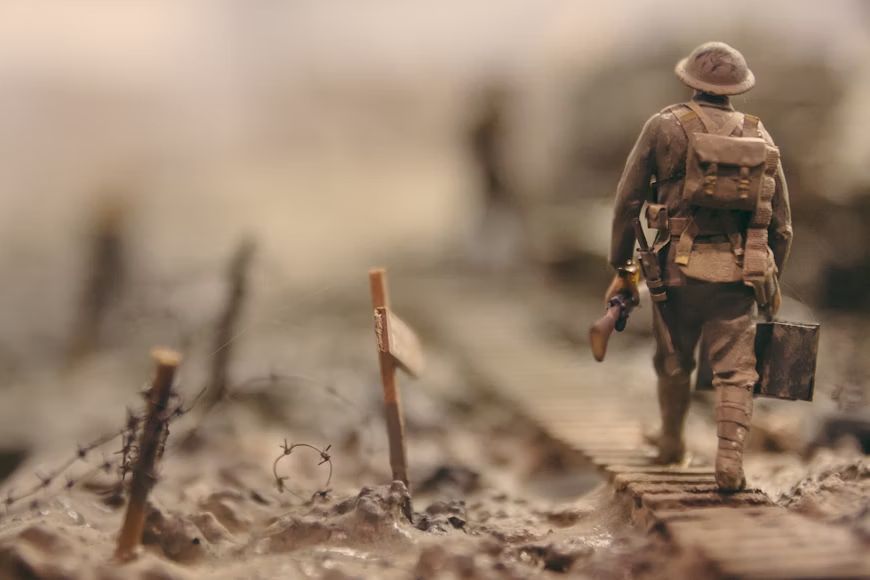
Image: Stijn Swinnen

A furlough was a soldier’s golden ticket home , even if only for a short while. The paperwork described the soldier’s looks, regiment, and exact return date, plus a stern warning about being labeled a deserter if he didn’t show up on time.

7
Housewife
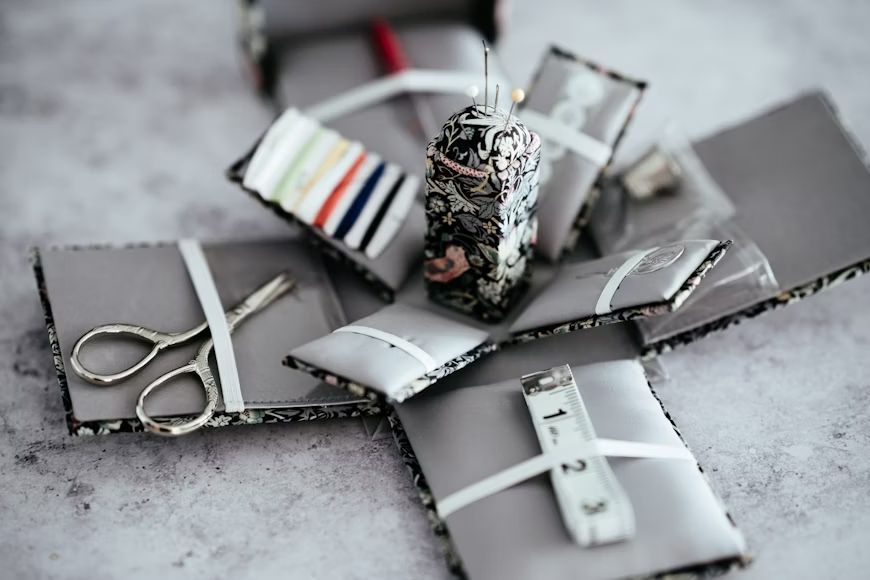
Image: Annie Spratt

Every soldier carried a "housewife," though it wasn’t a person; it was a sewing kit . Packed with needles, thread, and spare buttons, it kept uniforms in one piece. With supply lines stretched thin, a quick stitch could mean the difference between looking like a soldier or a scarecrow.

8
Insult
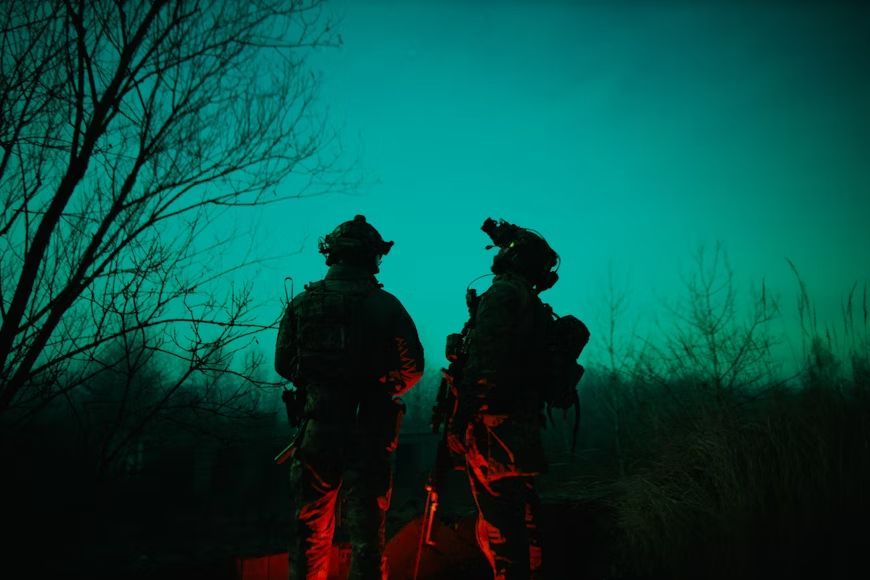
Image: Aleksey Kashmar

On a Civil War battlefield, an "insult" wasn’t words, it was a sudden attack on a fortified position. The idea was to strike before the defenders could react. Success could turn the tide of a fight, but failure usually meant heavy losses. It was risky and brutal.

9
Kepi
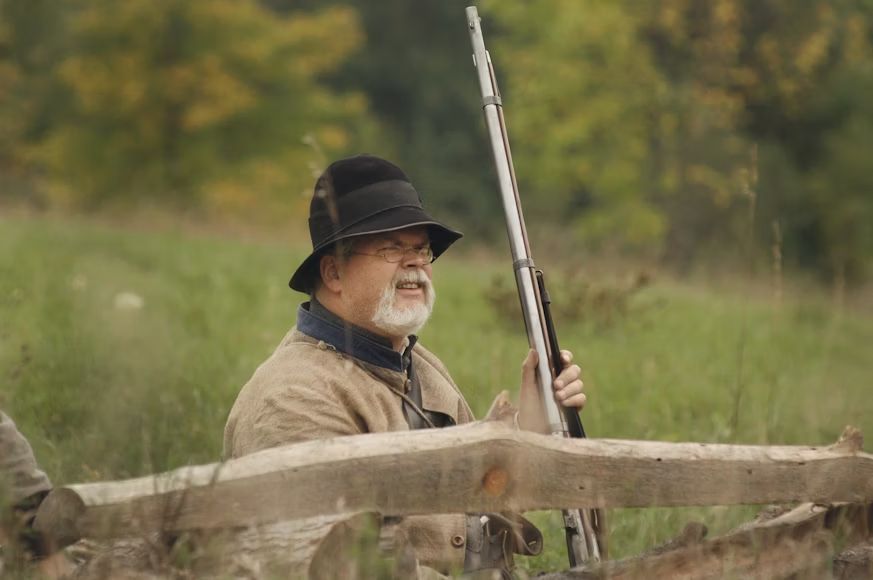
Image: Jen Theodore

The kepi was the go-to cap for Union soldiers, with a flat circular top and short visor . It was light, practical, and easy to make, so it became part of the classic Civil War look. Confederate soldiers sometimes wore them too, but it was a Union signature item.

10
Ordnance
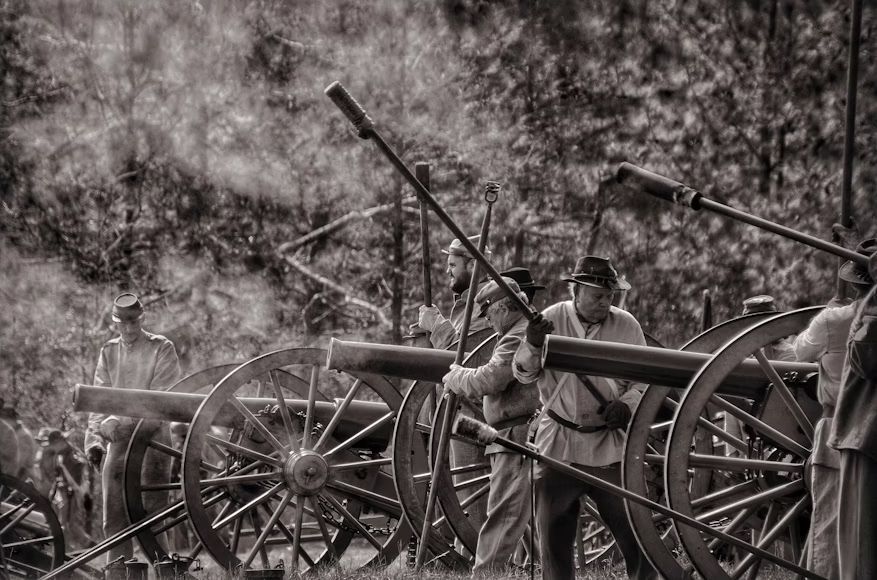
Image: Rick Lobs

If it was in any way designed to make the enemy’s day worse, it was "ordnance." This covered everything from muskets to cannonballs . Armies guarded their ordnance like gold, since running low meant fighting at a disadvantage.

11
Skirmish
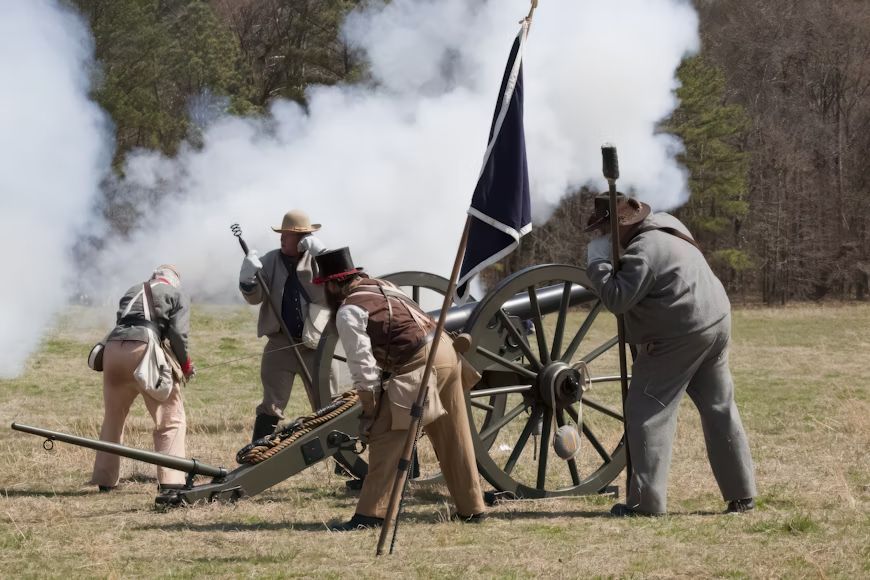
Image: Carol Highsmith's America

Not every fight was a massive battle. A "skirmish" was a smaller clash , often between scouting parties or outposts. Quick, unpredictable, and sometimes over in minutes, skirmishes kept soldiers on edge and commanders guessing what the enemy was really up to.

Culture Culture 7 min read

A true city of stars

These 10 famous idols were born in Chicagoland

Image: Chait Goli

When Chicagoans mention which city they come from, the same big names are always brought up: Oprah Winfrey, Michael Jordan, and even Al Capone. These are huge public figures known worldwide, of course. But none of them were born anywhere near Chicagoland ! In an attempt to highlight the city’s ability to produce incredible talents, here is a list of 10 icons who were indeed born in the Chicago area—whether they made history there or elsewhere.

1
Harrison Ford

Image: Chris Nguyen

The face of Indiana Jones was born in 1942 in the Windy City. A Boy Scout from Illinois , he attended school in the suburbs before moving to Wisconsin for college and later to California to pursue acting. There, he became a self-taught professional carpenter to support his family. Everything changed for him when writer and director George Lucas took a liking to him and started including him in small roles in his films. Lucas finally gave him a leading role as Han Solo in his space opera, Star Wars (1977).

Ford is one of the most recognizable actors in the world. His long career includes critically acclaimed performances in films like Blade Runner (1982), The Fugitive (1993), and Witness (1985), for which he earned an Academy Award nomination for Best Actor .

2
Walt Disney

Image: Charlottees

Yes, the father of Mickey Mouse was born far from California’s Disneyland. Walt Disney was born in 1901 in the Hermosa neighborhood of Chicago. He grew up in the city until his family moved to Missouri when he was a young boy, but he later returned to study at the then-called Chicago Academy of Fine Arts (now the School of the Art Institute of Chicago). In 1956, Disney purchased his birth home in Chicago with the intention of restoring it, though his plans for the house were never fully realized.

Of course, the founder of The Walt Disney Company was an imaginative mind who led projects that revolutionized the film industry . His endeavors pioneered the introduction of synchronized sound in animation, the production of full-length animated films, and, most notably, the creation of Disneyland, the world’s first theme park of its kind.

3
Bob Fosse

Image: Pixabay

Bob Fosse was one of the most celebrated choreographers and directors in both Broadway and film history. He was born in 1927 on the North Side of Chicago and grew up in the Ravenswood neighborhood. A revolutionary creator who brought a signature Chicago-jazz style to musical theater, Fosse had been exposed to the city’s vaudeville and burlesque scenes, which were popular in the 1930s and 1940s and attended many dance studios in the city during his youth.

His experience as a performer in Chicago probably influenced the recurring theme of showbiz’s dark side , evident in musicals like Cabaret , Chicago , and Sweet Charity , which he directed and choreographed. He also won an Academy Award for Best Director for the film Cabaret and is the only person to have ever won an Oscar, a Tony, and an Emmy in the same year (1973).

4
Quincy Jones

Image: sam99929

Quincy Delight Jones Jr., one of the most influential musicians of modern times, was born on the South Side of Chicago , a rich cultural hub in the city. Though his family moved from Chicago when he was 10, it was in the city that he was first exposed to musical neighbors and the culture of religious singing. Later, as a teen, he picked up a trumpet and thus began his incredible musical career.

Quincy Jones is most famous for producing Michael Jackson’s albums , not least of which is Thriller , the best-selling album of all time. He’s also known for his work as a film and TV producer, creating the music for iconic films like The Color Purple and The Wiz , as well as TV shows like The Fresh Prince of Bel-Air . In 1985, he produced and conducted the charity single "We Are the World" to fight famine in Africa. Jones has won 28 Grammy Awards.

5
Ray Bradbury

Image: Vanessa Sezini

Ray Bradbury, the author of Fahrenheit 451 (1953) and The Martian Chronicles (1950), was also a Chicagoland native. He was born in Waukegan , about 35 miles north of Chicago, in 1920. Despite leaving Chicago early in life, his childhood in Waukegan is reflected in some of his work, particularly in scenes depicting small-town America—nostalgic, yet sometimes eerie.

Bradbury managed to weave Waukegan repeatedly into his fiction by transforming it into his imagined Green Town, Illinois . This fictional town serves as the setting for his semiautobiographical trilogy consisting of Dandelion Wine , Something Wicked This Way Comes , and Farewell Summer , and it appears in several of his short stories. Most of the narrations set in Green Town evoke summer scenes led by children in a small town at the beginning of the century.

6
Bill Murray

Image: Blake Guidry

The famous comedic actor Bill Murray was born in Evanston, Illinois, a suburb north of Chicago. He grew up nearby, attending Loyola Academy, and in the early '70s, he was invited by his brother Brian to join the improvisational comedy troupe The Second City . This helped launch the career of a talented comedic writer and actor, known for his roles in Saturday Night Live , which he joined in 1977, as well as films like Ghostbusters (1984), Groundhog Day (1993), and Lost in Translation (2003).

Murray is a devoted fan of several Chicago sports teams, including the Chicago Cubs , the Bears, and the Bulls . In the '80s, he served as a guest commentator for a Cubs game, and he was famously emotional in 2016 when the Cubs won the World Series after a 108-year drought.

7
Michelle (Robinson) Obama

Image: Sonder Quest

Michelle Obama, née Robinson, was born in the South Shore neighborhood of Chicago. She grew up in a working-class family and attended Whitney M. Young Magnet High School, a prestigious public school in Chicago, where she excelled academically. She later went on to study at Princeton University and Harvard Law School before returning to Chicago to work at a law firm, where she met future President Barack Obama.

While she is most famous for being First Lady of the United States from 2009 to 2017, before having that role she held several positions in Chicago’s public service . For instance, she served as an assistant commissioner for the city mayor and she directed the city’s office for Public Allies, a leadership development organization. She also worked at the University of Chicago and at the University of Chicago Medical Center.

8
Robin Williams

Image: V

The late and beloved actor Robin Williams was originally from the Lake View neighborhood of Chicago, where he was born in 1951. He spent his childhood in the North Shore, where his father was a senior executive at Ford until the family relocated to Michigan. Williams's legendary quick wit and his knack for improvisation and making people laugh landed him one of his first gigs, a TV commercial for Illinois Bell, shown in the Chicago area, in which he already showcased his talent for goofy voices. He also made guest appearances at the Second City stage where he performed memorable improvisational acts.

Williams had an incredible ability to jump from character to character in an instant, and he soon won the hearts of the audience as both a comedic and dramatic actor in films like Aladdin (1992), Mrs. Doubtfire (1993), and Good Will Hunting (1997).

9
Ernest Hemingway

Image: Dan Price

Another writer from the suburbs of Chicago was Ernest Hemingway, born in 1899 in Oak Park. He spent his early years in this upper-middle-class neighborhood. Though he left Chicago as a young man, the Hemingway Birthplace Museum in Oak Park still stands as a tribute to his legacy, and the area honors him with numerous literary festivals and events every year.

During his childhood, he spent summer days in the woods and lakes of Northern Michigan, experiences that likely forged his love for nature and adventure, which are reflected in many of his works. Hemingway is best known for his timeless contributions to American literature, including The Old Man and the Sea (1952) and For Whom the Bell Tolls (1940). In 1954, he was awarded the Nobel Prize for Literature.

10
Betty White

Image: Day_Photo

The "Golden Girl," Betty Marion White, was born in Oak Park, just like Hemingway. Even though she was still a toddler when her family moved to California, and she was considered a national treasure, she liked to remind people that her roots were at Oak Park , which made fans from the area very happy.

The village had prepared to celebrate her 100th birthday on January 17, 2022, but sadly, the star passed away just weeks before. Oak Park then proceeded to celebrate her life and career at an event that gathered hundreds of fans despite the freezing weather. White held the Guinness World Record for the longest TV career by an entertainer, starred in iconic shows like The Mary Tyler Moore Show and The Golden Girls , and was also a pioneering female producer behind the camera.

History History 3 min read

Everything has a secret to tell

Take a deep breath before reading these iconic landmarks’ untold stories

Image: Venti Views

America is filled with famous landmarks that everyone recognizes. But some of these places hold secrets known to only a few. For example, did you know that Niagara Falls can be turned off and on like a faucet? Or that a hidden social club exists inside New York’s Grand Central Station? Discover 12 of these incredible facts and impress your friends with your knowledge!

1
The Statue of Liberty’s color

Image: Pierre Blaché

We start our list with a moderately well-known fact: the Statue of Liberty’s beautiful emerald color is not original. Technically, it’s a sign of damage. While the statue's infrastructure is made of iron, its exterior is copper, which has turned green over time due to oxidation .

Fortunately, that same green coating now protects the statue from further damage and deterioration.

2
Grand Central Terminal’s hidden club

Image: David Vives

A busy train station may not seem like the ideal place for a social club, but that’s exactly the case with the Explorers Club. Operating for decades, this exclusive venue primarily serves locals, featuring a full gym, an indoor hard court, and even a smaller secondary court .

3
Gateway Arch’s time capsule

Image: Chris Hardy

This beloved St. Louis landmark holds a secret at its peak: a time capsule was placed inside the arch in 1965 , containing 762,000 signatures—many from students who attended St. Louis schools at the time.

The capsule is permanently welded inside the arch and will remain sealed for as long as the structure stands.

4
New York's High Court Building’s ball court

Image: Markus Spiske

New Yorkers seem to have a penchant for sports courts hidden on the top floors of iconic buildings—this one being the second on our list. The New York High Court Building is primarily a place for legal proceedings and bureaucratic work, but on its fifth floor, visitors will find a basketball court known as the "Highest Court in the Land."

5
The White House’s dentist

Image: Benyamin Bohlouli

It’s easy to imagine hallways and rooms filled with endless state secrets in the White House basement. But what most people won’t guess is that you can also find a dentist’s office, a carpenter’s shop, and even a bowling alley down there.

6
Niagara Falls is a huge faucet

Image: Tosab Photography

As strange as it sounds, this statement is true in a sense. The complex system of pumps and gates that administer the water of the Falls can be controlled by a central command.

In fact, part of Niagara Falls is even scheduled to be "turned off" in the coming years to replace some obsolete structures—just like a faucet.

7
Washington Monument’s Civil War graffiti

Image: Sonder Quest

Graffiti has been around all over the world, for a couple of centuries now. The Washington Monument was still under construction when the Civil War broke out, and Union soldiers stationed there carved their names and drew pictures onto the monument . These markings can still be seen today at its base.

8
Mount Rushmore’s hidden room

Image: Jéan Béller

One of America’s most famous landmarks hides a secret room known as the Hall of Records , which is filled with documents intended to preserve the nation’s history for future generations. This hidden chamber is accessed through a concealed door behind Abraham Lincoln’s ear.

9
Lincoln Memorial’s secret carvings

Image: Andy Feliciotti

Speaking of Lincoln, you’ll need a flashlight to spot this one—but it’s there. On the north wall stone of the Lincoln Memorial, the letters "EBL" can be seen carved . These initials stand for Evelyn Beatrice Longman, the artist who sculpted the memorial’s ornamental border.

10
Empire State Building’s secret floor

Image: Kit Suman

As it turns out, the Empire State Building has one more floor than the famous 102. This extra floor was originally constructed for building maintenance but now serves as an exclusive hotspot for celebrities, complete with an ultra-thin, knee-high railing separating observers from the sky surrounding them.

11
Brooklyn Bridge’s wine cellars

Image: Partha Narasimhan

Wine cellars are cold and dark places—just like the basements at the Brooklyn Bridge’s bases. This connection, now quite obvious, was made by the bridge’s engineer, Washington Roebling, who incorporated two full wine cellars into the bridge’s bases on each side and then rented the space to local businesses who needed the extra storage.

12
Disneyland’s secret members-only club

Image: Travis Gergen

If a trip to Disneyland isn’t enough of a Disney experience for you, there’s an exclusive club on the premises called Club 33 . This exclusive joint boasts an invite-only guest list, where members must pay anywhere from $25,000 to $100,000 to join, with annual membership dues ranging from $12,500 to $30,000. Do you think it’s worth it?

Explore more American facts

Choose your favorite category!

General
General

As American as apple pie—the very best America has to offer!

Culture
Culture

Delve into the astounding richness of American lore.

Geography
Geography

Hop in and explore vast and diverse American landscapes.

History
History

Discover the key moments that shaped the United States.