History History 5 min read

Political trailblazers: 10 inspiring women who shaped America
Image: Mikhail Nilov

From dusty prairie towns to marble halls in Washington, American women have inched, marched, and leaped their way into places they were once told they didn’t belong. Each milestone was more a crack in the wall for others to walk through than a personal triumph. With a mix of courage, persistence, and perfect timing, the stories of these 10 trailblazing women prove that anything’s possible in life and politics.

1
First presidential candidate: Victoria Woodhull

Image: Daria Kraplak

In 1870, a publisher and stockbroker on Wall Street, Victoria Woodhull, stepped up to do something no woman had ever done before. In a letter to the New York Herald, she announced her intention to run for president of the United States. Some laughed, others scoffed, but Woodhull never flinched.

Her message was revolutionary for its time: equal rights for women, fair pay for workers, and an end to hypocrisy in politics. No electoral votes went her way, but that wasn’t the point. By daring to run, she opened the door for future generations and secured her place as the first woman bold enough to chase the presidency, long before the law recognized her right to vote.

2
First member of Congress: Jeannette Rankin
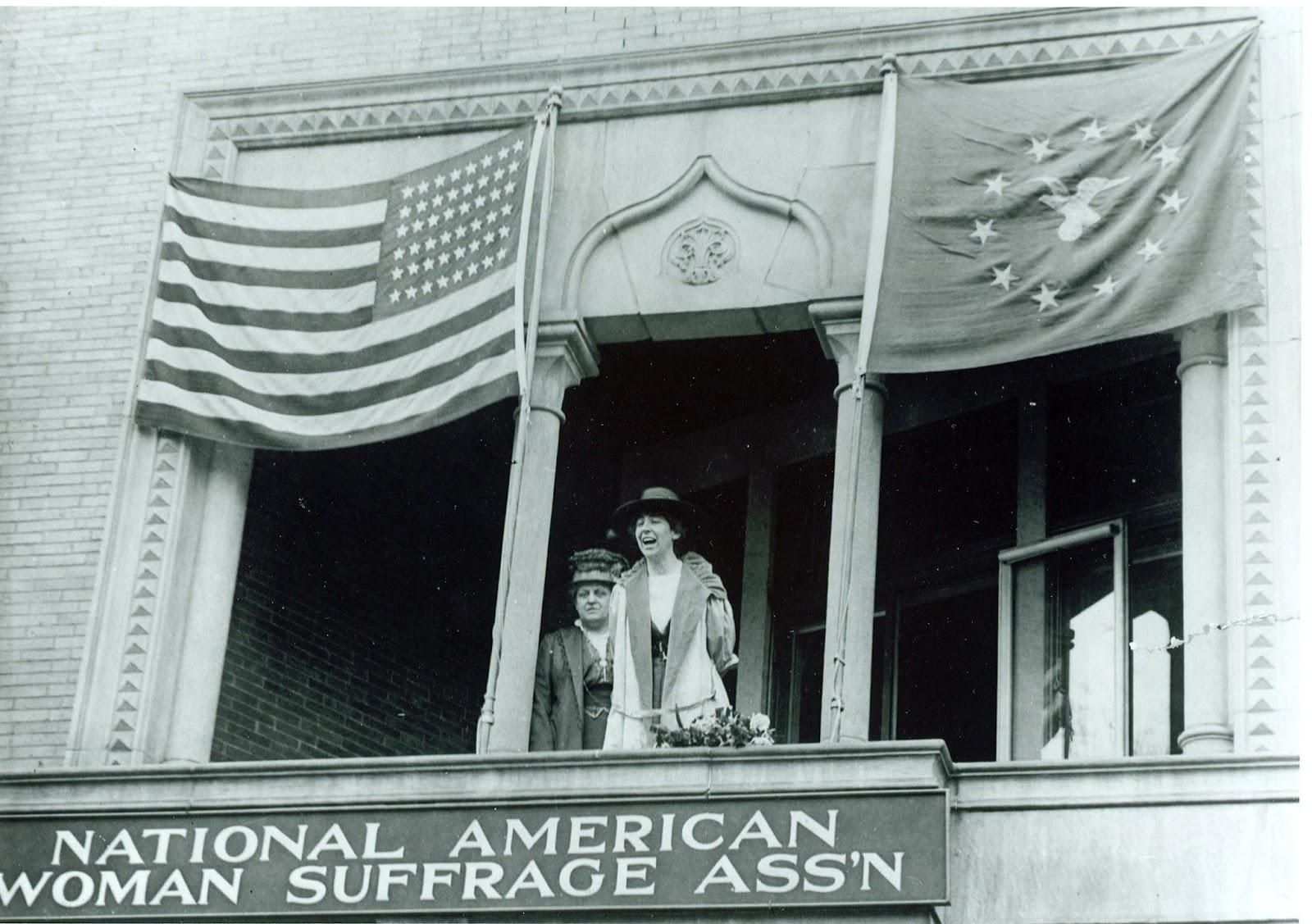
Image: C. T. Chapman, Public domain, via Wikimedia Commons

In 1916, Montana elected a woman to Congress for the first time. Jeannette Rankin was a suffragist who had already helped secure voting rights for women in her state before most of the nation even dreamed of it. When she arrived at the Capitol to take her seat, the gallery overflowed with onlookers buzzing with curiosity and disbelief. Rankin, calm and resolute, didn’t shout to be heard; she spoke with the steady conviction of someone who knew she belonged. Her presence proved that a woman’s reasoning could command the same respect as any man’s voice, and once heard, it could never again be silenced.

3
First U.S. senator: Hattie Caraway
Image: Stephen Walker

She started out almost unnoticed. In 1931, when Arkansas senator Thaddeus Caraway died, his widow, Hattie, was appointed to fill his seat, a move many assumed was merely symbolic. But Hattie had no interest in being a placeholder. The following year, she launched her own campaign, traveling dusty southern roads and shaking hands with quiet confidence.

Against all odds, she won, becoming the first woman ever elected to the U.S. Senate. Dubbed "Silent Hattie" for her reserved manner, she wasn’t known for fiery speeches or flashy gestures. Through persistence and integrity, she proved that results, not rhetoric, are what truly echo in the chambers of power.

4
First woman mayor: Susanna Salter
Image: LSE Library

This is the story of a prank going sideways. In 1887, a group of men in a tiny Kansas town slipped the name of 27-year-old Susanna Salter onto the mayoral ballot in Argonia, confident that voters would laugh her off. To their dismay, when the ballots were counted, Salter had won.

Overnight, she became the first woman mayor in U.S. history. Far from feeling overwhelmed, Salter handled her duties with grace and sharp practicality, earning the respect of the same townsmen who tried to embarrass her. By the end of her term, she’d turned a bad joke into a precedent.

5
First state governor: Nellie Tayloe Ross
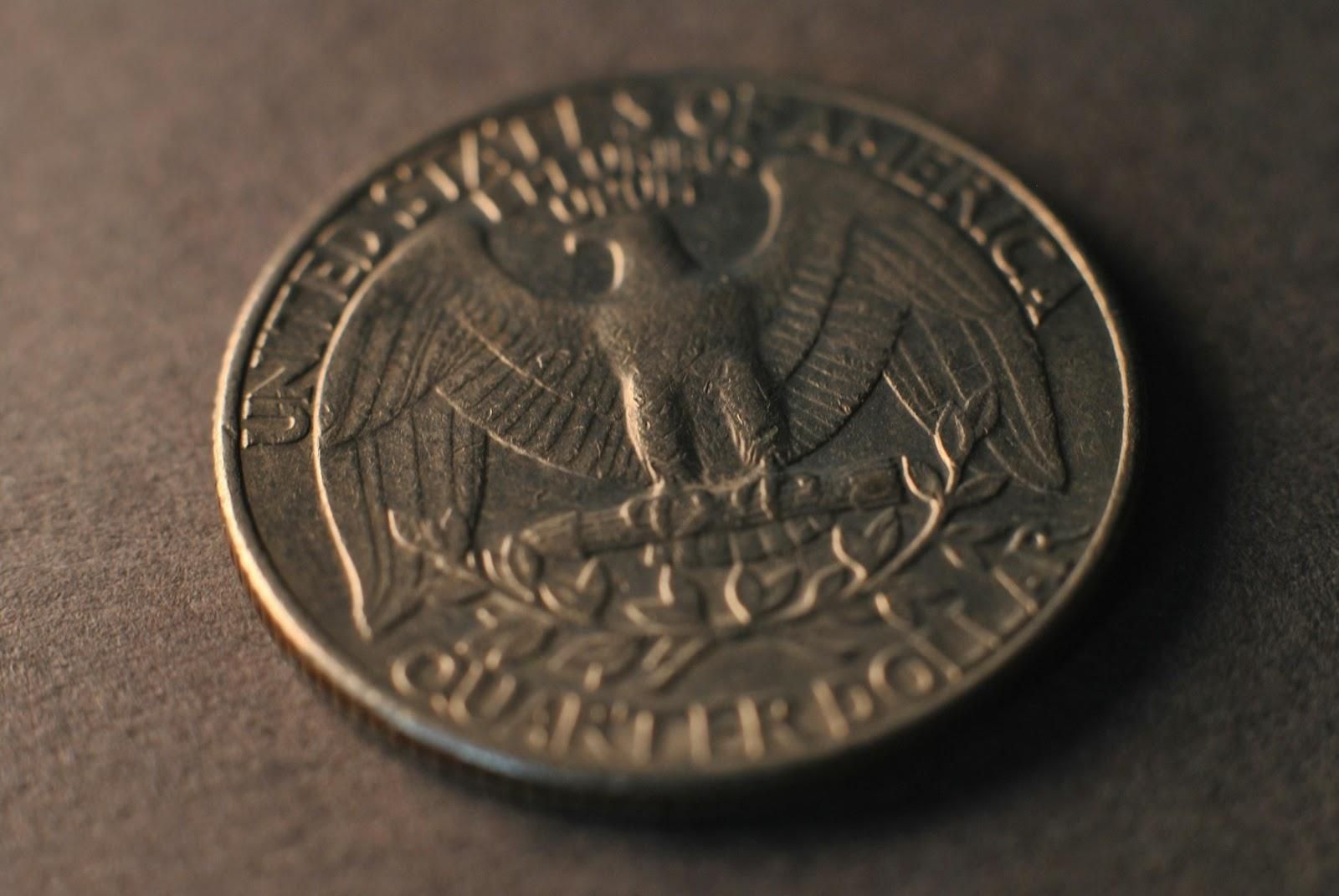
Image: Roman Manshin

Wyoming’s nickname, the Equality State, seems well deserved. When voters chose Nellie Tayloe Ross as governor in 1925, the nation watched as a woman stepped into a role no one of her gender had ever held before. She wasn’t the fiery campaign type; her strength came from quiet precision and an unwavering sense of duty.

Ross believed that leadership meant doing the work well, not making noise about it. Her calm authority and financial prudence won over even the most skeptical. Years later, as the first female director of the U.S. Mint, she literally shaped the nation’s currency, an apt legacy for a woman who always knew the worth of patience, persistence, and steady hands.

6
First cabinet member: Frances Perkins
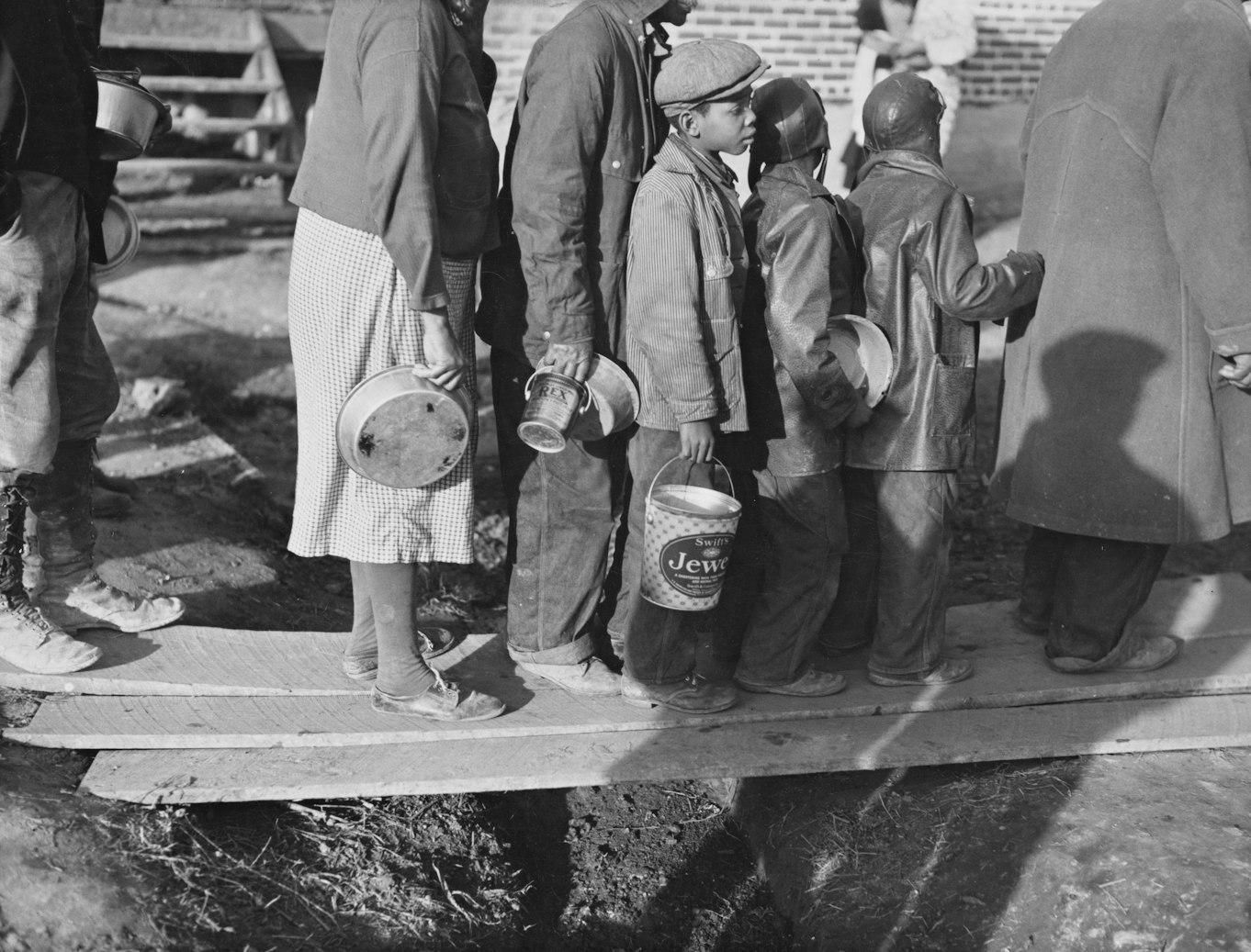
Image: The New York Public Library

At the beginning of the 1930s, when breadlines stretched around city blocks and hope felt like a luxury, a female labor leader and consumer advocate came to the rescue. President Franklin D. Roosevelt saw in Frances Perkins not just a reformer, but a force of nature. As Secretary of Labor —and first woman ever to hold a Cabinet post—Perkins walked into the men-filled halls of power and quietly redrew the map of American work.

She championed fair wages, safer conditions, and limits on child labor, all while helping craft the Social Security system that still anchors millions of lives today. Decades later, her influence lingers in every pay stub, every pension, and every law that insists work should come with dignity.

7
First Supreme Court justice: Sandra Day O’Connor
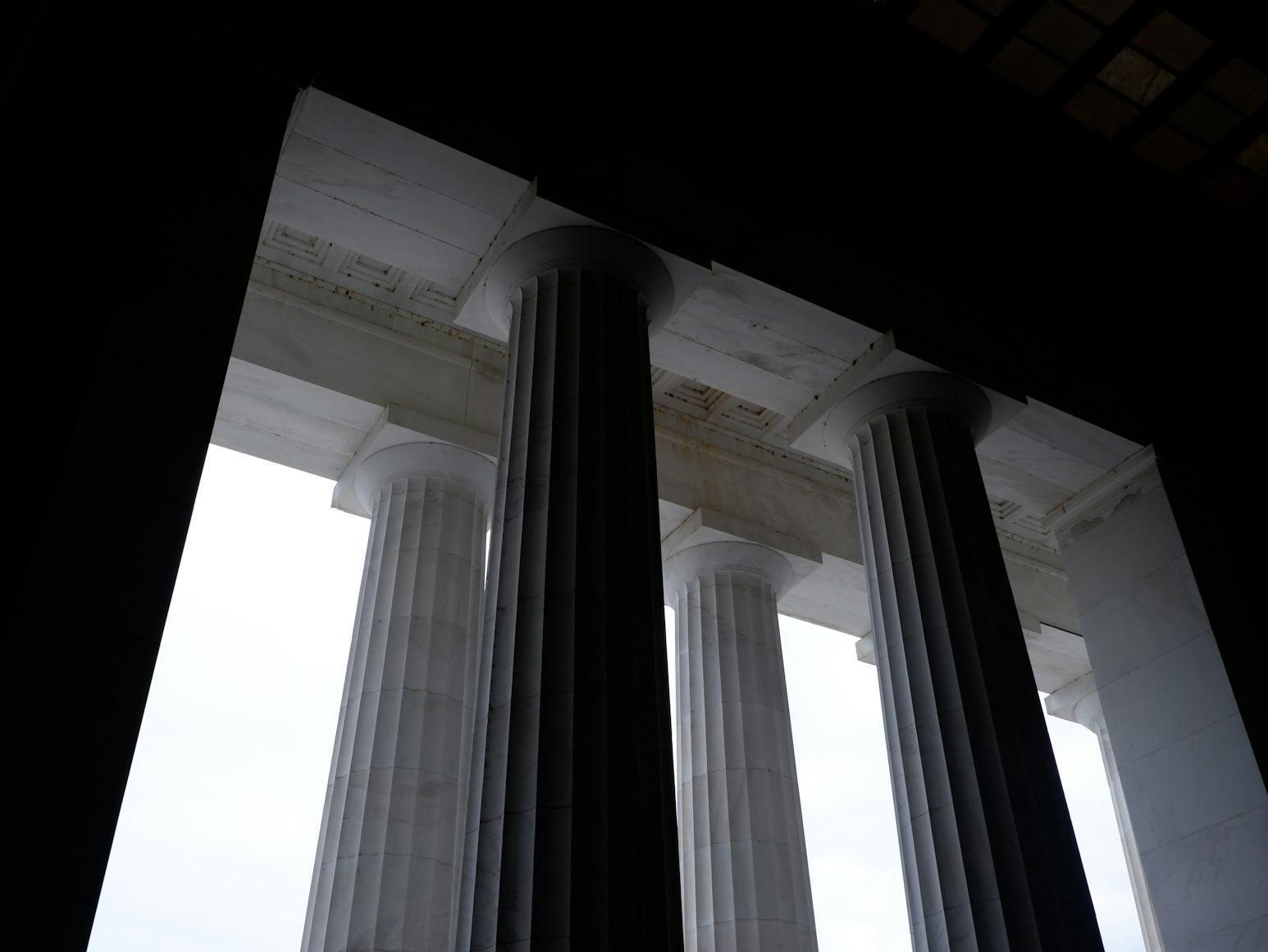
Image: Stephanie Rhee

It’s hard to picture the dusty plains of Arizona leading to the marble halls of the Supreme Court, yet that’s exactly where Sandra Day O’Connor’s story began. Raised on a remote cattle ranch miles from the nearest town, she learned the value of hard work, clear thinking, and a level head. All these qualities would serve her well when, in 1981, President Ronald Reagan nominated her as the first woman justice in U.S. history.

O’Connor brought that same frontier pragmatism to Washington, preferring reason over rhetoric and humor over ego. "I’m just trying to do the right thing, one case at a time," she once said. For a quarter century, her voice became the Court’s steady center, proving that fairness stretches farther than politics.

8
First U.S. Secretary of State: Madeleine K. Albright
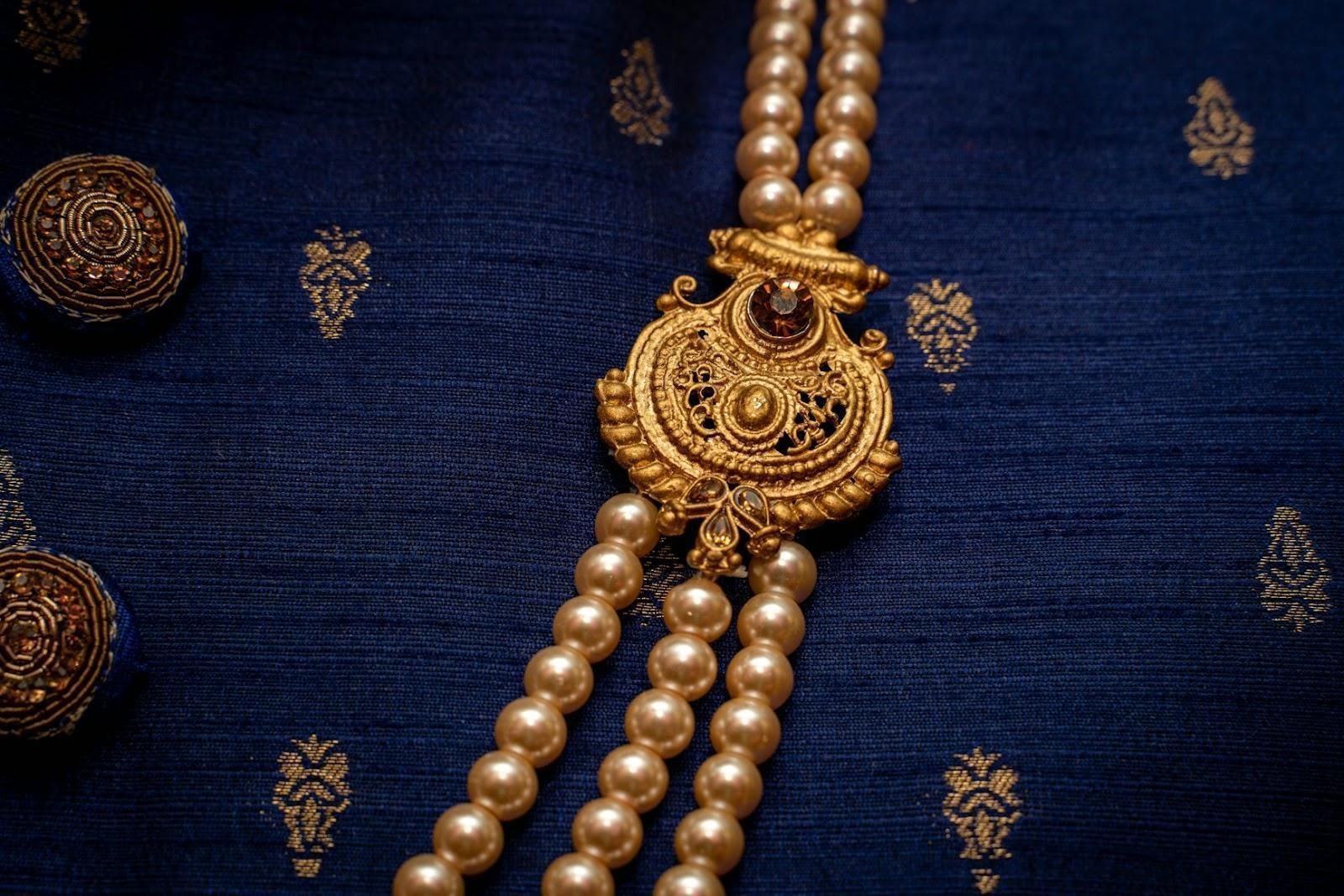
Image: sohail shaikh

Madeleine Albright, born in Czechoslovakia and raised on the idea that words alone could shape nations, found a clever way to make hers sparkle beyond her famous brooches. She could easily become a spider when negotiations grew tense, and a gentle dove when peace was within reach.

Albright believed diplomacy could be both art and strategy. When she became the first woman to serve as U.S. Secretary of State in 1997, she blended intellect with unmistakable flair, commanding global respect. She showed that courage, conviction, and strength can coexist with a warm personality occasionally sparkling from a lapel.

9
First major party’s presidential nominee: Hillary Rodham Clinton

Image: Gage Skidmore from Peoria, AZ, United States of America, CC BY-SA 2.0, via Wikimedia Commons

It took nearly a century and a half after Victoria Woodhull’s daring run for president before another woman would stand beneath the spotlights of a major party convention. In 2016, Hillary Rodham Clinton walked onto the stage with the spirit of the suffragists who had paved her path.

That night meant history was catching up. Smiling at the crowd, she declared, "We’ve reached a milestone, but we still have glass to break." Whether she won or lost mattered less than the fact that she stood there at all. Clinton’s campaign turned a dream whispered for generations into something tangible.

10
First elected vice president: Kamala Harris
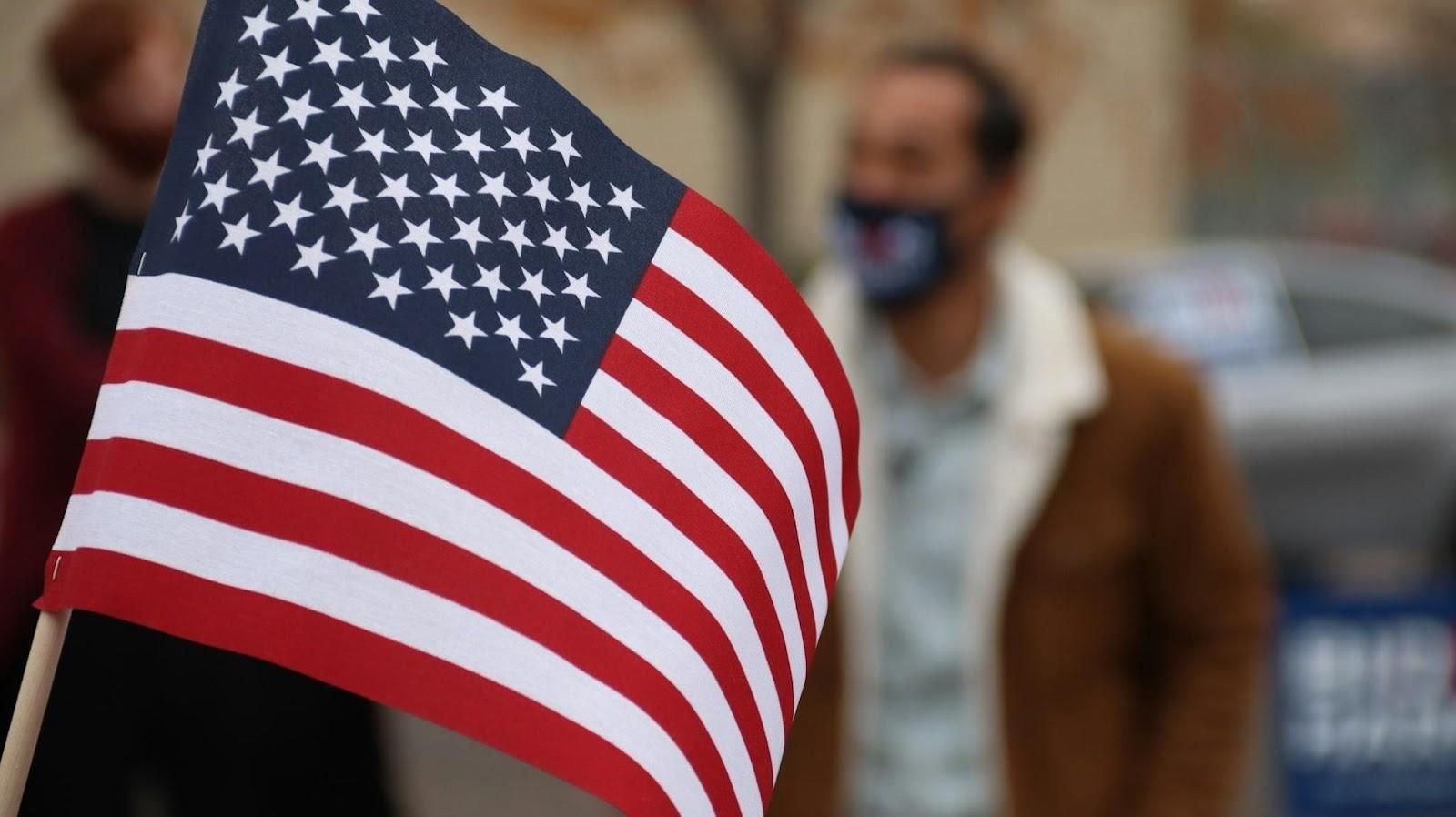
Image: Manny Becerra

Fast-forward to 2020. A California senator steps up to the microphone, smiles, and thanks "the women who paved the way." Kamala Harris is the daughter of immigrants, a former prosecutor, and now the first woman ever elected Vice President of the United States.

Her voice carried the weight of generations who’d been told to wait their turn. Echoing the suffragists who once marched so she could stand there, Harris reminded America that progress is a relay, not a sprint. Her message rang clear and timeless: dream boldly, even when the trail ahead is foggy.

General General 3 min read

Big names for small creatures

Bird is the word: 10 American bird names explained

Image: Dulcey Lima

A world without birds would be a gloomy one, indeed. These feathered friends grace our skies and brighten our days with their songs, not to mention the important environmental roles they fulfill. The names we give them often showcase their characteristics or pay homage to the people who discovered them. Scroll on to learn about ten of the most common birds and their names. How many of these did you know?

1
Mourning Dove

Image: Anish Lakkapragada

The melancholic name of the mourning dove comes from its sad call , which the casual listener might mistake for an owl. Mourning Doves inhabit a wide range of open habitats, including suburbs and urban parks.

Their call is generally referred to as the "perch coo," a song sung by an unmated male from a perch. These birds have other well-known nicknames, such as "turtle doves" and "rain doves."

2
Northern Mockingbird

Image: Tyler Jamieson Moulton

More than just mockers, mockingbirds are expert singers, continuously adding new imitations of other birds' songs to their repertoires and sometimes mimicking unnatural sounds, such as car alarms. Northern mockingbirds may learn up to 200 different sounds.

These medium-sized, long-tailed gray songbirds prefer open habitats with a scattering of shrubs and small trees. They eat a wide variety of fruits, invertebrates, and even small vertebrates, such as lizards.

3
White-breasted Nuthatch

Image: Patrice Bouchard

You can recognize this bird by its white face and underside, bluish back and wings, dark crown, nasal "yank-yank" call, and its habit of creeping down tree trunks headfirst.

The name "nuthatch" is derived from "nut hacker," reflecting the bird's method of opening up nuts by jamming them into a crevice and then hammering at them.

4
Downy Woodpecker

Image: Joshua J. Cotten

The smallest woodpecker in North America, the Downy Woodpecker is a stubby-billed, black-and-white bird that inhabits deciduous woods and tree-filled urban and suburban parklands. It forages on trees, shrubs, and large weeds for insects and other arthropods.

The "downy" in this bird's common name refers to the soft, white feathers of its long, white back stripe . The "woodpecker" part refers to the fact that this bird pecks bark, looking for termites hidden underneath it.

5
House Finch

Image: Patrice Bouchard

Originally found only in the West, the House Finch was introduced to the eastern U.S. in 1939, when a few individuals were released from a pet store. The word "finch" comes from the German idiom fink , which refers to a lively or cheerful person —a description that certainly fits this active and gregarious songbird. The term "house" refers to the bird’s tendency to hang around human dwellings.

6
Song Sparrow

Image: Patrick Fobian

Song Sparrows, as their name suggests, sing a cheerful and recognizable song. Although these birds can be found in a wide range of habitats, their favorite spots are often close to streams and other sources of fresh water.

The English word "sparrow" derives from the Anglo-Saxon word spearwa . This term means "flutterer," an apt description for this active songbird.

7
Ruby-throated Hummingbird

Image: Joshua J. Cotten

The only hummingbird that regularly breeds in the eastern U.S. is the Ruby-throated Hummingbird. The male's metallic-looking red throat, or "gorget," explains the first part of the name. And the hummingbird part comes from the humming sound their wings make as they fly.

8
Blue Jay

Image: David Bridle

The "bullies" of the birdfeeder, Blue Jays' name comes from the bird's noisy, garrulous nature. This term has also been applied to other birds of the same family, which are generally gregarious as well.

Before approaching a feeder, Blue Jays often give harsh calls that sound like those of hawks, perhaps to scare off other birds that might compete for access to the bird seed.

9
Tufted Titmouse

Image: Paul Crook

These curiously named birds form longer-lasting family units than many other songbirds, with their younglings sometimes even hanging around for a second year to help raise younger siblings. The "titmouse" name has nothing to do with rodents, but instead comes from an Old English phrase meaning "small bird."

10
Spotted Towhee

Image: Anish Lakkapragada

Spotted Towhees are members of the sparrow family. These birds have dark heads and backs, white spots on their wings, rusty sides, and striking red eyes. Their song is a simple trill.

The name "towhee" is a simulation of the bird's call and it was coined in 1731 by the naturalist and bird artist, Mark Catesby.

General General 3 min read

Folklore files

Think you’re tough? Try reading these hometown legends at night!

Image: Justin Ziadeh

Every town has at least one story that makes folks lower their voices and lean in a little closer. Across the country, these tales have grown legs and wandered far beyond the places where they started. Here are ten of America’s most talked-about urban legends, the ones that keep popping up in conversations, road trips, and campfire chats.

1
Bigfoot in the Pacific Northwest

Image: Jon Sailer

The forests of Oregon and Washington have been a treasure trove of Bigfoot sightings for decades. Hikers, campers, and loggers all have their own take, from gentle encounters to hair-raising escapes. Whether he’s a shy forest neighbor or just a legendary wanderer, the mystery has inspired countless hunts, tales, and devoted believers who swear the creature is still out there.

2
West Virginia’s winged visitor

Image: Bhong Bahala

Point Pleasant had quite a moment in the 1960s, when locals reported seeing a tall figure with glowing eyes sweeping through the sky. Newspapers named it the Mothman, and soon the stories were everywhere. Some people thought it was a bird, others guessed something stranger. The sightings even lined up with a real bridge collapse, which only added to the town’s long-lasting fascination.

3
Minnesota’s winter monster

Image: Anoushka Puri

Northern tribes have long shared stories about the Wendigo, a creature tied to greed, hunger, and the frozen wilderness. Descriptions vary, but all versions paint a picture of something you wouldn’t want to cross paths with on a snowy night. Whether seen as a physical creature or a spirit, the tale has survived because it taps into those deep winter fears we all understand, right?

4
The Jersey Devil in New Jersey

Image: Donovan Reeves

The Pine Barrens have been home to strange stories since colonial days. One of the oldest is about Mother Leeds, who supposedly cursed her thirteenth child. Folks say the baby flew off into the forest and took on a life of its own, complete with wings and hooves. Sightings pop up every so often, especially during the wave of excitement in 1909, when everyone was looking over their shoulder.

5
Riverdale Road in Colorado

Image: Dennis Schmidt

This quiet stretch of pavement near Thornton has earned quite a reputation. People love to talk about its old gates, said to be the ruins of a long-gone mansion, where a ghostly woman in white sometimes steals the spotlight. Drivers also swap stories about a phantom jogger keeping pace with them.

6
The Shaman’s Portal in Oklahoma

Image: Daniëlle Eibrink Jansen

Out in Beaver Dunes Park, people have been whispering for centuries about strange lights flickering across the sand. Early explorers were warned to steer clear, and some stories claim travelers simply vanished after a flash of eerie green. Modern visitors usually come for ATV rides, but the legend of an otherworldly doorway tucked into the dunes still gives the place a curious chill.

7
Hell’s Gate Bridge in Alabama

Image: The New York Public Library

Locals tell an old tale about a young couple whose late-night drive ended in tragedy. The story took on a life of its own, with people claiming that if you sit on the bridge in the dark, you might spot the couple. Everyone knows it’s just a slice of local lore, but it hasn’t stopped anyone from swapping stories.

8
Utah’s petrified forest curse

Image: Adrian Hernandez

Escalante Petrified Forest is a beautiful destination, but visitors hear one warning loud and clear: leave the wood where it lies. Rangers say they get packages every year with pieces of petrified wood sent back by people who swear they had nothing but bad luck after taking a souvenir. Whether you believe in curses or just want a peaceful trip, it’s safer to enjoy the scenery with your hands empty.

9
The Cropsey tale in New York

Image: Mahdi Bafande

Growing up in New York, plenty of kids heard a version of Cropsey. Sometimes he was a runaway patient, other times a shadowy presence lurking near camps or tunnels. The unsettling part is that a real criminal case in the 1980s made the stories feel even closer to home. Over time, the legend inspired scary movies, bedtime warnings, and a whole generation of whispered fears.

10
Virginia’s Bunnyman

Image: Justin Ziadeh

Clifton has a little train bridge that looks simple enough in the daytime. But the Halloween story tied to it turned it into a local fixture. Some say a dangerous fugitive patient once hid there. Others remember a real-life incident from the 1970s involving a hatchet and a mysterious figure. The tale grew in the retelling, and before long, the Bunnyman hopped right into regional folklore.

Explore more American facts

Choose your favorite category!

General
General

As American as apple pie—the very best America has to offer!

Culture
Culture

Delve into the astounding richness of American lore.

Geography
Geography

Hop in and explore vast and diverse American landscapes.

History
History

Discover the key moments that shaped the United States.