History History 3 min read

History misconceptions

Did you still believe this? 10 myths about US history debunked
Image: Pierre Bamin

Do you think the US Declaration of Independence was signed in July 1776? Did you know Prohibition didn't actually make drinking illegal? The history of the United States is as vast as it is varied. Over the centuries, it has been recorded, studied, and interpreted in many ways, giving rise to many misconceptions. Join us as we debunk 10 of the most widespread myths about American history!

1
Columbus discovered America

Image: Hector John Periquin

Although this isn't strictly about the United States, it does concern our continent. It's often said that Columbus "discovered" the Americas in 1492, but that's not precisely true. He wasn't even the first outsider to arrive! The Vikings, led by Leif Erikson, reached North America around the year 1000 AD, almost 500 years before Columbus. And, of course, the continent was already inhabited long before any European explorers arrived.

2
George Washington had wooden teeth
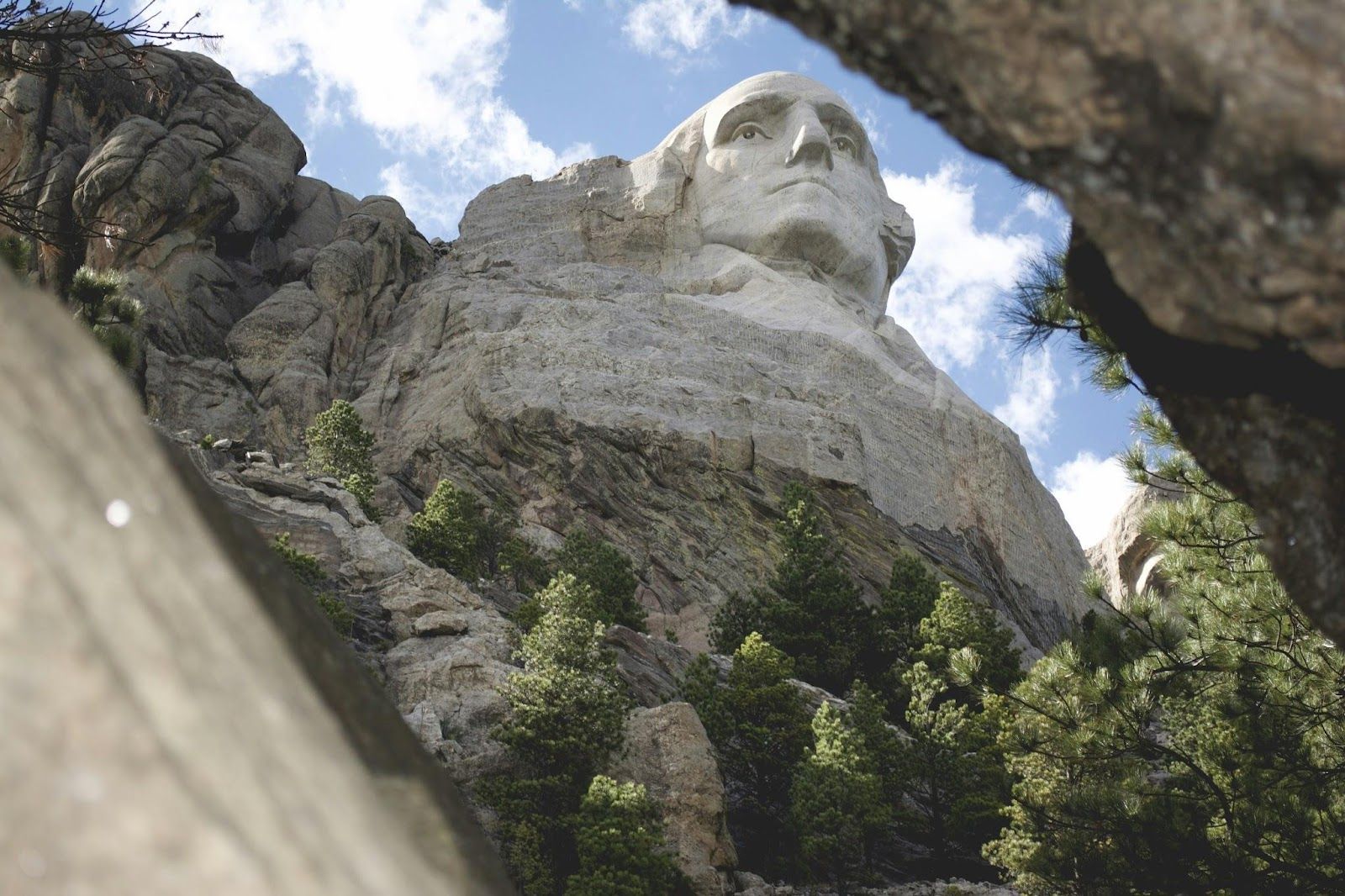
Image: Priscilla Gyamfi

One of the most famous historical myths is that George Washington, the first US president, had wooden teeth. While it's true that he struggled with dental problems and used several prosthetic devices made from various materials, none of his teeth were actually made of wood.

3
The US Declaration of Independence was signed on July 4, 1776
Image: Glen Carrie

Every 4th of July, the country turns into a party. And it's no wonder, since we're honoring Independence Day! Perhaps because of the date of this holiday, many people believe that the US Declaration of Independence was actually signed on July 4, 1776. In reality, the key event on that day was the Continental Congress voting to adopt the Declaration of Independence. Most delegates actually signed the document later, on August 2, 1776, in Philadelphia.

4
America became fully independent in 1776
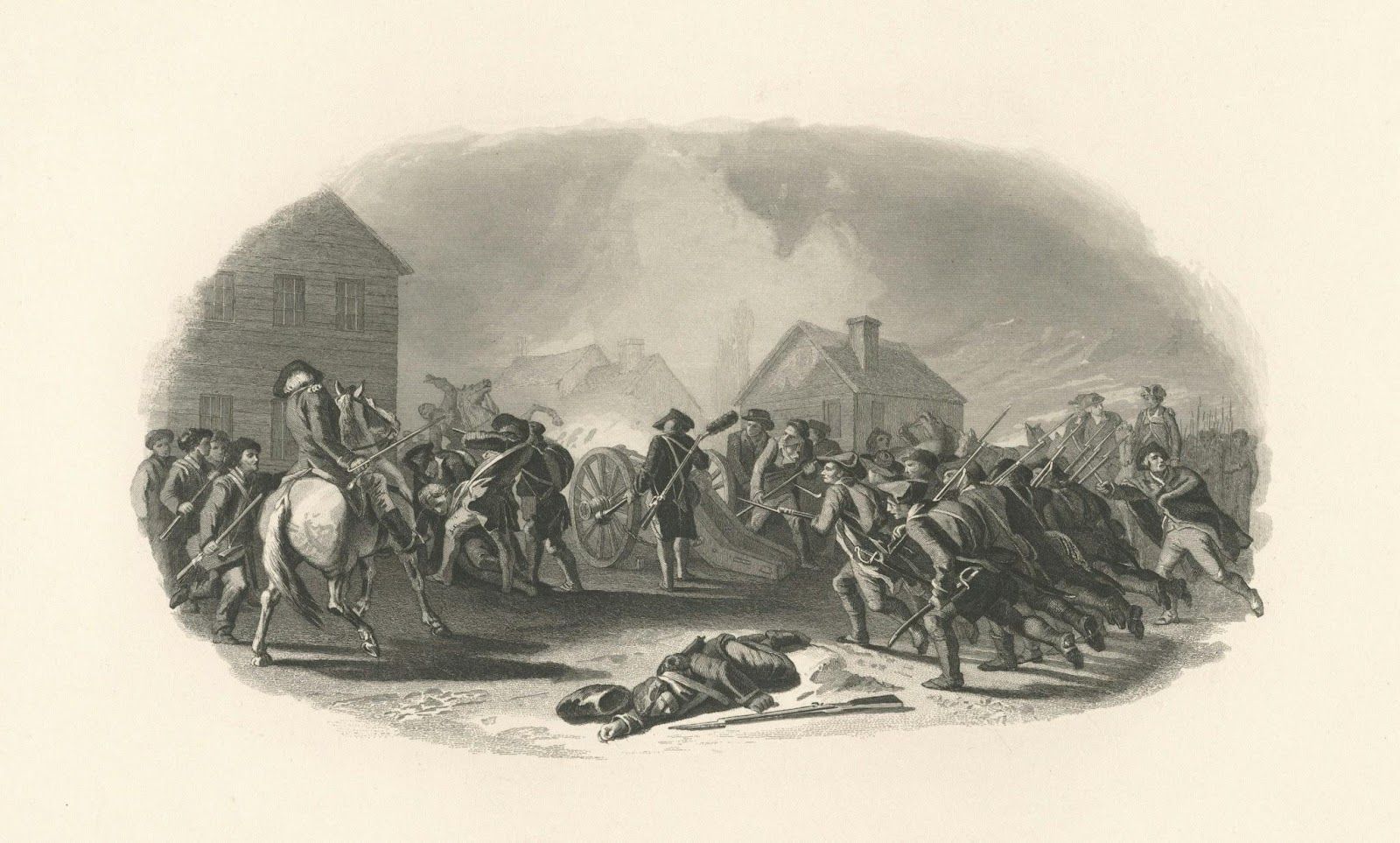
Image: The New York Public Library

On July 4, 1776, the American colonies declared their independence from Great Britain by adopting the Declaration of Independence. However, the Revolutionary War continued for several more years. It wasn't until the war ended in 1783, with the signing of the Treaty of Paris, that the United States' independence was officially recognized.

5
Cowboys wore Stetson hats

Image: Brice Cooper

Although Stetson hats are now inseparable from the cowboy image, the reality of the 19th century was pretty different. People in the Wild West sported a variety of styles: while some did wear wide-brimmed hats similar to Stetsons, these were not the most common, and many other types were also popular.

6
Paul Revere rode alone
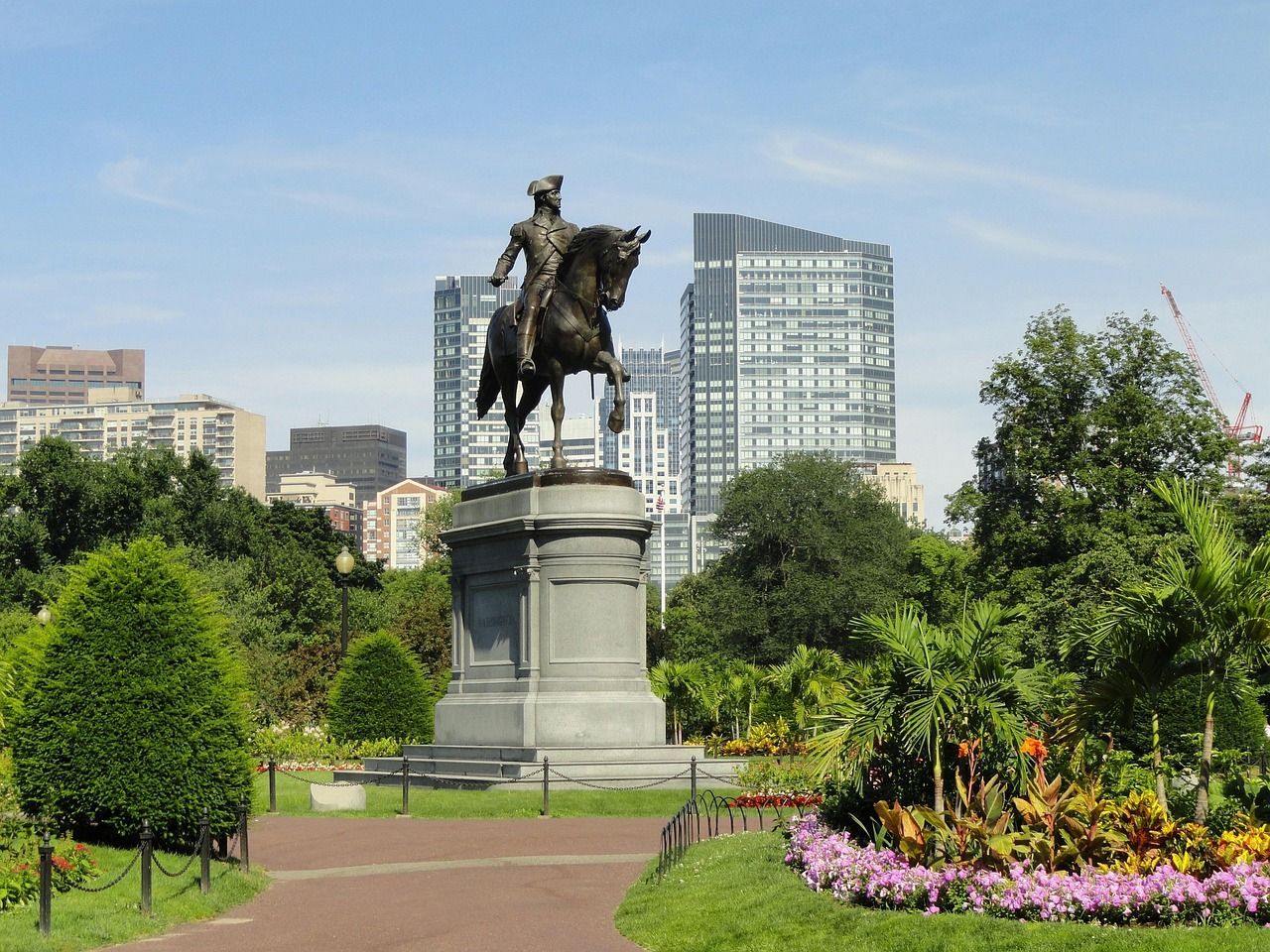
Image: Pixabay

Paul Revere's name became a symbol of American courage and determination. His midnight ride on April 18, 1775, was undoubtedly heroic, but some details have been distorted over time. While many think he shouted "The British are coming!", historians suggest he likely said something closer to "The regulars are coming", given the dates. And contrary to popular belief, Revere didn't ride alone; he was part of a group of riders working together to warn the colonial militia.

7
George Washington chopped down a cherry tree
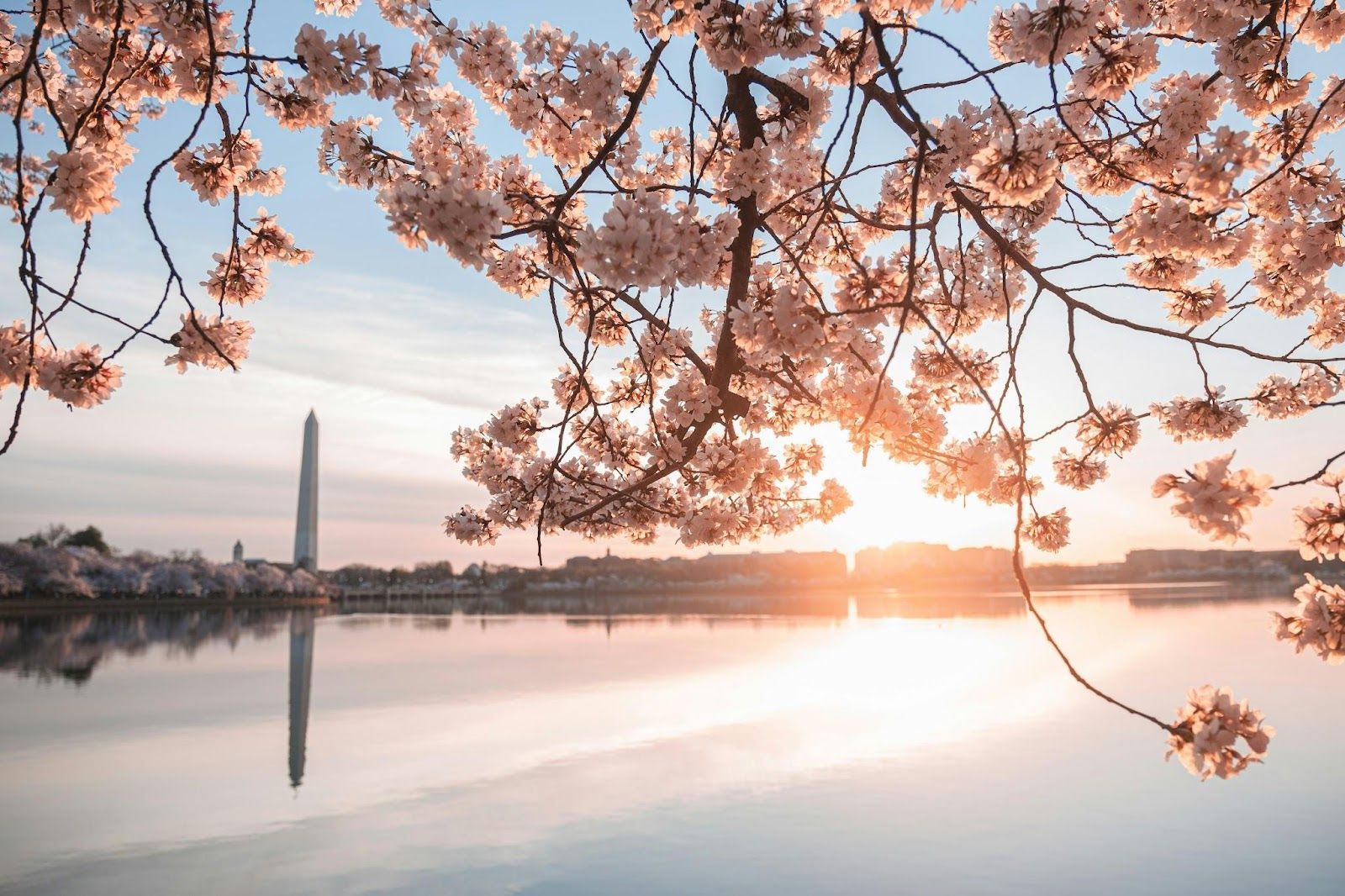
Image: Jeffrey Clayton

The story of George Washington chopping down a cherry tree is one of the most famous tales in American history. However, it's actually a myth, created by one of Washington's early biographers to highlight one of his defining characteristics: honesty. Although there is no reliable historical evidence to support this famous anecdote, there is plenty of proof of the courage and honesty of the Father of His Country.

8
Al Capone was jailed for his violent crimes

Image: Ashim D’Silva

Al Capone was one of the most infamous gangsters in history. Although his life was filled with criminal activity, it wasn't his violent acts that put him in jail, as there wasn't enough evidence to convict him. Instead, authorities used tax evasion charges, and he was finally imprisoned for that reason in 1931.

9
Prohibition made drinking illegal everywhere
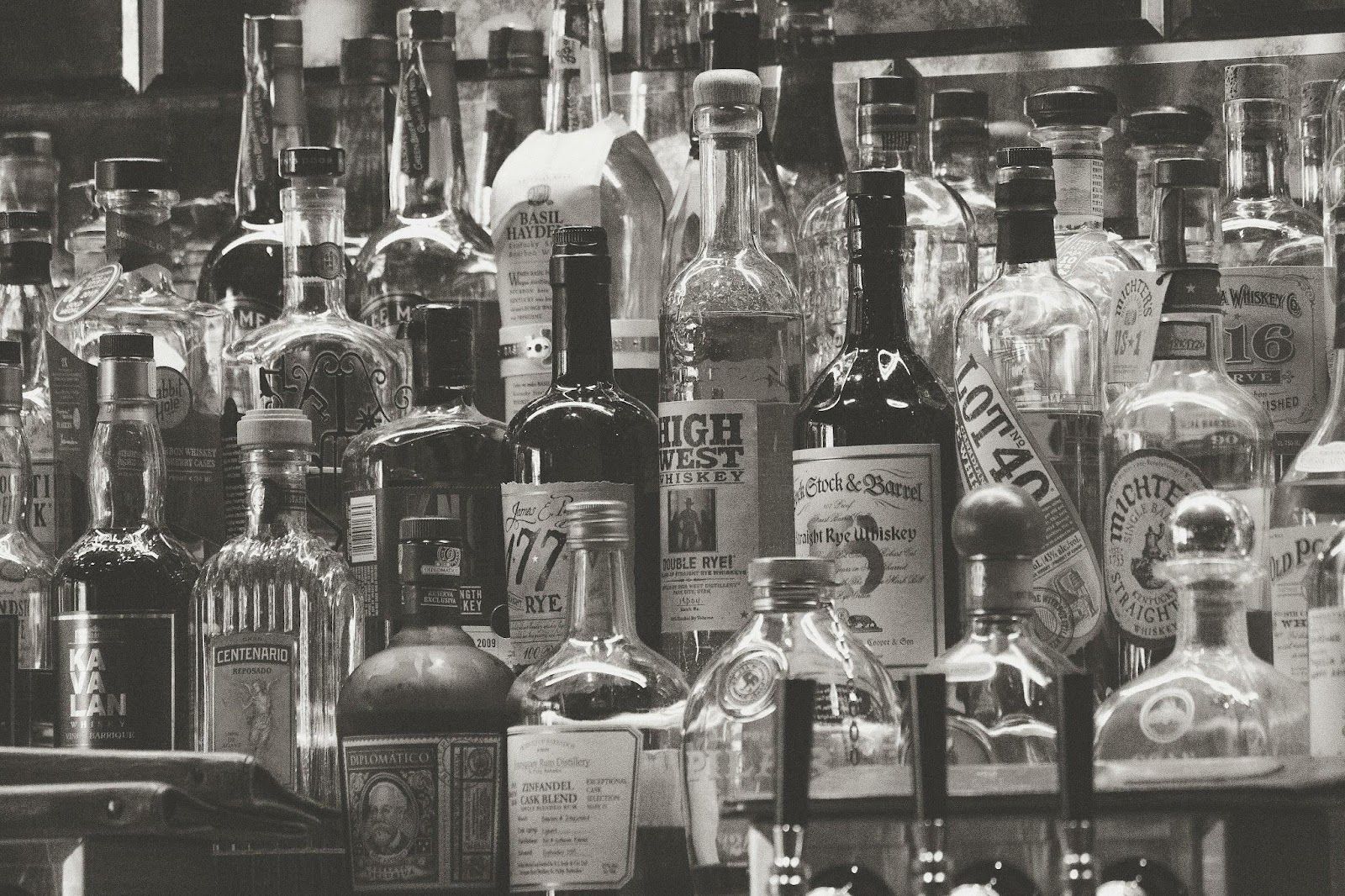
Image: Drew Beamer

Many people assume that drinking alcohol was completely illegal during Prohibition. In reality, the 18th Amendment and the Volstead Act (1920–1933) banned the manufacture, sale, and transportation of alcohol, but not the act of drinking itself!

10
The Founding Fathers as a unified group
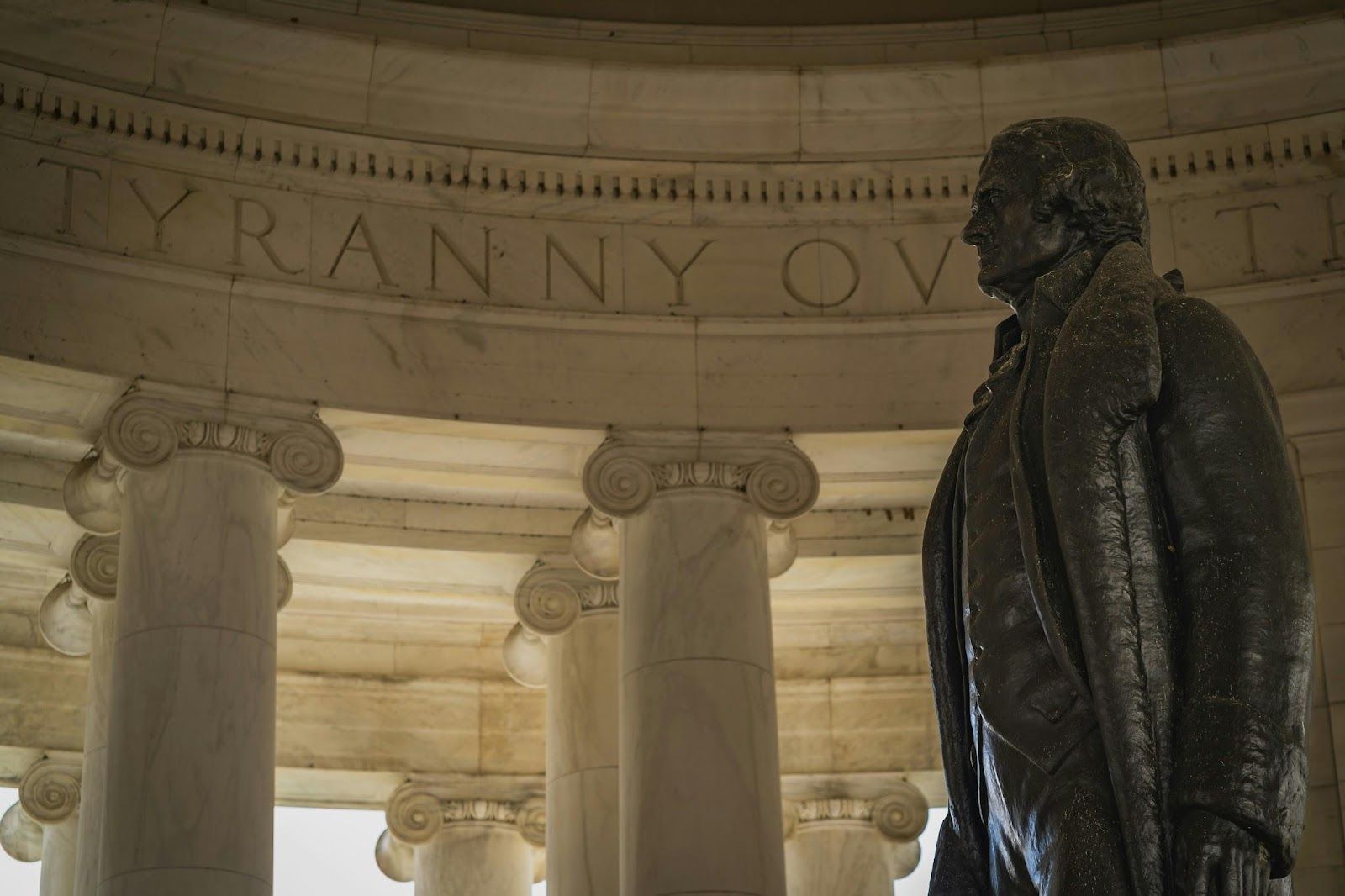
Image: J. Amill Santiago

Many believe the Founding Fathers worked as a unified group, sharing a single vision without disagreement. But history tends to be a little more complex. While they collaborated and worked hard to establish the United States, they held diverse ideas and visions for the nation, and some even became rivals. Yet, despite their differences, they successfully laid the foundations for the first large-scale modern republic.

General General 5 min read

14 NBA players who had their jersey numbers retired by multiple teams

Image: albertoadan

Having your jersey permanently displayed in the rafters is a huge honor that only a select number of NBA players have earned. But imagine having your number retired not by just one team, but by two—or even three! For a rare few, that distinction stretches beyond a single city, as their talent and impact left lasting impressions from one arena to another. From coast to coast, the numbers of these legendary players rest in the rafters, each banner telling its own story of loyalty, triumph, and unforgettable nights on the hardwood. Can you guess who made the list?

1
Nate Thurmond

Image: Salah Regouane

In the 1960s and early ’70s, Nate Thurmond anchored the middle for the Golden State Warriors, outmuscling giants and grabbing rebounds as if the ball belonged only to him. Later, with the Cleveland Cavaliers, he became the kind of veteran every young team needs—steady, selfless, and always doing the dirty work that doesn’t make the headlines but wins the crowd’s respect. Both franchises retired his No. 42, a fitting tribute to a blue-collar superstar.

2
Pete Maravich

Image: daschorsch

Playing in the 1970s, Pete "Pistol Pete" Maravich starred for the Atlanta Hawks and later the New Orleans Jazz. His ball-handling and creativity—whirling passes, deep jumpers—looked like magic tricks that made crowds gasp. After a 10-year professional career and being named an All-Star five times, Atlanta retired his No. 44, and both the Utah Jazz and the New Orleans Pelicans hung his No. 7 jersey.

3
Moses Malone

Image: Abhay siby Mathew

Moses Malone was a rebounding machine, plain and simple. He dominated the boards for the Houston Rockets and then the Philadelphia 76ers, where he helped deliver a championship after famously predicting "Fo’, fo’, fo’." Both franchises honored him by retiring his No. 24 (Rockets) and No. 2 (76ers), a fitting salute to one of the game’s toughest, hardest-working big men.

4
Bob Lanier

Image: Batu Gezer

Bob Lanier, known both for his silky post moves and those legendary size-22 shoes, was a true powerhouse of the 1970s. With the Detroit Pistons, he combined strength and finesse, scoring with a soft touch and rebounding like a man on a mission. Later, in Milwaukee, he brought the same fire and leadership to a younger Bucks team, proving that experience could be just as valuable as raw talent. It’s no wonder both Detroit and Milwaukee raised his No. 16 to the rafters, honoring a giant whose big shoes came with an even bigger heart.

5
Charles Barkley

Image: Abhay siby Mathew

Charles Barkley was never the tallest guy on the court—just 6 ft 6 in—but with roughly 252 pounds of muscle, grit, and pure attitude, he played like a bulldozer on wheels. Known as "The Round Mound of Rebound," he crashed the boards with fearless energy. In Philadelphia, he became a fan favorite for his fiery play and quick wit; in Phoenix, he shone even brighter, winning MVP and taking the Suns all the way to the Finals. Both franchises hung up his No. 34 as a salute to a player who made hard work look heroic.

6
Earl Monroe

Image: Chaojie Ni

Earl "The Pearl" Monroe brought poetry to the hardwood. In the 1960s and ’70s, his smooth, stop-and-go style made defenders freeze, and fans fall in love. Starting in Baltimore (now the Washington Wizards ), he turned the Bullets’ offense into a show: spin moves, crossovers, and jump shots that seemed to hang in the air. Then came his move to New York, where he teamed up with Walt Frazier to create one of the most graceful backcourts the NBA has ever seen. Both the Knicks and Wizards retired his No. 15 and No. 10: Monroe’s creativity made basketball feel like jazz.

7
Clyde Drexler

Image: Markus Spiske

In Portland, Clyde "The Glide" Drexler soared with effortless grace, gliding past defenders and making the rim look weightless. His mix of speed, style, and quiet confidence made him the heartbeat of the Trail Blazers through the 1980s and early ’90s. When he returned home to Houston in the mid-’90s, he helped secure a championship ring for the Rockets . Today, his No. 22 jersey hangs in the rafters in both Portland and Houston—a lasting tribute to a man who truly lived up to his nickname.

8
Oscar Robertson

Image: Abhay siby Mathew

What if you averaged a triple-double before anyone thought it was possible? Oscar Robertson did just that in the 1960s, stuffing the stat sheet for the Cincinnati Royals (now Sacramento Kings ) and later winning a title for the Milwaukee Bucks, cementing his legacy as one of the game’s all-time greats. Both franchises retired his numbers 1 and 14, honoring the "Big O," one of the greatest players in NBA history.

9
Julius Erving

Image: Abhay siby Mathew

Long before modern dunks, Julius "Dr. J" Erving was taking flight, turning layups into art and slam dunks into poetry. He first captivated fans with the Nets in the ABA before becoming a true icon in Philadelphia . Both teams honored his brilliance: the Nets retired his No. 32 , and the 76ers lifted his No. 6 into the rafters. When you change the game, you don’t just earn a banner—you earn two.

10
Wilt Chamberlain

Image: Tim Hart

Not many players inspire stories that sound too wild to be true, so if basketball had tall tales, Wilt Chamberlain would star in all of them. A 7-foot-1 force of nature, a giant with legendary scoring numbers—including a 100-point game—Wilt’s dominance stretched across the Golden State Warriors, Philadelphia 76ers, and Los Angeles Lakers. All three teams retired his No. 13.

11
Shaquille O’Neal

Image: Luis Montejo

A 7-foot-1, 325-pound tower of strength, Shaq shook backboards, rims, and entire defenses. After playing college basketball, O'Neal was drafted by the Orlando Magic, where he played for four years. Later, he starred with the Lakers, winning three consecutive titles, then helped the Miami Heat capture its first championship. All three franchises retired his No. 32 and No. 34 jerseys, because when Shaq arrived, the fun—and the winning—followed.

12
Kareem Abdul-Jabbar

Image: Alex Haney

With his skyhook reaching somewhere near the clouds, Kareem Abdul-Jabbar scored more points than anyone in NBA history for decades. He led the Milwaukee Bucks to a title, then added five more with the Lakers. Both franchises retired his iconic No. 33, honoring a player who blended grace and dominance like no one else.

13
Dikembe Mutombo

Image: Finnian HaDiep

One of the best shot-blockers and defensive players of all time, Dikembe Mutombo protected the paint like a personal fortress. He blocked shots, grabbed rebounds, and smiled through it all. The Denver Nuggets loved him. The Atlanta Hawks loved him. Both retired his No. 55. And yes, fans still remember that famous wagging finger after a big block.

14
Michael Jordan

Image: Abhay siby Mathew

Of course, "His Airness" would be on this list! Michael Jordan’s No. 23 isn’t just a jersey—it’s an icon. In Chicago, it hangs high as a symbol of six championships, clutch shots, and a golden era that fans still replay in their minds like a favorite movie. But there’s more: the Miami Heat have honored his number too, even though Jordan never suited up for them. Call it courtesy, call it class, but wherever you go, No. 23 still means one thing: Michael Jordan was here.

General General 4 min read

Wave them with pride

Honoring the states: learn about the history of 10 state flags

Image: Tina Chelidze

From the 13 colonies to the consolidation of the 50 states, America’s journey of growth and unity is remarkable. Each state is unique, with distinctive features, mottos, and, of course, flags. Each flag tells a story and honors the rich history and heritage of the state it represents. Among the 50 state flags, we’ve chosen 10 state flags to learn about their design, elements, and the history they represent.

1
New York

Image: Clker-Free-Vector-Images

New York was one of the 13 original colonies and is one of the most populated states today. Its flag, with a vibrant blue in the background, features a sun symbol, one supporter on each side, and the state’s inspiring motto "Excelsior," meaning "ever upward."

The scene in the coat of arms paints a picture of the Hudson River flanked by Liberty on the left, and Justice on the right. Topping it all off is a bald eagle, always majestic, perched atop the world. Powerful, isn’t it?

2
California

Image: Clker-Free-Vector-Images

California was the 31st state to be admitted to the Union (1850) and the history behind its flag has elements present in previous models of banners used by what we know today as Mexico.

This flag was first hoisted in 1846 after American settlers in the territory fought for its independence. Finally, it was recognized as official in 1911.

The flag depicts a grizzly bear —also the official state animal— and a lone red star symbolizing previous attempts to gain independence.

3
Indiana

Image: Clker-Free-Vector-Images

Indiana’s flag was designed by Paul Hadley and approved as the state flag in 1917 after the Daughters of the American Revolution held a flag design contest.

Over the dark blue flag stands a golden torch surrounded by 19 stars . The 13 stars on the outer circle represent the 13 original colonies, while the five stars in the inner circle were added to symbolize the next five states that joined the union, Indiana being the 19th.

The torch? You guessed it right, it represents liberty and enlightenment.

4
Louisiana

Image: Clker-Free-Vector-Images

Blue background abounds among the official state flags and it’s no surprise since it’s one of the national colors. Louisiana’s flag is not the exception.

This flag is the only one to depict a pelican nurturing its offspring in a nest. What is curious about it is that the pelican, an animal that symbolizes devotion to progeny, is crying tears of blood, which represents sacrifice. Underneath, belted in a white ribbon, the state’s motto: "Union, Justice, and Confidence".

5
New Jersey

Image: Clker-Free-Vector-Images

New Jersey’s flag is the only state flag to have a buff background , although it is wrongly depicted as yellow most times. This background color represents the uniform worn by soldiers from New Jersey’s regiments in the Revolutionary War.

In the center of the flag, there is a coat of arms supported by Liberty and the goddess Ceres, representing agriculture. Above the coat of arms, a horse’s head that stands for strength, and, below it, a helmet that symbolizes sovereignty.

6
Arkansas

Image: Clker-Free-Vector-Images

Arkansas’s flag depicts a complex symbolism using well-known elements: a diamond shape, with 25 stars on the outer part, the state’s name in the middle, one star above, and three stars below.

Arkansas was the 25th state to join the union, hence the stars around the diamond. The star over the word "Arkansas" represents the Confederacy to which it was admitted in 1861. The three stars below represent different things: the nations Arkansas belonged to, the Louisiana Purchase, and the fact that it was the third state formed after such purchase. A simple design, yet a complex meaning, don’t you think?

7
Colorado

Image: Clker-Free-Vector-Images

Colorado’s flag is quite simple in its design, although it represents many state elements . For example, the name, a Spanish word that means "red", is symbolized by the red C in the middle. But that’s not all, the letter C also means "columbine" the state flower, represented by the colors blue, yellow, and white. These two last colors also stand for the gold and silver present in the area.

Last, but not least, the letter C stands for "Centennial State" as Colorado became a state in 1876, when the nation was celebrating a century of its independence.

8
Washington

Image: Clker-Free-Vector-Images

Washington is the only state to have a flag with a green background. At the same time, it is the only one to depict a real person . George Washington’s picture is surrounded by a golden ring that reads "The Seal of the State of Washington 1889," the year in which the territory became a state.

The background color refers to the "Evergreen State" while the golden ring represents the wheat areas of the Eastern part of the state.

9
Wyoming

Image: Clker-Free-Vector-Images

This flag was also chosen during a flag design competition held in 1916. It consists of a dark blue background bordered by white and red and, in the center, the silhouette of a bison with the state seal that reads "Great Seal of the State of Wyoming."

Within the seal, the state motto "Equal rights," since Wyoming was the first state to grant women the right to vote. Below the ribbon, a farmer and a cowboy, the main occupations in the state, and two pillars that read "Livestock, mines, grain, oil." And that’s not all, at the bottom, a bald eagle and a star with the number 44, the order of admission to the union.

10
New Mexico

Image: Clker-Free-Vector-Images

Let’s finish this list with what may be the simplest flag of all the 50 states: New Mexico’s. With colors that symbolize the Spanish ruling over the territory, this state flag was adopted in 1925 and it consists of a yellow background with the Zia sun in the center.

The Zia sun is an ancient interpretation of the sun and its design consists of four rays, a sacred number of the Zia. Beautiful, isn’t it?

Explore more American facts

Choose your favorite category!

General
General

As American as apple pie—the very best America has to offer!

Culture
Culture

Delve into the astounding richness of American lore.

Geography
Geography

Hop in and explore vast and diverse American landscapes.

History
History

Discover the key moments that shaped the United States.