History History 4 min read

"Speak easy when you order"

Did you know these facts about the Prohibition era?
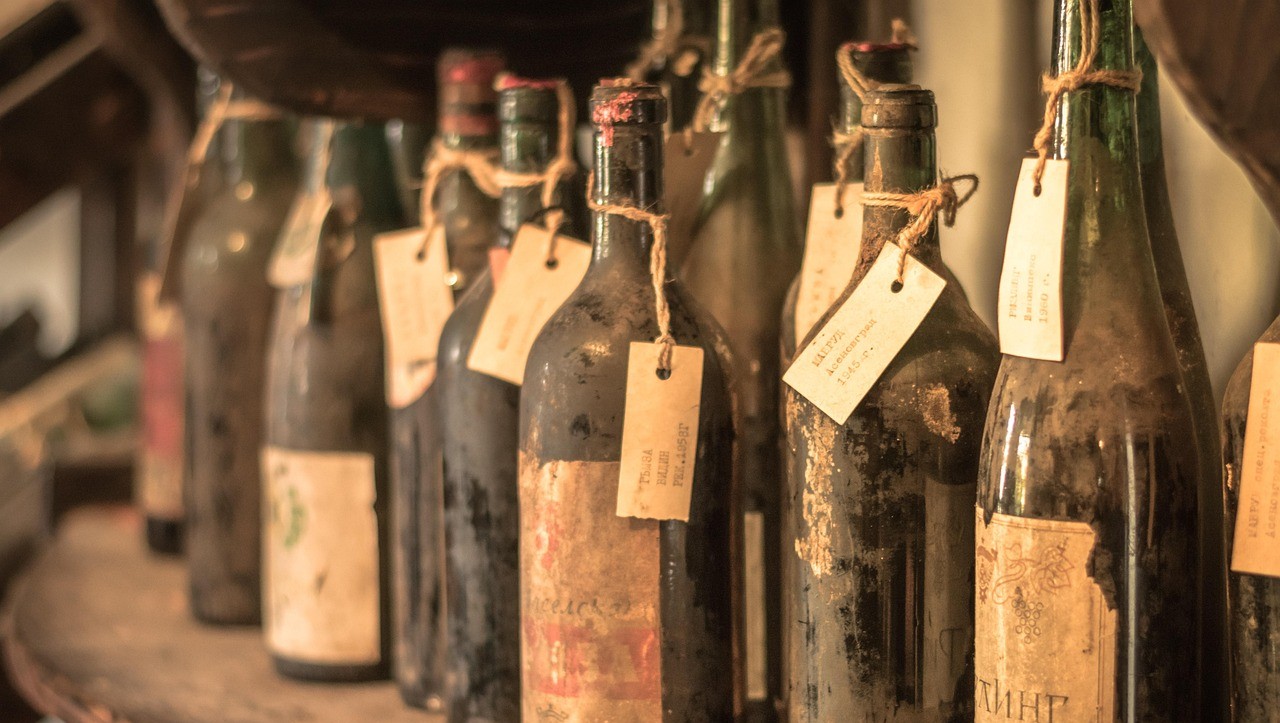
Image: DayanaLiquorNerd / maja7777

Endless myths and stories have permeated our culture about the era when alcoholic beverages were banned. Did pharmacists really get rich selling whiskey? Were all women in favour of Prohibition? In fact, were all rulers in favor of it, or did some publicly celebrate its ending? Let’s dive into some not-so-well-known facts about the Eighteenth Amendment .

1
The term "Speakeasy" came from a whispered instruction
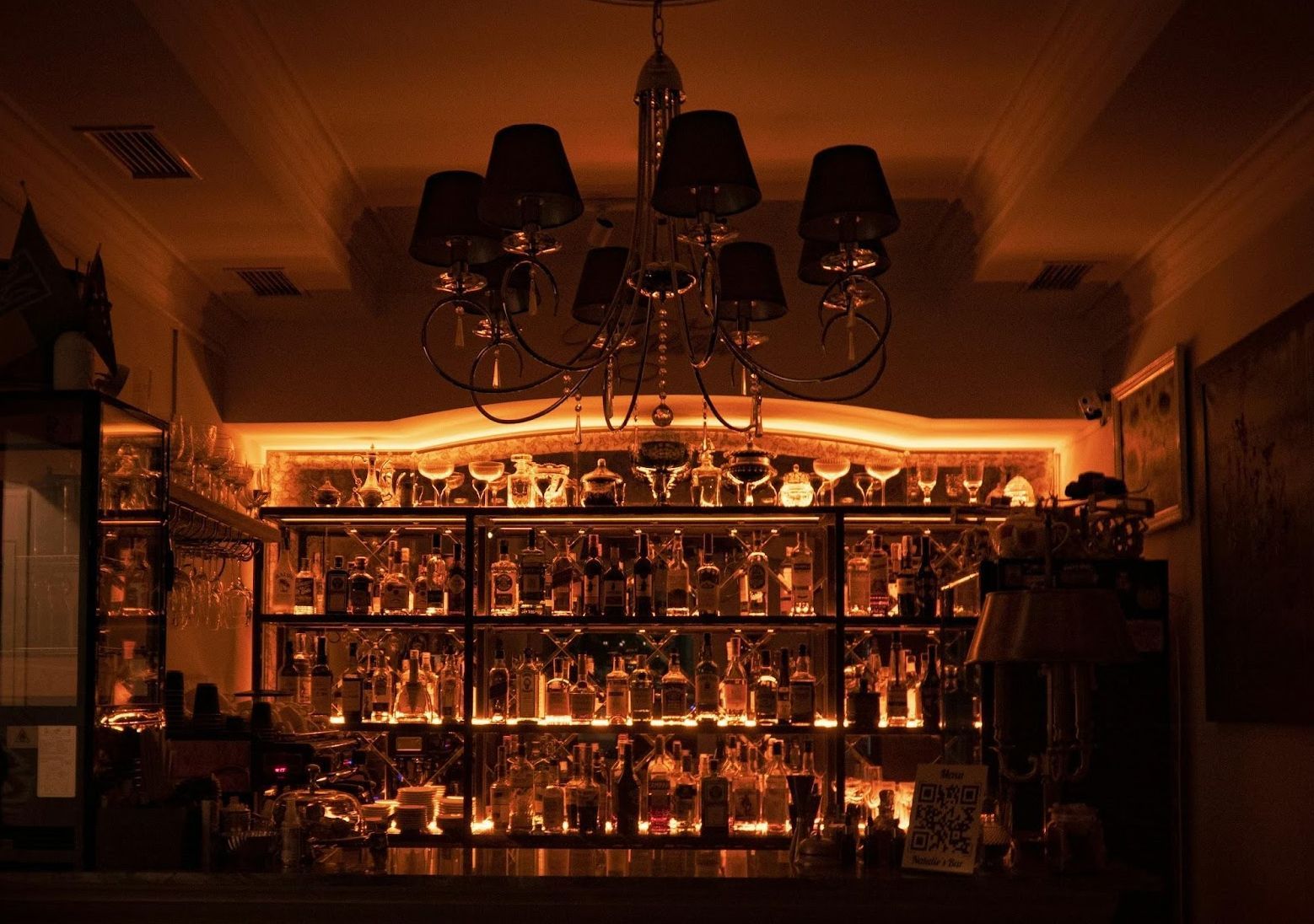
Image: Shtefan Lounge

This expression, by now forever associated with the Prohibition Era, came from bartenders quietly warning patrons to "speak easy" when ordering illegal drinks.

It is believed that the phrase was already in use in 1800s saloons, but it took off during Prohibition. Hidden behind trapdoors or fake businesses, these secret bars required passwords or knocks to enter.

2
Prohibition sparked the rise of NASCAR
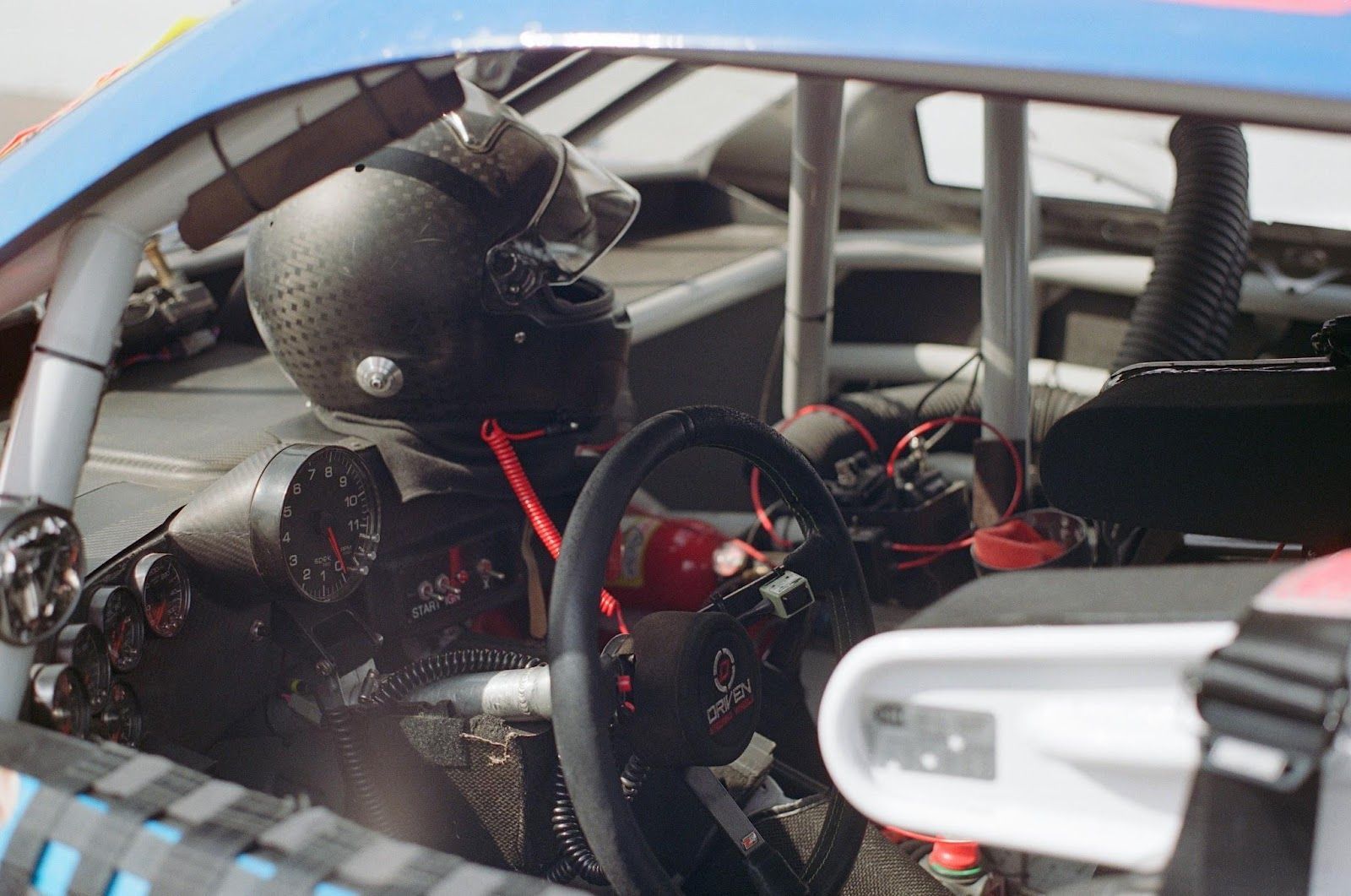
Image: Caleb Woods

Southern moonshiners during Prohibition needed to move whiskey fast. To evade federal agents, they needed to modify cars for speed and for driving through uneven terrains under the cover of the night.

What do you do with that peculiar set of skills when the Prohibition ends, then? Many of these trained drivers began racing each other for fun , and eventually for prizes. These informal competitions laid the groundwork for stock car racing, and in 1948, NASCAR was officially founded.

3
Grape bricks were a legal alternative
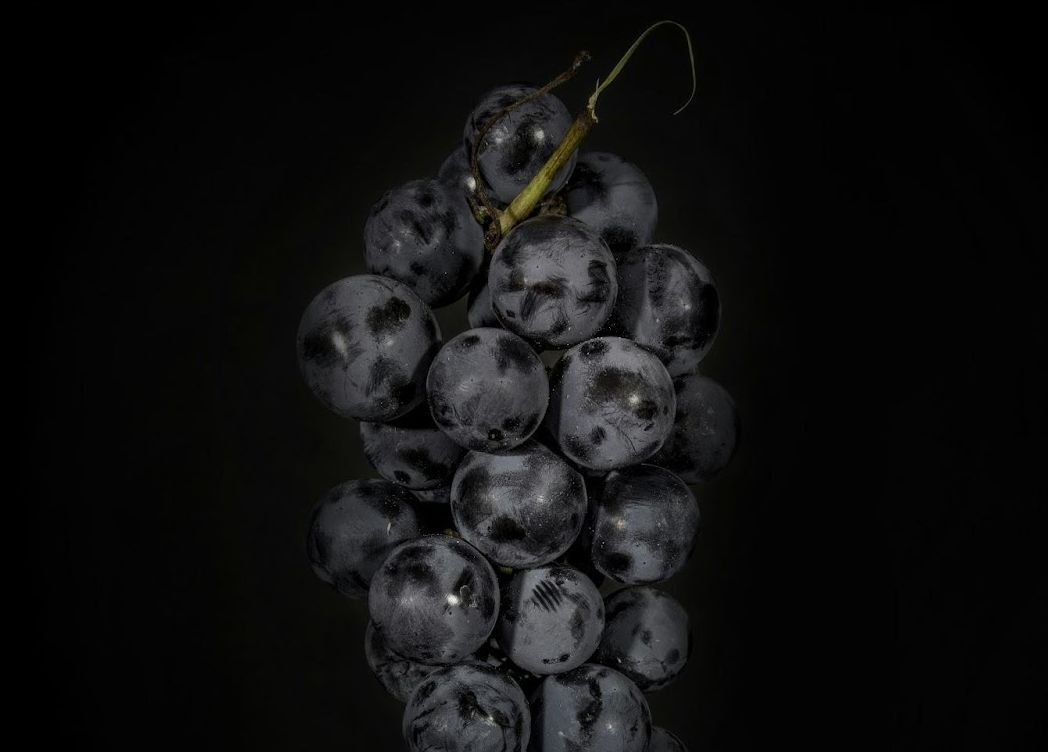
Image: Keegan Houser

Though commercial winemaking was banned, winemakers adapted quickly by selling "grape concentrate bricks" legally.

They were dense blocks that came with a cheeky warning: "Do not dissolve in water , add yeast, and let sit for 21 days, or it may ferment into wine." Of course, that’s exactly what people did.

4
Al Capone opened a soup kitchen
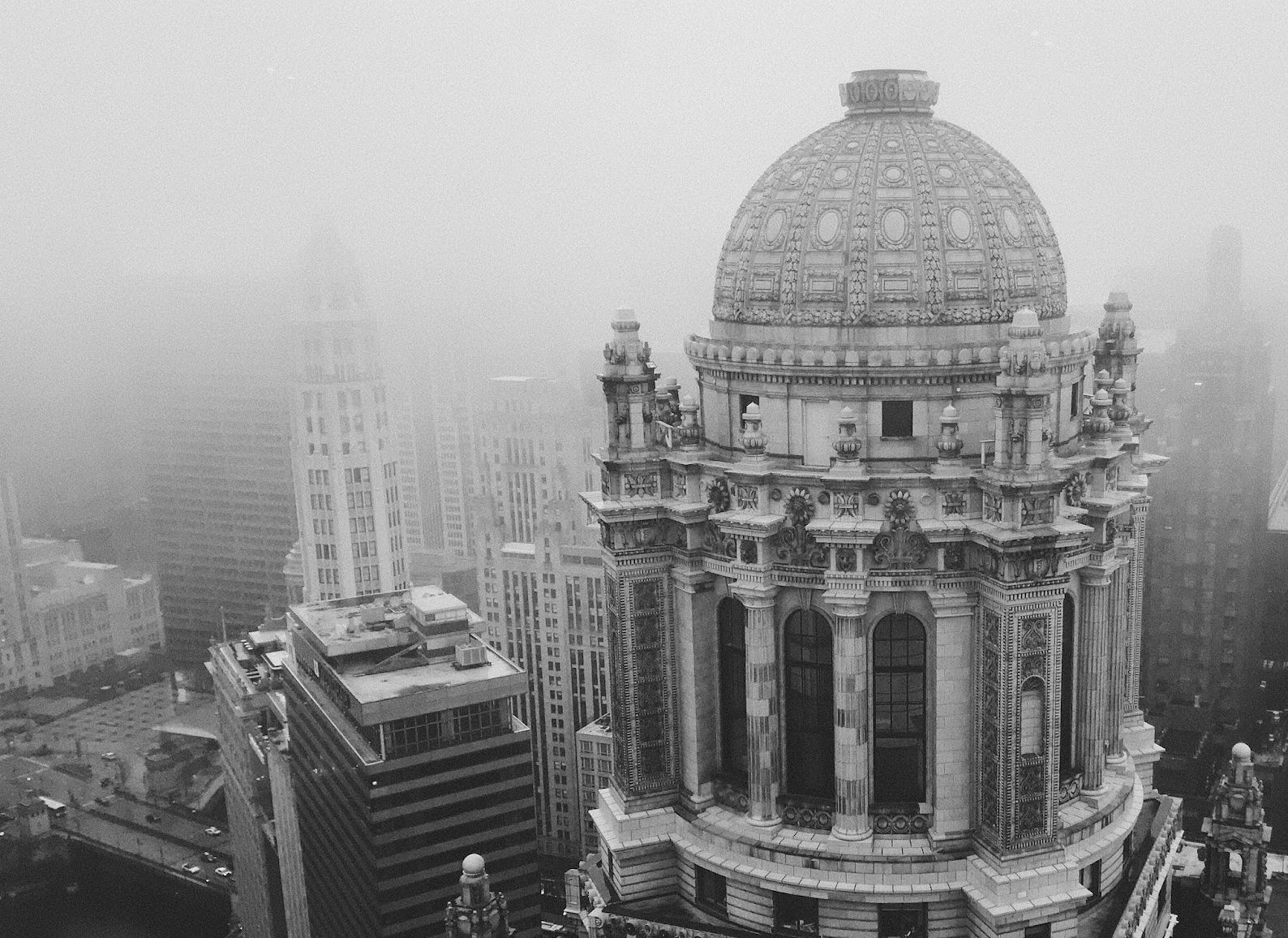
Image: Drew Gilliam

During the Great Depression, mob boss Al Capone operated a soup kitchen in Chicago, serving thousands of unemployed individuals .

The sign outside read "Free Soup, Coffee & Doughnuts for the Unemployed." It was certainly a clever PR move that helped soften his infamous image, even as he profited from illegal booze and violence.

5
There was a "whiskey prescription" loophole
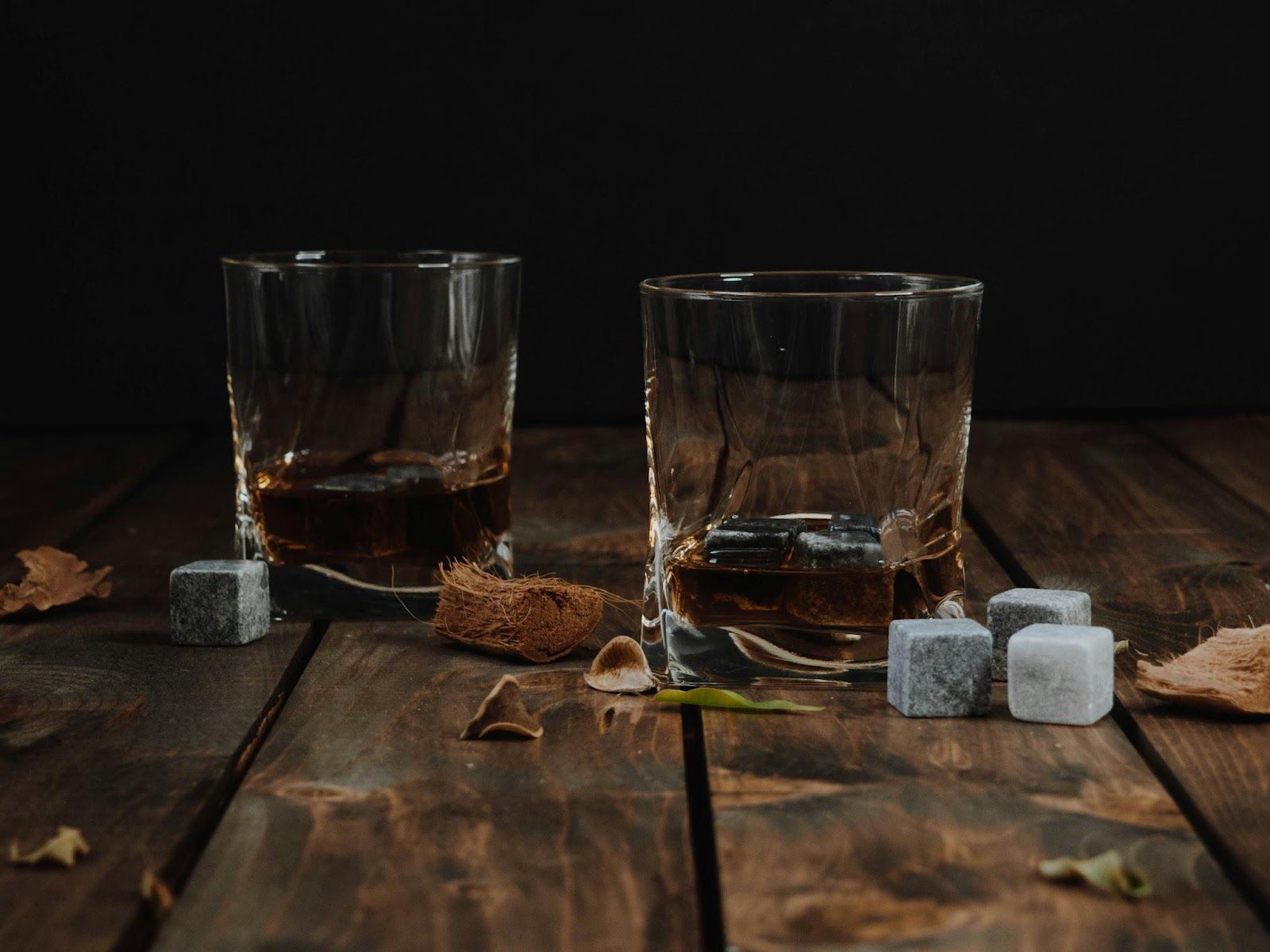
Image: Anastasia Zhenina

While Prohibition outlawed alcohol sales, there was one major exception: whiskey prescribed by a doctor. The government allowed the writing of prescriptions for " medicinal liquor ," so millions were written. Patients could pick up their booze at a local pharmacy, usually in a clearly labeled bottle: "For Medicinal Use Only."

6
"Mountain Dew" meant Moonshine
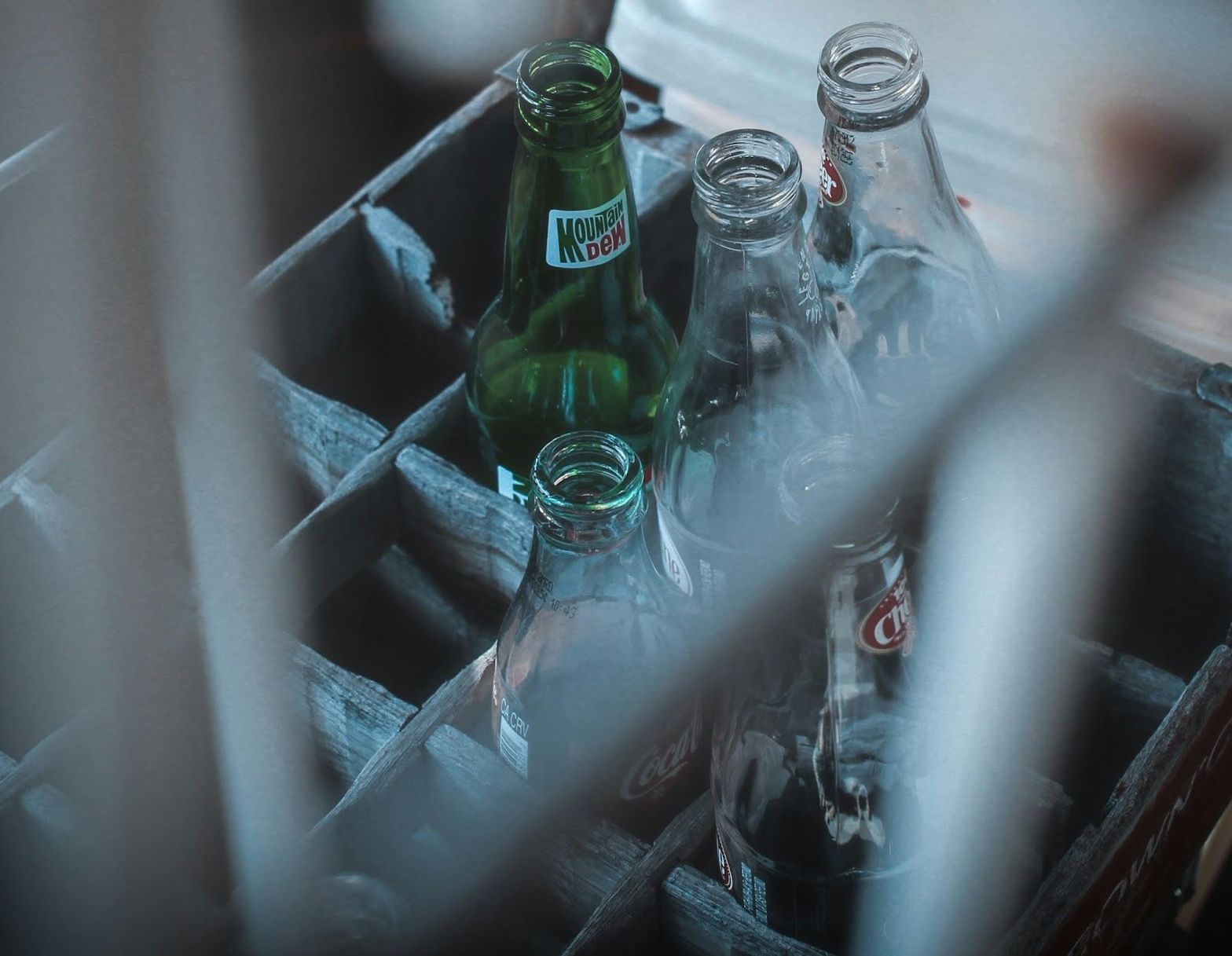
Image: Josh McLain

Long before it was a neon-green soda, "mountain dew" was slang for homemade whiskey . The term already appeared in folk songs of the Appalachian region back in the 19th century, and it became especially popular during Prohibition, as illegal distilling became widespread.

In the 1940s, the creators of the soft drink Mountain Dew originally formulated it as a mixer for whiskey. The name was a wink after the bootlegging culture it came from.

7
Women were on both sides of the front lines
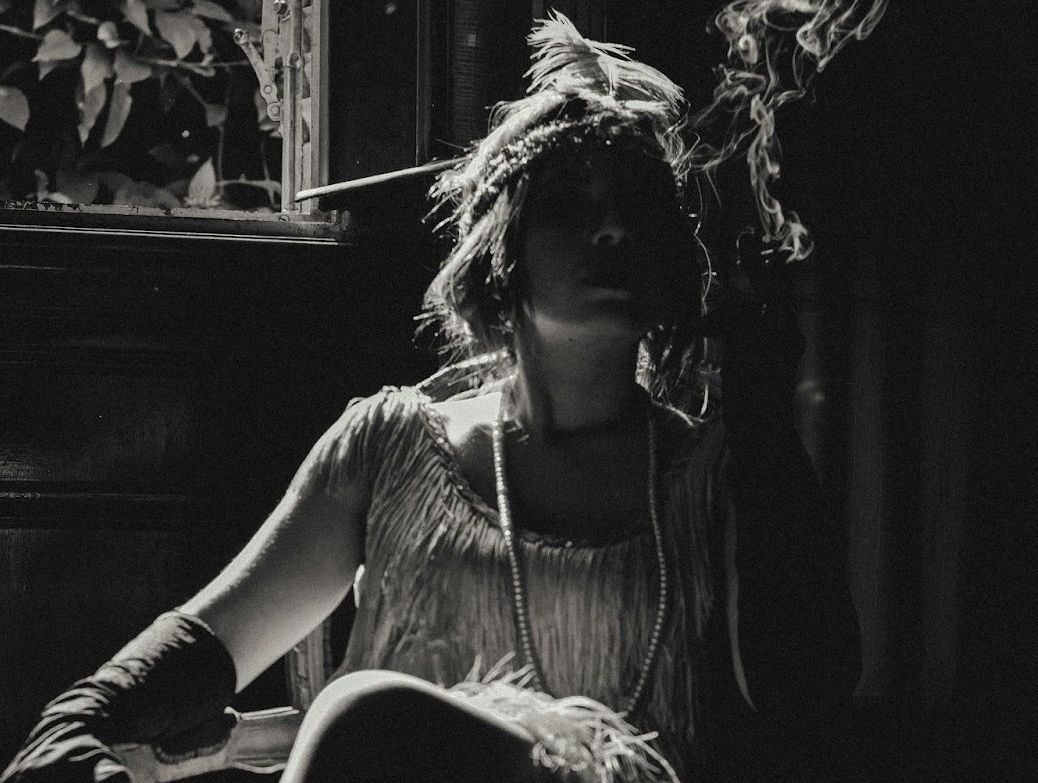
Image: Agustina Tolosa

Fierce women activists led the temperance movement, yes. For example, Carrie Nation famously stormed saloons with a hatchet. But many women also thrived in the world of illegal liquor.

Some saw Prohibition as an opportunity and became successful bootleggers, smugglers, and speakeasy owners. One of the most famous was Gertrude "Cleo" Lythgoe, nicknamed "The Queen of the Bahamas," who smuggled high-end liquor from Nassau to the U.S. East Coast and built a fortune.

8
Toothpaste and hair tonics were alcoholic
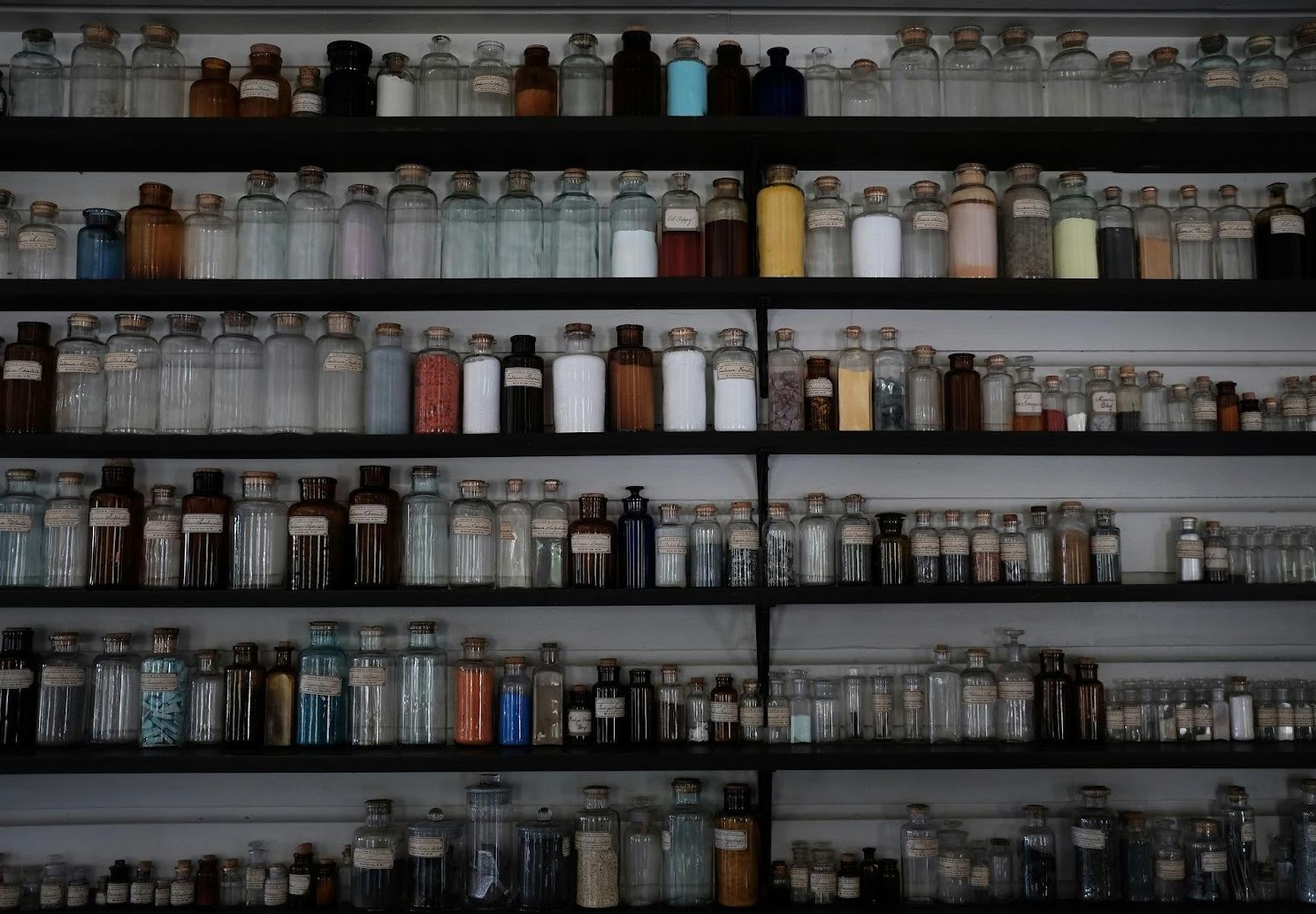
Image: Chelms Varthoumlien

With liquor banned, some people turned to unlikely products to get drunk. Items like bay rum aftershave, vanilla extract, hair tonics, and even toothache drops were legally sold and packed with high-proof alcohol. Desperate drinkers downed them despite the awful taste and potential health risks.

In New York City alone, an estimated 150,000 gallons of bay rum were consumed for intoxication in a single year.

9
Bootlegging funded jazz and nightlife
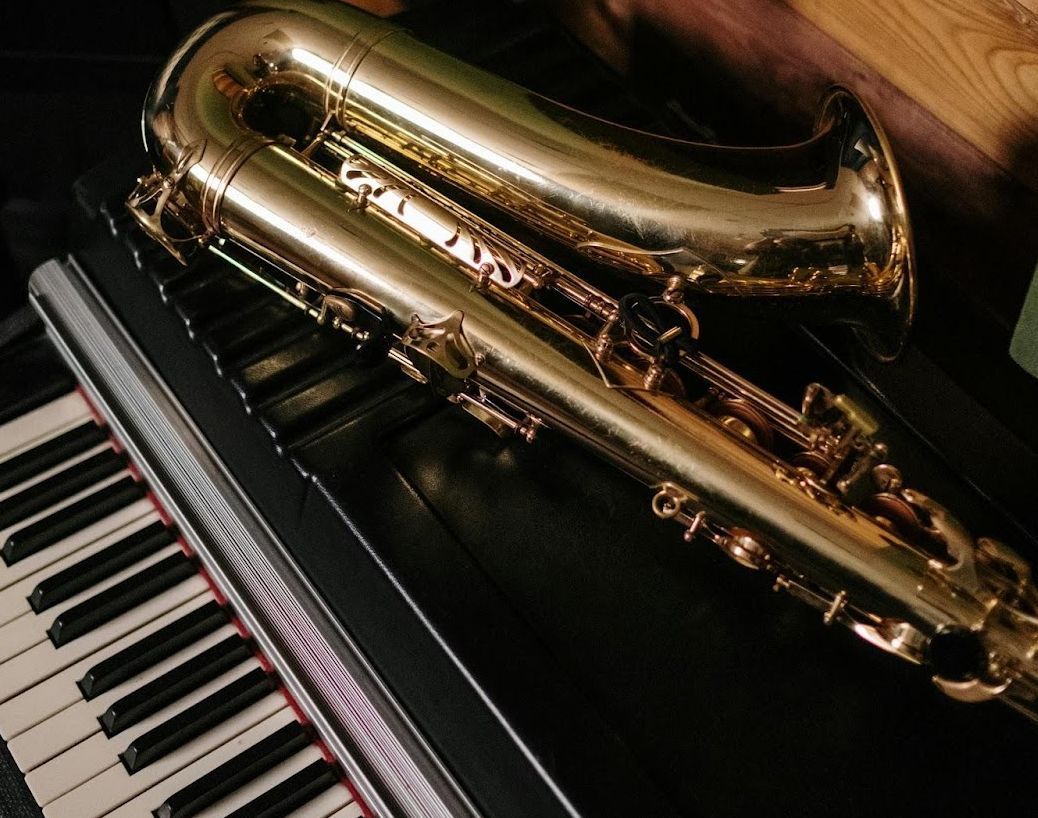
Image: cottonbro studio

Prohibition did help launch a cultural revolution . Speakeasies became centers of nightlife and music, and in places like Harlem, they gave rise to the Harlem Renaissance. Jazz greats like Duke Ellington and Billie Holiday got their start playing in these clubs.

10
New York’s mayor toasted the end with a beer… on air
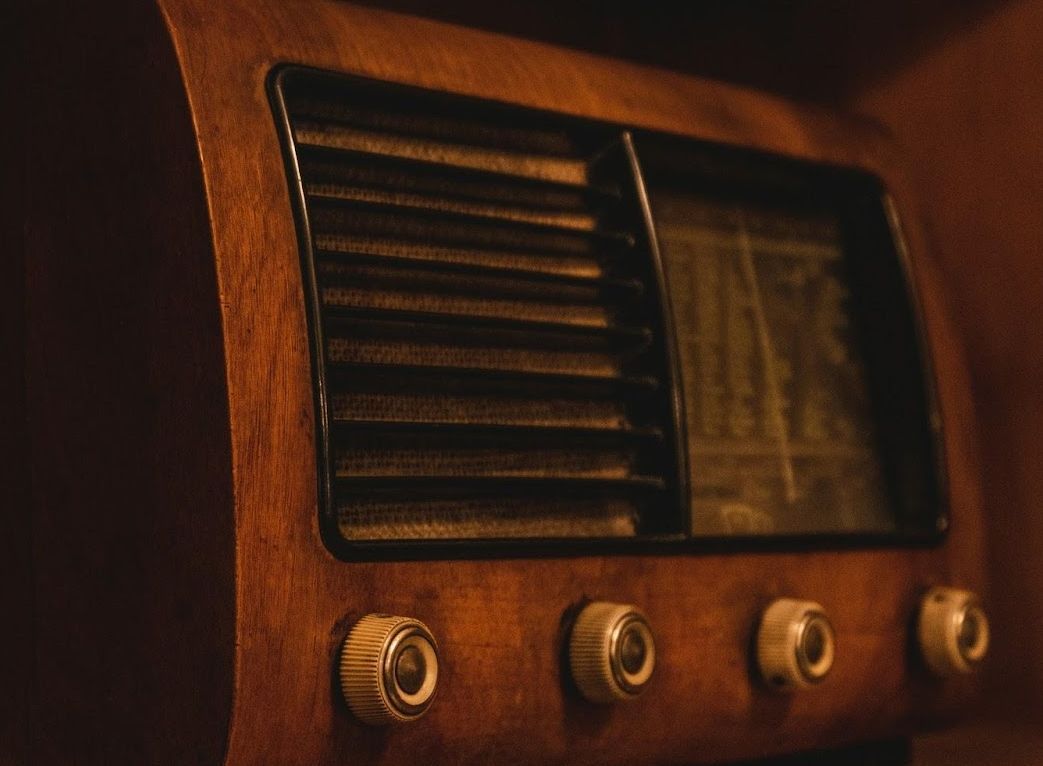
Image: Muhammed ÖÇAL

When the 21st Amendment officially ended Prohibition on December 5, 1933, New Yorkers celebrated with flair. So did their mayor. Fiorello La Guardia, a vocal critic of the alcohol ban , marked the occasion by cracking open a beer during a press conference and drinking it on live radio.

La Guardia had long argued that Prohibition bred crime and disrespect for the law, so this on-air symbolic gesture made sense and marked the beginning of instant change.

11
Some states didn’t ratify the end until the 21st century
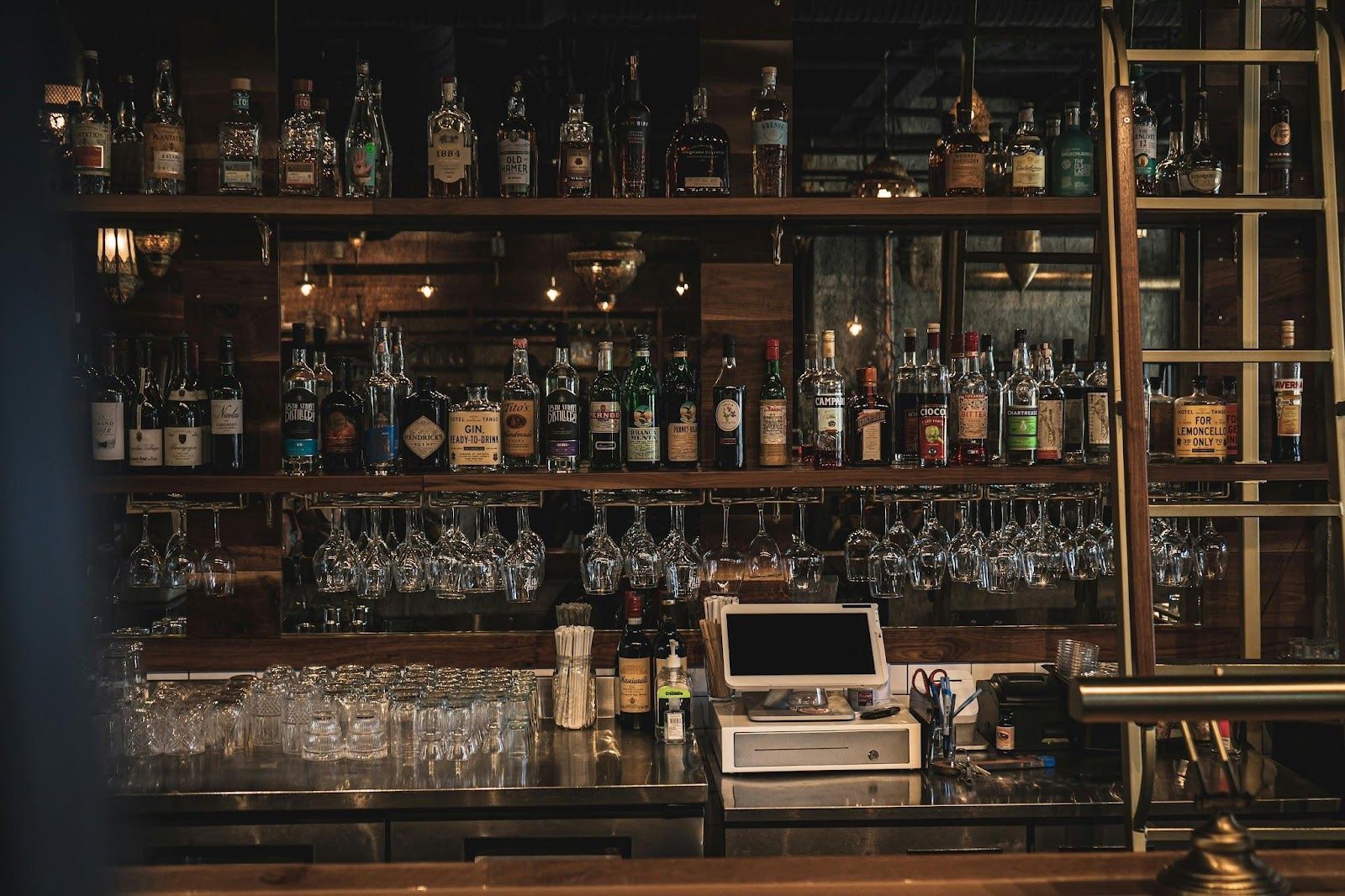
Image: Chris Hardy

Though the 21st Amendment repealed Prohibition in 1933, some states and counties held out for decades . Mississippi didn’t officially end state Prohibition laws until 1966; that’s 33 years after the national repeal. Kansas, meanwhile, banned public bars until 1987.

Even today, Prohibition echoes remain. Several U.S. counties are still "dry," meaning alcohol sales are restricted or banned outright.
History History 5 min read

First Family, regular domestic problems

Ten ways the First Family changed the White House

Since 1800, the house at 1600 Pennsylvania Avenue has served as the president’s official residence. In the more than 200 years since, the presidential mansion has seen it all, from being set on fire by British forces to having planes crash on its lawn. Each administration has left its mark on the White House, with many presidents and first ladies expanding, renovating, and reimagining it while creating new traditions and customs. Let’s dive into 10 ways First Families changed the presidential residence.

New Year Reception (John and Abigail Adams)

Image: Ray Hennessy

John Adams was the first U.S. president to live in the White House—then referred to as the President’s Palace or the Presidential Mansion—alongside his wife, Abigail, who played a significant role in furnishing the newly built residence.

On New Year’s Day in 1801, the Adamses held a public reception for anyone who wanted to shake hands with the president and his wife. This tradition continued (with some interruptions) until 1932, when it was ended by Franklin D. Roosevelt, who allegedly wanted to avoid being seen using a wheelchair.

Indoor Toilets (Thomas Jefferson)

When Thomas Jefferson assumed the presidency, he discovered that the White House lacked indoor plumbing, toilets, and had only an outdoor wooden privy. He ordered the construction of two "water closets," one on each side of the residence.

During Jefferson’s tenure, the White House underwent several modernizations, including improvements to the lighting system, the kitchen, and exterior features such as gutters. He also had an outdoor wine cellar built to store his extensive collection.

White House China (James Monroe)

Did you know the White House has a special room dedicated to displaying the porcelain sets designed for each administration? The tradition of commissioning presidential china designs started in 1817, with President James Monroe.

Monroe’s china was designed and crafted in Paris, featuring an eagle carrying a red, white, and blue banner inscribed with "E Pluribus Unum." Following criticism over the presidential mansion’s purchase of foreign-made goods, Congress decided that future presidential china should be manufactured in the United States, though some presidential couples still chose to commission French china.

The Library (Abigail Fillmore)

When Millard and Abigail Fillmore moved into the White House, their approach to decoration and improvement differed from that of previous First Families. None of them came from a wealthy background, so they prioritized expanding the heating system and modernizing the kitchen.

More interested in intellectual pursuits than in socializing, Abigail noticed that the Presidential Mansion lacked a library and set out to create one. She personally organized the room, selected the books, and arranged them to her liking. The library became her main parlor, where she received literary figures of the time and listened to music.

Floral Arrangements (Lucy Webb Hayes)

A passionate abolitionist and the first First Lady to earn a college degree, Lucy Webb Hayes moved into the White House at the end of the Reconstruction era, and after a highly controversial election. With limited funds to renovate the presidential mansion, Mrs. Hayes found ingenious ways to conceal holes in the carpets and worn-down furniture.

Lucy Hayes was the first president’s wife to be referred to as "First Lady." She made several improvements to the White House, but she is most remembered for turning the billiard room into a greenhouse filled with flowers, which she then used for floral arrangements for the residence.

The West Wing (Theodore Roosevelt)

We all know that the West Wing is where the presidential office is located, but not everyone knows that it was not part of the original design of the White House. Before 1902, the president’s offices were located on the second floor.

When Theodore Roosevelt moved into the White House, he discovered there wasn’t enough space for his six children and the growing staff. His wife, Edith, suggested that the second floor be converted entirely into family living quarters and that the offices be moved elsewhere. The West Wing was then built as a temporary structure on the site of the old stables, but in the end, it became a permanent fixture of the residence.

The Oval Office (William Taft)

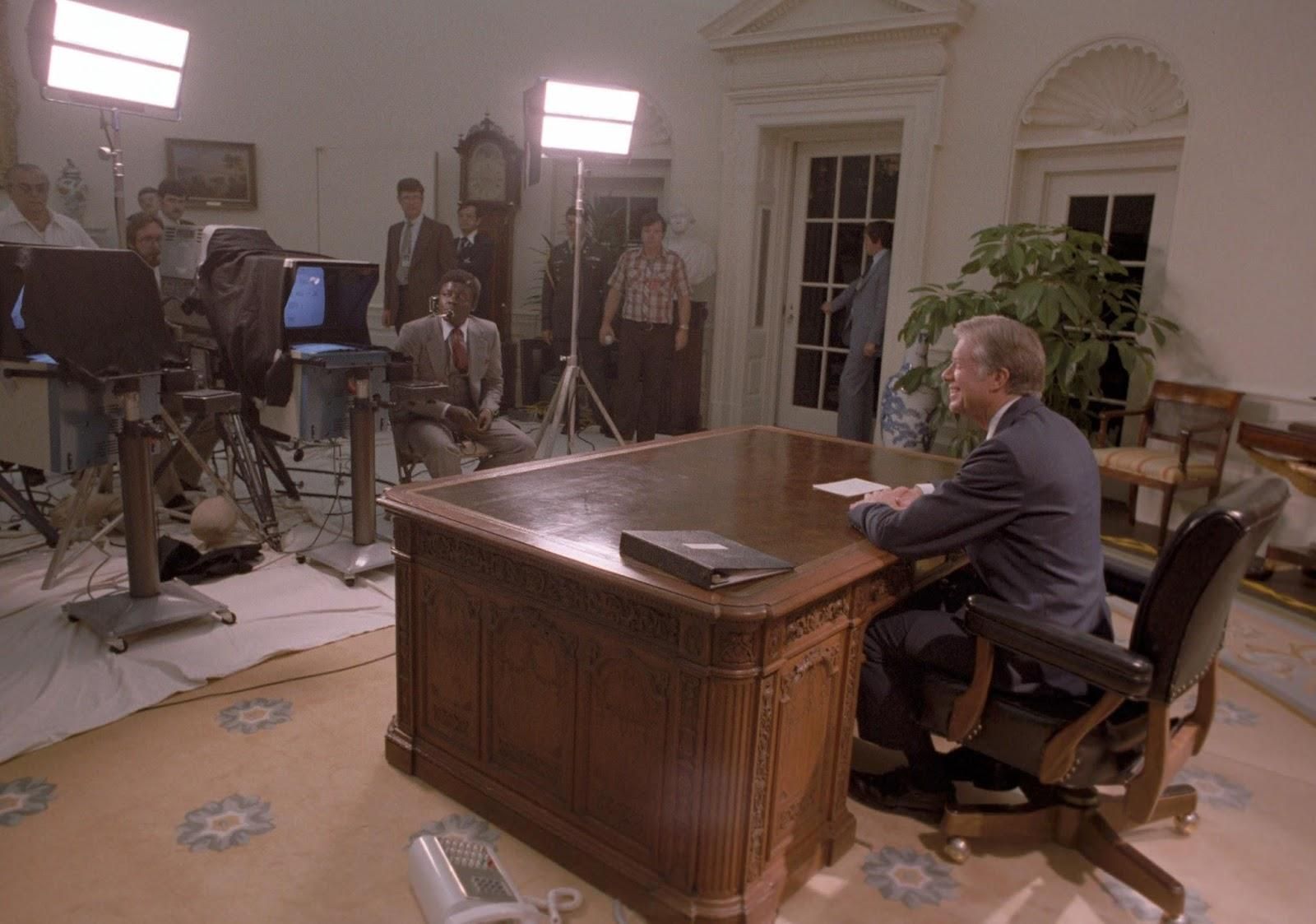
This office is known as the place where major decisions are made, but it wasn’t part of the White House’s original design. When President William Taft decided to make the temporary West Wing permanent, he also doubled its size and created the first Oval Office.

Its distinctive shape was inspired by the semicircular Blue Room in the main residence, where presidents traditionally received guests. That design, in turn, paid homage to the bow windows from which George Washington once greeted visitors at his presidential homes in New York and Philadelphia.

Interior Reconstruction (Harry S. Truman)

By 1949, the White House had endured a century and a half of wars, fires, political scandals, and modernization. With few renovations made during the Great Depression and World War II, President Truman and his family moved into a mansion that was literally falling apart—it was declared unsafe after a piano leg crashed through the floor of the family quarters.

The Trumans moved across the street during the three years the reconstruction took place. Due to the need for extensive renovations, a total demolition of the building was considered but not enacted. In the end, the decision was to preserve the exterior walls and completely rebuild and expand the interior.

Themed Christmases (Jackie Kennedy)

The White House’s themed Christmas celebrations are now a beloved tradition, complete with a spectacular tree and elaborate decorations. This lovely tradition was started in 1961 by Jackie Kennedy, who then chose The Nutcracker as a theme, and featured decorations crafted by disabled and elderly citizens.

Since then, First Families have carried on the themed Christmas tradition, honoring topics and interests relevant to the nation and highlighting causes dear to the presidential family.

Office of the First Lady (Rosalynn Carter)

First Ladies have always played an important role in supporting the president, managing the Presidential Mansion, and championing various causes. However, this role wasn’t always officially recognized or included in the White House budget.

Although some First Ladies before her had hired official staff, Rosalynn Carter was the first to organize hers into a formal Office of the First Lady , complete with departments dedicated to press, social causes, campaigns, and community outreach.

History History 6 min read

Who could hate these songs?

What Sinatra and Slash confessed: Artists who disliked their biggest hits

Image: Panos Sakalakis

The evidence piles up and confirms it: Most artists grow tired of their biggest hits. Sure, maybe the initial charm of one’s own song wears off after playing it regularly for decades. But some bands and artists have been quoted calling their own creations "terrible" and promising they would get off stage if someone asked them to play them. Surely, though, no one could hate "Strangers in the Night", don’t you think? Let’s explore what the artists behind these 10 hits songs feel about them years later.

1
We Didn’t Start the Fire

Image: Dane Deaner

Although Billy Joel is one of America’s favorite songwriters, he is often very vocal about pointing out the flaws he finds in his early hits. He even found fault with the timeless " Piano Man, " which earned him his nickname, due to a melody he finds repetitive and lyrics he compares to limericks.

He assures that he doesn’t hold grudges against his own songs, but he did point out that he thought the melody of "We Didn’t Start the Fire" was "terrible" and compared it to a dentist’s drill . He says the only redeeming quality of that song is the lyrics—those famous rapid-fire lists of historical events from the ‘40s to the ‘80s.

2
Shiny Happy People

Image: Nathan Dumlao

R.E.M. created "Shiny Happy People" with a satirically overly positive tone . It was a hit back in the ‘90s upon its release, but it always remained a bit of an oddball in the band’s otherwise more introspective and serious records.

The cheerful tune has been quoted endlessly in movies and TV shows. Even the sitcom Friends considered making it its theme song! But singer Michael Stipe expressed little love for what he called "a bubblegum pop song." Stipe went as far as to say that he "hates" the song and sees it as a fluke rather than a reflection of the band’s work. Although other members are less critical, the consensus is that "Shiny Happy People" is not R.E.M.’s proudest achievement.

3
Smells Like Teen Spirit

Image: Firmbee.com

Nirvana’s breakthrough hit, "Smells Like Teen Spirit," is often credited with launching the grunge movement and bringing alternative rock into the mainstream. The song's catchy riff and cryptic lyrics became an anthem of frustration and angst in the youth of the ‘90s. But Kurt Cobain, Nirvana's frontman, quickly grew to resent the famous song.

In a 1993 interview, staying true to his grunge persona, Cobain declared: "I can barely, especially on a bad night, get through ‘Teen Spirit.’ I literally want to throw my guitar down and walk away." He said he felt the song was too "mainstream" and polished, and nothing like the gritty authenticity he had envisioned for Nirvana—something that shone through in the band’s less popular work.

4
What’s Love Got to Do with It

Image: Pixabay

"What’s Love Got to Do with It" was first offered to Donna Summer, but it was Tina Turner who made history with it in the ‘80s. Initially, though, she thought it wasn’t the right track for her. She once confessed: "I didn’t like it at first. It was a pop song. I’m a rock ’n’ roll singer. "

However, her manager convinced her to record it. Her reluctance was such that she only did a few takes of it, convinced it would be a filler track in her album. We now know how wrong she was. The hit ended up redefining her career, so successful that it inspired the title of her 1993 biographical film, starring Angela Bassett as her.

5
(You Gotta) Fight for Your Right (to Party!)

Image: Colourblind Kevin

You would think that the satirical tone of this song would be obvious. It’s not hard to tell that the flatly yelled-out lyrics about hard-partying youth were poking fun at the frat culture of the time. But the joke went over many people’s heads, and it became an anthem of sorts for the culture it meant to make fun of.

This irritated the Beastie Boys, particularly because the song became their breakout hit. Band member Adam Yauch explained that the whole song was "a joke that got out of hand." They felt the song misrepresented their style, which is why they avoided playing it live in later years.

6
Strangers in the Night

Image: Ethan Rougon

Frank Sinatra did not shy away from expressing his distaste for one of his biggest hits. He disliked "Strangers in the Night" from the start, explaining to the writer that he didn’t like the lyrics and requesting that they be changed. But the process was rushed, and he had to record the version as it was. It became an instant award-winning, chart-topping hit.

Still, the singer despised it. He reportedly muttered disparaging comments about it during live performances. People speculated that his famous addition of the scat "doo-be-doo-be-doo" was a spontaneous attempt to add some grace to a song he was so tired of.

7
Dream On

Image: Rombo

"Dream On" was a major hit for Aerosmith and helped the band’s career skyrocket in the ‘70s. It was written by lead singer Steven Tyler long before Aerosmith had formed or signed any record deal: He was 18 years old when he finished writing it. But years later, after the band recorded it, guitarist Joe Perry, in his words, "wasn’t crazy about it" for a long time.

He mentioned in interviews that the song was too soft and slow compared to the rock music he wanted to be playing. He admitted that he would have preferred that the band triumph with a more hard-core rock song, but wasn’t too sad about it, because, as he said, "a hit is a hit."

8
Under the Bridge

Image: Roberto Nickson

"Under the Bridge" is a soft, personal song that stands out in the repertoire of Red Hot Chili Peppers. According to the legend, the album’s producer discovered lead singer Anthony Kiedis’ poem about walking around L.A. when he was feeling down. The producer insisted that the lyrics were worthy of a song, and soon the whole band helped finish arranging it.

But Kiedis wasn’t so excited about sharing such an introspective song. In his memoir book, he shared that sharing such an intimate, contemplative song made him feel vulnerable, and felt it was too personal to perform on stage. This caused the band some trouble over the years, as fans always had something to say when the band skipped the song during performances.

9
Where Did Our Love Go

Image: Angelina Yan

Before "Where Did Our Love Go" was released, The Supremes were struggling to break into the mainstream. Their label had started referring to them as the "no-hit Supremes." To make matters worse, the trio didn’t like this particular low-energy song and thought nothing would come of it. But the relatable lyrics, amped by Diana Ross's lead vocals, transformed the song into a No. 1 hit on the Billboard Hot 100.

Before this, the group was used to performing upbeat, high-energy songs, like "Buttered Popcorn" or "I Want a Guy." In comparison, their first hit had a subdued tempo and a different identity. But, as producers had expected, the song worked. The Supremes went on to become the best-charting female group in history!

10
Sweet Child O’ Mine

Image: Jay Wennington

"Sweet Child O’ Mine" was written by Guns N’ Roses' lead vocalist Axl Rose about his then-girlfriend Erin Everly. The song was originally created from a simple guitar riff by Slash, which he had come up with during a jam session. It went on to become a No. 1 hit on the Billboard Hot 100.

But guitarist Slash was never a huge fan of the song. He admitted that his famous riff was okay, but that the whole song felt like it belonged to another band’s style, not theirs. Of course, the general audience loved it and it became a huge hit compared to their hard rock songs. Over time, though, Slash grew to love it because of the immense impact it had on Guns N’ Roses’ career.

Explore more American facts

Choose your favorite category!

General
General

As American as apple pie—the very best America has to offer!

Culture
Culture

Delve into the astounding richness of American lore.

Geography
Geography

Hop in and explore vast and diverse American landscapes.

History
History

Discover the key moments that shaped the United States.