Geography Geography 5 min read

Tales from the Heartland

Bread, lakes, and planes: 10 fascinating facts about the American Midwest
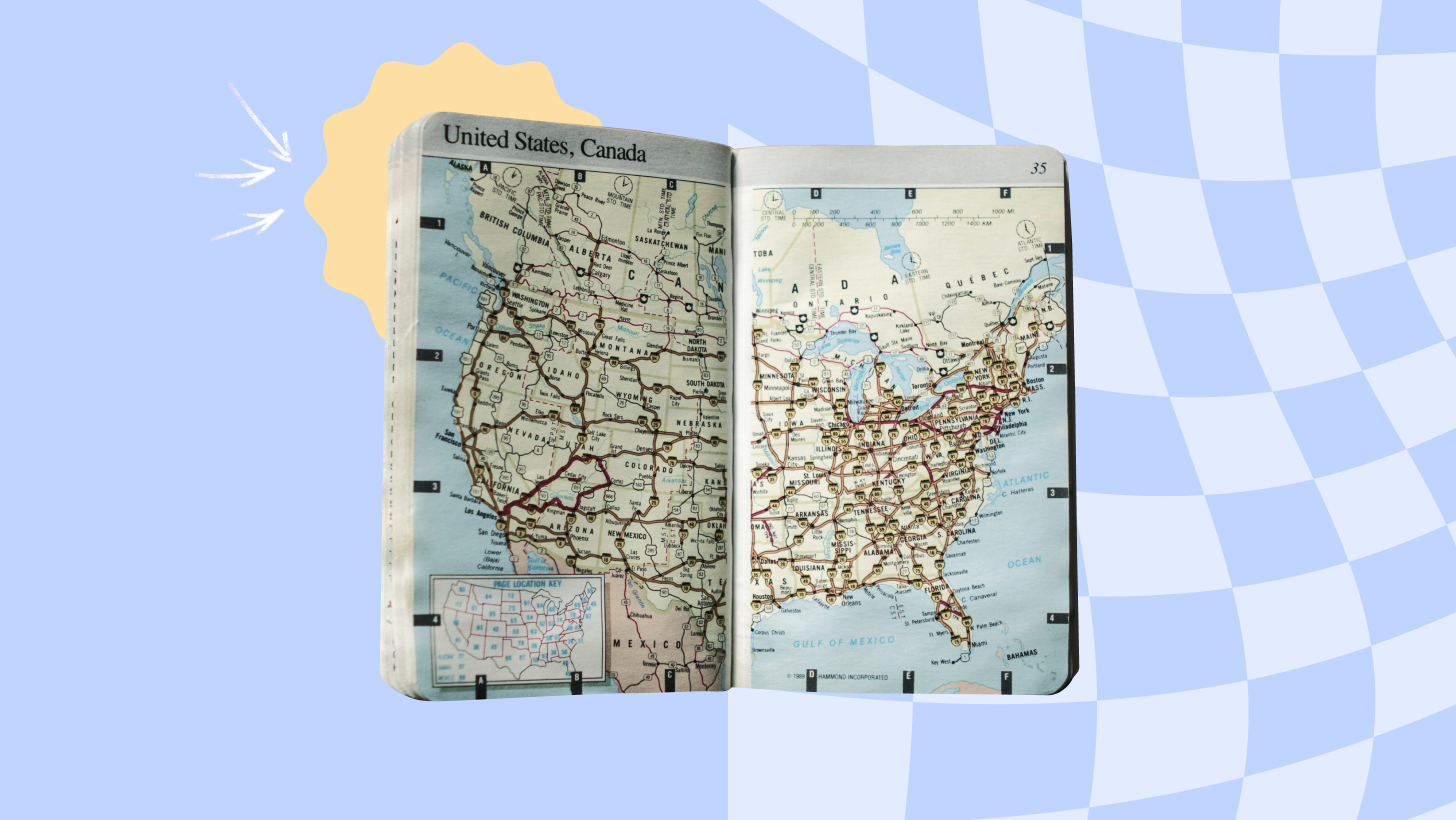
Image: Domino Studio

Often referred to as America’s Heartland, the Midwest safeguards a treasure trove of history, culture, and natural beauty. More than just the nation’s breadbasket, it has helped shape the very essence of the American identity. From airplanes to Mount Rushmore, it boasts a legacy that's hard to top! Join us as we explore some fascinating facts that prove the Midwest is still pumping blood into the veins of America.

1
Ohio: Birthplace of aviation

Image: History in HD

Ohio proudly claims the title "Birthplace of Aviation," being the home state of the Wright brothers. While the first successful flight actually took place in North Carolina, above the sand dunes of Kitty Hawk, most of the brothers' ideas were first developed back in their bicycle shop in Dayton, Ohio.

Their achievement made headlines worldwide, and soon the brothers secured their first military contract for the aircraft that would become the first practical airplane sold commercially. As symbols of American ingenuity, these two Ohioans are remembered for their innovative spirit and determination to succeed—qualities central to the Midwest spirit.

2
Michigan: Freshwater coast
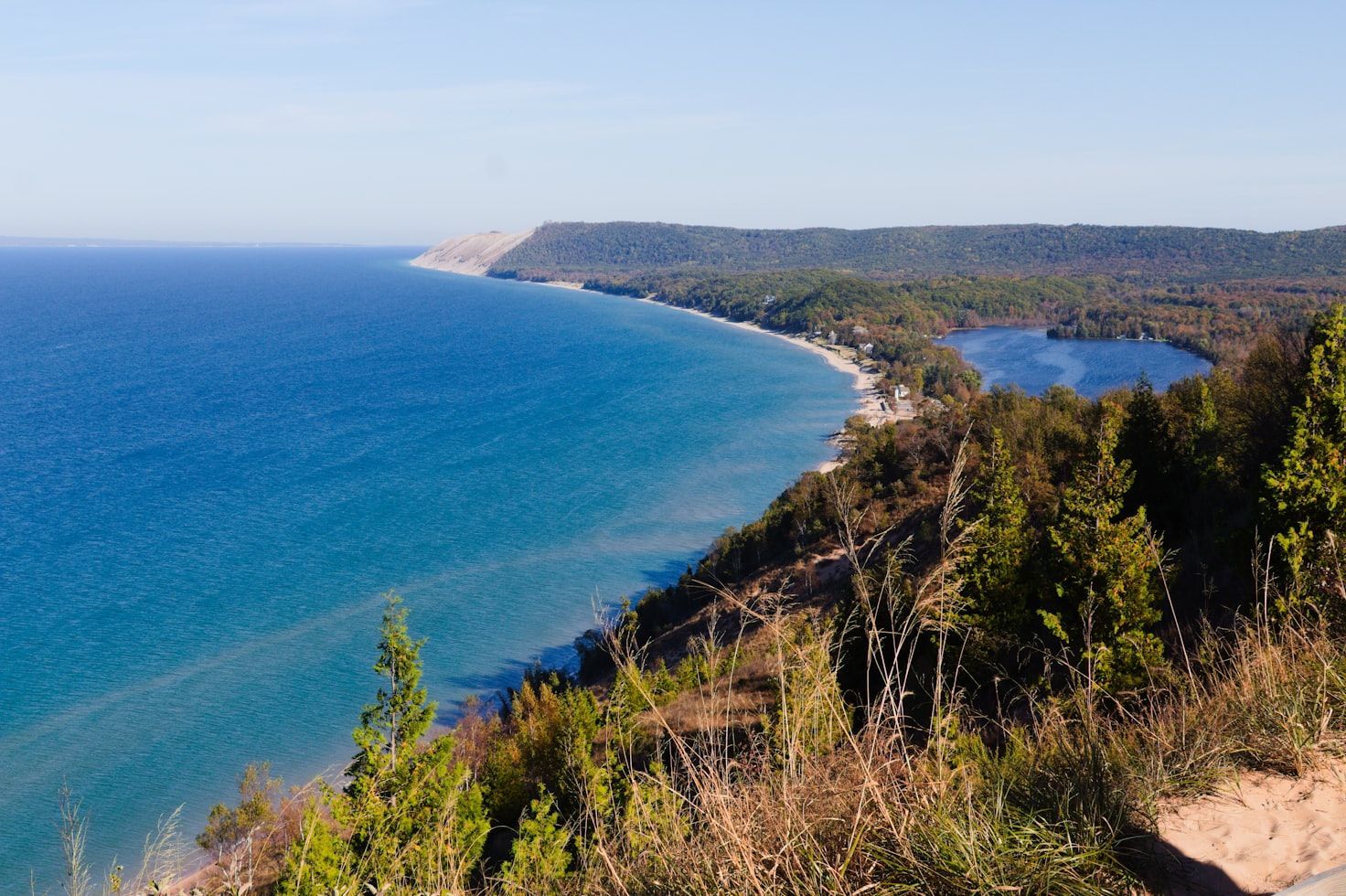
Image: Jeff DeWitt

Michigan is home to the largest freshwater coastline in the United States, thanks to its proximity to four of the five Great Lakes. This vast "unsalted" coast is a crucial part of America’s natural heritage. In fact, Michigan has the highest percentage of water area among all states, with a whopping 41.5% of its surface covered by water!

Its 3,288 miles of freshwater shoreline offer stunning scenery and numerous recreational opportunities, making it a popular destination for tourists. As part of the nation's natural legacy, the Great Lakes also serve as a vital resource, providing freshwater and transportation for neighboring states and industries.

3
Wisconsin: Dairyland legacy
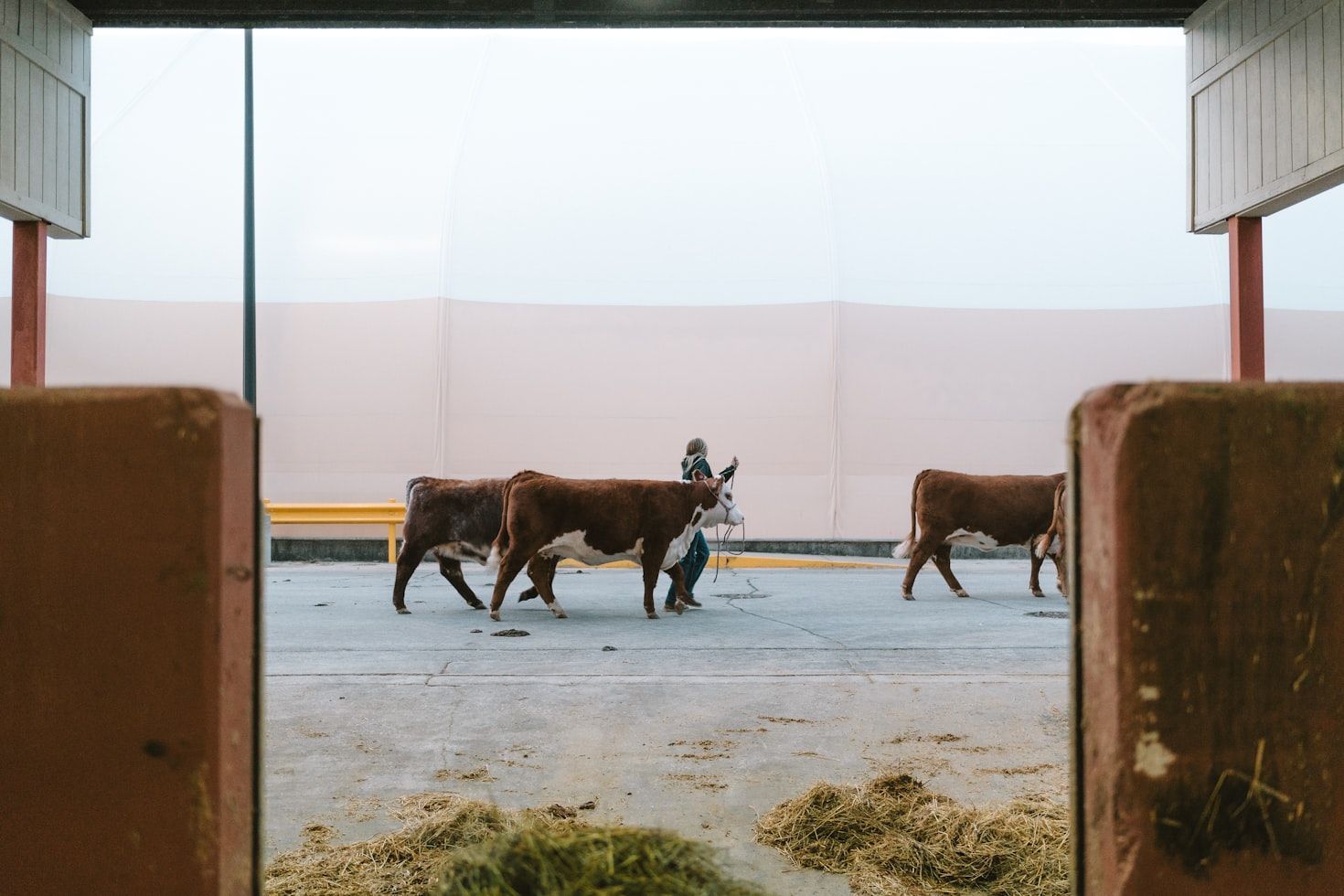
Image: Josh Turner

As the nation’s leading producer of cheese and other dairy products, Wisconsin is rightly known as "America’s Dairyland." Furthermore, the Badger State's dairy industry dating back to the 19th century, is deeply intertwined with its cultural and economic identity.

The commitment of Wisconsin's farmers to quality and innovation has made the state a cornerstone of American agriculture. Wisconsin cheese, renowned for its variety and excellence, is a staple of the American diet, enjoyed by millions across the nation.

4
Illinois: Land of Lincoln
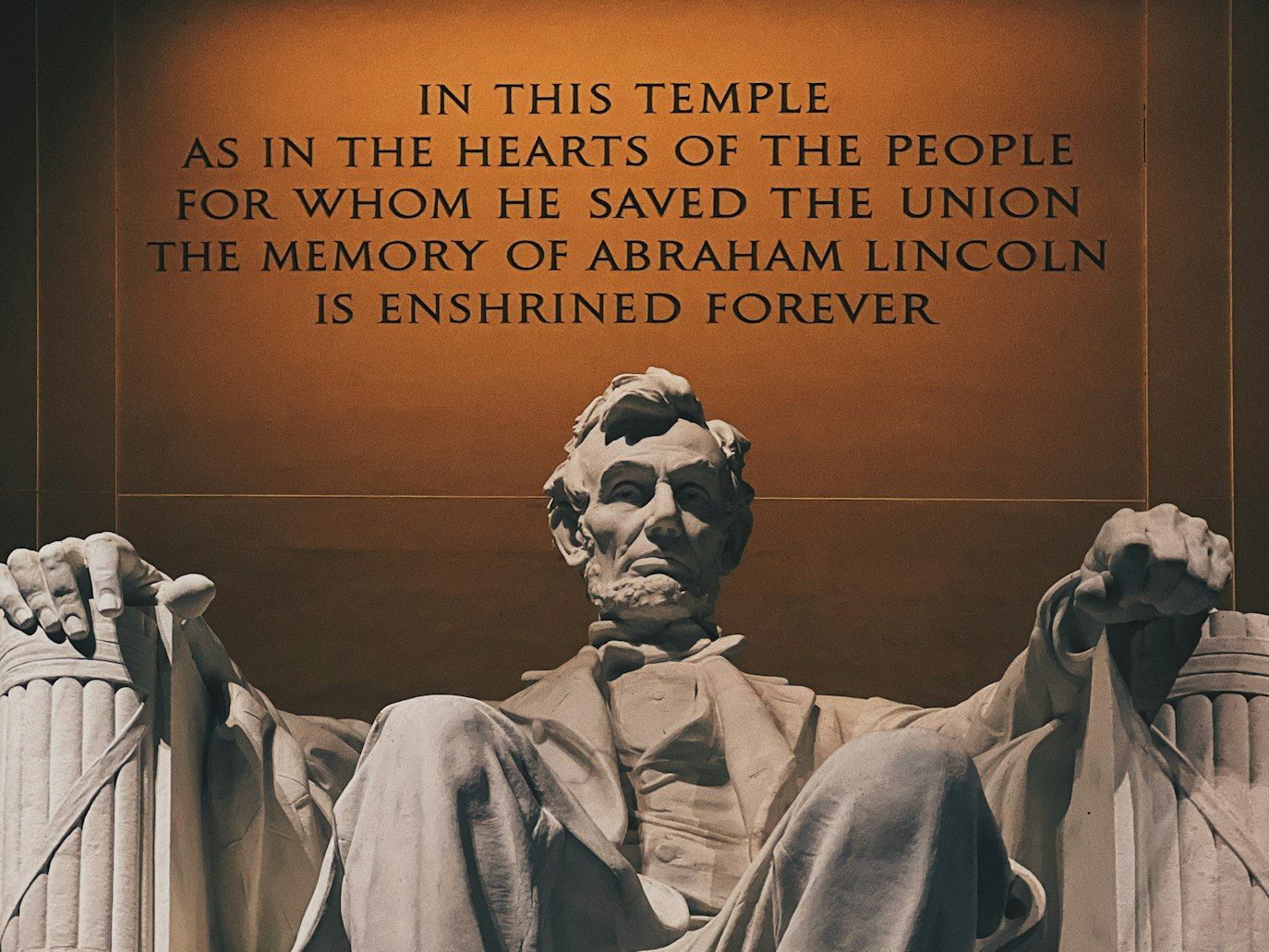
Image: Naomi August

Illinois is often referred to as the "Land of Lincoln," honoring its deep connection to Abraham Lincoln, one of America’s most revered presidents. Though Lincoln was actually born in Kentucky, he spent his formative years in Illinois.

It was here that he began his political career and developed the ideals that would guide the nation through its most challenging period. Illinois honors Lincoln’s legacy through numerous monuments and the Abraham Lincoln Presidential Library and Museum, which houses the largest collection of Lincoln-related documents and artifacts in the world.

5
Indiana: Racing capital
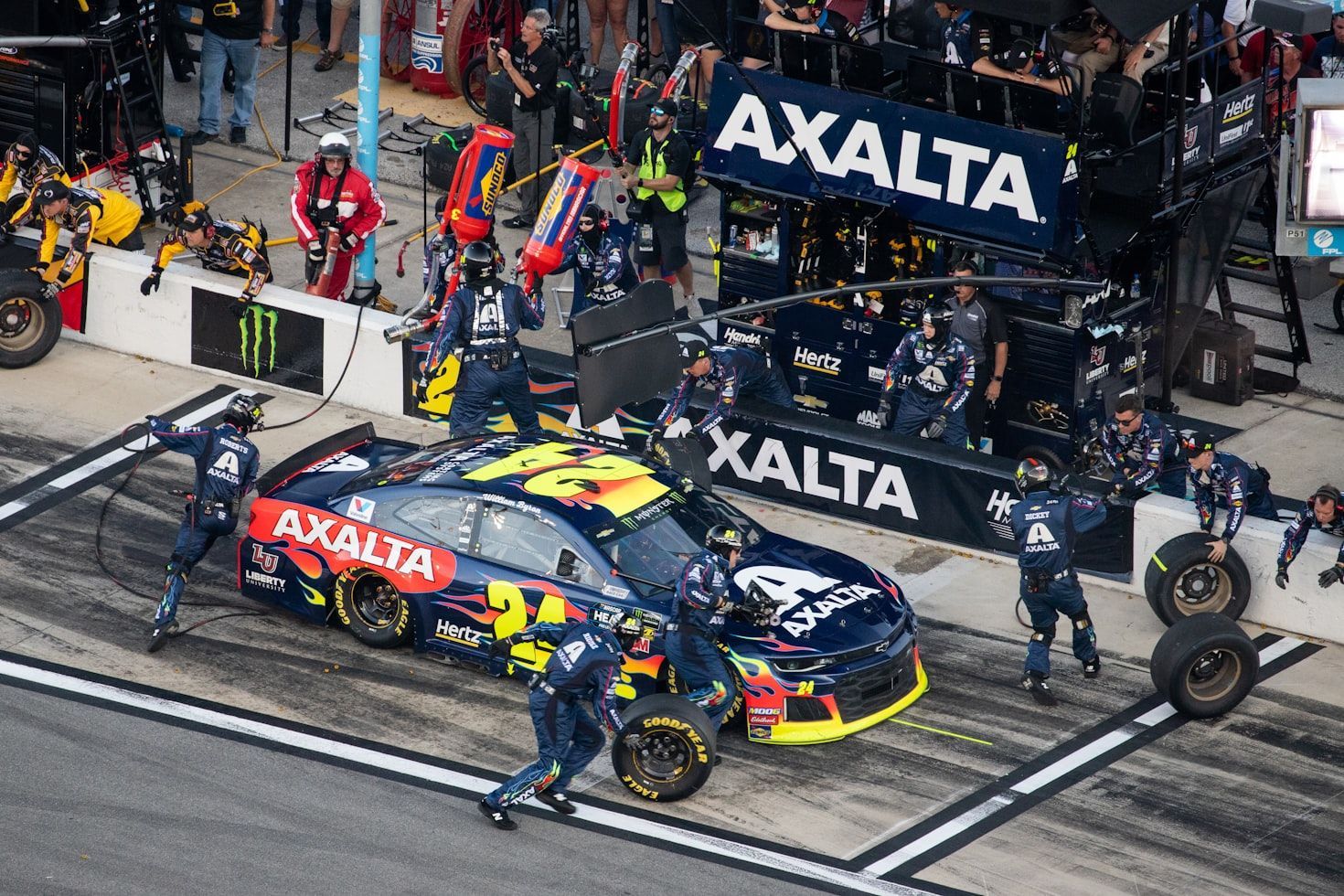
Image: Andrew Roberts

Indiana is home to the Indianapolis Motor Speedway, the world-famous venue for the Indy 500, a race that epitomizes America’s love for speed, engineering, and sportsmanship. Since its inaugural race in 1911, the Indy 500 has been a symbol of innovation and endurance.

These racing events are a key part of the region's identity, attracting hundreds of thousands of spectators annually, both nationally and internationally. Interestingly, the Indianapolis Motor Speedway is also one of the largest sports venues in the world, with a seating capacity of over 250,000.

6
Minnesota: The land of 10,000 lakes
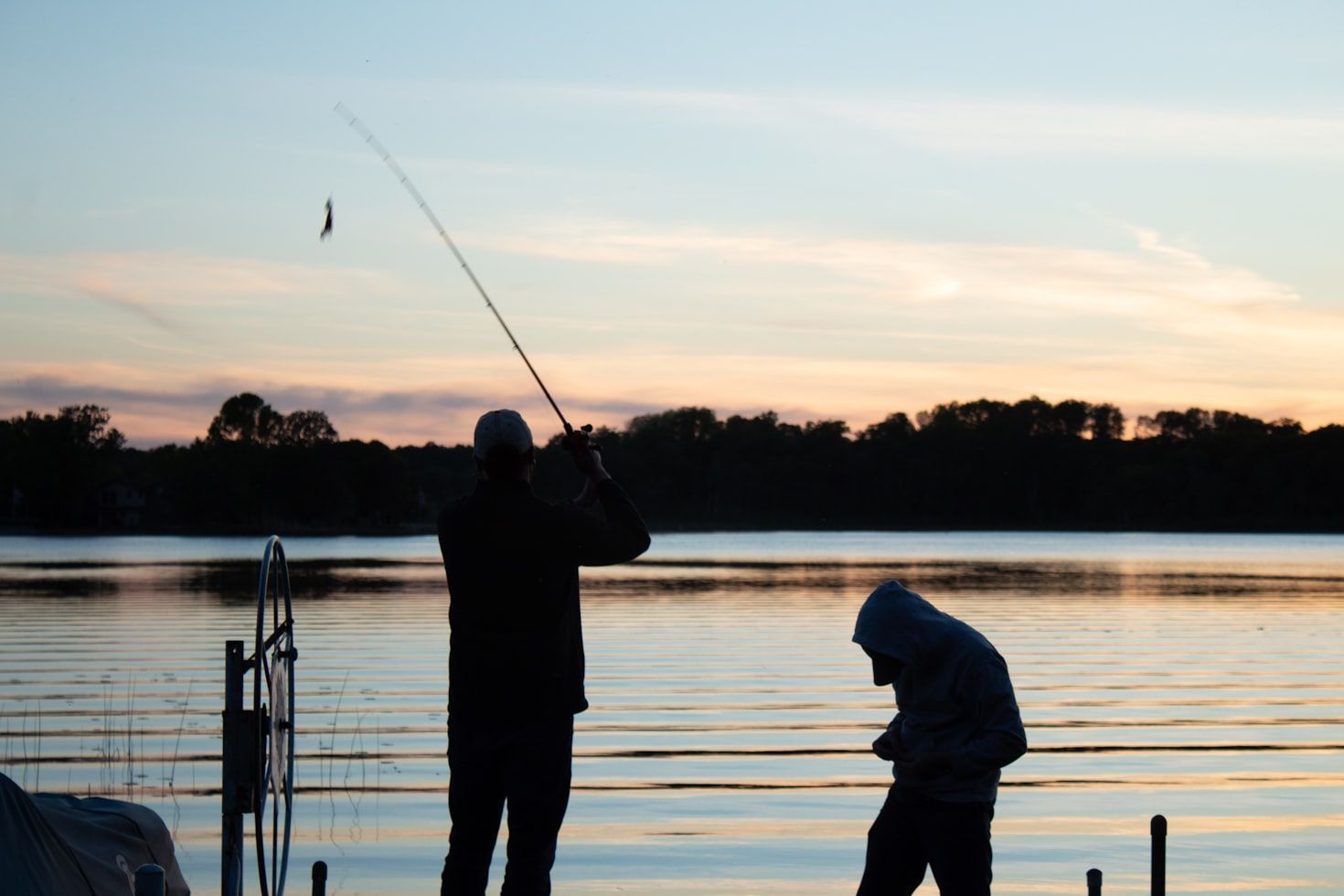
Image: Laura Kessler

Minnesota, known as the "Land of 10,000 Lakes," actually boasts over 11,000 lakes, making it a paradise for outdoor enthusiasts and a cornerstone of America’s biodiversity. The state's unwavering commitment to preserving these natural wonders has made these lakes a vital resource for both native wildlife and tourism.

The Boundary Waters Canoe Area, a wilderness area with over 1,000 pristine lakes, is one of the most visited natural attractions in the United States, drawing nearly 150,000 visitors annually. These lakes also play a crucial role in supporting diverse ecosystems, providing habitats for over 200 species of birds and countless other wildlife.

7
Missouri: The gateway to the West
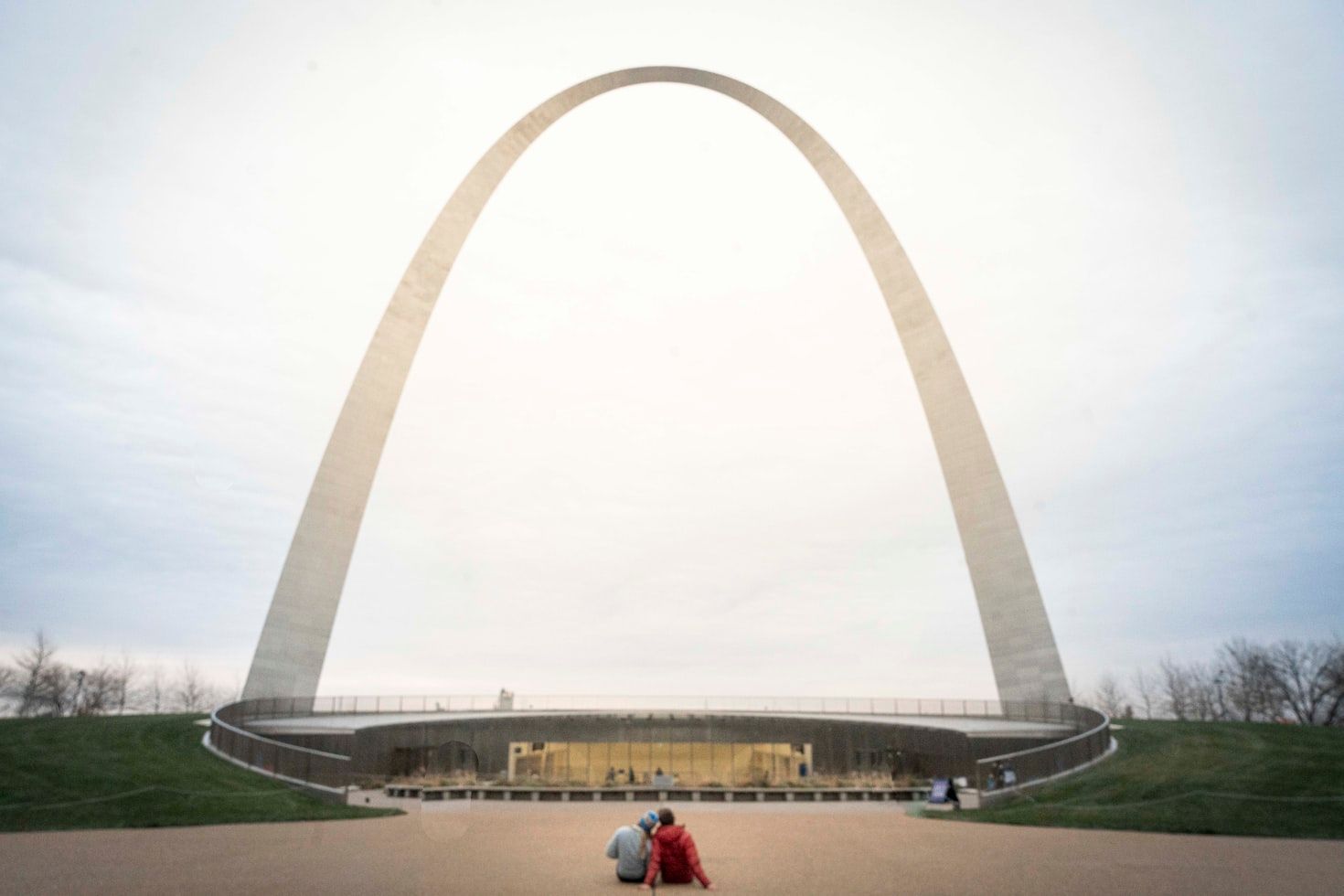
Image: Intricate Explorer

The Gateway Arch in St. Louis, Missouri, stands as a monumental symbol of America’s westward expansion and the pioneering spirit that built the nation. Located at the site of St. Louis's founding in 1764, on the west bank of the Mississippi River, the towering monument was designed by Finnish-American architect Eero Saarinen and completed in 1965.

The 630-foot-tall arch represents the "gateway to the West," honoring the daring pioneers who ventured into the unknown to expand the nation’s borders. The Gateway Arch is also the tallest man-made monument in the United States and is part of the Jefferson National Expansion Memorial, which commemorates not only the pioneers but also the Louisiana Purchase—a key moment in America's territorial expansion.

8
Kansas: America’s breadbasket
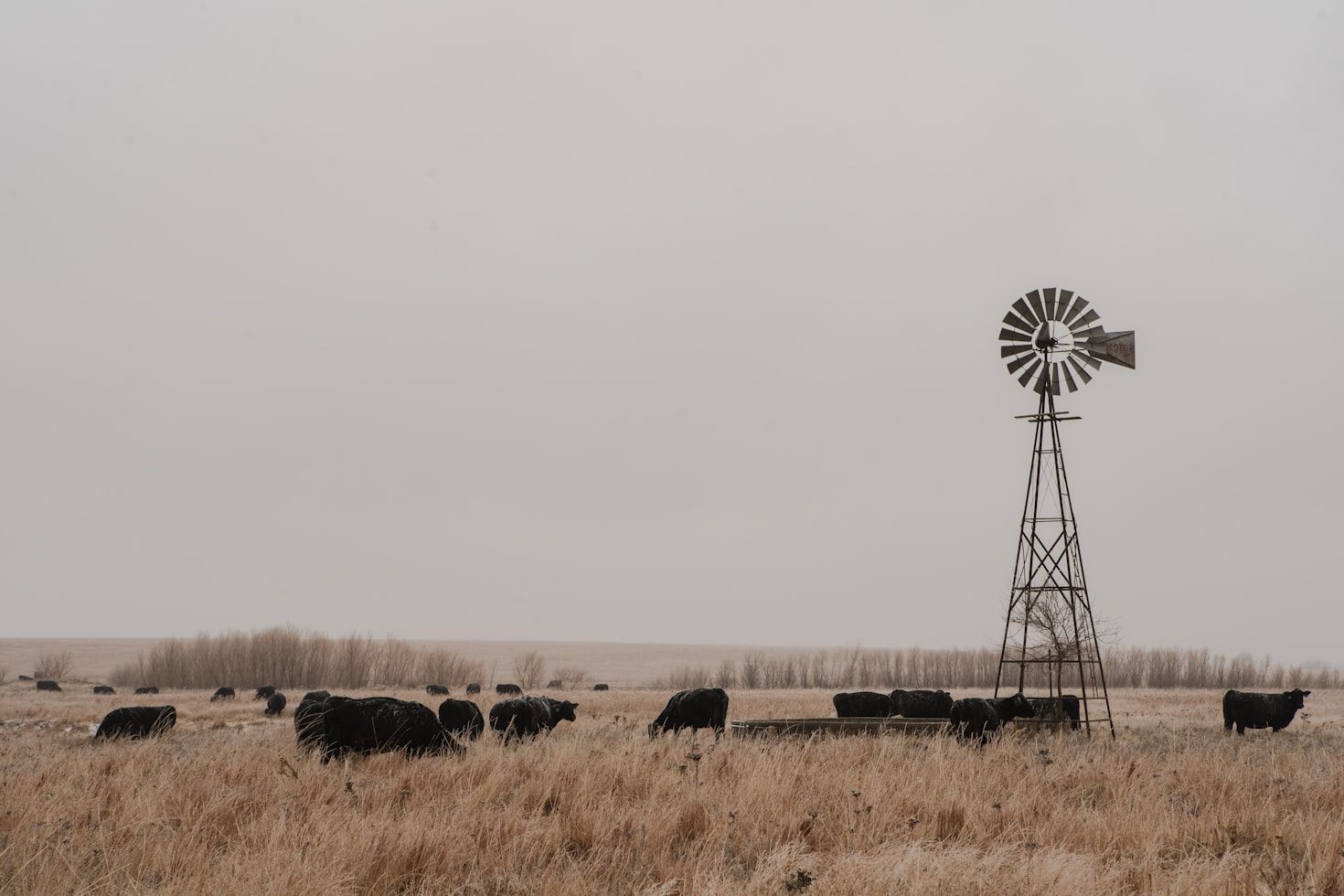
Image: Josh Redd

Often called the "Breadbasket of America" due to its vast wheat production, Kansas's wheat fields are a cornerstone of American agriculture, feeding millions both in the United States and around the world. With its rich, fertile plains, the state has been a major agricultural hub since the 19th century.

Kansas consistently ranks among the top wheat-producing states in the country, contributing approximately 15% of the total U.S. wheat supply. Other leading crops include alfalfa, hay, oats, barley, and corn. This significant output supports not only domestic food production but also exports to international markets, making Kansas a key player in global food security.

9
Iowa: First-in-the-Nation Caucuses
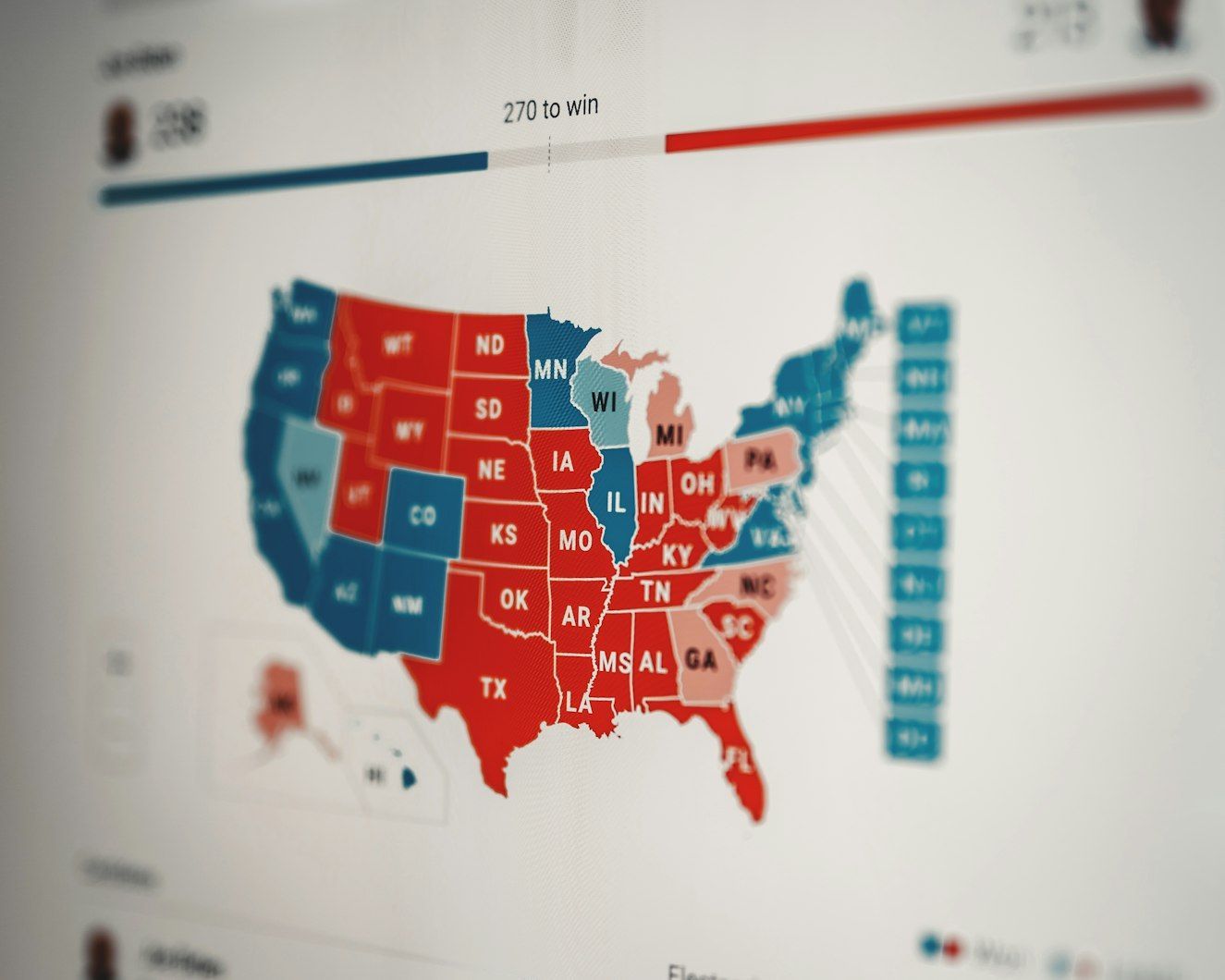
Image: Clay Banks

The Iowa caucuses have been the starting point for presidential campaigns since 1972, often setting the tone for the national race. This unique role gives Iowa outsized influence in American politics, as candidates focus their early efforts on winning over the state’s voters.

Although caucus-goers may not fully represent the nation’s overall demographics, the Iowa caucuses are still seen as a strong indicator of a candidate’s potential performance in subsequent contests. Candidates who perform poorly in the Iowa caucuses frequently drop out in the following days.

10
South Dakota: Mount Rushmore
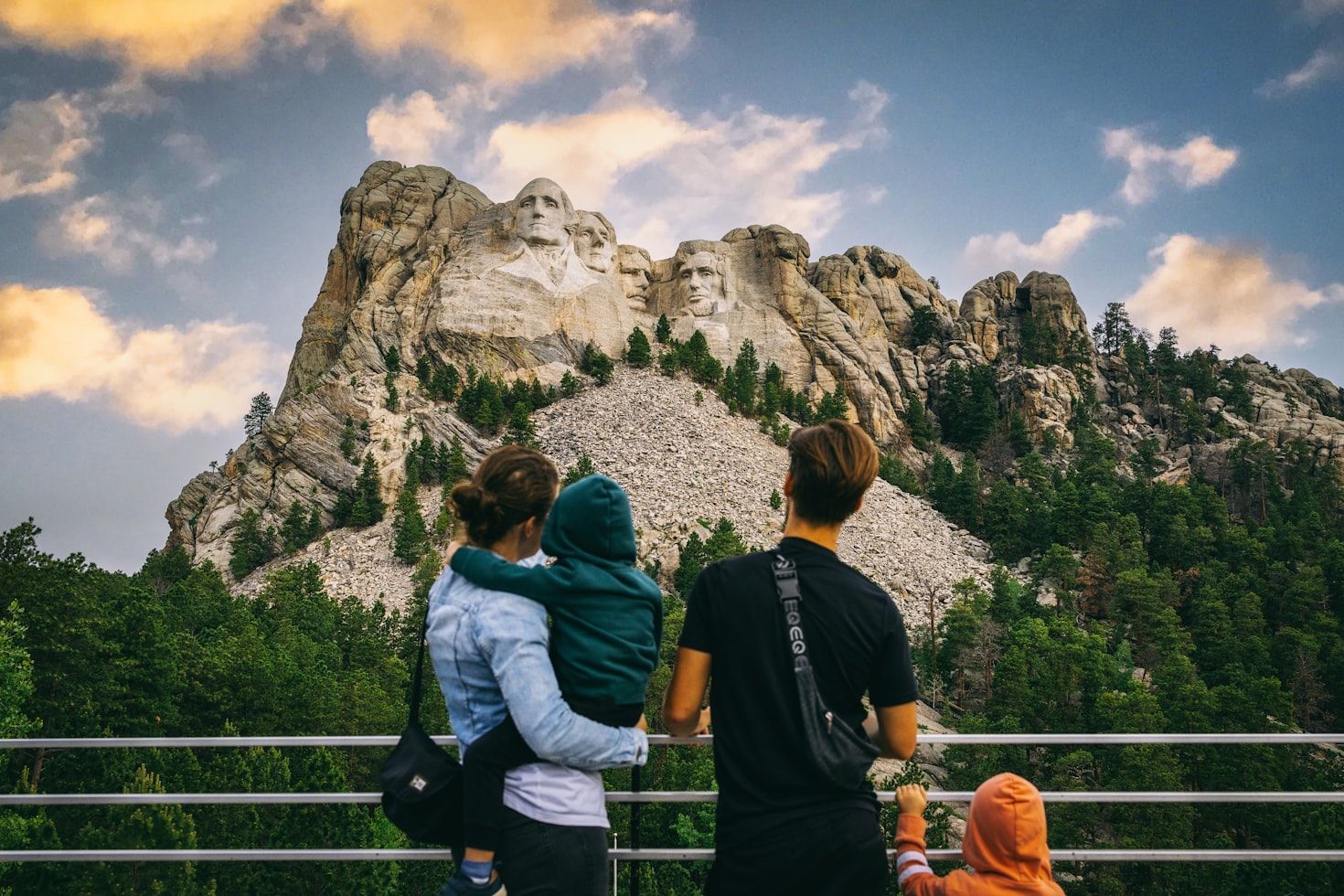
Image: Nils Huenerfuerst

Mount Rushmore, located in South Dakota, is one of the most iconic symbols of American history, featuring the carved faces of four U.S. presidents. Completed in 1941, Mount Rushmore celebrates the leadership and vision of Presidents George Washington, Thomas Jefferson, Theodore Roosevelt, and Abraham Lincoln.

This monumental sculpture represents the nation’s ideals and the enduring legacy of its leaders. Carved into the Black Hills, the granite faces on Mount Rushmore each measure about 60 feet tall. No wonder the entire project took 14 years to complete! Nowadays, the site attracts over 2 million visitors annually, making it a central landmark in American cultural heritage.
Geography Geography 4 min read

Paying homage to fauna

Why is Buffalo, NY, named like that?

Image: Magda Ehlers

The American landscape is dotted with places named after creatures, great and small. Sometimes these names were a nod to nature, and other times a big misunderstanding. Today, such names remain in slogans and memorabilia around the city, even in places where residents have never seen, say, a White Salmon. So let’s take a cross-country trip through the places where the beasts live on, even if only in bronze statues and welcome signs.

1
Antelope Canyon, Arizona

Image: Paul IJsendoorn

Technically, pronghorns are not true antelopes , but try telling that to early settlers. This stunning slot canyon was named in their honor.

Winding through the Navajo Nation in northern Arizona, its entrance was once grazed by herds of pronghorns gracefully navigating the red rock terrain. Although the original inhabitants have mostly been scared away, the beautiful landscape remains.

2
Buffalo, New York

Image: Pixabay

Despite the name, no actual buffalo roam here—only football fans in snow boots. There are several theories about the origin of the name: some say it comes from the French beau fleuve ("beautiful river"), while others insist early settlers mistook bison sightings for true buffalo .

Either way, the city still honors the animal’s spirit through bronze statues, sports teams, and, of course, Buffalo wings.

3
White Salmon, Washington

Image: Drew Farwell

White Salmon, Washington. This charming town above the Columbia River Gorge got its name from an unusual fish tale. In 1805, Lewis and Clark spotted pale-colored Chinook salmon swimming upstream and named the White Salmon River, which later lent its name to the town.

The white salmon themselves are rare spring sightings, but the name stuck, like a good fishing story.

4
Mammoth Cave, Kentucky

Image: Jonathan Cooper

No, they didn’t find woolly mammoth bones here. The name "Mammoth" refers to the size , not the species, of this mind-bending cave system. With over 400 miles explored, this south-central Kentucky cave is the largest known cave system on Earth.

5
Eagle River, Alaska & Wisconsin

Image: Greg Johnson

Two towns, one majestic bird , and a very straightforward name. In Alaska, Eagle River sits just outside Anchorage, where bald eagles actually soar overhead—and sometimes steal a salmon right out of your hands.

In Wisconsin, Eagle River offers a quieter charm: a hub for lake lovers and snowmobilers who know how often the eagle motif appears on murals, signs, and T-shirts.

6
Wolf Creek Pass, Colorado

Image: Deepak Adhikari

The name alone sounds like it belongs in a Western, and the real place doesn’t disappoint. This high mountain pass in southern Colorado winds its way through the San Juan Mountains, where wolves once prowled the slopes .

Though they’ve long been gone from the area, the name remains, also immortalized in a song by C.W. McCall.

7
Pelican Bay, Florida

Image: J Dean

This coastal enclave near Naples is all palm trees, golf carts, and private beaches, but yes, there are still pelicans.

Big, slightly clumsy, and oddly charming , they’re often seen gliding above the Gulf waters or crash-landing into the surf. The bay itself is a protected estuary, and the birds serve as unofficial greeters.

8
Moose, Wyoming

Image: Danika Perkinson

If you were to walk around the area, you’d understand why this town got its name: actual moose wander here. Just outside Grand Teton National Park, the scenic town of Moose offers ranger stations, cozy lodges, and the occasional 1,200-pound mammal chewing shrubs near the parking lot.

9
Fox River, Illinois & Wisconsin

Image: David Gomez

This river wasn’t named directly after the clever creature, but after the Fox (Meskwaki) Native American tribe . The winding river flows more than 200 miles, passing through Midwest towns, bike trails, and history-rich spots

Today, statues, murals, and local school mascots keep the fox theme alive, although you’re unlikely to spot a red fox along the riverbanks these days.

10
Bear Lake, Utah & Idaho

Image: Megan Nixon

This turquoise lake marks the Utah–Idaho border and was named after, you guessed it, actual bears.

Grizzly and black bears once roamed the surrounding area, though nowadays you’re more likely to spot jet skis than paw prints. Locals call it the "Caribbean of the Rockies," thanks to its unique limestone-rich, electric-blue waters.

11
Cougar, Washington

Image: Leah Huyghe

Cougar, a tiny town in southwestern Washington, gets its name from the sleek mountain lions that once roamed the thick forests nearby. The area is best known for its proximity to Mount St. Helens. A post office called "Cougar" was established there in the early 1900s, and the unincorporated community followed soon after.

12
Coyote, California

Image: Kaylin Pacheco

In what is now Silicon Valley, Coyote was once a standalone ranch town named for the clever canines that run across the hills.

While coyotes still prowl the region—occasionally crashing backyard barbecues—the town itself has been mostly absorbed into San Jose. Still, the name lingers in road signs, local parks, and historic maps.

13
Hawk Mountain, Pennsylvania

Image: Frank Cone

High above the Appalachian ridges of eastern Pennsylvania, Hawk Mountain is a sanctuary. It was transformed into the world’s first refuge for birds of prey in the 1930s.

Today, birdwatchers flock here every fall to witness thousands of hawks, eagles, and falcons gliding overhead. There’s no town—just trails and sky.

General General 3 min read

Presidential possibilities

Can the US President drive? Play a true or false game with us!

Image: Donghun Shin

The president of the United States might hold the most powerful job in the world, but that doesn’t mean they can do whatever they please . From driving cars to opening windows, some of their daily limits are downright surprising. Let’s play a quick "True or False" game and see which presidential privileges are real and which ones belong in the rumor bin.

1
Fact: Presidents can drive

Image: Jessica Furtney

It sounds fun to imagine the president taking the wheel for a spin around town, right? Maybe a quiet drive to clear their head or grab a meal in secret behind the tinted glass. But can they really do that?

2
Answer: False

Image: Rolando Garrido

Presidents haven’t been allowed to drive on public roads since Lyndon B. Johnson, but they can still enjoy a little time behind the wheel inside fenced areas like Camp David or their own ranch. George W. Bush often drove around his property in Texas, with the Secret Service keeping a close watch, of course!

3
Fact: Presidents can’t attend their kids’ plays or games

Image: Philip White

Yes, we know presidential tasks are of utmost importance, but we can all agree family moments matter just as much, even in the White House. So, do you think the president can really attend a school play or a kid’s soccer game?

4
Answer: True

Image: Ludo Poiré

It’s true, they can’t unless it’s under very controlled conditions . Public outings cause too much security chaos, so these events usually happen privately. Some presidential kids even had classrooms right inside the White House so their parents could drop in for a visit without turning it into a national operation.

5
Fact: Presidents can open the windows whenever they want

Image: Da-shika

Opening a window is one of the most innocent acts one can carry out, and surely, after long meetings and speeches, a little fresh air would be nice. Can the president roll down a window in the White House or a car?

6
Answer: False

Image: Gabriele Proietti Mattia

That simple act is off-limits for security reasons , of course. Michelle Obama once said her security team gave her a five-minute "window treat" on a drive to Camp David, and it felt like freedom. The rest of the time, those windows stay shut tight.

7
Fact: Presidents can’t use commercial airlines

Image: Shutr

You know Air Force One is specifically designed for the President, and you also know that every president travels constantly , but can they ever hop on a regular American Airlines flight like the rest of us?

8
Answer: True

Image: avid Lusvardi

They absolutely can’t fly commercial, but they do take plenty of flights on Air Force One and Marine One. These aircraft are packed with communication systems , security measures, and comfort most travelers can only dream about. It’s safe to say they don’t miss boarding lines.

9
Fact: Presidents can use regular gadgets from the store

Image: Azwedo L.LC

Whoever the president is, when they get to the White House, they already have a phone. So, they must be able to use regular phones . Or, for example, a brand-new iPhone or tablet seems harmless enough. Surely the president can pick one up and start scrolling. Do you think this is true or false?

10
Answer: False

Image: Eirik Solheim

Standard devices aren’t secure enough. Presidents use specially modified versions that can’t be hacked. Barack Obama had a limited-access BlackBerry, and Joe Biden’s smartwatch and the Peloton were both customized for safety. Even the leader of the free world has tech limits.

11
Fact: Presidents can block people on social media

Image: Swello

Alright, so a new president is in office, and they get a brand new secure phone. But with millions of online followers, it must be tempting to block a few loud voices . Surely the president has that right.

12
Answer: False

Image: Daniel Romero

Nope. A federal court decided that official social media accounts are public forums , which means blocking users violates the First Amendment. Presidents have to let everyone speak their mind, even if the comments section gets a little rowdy.

Explore more American facts

Choose your favorite category!

General
General

As American as apple pie—the very best America has to offer!

Culture
Culture

Delve into the astounding richness of American lore.

Geography
Geography

Hop in and explore vast and diverse American landscapes.

History
History

Discover the key moments that shaped the United States.