History History 3 min read

Tales of The Rock

Convicts wanted to stay at Alcatraz? Myths and truths about the prison
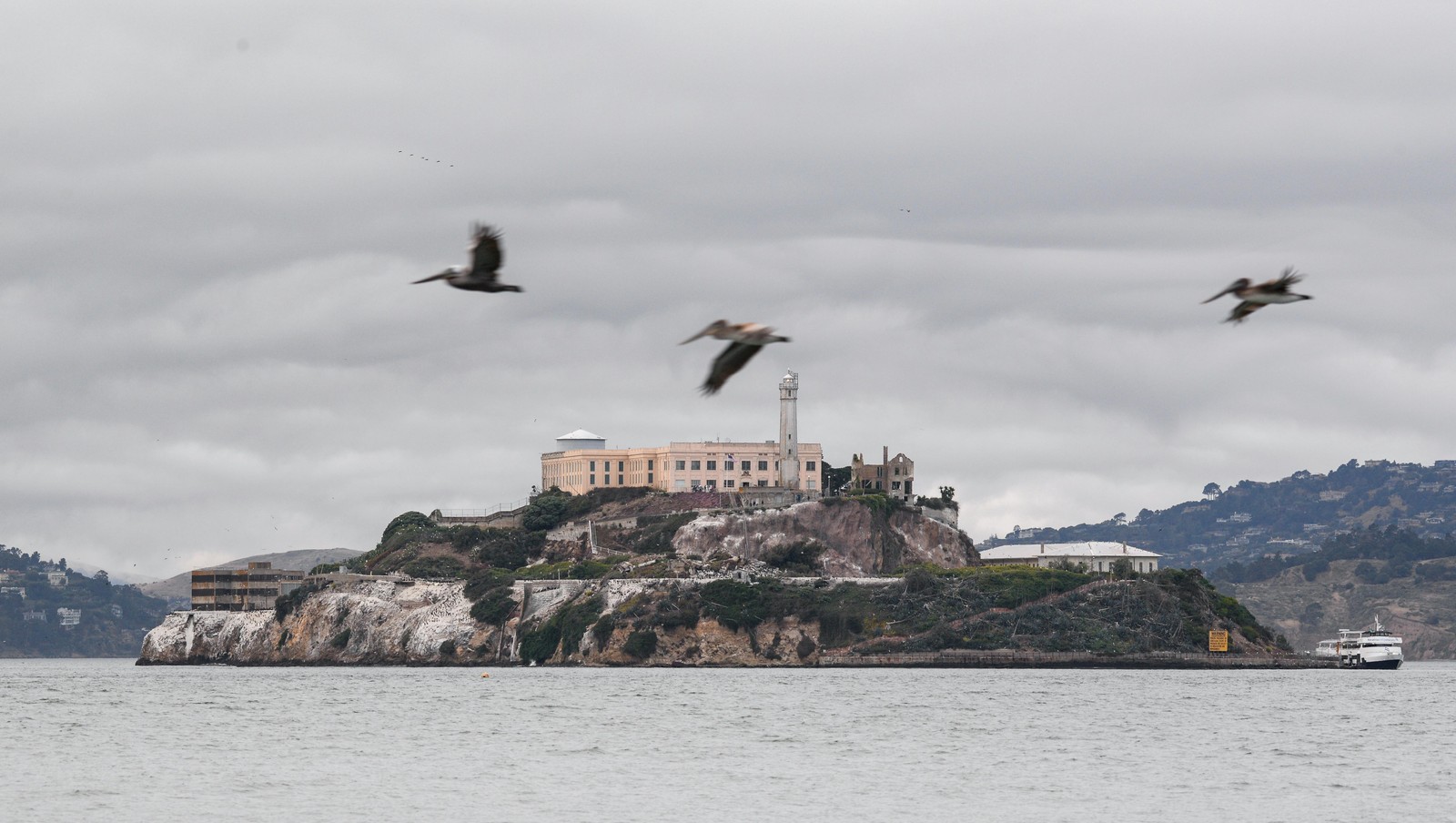
Image: Andrew Patrick Photo

For decades, Alcatraz has been sold as America’s most terrifying prison: an island no one escaped, designed to break the worst criminals alive. But, as it turns out, the true stories are stranger and far more interesting. Behind the barbed wire were hot meals, music floating across the bay, children riding bikes, and inmates who actually asked to stay. Read on to learn more historical details about the prison !

1
"No one ever escaped alive"
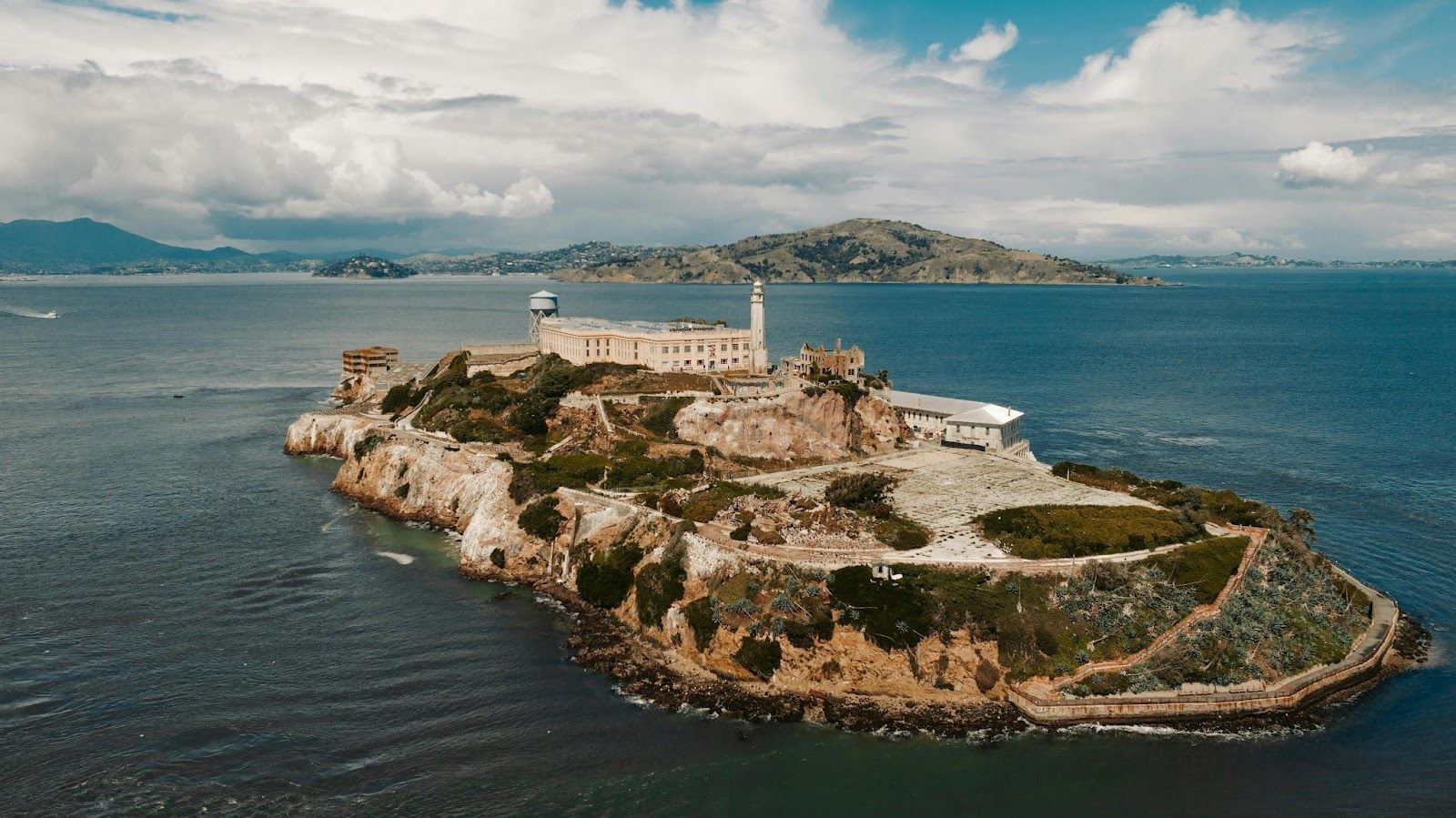
Image: Kelly

Alcatraz loved to sell itself as inescapable. According to official records, no inmate ever made it off the island alive . But the fine print matters…

Five men were not listed as dead, only as "missing and presumed drowned." No bodies were ever recovered… But, considering the cold, fast-moving waters of San Francisco Bay, drowning was a plausible explanation.

2
A 1962 escape still haunts the FBI
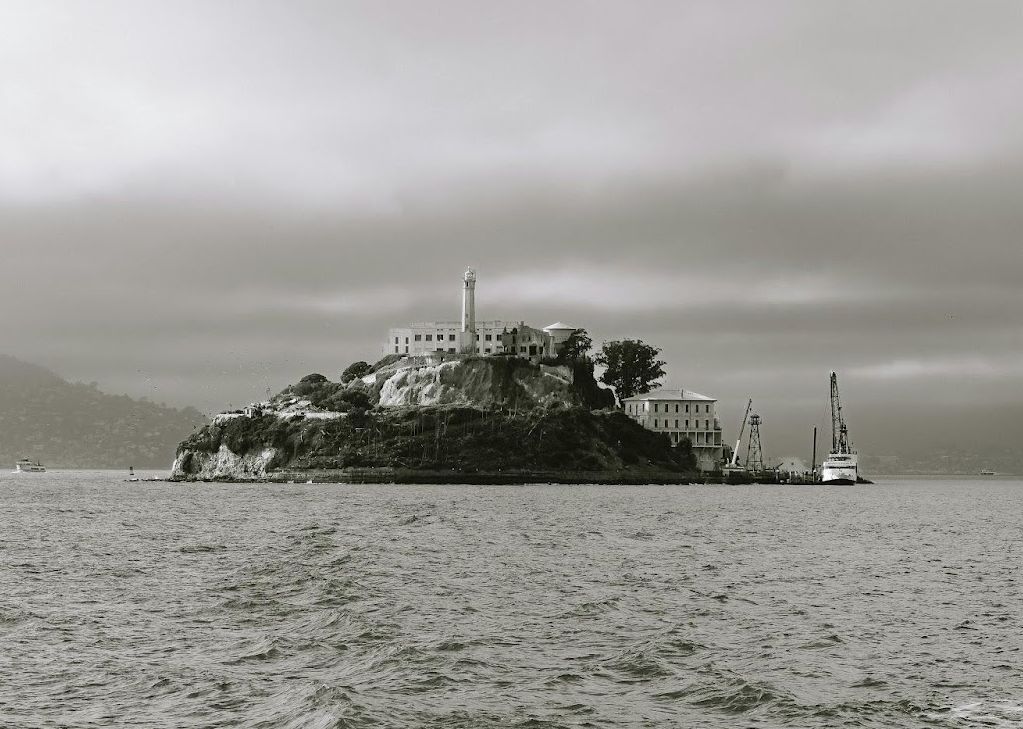
Image: Line Knipst

For example, there’s this one story. In June 1962, Frank Morris and brothers John and Clarence Anglin vanished from their cells. They left behind dummy heads made of soap, toothpaste, and toilet paper . Using spoons, they had widened ventilation holes and built a raft from raincoats.

The FBI closed the case in 1979, concluding they drowned. But decades later, new evidence and family testimony reopened the question: What if they didn’t? No bodies were ever found.

3
It was not the harshest prison in America

Image: Klemens Köpfle

Despite its fearsome reputation, Alcatraz was not physically brutal by prison standards of the 1930s. Inmates had single cells, decent sanitation, and regular hot meals, which was not common at the time. In fact, after transfers to other prisons, some inmates requested to return.

4
Prisoners ate shockingly well

Image: Grant Durr

Alcatraz did not believe in hunger as punishment. As mentioned, inmates were served hot breakfasts, fresh bread, meat, and even desserts. The logic was simple: well-fed prisoners were calmer prisoners.

During the Great Depression, some inmates ate better on the Rock than they had on the outside.

5
Al Capone was just another prisoner
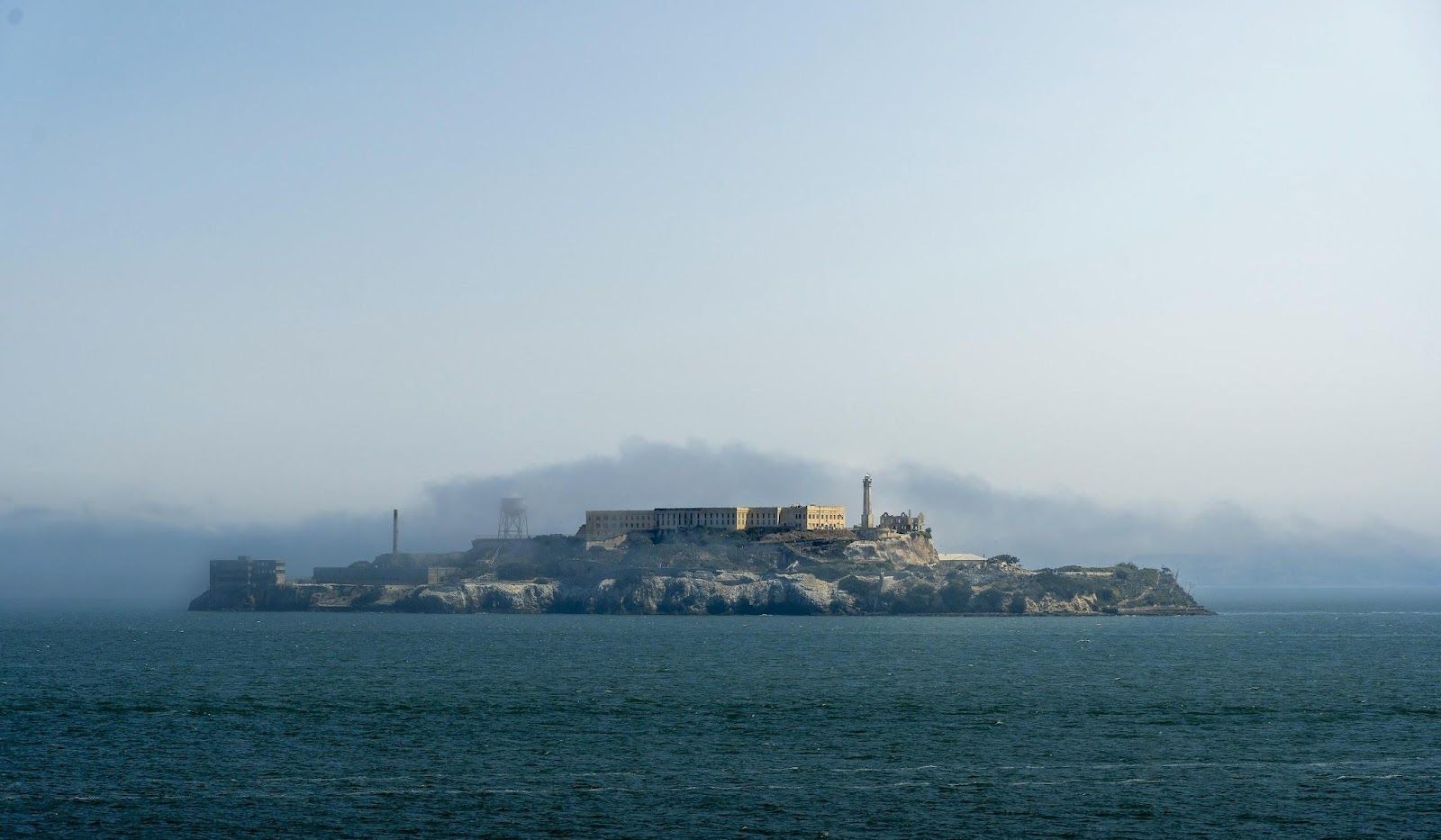
Image: Sindre Fjerdingby

Al Capone might have arrived at Alcatraz expecting influence, but he found none there. Stripped of his power, he became inmate number 85, assigned to cleaning duty.

He received no special treatment and no protection from other inmates. His mob connections meant nothing behind those walls. All of this proves that Alcatraz was designed to erase reputations.

6
There was music
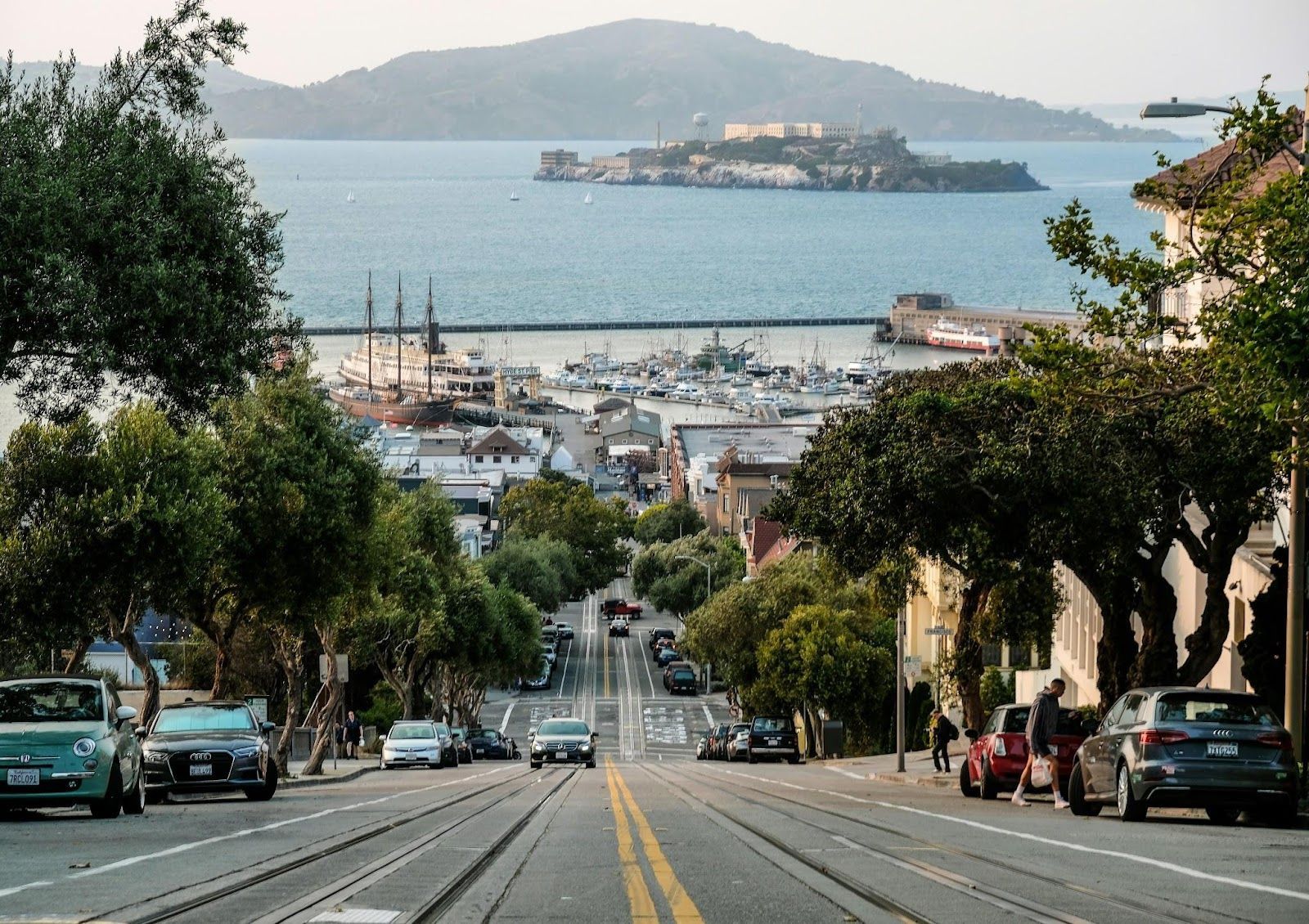
Image: Clément Falize

Did you know that Alcatraz had music? Inmates were allowed instruments , and a small prison band rehearsed regularly. There are records of even Al Capone participating in its band.

Legend has it that on quiet evenings, the sound carried across the water to San Francisco. But that may be only local lore.

7
"The Hole" was a real nightmare

Image: Vanessa Werder

Solitary confinement at Alcatraz was called D Block, but inmates knew it as "the Hole." Prisoners were kept in near darkness and silence for days or weeks.

There, meals were restricted, sometimes to bread and water. Inmates came to fear the Hole, as it meant no talking, no reading, no escape from your thoughts, and no sense of time.

8
Nearby sharks were not a threat
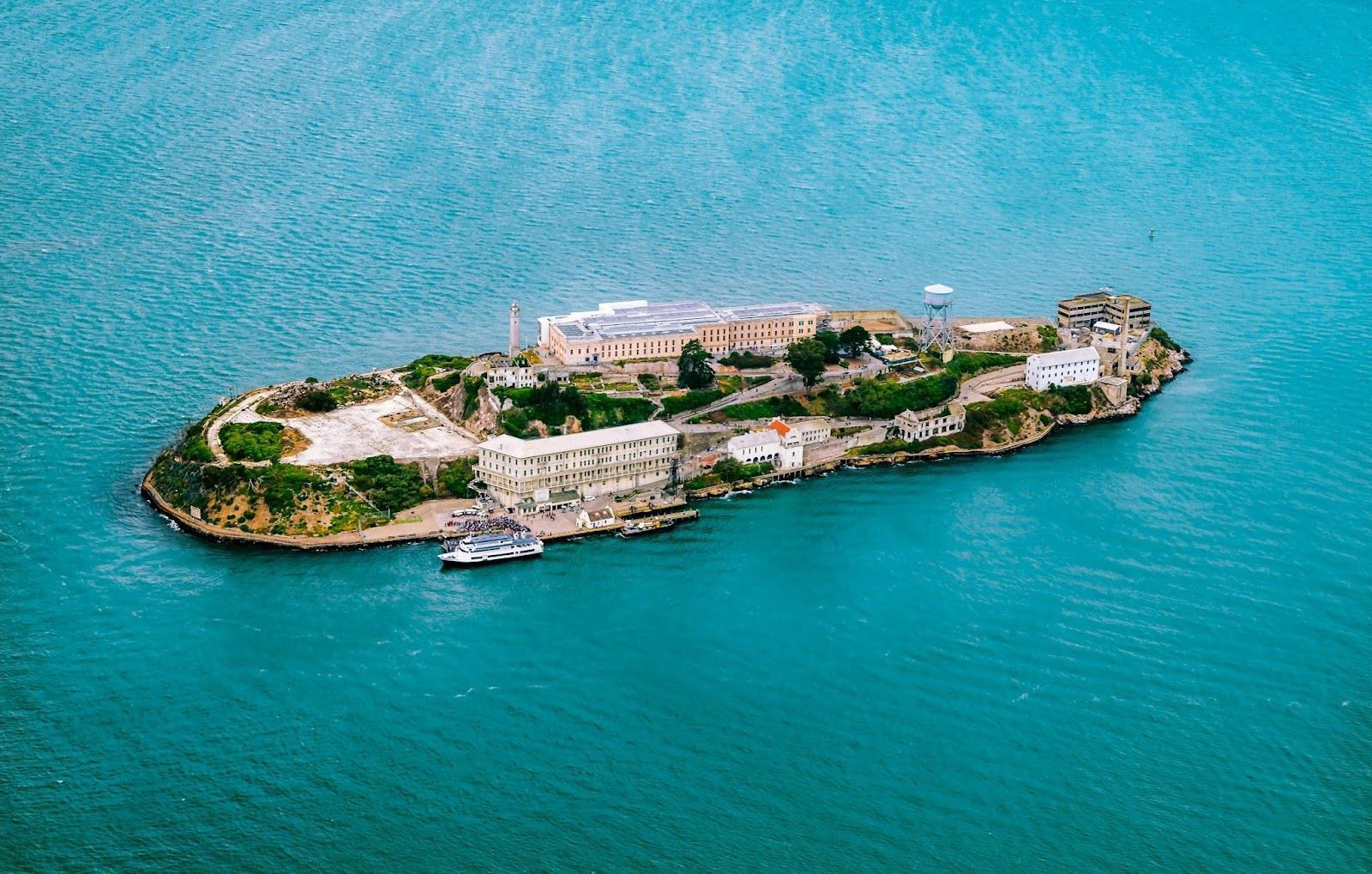
Image: Rodrigo Soares

Hollywood seems to love the idea of man-eating sharks circling Alcatraz. But, in reality, the bay’s sharks are small and harmless to humans.

What truly made escape deadly was the near-freezing water and violent tidal currents . Temperatures could drop below 55°F, which would cause rapid muscle failure.

9
Not all inmates were America’s worst criminals
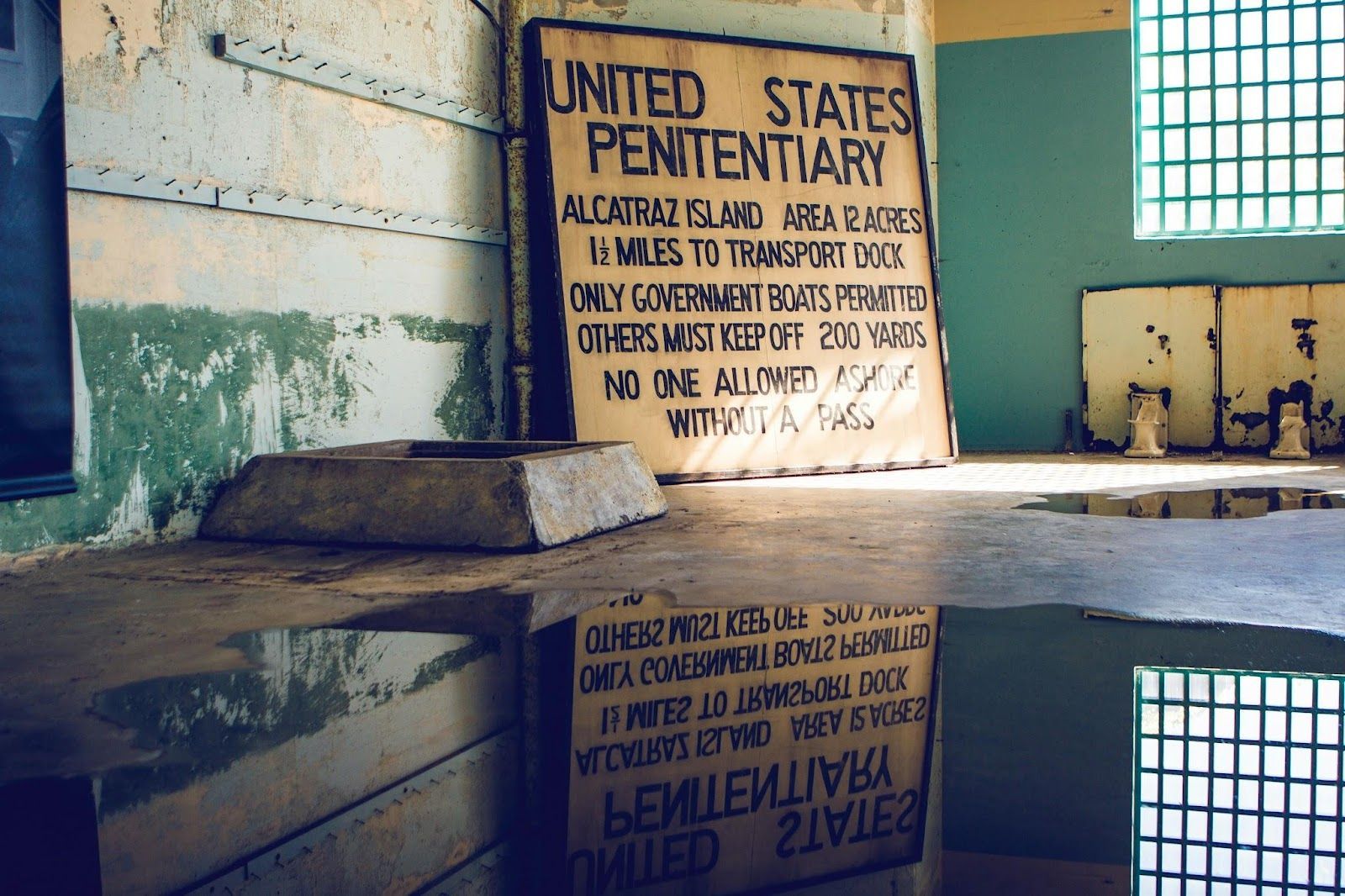
Image: Rita Morais

Alcatraz housed famous gangsters, but many inmates were sent there for different reasons. Some were transferred simply for disciplinary issues, breaking rules, or attempting escape elsewhere.

The figure of the island was a control tool, not just a punishment for violent crime. The threat of being sent to the island seemed to keep other prisons in line.

10
Families lived next to the cells
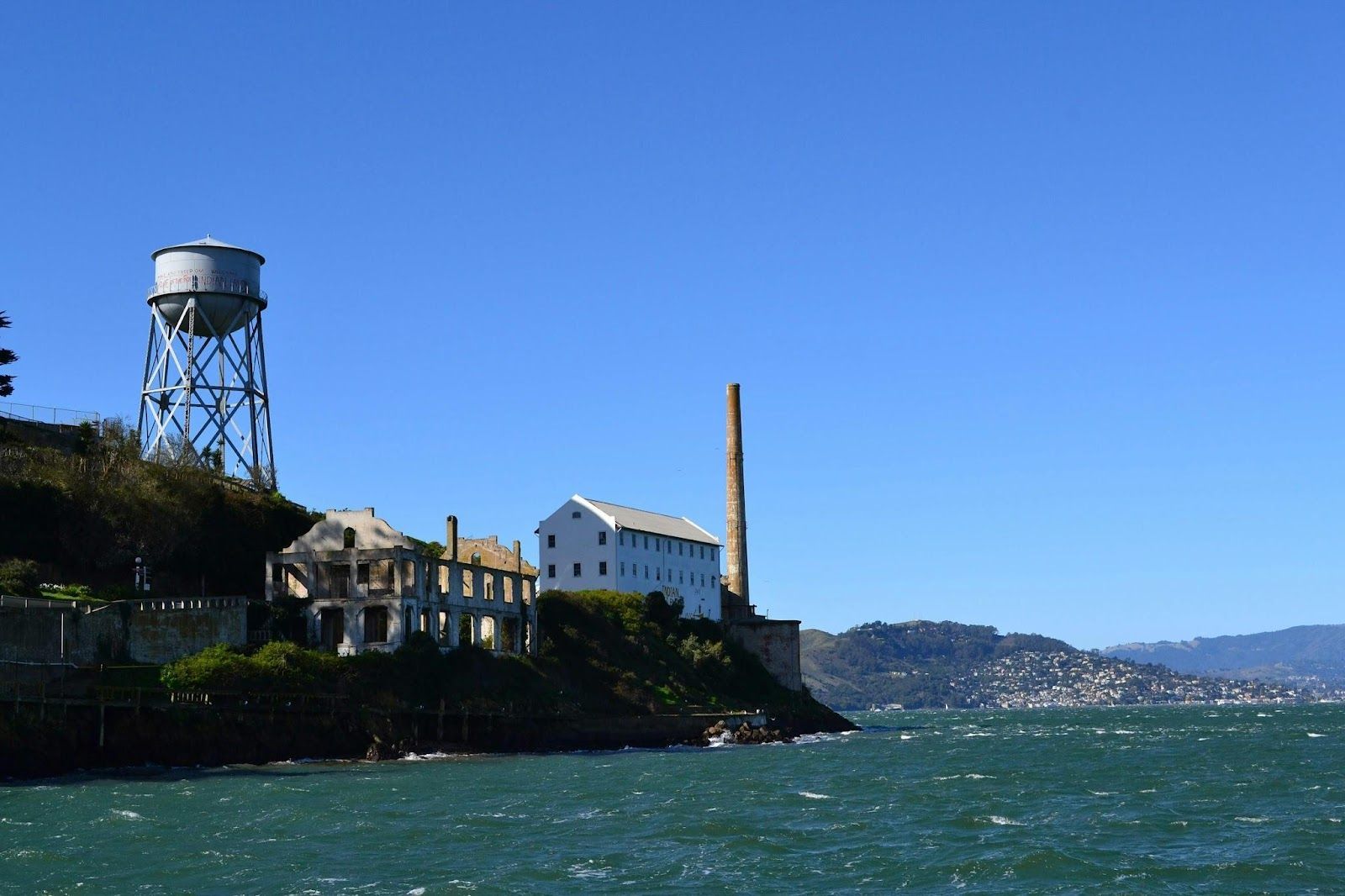
Image: Liberty Jay

Guards lived on the island with their wives and children . So, you could say that Alcatraz was a whole neighborhood. Kids played baseball, rode bikes, and attended school by ferry.

There were birthday parties and movie nights, because normal life unfolded just steps away from locked cells.

11
Alcatraz closed because it was too expensive
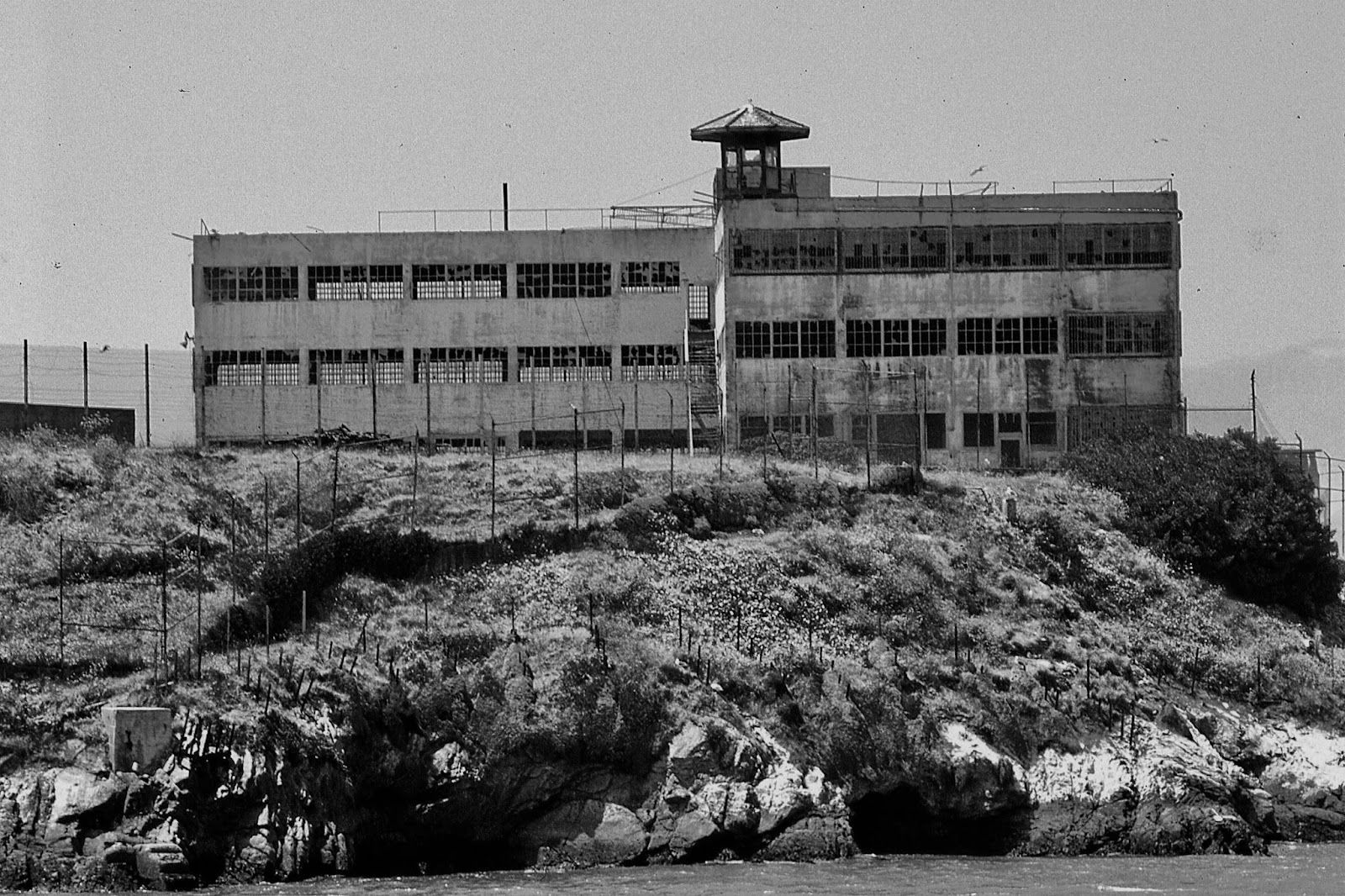
Image: Malcolm Hill

The prison shut down in 1963 because it was financially unsustainable . Everything from fresh water to fuel had to be shipped by boat. Plus, salt air corroded buildings constantly, driving maintenance costs sky-high.


History History 4 min read

Side hustles

Whiskey, Hollywood, and Grammys? Unexpected jobs of former presidents!

Image: The Cleveland Museum of Art

Picture this: You have just finished your term as President of the United States. It was a tough job to tackle, but you made it. It’s your first day out of office, and you wonder, "What’s next?" A world of possibilities opens up. What is the first thing you would do in that position? These former presidents, from Washington to Bush, went different ways and took up activities most Americans don’t even know about. Let’s take a look at some fascinating second acts of former U.S. presidents.

1
George Washington - The whiskey-making Founding Father

Image: Daniel Vogel

After leading the nation, George Washington stepped into the world of spirits, whiskey spirits, that is! In 1797, his farm manager convinced him to open a distillery at Mount Vernon . Within two years, it became one of the largest in the country, producing nearly 11,000 gallons of whiskey annually.

Here’s a fun fact: Washington didn’t need a marketing team. His whiskey was sold in unmarked barrels to local merchants, and his operation was so successful that it became one of the top money-makers in the area. The best part? You can try it today at the reconstructed distillery!

2
Theodore Roosevelt - Adventurer-in-Chief

Image: Zetong Li

Not one to sit still, Theodore Roosevelt went on an exploration of the Amazon rainforest after leaving office. In 1913, he embarked on a seven-month journey to map an uncharted river . Guess what it’s called today? The Roosevelt River, of course!

The expedition was grueling: he caught malaria, suffered a leg injury, and nearly died. Though he made it back home, his health never fully recovered. Roosevelt’s post-presidency was all about adventure and risks!

3
Thomas Jefferson - The University Founder

Image: Ryan Ledbetter

Thomas Jefferson didn’t just help write the Declaration of Independence; he also founded the University of Virginia . A firm believer in education, he wanted to create a university that emphasized academic freedom and rigorous learning. So, in 1819, ten years after leaving office, he established the University of Virginia, which opened in 1825.

Jefferson personally designed the campus, including its iconic Rotunda, and hand-picked the first professors. He once called the university one of his greatest accomplishments, right up there with drafting the Declaration of Independence.

4
John Quincy Adams - From President to Congressman

Image: Ian Hutchinson

John Quincy Adams didn’t believe in retirement, you know? He didn’t go back for a second term, but instead of stepping away from public service, he returned to Congress, serving in the House of Representatives for nine terms until his death in 1848.

His dedication earned him the nickname "Father of the House." Even in his final moments, he was working: he collapsed on the House floor after casting a vote and died two days later. Well, once a public servant, always a public servant.

5
William Howard Taft - From President to Supreme Court Justice

Image: Adam Michael Szuscik

Most former presidents take a step back from government, but William Howard Taft went in the opposite direction. After serving as the 27th president, he was appointed Chief Justice of the Supreme Court in 1921.

He later admitted that being on the Supreme Court was his true calling, famously stating, "I don’t remember that I ever was president." Taft remains the only person in history to have served in both roles! Talk about an upgrade!

6
Calvin Coolidge - Presidential columnist

Image: AbsolutVision

Some former presidents write memoirs, but Calvin Coolidge took it a step further. From 1930 to 1931, he wrote a nationally syndicated newspaper column titled Thinking Things Over with Calvin Coolidge .

His articles covered a range of topics, from politics to everyday life. As it turns out, running a country gives you plenty to write about!

7
Jimmy Carter - The humanitarian president

Image: Library of Congress

If there’s one president who redefined life after the White House, that is Jimmy Carter. In 1982, he founded the Carter Center , a nonprofit organization focused on democracy, health, and human rights.

He has also spent decades working with Habitat for Humanity, personally helping to build homes for those in need. In 2002, Carter’s humanitarian work earned him the Nobel Peace Prize, making him the only former president to receive the honor for efforts made after leaving office. He once said his post-presidency was "more gratifying" than his time in politics. Only logical, right?

8
Ronald Reagan - A Knight of the Realm

Image: Annie Spratt

Yes, that’s a literal title. Ronald Reagan didn’t take up a new career after leaving office, but he did receive an unexpected knighthood from Queen Elizabeth II. In 1989, just months after stepping down as president, he was made a Knight Grand Cross of the Most Honorable Order of the Bath.

While it’s a prestigious honor, American citizens aren’t allowed to use the title "Sir," so there was no "Sir Ronald" in the works. Reagan wasn’t the only president to receive this honor; Dwight Eisenhower and George H.W. Bush were also knighted.

9
Bill Clinton - Grammy-winning storyteller

Image: Annie Spratt

Bill Clinton has always been a gifted speaker, so it’s no surprise that he won not one, but two Grammy Awards, though they weren’t for playing his famous saxophone. He won Best Spoken Word Album in 2004 and 2005, narrating both a children’s book and his autobiography.

Clinton joins a small but prestigious club of American presidents who have won Grammys, including Barack Obama and Jimmy Carter. His ability to captivate audiences didn’t end with politics; he simply found a new stage.

10
George W. Bush - From the White House to the Art Studio

Image: Yannis Papanastasopoulos

After serving two terms as president, George W. Bush discovered a surprising new passion: painting. How about that? In 2012, he began taking art lessons , and by 2013, his paintings were revealed to the public following an email hack.

Bush embraced his new hobby and has since published several collections, including Portraits of Courage , which features paintings of US military veterans. His artwork has been exhibited in galleries, proving that a president can become an artist, too. While politics was his career, painting has become his personal form of expression.

Geography Geography 4 min read

Blue for miles

Can you guess which states have the longest coastlines? Yes, Alaska's one

Image: Nick Perez

Probably all of us know that Alaska is the state with the longest coastline —featuring a whopping 33,904 miles of water sights , including tidal inlets. But can you name the state with the second-longest coastline, or the third? Let’s explore the 13 states with the longest coastlines and their highlights—you might just decide on a future vacation there!

1
Hawaii (1,052 miles)

Image: Karsten Winegeart

Over 1,052 miles of volcanic islands, a unique blend of black sand beaches, lush rainforests, and vibrant coral reefs await.

Snorkel with sea turtles in Hanauma Bay on Oahu, or learn to surf on the legendary waves of Waikiki Beach. You could also visit the dramatic cliffs of Kauai, featured in film sagas like Jurassic Park and Pirates of the Caribbean.

2
Oregon (1,410 miles)

Image: Dave Hoefler

You might remember seeing Haystack Rock featured in the film The Goonies , or glimpses of the charming town of Astoria , where the classic Free Willy was filmed.

These are just two of the many jewels of Oregon's Pacific coastline. Dramatic sea stacks, hidden coves, and beautiful towns like Cannon Beach also await.

3
New York (2,625 miles)

Image: Tommy Kwak

New York's coastline offers a mix of bustling beaches, charming towns, and iconic landmarks. There’s the famous Coney Island boardwalk , as well as the historic lighthouses and sandy shores of Long Island.

If you’ve seen the romantic drama Eternal Sunshine of the Spotless Mind , surely you’ve felt curious about visiting the remote, nostalgic beaches of Montauk.

4
Washington (3,026 miles)

Image: Jennifer Arlem Molina

Rugged beaches, dramatic cliffs, and waterfront cities line the 3,026 miles of Washington's coastline. You can visit Pike Place Market in Seattle, or take a ferry to the Olympic Peninsula to hike through rainforests and explore tide pools.

The Washington State Ferries system can also take you to the San Juan Islands archipelago, famous for its forest waterfalls and whale-watching tours.

5
Virginia (3,315 miles)

Image: Steve Adams

Virginia ranks among the 10 states with the longest coastlines. Its sandy beaches and wide shores are also home to many historical landmarks .

You can explore Colonial Williamsburg, the Virginia Beach Boardwalk, as well as Mount Vernon by the Potomac River.

6
Texas (3,359 miles)

Image: Thomas Park

On Texas's Gulf Coast, you'll find Padre Island, the longest barrier island in the world , with pristine beaches and a haven for wildlife. There’s also Galveston Island, which blends history and entertainment with its Victorian architecture, museums, and family-friendly attractions like Moody Gardens.

7
North Carolina (3,375 miles)

Image: Joe Dudeck

The iconic Cape Hatteras Lighthouse is just one of the stunning views along North Carolina's Outer Banks. This state is famous for its Outer Banks , a chain of barrier islands with windswept beaches.

A notable attraction is the shipwreck-littered Graveyard of the Atlantic, a stretch of treacherous waters that fascinates many and features its own museum. And we can’t forget the historic Kitty Hawk, where the Wright brothers made their first flight.

8
Michigan (3,288 miles)

Image: John Schaidler

With over 3,000 miles of Great Lakes coastline, Michigan offers some of the most diverse shoreline experiences in the US.

You can explore the Sleeping Bear Dunes National Lakeshore along Lake Michigan, or step back in time on Mackinac Island, known for its Victorian charm and car-free roads . Another gem is the Pictured Rocks National Lakeshore on Lake Superior, with its dramatic cliffs.

9
Maine (3,478 miles)

Image: Rachel C

Maine's rugged coastline is a haven for outdoor enthusiasts, featuring cliffs, picturesque fishing villages, and abundant wildlife.

If you love animals in their natural habitat, you can visit seals and puffins in Bar Harbour. If you like hiking to stunning views, you can visit Acadia National Park and make it to the top of Cadillac Mountain .

10
California (3,427 miles)

Image: Meriç Dağlı

The Golden Coast must be included, of course! California's iconic coastline is a dream for beach lovers. Surfers can catch waves in Huntington Beach, a.k.a. "Surf City USA."

Other must-see spots include the Golden Gate Recreation Area, San Diego’s La Jolla, and, of course, Santa Monica’s colorful and bustling pier and boardwalk .

11
Louisiana (7,721 miles)

Image: Brent Woods

Louisiana's bayous and wetlands make its coastline unique. The Mississippi River Delta is an ecological treasure, home to abundant birdlife and fisheries, while the Atchafalaya Basin boasts the largest wetland and swamp in the US.

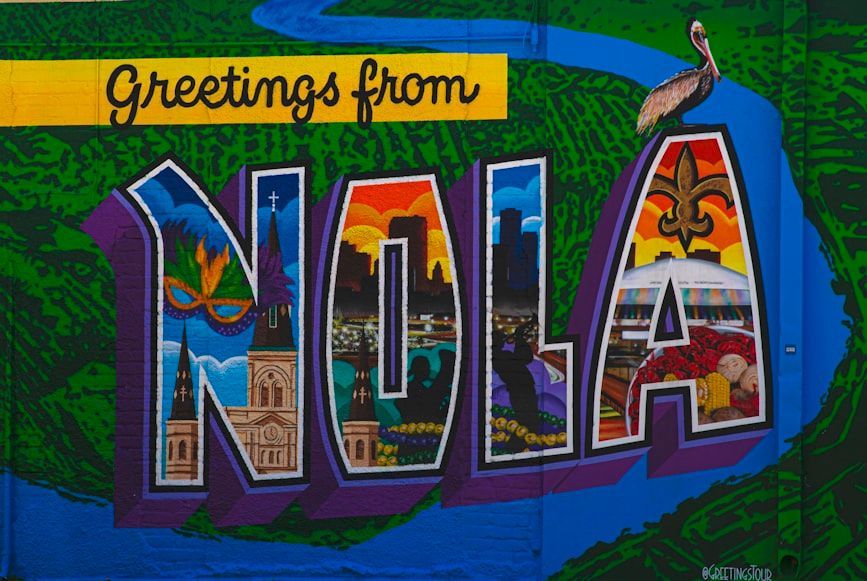
Of course, New Orleans is the cultural heart of this state, where jazz, gumbo, and beignets summon tourists from all over the world.

12
Florida (8,436 miles)

Image: Lance Asper

Florida! Sun-kissed beaches year-round and magnetic turquoise waters make this state’s coastline one of the most visited in the country.

The Florida Keys offer coral reefs perfect for diving, especially in John Pennekamp Coral Reef State Park. One should explore Miami Beach’s Art Deco District, the Everglades that spill into Florida Bay, and of course, the dreamy sights along Key West.

13
Alaska (33,904 miles)

Image: jesse orrico

Finally, with over 33,904 miles of coastline, there’s Alaska—a treasure trove of natural wonders like the ice formations of Glacier Bay National Park and the playful otters of Kenai Fjords National Park.

In Juneau, the state capital, you can witness humpback whales breaching in Auke Bay. So, if you don’t mind the cold or the long journey, you might want to visit and experience the breathtaking scenery!

Explore more American facts

Choose your favorite category!

General
General

As American as apple pie—the very best America has to offer!

Culture
Culture

Delve into the astounding richness of American lore.

Geography
Geography

Hop in and explore vast and diverse American landscapes.

History
History

Discover the key moments that shaped the United States.