General General 3 min read

Legendary names of our land

Did you know all these icons of American folklore?
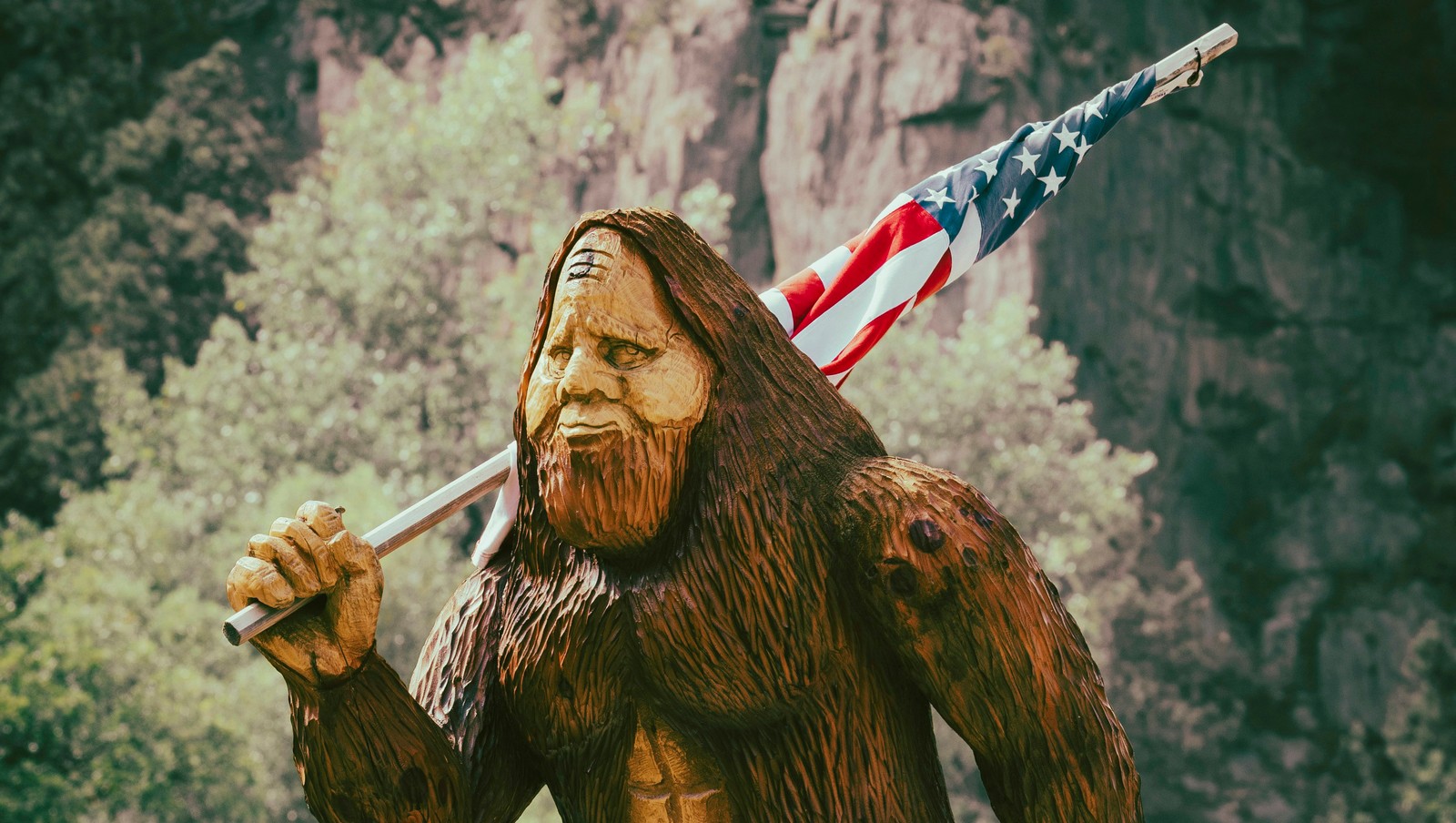
Image: Jon Sailer

America is a land of tall tales, for sure. Legendary figures that date back centuries keep coming up in stories and symbols. Some of them were born from the hardships of frontier life, others from the mysteries of the wilderness. How many of these figures are you acquainted with?

1
Paul Bunyan
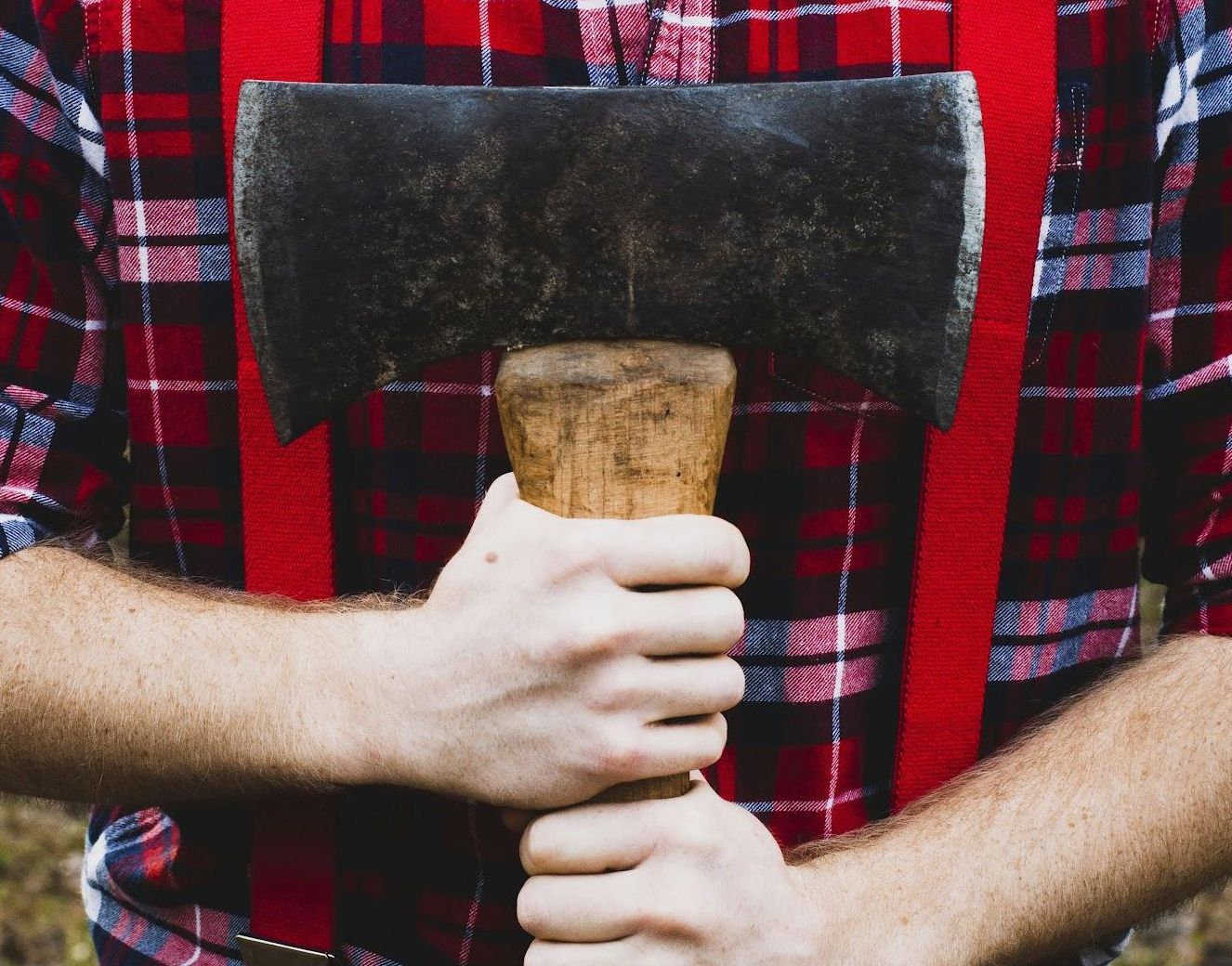
Image: Abby Savage

The giant Northwoods lumberjack and his blue ox, Babe, began as camp lore but became truly national once adman W.B. Laughead used him in Red River Lumber Company pamphlets. Those promotions helped standardize the tall-tale feats , like the myth that he carved all of Minnesota’s lakes with his axe or his footprints.

2
Johnny Appleseed

Image: Bozhin Karaivanov

A real nurseryman turned folk saint, Johnny Appleseed (a.k.a. John Chapman) planted nurseries (not random seeds) on the frontier, selling or leasing saplings to settlers. Because cider drove apple demand, his work fit the era’s foodways and law.

Over time, he was mythologized as a barefoot, pot-hatted wanderer who "greened" the Midwest .

3
Pecos Bill
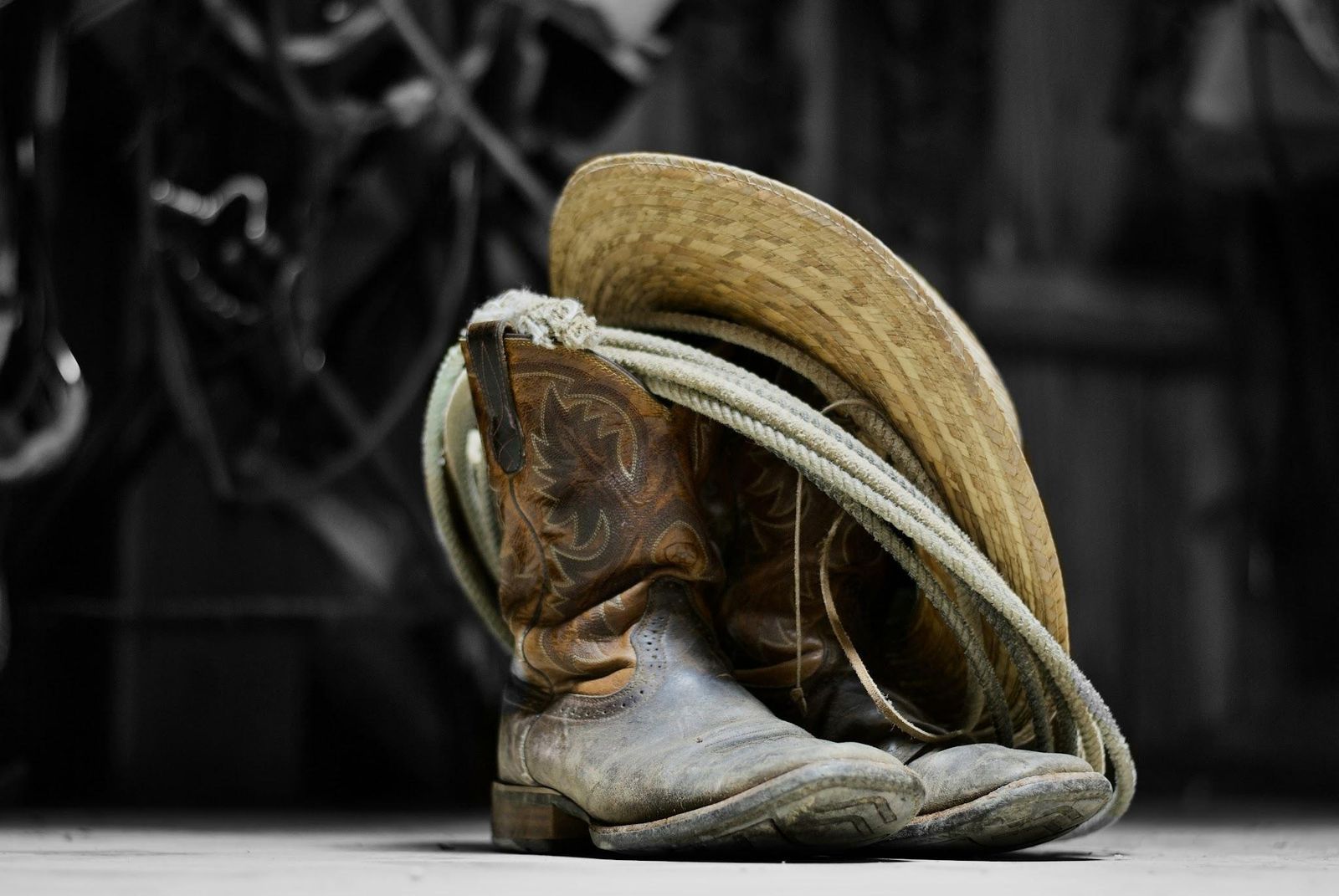
Image: JosephHershMedia

The ultimate cowboy hero who lassoes tornadoes and rides mountain lions . Though set in the mythic West, he’s a 20th-century creation: Edward O’Reilly’s 1917 stories (and later children’s retellings) created his outlandish feats.

4
John Henry
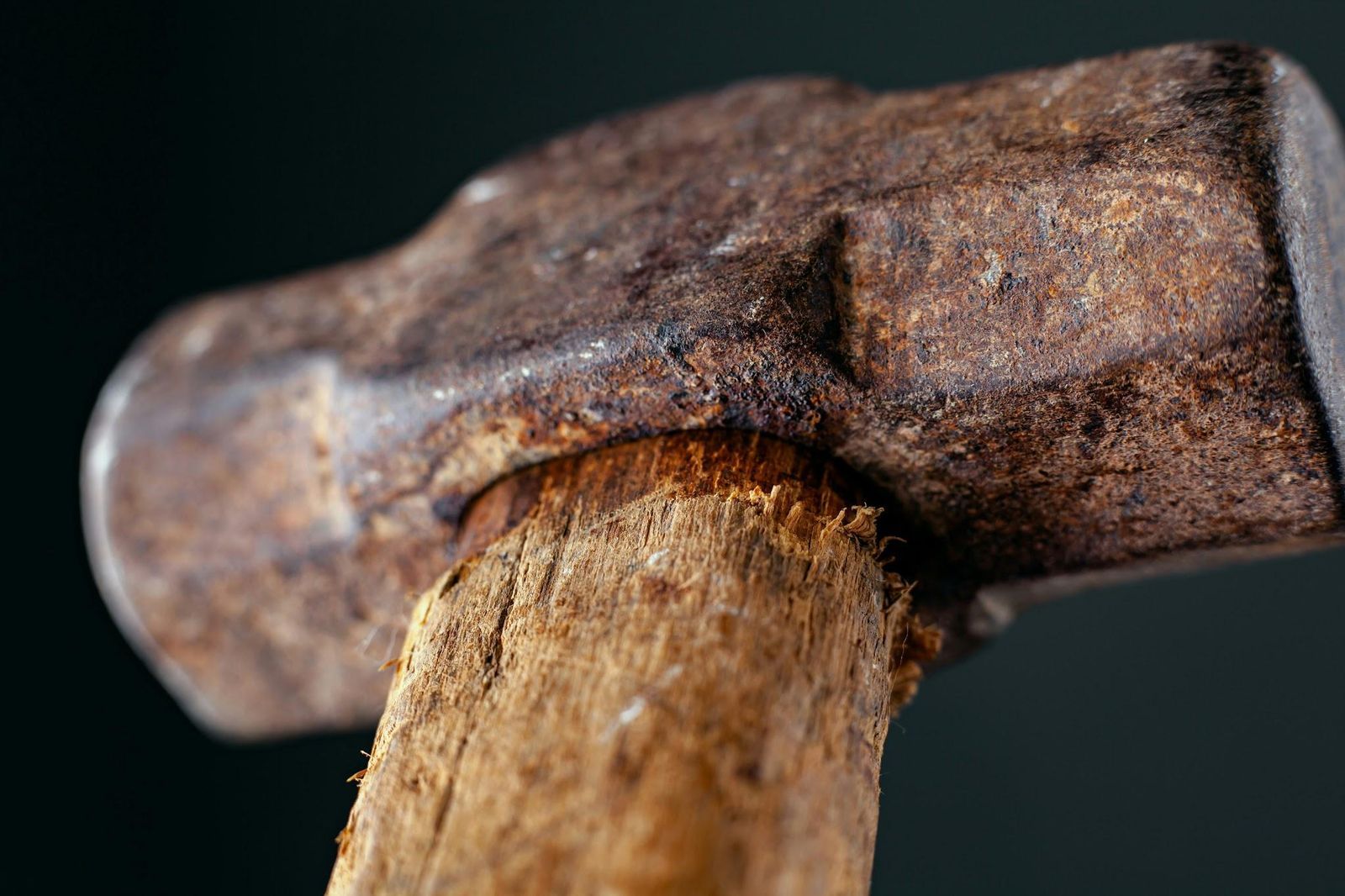
Image: Ian Talmacs

The steel-driving man who raced a steam drill and "died with a hammer in his hand" embodies labor dignity in the machine age. Ballads likely trace to late-19th-century railroad/tunnel work in the South. The story’s core made him a working-class icon and civil rights touchstone.

5
Davy Crockett
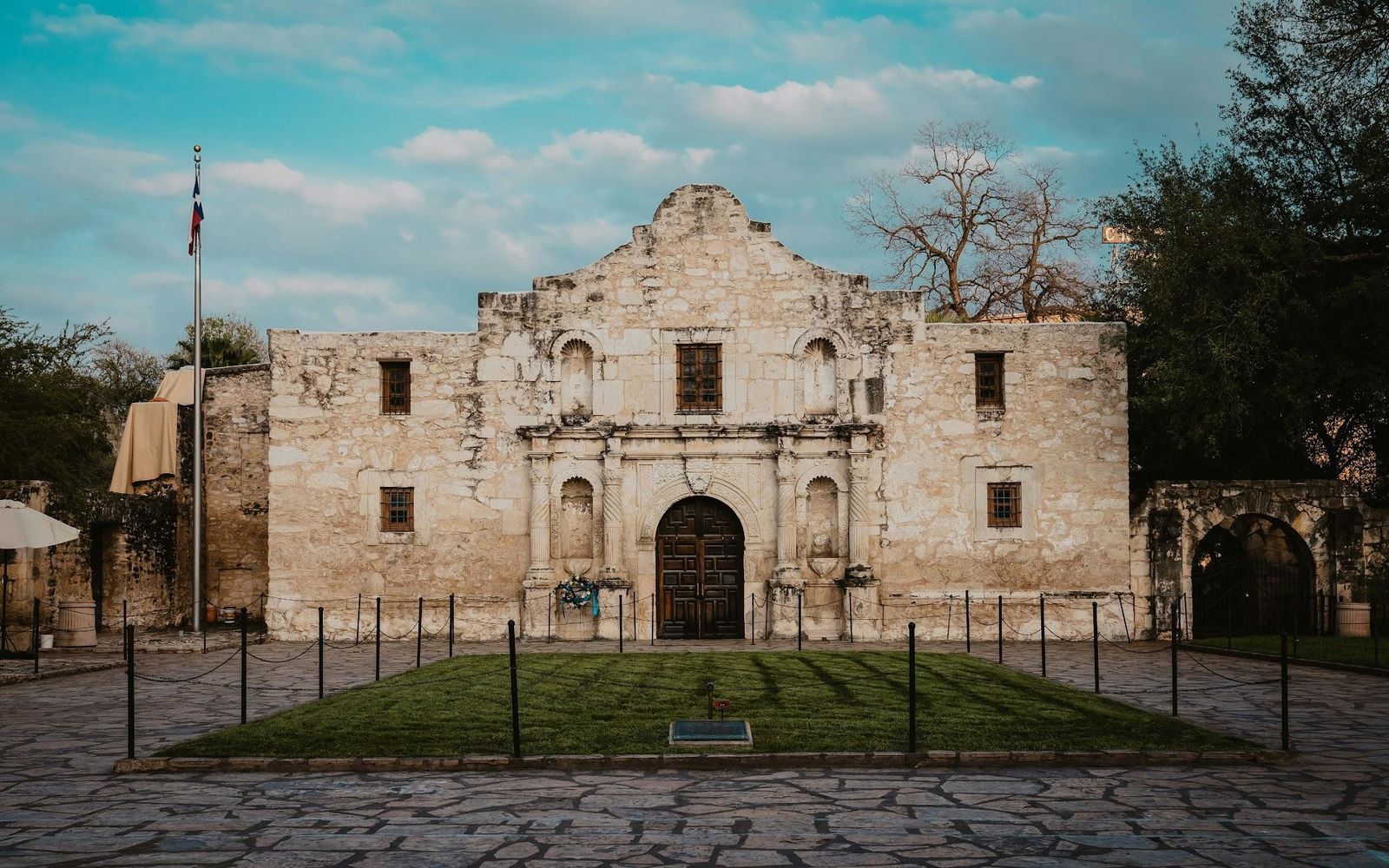
Image: Eric Francis

A real frontiersman and congressman whose image ballooned into legend via 1830s almanacs and later popular culture (most famously Disney’s 1950s series).

Known for the image of the coonskin cap on his head and his bear-wrestling bravado, his death at the Alamo sealed his heroic reputation.

6
Mike Fink
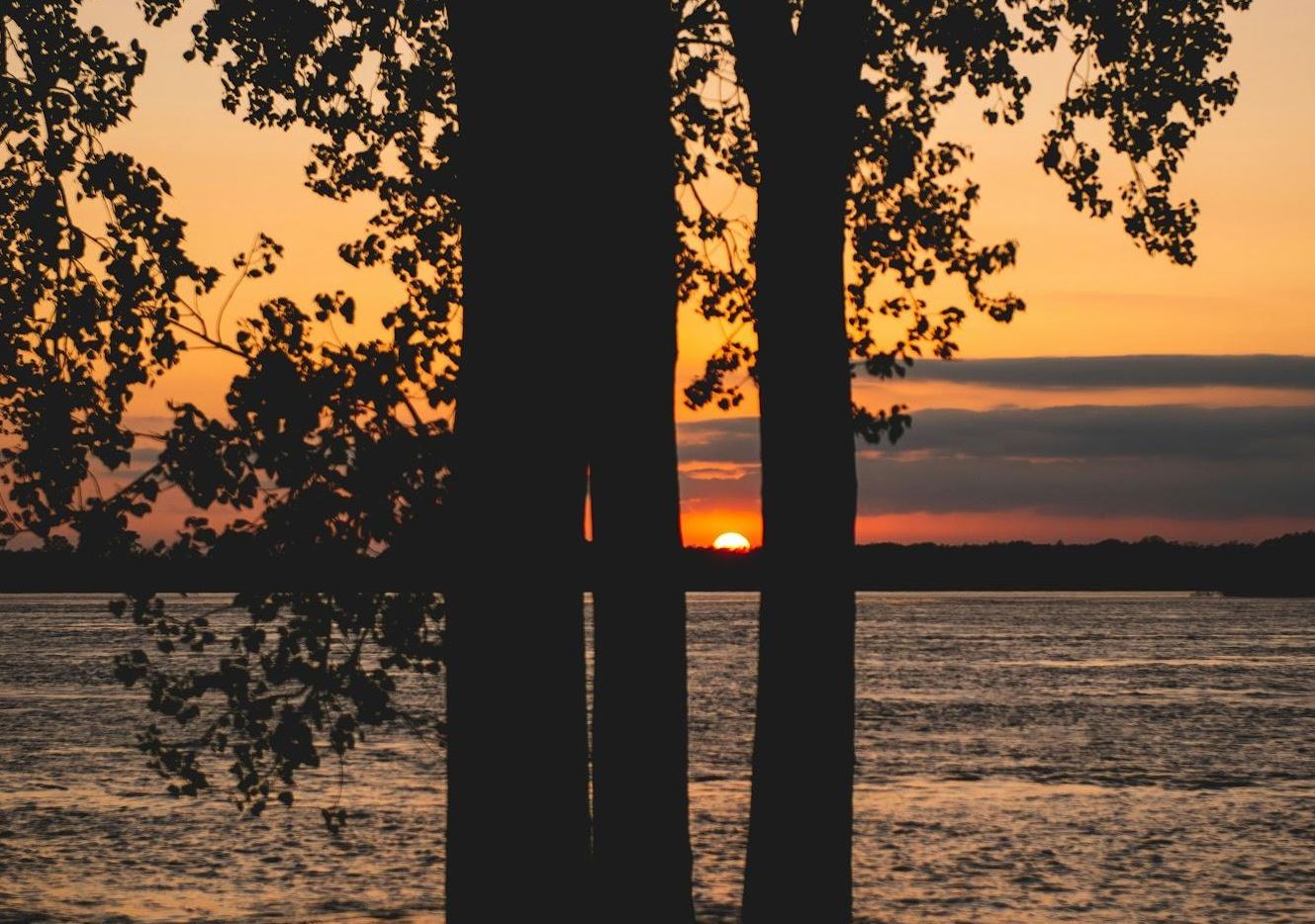
Image: Terrance Raper

The "king of the keelboaters" of Ohio–Mississippi river lore, famed for marksmanship and pranks. A semi-legendary man, he eventually made it into folktales and later print stories. They all fixed him as the wild spirit of the river trade before steamboats took over.

7
Molly Pitcher
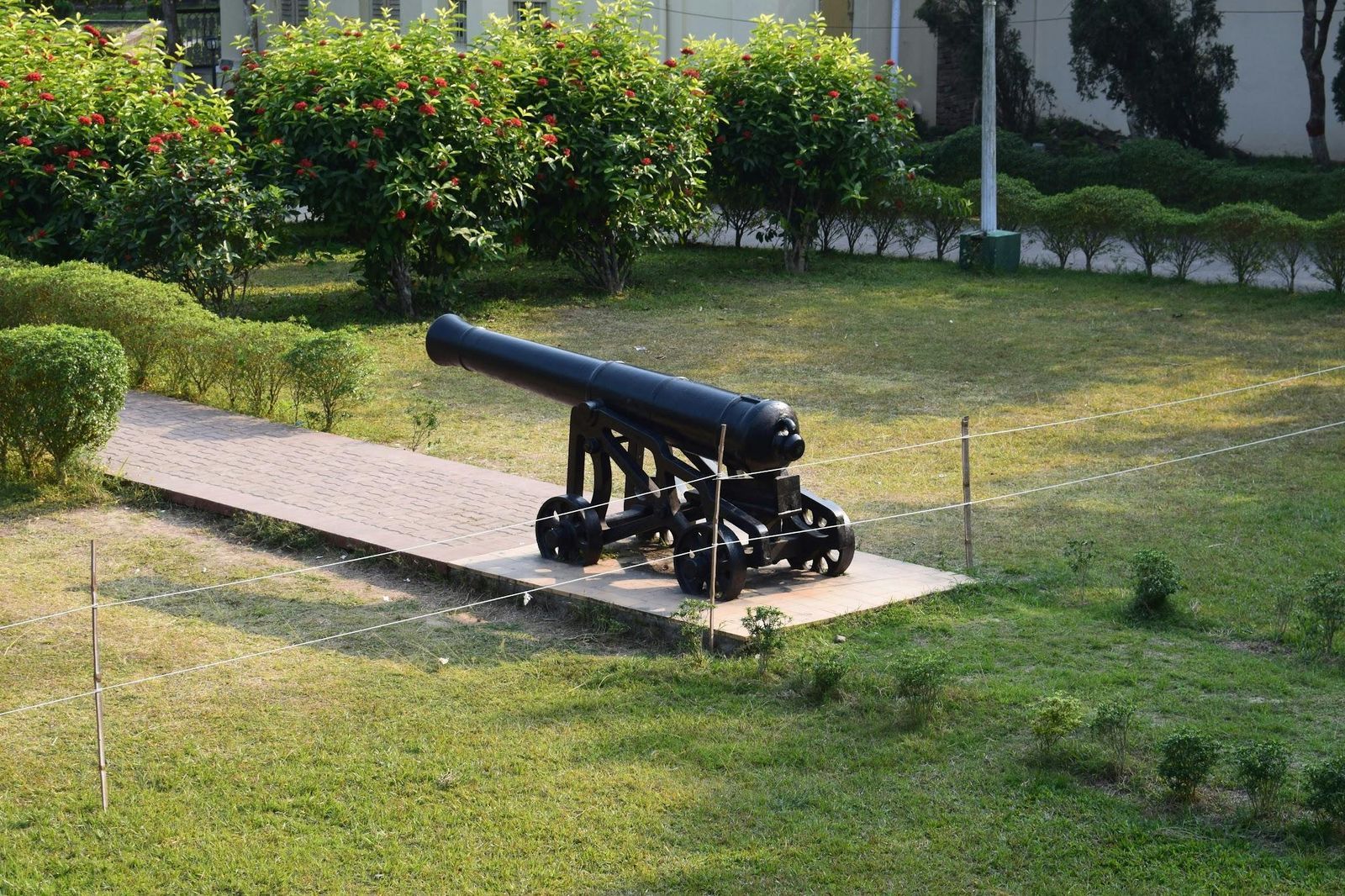
Image: Foysal Razu

A Revolutionary War camp-follower-turned-artillery heroine in legend. She is often linked to the 1778 Battle of Monmouth. In reality, historians note that "Molly Pitcher" functions as a composite legend of different women, herself a symbol for women’s wartime labor.

8
The Headless Horseman
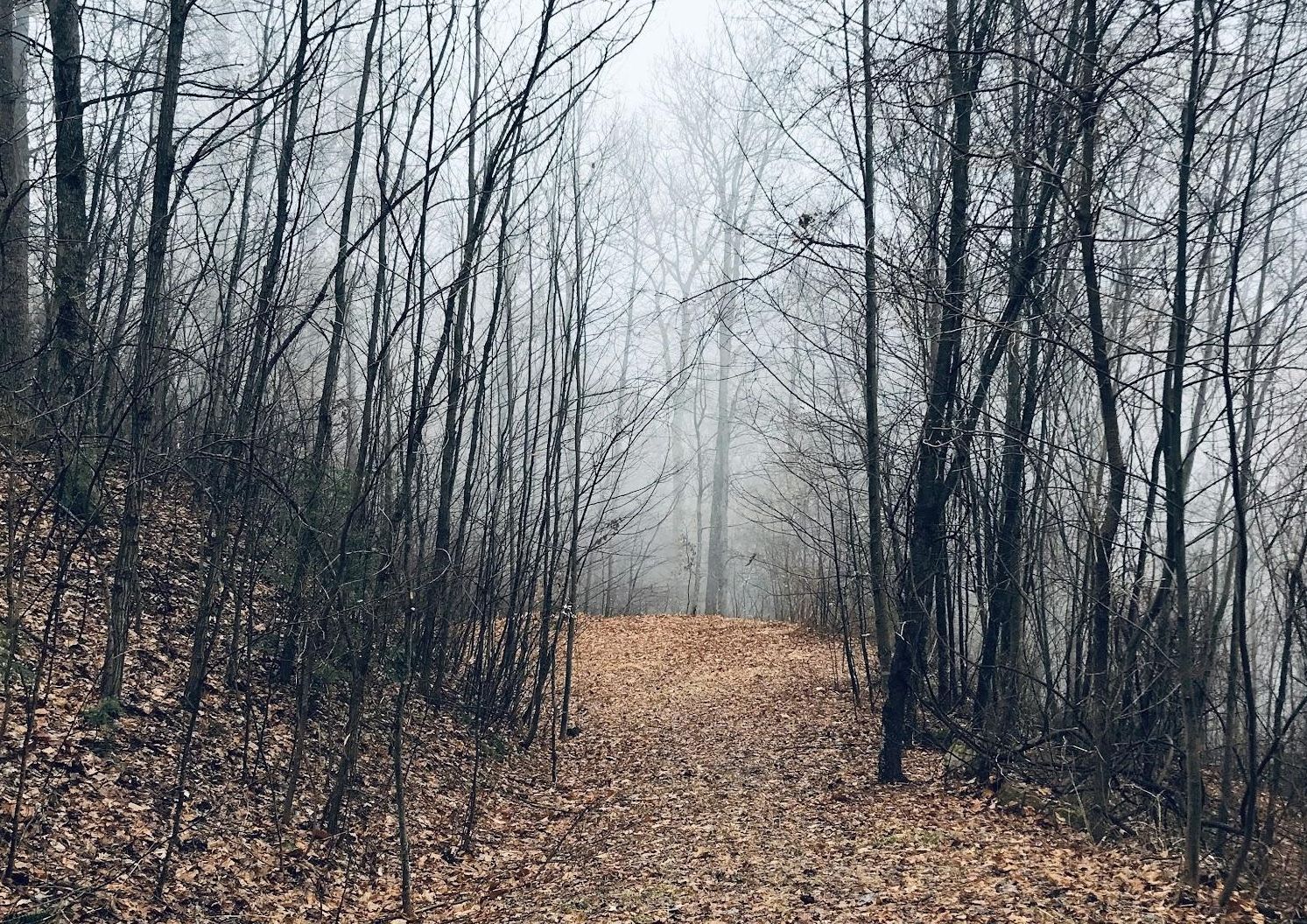
Image: Melissa

Washington Irving’s 1820 tale set in Sleepy Hollow cemented America’s most famous ghostly rider. The figure merges European motifs with Hudson Valley lore, and it eventually became a perennial of American Halloween culture.

9
Sasquatch
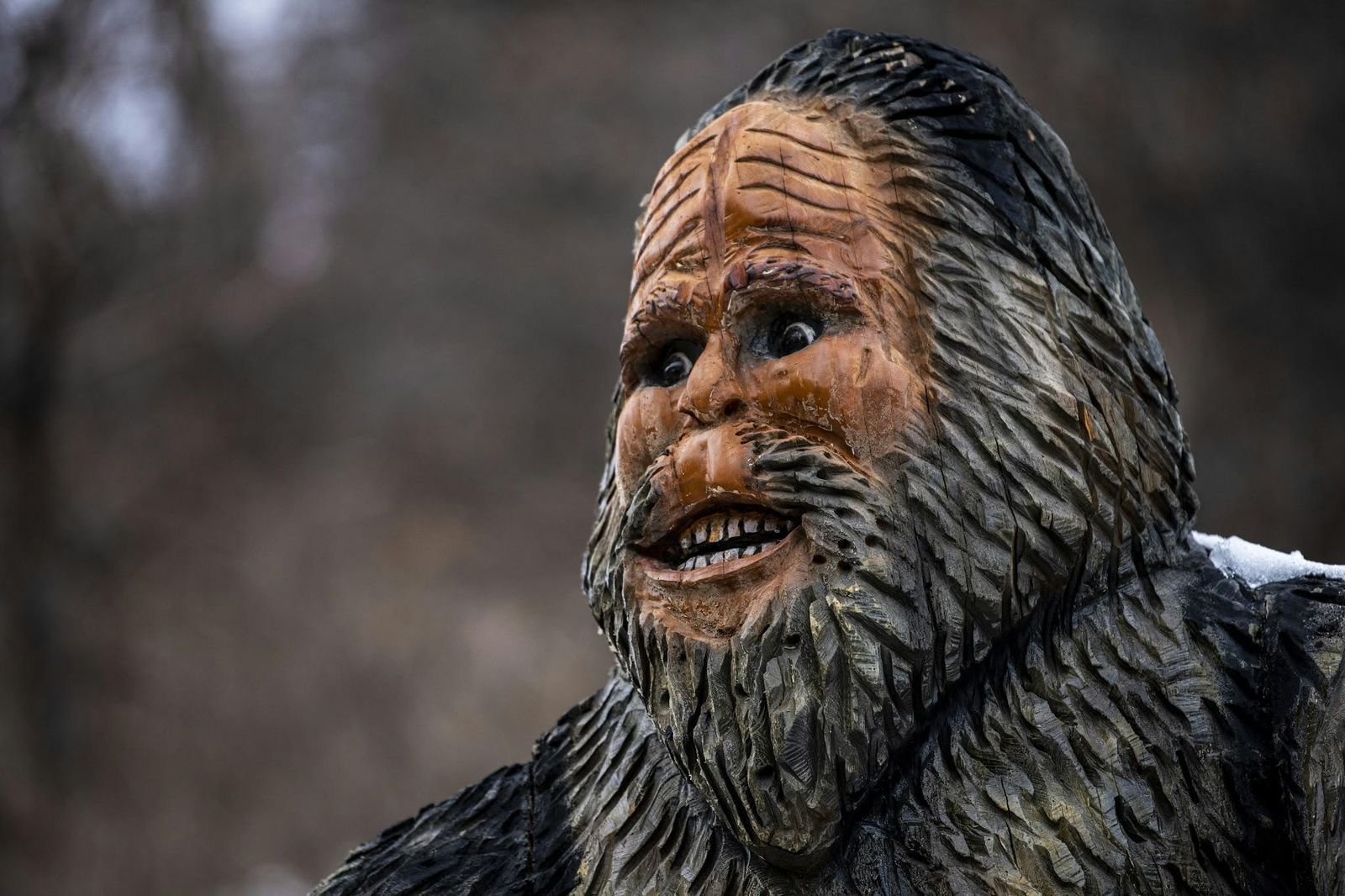
Image: Jon Sailer

The shaggy forest giant of the Pacific Northwest has Indigenous antecedents, but the modern media phenomenon exploded after 1958 reports of enormous footprints in Northern California. Since then, " Bigfoot " has fueled tourism, legislation proposals, and endless debate.

10
The Jersey Devil
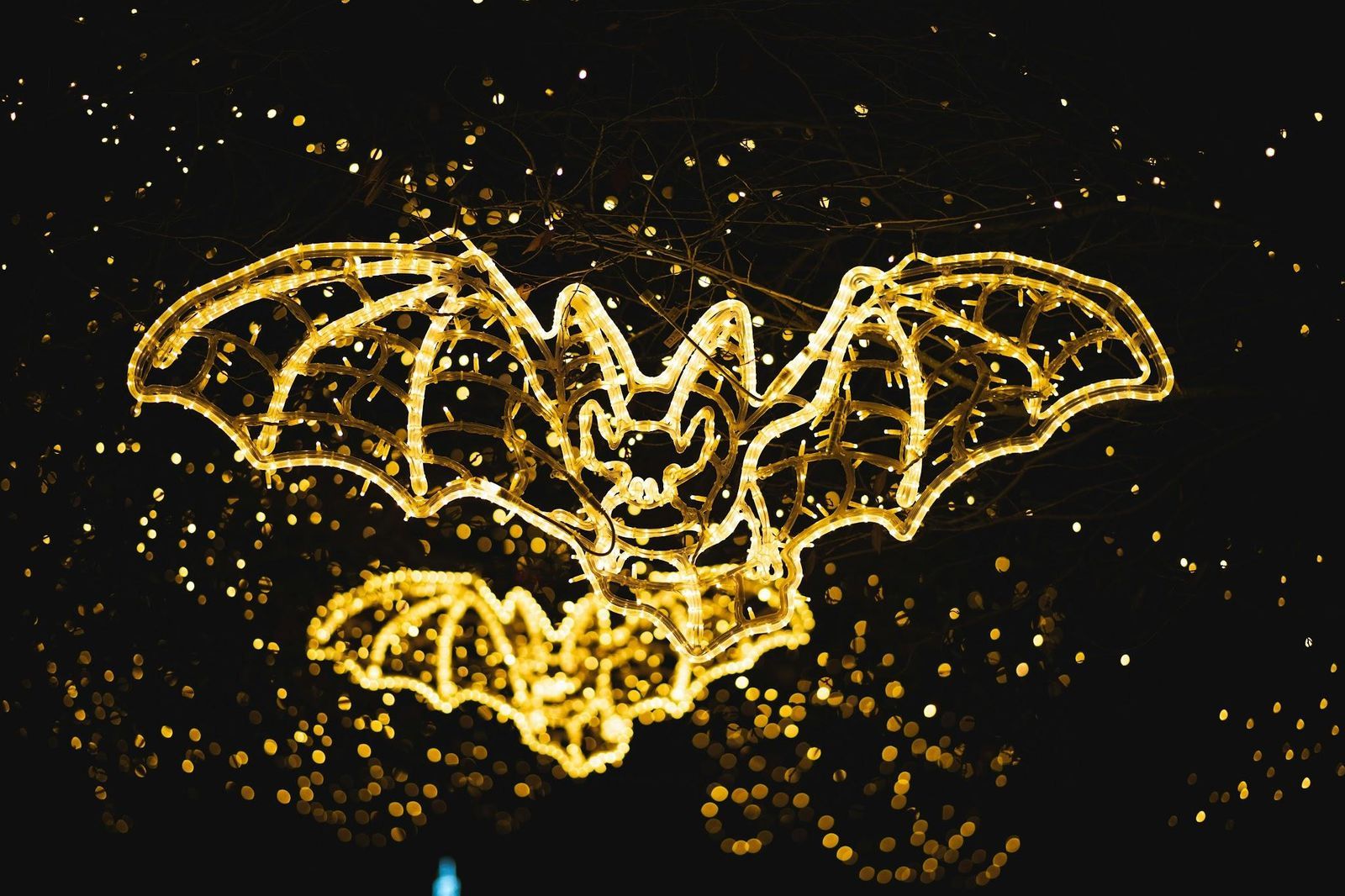
Image: Lukáš Parničan

South Jersey’s Pine Barrens " state demon ," long tied to the Leeds family legend and 18th-century quarrels, became a 20th-century media sensation. Descriptions of it vary, often including a mixture of different animal parts, such as a goat-horse head, bat wings, and cloven hooves. Although not everyone agrees on what it would look like, it is definitely a regional identity badge of New Jersey.

11
Mothman
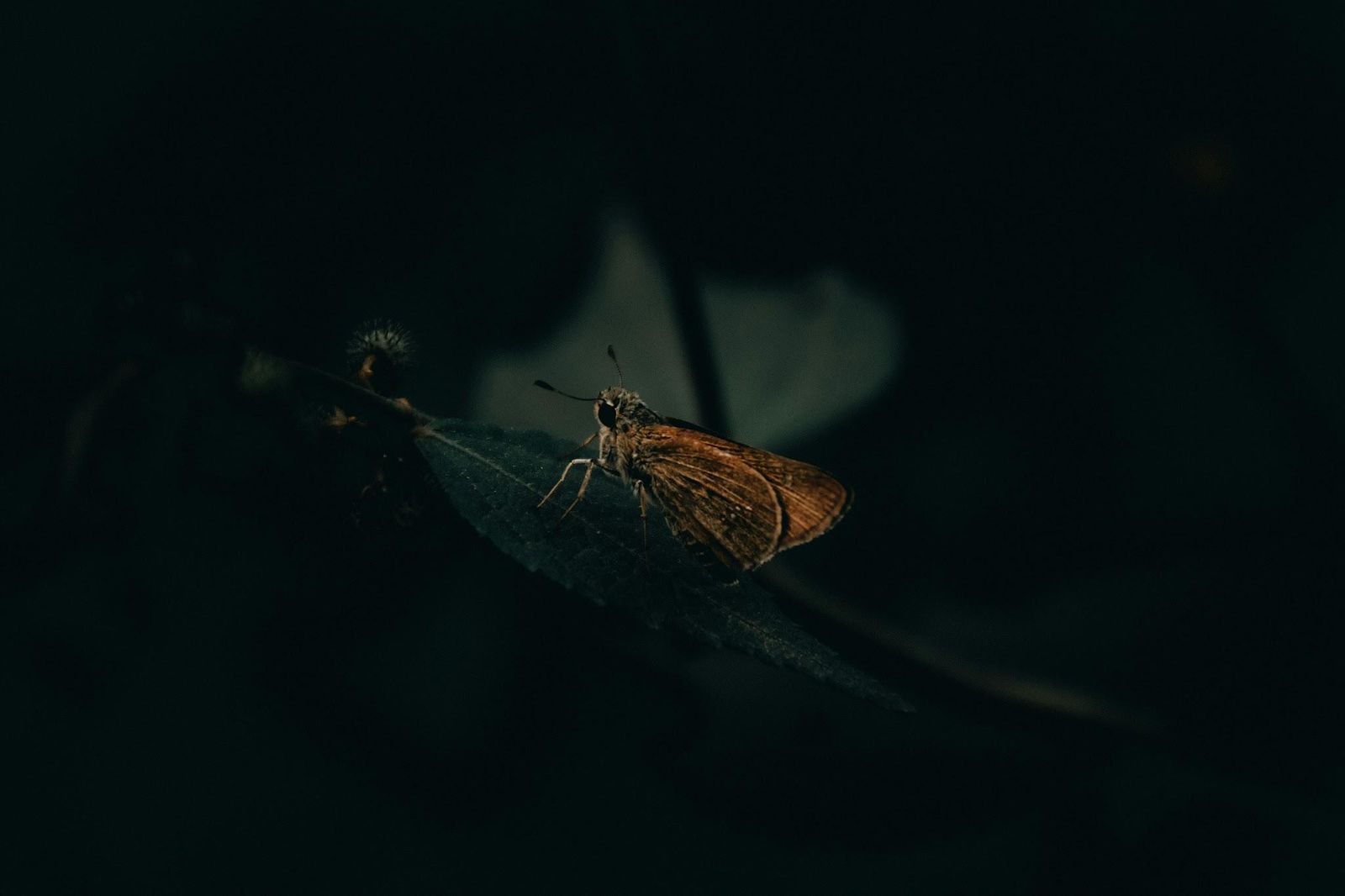
Image: Ojaswi Pratap Singh

Reported around Point Pleasant, West Virginia, this is a red-eyed, winged figure who allegedly predicted disasters, something that became even more popular when the Silver Bridge tragically collapsed. The 2002 film The Mothman Prophecies embedded it in pop culture: Festivals, statues, and a museum now anchor its local mythology.
History History 4 min read

History within reach

From declarations to gunfights: 10 places of historical importance

Image: Tama Moni

Why do people travel? For fun, to relax, to do business, to visit relatives. But what about traveling to learn? Is it possible? Well, America is not without historical sites, but some places—such as the National Mall in Washington, D.C., or the Philadelphia sites where independence was conceived—are particularly packed with history . If learning about American history first-hand is important for you, here are 10 places that will allow you to do just that.

1
Independence National Historical Park

Image: Jimmy Woo

A historic district in Philadelphia, this 55-acre national park—established in 1956—preserves several sites related to American Independence and the Revolutionary War. Among the main sites of this park, we can find Independence Hall—originally the Pennsylvania State House—where the Declaration of Independence was signed and proclaimed, the Liberty Bell, the Carpenters' Hall—the location of the First Continental Congress—and Congress Hall, the place of reunion of the U.S. Congress before its relocation to Washington, D.C.

2
National Mall

Image: Samuel Girven

Located in Washington, D.C., this park, often called ‘America's Front Yard’, stretches from the Capitol to the Lincoln Memorial , and has been the location of many historical events. Across and around it, we can find several museums, art galleries, cultural institutions, and memorials, sculptures, and statues, including the Washington Monument, Union Square, the Botanic Garden, the Martin Luther King Jr. Memorial, and the Vietnam Veterans Memorial.

3
Freedom Trail

Image: Sean Sweeney

This 2.5-mile-long path stretches across Boston, linking 16 sites related to American history and the American Revolutionary War. Starting in the Boston Common, down to the Bunker Hill Monument in Charleston, this trail will lead you to sites such as the Massachusetts State House, the Boston Massacre Site, Paul Revere’s House, and the Old North Church.

4
Taos Pueblo

Image: Richard Hedrick

Located near the city of Taos, New Mexico, this settlement is believed to have been established around the 13th century, making it the oldest continuously inhabited place in U.S. territory . Famous for its red adobe, multi-storied buildings, the settlement has been home to the Puebloan people for nearly a thousand years. The site has been declared a National Historic Landmark and a UNESCO Heritage Site.

5
Ellis Island

Image: The New York Public Library

Out of all the historic immigrant inspection and processing stations in America, Ellis Island is certainly the most well-known. Located in the New York Harbor, this station processed about 12 million immigrants in six decades before its closure in 1954. A source of territorial conflict between New York and New Jersey, the island is now part of the Statue of Liberty National Monument, and works as a museum of immigrant history.

6
Gettysburg National Military Park

Image: Timothy Pierce

The Battle of Gettysburg, fought over three days across Gettysburg, Pennsylvania, is widely considered to have been a turning point in the American Civil War and the key to the Union’s victory . The site of the conflict, as well as Gettysburg National Cemetery—the location of President Lincoln’s famous address—is preserved by the Gettysburg National Military Park—established in 1966—alongside thousands of war artifacts.

7
Cape Canaveral

Image: Bill Jelen

One of NASA’s main space centers, Cape Canaveral has been the starting point of several history-changing space missions like the Apollo, Skylab, and Space Shuttle programs since the 1940s. Home to two different installations—the Kennedy Space Center and the Cape Canaveral Space Force Station—several firsts in space history were launched from Cape Canaveral, such as the first U.S. Earth satellite, the first U.S. astronaut in orbit, the first U.S. uncrewed lunar landing, and the Apollo 11 moon landing.

8
Pearl Harbor National Memorial

Image: Winston Chen

This memorial, included in the National Park System, commemorates the attack on Pearl Harbor on December 7, 1941 , an event that resulted in 2,400 American casualties and the subsequent involvement of the U.S. in the Second World War. The memorial, located at the site of the attack in O’ahu, Hawaii, and dedicated in 1962, includes memorials for three ships lost alongside their crews, a visitor center with information about the Pacific theater of World War II, and the Pearl Harbor Aviation Museum.

9
The Alamo

Image: Eric Francis

Known as the ‘Shrine of Texas Liberty’, the Alamo Mission was the site of key events of the Texan Revolution and of Southern history . Initially a Spanish Catholic mission and later used as a military fortress, the compound was sieged by the Mexican Army in 1836. The nearly 250 Texan soldiers garrisoned at the complex resisted the siege for 13 days before being defeated and slain by the much more numerous Mexican army, a resistance that fuelled Texan patriotism and its fight for independence.

10
Tombstone

Image: Xiang Gao

A flourishing Arizona town during the silver mining boom of the late 19th century, Tombstone gained its place in history books as the location of the famous ‘Gunfight at the O.K. Corral’ . An archetype of the Wild West, this confrontation was the result of a long feud between U.S. marshals—Town Marshal Virgil Earp and his deputees Wyatt Earp, Morgan Earp, and Doc Holliday—and an outlaw group known as the Cochise County Cowboys. Though the shootout lasted less than a minute, it remains one of the most famous events of the Old West, with the town of Tombstone designated a National Historic Landmark.

History History 3 min read

I want to believe

Why do we knock on wood for good luck? 12 common superstitions explained

Image: Susannehs

We’ve all heard about the seven years of bad luck that are said to follow if we break a mirror, or why tossing salt over one’s shoulder is supposed to keep misfortune away. Superstitions have been a part of everyday life in the U.S., often passed down through generations without much thought to their origins. Let’s take a look at the origins of 12 common superstitions that continue to influence how people think and act today.

1
Breaking a mirror

Image: Savannah B.

As we’ve all heard, breaking a mirror is said to bring seven years of bad luck— a belief that dates back to the Romans . They thought a mirror didn’t just reflect your face, but also your soul.

Because the Romans also believed that life renewed itself every seven years, the curse was thought to last exactly that long.

2
Walking under a ladder

Image: Nick Fewings

This superstition has its roots in medieval Europe, where ladders leaning against walls formed a triangle, a shape that symbolized the Holy Trinity .

Walking through it was seen as breaking the sacred shape and inviting misfortune. Today, most people avoid it not only out of superstition but also for simple safety.

3
A black cat in your path

Image: Emmeli M

In the Middle Ages, black cats were linked to witchcraft and were thought to be witches’ companions—or even witches in disguise. Crossing paths with one was considered dangerous .

Though many cultures view black cats as lucky, in the U.S., the old stigma has persisted.

4
Knocking on wood

Image: Glen Carrie

The habit of knocking on wood to ward off bad luck likely comes from ancient pagan traditions. Trees—especially oaks—were believed to house protective spirits .

Touching or knocking on wood was a way to call on those spirits for protection. The phrase and the action traveled across centuries, and now it’s a common phrase in everyday conversations.

5
Opening an umbrella indoors

Image: Kato Blackmore 🇺🇦

The superstition that opening an umbrella indoors brings bad luck originates from 18th-century England. Early umbrellas were large, stiff, and often had metal spokes.

Opening one indoors could cause injury or break household items , so the "bad luck" warning worked as a practical safety rule.

6
Friday the 13th

Image: Nik

Friday has long been considered unlucky in Christian tradition because it was said to be the day of the Crucifixion. The number thirteen was also viewed as ominous, connected to the Last Supper .

When the two were combined, Friday the 13th gained its spooky reputation. Despite rational explanations, some hotels skip floor 13, and many people still avoid major plans on that date.

7
Spilling salt

Image: ekaterina shishina

Salt was once precious and expensive, symbolizing purity and friendship. Spilling it was considered wasteful and unlucky in ancient times.

The practice of tossing a pinch over your left shoulder comes from folklore, supposedly to blind the devil lurking there . It’s a tiny gesture that still lingers on dinner tables today.

8
Four-leaf clover

Image: Barbara Krysztofiak

The four-leaf clover is a symbol of good fortune dating back to the Celts, who believed the rare leaves provided protection against evil spirits .

Since clovers typically have only three leaves, the fourth leaf came to symbolize rarity and luck.

9
Rabbit’s foot

Image: Timofei Adrian

Carrying a rabbit’s foot for luck traces back to African and European folklore, where rabbits were seen as fertile, magical creatures .

The superstition spread through American culture in the 19th century, especially in the South. Even though it might seem unusual—and potentially unsanitary—the lucky rabbit’s foot remains a well-known charm today.

10
Wishbone

Image: Museum of New Zealand Te Papa Tongarewa

The tradition of making a wish on a wishbone originates with the Romans, who, in turn, borrowed it from the Etruscans. They believed that birds held divine powers .

Breaking the bone with someone else was thought to transfer luck to the person who ended up with the larger piece .

11
Coin in a fountain

Image: Lila Mitchell

Tossing a coin into water to make a wish has its roots in ancient Europe. Wells and springs were considered sacred, often associated with gods or spirits.

People dropped coins as offerings for health or good fortune . Today, fountains across the U.S. and around the world collect millions of coins.

12
Wishing upon a star

Image: Ali

The superstition of wishing upon a star comes from ancient Greece and Rome, where falling stars were believed to carry messages from the gods .

Even today, looking up at the night sky and spotting a shooting star inspires many people to make a wish.

Explore more American facts

Choose your favorite category!

General
General

As American as apple pie—the very best America has to offer!

Culture
Culture

Delve into the astounding richness of American lore.

Geography
Geography

Hop in and explore vast and diverse American landscapes.

History
History

Discover the key moments that shaped the United States.