Culture Culture 4 min read

Unique pieces of history

10 incredible items that are kept in the Library of Congress
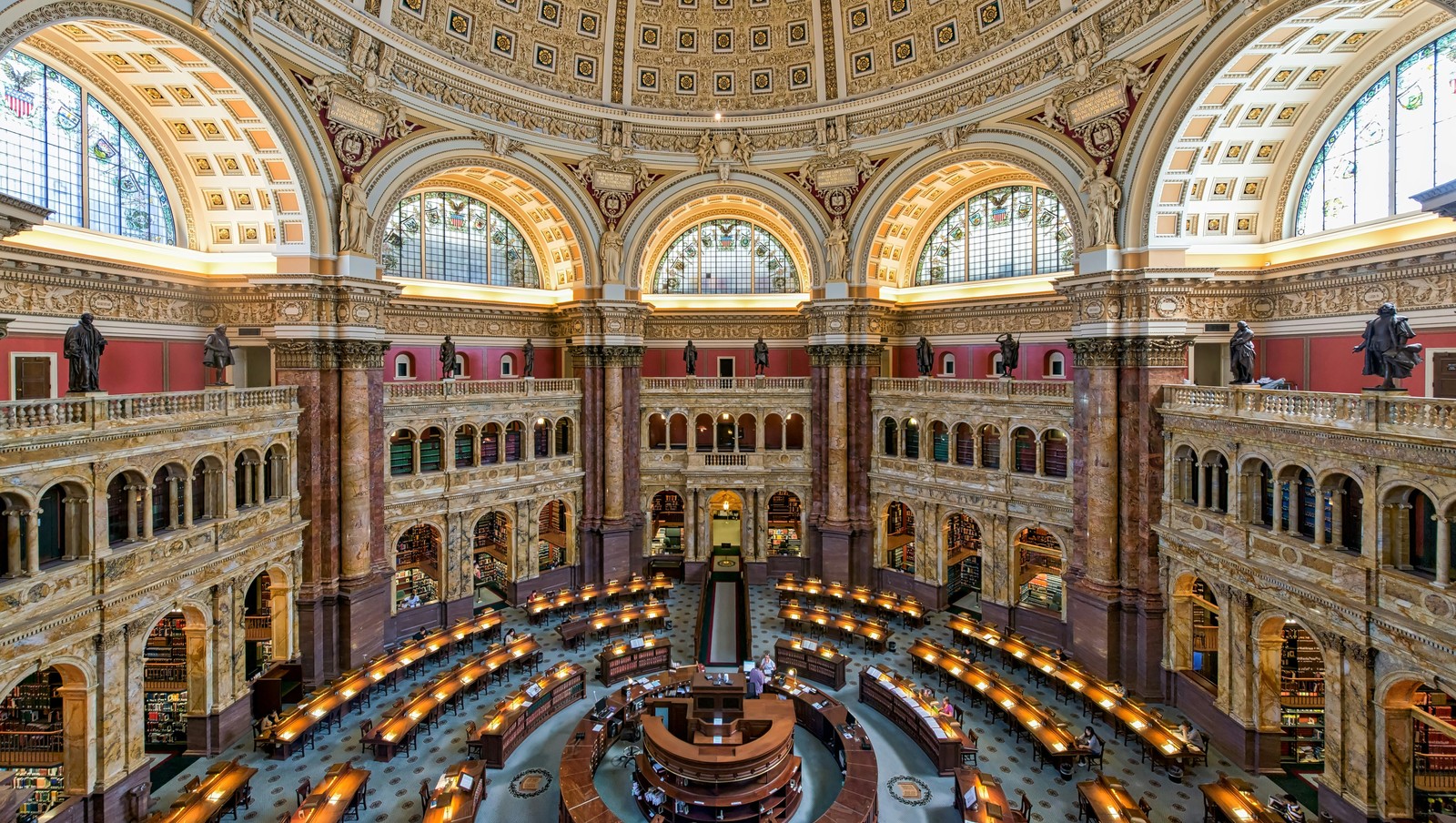
Image: Stephen Walker

Founded in 1800, the Library of Congress is the oldest federal cultural institution in the U.S. , and works as a de facto national library. Its main purpose is to serve as a research library for the U.S. Congress, but in addition to this, it houses one of the world’s most extensive collections of books, manuscripts, and artifacts in the world, many of them rare and unique. Here are some one-of-a-kind items from its collection!

1
Gutenberg Bible

Image: Danika Perkinson

The Gutenberg Bible was the first book to be printed after the invention of movable type printing, around the year 1455. Nowadays, only 49 copies have survived from the 180 believed to have been printed by Gutenberg himself , and only 21 are considered complete copies. The copy kept in the Library of Congress is one of three complete copies printed in vellum —a parchment made from animal skin.

2
Draft of the Declaration of Independence
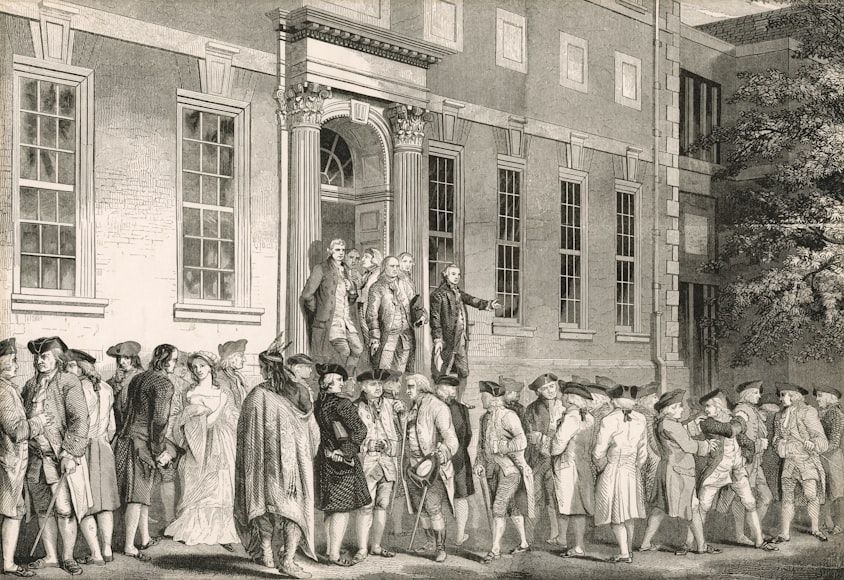
Image: The New York Public Library

The Declaration of Independence kept at the National Archives in Washington, D.C, is the final document presented to the Second Continental Congress. Before that, six drafts were made. The copy kept in the Library of Congress is the first ‘rough draft’ written by Thomas Jefferson , with notes from Benjamin Franklin, John Adams, and the other committee delegates. It was part of Jefferson’s personal library and papers, which were acquired by the Library of Congress in 1815.

3
Waldseemüller Map
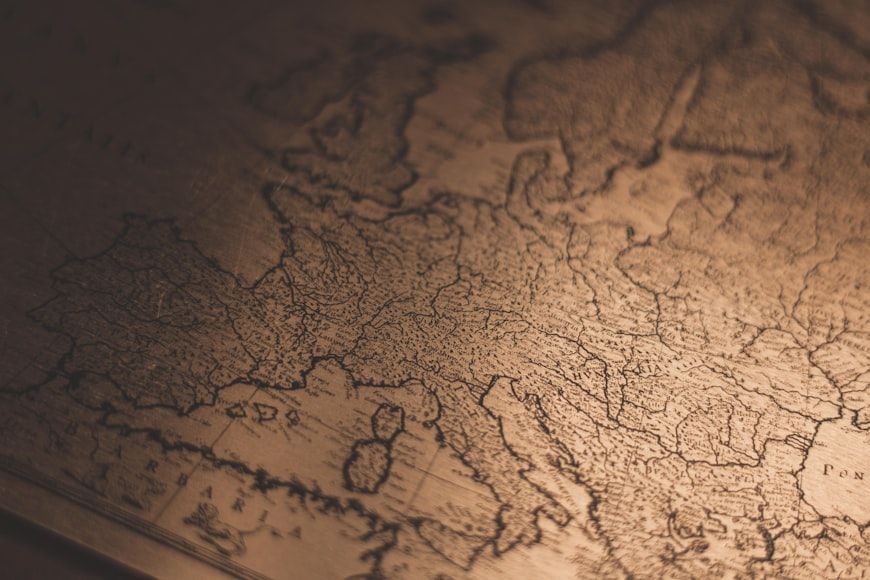
Image: Jakob Braun

The only surviving copy, this 1507 map by Martin Waldseemüller was an ambitious project that aimed to depict the geographical discoveries of the past few decades , including those made by Amerigo Vespucci after his voyages in 1501 and 1502, which confirmed that the ‘new world’ was not part of the Indies, but a separate continent altogether. To honor this, Waldseemüller named the continent America, and this map was the first to utilize the name.

4
The Stradivarius
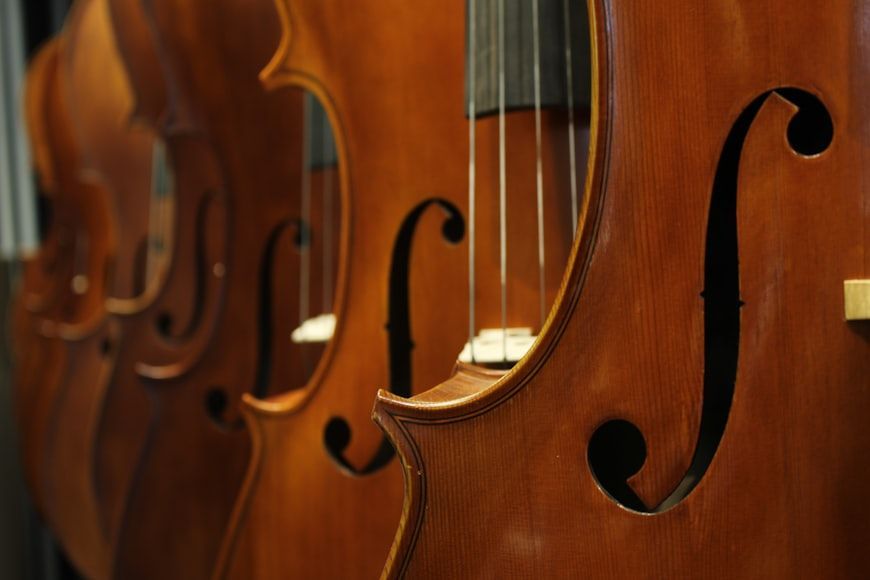
Image: Umutcan Günüç

Created by the luthier Antonio Stradivari and his family in the 17th and 18th centuries, Stradivarius instruments are renowned for their exquisite craftsmanship and sound, and are valued in the millions. It is estimated that 650 instruments have survived out of the around 1100 made . Six of them —two violas, three violins, and a cello— are kept in the Library of Congress.

5
Bay Psalm Book
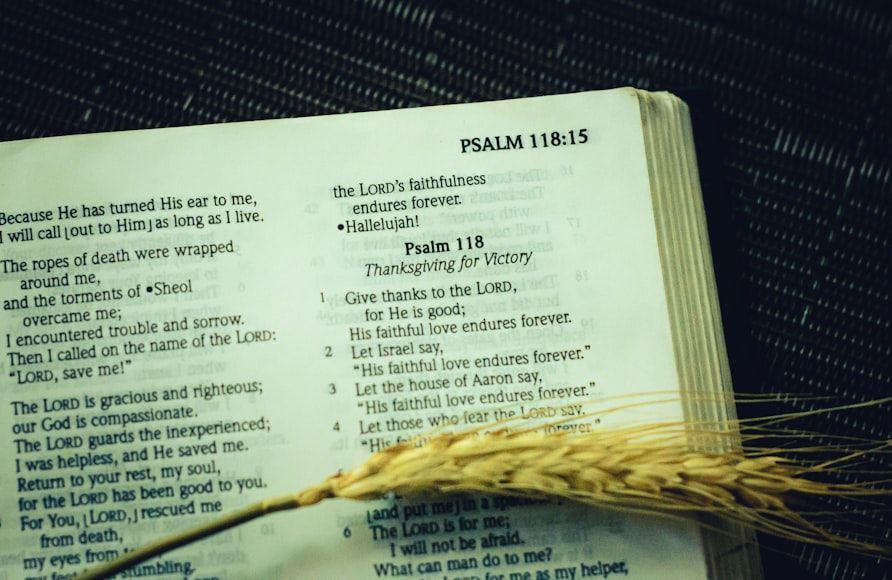
Image: Alex Shute

This book of psalms was the first book to be printed in British North America , and it dates to the year 1640, just 20 years after the arrival of the Pilgrims. This copy lacks a title page, and 12 of its pages have been removed. One of 11 surviving copies, it is a valuable testimony to America’s printing history.

6
Leaves of Grass

Image: Patrick Tomasso

Whalt Whitman’s Leaves of Grass is considered to be one of the most important poetry collections in American Literature and a celebration of the American spirit. The Library of Congress houses several editions of this book, the most important being a copy of its first edition, self-published in 1855, as well as a page of the original manuscript.

7
Wilbur and Orville Wright Papers
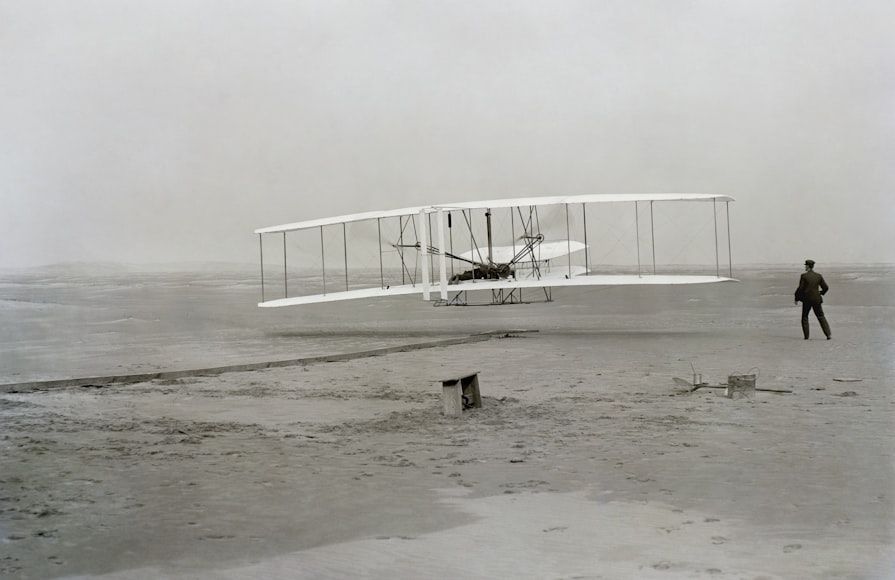
Image: History in HD

The Wright brothers are credited with the invention, building, and flying the world’s first successful airplane in North Carolina in 1903. This collection in the Library of Congress comprises 10,121 items related to them , including notebooks, photographs, papers, drawings, prints, correspondence, and more.

8
Giant Bible of Mainz

Image: Boudewijn Huysmans

Before the invention of movable type printing, most Bibles were handwritten, a laborious task that could take years to complete. The Great Bible of Mainz is one of the last Bibles made in this way , and it is dated around the year 1452. Made from 459 vellum skin leaves and embellished with illuminated initial letters and borders, this Bible was gifted to the Library of Congress in 1952.

9
Huexotzinco Codex
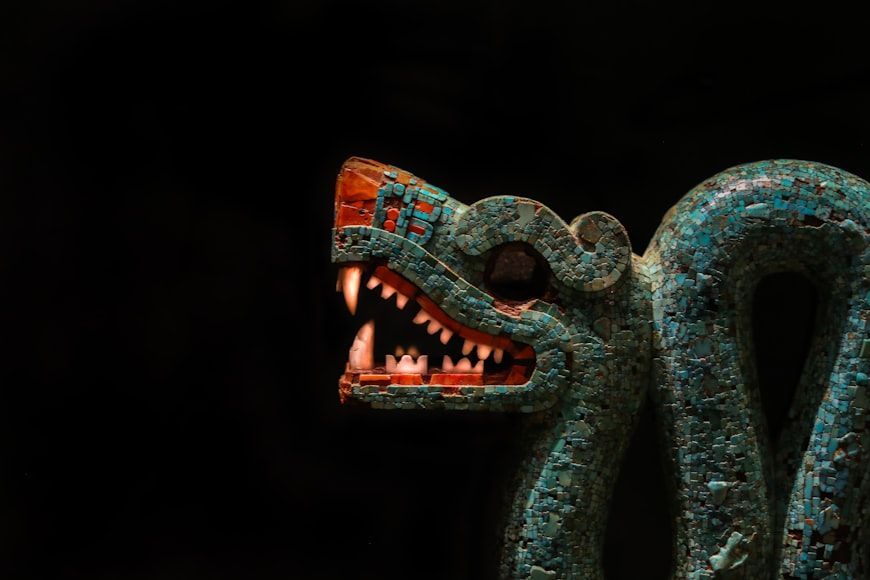
Image: Max Letek

Composed of 8 sheets of amatl —a pre-Hispanic Nahuatl type of paper—, this 1521 codex registers a legal complaint against a colonial administrator. The Nahua people of Huexotzinco were part of Hernán Cortés’s estate after aiding him in his campaign against the Aztec Empire. During one of Cortés’s trips, the administrators of the estate implemented abusive taxes. After his return, Cortés and the Nahua presented a joint formal complaint, and they were successful. The case was retried in Spain, where the courts and King Charles both agreed with the initial verdict and ruled that excess taxes were returned to the Nahua.

10
Gettysburg Address
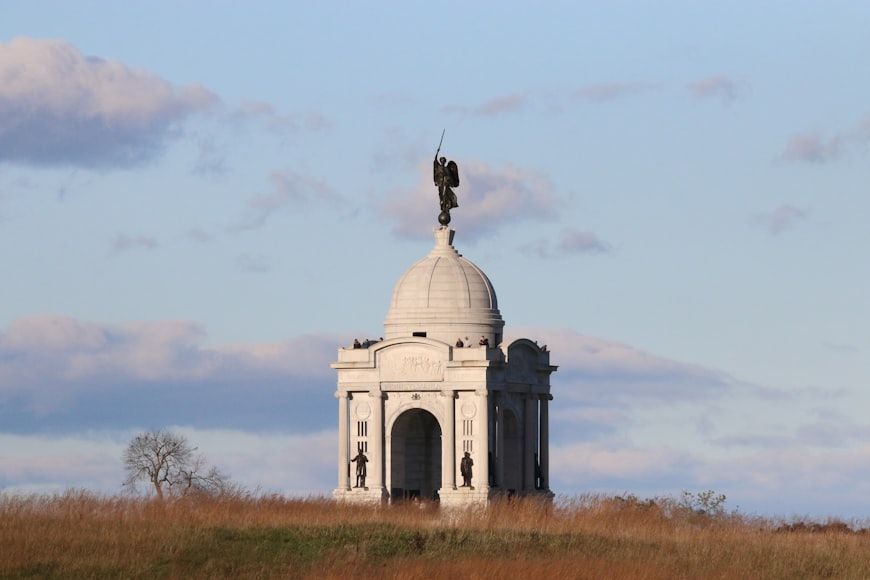
Image: Timothy Pierce

One of the most significant speeches of the American Civil War and of American History, the Gettysburg Address was delivered by President Lincoln on the occasion of the inauguration of the Soldiers' National Cemetery , now Gettysburg National Cemetery. Of the five surviving manuscript copies of the short speech —it lasted roughly two minutes— only two were written before the occasion, which were gifted by Lincoln to his personal secretaries, and were later donated to the Library of Congress.

General General 3 min read

Feeling uninspired?

Boost your creativity with these 12 easy habits!

Image: Prophsee Journals

Your creativity can be seen as a muscle: if you exercise it, it will grow. And there are many ways you can strengthen your creative brainpower. From taking a walk to reading, staying away from screens, and getting good sleep, these 12 habits will definitely help get your creative juices flowing. Which ones do you know?

1
Keep a journal

Image: Thought Catalog

Writing down your thoughts is a great way to organize them into cohesive ideas . Doing so daily, ideally around the same time every day, generates a creative routine that will promote the appearance of new ideas to emerge consistently around that time.

2
Walking

Image: Chris Hardy

As German philosopher Friedrich Nietzsche once said, "All truly great thoughts are conceived by walking." And while this statement may carry a deeper meaning, it's undoubtedly true that taking a walk helps get the creative juices flowing .

3
Reading

Image: Matias North

Reading not only exercises your brain and improves your vocabulary , but it also boosts your empathy and imagination. People who read literary fiction, in particular, are more likely to understand the feelings and beliefs of others.

4
Unplug

Image: Tobias Tullius

Spend less time in front of screens. Whether it’s your cellphone, computer, or television, unplugging from electronics —even for just a couple of hours each day—can significantly improve your brain’s ability to generate original thoughts and draw inspiration from within.

5
Exercise

Image: Jonathan Borba

This one goes hand in hand with the tip about walking. Exercise is a powerful way to boost your creative energy —it increases your metabolism and provides a sense of accomplishment that can carry over into other areas of your work and personal life.

6
Try new things often

Image: Laura D Vargas

Do something different every day. It could be a small detour from your usual routine or an entirely new activity. Your brain thrives with new things and your creativity feeds on anything that breaks away from the norm.

7
Move around

Image: Christin Hume

Changing locations gives you a new perspective , which affects how your brain processes information. It can be as simple as moving to a different room, working outside for the day, or venturing a bit farther—but it always helps.

8
Identify your best moments

Image: Avi Richards

Some of us work best in the early morning, while some work better late at night. Find the moment of the day when your energy is peaking and take advantage of it. This is the time of day when your concentration is sharpest, and it’s the best time to tackle tasks you've been putting off.

9
Seek out different opinions

Image: Christina @ wocintechchat.com

Creative people tend to interact with people who inspire them and capture their imagination, both in and outside of their own fields. Hearing about different opinions gives you a perspective outside your own and fosters new, creative ideas that you might not have come up with otherwise.

10
Be more curious

Image: Joakim Honkasalo

Being curious is possibly one of the best ways to fuel your creativity . Make it a point to learn something new every day. Allow yourself to go down rabbit holes and chase ideas—no matter how strange or unproductive they might seem (even if only for a short period).

11
Do not fear failure

Image: Kind and Curious

Two advantages to be gained from a mistake are finding out empirically what doesn’t work, and learning how to avoid similar situations in the future . This new information increases your experience and allows your imagination to better anticipate scenarios related to those mistakes.

12
Sleep well

Image: Simon Infanger

Last but not least, sleep well. Lack of sleep can slow down cognitive functions, so prioritize getting a good night’s rest to ensure your brain is in top shape to come up with fresh ideas.

Geography Geography 6 min read

A BREATH OF FRESH AIR

Urban retreats: America’s most beloved city parks

Image: Emily Kessler

City parks are extremely important for communities: they encourage exercise, promote contact with nature, revitalize local economies, and, above all, they are a way to bring people together. In most U.S. cities, there are incredible parks and green spaces worth discovering. Whether you are traveling for business or pleasure, we recommend you take a little break and visit one of these 10 urban parks that make cities a better place.

1
Griffith Park, Los Angeles

Image: Venti Views

Covering over 4,000 acres, Griffith Park is one of the largest urban parks in the U.S. Located in the hillside neighborhood of Los Feliz, this park is full of natural spaces , with hiking and biking trails, picnic areas, baseball fields, tennis courts, and golf courses.

Probably the two most famous attractions in Griffith Park are the Griffith Observatory at the top of the hillside and the Hollywood Sign on the southeastern slope of Mount Lee. Griffith Park also features a number of museums and themed gardens, including the Los Angeles Live Steamers Railroad Museum, the Autry Museum of the American West, and the Los Angeles Zoo.

2
City Park, New Orleans

Image: Farah Almazouni

Imagine a spring afternoon sitting on a bench by the lagoon, in the shade of an 800-year-old oak tree, reading your favorite book. Is there a more delightful plan? This pleasant dream can come true if you visit City Park in New Orleans!

In addition to its 1,300 acres of woodlands, waterways, and wildlife, this park is full of cool attractions. From amusement and theme parks (Carousel Gardens and Storyland) to a 1930s Art Deco-influenced Botanical Garden, an art museum with 40,000 objects in exhibition, and a sculpture garden. Trust us, it's worth leaving the French Quarter for a little while to take a stroll around this majestic city park!

3
Sculpture Garden, Minneapolis

Image: Paul Esch-Laurent

Built in 1988 and spanning 11 acres, Sculpture Garden in Minneapolis is one of the top urban sculpture gardens in the country. The garden is an ongoing collaboration between the city's parks department and the Walker Art Center.

In 2017, Sculpture Garden underwent an extensive renovation. A few pieces by contemporary artists such as Theaster Gates and Katherina Fritsch were added, a former wetland was restored, and native flora was planted to help feed essential and endangered pollinators.

While most visitors are drawn to the garden's inaugural centerpiece, "Spoonbridge and Cherry," the park features 40 permanent art installations and many temporary pieces that rotate periodically.

4
National Mall, Washington D.C.

Image: Jacob Creswick

The National Mall is often considered the political heart of the United States. This landscaped park in downtown Washington, D.C., is surrounded by impressive monuments, iconic government buildings, and amazing museums. Nearly two miles long, it stretches from the Lincoln Memorial to the Capitol.

At the center of the National Mall is the Washington Monument. This obelisk, the highest point in the city, is surrounded by 56 flags representing the 50 states plus Washington D.C. and 5 U.S. territories.

Throughout this iconic park, you can also find 10 Smithsonian museums. For example, the National Museum of American History, which houses the first version of the American flag, and the National Museum of Natural History, with rooms full of dinosaurs and the Hope Diamond.

5
Forest Park, St. Louis

Image: Keran Yang

If you're looking for a peaceful place to relax after a busy day in the big city, Forest Park is the best option. It is visited by 13 million people a year for a reason! This 143-year-old park covers 1,326 acres of meadows and wetlands that are home to a great variety of birds and wildlife. It also features a six-mile bike ride, paddle boats, a golf and tennis center, an amphitheater, a skating rink, and a restaurant.

In addition, Forest Park is an important cultural hub . As well as housing the Saint Louis Art Museum, it hosts events such as the Great Forest Park Balloon Race, the Shakespeare Festival of St. Louis, and the LouFest Music Festival. But perhaps the most visited place in the park is the Saint Louis Zoo, which has a collection of 18,000 animals. It's impossible to get bored in Forest Park!

6
Balboa Park, San Diego

Image: Leslie Yu

Balboa Park is a must-see for anyone visiting the city of San Diego. This huge 1,200-acre cultural and urban park was built in 1868, making it one of the oldest public spaces in the United States. Moreover, in 1977, it was declared a National Historic Landmark.

Balboa Park's 15 museums play a predominant role in the city's cultural life. These include the Museum of Natural History, the Museum of Us, and the Museum of Art. Secondly, you can ' t miss the themed gardens, especially the Japanese Friendship Garden. Finally, the San Diego Zoo is one of Balboa Park's star attractions. This 99-acre zoo is considered one of the most important in the world, both for its diversity and its concern for the protection of animal species.

7
Golden Gate Park, San Francisco

Image: Jeffrey Eisen

Golden Gate Park is huge. At 1,017 acres, it is the largest park in San Francisco. Almost anything you can think of can be done in Golden Gate Park; from hiking and biking to disc golf and archery. But don’t worry if you are not a sports buff; this National Historic Landmark also has many relaxing spots to discover.

Some of the most interesting features you can visit are: the picturesque Dutch Windmill; the Garden of Fragrance, specially designed for blind visitors; the Japanese Tea Garden, decorated with bonsai and pagodas; or Shakespeare's Garden, with more than 200 flowers mentioned across the author’s works. Oh, and don't forget to head to the top of Strawberry Hill for an iconic view of the Golden Gate Bridge!

8
Patterson Park, Baltimore

Image: Aaron Burden

Patterson Park was once a key defense site for Americans fighting the British during the War of 1812. Today, this historic park, nicknamed "Best Backyard in Baltimore," is busy with bikers, joggers, and strollers who enjoy 137 acres of 50 different species of trees, smooth pathways, lakes, picnic areas, and sports fields.

In addition, during the summer, people can cool off in the swimming pool and, during the winter, have fun skating on the ski rink. But perhaps the park's main attraction is the Patterson Park Observatory, a gorgeous 1890s pagoda that serves as an observation tower and reflects Baltimoreans' fascination with the Orient.

9
Boston Common Park, Boston

Image: Josephine Baran

Boston Common was founded in 1634, making it the oldest public park in the United States. The site has great historical significance since many events related to American independence took place here. Today, the park is used primarily for recreational purposes and is the perfect spot to relax after a busy day.

Every spring, the famous swan-shaped boats sail away, as they have done for more than 140 years. In summer, the go-to place is the Frog Pond, which offers a refreshing wading pool for children. During winter, this same pond becomes a skating rink enjoyed by both kids and adults.

Fun fact: did you know that Boston Common sits on top of Boylston Station, the first subway station in the U.S.? Lots of "firsts" for this amazing site!

10
Central Park, New York City

Image: Michael Matloka

You may be thinking, what else can anyone tell me about Central Park that I don't already know? Yet, this city park is so iconic that it still has some secrets to reveal. For example, did you know Central Park is larger than the entire city-state of Monaco? Often referred to as "The Green Lung", this oasis in the heart of Manhattan is also the most filmed public park in the world, appearing in more than 500 movies.

With an extension of 843 acres, Central Park has a large number of attractions worth visiting, such as the Belvedere Castle, the "Imagine" mosaic, the Bethesda Fountain, the Alice in Wonderland Statue, the Central Park Zoo, lakes, 58 miles of pedestrian paths, many green areas to relax, two ice skating rinks and, in the warm season, outdoor theater and cinema. So, next time you visit New York City, you might want to check one of these out!

Explore more American facts

Choose your favorite category!

General
General

As American as apple pie—the very best America has to offer!

Culture
Culture

Delve into the astounding richness of American lore.

Geography
Geography

Hop in and explore vast and diverse American landscapes.

History
History

Discover the key moments that shaped the United States.