History History 4 min read

Presidential legacies

Did you know a president's calm decision once avoided a nuclear crisis?

Image: amadeustx

Throughout American history, U.S. presidents have achieved many notable accomplishments that helped shape the nation. From facing down a nuclear standoff to setting our sights on the Moon, these moments have shaped the country we live in today and contributed to its overall well-being . Here are 10 presidential highlights worth remembering.

1
John F. Kennedy
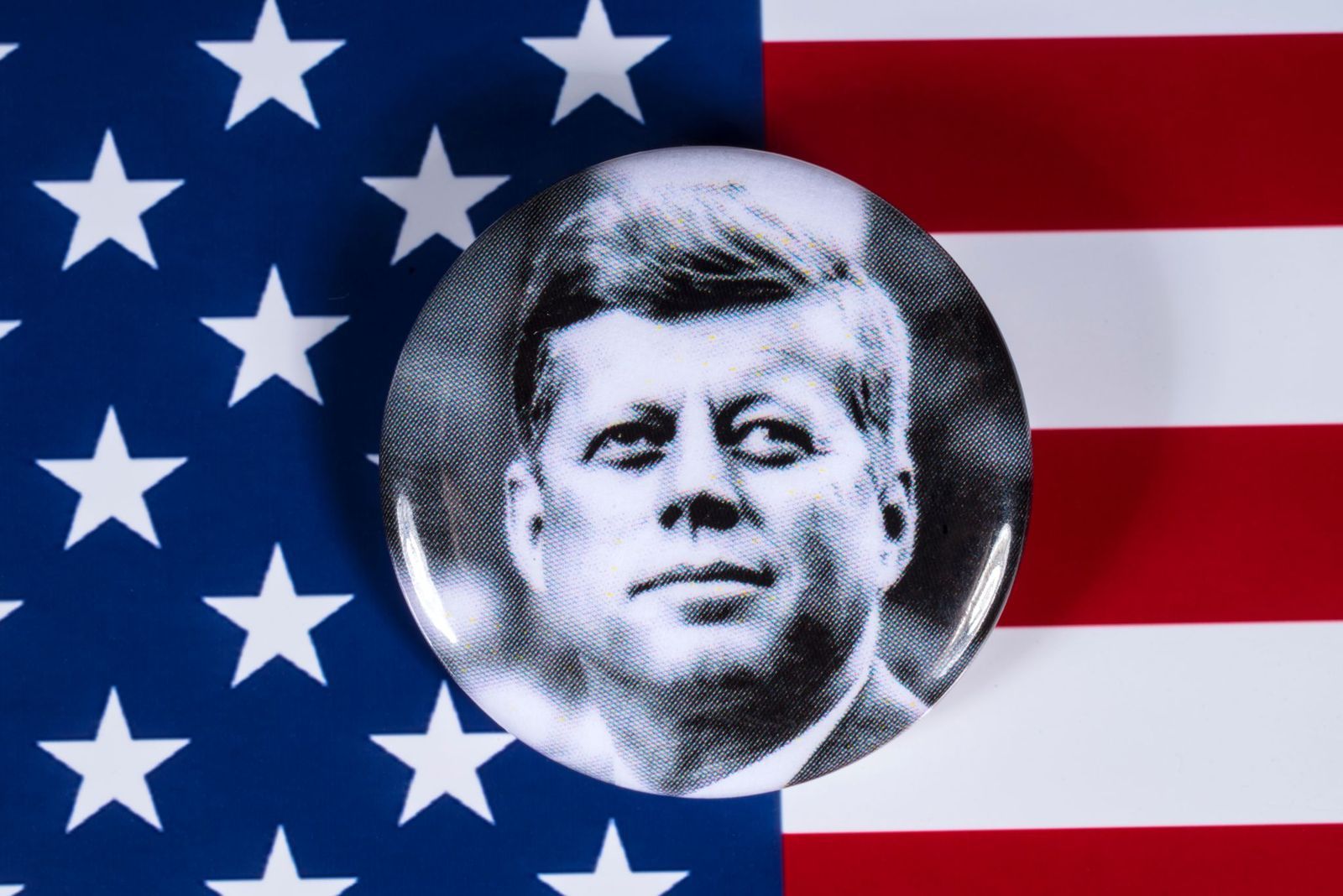
Image: chrisdorney

In October 1962, Kennedy faced the Cuban Missile Crisis, a tense standoff after the Soviet Union placed nuclear missiles just off U.S. shores. Rather than escalating things, he chose careful diplomacy and a naval blockade , and the crisis was resolved without conflict.

In that same era, Kennedy set a bold goal: landing a man on the Moon by the decade's end . Americans rallied behind the space race, and in 1969, Apollo 11 fulfilled its vision, giving the country a shared moment of pride and wonder.

2
Ronald Reagan
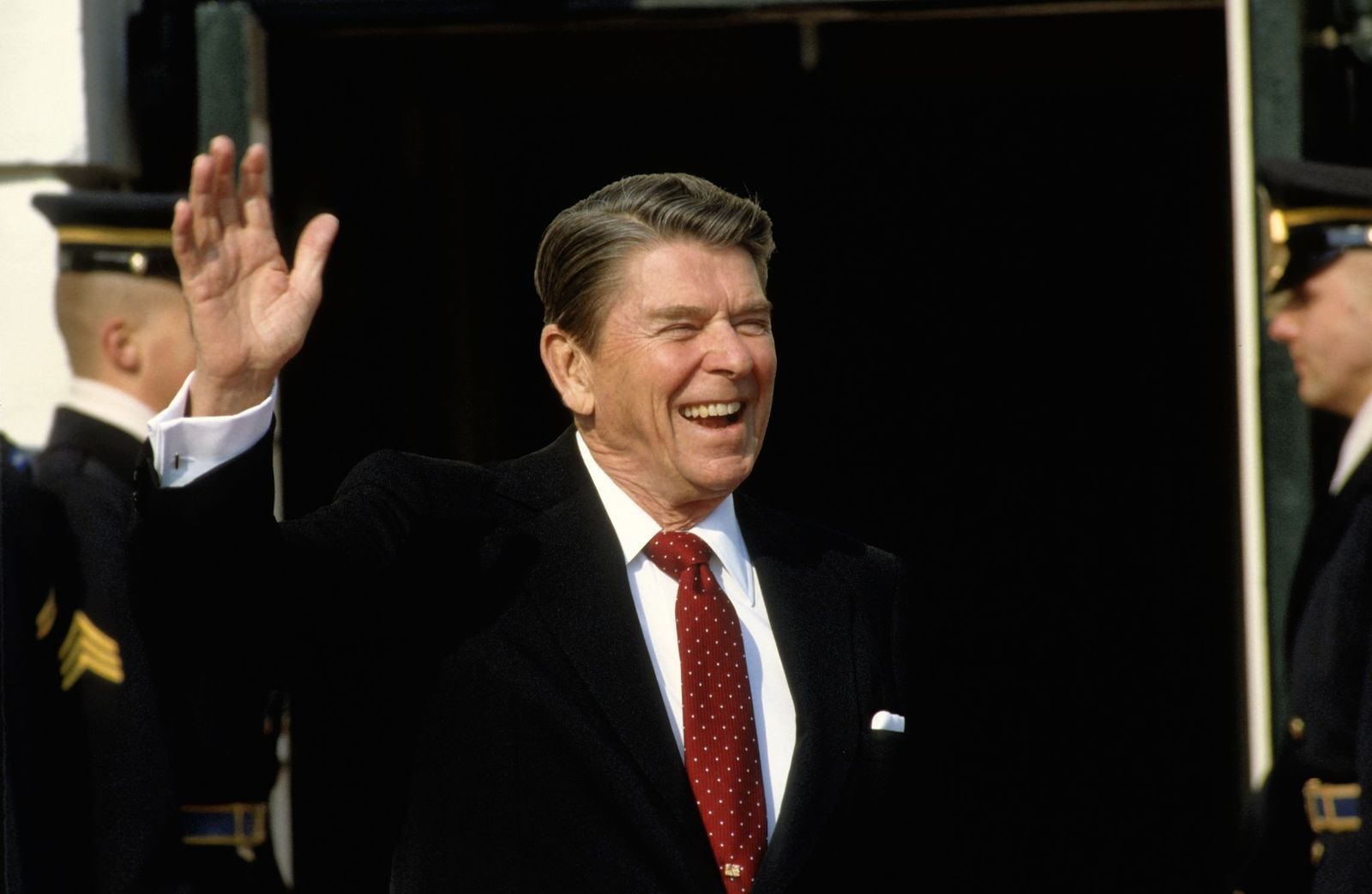
Image: mark reinstein

Throughout the 1980s, Reagan pursued a policy mixing firm diplomacy with a strong national defense, which helped ease tensions with the Soviet Union as the Cold War wound down. His approach is often credited with helping set the stage for its peaceful conclusion .

At home, Reagan pushed through major tax cuts and economic reforms aimed at boosting growth. Supporters felt renewed optimism about the economy, while the changes also sparked debate that still echoes in political conversations today.

3
Abraham Lincoln
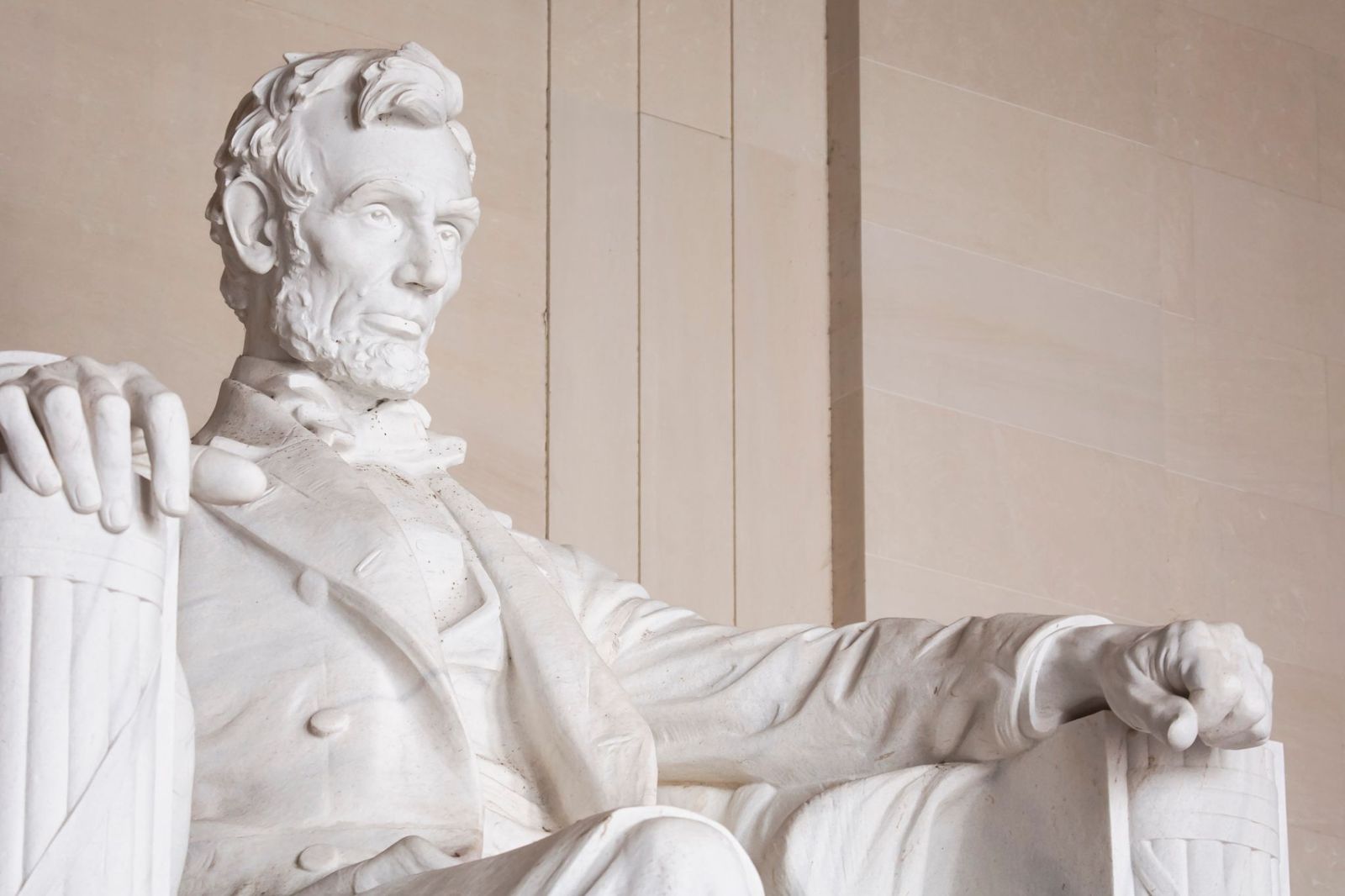
Image: Paul Maguire

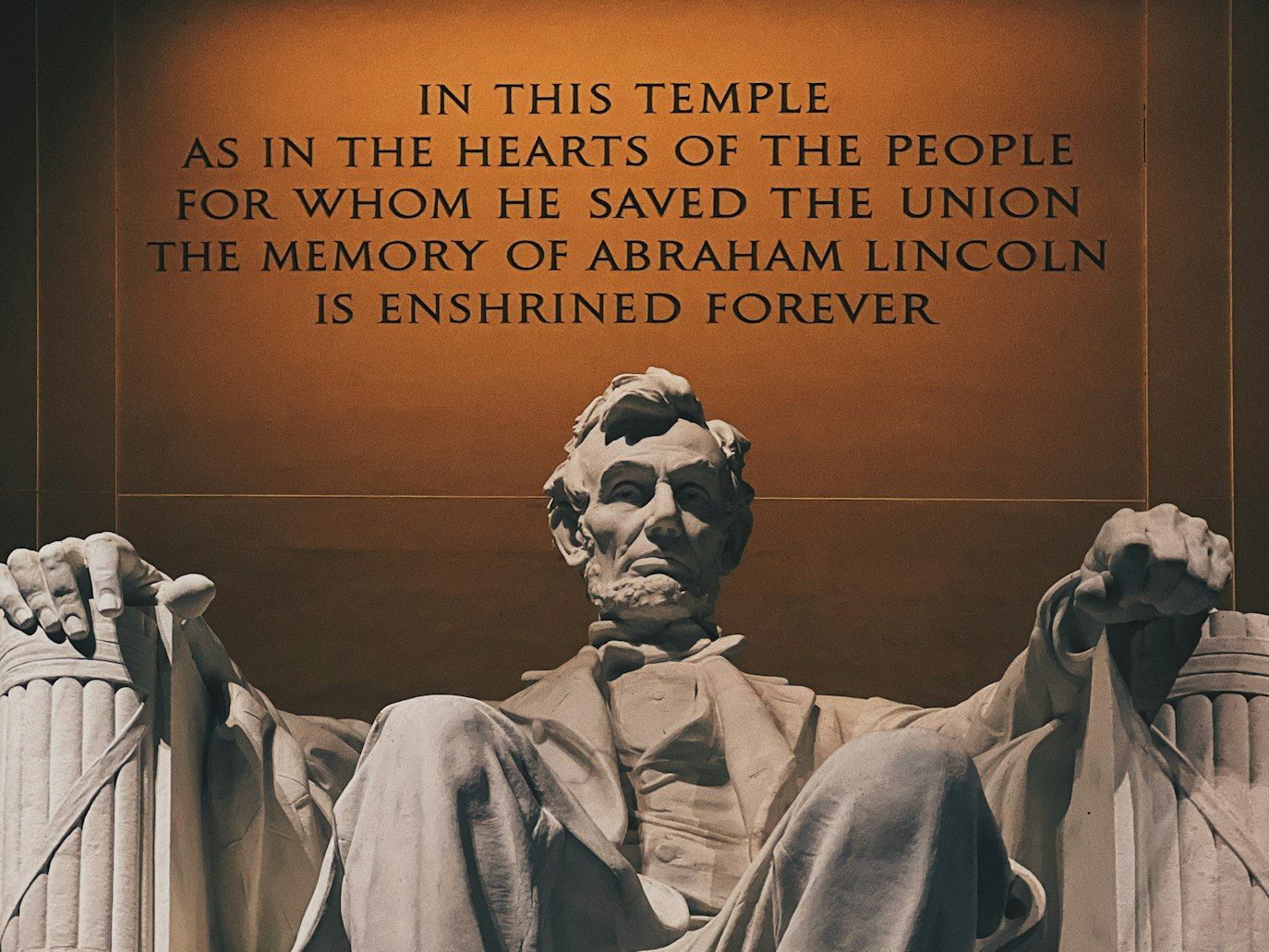
During the 1860s, Lincoln worked to hold the nation together through one of its most difficult chapters. His steady leadership focused on preserving the Union at a time when the country's future felt genuinely uncertain.

In 1863, he issued the Emancipation Proclamation , declaring enslaved people in Confederate states free. It was a defining step toward a more just nation, and it remains one of the most celebrated moments in American history.

4
Richard Nixon

Image: Pamela Brick

In 1972, Nixon made a surprising move by traveling to China, opening diplomatic relations with a nation the U.S. had largely avoided for decades. It was a bold gesture that few expected from him.

The visit reshaped American foreign policy, and the diplomatic and trade ties it opened continue today, even as the relationship between the two countries has had its share of ups and downs over the years. At the time, many Americans were struck by the historic television images of Nixon walking along the Great Wall.

5
Franklin D. Roosevelt
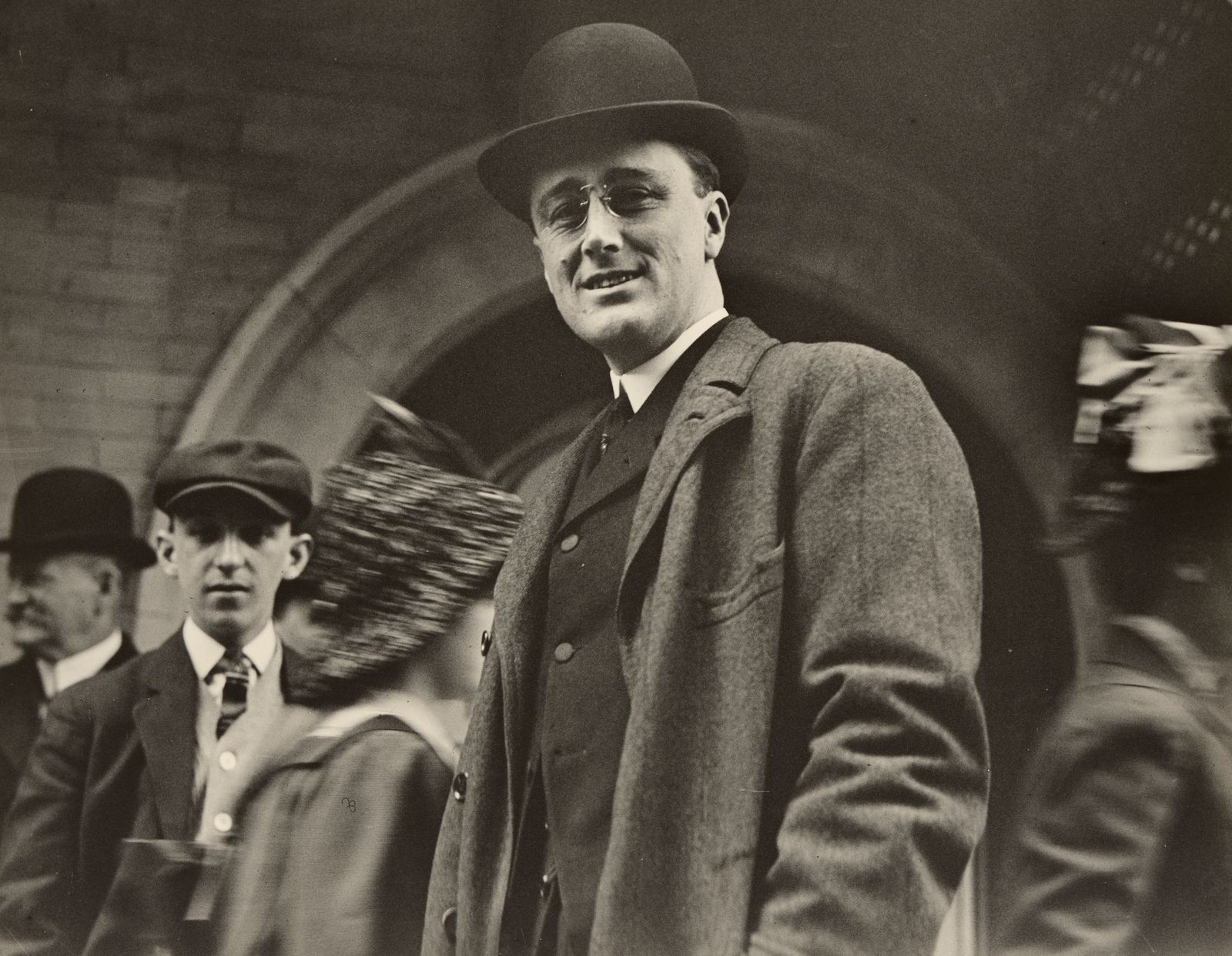
Image: Rawpixel.com

In the 1930s, facing the Great Depression, Roosevelt introduced the New Deal , a set of programs designed to create jobs and rebuild the economy. It gave many struggling families a renewed sense of hope.

He later guided the nation through most of World War II, providing steady leadership during a difficult stretch. Many Americans came to see him as a reassuring, fatherly figure during uncertain times.

6
George Washington
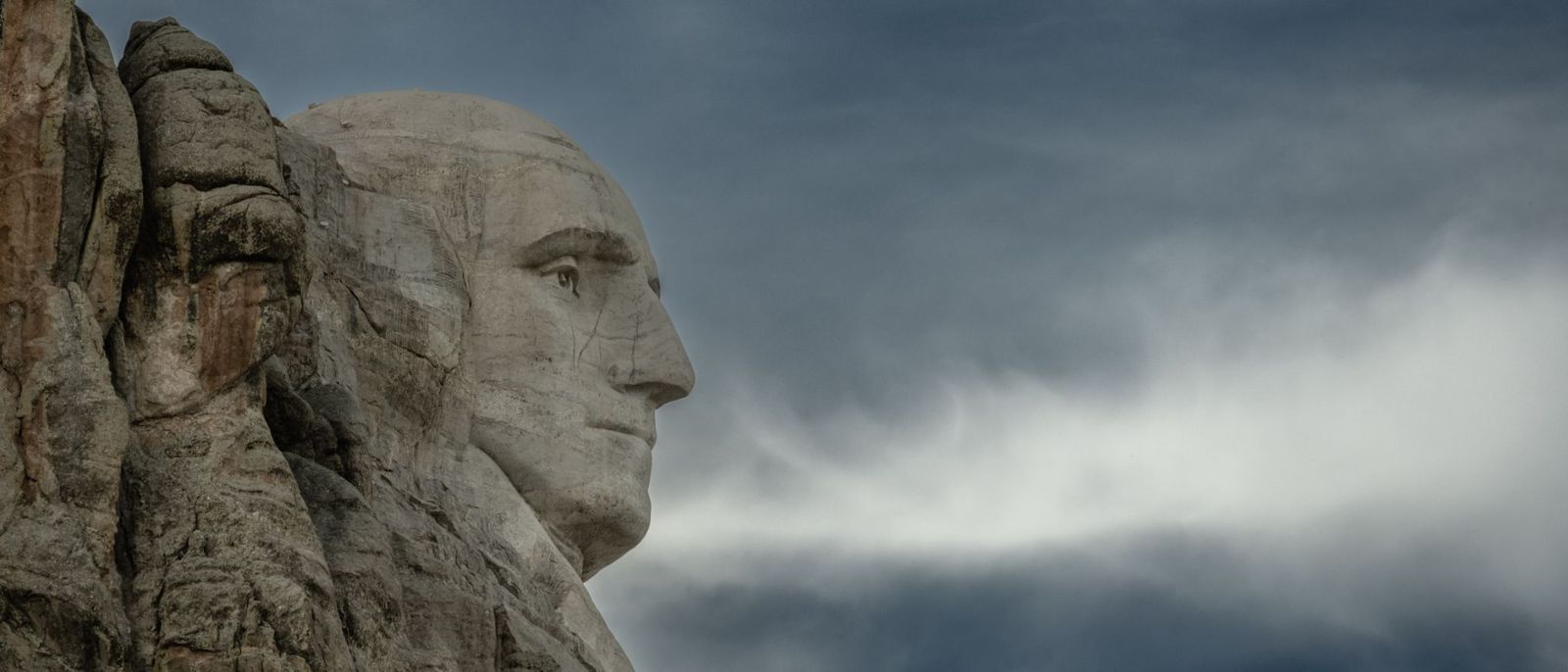
Image: Kelly vanDellen

As the nation's very first president, starting in 1789, Washington had no roadmap to follow. He had to figure out, from scratch, how the role should actually work.

He set lasting precedents, including the two-term tradition and a peaceful transfer of power. People admired his humility and restraint, and his example continues to shape how Americans think a president should lead .

7
Thomas Jefferson
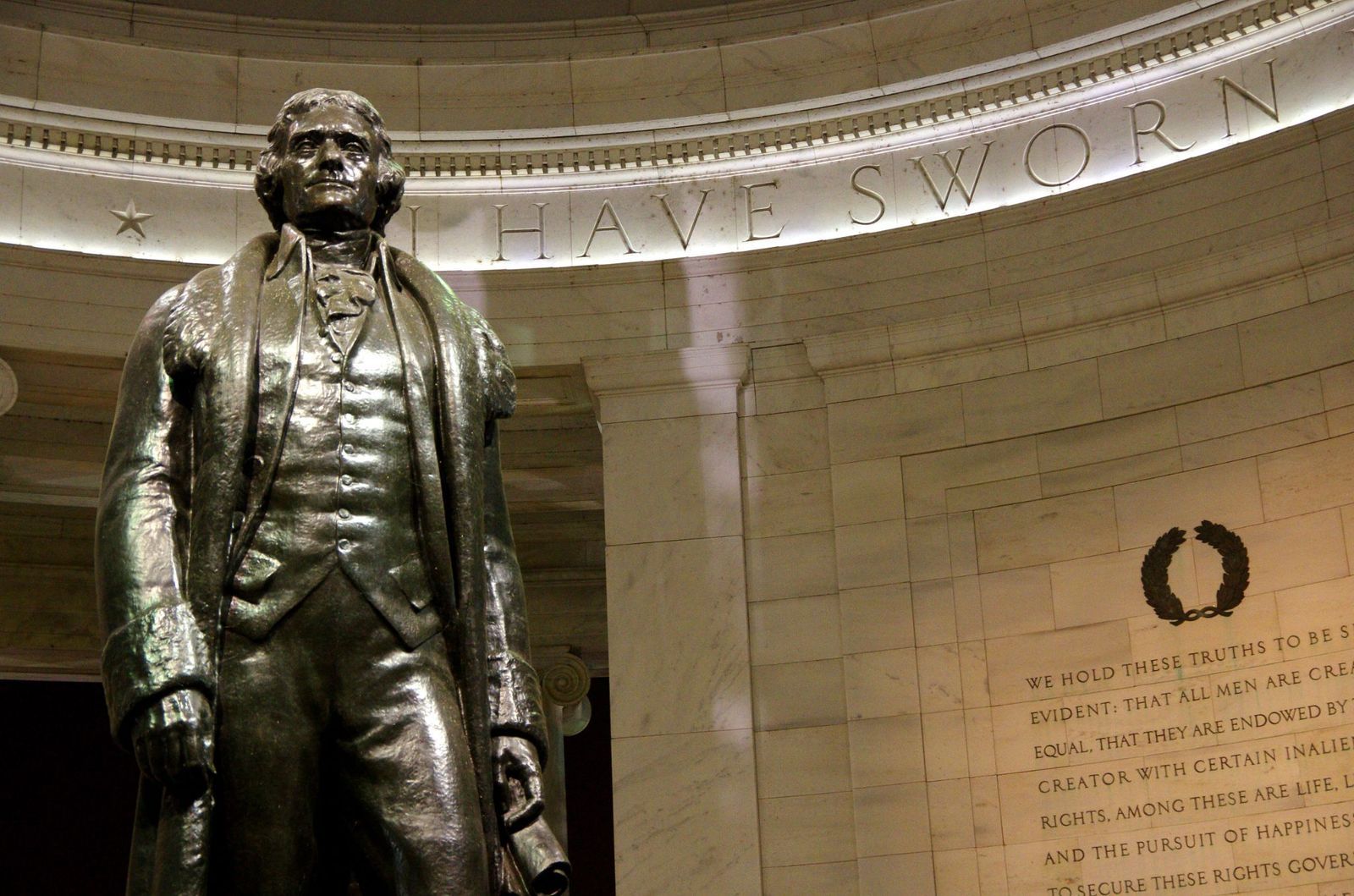
Image: LO Kin-hei

In 1803, Jefferson negotiated the Louisiana Purchase , buying a massive stretch of land from France for roughly three cents an acre. It was one of the best real estate deals in history.

The purchase doubled the size of the United States overnight, opening the door to westward expansion. Many Americans were thrilled by the sudden growth, though it also raised new questions about constitutional limits and how the growing nation would handle its new territory.

8
Harry S. Truman
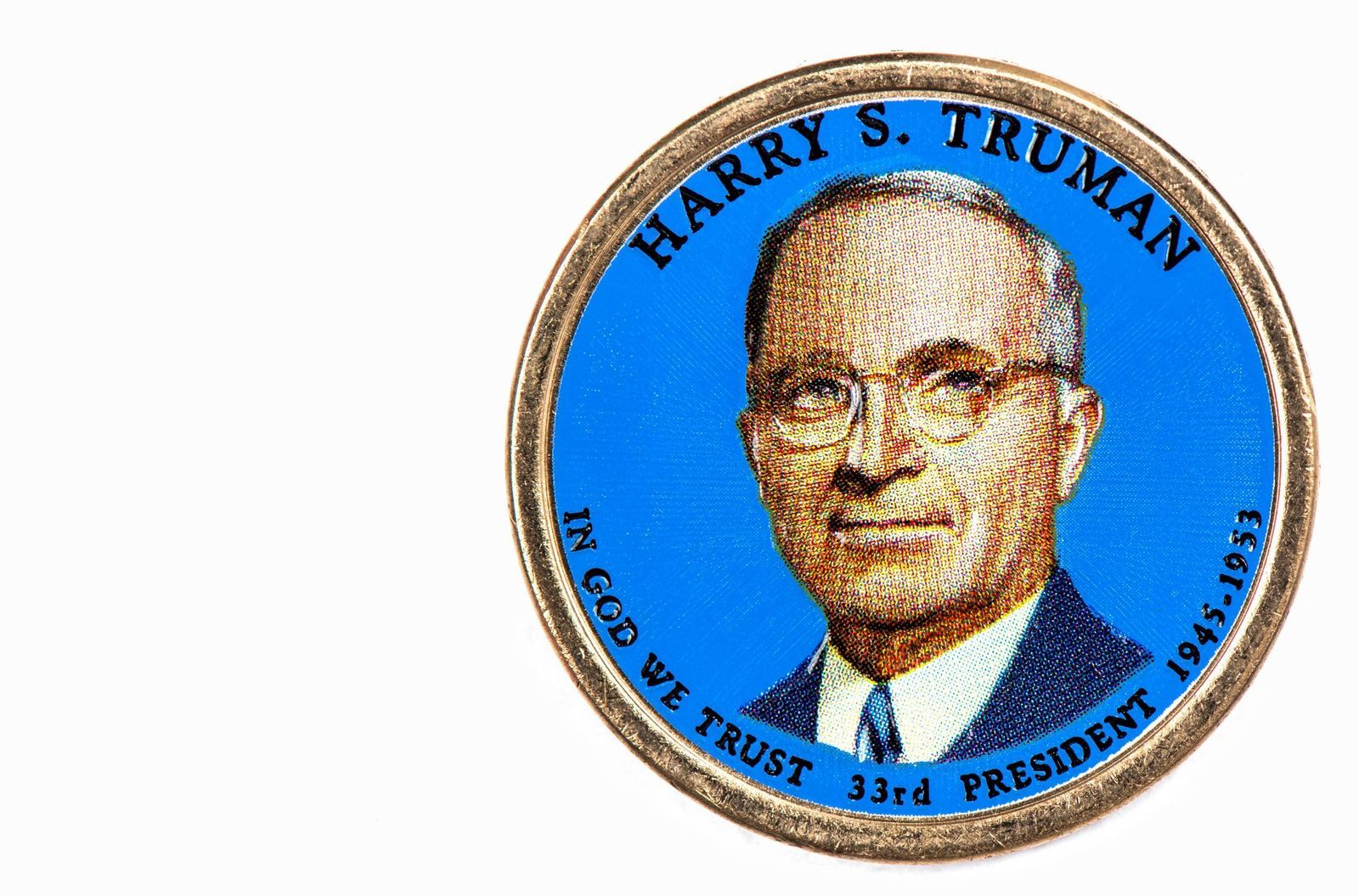
Image: Prachaya Roekdeethaweesab

As World War II wound down in 1945, Truman stepped into leadership during an enormous transition. He then turned his attention to helping Europe recover from years of hardship.

His Marshall Plan sent aid to rebuild European economies, a move widely seen as generous and forward-thinking. It helped foster goodwill abroad and positioned the U.S. as a steady partner on the world stage .

9
Dwight D. Eisenhower

Image: Vitaly Raduntsev

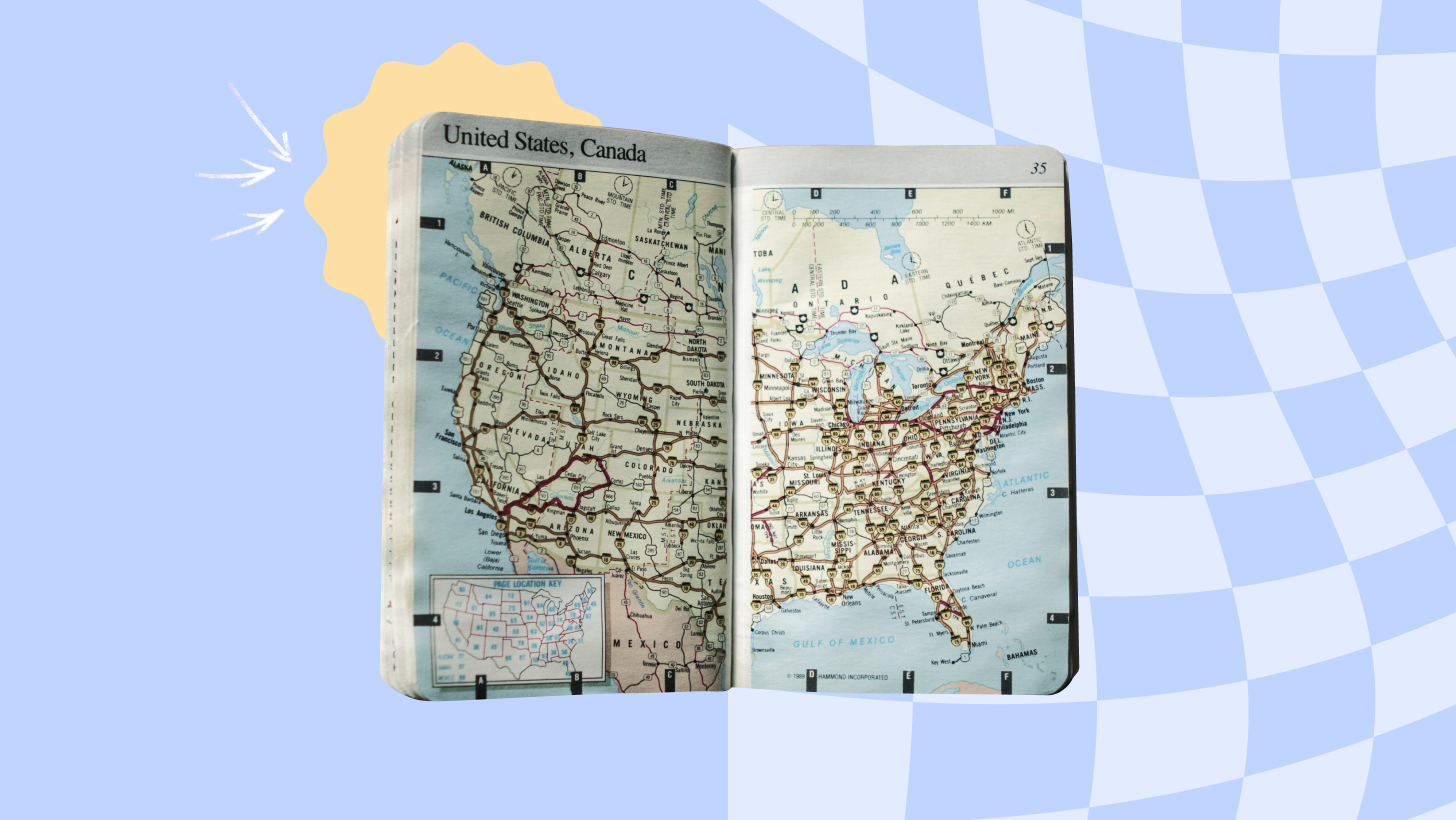
In 1956, Eisenhower championed the creation of the Interstate Highway System , inspired partly by the efficient roadways he'd seen while serving in Europe years earlier. It was a massive undertaking.

The new highways transformed how Americans traveled, shipped goods, and even planned vacations. Road trips became a beloved pastime, and the system remains one of the most visible legacies of any president.

10
Theodore Roosevelt
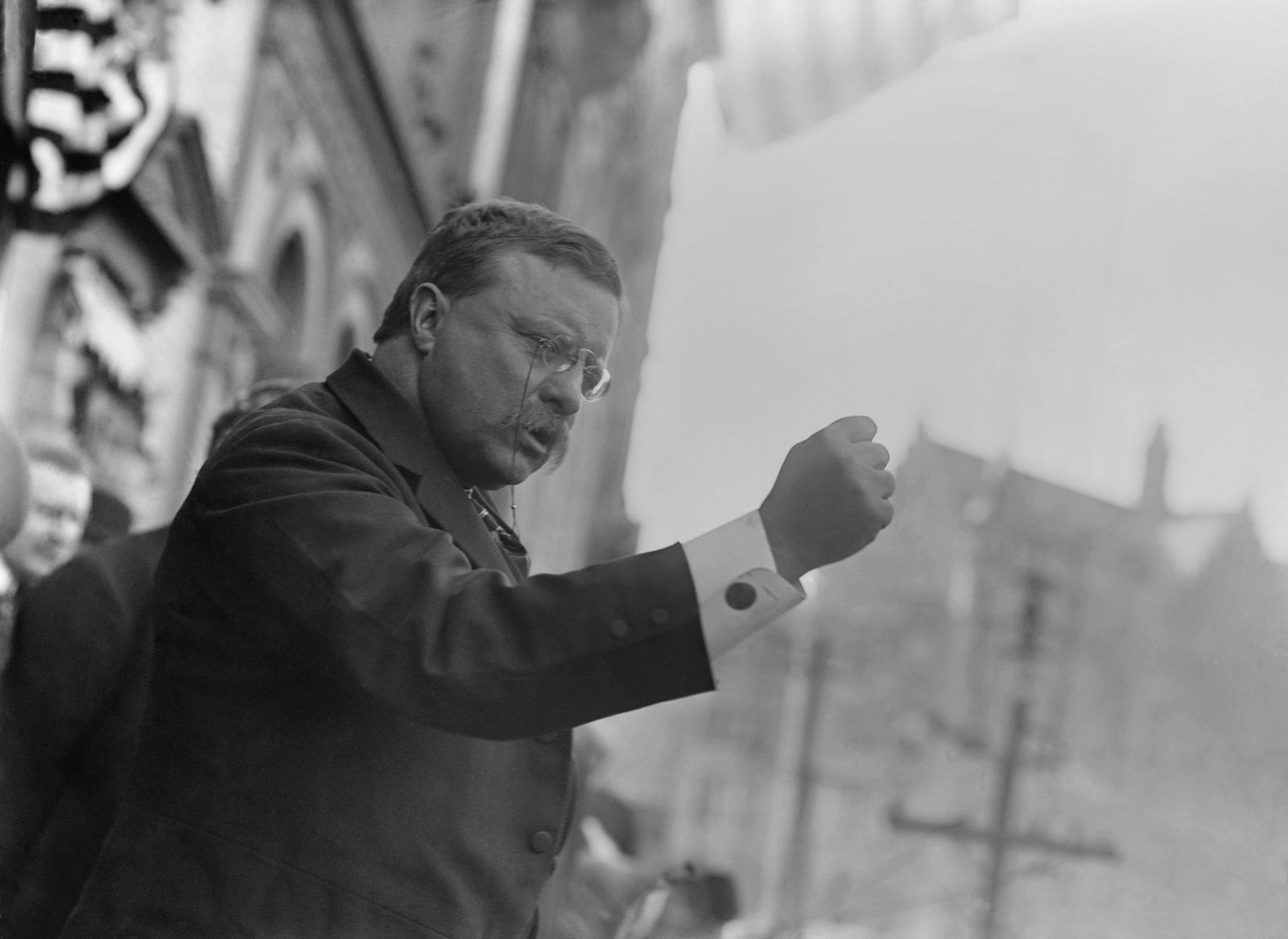
Image: Everett Collection

In the early 1900s, Roosevelt became a passionate champion of conservation, alarmed by how quickly natural landscapes were disappearing. He believed future generations deserved to enjoy them too.

He protected millions of acres, establishing national parks and forests still cherished today. Outdoor enthusiasts of his time praised him warmly, and his legacy lives on every time someone visits a national park.

History History 4 min read

Nature’s wrath unleashed

Wild, wild weather: 10 natural disasters that changed U.S. history

Image: Greg Johnson

America’s vast territories and diverse landscapes make it a hotspot for some of the world’s most remarkable weather and natural phenomena . From raging tornadoes to volcanic eruptions, the U.S. is no stranger to extreme natural events. While some of these events have left deep scars on the nation’s collective memory, many have also driven significant advancements in prevention and disaster response protocols, helping to mitigate the impact of future occurrences. Here’s a look at 10 of the most powerful natural events in American history.

1
Tri-State tornado

Image: Greg Johnson

In 1925, the Tri-State Tornado carved a path of destruction across Missouri, Illinois, and Indiana. With winds exceeding 300 mph, it remains the deadliest tornado in U.S. history, claiming more than 700 lives and leaving thousands homeless.

This record-breaking F5 tornado—classified as such by modern standards—traveled over 200 miles in just three and a half hours, leveling entire towns. Its unprecedented speed and longevity exposed the limitations of early warning systems, prompting significant advancements in tornado research and forecasting.

2
The Dust Bowl

Image: Sophia Simoes

The 1930s Dust Bowl was a man-made disaster exacerbated by a severe drought across the Great Plains. Decades of over-plowing and unsustainable farming practices had left the farmland highly vulnerable to erosion.

When the drought struck, winds swept loose soil into colossal clouds that darkened cities and devastated remaining crops. These massive dust storms, known as "Black Blizzards," choked the skies and forced thousands of families to abandon their homes . Eventually, the disaster led to significant agricultural reforms under the New Deal.

3
Lake Michigan's seiche wave

Image: Silas Baisch

On the morning of June 26, 1954, a 10-foot-high seiche wave crashed onto the Chicago shoreline , sweeping away eight people and injuring many others. But what exactly is a "seiche wave"?

According to researchers, seiche waves are large, sudden standing waves that form in enclosed bodies of water due to extreme atmospheric changes, such as abrupt shifts in air pressure or strong winds. This rare event shocked the Midwest and prompted scientists to study lake oscillations and their connection to storm systems.

4
Great Alaska earthquake

Image: Joris Beugels

In 1964, Alaska was struck by a devastating earthquake with a magnitude of 9.2, making it the most powerful ever recorded in North America and the second most powerful worldwide. Lasting four minutes and thirty-eight seconds, the earthquake triggered massive tsunamis and landslides across the state, along with significant geographic changes —some coastlines sank while others rose dramatically.

The destruction it caused led to major updates in seismic safety protocols and infrastructure standards throughout the U.S. This event emphasized the need for better preparedness and stricter building codes , to handle similar future events, especially in earthquake-prone areas.

5
Hurricane Katrina

Image: NASA

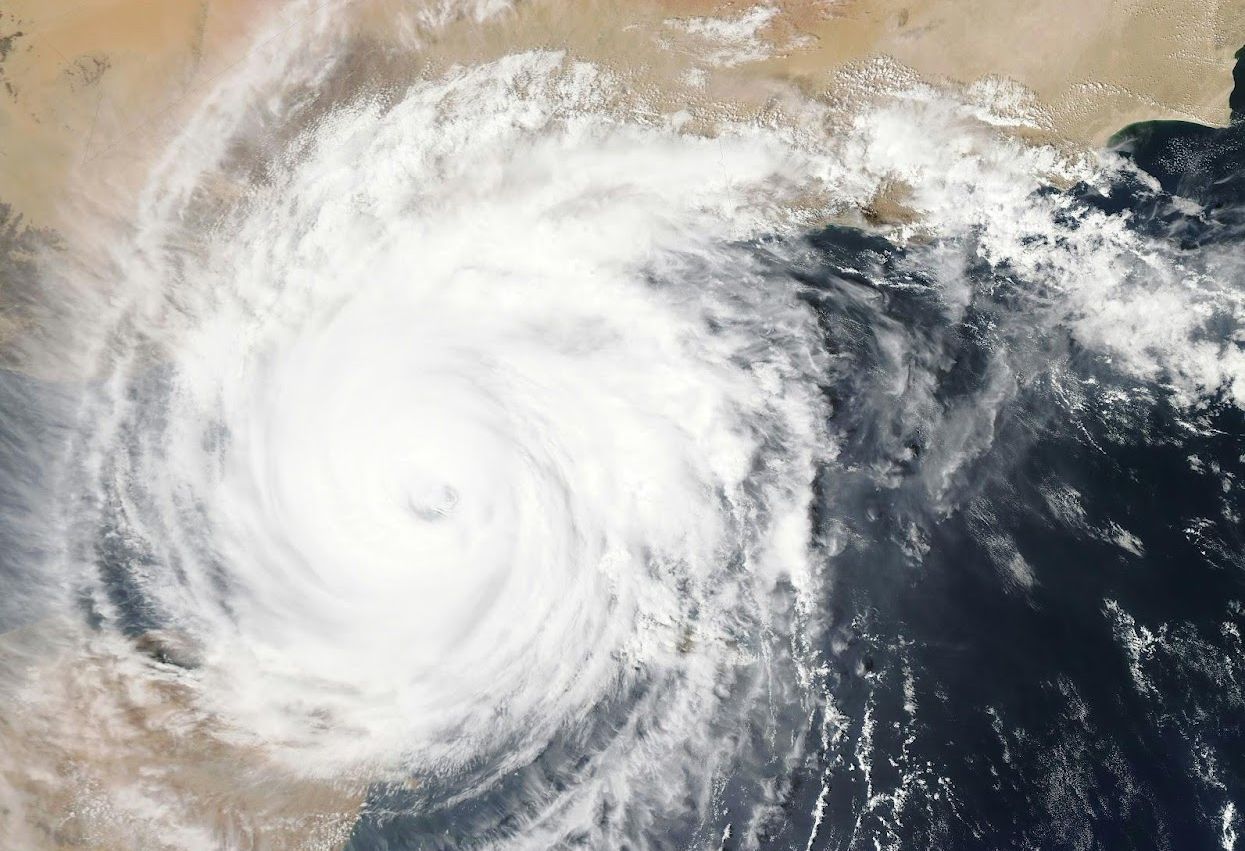
In 2005, Hurricane Katrina ravaged New Orleans and the Gulf Coast, claiming more than 1,300 lives and leaving millions homeless, sparking an urgent humanitarian crisis. The storm caused an estimated $125 billion in damages, making it one of the costliest hurricanes in history , tied with Hurricane Harvey in the Atlantic basin.

Katrina exposed critical flaws in the region's levee systems and emergency response efforts, prompting widespread criticism and driving essential reforms in disaster preparedness and infrastructure.

6
The Peshtigo firestorm

Image: Tim Mossholder

On the same day as the Great Chicago Fire of 1871, a catastrophic firestorm near the small town of Peshtigo, Wisconsin, scorched approximately 1.2 million acres, making it the deadliest wildfire in recorded history . The uncontrolled blaze claimed over 1,500 lives, though the exact number of fatalities remains uncertain.

Since 1883, there has been speculation that the simultaneous outbreaks of major fires across Illinois, Michigan, and Wisconsin, including the Peshtigo and Chicago fires, were not coincidental but caused by burning fragments from Biela's Comet . However, this theory remains unproven.

7
Superstorm Sandy

Image: Matt Hardy

Nicknamed "Superstorm" by the media, Hurricane Sandy wreaked havoc on the Caribbean and the coastal Mid-Atlantic region of the United States in late October 2012. While it affected 24 states, the most severe damage was concentrated in New Jersey and New York .

The storm caused an estimated $70 billion in damages, flooding New York City's subway system and displacing thousands of residents. It also ignited a nationwide debate about the role of man-made climate change in amplifying the intensity of seasonal storms.

8
Death Valley heatwave

Image: Johannes Plenio

Death Valley recorded the world’s hottest temperature —134°F—in 1913. A testament to America’s climatic extremes, the region’s unique topography traps heat, effectively turning it into a natural furnace.

While the record remains a point of fascination for meteorologists and tourists alike, some recent researchers have challenged the accuracy of the 1913 measurement. Regardless, the region has come close to this temperature in recent years, indicating that a new record-breaking summer may be in the cards.

9
The Great Blizzard of 1888

Image: Jan Canty

The "White Hurricane" of 1888 buried the Northeast under as much as 55 inches of snow, crippling major cities and resulting in over 400 fatalities. Railroads were shut down, and many residents were confined to their homes for up to a week.

As one of the most severe blizzards in American history , the storm compelled New York City to bury power lines and redesign its transportation systems to better withstand future extreme weather events.

10
Mount St. Helens eruption

Image: Tetiana Grypachevska

On May 18, 1980, Mount St. Helens erupted in Washington, triggering massive landslides and pyroclastic flows, killing 57 people and causing over $1.1 billion in damages. The violent blast also reduced the mountain’s height by more than 1,300 feet and sent a plume of ash 80,000 feet into the atmosphere, disrupting air travel for weeks.

This volcanic event, the first in the contiguous United States since the much smaller 1915 eruption of Lassen Peak in California, is considered one of the most disastrous volcanic eruptions in U.S. history. Its aftermath raised awareness of volcanic hazards and underscored the importance of geological research in the country.

Geography Geography 5 min read

Tales from the Heartland

Bread, lakes, and planes: 10 fascinating facts about the American Midwest

Image: Domino Studio

Often referred to as America’s Heartland, the Midwest safeguards a treasure trove of history, culture, and natural beauty. More than just the nation’s breadbasket, it has helped shape the very essence of the American identity. From airplanes to Mount Rushmore, it boasts a legacy that's hard to top! Join us as we explore some fascinating facts that prove the Midwest is still pumping blood into the veins of America.

1
Ohio: Birthplace of aviation

Image: History in HD

Ohio proudly claims the title "Birthplace of Aviation," being the home state of the Wright brothers. While the first successful flight actually took place in North Carolina, above the sand dunes of Kitty Hawk, most of the brothers' ideas were first developed back in their bicycle shop in Dayton, Ohio.

Their achievement made headlines worldwide, and soon the brothers secured their first military contract for the aircraft that would become the first practical airplane sold commercially. As symbols of American ingenuity, these two Ohioans are remembered for their innovative spirit and determination to succeed—qualities central to the Midwest spirit.

2
Michigan: Freshwater coast

Image: Jeff DeWitt

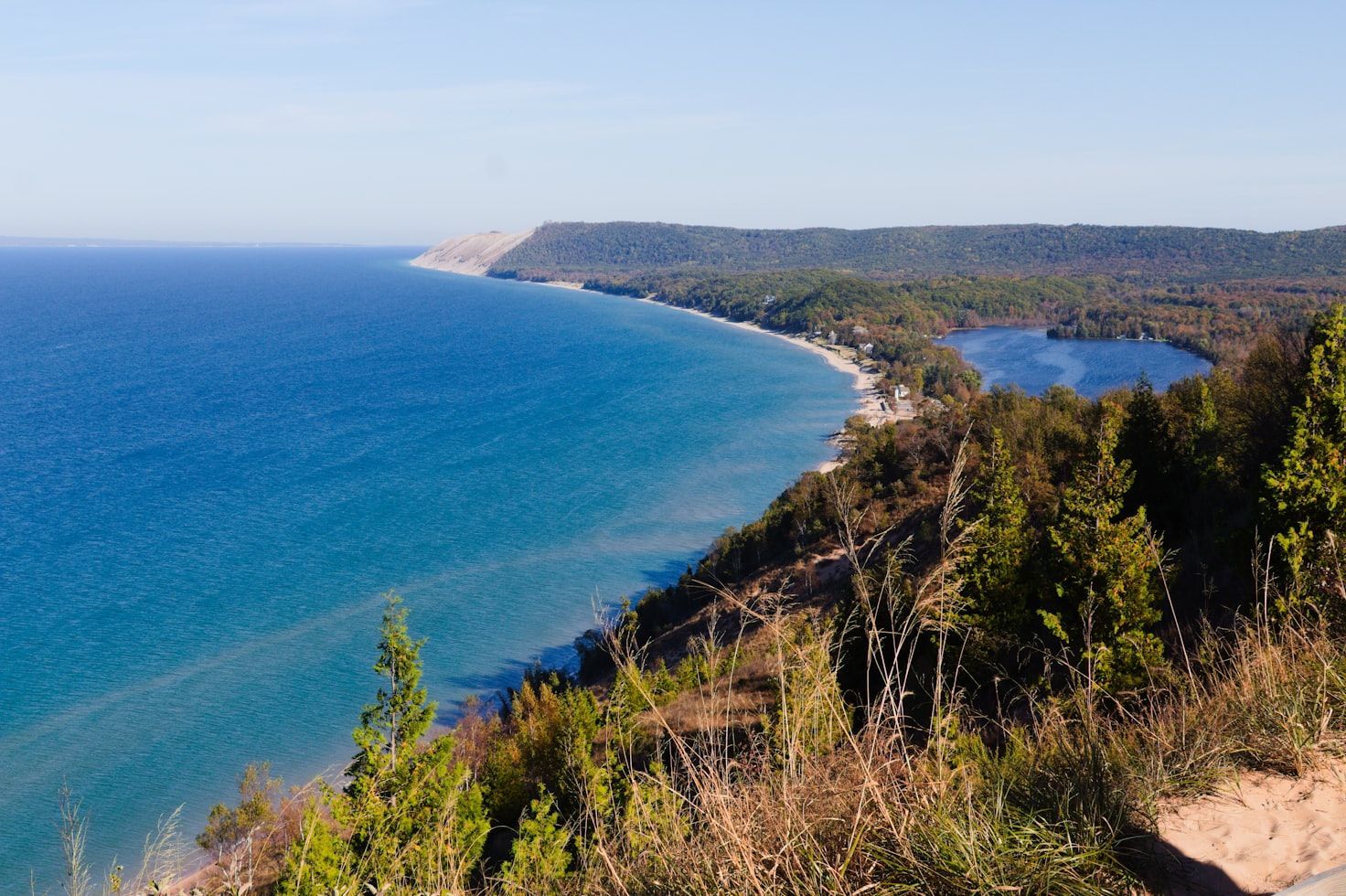
Michigan is home to the largest freshwater coastline in the United States, thanks to its proximity to four of the five Great Lakes. This vast "unsalted" coast is a crucial part of America’s natural heritage. In fact, Michigan has the highest percentage of water area among all states, with a whopping 41.5% of its surface covered by water!

Its 3,288 miles of freshwater shoreline offer stunning scenery and numerous recreational opportunities, making it a popular destination for tourists. As part of the nation's natural legacy, the Great Lakes also serve as a vital resource, providing freshwater and transportation for neighboring states and industries.

3
Wisconsin: Dairyland legacy

Image: Josh Turner

As the nation’s leading producer of cheese and other dairy products, Wisconsin is rightly known as "America’s Dairyland." Furthermore, the Badger State's dairy industry dating back to the 19th century, is deeply intertwined with its cultural and economic identity.

The commitment of Wisconsin's farmers to quality and innovation has made the state a cornerstone of American agriculture. Wisconsin cheese, renowned for its variety and excellence, is a staple of the American diet, enjoyed by millions across the nation.

4
Illinois: Land of Lincoln

Image: Naomi August

Illinois is often referred to as the "Land of Lincoln," honoring its deep connection to Abraham Lincoln, one of America’s most revered presidents. Though Lincoln was actually born in Kentucky, he spent his formative years in Illinois.

It was here that he began his political career and developed the ideals that would guide the nation through its most challenging period. Illinois honors Lincoln’s legacy through numerous monuments and the Abraham Lincoln Presidential Library and Museum, which houses the largest collection of Lincoln-related documents and artifacts in the world.

5
Indiana: Racing capital

Image: Andrew Roberts

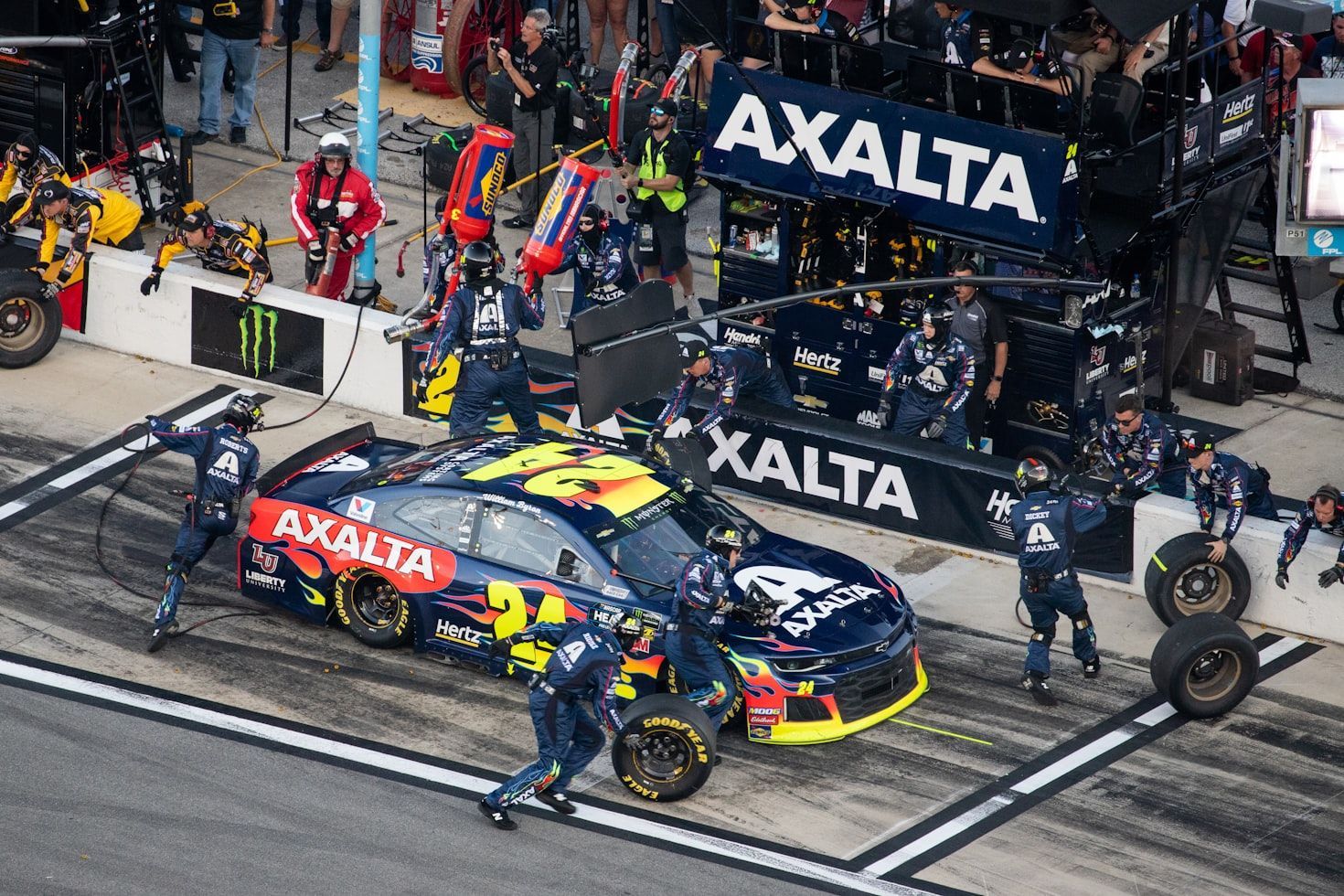
Indiana is home to the Indianapolis Motor Speedway, the world-famous venue for the Indy 500, a race that epitomizes America’s love for speed, engineering, and sportsmanship. Since its inaugural race in 1911, the Indy 500 has been a symbol of innovation and endurance.

These racing events are a key part of the region's identity, attracting hundreds of thousands of spectators annually, both nationally and internationally. Interestingly, the Indianapolis Motor Speedway is also one of the largest sports venues in the world, with a seating capacity of over 250,000.

6
Minnesota: The land of 10,000 lakes

Image: Laura Kessler

Minnesota, known as the "Land of 10,000 Lakes," actually boasts over 11,000 lakes, making it a paradise for outdoor enthusiasts and a cornerstone of America’s biodiversity. The state's unwavering commitment to preserving these natural wonders has made these lakes a vital resource for both native wildlife and tourism.

The Boundary Waters Canoe Area, a wilderness area with over 1,000 pristine lakes, is one of the most visited natural attractions in the United States, drawing nearly 150,000 visitors annually. These lakes also play a crucial role in supporting diverse ecosystems, providing habitats for over 200 species of birds and countless other wildlife.

7
Missouri: The gateway to the West

Image: Intricate Explorer

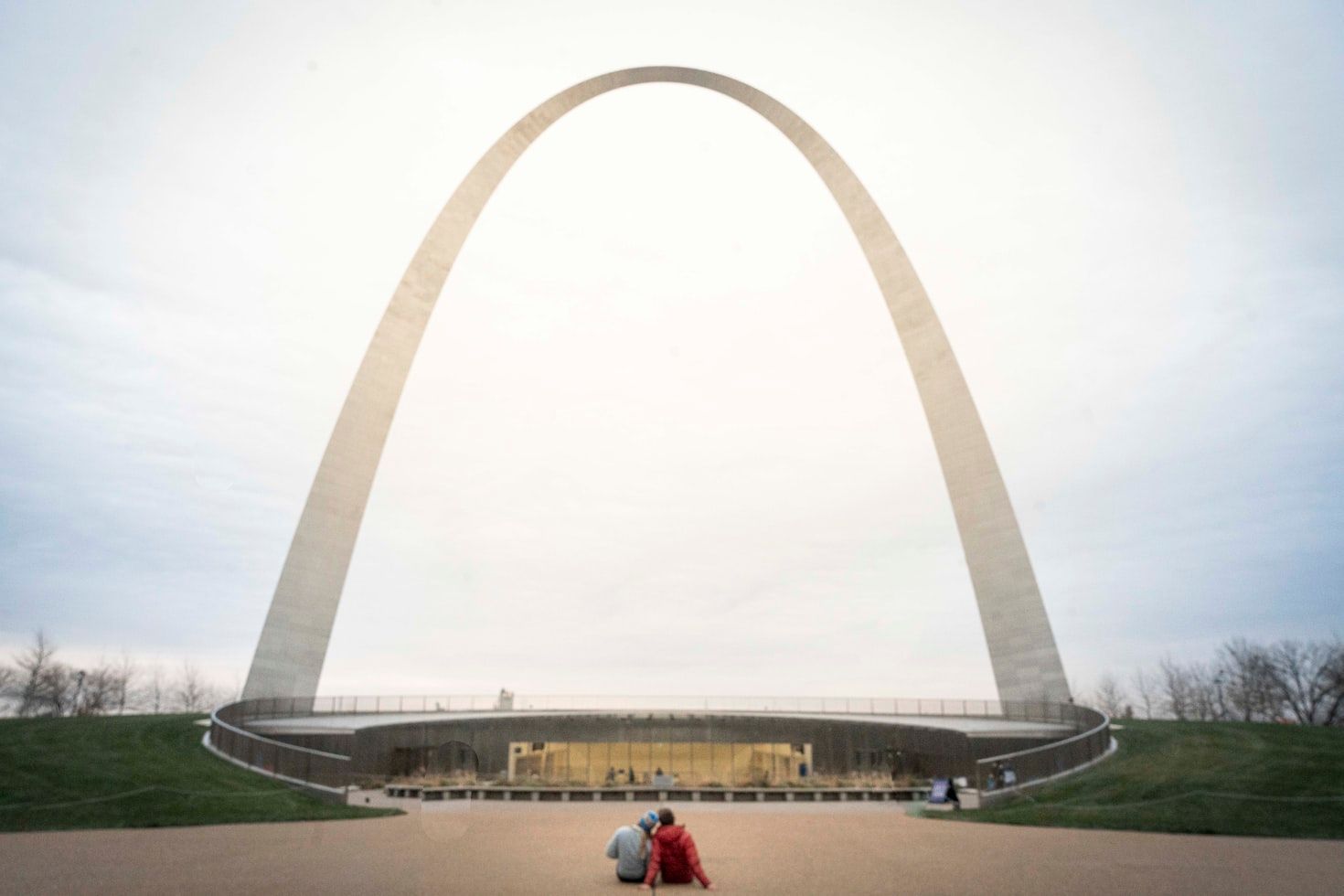
The Gateway Arch in St. Louis, Missouri, stands as a monumental symbol of America’s westward expansion and the pioneering spirit that built the nation. Located at the site of St. Louis's founding in 1764, on the west bank of the Mississippi River, the towering monument was designed by Finnish-American architect Eero Saarinen and completed in 1965.

The 630-foot-tall arch represents the "gateway to the West," honoring the daring pioneers who ventured into the unknown to expand the nation’s borders. The Gateway Arch is also the tallest man-made monument in the United States and is part of the Jefferson National Expansion Memorial, which commemorates not only the pioneers but also the Louisiana Purchase—a key moment in America's territorial expansion.

8
Kansas: America’s breadbasket

Image: Josh Redd

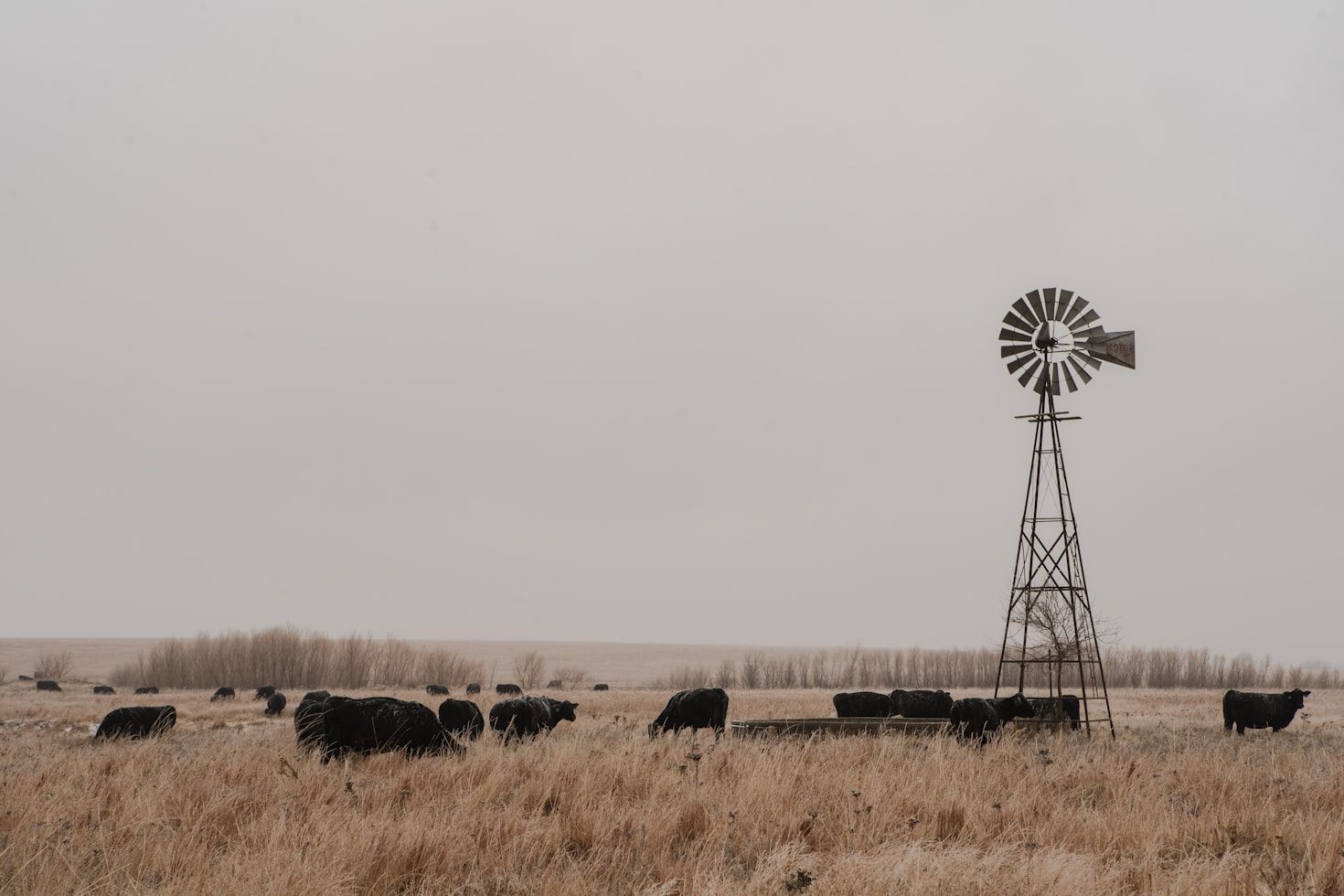
Often called the "Breadbasket of America" due to its vast wheat production, Kansas's wheat fields are a cornerstone of American agriculture, feeding millions both in the United States and around the world. With its rich, fertile plains, the state has been a major agricultural hub since the 19th century.

Kansas consistently ranks among the top wheat-producing states in the country, contributing approximately 15% of the total U.S. wheat supply. Other leading crops include alfalfa, hay, oats, barley, and corn. This significant output supports not only domestic food production but also exports to international markets, making Kansas a key player in global food security.

9
Iowa: First-in-the-Nation Caucuses

Image: Clay Banks

The Iowa caucuses have been the starting point for presidential campaigns since 1972, often setting the tone for the national race. This unique role gives Iowa outsized influence in American politics, as candidates focus their early efforts on winning over the state’s voters.

Although caucus-goers may not fully represent the nation’s overall demographics, the Iowa caucuses are still seen as a strong indicator of a candidate’s potential performance in subsequent contests. Candidates who perform poorly in the Iowa caucuses frequently drop out in the following days.

10
South Dakota: Mount Rushmore

Image: Nils Huenerfuerst

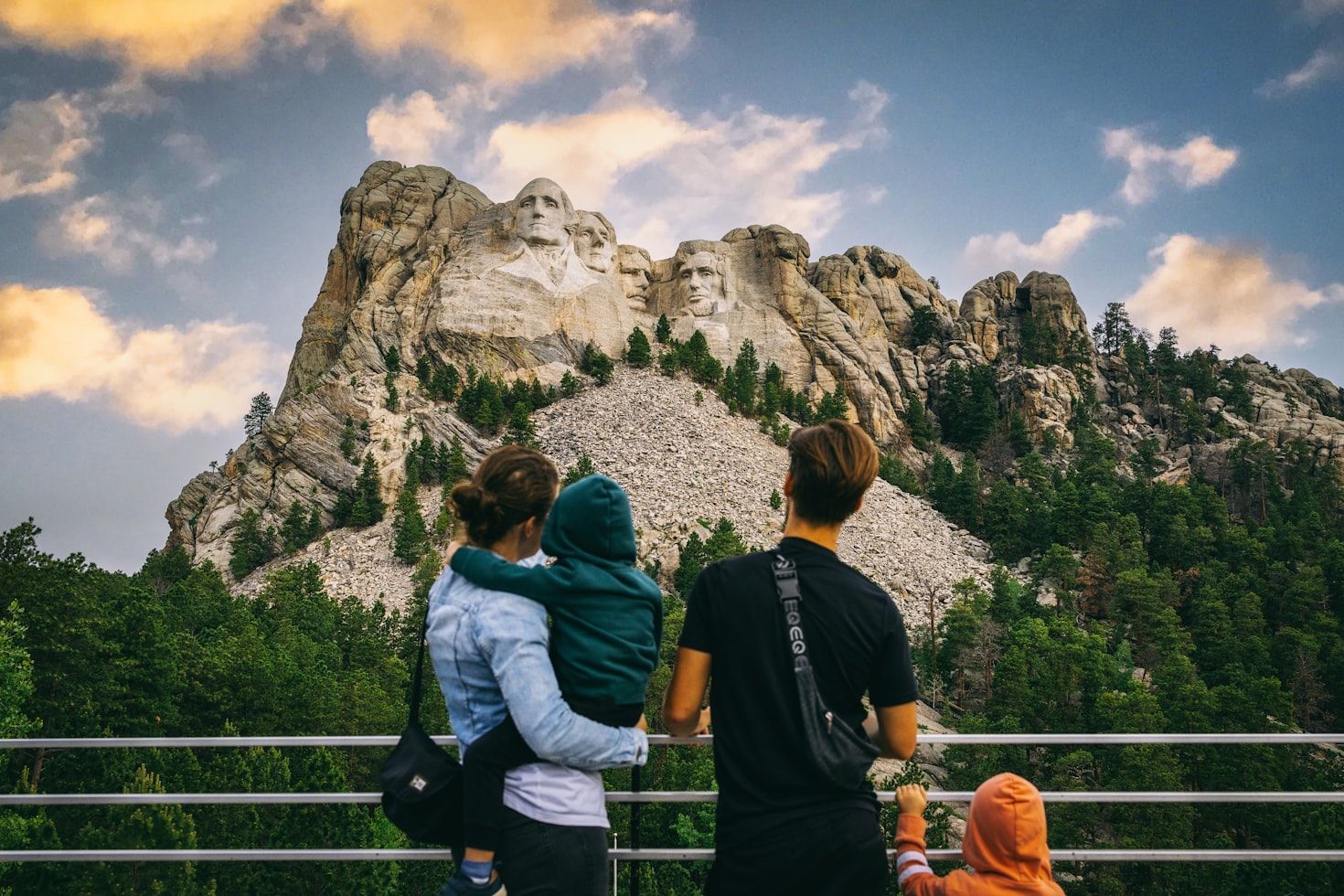
Mount Rushmore, located in South Dakota, is one of the most iconic symbols of American history, featuring the carved faces of four U.S. presidents. Completed in 1941, Mount Rushmore celebrates the leadership and vision of Presidents George Washington, Thomas Jefferson, Theodore Roosevelt, and Abraham Lincoln.

This monumental sculpture represents the nation’s ideals and the enduring legacy of its leaders. Carved into the Black Hills, the granite faces on Mount Rushmore each measure about 60 feet tall. No wonder the entire project took 14 years to complete! Nowadays, the site attracts over 2 million visitors annually, making it a central landmark in American cultural heritage.

Explore more American facts

Choose your favorite category!

General
General

As American as apple pie—the very best America has to offer!

Culture
Culture

Delve into the astounding richness of American lore.

Geography
Geography

Hop in and explore vast and diverse American landscapes.

History
History

Discover the key moments that shaped the United States.