History History 3 min read

Remembering the fallen

Did you know Memorial Day was first called Decoration Day?

Memorial Day is an occasion to honor and mourn those who gave their lives in defense of the United States . This federal holiday, observed on the last Monday of May, has a long and evolving history, and it wasn’t always celebrated the way we know it today. Here are 10 facts about how Memorial Day came to be.

Decoration Day

Image: Caroline Attwood

Memorial Day was originally called Decoration Day and was first observed on May 30, 1868, as a way to honor Union soldiers who had died in the Civil War. However, the idea behind it actually came from the South. Mary Ann Williams , whose husband died during the conflict, wrote a letter to a newspaper urging women to set aside a day to decorate the graves of fallen soldiers.

The end of May

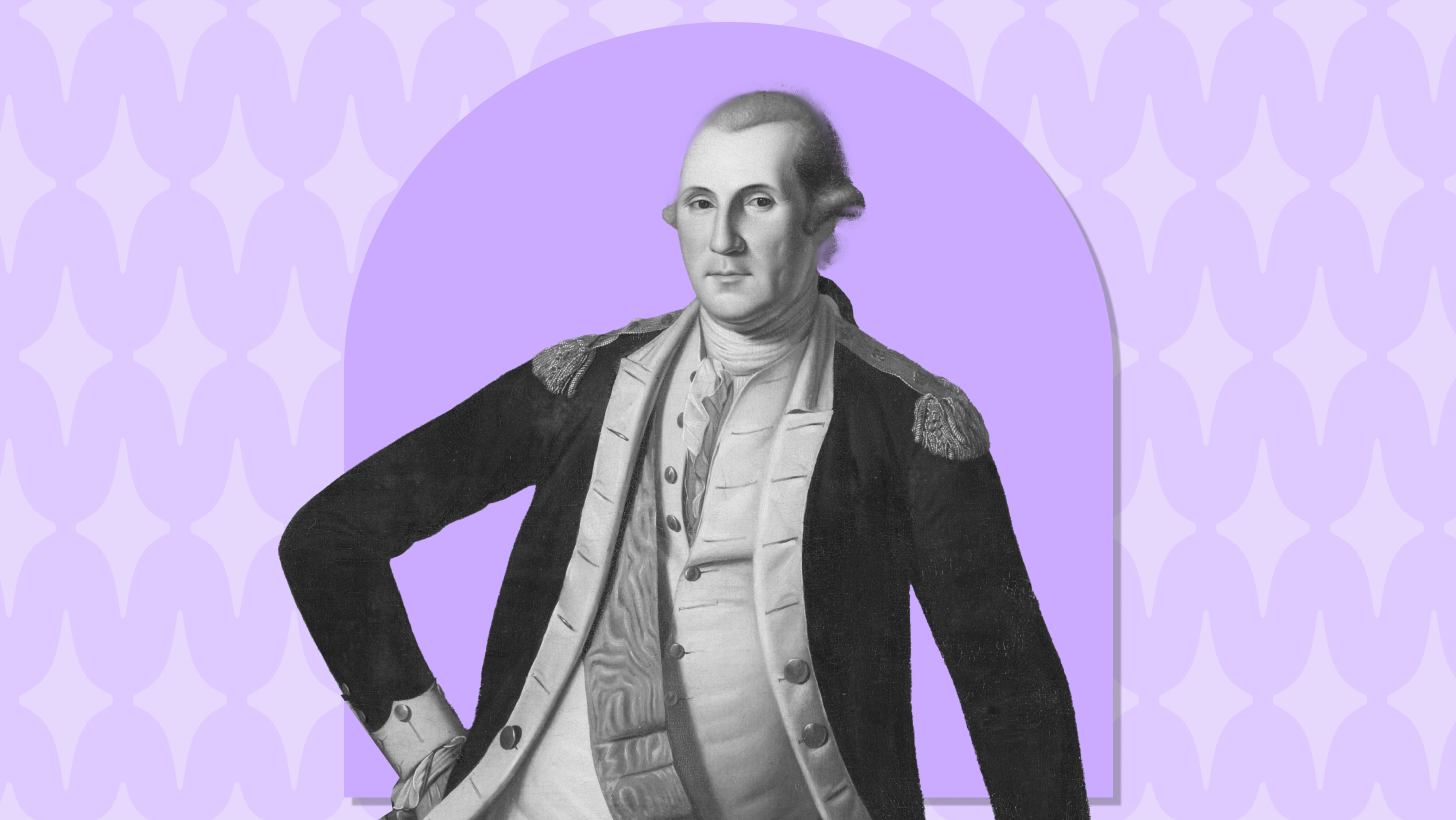
Decoration Day was instituted by the Army’s commander-in-chief, General John A. Logan , and was quickly adopted by most states. There are several theories about why the date was chosen: some say Logan purposely picked a day that was not the anniversary of any Civil War battle, while others believe he chose it because it’s the time of year when most flowers bloom.

National Cemeteries

During the American Civil War, the U.S. Congress passed an act to create military burial places for Union soldiers. By the end of that year, 12 national cemeteries had been established. Today, the National Cemetery System maintains 164 military burial sites, the most well-known being Arlington National Cemetery and Gettysburg National Cemetery .

Renaming

The term Memorial Day was first recorded in the 1880s and grew increasingly popular after World War II. However, the holiday wasn’t officially renamed until 1968, when the Uniform Monday Holiday Act moved its observance from May 30 to the last Monday in May.

A moment for remembrance

The establishment of Memorial Day weekend has been seen by some as a benefit to the travel, sports, and entertainment industries. Veterans’ organizations have urged that the holiday be returned to its original date, arguing that the three-day weekend undermines its intended meaning. In response, Congress passed the National Moment of Remembrance Act , which encourages people to pause at 3:00 p.m. for a moment of silent reflection and remembrance.

Poppies

Several English-speaking countries adopted the poppy flower as a symbol of remembrance for fallen soldiers after World War I. This tradition was inspired by the poem In Flanders Fields , written by Canadian military doctor John McCrae , which describes poppies growing among soldiers’ graves. In the United States, the poppy was originally associated with Veterans Day but is now primarily worn during Memorial Day weekend.

The flag

The national flag flies at half-staff during periods of mourning. While special instances of mourning can be proclaimed by government authorities, remembrance holidays follow a set protocol. On Memorial Day, the U.S. flag is briskly raised to the top of the staff, then solemnly lowered to half-staff, where it remains until noon. At that time, it is raised again to full staff to honor the nation’s living heroes and those still serving.

The Unknown Soldier

One of the focal points of Memorial Day is the Tomb of the Unknown Soldier at Arlington National Cemetery . This symbolic monument was established in 1921 and originally held the remains of an unidentified soldier who died in World War I. Later, unidentified soldiers from World War II and the Korean War were also interred at the site. A permanent military guard stands watch year-round, honoring the sacrifice of all unidentified service members.

Memorial Wreaths

Wreaths are a common sight on Memorial Day—but where does the tradition come from? In 1992, Morrill Worcester, owner of a wreath company in Maine, found himself with a surplus of holiday wreaths. Wanting to put them to good use, he donated them to Arlington National Cemetery as a tribute to the fallen—a gesture that soon became an annual tradition. After a photo of the wreath-covered graves went viral in 2005, the nonprofit organization Wreaths Across America was established to help volunteers place wreaths on veterans’ graves across the country.

The start of the summer

Even though it is a day of remembrance, Memorial Day weekend also marks the unofficial start of summer . The holiday often coincides with the end of the school year, and the warmer weather encourages families to gather for barbecues and cookouts, attend parades, and visit the graves and memorials of fallen soldiers.

Culture Culture 5 min read

PAPER AND INK ICONS

Celebrate These Literary Giants With These 10 American Book Characters!

Image: Thought Catalog

America has produced its fair share of groundbreaking authors . With 15 Nobel Literature laureates so far, our country’s history is filled with a myriad of unforgettable characters and stories that have left their marks on the world.

We have chosen to select 10 of the most quintessential literary characters from American books. These characters have become symbols in their own right, and are almost as famous as the authors that created them.

1
Tom Sawyer

Image: Daniel Chekalov

We’ll start with an American classic . If Mark Twain is considered "the Father of American Literature" , then it would also be fair to consider Tom Sawyer as the father of many great literary characters. And while it is true that "The Adventures of Tom Sawyer" was heavily overshadowed by its sequel "Adventures of Huckleberry Finn", we have decided to choose Tom over Huck mostly because he was Mark Twain’s first and perhaps most iconic character.

Tom is introduced in the novel as an orphan boy who lives with his Aunt Polly in Missouri. Characterized by his penchant for avoiding work, Tom often uses his cunning and wits to skip school and chores. Perhaps his most famous feat is convincing the neighborhood kids that painting Polly’s fence was immense amounts of fun, and charging them for the privilege of doing his busy work.

2
Captain Ahab

Image: Austin Neill

Herman Melville tackled the issues of fanaticism and the battle between humankind and nature in his 1851 masterpiece "Moby Dick". In that sense, the character Melville chose as a vessel to portray these themes is definitively Captain Ahab, the frantic and monomaniacal captain of the whaling ship Pequod , hellbent on capturing the great white whale Moby-Dick.

While Ahab's obsession is fueled by revenge (since the whale bit off his leg), many critics observe how the captain’s mind doesn’t allow for any other feeling other than his mindless obsession with catching Moby-Dick. In the end, this hatred makes him forget to care for himself and his crew, and in their final battle, the whale drags Captain Ahab’s body beneath the sea.

3
Jack Torrance

Image: Luis Villasmil

Immortalized by Jack Nicholson’s superb performance in the 1980 film adaptation of "The Shining", Jack Torrance is arguably the tortured main character of this iconic horror masterpiece. Jack is a down-on-his-luck writer who gets hired as the winter caretaker of the fictional Overlook Hotel, a historical location in the Colorado Rockies.

Much like Captain Ahab, a big part of "The Shining" focuses on Jack’s fight against his own demons. However, where the Captain fails Torrance succeeds: While the dark presence that rules the Overlook possesses him and makes him attack his family, Jack overcomes these manipulations and sacrifices himself in order to save his wife and son.

4
Hester Prynne

Image: Debby Hudson

Hester Prynne might be the very first American heroin : The protagonist of Nathaniel Hawthorne’s "The Scarlet Letter" faces public humiliation and the disdain of her fellow residents of the Puritan Massachusetts Bay Colony, who force her to wear a red "A" on her clothes after committing the sin of adultery.

Yet, Hester always maintains her dignity and love for her daughter Pearl throughout the rest of her life. In the end, the red "A" that decorates her tombstone is not a reminder of her transgressions, but a monument to her determination.

5
Ignatius J. Reilly

Image: mana5280

Ignatius J. Reilly, the bumbling protagonist of "A Confederacy of Dunces", is no hero. He is more of a man-child, an unemployed and unpleasant buffoon whining about the lack of morality in his birthplace, the beautiful city of New Orleans. However, there’s no denying that Ignatius is a wonderfully crafted character and an essential part of what makes John Kennedy Toole’s novel so unforgettable.

"A Confederacy of Dunces" is, undeniably, a unique book: Its characters are as particular and hilarious as the bizarre situations in which they constantly find themselves. In that regard, Ignatius is the perfect protagonist for this unparalleled masterpiece.

6
Philip Marlowe

Image: Michelle Ding

What image comes to mind whenever you hear the phrase "private detective"? Do you picture a sullen man dressed in a beige overcoat and matching fedora , immersed in intense inner monologues about unsolved cases? Well, if that’s the case, you can thank iconic American author Raymond Chandler for creating the quintessential private detective, Philip Marlowe.

Immortalized by the great Humphrey Bogart in the film "The Big Sleep", this chainsmoking detective is one of pop culture’s most iconic characters and one that has endured as a symbol throughout its 90 years of history.

7
Atticus Finch

Image: David Veksler

Just like Philip Marlowe, many consider Atticus Finch to be the quintessential American lawyer : After all, his character is defined by his honesty and dedication to justice. However, the depth of this character from Harper Lee’s "To Kill a Mockingbird" is not only determined by his morality, but for the unconditional love he feels for his two children, Scout and Jem.

"To Kill a Mockingbird" tells the story of the Finch family, which is intertwined with the prejudice-filled trial of Tom Robinson. Atticus acts as Tom’s defense attorney, as he battles the hateful mob mentality of this 30’s Alabama town.

8
The March sisters

Image: micheile henderson

It would feel wrong to separate the four March sisters - Meg, Jo, Beth, and Amy - from Louisa May Alcott’s iconic novel "Little Women", so we have decided to include multiple characters in this entry. Alcott’s masterpiece describes the lives of these four sisters and focuses on their passage into womanhood.

Set in 19th century Massachusetts, "Little Women" is considered to this day to be one of the cornerstones of American literature . Not only that, many believe that the author was able to create a new form of sentimental literature with this book.

9
Blanche Dubois

Image: Lokesh Anand

Tennessee Williams's "A Streetcar Named Desire" proves itself to be a gemstone of American literature just by the genius in its title: While it might seem completely objective, referring to a real-life New Orleans streetcar line named "Desire", it also perfectly describes the unstoppable passion that involves the characters of this play.

In that regard, this play’s protagonist, Blanche Debois, is definitively unforgettable: A stunning yet down-on-its-luck Southern Belle who moves to her sister’s place in New Orleans. She is considered one of the most iconic characters in theater and was played on uncountable occasions.

10
Dorothy Gale

Image: ActionVance

We’ll end this article with one of the most popular American characters in our country’s history. Few characters are as iconic in pop culture as Dorothy Gale is: Immortalized by Judy Garland’s unforgettable performance, Dorothy’s trip to the wonderful land of Oz will forever be a part of American culture and history.

Perhaps the reason why this character is so memorable is the fact that, at the time when L. Frank Baum’s original book was published, Dorothy seemed to be just like every other American girl living on a farm. In a way, millions of American children were able to join Dorothy throughout her trip through the yellow brick road.

History History 3 min read

Political zoo

When an alligator lived in the White House—and 9 more presidential pets

Image: Clovis Wood

From alligators in bathtubs to bears roaming the lawn, U.S. presidents have kept some truly bizarre animals as pets. These creatures weren’t just conversation pieces—they reflected the quirks, ambitions, and historical moments of the presidents who owned them. Here are 10 of the strangest, wildest, and most unexpected pets ever to call 1600 Pennsylvania Avenue home.

1
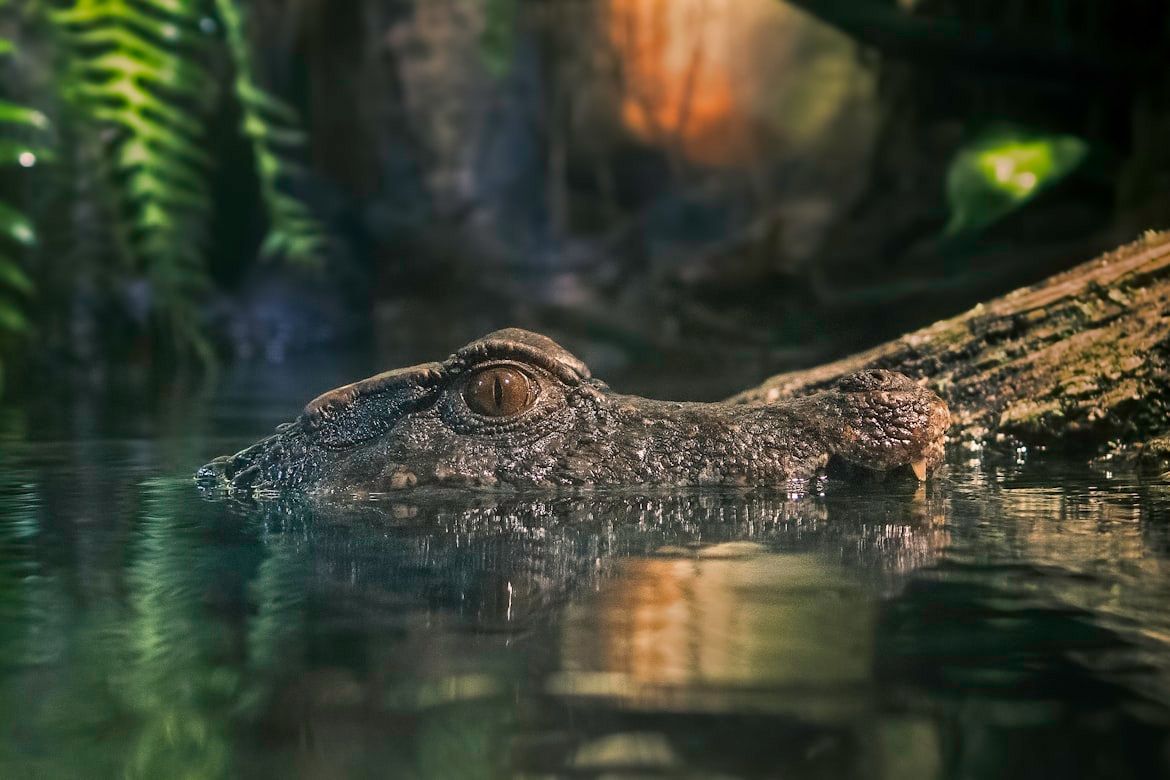
John Quincy Adams’ alligator

Image: Robert Zunikoff

Adams kept an alligator in the White House bathtub, a gift from Marquis de Lafayette. Guests were reportedly startled by the reptile for months before it was relocated.

However, recent historians believe the story may be more myth than fact, reflecting the perceived eccentricity of both Adams and Lafayette rather than actual events.

2
Theodore Roosevelt’s badger

Image: Vincent van Zalinge

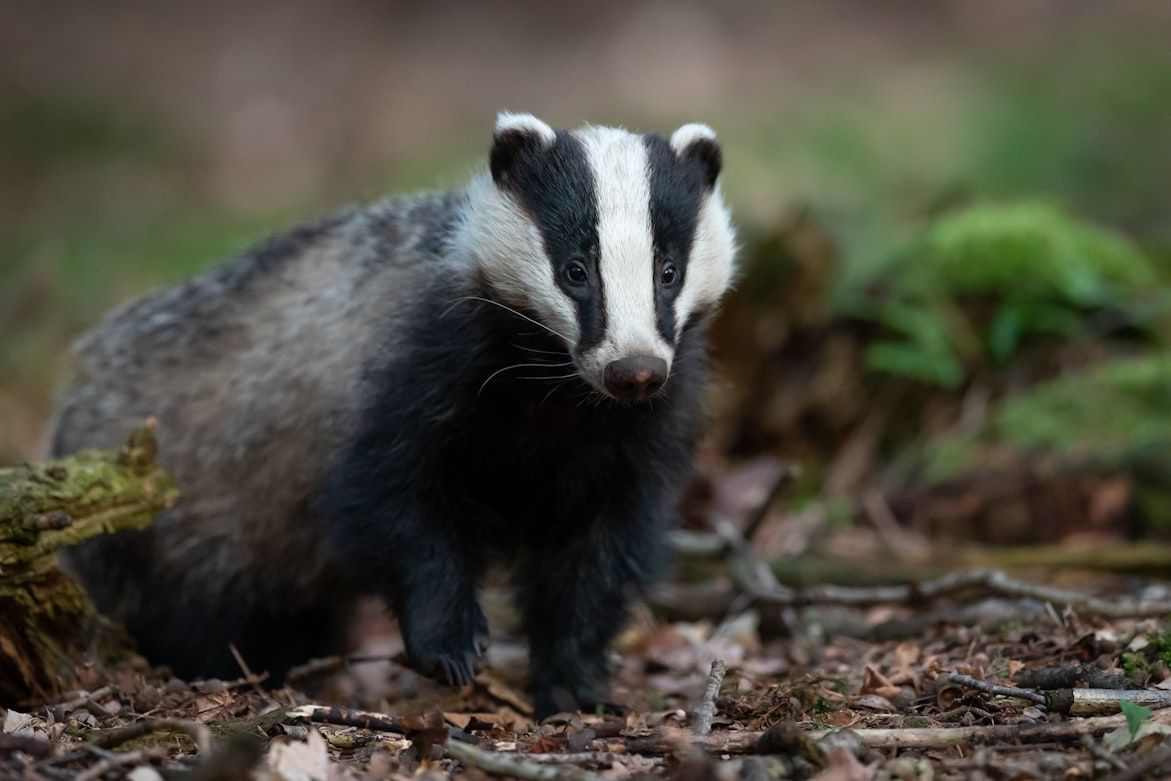
It’s clear that Teddy Roosevelt was an animal lover, keeping some of the most bizarre and unusual pets in White House history.

When Roosevelt’s children received a badger named "Josiah" from a girl in Kansas, the president didn’t hesitate to welcome it into the family home. The mischievous animal, however, often nipped at people’s ankles—including White House staff.

3
Martin Van Buren’s tiger cubs

Image: Mystery Cat

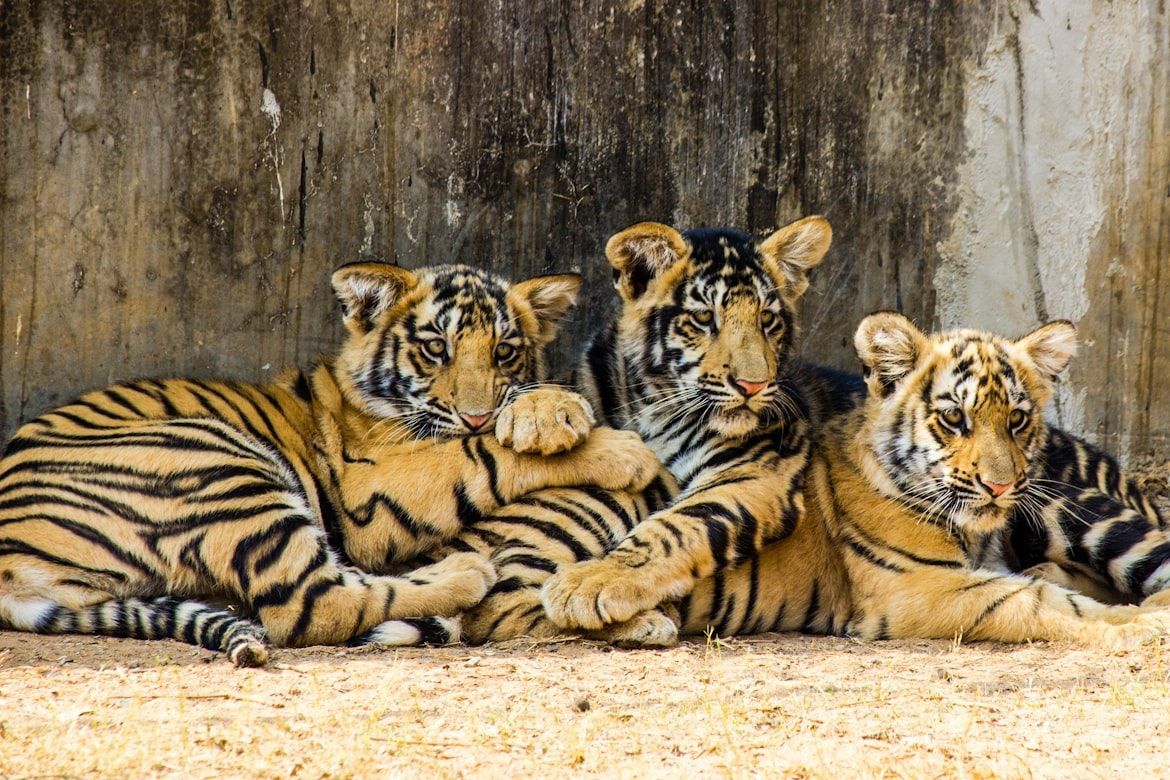
Yes—tiger cubs, plural. The Sultan of Oman gifted Van Buren two tiger cubs, but Congress demanded he surrender them to a zoo, citing laws against presidential gifts.

Van Buren fought to keep them but ultimately lost, and the cubs ended up in a public collection, marking one of the earliest disputes over presidential ethics and gifts.

4
Andrew Jackson’s parrot

Image: Ilona Frey

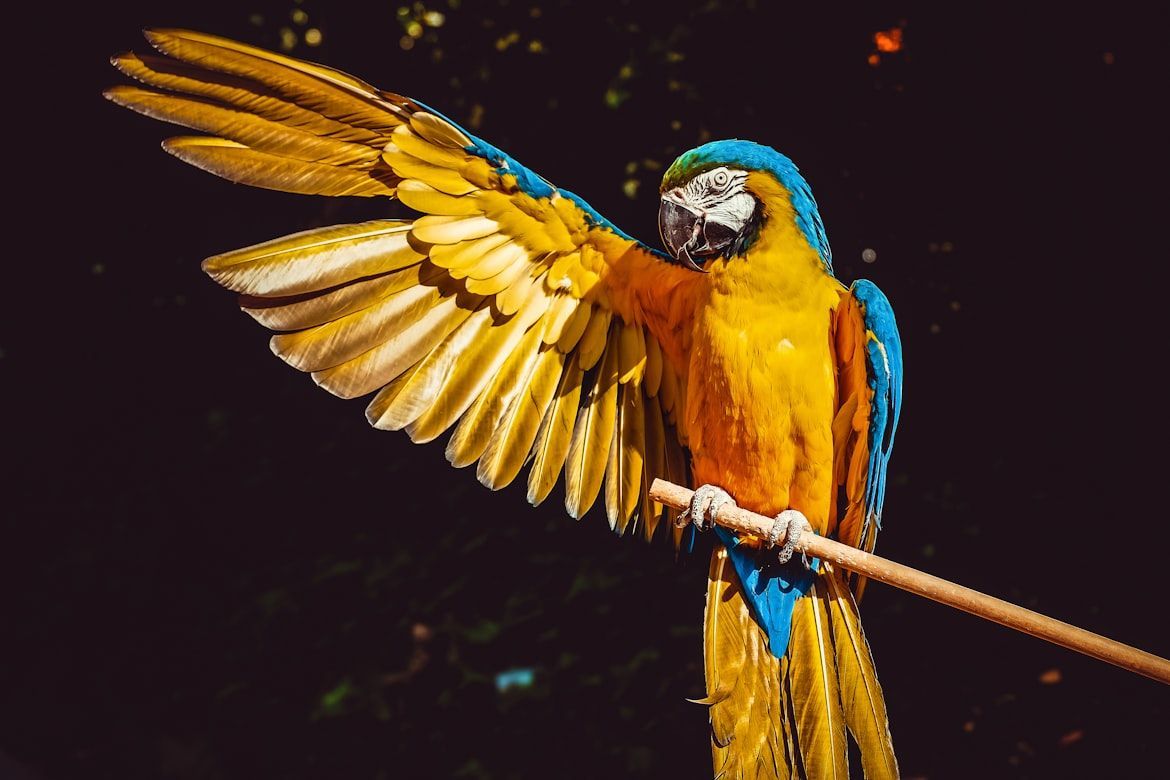
Jackson’s parrot, "Polly" learned to swear so well that it had to be removed from his funeral for cursing during the ceremony.

Known for his fiery temper, Jackson likely found the bird’s language amusing. Polly’s notorious vocabulary made it one of the earliest infamous pets in U.S. political lore.

5
James Buchanan’s elephant

Image: Wolfgang Hasselmann

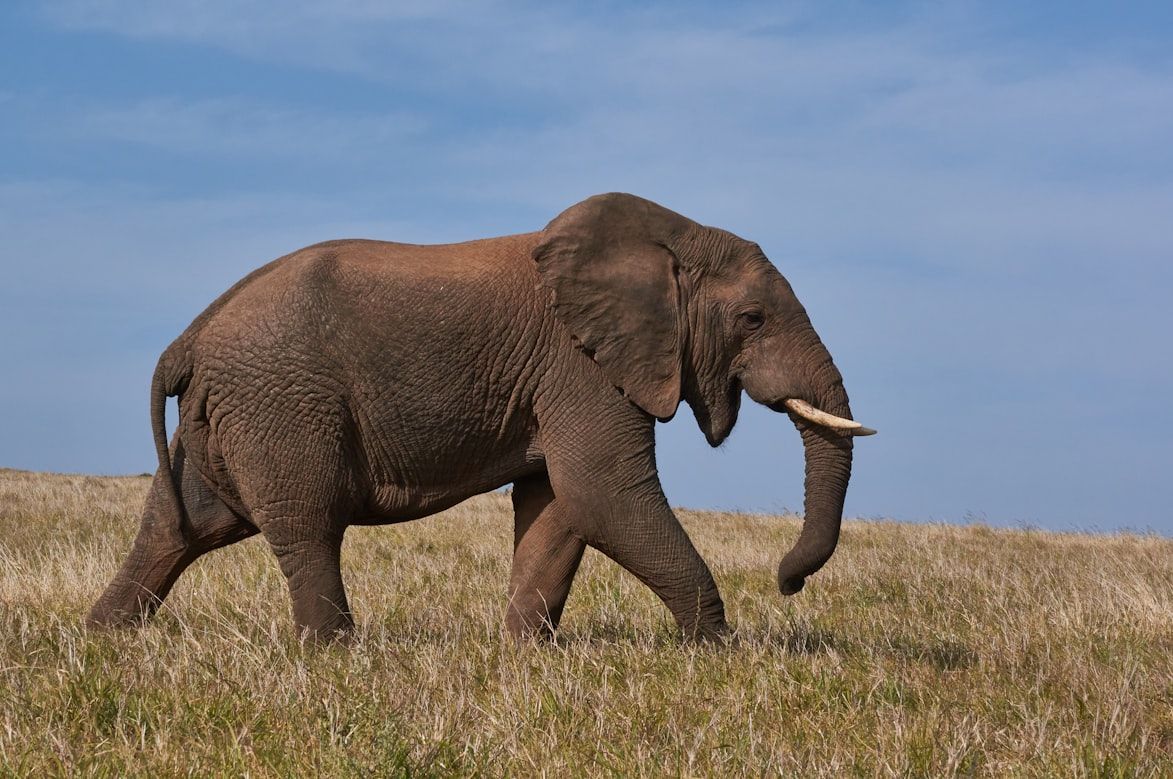
This was a case of "almost." The King of Siam offered Buchanan a herd of elephants, suggesting they could breed in America. However, Buchanan politely declined—perhaps recalling Van Buren’s short-lived tiger ordeal? Still, he did maintain other exotic animals in Washington.

6
Abraham Lincoln’s turkey

Image: Tyler Jamieson Moulton

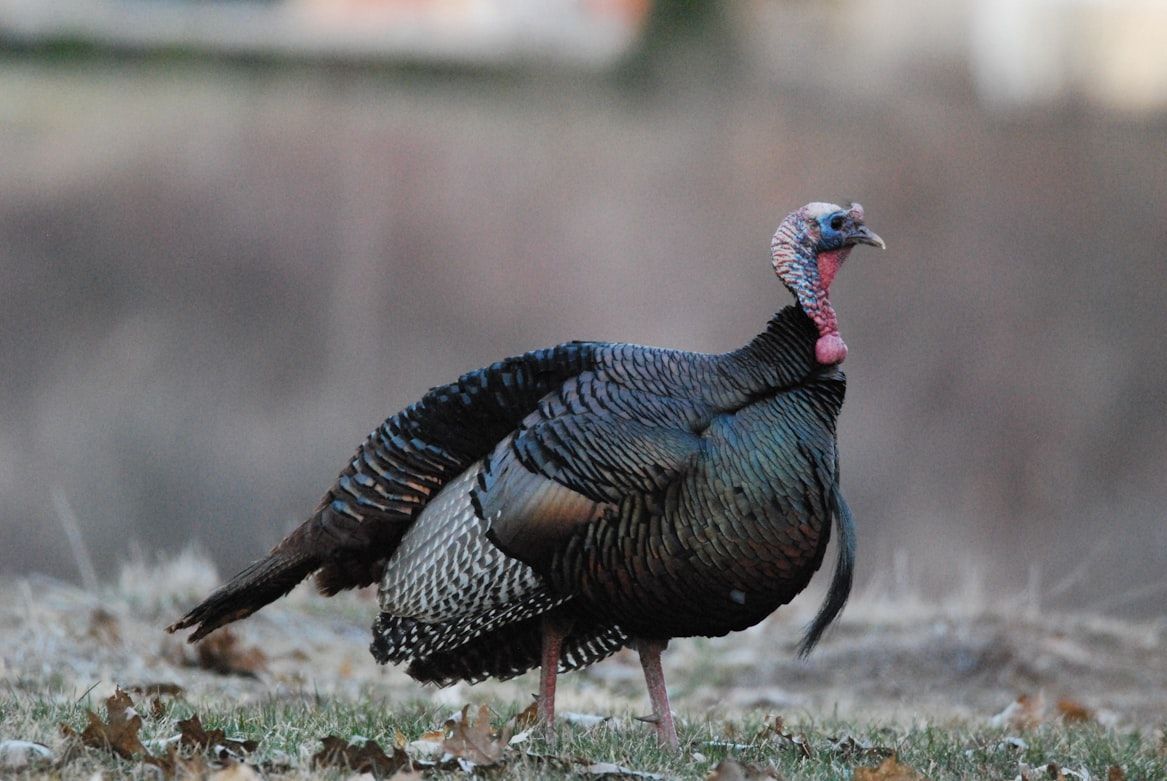
Lincoln’s son Tad named their Thanksgiving turkey "Jack" and begged his father to spare it—a story said to inspire the later turkey pardon tradition.

Jack roamed the White House freely and even followed Tad around, charming guests with his odd pet status.

7
Calvin Coolidge’s raccoon

Image: Joshua J. Cotten

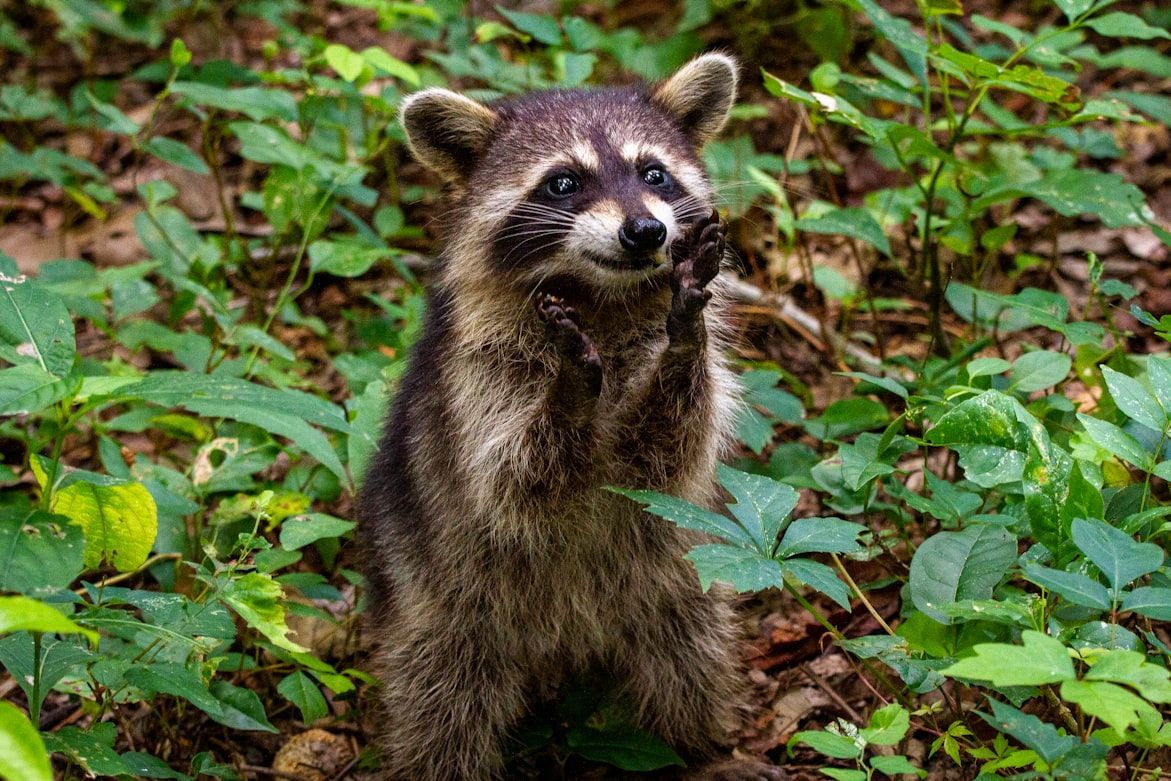
Originally sent to be eaten at Thanksgiving—yes, eating raccoon wasn’t that unusual back then—"Rebecca" the raccoon was spared and became a pet. Coolidge even walked her on a leash around the White House gardens.

Rebecca had a custom house and enjoyed baths. Coolidge adored animals and also kept a wallaby, a bobcat, and even pygmy hippos!

8
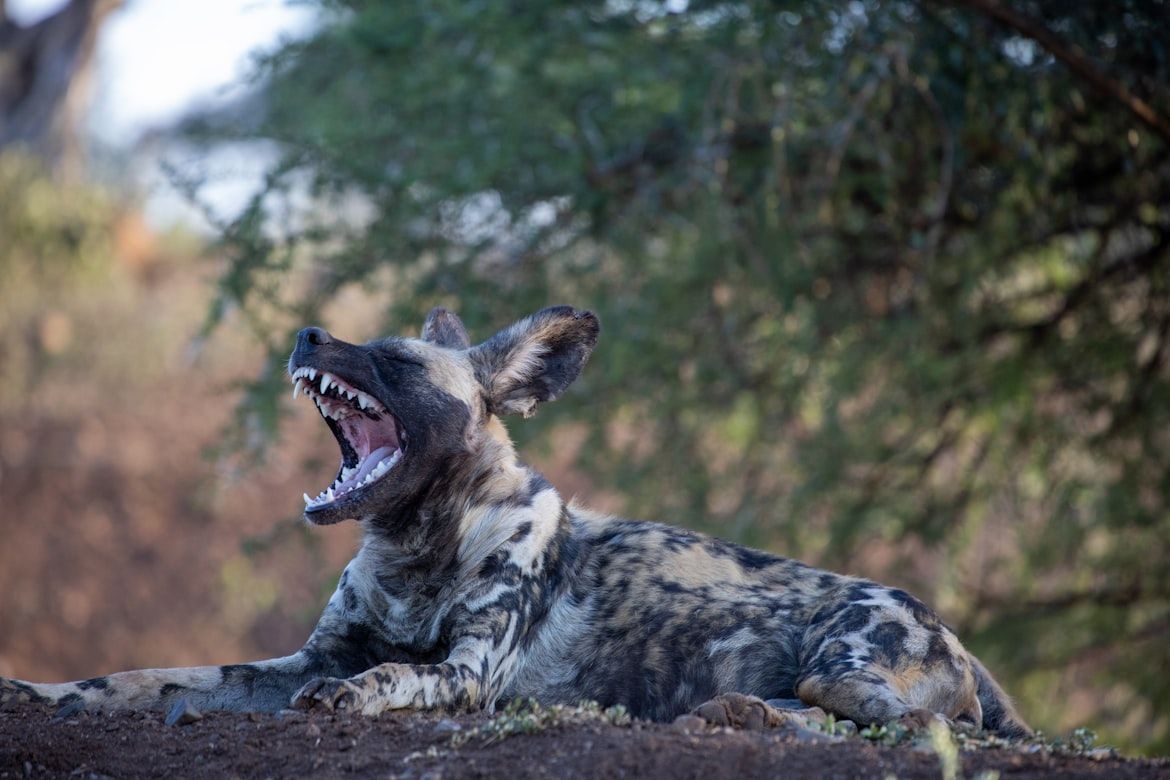
Theodore Roosevelt’s hyena

Image: Matt Burke

By modern standards, it sounds insane, but Roosevelt was once gifted a hyena named "Bill" by an Ethiopian emperor—and he found the animal surprisingly affectionate.

Bill often roamed the White House lawn freely before eventually being sent to the Smithsonian, adding another chapter to Roosevelt’s legendary fascination with wildlife.

9
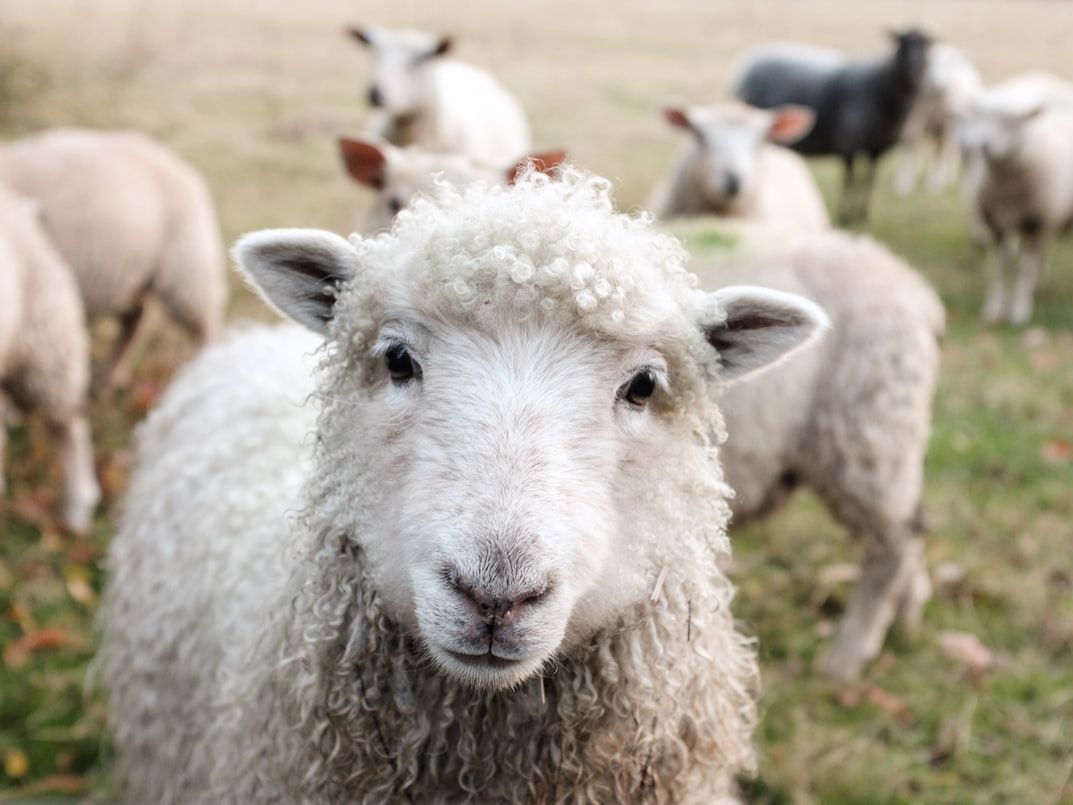
Woodrow Wilson’s sheep

Image: Sam Carter

During World War I, Wilson let sheep graze the White House lawn to save labor and raise war funds by auctioning their wool.

The move doubled as an environmental gesture and patriotic fundraiser. "Old Ike," a ram, became infamous for butting staff members and reporters alike.

10
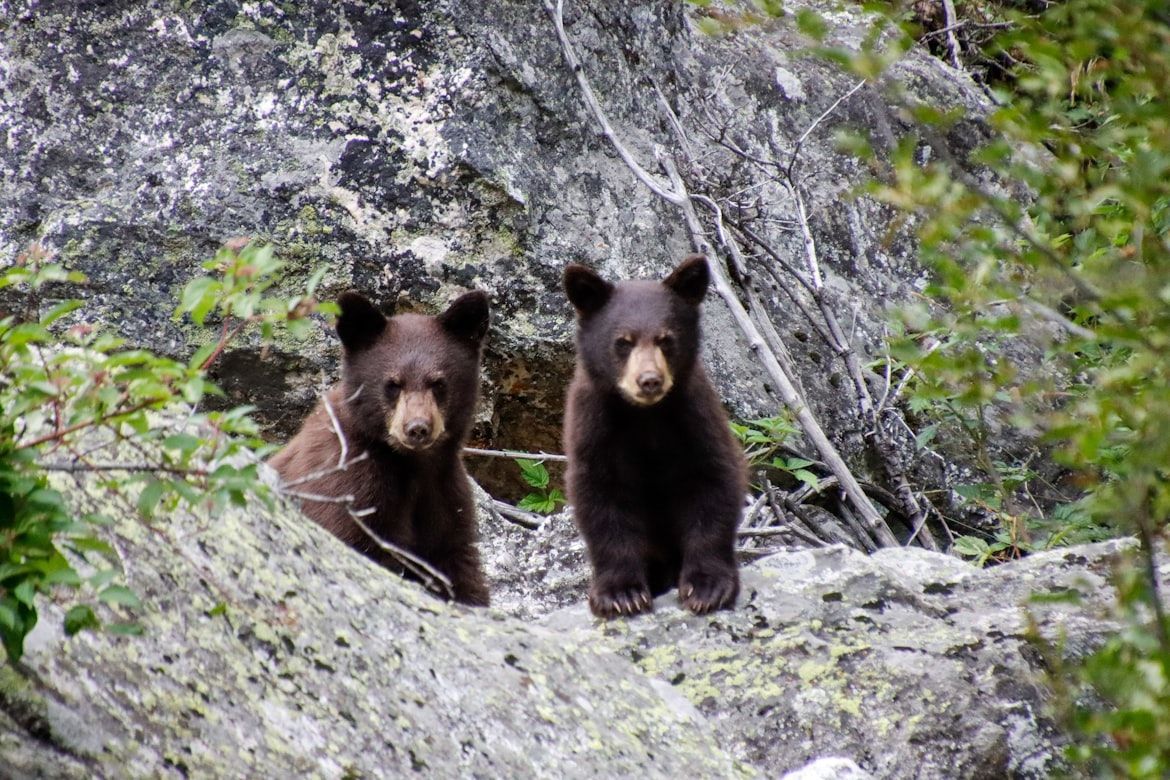
Theodore Roosevelt’s bear cub

Image: Alla Kemelmakher

A black bear named "Jonathan Edwards" was among Roosevelt’s pets, inspired by his love of hunting and the outdoors.

Though kept briefly, the bear contributed to Roosevelt’s reputation as an adventurer—one that even inspired the creation of the "Teddy bear."

Explore more American facts

Choose your favorite category!

General
General

As American as apple pie—the very best America has to offer!

Culture
Culture

Delve into the astounding richness of American lore.

Geography
Geography

Hop in and explore vast and diverse American landscapes.

History
History

Discover the key moments that shaped the United States.