History History 3 min read

Have you experienced any coincidences?

12 incredible coincidences in American history
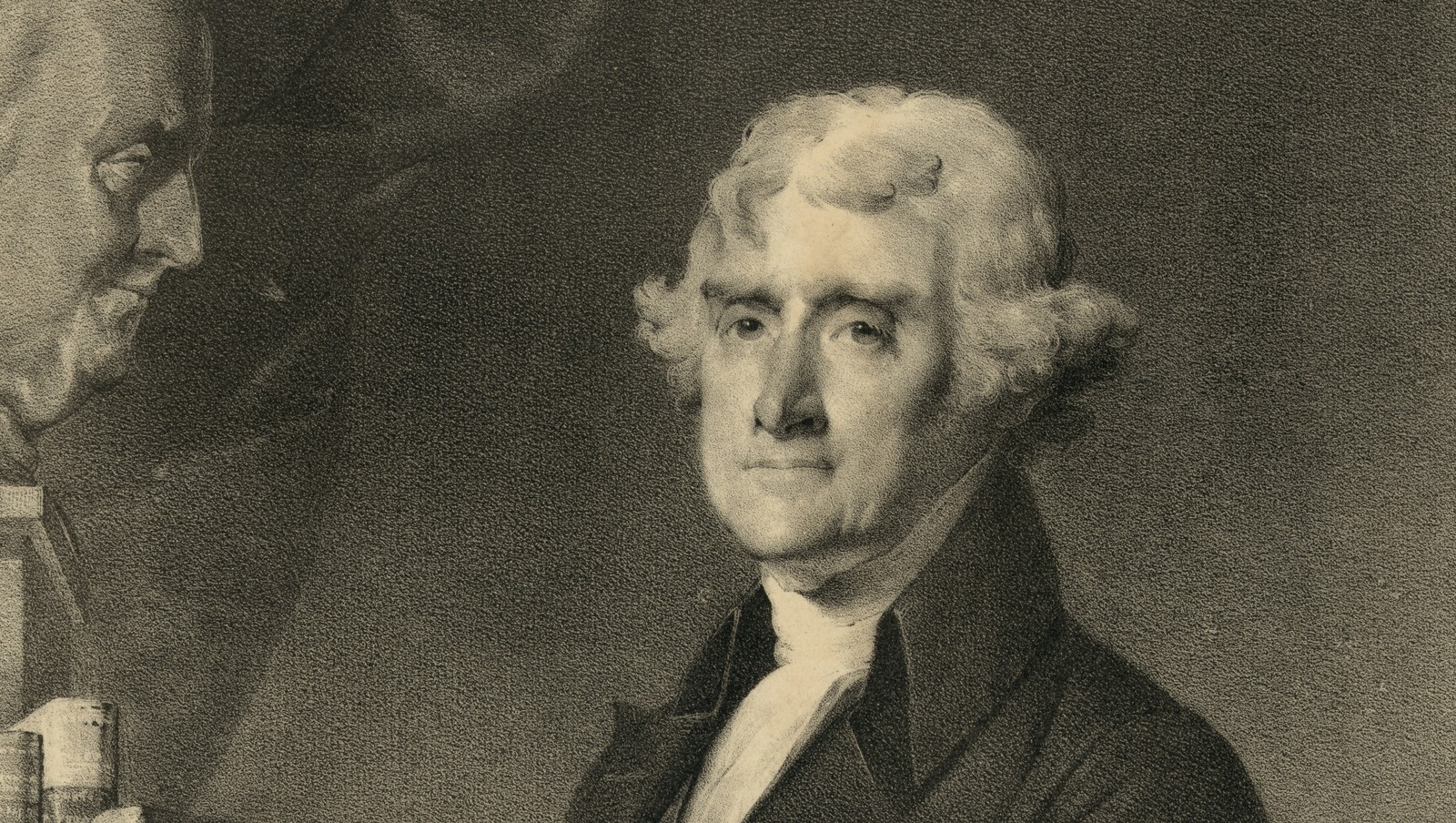
Image: Library of Congress

A coincidence is a remarkable concurrence of events or circumstances without an apparent causal connection. Most of us experience coincidences regularly, but they tend to be more ordinary—like discovering you’re wearing the same sweater as someone else in the room. The following 12 examples are much more extreme, and some even seem unbelievable, even though they are true. Read on and prepare to be amazed!

1
A Presidential curse

Image: David Everett Strickler

For almost 140 years, U.S. presidents elected in years ending in zero died while in office. It happened to William Henry Harrison (1840), Abraham Lincoln (1860), James A. Garfield (1880), William McKinley (1900), Warren G. Harding (1920), Franklin D. Roosevelt (1940), and John F. Kennedy in 1960 . Ronald Reagan, elected in 1980 , broke the curse by surviving an assassination attempt.

2
Mark Twain and Halley’s Comet
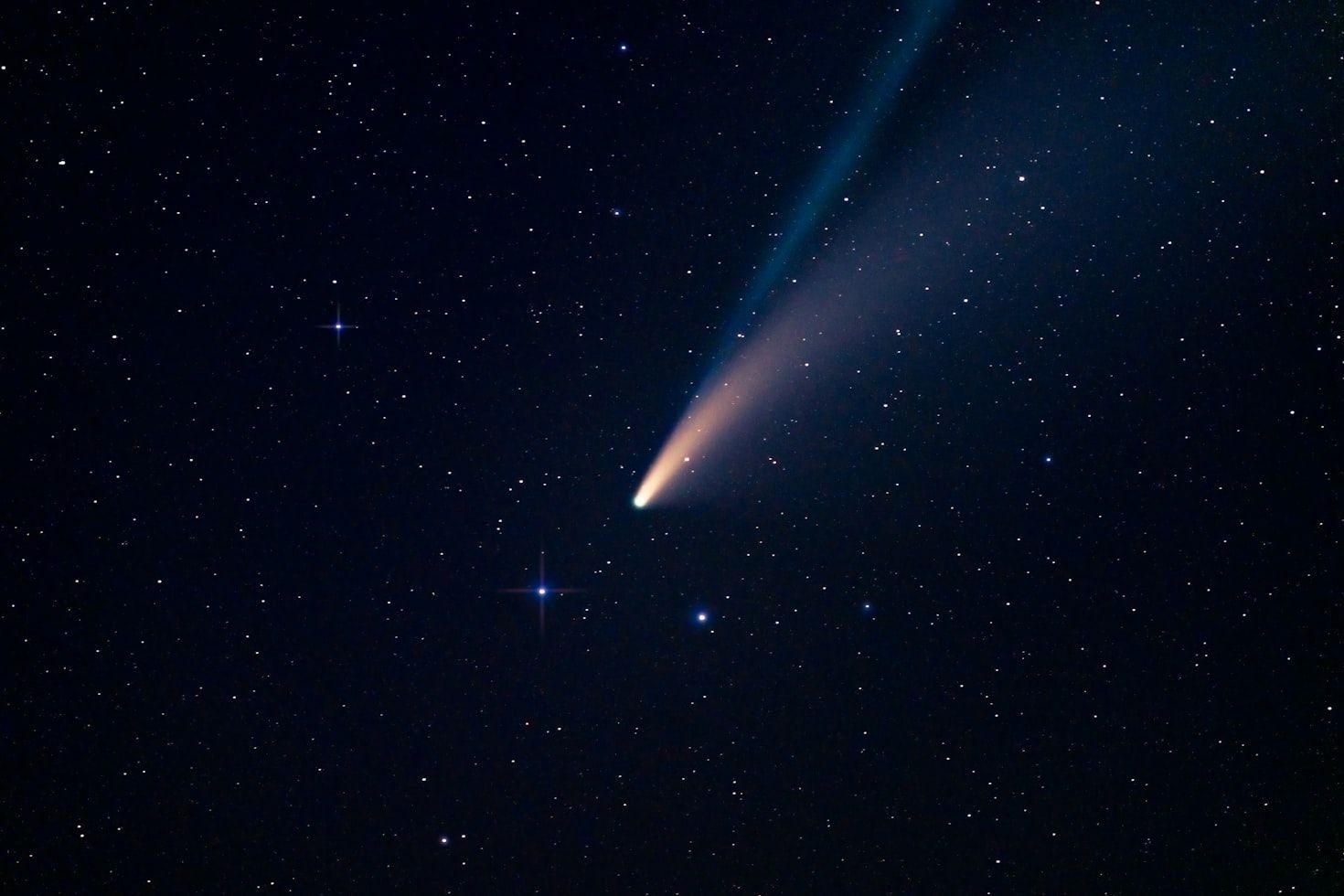
Image: Justin Wolff

In the year Mark Twain was born, 1835, Halley’s Comet passed by Earth. The great writer famously predicted he’d "go out with it" as well . Indeed, he passed away in 1910, the next time the comet appeared.

3
Jefferson and Adams
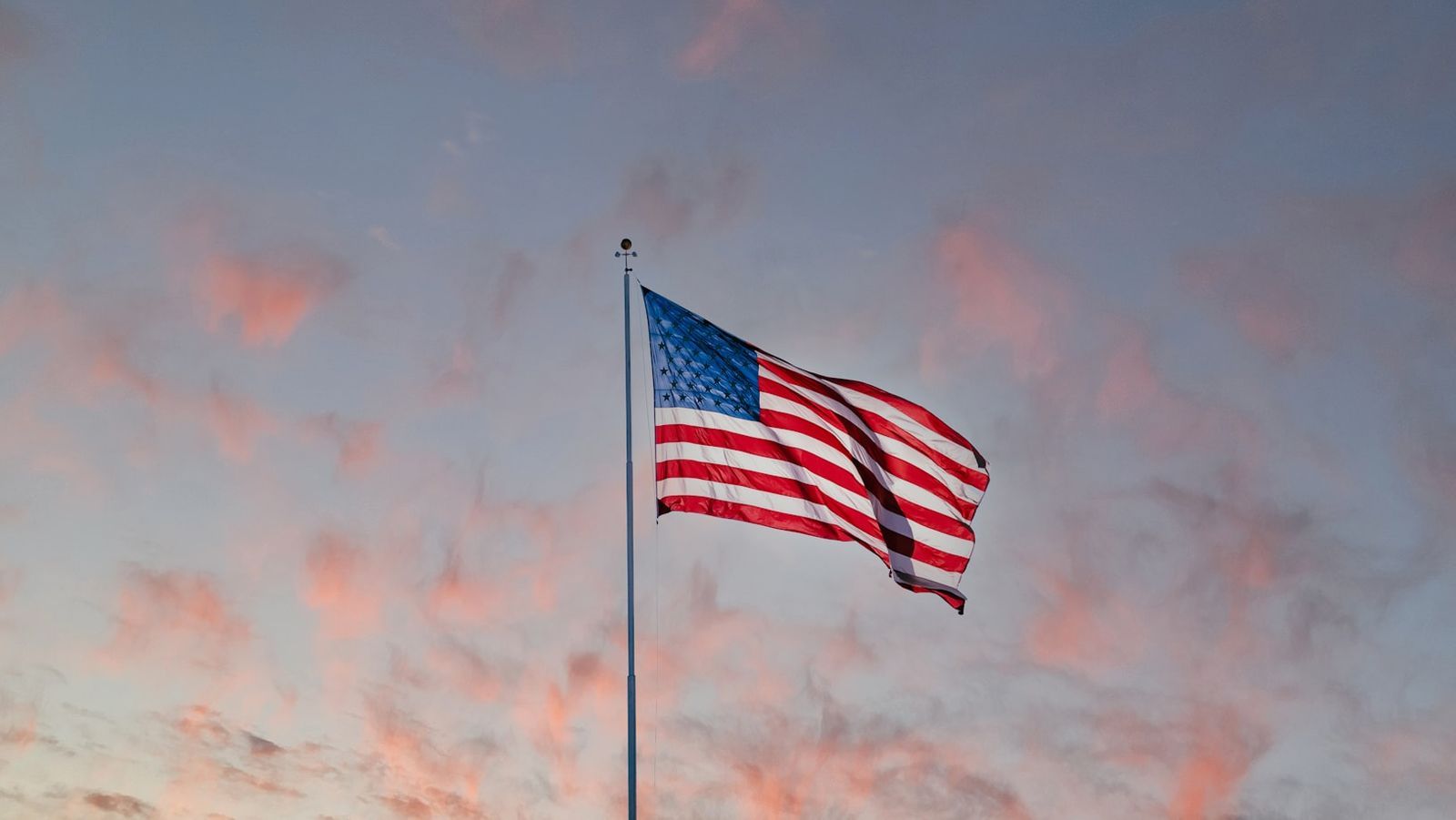
Image: iStrfry , Marcus

A patriotic yet somber coincidence, indeed. John Adams and Thomas Jefferson, the second and third U.S. presidents, both died on July 4, 1826 —exactly 50 years after the signing of the Declaration of Independence.

4
Hoover Dam’s first and last casualties

Image: Ryan Thorpe

The construction of the Hoover Dam was a long and difficult process, claiming over 100 lives. The first person to die was J.G. Tierney , and the last recorded death was his son , Patrick Tierney.

5
Lincoln and Kennedy
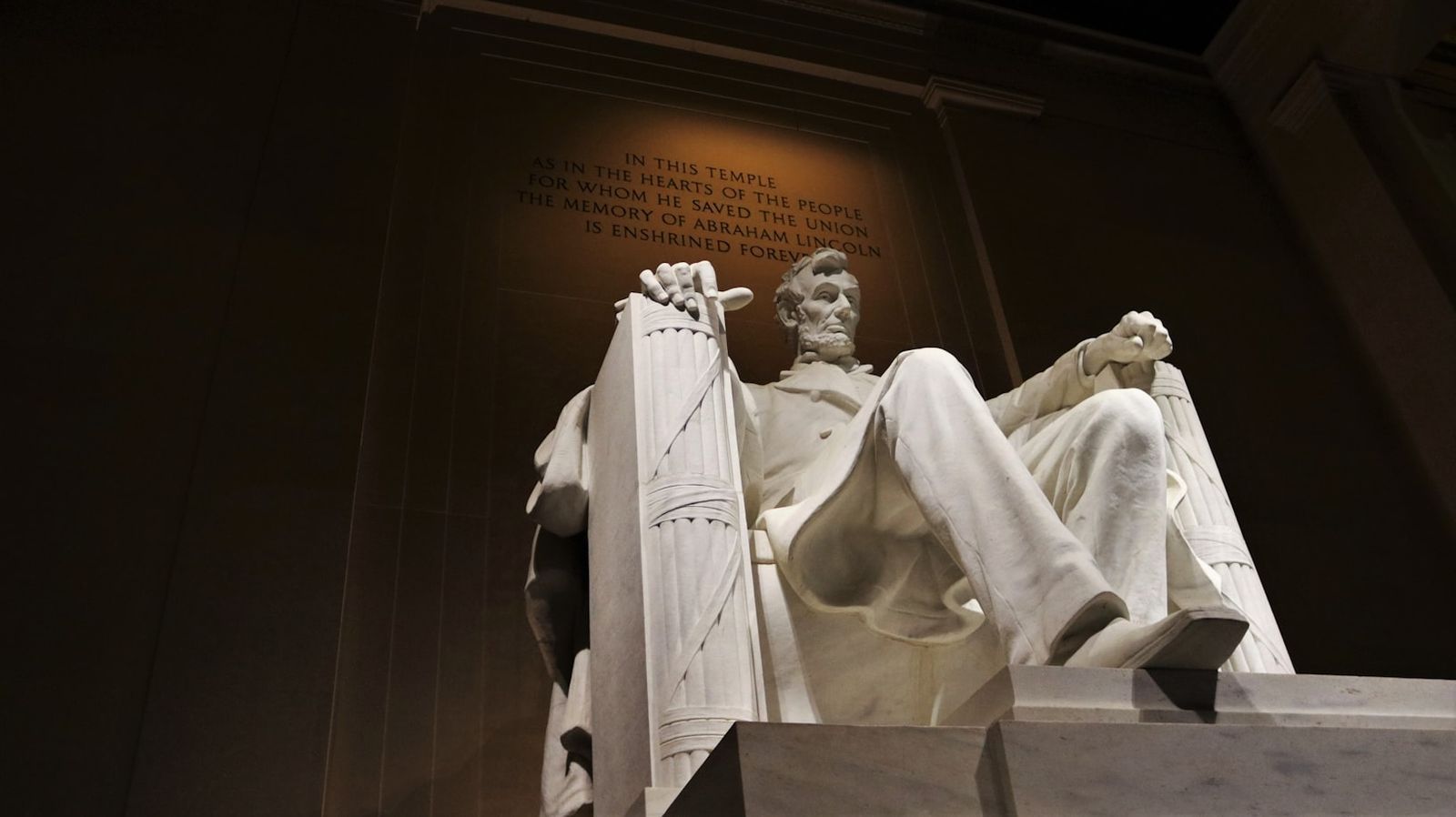
Image: Kelli Dougal

Abraham Lincoln and John F. Kennedy were elected 100 years apart (1860 and 1960). Both were shot in the head and succeeded by men named Johnson . Their assassins each had three names: John Wilkes Booth and Lee Harvey Oswald. Both were assassinated on a Friday while sitting next to their wives at the time that it happened.

6
Charles Francis Coghlan’s last journey
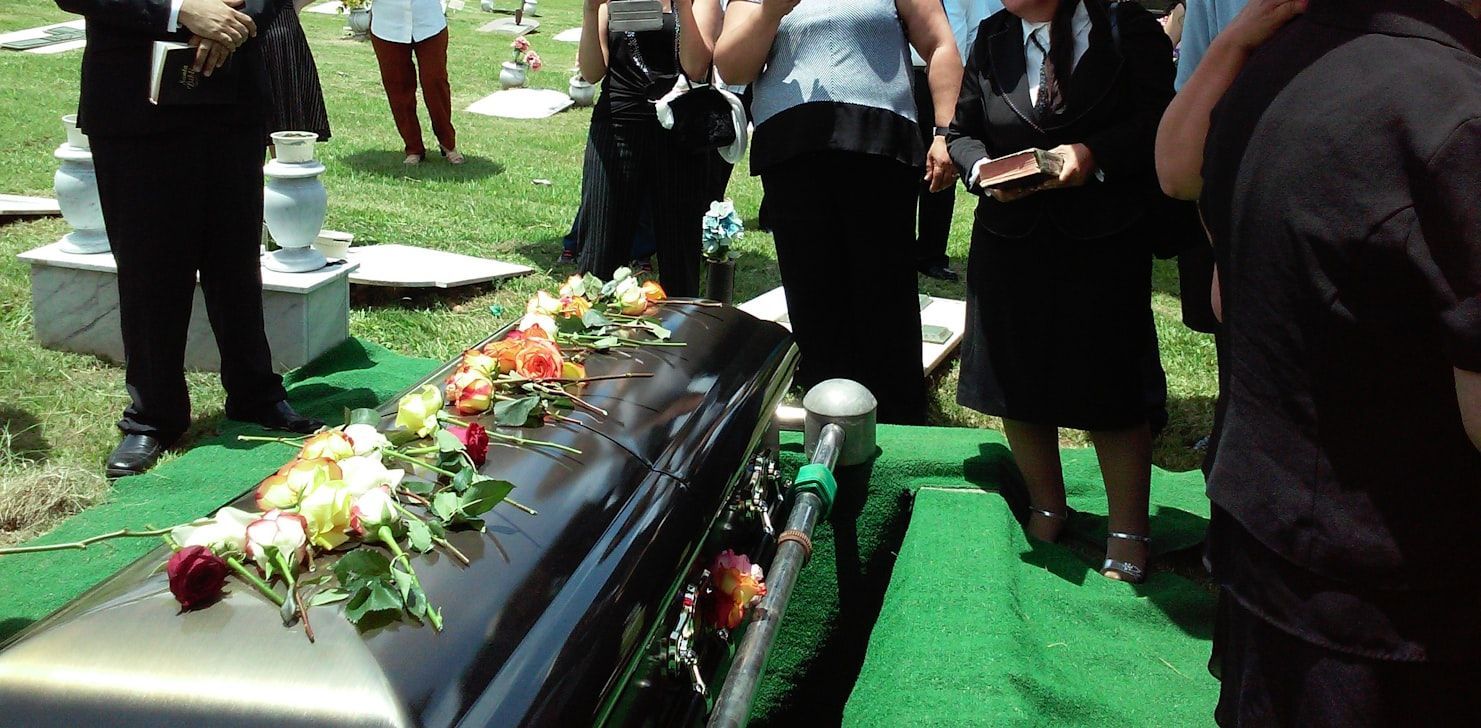
Image: Rhodi Lopez

Actor Charles Francis Coghlan died in Texas in 1899. But his casket was lost at sea during a hurricane. Eight years later, his coffin washed ashore near his birthplace in Prince Edward Island, Canada, more than 3,000 miles away.

7
The Titanic coincidence
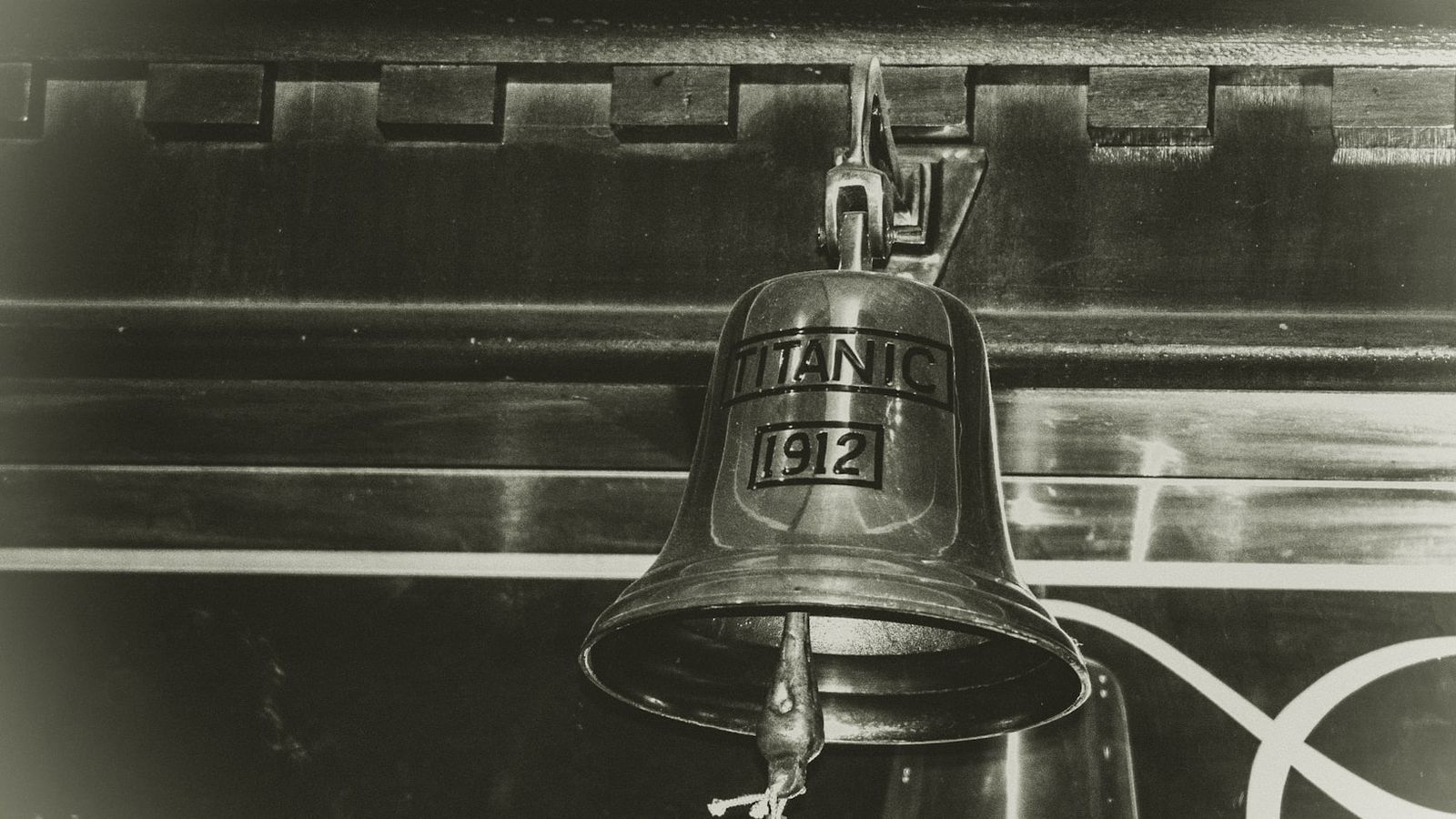
Image: K. Mitch Hodge

A few years before the Titanic sank, Morgan Robertson wrote a short book called Futility , about a massive "unsinkable" ship called the Titan that hit an iceberg and sank. The tale describes a ship with a similar size and a similar lack of lifeboats to the famous vessel.

8
Dennis the Menace
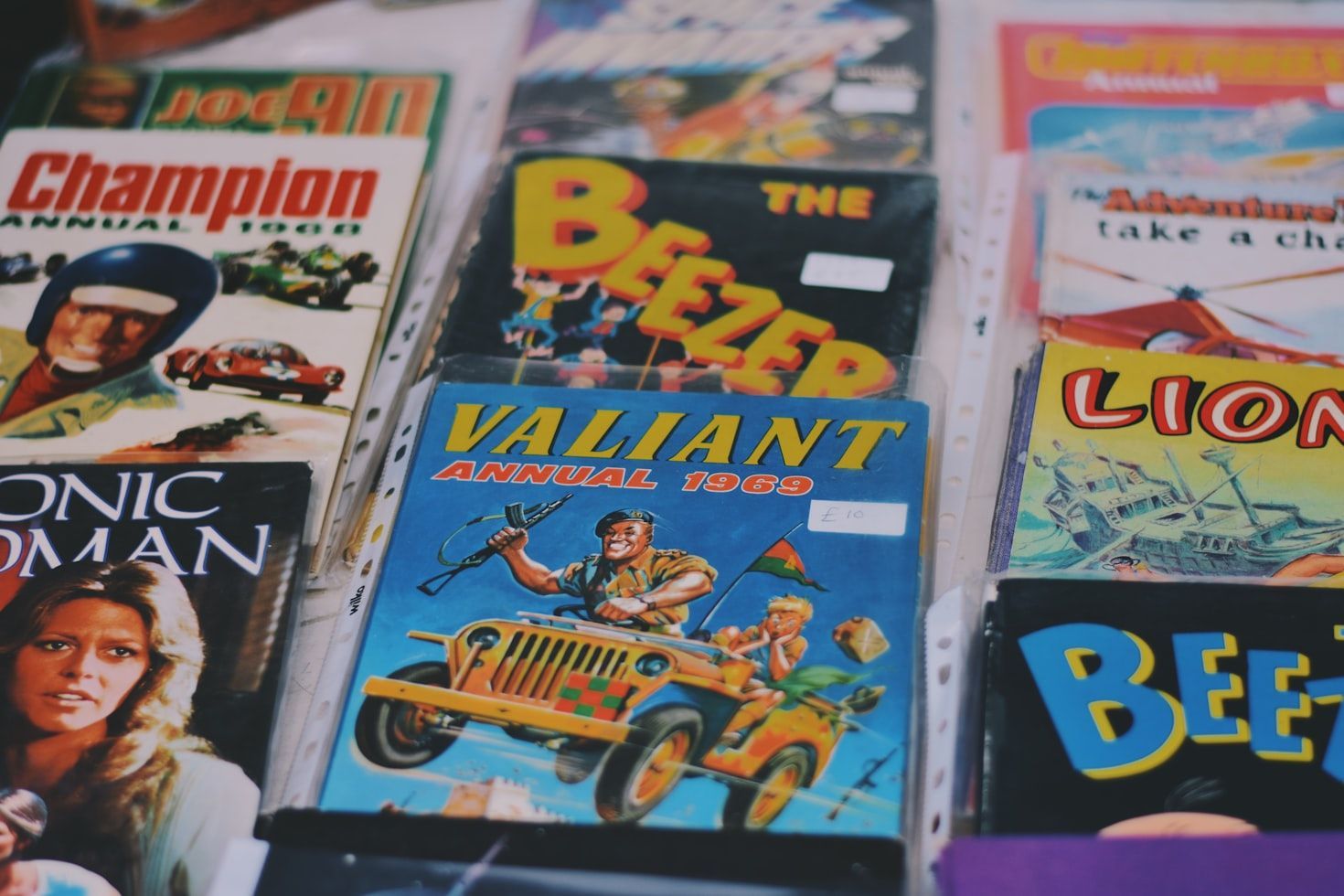
Image: Mitch Rosen

Two comic strips featuring a character named Dennis the Menace debuted in British and American outlets, respectively, on March 12, 1961—only a few hours apart. However, the two creators did not know each other and had no idea of the other’s work.

9
Jim Lewis and Jim Springer

Image: Vidar Nordli-Mathisen

Identical twin brothers separated at birth , Jim Lewis and Jim Springer, were reunited at age 39 and discovered many coincidences: both married women named Linda , divorced, and then remarried women named Betty. Both had dogs named Toy and drove the same model of car. Both grew up with an adopted brother named Larry and had sons whom they named James Allan.

10
Disney magic

Image: PAN XIAOZHEN

A soon-to-be-married couple, Alex and Donna , were looking through old photos to include in their wedding video. They found one photo of Donna posing on a childhood trip to Disney World in 1980. And in the background, they spotted Alex being pushed in a stroller by his father.

11
Moped meets taxi, twice
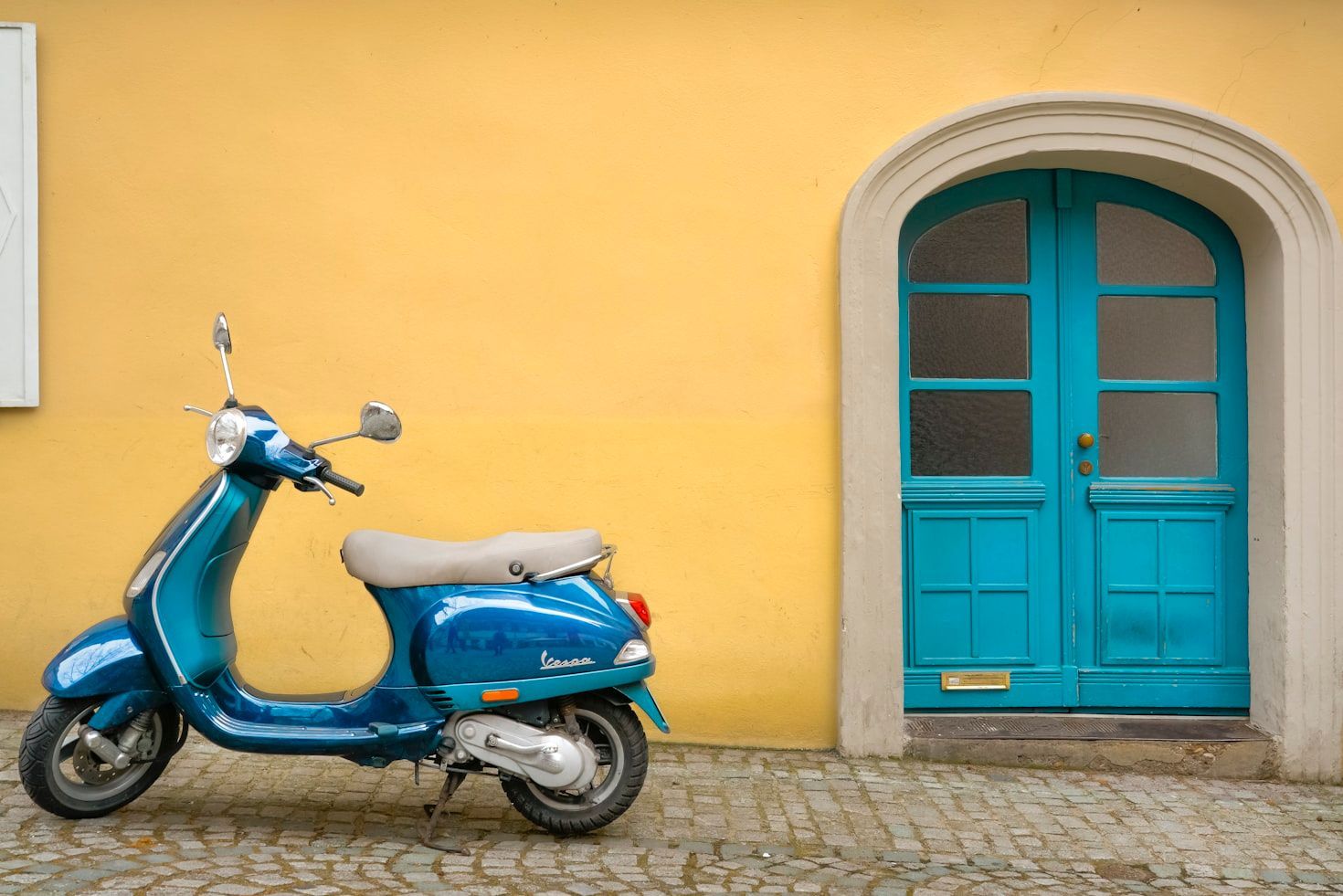
Image: Ruslan Bardash

In 1975, 17-year-old Erskine Lawrence Ebbin was struck by a taxi in Bermuda while riding his moped. A year later, his brother Neville , also 17 at the time, was riding the same moped when he was struck by the same taxi —with the same passenger—on the same street.

12
Lightning strike survivor
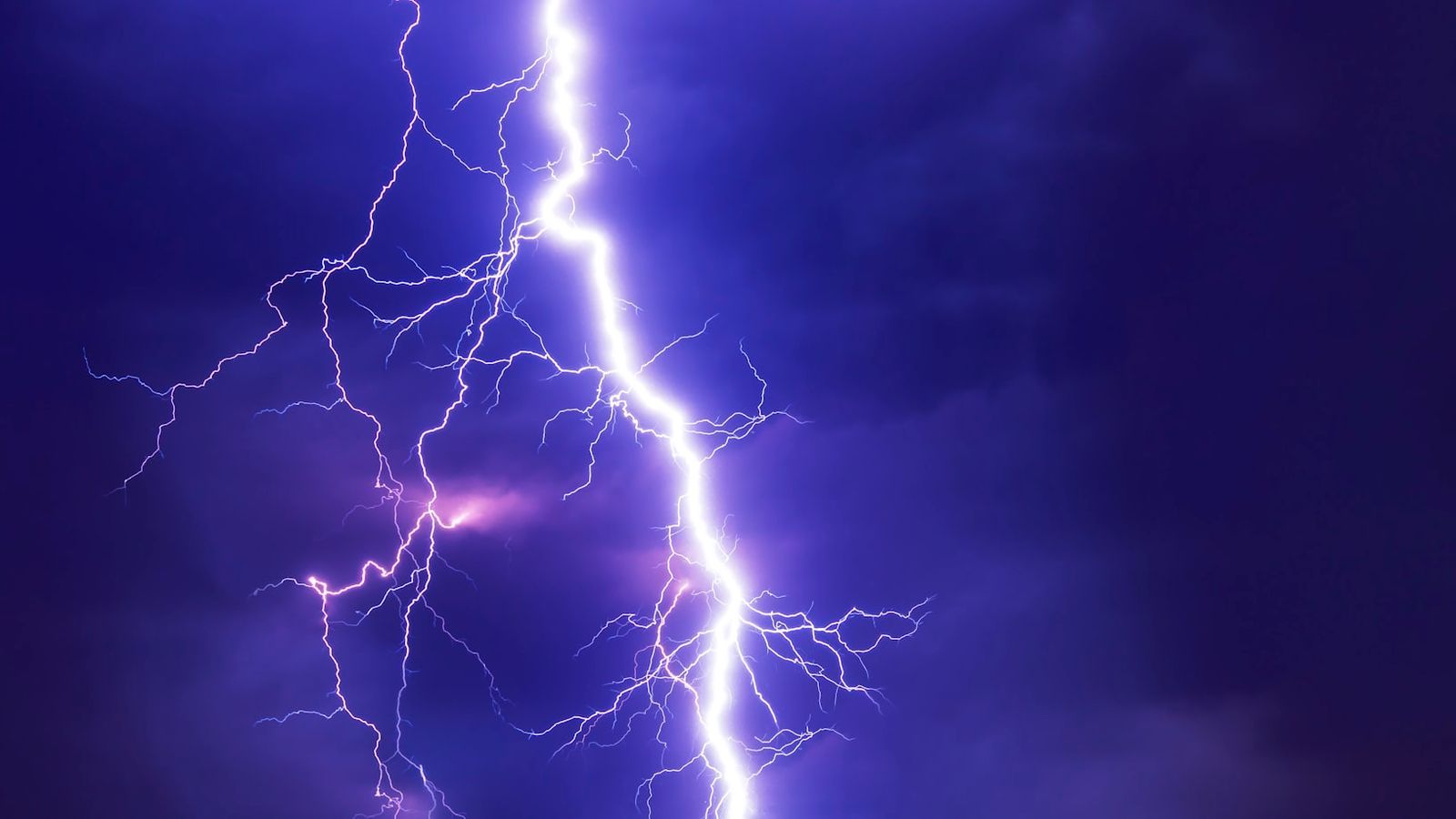
Image: Felix Mittermeier

Being hit by lightning is an extremely rare occurrence. Park ranger Roy Sullivan was struck not once, but seven times between 1942 and 1977 —and survived them all. The strikes hit him in a fire tower, in his truck, in his yard, while patrolling, and more. His unusual record earned him the nickname "Human Lightning Rod."

Culture Culture 4 min read

Brand stars

This is how these 10 brand mascots became bigger than their products

Image: P. L.

Every brand dreams of being instantly recognized by its logo or mascot, and some US brands have truly achieved this. In fact, a few have grown far beyond their products, becoming icons of American culture. From the beloved Pillsbury Doughboy to the unmistakable Colonel Sanders, join us as we take a walk through this brand-mascot hall of fame!

1
The Pillsbury Doughboy

Image: Dan Depew, CC BY 4.0 <https://creativecommons.org/licenses/by/4.0>, via Wikimedia Commons

You only need to see a tiny bit of his fluffy body to recognize him: Poppin’ Fresh, better known as the Pillsbury Doughboy, is a global star. The Pillsbury Company created him in 1965, and over the decades, he has appeared in hundreds of commercials and on all kinds of merchandise. Now, 60 years later, his cute image is still familiar to Americans everywhere. He’s even part of the Macy's Thanksgiving Day Parade!

2
Tony the Tiger

Image: SqueakyMarmot from Vancouver, Canada, CC BY 2.0 <https://creativecommons.org/licenses/by/2.0>, via Wikimedia Commons

Our childhood memories include a character who was and still is right there at the breakfast table. We're talking about Tony the Tiger, the beloved mascot of Frosted Flakes. Introduced in 1952 by Kellogg’s, many of us grew up with him and watched him become a cereal icon. And of course, no one can forget his iconic catchphrase: "They’re grrrreat!"

3
The Energizer Bunny

Image: Jazz Guy from New Jersey, United States, CC BY 2.0 <https://creativecommons.org/licenses/by/2.0>, via Wikimedia Commons

Style, attitude, energy: The Energizer Bunny has it all. With his signature sunglasses, drum, and flip-flops, this bunny first appeared in 1989 as a parody of the Duracell bunny, and he quickly grew far beyond Energizer batteries. In fact, he became a symbol of vitality and nonstop energy, so much so that when someone can’t sit still, they’re often compared to this bunny. You know, he just keeps going and going and going.

4
Mr. Clean

Image: JESHOOTS.COM

His style is unmistakable: that celebrity tan, bald head, bright white eyebrows, and even a cool earring. Of course! It’s Mr. Clean, the magical helper who shows up when stains get stubborn. Procter & Gamble introduced him in 1958, and he quickly became more than just the face of a product; he is a full character with his own personality and identity, deeply tied to the idea of household cleaning.

5
Mr. Monopoly

Image: Fluffybuns, CC BY-SA 4.0 <https://creativecommons.org/licenses/by-sa/4.0>, via Wikimedia Commons

We already talked about Mr. Clean, but there’s another Mister who is just as famous, if not more: Mr. Monopoly. While we all know him by that name today, he originally had a much funnier one: "Rich Uncle Pennybags." His mustache and top hat are unmistakable, and his fame has long transcended the Monopoly game, turning him into a visual symbol of wealth and capitalism in pop culture.

6
The Jolly Green Giant

Image: greefus groinks, CC BY-SA 2.0 <https://creativecommons.org/licenses/by-sa/2.0>, via Wikimedia Commons

The Green Giant Company introduced its giant mascot in 1928, and he quickly became synonymous with frozen vegetables across America. The Jolly Green Giant originally had a somewhat intimidating look, but a later redesign turned him into the friendly, smiling giant everyone knows and loves today. Decades of TV commercials, packaging, toys, and pop-culture references made him famous even among people who don’t buy the products.

7
Mr. Peanut

Image: InOttawa.ca, CC BY 2.0 <https://creativecommons.org/licenses/by/2.0>, via Wikimedia Commons

With his classic top hat and monocle, Mr. Peanut is undoubtedly a sophisticated mascot. And since he’s literally a peanut, it’s almost impossible not to think of Planters every time we grab a handful, right? Surprisingly, despite his excellent condition, Mr. Peanut is over 100 years old, having been introduced in 1916.

8
Mickey Mouse

Image: Brian McGowan

If there’s one truly world-famous mascot, it’s definitely Mickey Mouse. His round ears, white gloves, red shorts, and big yellow shoes are so familiar that most of us could sketch them from memory. Mickey started as a character but quickly became the unmistakable icon of Disney. Over time, he even transcended the brand itself, appearing in all kinds of products, commercials, shows, and parades, becoming a symbol of childhood around the world.

9
Colonel Sanders

Image: Marques Thomas

Every time you see this face, you instantly crave fried chicken. That’s the magic of the iconic Colonel Sanders, who is much more than a mascot. He was a real person, the founder of KFC. Because of that, his face has become so familiar to Americans that he feels almost like a father figure. His fame is so strong that KFC often doesn’t even need the brand name; the Colonel’s friendly face says it all.

10
Geico Gecko

Image: Roland Balik, Public domain, via Wikimedia Commons

The GEICO Gecko is so famous that seeing any lizard instantly brings him to mind. This friendly character has been tied to the brand since 1999, and the idea for him came from people mispronouncing "GEICO" as "gecko." Over the years, he has become a celebrity, so recognizable that he doesn’t even need the brand name for people to know exactly who he is.

History History 5 min read

History time

Let’s honor our 13 original colonies with 13 interesting facts!

Image: Kaboompics.com

The 13 original British colonies along the East Coast of what is now the United States were the building blocks of a new nation. At the same time, they were lively, complex, and filled with unique stories. Founded for reasons ranging from religious freedom to economic gain, each colony brought its own flavor to the mix. While they eventually united to resist British rule, their individual histories remain captivating. Let’s explore 13 interesting facts about these foundational colonies and uncover the tales that make them unforgettable.

1
New Hampshire: Constitution and potatoes

Image: Spenser Sembrat

New Hampshire was a pioneer in colonial America: They were the first colony to establish its own constitutional government. But its tastiest contribution? Potatoes!

In 1719, Scotch-Irish immigrants near Londonderry planted the first permanent potato crops. The tubers quickly became a staple and spread across the colonies only to become the most consumed vegetable in the country. Plus, New Hampshire even declared the potato its official state vegetable in 2013. Who knew potatoes had such historical roots?

2
Massachusetts: Named after the original inhabitants

Image: Wei Zeng

When English settlers arrived on the Mayflower in 1620, they weren’t stepping onto empty land. Indigenous peoples had called the area home for thousands of years.

The colony’s name, Massachusetts, honors the Massachusett tribe. Derived from the Algonquian word Massa-adchu-es-et , it translates to "great hill-small place." Even as history tells a more complicated story about their interactions with the settlers, it’s a nice tribute to the land's original inhabitants.

3
Connecticut’s secret tree

Image: Christopher Luther

Connecticut’s colonial history has a touch of mystery and rebellion . In 1662, the colony was granted a royal charter ensuring its right to self-govern by King Charles II. After his death, in 1686, King James II tried to revoke it.

Legend has it that, during a heated debate, the charter was spirited away during a momentary blackout and hidden in the hollow trunk of a white oak tree. The "Charter Oak" became a symbol of freedom and self-determination, and it’s now honored as Connecticut’s official state tree.

4
Rhode Island: Refuge for the rejected

Image: Demure Storyteller

The colonies were revolutionary, but some views were too progressive for the era. That is why Roger Williams, Rhode Island’s founder, was banished from Massachusetts . He had progressive views on religious freedom and so he found sanctuary in what later became Rhode Island.

In 1636, he purchased land from the Narragansett people and founded a colony based on the separation of church and state. It became a haven for minority religious groups like Baptists, Quakers, and Jews.

5
New York: From New Netherland to a global capital

Image: Benjamín Gremler

Before it was New York, it was New Netherland, a bustling Dutch colony founded in 1624. The Dutch established New Amsterdam on Manhattan Island, but in 1664, the English seized the territory and renamed it after the Duke of York.

New York grew rapidly, eventually becoming the first capital of the United States after the Revolutionary War. It’s amazing to think this vibrant city started as a modest Dutch trading post.

6
New Jersey’s devilish legend

Image: Benjamin Ashton

The Pine Barrens of New Jersey are home to one of America’s oldest and creepiest legends : the Jersey Devil. Do you know how it goes?

According to folklore, a woman named Mother Leeds cursed her 13th child, who was born as a monstrous creature, and fled into the forest. The tale, rooted in both colonial superstition and Indigenous folklore, has been passed down for centuries, keeping imaginations alive, and visitors on edge, in the Garden State.

7
Pennsylvania: The King’s debt becomes a colony

Image: The Body

Pennsylvania owes its existence to a royal, and quite big, IOU. King Charles II granted William Penn the land in 1681 as payment for a debt owed to Penn’s father.

Penn established the colony as a safe haven for Quakers, emphasizing religious tolerance and fair dealings with Indigenous peoples. Pennsylvania, clearly named after the family’s name, became a model of diversity and coexistence, attracting settlers of all faiths and backgrounds.

8
Delaware: The First to Declare Independence

Image: Demure Storyteller

Independence from Britain? They all did that, but Delaware took it a step further! Though initially governed as part of Pennsylvania, Delaware established its own legislature in 1704.

On June 15, 1776, this colony declared independence not just from Britain but also from Pennsylvania, making it the first colony to break away formally . Known as the "First State" for ratifying the US Constitution in 1787, Delaware’s pioneering spirit is woven into its history.

9
Maryland: A pirate colony?

Image: Luisa Frassier

Maryland’s early days weren’t all peaceful. William Claiborne , a man of the Virginian council, refused to accept that his settlement on Kent Island was part of Maryland after the colony’s charter was granted in 1632.

Claiborne launched pirate raids on Maryland’s trading posts, leading to charges of piracy and murder. While he eventually lost his claim, Claiborne’s defiance adds a plot twist to Maryland’s story.

10
Virginia: Witch trials in the South

Image: Henry Deng

Did you think witch trials only happened in Salem? Think again. Virginia held about two dozen trials between 1626 and 1730, including the infamous case of Grace Sherwood. If that name doesn’t ring a bell, maybe "The Witch of Pungo" does.

While we’re not going to get into the details of how they proved she "was a witch," she was convicted of witchcraft and spent several years in jail before she was released.

11
North Carolina: The Mystery of Roanoke

Image: Gene Gallin

North Carolina’s Roanoke Colony remains one of America’s greatest mysteries. In 1587, over 100 settlers vanished without a trace , leaving behind only the word "Croatoan" carved into a tree.

As you can imagine, there are plenty of theories surrounding this event: Did they join local Indigenous tribes, or succumb to the harsh environment? While we may never know, the "Lost Colony" keeps historians and treasure hunters quite captivated.

12
South Carolina’s "Blue Gold" boom

Image: Omri D. Cohen

South Carolina’s indigo trade, led by Eliza Lucas Pinckney in the 1730s, turned the colony into an economic powerhouse. This vibrant blue dye, vital for textiles, was so lucrative it earned the nickname "blue gold."

Despite the challenges, which included sabotage by rivals, the crop’s success transformed South Carolina’s economy. However, its growth came at the cost of enslaved labor, a sobering reality of the colony’s prosperity.

13
Georgia: A colony for a cause

Image: Jaanus Jagomägi

Founded in 1732 by James Oglethorpe, a prison reformer, Georgia was established as a social experiment . It was designed to provide a fresh start for England’s "worthy poor," and to that end, the colony outlawed slavery and large landholdings.

However, settlers soon pushed back, and by 1751, many of the original restrictions were lifted. Despite its challenges, Georgia’s idealistic beginnings make it a unique addition to the 13 colonies.

Explore more American facts

Choose your favorite category!

General
General

As American as apple pie—the very best America has to offer!

Culture
Culture

Delve into the astounding richness of American lore.

Geography
Geography

Hop in and explore vast and diverse American landscapes.

History
History

Discover the key moments that shaped the United States.