General General 5 min read

14 NBA players who had their jersey numbers retired by multiple teams
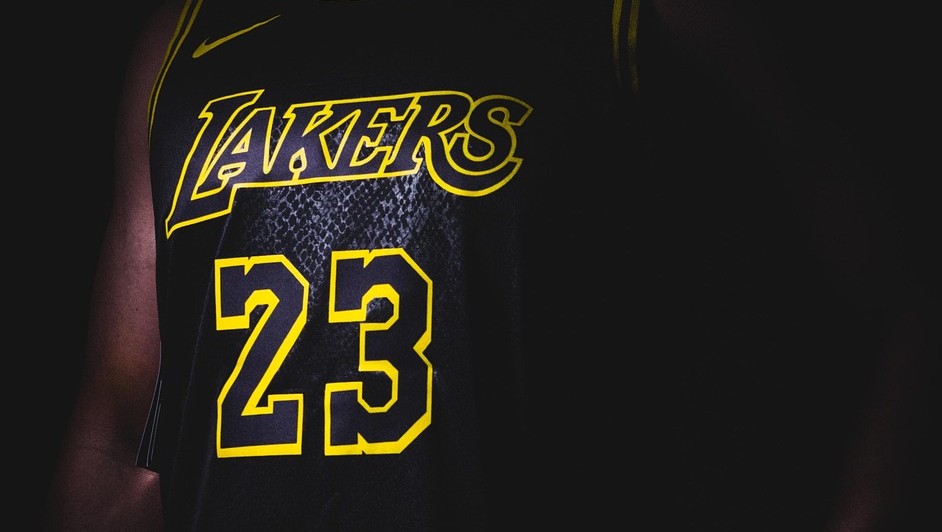
Image: albertoadan

Having your jersey permanently displayed in the rafters is a huge honor that only a select number of NBA players have earned. But imagine having your number retired not by just one team, but by two—or even three! For a rare few, that distinction stretches beyond a single city, as their talent and impact left lasting impressions from one arena to another. From coast to coast, the numbers of these legendary players rest in the rafters, each banner telling its own story of loyalty, triumph, and unforgettable nights on the hardwood. Can you guess who made the list?

1
Nate Thurmond
Image: Salah Regouane

In the 1960s and early ’70s, Nate Thurmond anchored the middle for the Golden State Warriors, outmuscling giants and grabbing rebounds as if the ball belonged only to him. Later, with the Cleveland Cavaliers, he became the kind of veteran every young team needs—steady, selfless, and always doing the dirty work that doesn’t make the headlines but wins the crowd’s respect. Both franchises retired his No. 42, a fitting tribute to a blue-collar superstar.

2
Pete Maravich

Image: daschorsch

Playing in the 1970s, Pete "Pistol Pete" Maravich starred for the Atlanta Hawks and later the New Orleans Jazz. His ball-handling and creativity—whirling passes, deep jumpers—looked like magic tricks that made crowds gasp. After a 10-year professional career and being named an All-Star five times, Atlanta retired his No. 44, and both the Utah Jazz and the New Orleans Pelicans hung his No. 7 jersey.

3
Moses Malone

Image: Abhay siby Mathew

Moses Malone was a rebounding machine, plain and simple. He dominated the boards for the Houston Rockets and then the Philadelphia 76ers, where he helped deliver a championship after famously predicting "Fo’, fo’, fo’." Both franchises honored him by retiring his No. 24 (Rockets) and No. 2 (76ers), a fitting salute to one of the game’s toughest, hardest-working big men.

4
Bob Lanier
Image: Batu Gezer

Bob Lanier, known both for his silky post moves and those legendary size-22 shoes, was a true powerhouse of the 1970s. With the Detroit Pistons, he combined strength and finesse, scoring with a soft touch and rebounding like a man on a mission. Later, in Milwaukee, he brought the same fire and leadership to a younger Bucks team, proving that experience could be just as valuable as raw talent. It’s no wonder both Detroit and Milwaukee raised his No. 16 to the rafters, honoring a giant whose big shoes came with an even bigger heart.

5
Charles Barkley
Image: Abhay siby Mathew

Charles Barkley was never the tallest guy on the court—just 6 ft 6 in—but with roughly 252 pounds of muscle, grit, and pure attitude, he played like a bulldozer on wheels. Known as "The Round Mound of Rebound," he crashed the boards with fearless energy. In Philadelphia, he became a fan favorite for his fiery play and quick wit; in Phoenix, he shone even brighter, winning MVP and taking the Suns all the way to the Finals. Both franchises hung up his No. 34 as a salute to a player who made hard work look heroic.

6
Earl Monroe
Image: Chaojie Ni

Earl "The Pearl" Monroe brought poetry to the hardwood. In the 1960s and ’70s, his smooth, stop-and-go style made defenders freeze, and fans fall in love. Starting in Baltimore (now the Washington Wizards ), he turned the Bullets’ offense into a show: spin moves, crossovers, and jump shots that seemed to hang in the air. Then came his move to New York, where he teamed up with Walt Frazier to create one of the most graceful backcourts the NBA has ever seen. Both the Knicks and Wizards retired his No. 15 and No. 10: Monroe’s creativity made basketball feel like jazz.

7
Clyde Drexler

Image: Markus Spiske

In Portland, Clyde "The Glide" Drexler soared with effortless grace, gliding past defenders and making the rim look weightless. His mix of speed, style, and quiet confidence made him the heartbeat of the Trail Blazers through the 1980s and early ’90s. When he returned home to Houston in the mid-’90s, he helped secure a championship ring for the Rockets . Today, his No. 22 jersey hangs in the rafters in both Portland and Houston—a lasting tribute to a man who truly lived up to his nickname.

8
Oscar Robertson

Image: Abhay siby Mathew

What if you averaged a triple-double before anyone thought it was possible? Oscar Robertson did just that in the 1960s, stuffing the stat sheet for the Cincinnati Royals (now Sacramento Kings ) and later winning a title for the Milwaukee Bucks, cementing his legacy as one of the game’s all-time greats. Both franchises retired his numbers 1 and 14, honoring the "Big O," one of the greatest players in NBA history.

9
Julius Erving

Image: Abhay siby Mathew

Long before modern dunks, Julius "Dr. J" Erving was taking flight, turning layups into art and slam dunks into poetry. He first captivated fans with the Nets in the ABA before becoming a true icon in Philadelphia . Both teams honored his brilliance: the Nets retired his No. 32 , and the 76ers lifted his No. 6 into the rafters. When you change the game, you don’t just earn a banner—you earn two.

10
Wilt Chamberlain

Image: Tim Hart

Not many players inspire stories that sound too wild to be true, so if basketball had tall tales, Wilt Chamberlain would star in all of them. A 7-foot-1 force of nature, a giant with legendary scoring numbers—including a 100-point game—Wilt’s dominance stretched across the Golden State Warriors, Philadelphia 76ers, and Los Angeles Lakers. All three teams retired his No. 13.

11
Shaquille O’Neal
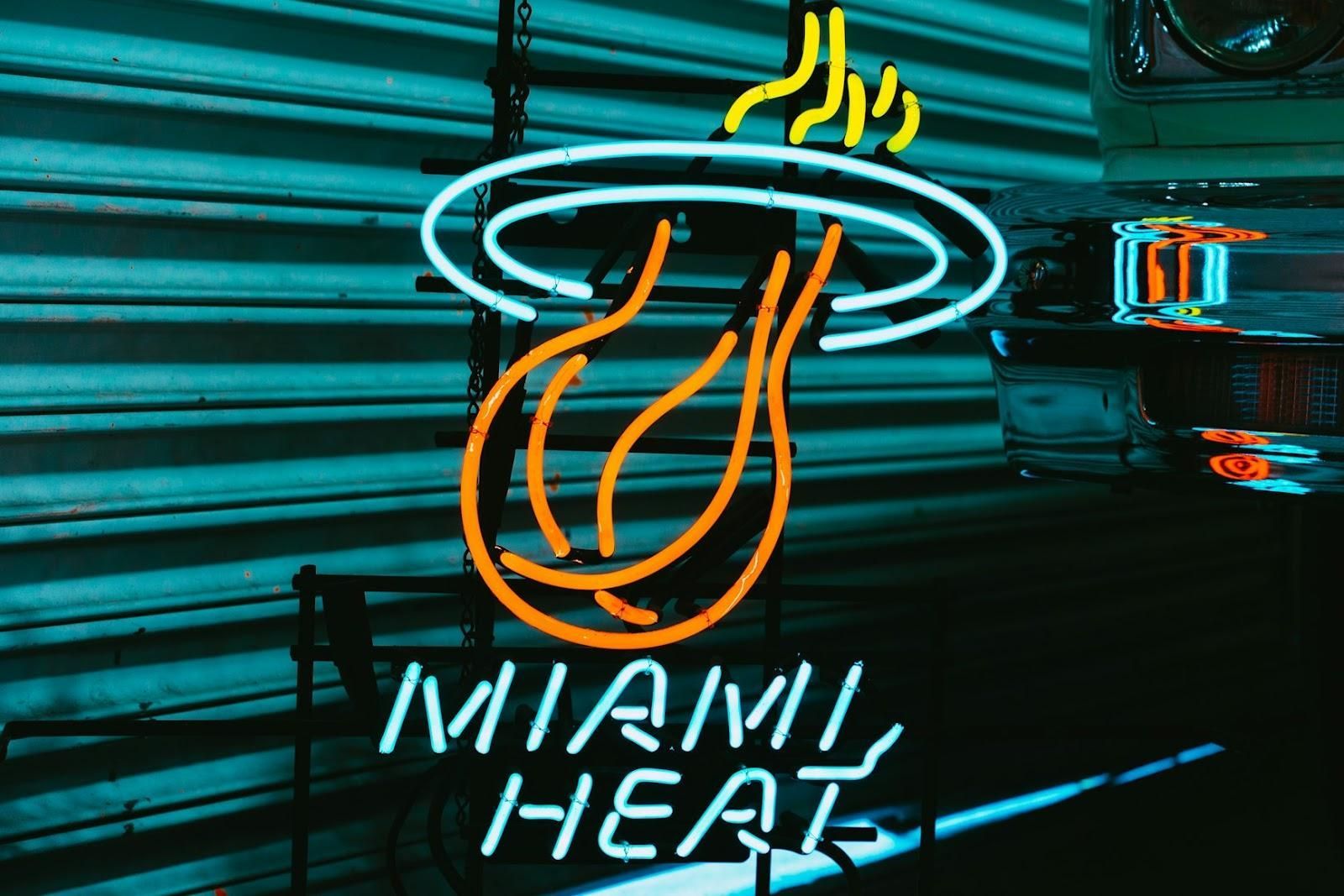
Image: Luis Montejo

A 7-foot-1, 325-pound tower of strength, Shaq shook backboards, rims, and entire defenses. After playing college basketball, O'Neal was drafted by the Orlando Magic, where he played for four years. Later, he starred with the Lakers, winning three consecutive titles, then helped the Miami Heat capture its first championship. All three franchises retired his No. 32 and No. 34 jerseys, because when Shaq arrived, the fun—and the winning—followed.

12
Kareem Abdul-Jabbar

Image: Alex Haney

With his skyhook reaching somewhere near the clouds, Kareem Abdul-Jabbar scored more points than anyone in NBA history for decades. He led the Milwaukee Bucks to a title, then added five more with the Lakers. Both franchises retired his iconic No. 33, honoring a player who blended grace and dominance like no one else.

13
Dikembe Mutombo
Image: Finnian HaDiep

One of the best shot-blockers and defensive players of all time, Dikembe Mutombo protected the paint like a personal fortress. He blocked shots, grabbed rebounds, and smiled through it all. The Denver Nuggets loved him. The Atlanta Hawks loved him. Both retired his No. 55. And yes, fans still remember that famous wagging finger after a big block.

14
Michael Jordan
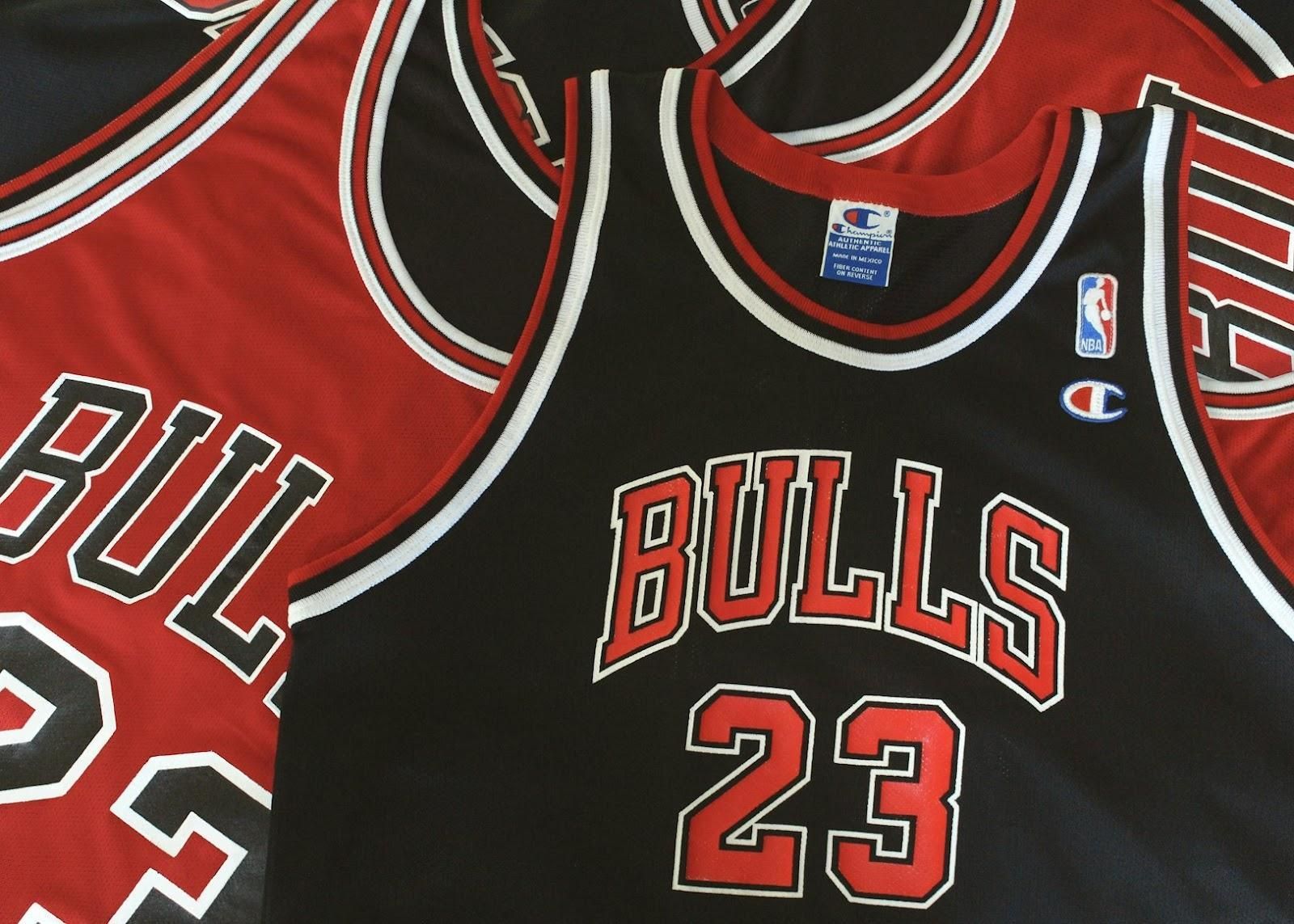
Image: Abhay siby Mathew

Of course, "His Airness" would be on this list! Michael Jordan’s No. 23 isn’t just a jersey—it’s an icon. In Chicago, it hangs high as a symbol of six championships, clutch shots, and a golden era that fans still replay in their minds like a favorite movie. But there’s more: the Miami Heat have honored his number too, even though Jordan never suited up for them. Call it courtesy, call it class, but wherever you go, No. 23 still means one thing: Michael Jordan was here.
History History 6 min read

Would you dare go in?

Let's step into some of America's allegedly haunted spots!

Image: Sandy Flowers

We know—it’s one thing to watch a scary movie hidden behind a giant bag of popcorn, and a very different thing to step into a dark, allegedly haunted house while an eerie, chilly breeze brushes your neck. Here, we’ve made a list of houses, hotels, and mansions in America with the spookiest claims of paranormal activity . Which one would you be brave enough to visit?

1
The Whaley House in San Diego, California

Image: Ivan Borinschi

The Whaley House is one of the few homes officially deemed "haunted" by the US government. Visitors report footsteps echoing in empty hallways, cold spots that won’t go away, and spectral figures on the stairs. How did it come to this? Built in 1857 by Thomas Whaley, the house stands on the site of former gallows. Whaley installed San Diego’s first brick house, which included a courtroom, general store, and theater space.

Unfortunately, Whaley’s daughter died by suicide in the house, and other family members passed away under the same roof. Accumulated tragedies and a spooky old house were enough to turn this eerie spot into a museum.

2
The Roosevelt Hotel in Los Angeles, California

Image: pure julia

Built in 1927, this glamorous hotel hosted the very first Academy Awards. Stars like Clark Gable, Charlie Chaplin, and Marilyn Monroe were among its esteemed guests. But, according to recent visitors, Monroe never really checked out.

She is said to appear in a mirror that once hung in her poolside suite. Guests have reported seeing the reflection of a blonde woman behind them, only to turn around and find no one there. How would you react?

3
The White House in Washington, D.C.

Image: Suzy Brooks

Did you expect to find America’s most powerful address on this list? As it turns out, presidents, first ladies, and staff have all reported eerie encounters over the years, with Abraham Lincoln’s presence as a recurring theme.

Queen Wilhelmina of the Netherlands allegedly fainted after seeing his ghost, and Eleanor Roosevelt claimed to feel his presence. Even Winston Churchill and Ronald Reagan contributed to the stories of a mysterious presence in the Lincoln Bedroom. Reagan famously reported that his dog, Rex, refused to enter the room.

4
The Winchester Mystery House in San Jose, California

Image: Brett Wharton

When it comes to haunted mansions, Sara Winchester’s old Victorian-Gothic house will always sit in the podium.

After her wealthy husband and several family members died within months of each other , Sara began commissioning the construction of this puzzling house, which remained under continuous construction for 38 years. Naturally, it’s a bit of a labyrinth.

With staircases that lead nowhere, séance rooms, and flickers of shadowy figures here and there, the house stands as a monument to grief—and to ghosts.

5
The Villisca Axe Murder House in Villisca, Iowa

Image: Kevin Schmid

It might look like a quaint white farmhouse, but in 1912, it was the site of one of America’s most brutal unsolved murders. The Moore family and two guests were killed with an axe while they slept. There were no witnesses, and no real explanation was ever found.

Today, the house remains frozen in time, restored to its 1912 condition. Creaking floors, oil lamps, and a whole lot of uneasy silence.

6
Lizzie Borden House in Fall River, Massachusetts

Image: Bee Felten-Leidel

You know the rhyme: "Lizzie Borden took an axe…" This New England house was the scene of one of America’s most infamous double murders in 1892. Lizzie was acquitted, but many believe she was responsible for the deaths of her father and stepmother, who were found dead under violent and suspicious circumstances.

Today, the house operates as a B&B for the brave and the curious. Guests have reported hearing footsteps, whispers, and even muffled cries coming from empty rooms. Some even choose to sleep in the very bedroom where Abby Borden met her tragic end.

7
The Lemp Mansion in St. Louis, Missouri

Image: Dhruv vishwakarma

Once home to the wealthy Lemp brewing dynasty, the mansion witnessed four family suicides between 1904 and 1949. That’s enough to make anyone who steps inside feel a bit… uncomfortable.

The family was cursed by misfortune: mental illness, failed fortunes, and mysterious deaths. Guests now report heavy footsteps in empty halls, strange knocking, and even ghostly apparitions—especially in the downstairs bathroom, where one Lemp took his own life. Today, it operates as a restaurant and inn.

8
Franklin Castle in Cleveland, Ohio

Image: Rob Potter

This Victorian mansion looks like it was designed to be haunted. Built in 1881 by Hannes Tiedemann, the home witnessed the deaths of several of his children and his wife within a short period.

Since then, tales of secret passageways, Nazi spies, and ghostly weeping have become forever attached to the castle. Owners have come and gone , but as the locals expected, none have chosen to stay.

9
The Sallie House in Atchison, Kansas

Image: Caroline Rogers

What began as a doctor’s residence in the 1800s took a dark turn when a young girl named Sallie allegedly died on the operating table . Her ghost, people say, began tormenting a later male resident, scratching, shoving, and even burning him.

Paranormal teams have confirmed that lights flicker, toys move on their own, and male visitors, especially, report sudden feelings of hostility.

10
The House of Death in New York, New York

Image: With Paul

Behind the brownstone elegance of 14 West 10th Street in Greenwich Village lies one of NYC’s darkest secrets: over 20 reported deaths have occurred there.

Mark Twain was its most famous tenant , living there briefly in 1900. He once recounted a story about a floating log inside the house, but insisted that a rodent must have been responsible. Paranormal enthusiasts, however, refuse to believe his explanation and now claim that Twain’s ghost also haunts the house.

11
The Joshua Ward House in Salem, Massachusetts

Image: Blake Cheek

This Georgian brick home sits under a dark curse in Salem. Its original land once held the jail of Sheriff George Corwin, infamous for torturing accused witches during the 1692 Salem Witch Trials. Known as the "Strangler," Corwin died of a heart attack at age 30 and was secretly buried in the basement.

Today’s residents and visitors report strangled sensations, cold drafts, and photographic anomalies—including a famous 1980s photo that appears to show a ghostly woman dressed in black with no eyes.

12
LaLaurie Mansion in New Orleans, Louisiana

Image: Alain Pierre-Lys

Few stories are darker than that of Madame Delphine LaLaurie, a socialite whose elegant French Quarter mansion concealed an appalling secret. In 1834, a fire revealed a hidden attic where enslaved individuals had been cruelly confined under horrific conditions.

LaLaurie fled to Paris, but the ghost stories remained. Visitors claim to hear moans and phantom footsteps and to see shadowy figures. Actor Nicolas Cage once purchased the property but quickly sold it, claiming bad luck followed him.

13
The Bell Witch Cabin in Adams, Tennessee

Image: Alex Vinogradov

This cabin marks the site of one of America’s oldest and most documented hauntings: that of the Bell Witch . This ghost received the nickname for haunting the Bell family in the 1800s. For years, the family endured a spirit that scratched walls, pulled hair, and even spoke in full sentences.

Legend has it that the entity killed patriarch John Bell. To this day, the rebuilt cabin and nearby cave remain popular destinations for ghost hunters.

14
The Riddle House in West Palm Beach, Florida

Image: Braden Wagner

Originally a funeral home (already a chilling start, right?), the Riddle House was later converted into a private residence. The story goes that it became haunted after an employee named Joseph hanged himself in the attic.

The house was eventually moved to Yesteryear Village to be preserved as a historical site, but it seems the ghosts made the trip too.

History History 4 min read

Side hustles

Whiskey, Hollywood, and Grammys? Unexpected jobs of former presidents!

Image: The Cleveland Museum of Art

Picture this: You have just finished your term as President of the United States. It was a tough job to tackle, but you made it. It’s your first day out of office, and you wonder, "What’s next?" A world of possibilities opens up. What is the first thing you would do in that position? These former presidents, from Washington to Bush, went different ways and took up activities most Americans don’t even know about. Let’s take a look at some fascinating second acts of former U.S. presidents.

1
George Washington - The whiskey-making Founding Father

Image: Daniel Vogel

After leading the nation, George Washington stepped into the world of spirits, whiskey spirits, that is! In 1797, his farm manager convinced him to open a distillery at Mount Vernon . Within two years, it became one of the largest in the country, producing nearly 11,000 gallons of whiskey annually.

Here’s a fun fact: Washington didn’t need a marketing team. His whiskey was sold in unmarked barrels to local merchants, and his operation was so successful that it became one of the top money-makers in the area. The best part? You can try it today at the reconstructed distillery!

2
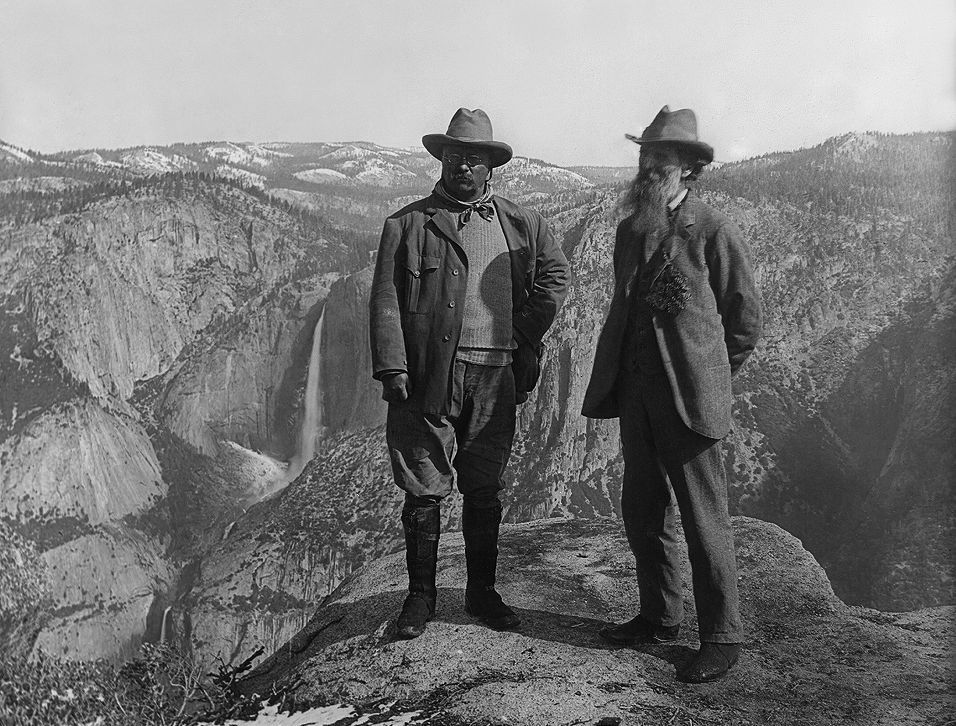
Theodore Roosevelt - Adventurer-in-Chief

Image: Zetong Li

Not one to sit still, Theodore Roosevelt went on an exploration of the Amazon rainforest after leaving office. In 1913, he embarked on a seven-month journey to map an uncharted river . Guess what it’s called today? The Roosevelt River, of course!

The expedition was grueling: he caught malaria, suffered a leg injury, and nearly died. Though he made it back home, his health never fully recovered. Roosevelt’s post-presidency was all about adventure and risks!

3
Thomas Jefferson - The University Founder

Image: Ryan Ledbetter

Thomas Jefferson didn’t just help write the Declaration of Independence; he also founded the University of Virginia . A firm believer in education, he wanted to create a university that emphasized academic freedom and rigorous learning. So, in 1819, ten years after leaving office, he established the University of Virginia, which opened in 1825.

Jefferson personally designed the campus, including its iconic Rotunda, and hand-picked the first professors. He once called the university one of his greatest accomplishments, right up there with drafting the Declaration of Independence.

4
John Quincy Adams - From President to Congressman

Image: Ian Hutchinson

John Quincy Adams didn’t believe in retirement, you know? He didn’t go back for a second term, but instead of stepping away from public service, he returned to Congress, serving in the House of Representatives for nine terms until his death in 1848.

His dedication earned him the nickname "Father of the House." Even in his final moments, he was working: he collapsed on the House floor after casting a vote and died two days later. Well, once a public servant, always a public servant.

5
William Howard Taft - From President to Supreme Court Justice

Image: Adam Michael Szuscik

Most former presidents take a step back from government, but William Howard Taft went in the opposite direction. After serving as the 27th president, he was appointed Chief Justice of the Supreme Court in 1921.

He later admitted that being on the Supreme Court was his true calling, famously stating, "I don’t remember that I ever was president." Taft remains the only person in history to have served in both roles! Talk about an upgrade!

6
Calvin Coolidge - Presidential columnist

Image: AbsolutVision

Some former presidents write memoirs, but Calvin Coolidge took it a step further. From 1930 to 1931, he wrote a nationally syndicated newspaper column titled Thinking Things Over with Calvin Coolidge .

His articles covered a range of topics, from politics to everyday life. As it turns out, running a country gives you plenty to write about!

7
Jimmy Carter - The humanitarian president

Image: Library of Congress

If there’s one president who redefined life after the White House, that is Jimmy Carter. In 1982, he founded the Carter Center , a nonprofit organization focused on democracy, health, and human rights.

He has also spent decades working with Habitat for Humanity, personally helping to build homes for those in need. In 2002, Carter’s humanitarian work earned him the Nobel Peace Prize, making him the only former president to receive the honor for efforts made after leaving office. He once said his post-presidency was "more gratifying" than his time in politics. Only logical, right?

8
Ronald Reagan - A Knight of the Realm

Image: Annie Spratt

Yes, that’s a literal title. Ronald Reagan didn’t take up a new career after leaving office, but he did receive an unexpected knighthood from Queen Elizabeth II. In 1989, just months after stepping down as president, he was made a Knight Grand Cross of the Most Honorable Order of the Bath.

While it’s a prestigious honor, American citizens aren’t allowed to use the title "Sir," so there was no "Sir Ronald" in the works. Reagan wasn’t the only president to receive this honor; Dwight Eisenhower and George H.W. Bush were also knighted.

9
Bill Clinton - Grammy-winning storyteller

Image: Annie Spratt

Bill Clinton has always been a gifted speaker, so it’s no surprise that he won not one, but two Grammy Awards, though they weren’t for playing his famous saxophone. He won Best Spoken Word Album in 2004 and 2005, narrating both a children’s book and his autobiography.

Clinton joins a small but prestigious club of American presidents who have won Grammys, including Barack Obama and Jimmy Carter. His ability to captivate audiences didn’t end with politics; he simply found a new stage.

10
George W. Bush - From the White House to the Art Studio

Image: Yannis Papanastasopoulos

After serving two terms as president, George W. Bush discovered a surprising new passion: painting. How about that? In 2012, he began taking art lessons , and by 2013, his paintings were revealed to the public following an email hack.

Bush embraced his new hobby and has since published several collections, including Portraits of Courage , which features paintings of US military veterans. His artwork has been exhibited in galleries, proving that a president can become an artist, too. While politics was his career, painting has become his personal form of expression.

Explore more American facts

Choose your favorite category!

General
General

As American as apple pie—the very best America has to offer!

Culture
Culture

Delve into the astounding richness of American lore.

Geography
Geography

Hop in and explore vast and diverse American landscapes.

History
History

Discover the key moments that shaped the United States.