General General 5 min read

WHEN WAS YOUR LAST VISIT TO THE MALL?

Did You Know These 10 Huge Malls Are Closed Or Closing Its Doors?
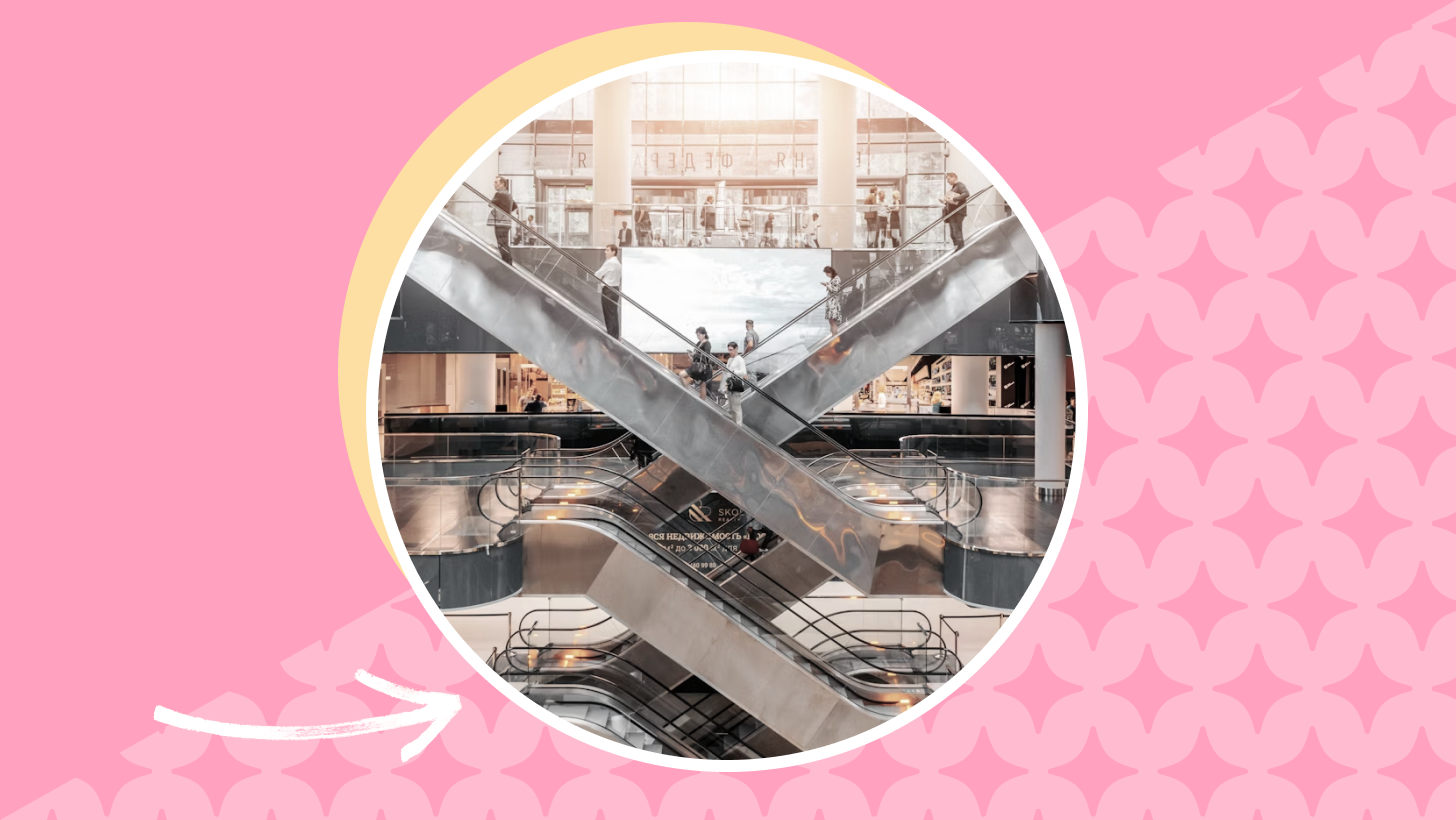
Image: Christian Wiediger

There is no "Too big to fail" in the world of retail. Even big businesses, with access to deep pockets, market research, and countless advisors, can bite the dust just like your local corner store. Or, perhaps, not in exactly the same way, but with very similar results.

The huge malls built in the 70s, 80s, and 90s have been enduring traffic decline for a couple of decades now, due to the rise of online shopping which, along with the rising price of property taxes, costs, rent, and vacancy, the COVID-19 pandemic and a few other factors, these commercial behemoths have been forced to close their doors. Take a look at ten of these once-bustling buildings and see if you ever frequented one of them.

1
Randall Park Mall, Ohio
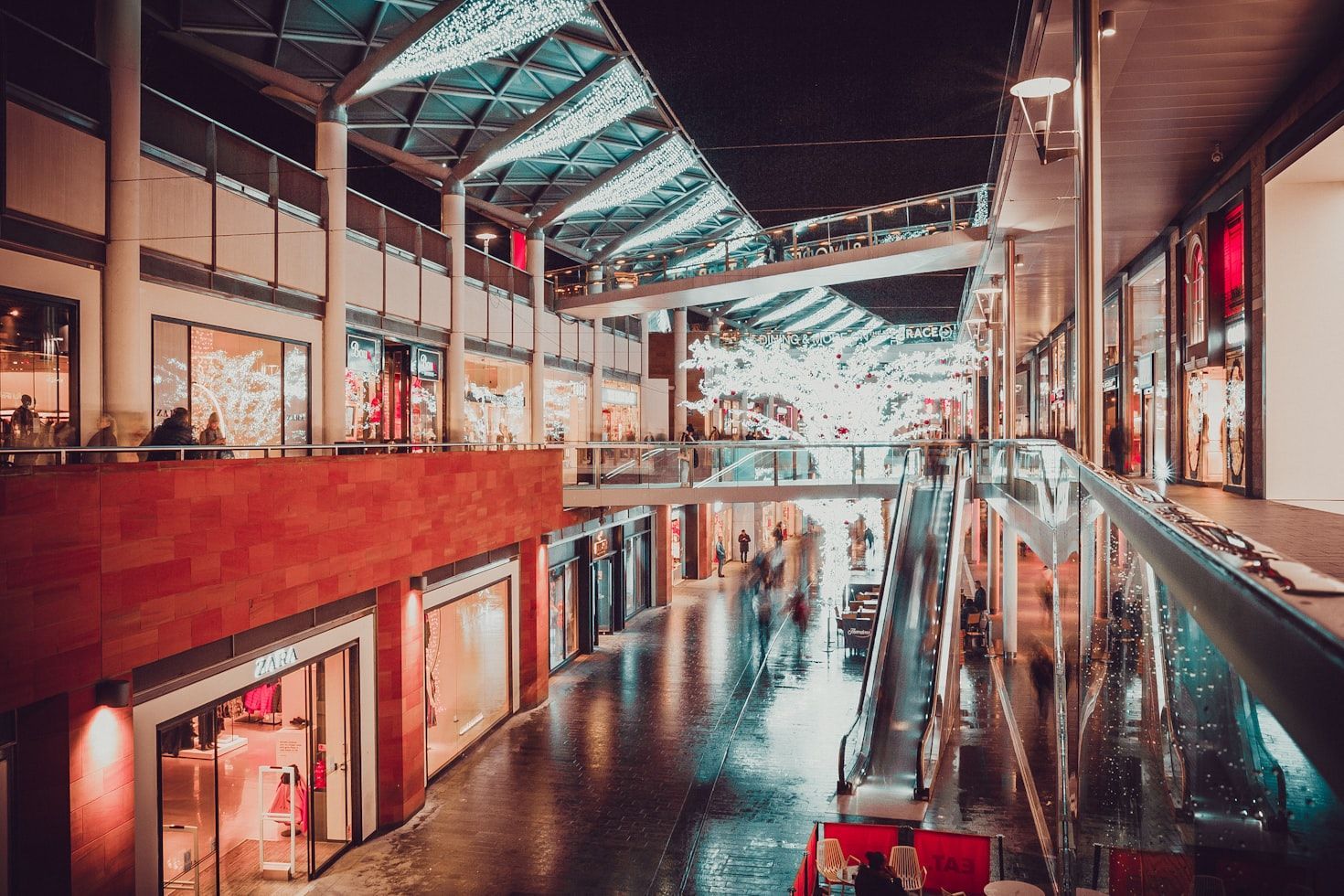
Image: Carl Raw

Randall Park Mall opened in 1976 when huge retail complexes were designed to be at the heart of their communities. It was one of the largest indoor malls in the country, with more than 200 shops. However by 2009, following years of declining business and the more immediate impact of the Great Recession, Randall Park Mall closed its doors.

Encompassing nearly 2.2 million square feet of space and reportedly costing $175 million to build, Randall Park Mall was deemed such a colossal miscalculation that it closed after only 33 years in operation and was demolished before reaching forty years.

2
Circle Centre Mall, Indiana
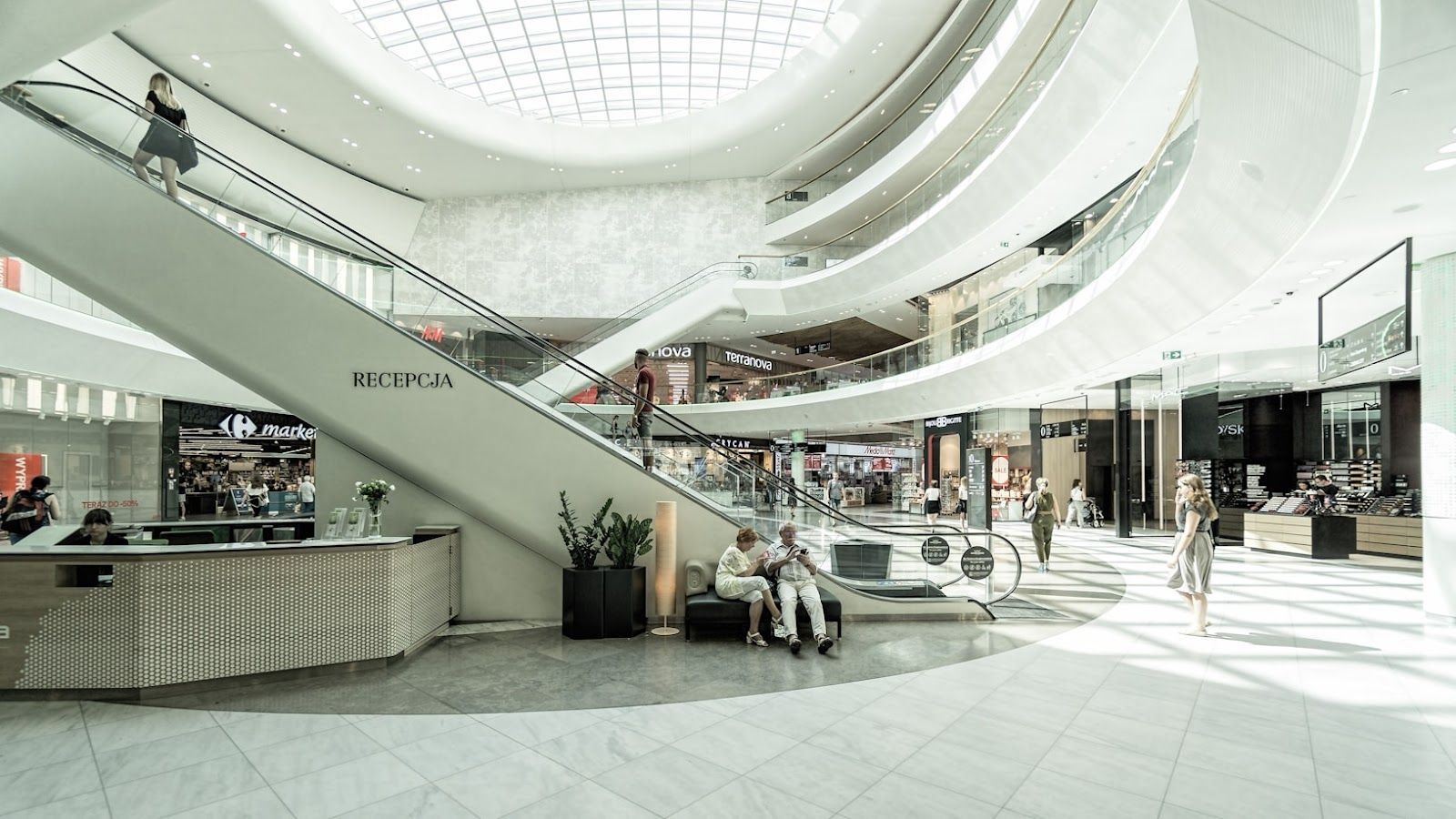
Image: Michael Weidemann

Circle Centre opened to the public on September 8, 1995, incorporating existing downtown structures such as the former L. S. Ayres flagship store. Real efforts were made in its design to incorporate historic elements, such as the retention of the facades of buildings that had previously existed on the site.

Most malls rely on their department and anchor stores to survive, but, with the closure of Nordstrom in 2011 and of Carson's on April 29, 2018, the mall has been left without any department stores. In response to the changing retail conditions, the mall has explored non-traditional uses; for example, in 2014 The Indianapolis Star moved its offices into part of the space vacated by Nordstrom.

3
East Hills Shopping Center, Missouri
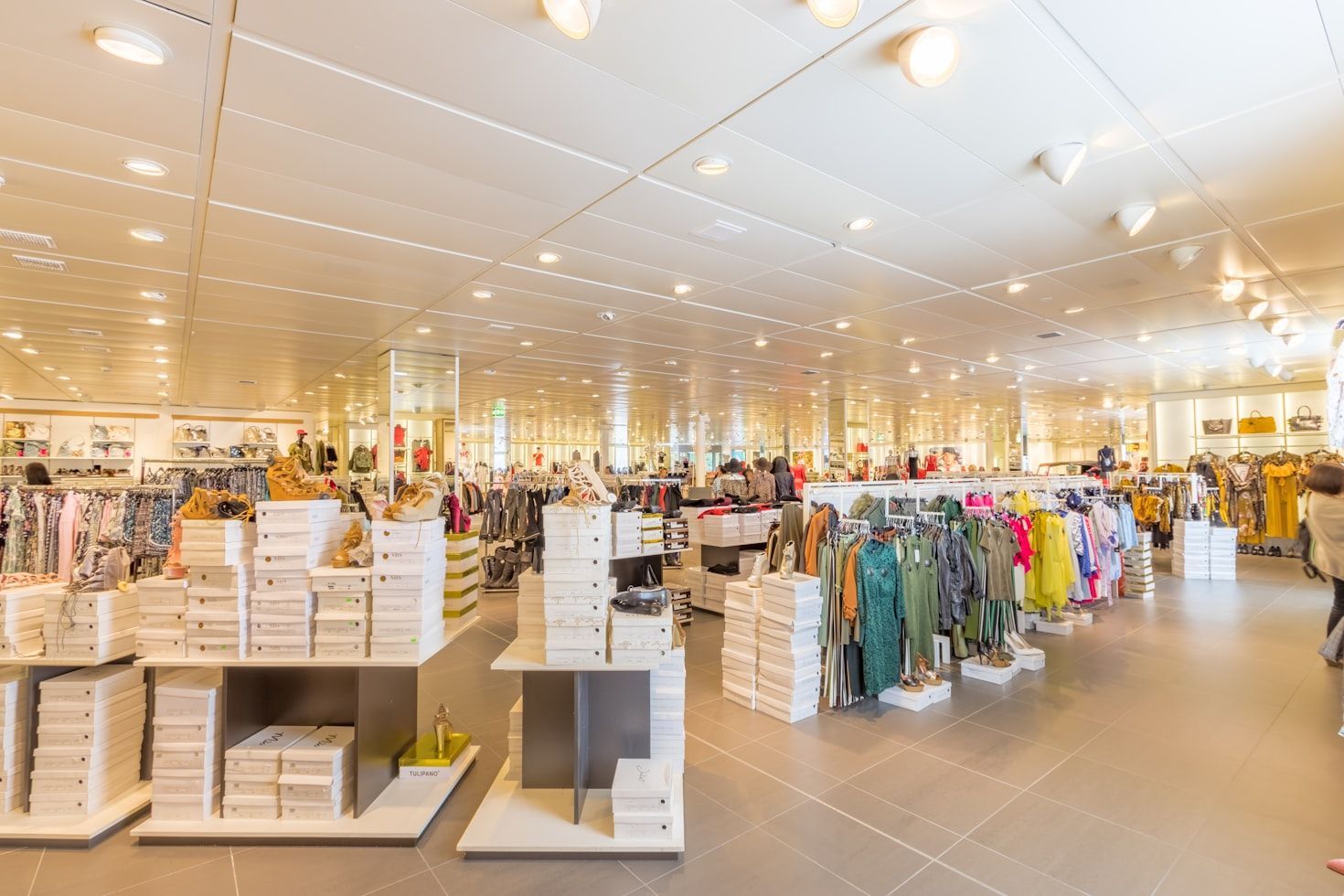
Image: Alexander Kovacs

East Hills Shopping Center is an enclosed shopping mall that opened in 1965, as one of the first malls in the Midwestern U.S. After enjoying several decades of success during the early days of malls, East Hills lost many tenants throughout the 1990s.

The COVID-19 pandemic brought many businesses to a close. On August 27, 2022, Dillard's permanently closed its doors followed by Party City in April 2023. The mall currently features JCPenney as its only anchor tenant.

4
Exton Square Mall, Pennsylvania
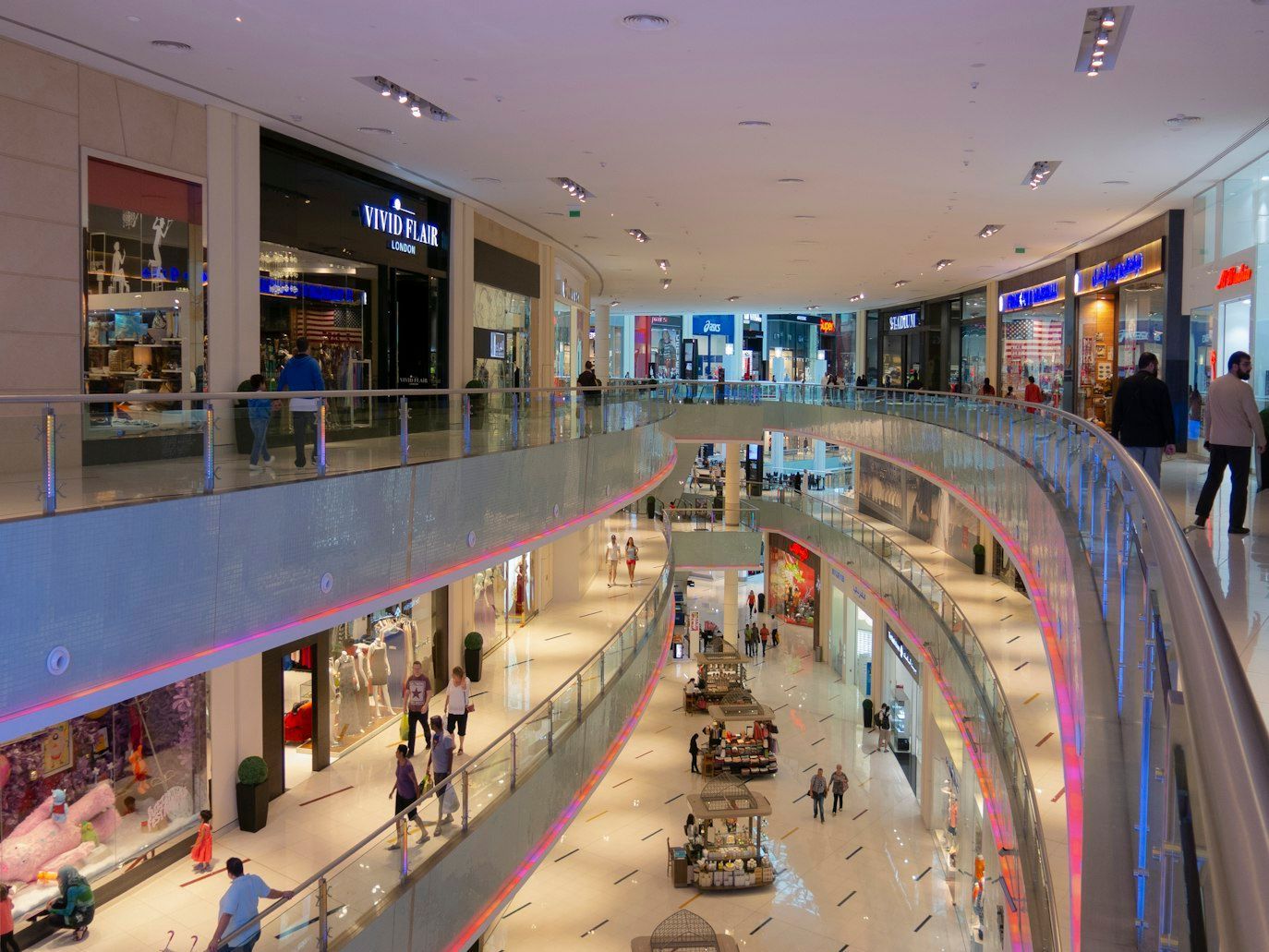
Image: mostafa meraji

The Exton Square Mall opened its doors in March 1973. Among its earlier memories, it holds the distinction of hosting the first Chick-fil-A restaurant on its premises.

In recent years, the mall has experienced an increase in vacancy rates, due to declining mall traffic and ongoing competition from the larger King of Prussia mall located 14 miles away. Many of the remaining stores are non-traditional tenants such as medical offices, a chess club, an art studio and gallery, and a chamber of commerce office.

5
Pittsburgh Mills Galleria, Pennsylvania
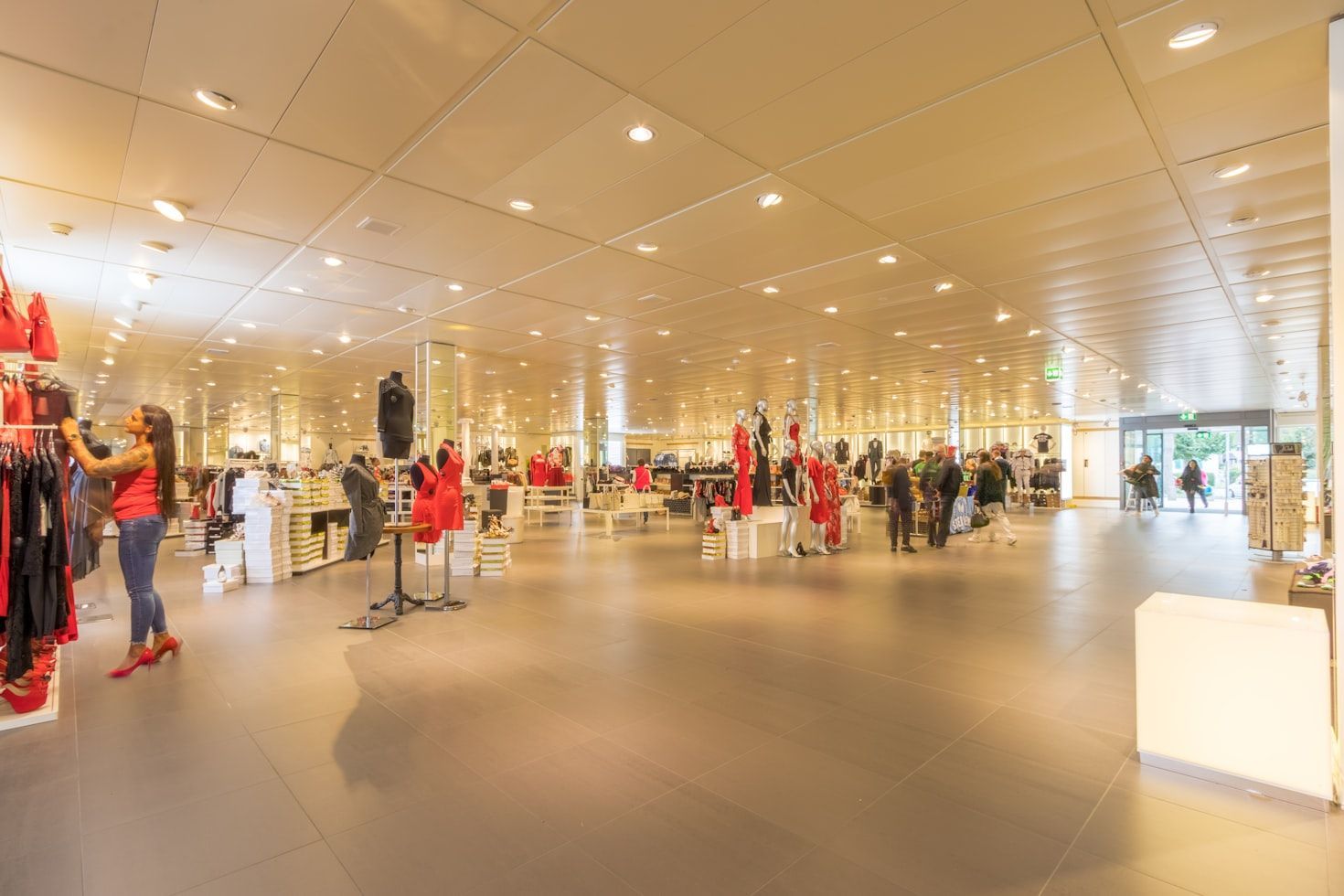
Image: Alexander Kovacs

Pittsburgh Mills Galleria is a dead mall that opened to much fanfare on July 14, 2005, but it never achieved the success its owners had hoped for. Only a year after opening, Lucky Strike Lanes closed and was eventually replaced with two restaurants and a banquet hall.

As of February 2023, there are only about 20 stores left, including 6 major chain stores. The food court, which once housed two full-service restaurants, a Starbucks, 10 counter restaurants, and several push-cart vendors, is now completely vacant.

6
Midway Mall, Ohio
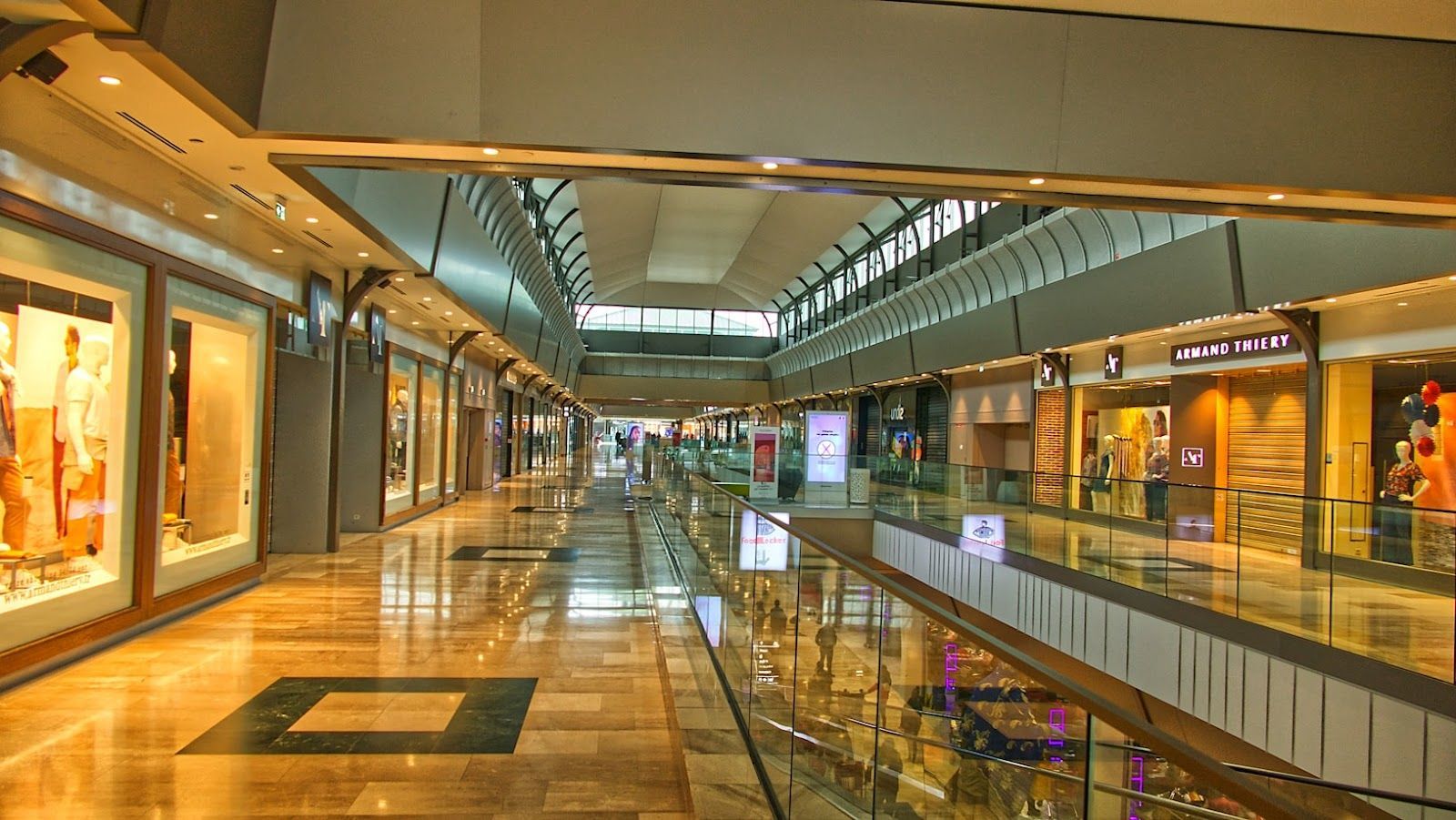
Image: Pascal Bernardon

Midway Mall originally opened on September 22, 1966. Its anchor stores were Higbees, JCPenney, and Sears but over the years, brands changed and eventually left. As of 2023, with former anchor Dunham's Sports closing its branch there, it is considered a dead mall.

In 2023, the Lorain County Port Authority voted to buy and develop the mall site but, on May 1, 2024, the port authority sold the property to Industrial Commercial Properties, which intends to turn the mall into an industrial park.

7
Signal Hill Mall, North Carolina
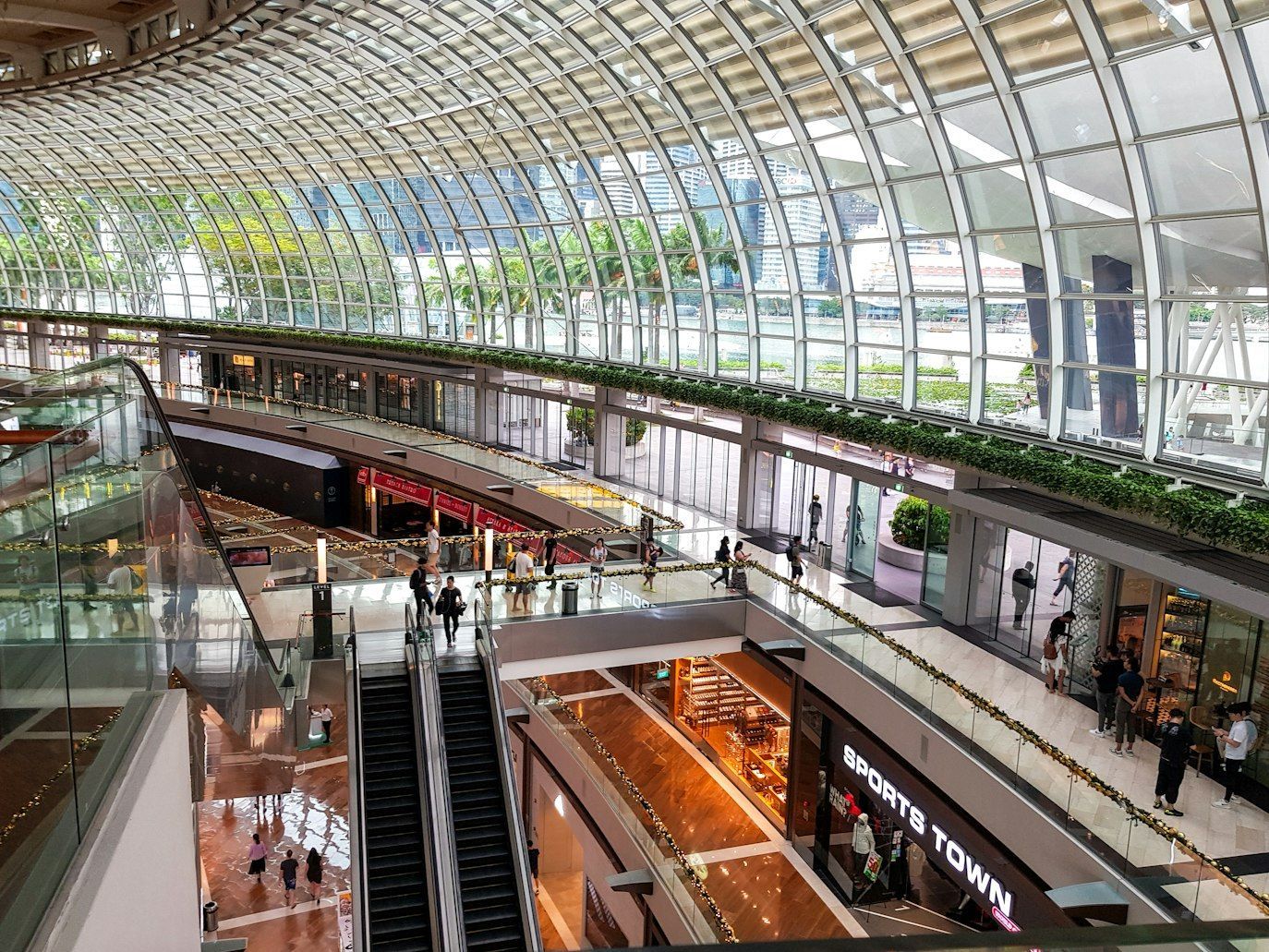
Image: Ervan Sugiana

Signal Hill Mall was a regional enclosed shopping mall that opened in 1973 with more than 40 stores. The mall experienced a great deal of decline since the 2010s, losing most of its major stores throughout the decade and receiving significant media attention as an example of what is popularly known as a dead mall.

As of 2022, the mall has continued to decline, and despite discussions about the possibility of the mall being repurposed for non-retail use, nothing has been done. The mall is occasionally used as a space for community and recreational events by Statesville residents but that is all the activity on its premises.

8
Century III Mall, Pennsylvania
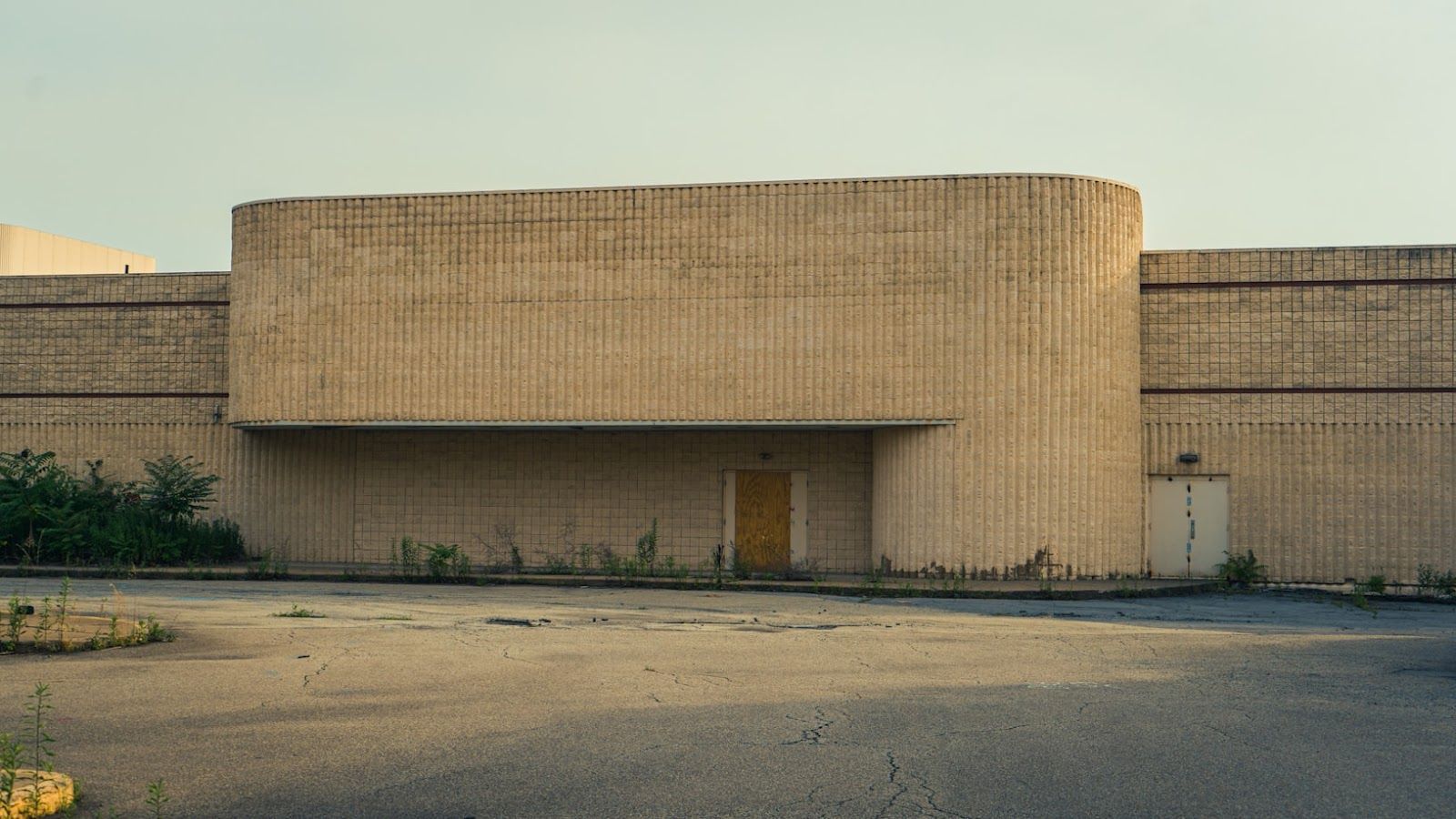
Image: Raymond Kotewicz

The eighth entry on this list hailing from Pennsylvania is an already abandoned mall. Century III Mall was built on a former slag dump and it operated from 1979 to 2019 - almost 40 years, which is not a bad number for a mall. It was the third-largest shopping mall in the world when it opened, but it has since been surpassed by much larger malls.

Following a similar route to the ones we have seen before, its occupancy rate fell from 40 percent in January 2016 to 10 percent by December 2017. Demolition of the mall began on March 26, 2024, starting with the attached external parking garage structure, but it will take a year until the entire structure is gone.

9
Gwinnett Place Mall, Georgia
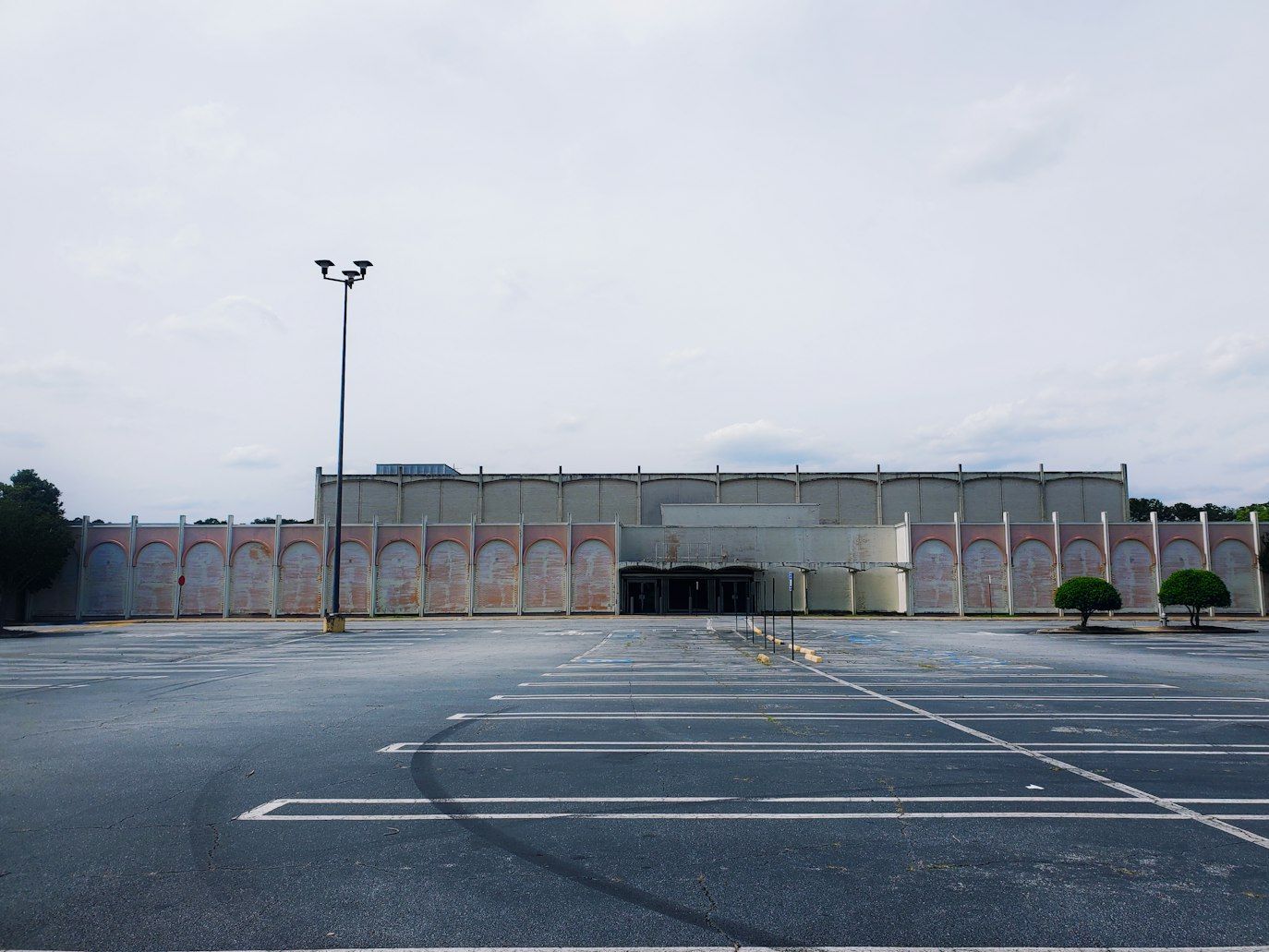
Image: Casey Lovegrove

Stranger Things fans might recognize this building as the "Starcourt Mall" featured in the third season of the series. Once the leading mall in the region, Gwinnett Place Mall is now largely vacant.

It was challenged by the openings of the Mall of Georgia in 1999 and Sugarloaf Mills in 2001 and lost a large part of its customer base. It also failed to attract any new anchor stores for several years. In 2008, Gwinnett Technical College opened an International Education Center in the mall, where students take foreign language classes. Not much of a mall anymore.

10
Hawthorne Plaza Shopping Center, California
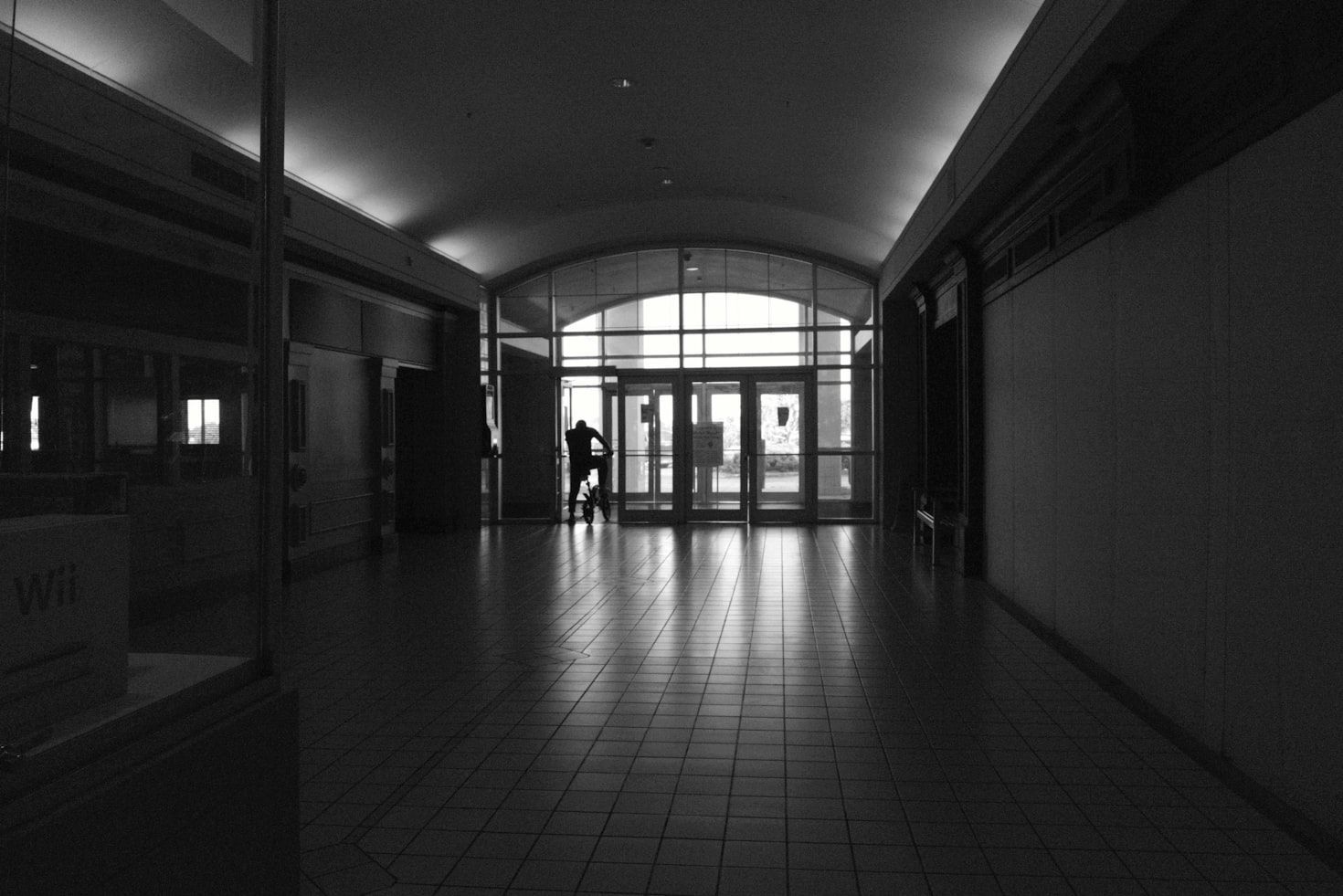
Image: David Valentine

Let us close the list with Hawthorne Plaza , an abandoned enclosed shopping mall with 134 stores that opened in February 1977. It included an indoor mall with three anchor stores and freestanding stores. Despite its initial popularity, the mall went into decline in the 1980s and 1990s.

The number of occupied stores declined from 130 in the late 1980s to around 70 in 1998. The mall's final anchor, JCPenney, closed in 1998 and the mall itself closed in 1999. The southern section of the mall across from the parking structure was demolished in 1998 and rebuilt as a strip mall. It currently includes a supermarket, a pharmacy, and some small restaurants.
General General 3 min read

US money mysteries

Did you notice this detail on the $100 bill? 10 surprising currency facts

Image: Alicia Razuri

You use it every day, you keep it in a safe place, and yet there are still so many things you may not know about it. Yes, we’re talking about US currency! From their size and composition to the details of their designs, both our bills and coins have a fascinating history behind them, and some secrets you probably never imagined. Join us as we uncover them.

1
Clock change

Image: Jonathan Borba

US currency is full of symbolism, and the $100 bill is no exception. Since 1928, we have seen Independence Hall depicted on the back of this bill. But in 2013, it was redesigned, and one change stands out: the clock tower, which previously showed 4:10, now reads 10:30. Did you notice?

2
Jackie Kennedy’s choice

Image: Florida Memory

Jackie Kennedy played a key role in designing the coin that would feature the portrait of her ex-husband. When the U.S. Mint planned the Kennedy half dollar in 1964, she was consulted and provided input on various aspects of the coin, including its imagery and symbolism.

3
Not paper

Image: Giorgio Trovato

Although it is called paper money, our bills do not contain any paper at all. In fact, they are made of a blend of 75% cotton, 25% linen, and fine silk fibers embedded. This mixture is not random; it was specially chosen so that your bills can withstand everything: folds, wrinkles, stains, and even an accidental shower in the washing machine.

4
The unfinished pyramid

Image: Marek Studzinski

The one-dollar bill also has its secrets and details. On its back, you’ll find an unfinished pyramid, part of the Great Seal of the United States designed in the 1780s. Why unfinished? The pyramid has 13 steps, representing the original 13 colonies, and its incomplete form symbolizes the nation’s ongoing growth and expansion.

5
50% larger

Image: Bozhin Karaivanov

Before 1929, US banknotes were significantly larger, measuring approximately 7.375 x 3.125 inches. Today, collectors refer to these as "large-size" notes, sometimes even nicknamed "Horseblankets." In contrast, modern bills measure just 6.14 x 2.61 inches. The government decided to reduce the bill's size to cut production and design costs.

6
Andrew Jackson’s preference

Image: Giorgio Trovato

Andrew Jackson has been the face of the $20 bill since 1928, when he replaced Grover Cleveland. Ironically, Jackson was opposed to paper money. He didn't trust that form of payment, believing it could be easily manipulated. According to historians, the 7th U.S. President favored "hard money": gold and silver coins.

7
Alexander Hamilton’s portrait

Image: engin akyurt

Most portraits on US bills face left, with one exception: Alexander Hamilton on the $10 bill, the only one facing right (toward the viewer’s left). You might wonder why, but there’s no official explanation; it seems to have been simply a design choice.

8
"In God We Trust"

Image: rc.xyz NFT gallery

In 1956, Congress passed a law declaring "In God We Trust" the national motto, making it mandatory on all U.S. coins and banknotes. But this wasn’t its first appearance: the phrase first appeared in 1864 on the two-cent coin. Beyond faith, it also carried political weight, suggesting that God favored the Union during the Civil War.

9
The change that never happened

Image: Ryan Quintal

In 2015, the Treasury announced plans to redesign the $10 bill, stating that Hamilton's portrait would be replaced by that of an influential woman from US history. However, the change never happened. Why? Those years saw a surge in Hamilton's popularity thanks to the hit musical of the same name, leading the Treasury to backtrack on the replacement plan.

10
Criteria

Image: Live Richer

As is well known, not just any portrait can appear on US currency. But beyond historical significance, the figures on our bills and coins must meet other criteria you might not know: They must also be deceased and well recognized by citizens, ensuring that the people represented are familiar and meaningful to the public.

Geography Geography 3 min read

Beauty is everywhere

10 beautiful works of art in America that are free for all to enjoy

Image: Adriaan Greyling

While a huge portion of the world’s best artworks are in museums, galleries, and private collections, many masterpieces are out in the open, embellishing their surroundings, free for everyone to admire and enjoy. These sculptures, statues, and monuments live in our parks, streets, or almost anywhere else. Pedestrians stumble upon them, most of the time without even taking the time to look at them. But when they do, their beauty speaks to them. America is brimming with amazing works of art everywhere you look. In almost every city, you can find artworks out in the open, for everyone to admire. Are you near any one of the following ten?

1
Brookgreen Gardens, South Carolina

Image: Alano Oliveira

The largest collection of figurative American sculpture in the world –over 2,000 works– can be seen at Brookgreen Gardens in South Carolina.

Everything is displayed outdoors, in gardens laid out in 1931 in the shape of a butterfly by the sculptor Anna Hyatt Huntington and her husband, rail magnate Archer Milton Huntington. The gardens are listed on the National Register of Historic Places.

2
Laumeier Sculpture Park, St. Louis

Image: Nathaniel Shuman

With 105 acres and over 70 works, Laumeier is one of the largest urban sculpture parks in the nation . It has some really big pieces, including works by Alexander Liberman, Tony Tasset, Jonathan Borofsky, Odili Donald Odita, and more.

3
Minneapolis Sculpture Garden, Minneapolis

Image: Meizhi Lang

The massive sculpture of a cherry atop a huge spoon prompts visitors to photograph it using perspective tricks to make it look like they’re eating the cherry. As spectacular as this artwork is, the garden has many more world-class sculptures, including important pieces by Alexander Calder, George Segal, Judith Shea, and Roy Lichtenstein.

4
Nasher Sculpture Center, Dallas

Image: Zalfa Imani

Taking a walk through the Nasher Sculpture Center in Dallas feels like being inside a prestigious world-class museum, but outdoors . Works by Rodin, Picasso, Brancusi, Koons, Calder, de Kooning, Giacometti, Matisse, Serra, and other masters can be found on the premises.

These grounds offer an uncrowded, intimate experience in which the sculptures feel like they're in conversation with one another.

5
National Gallery of Art Sculpture Garden, Washington, D.C.

Image: Andriy Oliynyk

If you happen to visit the National Gallery of Art Sculpture Garden in Washington, D.C. in the winter months, you will find a skating rink along with Louise Bourgeois' Spider with a light dusting of snow, a Chagall mosaic, a variation by Robert Indiana on his famous LOVE statue , and 17 other important works of modern art. The garden is one of the most serene places in the city.

6
Nelson-Atkins Museum of Art, Kansas City

Image: Omar KH

Being at the Nelson-Atkins Museum of Art, in Kansas City, feels a bit like walking through a land of giants, amidst their huge everyday objects . Visitors will find mammoth shuttlecocks, amongst other monumental works of art.

The Nelson-Atkins Museum's outdoor sculpture park was originally named after Henry Moore because it contains a large number of bulbous works by that artist. His pieces eventually were joined by a fanciful glass labyrinth by Robert Morris, as were sculptures by Magdalena Abakanowicz, Alexander Calder, Mark di Suvero, and others.

7
Olympic Sculpture Park, Seattle

Image: Elham Abdi

The Olympic Sculpture Park treats its visitors with sweeping views over Elliott Bay . The monumental sculptures complement the view in both directions. And, if you stand in just the right spot, Alexander Calder’s Eagle frames the Space Needle perfectly.

The park also features notable works by Louise Nevelson, Roxy Paine, Richard Serra, Louise Bourgeois, Mark di Suvero, and Beverly Pepper.

8
Storm King Art Center in New Windsor, New York

Image: Mike Hindle

With 500 acres, Storm King is the largest sculpture park in the United States , offering its visitors several distinct ecosystems —woodlands, meadows, and lakes among them.

The park boasts works by numerous 20th-century art stars, including Maya Lin, Isamu Noguchi, Henry Moore, Alexander Calder, Richard Serra, Andy Goldsworthy, Anthony Caro, Louise Bourgeois, Sol LeWitt, and David Smith.

9
Frederik Meijer Gardens & Sculpture Park, Michigan

Image: Albert Dehon

The Frederik Meijer Gardens & Sculpture Park in Grand Rapids, Michigan, boasts Victorian gardens with pieces by famed artists Edgar Degas and Auguste Rodin , a collection of carnivorous plants, sweeping outdoor gardens (which include a 1930s-era farm garden), a Japanese garden, and a large outdoor amphitheater that hosts famed musicians every summer.

10
The Stuart Collection, California

Image: Is@ Chessyca

The Stuart Collection is an amazing grouping of artworks by world-famed artists like Michael Asher, John Baldessari, Mark Bradford, Jackie Ferrara, Do Ho Suh, and more. One of the collection’s goals is to reexamine conventional views of public art in playful and thought-provoking ways as it showcases experimental art to the public and the community.

Explore more American facts

Choose your favorite category!

General
General

As American as apple pie—the very best America has to offer!

Culture
Culture

Delve into the astounding richness of American lore.

Geography
Geography

Hop in and explore vast and diverse American landscapes.

History
History

Discover the key moments that shaped the United States.