Geography Geography 4 min read

Behind tall faces

You know about the secret room in Mt. Rushmore. Did you know these facts?
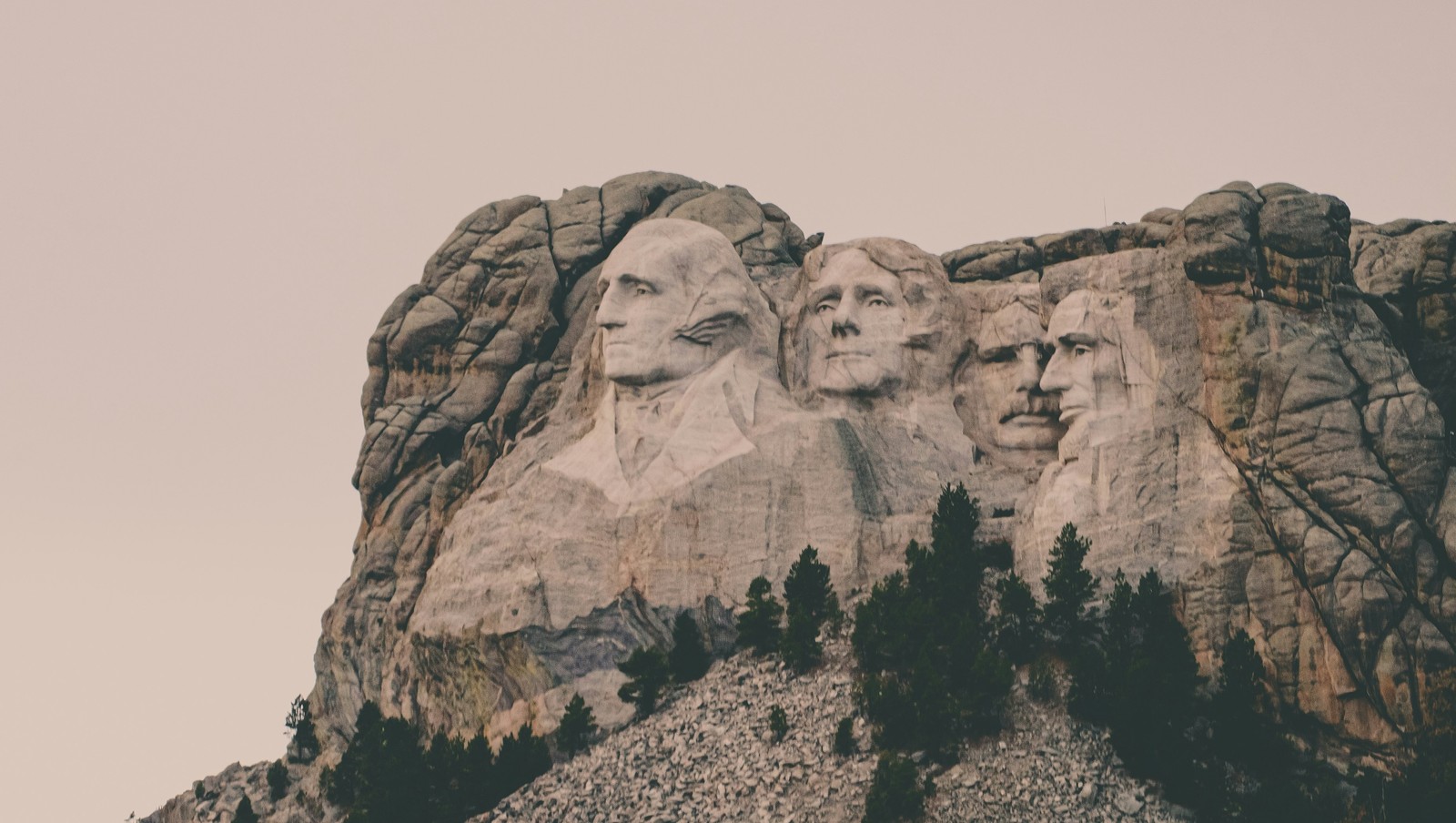
Image: Jake Leonard

What famous woman’s face almost became the fifth face on Mount Rushmore? Did the sculptor Gutzon Borglum really intend to just carve out the heads? Why is the mount named that, and not Borglum? The answers to these questions are some lesser-known facts about one of the most famous landmarks and sights in our country. Let’s dive into these stories!

1
The original plan included full-body figures
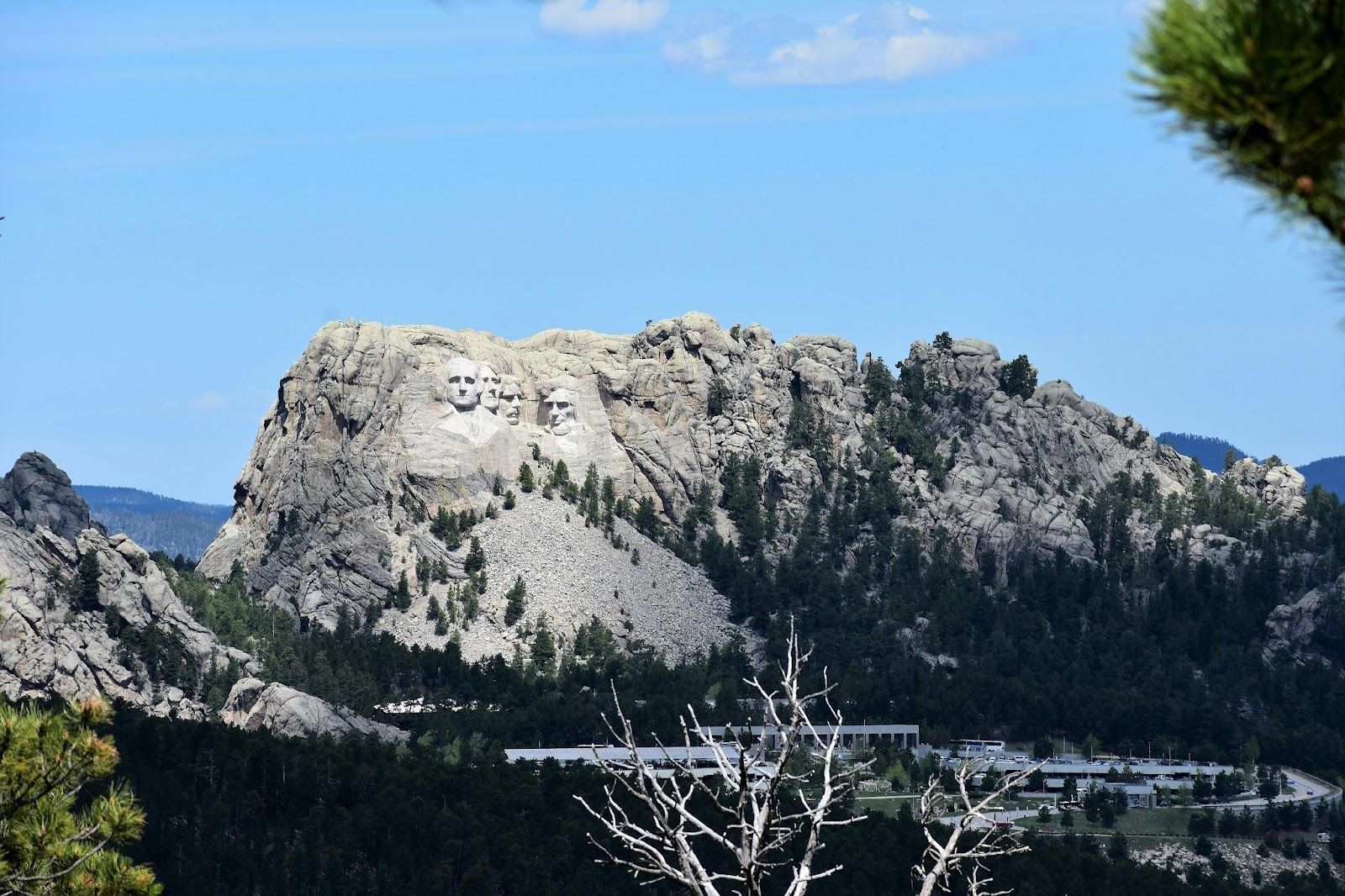
Image: Thomas Shockey

Mount Rushmore was supposed to be even more colossal than it already is. Sculptor Gutzon Borglum envisioned the four presidents carved from the waist up .

He even made plaster models showing Abraham Lincoln's coat folds and Teddy Roosevelt’s hand clutching his lapel. But as costs went up, Congress said: "heads only, please."

2
Charles Rushmore was just a curious New Yorker
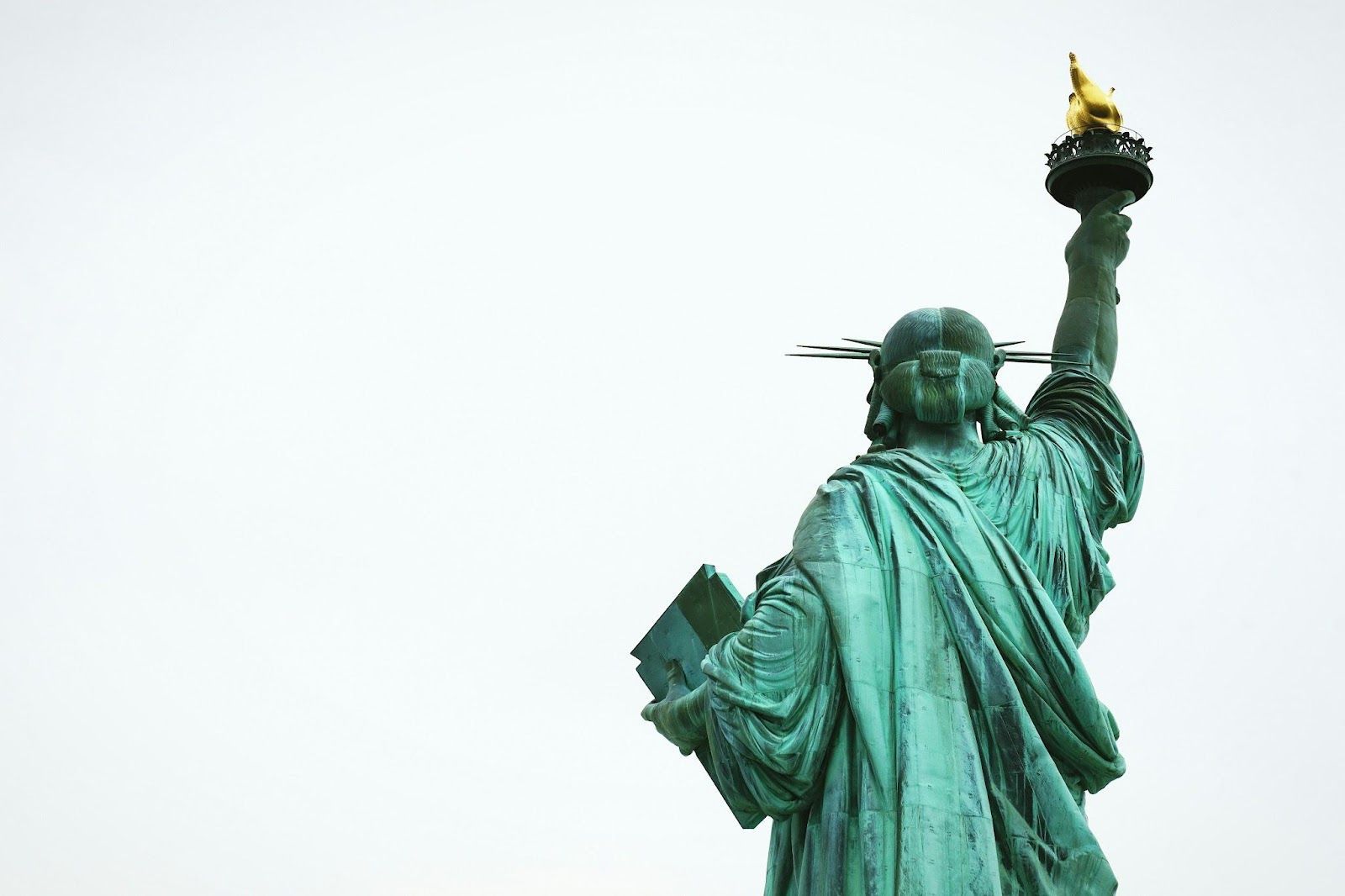
Image: Maarten van den Heuvel

Back in 1925, when the mount was about to be carved into a monument, Charles Rushmore wrote a letter explaining why the peak bore his name. He recalled that in the 1880s he was a young New Yorker working in the area, and fell fond of that particular granite peak .

When he asked the locals about it, they informed him that it had no name, but that if he wished so, they would just start calling it Rushmore Peak, or Mount Rushmore, or the likes. Years later, that very name had been inscribed in the public domain to designate the peak.

3
Yes, there’s a hidden room behind Lincoln’s head
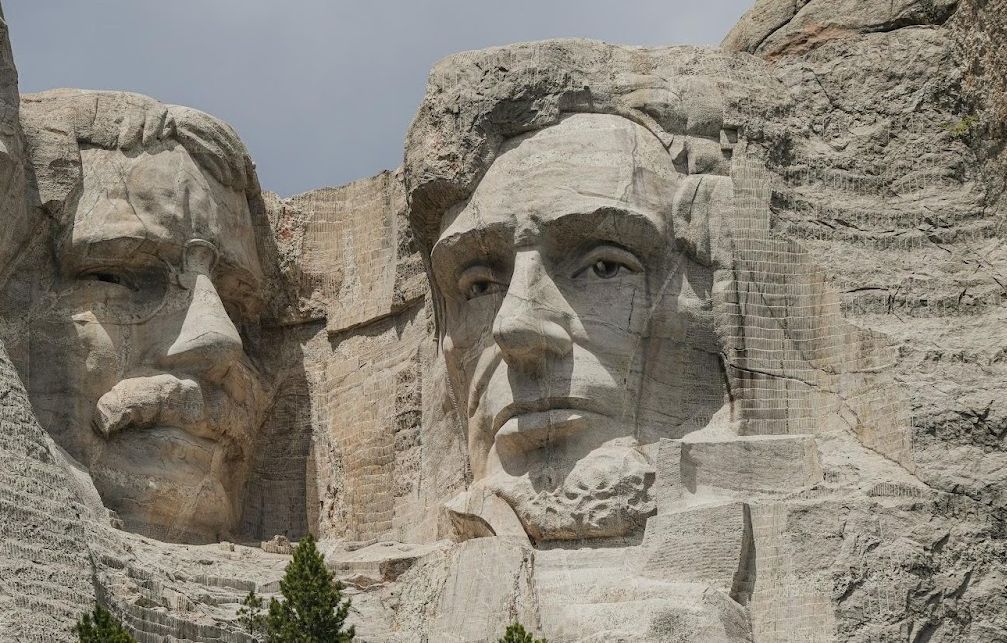
Image: Laura Nyhuis

Behind Abraham Lincoln’s hairline lies a hidden chamber, part of Borglum’s lofty idea for a "Hall of Records." This room was meant to house foundational American documents like the Constitution or the Declaration of Independence.

Instead of that, in 1998, a titanium box was placed inside, filled with copies of important documents and biographies, as a time capsule to preserve the treasure of knowledge for future generations.

4
Thomas Jefferson was moved
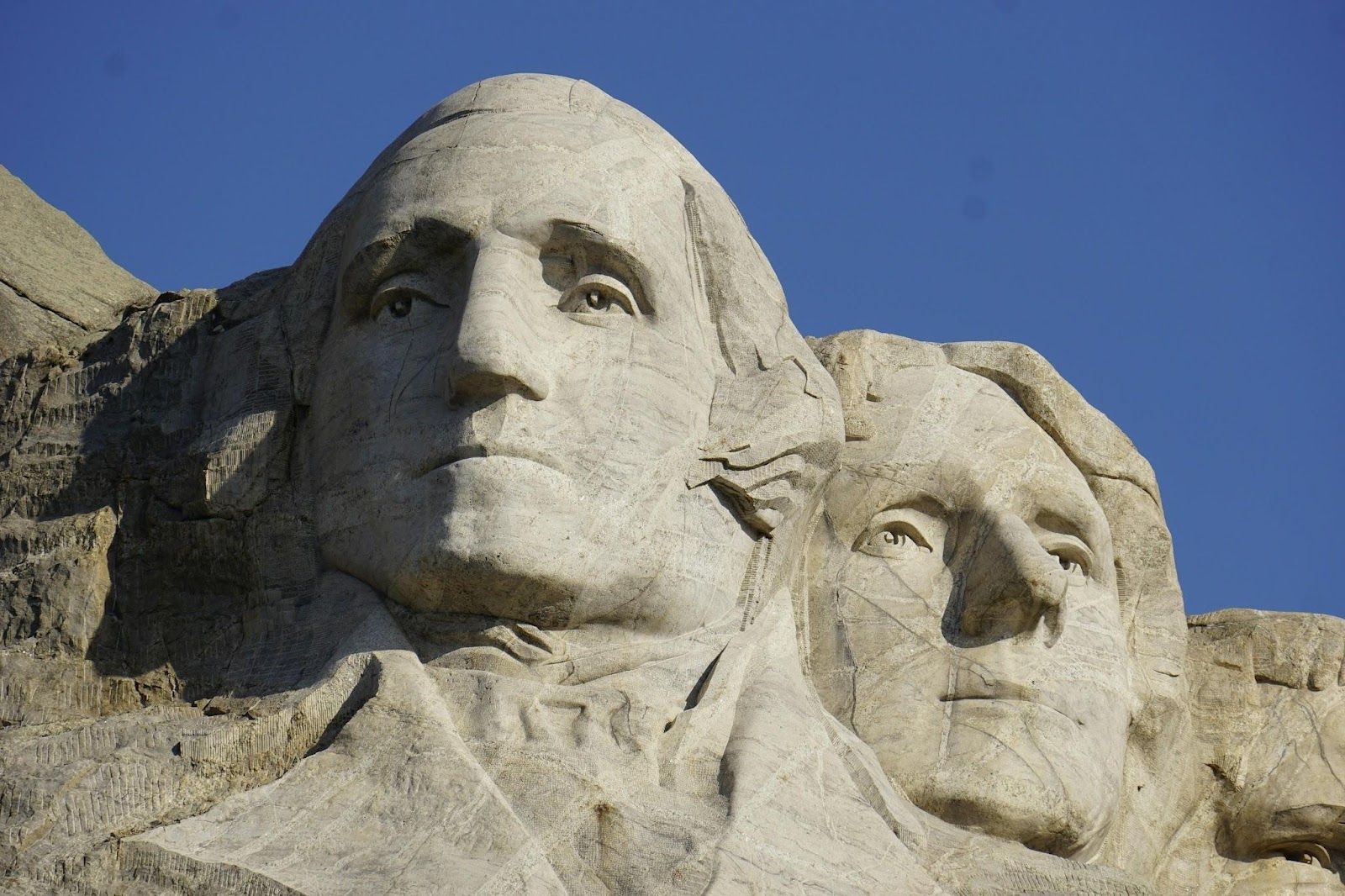
Image: Dave Baraloto

Jefferson was originally supposed to go to Washington’s right, but after 18 months of chiseling , the granite betrayed them. Cracks and flaws made the site unworkable.

Borglum made the painful decision to blast Jefferson’s half-formed face clean off and start anew on Washington’s left.

5
The mountain was almost a monument to western heroes
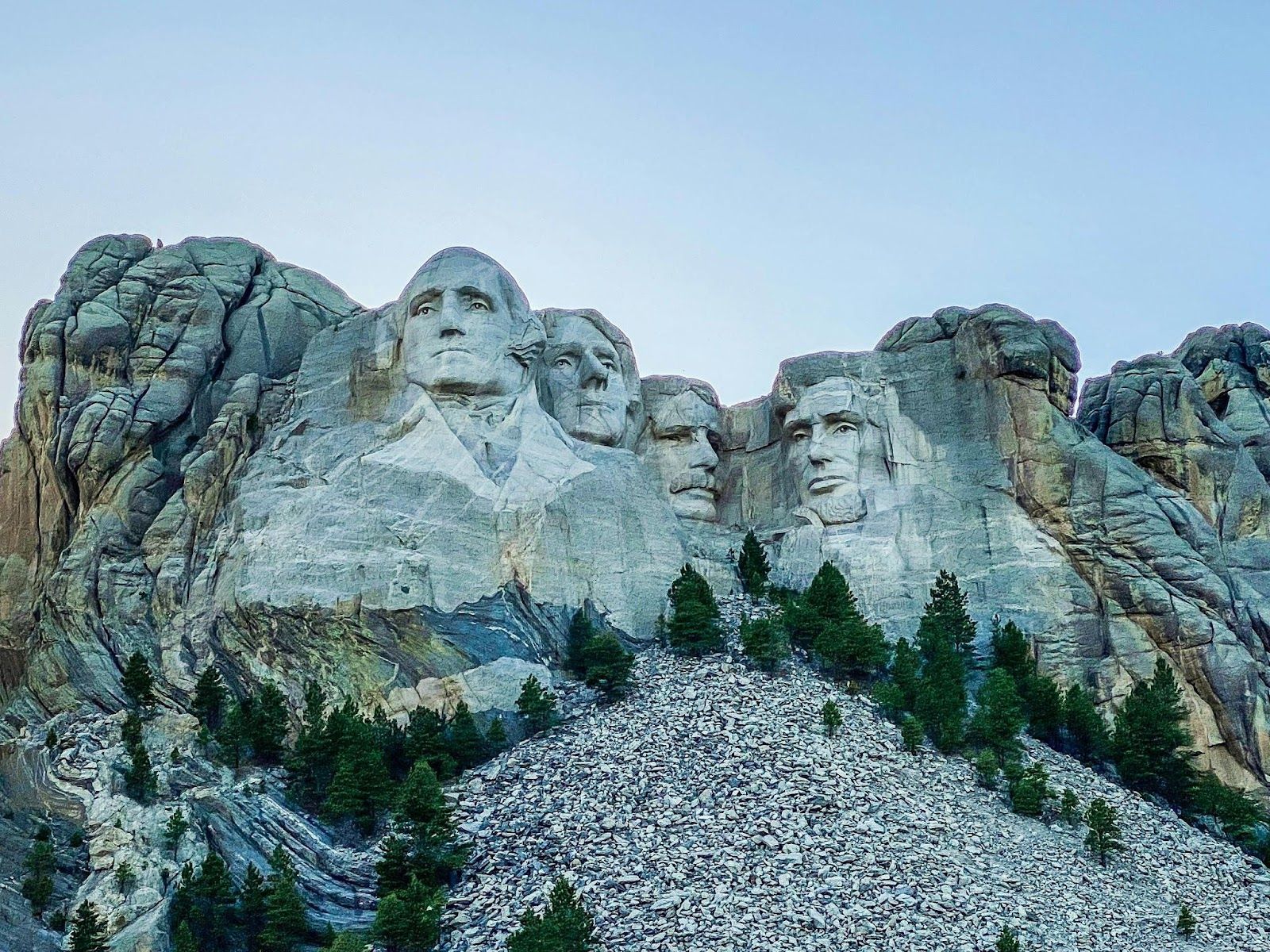
Image: Timberly Hawkins

Before presidents took over, the mountain was pitched as a giant tribute to the Wild West . South Dakota historian Doane Robinson wanted to see frontier legends like Lewis & Clark carved into the Black Hills.

But when Borglum came aboard, he had a grander (and more politically bankable) idea: four presidents to symbolize national unity and expansion.

6
A woman’s face was almost added
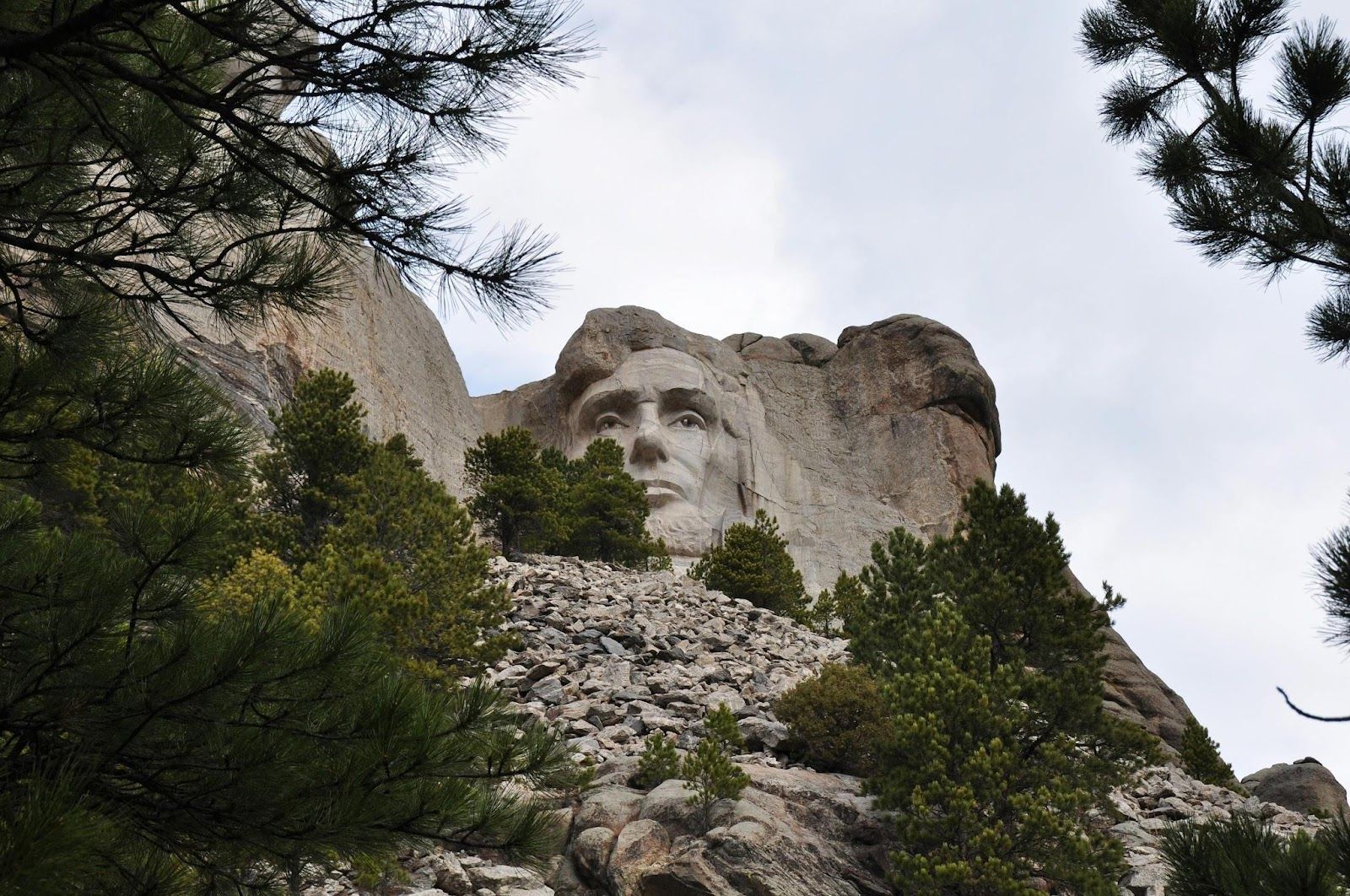
Image: Tom Fournier

In the 1930s, there was serious talk of honoring Susan B. Anthony alongside the Founding Fathers, as a nod to the women’s suffrage movement.

Borglum wasn’t opposed to the idea, but Congress quickly nixed it, stating that only U.S. presidents could be included.

7
The workers were mostly local miners and loggers
Image: Pixabay

They were neither sculptors nor artists. Most of the workforce came from nearby Keystone, South Dakota: miners, loggers, and hard-up laborers looking for work during the Great Depression.

Borglum trained them himself. There were no safety harnesses, and yet, remarkably, no one died on the job.

8
Dynamite did 90% of the work

Image: Alexander Paramonov

To carve the faces of Washington, Jefferson, Roosevelt, and Lincoln, workers used carefully timed dynamite blasts to remove over 450,000 tons of rock. They got so precise, they could blast within inches of where the final surface would be.

The last details, like wrinkles, pupils, or Roosevelt’s glasses, were done with jackhammers and chisels.

9
The noses are disproportionate
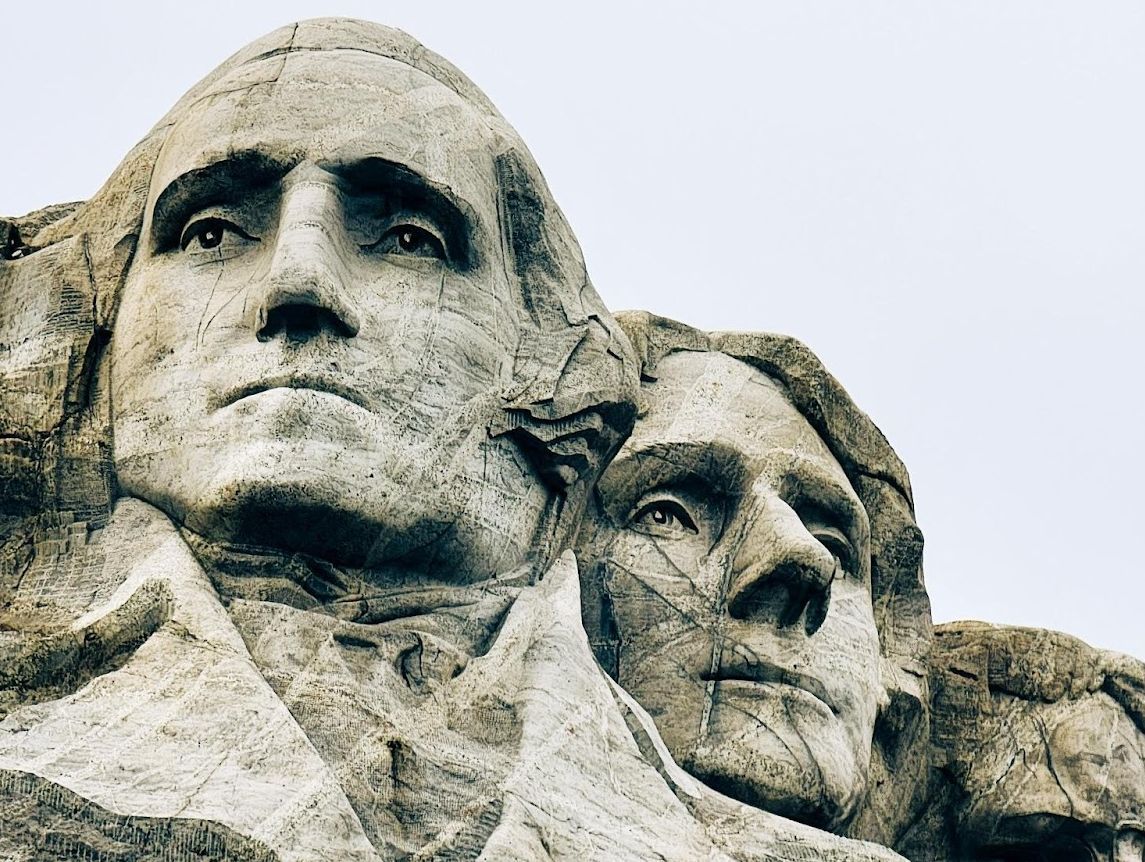
Image: Dudubangbang Travel

Standing in front of the mountain, the faces seem alright. But that’s a trick of perspective. Each presidential nose is a whopping 20 feet long .

If the sculptures had included full bodies as planned, each figure would have stood 465 feet tall. That’s taller than the Statue of Liberty and most downtown skyscrapers.

10
Teddy Roosevelt was the most controversial pick
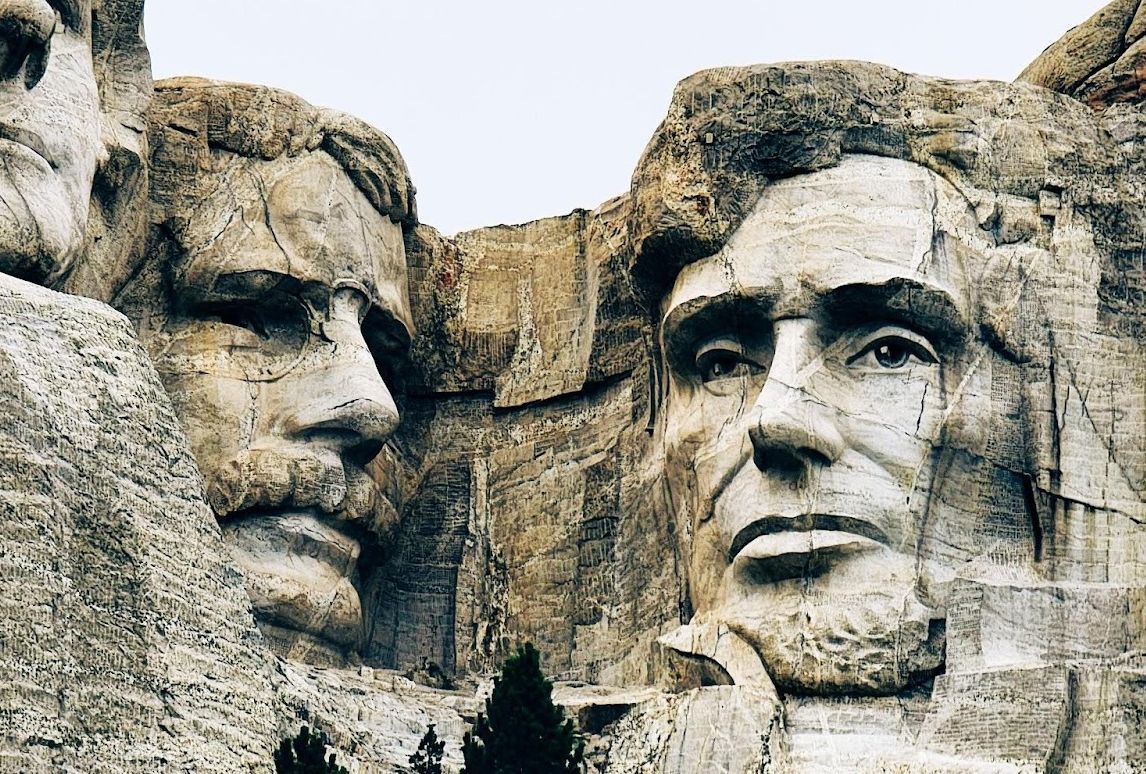
Image: Dudubangbang Travel

Washington, of course. Jefferson, made sense. Lincoln, sure. And Teddy? Some critics raised their eyebrows at Borglum’s fourth choice. Roosevelt had only recently passed away in 1919, and many questioned whether he'd stood the test of time.

But Borglum defended the decision Roosevelt’s role in breaking up monopolies, conserving national parks, and engineering the Panama Canal. Plus, Borglum had met him personally and was a fan.

11
It was supposed to have inscriptions
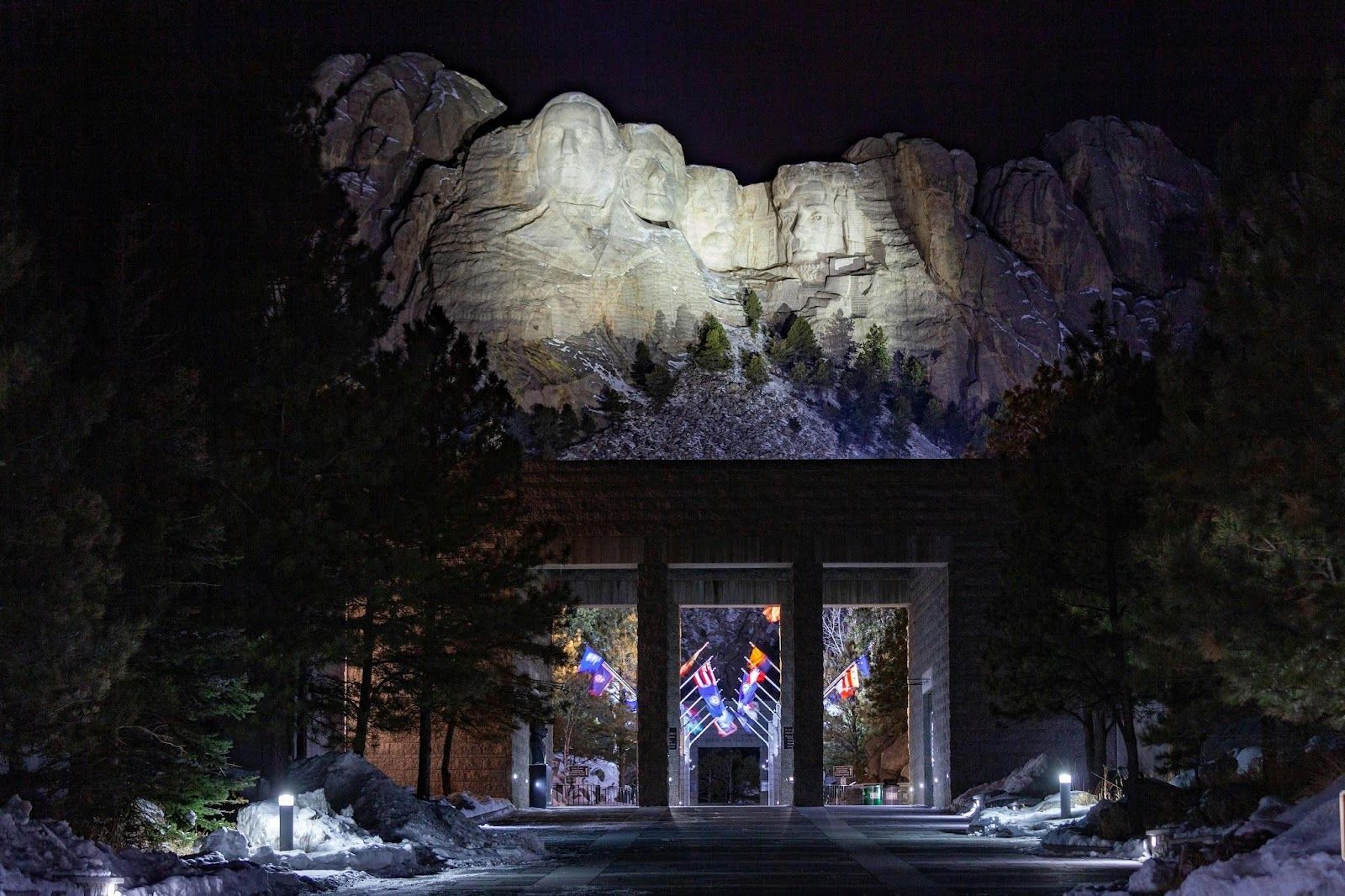
Image: Dan Pick

Borglum had grander plans than just four giant heads. He wanted to carve a massive inscription next to them, a timeline of America’s most important milestones , chiseled straight into the mountain. In time, the idea was scrapped for practical and aesthetic reasons.

12
The visionary died before completion
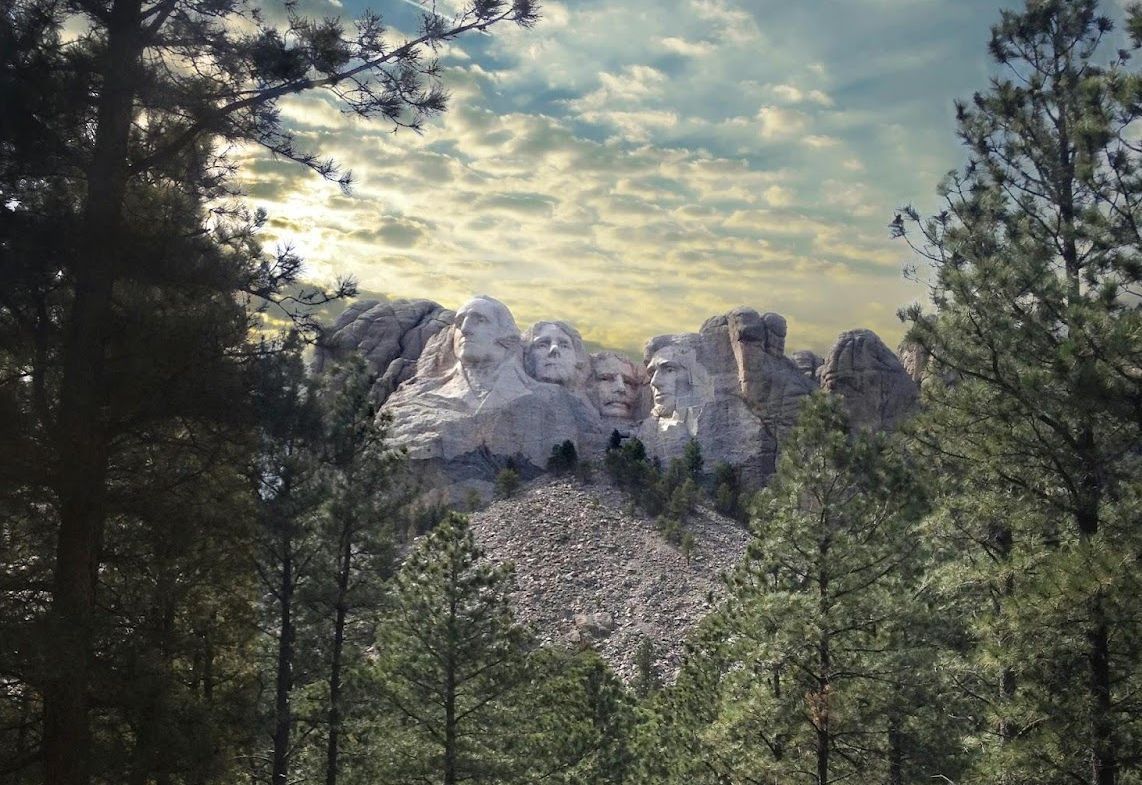
Image: Lisa Reichenstein

Gutzon Borglum, the visionary behind it all, didn’t live to see his masterpiece finished. He died in March 1941, just as the construction was reaching its end. His son, Lincoln Borglum (yes, named after that Lincoln), took over the project.

Still, with WWII drawing resources elsewhere, funding was slashed, and Lincoln had to wrap things up quickly . Some features, like Lincoln’s ear, were never fully detailed.

Geography Geography 4 min read

Summoning freshwater landscapes

Which one is the “Queen of American Lakes”? Most visited lakes in the US

Image: Mathilda Khoo / Kalen Emsley

The seaside and mountains often take the crown as the most popular spots in our country. But with their hiking trails, glistening waters, and quaint coastal towns, the country’s lakes are never far behind. Let’s take a look at the 15 most visited lakes in the U.S. How many have you been to?

1
#15 - Lake Michigan (Illinois, Indiana, Michigan, Wisconsin)

Image: Adam Bouse

Lake Michigan is a stunning natural treasure. Towering sand dunes, pristine beaches, and urban centers line up along its shores. Visitors flock to breathtaking hiking trails, like the ones in Sleeping Bear Dunes National Lakeshore .

The lake's expanse touches several major cities, including Chicago, Milwaukee, and Traverse City, which explains the endless flow of tourists arriving each year.

2
#14 - Flathead Lake (Montana)

Image: Josiah Gardner

Flathead Lake is a peaceful haven nestled between Glacier National Park and the Mission Mountains. Its vast, crystal-clear waters are ideal for boating, fishing, swimming, and kayaking.

Surrounding small towns like Polson and Bigfork welcome visitors with their charming shops, restaurants, and art galleries. Visitors can also join boat excursions to Wild Horse Island, where bighorn sheep and wild horses roam.

3
#13 - Lake Champlain (New York, Vermont)

Image: Ronan Furuta

Lake Champlain is the choice for history fans. Its guided tours explore the region’s rich history , including Revolutionary War sites and stories of naval battles fought on the lake.

The lake spans the border between New York and Vermont, with nearby towns such as Burlington and Plattsburgh, which offer waterfront dining and quaint streets.

4
#12 - Grand Lake (Colorado)

Image: Ellery Sterling

This is the largest natural lake in Colorado. Right by Rocky Mountain National Park, Grand Lake offers a serene escape into the state’s breathtaking wilderness.

The town of Grand Lake is also known for its historic boardwalk and artistic community . The area is particularly popular during winter when visitors can enjoy snowshoeing, ice fishing, and proximity to ski resorts.

5
#11 - Lake Okeechobee (Florida)

Image: Heiner

Known as Florida’s "Inland Sea," Lake Okeechobee is the state’s largest freshwater lake.

Herons, egrets, and ospreys can be spotted here. The lake also offers some of the best bass fishing in the country, which has turned it into a world-famous spot for fishing enthusiasts.

6
#10 - Lake George (New York)

Image: Bill Alexy

Sparkling waters surrounded by the Adirondacks, Lake George was dubbed the " Queen of American Lakes ." Visitors know it as a perfect spot for hiking, boating, and camping. The village of Lake George is a lively hub with restaurants, shops, and events like the annual Adirondack Balloon Festival.

7
#9 - Crater Lake (Oregon)

Image: velichor

Famous for its deep blue color and clarity, Crater Lake is the centerpiece of Crater Lake National Park. The lake formed within a collapsed volcano and is the deepest in the United States. Visitors can take guided boat tours to Wizard Island or explore hiking trails around the caldera.

8
#8 - Lake Powell (Arizona, Utah)

Image: Carmel Rossen

Lake Powell is a man-made reservoir straddling the Arizona-Utah border. It attracts approximately two million visitors yearly. A unique sight, this beloved destination is lined with striking geological formations like Rainbow Bridge, one of the world’s largest natural arches.

9
#7 - Lake Superior (Michigan, Minnesota, Wisconsin)

Image: Hans Isaacson

Of course, it’s on the list: Lake Superior is the largest of the Great Lakes and the world’s largest freshwater lake by surface area . Its vast expanse is lined with forests, rocky cliffs, and sandy beaches.

Visitors explore spots like Apostle Islands National Lakeshore, with its sea caves and historic lighthouses, or the charming town of Duluth, Minnesota, known for its shipping heritage and beautiful harbor.

10
#6 - Lake Havasu (Arizona, California)

Image: Jack Nueva

Lake Havasu straddles the Arizona-California border and offers an array of activities, from jet skiing and paddleboarding to relaxing on its sandy beaches. The nearby Lake Havasu City hosts famous events, including a hot air balloon festival and classic car shows.

11
#5 - Lake Tahoe (California, Nevada)

Image: Artur Westergren

In summer, visitors flock to Lake Tahoe's beaches for swimming, kayaking, and paddleboarding, while winter transforms the area into a skiing and snowboarding paradise . Nestled in the Sierra Nevada mountains, Lake Tahoe is renowned for its crystal-clear waters and vibrant nightlife.

12
#4 - Lake Mead (Nevada, Arizona)

Image: Brett Funk

Lake Mead is a reservoir formed by the Hoover Dam on the Colorado River. It’s not just the largest reservoir in the country by volume , but also a popular recreational hotspot.

Its sprawling waters and rugged desert surroundings attract boaters, anglers, and hikers, and its proximity to Las Vegas has certainly helped attract tourists.

13
#3 - Lake Erie (Michigan, Ohio, Pennsylvania, New York)

Image: Nicholas Mullins

As one of the Great Lakes, Lake Erie combines stunning coastal scenery with wineries and charming towns like Put-in-Bay, where visitors can tour historical sites and enjoy waterfront dining. The lake is also known for its diverse fish population, which has turned it into a top destination for anglers .

14
#2 - Lake Washington (Washington)

Image: Henry Fraczek

Lake Washington, near Seattle, is surrounded by affluent neighborhoods and parks. The lake is also home to floating homes , famously featured in the movie Sleepless in Seattle .

Visitors can explore nearby attractions like the University of Washington Arboretum and take guided boat tours offering views of Mount Rainier and the Seattle skyline.

15
#1 - Lake of the Ozarks (Missouri)

Image: Davis Patton

Known for its distinctive serpentine shape, Lake of the Ozarks features over 1,100 miles of shoreline. Osage Beach serves as the main hub for dining, shopping, and nightlife.

Another popular attraction is its nearby caves , some with unique phenomena like the Angel Showers, a constant shower of water dripping from the solid rock ceiling.

General General 6 min read

COLORFUL COMPANIONS

From Uncle Sam To Toucan Sam, Here Are 10 Of The Most Iconic Mascots!

Image: Library of Congress

Some believe that the concept of mascots is outdated and that we don’t really need to have these cheerful and colorful ambassadors pop up in our daily lives. However, most Americans (us included) not only consider mascots to still be relevant, but we believe that they are heavily ingrained in our country’s pop culture and history. Some of these characters (many of them featured in this article) have been with us for our entire lives, teaching us about responsibility or simply entertaining us while we are enjoying a nice bowl of cereal. We have selected ten of the most iconic and cherished American mascots, in an effort to pay a well-deserved tribute to these amazing and timeless characters. Enjoy!

1
Tony the tiger

Image: Sten Ritterfeld

Tony the Tiger is a strong contender for the title of the world’s most famous cereal mascot: his go get 'em' attitude and amazing design have cemented him as a pop culture icon. Tony has been the quintessential mascot for Frosted Flakes since the 1950s, encouraging families to add this delicious cereal to their kids’ breakfast.

Curiously, Tony first appeared as part of a group of mascots that included characters like Katy the Kangaroo or Elmo the Elephant. However, this tiger’s immense popularity made him Frosted Flakes' sole representative. In due time, Tony’s family got bigger: the character now has a spouse called "Mrs. Tony" and two children, Antoinette and Tony Jr.

2
Ronald McDonald

Image: Erik Mclean

McDonald’s chooses to describe their iconic mascot and symbol, Ronald McDonald as "The Smile Known Around the World." This phrase perfectly summarizes this clown’s unbelievable popularity: McDonald’s claims that Ronald is only second to Santa Claus in terms of recognition and that virtually every schoolchild in America can immediately identify him.

In his 1963 television debut, Ronald McDonald’s appearance was quite different: these television spots featured a clown with yellow hair, striped yellow pants, and a McDonald’s cup on his nose. It wasn’t until 1966 that a real-life clown helped redesign the character, turning him into this instantly recognizable mascot.

3
Snap, Crackle, and Pop

Image: SqueakyMarmot from Vancouver, Canada, CC BY 2.0

Not many people know this, but the names of the three timeless Rice Krispies mascots actually come from a 1930s radio ad. At the time, Rice Krispies was advertised as "the talking cereal" and they promised to "merrily snap, crackle, and pop in a bowl of milk." A few years later, illustrator Vernon Grant took these onomatopoeic sounds to name the trio, calling them Snap, Crackle, and Pop.

Since their first appearance in 1933, these elf-like creatures have appeared in countless ads, often voiced by a myriad of talented actors that include names like Ben Schwartz, Tom Kenny, and Josh Brener.

4
Toucan Sam

Image: Necip Duman

As you might have noticed through their unusual spelling, Froot Loops are all about their loopy shape and the fun times that come with them. In that sense, this colorful breakfast cereal has an equally colorful representative: Toucan Sam, Froot Loops’ mascot since 1963.

Originally voiced by Hollywood legend Mel Blanc (responsible for voicing Bugs Bunny and Barney Rubble, among others), Toucan Sam has an extraordinary sense of smell, which helps him find Froot Loops from a great distance. Most Froot Loops ads end with Sam using his nose to locate a hidden bowl of cereal, before chanting his catchphrase "Follow your nose! It always knows!"

5
Phillie Phanatic

Image: Michael Stokes, CC BY 2.0

Few characters literally stand out as the Phillie Phanatic does. The moment you arrive at Citizens Bank Park to watch the amazing Philadelphia Phillies play, you will immediately notice this furry, green bird dancing somewhere in the stadium. Since 1978, this character has brought joy and treasured memories to countless Philadelphians.

Did you know that the Phanatic is a distant relative of the Muppets ? You would think his green fur made him a long-lost cousin of Kermit the Frog, but this relation comes from the fact that one of the Phanatic’s creators, Bonnie Erickson, also created the Muppets’ Miss Piggy and Statler & Waldorf.

6
Mr. Met

Image: Metropolitan Transportation Authority of the State of New York from United States of America, CC BY 2.0

We hope we don’t start any heated baseball debates by including this mascot, who many believe to be the very first Major League mascot to appear in human form. While Mr. Met first appeared as a cartoon character in programs, it was his 1964 introduction as a live costumed mascot that skyrocketed him to fame.

Although his design has varied over the years, Mr. Met is instantly recognizable through his striped Mets uniform and large baseball head. Soon after his inception, Mr. Met was given a female counterpart companion known as "Mrs. Met," who joins him in Citi Field to cheer on every New York Mets game.

7
Smokey the Bear

Image: Brian Wangenheim

Since 1944, Smokey the Bear has helped U.S. forests and landscapes with his prevention campaigns. Generations of American children have been inspired and encouraged by Smokey and his memorable catchphrase: "Only you can prevent wildfires!"

What’s interesting is that this iconic fictional bear inspired the name of a beloved real bear. In 1950, a three-month black bear cub was rescued from a massive wildfire in the Capitan Mountains in New Mexico. Although he was originally named "Hotfoot Teddy" by his rescuers, the cub was renamed "Smokey" after the fire safety mascot and was relocated to the National Zoo, where he grew up to become an American icon.

8
The California Raisins

Image: Syed F Hashemi

How did a 1986 commercial promoting the California Raisin Advisory Board end up becoming an Emmy-nominated, Billboard Hot 100-listed supergroup? Well, that’s the magic of the California Raisins at work. No one expected these anthropomorphized claymation raisins to be as popular as they were, and yet they went on to become the quintessential mascot for one of California’s most cherished agricultural products.

The Raisins were created by the advertising firm Foote, Cone & Belding. According to legend, one of the firm’s writers came up with the concept after saying "We have tried everything but dancing raisins singing 'I Heard It Through the Grapevine'." To everyone’s surprise, the Raisins' rendition of Marvin Gaye’s classic song became a massive success and paved the way for numerous other TV appearances, including a Saturday morning cartoon and a Christmas special.

9
McGruff the Crime Dog

Image: sydney Rae

In a medium already filled with exemplary TV detectives, McGruff the Crime Dog broke through the ranks and taught an entire generation of American children to "Take a bite out of crime!" Dressed in his iconic beige raincoat (reminiscent of the legendary Frank Columbo), this anthropomorphic hound was created by the National Crime Prevention Council in an effort to help prevent crime in America.

Over 40 years have passed since his national debut, but McGruff the Crime Dog still manages to do his part in increasing the safety of all Americans. This iconic character has appeared in national campaigns as recently as 2022, and will undoubtedly return whenever his country needs him.

10
Uncle Sam

Image: Steve Shook from Moscow, Idaho, USA, CC BY 2.0

We’ll end with what many believe to be the most iconic personification of the United States. While Uncle Sam is perhaps most known for the "I Want You" posters encouraging citizens to enlist in WWI, the truth is that the character is much older than that. In fact, his origins can’t be entirely traced, to the point that the birth of this iconic character is still shrouded in mystery.

Most historians agree that Uncle Sam first came into use during the War of 1812. According to this popular theory, the man who inspired this mascot was Samuel Wilson, a meatpacker from New York who supplied rations to the Army during the war. Apparently, many soldiers jokingly referred to the U.S. initials in their packages (that stood for "United States") as the initials for "Uncle Sam," unknowingly giving birth to this American legend.

Explore more American facts

Choose your favorite category!

General
General

As American as apple pie—the very best America has to offer!

Culture
Culture

Delve into the astounding richness of American lore.

Geography
Geography

Hop in and explore vast and diverse American landscapes.

History
History

Discover the key moments that shaped the United States.