General General 3 min read

Eat your greens!

Debunking 12 common myths about healthy eating habits

Image: Anh Nguyen

Dieting is not a perfect science with ideal outcomes or easily traceable numbers. As such, it is prone to false claims, myths, and fads that have been repeated enough to be deemed as right by many people. Take a look at these 12 myths about healthy eating and dieting. Which ones have you heard?

1
Give up your favorite food to lose weight

Image: amirali mirhashemian

Small amounts of your favorite high-calorie foods can be included in a weight-loss plan . Just remember to keep track of your total calorie intake. To lose weight, you must burn more calories than you consume.

2
Avoid bread, pasta, and rice

Image: Eaters Collective

Grains themselves aren’t necessarily bad or unhealthy. Consuming whole grains—such as brown rice, whole-wheat bread, cereal, and pasta—as part of a healthy eating plan is a good idea because whole grains provide iron, fiber, and other important nutrients .

3
Choose gluten-free foods

Image: mohamed hassouna

Gluten-free foods are not necessarily healthier if you don’t have celiac disease or a gluten sensitivity. Gluten is a protein found in wheat, barley, and rye grains. If you don’t have these health issues but avoid gluten anyway, you may miss out on important vitamins, fiber, and minerals.

4
Avoid all fats

Image: Kelly Sikkema

Despite all the bad press, not all fats are bad. Fat provides essential nutrients and should be an important part of a healthy eating plan. However, because fats have more calories per gram than protein or carbohydrates (or "carbs"), it is important to limit fat intake to avoid consuming extra calories.

5
Avoid dairy products

Image: Kenny Eliason

Dairy products are an important food group because they provide proteins needed to build muscles and support organ function , as well as calcium to strengthen bones.

Most dairy products, such as milk and some yogurts, have added vitamin D to help the body absorb calcium, since many Americans don’t get enough of these nutrients.

6
Go vegetarian to lose weight

Image: Anna Pelzer

Embracing a fully vegetarian diet only leads to weight loss if you reduce your total calorie intake . As often happens, some vegetarians may make food choices that could lead to weight gain, such as eating large amounts of foods high in sugar, fat, and calories.

Eating small amounts of lean meats can also be part of a healthy plan to lose or maintain weight.

7
Don’t snack between meals

Image: Shreyak Singh

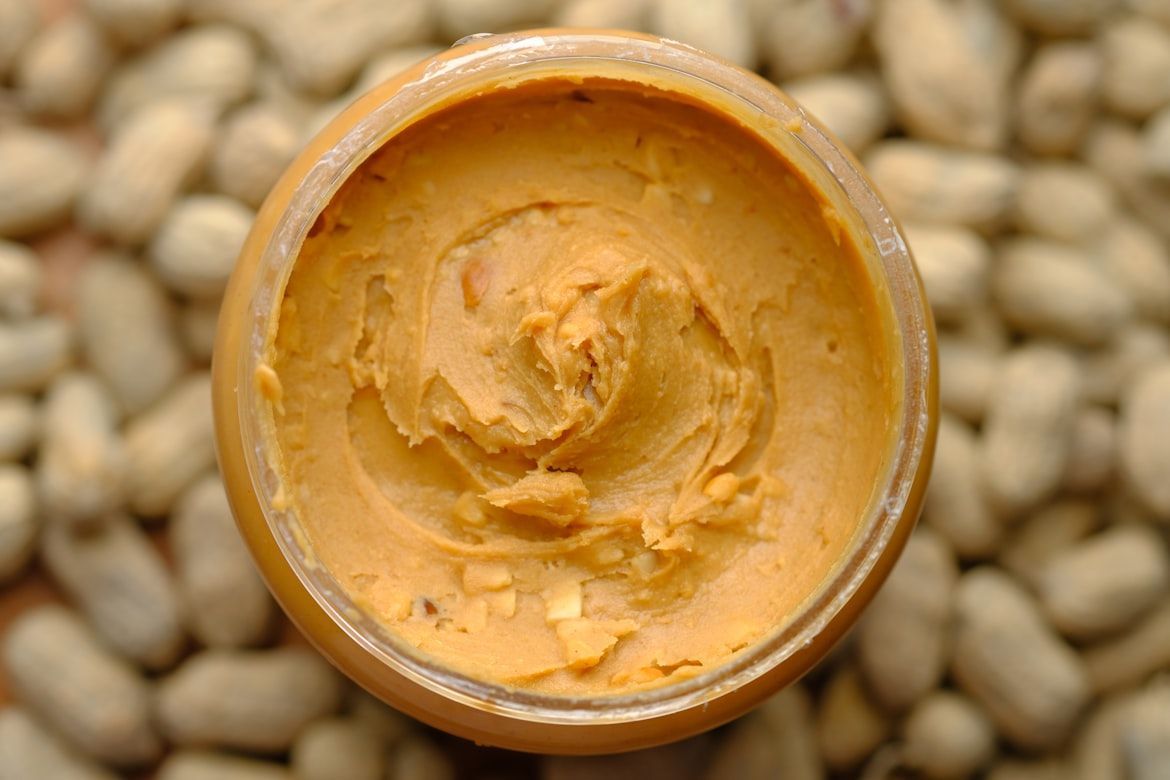
There is nothing wrong with snacking. It can help prevent overeating at meals , provided the snacks are healthy —like apples, peanut butter, low-fat cheese, or whole-grain crackers.

8
Healthy eating is expensive

Image: Louis Hansel

Healthy eating can be expensive, but it doesn’t have to be. With a little planning and smart shopping , you can enjoy a much healthier diet on a budget . Many people think produce is too costly, but there are plenty of examples that prove otherwise. For instance, a large bag of lettuce is affordable and lasts a long time.

9
Avoid late-night snacks

Image: nrd

Late snacking isn’t inherently a problem. The real issue is when your late-night snacks are unhealthy . The time of day is not as important as what you eat. If you’re eating ice cream or chips and dip, you’ll gain weight—no matter what time it is.

10
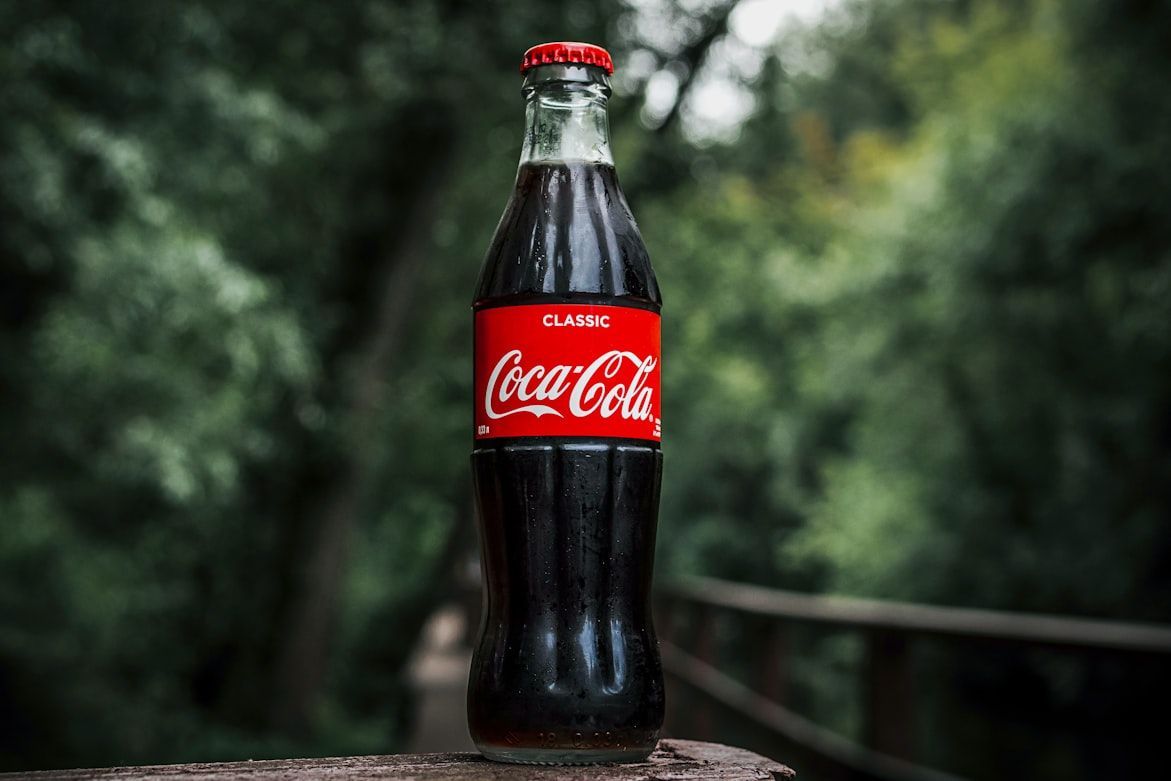
Diet soda is better than regular soda
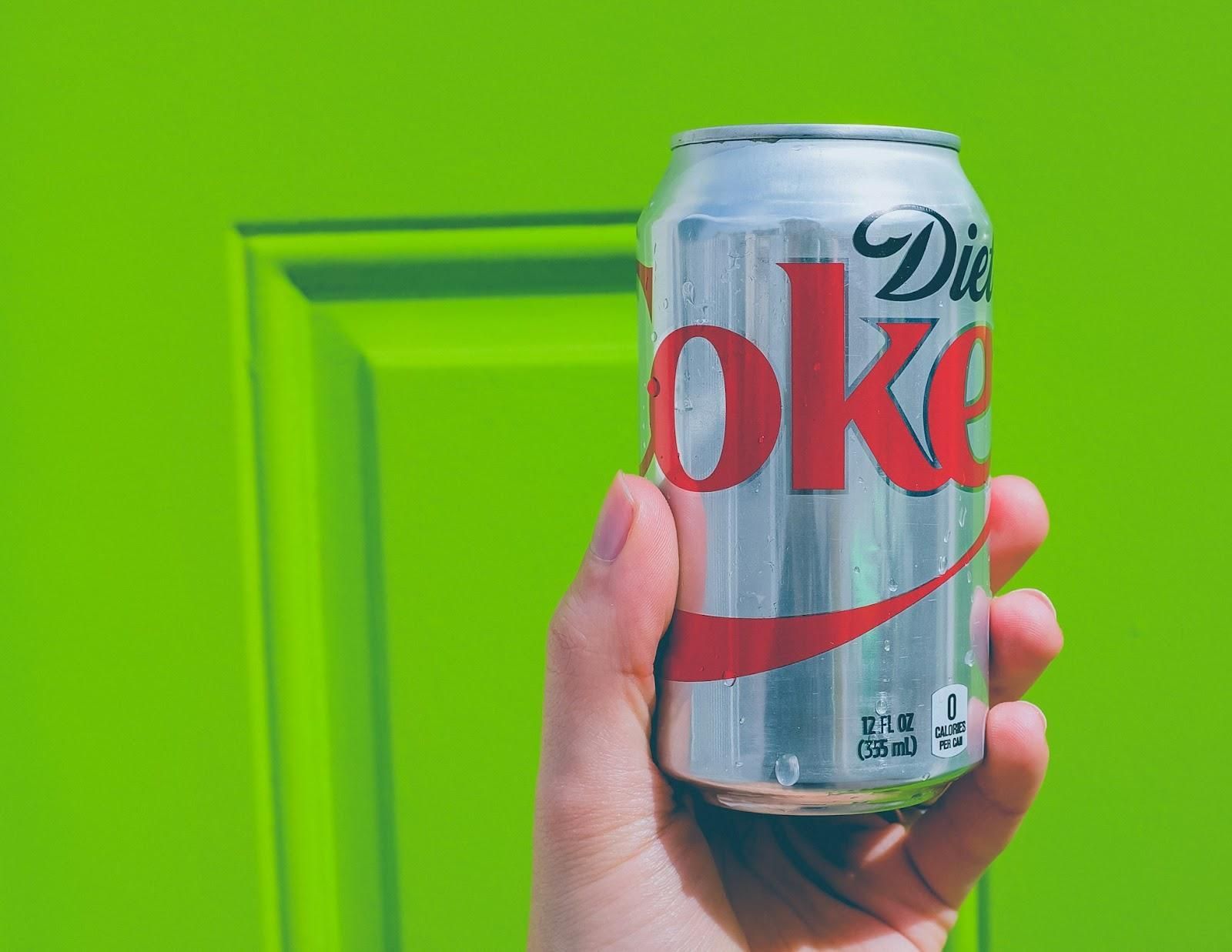
Image: Kenny Eliason

Multiple studies have linked diet soda to an increased risk of diabetes , metabolic syndrome, and obesity, though causation is still debated. Nonetheless, if you’re looking for a healthier soda alternative, try flavored water, sparkling water, or unsweetened tea.

11
Non-nutritive sweeteners are healthy

Image: Towfiqu barbhuiya

The increasing demand for low-calorie, low-carb, sugar-free foods has led to a larger portion of products containing non-nutritive sweeteners (NNS).

While it’s clear that a diet high in added sugar increases disease risk, intake of NNS may also raise the risk of type 2 diabetes by causing negative changes in gut bacteria and promoting blood sugar dysregulation.

12
White potatoes are unhealthy
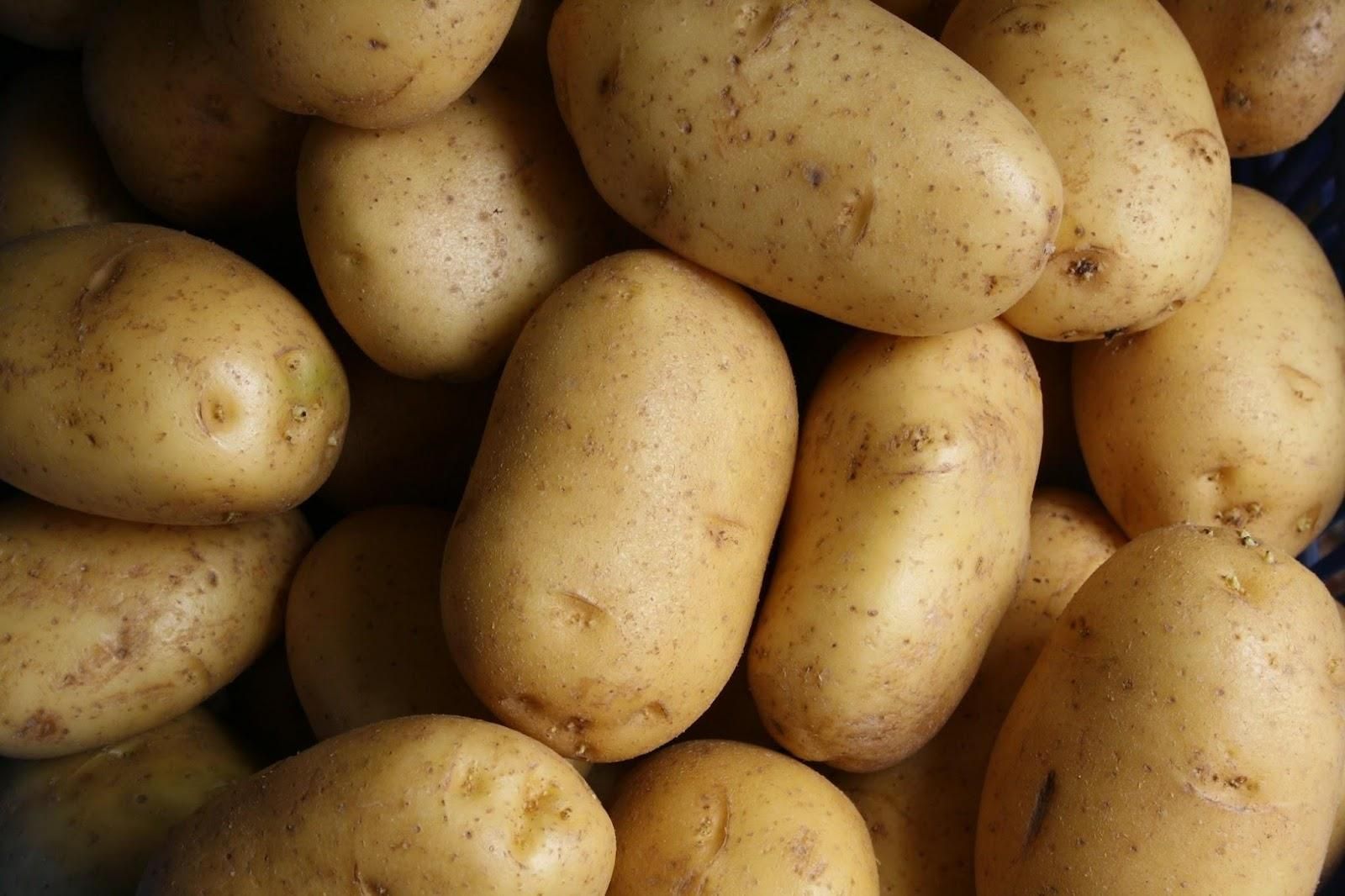
Image: Lars Blankers

Delicious potatoes are often labeled as "unhealthy" because they are frequently eaten in unhealthy ways. However, these starchy vegetables are highly nutritious , providing potassium, vitamin C, and fiber , and can be included as part of a healthy diet. The key is to cook or bake potatoes, but never fry them.

History History 3 min read

Alternative history

The strange tale of Deseret—and other U.S. states that almost were

Image: Chris Lawton

Ever looked at a U.S. map and thought it could use a few adjustments? You wouldn’t be the first. Over the past 250 years, dozens of proposed states nearly joined the Union —born from bold ideas, local rebellions, or just geographic quirks. While none made it through Congress, they left fascinating marks on American history. From the mysterious lost state of Deseret to the proposed Native American haven of Sequoyah, here are 10 would-be states that nearly carved out a place in the stars and stripes.

1
Franklin

Image: Brett Wharton

Also known as the Free Republic of Franklin or the State of Frankland, this short-lived territory in eastern Tennessee declared independence from North Carolina in 1784. Its founders even petitioned Congress and appealed to Benjamin Franklin for support—hence the name—but it never gained official recognition.

By 1788, the movement had collapsed, and the area was reabsorbed into North Carolina before eventually becoming part of Tennessee in 1796. Today, the "State of Franklin" lives on mostly in U.S. law school exams as a fictional stand-in for a generic state —often where the imaginary property Blackacre is located.

2
Jefferson

Image: Shelby White

This proposed state has its origins in the 19th-century California Gold Rush, when settlers in the remote, resource-rich region between northern California and southern Oregon pushed for self-governance.

Though their efforts were largely ignored, the movement resurfaced over time. In 1941, frustrated locals staged a symbolic one-day secession. Armed men stopped traffic near Yreka, handing out a Proclamation of Independence declaring the State of Jefferson in "patriotic rebellion" and vowing to "secede every Thursday until further notice."

3
Deseret

Image: SoloTravelGoals

Proposed by Mormon settlers in 1849, the State of Deseret would’ve spanned a massive portion of the West. The name Deseret is derived from the word for "honeybee" in the Book of Mormon, and the vision was of a theocratic state encompassing parts of present-day Utah, Nevada, Arizona, and beyond.

Congress denied the proposal due to its size and religious nature, but a stone donated by Deseret’s supporters in 1853 was still placed in the Washington Monument.

4
Sequoyah

Image: MJ Tangonan

Proposed in 1905, this would’ve been a Native American–majority state in what is now eastern Oklahoma. Despite extensive lobbying by representatives of the Five Civilized Tribes, Congress refused, preferring a single Oklahoma Territory.

Despite its failure, the proposed state’s constitution left a lasting legacy —much of its content was later adopted into the Oklahoma Constitution.

5
Absaroka

Image: Michael Bourgault

Named after the Crow word for "children of the large-beaked bird," the State of Absaroka was proposed in 1939. Comprising parts of Wyoming, Montana, and South Dakota, the idea emerged mainly as a protest against New Deal policies, which were deeply resented by the rural population.

Leaders of the movement even issued license plates, but the effort never gained serious traction and remained a largely symbolic gesture.

6
Westsylvania

Image: Matthew Lancaster

Proposed during the Revolutionary War, Westsylvania would have been a new state formed from the western parts of Virginia and Pennsylvania . Backwoods settlers, feeling neglected by distant colonial governments, sought self-governance.

However, Congress rejected the plan to avoid stirring further conflict during wartime.

7
Superior

Image: Mikaela Charette

With such a strong regional identity, it was perhaps inevitable that Michigan’s Upper Peninsula would eventually seek statehood. Efforts began as early as the 1850s and resurfaced repeatedly due to the region’s political and economic isolation.

Another proposed name for the state was Ontonagon. Despite these repeated attempts, the Upper Peninsula remained part of Michigan.

8
Lincoln

Image: K. Mitch Hodge

Named for Abraham Lincoln, this proposed state would have split the Texas Panhandle from the rest of the state. Throughout the 1860s and again in the 1880s, residents of the Panhandle and surrounding areas sought separation due to the region’s distance from Austin and cultural differences.

While none of the proposals gained enough federal support, residents of the area still feel distinct today and take pride in their unique identity.

9
Texlahoma

Image: Tommy Bond

Another failed attempt at carving out part of one of the largest states in the U.S., the State of Texlahoma would have—as its name suggests—combined portions of Texas and Oklahoma into a single state.

The push for autonomy was especially strong during the Dust Bowl, when a shared economy and perceived neglect by local governments united residents of both regions.

10
Columbia (D.C. Statehood)

Image: Heidi Kaden

Washington, D.C., has long been considered for statehood under the name of Columbia . Multiple bills and referenda have tried to turn the federal district into the 51st state, as residents pay federal taxes but lack voting representation in Congress.

Despite strong support among D.C. residents, the idea has yet to gain serious traction at the national level.

General General 3 min read

License and registration, please!

Watch out where you drive! Learn about 12 weird traffic laws in America

Image: Diane Picchiottino

Many laws have been created in response to specific situations to prevent similar incidents from happening again. It’s hard not to imagine these 12 laws originating from such circumstances. At some point in history, someone in Massachusetts drove a car with a living gorilla in the backseat. Someone in Alabama drove blindfolded. Someone in Ohio circled the town square more than 100 times. These individuals are the reason we have these strange traffic laws today. Which one surprises you the most?

1
No blindfolded driving in Alabama

Image: Kirill Balobanov

As we said in the introduction, these situations are likely born out of real incidents. At some point, someone must have driven blindfolded in Alabama , and the consequences were serious enough for state legislators to enact a law preventing it from happening again—a reasonable measure if you ask us.

2
No driving with dogs on the roof

Image: Tadeusz Lakota

As terrible and infuriating as it may sound, there is a very real possibility that someone drove with a poor dog tied to the roof of a car in chilly Alaska . Thankfully, local legislators passed a law prohibiting this dangerous and cruel situation.

3
No reverse driving

Image: Hunter Wiseley

This law makes no sense, and we bet—or at the very least hope—that it’s no longer enforced. Otherwise, how would Arizonans back out of their driveways without breaking the law?

Believe it or not, traveling in reverse on an Arizona road is illegal .

4
No horn honking at the sandwich joint

Image: Simon Daoudi

While it can certainly be an annoyance to hear cars honking when you’re trying to enjoy a Croque Monsieur and a diet soda at your favorite spot, most of us wouldn’t expect a state law banning it.

But in Arkansas, it’s illegal to honk a horn after 9 p.m. outside an establishment that serves sandwiches and cold drinks .

5
No jumping out of the car at 65 mph or faster

Image: Mathias Arlund

This one seems more like common sense than anything else, but apparently, enough people attempted this stunt in California for state legislators to pass a law making it illegal to leap out of a moving vehicle traveling at 65 mph or faster .

6
No black vehicles on a Sunday

Image: Steven Erixon

But what if your car is black and you need to drive somewhere? Hopefully, this law is no longer enforced in Colorado. Yet, for some reason lost to time, it’s illegal in this state to drive a black vehicle on a Sunday .

7
No speeding tickets for politicians

Image: Sumeet Kapadia

This one is downright infuriating. In Georgia, it’s illegal to ticket a member of the assembly for speeding while the assembly is in session. It should come as no surprise—after all, those same assembly members are the ones responsible for this law.

8
No driving with a gorilla in the backseat

Image: MARIOLA GROBELSKA

People in Massachusetts don’t need a law to tell them that driving around with a living gorilla in the backseat is a bad idea—that’s just common sense. But just in case, there’s a state law explicitly prohibiting it.

9
No camel-ridding on the highway

Image: Oskars Sylwan

Camels are great for desert travel but not so much for highway traffic. And no US state is more certain of this than Nevada, where it’s illegal to ride a camel on a highway .

10
No driving around the town square

Image: Felix Mittermeier

Driving around the town square can be a popular Saturday night activity in some towns, but someone in Ohio must have taken it to the extreme. In this state, it’s illegal to circle the town square more than 100 times in a row .

11
No reading comic books while driving

Image: Erik Mclean

For public safety alone, reading while driving should be illegal everywhere. But in Oklahoma, it’s specifically illegal to read comic books while driving —not newspapers, not hardcover novels—just comic books.

12
No driving with intoxicated passengers

Image: Jamie Street

Driving under the influence of alcohol is highly dangerous and, fortunately, banned almost everywhere. But in Texas, legislators have taken it a step further, making it illegal to drive if any alcohol is within arm’s reach of the driver —including if that alcohol is in another person’s bloodstream.

Explore more American facts

Choose your favorite category!

General
General

As American as apple pie—the very best America has to offer!

Culture
Culture

Delve into the astounding richness of American lore.

Geography
Geography

Hop in and explore vast and diverse American landscapes.

History
History

Discover the key moments that shaped the United States.