General General 5 min read

Historic castles across America worth visiting

Ten forgotten American castles you can explore
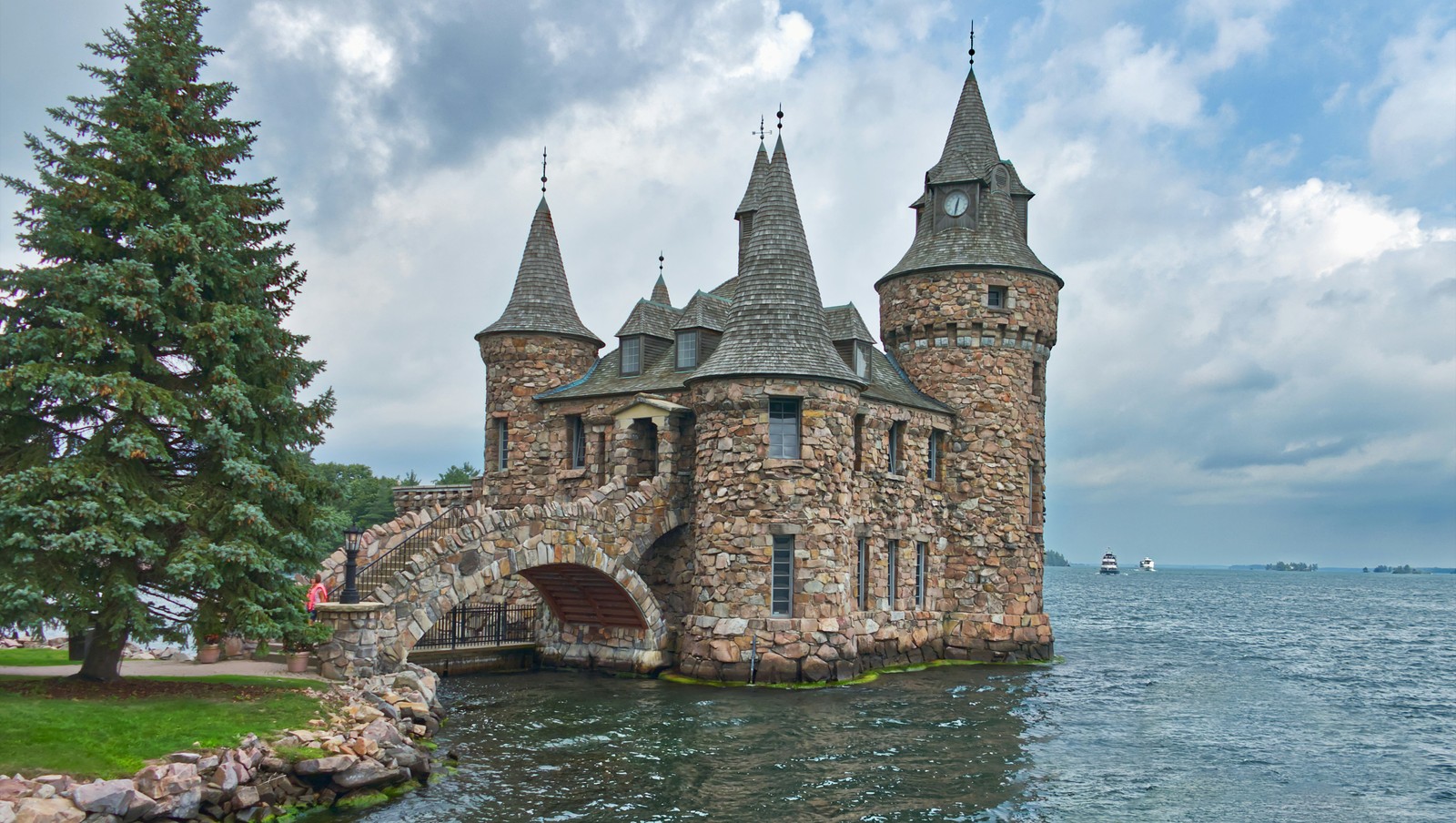
Image: Pascal Bernardon

America might not have medieval knights or dragon legends, but we've got castles—lots of them, actually . Built by eccentric millionaires, romantic dreamers, and people who apparently had too much money and not enough hobbies, these stone fortresses dot the landscape from coast to coast.

1
Bannerman Castle, New York
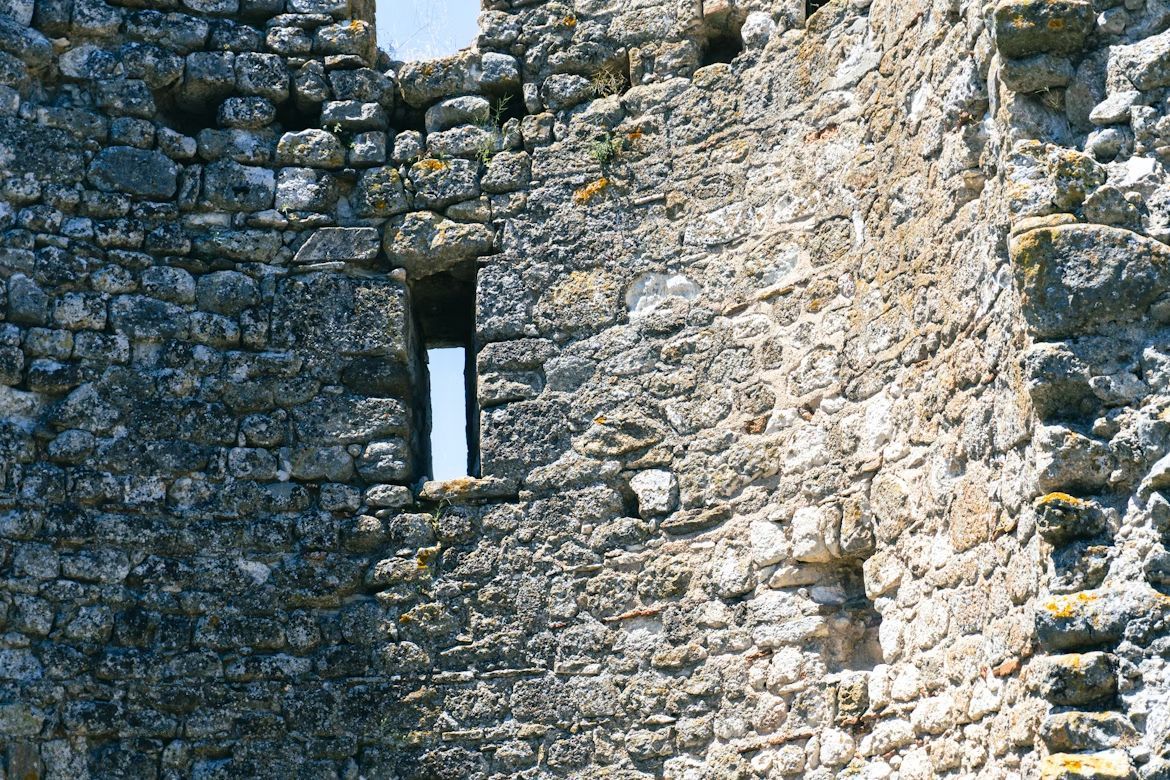
Image: Erim Berk Benli

This crumbling fortress sits on a tiny island in the Hudson River, looking like something straight out of a Gothic novel . Francis Bannerman VI built it in 1901 to store his surplus military weapons because, apparently, his wife refused to keep thousands of munitions in the basement anymore.

The castle partially exploded in 1920 when some gunpowder got a little too excited, and it's been slowly deteriorating ever since. You can kayak out to the island or take a boat tour to see the ruins up close, where nature is slowly reclaiming the stone walls in a beautiful, apocalyptic sort of way.

2
Fonthill Castle, Pennsylvania
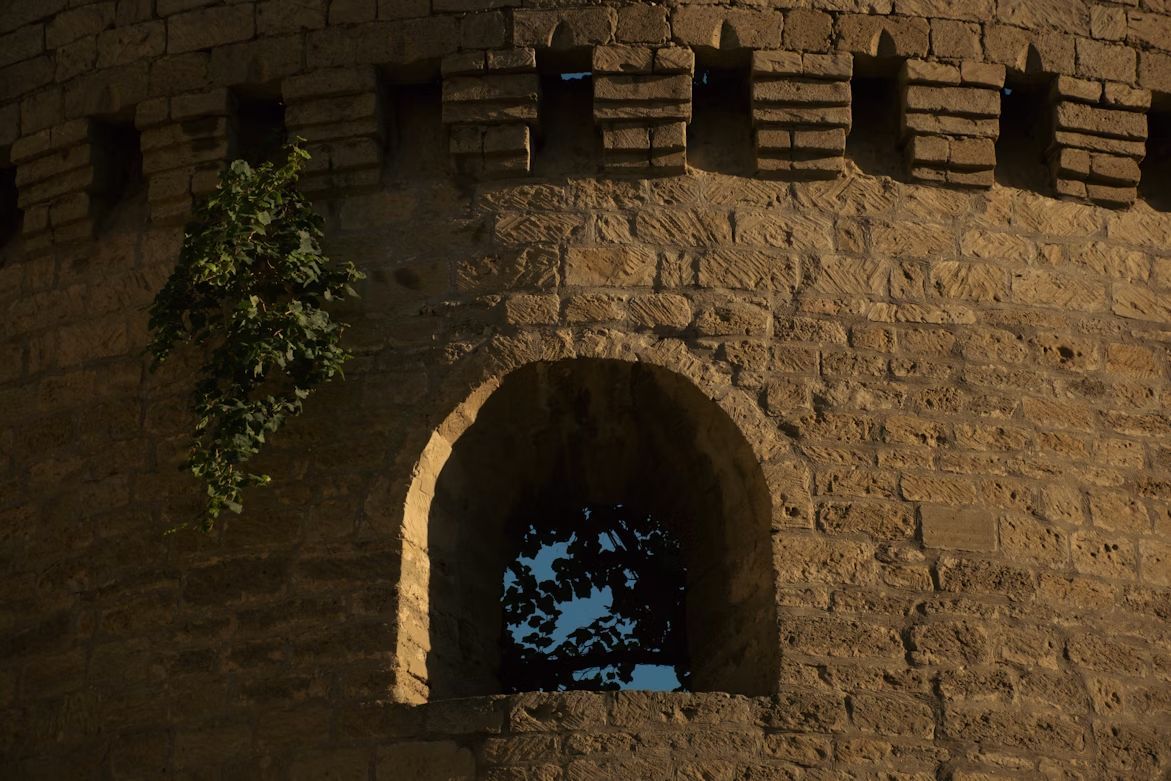
Image: Leyla M

Henry Mercer built this concrete monstrosity between 1908 and 1912. The guy was obsessed with tiles and built his castle as a showcase for his handmade ceramic collection , resulting in 44 rooms, 32 stairwells, and 18 fireplaces.

The castle has no blueprints because Mercer apparently just made it up as he went along, adding rooms and towers whenever the mood struck.

3
Gillette Castle, Connecticut
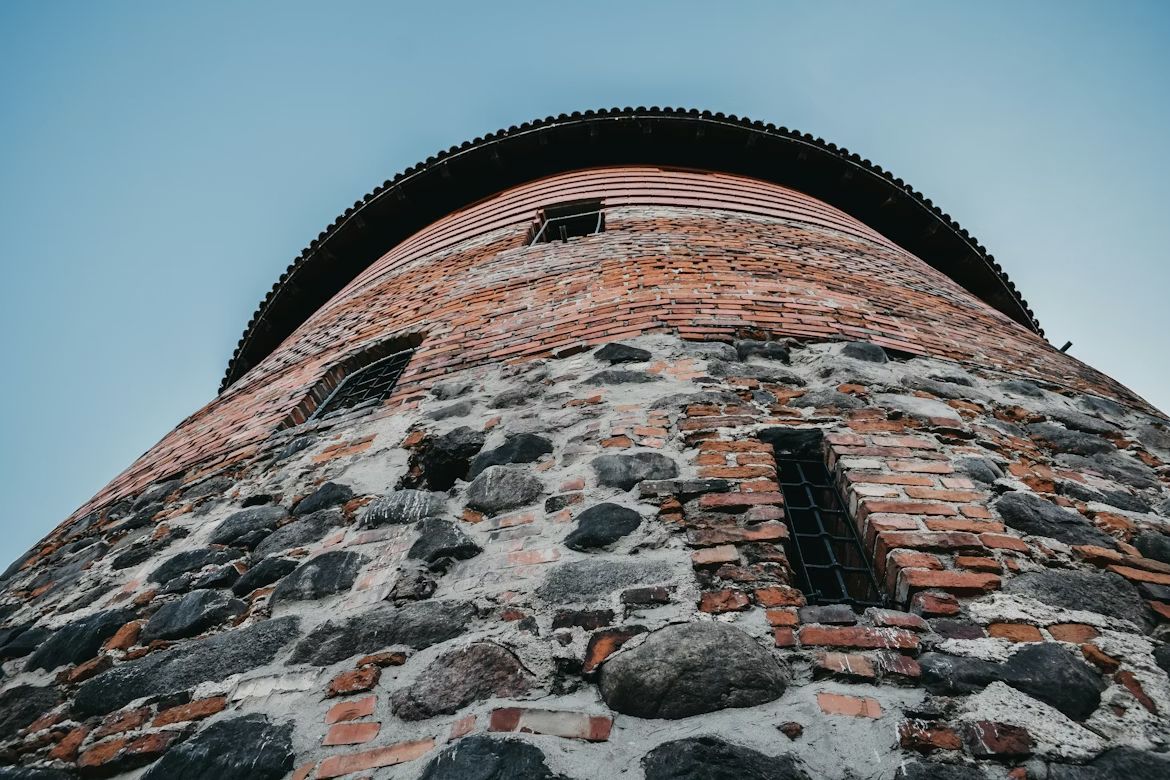
Image: Darya Tryfanava

William Gillette, famous for playing Sherlock Holmes on stage, built this eccentric castle in the 1910s and filled it with spy mirrors, secret doors, and wooden locks he carved himself . The place looks like someone dropped a medieval fortress into a blender with a detective novel.

The castle has 47 doors, none of which work like normal doors should, because Gillette apparently thought regular doorknobs were for boring people. Now it's a state park where you can wander through rooms designed by someone who clearly never met a quirk he didn't like.

4
Boldt Castle, New York
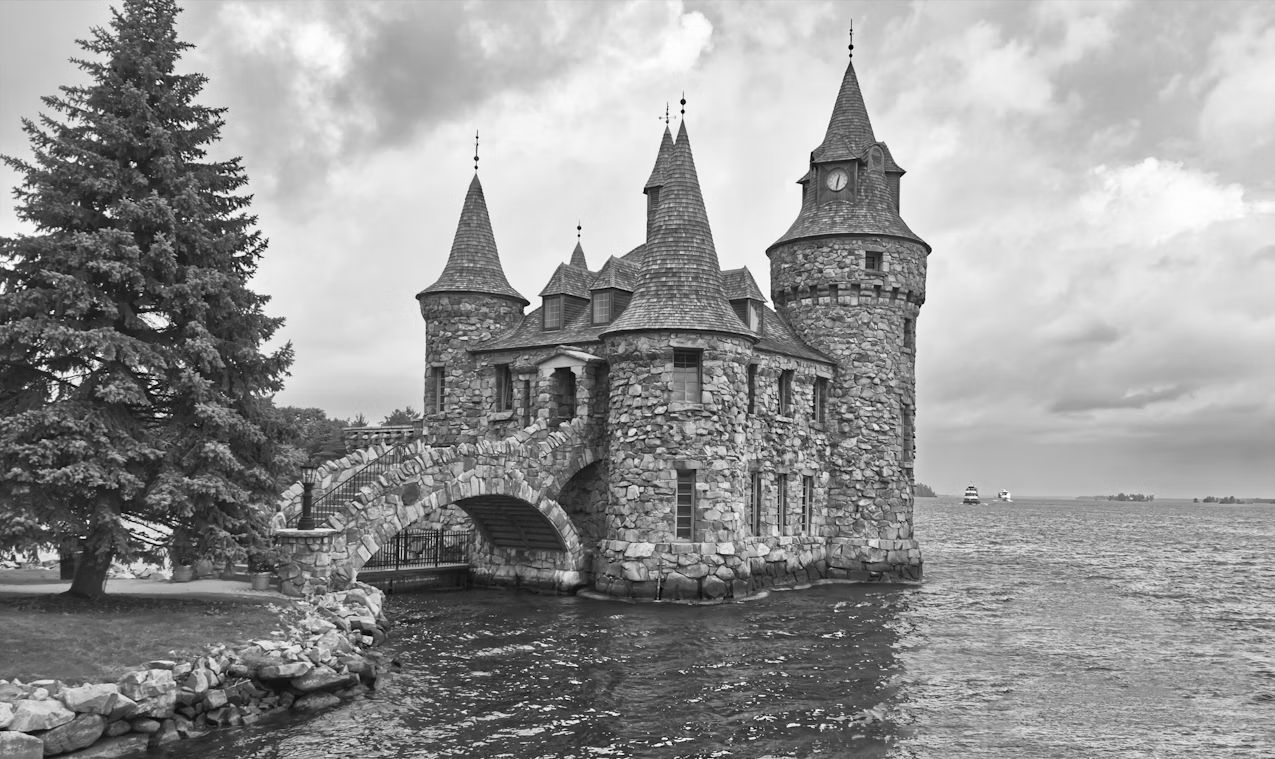
Image: Pascal Bernardon

George Boldt started building this Rhineland-style castle in 1900 as a Valentine's Day gift for his wife Louise . Then she died suddenly in 1904, and he immediately halted construction and never returned, leaving behind a monument to heartbreak on Heart Island in the Thousand Islands.

The castle sat abandoned for 73 years until the Thousand Islands Bridge Authority took it over and began restoration. Today you can visit via ferry and explore the grand halls, the powerhouse, and the perfectly intact bowling alley.

5
Castello di Amorosa, California
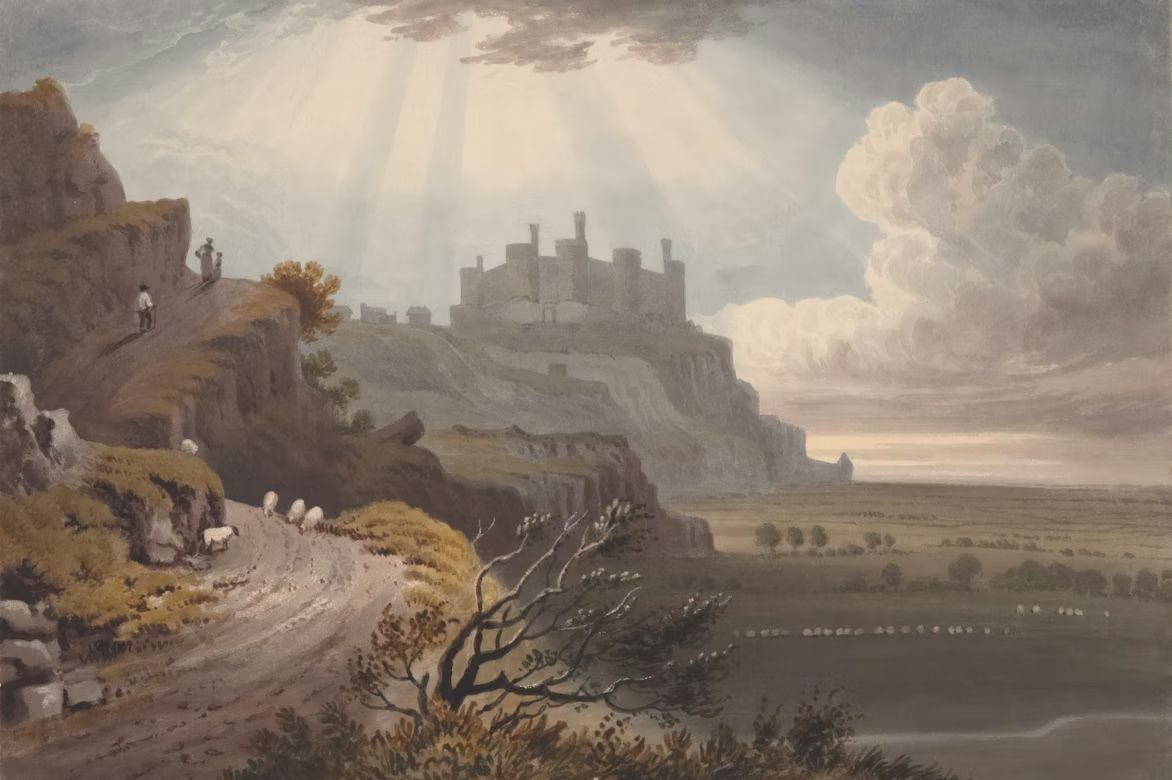
Image: Museum of New Zealand Te Papa Tongarewa

This one's a bit of a cheat since it was built in 2007, but it's so ridiculously authentic that it deserves a spot . Winemaker Dario Sattui spent 14 years and $40 million building a 13th-century Tuscan castle in Napa Valley, complete with a moat, drawbridge, and torture chamber, because apparently wine tastings needed more medieval flair.

The castle used 8,000 tons of hand-chiseled stone and over a million antique bricks imported from Europe. You can tour the dungeons, great hall, and of course, taste wine in a setting that makes you feel like you should be wearing chainmail instead of your Costco polo shirt.

6
Belvedere Castle, New York
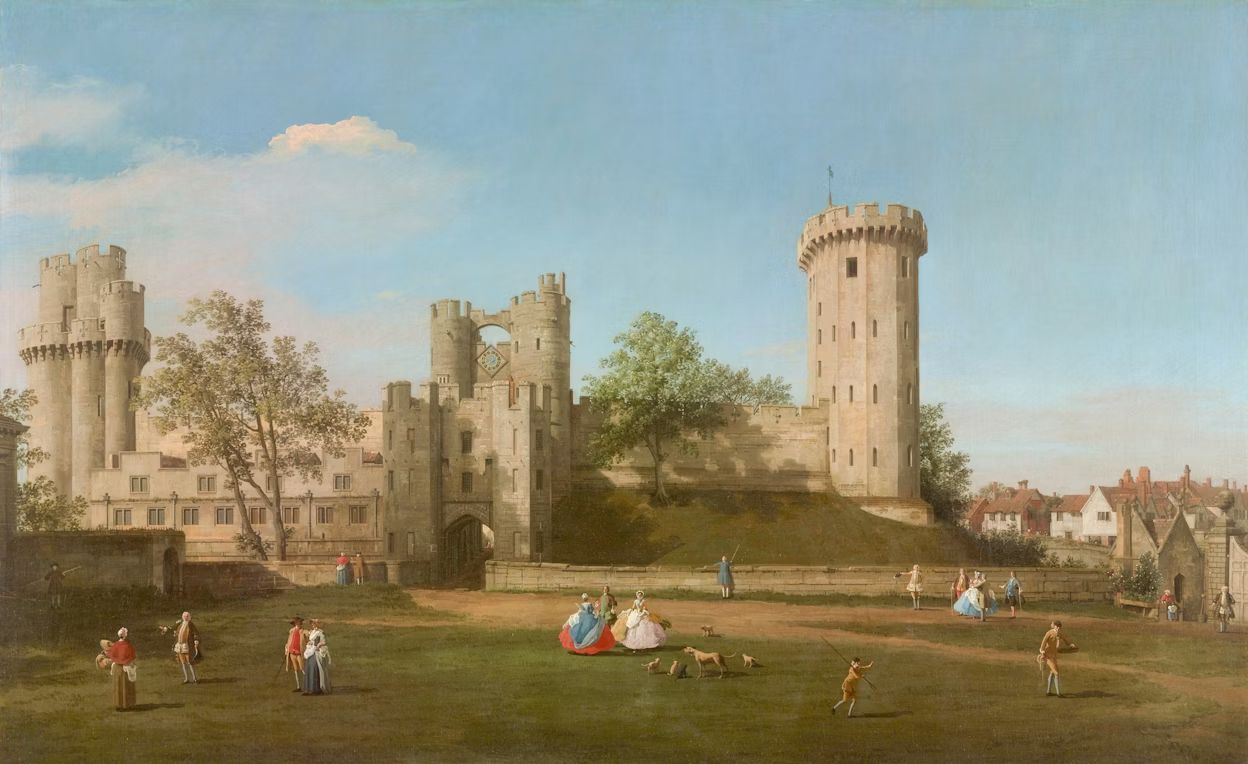
Image: Birmingham Museum Trust

Perched on Vista Rock in Central Park, this miniature castle was built in 1869 as a Victorian folly —basically an expensive decoration that serves no practical purpose. It's now home to the Henry Luce Nature Observatory and offers panoramic views of the park, which is considerably more useful than its original job of just looking pretty.

The castle got a major renovation in the 1980s after decades of neglect left it looking more "haunted" than "enchanting." Today it's one of Central Park's most popular spots.

7
Bishop Castle, Colorado
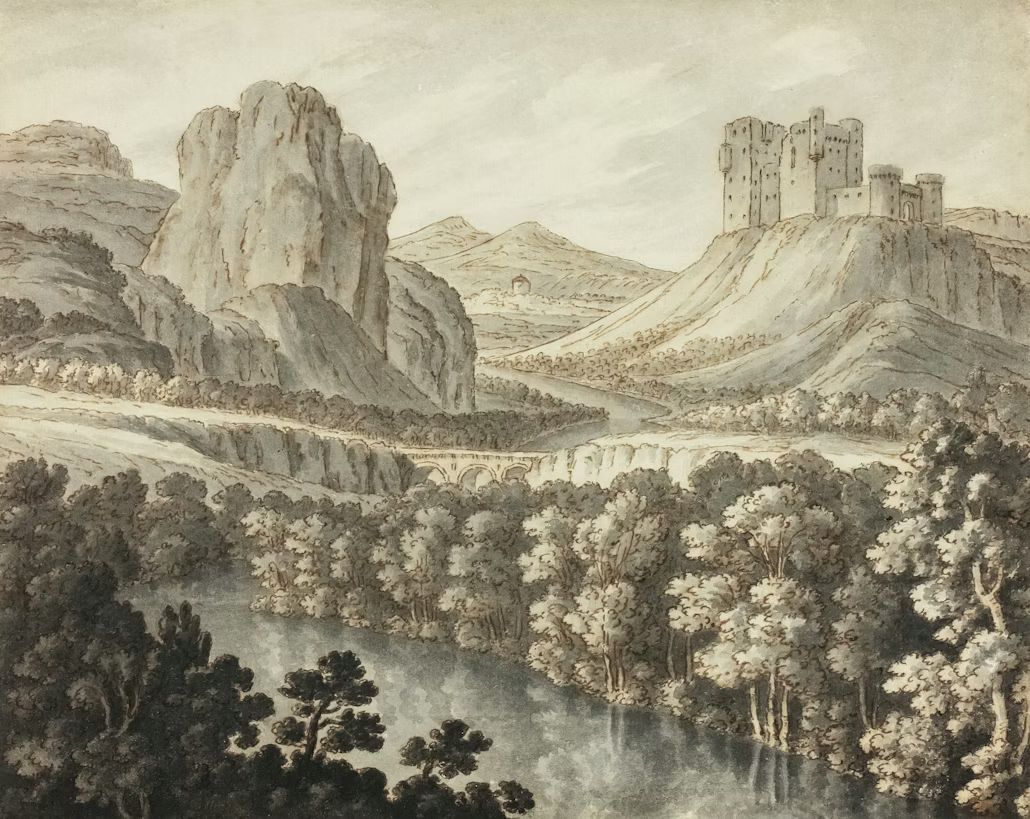
Image: Art Institute of Chicago

Jim Bishop started building this castle by himself in 1969 and worked on it for over 55 years until his death in 2024 . The hand-built stone structure rises 160 feet into the Colorado sky and includes towers, walkways, and a dragon that breathes actual fire—all constructed by one incredibly dedicated (and possibly slightly unhinged) man.

There are no railings on many of the precarious walkways because Bishop didn't believe in them. Admission is still free, though you might want to update your will before climbing to the top of the tallest tower, where the views are spectacular, and the safety regulations remain charmingly absent.

8
Searles Castle, Massachusetts
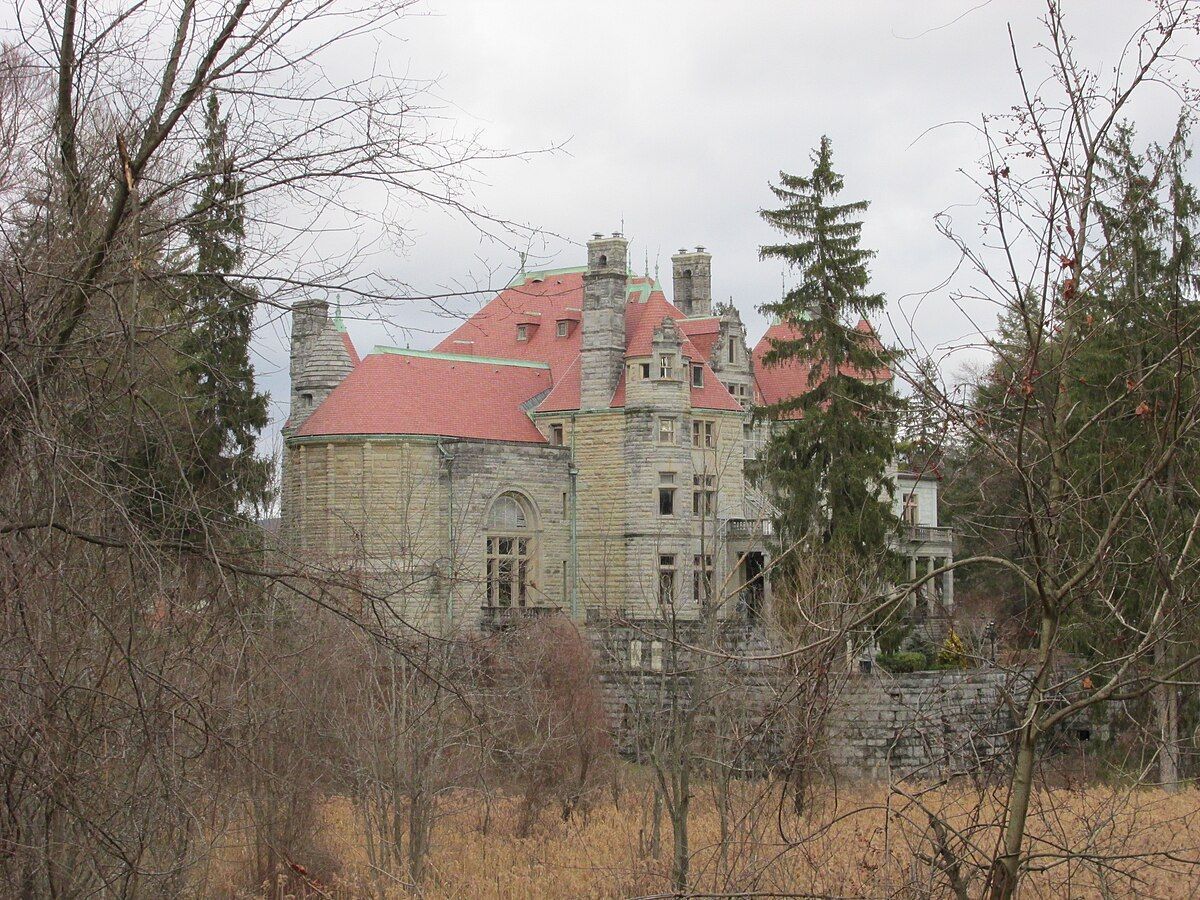
Image: John Phelan

Edward Searles built this castle in 1888 in Great Barrington, Massachusetts, creating a 40-room mansion that combined Romanesque and Gothic styles into something that can only be described as "aggressively architectural." The castle features stained glass windows, carved woodwork, and enough turrets to repel a small army.

After changing hands several times, the castle is now home to the John Dewey Academy. You can't tour the interior since it's a school, but you can admire the exterior and imagine what it's like to do algebra homework in a building that looks like it should contain dragons.

9
Kip's Castle, New Jersey
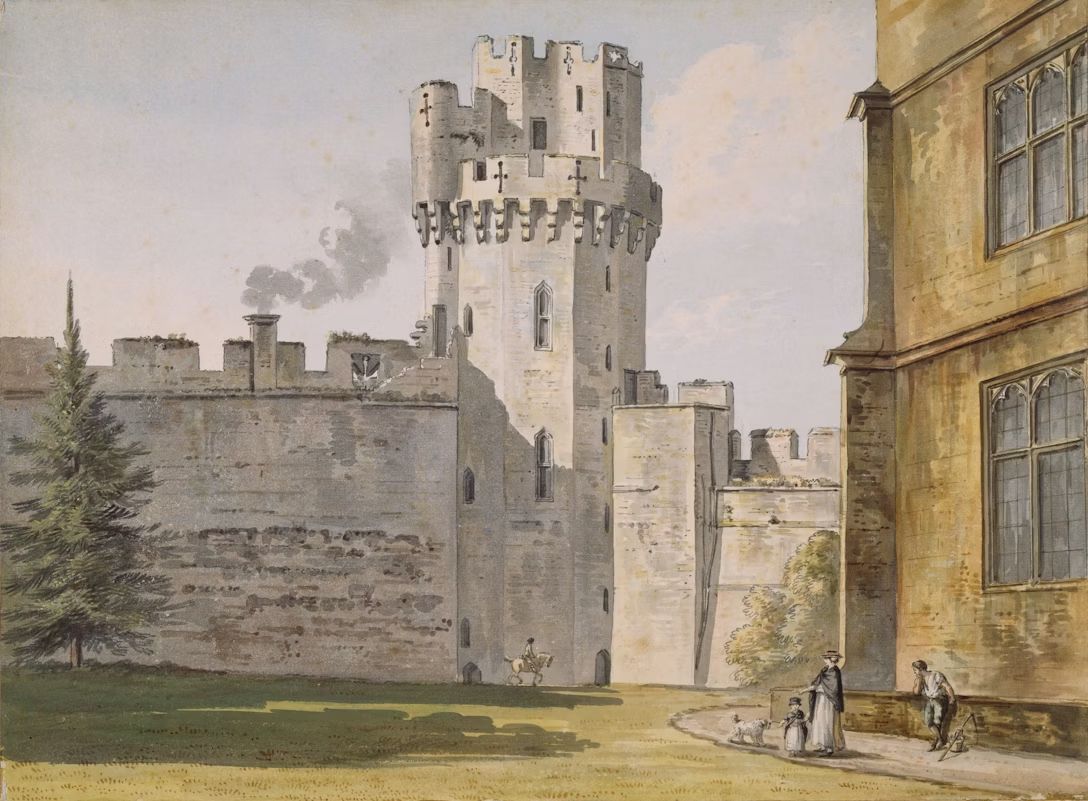
Image: Birmingham Museum Trust

This English Tudor-style castle was built in 1902 by textile businessman Frederic Kip on a mountain in Montclair . The castle features towers, battlements, and spectacular views of Manhattan, proving that even early 1900s commuters wanted homes with dramatic flair and manageable drive times.

The castle has been through various owners and purposes, including a brief stint as a Prohibition-era speakeasy, because apparently nothing says "secret illegal bar" like a castle. Today it's used for private events, but the grounds are part of a county park where you can hike around and pretend you're visiting distant relatives who happen to be slightly eccentric nobility.

10
Chateau Laroche (Loveland Castle), Ohio
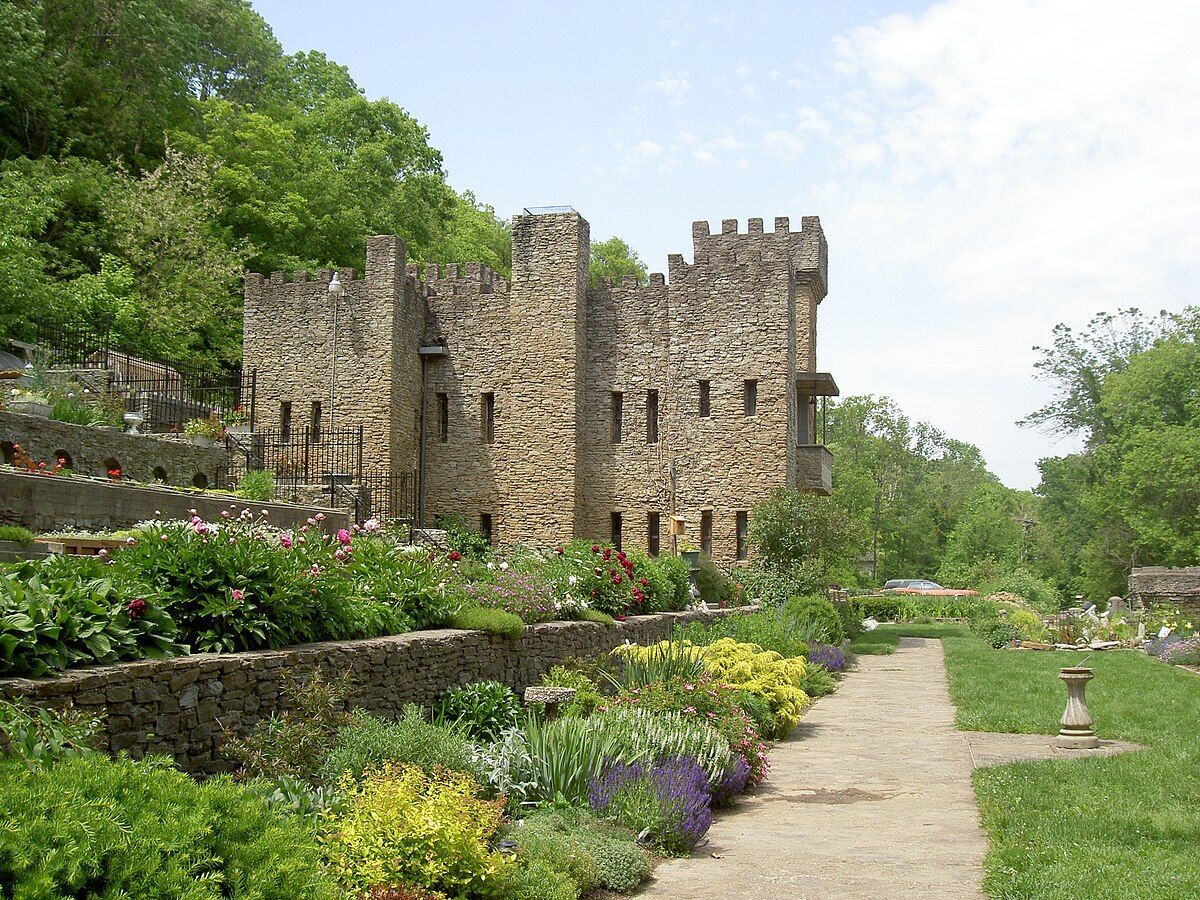
Image: ConlonTT

Harry Andrews started building this medieval castle in 1929 using stones from the Little Miami River , spending over 50 years creating his dream fortress. Andrews was inspired by his time in Europe during World War I and decided Ohio needed more castles, which is hard to argue with.

He built most of it himself using ancient techniques, including a primitive pulley system and sheer determination. Today, the castle is maintained by the Knights of the Golden Trail, a Boy Scout-like organization Andrews founded. You can tour the castle for a few bucks and marvel at what one man with too much time and enough river rocks can accomplish.

General General 3 min read

What’s in a nickname?

Did you know the stories behind the nicknames of these Americans?

Image: Capitol Records (File No. 3860-25)

Nicknames can be affectionate, teasing, intriguing—or all of these at once. Who comes up with the labels that remarkable people end up carrying forever, and what makes them stick? Here, we explore a list of quirky stories behind some of the most colorful nicknames in American history.

1
"The Chairman of the Board" – Frank Sinatra

Image: Ethan Rougon

Frank Sinatra co-founded Reprise Records in 1960, giving him full creative control over his music. The nickname "Chairman of the Board" was first used by radio host William B. Williams and quickly caught on. Although Sinatra didn’t particularly love it, the nickname came to symbolize his power and influence in the music industry.

2
"His Accidency" – John Tyler

Image: Library of Congress

The 10th U.S. president earned this snarky nickname after unexpectedly taking office in 1841, when William Henry Harrison died just one month into his term.

It was the first time a vice president had assumed the presidency due to a president’s death, and many questioned the legitimacy of his authority. His critics called him "His Accidency," a somewhat unfriendly pun that stuck.

3
"The Sphinx of the Potomac" – Calvin Coolidge

Image: Lea Kobal

President from 1923 to 1929, Coolidge was notoriously silent and stoic. His reluctance to speak in public and his poker-faced demeanor earned him the nickname "The Sphinx of the Potomac," a nod to the famous Egyptian statue and his Washington, D.C. post. One oft-repeated anecdote claims he once remarked, "I have nothing to say."

4
"The Boss" – Bruce Springsteen

Image: Jose Antonio Gallego Vázquez

Bruce Springsteen earned this nickname in the early days of playing Jersey Shore clubs, where he was responsible for collecting and distributing gig money to his band. Originally an internal nickname within the group, it quickly caught on with the media. Ironically, Springsteen has admitted that he’s never really liked being called "The Boss."

5
"The Mad Stork" – Ted Hendricks

Image: Wynand Uys

This Hall of Fame linebacker for the Raiders stood 6’7" and had a long, lanky build. His towering figure and unpredictable style of play earned him the nickname "The Mad Stork." Despite the unusual moniker, he was a feared and legendary player in the NFL.

6
"The Snake" – Ken Stabler

Image: Timothy Dykes

Another Raiders legend, quarterback Ken Stabler, earned the nickname "The Snake" from his college coach after a long, twisting touchdown run. The name stuck because he became known for his slippery, cool-headed play under pressure.

7
"Jane the Grabber" – Hester Jane Haskins

Image: sombre

A dark figure in 19th-century New York, Hester Jane Haskins was a "procuress," luring women with promises of work and then forcing them into brothels. Her nickname, "Jane the Grabber," became infamous in the press.

8
"The Black Swallow of Death" – Eugene Bullard

Image: Heather Wilde

Born in Georgia and later a French WWI pilot, Eugene Bullard was the first African American military pilot. He earned the nickname "The Black Swallow of Death" for his fearless flying and deadly accuracy. Despite his heroism, he still faced racial discrimination upon returning to the U.S.

9
"Little Miss Sure Shot" – Annie Oakley

Image: Jp Valery

Annie Oakley was a folk heroine and a famed sharpshooter from an early age. She earned the nickname "Little Miss Sure Shot" from the Native American leader Sitting Bull, who bestowed it after watching her flawless shooting in Buffalo Bill’s Wild West show.

10
"Kid Gloves" – Benjamin Harrison

Image: Aaron Lefler

Benjamin Harrison, the 23rd president, frequently wore soft kid-leather gloves in public due to hand ailments. Political opponents seized the opportunity to mock his stiff demeanor and perceived elitism, dubbing him "Kid Gloves." The nickname pointed not only to his physical appearance but also to his aloof attitude.

History History 5 min read

Stages that made history

Were you there? 10 legendary music concerts held in the U.S.

Image: Johannes Havn

Some performances stay with us forever. Moments like Jimi Hendrix setting his guitar on fire, Prince playing Purple Rain in the pouring rain, or The Beatles being drowned out by the roaring crowd at Shea Stadium are etched in the minds of millions. Some people witnessed them live, while others saw them in documentaries or YouTube videos that continue to amass views decade after decade. Regardless of the medium, generations agree that these 10 performances are among the most unforgettable shows ever staged in the US.

1
The Beatle’s Shea Stadium Concert

Image: Fedor

The Beatles couldn’t hear themselves over the overwhelming roar of the crowd during their first U.S. performance. The concert that the band from Liverpool gave at Shea Stadium in the summer of 1965 made history. It drew 55,000 fans—the largest rock concert audience at the time—and marked the first time a rock band played in a large stadium.

This event set a new standard for live music performances, highlighting the need for stadium sound systems capable of supporting massive concerts—since the one used that day was rudimentary. Though the band arrived by helicopter, sparked a frenzy of Beatlemania hysteria, and delivered a performance that would be rewatched for decades, they played only 12 songs in just 30 minutes .

2
1985’s Live Aid

Image: Andreas Talseth

Did you know that Phil Collins insisted on performing at both the U.K. and U.S. venues on the same day for 1985’s Live Aid? He boarded a Concorde jet to fly from Wembley Stadium to JFK Stadium in Philadelphia, where the U.S. leg of the famine relief fundraiser for Ethiopia was taking place.

The event was broadcast in 150 countries and reached nearly 1.9 billion people. The U.S. stage of Live Aid raised over $125 million and set the standard for large-scale charity concerts, inspiring similar events in the years that followed. Madonna, Bob Dylan, Mick Jagger with Tina Turner, Duran Duran, and Eric Clapton were just a few of the stars who performed that day.

3
Bob Dylan at Newport Folk Festival

Image: Nikoloz Gachechiladze

The 1965 Newport Folk Festival will always be remembered as the day Bob Dylan "went electric." His decision was controversial—he had long been associated with folk and blues, and his unexpected leap into rock divided the audience, with some cheering and others booing. Some believe the booing was directed at the poor sound quality rather than his choice to go electric. Regardless, Dylan left the stage after just three songs .

This moment is seen as a pivotal merger of folk and rock music. Afterward, Dylan fully embraced rock, releasing albums that included his hit "Like a Rolling Stone."

4
Simon & Garfunkel’s Concert in Central Park

Image: David Vives

In September 1981, Simon & Garfunkel reunited at Central Park in New York for their first performance together in over a decade. The duo had publicly announced their breakup in 1970, after friction and disagreements that had forced them apart. Their immense popularity drew a crowd of half a million people to Central Park to witness the event.

The duo performed some of their biggest hits along with a few of Paul Simon’s solo songs. The concert was a benefit to raise funds for the park’s restoration. It was broadcast live, and the recording was later released as a live album . The event reignited their popularity and led to a successful reunion tour.

5
The Allman Brothers Band’s Fillmore East Concerts

Image: Pixabay

During the spring of 1971, The Allman Brothers Band performed for three nights at the Fillmore East in New York City. These performances were recorded and released as the live album At Fillmore East , which became one of the greatest live albums in rock history.

What made these recordings particularly compelling for fans was the inclusion of extended jam versions of songs like "Whipping Post," "You Don't Love Me," and "In Memory of Elizabeth Reed." The band’s improvisational skills and seamless fusion of blues, jazz, and rock made this weekend in New York a legendary and widely acclaimed performance.

6
Johnny Cash at Folsom Prison

Image: M Shiva

In 1968, Johnny Cash made a decision that would revive his career and solidify his image as both empathetic and rebellious. Following a decline in popularity and struggles with addiction, he arranged a performance for the inmates at California’s Folsom Prison, about which he had written the hit Folsom Prison Blues years earlier.

Cash had played in prisons before, but this time, he chose to record it. The resulting album captured the raw energy of his direct engagement with the audience. At Folsom Prison became a massive success, marking the first in a series of prison concerts that would go on to become some of his best-selling records .

7
The Last Waltz of The Band

Image: William Krause

The Last Waltz was billed as The Band’s farewell concert , designed as a celebration of their remarkable career. Filmed by Martin Scorsese, the event featured an all-star lineup of guest musicians, including Bob Dylan, Joni Mitchell, Van Morrison, Muddy Waters, and Ringo Starr—just to name a few.

Held in 1976 at San Francisco’s Winterland Ballroom, the concert was later released as a documentary film , becoming one of the greatest concert films of all time. With its chandeliers and grand ballroom atmosphere , The Last Waltz set a new standard for farewell concerts.

8
Prince’s Super Bowl Halftime Show

Image: Daniel Robert Dinu

Many will always remember when Prince performed "Purple Rain" in the pouring rain during the 2007 Super Bowl Halftime Show . Despite the adverse weather, he commanded the "P"-shaped stage at Miami’s Dolphin Stadium during the break in the game between the Colts and the Bears.

He opened with his anthem "Let's Go Crazy" and included covers of songs by Bob Dylan and Foo Fighters. Legend has it that before the show, Prince was asked if he was worried about performing in the rain. His alleged response? A playful, " Can you make it rain harder ?" He then stepped out and delivered one of the greatest halftime shows in history.

9
Jimi Hendrix at the Monterey Pop Festival

Image: mirkosajkov

Until the Monterey Pop Festival in 1967, Jimi Hendrix had yet to break through in the US. It was none other than Paul McCartney who convinced organizers that the festival would be incomplete without the rising star.

American audiences were introduced to Hendrix’s guitar wizardry at this concert, where he showcased his newly released album Are You Experienced. The moment that cemented him as a force to be reckoned with came during a dramatic rendition of "Wild Thing," when he set his guitar on fire before smashing it.

10
Woodstock Music and Art Fair

Image: PeterKraayvanger

Finally, we can’t overlook the legendary Woodstock Music and Art Fair, forever known simply as "Woodstock." Held on a dairy farm in Bethel, New York, the festival became a symbol of the 1960s counterculture . Nearly half a million people gathered for this three-day event, which was originally planned as a profit-making venture but turned into an open festival when the crowds became overwhelming.

The lineup featured many stars who became emblems of the era, including Jimi Hendrix, Janis Joplin, The Who, Santana, and Joe Cocker, among others. Despite its iconic status today, Woodstock faced challenges such as food and water shortages, heavy rain, and overwhelmed medical services. Although the festival initially resulted in a financial loss , the costs were eventually recovered through profits from the film and soundtrack releases.

Explore more American facts

Choose your favorite category!

General
General

As American as apple pie—the very best America has to offer!

Culture
Culture

Delve into the astounding richness of American lore.

Geography
Geography

Hop in and explore vast and diverse American landscapes.

History
History

Discover the key moments that shaped the United States.