General General 4 min read

Country life vs City life: What shapes who we become?
Image: hyotographics

How much does where we live influence who we are? From scenery to sounds, from neighborhoods to childhood play, there are vast differences between so-called country life and city life and how they shape our lives and identities. Here’s a roundup.

1
Childhood experiences: freedom to roam vs. structured activities

Image: Gabor Kovacs Photography

Childhood is undoubtedly one of the most impactful periods of our lives, and growing up in a rural or urban environment are two very different experiences.

Country life allows children more unstructured play and room to roam freely, either walking or on their bicycles, leading to a more independent mindset. City life, on the other hand, offers more organized activities and schedules, as well as earlier socialization, cultural awareness, and a broader worldview.

2
Sense of community: neighbors vs. anonymity

Image: New Africa

In rural towns, residents know each other by name , often spanning generations. People have deep and close-knit connections with their neighbors, resulting in an extended support system well beyond your front door. In major cities, it’s a different story.

Urban environments are privacy- and anonymity-focused , which results in more selective social circles and increased independence.

3
Pace of life: slow rhythms vs. constant motion

Image: BABAROGA

Are you a gentle starter , taking one step at a time before spending the day outside instead of at a desk? Or do you wake up fully energized , ready to grab your coffee and start your day?

Country life tends to follow a more nature-aligned rhythm, while city life tends to have constant motion and 24/7 energy.

4
Noise and silence: how sound shapes mood and thinking
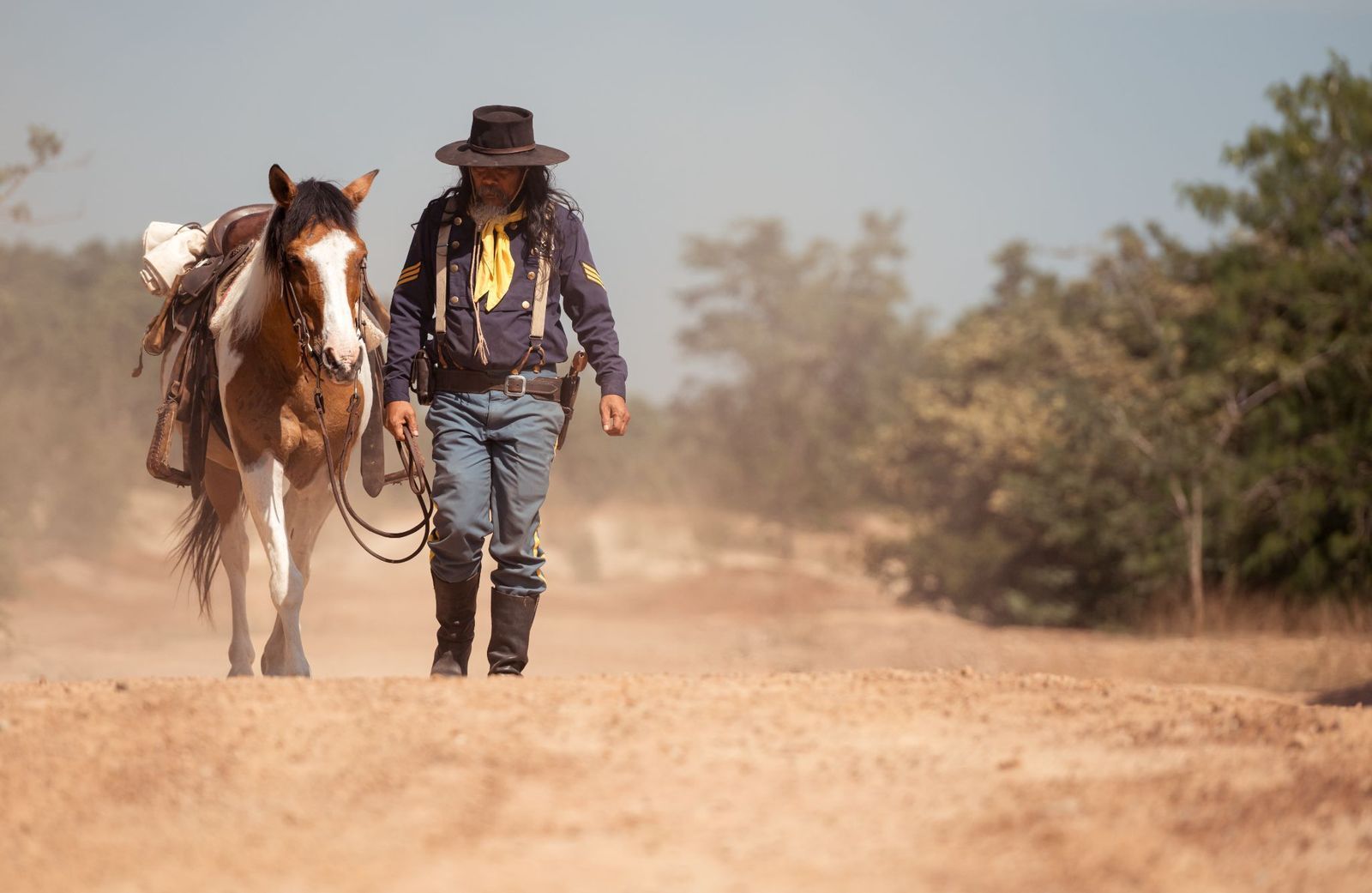
Image: WOSUNAN

You might thrive on absolute silence or non-stop music, but inevitably what people hear affects how they feel, because sound has a deep impact on mental state, cognitive function, and emotional health .

Urban life tends to have constant, unpredictable background noise, such as traffic, construction, or sirens. This inevitably leads to higher stress levels, increased cognitive fatigue, and mental health risks. On the other hand, rural life tends to be quieter, allowing for neural recovery, enhanced concentration, and overall restoration thanks to natural soundscapes like rustling leaves, horses' hooves, or birdsong.

5
Access to nature vs. built environments
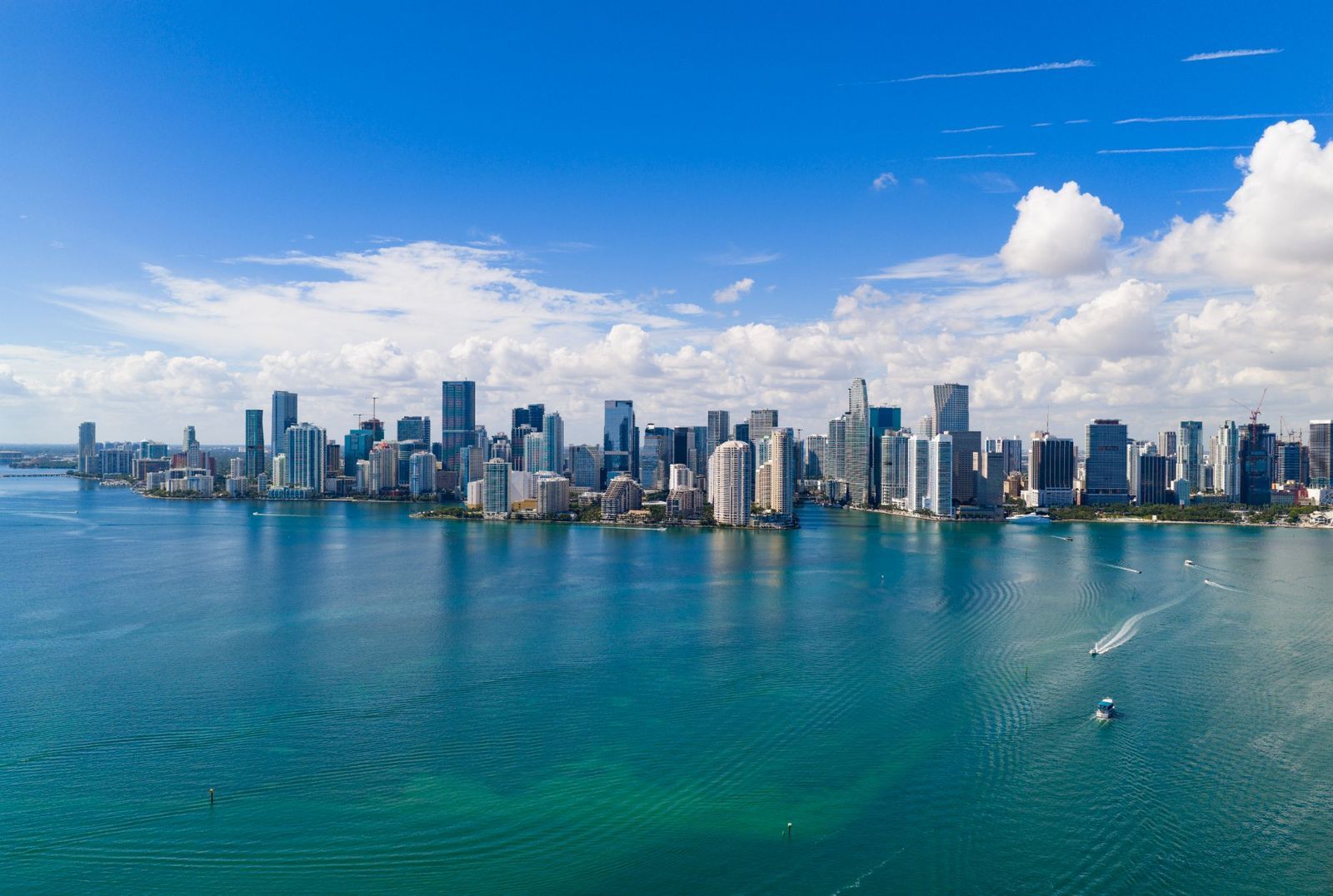
Image: Just dance

If you close your eyes and imagine where you feel your best, what do you see? Mountaintops and endless prairies? Or a skyline of buildings with lots of shops at every corner?

The country offers a more tranquil, spacious environment and an easy access to the outdoors. In contrast, big cities center around built environments, which means unparalleled convenience plus immediate access to all types of goods and services.

6
Safety perceptions and real risks

Image: Volodymyr TVERDOKHLIB

Although one would generally expect to be much safer in the countryside, actual injury from machinery, car crashes, or accidental deaths is in fact more common . In addition, access to healthcare is more limited.

On the other hand, in cities, violent crime is much higher, and public disorder is more frequent. This results in, among other things, children being on their own much less. And although access to healthcare is greater, chronic health risks related to air pollution and stress are higher .

7
Cost of living and financial priorities
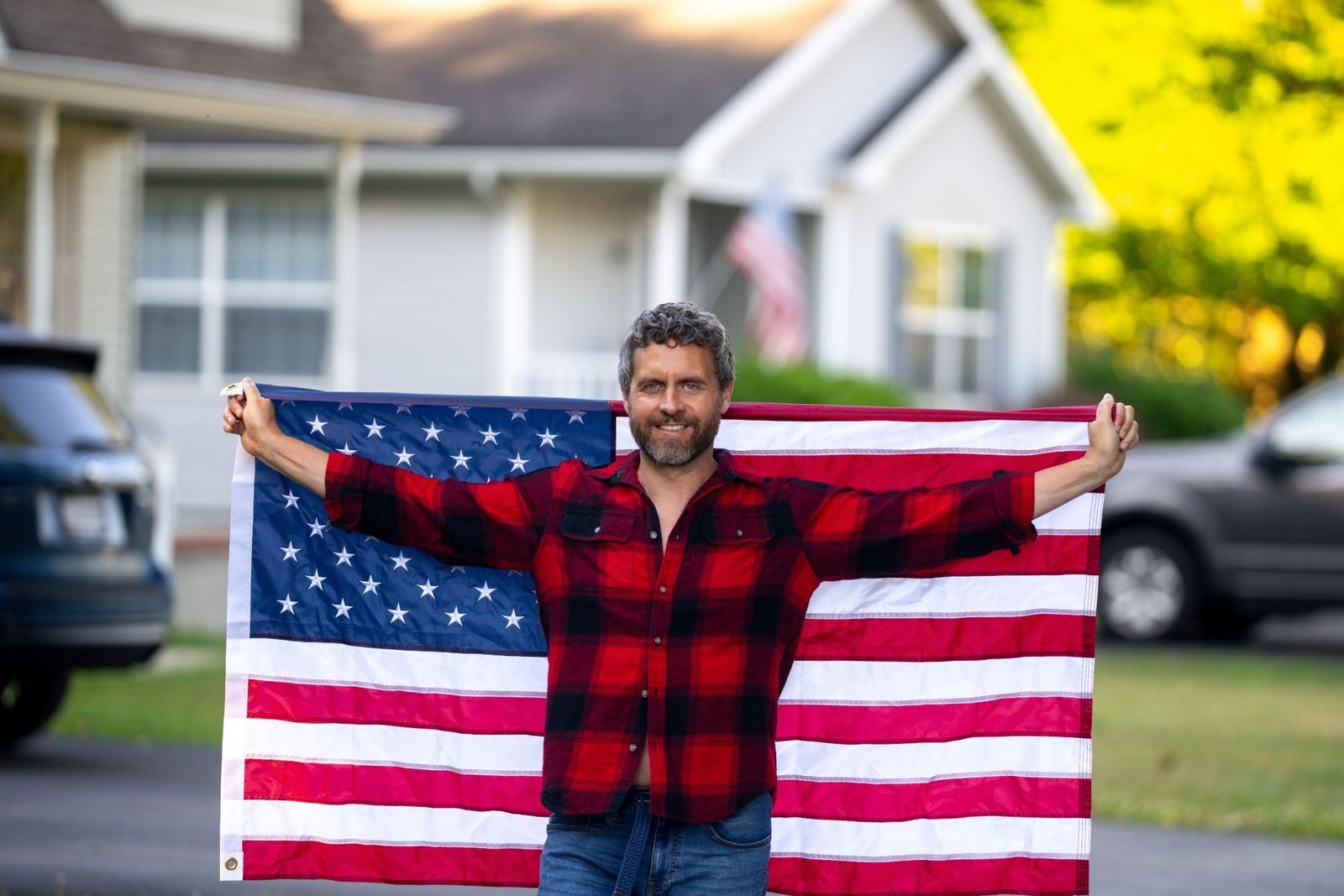
Image: Volodymyr TVERDOKHLIB

Money is a fundamental factor in determining where we live (and so many other decisions). Country life typically offers more affordable housing, but also overall lower daily expenses, which frees up a great deal of disposable income.

On the other hand, city living frequently results in higher overall earnings, meaning urban dwellers often save more despite higher costs, as expenses are inevitably steeper. Ultimately, though, the right choice about where to live depends greatly on your lifestyle priorities .

8
Career paths: practicality vs. opportunity diversity
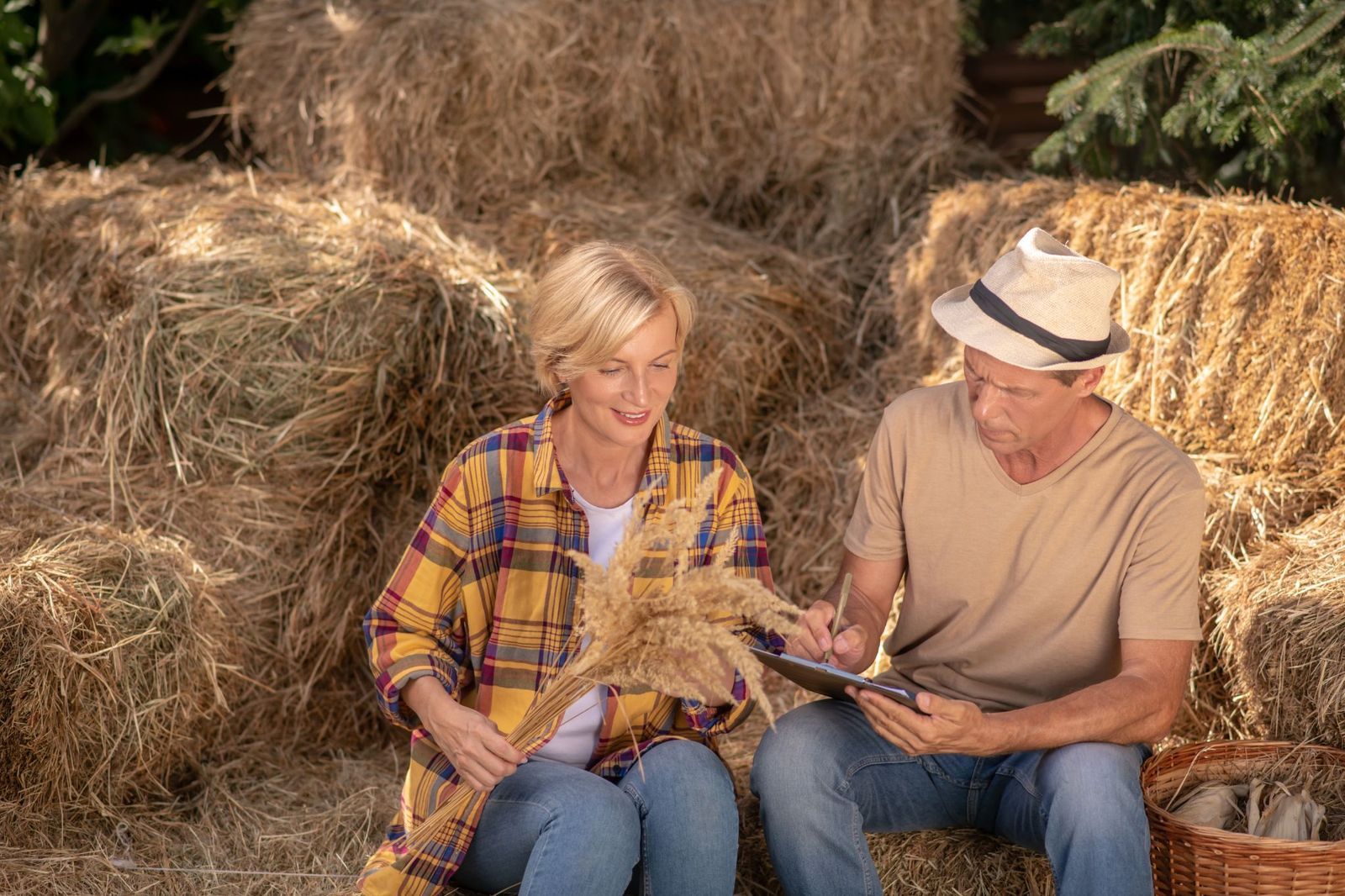
Image: Dmytro Zinkevych

Rural areas tend to provide more practical stability ; there are fewer people, and the essential sectors that stand out, such as healthcare, education, agriculture, skilled trades, and local governments, provide much more job security.

On the other hand, urban areas offer rapid advancement and diverse networks , allowing for further career mobility, higher earning potential, and innovation.

9
Exposure to diversity (cultures, ideas, lifestyles)
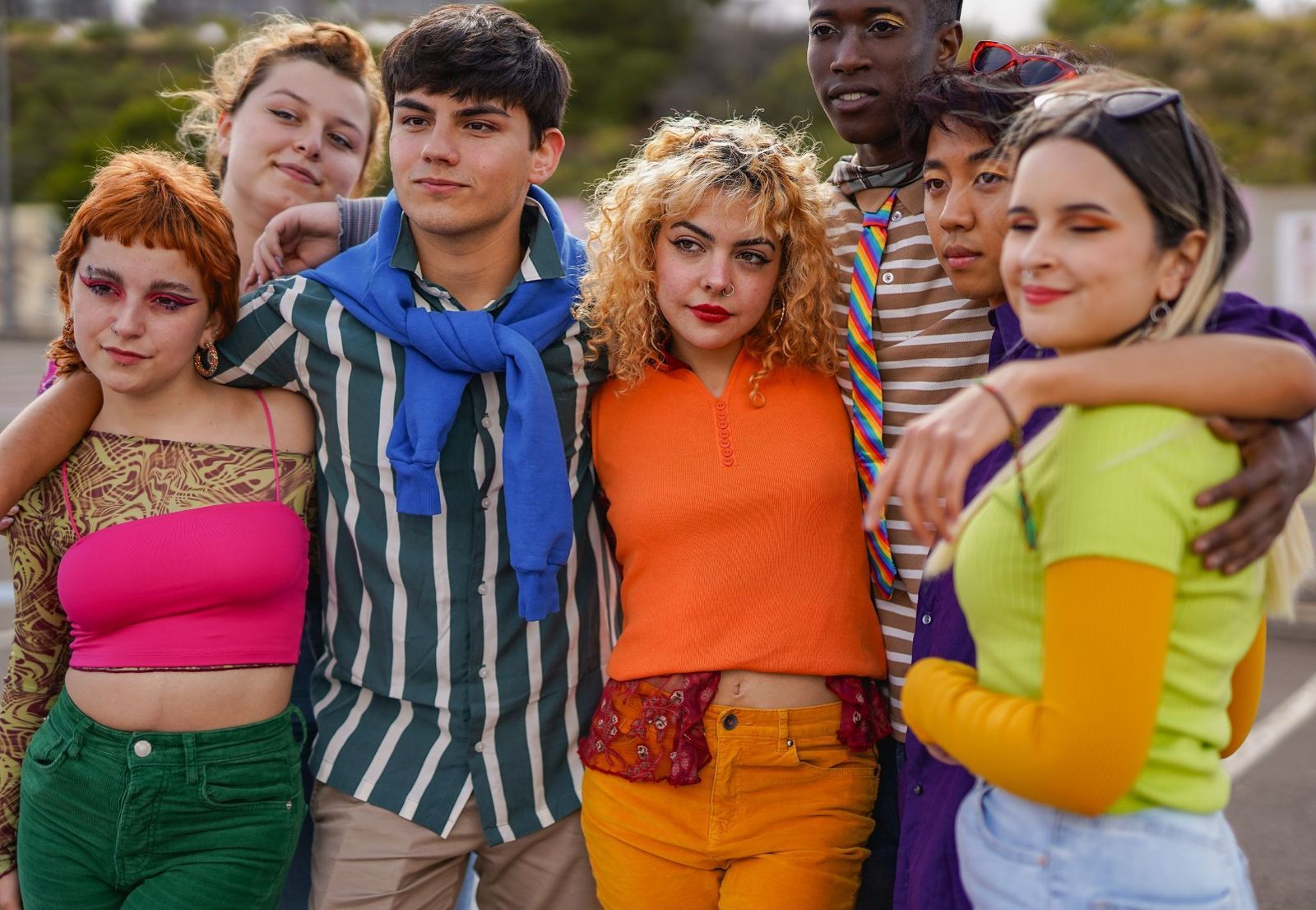
Image: Sabrina Bracher

Cities are global melting pots , providing daily access to varied subcultures, progressive ideas, and international cuisines.

Alternatively, small towns tend to be more culturally homogeneous , fostering deeper bonds and more consistency, but less exposure to different ethnicities, lifestyles, and global perspectives.

10
Independence: self-reliance vs. interdependence

Image: GaudiLab

Country living emphasizes self-reliance . This means that the maintenance of daily operations related to property, power, and food production is often handled personally.

City living is very different in this regard; on a day-to-day basis, you may be more on your own, but for all essential needs, there is a crucial synchronized interdependence , meaning that everyone's daily comfort, such as availability of food, public transit, and waste management, relies completely on others.

History History 3 min read

No bad titles here

These 12 popular movies have very different names in other countries

Image: Yuvraj Singh

Granted, not every name sounds as great in its original language as it does when translated. Therefore, a certain degree of artistic liberty is granted when coming up with good movie title translations. However, some of these adaptations take a bit too much freedom in their detachment from the original title. Take a look at the following 12 examples and marvel at the creativity and sense of humor of their translators.

1
The Blues Brothers - Rogues at Full Speed (Spain)

Image: Tanner Boriack

The Blues Brothers sounds like a pretty straightforward name, right? Not for the Spanish , who are very protective of their native language and translate every movie title that comes across their border. When this 1980 movie was released in Spain, its title could have been easily translated as " Los Hermanos del Blues ," but, for some reason, it was named Rogues at Full Speed .

2
Die Hard - The Crystal Jungle (Spain)

Image: Yns Plt

The second entry on the list is also awarded to Spain for its creative title translation of Bruce Willis’ Die Hard as The Crystal Jungle . The reasons for this name remain a mystery . Perhaps it had something to do with the fact that the city can be considered a jungle, and a significant part of the movie takes place in a city. Other than that, we're stumped.

3
Leon The Professional - This Hit Man is Not as Cold as He Thought (China)

Image: Matt Seymour

The Chinese translators of the French movie Léon: The Professional decided that the title wasn’t descriptive enough and opted instead for a name that served as a commentary on the main character .

4
Airplane - The Unbelievable Trip in A Wacky Aeroplane (Germany)

Image: Niels And Marco

Apparently, the Chinese are not alone when it comes to inventing more descriptive names for the movies they translate. The German version of the slapstick comedy Airplane! is translated as The Unbelievable Trip in a Wacky Aeroplane .

5
Thelma and Louise - An Unexpected Ending (Mexico)

Image: Amanda Sandlin

An implied rule when it comes to movie titles is that they should not be spoilers . Mexican translators decided to partially, at least, ignore this rule and went with An Unexpected Ending for the local version of Thelma and Louise . Yes, there could be countless possible unexpected endings, but still...

6
Willy Wonka and the Chocolate Factory - The Boy Who Drowned in Chocolate Sauce (Denmark)

Image: Kaffee Meister

It's well known that Scandinavians have a dark sense of humor , but some things are still surprising. Willy Wonka & the Chocolate Factory , the 1971 movie featuring Gene Wilder in the title role, received an odd translation from the Danish.

7
Ghostbusters - Exorcists of Spirits (Serbia)

Image: Winston Chen

Serbians are no strangers to the supernatural . Many ghost stories and myths can be found in their beautiful and mysterious land. Perhaps that is why the people responsible for translating Ghostbusters thought it was acceptable to modify the original name to Exorcists of Spirits .

8
Grease - Pomade (Hungary)

Image: Lachlan Rennie

This one is not as far off as the previous examples, but there is something about it that just doesn’t sound quite as right as the original title. Who knows? Maybe that’s what Hungarians call their hair gel .

9
Home Alone - Mom, I Missed the Plane (France)

Image: Liubomyr Vovchak

The French translators could have done a lot worse with this one. After all, while the film’s storyline involves Kevin being stuck home alone, he ends up stuck at home because he missed his flight in the first place .

10
Annie Hall - The Urban Neurotic (Germany)

Image: Dylan Freedom

Yes, this is a Woody Allen movie, and yes, the main character, aside from Annie herself, is an urban neurotic. Maybe that’s why the German translators decided, once again, to change the simple original title of the movie to a description of the leading man’s character .

11
Cloudy with a Chance of Meatballs - It’s Raining Falafel (Israel)

Image: Clark Douglas

Similar, but not the same— not by a long shot. The Israeli title for this children’s movie evokes a somewhat similar image to the one in the original title, but it does so with a more local dish as the element replacing the rain .

12
Deep Impact - The End of the World, the Sky Collapsed, and the Land Collapsed (Thailand)

Image: Viktor Mindt

Some movie title translations seem as if they were written by small children. But then, maybe that’s the kind of content their audience demands, in which case, more power to them. Deep Impact sounds ominous enough, sure. But a title like The End of the World, the Sky Collapsed, and the Land Collapsed is much more exciting , isn’t it?

Culture Culture 3 min read

A-Listers ahead

From Spielberg to King: Who are Hollywood’s “Powers that Be”?

Image: Venti Views

If you have ever wondered who decides who wins an Oscar or why a certain movie had a sequel, you are not alone. Hollywood is filled with big fish who make billion-dollar decisions every day. Some of the names in this list you will know for sure, some will sound familiar, perhaps from the end credits of some film, and some you have probably never heard of. But they are all big Hollywood players who can shift tides, shape cultural trends, and make stars (or break them).

1
Kathleen Kennedy

Image: Thea Hdc

Kathleen Kennedy has been a part of many of the greatest movies of the last 35 years. She’s been involved with almost every Steven Spielberg movie since Raiders of the Lost Ark, but also Back to the Future, The Goonies, The Sixth Sense, and The Curious Case of Benjamin Button , to name a few. Also, she is the president of Lucasfilm following its sale to Disney.

2
Reed Hastings

Image: Jakob Owens

Netflix’s co-founder Reed Hastings is a big name in the entertainment business, helping distribute some of the world’s most-viewed television shows over the last years.

With a background in technology and software, Hastings capitalized on the changing media consumption behaviors and created something that took the media business by storm.

3
Bob Iger

Image: Clyde He

Quite probably the most influential person in Hollywood, Bob Iger presides over the industry’s largest and most influential entertainment business, the Disney brand. Add 21st Century Fox, Star Wars, Marvel, Pixar , and a few other things, and you have a modern-day media empire.

4
Kevin Feige

Image: Brands&People

Arguably the most successful film producer of all time, Kevin Feige has championed the superhero cinematic universe that has swept over Hollywood in the last decades, whether you like it or not.

5
Dana Walden

Image: J. Schiemann

Dana Walden was a key figure in Disney's acquisition of 20th Century Fox TV , which she built into a powerhouse over two decades. She is also in charge of ABC Studios, ABC Entertainment, Freeform, and Hulu .

6
Oprah Winfrey

Image: Ioann-Mark Kuznietsov

A true household name, Oprah Winfrey is one of America’s most trusted stars . She also writes bestsellers, has her own cable network (OWN), and is involved in infinite ventures in the entertainment landscape.

7
J.J. Abrams

Image: Billy Freeman

The name behind some of the biggest blockbusters of the last 30 years, J.J. Abrams, is one of the most sought-after directors and producers in all of Hollywood. He is responsible for movies like Armageddon, several Mission: Impossible installments, and a couple of Star Wars films , to name a few.

8
Shonda Rhimes

Image: Jakob Owens

As the creator and showrunner of Grey’s Anatomy, Bridgerton, Scandal, Private Practice, How to Get Away with Murder , and many other series, Shonda Rhimes has been a strong presence in Hollywood since the early 2000s and has been featured multiple times in the Times 100 Most Influential People on the World list.

9
Steven Spielberg

Image: Mirko Fabian

Probably the person most of us would expect to be on this list, Steven Spielberg has shaped America and the world’s pop culture with some of the most successful and influential films ever made . His presence has been a force to be reckoned with and a strong influence in Hollywood since the mid-1970s.

10
James Cameron

Image: Kyle Loftus

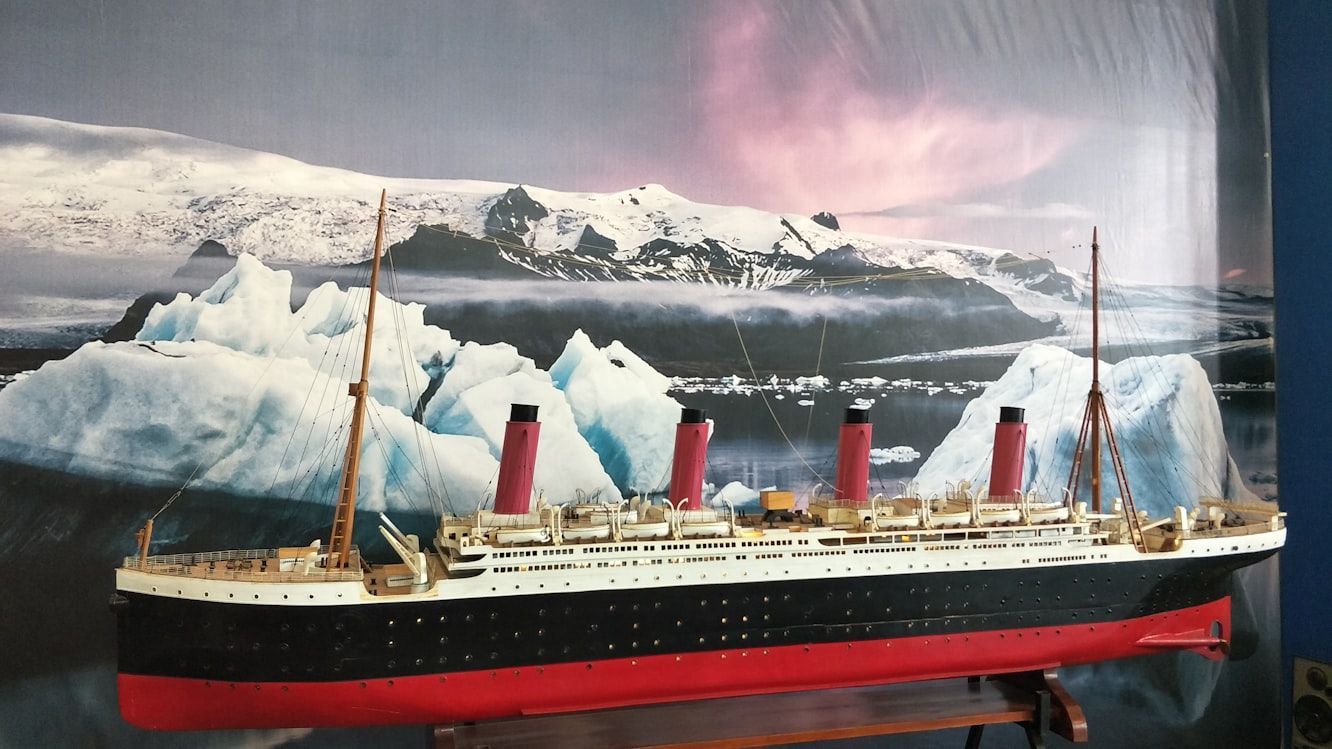
The man behind blockbusters like Titanic, Terminator, and Avatar , among many others, has kept himself busy diving to the deepest point in the ocean, creating documentaries, series, producing, directing, writing, and more for a few decades now and his work is embedded in pop culture, in a similar way to Spielberg and our next entry.

11
Stephen King

Image: Vitalii Onyshchuk

The man responsible for some of the biggest film classics, not just in the horror genre but in many others as well, didn’t even intend to go into the movie business in the first place.

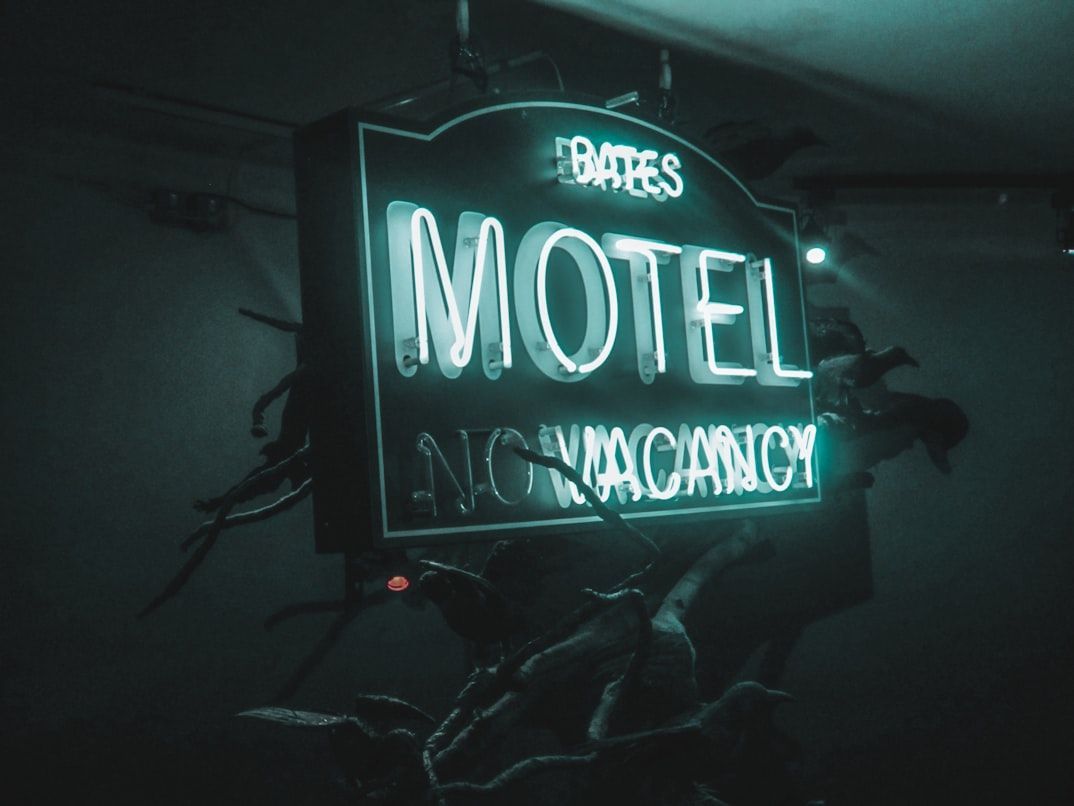
As one of America’s more successful contemporary writers, Stephen King has created stories that started as bestsellers and eventually found their way into Hollywood. From Carrie, Cujo, Pet Sematary, The Shining, to Shawshank Redemption, The Green Mile, Stand By Me , and countless others, his stories are the basis for some of the biggest blockbusters that Hollywood has ever seen.

Explore more American facts

Choose your favorite category!

General
General

As American as apple pie—the very best America has to offer!

Culture
Culture

Delve into the astounding richness of American lore.

Geography
Geography

Hop in and explore vast and diverse American landscapes.

History
History

Discover the key moments that shaped the United States.