Geography Geography 6 min read

THE STRANGE AND THE UNUSUAL

10 Quirky Museums to Visit in America

Image: Liza Rusalskaya

If your idea of a museum involves dusty paintings and ancient artifacts behind glass, it is time to broaden your horizons.

America, with its boundless creativity and penchant for the peculiar, is home to some of the most bizarre and fascinating museums you can imagine . From the absurdly specific to the downright strange, these offbeat institutions offer a refreshing and often hilarious take on the concept of a museum.

Buckle up and join us as we go through 10 of the weirdest museums across the United States , from the Neon Museum to the Museum of Bad Art. Prepare to be amused, amazed, and utterly bewildered!

1
Neon Museum - Las Vegas, Nevada

Image: 李林Alwen

Let’s kick off this list with the Neon Museum in Las Vegas. The location seems just about right since Las Vegas is always bright and shining with luminous signs.

This museum, founded in 1996, holds a collection of over 250 historic signs from the city. It is located a few blocks away from the iconic Las Vegas Strip and exhibitions and projections display signs that once adorned the venue. Moreover, you will be able to see some paradigmatic signs restored like the Silver Slipper and Benny Binion’s Horseshoe.

2
International Spy Museum - Washington, D.C.

Image: Marten Newhall

Haven’t we all dreamed of becoming an international secret spy? Well, you can make your dream come true, at least for a few hours, at the International Spy Museum in Washington.

This museum was established in 2002 and it features the largest collection of international espionage artifacts ever displayed. From spy gadgets and concealed weapons to covert operations and famous espionage cases, you’ll get inside the life of a true spy.

Furthermore, it is an interactive museum so visitors can test their own skills with the experiences offered within the establishment.

3
National Mustard Museum - Middleton, Wisconsin
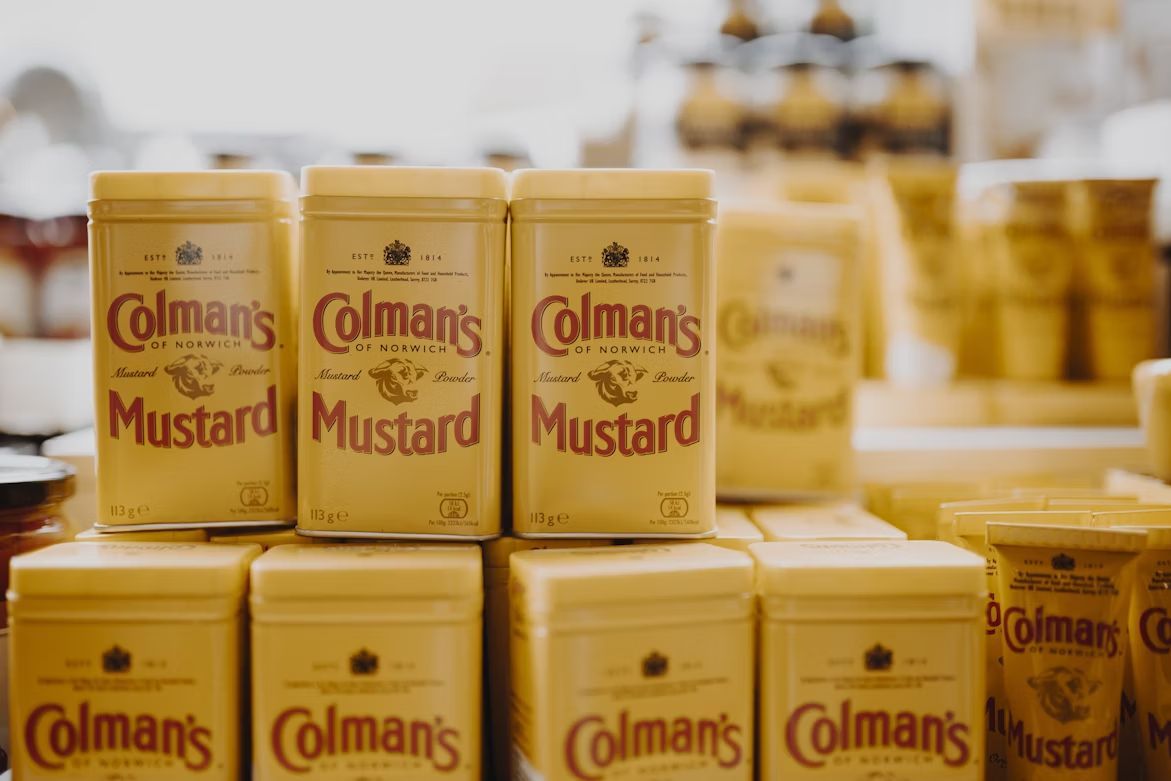
Image: Simona Sergi

Mustard is so much more than just a condiment, and if you think it is not, the National Mustard Museum is here to challenge that notion.

Founded in 1992 by Barry Levenson, this quirky museum celebrates all things mustard with the world’s largest collection of mustards and mustard memorabilia. It showcases over 6000 mustards from over 70 countries and visitors can learn about the mustard history and take a look at antique elements like tins, mustard pots, vintage signs, and advertisements.

If you are a foodie or a culinary curious, you can’t miss this museum!

4
Idaho Potato Museum - Blackfoot, Idaho
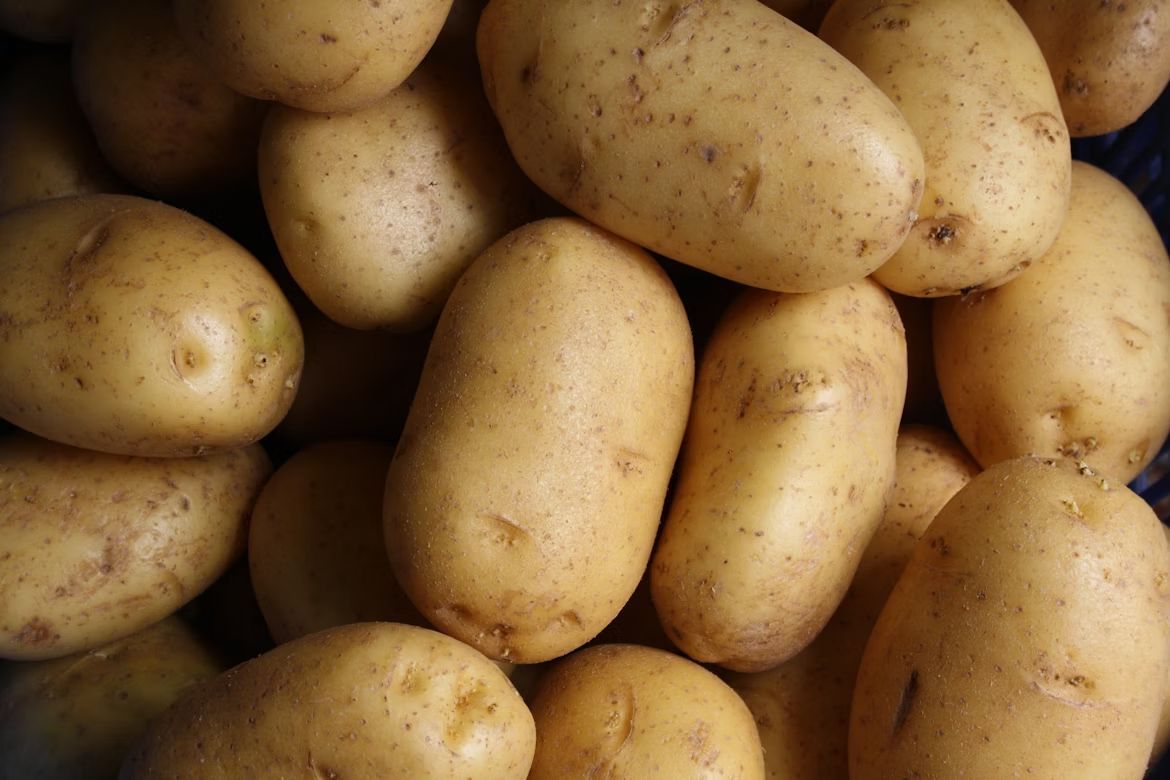
Image: Lars Blankers

Idaho’s love and pride for potatoes is so big, that they had to build a museum to display it and they are waiting for you!

The Idaho Potato Museum is a spud-tacular tribute to the beloved potato, fittingly located in the "potato capital of the world." Housed in the former Oregon Short Line Railroad Depot, this space of over 5,500 square feet offers exhibits on the history, cultivation, and nutritional value of the humble tuber.

Highlights include one of the world’s largest collections of potato mashers and the biggest potato crips ever made. Visitors can even perform experiments in the Potato Lab and savor a freshly baked potato in the museum’s cafe.

5
International UFO Museum and Research Center - Roswell, New Mexico
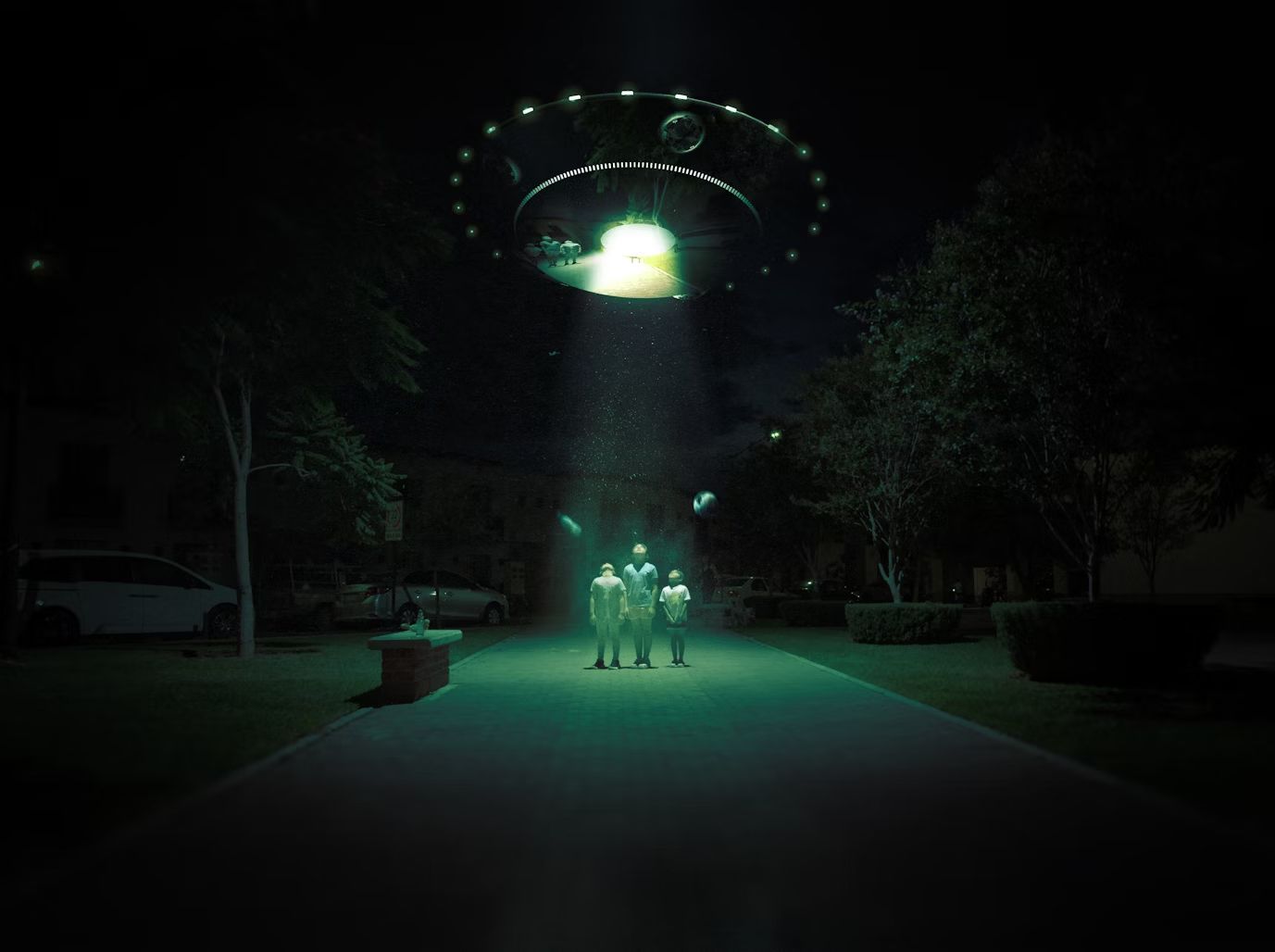
Image: Danie Franco

UFOs have always raised curiosity and the theories behind sightings and paranormal activities are one too many, right? Or at least enough to create a museum devoted to exhibiting all things UFOs.

The International UFO Museum and Research Center offers an intriguing exploration into the world of UFOs, and it is housed in a former movie theater. The creation of the museum was inspired by the Rosewell incident in 1947, a crash of a flying saucer, and it presents a variety of written, audio, and visual materials.

This museum is pet friendly and visitors can enjoy exhibits like a spinning UFO with aliens and an outdoor "Rosewell Belevies" mural. When are you paying a visit?

6
National Museum of Funeral History - Houston, Texas

Image: panyawat auitpol

There’s no denying it, we are going to die eventually. However, is death enough of an intriguing topic to open a museum devoted to it? Apparently, it is, and you can find one in Houston.

The National Museum of Funeral History houses the country’s largest collection of funeral service items, including caskets, coffins, and hearses.

The museum is over 30,000 feet and it features 19 permanent exhibits covering topics that range from embalming to the history of cremation and mourning photography. To make it even more interesting, the museum offers a unique look at funeral traditions and culture from ancient Egypt to modern times around the world.

7
Museum of Bad Art - Somerville, Massachusetts
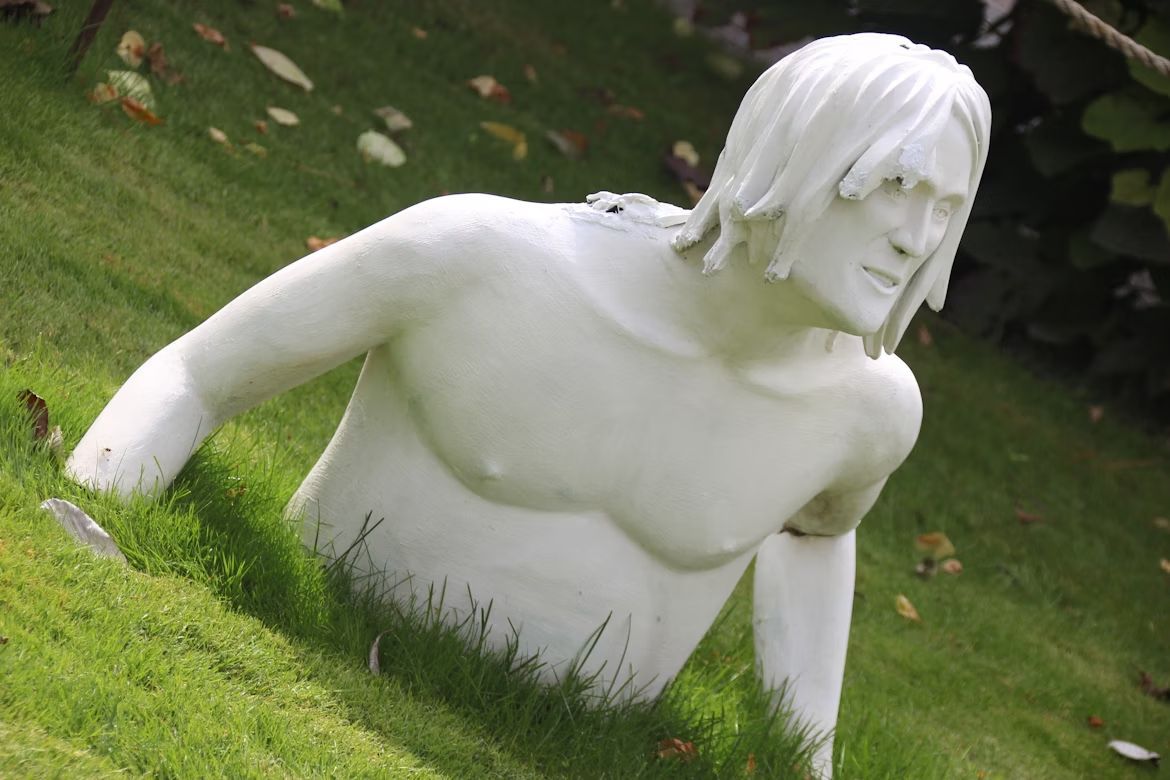
Image: Rainer Bleek

Even if art is not for everyone, we can all agree there are standards for what is considered good or bad, right? Well, The Museum of Bad Art is here to prove us wrong!

Located in Somerville, the Museum of Bad Art is a delightful celebration of artistic mishaps and quirky creativity. What began in 1993 in a Boston basement has now expanded to the Somerville Theater’s basement in Davis Square.

This unique museum boasts over 700 pieces from artists, amateurs, and anonymous creators, featuring donations, thrift store finds, and gifts from the artists themselves. Despite its impressive collection, only about 25 works are displayed at a time , ensuring a fresh experience with each visit. Best of all, it’s free! For a fun and offbeat adventure, this is the place you need to visit!

8
National Bottle Museum - Ballston Spa, New York

Image: James Cousins

Here’s a museum you never thought would exist! But considering bottles are part of our everyday life, have you ever stopped and thought about how bottles are made? Wonder no more, better visit the museum!

The National Bottle Museum is a charming three-story brick building and it showcases over 3,000 bottles on its first floor alone! With seven permanent exhibits, you can marvel at pre-machine-made bottles from every state and even see glowing uranium glass!

Don’t miss the quirky temporary exhibits that go from Coca-Cola bottles to shot glasses, and spa bottles! And, if you are a bottle collector yourself, you’ll love the extensive library available!

9
Sindecuse Museum of Dentistry - Ann Arbor, Michigan

Image: Jonathan Borba

Teeth are the subject of contrarian opinions! Some love it, some find it disgusting. But that wasn’t enough of a reason to prevent Michigan from having a museum devoted to dentistry.

The Sindecuse Museum of Dentistry in Ann Arbor is a hidden gem tucked away in the atrium of the University of Michigan School of Dentistry. It’s one of the few museums in the world dedicated entirely to dentistry!

With over 25,000 objects on display, you will find everything from antique dental tools to quirky historical products dating back to the 18th century. The museum also features fascinating temporary exhibits and engaging programs. Plus, admission is free, so you can enjoy this unique journey through dental history without spending a dime.

10
Museum of Jurassic Technology - Los Angeles, California

Image: Mauro Sbicego

You read that right, the words "Jurassic" and "technology" are part of the same name and they have nothing to do with Spielberg’s millionaire production.

The Museum of Jurassic Technology in Los Angeles is an enigma wrapped in a mystery. Despite its name, there’s nothing particularly Jurassic about it. Instead, this delightfully bizarre museum leads you through dimly lit halls filled with curiosities, from mini models of Napoleon and Daffy Duck to oil portraits of Soviet space dogs.

It’s a wonderfully chaotic mix that keeps visitors scratching their heads and smiling. Perfect for those who love a good mystery, the museum’s quirky collection is as baffling as it is fascinating. Come ready to be amused and bewildered!

Culture Culture 7 min read

A bucket list for the creative at heart

Every American should see these 10 American masterpieces at least once

Image: manolofranco

The intense relationship between Americans and their surroundings has been the source of a rich artistic tradition. From Impressionism and Realism to Abstract Expressionism and Pop Art, the United States has given the world a remarkable sample of its artistic potential. Through 10 masterpieces, which span a wide range of movements and artists, this article will explore the enormous legacy that visual art has left on American culture.

1
Snap the Whip - 1872

Image: Winslow Homer, CC0, via Wikimedia Commons

Winslow Homer was a self-taught artist from Boston, best known for his Civil War paintings, which he created at the request of Harper's Weekly magazine. But after the war, Homer moved to a totally different subject matter: childhood. The artist painted the life of American children as a world unto itself, where adults seemed to have no influence.

Homer's children, like the ones depicted in Snap the Whip , can be compared to similar literary characters of the time, like Louisa May Alcott's Little Women and Mark Twain's Tom Sawyer . They are potential America, the stock from which renewal will spring in the aftermath of the Civil War: young, strong, quick-witted, practical, and without pretense. The piece can now be viewed at The Met in New York City.

2
Whistler’s Mother - 1871

Image: James McNeill Whistler, CC0, via Wikimedia Commons

James Abbott McNeill Whistler (1834-1903) was a painter mainly active during the American Gilded Age and a leading proponent of the motto "art for art's sake." Whistler’s best-known piece is a painting entitled Arrangement in Grey and Black No. 1: The Artist’s Mother . While it is a portrait of his mother, the identity of the woman, according to the artist, should be of no interest to the viewer, only the formal layout of grays and blacks.

For Whistler, art was not about moral instruction or storytelling but, instead, about formal perfection. He believed that artists should not simply replicate what they see in nature but express their emotional response to it. Art should be filled with sentiment, not sentimentality. These ideas formed the basis of the Aesthetic Movement of the 1870s and 1880s and influenced several American artists.

3
Madame X - 1884

Image: John Singer Sargent, CC0, via Wikimedia Commons

It may seem totally innocent to us today, but in the late 19th century, this piece was a true scandal. Madame X , by John Singer Sargent (1856-1925), is a portrait of Virginie Gautreau, a young woman born in New Orleans who moved to Paris after her father’s death. There, she married a wealthy man twice her age and became the talk of the town, due to her independent character and her alleged infidelities.

Virginie posed for Sargent, the world's most sought-after portrait painter of his time, and the work turned out to be as rebellious, elegant, and striking as its model. Sargent always thought that this was his masterpiece, but the public hated it. Shortly before his death, he donated the painting to the Metropolitan Museum of Art in New York, saying, "I suppose it is the best thing I have done."

4
The Child’s Bath - 1893

Image: Mary Cassatt, Public domain, via Wikimedia Commons

Mary Cassatt (1845-1926) was not only one of the foremost American Impressionists but also an outstanding woman painter of the 19th century. She was raised and initially trained in Philadelphia before moving to Paris, where she befriended prolific Impressionists like Edgar Degas. However, Cassatt’s subject matter was very different from that of her French counterparts. She depicted a distinct world, drawn from her own strong family interests: sociable encounters over tea, fashionable women in theaters or drawing rooms, and mothers with their babies.

For example, The Child's Bath not only reflects Cassatt’s technical ability but also serves as a testament to her exploration of motherhood and female roles . Her approach succeeds in capturing everyday life, and the painting is remarkable for its composition and use of color. This piece, like many of her works, stands as a reminder of the value of small, deeply meaningful moments that make up culture and life in all its complexity.

5
American Gothic - 1930

Image: Grant Wood, Public domain, via Wikimedia Commons

Perhaps one of the most famous houses in America is located in Eldon, a tiny community in southern Iowa. Contrary to what one might think, no one of distinction, notoriety, or power has ever lived in this house. Its fame is owed entirely to artist Grant Wood (1891-1942), who used it in the background of his painting American Gothic .

Wood enlisted his sister Nan to pose as the woman and recruited a dentist from Cedar Rapids, B. H. McKeeby, as the man. The painting won a prize in Chicago in 1930 and was instantly catapulted to national fame. Since then, it has been reproduced and satirized by popular culture to exhaustion and is now one of the most recognizable American paintings. Wood's American Gothic honors those who settled the land and has become an iconic representation of American identity and resilience.

6
Nighthawks - 1942

Image: Edward Hopper, Public domain, via Wikimedia Commons

Edward Hopper (1882-1967) studied at the New York Institute of Art and Design and worked for many years as a magazine illustrator. Although he didn't particularly enjoy this job, it helped sharpen his compositional skills. Thanks to these influences, Hopper's work has come to typify the American Realism movement. His paintings convey the sense that the events depicted are taking place in front of the viewer in the here and now, as seen in his famous diner scene, Nighthawks .

In this stark, impassive, realist painting, Hopper evokes a powerful sense of urban alienation, highlighting the isolation. The bright fluorescent light in the all-night diner contrasts strongly with the surrounding gloom outside and immediately transports us to a scene from a film noir movie. Exhibited at the Art Institute of Chicago, Nighthawks is considered one of Hopper's masterpieces and is worth visiting at least once in a lifetime.

7
Untitled (Violet, Black, Orange, Yellow on White and Red) - 1949

Image: chummels

Mark Rothko (1903-1970), along with Jackson Pollock, was one of the greatest representatives of American abstraction . He is best known for his color field paintings. Through his work, he sought to achieve an ambitious utopia: to express the most basic universal emotions.

When Rothko painted Untitled (Violet, Black, Orange, Yellow on White, and Red) he was arriving at a point of maturity in what was a highly nuanced and distinct visual style. He had abandoned any remaining references to recognizable imagery, and the result is a painting with a great expressive force. Rothko used to say that he preferred to paint large pictures because he wanted to be very intimate and human. In this work, he achieves this immersion entirely through his sensitive use of color.

8
Autumn Rhythm (Number 30) - 1950

Image: Simi Iluyomade

Jackson Pollock (1912-1956) was a leading figure in Abstract Expressionism and is best known for his "drip technique." Pollock's drip method entailed placing a canvas on the floor and then dripping, pouring, and at times throwing paint over its surface. Although his technique appeared to favor chance, the artist stressed that everything in his paintings was fully intentional.

One of his most emblematic works is Autumn Rhythm (Number 30) , which is currently on display at the Metropolitan Museum of Art in New York. If you ever have the chance to see this piece in person, know that Pollock believed contemplation of his paintings allowed the viewer to access personal and unconscious responses to the modern world. As Pollock advised, the viewer should look passively and "try to receive what the painting has to offer."

9
Twenty Marilyns - 1962

Image: pvdberg

Andy Warhol (1928-1987) started making paintings of Marilyn Monroe shortly after her death. He used a black and white publicity photograph taken by Gene Korman for the 1953 movie Niagara to create a stencil for silk-screen printing, a technique he had adopted for transferring photographic images to canvas. Over the course of four months, Warhol created more than twenty works based on the Korman photograph.

What Warhol called the "assembly line effect" of the repeated image aimed to criticize the supposed uniqueness of the work of art in a world of mass reproduction and mass media. Yet, the repetitive Marilyns are full of small variations, as the paint is applied by hand. Twenty Marilyns is such an iconic work of American art history that, in a 2004 article published in The Guardian , it was named the third most influential piece of modern art in a survey of 500 artists, critics, and other members of the art world.

10
Whaam! - 1963

Image: Eric Koch, CC0, via Wikimedia Commons

Apart from Andy Warhol, perhaps the greatest exponent of American Pop Art is Roy Lichtenstein (1923-1997). Lichtenstein was mainly drawn to action and true romance comic strips. Through his depictions of fighter pilots and tearful drowning damsels, he drew attention to the constructed nature of gender roles. Lichtenstein's exaggeration of these gender stereotypes in comic book characters led some critics to recognize his paintings as true works of art.

Whaam! , based on a comic book panel published by DC Comics in 1962, is Lichtenstein's witty and irreverent reaction to the contemporary popularity of Abstract Expressionism. With this piece, the artist attempted to deflate that movement's pomposity by presenting pictorial subject matter based on what was regarded as crass commercial art. Since Whaam! , Lichtenstein was viewed by the public eye as the ultimate American master of Pop Art.

General General 6 min read

A slice of America

The great American pie road trip: 10 must-try flavors

Image: Maksim Goncharenok

Americans love pies and with good reason! They come in all kinds of shapes and forms. From basic ingredients like chocolate to riskier ones like a cheddar crust (yes, that is very much a thing!). Each state in our country has found a way to take a classic pie and come up with its own unique version of it , and even create new pies altogether. Now, in an attempt to take a culinary road trip, we’ve gathered 10 pies that are big in 10 different states. Will your state make the list? Are you willing to try any of these? Keep reading and see for yourself! Enjoy the ride!

1
Massachusetts - Apple pie with a twist

Image: Priscilla Du Preez 🇨🇦

Apple pie is the nation’s pie—it’s the classic dessert served on the 4th of July, so it doesn’t belong to any particular state. However, Massachusetts thought the classic recipe could do with a twist and they went all the way: Apple pie with a cheddar crust .

This may sound unusual, but it’s actually quite a popular recipe in the Bay State. Some choose to fill the pie with the cheese, while others prefer to lay some slices on top and bake it until a crust forms. In any case, this one is only for those who keep their minds and palates open to new experiences. Are you one of them?

2
Kentucky - Bourbon Chocolate Pecan pie

Image: nikohoshi

In Kentucky, bourbon flows as freely as hospitality, and it’s no surprise that the state’s beloved Bourbon Chocolate Pecan Pie is a crowd favorite—especially on Derby Day. This dessert combines crunchy pecans, smooth chocolate, and a splash of Kentucky bourbon for a sweet, boozy finish.

Now, here’s the thing with this one: You can’t call it a Derby Pie unless you are Kern’s Kitchen. Why not? Because they own the trademark. But that didn’t stop the locals—they came up with creative alternatives like "Not Derby Pie" or "Derby Dessert."

To make it yourself, try mixing a bit of melted butter with your chocolate for an extra velvety texture. Just don’t forget to sip a little bourbon on the side while you’re baking—it’s only fitting!

3
New Jersey - Green tomato pie

Image: Sophie Dale

New Jersey’s Green Tomato Pie might sound odd to some, but locals know it’s a delicious treat . Made from either ripe green tomatoes (which often have lovely stripes) or unripe red ones, this pie has a flavor that is surprisingly similar to apples. The tomatoes soften as they cook, and they blend beautifully with the cinnamon and the sugar. The result? A refreshing, unique filling.

If you’re giving it a go at home, make sure to use the ripest green tomatoes you can find—they add a more vibrant flavor to each bite.

4
Pennsylvania - Shoofly pie

Image: Kenneth Schipper

Pennsylvania’s Shoofly Pie is one of those old-time desserts that never goes out of style. Based on molasses, the pie comes in two styles: a dry-bottom version that’s more like a cake, or a wet-bottom version with a gooey custard layer.

But what about the name? Traditionally, it’s believed that the name came from the flies that bakers had to "shoo" away while the pie cooled. However, some say it's named after Shoofly the Boxing Mule, a celebrity from the 19th century.

Either way, this pie is a taste of Pennsylvania's Dutch heritage. If you’re up for a baking challenge, aim for the wet-bottom style—its sticky, rich filling is worth the extra effort. Just be ready to shoo some flies away!

5
Georgia - Peanut pie

Image: Isaac Quesada

Were you expecting to see a peach-based pie in this section? Not today, sir! Though Georgia is often called the Peach State, its real star crop is peanuts. Thousands of peanut farmers call Georgia home, including one very famous name. Do you know it? Jimmy Carter, the peanut-farming president!

Peanut Pie might not be as well-known as peanut butter, but it’s just as flavorful and rich. This Southern staple blends sweet, salty, and nutty goodness in every bite. Serve it with whipped cream, and you’ve got a crowd-pleaser that’s simple to make and even easier to enjoy.

Now, in case you were wondering, Carter wasn’t the only one: Thomas Jefferson was also a fan of peanuts! With a history like that, you know this pie is something worth trying.

6
Vermont - Maple pie

Image: Mary West

This one lives up to our expectations: Vermont’s connection with maple syrup is legendary, and Maple Pie is the sweet—and logical—result. As the nation’s leader in maple syrup production, Vermont has turned this delicious treat into a delicious pie.

In the 1860s, maple sugar was cheaper than cane sugar , making it the go-to sweetener, and today, it still holds that place of honor. Maple Pie is rich, buttery, and perfectly sweet… So, Vermont in a nutshell.

Are you giving this pie a go? Use a deep-flavored maple for an intense result!

7
Alaska - Blueberry Rhubarb pie

Image: Erol Ahmed

We may all know Alaska for its rugged wilderness, but it’s also home to some fantastic pie ingredients, like blueberries and rhubarb. These two grow in abundance, especially thanks to Alaska’s long summer days. And did you know? Back in the early 1900s, Henry Clark, who was nicknamed "The Rhubarb King," helped feed Gold Rush workers with fresh rhubarb.

You can use any kind of berry in this pie, but wild Alaskan blueberries are especially tasty! Add a dollop of vanilla ice cream on top, and you’ve got a true Alaskan treat. It’s tart, sweet, and perfect for any adventure. Just be sure to gather your berries before the bears do!

8
Colorado - Rocky road pie

Image: Dagmara Dombrovska

When you think of Colorado, the mighty Rocky Mountains are the first thing to come to mind, right? What better way to honor them than with a Rocky Road Pie? Done and done, thanks to the locals.

This pie brings together chocolate, marshmallows, and nuts, just like the famous ice cream flavor. Now, here is a fun fact: legend says the original Rocky Road ice cream was made by cutting marshmallows with sewing scissors!

We can’t really confirm whether that’s true or not, but you can’t deny the charm of the story. The pie version is just as rich and satisfying, with layers of melted chocolate and fluffy marshmallows. If you’re a fan of sweet and crunchy, this one’s for you.

9
Maryland - White potato pie

Image: Josephine Amalie Paysen

Most people think of sweet potatoes when they hear "potato pie," and that makes sense, but in Maryland, it’s all about the white potato .

This pie has been a local favorite for over 150 years, and early recipes date back to nothing less than the 1850s! Baked in a buttery crust, this pie is sweet and custard-like, with just a hint of cinnamon. It’s a bit like pumpkin pie’s lighter cousin.

Don’t be surprised if it becomes your new holiday go-to! Marylanders have been enjoying it for generations, and it’s easy to see why. Serve warm or cold—it’s the perfect ending to any meal.

10
Ohio - Buckeye pie

Image: Tanya Semenchuk

And we come to the end with Ohio’s signature pie: Buckeye pie take center stage , please! This delicious pie, along with its name, is inspired by the famous buckeye candy that mimics the state tree’s nut.

Though the real buckeye nut is toxic, you can eat this version without any worries. The pie is pure indulgence, layered with chocolate and peanut butter. The combination of creamy peanut butter filling and rich chocolate is hard to resist, and it looks just as good as it tastes. Simply mouthwatering!

Explore more American facts

Choose your favorite category!

General
General

As American as apple pie—the very best America has to offer!

Culture
Culture

Delve into the astounding richness of American lore.

Geography
Geography

Hop in and explore vast and diverse American landscapes.

History
History

Discover the key moments that shaped the United States.