Culture Culture 4 min read

The power of cinema

Can a movie change a whole generation?
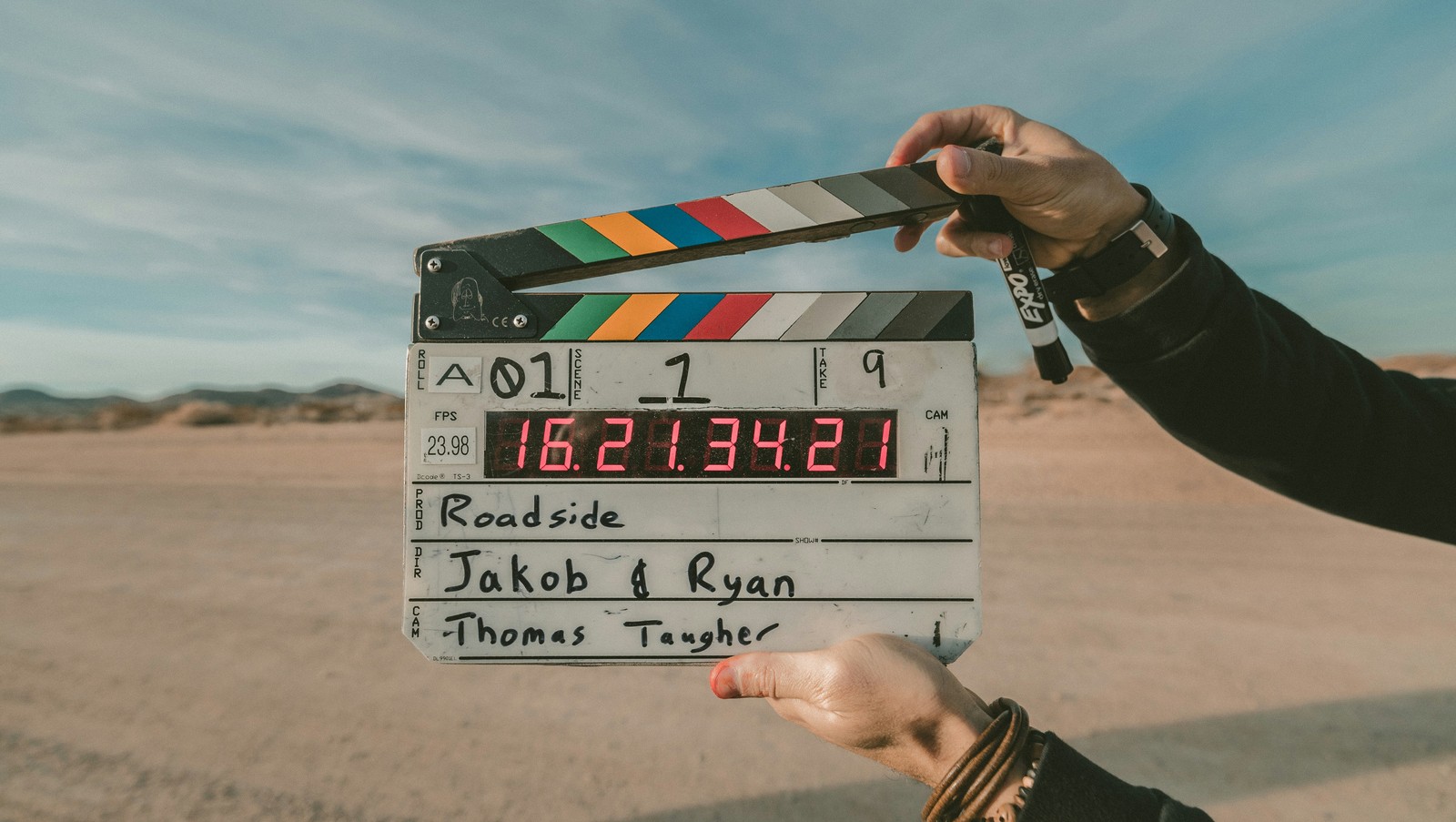
Image: Jakob Owens

Cinema has been, since its inception, a powerful tool to reach the hearts of audiences. A well-told story can have far more influence than many give it credit for. There have been many incredible movies made during the 20th century, but some have left a special mark on American audiences . Here are 10 films that defined their generation and influenced those to come.

1
Gone with the Wind (1939)
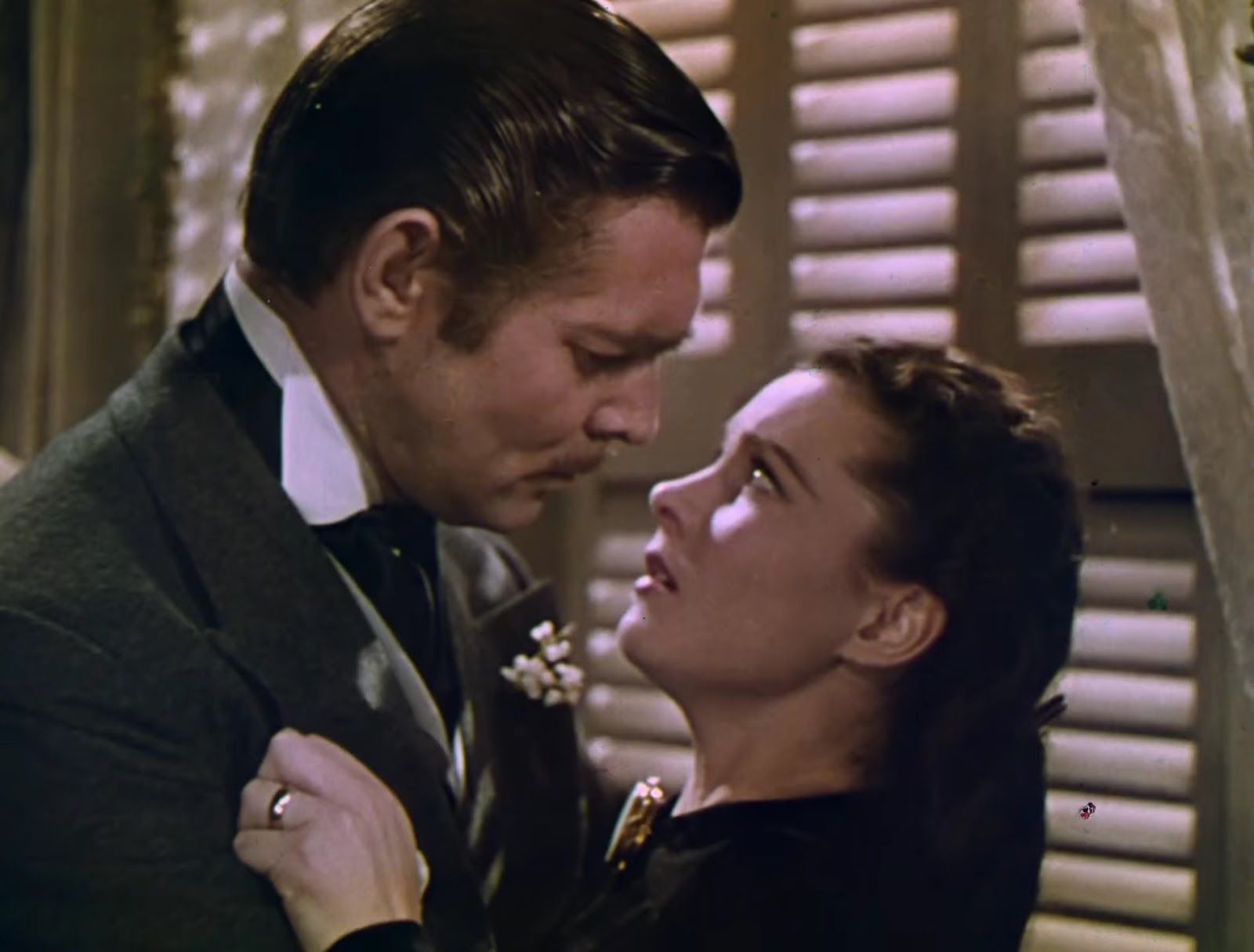
Image: Selznick International Pictures, Public domain, via Wikimedia Commons

Based on Margaret Mitchell's bestselling novel of the same name, this emotional depiction of Civil War and Reconstruction-era Georgia follows the impoverished Scarlett O’Hara as she strives to overcome the reality of post-war Southern U.S .

With a massive budget and as one of the first films to use Technicolor, the movie broke attendance records and is considered to be one of the greatest American films.

2
Stagecoach (1939)
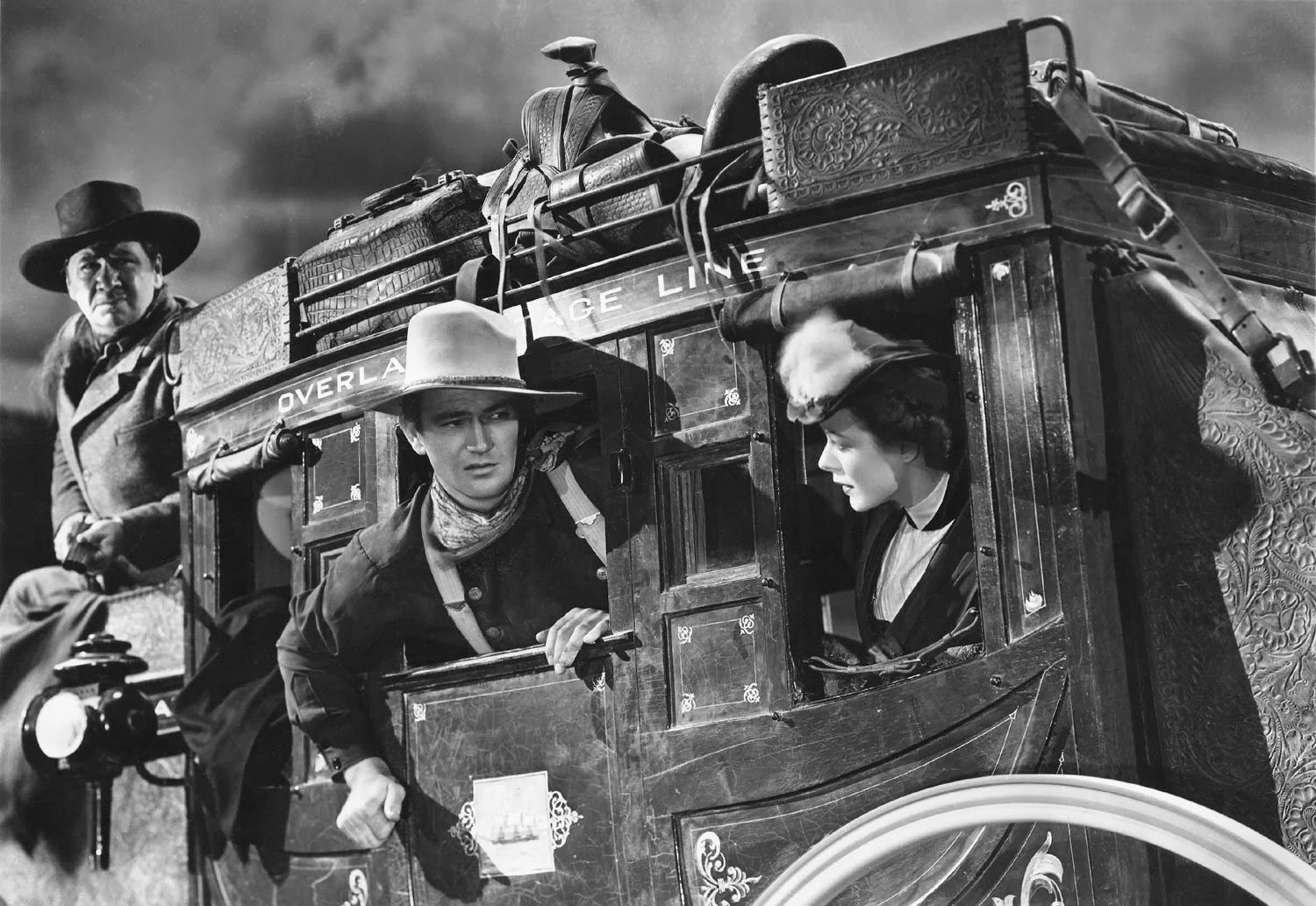
Image: United Artists, Public domain, via Wikimedia Commons

One of the many Westerns directed by the legendary John Ford, Stagecoach not only cemented John Wayne as an A-list actor but also elevated the concept of the Western film.

Considered a "perfect textbook of filmmaking" by Orson Welles, its characters and plot have often been described as an extraordinary representation of American archetypes and of the nation's ongoing struggle for political equality.

3
Citizen Kane (1941)
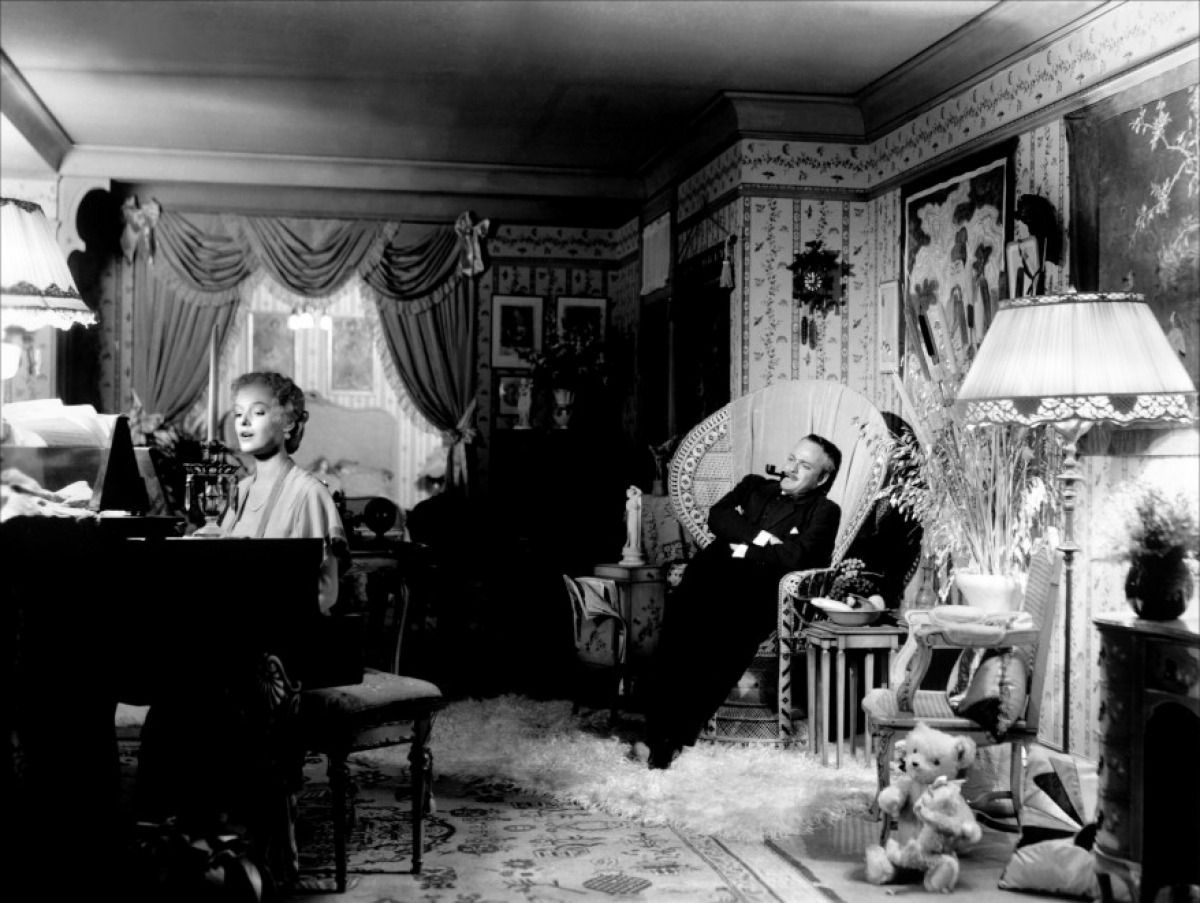
Orson Welles’s first film, and considered by many to be the greatest film of all time, this semi-biographical drama follows the life of Charles Foster Kane, loosely based on several American tycoons.

Welles’s filmmaking style featured new and innovative techniques that would later become standard in the industry. Filmed in just 82 days, the film was a critical success despite being suppressed in the media.

4
12 Angry Men (1957)
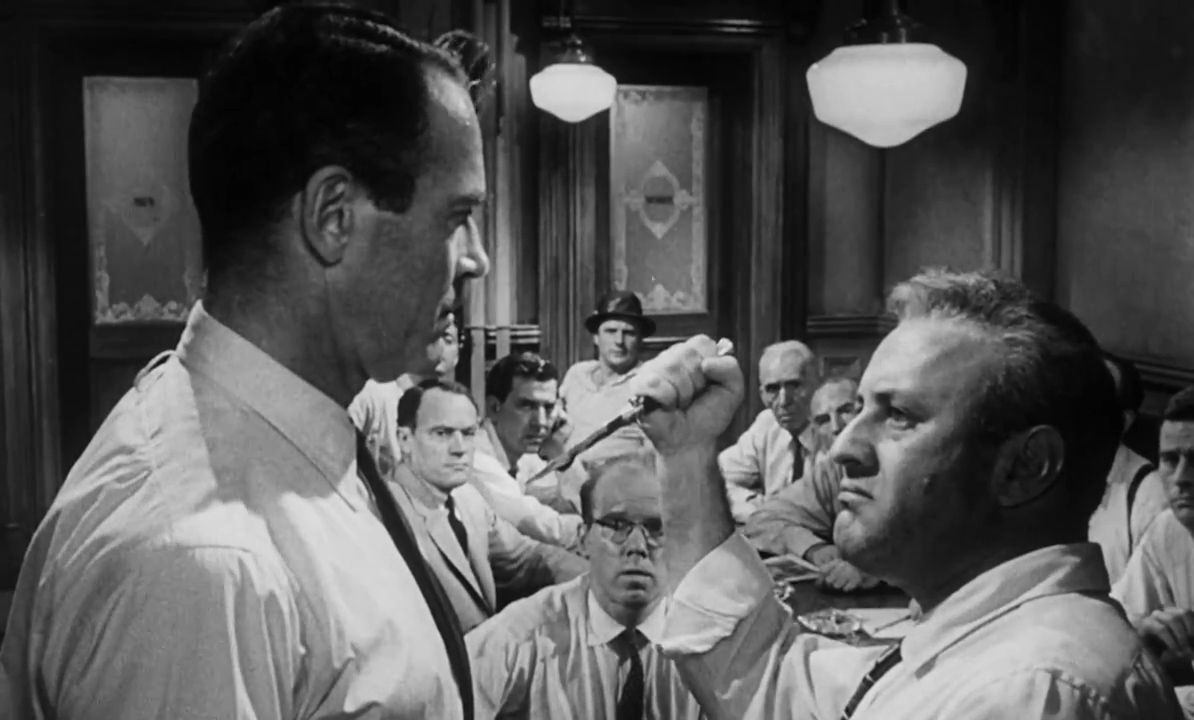
Image: United Artists, Public domain, via Wikimedia Commons

Adapted from a Reginald Rose play, this legal drama critiques the American jury system through the portrayal of 12 jurors as they deliberate whether to convict or acquit a teenager charged with murder, in a case where reasonable doubt exists.

The debate among the jurors, which leads them to question their values and morals, becomes a study of 1950s America and the dangers of mob mentality.

5
Psycho (1960)
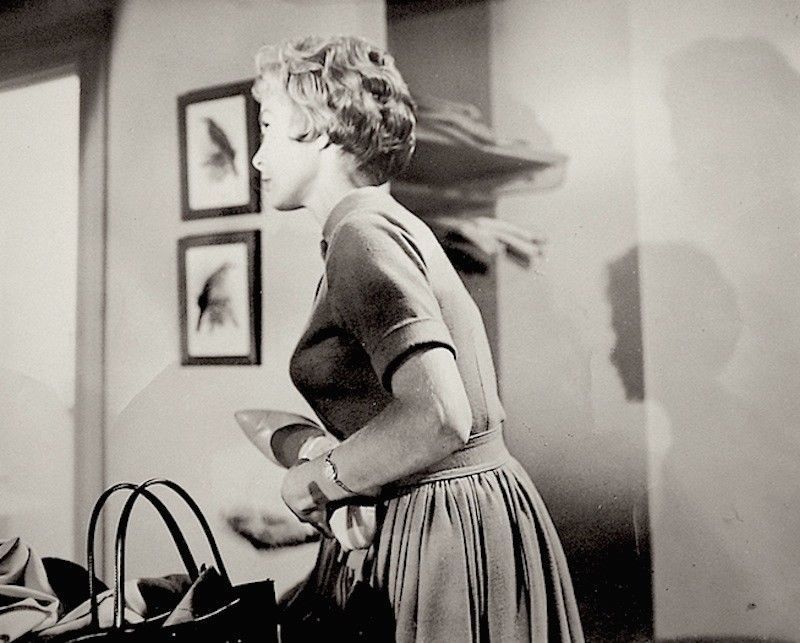
Image: Paramount Pictures, Public domain, via Wikimedia Commons

A horror classic by legendary director Alfred Hitchcock, Psycho follows the encounter of a secretary on the run with a disturbed mother-and-son motel owners. Despite its controversial subject matter, the film was a resounding success, becoming Hitchcock’s most financially successful movie.

Considered to be the first slasher film, it is one of the most influential horror movies of the 20th century , inspiring several sequels and remakes.

6
The Graduate (1967)

Image: Rob Bogaerts / Anefo, CC0, via Wikimedia Commons

An atypical romance-drama for the time, The Graduate was a success because it captured a generational break with its anti-heroic main character, who was disillusioned with the prior generation’s worldview.

Supported by innovative film techniques and featuring several Simon & Garfunkel songs, the film changed how music and marketing were used in cinema.

7
All the President’s Men (1976)
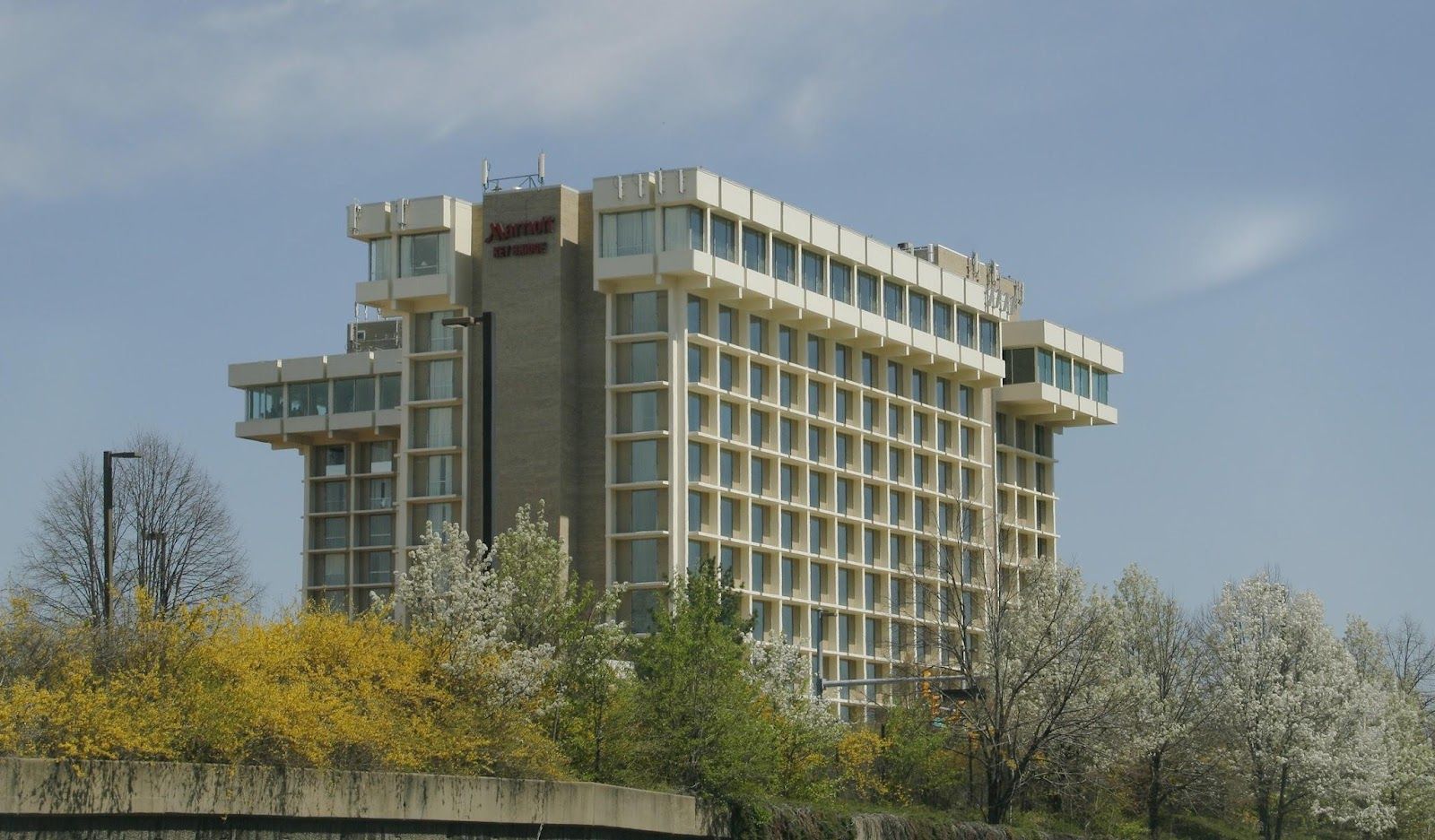
Image: David from Washington, DC, CC BY 2.0, via Wikimedia Commons

Based on the Watergate scandal and the journalists who investigated it, this film is considered a landmark political thriller.

A massive success, both critically and commercially, All the President’s Men won four Academy Awards and is considered one of the best portrayals of investigative journalism .

8
The Breakfast Club (1985)

Image: Aiden Sorabji

One of the most influential teenage movies of its time, The Breakfast Club was a huge success despite its low budget and limited production.

Its deconstruction of the mainstream high school stereotypes, along with its discussion of adolescent concerns and insecurities, made the film an all-time classic coming-of-age story.

9
Schindler's List (1993)

Image: Vitalii Kyktov

Based on the life of Oskar Schindler, a German factory owner who saved the lives of thousands of Jews during World War II, Schindler's List is considered a cinematic masterpiece that depicts a harrowing story with compassion and humanity.

A resounding critical and commercial success, the film has been praised by survivors and scholars alike for its role in raising global awareness of the Holocaust.

10
Saving Private Ryan (1998)
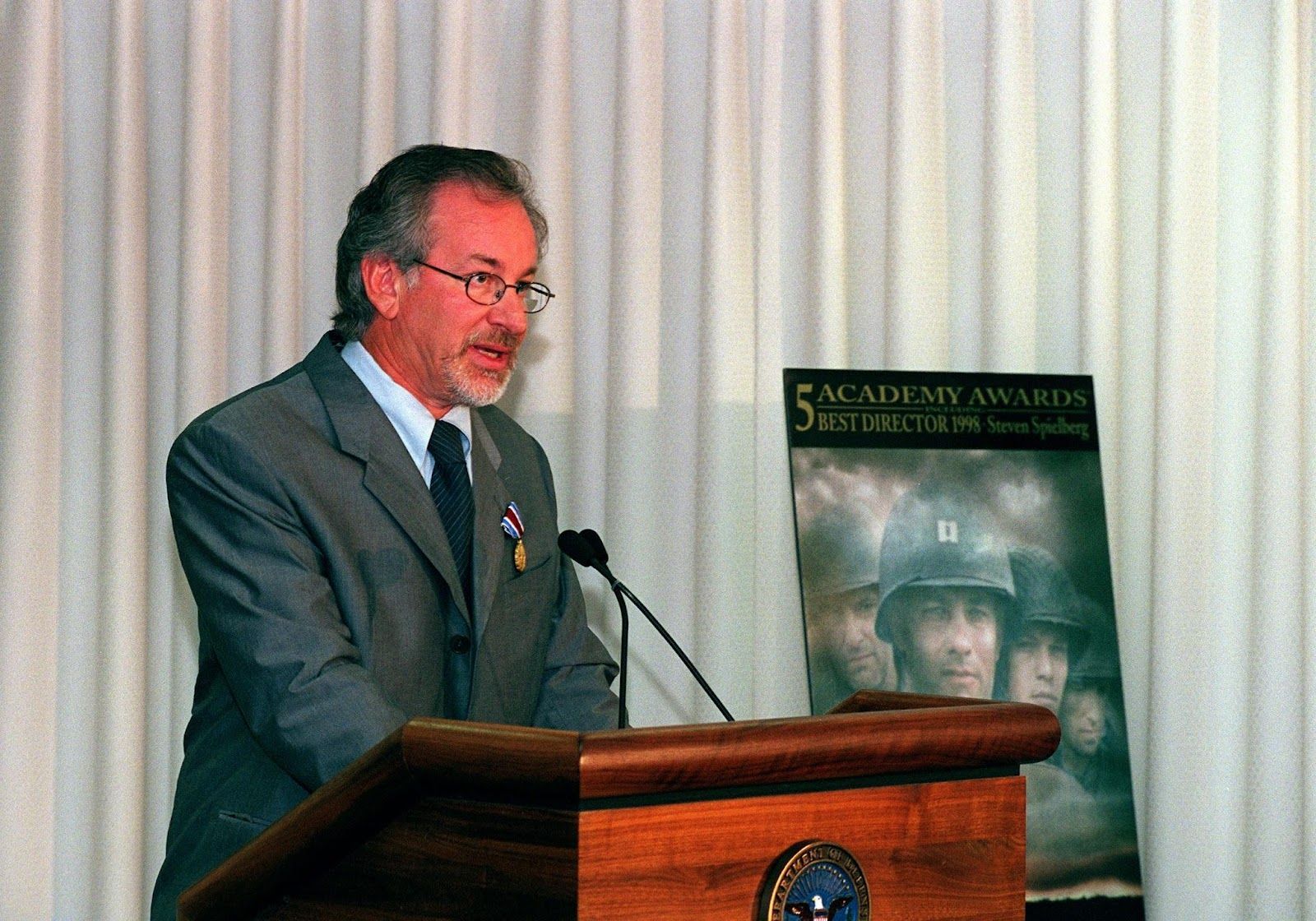
Image: Helene C. Stikkel, Public domain, via Wikimedia Commons

Following a group of soldiers on a mission to locate and retrieve the last surviving son of a family during World War II, this film was praised for its authenticity, especially its opening sequence depicting the Omaha Beach landing on D-Day.

Widely considered to have redefined the war film genre , Saving Private Ryan distanced itself from other movies that glorified and idealized World War II, showcasing the suffering and struggles of individuals during the conflict.

Geography Geography 5 min read

Time for a road trip!

Let’s hit the road and journey through the American West Coast!

Image: Dino Reichmuth / Clément Proust

America is undoubtedly the perfect country for a road trip, isn’t it? This beautiful country of ours is filled to the brim with gorgeous landscapes, breathtaking scenery, and well-maintained highways that seamlessly connect all 50 states. However, it shouldn’t come as a surprise that the United States is massive, and a road trip covering the entire country would be a huge (albeit rewarding) endeavor. With that in mind, we have selected 10 of the most amazing stops you should definitely include whenever you’re planning an unforgettable trip through the West Coast states. Enjoy!

1
Pacific Coast Highway

Image: Lance Anderson

We’ll begin this hypothetical trip of ours in California, and "The Golden State" offers an equally convenient and panoramic way to travel along its stunning coastlines. California State Route 1 is known by many names, such as Cabrillo Highway, Shoreline Highway, or Coast Highway, but it is perhaps best recognized as the "Pacific Coast Highway."

This state route crosses many iconic and gorgeous locations in California, including Big Sur, the San Francisco Bay Area, and the Monterey Bay Area. Beyond its scenic beauty, the Highway is a pop culture icon in its own right, referenced in songs by bands like the Beach Boys and the Decemberists.

2
Yosemite

Image: Jordi Vich Navarro

Yosemite truly needs no introduction. This iconic national park spans 759,620 acres across four California counties, with nearly 95% of its total area designated as wilderness.

From its stunning giant sequoia trees to its breathtaking waterfalls, granite cliffs, and pristine streams, the park offers something for everyone. Yosemite is a quintessential example of the natural beauty America has to offer.

3
Red Rock Canyon State Park

Image: Kristen P

Since we’re still on the California portion of our fictional road trip, let’s make a quick stop at another natural treasure. Red Rock Canyon State Park is renowned worldwide for its stunning rock formations and its arid yet strikingly beautiful scenery.

While the weather is definitively drier than in other parts of California, don’t think for a moment that nature is absent in Red Rock Canyon. In fact, this park is home to the rare Red Rock Canyon monkeyflower, a unique flower found exclusively in this region.

4
California’s Lost Coast

Image: Paulius Dragunas

Last but certainly not least on the California leg of our trip is the stunning region known as the "Lost Coast." Situated in Humboldt and Mendocino counties, this area earned its name because it remains largely natural and undeveloped, the product of a surge in depopulation in the 1930s.

While the inaccessibility of the area is definitively a hurdle—its steep terrain makes establishing roads difficult—we highly recommend it to those adventurous enough to explore on foot. Its pristine, unspoiled landscapes are truly a sight to behold.

5
Willamette Valley

Image: Dan Meyers

Let’s now step into the wonderful state of Oregon to continue our fictional journey. What better place to start our tour through the "Beaver State" than through the beauty of Willamette Valley ? While this region is undeniably vast—stretching 150 miles and encompassing Oregon’s five largest cities—we’d like to highlight a few features that truly make this valley a beautiful area.

Driving through this predominantly agricultural landscape, publicized in the 1820s as a "promised land of flowing milk and honey," means running across rather scenic and bountiful sights. Trust us: watching the golden grapevines shimmer in the autumn sun is just one of the many experiences that make Willamette Valley so magical.

6
Oregon Coast

Image: Kevin Butz

The Oregon Coast not only offers unparalleled and gorgeous sights of the Pacific Ocean, but it's also a unique and massive area that encompasses more than 25 cities, lush landscapes, and a rich variety of birds, marine life, and other wildlife.

As you would expect, the many wonders of this area make the Oregon Coast a popular tourist destination. Those looking for adrenaline-fueled activities may be interested in surfing or sandboarding, while some history buffs might find intrigue in historic landmarks such as Fort Clatsop, Battle Rock, and Oregon’s many lighthouses.

7
Olympic National Park

Image: Georg Eiermann

Now that the route has taken us to the state of Washington, why not visit Olympic National Park and its gorgeous sights? Originally designated as Mount Olympus National Monument by President Theodore Roosevelt, this park is divided into four distinct regions, each hosting three unique ecosystems.

Due to its amazing variety, a single entry could never encompass all the natural wonders this park has to offer. However, we can highlight a few favorites: for instance, Mount Olympus, the tallest peak in the Olympic Mountains, or the Hoh Rainforest, renowned for its stunning Bigleaf maples.

8
The San Juan Islands

Image: David Lang

The San Juan Islands is a four-island archipelago at the border between Washington State and the Canadian province of British Columbia. The Islands are considered the go-to place for birdwatching enthusiasts, boasting the highest concentration of bald eagles in the contiguous United States.

If bird-watching is not your thing, don’t worry—there’s plenty more to see and do on these breathtaking islands. Several ferry tours offer access to some of the best panoramic views of the region, which, as you might imagine, are nothing short of stunning.

9
Denali National Park

Image: Bryson Beaver

We’ve now arrived in the final state of our West Coast road trip. In that sense, what better place to conclude our journey than the "Last Frontier"? With that in mind, let’s begin our exploration of Alaska with what many consider to be the state’s crown jewel: Denali National Park.

Denali holds the distinction of being the highest peak in North America, and while this is truly no small feat, that’s not what makes this area so special. This mountain’s immense size is rivaled only by its breathtaking magnificence. Denali is renowned for its stunning glaciers, lush forests, and diverse wildlife, which includes brown bears, beavers, and Arctic foxes.

10
Kenai Fjords National Park

Image: Kedar Gadge

Kenai Fjords National Park’s beauty is as stunning as it is diverse. Its landscapes are marked by truly unique and stunning features, such as glaciers, islands, and fjords. In addition to its remarkable terrain, the park is home to a wide variety of wildlife, including bald eagles, black bears, and sea otters.

Designated by President Carter in 1978, the park is primarily visited by cruise ships and tour boats. Thousands of visitors are awestruck each day by the grandeur of Kenai Fjords, including the famous Exit Glacier, which is located at the end of the park’s only road.

Culture Culture 7 min read

Camelot & beyond

Jackie Kennedy, beyond the White House

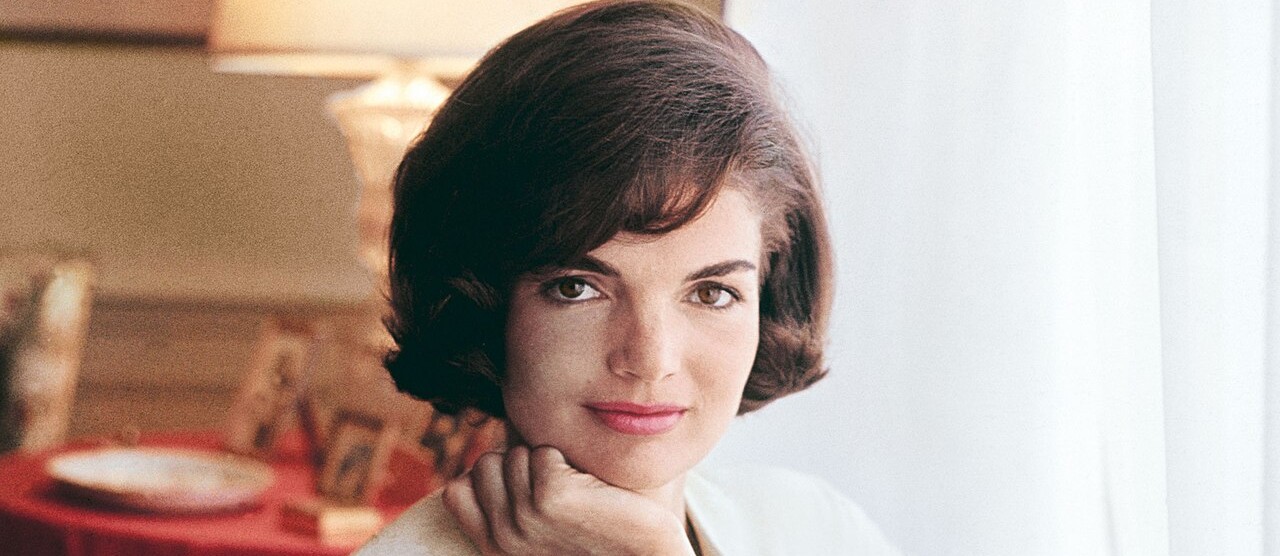
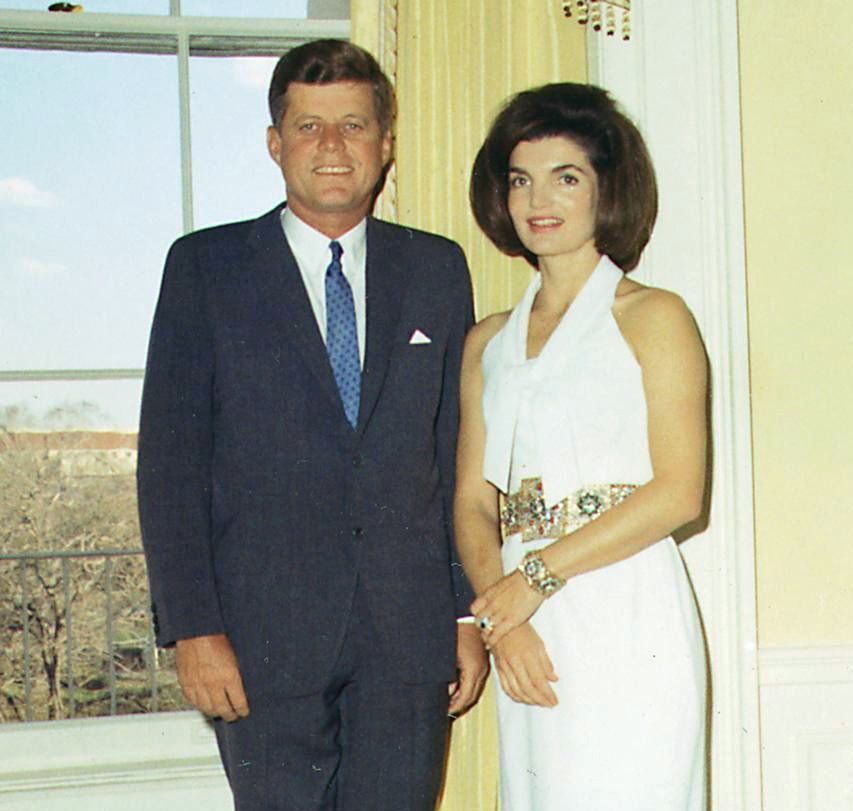
Image: Mark Shaw, Public domain, via Wikimedia Commons

Few American women of the 20th century became as recognizable as Jacqueline Kennedy. Her years in the White House made her a global figure, but there was much more to her story than her famous style or marriage to John F. Kennedy. She was a journalist, a mother, an editor, and a preservationist with a lifelong interest in history and culture. These 12 moments reveal the experiences that shaped Jackie Kennedy.

1
Childhood and privileged upbringing

Image: Barnabas Davoti

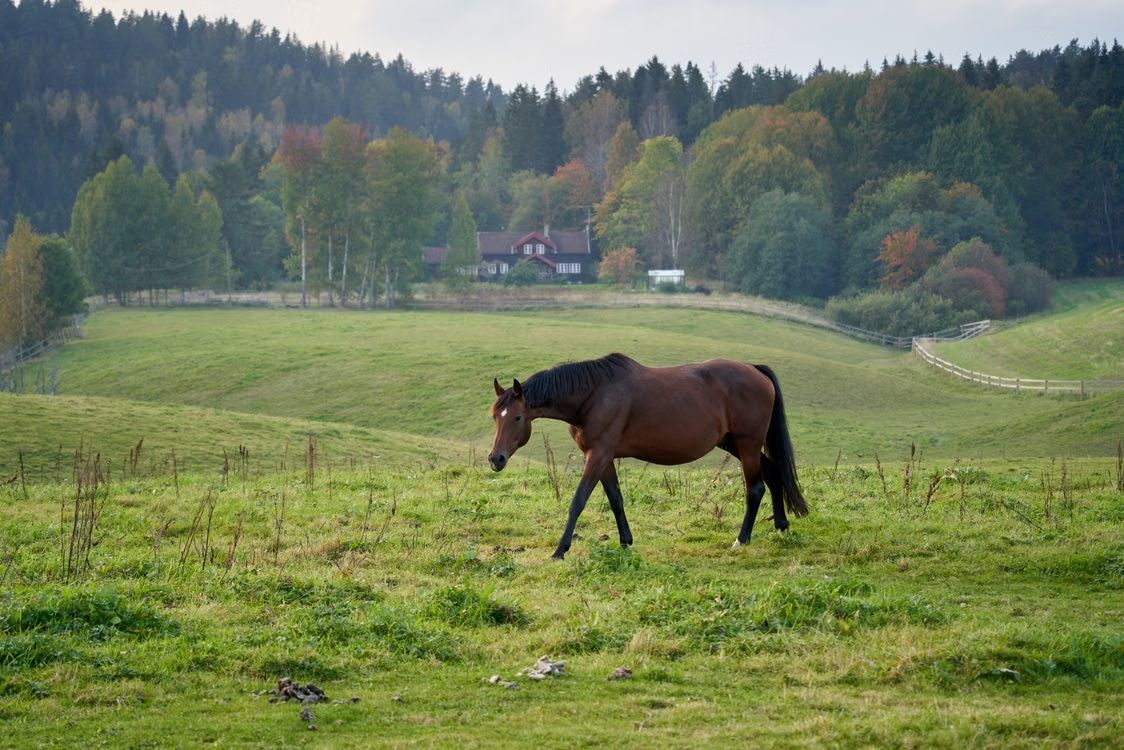
Jacqueline Lee Bouvier was born on July 28, 1929, in Southampton, New York, into a wealthy New York family. Her father, John Bouvier, was a successful stockbroker, while her mother, Janet, encouraged her daughters to develop an appreciation for culture, languages, and the arts. Young Jackie also became an accomplished horsewoman and won several national equestrian championships as a child.

Her parents divorced when she was 10, and her mother later married businessman Hugh Auchincloss. Jackie split her time between high-society Manhattan and the Auchincloss family's homes, including a large estate in Virginia. She was exposed to travel, art, history, and high society from an early age, all interests that stayed with her.

2
Studying in France

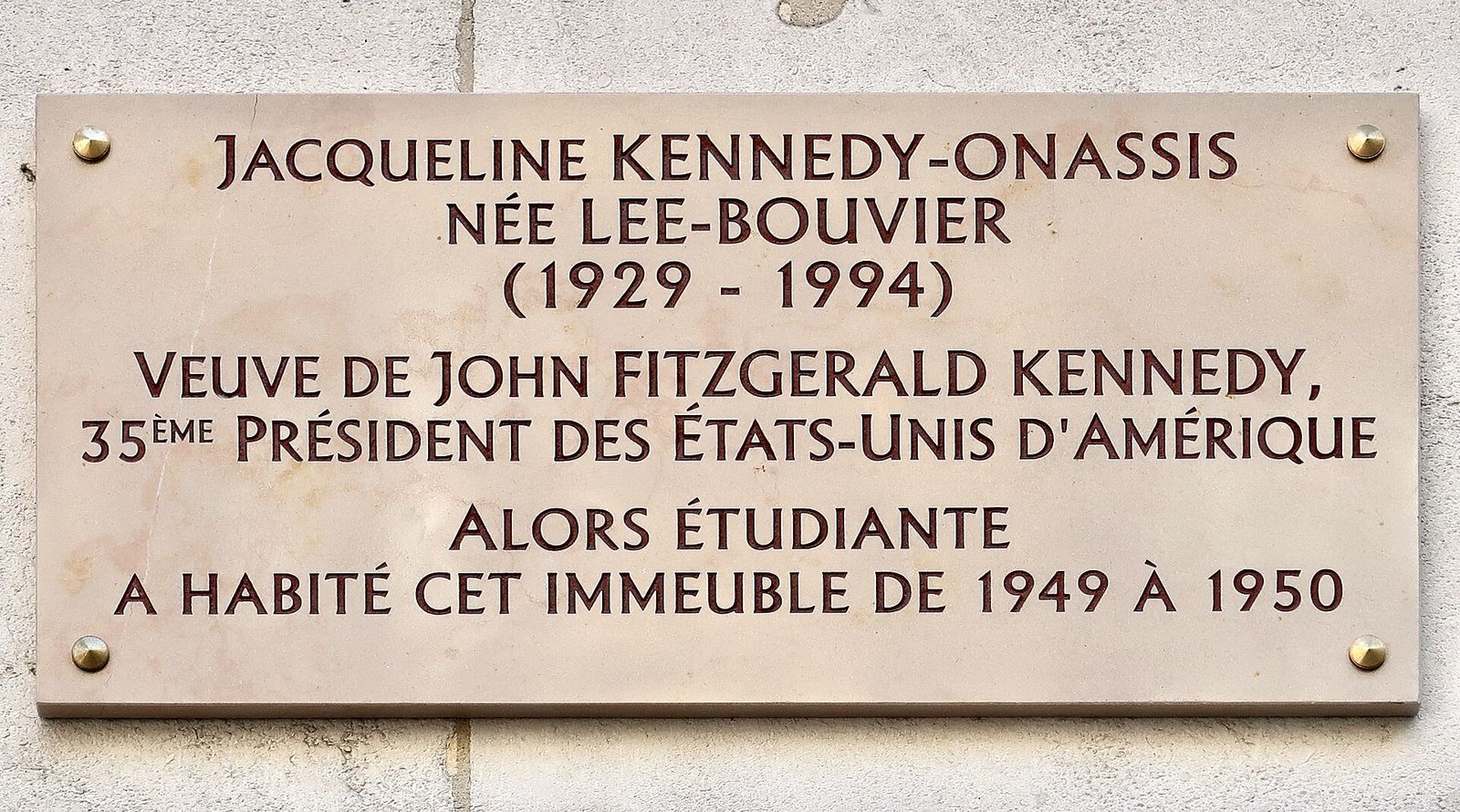
Image: Celette, CC BY-SA 4.0, via Wikimedia Commons

France became an important part of Jackie's life while she was still a college student. In 1949, during her junior year at Vassar College, she studied abroad in Paris . She lived with a French family and immersed herself in the French language, history, and culture.

The year in France stayed with Jackie long after she returned home. She ultimately graduated from George Washington University in 1951, but her love of French and European culture never faded. As First Lady, that interest showed in her appreciation for historic art, architecture, and design.

3
Working as a newspaper photographer

Image: Peter Burdon

Before becoming a Kennedy, Jackie had a job that put her directly in the middle of Washington life. In 1951, she joined the Washington Times-Herald as an "Inquiring Camera Girl," traveling around the city with a camera and interviewing people she encountered for her column.

Her assignments brought her into contact with politicians, celebrities and ordinary Washington residents . She covered events including Dwight D. Eisenhower's inauguration and the coronation of Queen Elizabeth II. The job gave Jackie valuable experience in journalism, photography and public life before she ever entered the White House.

4
Meeting John F. Kennedy

Image: Cecil W. Stoughton, Public domain, via Wikimedia Commons

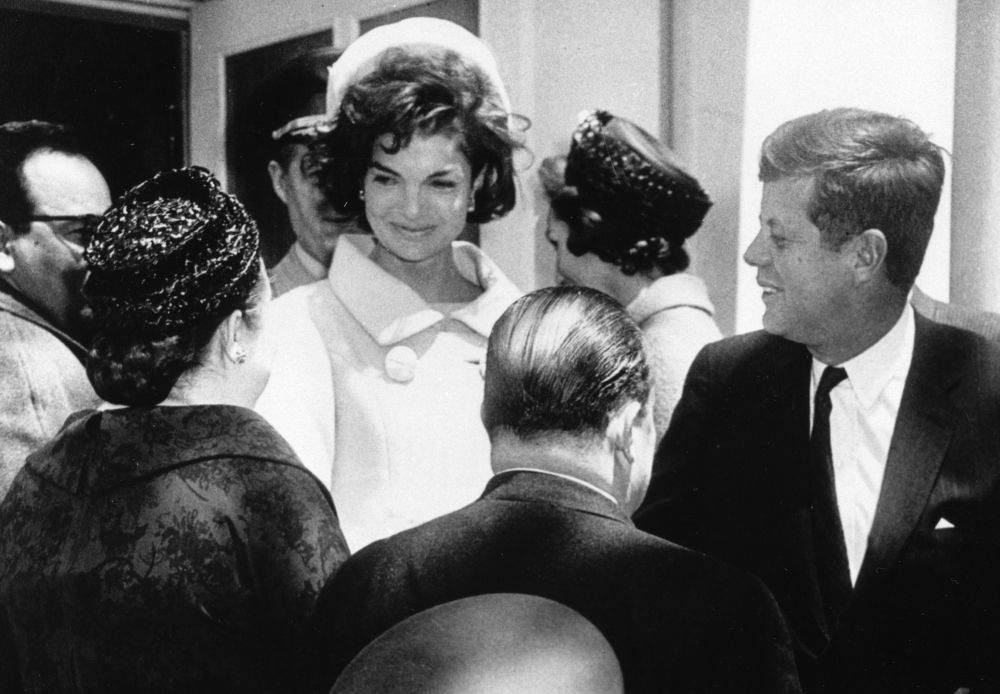
Jackie met John F. Kennedy in Washington in 1952 through mutual friends. Hailing from a prominent Massachusetts family, Kennedy was a young congressman at the time and was preparing to run for the U.S. Senate, while 23-year-old Jackie was working at the Washington Times-Herald.

The two quickly became a couple, and Kennedy proposed in June 1953. They were young, well-connected, and soon became one of Washington's most talked-about couples. By marrying Kennedy, Jackie was stepping into a political world that would soon make her one of the most recognizable women in America.

5
The 1953 wedding

Image: Cecil Stoughton, White House, Public domain, via Wikimedia Commons

On September 12, 1953, Jacqueline Bouvier and John F. Kennedy were married at St. Mary's Church in Newport, Rhode Island. More than 1,200 guests attended the reception at Hammersmith Farm, the estate of Jackie's stepfather, Hugh Auchincloss. The wedding received extensive attention from the press and society pages.

Marriage also brought Jackie into a more demanding political world. While Kennedy continued his career in Washington, she supported him through his recovery from serious back problems. During this period, she encouraged him to work on a book about senators who had demonstrated political courage . Profiles in Courage was published in 1956 and won the Pulitzer Prize in 1957.

6
Life as a political wife

Image: Oak Ridge National Laboratory, CC BY 2.0, via Wikimedia Commons

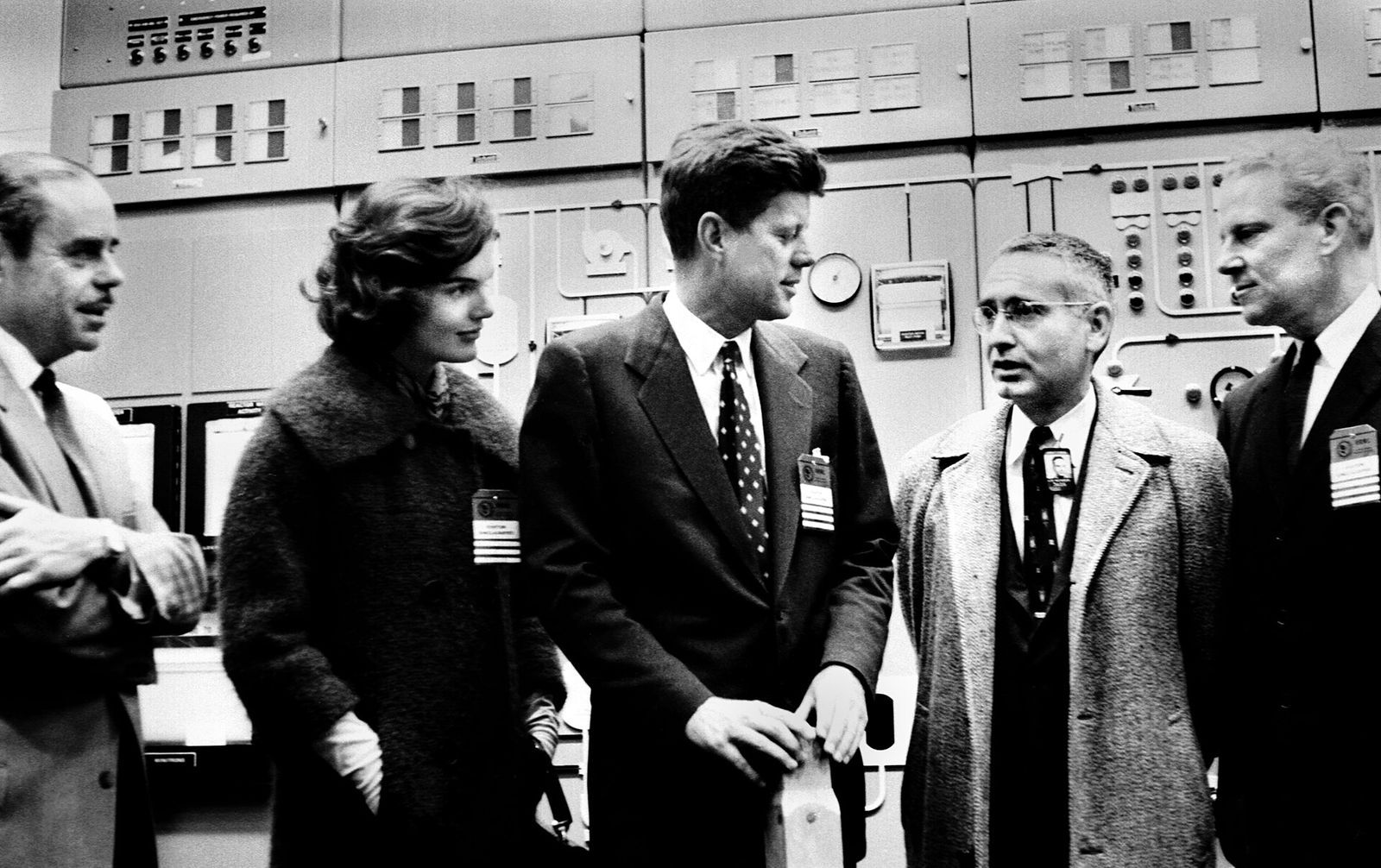
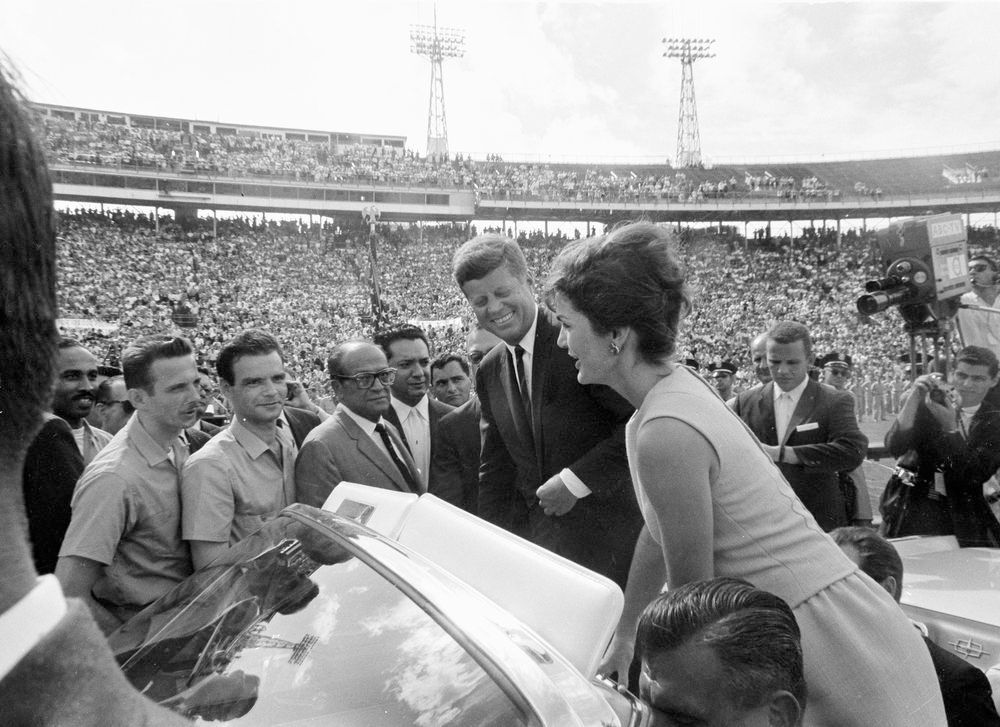
As Kennedy's political ambitions grew, so did Jackie's public role. During his 1960 presidential campaign, she became a visible supporter, although her pregnancy (with second child John F. Kennedy Jr.) prevented her from traveling extensively. Instead, she answered campaign letters, gave interviews, filmed TV ads, and wrote a syndicated newspaper column called "Campaign Wife."

Jackie understood that a candidate's family could shape public perception. At the same time, she was protective of her private life and wanted to shield her children from excessive attention. Finding that balance between public expectations and family privacy would remain a recurring theme throughout her life.

7
Becoming First Lady

Image: Cecil Stoughton, Public domain, via Wikimedia Commons

On January 20, 1961, John F. Kennedy became the 35th president of the United States, making 31-year-old Jacqueline Kennedy one of the youngest First Ladies in American history. Her arrival brought a youthful, sophisticated, and distinctly cultural presence to the White House.

She quickly made clear that she wanted the presidential residence to reflect its history. Jackie was particularly interested in American furniture, paintings, architecture, and decorative arts. At the same time, she was raising two very young children: Caroline was 3, while John Jr. was just over 2 months old when Kennedy took office. She wanted the White House to feel like a home for her family as well as the president's official residence.

8
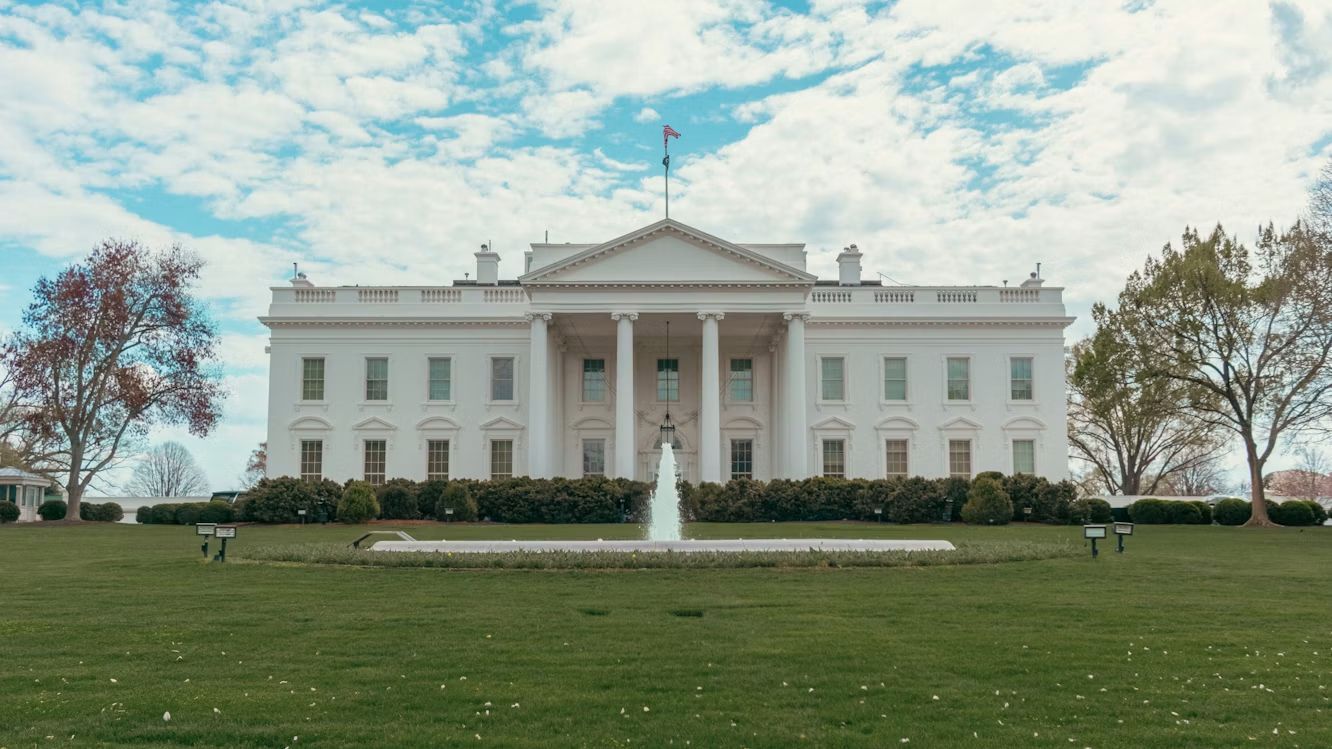
The White House restoration

Image: Zihao Wang

One of Jackie's most significant projects as First Lady was the restoration of the White House. She was concerned that historic furniture and objects had been removed over the years and wanted the building to better reflect its past.

She brought in experts and helped establish a Fine Arts Committee and the position of White House curator. Jackie also encouraged the return of historically significant furniture and decorative objects. Her efforts helped change the way the White House was viewed , from simply the president's residence to an important, living piece of American history.

9
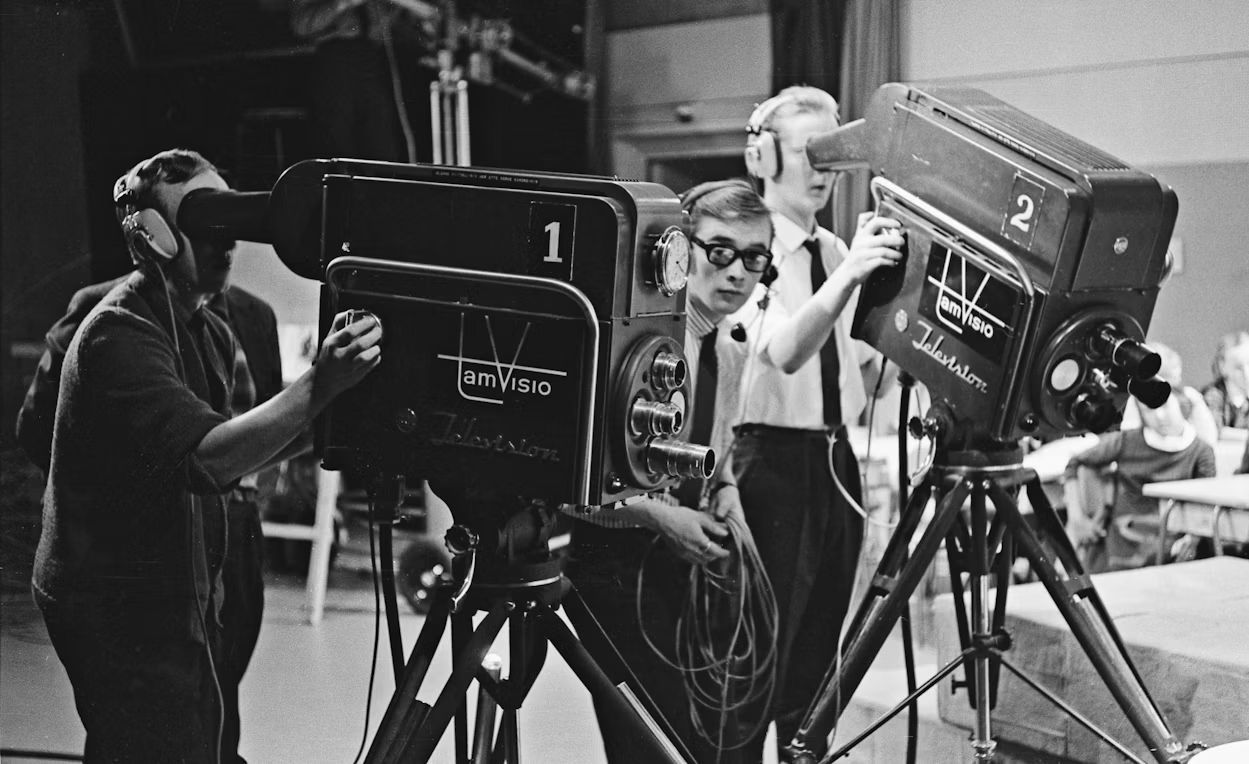
The televised White House tour

Image: Yle Archives

On February 14, 1962, millions of Americans were invited inside the White House through a televised tour hosted by Jackie. In the broadcast, she walked viewers through the restored rooms, explaining the history behind the furniture, paintings, and decorative objects.

The program was watched by an estimated 56 million people and earned Jackie an honorary Emmy Award. It was an extraordinary TV moment for the time, allowing Americans to see parts of the White House that were normally inaccessible. Just as importantly, Jackie used the broadcast to explain why preserving the building's history mattered.

10
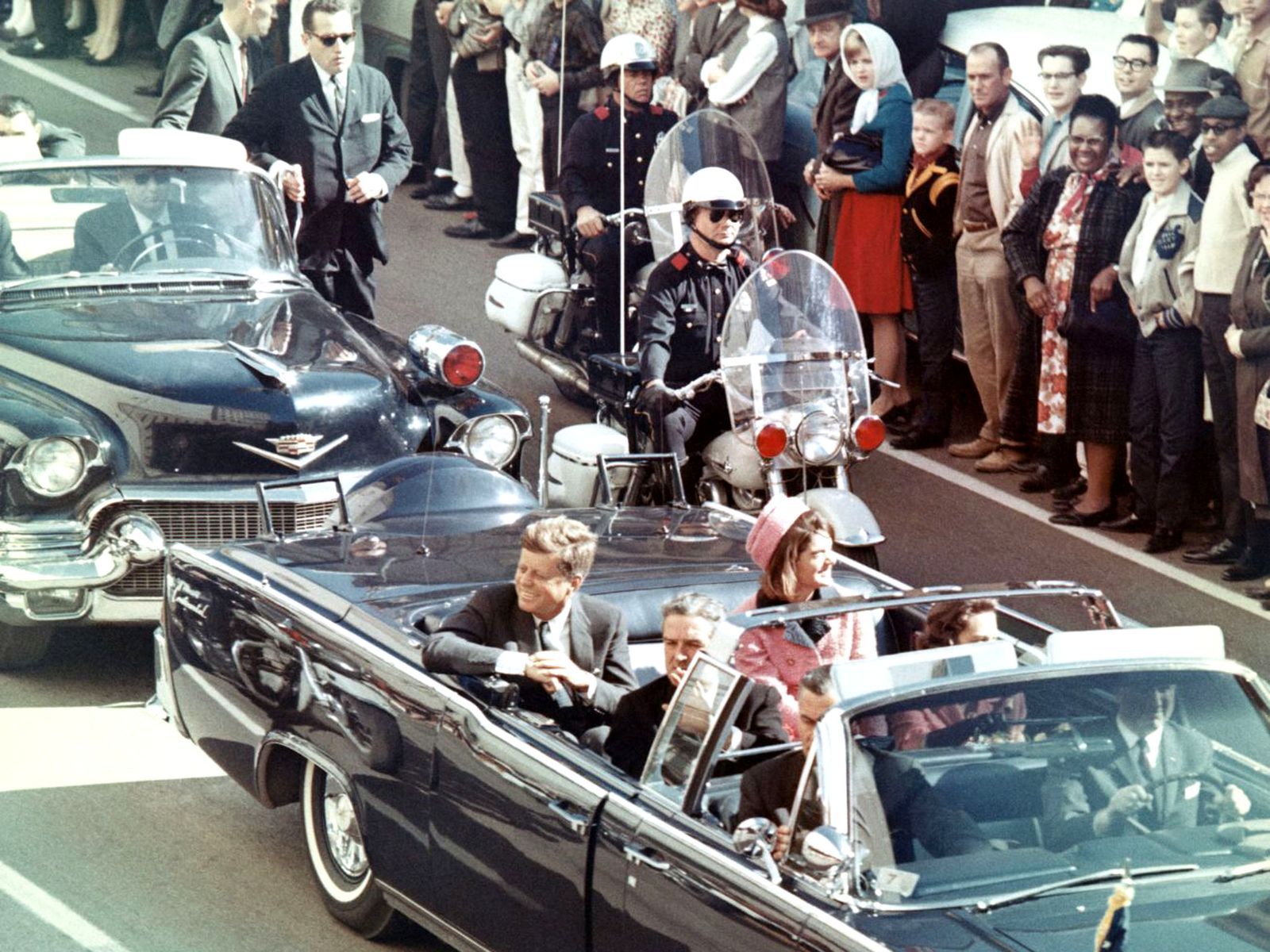
JFK's assassination

Image: Walt Cisco, Dallas Morning News, Public domain, via Wikimedia Commons

November 22, 1963, changed Jackie's life forever. She was sitting beside her husband in the presidential motorcade in Dallas when he was assassinated. At just 34 years old, she suddenly became a widow and a single mother while the entire country, if not the world, watched.

Jackie remained closely involved in the funeral arrangements, including the decision to hold a funeral procession modeled partly on Abraham Lincoln's. Her composure during those days became one of the most enduring images of the tragedy. In the years afterward, she also contributed to efforts to preserve Kennedy's papers, records and legacy, including the creation of the John F. Kennedy Presidential Library in Boston.

11
Marriage to Aristotle Onassis

Image: Michael Neubert from Arlington, VA, USA, CC BY 2.0, via Wikimedia Commons

Five years after Kennedy's assassination, Jackie married Greek shipping magnate Aristotle Onassis on October 20, 1968. The wedding took place on the private Greek island of Skorpios and generated enormous international attention.

The marriage gave Jackie and her children a life away from the intense political spotlight surrounding the Kennedy family. Onassis died in 1975, leaving Jackie widowed for a second time at age 46. By then, however, she was preparing to build a new professional identity beyond her husbands.

12
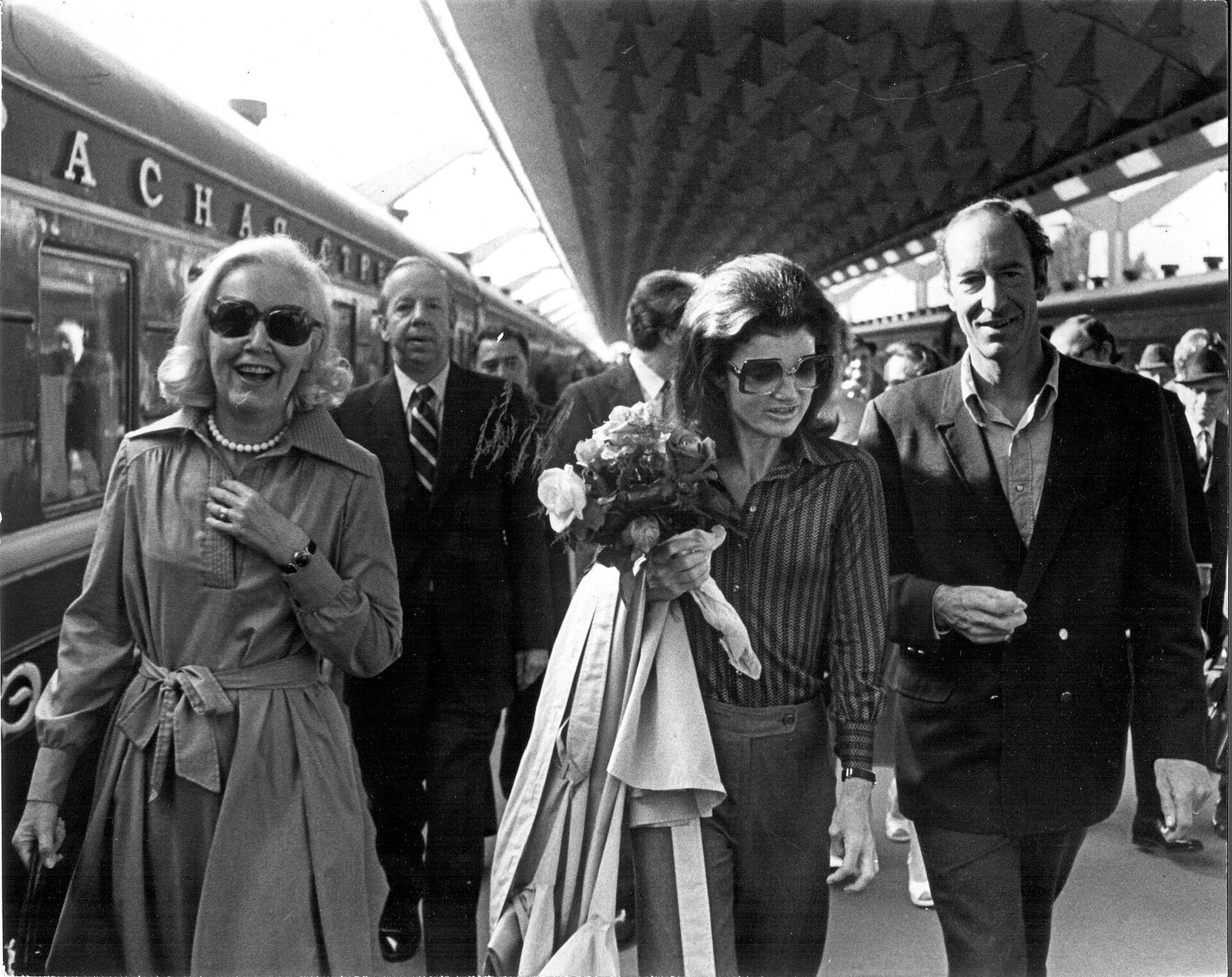
Her career as an editor and preservationist

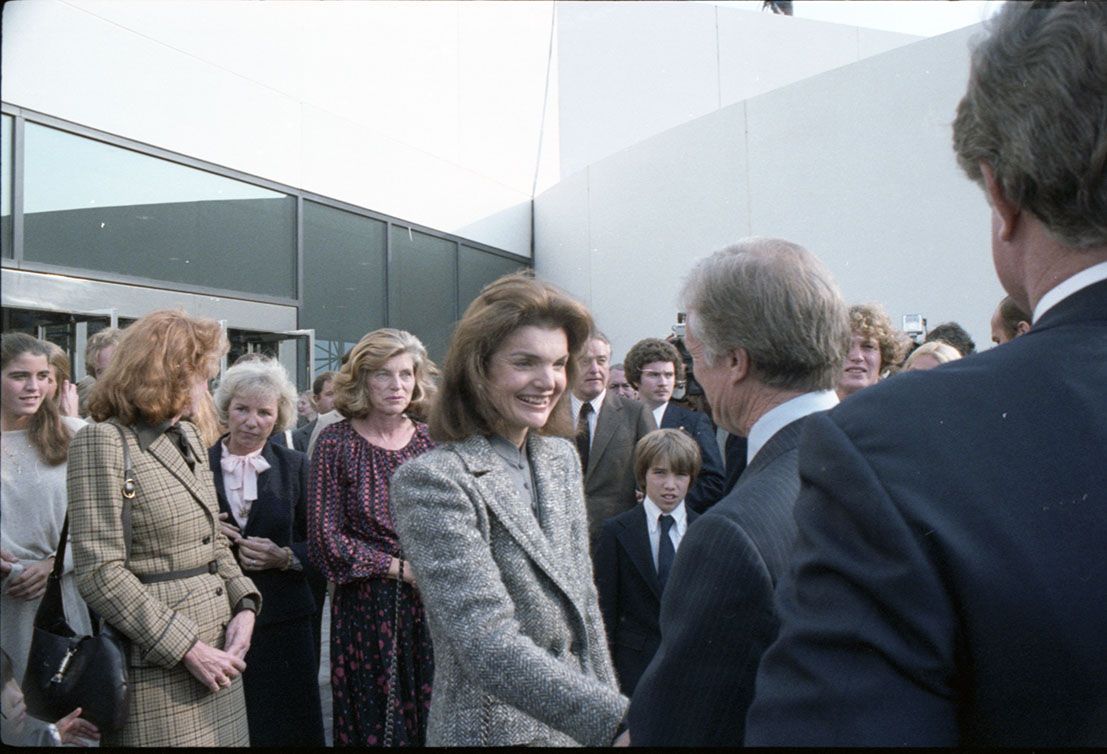
Image: The Jimmy Carter Presidential Library, Public domain, via Wikimedia Commons

Jackie entered the publishing world after her years in the White House, first working as an editor at Viking Press and later joining Doubleday in 1978. She worked with authors and manuscripts and developed a genuine career in publishing rather than simply appearing in the industry because of her famous name.

Her passion for preservation continued as well. In 1975, she became involved in efforts to protect historic buildings in New York, most famously campaigning to save Grand Central Terminal from demolition. That work reflected an interest that had begun with the White House restoration years earlier: preserving the architecture and history of places that might otherwise be lost. She died in her sleep in New York on May 19, 1994, at the age of 64, from complications of non-Hodgkin lymphoma.

Explore more American facts

Choose your favorite category!

General
General

As American as apple pie—the very best America has to offer!

Culture
Culture

Delve into the astounding richness of American lore.

Geography
Geography

Hop in and explore vast and diverse American landscapes.

History
History

Discover the key moments that shaped the United States.