General General 3 min read

Organized living is always better

Most Americans store these 10 items incorrectly. How about you?

Image: Alicia Christin Gerald

Most Americans store household items wherever they seem convenient. Of course they do, why wouldn’t they, right? But as it turns out, over time, heat, humidity, and clutter can quietly shorten an object’s lifespan or make it harder to use. Organizing experts say many common habits are actually working against us. The good news is that small storage changes can make everyday items last longer. Here are some of the most commonly misplaced ones.

1
Books

Image: Ed Robertson

Many of us stash books in closets or basements to save space , but these areas often trap moisture. Over time, humidity can warp covers, yellow pages, and encourage mold growth, especially in older homes.

A better option is open shelving in a living area where air can circulate freely. Keeping books visible not only helps protect them but also encourages reading and makes it easier to enjoy them regularly.

2
Medicine
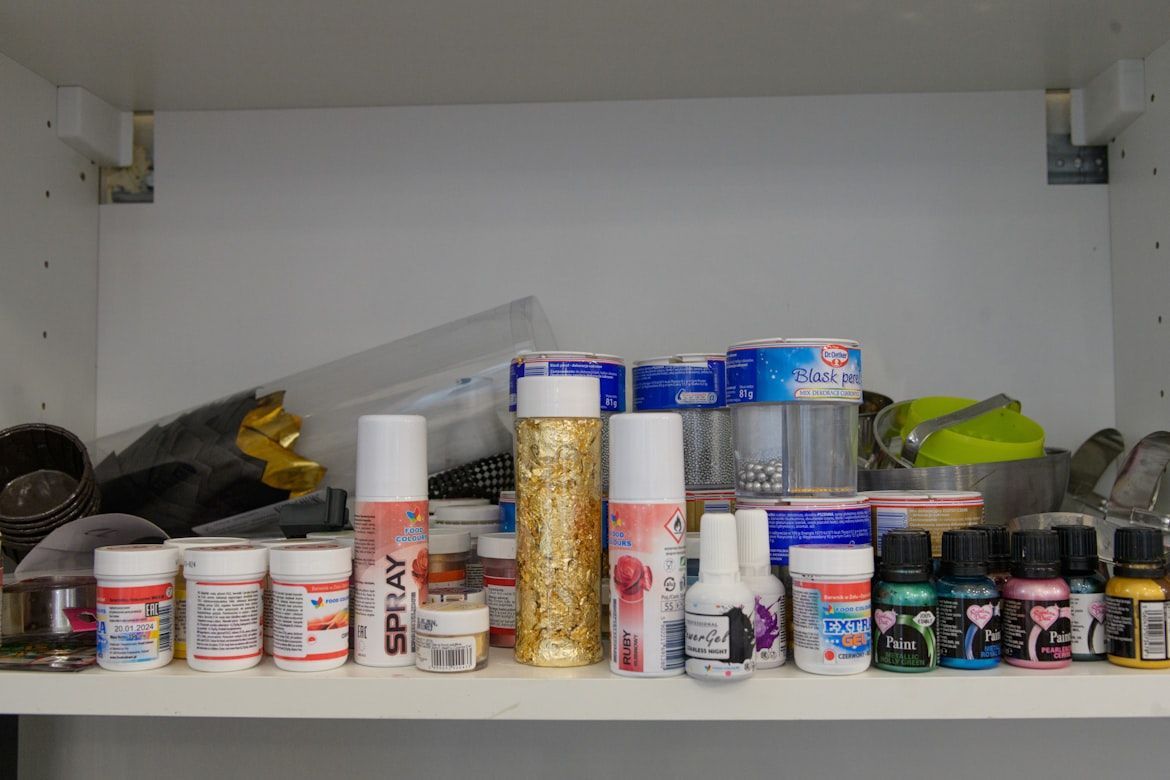
Image: Joanna Stołowicz

Bathrooms are the most common place Americans store medication, yet heat and steam can reduce a drug’s effectiveness over time . Moisture can also cause pills to break down faster or labels to peel off.

A cool, dry place like a bedroom drawer or hallway cabinet is generally safer. Keeping medication out of the bathroom helps preserve its potency and makes expiration dates easier to track.

3
Important documents
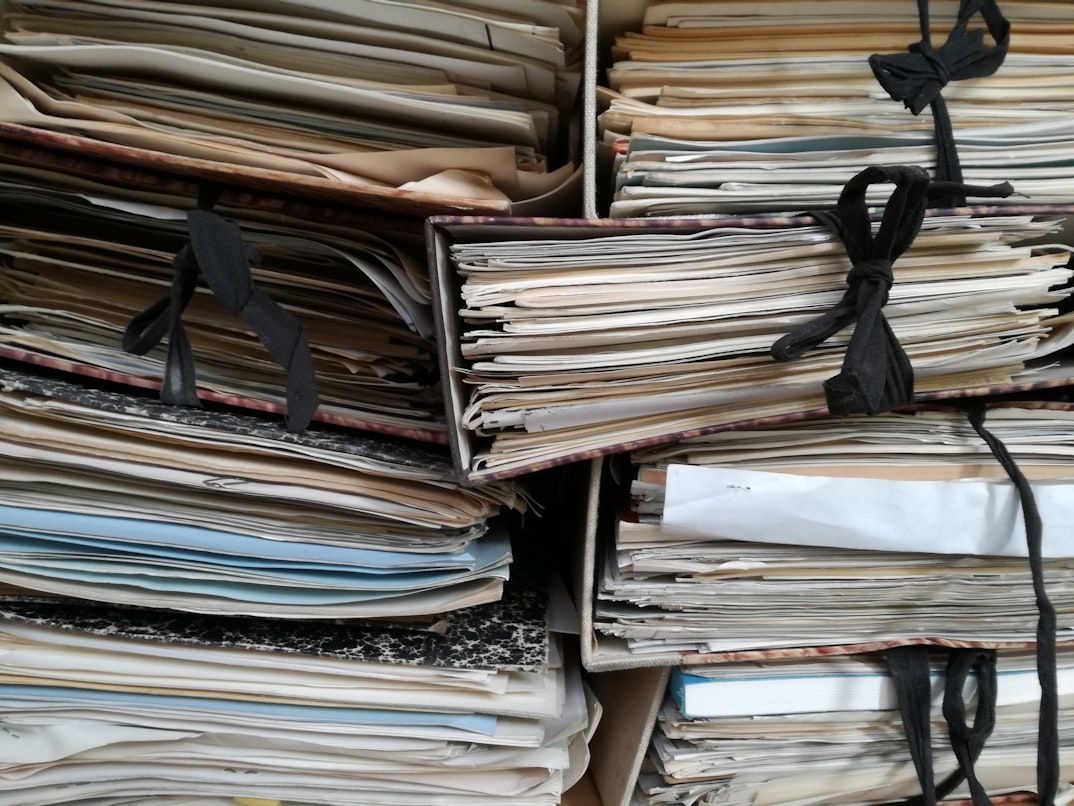
Image: Sear Greyson

Birth certificates, insurance policies, and property deeds are frequently scattered across drawers or stacked in filing piles . This makes them hard to find during emergencies and leaves them vulnerable to damage.

Experts suggest using a dedicated fire-resistant file or document box kept in a consistent location. Centralizing paperwork saves time and reduces stress when documents are suddenly needed.

4
Photo albums and loose photographs
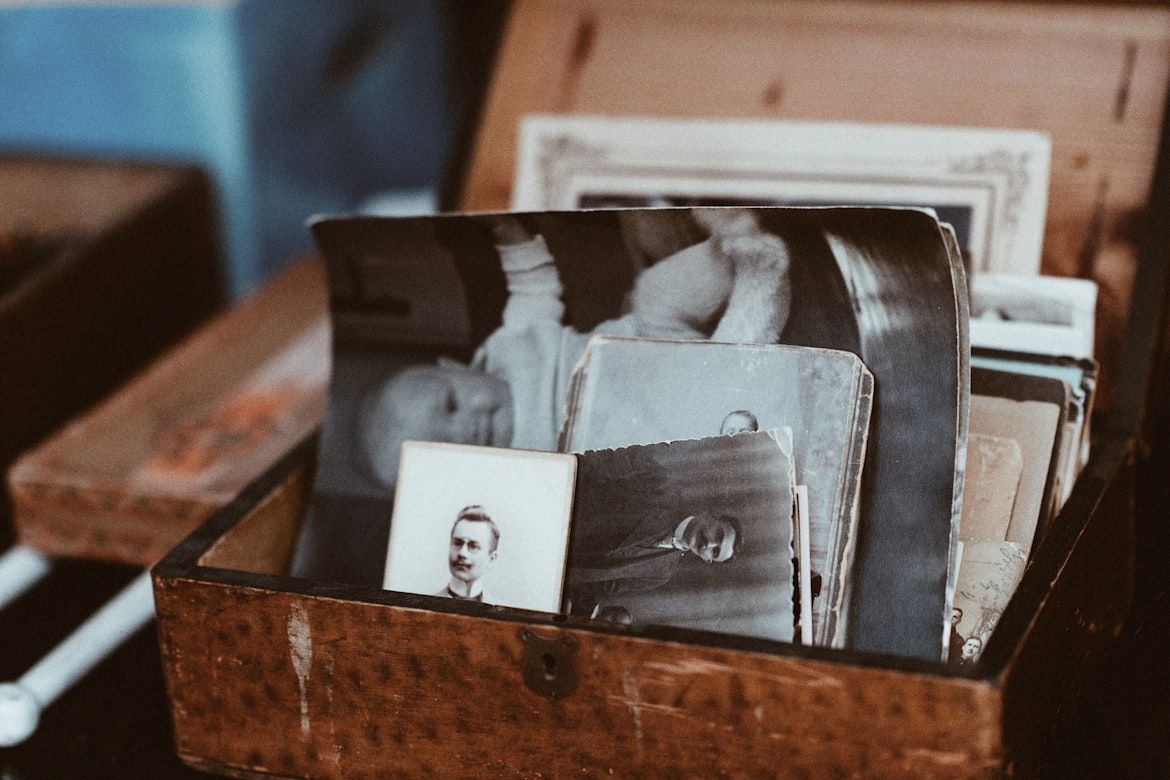
Image: Roman Kraft

Many families store photos in garages or basements, where temperature swings and moisture can cause fading and curling . Once damaged, photographs are often difficult or impossible to restore.

Photos last longest when stored in acid-free boxes kept in interior closets. Proper storage preserves memories and ensures future generations can enjoy family history without deteriorating.

5
Olive oil
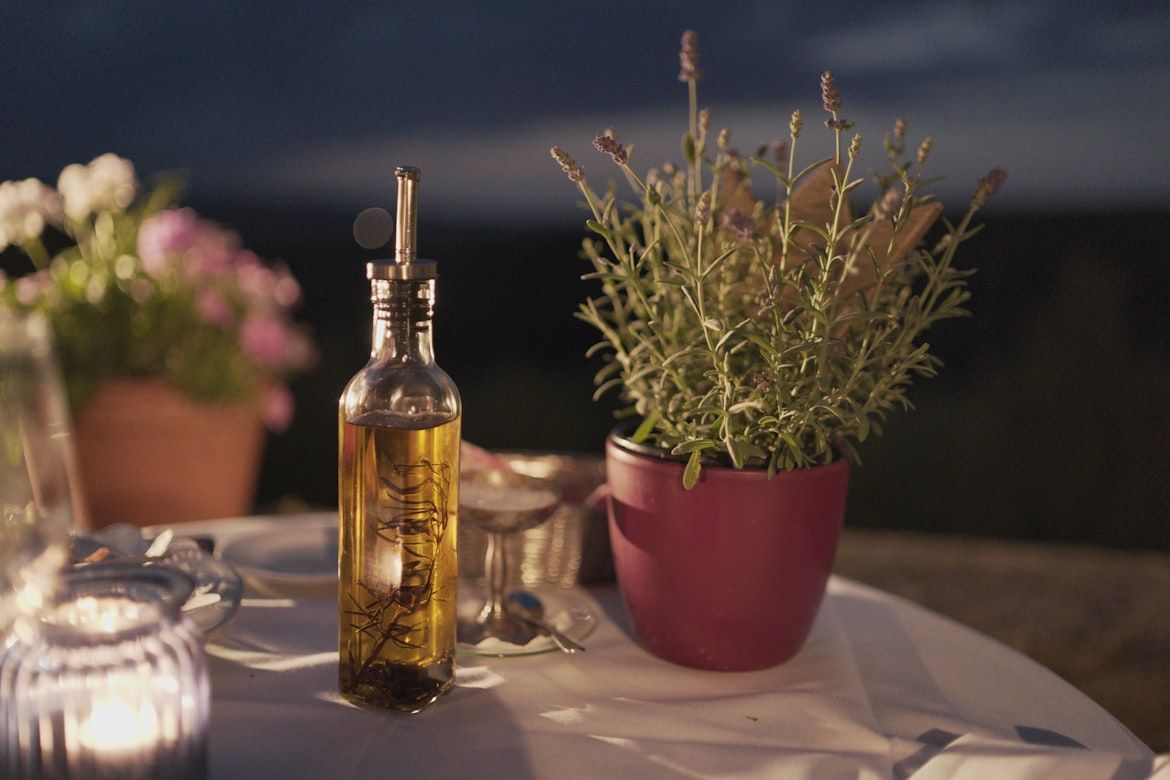
Image: Dimitri Karastelev

Many Americans keep olive oil next to the stove for convenience. Unfortunately, exposure to heat, light, and air causes oil to turn rancid faster , affecting flavor and nutritional value.

A cool, dark cabinet away from appliances is ideal. Storing olive oil in a tightly sealed, opaque container further slows degradation. Proper storage helps olive oil retain its taste longer and prevents waste caused by premature spoilage.

6
Coffee

Image: Aldino Hartan Putra

Coffee is often kept in its original bag on the counter or in the pantry. Exposure to air, light, heat, and moisture gradually degrades its aromatic compounds, dulling its flavor , even if the beans are freshly roasted.

An airtight container stored in a cool, dark place is generally best for preserving aroma and taste. This simple change keeps coffee fresher and makes each cup more enjoyable.

7
Bread
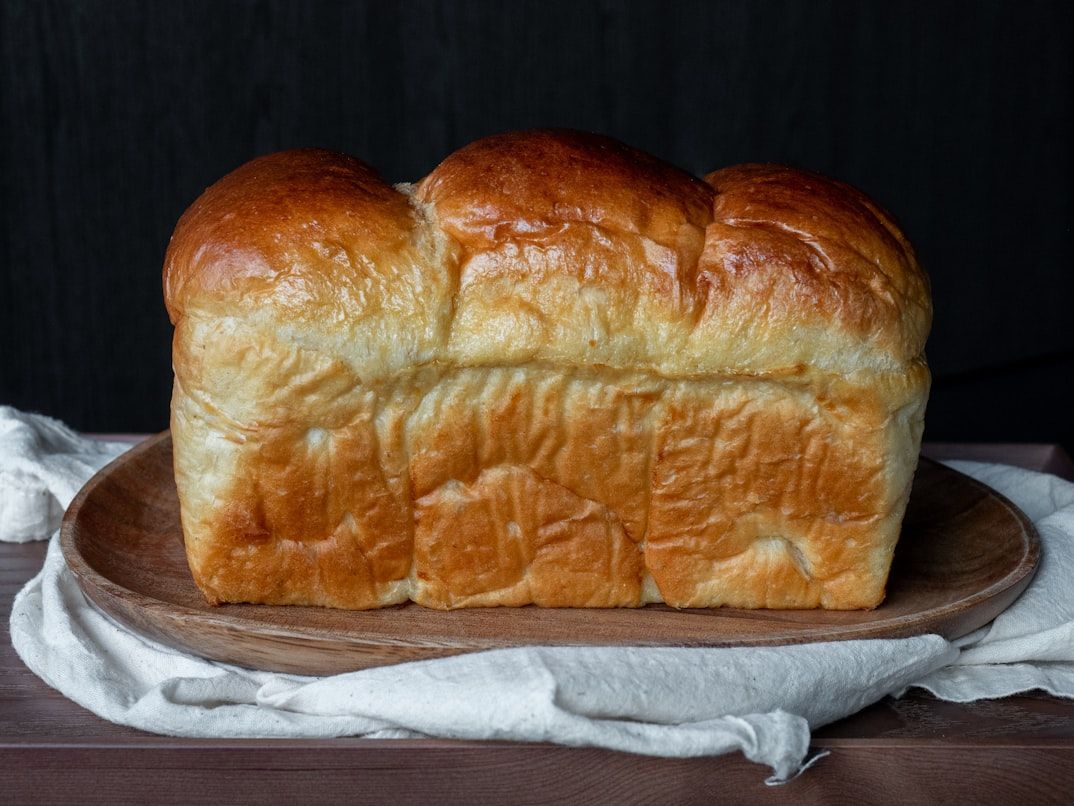
Image: Vicky Ng

Many people refrigerate bread to keep it fresh, but cold temperatures actually dry it out faster . The result is a dry, stale texture and often unnecessary food waste.

Freezing bread preserves freshness far more effectively. When wrapped tightly to prevent freezer burn, sliced loaves can be toasted straight from the freezer, extending shelf life without sacrificing quality.

8
Spices

Image: Heather McKean

Spice racks near the stove are common, but heat and steam weaken flavors over time . Spices may still look fine while losing much of their potency and taste.

A drawer or cool cabinet away from heat helps spices last longer. Keeping containers tightly sealed further protects against moisture and oxidation. Better storage keeps meals flavorful and reduces how often spices need replacing.

9
Toothbrushes

Image: Peng Liu

Left uncovered near sinks or toilets, toothbrushes are exposed to moisture and airborne bacteria . This can lead to hygiene issues and faster wear.

Storing brushes upright in a well-ventilated holder that allows them to air-dry completely is generally recommended. Cleaner storage improves longevity and supports better personal hygiene.

10
Batteries
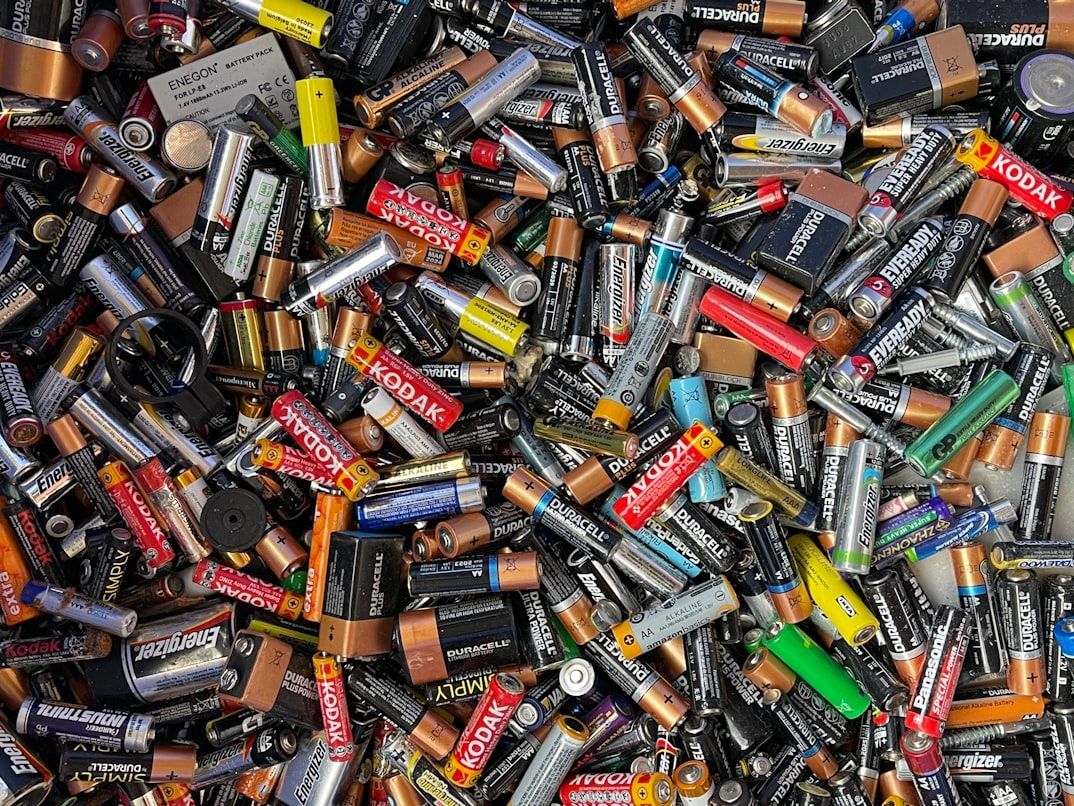
Image: John Cameron

Loose batteries tossed into junk drawers can rub against metal objects such as coins or paper clips, potentially causing short circuits, leaks, or loss of charge . Damaged batteries may ruin devices later.

Keeping batteries stored by type in a labeled container prevents contact issues. Organized storage extends battery life and makes replacements easy to find.
History History 3 min read

Alternative history

The strange tale of Deseret—and other U.S. states that almost were

Image: Chris Lawton

Ever looked at a U.S. map and thought it could use a few adjustments? You wouldn’t be the first. Over the past 250 years, dozens of proposed states nearly joined the Union —born from bold ideas, local rebellions, or just geographic quirks. While none made it through Congress, they left fascinating marks on American history. From the mysterious lost state of Deseret to the proposed Native American haven of Sequoyah, here are 10 would-be states that nearly carved out a place in the stars and stripes.

1
Franklin

Image: Brett Wharton

Also known as the Free Republic of Franklin or the State of Frankland, this short-lived territory in eastern Tennessee declared independence from North Carolina in 1784. Its founders even petitioned Congress and appealed to Benjamin Franklin for support—hence the name—but it never gained official recognition.

By 1788, the movement had collapsed, and the area was reabsorbed into North Carolina before eventually becoming part of Tennessee in 1796. Today, the "State of Franklin" lives on mostly in U.S. law school exams as a fictional stand-in for a generic state —often where the imaginary property Blackacre is located.

2
Jefferson

Image: Shelby White

This proposed state has its origins in the 19th-century California Gold Rush, when settlers in the remote, resource-rich region between northern California and southern Oregon pushed for self-governance.

Though their efforts were largely ignored, the movement resurfaced over time. In 1941, frustrated locals staged a symbolic one-day secession. Armed men stopped traffic near Yreka, handing out a Proclamation of Independence declaring the State of Jefferson in "patriotic rebellion" and vowing to "secede every Thursday until further notice."

3
Deseret

Image: SoloTravelGoals

Proposed by Mormon settlers in 1849, the State of Deseret would’ve spanned a massive portion of the West. The name Deseret is derived from the word for "honeybee" in the Book of Mormon, and the vision was of a theocratic state encompassing parts of present-day Utah, Nevada, Arizona, and beyond.

Congress denied the proposal due to its size and religious nature, but a stone donated by Deseret’s supporters in 1853 was still placed in the Washington Monument.

4
Sequoyah

Image: MJ Tangonan

Proposed in 1905, this would’ve been a Native American–majority state in what is now eastern Oklahoma. Despite extensive lobbying by representatives of the Five Civilized Tribes, Congress refused, preferring a single Oklahoma Territory.

Despite its failure, the proposed state’s constitution left a lasting legacy —much of its content was later adopted into the Oklahoma Constitution.

5
Absaroka

Image: Michael Bourgault

Named after the Crow word for "children of the large-beaked bird," the State of Absaroka was proposed in 1939. Comprising parts of Wyoming, Montana, and South Dakota, the idea emerged mainly as a protest against New Deal policies, which were deeply resented by the rural population.

Leaders of the movement even issued license plates, but the effort never gained serious traction and remained a largely symbolic gesture.

6
Westsylvania

Image: Matthew Lancaster

Proposed during the Revolutionary War, Westsylvania would have been a new state formed from the western parts of Virginia and Pennsylvania . Backwoods settlers, feeling neglected by distant colonial governments, sought self-governance.

However, Congress rejected the plan to avoid stirring further conflict during wartime.

7
Superior

Image: Mikaela Charette

With such a strong regional identity, it was perhaps inevitable that Michigan’s Upper Peninsula would eventually seek statehood. Efforts began as early as the 1850s and resurfaced repeatedly due to the region’s political and economic isolation.

Another proposed name for the state was Ontonagon. Despite these repeated attempts, the Upper Peninsula remained part of Michigan.

8
Lincoln

Image: K. Mitch Hodge

Named for Abraham Lincoln, this proposed state would have split the Texas Panhandle from the rest of the state. Throughout the 1860s and again in the 1880s, residents of the Panhandle and surrounding areas sought separation due to the region’s distance from Austin and cultural differences.

While none of the proposals gained enough federal support, residents of the area still feel distinct today and take pride in their unique identity.

9
Texlahoma

Image: Tommy Bond

Another failed attempt at carving out part of one of the largest states in the U.S., the State of Texlahoma would have—as its name suggests—combined portions of Texas and Oklahoma into a single state.

The push for autonomy was especially strong during the Dust Bowl, when a shared economy and perceived neglect by local governments united residents of both regions.

10
Columbia (D.C. Statehood)

Image: Heidi Kaden

Washington, D.C., has long been considered for statehood under the name of Columbia . Multiple bills and referenda have tried to turn the federal district into the 51st state, as residents pay federal taxes but lack voting representation in Congress.

Despite strong support among D.C. residents, the idea has yet to gain serious traction at the national level.

General General 5 min read

ANIMATED TREASURES

Relive the good old days with 10 of the most iconic cartoon characters!

Image: Taha

Let’s take a trip back to your childhood : It’s Saturday morning, you made yourself a bowl of your favorite cereal and you sit in front of the TV screen to watch some cartoons. What’s the first character that comes to mind? It might very well be one of the 10 cultural icons we have selected for this list. These timeless characters truly transcend all generations, since they have been able to thoroughly entertain and inspire countless Americans throughout the decades. So, without further ado, let’s pay homage to these 10 American cartoon characters! Enjoy!

1
Mickey Mouse

Image: Kadyn Pierce

We’ll start strong with what’s probably the most famous cartoon character in the world. When you think about it, it’s rather uncanny how instantly recognizable Mickey Mouse is: It only takes drawing three small circles for virtually anyone in the world to identify Disney’s iconic mascot.

However, while nowadays Mickey acts more like a spokesperson for Disney, he got his start as a groundbreaking cartoon character, featured in now legendary shorts like "Steamboat Willie", "The Plow Boy", and "The Barn Dance". Perhaps more famous is Mickey’s short included in the feature film "Fantasia", in which he plays a clumsy sorcerer’s apprentice.

2
Charlie Brown & Snoopy

Image: Joshua Carl

We couldn’t possibly add the main character of the "Peanuts" newspaper strips without including his iconic black and white dog. Charlie Brown and Snoopy have been featured in several TV shows, including many fondly remembered Christmas specials.

Charlie Brown’s "aw-shucks" attitude and Snoopy’s mischievous charisma have truly cemented them as two of the most popular cartoon characters in history. Since their first TV appearance in 1965, this duo is still featured in new specials and films, with their latest show premiering in 2021.

3
Garfield

Image: Jason Yuen

Another newspaper strip-turned-animated character, Garfield is one of the most relatable characters in this list. Now, you might be thinking "What on God’s green earth do I have in common with a cartoon orange cat?" Well, more than you think: Garfield’s smarts, love for food, and utter disdain for Mondays truly turned him into one of America’s favorite cartoon pets.

Garfield’s jump from Jim Davis’ comics to TV first came in the early 80s, through a number of Emmy-nominated specials that included "Here Comes Garfield", "Garfield on the Town", and "Garfield in the Rough". In 1988, our favorite feline debuted in his very own TV show called "Garfield and Friends".

4
Scooby-Doo

Image: Brandon Salabarría

Is your town haunted by strange apparitions, dastardly creatures, or terrifying monsters? Then it sounds like you need the help of four meddling kids and their dog! Scooby-Doo revolutionized cartoons by adding crime-solving to a mostly comedic genre. Every week, the amateur detectives of "Mystery Inc." would solve a mystery, unmasking a no-good villain pretending to be some sort of fantastical creature.

The gang was aided by Scooby, their cowardly yet lovable Great Dane. Although he preferred eating snacks over solving mysteries, he ultimately always helped his friends whenever they needed him. Fun fact: Did you know that Scooby’s name was inspired by a Frank Sinatra song?

5
The Flintstones

Image: Bekir Uğur

Did you know that our favorite prehistoric family was the very first animated series featured in a prime time slot? That goes to show how much America loved the Flintstones : Every week, millions of families turned to their TV screens to laugh away with Fred, Wilma, Barney, and Betty’s adventures.

Set in the fictional town of Bedrock, "The Flintstones" featured a rather imaginative depiction of the Stone Age, mixing prehistoric elements with modern issues. Perhaps most famously, the show depicted prehistoric versions of modern appliances, like an octopus dishwasher or a dinosaur-can opener.

6
The Jetsons

Image: Rock'n Roll Monkey

While in "The Flintstones" Hannah-Barbera showcased the adventures of a Prehistoric family, the iconic animation studio went in the opposite direction with " The Jetsons ": For this show, the studio asked the question "How would the typical Space Age American family be?"

This show follows the everyday life of the Jetson family, comprised of George, Jane, Judy, and Elroy Jetson. Just like "The Flintstones", the show is fondly remembered for reimagining everyday technology: It predicted video calls and automated helpers decades before the first iPhone was produced.

7
Tom & Jerry

Image: Teresa Jang

Who says rivals can’t make up a good duo? If anything, Tom and Jerry’s legacy was built in this constant and neverending bickering, resulting in hilarious and exciting confrontations that don’t usually end up good for this beloved tomcat.

Another animated treasure conceived by the minds of William Hanna and Joseph Barbera, Tom and Jerry made use of these two characters’ insane charisma: Although they were mostly silent, their expressions and resourcefulness truly made them unforgettable. Several "Tom & Jerry" shorts received Academy Awards, including the fan-favorite episode "The Cat Concerto."

8
Popeye

Image: thomas RICHARD

If Garfield made us love lasagna, then Popeye had the slightly more difficult mission of making kids enjoy eating their spinach. And yet, this iconic sailor made such a daunting task look easy by showcasing the Herculean strength this simple vegetable gave him.

Popeye made his big screen debut in 1933 after Betty Boop creator Max Fleischer adapted the character’s adventures into a series of shorts. Fleischer was the first to include Popeye’s love for spinach, turning it into the character’s most famous trait. Whenever he was in trouble, Popeye would turn to a can of spinach that would always give him the strength needed to save his beloved Olive Oyl from the hands of the villainous Brutus.

9
Yogi Bear

Image: Jessica Weiller

If you ever find yourself enjoying a gorgeous day in the beautiful (although fictional) "Jellystone Park", keep an eye on your picnic basket! Just a small lapse is all Yogi Bear (and his trusted companion, Boo-Boo Bear) need to take your delicious refreshments. Created by Hanna-Barbera in 1958, Yogi first appeared as a supporting character in "The Huckleberry Hound Show", but he soon found his way into the hearts of the American public.

Yogi was as charming as he was mischievous: He would often speak in rhyme and come up with elaborate plans that ultimately blew up on his face. Yogi was constantly evading Ranger Smith, the overworked park ranger tasked with keeping visitors' food safe from this beloved bear.

10
Looney Tunes

Image: Portuguese Gravity

We’ll end this article with a bit of a pun since this cartoon series is known for its send-off message " That’s all Folks! " Just like Mickey Mouse and Tom & Jerry, the Looney Tunes come straight from the Golden Age of American animation, and it truly shows: Not only are their cartoons insanely funny, but they have remained relevant and inspiring since their debut in the 1930s.

Looney Tunes introduced the world to iconic characters like Bugs Bunny, Porky Pig, Daffy Dug, Wile E. Coyote, and the Road Runner. Their charming personalities, wacky adventures, and quirky manners truly marked a turning point in the history of American cartoons.

Explore more American facts

Choose your favorite category!

General
General

As American as apple pie—the very best America has to offer!

Culture
Culture

Delve into the astounding richness of American lore.

Geography
Geography

Hop in and explore vast and diverse American landscapes.

History
History

Discover the key moments that shaped the United States.