History History 7 min read

AMERICAN WEST LEGENDS

California Gold Rush: 10 Fascinating Facts You May Not Know
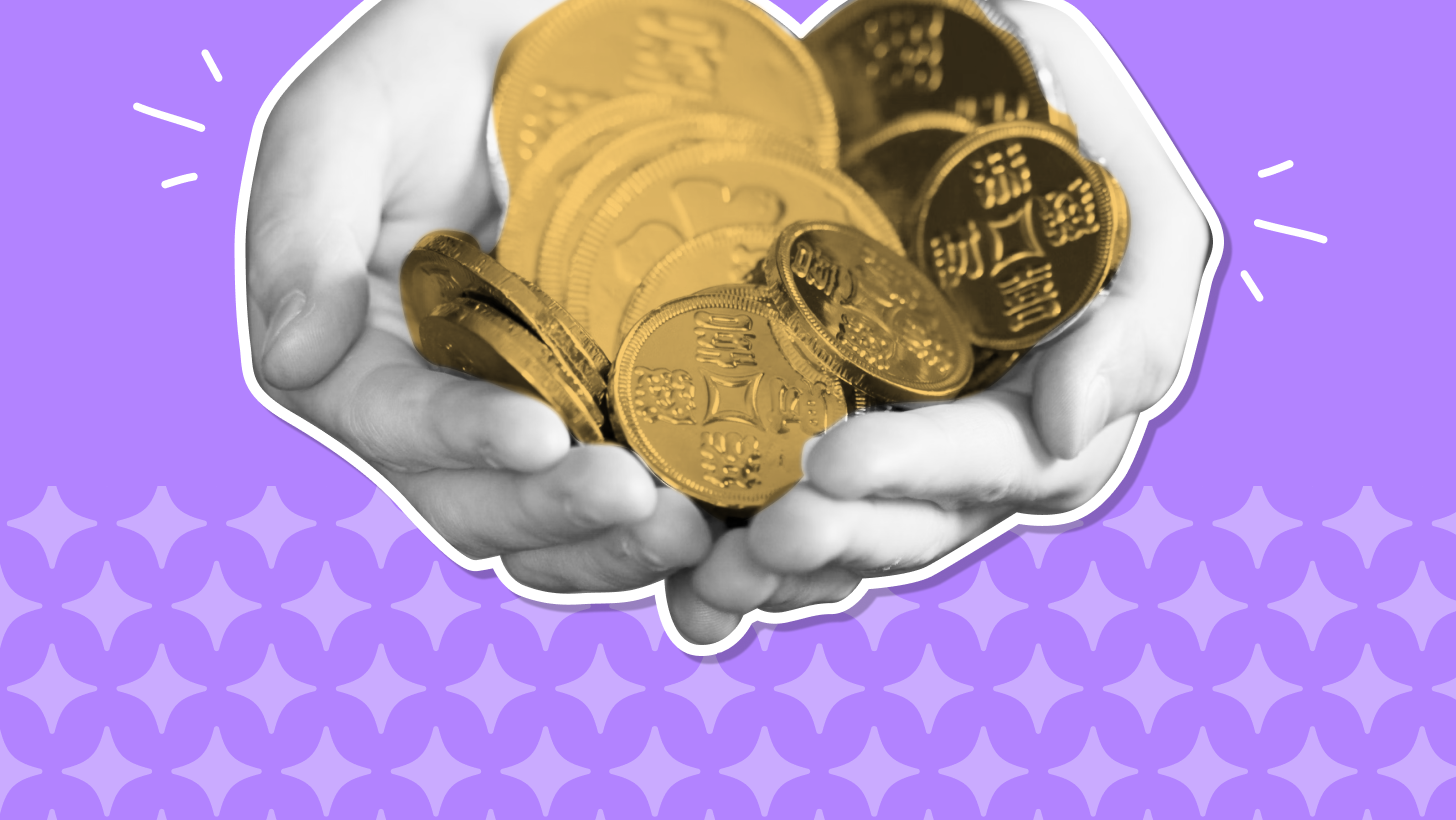
Image: Alexander Grey

More than 150 years ago, news of a gold nugget found in a faraway land triggered a frantic rush for the precious metal around the world , bringing large waves of thousands of people to the West Coast of the United States willing to do anything to get rich. This period is considered one of the most significant of the 19th century and is full of secrets and compelling stories. Both fascinating and constitutional, it is a testament to the foundation of American society . Here are 10 surprising facts about the California Gold Rush that will leave you speechless.

1
Migratory frenzy
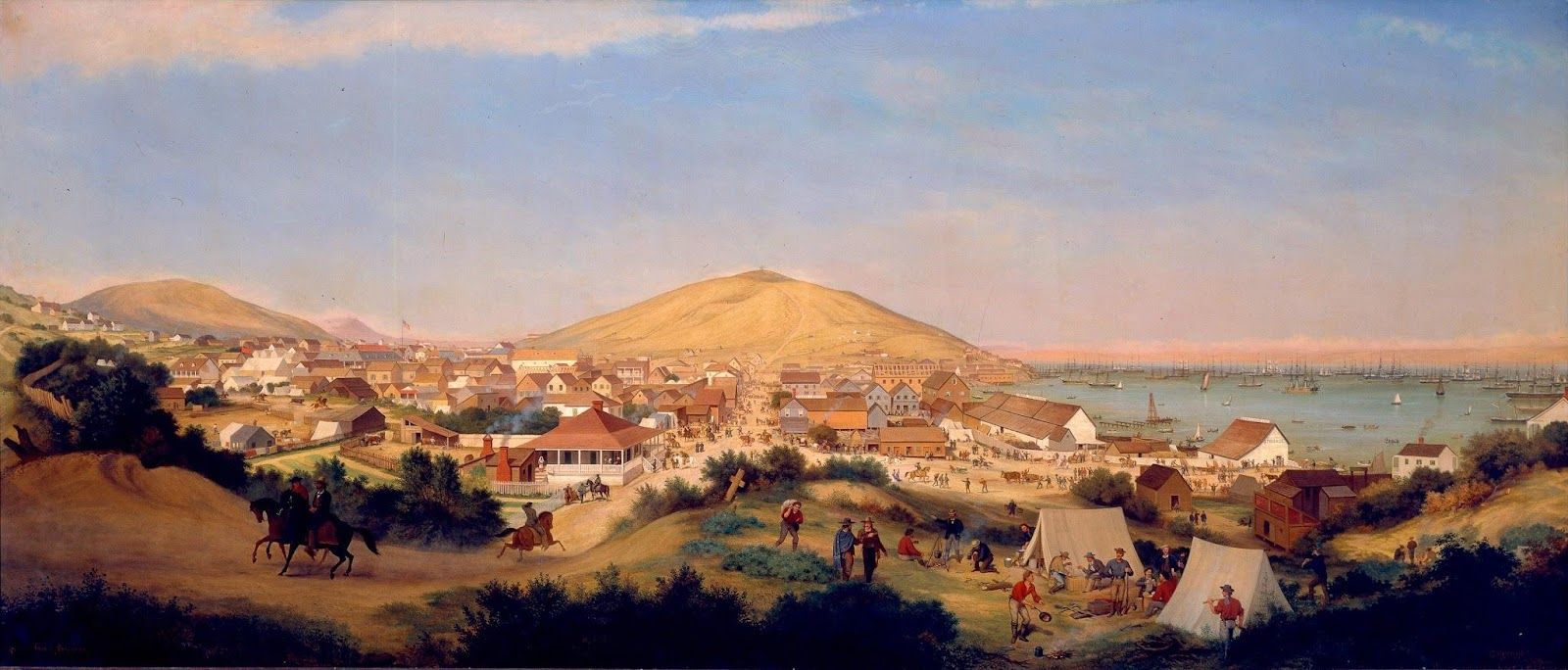
Image: George Henry Burgess, Public domain, via Wikimedia Commons

The California gold rush triggered one of the largest mass migration waves in US history, with an estimated 300,000 people moving to the West Coast in just a few years . On January 24, 1848, a carpenter called James W. Marshall found gold at a sawmill in Coloma. The news reached the East Coast in August and, in December, President James Knox Polk officially confirmed it to Congress.

As a result, by early 1849, thousands of would-be prospectors —known as the ‘49ers’— started flooding the state every day. In January 1848, San Francisco had 800 residents; by the end of 1850 it had some 25,000 , many of them living in shacks and tents. Although most of the newly arrived were Americans, the gold rush attracted people from other parts of the world like Latin America, Europe, Australia, and Asia. Thanks to this boom, California started to grow fast, building new roads, towns, churches, schools, and hospitals.

2
No place for a lady?
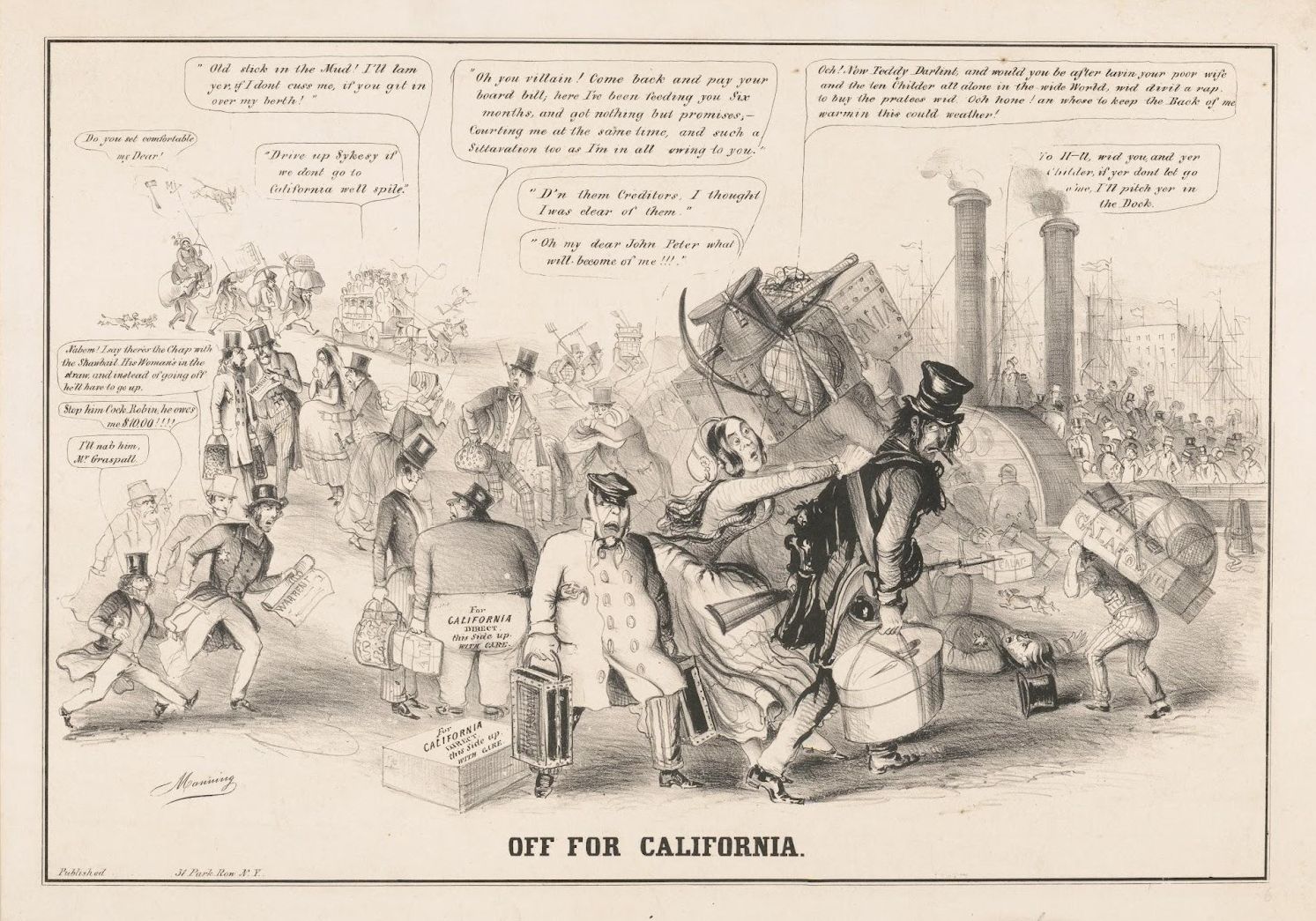
Image: Popular Graphic Arts, Public domain, via Wikimedia Commons

People in the 19th century considered the California goldfields lifestyle a bit too harsh for women, so there is not much testimony of them being involved in gold-digging . Only 700 of the 40,000 people who arrived by ship to the San Francisco Bay in 1849 were women. Some came with their husbands and families, but others were just seeking adventure.

Many of the few women living in California around this time were widows. Men frequently died in mining accidents, disputes, and diseases and the women would be left alone and in need of a job. During the gold rush, women ran profitable businesses like sewing, laundry, food preparation, and boarding houses. Others would be in high demand to work in brothels and saloons, serving drinks to the hundreds of lonely gold diggers.

3
Millionaires overnight
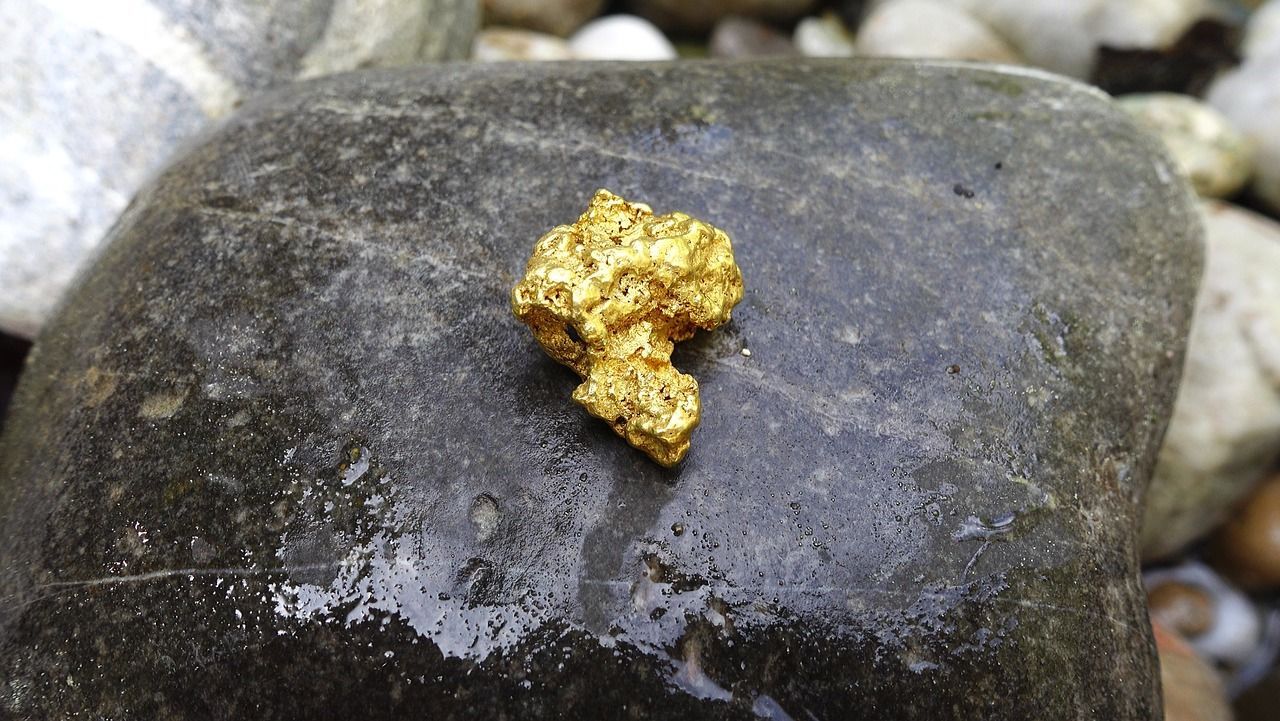
Image: Hans

Well, not exactly overnight, but pretty quickly. Brothers John and Daniel Murphy were two adventurous early California pioneers who got into the history books for having mined about $1.5 million —around $56 million today— worth of gold in a year. Within a very short period of time, they became prosperous men and influential figures in the area.

The town of Murphys —about 140 miles East of San Francisco— is named after them and is considered one of the oldest and most important of all the Gold Rush camps in the Golden State . Nowadays, this charming little town is a must-stop for tourists on their way to the mountains looking to travel back in time.

4
Blue Jeans become popular
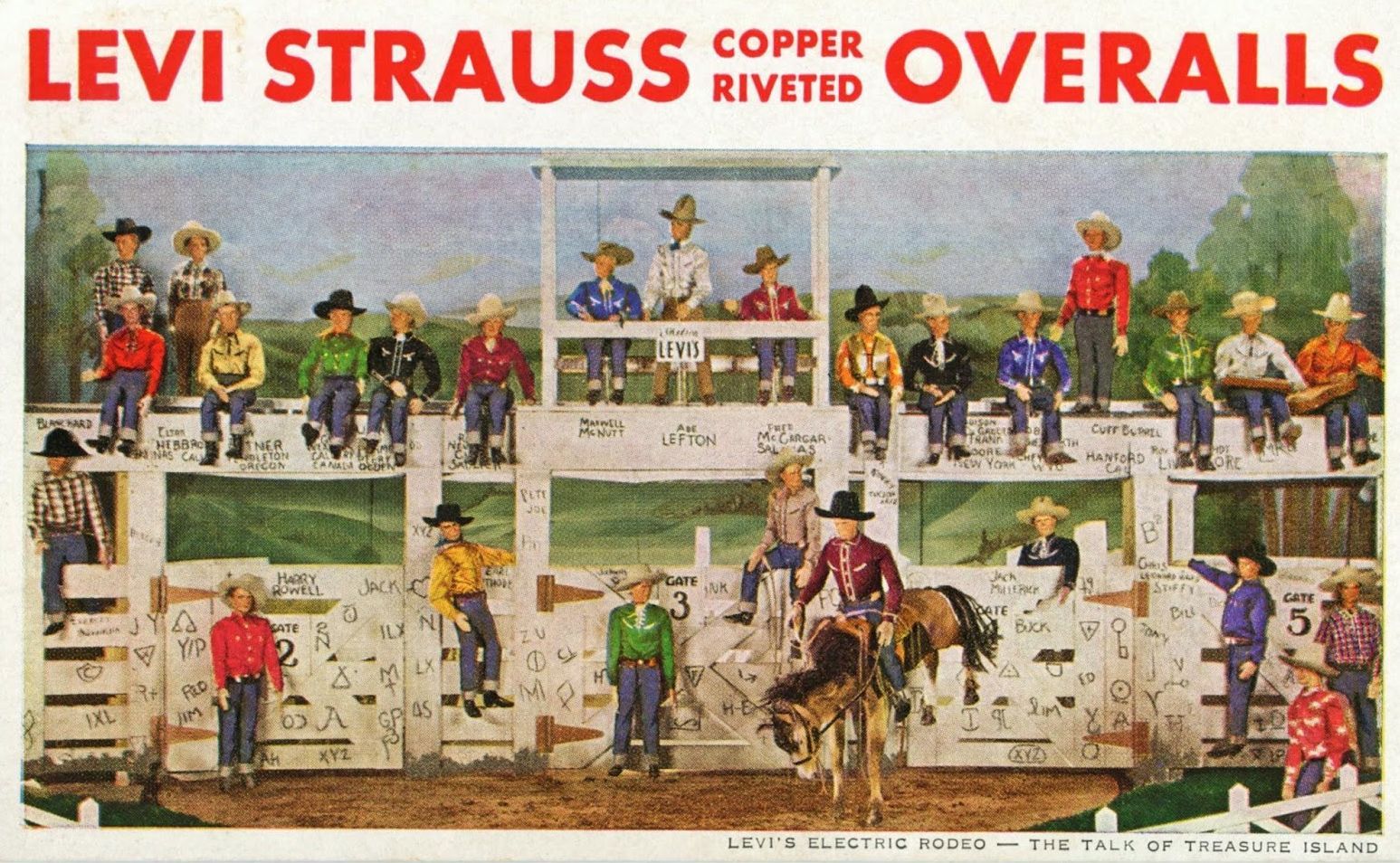
Image: SwellMap, Public domain, via Wikimedia Commons

In 1853 a Jewish peddler called Levi Strauss arrived in California looking for sale opportunities derived from the Gold Rush. Does the name ring a bell? A couple of years later, with the help of a tailor called Jacob Davis, he invented the garment of choice for Forty-Niners and cowboys: the blue jeans . By the end of 1873, thousands of San Franciscans were wearing these iconic durable pants, and the name "Levi's" was registered as a trademark.

Although Levi Strauss didn't exactly get rich by mining gold, he found a way to earn a fortune from it. Blue jeans —originally called "waist-high overalls"— came to represent the untamed American West. Over the years, not only workers would adopt them: kids, women, and even Hollywood stars owned at least a pair. And now, over a century and a half later, blue jeans are still an international symbol of youth, freedom, and independence .

5
The first international financial crisis
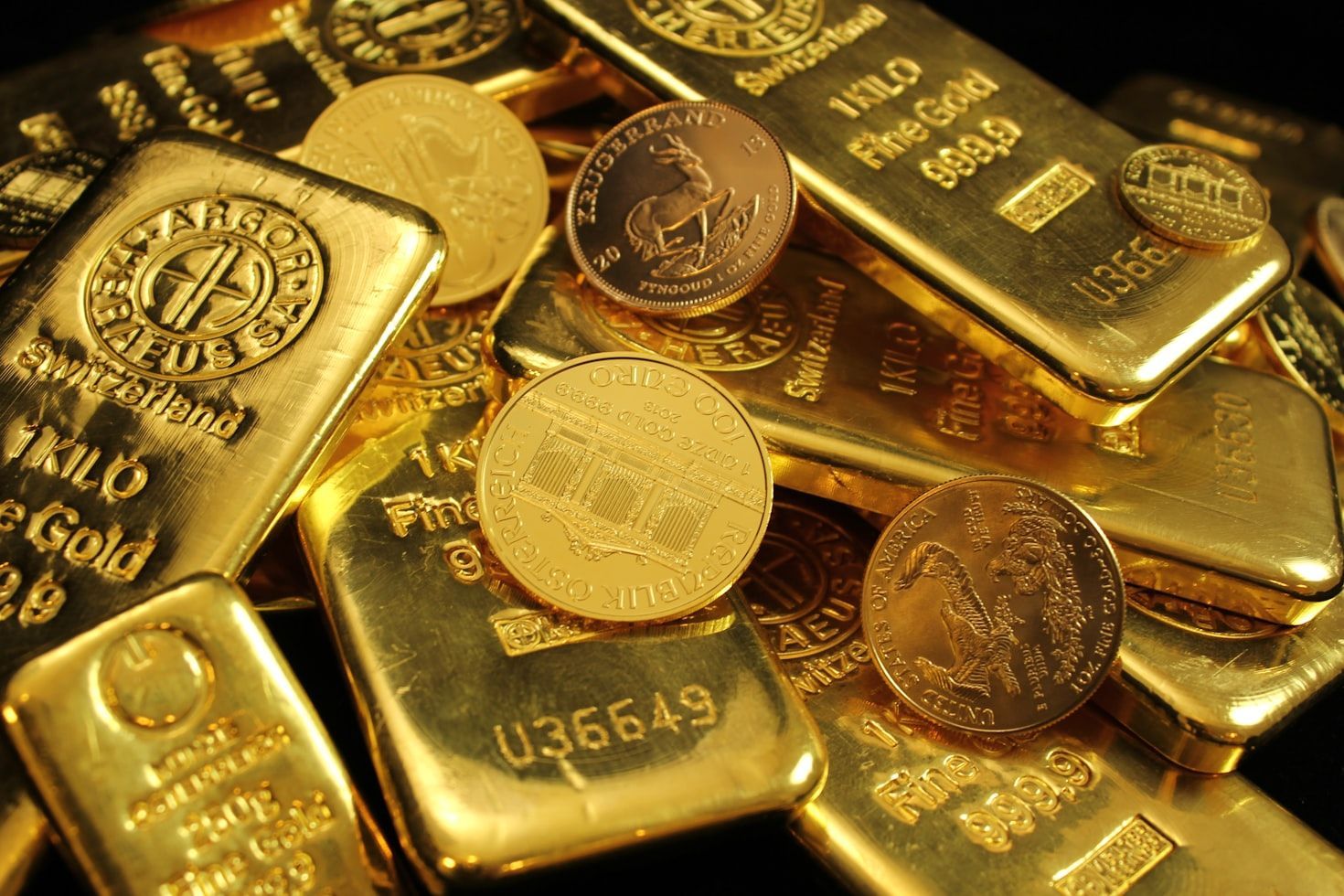
Image: Zlaťáky.cz

In just a few years, the 1849-1855 Gold Rush radically transformed California, the United States, and the world. The influx of gold served as an accelerant for U.S. economic development and enabled massive investment in public buildings, schools, and the construction of a railroad across the country. However, by the mid-1850s the world economy was so interconnected that any event could cause an international crisis.

In 1857, a crash in British banks, the speculation on railroad stock, and the sinking of SS Central America —a ship transporting a huge amount of gold—, among other incidents, triggered the first international financial crisis, known as the "Panic of 1857" . As a result, the northern domestic economy took a significant hit. However, by 1859, the Panic began to level off, and the economy began to stabilize.

6
Mark Twain struck literary gold
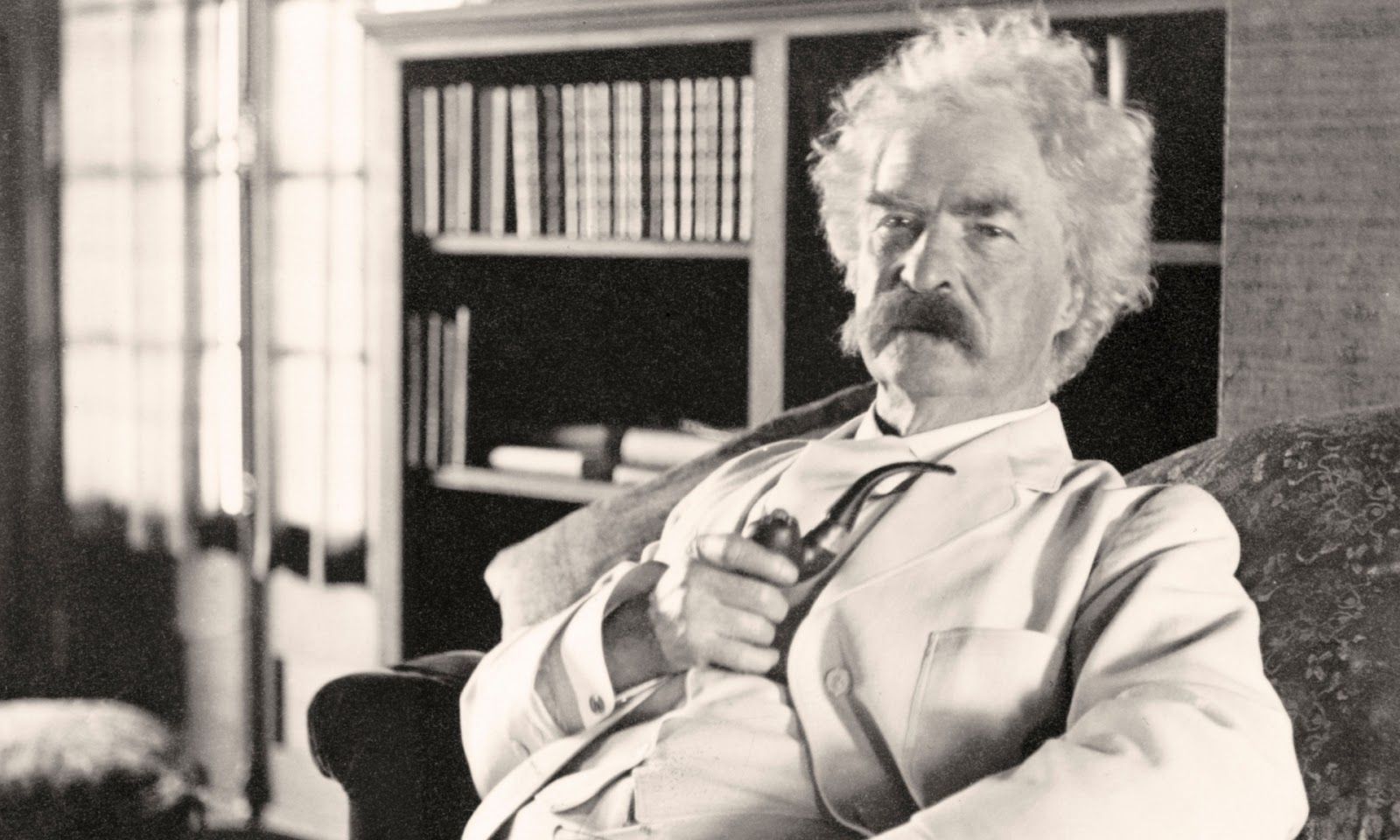
Image: unattributed, Public domain, via Wikimedia Commons

Did you know that one of the greatest American authors became a writer after failing as a gold miner? Samuel Clemens —a.k.a. Mark Twain—, was only one of the thousands of men who moved West during the Gold Rush in hopes of making a fortune . In 1861 he followed his brother Orion all the way to Virginia City, Nevada where he became a miner. Things didn’t go very well so he ended up working for the local newspaper, and started using the pen name by which he is remembered to this day.

Twain moved to San Francisco in 1864 and came in contact with other writers like Bret Harte and Artemus Ward. His experience in the American West inspired several of his works , such as The Celebrated Jumping Frog of Calaveras County (1865) —which brought him national attention— and Roughing It (1872). Although he didn’t become rich finding gold, Twain made a substantial amount of money through his writing.

7
Who really got rich?
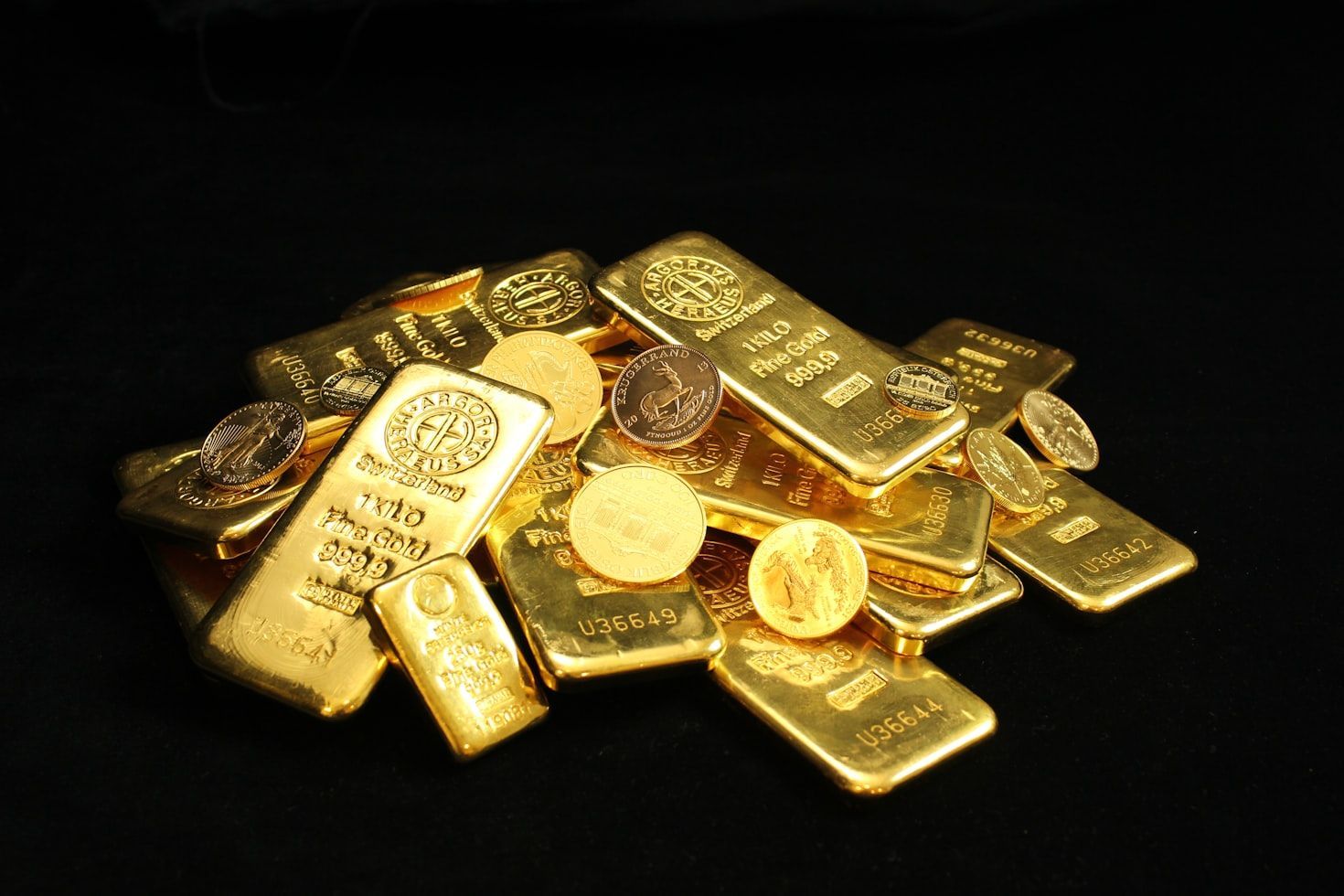
Image: Unsplash

As romantic as it may sound, migrating to a new land to find gold and get rich does not necessarily mean instant success. In fact, only a few made their fortune mining gold . For most of the Forty-Niners, arriving in California during the rush was synonymous with disappointment. The lucky minority that found some gold went on expensive trips or wasted their money on poor-quality alcohol and food at the saloons of the American West, becoming broke pretty quickly.

The people who actually managed to amass some wealth during the California Gold Rush were the ones who took advantage of the opportunities surrounding the growth of cities and the financial bubble . For example, entrepreneurial merchants would open businesses to satisfy the demands of the newly arrived prospectors. America’s greatest industrialists, on the other hand, became millionaires by investing in real estate or the new railroads. Besides, in the years following the rush, mining was no longer done by adventurous individuals, but by big companies with new technology.

8
A city built out of ships
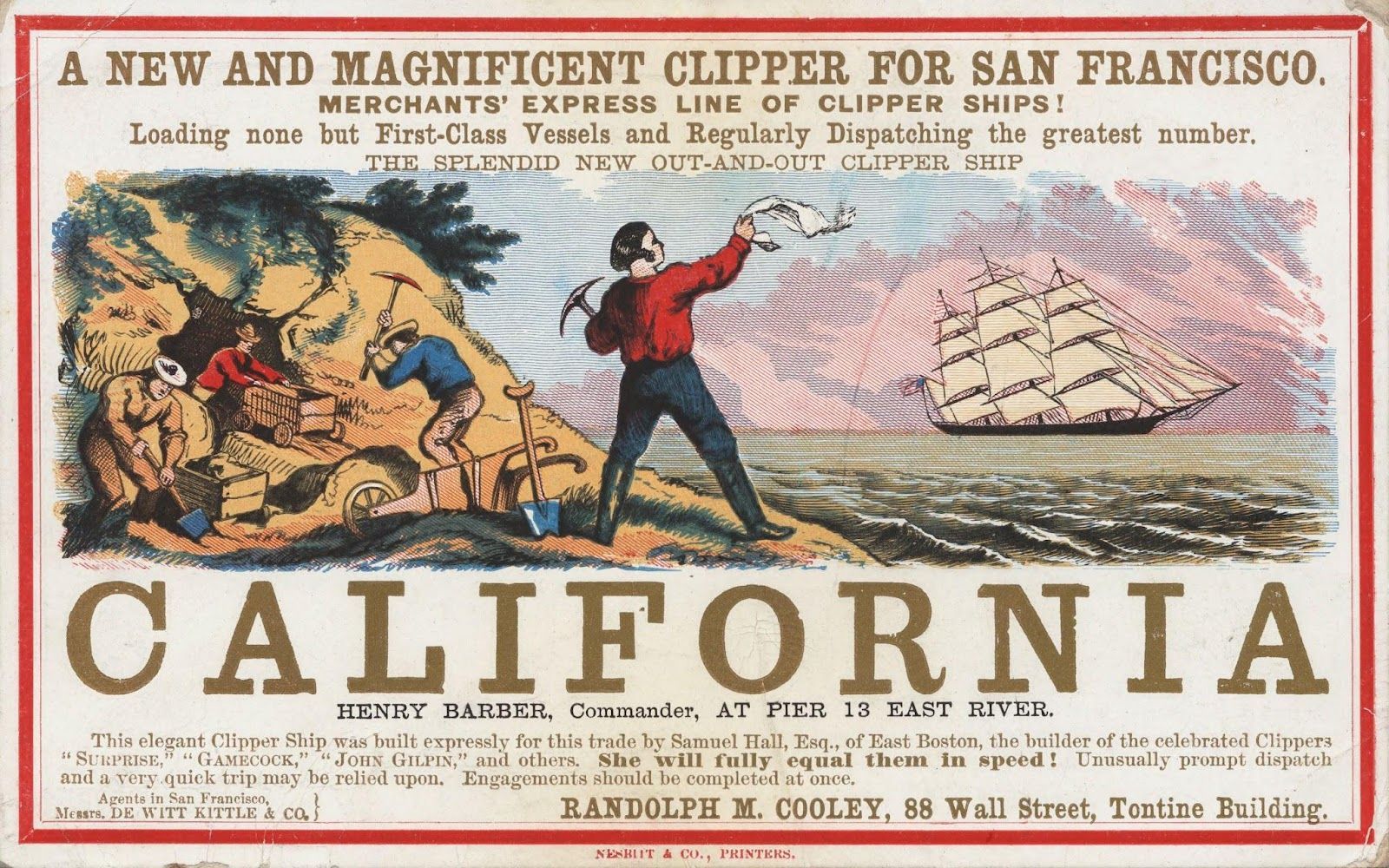
Image: G.F. Nesbitt & Co., printer, Public domain, via Wikimedia Commons

In the mid-19th century, a great number of ships arrived in California from all over the world packed with people in search of fortune. At the same time, the gold rush brought rapid growth and San Francisco soon became one of the world's great seaports, dominating shipping in the American West. These gold-seekers didn’t exactly have a return ticket, so lots of boats started to pile up on the Bay .

A few of these approximately 500 abandoned ships were sunk or buried and now can be found beneath the Embarcadero and Financial District . Others were repurposed to serve as storeships, saloons, and hotels, or their debris was used to build houses, jails, and banks. Even today, archeologists continue to discover fragments and entire ships underneath the streets of San Francisco.

9
Death Valley, a winter tragedy
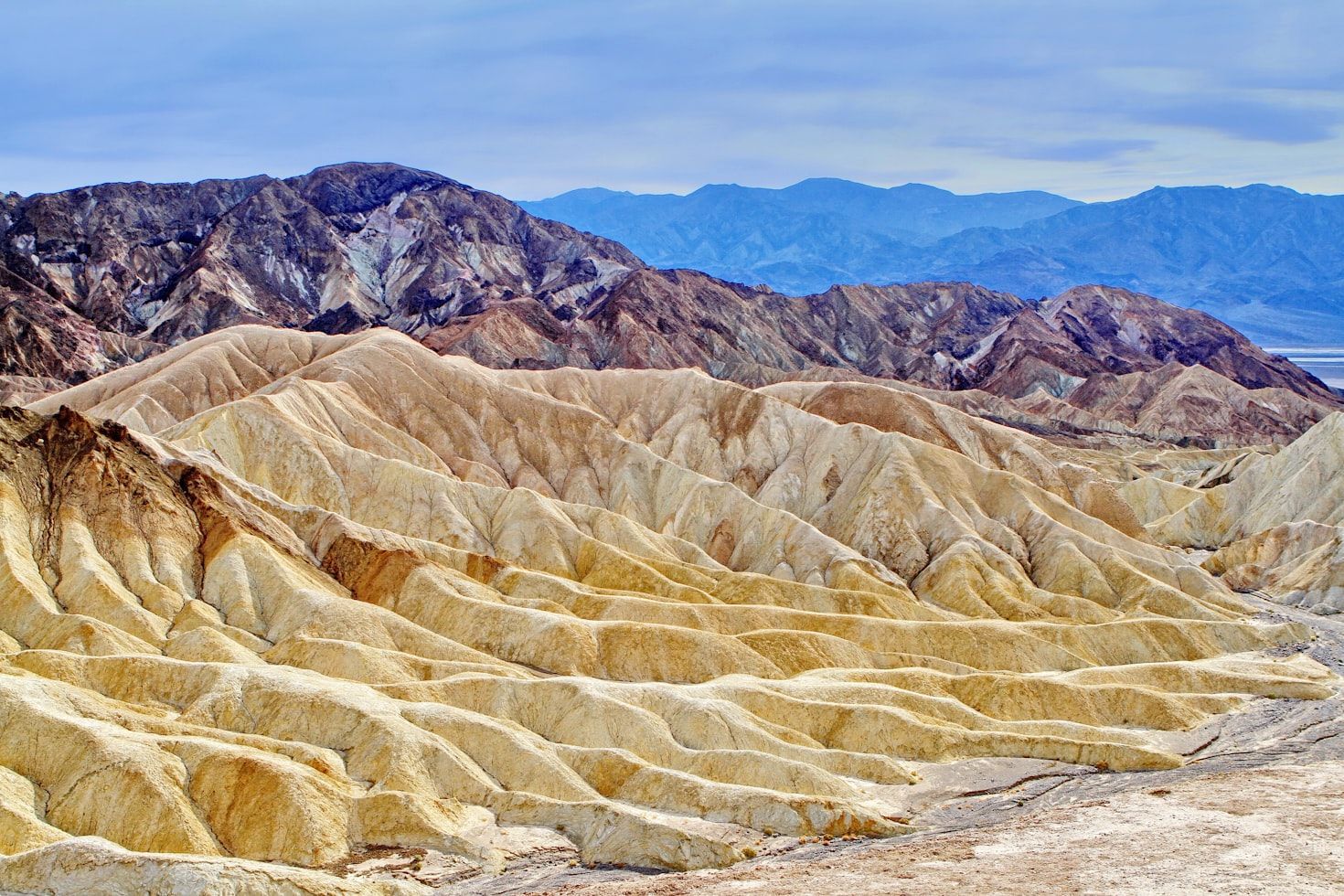
Image: Marina Šurniene

Do you know where the "Death Valley" name comes from? This desert valley in the northern Mojave Desert, in Eastern California, is thought to be the hottest place on Earth. However, it was not named after its summer temps but for a winter disaster. It was a group of prospectors who got lost looking for a shortcut to the goldfields of California in the winter of 1849-1850, that gave Death Valley its grim name.

Even before the Gold Rush, California attracted settlers searching for a new life. In 1846, a group of pioneers known as the Donner Party became snowbound and nearly half of them eventually died of starvation and exposure. A few years later, although scared and forewarned by this experience, a new group ventured across the desert. While this time around the journey was not so deadly, they suffered a few mishaps that led them to nickname the area Death Valley.

10
Found gold? Have yourself a Hangtown Fry!

Image: Ivan Shemereko

According to the legend, this famous omelet cooked with bacon and topped with fried oysters was created in El Dorado Hotel in Hangtown —today’s Placerville— after a prospector claimed to have found gold. To celebrate, he demanded to be served expensive food, so the cook put together a dish with the fanciest ingredients he had at hand: eggs were delicate and therefore very valuable; bacon was shipped from the East Coast; and oysters were brought fresh from San Francisco, over 100 miles away.

Since then, the Hangtown Fry has continued to be served at many of the local restaurants . Although now you can find versions with onions, bell peppers, and spices, this iconic dish has remained practically the same as it was during the Gold Rush more than a century and a half ago. Have you tried it?

General General 5 min read

SUGAR RUSH!

These 10 American Candies Make Our Lives Sweeter!

Image: Jamie Albright

Got a sweet tooth? You are not alone. From the hundreds of brightly colored wrappers filling Halloween baskets to that delicious chocolate bar that makes a morning commute more pleasant, candy tends to play an essential role in the lives of most Americans. We have selected ten of the most iconic American candies that sweeten the days of both children and adults alike. Take a trip down this sugary road and enjoy!

1
Snickers

Image: Joshua Fernandez

We’ll start this article with an absolute classic. In the 1930s, Mars came up with a now-iconic candy bar packed with peanuts and covered in delicious chocolate. When it came the time to name it, inspiration came from an unlikely source: Snickers are named after the Mars family's favorite horse.

Snickers quickly became a global icon, becoming available in grocery stores and supermarkets worldwide. Nowadays, they come in a huge variety of flavors, including white and milk chocolate, as well as in different products like ice cream.

2
Hershey’s chocolate bar

Image: Janne Simoes

Known as "The Great American Chocolate Bar" , the Hershey’s bar is truly an American tradition. It was first sold in 1900, making it one of the oldest chocolate bars in the United States. However, they continue to be a delicious treat long past their one-hundredth anniversary.

This chocolate bar’s origin is rather interesting. In 1893, Milton Hershey visited the Chicago World’s Fair, where he was impressed with the chocolate manufacturing machinery displayed by the German delegation. The following year, he founded the Hershey Chocolate Company, which developed its own kind of chocolate products.

3
Twizzlers

Image: Filip Mroz

Let’s step away from the chocolatey goodness of our previous entries (don’t worry, there’s a lot more chocolate to go on), and focus on the delightful "Twist You Can't Resist". Twizzlers are one of the most unique candies out there: Their distinctive flavor and fun shape truly set them apart from other products in the market.

You might be surprised to learn that Twizzlers are made by one of the oldest confectioneries in the country: Young and Smylie, the company behind their creation, was founded as far back as 1845. Another fun fact is that, while only their black flavor contains ingredients from the licorice plants, Twizzlers as a whole are considered licorice-type candy.

4
M&Ms

Image: Christopher Ott

Many surveys state that M&Ms are the most popular candy in America. And, to be honest, anyone who has tried these brightly colored pieces of chocolate confectionary probably agrees. With their classic slogan "the milk chocolate that melts in your mouth, not in your hand", M&Ms have been a beloved part of American life since 1941.

Just as cherished as M&Ms themselves are their iconic mascots, which are anthropomorphized pieces of candy. These colorful "spokescandies" have been the company’s representatives since the ‘90s, and have grown to be considered icons of American pop culture.

5
Jelly Belly

Image: Patrick Fore

Choosing a single brand of jelly beans to include in this article was no easy task, but we ultimately decided to give Jelly Belly this spot. After all, they were famously the most beloved snack of Ronald Reagan, and share a long and fun history with our 40th President.

This love story began in the 1960s when Reagan decided to quit smoking and turned to jelly beans as a replacement. By the time he reached the White House, Jelly Belly had become the de-facto presidential snack: A jar filled with jelly beans was regularly seen on the president’s desk.

6
Baby Ruth

Image: Ric Matkowski

No one can deny that Baby Ruth is a popular product: This delicious nougat-filled candy bar has been around since 1920. However, did you know that they were originally called "Kandy Kakes"? Not only that, there’s a small controversy related to the current name we know and love.

According to the Curtiss Candy Company, the name "Baby Ruth" was inspired by Ruth Cleveland , daughter of President Grover Cleveland. However, it doesn’t take a keen observer to realize that this is particularly similar to the name of baseball legend Babe Ruth, whose fame was skyrocketing in the 1920s. "The Sultan of Swat" even sued the candy company for using his name, but ultimately lost the case.

7
Candy corn

Image: Debby Hudson

This is perhaps the most polarizing piece of candy on this list. With its distinctive shape and bright colors, Candy Corn is either beloved or hated. In any case, it is one of the most popular candies during Halloween, becoming synonymous with this festivity.

Candy Corn is also one of the oldest candies in America, having been produced since the 1880s by the Wunderle Candy Company. It was originally known as " Chicken Feed " because of its resemblance to corn kernels used to feed poultry.

8
Sour Patch Kids

Image: Vinicius Amano

We’ve been mostly focusing on sweet products so far, so let’s take a small jump in the opposite direction. Sour Patch Kids, known for their slogan "Sour Then Sweet" , are famous for their initial tart and sharp taste that gradually gives way to a sweeter flavor. The contrast of both sensations is what makes this soft candy so iconic, which has been standing strong for almost 40 years.

Created in the 1970s, Sour Patch Kids were originally named "Mars Men". However, by 1985 the product was rebranded to the name we now know, possibly to capitalize on the popularity of the Cabbage Patch Kids, an extremely popular toy at the time.

9
Reese’s Peanut Butter Cups

Image: Heather Barnes

We would like to take a moment to honor the innovator who realized that peanut butter and chocolate are a match made in heaven : Whoever you are, good sir or madam, we salute you. And while we can’t celebrate this anonymous hero, we can thank the man who brought us the quintessential pairing of these ingredients: H. B. Reese, creator of Reese's Peanut Butter Cups.

In 1928, the H.B. Reese Candy Company started selling their peanut butter cups, at the time known as " Penny Cups " since they were sold for one cent. Reese, who formerly worked at a Hershey dairy farm, used Hershey chocolate in all his products. By the 1960s, the company merged with the Hershey Chocolate Corporation, which continues to produce these delicious cups.

10
Milk duds

Image: Moritz Kindler

Milk Duds are truly living proof that mistakes can lead to wonderful opportunities. These delicious pieces of chocolate candy are known for their irregular shape , which is a direct result of a lucky accident.

In 1928, Hoffman and Company of Chicago attempted to create a perfectly spherical chocolate-covered candy but failed in every attempt to achieve this shape. These failed attempts were called "duds", which is a term used to describe a device or equipment that failed to work as intended. Over time, these duds inspired the name of this product and eventually evolved to become our beloved Milk Duds.

General General 5 min read

Meaningful relationships

Discover the amazing sister cities of these 10 American cities!

Image: Mikhail Nilov

As the great '70s band Sister Sledge once sang, "We are family, I got all my sisters with me." Family is definitely important, and having a few siblings to accompany us along the journey of life is certainly a blessing. In that sense, most American cities are fortunate to have their fair share of sister cities spread around the world. We have decided to select a few of the most prominent. While we would have loved to include all the sister cities we found, there are simply too many to count, so we’ll have to settle for highlighting 10 of our favorites. Enjoy!

1
Santa Fe, New Mexico

Image: Doni Rath

We’ll start with one of the most logical sisterhoods on this list: Since the capital city of New Mexico shares a name with the Spanish city of Santa Fe (full name "Santa Fe de La Vega"), it seems only reasonable for them to become sister cities—a relationship that was established in 1983.

Santa Fe was one of the first sister cities to the American city, and their bond remains strong. Both cities engage in various ways, whether through true cultural exchanges, economic insights, or tourism opportunities.

2
New York City, New York

Image: Alex Haney

Since New York City is probably the most famous American city in the world, it stands to reason that "The City That Never Sleeps" has many sister cities around the globe. We could have chosen from a long list of truly outstanding cities like London and Budapest, but we ultimately decided to showcase Tokyo. After all, both NYC and the Japanese capital share a buzzing and energetic atmosphere, filled with dazzling lights and exciting opportunities.

Interestingly, many of New York City’s boroughs have sister locations of their own. For instance, Brooklyn is the sister borough of Lambeth, a neighborhood located in southern London. Not only that, Manhattan is related to the Seocho district in Seoul, South Korea, while the municipality of Ulcinj in Montenegro is a sister to Staten Island.

3
Los Angeles, California

Image: Jeremy Bishop

As a cultural hub and "the Entertainment Capital of the world," Los Angeles has several noteworthy siblings. In fact, it is one of the American cities with the most related cities, with 25 sisters as of 2024.

The city of Eilat, Israel, has the distinction of being Los Angeles’ first sister city, established in 1959. That same year, "The City of Angels" also became sister cities with Nagoya, Japan. Other notable sister cities of L.A. include Berlin, the capital of Germany, as well as Mexico City and Bordeaux, France.

4
San Francisco, California

Image: Alexey Komissarov

As we are sure you know, San Francisco was built on a monastery founded by Spanish explorers in the 18th century, and it is from this early settlement that the city gets its name. In that sense, it stands to reason that the "Golden Gate City" shares a relationship with one of the most prominent cities in Spain.

While San Francisco is a sister city to 17 other locations (including Osaka, Japan, and Sydney, Australia), Barcelona is its only Spanish sister city. The relationship was established in 2010, and in 2018, Barcelona was honored alongside all of San Francisco's sister cities with a signpost in Hallidie Plaza.

5
Austin, Texas

Image: Tomek Baginski

Who could be a better sister city to the capital of our largest Southern state than someone from the "Land Down Under"? Since 1983, Austin, Texas, has been a sister city to Adelaide, one of the most prominent southern cities in Australia.

Remarkably, these cities share a number of amazing qualities: they are both filled with lush green scenery from their many parks, and they are crossed by equally beautiful rivers. Not only that, they are both music lovers: Adelaide is the first Australian city to be declared a UNESCO City of Music, while Austin is globally known as "the live music capital of the world."

6
Boring, Oregon

Image: everett mcintire

The town of Boring, Oregon , surely has had some tough luck: after all, would you like to visit a town with that name? The truth is that there’s nothing dull about this town; it was built in a former lava field (a rather exciting landscape, if we do say so ourselves) and named after William Harrison Boring, an early resident who helped build the town.

In any case, Boring’s rather unusual name has landed this town with kindred spirits. Since 2012, this town has been part of a group known as the "Trinity of Tedium." Alongside the village of Dull, Scotland, and the community of Bland, Australia, Boring has proven again and again that friends can be found in the most unusual of places.

7
Hackettstown, New Jersey

Image: Hunter Reilly

This is the only town on this list that shares an (almost) identical name with its sister. Hackettstown, New Jersey , is famous for being the headquarters of the beloved Mars corporation, which caters to the "sweet teeth" of many Americans. It was named after Samuel Hackett, an early settler of the area who helped build the community.

In 2011, this New Jersey town declared Hacketstown, Ireland, as its sister city. In case you are not familiar with this small Irish town, here’s a fun fact that might make you fall in love with it: Hacketstown was once the home of William Presley, an ancestor of the King of Rock 'n' Roll himself.

8
Boston, Massachusetts

Image: Matthew Landers

In 1959, the city of Kyoto, Japan, became Boston’s first sister city . When you think about it, this relationship makes perfect sense: both cities are known as cultural and economic hubs and have strong and independent identities. According to the city of Boston’s official website, both of these metropolises share "strong neighborhood identities."

Throughout the decades, Boston and Kyoto have hosted several events, including annual exchange programs for high school students. Not only that, Kyoto gifted the Boston Children's Museum a "Japan House" in a display of kinship that is still warmly remembered by the capital city of Massachusetts.

9
Seattle, Washington

Image: Thom Milkovic

You might be familiar with a traditional Irish song called "Galway Bay." It has been covered by iconic American artists like Johnny Cash and Bing Crosby. This lovely tune is particularly famous among Irish Americans and speaks about nostalgia and the longing to gaze upon Ireland’s breathtaking shores. In that sense, should you suddenly feel overwhelmed by the powerful message of this song, we can offer you the next best option in America: Galway’s very own sister city, the wonderful Seattle .

Seattle and Galway became sisters in 1986, and two corresponding bronze markers were placed in each city to mark the distance between them. Many cultural events and exchanges are organized by the Seattle Galway Sister City Association, which helps build the relationship between these two wonderful cities.

10
Washington, D.C.

Image: Sara Cottle

Our capital city is considered by many to be the personification of American democracy. After all, it houses both the White House and the Capitol Building and is named after the Father of our Country. Bearing that in mind, can you think of a better sister city for Washington D.C., than the birthplace of democracy?

Washington D.C., became the sister city of Athens, Greece, in 2000. Curiously, Athens is also the sister city to another American city, although perhaps less famously: the Greek capital city also maintains a relationship with the identically named city of Athens, Georgia.

Explore more American facts

Choose your favorite category!

General
General

As American as apple pie—the very best America has to offer!

Culture
Culture

Delve into the astounding richness of American lore.

Geography
Geography

Hop in and explore vast and diverse American landscapes.

History
History

Discover the key moments that shaped the United States.



