History History 3 min read

Say what?!

Believe it or not, these foods were once marketed as health remedies
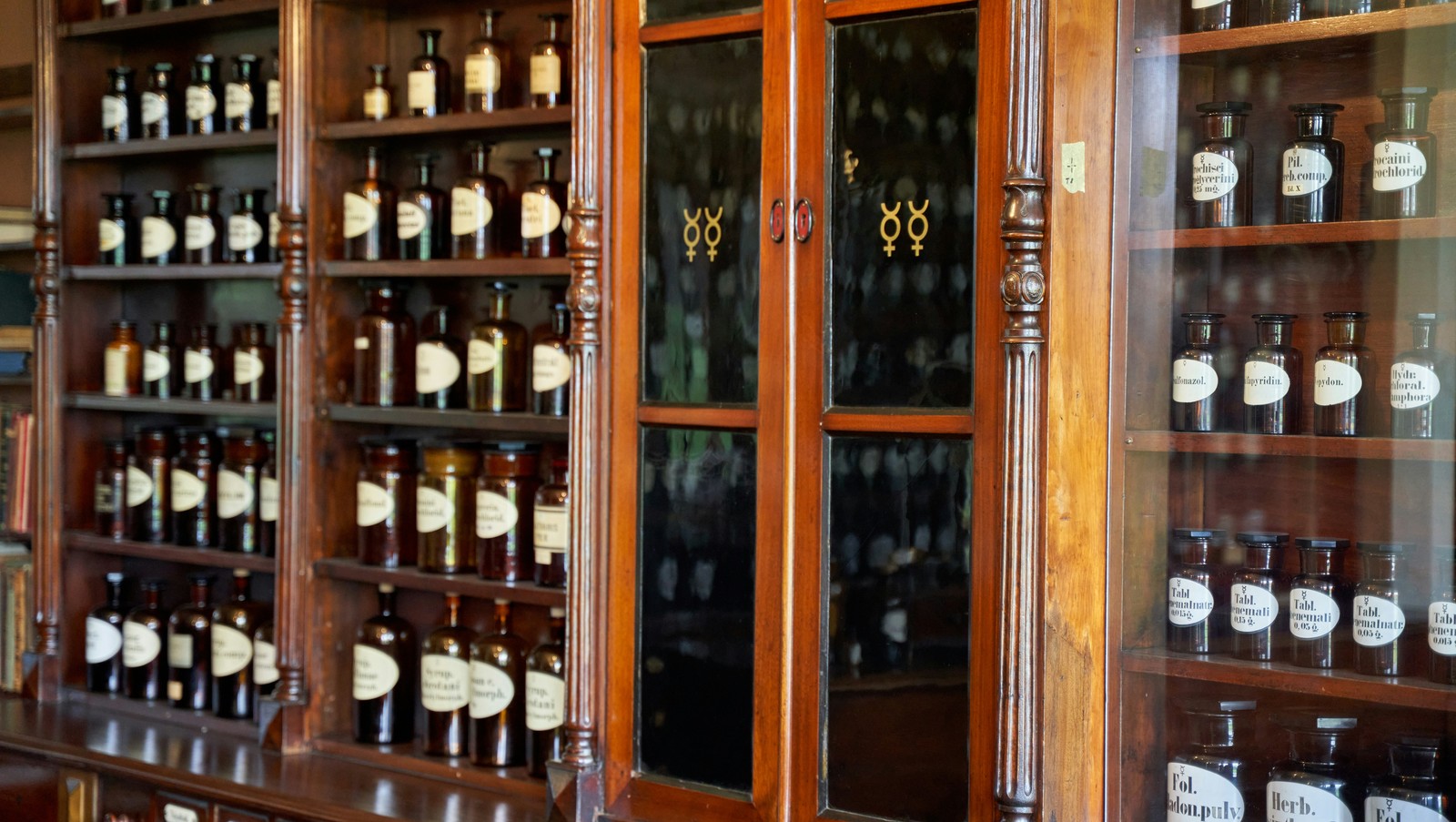
Image: Barnabas Davoti

For much of American history, grocery staples didn’t just promise flavor, they also claimed to heal. Yes, you read that right: before strict regulations, inventors, pharmacists, health reformers, and plain snake oil salesmen pushed new products as cures for nerves, digestion, or things as abstract as "vitality". Take a look at 11 everyday food items that were once considered medicinal.

1
Coca-Cola

Image: Artem Beliaikin

The first item in our list is one of the most famous examples. Created in 1886 by a pharmacist named John Pemberton, Coca-Cola was introduced as a nerve tonic meant to calm headaches and boost energy . Early ads called it a "brain elixir," and it was sold from pharmacy counters.

Over time, the drink’s medicinal claims faded as its sweet and refreshing flavor alone won over the public.

2
Grape-Nuts

Image: Mona Bernhardsen

Grape-Nuts arrived in 1897 with big promises about health benefits, including digestion and even appendicitis . Ads insisted on its remarkable healing power.

As science advanced, the claims faded, but the cereal stayed popular. Its crisp texture and hearty flavor became the true selling point once the medicinal hype fell through.

3
Corn flakes
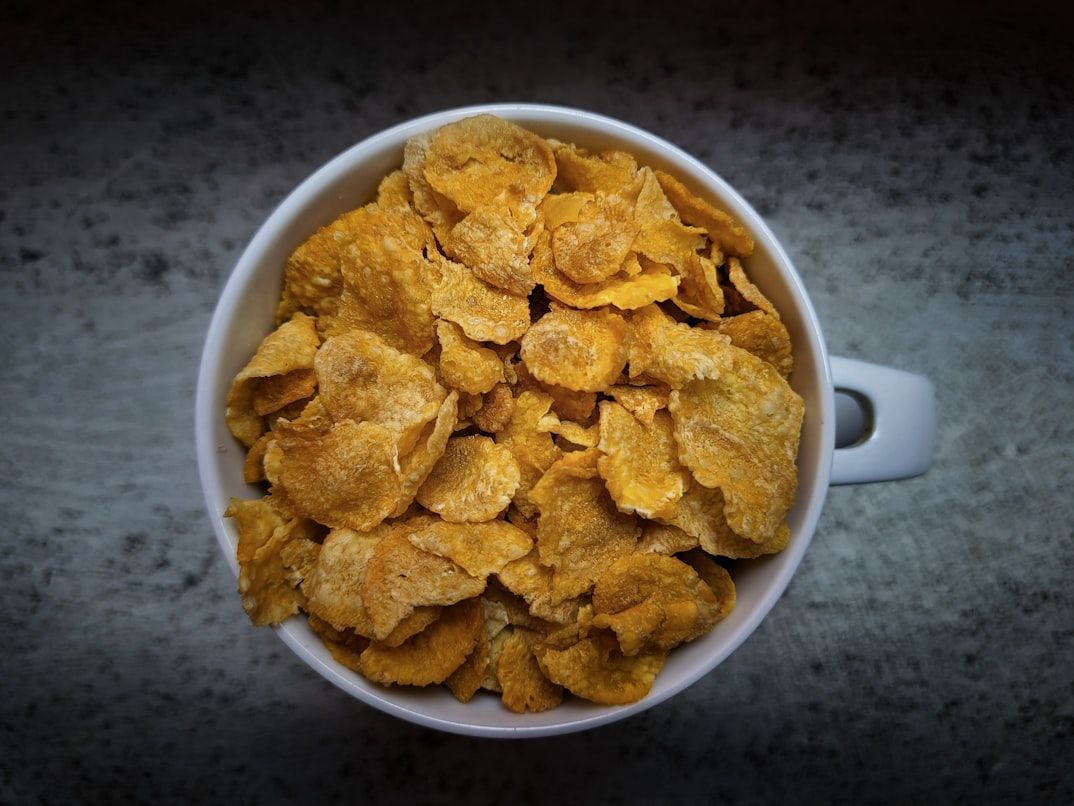
Image: Deepak N

Developed at the Battle Creek Sanitarium, Kellogg’s Corn Flakes were created as a bland, calming food meant to improve digestion and overall health . They were part of a larger awareness movement.

The cereal’s simple crunch won broad appeal, and the medical message softened. It ultimately became the breakfast staple that we know today.

4
Ovaltine

Image: pariwat pannium

Introduced in the early 1900s, Ovaltine claimed to boost strength, improve sleep, and support children’s growth . It was marketed as a malt-based health enhancer.

As breakfast habits changed, Ovaltine’s tine softened, but its cozy appeal endured. It became more of a nostalgic treat than a serious health product.

5
7-Up

Image: Shawn Powar

This one had some backing to its claims. When 7-Up was launched in 1929, it contained lithium citrate, an ingredient used in mood-stabilizing treatments . Early advertising pitched it as a mood-lifting, calming tonic.

As formulas changed and regulations grew, the lithium disappeared, and 7-Up’s identity shifted. It ultimately took its place as a crisp lemon-lime soda with no therapeutic claims.

6
Jell-O

Image: Girl with red hat

When Jell-O debuted, it was pitched as a pure, digestible food for children and invalids . Doctors were encouraged to recommend it as a gentle nourishment.

Its colorful aspect soon eclipsed any medicinal sales angle. Today, Jell-O is tied to family gatherings, not medicinal prescriptions.

7
Fig Newtons
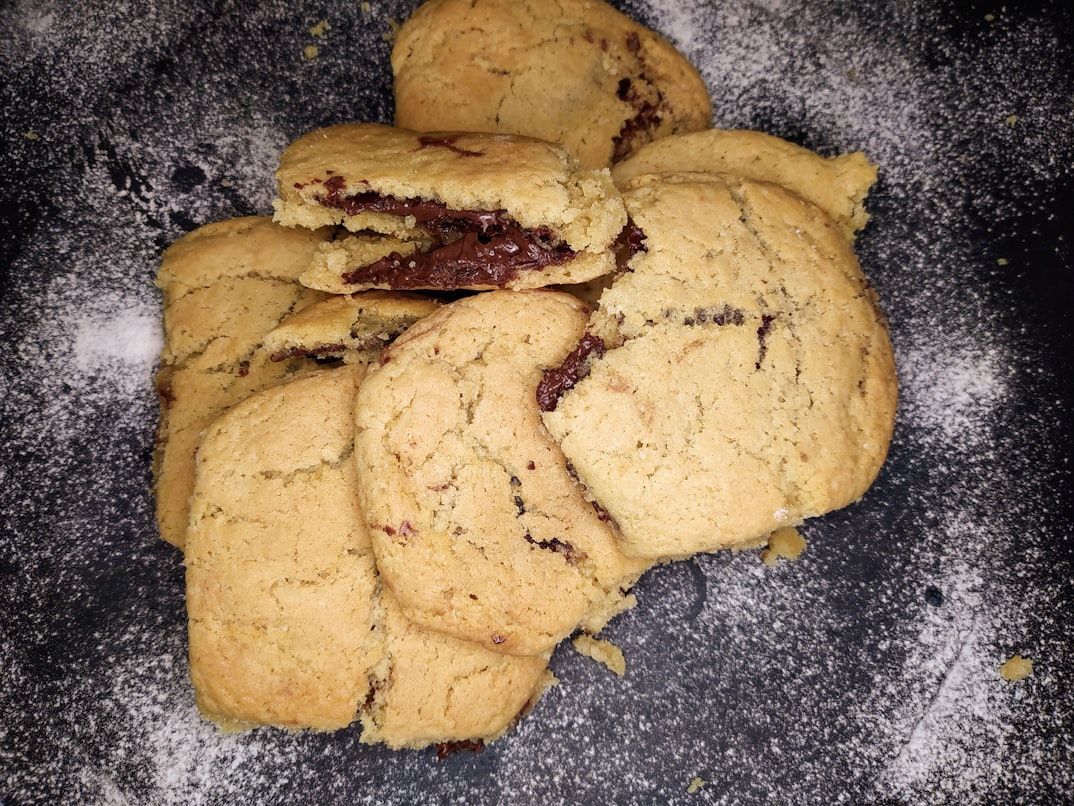
Image: Armando Brenlha

Early ads promoted Fig Newtons as a digestive biscuit thanks to their fruit filling . They were considered easy to assimilate and helpful for regularity issues.

Modern marketing focuses on wholesome snacking rather than health claims. Their soft, chewy texture is their lasting appeal.

8
Marshmallow candy
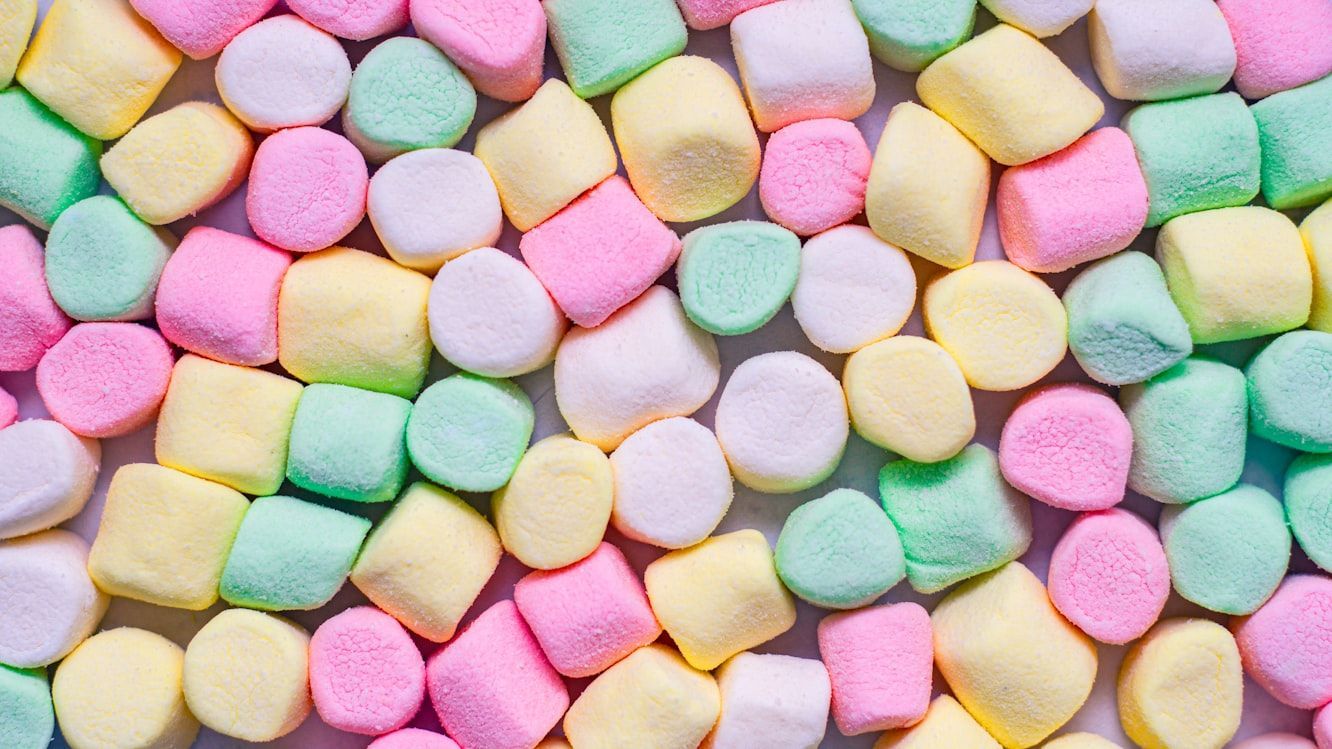
Image: Ricardo Loaiza

Before becoming modern candy, marshmallow confections were sold in pharmacies as throat soothers made from marshmallow root. They were considered medicinal lozenges.

As recipes changed, and gelatin replaced the plant extract, their purpose shifted entirely. Today, they’re tied to desserts and campfires.

9
Peanut butter
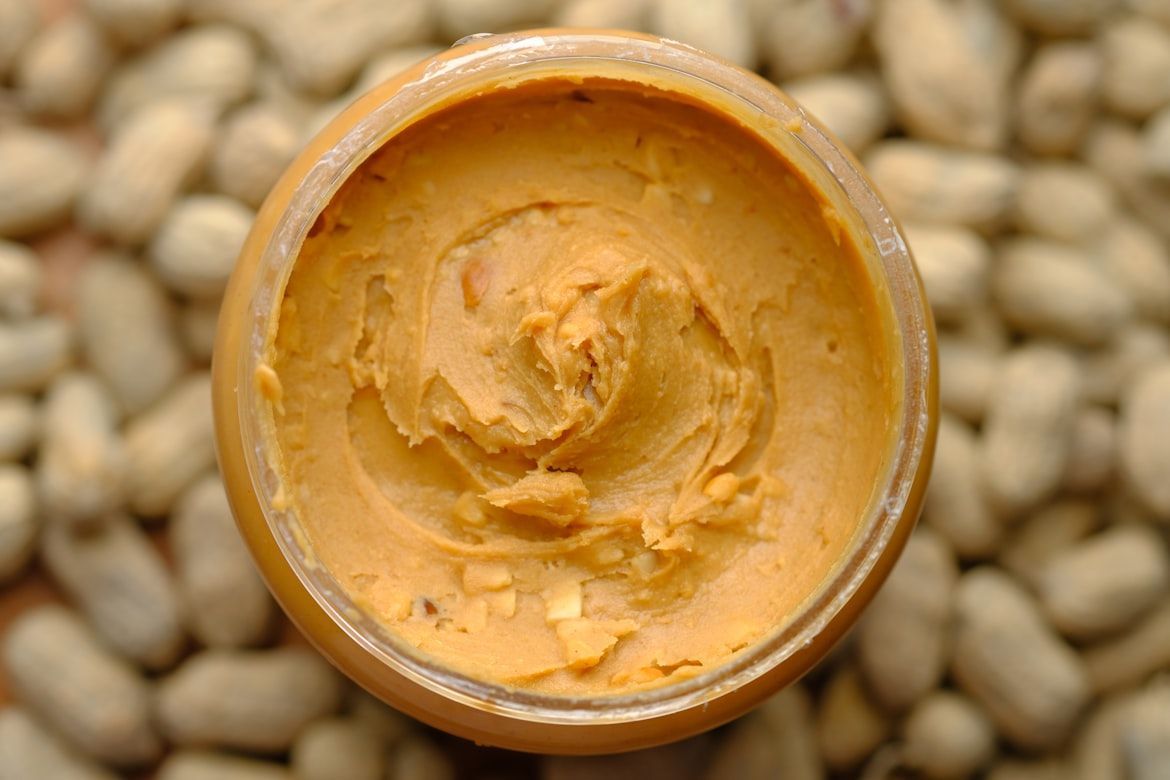
Image: Towfiqu barbhuiya

Health reformers promoted peanut butter as a protein-rich substitute for meat , ideal for the ill or elderly who struggled with chewing. It was part of a therapeutic diet.

Soon, its versatility outshone its medicinal beginnings. Peanut butter became beloved for sandwiches and snacks rather than health regimens.

10
Ginger Ale

Image: Nancy Hughes

Ginger Ale entered the market positioned as a stomach soother . Ginger’s long-standing reputation as a digestive remedy made the drink appealing to pharmacies.

Over time, ginger ale settled into its role as a refreshing mixer and comfort beverage. Its gentle reputation lingers, though it’s no longer pitched as a medical aid.

11
Welch’s Grape Juice

Image: Callum Hill

Welch’s promoted grape juice as a pure, healthful alternative to alcohol . Early ads suggested it supported vitality and overall well-being.

Its wholesome image stuck, though the medical claims did not. Today, Welch’s is associated more with family and wholesome habits than with old health ideals.

Culture Culture 5 min read

LEGENDS OF THE ROAD

Let's Check Out 10 of America's Most Iconic Cars!

American cars have an unquestionable charm that's difficult to put into words. But it is worth trying! Whether you're a car fan captivated by engines or someone who simply appreciates the overwhelming beauty of legends like the Ford Model T or the powerful Dodge Charger , you'll enjoy this article, as the history and features of these cars are deeply linked with American culture. Join us on this road trip through these 10 iconic American car models that have shaped automotive history. Some might agree with our choice for the tenth spot, while others may not ; we want to hear your opinion!

1
Ford Mustang

Image: VizAforMemories

Often referred to simply as "the Mustang ," this series manufactured by Ford is one of the quintessential American automobiles.

The Mustang was born in 1964 and has been in production ever since (with the Mustang II being produced from 1974 to 1978), as its popularity transcends borders. Its smart, sporty design has evolved over the years, but it has never lost its pony car label.

Loved by many for its wide range of engine options and powerful performance, the Mustang is more than just a car; it's an icon of American automotive culture. Remember the Mustang GT 390 in the 1968 movie Bullitt ?

2
Chevrolet Corvette

Image: Abdul Bakar

With its iconic two-seater design and a very rich history, the Corvette is a legend that could not be left out of this list.

The Corvette was introduced by Chevrolet in 1953 , some 70 years ago! However, it has aged like fine wine. Far from being out of style, this classic remains a top choice for car enthusiasts worldwide, blending performance, design, heritage, and status.

And as if all that wasn't enough, the Corvette has multiple victories in prestigious endurance races such as the American Le Mans Series .

Fun fact: the Corvette gets its name from a small, fast type of warship!

3
Jeep Wrangler

Image: cody lannom

Famous for its off-road prowess, the Jeep Wrangler is definitely an icon.

The origin of this car perfectly explains its capacity. The Jeep Wrangler has its roots in the Willys MB , a military vehicle used during WWII, renowned for its rugged durability. Of course, the Wrangler has evolved into the version we know today, blending practicality and durability, and displaying features like removable doors .

The Jeep Wrangler's off-road expertise has earned it a global reputation that is hard to beat. As you might already know, a rugged Jeep Wrangler YJ appears in the iconic Jurassic Park . After all, no other car could handle dinosaurs!

4
Ford Model T

Image: Philip Schroeder

Who could forget the iconic Ford Model T ? A car instantly recognizable to everyone, whether you're a car lover or not.

Ford began producing the Model T in 1908 and ceased production in 1927. But in less than 20 years, over 15 million units were made! This incredible feat makes the Model T one of the best-selling cars in history.

As if its beauty wasn't enough, the T was also renowned for its durability and affordability , specifically designed to be accessible to the average American. Do you want to know how much the "Tin Lizzie" cost when it started revolutionizing the streets in the early 20th century? Initially, it was priced at around $850 , but its price even dropped in the years that followed!

5
Cadillac Escalade

Image: Craig Marolf

When Cadillac decided to enter the SUV market, it did so in a big way. In 1998 , the brand released one of its most acclaimed models: the Cadillac Escalade . Imposing from every angle, this SUV has a luxurious design both inside and out, with the quality and style that characterizes the brand.

Beyond its powerful performance, the Escalade distinguishes itself with leading technology . This includes multiple USB ports, high-quality sound systems, and advanced driver assistance systems.

With all these advantages, the Escalade became one of Cadillac's best-sellers and also a popular choice in the luxury SUV market!

6
Ford Thunderbird

Image: Maxim Simonov

In 1955 , Ford spiced up the car scene with their Ford Thunderbird , a stylish two-seat sports car. Quickly becoming an icon, this model was Ford's answer to Chevrolet's Corvette.

The " T-Bird ," as it came to be known, evolved over its production run. In 1961, a significant transformation occurred: it became a four-seat model. With its new sleek design, the Thunderbird earned a new nickname and became the " Bullet Bird ."

Over the years, Ford produced 11 generations of the Thunderbird, each with unique features. Unfortunately, Ford decided to stop production of the T-Bird in 2005 due to declining sales. However, its exceptional qualities and profound impact have made it one of America's classics.

7
Dodge Charger

Image: Tim Meyer

A legendary American muscle car , the Dodge Charger appeared in 1966 , right amid the dynamic 60s and 70s era.

You probably remember the first-generation Dodge Charger, which featured hidden headlights , something quite remarkable in its time! Its V8 engines and high-performance capacities also made it a star in the TV series " The Dukes of Hazzard ."

With many variations over the years, Dodge continues to produce the model to this day, always updating its technology but maintaining some of the main features of its iconic design. Are you among the many fans of this amazing model?

8
Pontiac GTO

Image: Vitali Adutskevich

If we talk about muscle cars , we cannot forget the Pontiac GTO . Born in 1963 , it became an instant hit, produced for eleven years until 1974 . It also made a comeback from 2004 to 2006, creating a new chapter in its history.

Considered by many as the perfect muscle car, the Pontiac GTO stood out for its powerful V8 front engine and its attractive design, which included dual exhausts and hood scoops. It was also available in a wide range of colors.

If you're wondering about its name, the abbreviation "GTO" stands for "Gran Turismo Omologato," Italian for "Grand Touring Homologated."

9
Chevrolet Camaro

Image: Tim Meyer

Classified as a pony car , the Camaro appeared in 1966 as Chevrolet's card to compete with the Ford Mustang. While maintaining its efficiency, speed, and powerful performance , the Chevrolet Camaro has seen its engines evolve across generations, ranging from V6s to V8s.

According to the legend surrounding its creation, the name of this famous model was conceived by Chevrolet's merchandising manager, Bob Lund. While flipping through an English-French dictionary, he found the French word c amaro , which translates as "friend, pal, or comrade." And that was exactly what the brand was looking for in its new pony car: to be a reliable companion for its owner.

10
Tesla Model S

Image: Jp Valery

Despite being a relatively new brand, Tesla has proven that it's more than capable of creating iconic cars.

A good example is the Tesla Model S , an all- electric luxury car that's relatively young, debuting in 2012 . Upon its introduction, it caused a sensation with its spectacular design and technology .

One of the most unique features of this model is its incredible speed. It can accelerate from 0 to 60 mph in 2.3 seconds! That's the definition of fast. It is also capable of traveling up to 370 miles on a single charge , highlighting its efficiency among electric cars. Of course, the vehicle's functions are controlled through an elegant touchscreen display. Can you imagine yourself driving this model?

General General 3 min read

Open your wallet

Loose change and dollar secrets: Fun facts about US currency

Image: Viacheslav Bublyk

You use money every single day, but you might be surprised after learning some details about it! From presidents facing the "wrong" way to secret symbols hiding in plain sight, U.S. coins and bills are packed with quirky details and curious history. Whether you're flipping a penny or eyeing a $100 bill, there’s more going on than meets the wallet. Let’s dig into some of the strangest, sneakiest, and most surprising facts about American currency.

1
The $2 bill is real and still legal

Image: Alicia Razuri

Yep, that mysterious $2 bill featuring Thomas Jefferson isn’t a collector’s fantasy. It’s still produced today (though rarely), and the reverse shows the Signing of the Declaration of Independence. People tend to save them, thinking they’re rare, but you can spend them just like any other bill.

2
The penny used to be made of pure copper

Image: Adam Nir

During WWII, copper was needed for ammo, so in 1943, pennies were made from steel and coated in zinc. They looked silver and rusted easily, some even stuck to magnets! Today, most pennies are actually 97.5% zinc with just a thin copper coating.

3
George Washington didn’t appear on the first $1 bill.

Image: Jonathan Borba

The very first $1 bill (from 1862) featured Salmon P. Chase, the Secretary of the Treasury at the time. Washington didn't show up until 1869, and Chase had a not-so-humble role in placing his own face there.

4
There’s a tiny owl hidden on the $1 bill

Image: rc.xyz NFT gallery

Take a magnifying glass to the upper-right corner of the "1" on a dollar bill. Some people swear there’s a tiny owl or spider hidden in the pattern, said to symbolize wisdom or surveillance. Officially, it's just part of the ornate design, but still a fun little mystery!

5
The $100,000 bill actually existed

Image: Dmytro Glazunov

No, you can’t use it at Target. Printed in 1934 and featuring Woodrow Wilson, this gold certificate was used only for transactions between Federal Reserve Banks. It was never meant for public use, and owning one today is illegal!

6
Lincoln faces the other way for a reason

Image: JustStartInvesting

On most bills, presidents face to the right. But on the penny, Lincoln faces left. One theory is that the designer used a portrait that happened to face left, but it also makes Lincoln the only president looking "inward" when coins are lined up in value order.

7
"In God We Trust" wasn’t always on our money

Image: Jonathan Borba

That phrase didn’t become mandatory on U.S. currency until 1955 during the Cold War. It first appeared on coins in 1864, but the push to include it everywhere came as a nod to America’s spiritual identity in contrast to atheistic communism.

8
Coins last way longer than bills

Image: Barry A

Your average dollar bill survives about 6.6 years in circulation. Coins? They can keep going for 30 years or more! That’s why coins are still a budget-friendly way for the government to make money — and we mean that literally!

9
The buildings on the back aren’t random

Image: Ryan Quintal

Each bill’s reverse side typically features a building related to the person on the front. For instance, the Lincoln Memorial is on the back of the $5 bill (with Lincoln on the front), and the White House appears behind Andrew Jackson on the $20 bill. The choice of course had to do with government history itself! Which building do you think is missing?

10
There are secret codes on every bill

Image: Andrew Dawes

Look closely and you’ll spot tiny letters and numbers that identify which printing plate was used and where the bill was made. Ever see a tiny "F6" on a $1? That means it was printed in Atlanta, Georgia.

11
A dollar is technically made of cloth

Image: Live Richer

Despite calling it "paper money," U.S. bills are actually made of 75% cotton and 25% linen. That’s why they feel so distinct, and don’t shred like regular paper when they get wet (though they still don’t love laundry day).

Explore more American facts

Choose your favorite category!

General
General

As American as apple pie—the very best America has to offer!

Culture
Culture

Delve into the astounding richness of American lore.

Geography
Geography

Hop in and explore vast and diverse American landscapes.

History
History

Discover the key moments that shaped the United States.