General General 3 min read

The nation’s wide collection

The most bizarre things held in the Library of Congress

Image: Stephen Walker

The Library of Congress is famously vast, but the strangest treasures are the ones that make you blink and ask: why? Old cake, locks of hair, specific songs, and even ordinary social media posts are all part of the nation’s most important collection. Read on to discover some of the oddest items the national library keeps guarded!

1
12 years of all tweets

Image: Marten Bjork

If you were an active and public Twitter user between the years 2006 and 2017, guess what? Your words are preserved in the Library of Congress .

The platform’s first twelve years are contained in a digital collection meant as a historical record of a new communications channel. From 2018 onwards, the Library started acquiring only "particularly interesting" tweets.

2
Oddly specific movies, like "Shrek" or "Wall-E"

Image: Denise Jans

The Library preserves film culture through the National Film Registry and other collections.

Recent registry additions have included animated hits such as Shrek , while the Library’s preservation programs and official announcements explain why even mainstream animated features matter as cultural artifacts worth saving. The Registry also contains enduring classics such as Grease , Citizen Kane , and The Wizard of Oz .

3
Specific songs, like "Livin’ La Vida Loca"
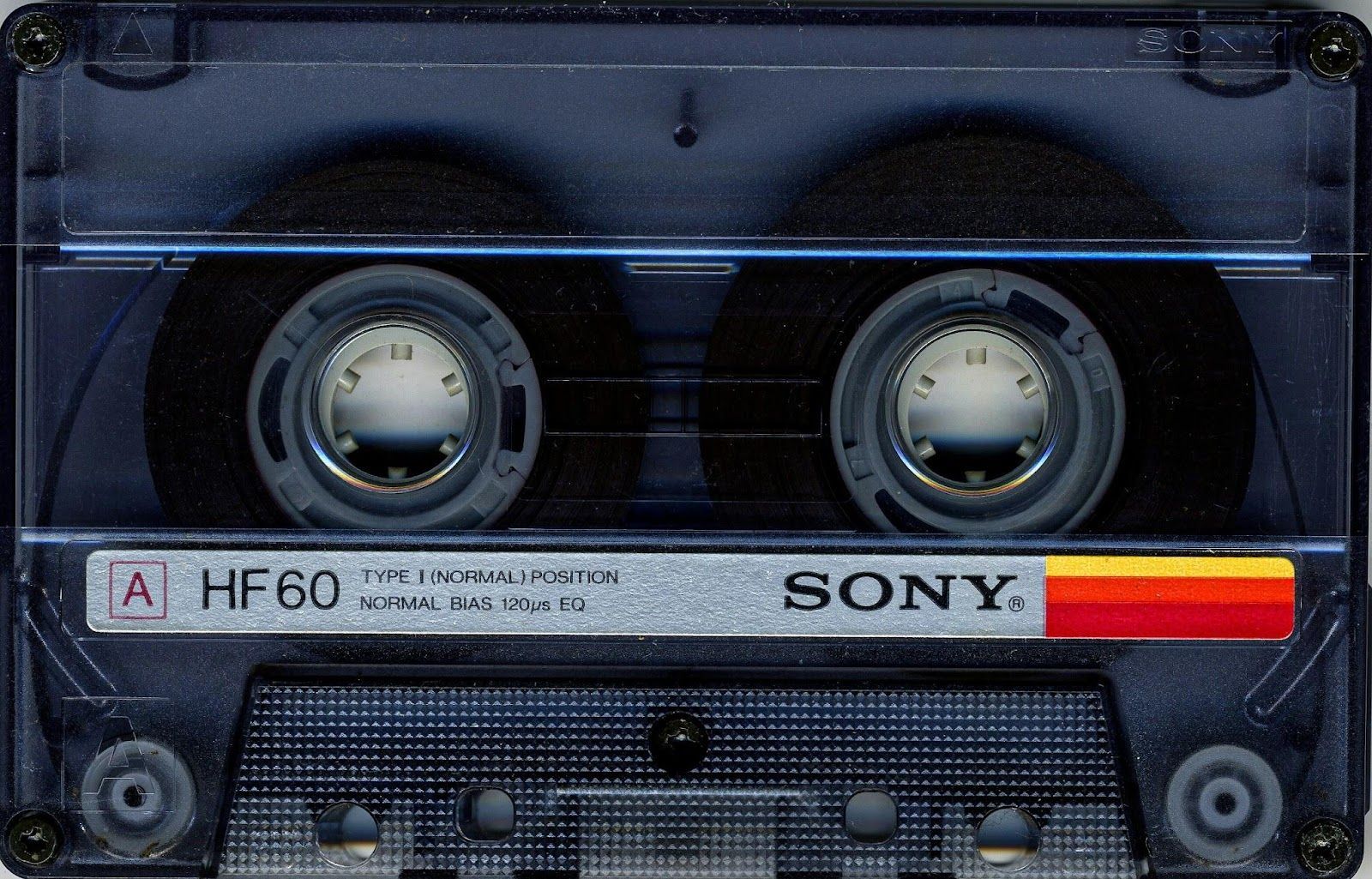
Image: Bruno Guerrero

Music enters the Library’s life via the National Recording Registry and the Music Division. Ricky Martin’s "Livin’ La Vida Loca" is one of the recordings the Library has recognized for cultural impact; these entries help posterity understand what particular songs meant to listeners at the time.

Other anthems are also preserved in the collection, like Aretha Franklin’s " Respect " and Journey’s " Don’t Stop Believin. "

4
A moldy wedding cake
Image: gryzoon

A sliver of wedding cake from P.T. Barnum’s era spectacles survives in the Library of Congress’s Manuscript Division as a historical oddity. Donated in the 1950s, it now sits darkened with age and mold.

The cake came from the wedding of Charles Stratton, who was 25 years old and just 35 inches tall at the time. Stratton performed in Barnum’s shows under the name General Tom Thumb, delighting audiences with his song-and-dance routine.

5
A map of the Grand Canyon made of chocolate

Image: Steve Johnson

Yes, that is a real thing. The Geography and Map Division highlights a 1991 topographic map of the Grand Canyon molded in chocolate , made by the Chocolate Topographic Company.

6
What Lincoln was carrying when he died
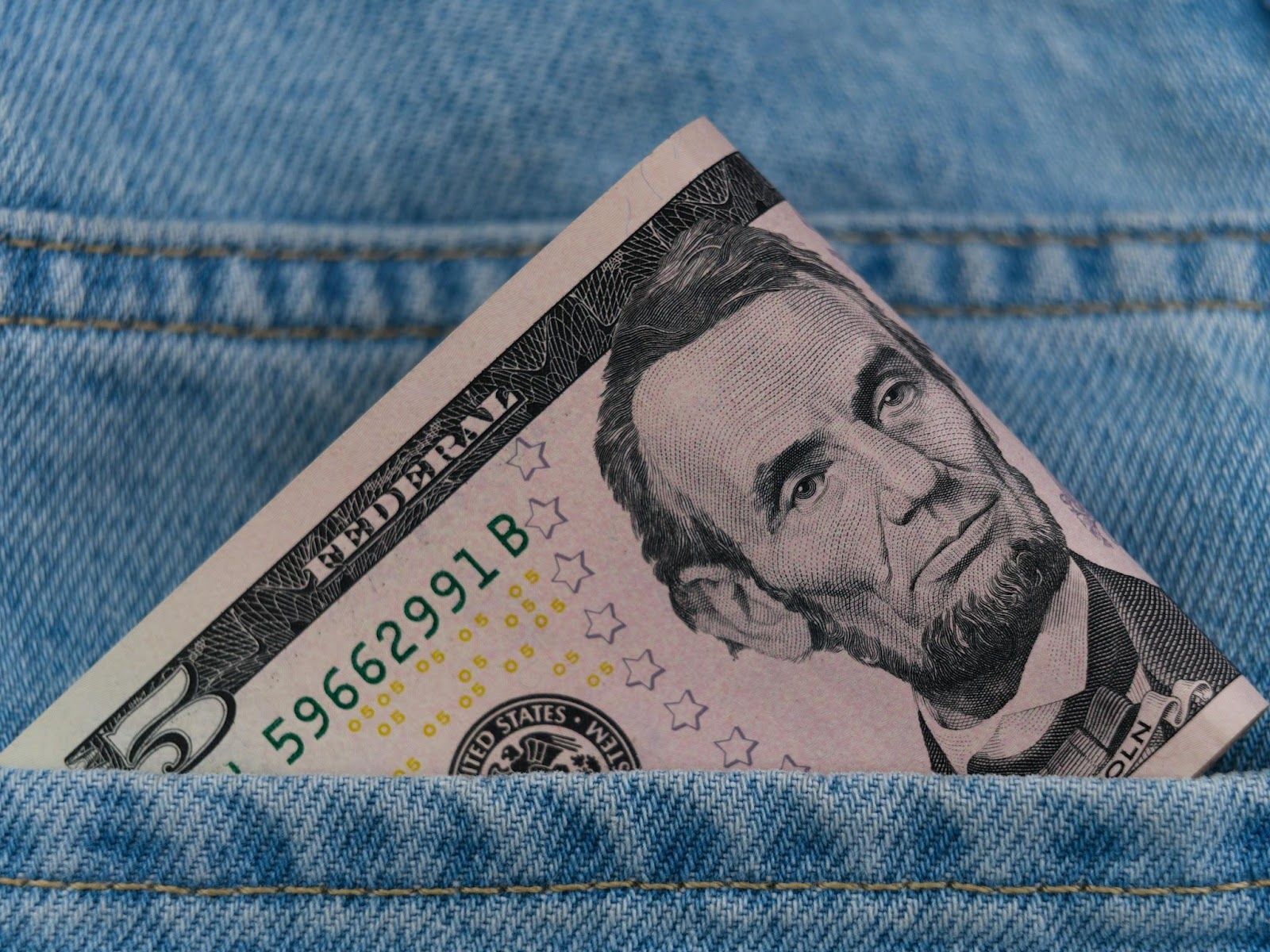
Image: Engin Akyurt

The Library’s Treasures and related pages describe the modest, deeply human contents found on Abraham Lincoln after he was shot : a silk-lined wallet with newspaper clippings, a Confederate five-dollar bill kept as a curiosity, spectacles, a pocketknife, a handkerchief, and a watch fob, among other everyday items.

7
Locks of hair from Jefferson, Beethoven, and others
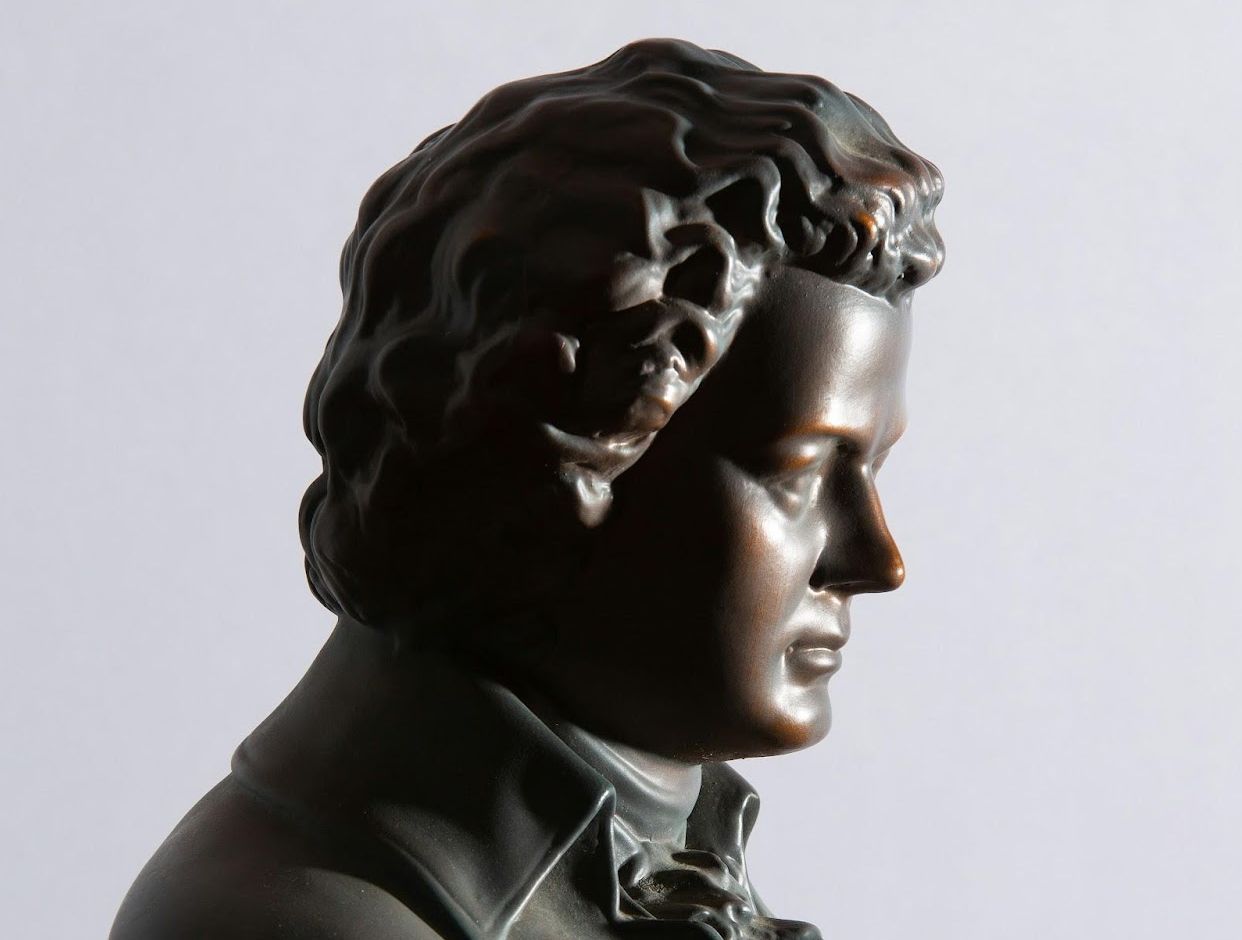
Image: benjamin lehman

Why not? The Library’s Manuscript and Music Divisions preserve numerous strands of hair attributed to notable figures : from presidents such as Thomas Jefferson to composers like Ludwig van Beethoven, as well as other cultural icons including Walt Whitman, Clara Barton, and George Washington!

8
Thomas Jefferson’s vanilla ice cream recipe
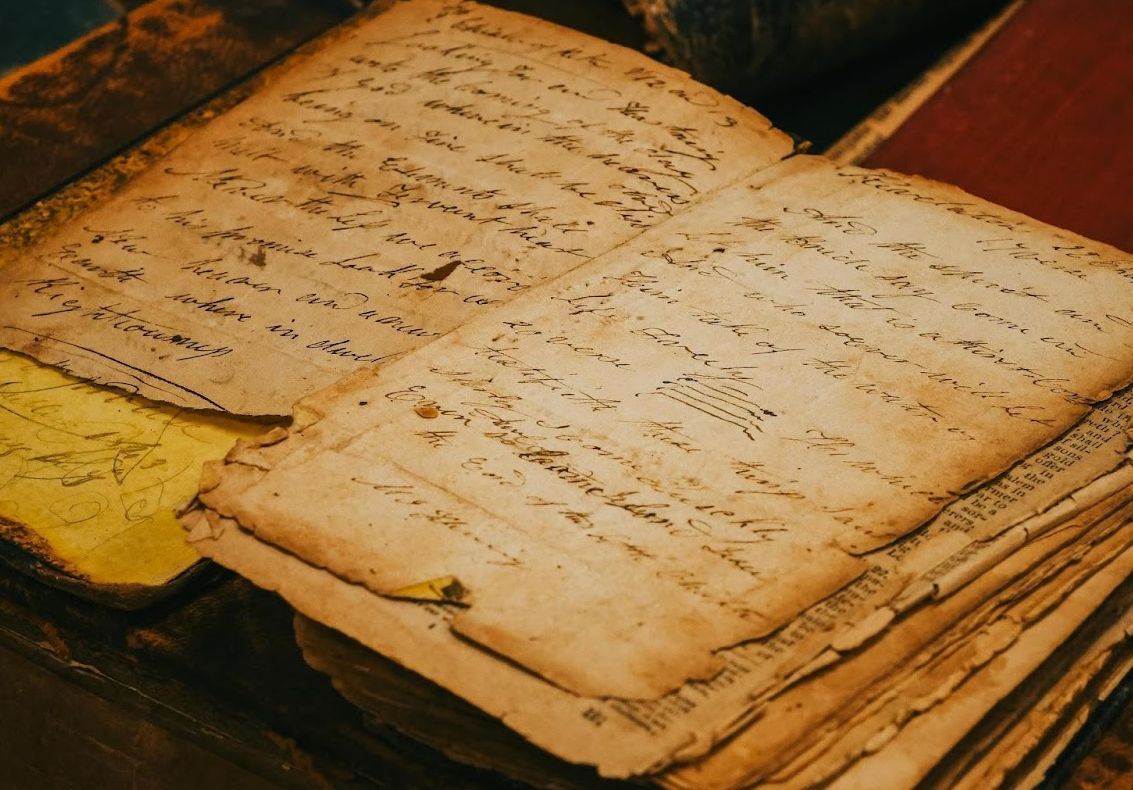
Image: Colin Fearing

Among Jefferson’s papers, which the Library and Monticello both reproduce and discuss, is his handwritten vanilla ice cream recipe : cream, egg yolks, sugar, and vanilla, frozen using ice and salt. A fundamental (and surprisingly delicious) document of history!

9
A precursor of the Monopoly Game (The Office Boy)
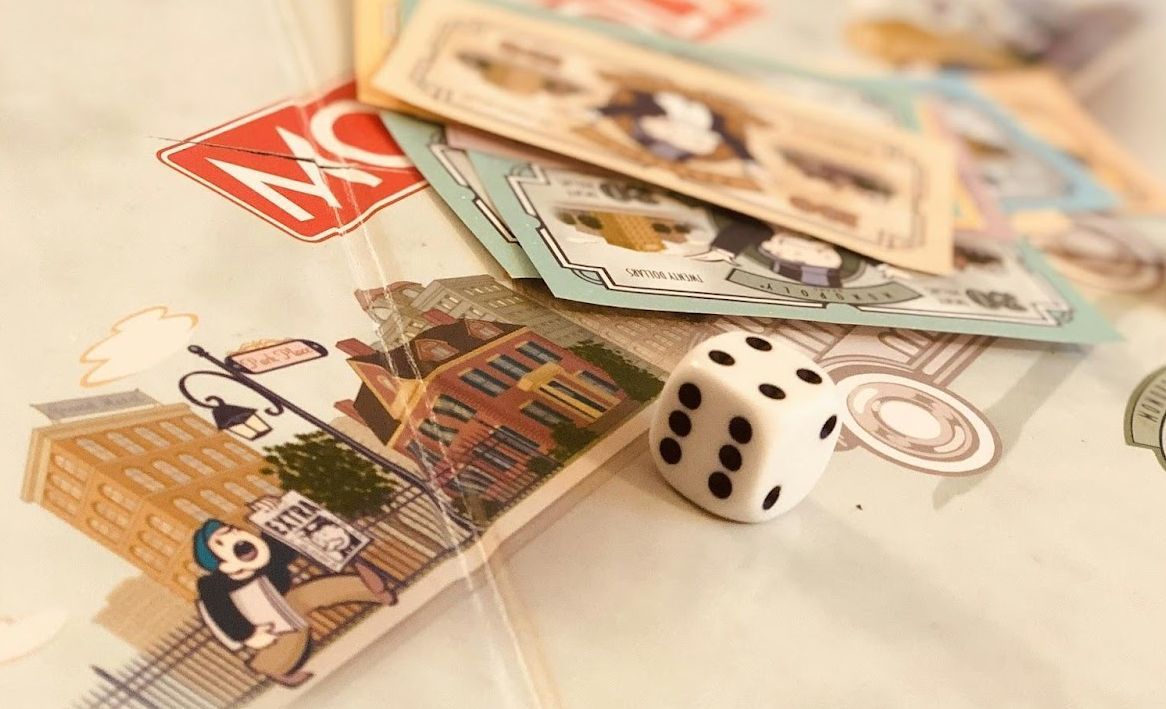
Image: Kathy Marsh

Monopoly’s genealogy includes several predecessors. Most famously, Elizabeth Magie’s 1904 The Landlord’s Game is the well-documented precursor.

Other commercial board games , such as Parker Brothers’ The Office Boy (an 1889 Horatio Alger–style career game), along with various moral and occupational boards, helped shape the emerging mass-market game industry that ultimately produced Monopoly .

General General 4 min read

Made in the U.S.A.

Are you familiar with these 10 iconic American car brands?

Image: Brett Sayles

America lovers cars. And cars love America. Its infinite roads and vast landscapes are the perfect environment for a four-wheeled vehicle to thrive in. From historic brands still alive and kickin’, like Ford, to new and disrupting players like Tesla, or the gone but not forgotten, like Oldsmobile, this list showcases ten examples of what America’s car industry can produce. Have you ever driven any of these brands?

1
Ford

Image: Ross Sokolovski

What is to say about Ford that hasn’t been said already? This omnipresent American car brand, founded by Henry Ford in 1903, is popularly known as the auto manufacturer responsible for putting America on wheels. Ford’s first car, the Model A , was assembled at a plant in Detroit.

The Model T was an affordable, reliable, and efficient vehicle . Within 10 years, half the cars in America were Model T’s. Ford created the world’s first moving assembly line for cars, which would change the industry forever. This invention allowed the company to produce one Model T in under thirty seconds.

2
Chevrolet

Image: Gary Sandoz

Another legendary brand, Chevrolet was founded in 1911, in Detroit, Michigan, by Louis Chevrolet and William C. Durant. Chevrolet introduced its first model, which was the Series C Classic Six and almost three thousand cars were sold the first year.

Chevrolet produced its one-millionth vehicle in the 1920s. In the late 1920s, Chevrolet surpassed Ford in sales, becoming the top seller of both cars and trucks. This position for first place went back and forth between the two brands over the years.

3
Jeep

Image: Kenny Eliason

A brand that was born strong, Jeep vehicles were first used in World War II as a reliable ride and then slowly made their way into the American non-military market. This brand is dubbed as a "Go anywhere, Do anything" kind of vehicle, owing to its sturdy frame and powerful engine.

Nowadays Jeep is popular among off-roaders and has several classic models in its roster, including the Wrangler, Cherokee, and Grand Cherokee, among others.

4
Dodge

Image: Dan Gold

Believe it or not, Dodge was a bicycle maker before being a car maker . The brand, established in 1900 dealt with bicycles in the first place and then started supplying car parts before deciding to get into the production of vehicles in 1914.

In the early 1920s, after the original founders passed away Chrysler bought the brand and continued producing successful cars, among them, the Ram, the Charger, the Caravan, and many others.

5
GMC

Image: todd kent

Another hugely successful American brand is GMC. The General Motor Truck Company came into existence in 1911. Over the years, the company started manufacturing large powerful vehicles including SUVs, vans, and a massive range of trucks. Popular GMC models include Acadia, Canyon, Sierra, Sienna, and Yukon among others.

6
Cadillac

Image: Sidney Pearce

The most famous luxury car in America, Cadillac owes its name to Antoine Laumet de La Mothe Cadillac, a French adventurer who discovered the city of Detroit. Believe it or not, passenger seats and an enclosed cabin were introduced for the very first time by Cadillac because, well, that was considered a luxury back then.

Some famous Cadillac car brands include the Camaro, Silverado, Tahoe, and Impala, among others.

7
Lincoln

Image: Arvin Dale

Other than Cadillac, most people would say Lincoln if asked for a luxury car brand, since this company is also a pioneer in this segment. This popular American car manufacturer started making luxury vehicles in 1917, at a time when the concept was not affordable for many.

Some classic Lincoln cars that are timeless to date include the Zephyr, the Town Car, the Mark LT, and the Navigator SUV. The latest SUVs popular among car enthusiasts include the Nautilus, MKC, Aviator, and Lincoln Corsair.

8
Tesla

Image: Tesla Fans Schweiz

Not many car brands have become so iconic in as few years as Tesla has and there is a simple reason for this: this American car brand revolutionized regular automobiles and made them electric . It had been done before, yes. But not with this level of success.

Tesla is a pioneer in reducing the carbon footprint of the environment with its electric vehicles. Many auto manufacturers are now following in Tesla’s footsteps. The revolutionary company unveiled its first creation called the Tesla Roadster in 2008.

9
Buick

Image: Mohammad Hoseini Rad

Buick is one of the oldest automobile brands in the world, having been founded in 1899. The company has a long history of producing high-quality, luxury, and performance-oriented vehicles and has been a part of General Motors since 1908.

In recent years, Buick has seen a decline in sales in the United States and has focused on the Chinese market where the brand has experienced success. Buick has shifted its focus towards producing more crossover and SUV models to meet the demand for larger vehicles in the current market.

10
Oldsmobile

Image: Hombre

Honoring its name, Oldsmobile, like the aforementioned Buick, was one of the oldest automobile brands in the United States, being founded in 1897. It initially gained popularity through innovations such as the first mass-produced car and the first automatic transmission.

In the mid-20th century, it was known for its performance and style, being a public favorite. However, by the late 1990s, Oldsmobile’s sales began to decline, leading to its discontinuation in 2004 as part of General Motors’ restructuring.

General General 5 min read

Culinary influences

Discover 10 "foreign" foods that are actually American

Image: Dyana Wing So

In the United States—the great melting pot—we have embraced countless delicious dishes brought by immigrants when they arrived in America. At the same time, this cultural exchange gave rise to new recipes that, while borrowing elements from cuisines around the world, were created entirely on American soil. For example, did you know that no one in Italy would serve meatballs and pasta in the same course? Or that there isn’t a single restaurant in Cuba where you can order an authentic Cuban sandwich? Read on to discover 10 dishes you thought were foreign but are, in fact, American!

1
Chimichangas

Image: Pedro Gil

What do you mean it’s not a Mexican dish? The name sounds Mexican!" While two Mexican-American restaurants—one in Tucson and the other in Phoenix—dispute the authorship of this dish, one thing is certain: it originated in the United States, more specifically in Arizona .

Today, chimichangas— a stuffed burrito fried in oil or butter —are one of America’s favorite dishes. And although they could never have existed without the culinary influence of our southern neighbor, we also had a lot to do with their creation.

2
Chop suey

Image: Albert Stoynov

There are many theories about the origin of this popular dish, but one of the most widespread is particularly intriguing. According to lore, chop suey was invented in 1896 by the cook of the Chinese ambassador to the United States . Apparently, the diplomat, who was hosting a dinner for American guests, instructed the chef to prepare a dish that would appeal to both Eastern and Western palates.

While there is no dispute that similar dishes exist in Asian cuisine, this particular moment of cultural and culinary exchange is said to have sparked the American public's fascination with Asian flavors . Soon after, Chinese restaurants began to proliferate across the country, with chop suey as their signature dish.

3
Russian dressing

Image: Rachel Claire

Did you know that nobody in Russia has ever seasoned their salad with Russian dressing? It doesn't exist there! This popular condiment is a completely American invention. It’s believed to have been created by a New Hampshire butcher in the early 20th century , who originally called it "Russian mayonnaise." Interestingly, he had no known ties to Russia, so it is unclear why he chose that name.

Perhaps the answer lies in one of the dressing’s original ingredients: black caviar, one of Russia’s most famous exports . Unfortunately, we’ll probably never know the full story. One thing is certain, though—Russian dressing was born in the United States!

4
Chili con carne

Image: https://images.unsplash.com/photo-1545433243-0a87e3fed9b4?q=80&w=1470&auto=format&fit=crop&ixlib=rb-4.0.3&ixid=M3wxMjA3fDB8MHxwaG90by1wYWdlfHx8fGVufDB8fHx8fA%3D%3D

Okay, chili may sound like a traditional Mexican dish, but this meaty version, chili con carne , was actually created in South Texas in the late 19th century . Not only did it feature added animal protein, but one of the key ingredients often associated with chili today—beans—was originally left out.

Chili con carne quickly became a national favorite. Families across the country began experimenting with their own versions, and soon, nearly every state had its own take on the dish . But nothing quite compares to the original Texan chili—the one that started it all!

5
Fortune cookies

Image: hannahlouise123

If you asked someone where fortune cookies come from, they’d probably say China. After all, they’re the quintessential treat served at Chinese restaurants around the world. But surprisingly, fortune cookies were invented in the United States —and they’re not even Chinese !

They were first created in the early 20th century in San Francisco , one of the American cities with the largest Asian immigrant populations. Even more surprisingly, they were invented by a Japanese man as a gesture of gratitude to the mayor who had hired him as a designer. He was inspired by a Kyoto tradition called omikuji , which involves offering a treat that contains a random fortune written on a slip of paper.

After World War II, many Chinese entrepreneurs took over Japanese bakeries in the Bay Area, helping to spread the cookie's popularity—and contributing to the common misconception about their origin.

6
Cuban sandwich

Image: Conor Brown

Despite its name, the Cuban sandwich originated in the Cuban-American communities of Ybor City, Key West , and Plant City , Florida , in the early 20th century. It later became popular in Miami and other American cities with large Cuban populations.

Interestingly, the ingredients vary from place to place. What all versions share, however, is Cuban bread —similar to a French baguette but made with slightly different ingredients and a unique baking method. So, is this bread authentically Cuban? Not exactly. It was actually created alongside the sandwich, right here in the United States!

7
German chocolate cake

Image: BraggsDiner

Despite its name, German chocolate cake has no culinary ties to Germany, nor is it named in honor of the country. In fact, it takes its name from Samuel German , a confectioner who, in the mid-1850s, developed a type of baking chocolate for the Baker's Chocolate Company of Boston, Massachusetts.

A century later, a recipe using German’s Sweet Chocolate appeared in the Dallas Morning News and became an instant hit among homemakers. Before long, Baker's Chocolate sales soared, marking a strong comeback for German's baking bar. Today, German chocolate cake is an American classic —and now you know its true origin!

8
Spaghetti and meatballs

Image: Ivy Farm

You probably thought this dish was authentically Italian your whole life. Well, we hate to break it to you, but spaghetti and meatballs are a hundred percent American invention, though it is, to be fair, a product of early 20th-century Italian immigration.

Meatballs were likely inspired by Italian polpette , a stew made of small balls of breadcrumbs mixed with meat or fish. However, in the Old World, polpette was never served with pasta and marinara sauce; it was a dish on its own. When Italian immigrants discovered how easy it was to buy beef in America, they began incorporating it into many dishes. And thank goodness they did!

9
Garlic bread

Image: Mariana Kurnyk

Another food with Italian influences but created in the United States is garlic bread. A staple of Italian restaurants, this side dish was introduced by immigrants who were likely trying to emulate the famous bruschetta .

However, they ran into an obstacle that led to the invention of something totally new—but just as delicious. Olive oil, so abundant in the mother country, was scarce and difficult to obtain in America. Therefore, they resorted to an ingredient found in abundance here: butter . And the rest is history!

10
Vichyssoise

Image: Julia Kicova

With such a name, you might think this dish is purely French! Well, not exactly. Although it was created by a French-born chef, it was first made in Manhattan, New York. In 1917, feeling a bit homesick for his homeland, Louis Diat, head chef of the Ritz-Carlton Hotel, wanted to recreate a potato and leek soup his mother used to make when he was growing up in Montmarault, France.

But there was a problem: it was summer. Finally, he came up with a brilliant idea—to thin down the hot soup with cold milk and cream . He named his invention after Vichy, the famous spa town near his hometown. The dish was an instant hit among the restaurant’s guests, who soon asked for it to be available year-round.

Explore more American facts

Choose your favorite category!

General
General

As American as apple pie—the very best America has to offer!

Culture
Culture

Delve into the astounding richness of American lore.

Geography
Geography

Hop in and explore vast and diverse American landscapes.

History
History

Discover the key moments that shaped the United States.