History History 3 min read

Leading young

Age is just a number: the 10 youngest US Presidents!

Image: Dep377

Age is often seen as a symbol of experience, but being the oldest doesn't always mean being the wisest. While the average age of US presidents when they assume office is 55, there have been some who took office much younger! Although no president has held the position in his thirties, some have started in their early forties. If you want to know about the youngest presidents in US history, read on. You may be in for a surprise!

1
John Tyler

Image: Benjamin Ashton

The oldest president on this list is John Tyler, the 10th US President, who took office in 1841 at the age of 51, after the passing of President William Henry Harrison. He became the first vice president to assume office due to the death of a sitting president. After serving one term, he left office at the age of 55.

2
Millard Fillmore

Image: Kendall Scott

As mentioned earlier, the average age of US presidents at the time of inauguration is 55. Surprisingly, this president took office at just 50, five years younger than the average! We're talking about Millard Fillmore, the 13th president of the United States. Although he was not elected, he assumed the presidency on July 9, 1850, following the death of President Zachary Taylor, and left office 3 years later at the age of 53.

3
James K. Polk

Image: René DeAnda

In 1825, James K. Polk became the 11th US president, taking office at the age of 49. During his campaign and time in office, he stated that he would serve only one term, and he kept his promise by not seeking re-election. Fun fact: At the time of his election, Polk was the youngest person ever chosen as president of the United States.

4
James A. Garfield

Image: Luke Michael

Just like Polk, James A. Garfield also became president at the age of 49. At the time of his inauguration in 1881, Garfield was not the youngest ever elected, but he was the youngest Republican to become president! And that's not all: He was also the first left-handed person to serve, though it is said that he could write with both hands!

5
Franklin Pierce

Image: Element5 Digital

Franklin Pierce may not be the most popular president in US history, but he was one of the youngest ever to hold office.

When Pierce took office in 1853, he was 48 years old. His presidency was marked by political tensions and personal tragedy. Serving only one term, he left office at the age of 52.

6
Barack Obama

Image: History in HD

In 2009, Barack Obama became the 44th President of the United States at just 47 years old. After serving two consecutive terms, he left office at 55. As you can see, he left office at an age when many typically start their presidency! Additionally, Obama was born in 1961, which makes him the first president born in the 1960s.

7
Ulysses S. Grant

Image: Kirsten LaChance

Ulysses S. Grant became the 18th President of the United States in 1869 at just 46 years old. He served two terms and left the presidency at 54, still quite young for a former president.

Perhaps it was precisely his youth that led to a rather amusing incident. President Grant, a well-known horse enthusiast, received a speeding ticket in 1872... On horse! He was racing a horse-drawn carriage in Washington, DC, and ended up paying a $20 fine.

8
Bill Clinton

Image: Jesse Karjalainen

The '90s may feel like just yesterday, but believe it or not, more than 30 years have passed since that decade began! However, we're sure you remember this event well: On January 20, 1993, Bill Clinton was inaugurated as the US President at just 46 years old. Like Grant, he served two terms and left office at 54.

9
John F. Kennedy

Image: Florida Memory

John F. Kennedy took office as the 35th US President on January 20, 1961, at just 43 years old, making him the youngest elected president in US history!

Although his presidency was tragically short, it was marked by major milestones. Kennedy set a goal for America: to be the first nation to land a man on the moon before the end of the 1960s. Although he sadly didn't live to see it, his words became a reality when Apollo 11 landed on the moon in 1969!

10
Theodore Roosevelt
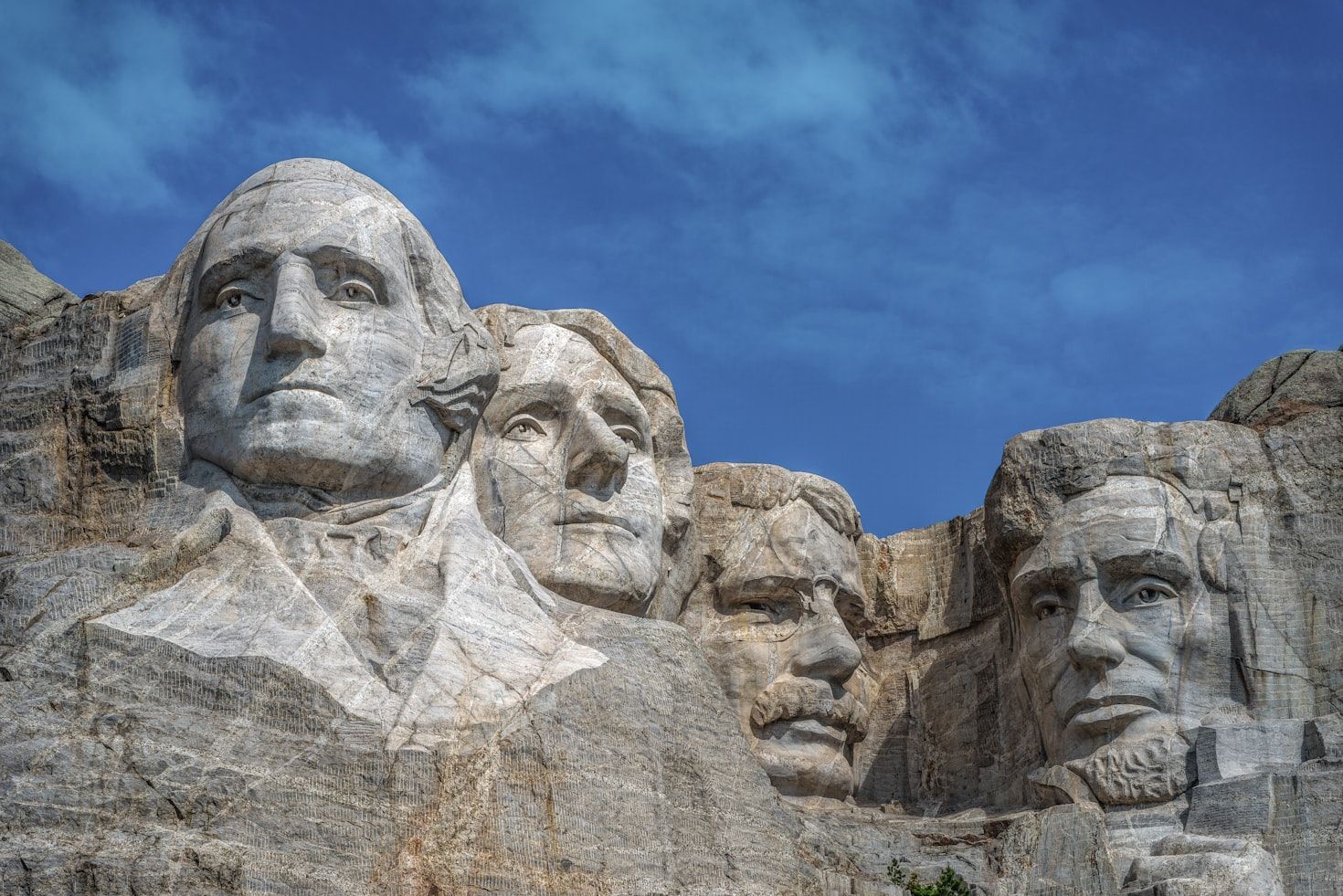
Image: Stephen Walker

We've reached the youngest president, not just on this list but in all of US history! That title goes to Theodore Roosevelt, who became the 26th president in 1901 at just 42 years old.

While he first took office in 1901 following the death of President William McKinley, Teddy Roosevelt was officially elected in 1904 and began his second term in 1905.

General General 3 min read

Food names that are mouthfuls

The dulce de leche craze and other foreign foods Americans love

Image: Adamsov

Not being able to pronounce a meal’s name properly doesn’t matter so much when it’s delicious! Some treats have been around for so long that most of us have incorporated them in our homes: like sushi, curry, or simply pizza! But other newcomers cause us to stop and reread when we are trying to order them –like feijoada or dulce de leche. Let’s look into the list of foreign foods we have embraced and welcomed!

1
Pizza

Image: Nik Owens

This Italian classic truly needs no introduction. From its humble beginnings in Naples, pizza conquered the world, and America is no exception. Whether it's a classic New York slice or a deep-dish Chicago pie , pizza is a staple in American diets, with endless customizable topping options.

2
Sushi

Image: Jakub Dziubak

Once considered exotic, this Japanese delicacy has become a mainstream favorite in America. From California rolls to spicy tuna, these bite-sized pieces of artfully prepared fish and rice have won over many of our palates with their fresh flavors. Not to mention the fun appeal of sushi bars!

3
Fondue

Image: angela pham

Cheese fondue or chocolate fondue? All are welcome! This Swiss tradition of dipping diced food into a communal pot has become a fun and interactive dining experience for Americans. It’s a meal as much as an event: The point is to share and enjoy!

4
Dulce de Leche

Image: Leigh Skomal

This caramel treat hails from South America, where it's slathered on everything : pancakes, fruit, ice cream —you name it! Lately, Americans have embraced this sweet indulgence, swirling it into ice cream and frappucinos, drizzling it over desserts, and even stuffing it into cookies.

5
Ramen

Image: Bon Vivant

Another convenient, exotic, and fulfilling meal that many Americans can vouch for. Whether in the form of a quick instant noodle fix or as a gourmet bowl in a Japanese bar, this is a meal that has become a favorite comfort food for many.

6
Macaron

Image: Holly Stratton

Charming to the eyes as well as delicious! Macarons are delicate French cookies that are almost too pretty to eat . They are almond-based and usually served in bright colors, already a favorite for those of us with a sweet tooth.

7
Pad Thai

Image: Hidden

Once street food in Thailand, today a go-to for American takeout lovers. It combines fried rice noodles, protein, vegetables, and a tangy sauce . Interesting! The dish offers a delicious balance of flavors and textures that has garnered many fans across the country.

8
Paella

Image: Olivier Collet

Paellas are inviting to all of the senses. This saffron rice is a staple of Spanish cuisine and often includes seafood, chicken, or chorizo. It’s accompanied with vegetables and served in a large pan. Its colorful presentation makes it a showstopper at any dinner party or food festival.

9
Pavlova

Image: Léo Roza

This meringue-based feast from New Zealand and Australia has charmed its way onto many American dessert menus. If you like a crisp crust of meringue with a fluffy interior, topped with fresh fruit like strawberries or cherries, you must try this dessert —if you haven’t already!

10
Feijoada

Image: Beatriz Braga

Feijoada (pronounced fey-zhoo-ah-dah) is a hearty black bean stew from Brazil. It’s packed with pork, spices, and often served with rice and orange slices. Sure, a bold flavor . But Americans are starting to embrace this traditional Brazilian pride!

11
Arepas

Image: Alexandra Tran

Arepas can go with anything, really. Some refer to them as culinary blank canvases . They are versatile cornmeal cakes from Colombia and Venezuela, which can be stuffed or accompanied by spreads like cheese, shredded beef, vegetables —you name it!

12
Gyro

Image: Bruna Santos

The gyro (pronounced yee-roh) is a Greek pita-wrapped delight, and a favorite of handheld dining . Packed with spiced meat, crisp veggies, and garlicky tzatziki, gyros are a satisfying and flavorful meal that Americans have embraced for their fresh taste and convenience.

13
Curry

Image: Photo By: Kaboompics.com

The fragrant aromas and complex flavors of Indian curries have captivated us for decades. From the creamy tikka masala to the fiery vindaloo , curry dishes have opened the door for Americans to incorporate rich spices from foreign cuisines.

Geography Geography 4 min read

Explore USA!

National Parks 101: Learn how to make the most out of your next visit

Image: Kristina Wagner

The infinite generosity of America’s great outdoors is almost impossible to fully embrace. Its landscapes offer some of the most varied experiences available anywhere in the world, and the national parks are arguably the best places to explore them. These natural wonders draw huge crowds year after year, so some basic tips can help you make the most of your visit. Take a look at the following 15!

1
Choose your destination

Image: Annie Spratt

Unless they have a specific destination in mind, narrowing down the large list of national parks should be the first item on the list of any aspiring visitor. Fortunately, the National Park Service has a helpful section on its website called 'Find A Park,' which allows users to select a park from the list or search for parks by state, activity, or topic.

Once you've decided where you're headed, check for maps, calendars, directions, hiking trails, and operating hours. Additionally, when choosing your perfect destination, consider exploring some under-the-radar parks, which might offer more solitude and less crowded experiences.

2
Check the weather

Image: Inge Maria

Almost nobody wants to be caught off guard by rain when spending time outdoors. Therefore, always check the weather conditions in advance so you can prepare accordingly or reschedule if necessary.

Even if the weather seems favorable in the morning, a thunderstorm could roll in during the afternoon, so it’s best to be prepared.

3
Pack smart

Image: Alice Donovan Rouse

Life in nature is not the same as life in the city. As basic as that statement might seem to most, watching people attempt to hike through rocky trails in impractical footwear reminds us that perhaps it isn’t so obvious.

Therefore, when exploring nature, make sure to bring durable, comfortable gear . Essentials include hiking boots, sunscreen, waterproof jackets, and layered clothing. Even if you don't plan to be out for long, always bring essential supplies like a first aid kit, water, and snacks whenever you visit a national park.

4
Link parks together

Image: John Matychuk

Many parks in the U.S. are within a short driving distance of each other , so it is always a good idea to visit several national parks in the same area. This way, you’ll experience a bunch of different landscapes in one single trip.

5
Historic accommodations

Image: Igor Chitz

Many national parks have historic lodges within their grounds . Featuring natural materials and stunning designs, these accommodations offer a unique experience worth staying in for a night or two. Keep in mind that booking a room can be challenging, and availability may be limited.

6
Free nature

Image: Kalen Emsley

In a world where almost everything comes with a price, it’s refreshing to know that most national parks are free . And the ones that do, charge a modest fee, ranging from $5 to $35, which typically covers up to seven days for an entire carload of people.

7
Pets

Image: Jamie Street

Our furry friends aren’t always welcome in national parks. If you're traveling with pets, be sure to check the park’s policies. Many parks allow pets on leashes in certain areas , such as campgrounds, and some even offer kennels. However, it’s important to research this in advance.

8
Try to avoid peak seasons

Image: Sebastian Enrique

The summer months are typically the busiest time of year at national parks . Visiting popular parks during the off-season means fewer crowds and lower rates. October is considered an ideal time to visit most national parks, as it’s quieter and the weather is pleasant.

Even if you visit a national park during the high season, you can still avoid crowds by arriving early in the morning before most tourists or visiting in the middle of the week to avoid the weekend rush.

9
Tours and campground reservations

Image: Yuriy Rzhemovskiy

In the same vein as the peak season commentary, making tour and campground reservations is always a good idea. Accommodations tend to fill up early, but online reservations are easy to make . Booking in advance will ensure you get the accommodations and experiences you want.

10
Check out the visitor center

Image: Blake Wisz

While many people tend to pass by the visitor center kiosk without giving it a second glance, doing so at a national park can be a very useful stop. You can pick up maps, guides, and up-to-the-minute information on everything from road conditions to hiking trails, as well as learn about special programs offered at the park.

11
Ask the locals

Image: Taylor Flowe

Nobody knows more about the parks than the park rangers who work there every day. They are highly knowledgeable about everything there is to know about their park and are always ready to assist visitors in any way they can.

12
Keep your distance from animals

Image: Elizabeth Meyers

This should be a no-brainer, but it's worth repeating: be respectful of wild animals and keep your distance. The animals you may encounter in some national parks are not captive in a zoo. These animals are in their natural habitat and behave accordingly .

13
Respect nature

Image: harun asrori

Another simple tip: national parks are protected areas where the preservation of nature and entire ecosystems is critical. Therefore, it's essential to follow all park rules during your visit , including staying on designated trails, respecting wildlife, not littering, and being considerate of fellow travelers. This way, national parks will continue to thrive for generations to come.

14
Be mindful of campfires

Image: roya ann miller

Continuing with the obvious tips, we can't leave this one out: unattended campfires pose a serious threat. Help prevent forest fires by never lighting campfires in prohibited areas and always ensuring that authorized fires are properly extinguished.

15
Embrace the digital disconnect

Image: Philip Smart

National parks are places where visitors go to connect with nature, not with their cell phones. Besides, cell service in these areas is often limited. The last tip on this list is always an obvious one, at least for us: put your phone aside and experience the world with your own eyes , which have a much better quality than the best phone ever built.

Explore more American facts

Choose your favorite category!

General
General

As American as apple pie—the very best America has to offer!

Culture
Culture

Delve into the astounding richness of American lore.

Geography
Geography

Hop in and explore vast and diverse American landscapes.

History
History

Discover the key moments that shaped the United States.