History History 3 min read

Remembering the fallen

A nation remembers: The evolution and meaning of Memorial Day

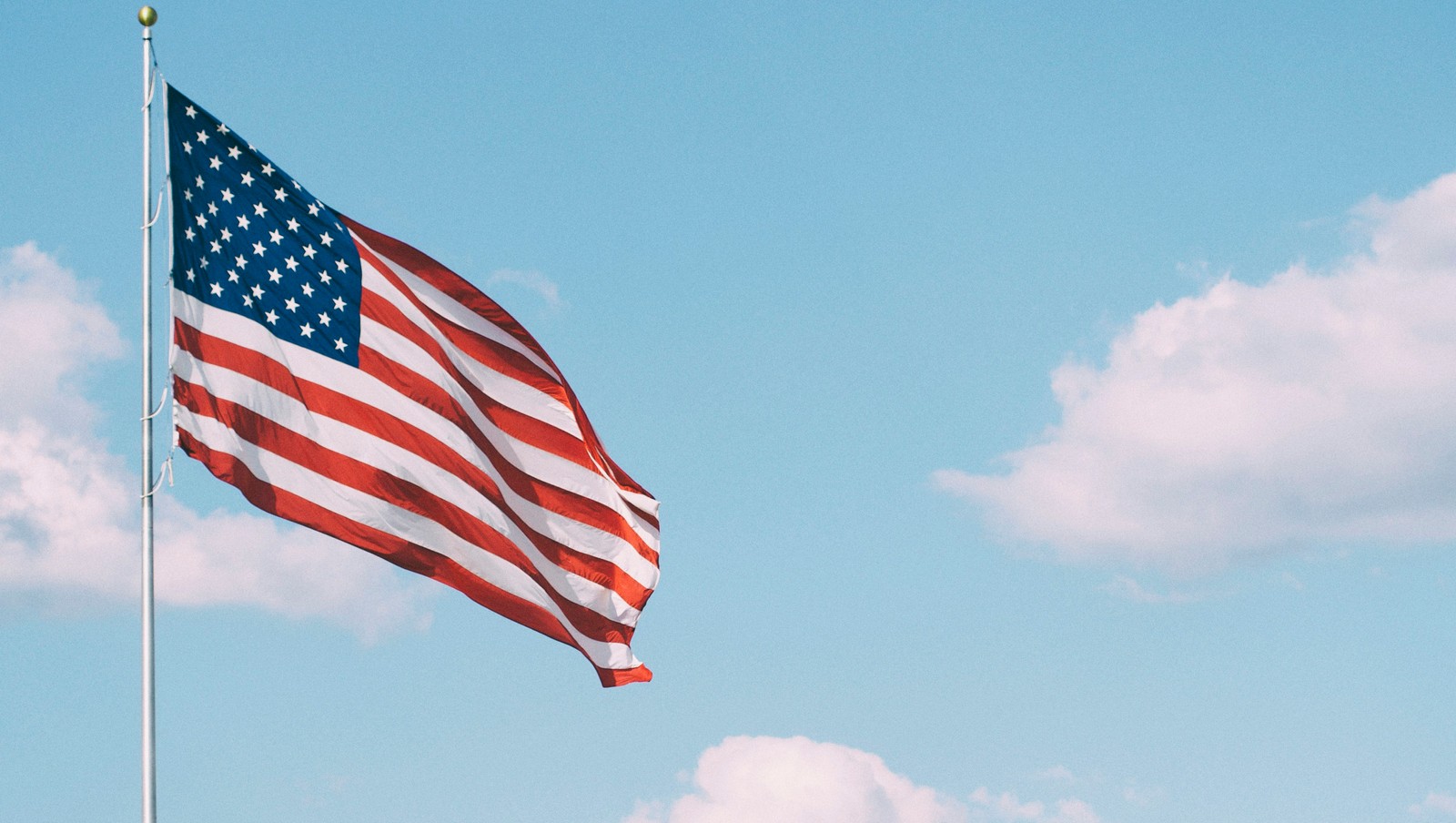
Image: Joel Rivera-Camacho

Memorial Day is an occasion to honor and mourn those who gave their lives in defense of the United States . This federal holiday, observed on the last Monday of May, has a long and evolving history, and it wasn’t always celebrated the way we know it today. Here are 10 facts about how Memorial Day came to be.

1
Decoration Day

Image: Caroline Attwood

Memorial Day was originally called Decoration Day and was first observed on May 30, 1868, as a way to honor Union soldiers who had died in the Civil War. However, the idea behind it actually came from the South. Mary Ann Williams , whose husband died during the conflict, wrote a letter to a newspaper urging women to set aside a day to decorate the graves of fallen soldiers.

2
The end of May

Image: Sergey Shmidt

Decoration Day was instituted by the Army’s commander-in-chief, General John A. Logan , and was quickly adopted by most states. There are several theories about why the date was chosen: some say Logan purposely picked a day that was not the anniversary of any Civil War battle, while others believe he chose it because it’s the time of year when most flowers bloom.

3
National Cemeteries

Image: J. Amill Santiago

During the American Civil War, the U.S. Congress passed an act to create military burial places for Union soldiers. By the end of that year, 12 national cemeteries had been established. Today, the National Cemetery System maintains 164 military burial sites, the most well-known being Arlington National Cemetery and Gettysburg National Cemetery .

4
Renaming

Image: David Everett Strickler

The term Memorial Day was first recorded in the 1880s and grew increasingly popular after World War II. However, the holiday wasn’t officially renamed until 1968, when the Uniform Monday Holiday Act moved its observance from May 30 to the last Monday in May.

5
A moment for remembrance
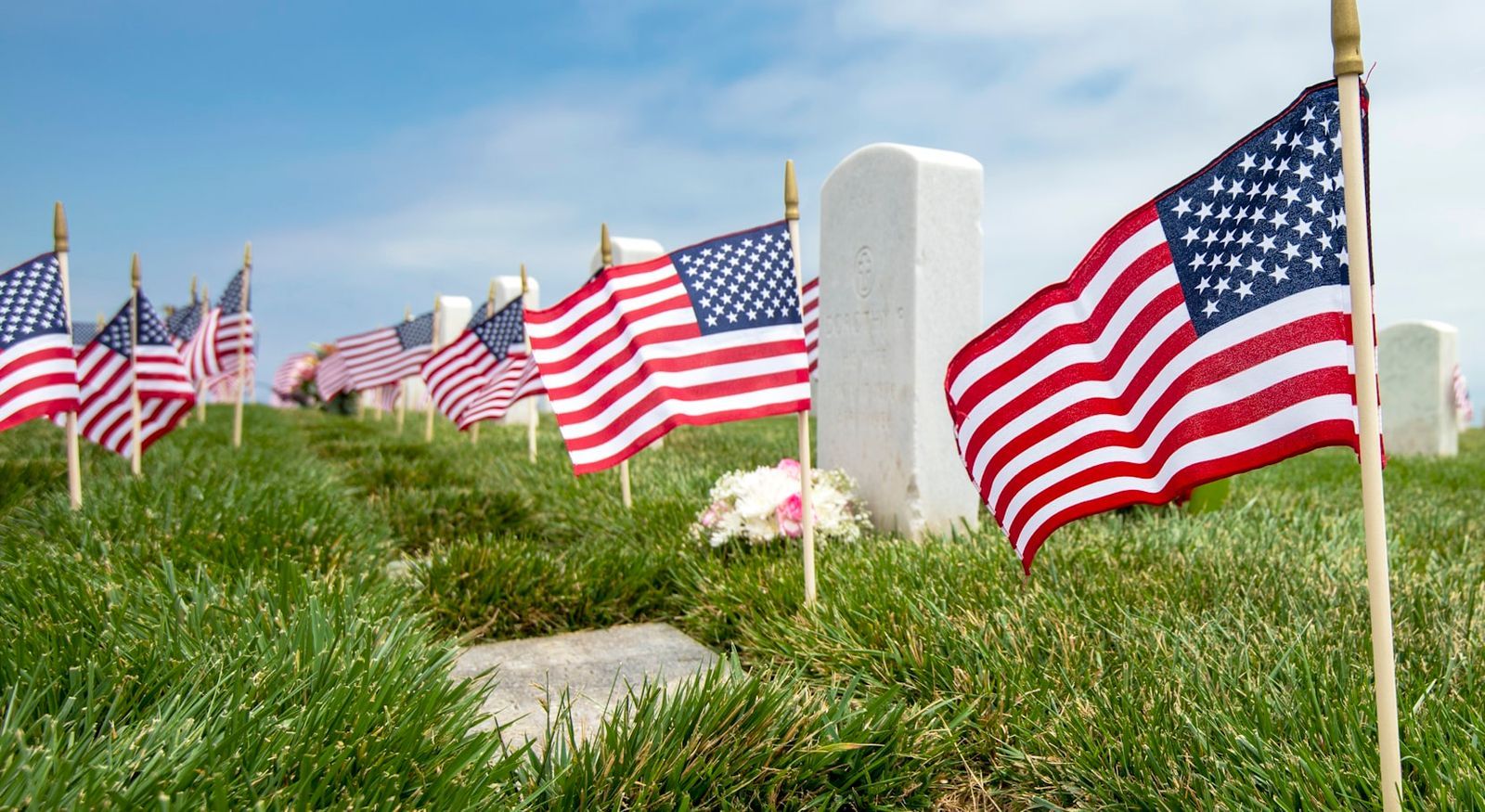
Image: Greg Bulla

The establishment of Memorial Day weekend has been seen by some as a benefit to the travel, sports, and entertainment industries. Veterans’ organizations have urged that the holiday be returned to its original date, arguing that the three-day weekend undermines its intended meaning. In response, Congress passed the National Moment of Remembrance Act , which encourages people to pause at 3:00 p.m. for a moment of silent reflection and remembrance.

6
Poppies

Image: Laurentiu Iordache

Several English-speaking countries adopted the poppy flower as a symbol of remembrance for fallen soldiers after World War I. This tradition was inspired by the poem In Flanders Fields , written by Canadian military doctor John McCrae , which describes poppies growing among soldiers’ graves. In the United States, the poppy was originally associated with Veterans Day but is now primarily worn during Memorial Day weekend.

7
The flag

Image: Gaurav Pikale

The national flag flies at half-staff during periods of mourning. While special instances of mourning can be proclaimed by government authorities, remembrance holidays follow a set protocol. On Memorial Day, the U.S. flag is briskly raised to the top of the staff, then solemnly lowered to half-staff, where it remains until noon. At that time, it is raised again to full staff to honor the nation’s living heroes and those still serving.

8
The Unknown Soldier

Image: J. Amill Santiago

One of the focal points of Memorial Day is the Tomb of the Unknown Soldier at Arlington National Cemetery . This symbolic monument was established in 1921 and originally held the remains of an unidentified soldier who died in World War I. Later, unidentified soldiers from World War II and the Korean War were also interred at the site. A permanent military guard stands watch year-round, honoring the sacrifice of all unidentified service members.

9
Memorial Wreaths

Image: Jack Bulmer

Wreaths are a common sight on Memorial Day—but where does the tradition come from? In 1992, Morrill Worcester, owner of a wreath company in Maine, found himself with a surplus of holiday wreaths. Wanting to put them to good use, he donated them to Arlington National Cemetery as a tribute to the fallen—a gesture that soon became an annual tradition. After a photo of the wreath-covered graves went viral in 2005, the nonprofit organization Wreaths Across America was established to help volunteers place wreaths on veterans’ graves across the country.

10
The start of the summer

Image: David Everett Strickler

Even though it is a day of remembrance, Memorial Day weekend also marks the unofficial start of summer . The holiday often coincides with the end of the school year, and the warmer weather encourages families to gather for barbecues and cookouts, attend parades, and visit the graves and memorials of fallen soldiers.

General General 5 min read

QUICK & DELICIOUS MEALS

Take A Bite Out Of These 10 Iconic American Fast-Food Restaurants!

Image: Fernando Andrade

Fast food gets a pretty bad rep nowadays, doesn’t it? While it's true that it is not the healthiest choice and should definitely be enjoyed only sporadically, the truth is that fast food provides us with fun and delicious meals that can lead to unforgettable moments with friends and family. In that regard, America has an entire cornucopia of iconic fast-food restaurants, and we have selected ten of our favorites. We hope this list doesn’t make you hungry!

1
McDonald’s

Image: Jurij Kenda

We’ll start with probably the most popular fast-food brand in the world. Few logos are as intently recognizable as McDonald’s "golden arches", to the point that they are present in virtually every single country in the world. But before it became an international behemoth, this fast-food chain began as a single restaurant in San Bernardino, California, founded in 1940 by brothers Richard and Maurice McDonald.

We could probably fill this entire article with McDonald’s fun facts, like how an astronaut smuggled a cheeseburger onboard a space shuttle. However, we’ll end this entry with the fabled Big Mac index: Since, as we previously mentioned, McDonald’s restaurants are virtually everywhere, economists have used the price of a Big Mac burger as a global indicator of each country's economic strength.

2
Burger King

Image: Alexis AMZ DA CRUZ

While Burger King is often and unfairly considered to be playing second-fiddle to McDonald’s, the truth is that this chain is definitively fast-food royalty. First founded as Insta-Burger King in 1953, this restaurant offers a selection of burgers, fries, and other delectable products.

Burger King is perhaps most well-known for its signature burger, the " Whopper ". Created in 1957, this iconic product was the very first of its kind, causing competing franchises to develop their very own signature burgers. The Whopper’s legacy resulted in Burger King proudly adopting the nickname "Home of the Whopper".

3
Taco Bell

Image: Ömer Haktan Bulut

You might be surprised to learn that Taco Bell , synonymous with one of Mexico’s most treasured culinary delicacies, was actually founded in America. Not only that: Did you know that the Bell in Taco Bell’s name comes from the founder’s last name?

When Glen Bell started his company in 1953, he didn’t know that this little taco stand would eventually grow into a massive chain serving over two billion satisfied customers each year. Taco Bell is known for a myriad of delicious meals, including its iconic "Crunchwrap Supreme".

4
Domino’s

Image: Miroslav Denkov

In 1960, brothers Tom and James Monaghan bought a small pizza chain close to Eastern Michigan University called "DomiNick’s". Little did the brothers know that they would turn this $1400 investment into one of the biggest pizza chains in the world , with approximately 15,000 locations all around the world.

Known for its 30-minute guarantee, Domino’s offers delicious and affordable pizza delivered with pinpoint accuracy. Over 60 years have passed since its founding, but this pizza chain remains a beloved American icon.

5
Wendy’s

Image: Batu Gezer

Who said that hamburgers need to be round? Wendy’s is a living testament that burgers will always be delicious, no matter what shape they are in. This iconic chain’s burgers are particularly famous for their two main characteristics: Their legendary square shape and the fact that their meat is always fresh and never frozen.

You might be curious as to who the titular Wendy featured in every restaurant is. Well, the restaurant’s founder Dave Thomas named it after his fourth daughter, Melinda Lou, who was known as "Wendy" from an early age. Not only that, Melinda’s likeness was used as the company’s logo, and she continues to serve as its official mascot.

6
KFC

Image: Aleks Dorohovich

Just like Dave Thomas modeling his company’s logo after his daughter, KFC chose to honor its founder by making him an instantly recognizable icon. After all, this iconic fast-food chain’s history starts with Colonel Harland Sanders’ will and determination to drive his family out of their humble beginnings.

In the 1930s, Sanders took the cooking skills he learned from his mother as a child and founded a small restaurant called "Sanders Court & Café". By the 1950s, he saw the potential that franchising provided and opened the very first "Kentucky Fried Chicken" in Salt Lake City. Nowadays, KFC operates thousands of locations all over the world, all of which serve the Coronel’s legendary chicken seasoned with his "11 herbs and spices".

7
Starbucks

Image: Athar Khan

We’ve been dealing with burgers and fried chicken for a while now, so how about a nice cup of Joe instead? While we were hesitant to add Starbucks to the realm of fast food, the truth is that this international company has grown into the world’s largest coffeehouse chain , all the while optimizing the process of delivering a hot and delicious cup of coffee to the hands of the consumer.

Founded in Seattle in 1971, Starbucks was named after a character from Herman Melville’s classic novel "Moby-Dick": In that sense, the twin-tailed mermaid that serves as their iconic logo was also inspired by Melville’s masterpiece. Starbucks is world-famous for its innovative drinks, including the revolutionary cold coffee brew known as the "Frappucino".

8
Subway

Image: Ola Mishchenko

If you are looking for a healthy yet equally accessible fast-food restaurant, then Subway is the place for you. This company was first founded in 1965 by friends Fred DeLuca and Peter Buck, hoping to save enough money to pay for medical school tuition. By the start of the new millennium, Subway became one of the world’s most profitable franchises, as well as one of the fastest growing.

Known for their world-famous slogan "Eat Fresh", Subway’s main appeal is the fact that you can select which ingredients you want in your sandwich. While products like the "B.M.T." or the "Italian Hero" keep their distinctive identity, being able to add your favorite flavors onto your sandwich truly provides a tailor-made customer experience.

9
White Castle

Image: Valeria Boltneva

While it might seem smaller compared to other international juggernauts in this list, White Castle holds the remarkable distinction of being the world’s very first fast-food hamburger chain . Just like many other restaurants, the humble beginnings of White Castle started in 1916 when a cook named Walt Anderson opened his first diner in a converted streetcar. Five years after that, Anderson partnered with Billy Ingram to found the very first White Castle restaurant in Wichita, Kansas.

Over a hundred years after this first location, White Castle is still a beloved destination for all burger lovers. Their most famous product is probably their iconic "sliders", complete with square patties and steamed onions.

10
Pizza Hut

Image: Alan Hardman

We’ll end with another pizza institution. Founded in 1958 by two Wichita State students, Pizza Hut locations are instantly recognizable by their distinctive architecture, which features a red rooftop resembling a hut. Moreover, while their pizza is certainly delicious, Pizza Hut holds the distinction of owning one of the most groundbreaking achievements in pizza delivery history.

While Domino’s prides itself on its 30-minute delivery policy, Pizza Hut holds the record of the very first outer-space delivery in history. In 2001, the company designed a vacuum-sealed pizza suitable to be delivered to the International Space Station. This interplanetary pie literally reached the stars, where it was happily enjoyed by Russian cosmonaut Yuri Usachov.

History History 4 min read

The strangest battles ever fought

11 of America’s shortest wars and strangest battles in history

Image: Chandler Cruttenden

Some of America’s most memorable conflicts weren’t long campaigns but rather quick clashes, odd standoffs, or brief fights that, for one reason or another, became well known. These short or unusual events often reveal how chaotic, improvisational, or downright strange these kinds of situations can be in real life. Take a look at 11 of these curious affairs involving our nation.

1
The Pig War (1859)

Image: Pascal Debrunner

A boundary dispute on San Juan Island nearly escalated into a U.S.-British war after an American farmer shot a British-owned pig that was rooting in his garden . Troops rushed in, tensions rose, and both sides came to the verge of open conflict.

Thankfully, the "war" ended without a single human casualty. Diplomacy prevailed, leaving history with a famously absurd standoff where the only fatality was the unfortunate hog that started it all.

2
The Toledo War (1835-36)

Image: Leo Escala

Believe it or not, Michigan and Ohio once squared off over a slim strip of land containing the city of Toledo . Militias mobilized, tempers flared, and political rhetoric soared past anything that the dispute really deserved.

The conflict produced only one injury: a sheriff was stabbed with a pocket knife. It ended with Michigan receiving the Upper Peninsula as compensation.

3
The Aroostook War (1838-39)

Image: Jason Abdilla

A mix of lumberjacks, militias, and confused officials sparked a border showdown between Maine and British Canada. Though the name sounds dramatic, the "war" consisted mostly of shouting, arrests, and paperwork .

Still, it lasted less than a year and recorded no combat deaths. Its odd blend of frontier folklore and diplomatic missteps gave it a reputation as one of America’s most harmless "wars."

4
Battle of Lake Erie (1813)

Image: National Historical Museum of Sweden (NHM)

In a fierce naval engagement that lasted only a few hours, Commodore Oliver Hazard Perry secured control of Lake Erie during the War of 1812 . His quick, decisive victory shifted momentum in the northern theater of the war.

The battle is remembered for its speed and for Perry’s bold message: "We have met the enemy, and they are ours."

5
Battle of Blair Mountain (1921)

Image: Art Institute of Chicago

For five tense days in West Virginia, thousands of coal miners armed themselves against hired gunmen, local law enforcement, and eventually federal troops . It became the largest labor uprising in U.S. history.

Despite its scale, the conflict ended quickly once the Army intervened. Its strange blend of union struggle, machine guns, and biplanes made it one of the most dramatic yet short-lived labor battles ever fought.

6
Battle of Athens, Tennessee (1946)

Image: Thi Nguyen Duc

World War II veterans took matters into their own hands and clashed with a corrupt county political machine after years of election wrongdoing. In a single night of gunfire and sieges, the veterans seized the jail and exposed the fraud .

By morning, order was restored and democracy reclaimed. The brief uprising became a legendary example of ordinary Americans pushing back against local tyranny.

7
Shelling of Fort Stevens (1942)

Image: Ray Graciano

During World War II, a Japanese submarine surfaced off the Oregon coast and fired on Fort Stevens for roughly fifteen minutes . The startled gunners held their fire to avoid revealing their positions.

No lives were lost, and damage was minimal. Still, the brief attack stands out as one of the only direct assaults on the U.S. mainland during the war.

8
Battle of Palmito Ranch (1865)

Image: Rosanne Rapata

Fought in Texas weeks after the Confederacy had effectively collapsed, this short skirmish featured U.S. and Confederate troops battling despite the war’s official end . Confusion and poor communication kept the fighting alive.

The engagement lasted only a few hours but became the Civil War’s final battle. Its odd timing makes it a historical footnote with a bizarre twist.

9
Battle of Ambos Nogales (1918)

Image: Art Institute of Chicago

A border misunderstanding escalated into a sudden firefight between U.S. and Mexican troops in the twin towns of Nogales, Arizona, and Nogales, Sonora. The shooting lasted only a few hours but drew civilians into chaos.

The brief clash prompted both governments to rethink border security. It remains the only World War I-era battle fought on U.S. soil involving foreign troops .

10
The Great Locomotive Chase (1862)

Image: Naveed Ahmed

Union raiders stole a Confederate locomotive and sparked a dramatic pursuit through northern Georgia. The "battle" unfolded across railroad tracks and small towns over the course of a few hours.

Though unconventional, it was officially a military operation and became legendary for its daring and scope. The episode showed how even a train theft could become an act of war.

11
Little Belt Affair (1811)

Image: The New York Public Library

This brief naval encounter between USS President and HMS Little Belt lasted less than an hour. Confusion over signals led to sudden gunfire and heavy damage to the British vessel.

The brief clash worsened tensions between the two nations and helped push the U.S. and Britain toward the War of 1812.

Explore more American facts

Choose your favorite category!

General
General

As American as apple pie—the very best America has to offer!

Culture
Culture

Delve into the astounding richness of American lore.

Geography
Geography

Hop in and explore vast and diverse American landscapes.

History
History

Discover the key moments that shaped the United States.