Geography Geography 4 min read

Did you know these beloved sitcom sets are real places you can visit?
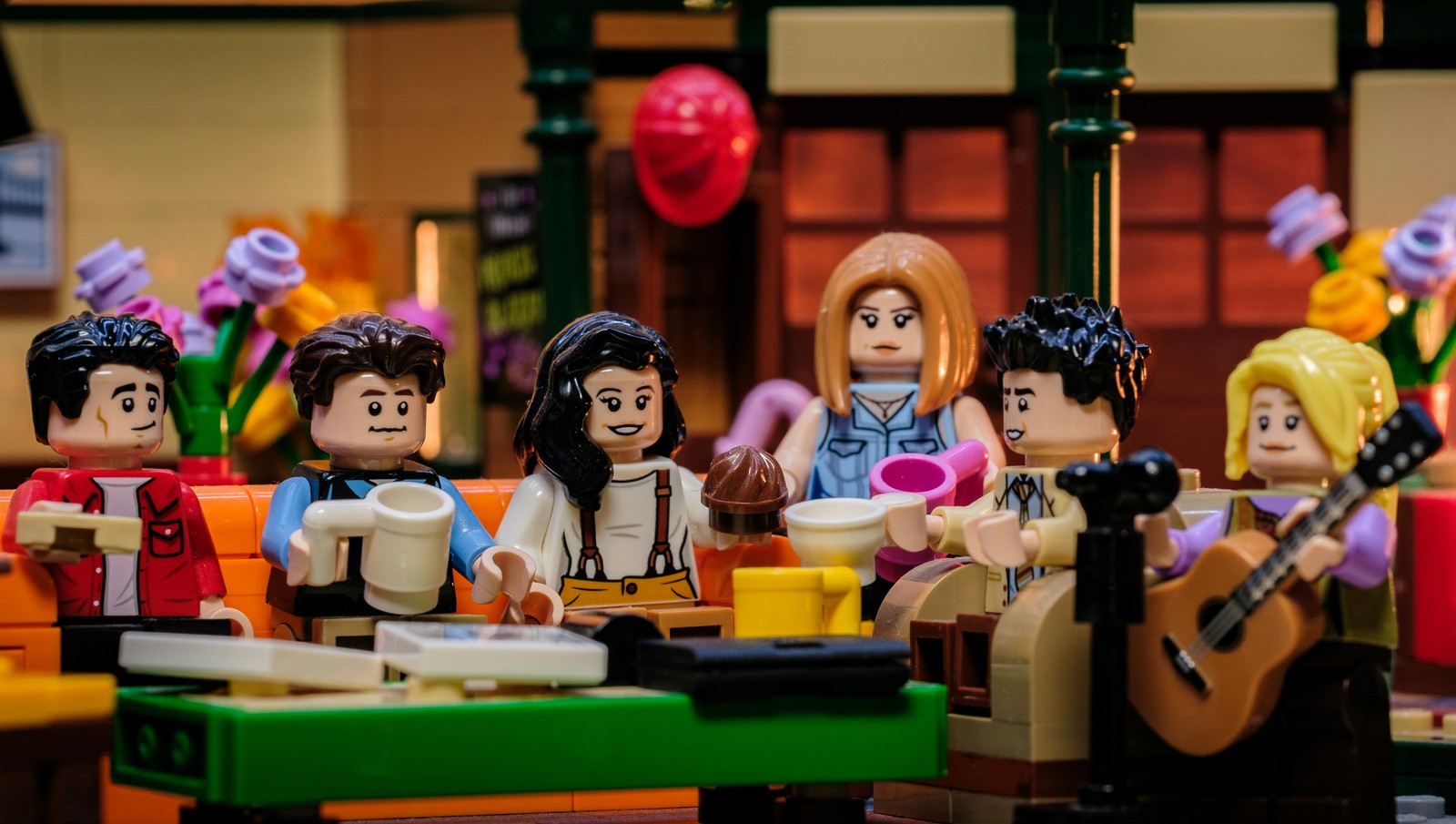
Image: Haberdoedas II

We’ve laughed, cried, and binge-watched our way through some unforgettable sitcoms over the decades. But did you know some of those iconic TV locations aren’t just set pieces? They’re real places you can visit. If you’re a sitcom lover, they should get a special place in your bucket list, or become a unique road trip. What’s certain is that this list will take you on a coast-to-coast tour of sitcom spots that live outside the screen.

1
The Friends apartment building in NYC
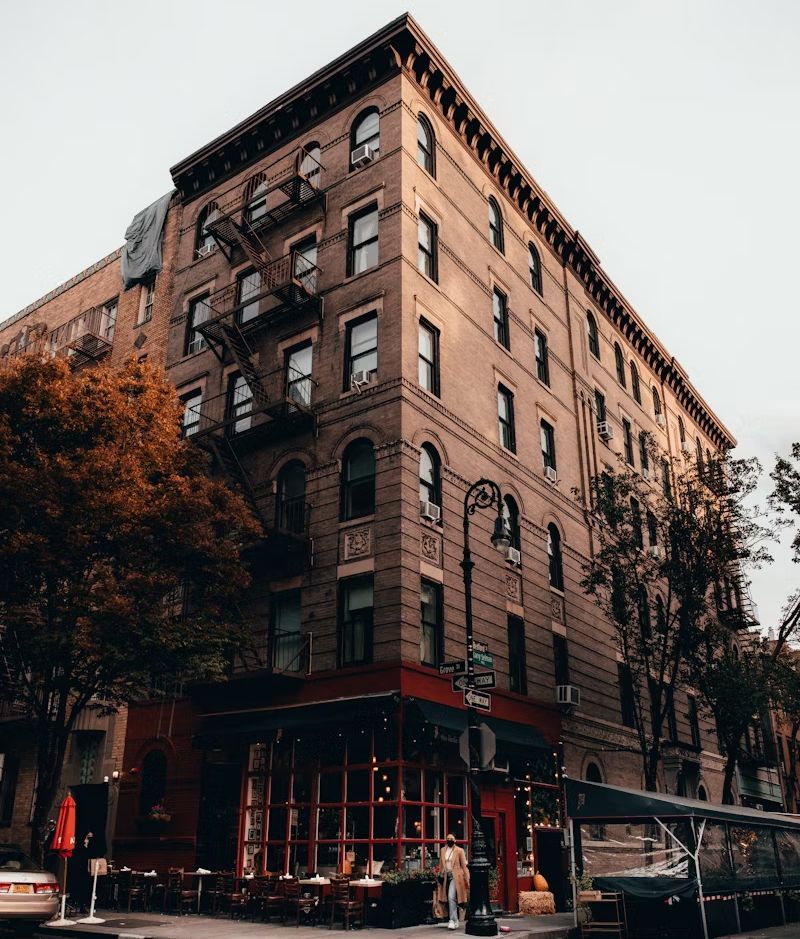
Image: Chalo Gallardo

In the heart of Greenwich Village sits a corner that any Friends fan would spot in a heartbeat. The building where Monica, Rachel, Joey, and Chandler "lived" is at 90 Bedford Street, right above a real restaurant called The Little Owl . While the inside scenes were shot in a studio, this exterior became one of the most recognizable TV landmarks ever.

2
Tom’s Restaurant from Seinfeld, New York City
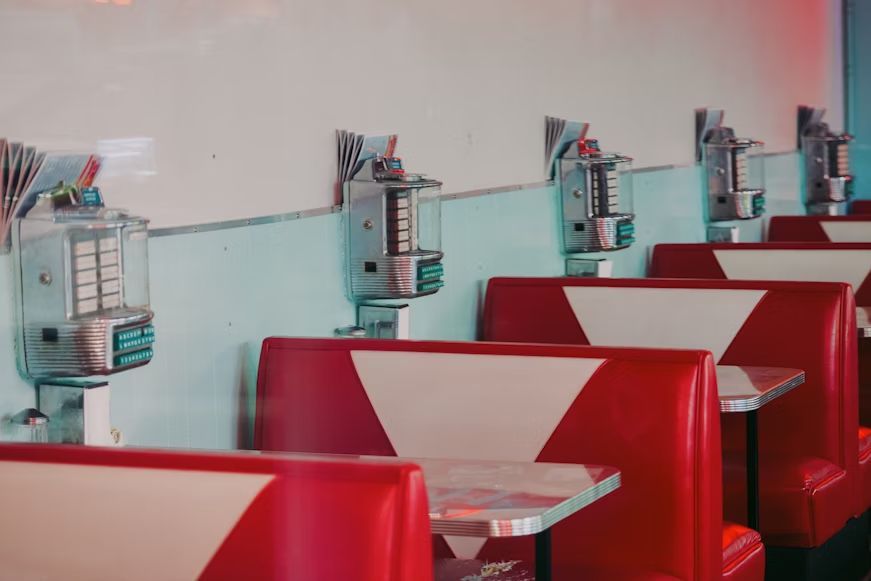
Image: Albert Stoynov

If you’ve ever watched Seinfeld , chances are you’ve seen the bright sign of Tom’s Restaurant flash across your screen. Known in the show as "Monk’s Café", it’s located at the corner of 112th and Broadway in Manhattan. The indoor scenes were filmed elsewhere, but the real diner is still serving up burgers, fries, and some nostalgia on the side.

3
The Brady house on Dilling Street, Studio City

Image: Patrick Bohn

The exterior of the Brady Bunch home is as iconic as Alice’s blue uniform. Found on Dilling Street in California, the house was used for exterior shots, though the interior was all Hollywood magic. HGTV renovated it to match the show's set for a special series, making it even more of a shrine for longtime fans. It’s not open for tours, but you can still walk by and hum that catchy theme song. Wouldn’t you just love that?

4
Cheers bar on Beacon Street, Boston
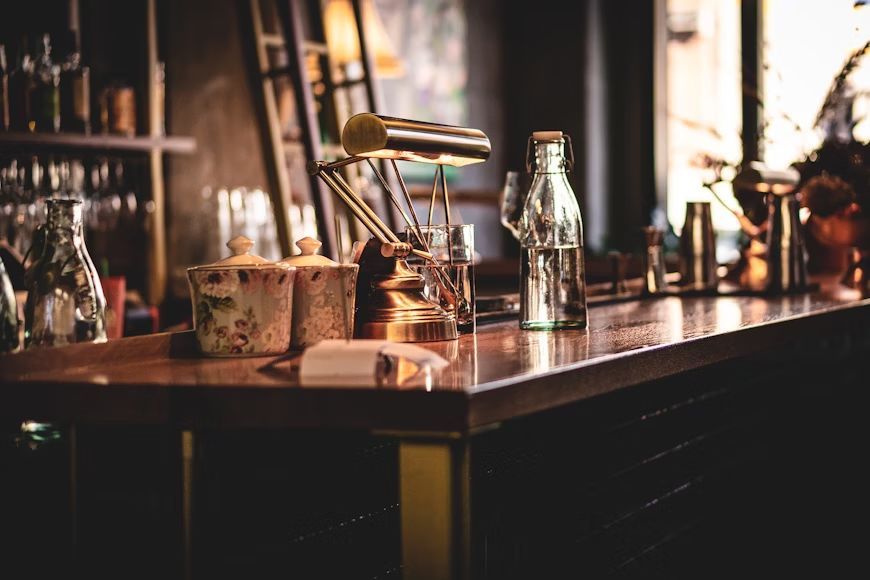
Image: Chris Hardy

Where everybody knows your name... is actually at 84 Beacon Street in Boston. This classic pub was used for exterior scenes in Cheers, and still operates as a real bar today! Inside, it’s filled with memorabilia and a whole lot of warm nostalgia. Stop by, order a pint, and pretend you’re chatting with Norm and Cliff at the end of the bar.

5
M A S H filming site in Malibu Creek State Park, California
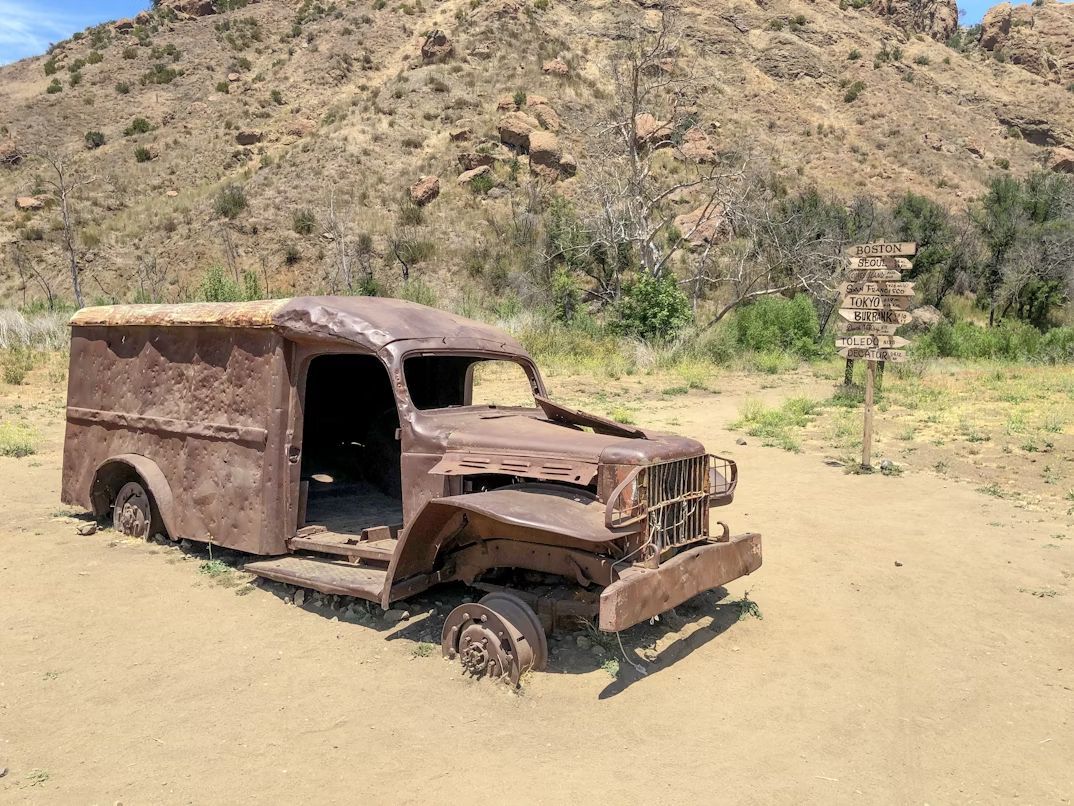
Image: Robert Ruggiero

The rugged Korean War setting of M A S H was actually a lot closer to home. All those outdoor camp scenes were in fact filmed in the scenic Malibu Creek State Park. Hike the trail and you’ll stumble across the old site, complete with rusted props and a replica of the famous signpost.

6
Painted Ladies from Full House, San Francisco
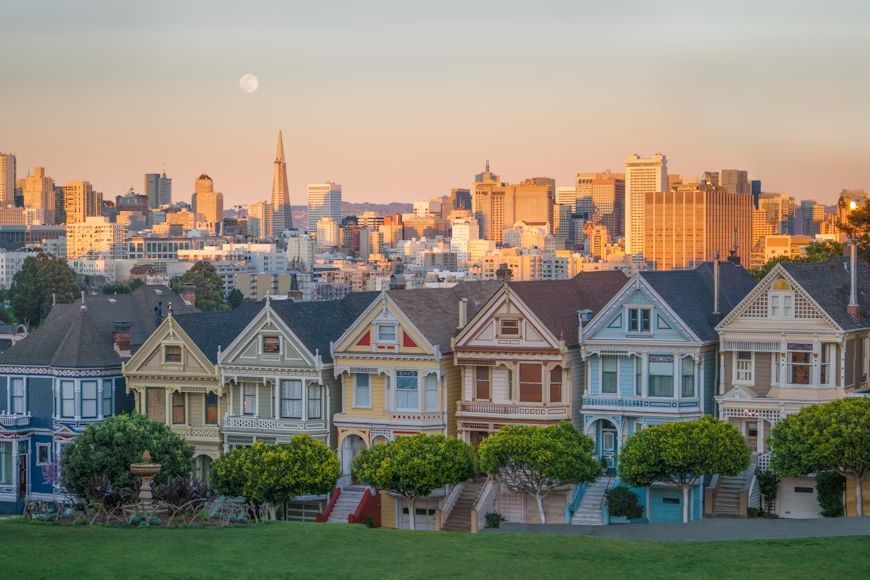
Image: Joshua Sortino

That sweeping shot of San Francisco and a picnic in the park? That’s Alamo Square Park, facing the famous Painted Ladies, the colorful Victorian homes seen in Full House . Funny enough, the Tanner family house is actually elsewhere, but fans still visit this spot for a taste of that opening credits magic. It's a great place to take in the skyline and maybe even sing a little "Everywhere you look."

7
Stately Pasadena City Hall from Parks and Rec
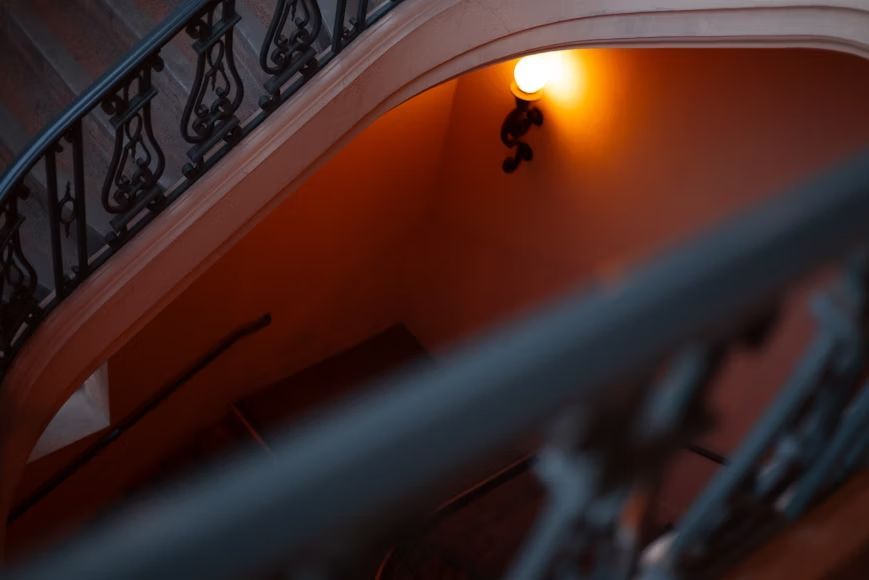
Image: Igor Shalyminov

The city of Pawnee may be fictional, but its town hall isn’t. The elegant building you see in Parks and Recreation is in fact Pasadena City Hall. Its beautiful arches and fountain-filled courtyard served as the setting for plenty of Leslie Knope’s proudest moments. And yes, the red tiles on the roof were digitally changed to green to give it a more "Midwestern" look!

8
The Dunphy house from Modern Family, Culver City
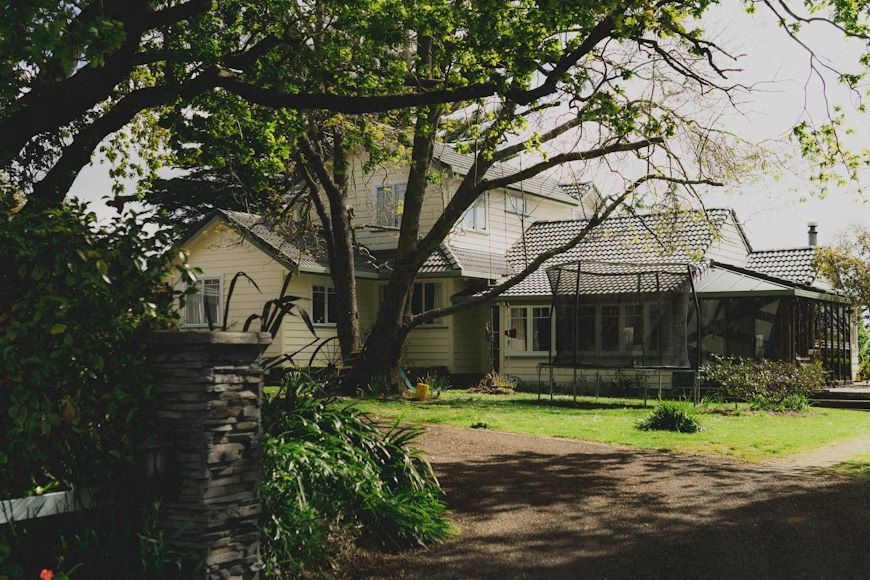
Image: Doug Bagg

Claire and Phil Dunphy’s cozy suburban home sits quietly on Dunleer Drive in the Cheviot Hills neighborhood of LA. It was used for the show’s exterior shots and became an instant fan favorite. When the home went up for sale, it drew curious buyers and lookie-loos alike. While you can’t go inside, the outside looks just like it did when Luke crashed his bike in the driveway.

9
The Puck Building from Will & Grace, NYC
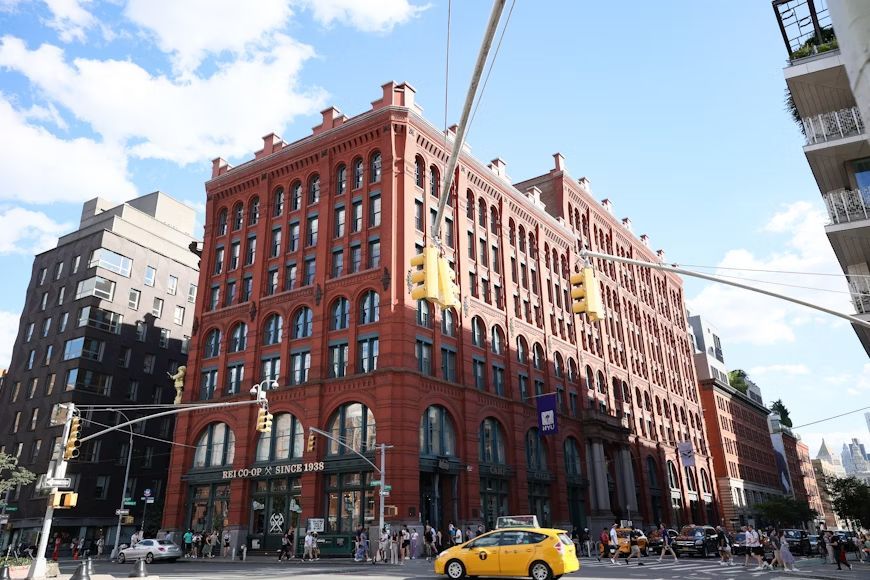
Image: Udara

Located in SoHo, the Puck Building is a real-life landmark that served as the fictional office of Grace Adler Designs. This towering red-brick beauty stands at Lafayette and Houston Streets. If you're a fan of the show, you’ll instantly recognize those massive arched windows from the opening credits. You can’t miss it!

10
The Electric City sign from The Office, Scranton

Image: Kelly Sikkema

"The Electric City" isn’t just part of a cringey rap from The Office ; it’s a real nickname for the Pennsylvania city. The sign featured in the show is perched on a building in downtown Scranton and makes a fun photo-op for any Dunder Mifflin devotee. Most of the show was filmed in California, but a few Scranton landmarks made it into the mix.

11
The Prince bar from New Girl, Los Angeles
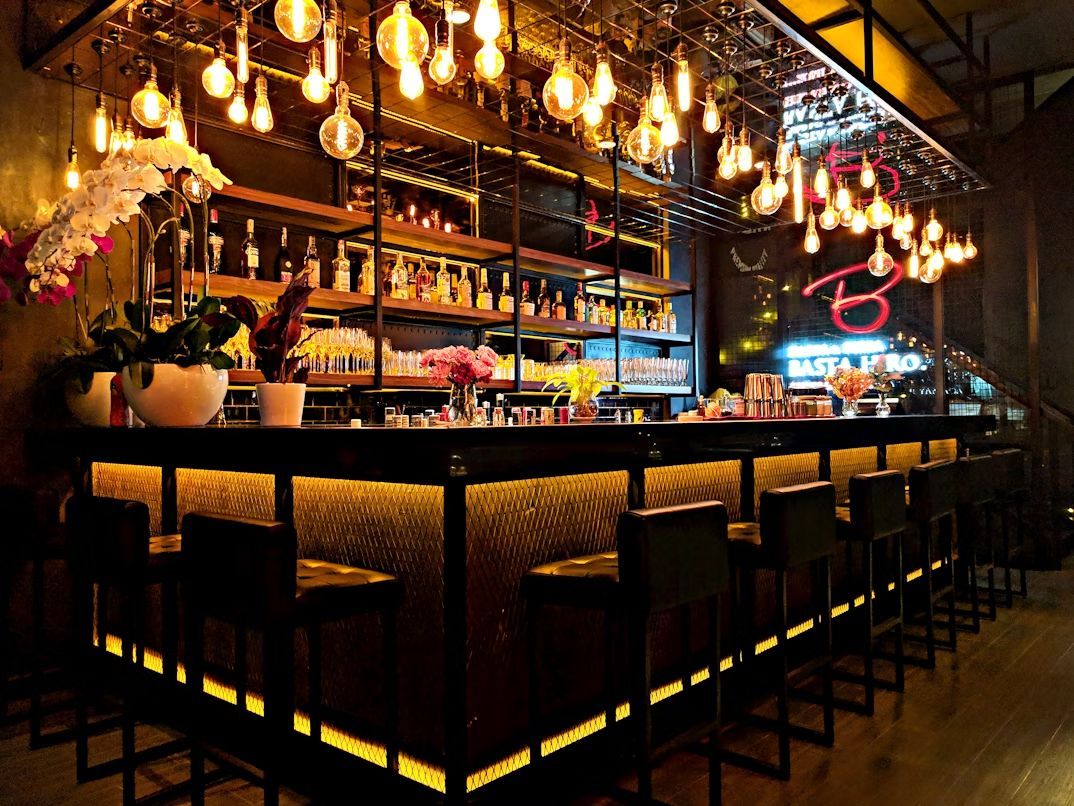
Image: q u i n g u y e n

The gang of New Girl frequently hangs out at a bar called The Griffin , which in real life is "The Prince," a moody Koreatown spot with red leather booths and vintage charm. It's a favorite filming location, appearing also in shows like Mad Men and The Defenders . On which series did you see it first?

Culture Culture 6 min read

From pages to heart

Jay Gatsby or Tom Sawyer? 10 unforgettable American literary characters!

Image: Chris Lawton

Whether you're a book lover or not, there are certain books that everyone has read, and they've touched the hearts of many Americans. Between meticulous descriptions, unique stories, and unforgettable dialogues, these books have something that particularly stands out: their characters . From classics like Huckleberry Finn and Tom Sawyer to iconic names such as Jay Gatsby and Atticus Finch, these literary characters have become a fundamental part of American culture , and for excellent reason. Today, we're celebrating 10 beloved characters from American literature!

1
Huckleberry Finn

Image: Pedro Forester Da Silva

Mark Twain has given us some of the most iconic characters in our country's literature, and Huckleberry Finn is one of them.

He stole our hearts as the main character of The Adventures of Huckleberry Finn (1884), where his experiences and charm made him unforgettable. Adventurous, independent, rebellious (rightly so), and very smart, "Huck," as he is called in the novel, surprises us with reflections and critiques on the society of his time.

Huck not only escapes an abusive home but also makes an incredible journey down the Mississippi River in search of freedom. Along the way, he forms deep connections with those he meets, making it impossible not to feel attached to him.

2
Atticus Finch

Image: Scott Graham

When discussing classics of American literature, it is impossible not to include in the list the Pulitzer Prize-winning novel To Kill a Mockingbird (1960) by Harper Lee.

And if there's one thing this novel has to offer, it's some unforgettable characters. At the center of it all is none other than Atticus Finch. Atticus is described as an honorable lawyer with a profound commitment to justice and equality, serving as a moral beacon in a society defined by its lack of both. He always stands up for his principles , even when they go against the dominant norms.

One of his most iconic lines in the novel is a phrase that defines him very well: "The one thing that doesn't abide by majority rule is a person's conscience."

3
Holden Caulfield

Image: Hiroyoshi Urushima

J.D. Salinger's novel The Catcher in the Rye (1951) is undoubtedly a landmark of American literature. And one name that has stayed with us forever is Holden Caulfield, the novel's unforgettable protagonist.

With his characteristic red hat , Holden Caulfield is the definitive teenager: rebellious, curious, somewhat cynical , selfish, and mischievous. As he roams New York City after being expelled from several prep schools, we are witnesses of his intense and often smartly critical thoughts and experiences. However, despite his disillusionment with the world, Holden demonstrates a deep sensitivity .

4
Jay Gatsby

Image: Hardini Lestari

Published almost 100 years ago, F. Scott Fitzgerald's The Great Gatsby (1925) has become one of our classics , portraying life during the Roaring Twenties and inspiring many film adaptations. Jay Gatsby, with his ambition, idealism, and charisma, gets all the attention in this novel as an enigmatic character who is proof of the majesty of its author.

Much like Dante's Beatrice, the character of Daisy Buchanan inspires in Jay Gatsby an almost obsessive love that drives him to make key decisions and take powerful actions throughout the novel. It is this passion that fuels his rise to wealth and eventually leads to his downfall.

5
Tom Sawyer

Image: Lawrence Chismorie

Endlessly reproduced in other art forms, Tom Sawyer by Mark Twain is one of the most representative characters of American literature.

The first and most famous book featuring the Missouri boy is, of course, The Adventures of Tom Sawyer (1876), but we also see him in the sequel named after his friend, a character we have already talked about: The Adventures of Huckleberry Finn (1884).

Despite his mischievous nature and penchant for getting into trouble with his tricks and pranks, Tom is a clever and independent boy who constantly seeks out new adventures.

6
Scarlett O'Hara

Image: Lizelle De Wit

Gone with the Wind (1936) by Margaret Mitchell is a title everyone has heard of, whether you've read the book or not. Its characters have also become famous beyond the pages of this iconic novel.

One of them is none other than Scarlett O'Hara, the central character of this story. The novel portrays the American South during and after the Civil War , where Scarlett O'Hara, shaped by her circumstances, appears as a self-centered and spoiled character. However, as the story progresses, Scarlett evolves, showcasing her tenacity , determination, and protective spirit when she sets her mind to something. You probably remember the iconic line, "Tomorrow is another day."

7
Dean Moriarty

Image: Rémi Jacquaint

A fundamental member of the so-called Beat Generation , Jack Kerouac gifted us with one of the most famous novels in American literature: On the Road , published in 1957.

One of his most remembered characters is Dean Moriarty, who was based on a real person , Neal Cassady, a close friend of the author. Moriarty embodies some of the most outstanding characteristics of the Beat Generation, portraying an enthusiastic, adventurous, free-spirited, energetic, and charismatic character. With such a personality, it's no surprise that Dean Moriarty creates unforgettable moments and becomes an important figure in the story.

8
Hester Prynne

Image: Chris LaBarge

Hester Prynne, from Nathaniel Hawthorne's acclaimed novel The Scarlet Letter (1850), is undeniably one of the earliest and most significant female characters in our country's literature.

Hester defies the norms of her time by having an illegitimate child, making her a target of dramatic criticism and punishment from her contemporaries. Set in 17th-century Puritan Massachusetts, the story unfolds in a society defined by strict rules and oppression. In this context, Hester Prynne appears as a strong woman who endures the severe judgment of her time with courage.

Despite her harsh circumstances, Hester Prynne is described as a powerful, dignified, and empathetic character with extraordinary sensitivity.

9
Santiago

Image: Anastasiya Chervinska

Another undisputed classic is Ernest Hemingway's The Old Man and the Sea , published in 1952.

Santiago is the central character in this novel, which explores various aspects of the human condition in depth. Santiago, the old man of the title, is a fisherman who has gone many days without catching a single fish. Faced with diverse challenges and, above all, his own physical limitations , Santiago is described as a strong character of great constancy , dignity, and resilience who has a strong bond with the sea and its mysteries.

The character's perseverance shines through in his battle with the giant marlin , which stands as one of the most important moments in this story.

10
Ishmael

Image: Richard Sagredo

Continuing our journey along the sea, let's talk about one of the most iconic narrators in American literature: Ishmael. His name is perpetuated in the very first line of Herman Melville's great novel, Moby-Dick (1851). Who could forget the iconic opening: "Call me Ishmael" ?

Ishmael serves as the first-person narrator of one of the most memorable tales in literature, a sailor distinguished by his profound, analytical, and reflective personality.

Though he shares few details about his background or appearance, Ishmael masterfully narrates the events aboard Captain Ahab's whaling ship , giving us a unique perspective on the events.

General General 7 min read

Made in the US

Inventing America: Discover the roots of these 10 national classics

Image: Tara Winstead

Ever wonder how everyday favorites like the Frisbee, Gatorade, or even the Zamboni came to be? Behind each one is a quirky story of chance, innovation, and a bit of luck, like most of the best inventions! From playground toys to sports essentials, these simple creations have become cultural icons. Let’s take a look at the surprising origins of these classic inventions and the clever minds that brought them to life. You might be amazed by how much history is hidden in the things we love!

1
The frisbee

Image: Robin Jonathan Deutsch

The best things are often created by accident, and you never know when that accident will strike. For example, did you know the Frisbee was born from a humble cake pan?

In 1938, Fred Morrison and his girlfriend were tossing a pan around on a beach in Connecticut when a passerby offered to buy it. That moment sparked an idea that stayed with Morrison through his service in World War II, where he learned about aerodynamics and began to dream of creating the perfect flying disk. After several failed attempts, he finally hit on a design in the 1950s, calling it the "Pluto-Platter."

Enter Wham-O, a company known for quirky toys like the Hula-Hoop. They bought the rights in 1957, gave it the now-iconic name "Frisbee" (inspired by Yale students tossing pie tins from the Frisbie Pie Company), and refined the design. The Frisbee took off—quite literally—spinning its way into parks, beaches, and backyards across America.

2
The slinky

Image: Adam Valstar

The slinky was also the result of accidental creativity in 1943 when Richard James, a naval engineer, knocked a spring off a shelf and noticed it "walked" in a curious way. Intrigued, he refined the design, and with his wife Betty’s help, they turned it into a toy sensation. Although the name was purely her idea!

In 1945, a demo at Gimbels Department Store sold 400 units in 90 minutes, and the Slinky quickly became a household name.

Without going into too much detail, Richard later took a wrong turn, and it was Betty who stepped in as CEO, saving the company from financial ruin. She even commissioned the iconic Slinky jingle! Under her leadership, the Slinky sold 300 million units before she finally sold the company in 1998. Talk about female power, huh?

3
The Ferris wheel

Image: Steve Shreve

Did you know the Ferris wheel was named after a person? That person was George Ferris who, in 1893, introduced the Ferris wheel at the Chicago Columbian Exposition.

Ferris, a young engineer, proposed the idea of a massive steel wheel that would rival the Eiffel Tower both in size and symbolism. He certainly set quite the challenge for himself!

Though initially rejected, Ferris funded his own research to prove the design’s safety, and his persistence paid off. The Ferris wheel became the star attraction—naturally since it stood 250 feet tall and offered visitors a thrilling 20-minute ride for fifty cents.

Sadly, Ferris’s success was short-lived. After the fair, he faced legal battles and financial ruin, and so the original wheel had one last appearance at the St. Louis World's Fair in 1904 before being destroyed.

4
Gatorade

Image: Jacob Rice

Sports legends become such because they strive to get better. And because they had a good coach who had their back. An example of a coach who went above and beyond was that of Florida’s football team.

In 1965, the Florida Gators’ football coach asked a group of professors if there was a way to help players reload fluids lost during games. Led by Dr. Robert Cade, the team created a mix of water, sodium, sugar, and lemon juice, later called "Gatorade," you can imagine why.

Of course, the first few versions tasted awful, but after some adjustments, the drink became more palatable. The Gators credited their improved performance, including their 1967 Orange Bowl win, to this new beverage.

No gatekeeping on the teams’ side, word spread, and by 1970, Gatorade was under the national spotlight when the Kansas City Chiefs used it in their Super Bowl victory.

5
The super ball

Image: Shubham Dhage

Some toys became popular after being discovered to be useless for anything else! That was the case with the Super Ball.

In 1964, chemist Norman Stingley invented a unique synthetic rubber but couldn't find an industrial use for it. However, he quickly found a solution: he turned to Wham-O, the toy company behind the Hula-Hoop and they released the Super Ball in 1966. The ball, made from the secret ingredient "Zectron," could bounce to incredible heights.

Aside from the fun, we have something else to thank the Super Ball for—it inspired the name of one of the biggest events in sports today. Lamar Hunt, owner of the Kansas City Chiefs, saw his daughter play with the toy and jokingly suggested to NFL Commissioner Pete Rozelle that the first championship game between the NFL and AFL should be called the "Super Bowl." The rest is history!

6
Fritos

Image: Roberto Carlos Román Don

Few things are as American as snacks, don’t you think? Let’s take a look at how Fritos came to be!

In 1932, Charles E. Doolin, a San Antonio confectioner, was looking for a new product when he bought a fried corn recipe from a man named Gustavo Olguin for $100.

After tweaking the recipe, Doolin created bite-sized corn chips called Fritos, which quickly became a hit. By 1933, Fritos were being mass-produced, and Doolin pioneered new marketing strategies, like direct stocking and placing clip-racks near cash registers—making his product even more accessible. (We all fall for that one, don’t deny it!)

But that’s not all. Doolin’s business success led him to invest in Disneyland, where his "Casa de Fritos" restaurant accidentally gave birth to Doritos.

7
Crossword puzzle

Image: Ross Sneddon

It feels like the crossword puzzle has been around forever, but it wasn’t actually invented until 1913. Arthur Wynne, working for the New York World newspaper, was asked to create a challenging puzzle for the "Fun" section. The concept of fun is indeed a time-sensitive concept!

The inspiration came from a childhood word game: he designed a puzzle with clues instead of words and the first crossword was published on December 21, 1913. Want to hear a fun fact? One of the clues was "What this puzzle is." The answer? "Hard."

And this invention is full of interesting tidbits. For instance, the name "Cross-word" was the result of a typing mistake—but it stuck! And, over a hundred years later, here we are!

8
Alka-Seltzer

Image: Daniel Gregoire

Alka-Seltzer was born in 1928 when Hub Beardsley, president of the Dr. Miles Medical Company, noticed a local newspaper staff staying healthy during a flu epidemic. The editor told him their secret: aspirin with baking soda dissolved in water. Inspired by this, Beardsley asked his chief chemist, Maurice Treneer, to create a remedy based on the idea, leading to a compound of aspirin, bicarbonate of soda, and Vitamin C. When Beardsley tested it on flu sufferers, the results were promising—and Alka-Seltzer was born.

You can imagine what happened next, a strong advertising campaign in the 1930s, turned Alka-Seltzer into the go-to remedy for everything from colds to hangovers. The company rebranded as Miles Laboratories in 1935 and was later acquired by Bayer in 1979. Even today, Alka-Seltzer remains a staple of American medicine cabinets.

9
Zamboni

Image: Aleksi Partanen

One would think that a machine like the Zamboni, which is used to make ice smooth was created in a place like Alaska, right? Or at least a place where snow is present almost all year round. Surprisingly, it wasn’t—the Zamboni was invented in sunny Paramount, California.

Frank Zamboni, a man who came from the ice and refrigeration business, built the machine to save time at his Skateland Skating Rink. Before the Zamboni, resurfacing the ice was a 90-minute task done manually by five workers. Can you imagine how tedious that must have been?

Using parts from an airplane, oil derrick, Jeep, and wooden bin, Zamboni created a machine that could clean and smooth the ice in only a few minutes. Realizing its potential, Zamboni turned his invention into a business, with the first orders coming from Olympic skater Sonja Henie and the Chicago Black Hawks.

10
Baseball scoreboard

Image: Taiki Ishikawa

It goes without saying that baseball is one of Americans’ favorite pastimes. Everything about it is fun; it’s not just the game.

In the late 1800s, English immigrant Harry M. Stevens saw that and made the most of it. After moving to Ohio, Stevens started a business providing food and drinks at baseball games and eventually secured contracts with major league ballparks. While he’s often credited with popularizing the hot dog, his real innovation was the creation of the modern baseball scorecard. Using Henry Chadwick's shorthand scoring system, Stevens designed a simple grid fans could use to track the game. Does the phrase "You can't tell the players without a scorecard" ring any bells?

Stevens’s scorecard caught on, and fans began scoring games themselves. Today, his scorecard system is still in use, and we all love it!

Explore more American facts

Choose your favorite category!

General
General

As American as apple pie—the very best America has to offer!

Culture
Culture

Delve into the astounding richness of American lore.

Geography
Geography

Hop in and explore vast and diverse American landscapes.

History
History

Discover the key moments that shaped the United States.