History History 3 min read

Stars, stripes, and surprises

What's written on the back of the Declaration of Independence?
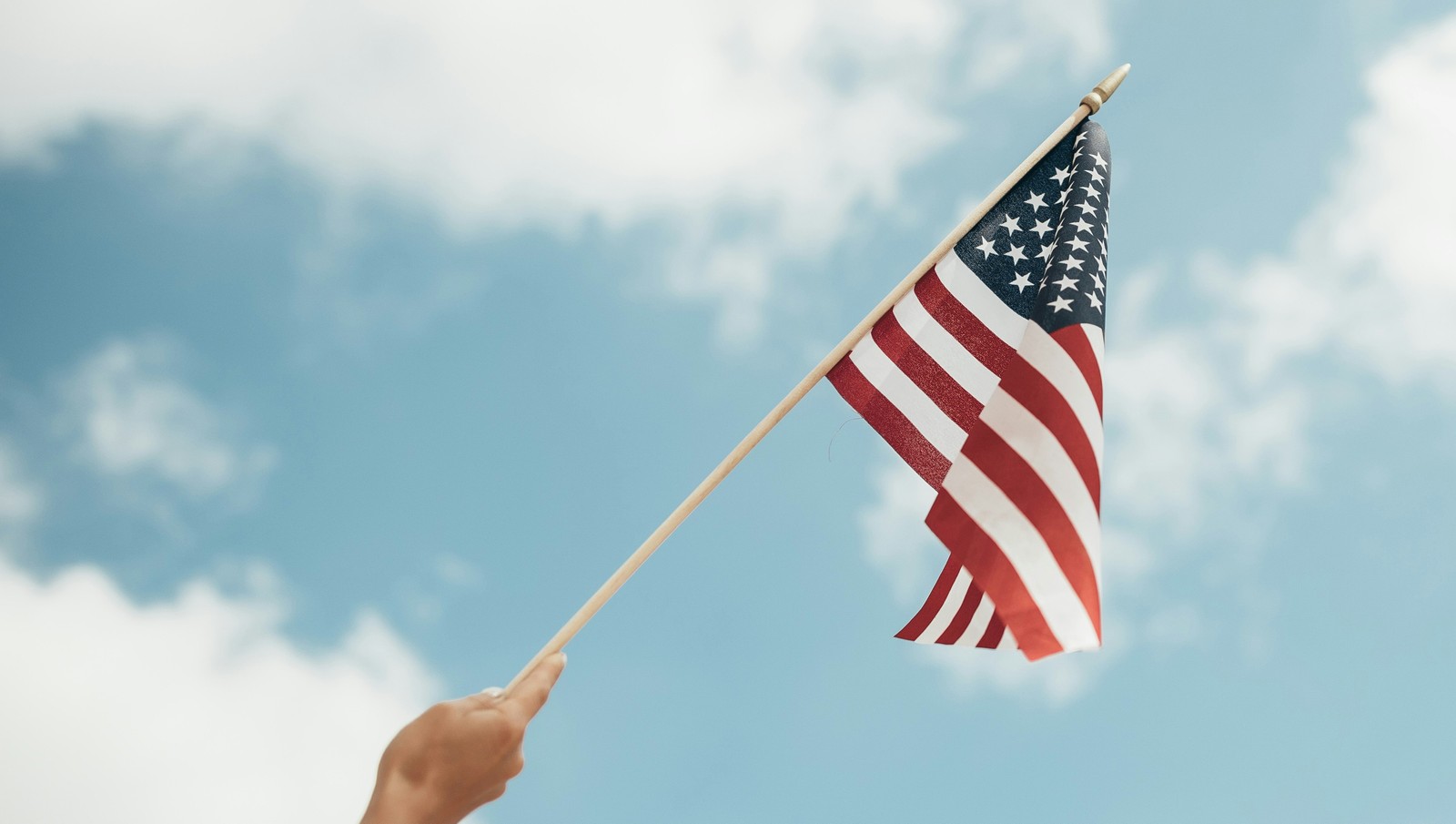
Image: Paul Weaver

The 4th of July is all about fireworks, parades, and patriotic pride, and for good reason! It marks the birth of our nation's independence. But the way to that historic day wasn't easy. It was full of challenges, quirks, and a few surprising twists. Did you know some Founding Fathers wanted to celebrate Independence on July 2nd? Or that there's actually something written on the back of the Declaration? Get ready to discover 10 fun and little-known facts about the 4th of July that might surprise you!

1
July 2nd

Image: Joe deSousa

In a letter to his wife Abigail, John Adams predicted that July 2nd would go down in history. Why? Well, because that's the day in 1776 when the Continental Congress voted in favor of independence from Great Britain. But while the vote happened on the 2nd, the Declaration of Independence wasn't officially signed until the 4th, so that's the date we celebrate!

2
Secret signers

Image: Pierre Bamin

The signing of the Declaration of Independence wasn't as simple as it might seem. In fact, signatures were added over time, from July to August. In addition, the names of the signers were kept secret from the public for six months! Why? Because if the fight for independence had failed, those who signed the document would have been labeled traitors, and under British law, that meant a punishment of death.

3
Washington invites
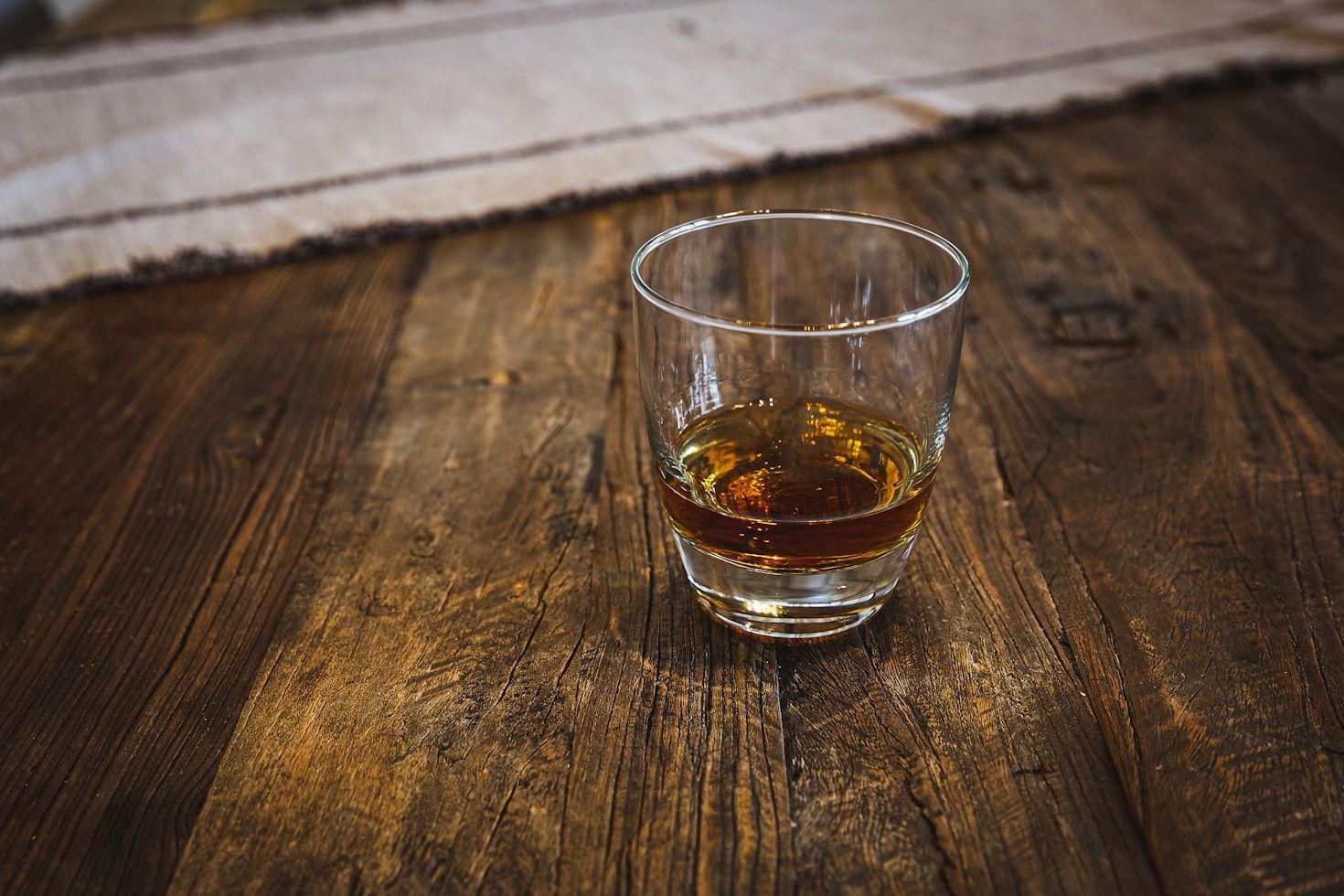
Image: phil cruz

In the middle of the Revolutionary War, 1778 marked the second anniversary of the Declaration of Independence. As Commander-in-Chief of the Continental Army, George Washington wasn't about to let the anniversary go unnoticed, so he ordered a double ration of rum for his soldiers to celebrate the holiday. Cheers!

4
Something written on the back

Image: Anne Nygård

There's actually something written on the back of the Declaration of Independence. This handwritten note appears upside down at the bottom of the back of the parchment, and it reads: "Original Declaration of Independence dated 4th July 1776." Just like we label the files we save on our computers today, it's believed they added the note to help identify the original document from other copies.

5
We are many more now

Image: Rob Curran

Many courageous people did everything they could to make the Independence dream a reality and help the nation grow. And it did grow! While there's no exact official data from that time, the US Census Bureau estimates that about 2.5 million people lived in America in 1776. By the most recent census in 2020, that number had grown to about 332 million!

6
John Adams' idea

Image: Jingda Chen

It's hard to imagine the 4th of July without the classic barbecues, parades, and -of course- fireworks lighting up the sky. But even though these traditions are now a staple, there was a first time for all of them. It's said that John Adams himself, in that letter to his wife Abigail, suggested using fireworks and illuminations to celebrate this important day.

7
Busy hospitals

Image: camilo jimenez

While fireworks are beautiful and help raise patriotic spirit during Independence Day celebrations, it's also true that they can sometimes be dangerous. In fact, it's been reported that hospitals see more patients than usual on July 4th due to fireworks-related injuries.

8
Thomas Jefferson's laptop

Image: Alicia Razuri

Of course, laptops didn't exist at the time of the drafting and signing of the Declaration of Independence, but that's a fun way to describe the lap desk Thomas Jefferson used to write it. That's right: The father of the Declaration of Independence didn't need a grand marble desk or anything fancy to put his ideas into words.

9
Surprising coincidences
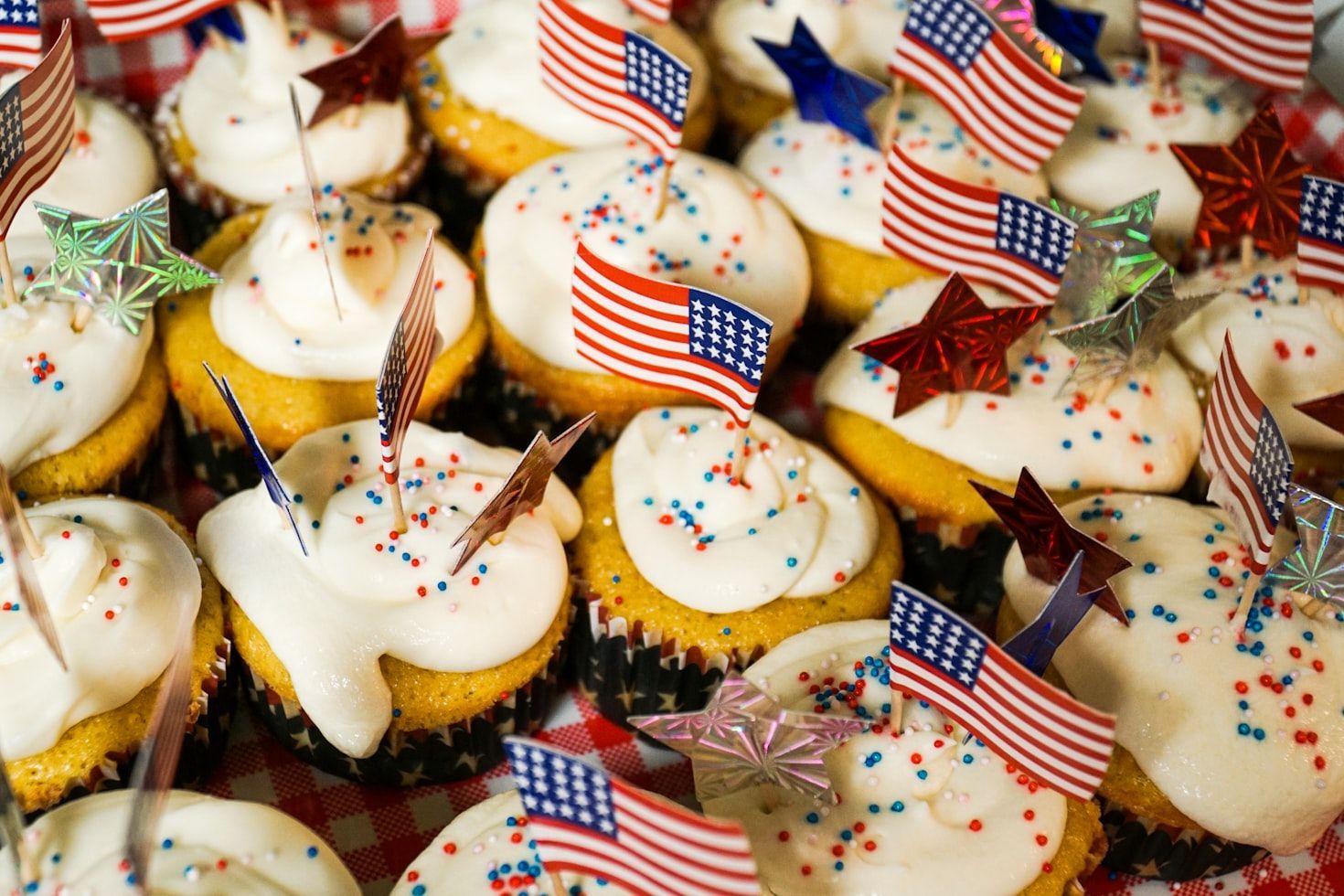
Image: Thomas Park

The 4th of July isn't just the day America officially declared its independence; it also holds some incredible historical coincidences. On Independence Day in 1826, both Thomas Jefferson and John Adams died, exactly 50 years after the birth of the nation they helped create. Five years later, in 1831, James Monroe became the third president to die on the 4th of July.

But it's not all about endings: President Calvin Coolidge was born on the 4th of July, 1872, making him the only US president born on Independence Day.

10
Millions of hot dogs
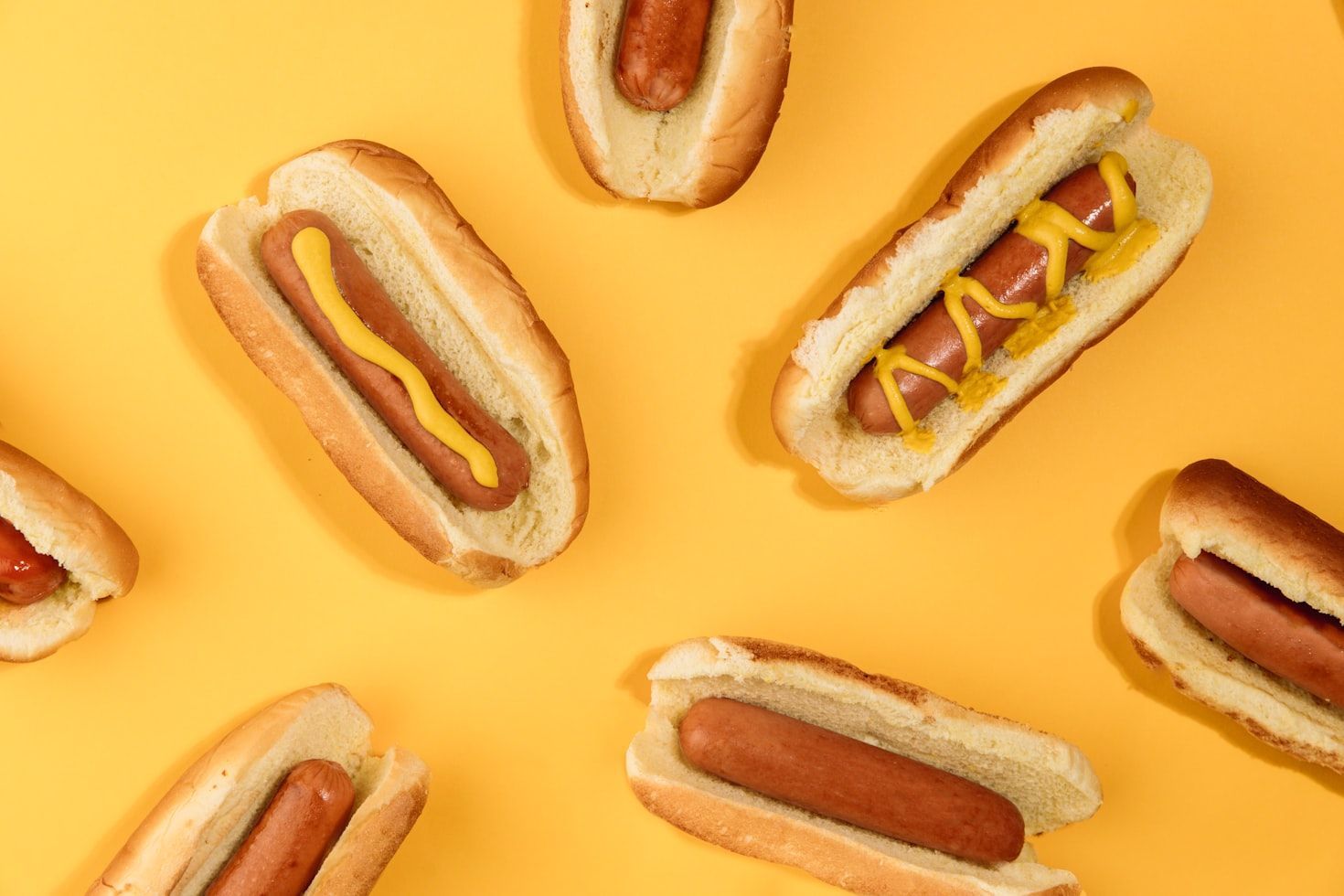
Image: Ball Park Brand

It's clear we Americans love hot dogs, and for good reason! This iconic food is closely tied to one of the most important days in our nation's history. According to the National Hot Dog and Sausage Council (yes, that's a real thing), Americans typically eat around 150 million hot dogs on Independence Day alone. 150 million!

History History 5 min read

Fizzy tales

10 classic American soft drinks and their incredible stories

Image: Alleksana

America has long been captivated by fizzy beverages , propelling its soda industry to rank among the world's largest. The history behind these companies is often as rich and effervescent as the drinks themselves. Many of today’s favorite refreshments began as medicine, mixers for moonshine, or had to compete for their share of the market fiercely. Join us as we sip through the stories of 10 beverages that have helped shape the American identity.

1
Coca-Cola

Image: Bradley Pisney

A beverage so iconic that it inspired an entire genre of soft drinks named after it, Coca-Cola had its start in 1886 when it was created by pharmacist John Pemberton, who initially intended to market it as a temperance drink and medicinal tonic.

A blend of coca leaves and kola nuts (a source of caffeine), the iconic soft drink became a sensation, and soon Pemberton sold the ownership rights to Asa Griggs Candler, a businessman who transformed the Coca-Cola brand into a global powerhouse. While the ingredients have been changed a few times since its inception, the current formula remains a closely guarded trade secret, fueling much speculation and numerous attempts to uncover it.

2
Pepsi

Image: Oleg Ivanov

Developed in 1898 by pharmacist Caleb Bradham—and originally named "Brad's Drink"—Pepsi was initially conceived as a digestive aid. Its name is derived from pepsin, a digestive enzyme produced by the body, though pepsin was never actually included in the drink's formula.

Despite nearly going bankrupt in the early 1920s, Pepsi gained popularity during the Great Depression, even briefly outpacing Coca-Cola, thanks to clever marketing that appealed to budget-conscious consumers. This kickstarted a fierce rivalry, leading to bold marketing stunts, including an unlikely deal with the Soviet Union, making Pepsi the first Western product sanctioned for sale there.

3
Dr Pepper

Image: Yana Smetana

Another soft drink originally conceived in a pharmacist's lab, Dr Pepper actually predates both Coke and Pepsi. Launched in 1885 in Waco, Texas, its unique flavor sets it apart from most competitors. In fact, the U.S. Food and Drug Administration has categorized Dr Pepper, much like Coca-Cola, as its own distinct type of beverage: "pepper soda."

The origin of its name is disputed. Originally, people would simply order a "Waco" at soda fountains. While some speculate the name comes from Charles T. Pepper, a doctor who gave Wade Morrison his first job (or, according to another version, gave him permission to marry his daughter), it was more likely than not a creative marketing decision, as using "Dr." in product names was a common way to suggest health benefits.

4
7UP

Image: Julian Rösner

7UP, created in 1929 by Charles Leiper Grigg, was originally marketed as "Bib-Label Lithiated Lemon-Lime Soda," as it contained lithium citrate (a mood-stabilizing drug) among its ingredients. While lithium was removed in 1948, the drink's refreshing lemon-lime flavor remained, having already become a household favorite.

The soft drink, however, didn’t quite find its market niche until it launched the "Uncola" marketing campaign in the 1970s, which positioned the soda as a distinct alternative to colas, boosting its popularity. The origin of the name 7UP remains a mystery, with speculation that it refers to the original 7-ounce bottles or the drink’s initial seven ingredients.

5
Sprite

Image: Gift Habeshaw

Introduced by Coca-Cola in 1961 to compete with 7UP, Sprite quickly became one of the leading lemon-lime sodas on the market. Interestingly, this popular soft drink didn’t originate in America but in West Germany in 1959, where it was launched as "Fanta Klare Zitrone" ("Fanta Clear Lemon" in English).

In the ‘80s, Sprite leveraged its appeal to younger generations through bold advertising campaigns and endorsements from popular musicians. Today, the brand has expanded into various flavors, including cranberry, cherry, grape, orange, tropical, ginger, and vanilla, among others.

6
Mountain Dew

Image: Shane

Mountain Dew was originally created in the 1940s by Tennessee beverage bottlers Barney and Ally Hartman as a mixer for whiskey. The name "Mountain Dew" was a colloquial term for homemade liquor, making it fitting for the soda’s Appalachian roots. However, the drink only took on its citrus-flavored, energizing modern form after being acquired by the Tip Corporation in 1961.

It remains one of the most caffeinated sodas on the market, containing 54 mg of caffeine per 12-ounce can—nearly double that of Coca-Cola. This is likely what draws many soda drinkers to this flavor, as the high sugar and caffeine content can give a short-term boost of energy.

7
RC Cola

Image: Brooke Cagle

Founded in 1905 by Claud A. Hatcher, Royal Crown Cola (RC Cola) was originally created as a direct competitor to Coca-Cola and Pepsi. The soft drink was born after the Hatcher family, who were grocery store owners, could not get a discount for purchasing large volumes of Coca-Cola syrup from local distributors. Frustrated, they vowed to create their own alternative.

Despite never achieving the same market dominance as Coke or Pepsi, RC Cola soon gained a loyal following, especially in Southern states. Unlike its rivals, RC offered a slightly stronger cola flavor, which many found refreshing compared to the sweeter taste of Coke. RC Cola also innovated with the first aluminum can for sodas and was one of the first companies to produce diet sodas, such as Diet Rite.

8
Fanta

Image: Renato Trentin

Did you know that Fanta was born in Germany during World War II, of all places? After local Coca-Cola plants could no longer import syrup due to trade embargos, German businessman Max Keith created a new soda using available ingredients—which were mostly fruit scraps and whey.

Fanta quickly became a wartime favorite in Germany. After the war, Coca-Cola regained control of the plant, formula, and trademarks, introducing Fanta to the U.S. in 1955. It rapidly gained popularity as a fun, fruit-flavored alternative to traditional sodas. While Fanta's orange flavor remains its best seller, the brand now offers over 90 flavors worldwide.

9
A&W Root Beer

Image: David Lusvardi

A&W Root Beer was introduced in 1919 by Roy Allen, who first started selling it at a parade honoring returning World War I veterans. Its creamy texture and rich flavor quickly made A&W Root Beer a favorite, especially when paired with vanilla ice cream to create the now-iconic root beer float.

By 1922, Roy Allen partnered with fellow entrepreneur Frank Wright, and A&W became a franchised brand, launching one of the first fast-food chains in America that same year. Despite struggling with labor shortages and sugar rationing during World War II, the company endured and remains one of the most iconic root beer brands in America to this day.

10
Sunkist

Image: The Pop'd Shop

Sunkist, launched in 1979 by the Sunkist Growers cooperative, was introduced to tap into the American love for citrus-flavored sodas. Known and loved for its bold orange flavor, Sunkist was the first major orange soda to include caffeine in its formula, setting it apart from competitors like Crush and Fanta.

Most importantly, Sunkist's success was greatly boosted by its association with the California citrus industry. Its marketing campaigns, including the "Taste the Sun" slogan, further linked the brand to sunny, vibrant outdoor activities, making it one of the top-selling orange sodas in the U.S. for decades.

Culture Culture 7 min read

CHILDHOOD WONDERS

Relive Your Childhood With 10 Of The Most Popular Toys!

Image: Vanessa Bucceri

Toys are usually a child’s first companions: They were there when we were lonely or bored, they taught us through playtime and maybe even allowed us to meet our first real-life friends with whom to share the treasures in our toy box. Since the dawn of our country, a myriad of toys and games have defined each decade, creating wonderful memories in the minds of generations of American children.

We have selected ten of the most iconic toys that have truly defined the lives of countless Americans. Is your favorite toy from your childhood on this list? Keep on reading and enjoy!

1
Teddy bear

Image: Oxana Lyashenko

We’ll start with the surprising origins of a global icon. While there is some debate as to the country of origin of the teddy bear, there’s absolutely no doubt as to where the furry companions of our childhood got their names. And, considering that the source of the teddy bear’s name comes from the highest office in the United States government , we think we can safely state that this toy is truly an American icon.

In 1902, President Theodore Roosevelt was invited on a hunting trip to Mississippi, on which his group cornered and tied a black bear to a tree for the president to shoot. Displeased by what he thought was unsportsmanlike behavior, the President refused and the bear was freed. This story was published in many national newspapers, and it quickly became extremely popular. So much so, that a Brooklyn businessman designed a small, cuddly bear and advertised it on his shop as "Teddy’s bear" . And just with that, our 26th President unwillingly named this quintessential toy.

2
Super Soaker

Image: Steward Masweneng

If you were a kid during the 80s or 90s, you probably played with the extremely refreshing Super Soaker on a hot summer day. This reimagined water gun featured an innovative design that added pressurized air for longer and stronger water bursts. Showcasing a futuristic design, the Super Soaker felt like shooting a sci-fi laser gun, which seems only reasonable considering it was created by a former NASA engineer.

In 1982, engineer Lonnie Johnson, who specialized in aerospace design, came across the idea of the Super Soaker while conducting an experiment in his house. Johnson’s prototype combined household items like a PVC pipe and a two-liter soda bottle. While rudimentary, this first design successfully shot powerful streams of water. The rest is history: Johnson was able to mass-produce his design, and the Super Soaker became the summer toy for millions of American children.

3
Slinky

Image: Adam Valstar

Just like with the Super Soaker, the man behind this iconic toy was a successful American engineer. In 1943, while investigating a way to suspend sensitive equipment aboard ships, naval engineer Richard T. James accidentally dropped a torsion spring he was working with. James noticed the curious way in which the spring kept on moving after hitting the ground, and with that, the idea of one of the most beloved toys of the 20th century was born.

Richard and his wife Betty initially made 400 "Slinkys", which were first carried by a department store in Philadelphia for Christmas 1945. This first production was sold in less than 90 minutes , and the Slinky quickly proved to be an instant success. To this day, approximately 300 million Slinkies have been sold all over the world.

4
Rubik’s cube

Image: Olav Ahrens Røtne

Let’s deal with the elephant in the room first: No, the Rubik’s Cube is not an American invention. However, just like the rest of the world, this tricky puzzle took the United States by storm during the 70s and 80s, so it seemed only fair to add this beloved toy to this list. In the 1970s, Hungarian architecture professor Ernő Rubik designed the first prototype of the Rubik’s cube, as a way to create a system with parts that could move independently. However, he realized he had built a rather entertaining puzzle when he tried to restore the sides of his cube. Rubik applied for a patent in Hungary and started selling his "Magic Cube" by 1975.

By the 1980s, the Rubik’s Cube became a global sensation. It is reported that over 200 million cubes were sold between 1980 and 1983. In America, this puzzle immediately gained status as a cultural icon: In 1981, the Museum of Modern Art in New York exhibited a Rubik’s cube, while the 1982 World's Fair in Knoxville, Tennessee featured a six-foot version of the toy.

5
G.I. Joe

Image: Justin Wilkens

In 1963, Manhattan inventor and licensing agent Stanley Weston came up with the idea of a military action figure . Perhaps unbeknownst to him, Weston’s prototypes would soon inspire G.I. Joe, the first toy to teach American children about how every U.S. soldier can be a superhero to treasure and admire.

Produced by Hasbro, the G.I. Joe series encompasses countless action figures throughout their almost 60 years of history. Most of the toys feature the titular "G.I. Joe Team", a league of military heroes that defends the world from the evil deeds conducted by the "Cobra" organization.

6
Frisbee

Image: Patrick Reynolds

If any kid playing around with a cool stick they found lying can teach you anything, it doesn’t take much to make a fun toy that children will enjoy. Case in point: In 1937, Walter Frederick Morrison and his future wife Lucille realized how fun it was to toss a popcorn can lid back and forth. After WW2, Morrison worked on several designs until, in 1955, he designed "the Pluto Platter" , the very first version of what we now know as the Frisbee.

The story behind the name of this iconic toy is rather interesting. Wham-O, the company behind the commercialization of the Pluto Platter, realized that Yale University students were calling their product by another name. Since the plastic discs resembled empty pie tins , they called them "Frisbies" after the Frisbie Pie Company, a pie supplier for the university.

7
Barbie

Image: Elena Mishlanova

Barbie truly needs no introduction : She’s definitely the world's most famous doll, selling over six billion units in its 60-year history. She has been featured in a myriad of TV shows and movies, including an Academy Award-winning live-action film in 2023. With such a prolific and wondrous career, it’s easy to forget how Barbie's story started: With an innovator watching her daughter play.

One evening in the 1950s, businesswoman Ruth Handler noticed that, whenever her daughter played with paper dolls, she enjoyed pretending they were adults. At the time, most dolls depicted infants and babies, so Handler created the prototype of an adult-bodied doll, which she named "Barbie" after her daughter Barbara. On March 9, 1959 (a date which is now Barbie’s official birthday), the very first Barbie doll was presented at the American International Toy Fair in New York City.

8
Hula hoop

Image: Patricia Prudente

The hula-hoop is definitively the oldest toy on this list: Archaeologists believe that children and adults played with hoops of some kind since at least 500 BC. However, in 1958, a plastic hoop launched by American toy company Wham-O became insanely popular, and with that, the hula-hoop mania was born.

Named after its resemblance to the hip movements of the traditional Hula dance, the hula-hoop is still a remarkably popular toy . Not only that, hooping is considered an excellent and fun exercise, promoted as an excellent way to improve cardiovascular health.

9
View-master

Image: Girl with red hat

Just like the Slinky, the View-Master wasn’t originally conceived as a kid’s toy. And, to be perfectly honest, at its core it is truly an entertainment experience for all ages: An innovative and fresh way of enjoying beautiful images and scenery. However, it wouldn’t be right not to include this wonderful device in this list, since it has touched the hearts of thousands of American children since 1939.

Created by pharmacist Edwin Mayer in Portland, Oregon, the View-Master was introduced at the 1939 New York World's Fair. While its original intent was to provide an alternative to postcards, over time it included cartoons and short stories aimed at children. Famously, the View-Master’s most popular reels featured Disney and Hannah Barbera characters.

10
Legos

Image: Xavi Cabrera

We’ll end this list with an absolute classic . With over 75 years of history and no sign of slowing down, Legos have truly shaped the lives of millions of children around the world. The true beauty of these colorful bricks is that they are only limited by children’s imagination which, we are sure you’ll agree, is definitively limitless. In the right hand, a single plastic brick can be the start of a giant dinosaur, a spaceship, or a bell tower.

The humble beginnings of Lego come from the town of Billund, Denmark, where a carpenter named Ole Kirk Christiansen started making wooden toys in 1932. Christiansen named his company "Lego" after the Danish phrase leg godt , which translates to "play well". By the end of the 1940s, the company was already producing an early version of its iconic interlocking bricks, now considered a completely ubiquitous cultural icon.

Explore more American facts

Choose your favorite category!

General
General

As American as apple pie—the very best America has to offer!

Culture
Culture

Delve into the astounding richness of American lore.

Geography
Geography

Hop in and explore vast and diverse American landscapes.

History
History

Discover the key moments that shaped the United States.