History History 5 min read

10 US presidents who changed the course of history

Image: David Trinks

Some presidents don’t leave much of a mark, while others manage to reshape the whole path a nation walks on. Across different generations, certain leaders made choices or introduced ideas that nudged the country in a new direction. In this list, we take a simple, easy look at 10 presidents whose steady hands, practical decisions, and clear vision helped guide the United States into the future.

1
George Washington
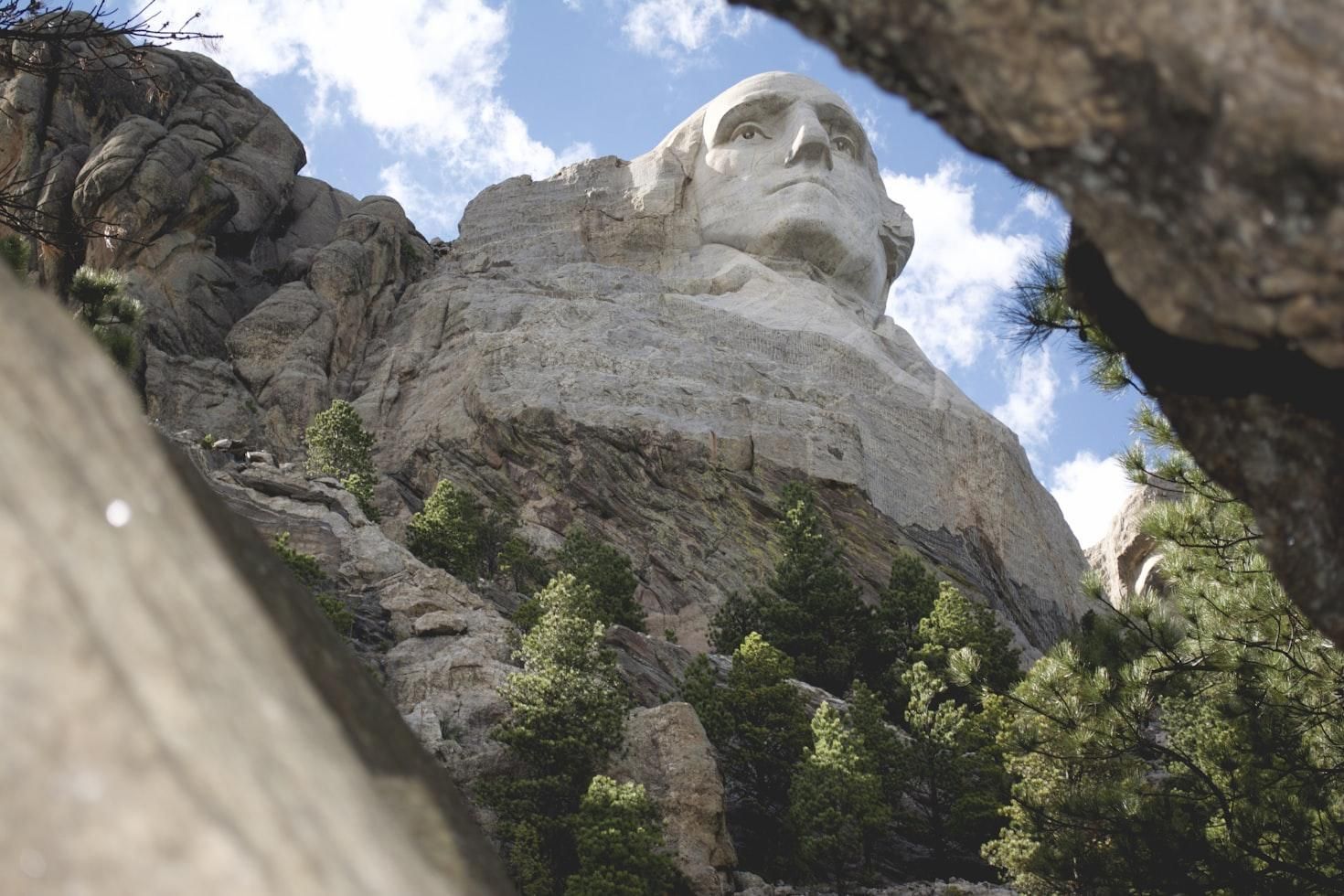
Image: Priscilla Gyamfi

America’s first president had no guidebook to follow, so George Washington ended up writing the first chapters of the office himself. With calm judgment and a focus on fairness, he set the tradition of serving only two terms, showing that leadership should be about duty rather than personal power.

Washington organized the very first Cabinet, established the tone for presidential addresses, and worked hard to promote unity among different regions and viewpoints. His steady approach helped turn a young, uncertain nation into a stable and functioning republic. The patterns he created became the model for every subsequent president.

2
James Madison
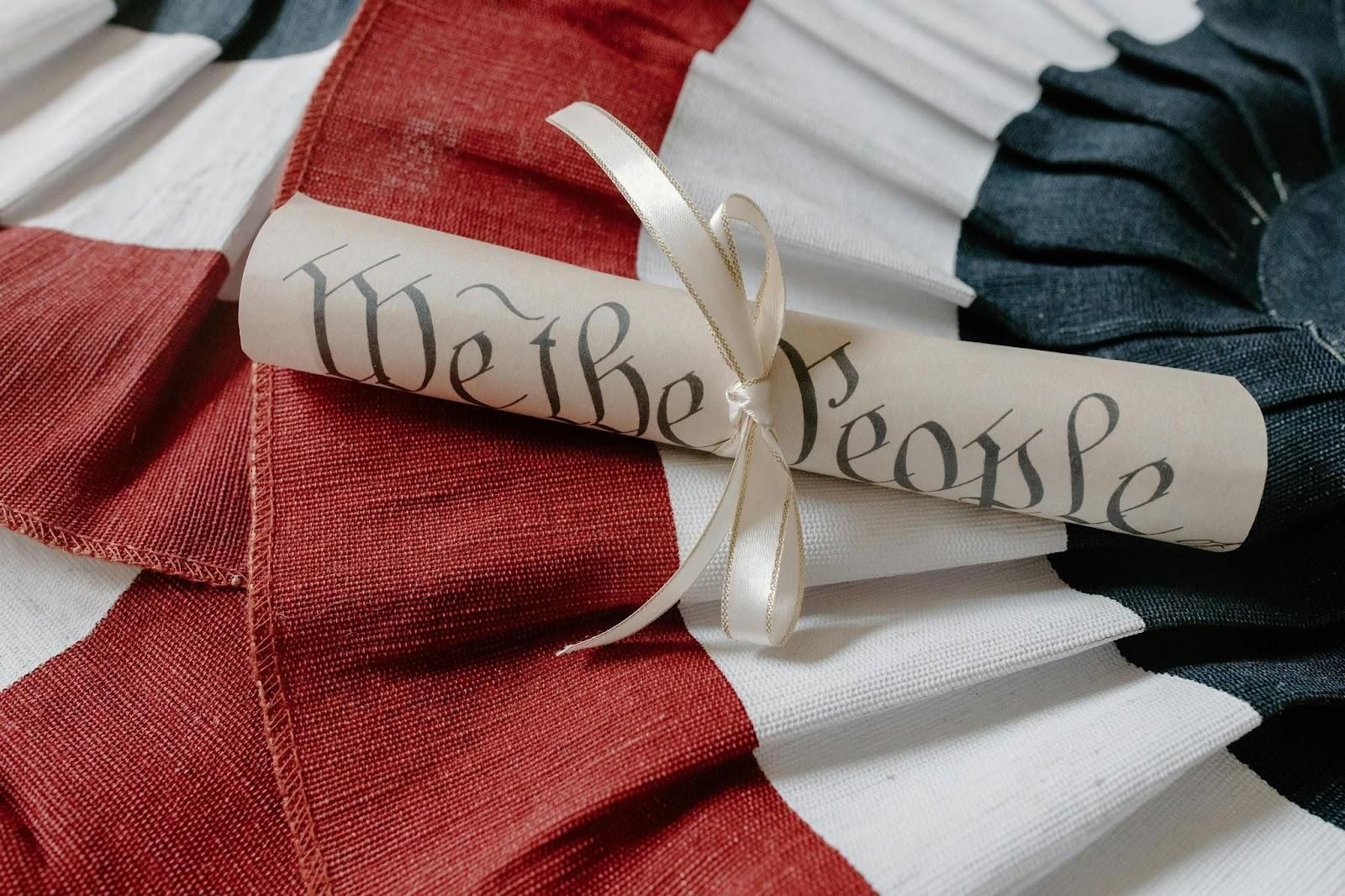
Image: Tara Winstead

Often called the "Father of the Constitution," James Madison helped shape the foundations of the United States long before he stepped into the presidency. He played a central role in writing the Constitution and co-authored the Federalist Papers, a series of essays that explained how the new government was meant to work.

Once in office, Madison continued to support the development of stronger federal systems that could serve a growing country, and he oversaw the admission of new states into the expanding Union. His steady leadership helped reinforce the structure laid down by the founders and proved that the nation’s early ideas—balance, stability, and cooperation—could stand the test of time.

3
Abraham Lincoln
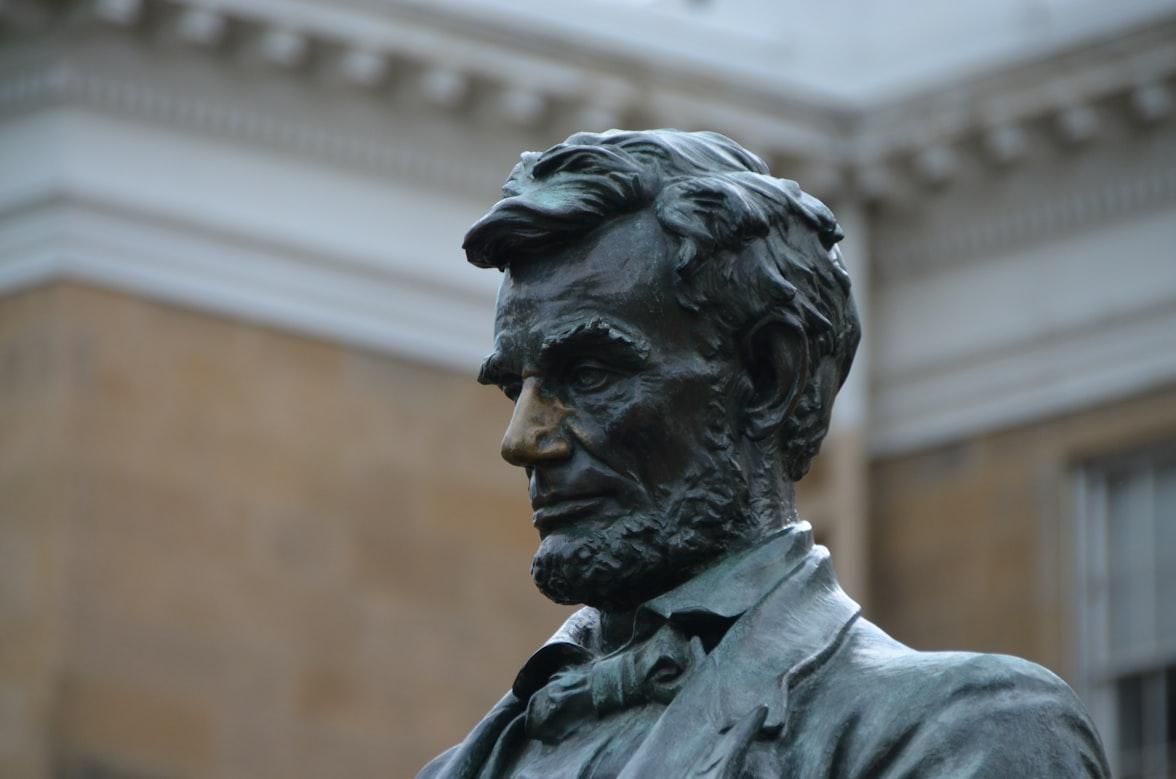
Image: Jacob Thorson

The 16th U.S. president guided the nation through a time of deep division with a calm, steady determination and a clear sense of purpose. He held firmly to the belief that all people are created equal, and he worked to bring those principles to life in practical, lasting ways.

During his presidency, Lincoln supported major constitutional changes that broadened personal freedoms and strengthened the role of the federal government in protecting those rights. He emphasized unity, fairness, and the idea that the country could emerge stronger if it stayed true to its core values. His dedication to these ideals has made him one of the most admired figures in American history, remembered for his integrity and his hope for a more united nation.

4
Theodore Roosevelt
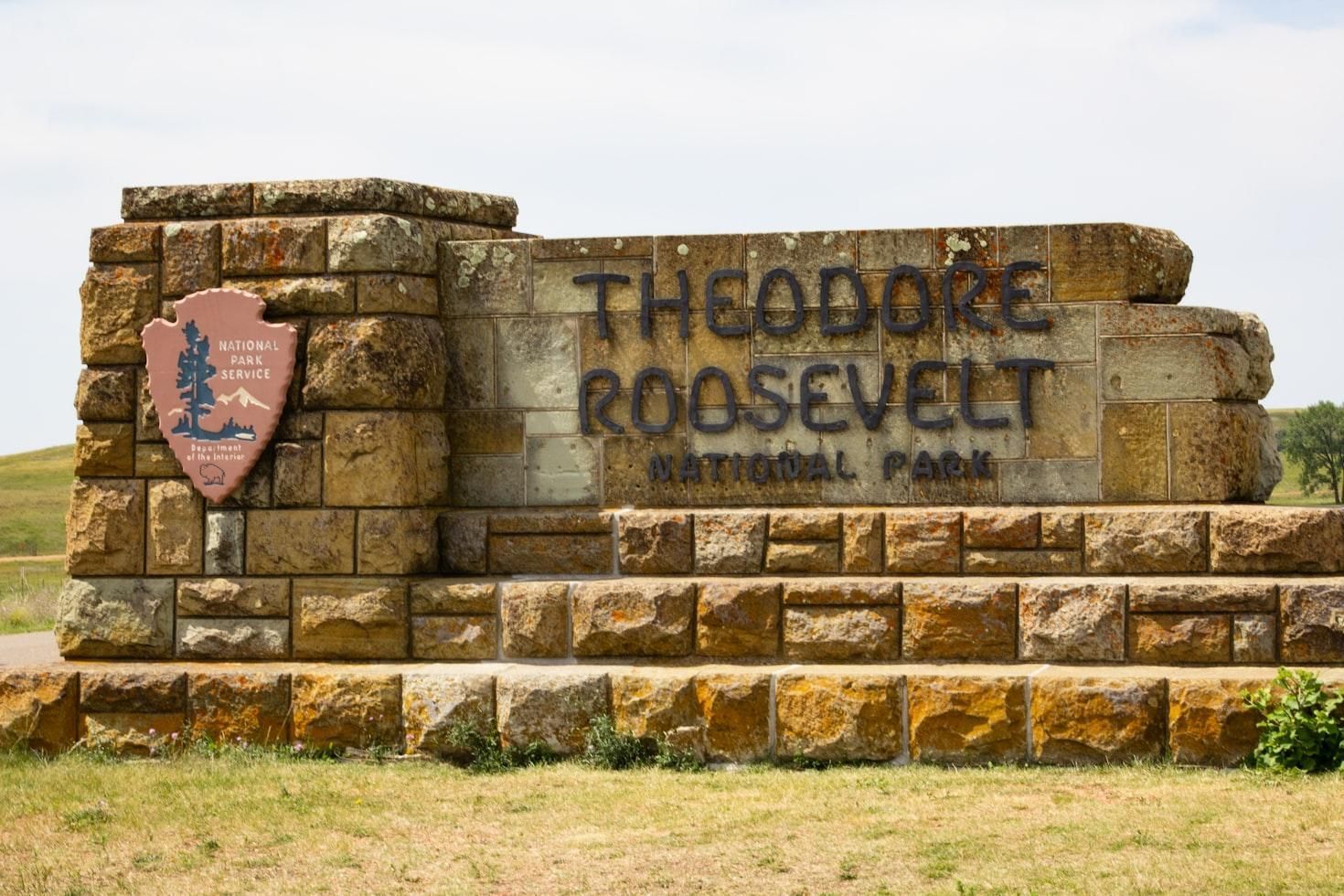
Image: Ryan Stone

Theodore Roosevelt was known for his enthusiasm, his adventurous spirit, and his deep love of the outdoors. He became one of the nation’s strongest voices for conservation, helping to create and expand national parks, forests, and wildlife areas.

His domestic program, the "Square Deal," aimed to make sure consumers, workers, and businesses were treated fairly, and he pushed for stronger rules that protected everyday Americans from unfair practices. Roosevelt also encouraged the nation to step forward with confidence, backing improvements in transportation and modern infrastructure that helped connect the United States more smoothly with the world.

5
Woodrow Wilson

Image: Đào Thân

Woodrow Wilson arrived in Washington with a plan to give everyday Americans a fairer, more balanced system, and his wave of domestic reforms—known as the "New Freedom"—reflected that goal. During his presidency, the nation saw the creation of the Federal Reserve System and the Federal Trade Commission, two major institutions designed to keep the economy steady and well-regulated.

Wilson also encouraged the idea that countries should work together through organized cooperation rather than standing apart, a view that later influenced the formation of important international organizations. His belief in self-determination and his preference for diplomacy over isolation helped guide the United States toward a long-term vision of global partnership and shared responsibility.

6
Franklin D. Roosevelt
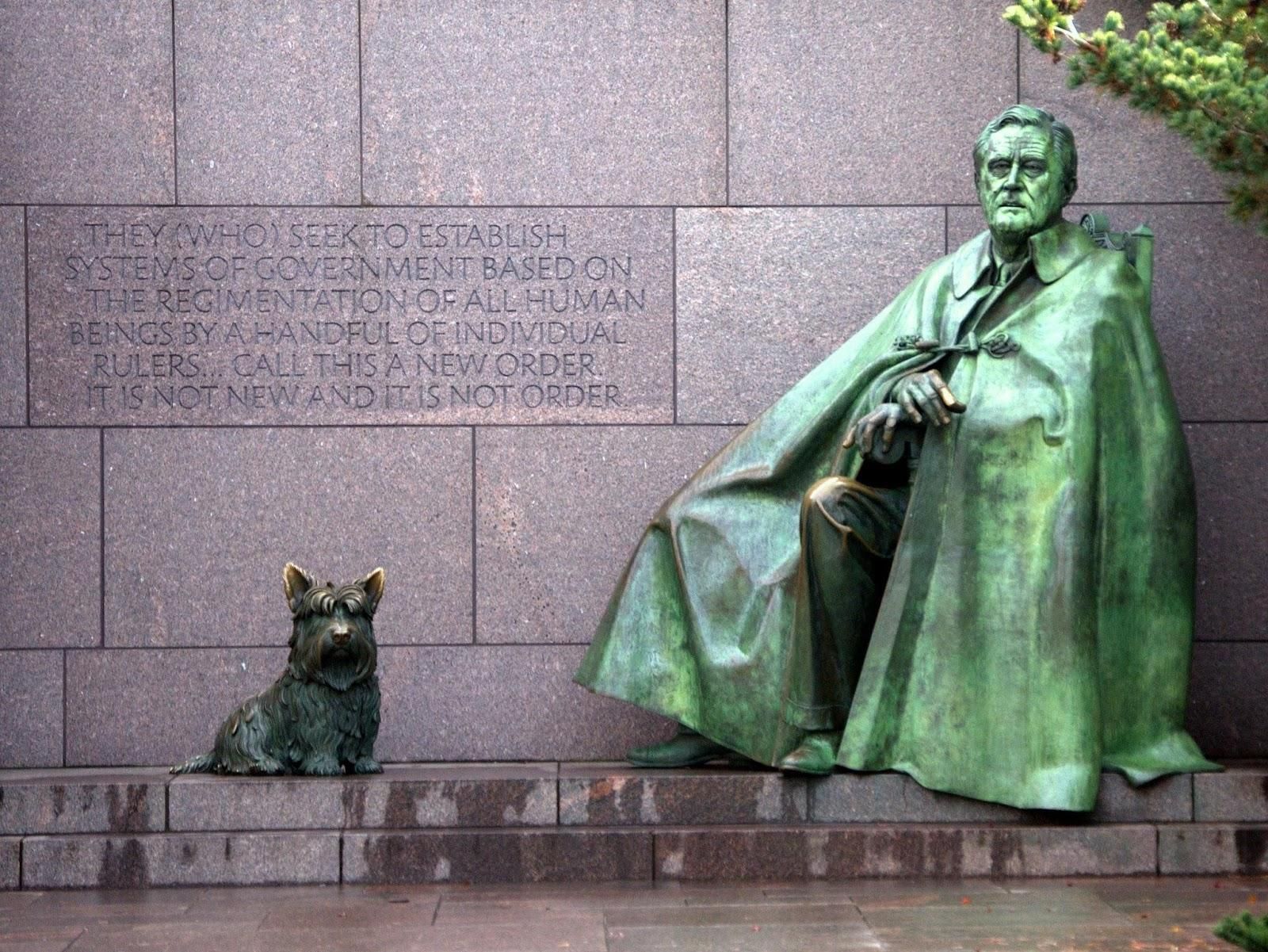
Image: Pedro Gutierrez

Franklin Roosevelt guided the nation through one of its toughest economic periods with a wide-ranging effort known as the "New Deal." This collection of policies helped support workers, steady the banking system, and strengthen protections for consumers. It also introduced Social Security, a program that quickly became a key element of retirement planning for millions of Americans.

Roosevelt understood the importance of keeping the public informed, so he spoke directly to families through his regular radio broadcasts, the famous "Fireside Chats." In these simple, calm conversations, he explained what the government was doing and why, helping people feel more confident in uncertain times. His clear, steady communication made him one of the most trusted and familiar voices of his era.

7
Harry S. Truman
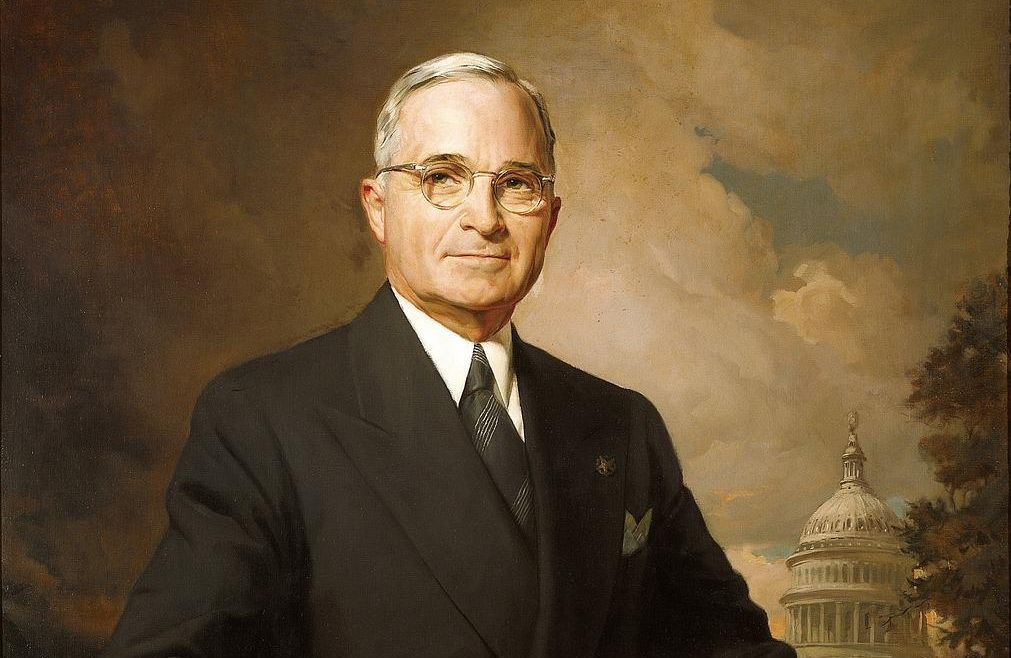
Image: WikiImages

When Harry Truman took office in 1945, both the world and the United States were undergoing a period of rapid change. With a practical mindset, the 33rd president helped launch broad programs aimed at rebuilding European economies and encouraging stronger international cooperation.

He also set a new long-range direction for American policy, one that emphasized stability, democratic principles, and economic support beyond U.S. borders. Truman’s meaningful efforts helped shape how nations worked together and signaled the beginning of important social changes that would continue to unfold in the decades ahead.

8
John F. Kennedy
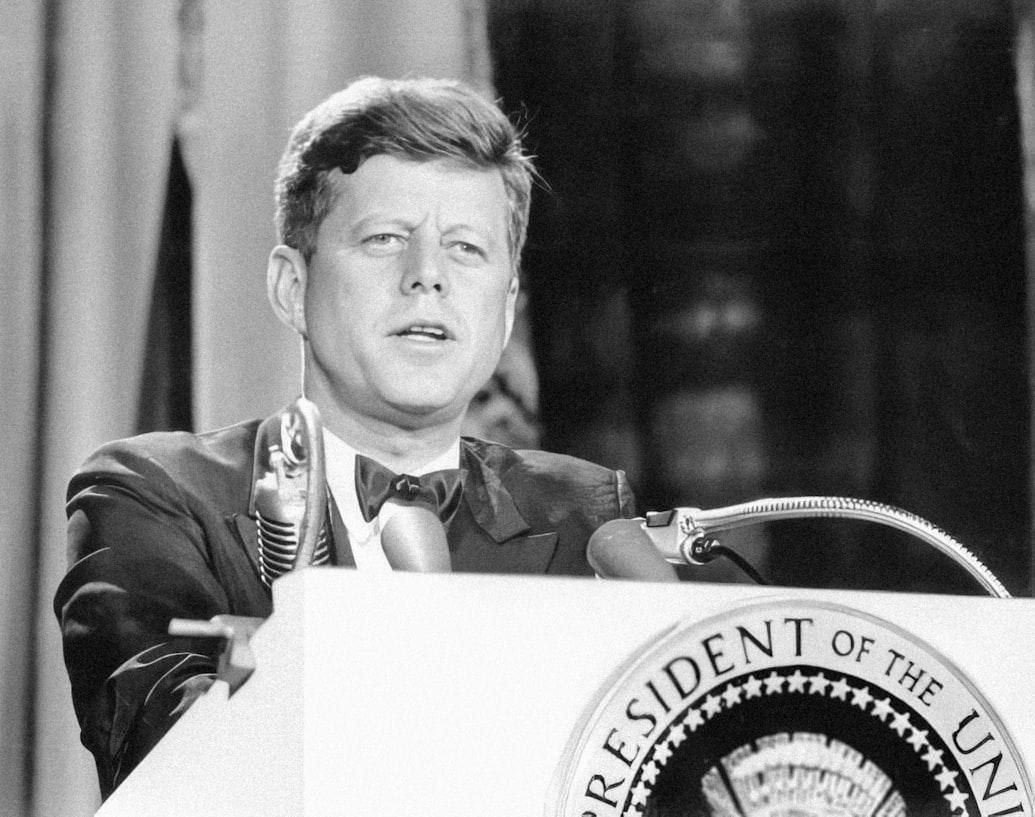
Image: Florida Memory

John F. Kennedy brought a fresh sense of youth and optimism to the early 1960s. His speeches often called on Americans to lend a hand, serve their communities, and think beyond themselves—captured in his well-known line, "Ask not what your country can do for you, ask what you can do for your country."

Kennedy supported important civil rights efforts and encouraged steady progress in science and technology. He also pushed the nation to look toward the future through expanded space exploration and created the Peace Corps, giving young Americans opportunities to volunteer and make a difference overseas. His steady promotion of learning, service, and innovation helped spark a spirit of national progress that defined much of the decade.

9
Lyndon B. Johnson
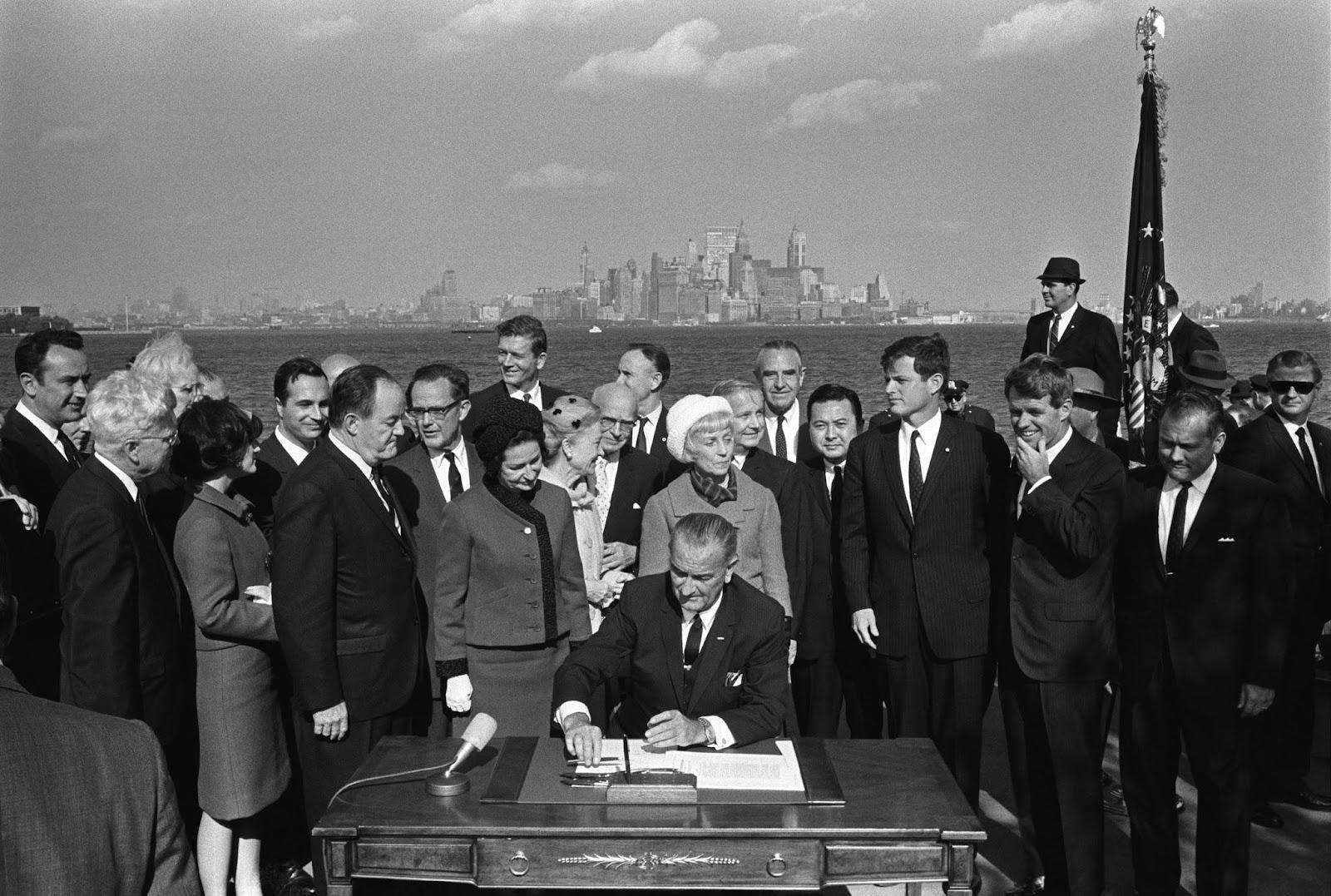
Image: LBJ Library photo by Yoichi Okamoto Restored by: Bammesk, Public domain, via Wikimedia Commons

Lyndon Johnson arrived in the White House with a far-reaching plan he called the "Great Society," a vision aimed at improving everyday life for people across the country. Under his leadership, Congress passed major civil rights legislation that strengthened equality and safeguarded voting rights, setting new standards for fairness.

The 36th president also approved the creation of Medicare and Medicaid, programs that gave millions of older adults and low-income families reliable access to health care for the very first time. Additionally, he supported initiatives to improve education, preserve natural resources, and strengthen local communities.

10
Ronald Reagan

Image: White House Photographic Collection, Public domain, via Wikimedia Commons

Ronald Reagan stepped into the 1980s carrying a message of confidence and renewal, offering Americans a sense of fresh direction after a challenging period. His economic approach—later known as "Reaganomics"—was centered on lowering taxes, easing federal regulations, and giving businesses more room to grow. For many people, this era became associated with rising optimism.

Reagan also spoke often about national pride and traditional values, presenting a steady, recognizable voice on the world stage. His leadership style—straightforward, good-humored, and easy to understand—left a lasting mark on how political ideas were discussed and helped shape the country’s tone for years to follow.

General General 4 min read

Crowded online streets

Where do we spend our online time? The most visited websites in the U.S.

Image: Ravi Roshan

Forget parks, malls, and landmarks—the most visited sites in the U.S. are online! You can probably guess some of them; of course, Amazon and YouTube are on the podium. But do you know which other sites attract millions of daily visits? Keep reading to find out which pages we keep returning to —you might be surprised to learn it’s not always social media!

1
New York Times

Image: Marco Lenti

"The Gray Lady" remains the go-to online newspaper in the country. It is the only news site to make it into the top 15, landing in the last place.

Its renowned journalism—and, let’s be honest, its Wordle and crossword puzzles—have captivated millions, keeping readers coming back for comprehensive coverage of national and international news.

2
ESPN

Image: Tech Daily

Sports enthusiasts have made ESPN the ultimate online destination, securing its spot at number 14 on the list. From live games and scores to in-depth analysis and highlights, ESPN provides a 24/7 feast for sports fans.

Most of us have favorite teams we follow religiously, while others visit the site just to stay casually up to date with the world of sports .

3
Microsoft Online

Image: Bram Van Oost

A powerful and versatile tool, Microsoft Online secured the 13th spot on the list. Its sprawling digital landscape offers everything from cloud computing services (Azure) and productivity software (Microsoft 365) to gaming (Xbox) and search (Bing).

It's a one-stop shop— one that many people have set as their default site when they open their browser!

4
ChatGPT

Image: Jonathan Kemper

Officially the newest site on the top-15 list, this powerful AI tool became the 12th most visited in 2024, taking the world by storm with its chat-like approach to artificial intelligence searches.

Launched in late 2022, this chatbot can generate text, translate languages, write various types of creative content, and answer questions—like having a super-smart, endlessly patient research assistant. Of course, it’s always wise to double-check its answers!

5
eBay

Image: Oberon Copeland @veryinformed.com

The master of online auctions , eBay has been connecting buyers and sellers since 1995—and we keep coming back for more.

Whether you're looking to thrift, hunt for rare collectibles, or finally get rid of that printer gathering dust, eBay is a treasure trove of unique finds and deals. It’s just as handy for decluttering your attic as it is for fueling your latest obsession at a bargain price.

6
Walmart

Image: Marques Thomas

The popularity of online Walmart couldn’t fall far behind its physical stores. Products at competitive prices make it one of the most visited retail sites.

From groceries and electronics to clothing and home goods, Walmart.com offers a convenient one-stop shop for online shoppers looking for value and variety . It's a digital extension of the familiar in-store experience.

7
Wikipedia

Image: Oberon Copeland @veryinformed.com

Wikipedia, the free encyclopedia, is a collaborative project that has become an indispensable resource for information seekers worldwide. Since its launch in 2001, it has helped users navigate everything from academic studies to random curiosities and long-standing doubts.

This crowdsourced encyclopedia covers a vast range of topics, from historical events and scientific breakthroughs to pop culture and biographies. While its accuracy is often debated, Wikipedia remains a go-to starting point for research .

8
Instagram

Image: Solen Feyissa

Instagram, the visually driven social media platform owned by Meta, allows users to share photos and videos, express themselves, and connect with others.

The app has evolved far beyond its early days when heavily filtered meal photos dominated feeds. Today, it serves as a digital hub for exploring interests, building communities, staying in touch with loved ones, and capturing life’s moments.

9
X (formerly Twitter)

Image: Kelly Sikkema

X, formerly known as Twitter, is a fast-paced social media platform where news breaks, conversations spark, and 280-character thoughts dominate.

It’s the go-to space for staying updated on current events, engaging in lively debates, and following the musings of everyone—from world leaders to your next-door neighbor.

10
Yahoo

Image: Dylann Hendricks

Did you know that Yahoo was one of the early pioneers of the Internet? While it may not hold the top spot anymore, it remains a popular portal and search engine . (More on the reigning champion later.)

Offering a variety of services, including email, news, finance, and sports, Yahoo provides a centralized hub for online activities. It's a familiar hub for many longtime internet users.

11
Reddit

Image: Brett Jordan

Reddit isn’t for everyone, but for millions, it’s essential. The self-proclaimed " front page of the internet " is a vast network of online communities where users discuss just about anything and everything imaginable.

From niche hobbies and fandoms to breaking news, psychology, and political debates, Reddit offers a forum for every interest imaginable.

12
Facebook

Image: Timothy Hales Bennett

Facebook, now known as Meta, the social media giant , has been connecting billions of people worldwide for over a decade.

It’s a space for sharing updates with friends and family, joining communities with shared interests, and discovering new content. In the U.S. alone, an estimated 193.5 million people have a Facebook account!

13
Amazon

Image: Christian Wiediger

Amazon has revolutionized the way we shop. What began as a humble bookselling site has grown into an unparalleled retail giant, offering an endless selection of products.

Standing third on the podium among the most-visited websites, Amazon is the go-to destination for online shoppers, making it easy to find just about anything you need—or didn’t know you wanted.

14
YouTube

Image: charlesdeluvio

YouTube claims the second spot on the podium as the world’s largest video-sharing platform—it’s a treasure trove of entertainment, education, and information.

From music videos and movie trailers to tutorials and comedy bloopers, users search for just about everything. And, of course, no list would be complete without cat videos.

15
Google

Image: Pixabay

Naturally, Google sits at the top of this list and has the crown. The ubiquitous search engine is so deeply tied to finding information online that it has even become a verb in everyday language.

Every minute, 5.9 million searches are conducted on Google worldwide, with 60% of U.S. searches coming from mobile devices. Ask yourself—how many times a day do you turn to the great search engine? Probably more than you realize!

Geography Geography 3 min read

10 American train stations that are a work of art

Image: Brady Hood

Many of America's train stations are much more than just transit hubs; they are authentic architectural marvels with distinct designs and rich histories. Built mostly in the first half of the 20th century, these spaces reflect the culture and confidence in the future of our nation. Would you like to know more? Join us as we go through 10 railway stations that make this country proud.

1
Union Station, Washington, D.C.

Image: Caleb Fisher

Washington Union Station, opened in 1907, is a fine example of Beaux-Arts architecture. Built to serve as one of the busiest transit hubs in the country, no expense was spared. The architect was inspired by ancient Roman baths. The main hall is guarded by rows of marble centurions, and the coffered ceiling is laced with gold leaf. If you want to contemplate marvellous architecture while having lunch alongside city workers and members of Congress, this is the place!

2
Penn Station, New York City

Image: c

Probably one of the world’s greatest railway stations was built in New York in 1910. And we are not talking about the famous Grand Central Terminal. The original Beaux-Arts building that was once home to Penn Station in Manhattan was an architectural masterpiece. It boasted grandiose interiors, huge waiting areas, and granite Doric columns. Unfortunately, in 1963, it was demolished to make room for Madison Square Garden, forcing the station to go underground.

3
Penn Station, Newark

Image: Pixabay

Penn Station in New York may not have survived, but a smaller-scale version still stands in Newark. New Jersey’s Neoclassical and Art Deco marvel was built in 1935 by the same architectural firm as the one in Manhattan. Featuring ornate archways, red terrazzo flooring, and green terracotta decorations, it may be less grandiose than its predecessor, but it still maintains much of its glamour.

4
30th Street Station, Philadelphia

Image: Nils Huenerfuerst

Completed in 1933, 30th Street Station in Philadelphia features a Neoclassical facade framed by 70-foot Corinthian columns. Inside, a spectacular Art Deco main concourse with a coffered ceiling adds to the station’s opulence. Fortunately, this terminal managed to preserve its former glory, and it is still in use today.

5
Main Street Station, Richmond

Image: Tangie Bodden

Main Street Station’s second Renaissance Revival architecture lights up the capital city of Virginia. Built at the turn of the century, it stands out mainly for its 110-foot brick clock tower. Past its glory days, it was neglected and suffered several damages, such as floods and fires. Fortunately, in 2003 it was restored, and today it is once again a major transit hub.

6
Birmingham Terminal Station

Image: Self-scanned, Public domain, via Wikimedia Commons

Meant to be travelers' first impression of the city, Birmingham Terminal Station once managed to astonish and amaze. Built in a Byzantine, Beaux-Arts style, it operated from 1909 to the 1950s. As automobile and air travel flourished, the station fell into disuse and was ultimately demolished in 1969 to make way for a new highway. A huge loss for the Magic City.

7
King Street Station, Seattle

Image: Zoshua Colah

King Street Station in Seattle was built at the beginning of the 20th century with a mix of architectural styles. Its main feature is a 242-foot tower modeled after the grand Campanile di San Marco in Venice. King Street Station also boasts intricate terrazzo and mosaic floors and ornamental plaster ceilings that were restored in 2010 to their former splendor.

8
Cincinnati Union Terminal

Image: Sean Foster

Cincinnati Union Terminal in Ohio is one of the boldest examples of Art Deco architecture in the United States. Its ten-story, half-domed entrance, green terrazzo, and the large rotunda decorated with industrial murals by Winold Reiss make this station a true architectural masterpiece. In fact, it is considered the greatest work of Alfred T. Fellheimer, who had previously designed Grand Central Terminal in New York City.

9
Union Station, Los Angeles

Image: Tichnor Brothers, Publisher, Public domain, via Wikimedia Commons

With a unique "Mission Moderne" style, Los Angeles’ main railroad station blends Spanish Colonial and Art Deco influences. Opened in 1939, it was built with a mix of terracotta and marble. It also features intricate tilework, beautiful courtyards, and a prominent 125-foot clock tower. Certainly a fine example of Southern California’s glamour.

10
Grand Central Terminal, New York City

Image: Robert Bye

One of the nation’s busiest stations, New York City’s Grand Central, is famous for its magnificent Beaux-Arts style. The terminal, located in Midtown Manhattan, opened in 1913. It features a signature four-faced Tiffany clock and a celestial dome above the main concourse that draws the sighs of travelers from all over the world.

Explore more American facts

Choose your favorite category!

General
General

As American as apple pie—the very best America has to offer!

Culture
Culture

Delve into the astounding richness of American lore.

Geography
Geography

Hop in and explore vast and diverse American landscapes.

History
History

Discover the key moments that shaped the United States.