History History 4 min read

Fur, feathers, and fame

The first pets: The surprising, funny, and furry side of history!
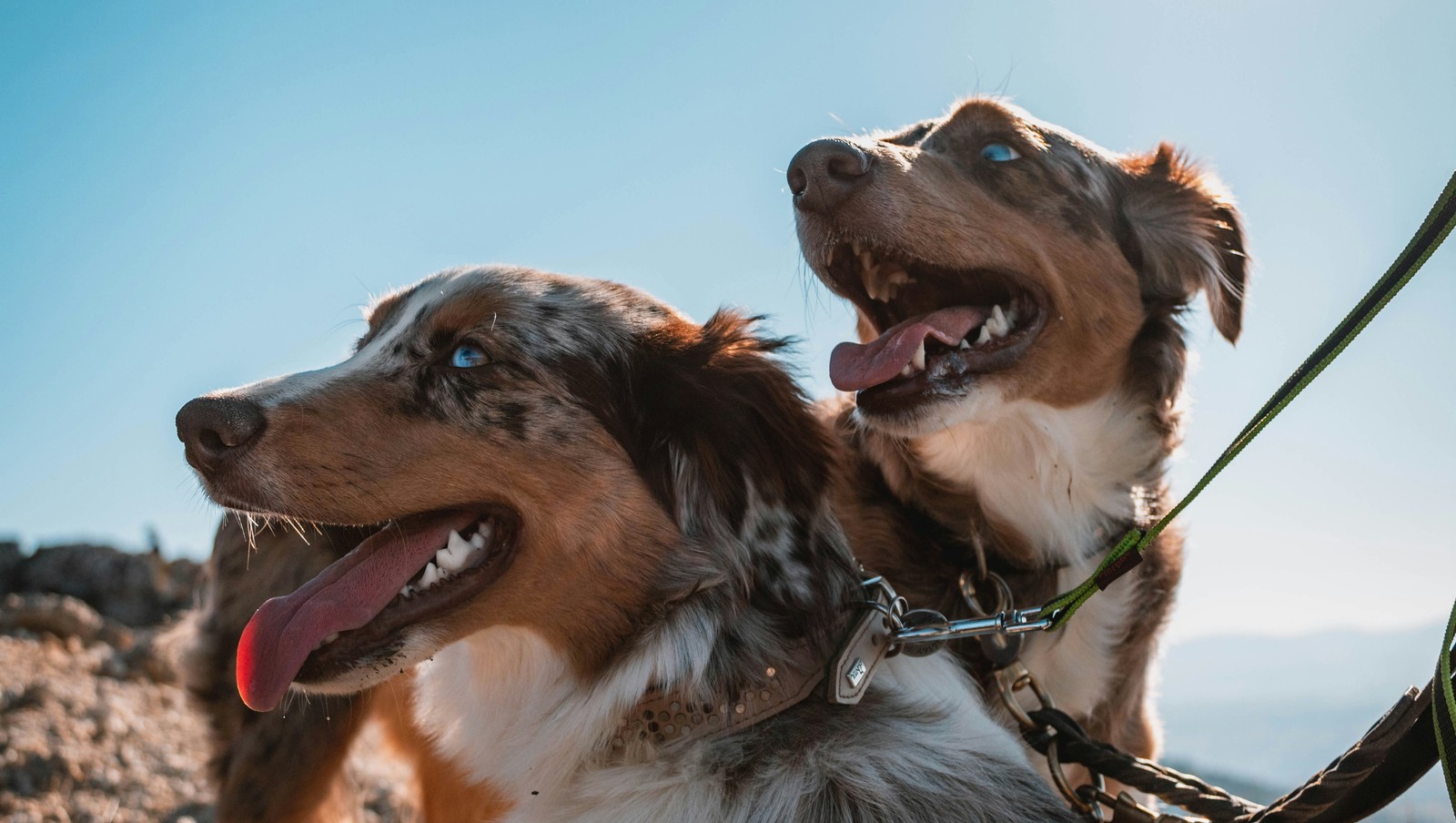
Image: Sara Kurfeß

Before social media and spin doctors, some of the most beloved figures in Washington had four legs or wings. From dogs to horses, rabbits, and even raccoons, presidents have shared the White House with a colorful parade of creatures. These pets weren’t just sidekicks; they were family, confidants, and sometimes even headline-makers.

1
George Washington’s hungry hound
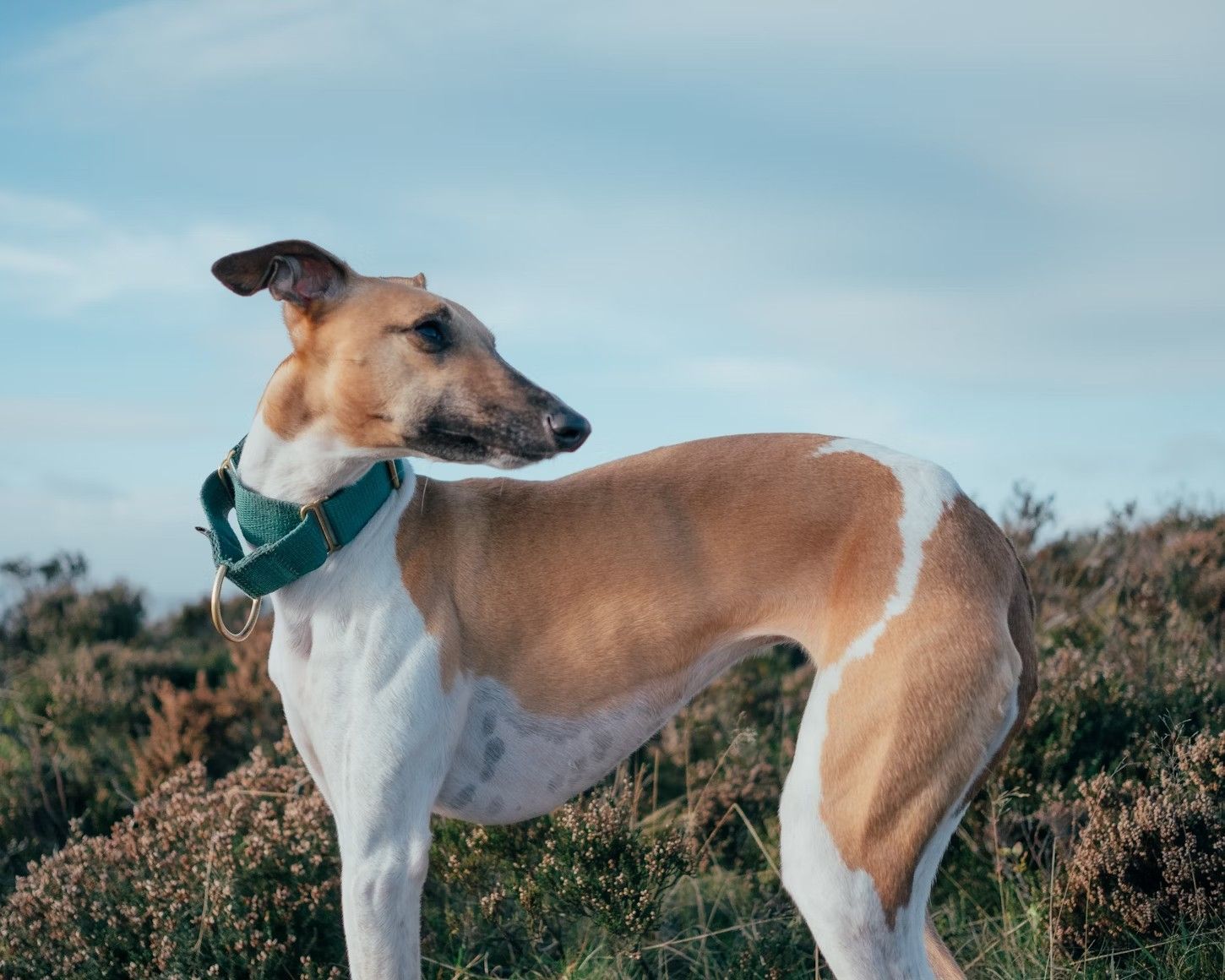
Image: Mitchell Orr

George Washington didn’t just lead a new nation; he also led a lively pack of dogs . His favorite, Vulcan, became a bit of a legend after sneaking into the kitchen and stealing a ham right before a fancy dinner party. Washington’s home was full of animals, from hounds with names like Sweet Lips and Madam Moose to strong horses such as Nelson and Blueskin, who carried him through the Revolution. The father of our country clearly had a soft spot for man’s best friend.

2
Thomas Jefferson’s exotic companions
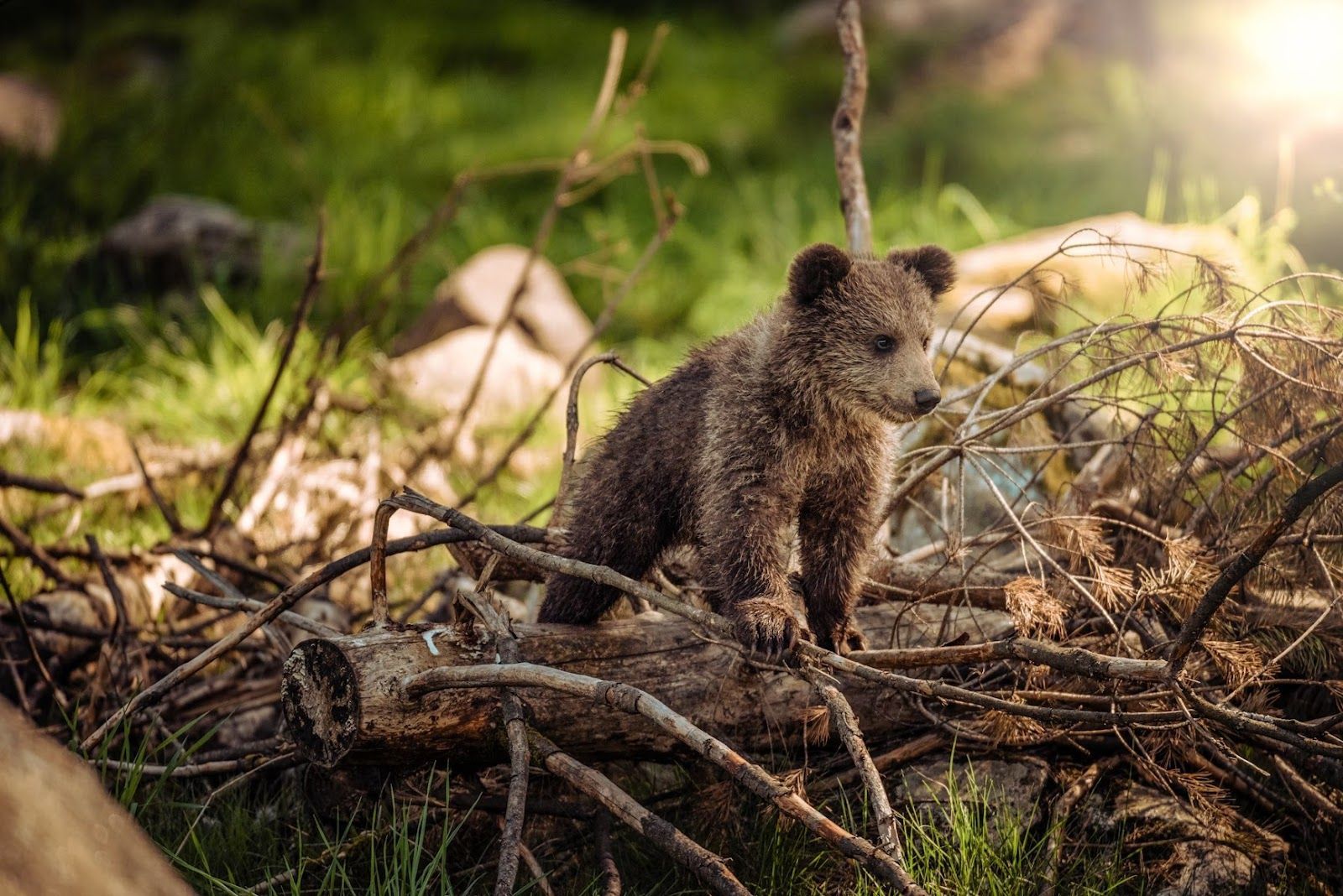
Image: 🇸🇮 Janko Ferlič

When Thomas Jefferson returned from France, he brought back more than political ideas. He also brought home a dog named Bergere, who had puppies during the voyage. Later, explorers Lewis and Clark sent him two bear cubs that lived for a time at Monticello. Jefferson also kept birds, which showed a curious and gentle side to the man remembered for serious debates and historic documents.

3
Abraham Lincoln’s family menagerie
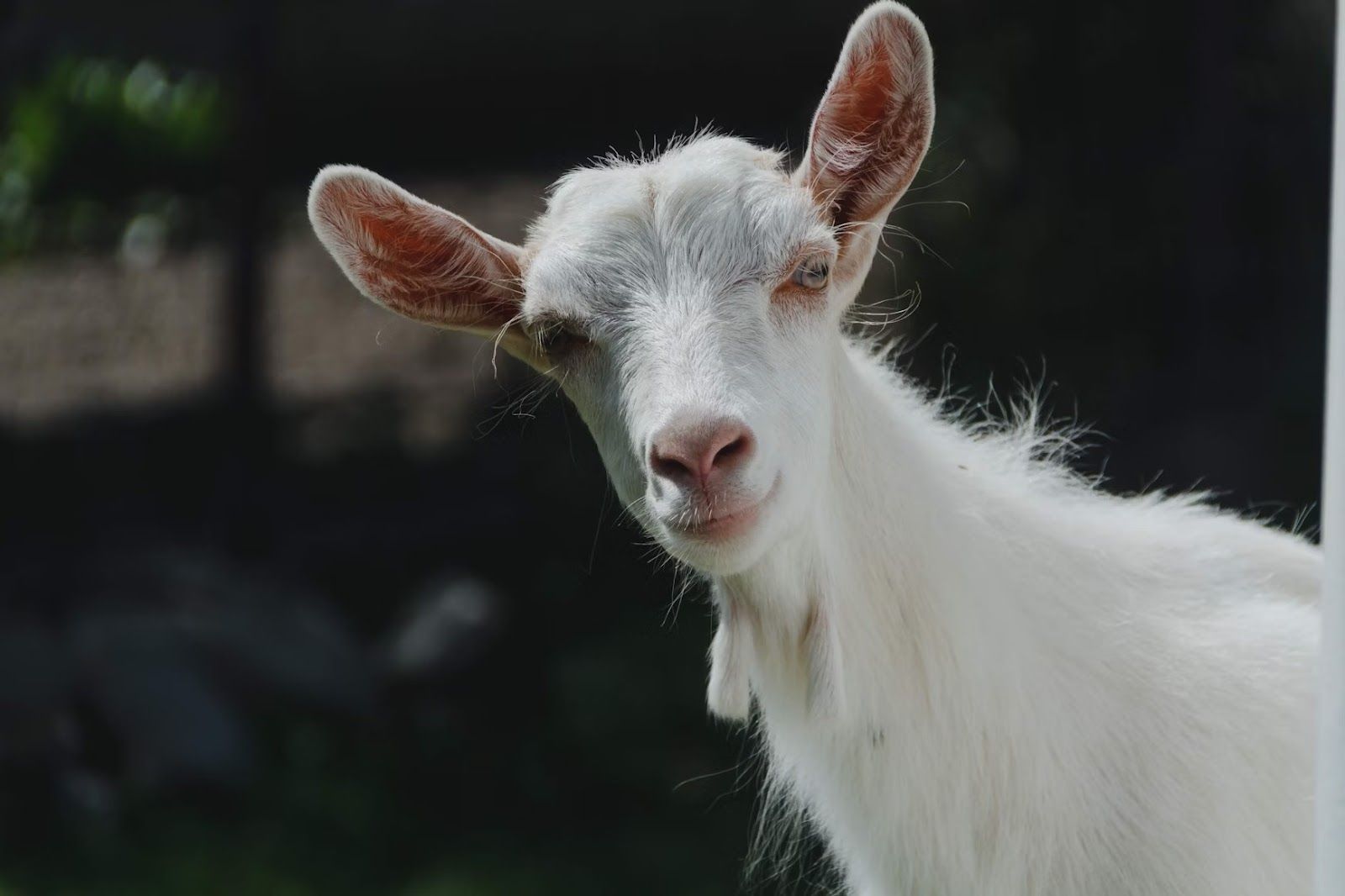
Image: Sergiu Vălenaș

Abraham Lincoln’s household was full of affection, laughter, and animals. His loyal dog, Fido, stayed behind in Springfield when the family moved to Washington, but Lincoln made sure he was cared for. The White House soon filled up with two playful goats named Nanny and Nanko , horses, cats named Tabby and Dixie, and even a few rabbits. Lincoln’s kindness toward animals mirrored his compassion for people.

4
Theodore Roosevelt’s White House zoo
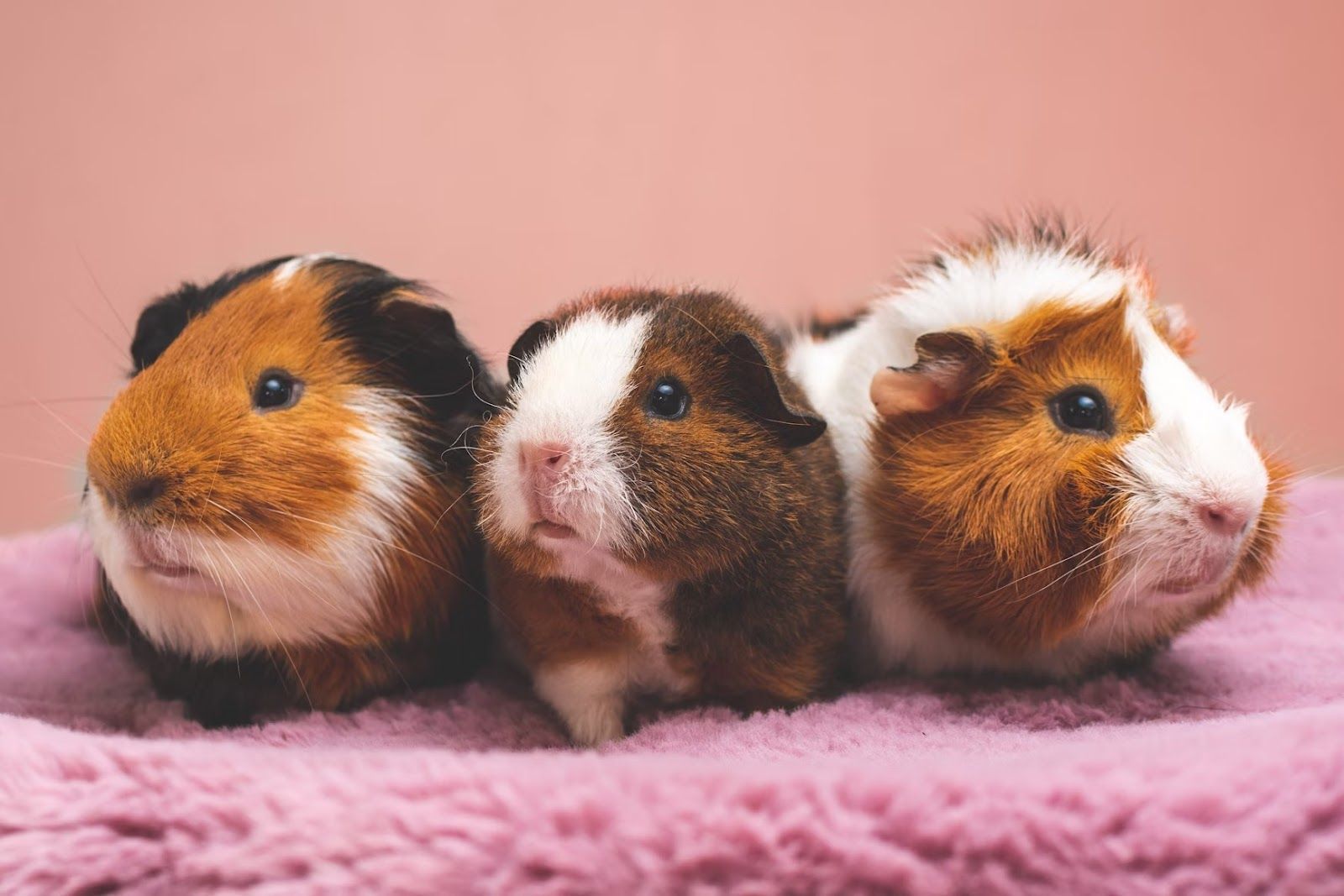
Image: Jaroslaw Slodkiewicz

Theodore Roosevelt didn’t just bring energy to politics; he brought it to pet ownership too. His home was a whirlwind of fur, feathers, and scales. Alongside horses and dogs, there were guinea pigs, a macaw, a badger, a snake named Emily Spinach, and even a bear called Jonathan Edwards. Roosevelt’s six kids were always introducing new creatures, turning the White House into a joyful, unpredictable zoo.

5
Woodrow Wilson’s tobacco-chewing ram
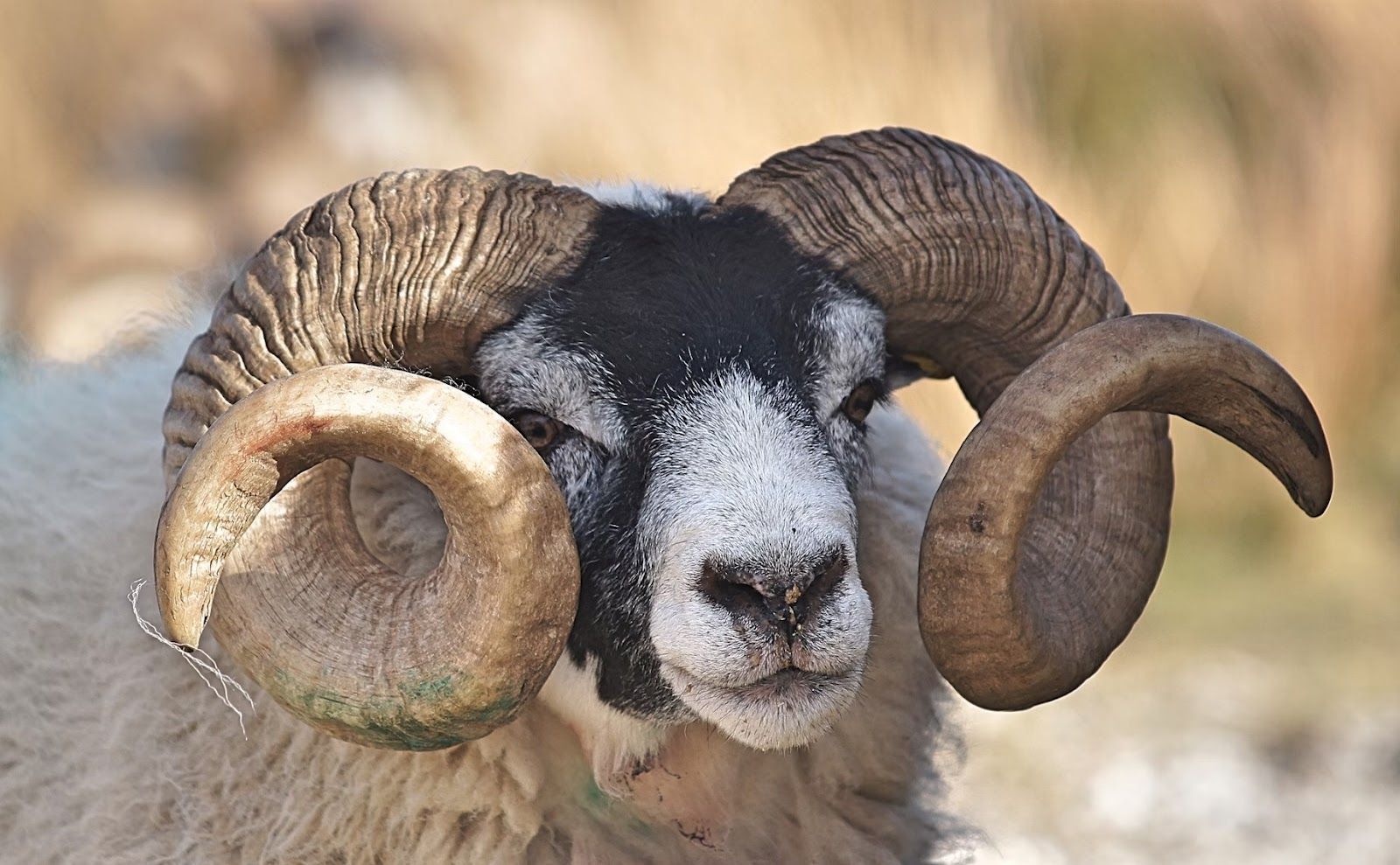
Image: Livin4wheel

Woodrow Wilson’s presidency wasn’t all about policy and world affairs. He also had a ram named Old Ike, who was known for chewing on cigars . Wilson kept a flock of sheep on the White House lawn during World War I to help raise money for the Red Cross by selling their wool. Along with dogs, birds, and a cat named Puffins, the Wilson White House looked more like a small farm than a seat of government.

6
Calvin Coolidge’s cheerful chaos
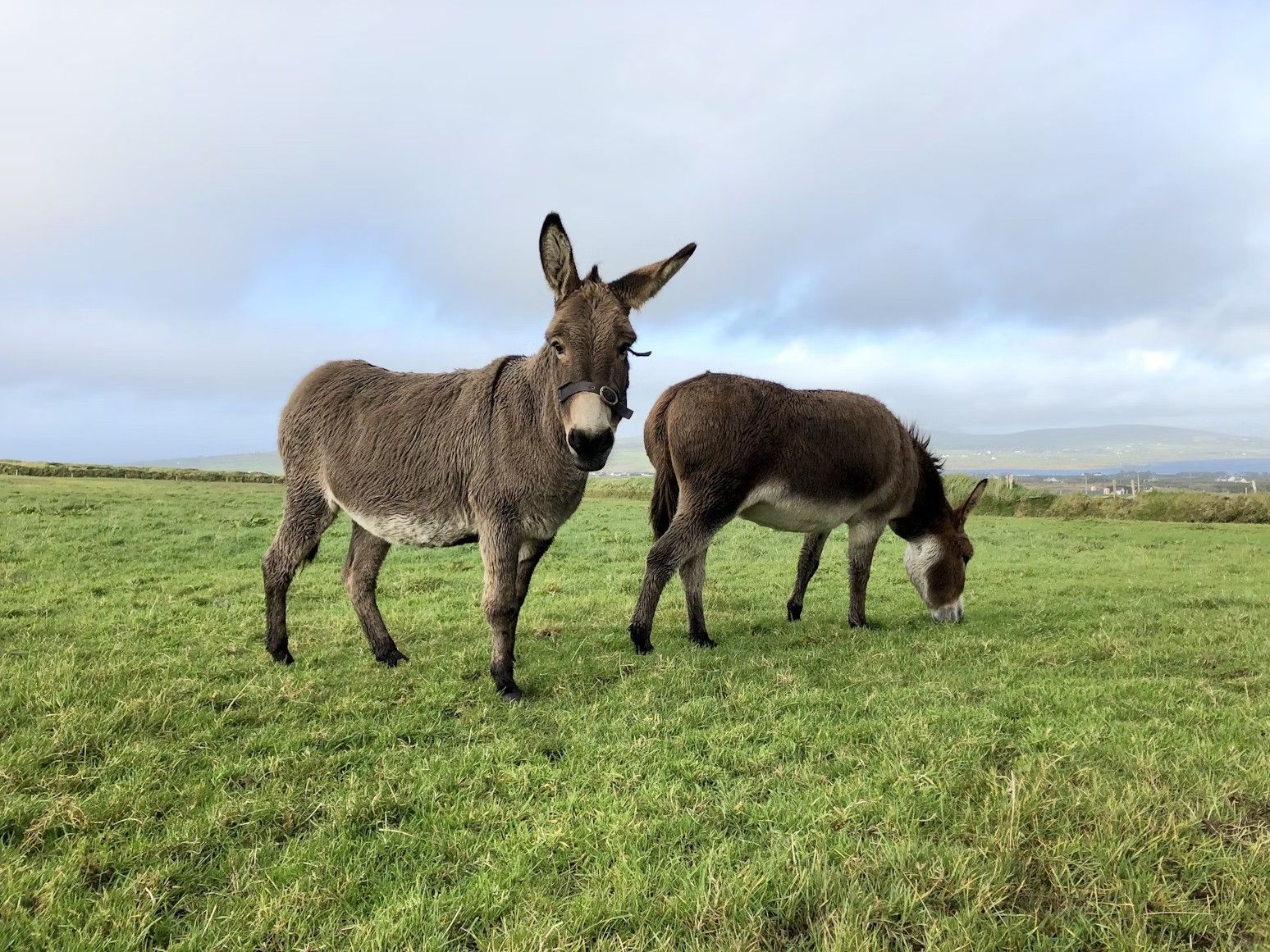
Image: Christian Hess Araya

If anyone rivaled Roosevelt’s menagerie, it was Calvin Coolidge. He and his wife, Grace, were devoted animal lovers. Their White House included twelve dogs, two cats, seven birds, a donkey named Ebenezer, two raccoons called Reuben and Rebecca, and even a bobcat named Smoky. Rob Roy, their white collie, was so beloved that he appeared in Grace Coolidge’s official portrait. With so many paws and claws around, quiet moments were rare, but laughter was constant.

7
Franklin D. Roosevelt’s loyal Fala
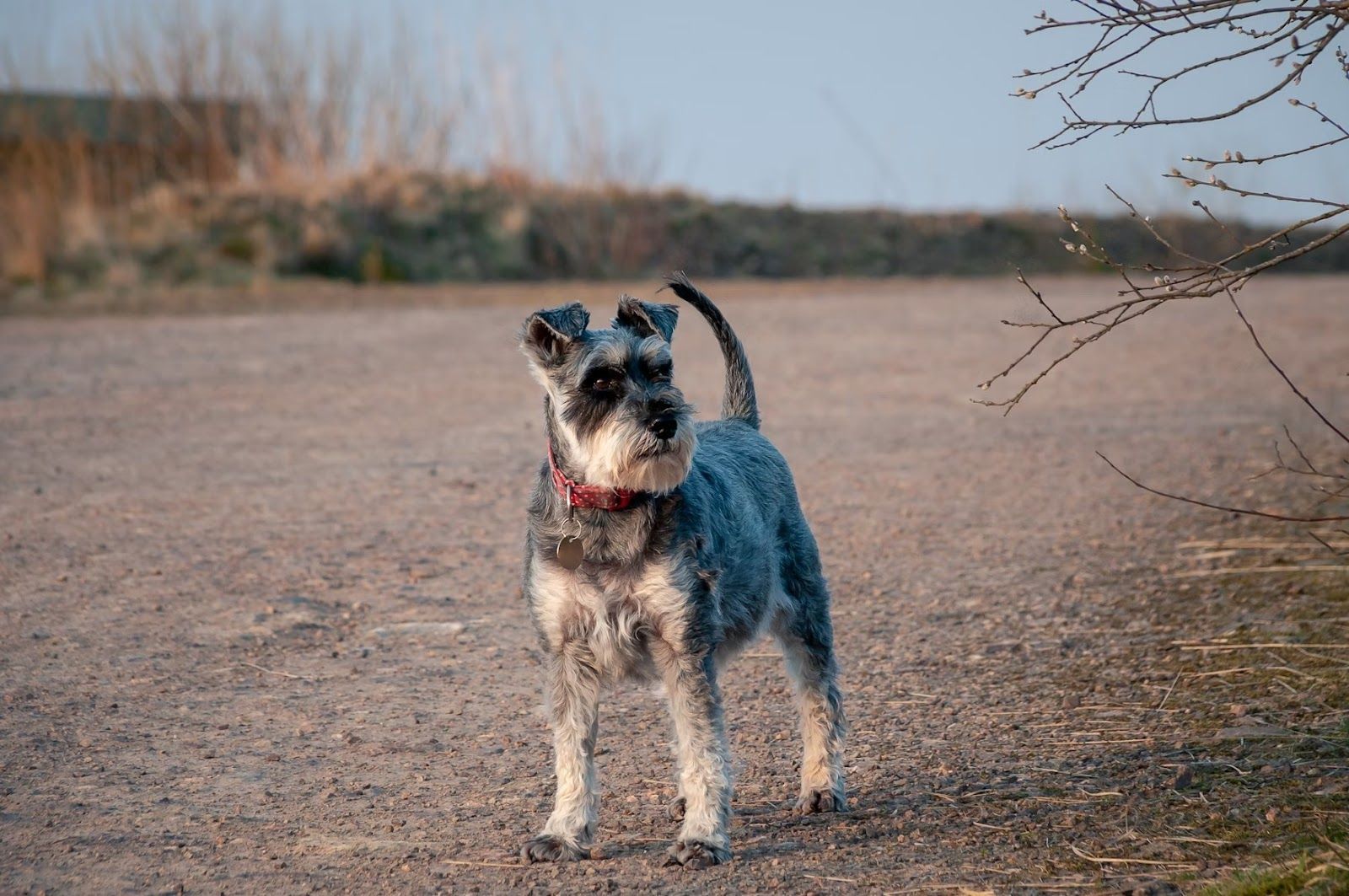
Image: Chris Arthur-Collins

Few pets have reached celebrity status quite like Franklin Roosevelt’s Scottish terrier, Fala . The little dog went everywhere with the president and even had his own fan club. When critics accused Roosevelt of forgetting Fala during a trip to Alaska, the president jokingly denied it in a speech that won over the crowd. Fala stayed faithfully by his side through good times and bad, a symbol of loyalty during some of the nation’s hardest years.

8
John F. Kennedy’s household of charm
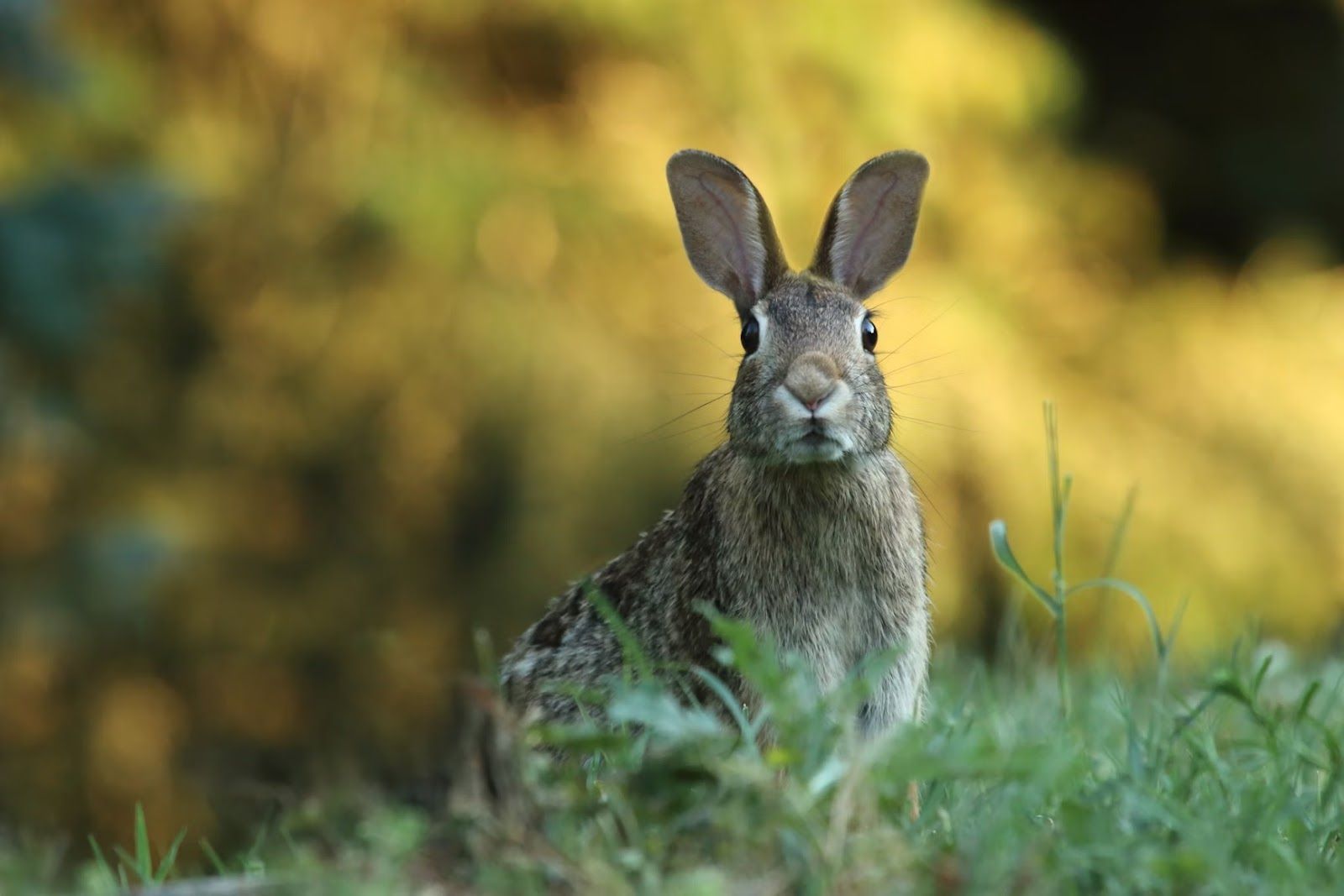
Image: Gary Bendig

The Kennedys filled the White House with laughter and animals. Their pets included Pushinka, a gift from Soviet leader Nikita Khrushchev, who had puppies with the family’s dog, Charlie. The Kennedys gave the puppies to children who wrote to them. They also had horses, cats, birds, hamsters, and even a rabbit named Zsa Zsa . Caroline’s pony, Macaroni, became a favorite of photographers and fans, perfectly matching the family’s youthful, warm image.

9
Lyndon B. Johnson’s famous beagles
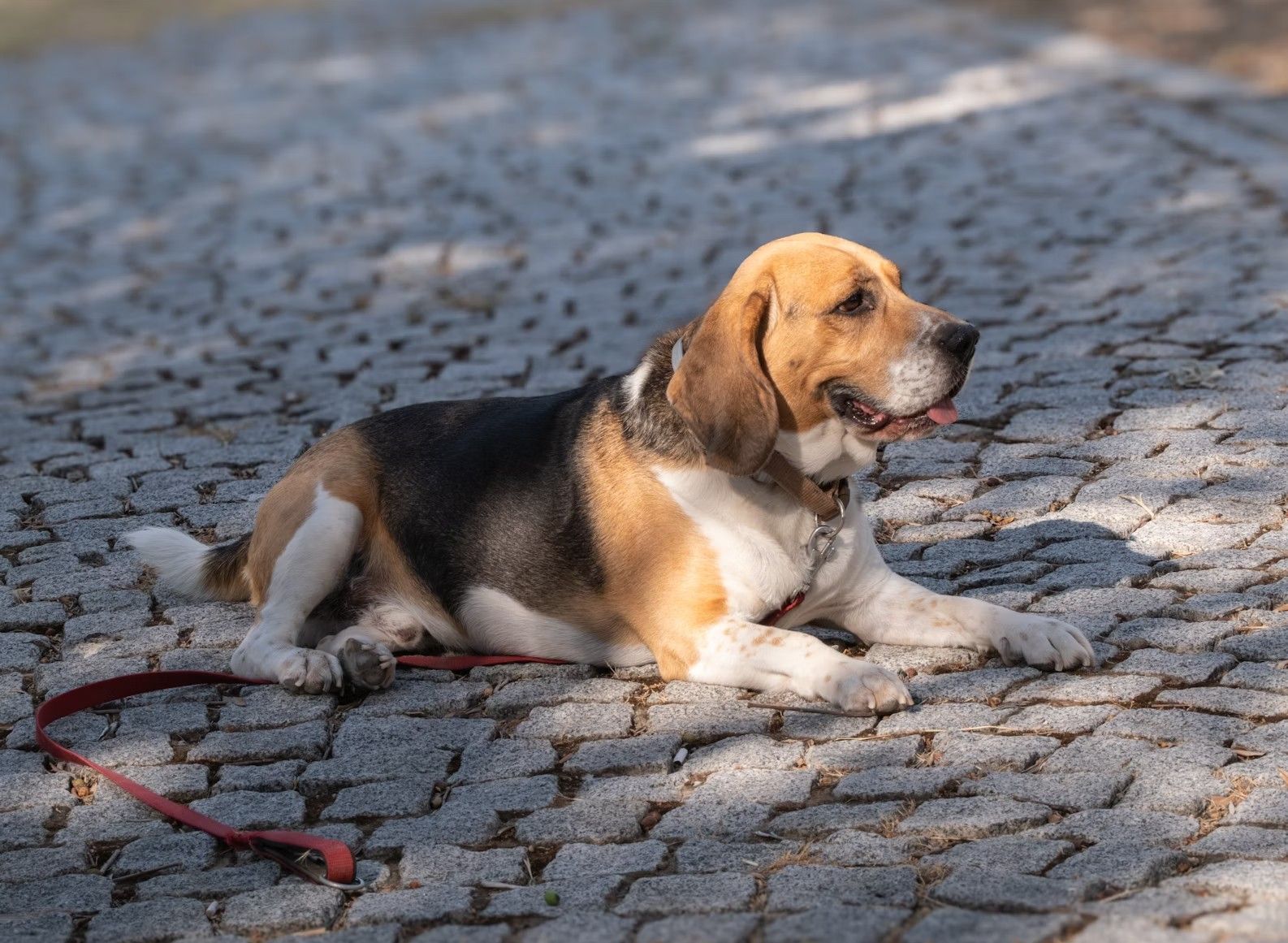
Image: Doğan Alpaslan DEMİR

Lyndon B. Johnson’s dogs, Him and Her, became almost as well known as their owner. Johnson once caused a stir by lifting one of them by the ears for a photo, but he truly loved his pets. He kept several dogs, along with birds and hamsters that entertained his family. Johnson was the last president to keep anything beyond the usual cats and dogs at the White House, marking the end of a particularly lively era for presidential pets.

10
Ronald Reagan’s ranch companions
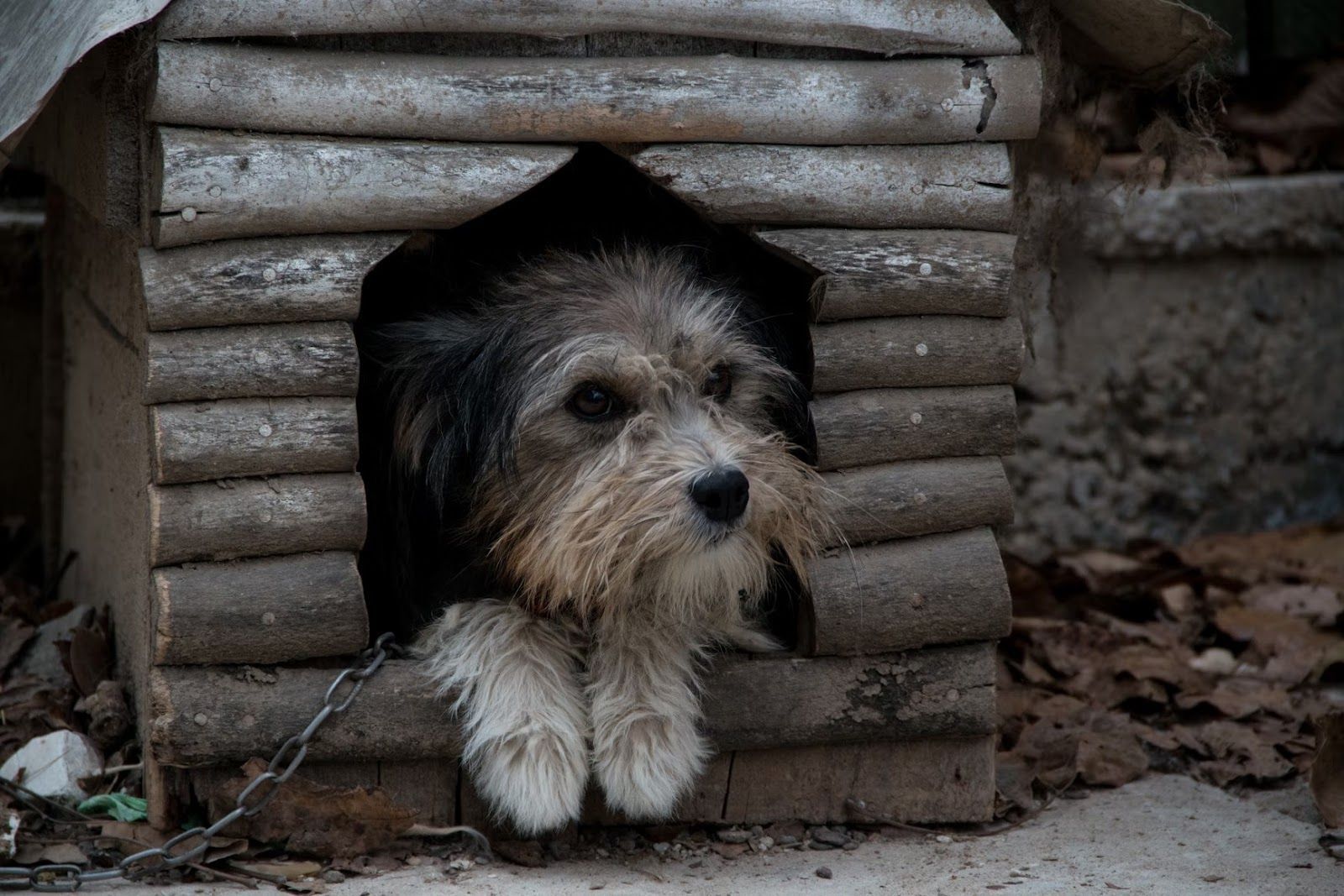
Image: Florin Palamarciuc

For Ronald Reagan, animals were part of the good life. His dogs, Lucky and Rex, often joined him at the family ranch, where he could ride horses and enjoy the open air away from Washington. Rex even had his own miniature White House doghouse . The Reagans saw their pets as family and often talked about how much joy they brought to their lives, proof that even presidents need a wagging tail to make a house feel like home.

History History 5 min read

Myth-busting America

Fact vs. fiction: 10 myths that shaped American history

Image: Markus Spiske

American history is loaded with stories—some true, some half-true, and many others pure myth. Despite historians' best efforts, a few tales have been repeated so often they’ve become almost inseparable from real events. Today, we’re separating fact from fiction with a look at 10 of the most common myths and misconceptions in American history. From young Washington's cherry tree to the actual date of the Declaration of Independence, the truth behind these historical myths may surprise you. But wouldn’t the Founding Fathers say that the truth is always worth knowing?

1
The first Thanksgiving feast

Image: Claudio Schwarz

The story of the first Thanksgiving is often heavily romanticized, but it was largely rooted in political and survival needs. Wampanoag leader Ousamequin reached out to the English at Plymouth not out of inherent friendship, but because his people had been devastated by epidemic disease and needed allies.

Moreover, English Thanksgivings were originally solemn occasions of fasting and prayer —quite different from today’s feasts of abundance and celebration. The truth is that around the 1760s, Pilgrim descendants in Plymouth, concerned about their declining cultural influence, began promoting the idea that the original Pilgrims were America’s founding fathers. The notion of a holiday symbolizing unity and friendship between colonists and natives gained traction, eventually shaping the Thanksgiving tradition we know today.

2
Paul Revere’s "Midnight Ride"

Image: Priscilla Du Preez

Though "The Midnight Ride of Paul Revere" is legendary, Revere certainly didn’t act alone. The famous silversmith was only one of several riders, including William Dawes and Samuel Prescott, who warned of the British army’s approach. To be fair, much of the well-known story was fabled by Henry Wadsworth Longfellow’s poem "Paul Revere’s Ride," which is far from a historically accurate account.

Additionally, Revere would have never shouted "The British are coming!"—that wouldn’t have made much sense, as most Massachusetts colonists still identified as British. The actual alert was closer to "The Regulars are coming," referring to British troops.

3
The frontier was lawless

Image: Idean Azad

Popular culture paints the American West as a wild, lawless frontier, but crime was actually lower in many Western towns than in Eastern cities at the time. Local codes, vigilante groups, and early forms of law enforcement helped keep order, even in the most remote pioneer towns.

Many towns established designated areas where firearms were off-limits, requiring visitors to put away their weapons before entering. Of course, cities like Dodge City and Tombstone had their rowdy moments, but local communities established governance quickly. In many cases, justice in the West was rough but effective, and it helped establish America’s early legal backbone.

4
Washington chopped down a cherry tree

Image: Terence Starkey

Though it’s deeply etched in American memory, the story of young George Washington confessing to chopping down a cherry tree is entirely fictional. This tale was fabricated by Parson Weems, Washington’s biographer, to depict him as morally upright and honest from an early age.

While the story is charming and has contributed to America’s sense of ethos, it underscores the tendency in early American history to create heroic, almost mythical personas for its leaders. Yet, Washington’s legacy hardly needs fabricated childhood anecdotes to shine; his real courage and dedication to his country speak for themselves.

5
The Liberty Bell rang on Independence Day

Image: Dan Mall

The story of the Liberty Bell ringing for independence traces back to a fictional tale by George Lippard in an 1847 issue of The Saturday Courier. In this story, an elderly bellman in the State House steeple anxiously awaited news of Congress’s decision. Doubting their resolve, he suddenly heard his grandson’s triumphant shout: "Ring, Grandfather! Ring!"

This story captivated the public and cemented the Liberty Bell’s association with the Declaration of Independence. However, historians now doubt that the bell actually rang in 1776; at the time the State House steeple was reportedly in poor condition, and the bell may not have been in use. Though many bells rang throughout Philadelphia on July 8 to celebrate the Declaration, whether the Liberty Bell itself rang remains uncertain due to a lack of contemporary accounts.

6
Betsy Ross made the first American flag

Image: Luke Michael

The story of Betsy Ross sewing the first American flag is one of America’s favorite tales, but the sad truth is that there’s no historical evidence to support it. The story only emerged nearly a century after the Revolution, when her grandson published the account in a paper for the Historical Society of Pennsylvania in 1870.

While the Continental Congress did approve a flag design in 1777, it’s unclear who actually made it. However, despite historians' doubts, the early flag design with 13 stars in a circle is still popularly known as "the Betsy Ross flag."

7
Orson Welles’ broadcast induced mass panic

Image: Muhammed ÖÇAL

It’s widely believed that Orson Welles’ 1938 radio adaptation of The War of the Worlds caused widespread panic across the United States, with listeners mistaking it for real news of an alien invasion. However, the actual extent of the panic was greatly exaggerated by newspapers looking to discredit radio as a rival news source.

While the broadcast did unsettle some listeners, most of the audience knew it was a dramatic performance. Reports of mass hysteria were largely fabricated, and ironically, the media’s reaction to the broadcast may be a greater testament to its power than Welles’ fictional invasion ever could be.

8
Cowboys wore big, flashy hats

Image: Brice Cooper

While movies and TV shows often show cowboys wearing wide-brimmed, flashy hats, most cowboys actually wore bowler or derby hats until the late 19th century. These hats were more practical and better suited for riding. Men also wore flat wool caps, Mexican sombreros, or even old Civil War hats like the kepi.

The wide-brimmed "cowboy hat" only became popular later and evolved into a cultural icon thanks to cinematic depictions of the Wild West. As with most things, in truth practicality ruled the range, and the stereotype of the cowboy hat developed more from fiction than reality.

9
Benjamin Franklin discovered electricity

Image: Felix Mittermeier

Benjamin Franklin’s famous kite experiment didn’t really "discover" electricity but rather demonstrated that lightning was a form of electrical energy. In fact, historians aren’t even sure whether he performed the famous experiment himself. At the time, scientists in Europe had been experimenting with electricity for decades.

That being said, Franklin’s findings did help advance science, and laid the groundwork for future innovations. His research not only led to the practical study of electricity, but his invention of the lightning rod also helped save both people and structures. In any case, Franklin never patented any of his inventions, believing that "products of the human imagination belonged to no one person," so he likely wouldn’t have wanted credit as the discoverer of electricity either.

10
The Fourth of July marks the signing of the Declaration

Image: Trent Yarnell

The Declaration of Independence is celebrated on July 4th, but the actual timeline of events is a bit more complex. Independence was formally approved by Congress on July 2, 1776, through the Virginia resolution, which officially severed ties with Britain. However, the text of the Declaration was subjected to intense debate and revisions before Congress approved the wording on July 4.

Further complicating things, the Declaration wasn't publicly read until July 8, and it took several more weeks before all signers had added their names. While some Founding Fathers, like John Adams, initially advocated for celebrating on July 2, the public ultimately gravitated toward July 4—the date displayed on the final document.

Culture Culture 3 min read

Halloween secrets

Why is Halloween orange and black? The surprising meaning behind it

Image: David Menidrey

It’s hard not to love Halloween. It’s a time for celebration, jack-o’-lanterns, and of course, candy. But behind today’s traditions lie plenty of spooky secrets about the holiday and where it came from. From the meaning behind costumes to the origins of trick-or-treating, we’re exploring 10 facts you probably didn’t know about Halloween. Let’s get started!

1
Ancient roots

Image: Miguel Teirlinck

Believe it or not, what we call Halloween began more than 2,000 years ago. The ancient Celtic festival of Samhain, held from October 31 to November 1 in what is now Ireland, Scotland, and parts of Britain, marked the shift from the harvest season to the dark days of winter. The Celts believed that, on that night, the boundary between the living and the dead grew dangerously thin. Spirits could slip through that barrier... both benevolent and darker ones.

2
Why scary costumes?

Image: JOHN BEARBY IMAGES

If the spirits of the dead were roaming the earth, what would you do? The Celts had a clever solution: they disguised themselves with animal skins and masks to look frightening and protect themselves from any spirits that might not have the best intentions. The hope was that ghosts would either mistake them for one of their own or be scared off entirely. Over time, the tradition evolved, but its roots remained; just look at all the little witches, skeletons, and other spooky costumes we see on Halloween today.

3
There's a reason for black and orange

Image: Gary Fultz

Orange and black take over homes and streets every Halloween, but why? The answer goes back to the Celtic festival of Samhain as well. Orange symbolized the end of autumn and fallen leaves, while black represented the darkness of the long winter nights ahead.

4
Witches weren’t always seen as scary

Image: Halanna Halila

Witches have been part of Halloween lore for ages. Countless stories cast them as spooky figures with flying broomsticks, pointed hats, and bubbling potions. But it wasn’t always this way. Among the Celts, many practices now labeled as "witchcraft" were connected to healing, spirituality, and nature, and weren’t seen as evil at all; that association came much later with the spread of Christianity. In fact, the English word "witch" is often linked to the Old English wicca (masculine) and wicce (feminine), meaning "wise one."

5
Trick-or-treating origins

Image: Robin Jonathan Deutsch

In addition to dressing up to protect themselves, the Celts also left treats on their doorsteps to appease wandering spirits. Over the centuries, that custom changed and spread. By medieval times in Europe, people—especially children—would go door to door during this season, offering prayers for departed souls or performing small songs and jokes in exchange for food or treats. This tradition, known as "souling" or "guising," eventually inspired the trick-or-treating we know today.

6
Scary tricks

Image: Nick Fewings

In the recent past, the "tricks" in trick-or-treating were no joke—they could be genuinely frightening. In the late 19th and early 20th centuries, Halloween was known far more for mischief than for candy. Kids pulled off pranks like tying doors shut or slamming windows to make homeowners think their houses were haunted. Scary? Yes. Fun? Definitely.

7
In the past, they weren't pumpkins

Image: Igor Omilaev

Pumpkins may be the stars of Halloween décor today, but they weren’t always the first pick. The tradition of carving Halloween lanterns also began in Ireland and Scotland, but not with pumpkins. In the old days, people carved turnips, beets, and other root vegetables. When Irish immigrants arrived in the United States in the 19th century, they found that pumpkins were bigger, softer, and far easier to carve, so pumpkins quickly replaced the turnips.

8
Halloween, SC

Image: Joseph Corl

Today, Americans put a lot of effort into Halloween celebrations. But perhaps no one embraces it more than the residents of Conway, SC, who made headlines for a bold decision. In 2022, the city officially adopted the monikers "City of Halloween" and "Halloween, SC" for the month of October. Although "Conway" remains its legal name year-round, the town uses the spooky nickname during the holiday season to attract visitors eager to experience its larger-than-life celebrations and decorations.

9
Parents also have their "tricks"

Image: Tolgahan Akbulut

Although trick-or-treating is mostly for kids, parents definitely get in on the fun. According to a 2019 survey, 74% of parents admitted to stealing a few pieces of their children’s candy. And honestly, who can blame them? A pumpkin bucket overflowing with sweets is hard to resist.

10
Paranormal full moon

Image: Ganapathy Kumar

Celebrating Halloween under a full moon has a special charm, as that lunar phase has long been linked to heightened paranormal activity. But this coincidence is rare: a full moon on Halloween only happens about every 18–19 years. The last full moon during Halloween was in 2020, and according to forecasts, we won’t see another until 2039.

Explore more American facts

Choose your favorite category!

General
General

As American as apple pie—the very best America has to offer!

Culture
Culture

Delve into the astounding richness of American lore.

Geography
Geography

Hop in and explore vast and diverse American landscapes.

History
History

Discover the key moments that shaped the United States.