History History 6 min read

The lighter side of Patriots

Discover 10 quirks and fun facts about our Founding Fathers!

Image: Adam Nemeroff

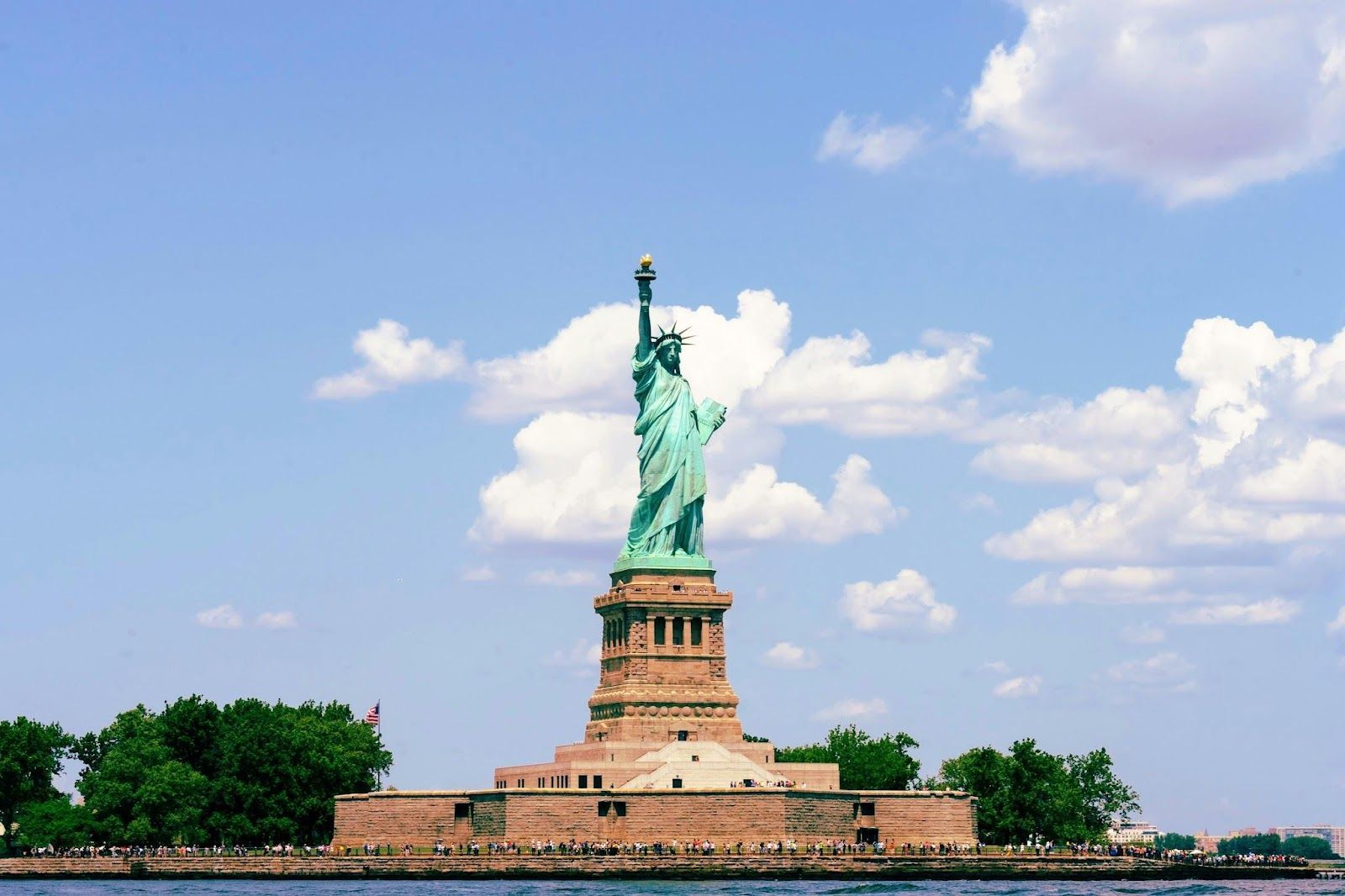
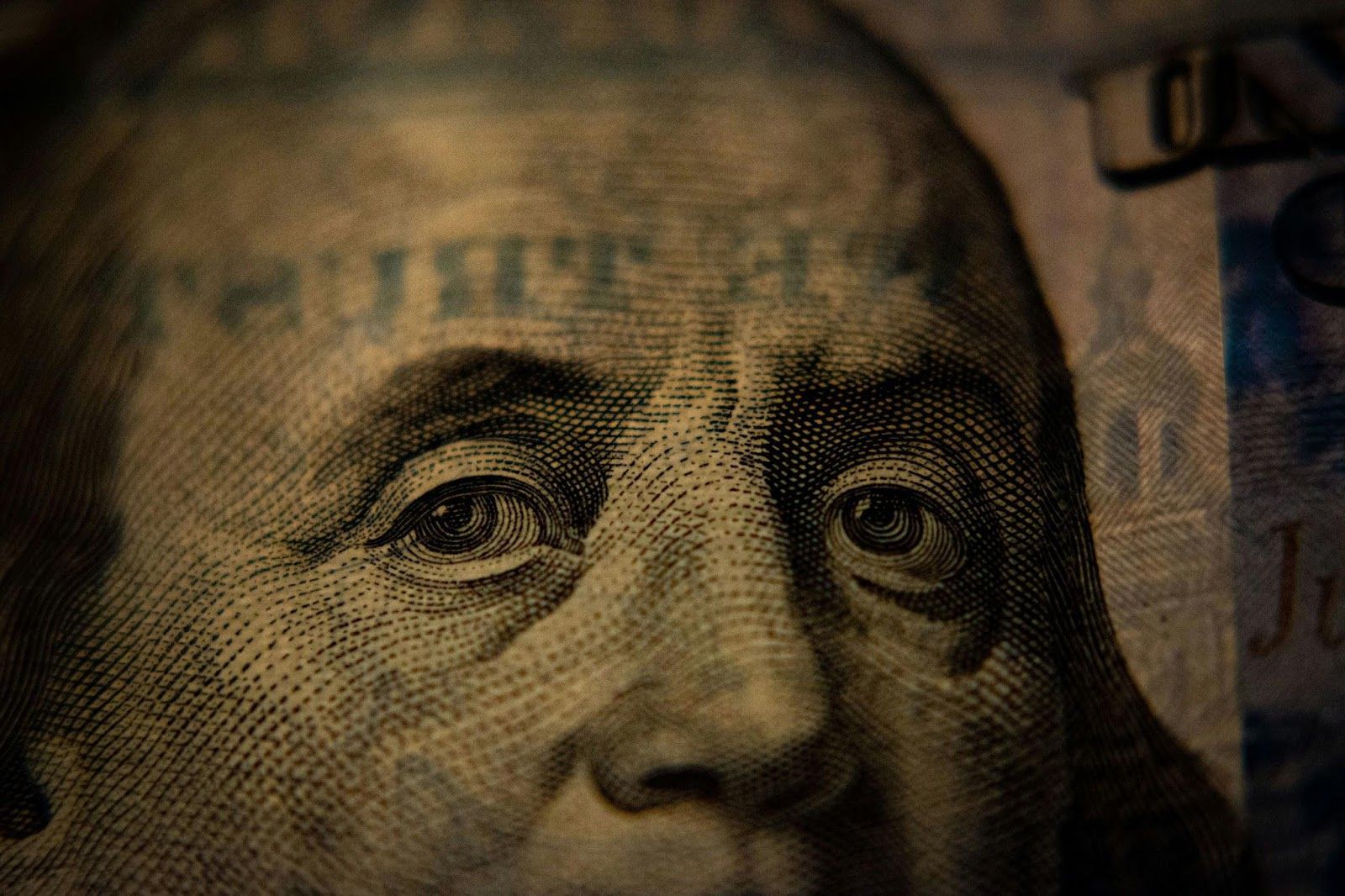
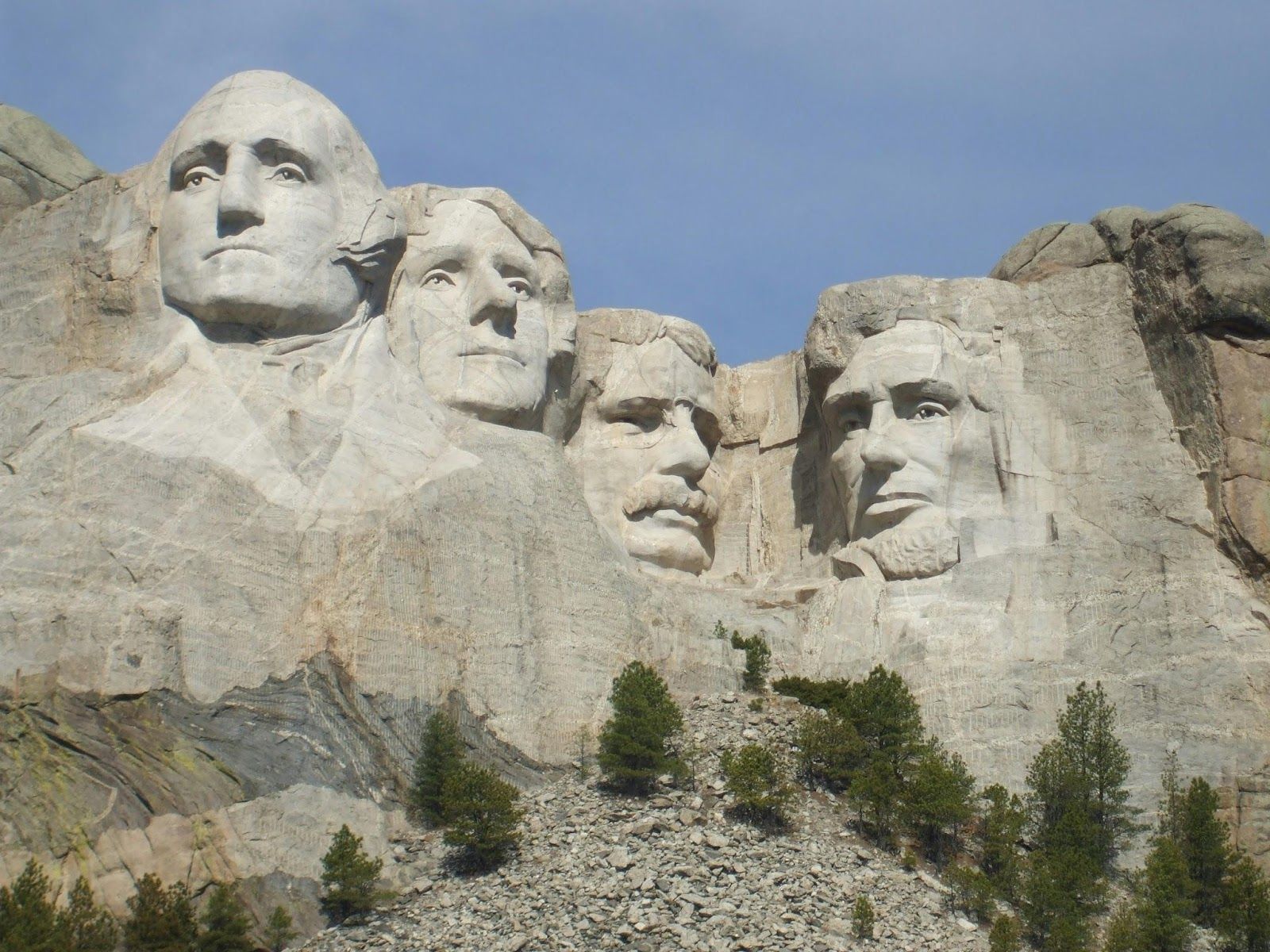
From the names we honor on our streets to the faces we see daily on our dollar bills, we think you’ll agree that the Founding Fathers are a visible presence in the lives of all Americans—and with good reason. After all, we owe our eternal gratitude to these brave men who helped build this great nation of ours. In that sense, the grandeur and nobility of these figures sometimes make us forget that the Founding Fathers were also human beings, filled with quirks, hobbies, and a sense of humor. Bearing that in mind, we have prepared 10 fun and weird facts about our Founding Fathers, hoping this will help you get in touch with the lighter side of these American symbols. Enjoy!

1
Thomas Jefferson: Patriot, president… And foodie?

Image: Pixzolo Photography

Let’s start with what is arguably Thomas Jefferson’s most criminally overlooked contribution to history. Next time you are dipping a delicious and crispy French fry in some ketchup, take a moment to thank our 3rd President, who is often considered solely responsible for bringing this recipe to America.

During his time serving as ambassador to France, Jefferson fell madly in love with more than a few mouth-watering French dishes, which included a recipe for "potatoes deep-fried while raw, in small cuttings." He brought these recipes back home with him, and, while French fries didn’t become particularly popular until the beginning of the 20th century, Jefferson is still credited for introducing this quintessential side dish to the United States.

2
Benjamin Franklin’s "fowl" enemy

Image: Tyler Donaghy

There’s no denying that America loves turkeys —they are the undisputed star of every Thanksgiving Day feast. Having said that, can you imagine a world in which the turkey is emblazoned on official documents or currency? Forget that: Can you picture the POTUS delivering an important speech behind a podium with a turkey on it?

America would have definitively been an entirely different country if Benjamin Franklin had been successful in choosing the turkey as our national symbol. In a letter, Franklin stated that he believed that the bald eagle was "a bird of bad moral character," while the turkey, in his view, was a "Bird of Courage" more aligned with American values.

3
John Hancock’s signature

Image: Signature Pro

The Declaration of Independence was surely a pivotal moment in our country’s history. This document provided the basis of freedom, liberty, and justice on which America was founded. As you probably know, Founding Father John Hancock had the honor of being the first to sign this ever-so-important piece of paper.

In turn, history has thanked Hancock in a rather unusual way, with the simple yet versatile slang term "to give your John Hancock," which means to sign your name onto something.

4
John Adams dog from hell

Image: Jamie Street

Ask anyone to tell you possible dog names for your new puppy and they might suggest timeless classics like "Spot," "Buddy," or "Rex." However, had you asked our 2nd President, his suggestions might have been a bit more daring. During his time in the White House, John Adams and his wife Abigail were the proud owners of an adorable dog that sported a terrifying name: Satan.

What’s interesting is that the Adams truly had a unique talent when it came to naming their pets. Alongside Satan, the couple also had a female dog named Juno and a horse called Cleopatra. In any case, don’t be too fast to judge Good Old Satan. As the saying goes, a dog by any other name is still a good boy.

5
Are any Fans of the Bard Out There?

Image: Taha

For many book critics, the world will never know another writer as incredible as William Shakespeare. His works still inspire admiration around the world, with millions of fans reading, commenting, and recreating many of his timeless plays. In that sense, would you be surprised to learn that two of our Founding Fathers were die-hard fans of the Bard?

John Adams and Thomas Jefferson were self-proclaimed admirers of Shakespeare’s literature, frequently writing letters that praised his impeccable style. Adams once called the Bard "the great master of nature" and the "great teacher of morality and politics." Not only that, a popular legend states that, when both Founding Fathers visited Shakespeare’s home in England, they chipped a piece of his chair to take home as a souvenir.

6
Whiskey that tastes like freedom

Image: Thomas Park

George Washington’s resume was certainly impressive: 1st President, Commander-in-Chief of the Armed Forces, and tactical mastermind. However, there’s another noteworthy activity that is often overlooked by history books— George Washington owned and ran a commercial whiskey distillery from his home in Mount Vernon.

Think about it: Is there any liqueur more likely to lift your "spirits" (see what we did there?) than a fine malt whiskey personally distilled by the "Father of Our Country"? The thousands of tourists that visit Mount Vernon every year seldom forget to visit the distillery.

7
Have you seen this dog?

Image: Joe Caione

Picture this: You are putting out signs in your block trying to locate your beloved and recently lost dog. All of a sudden you receive an unexpected call, informing you that they have found your dog and that it is currently in the care of none other than the President of the United States!

In all honesty, that’s not exactly how the story went, but it’s a true testament to George Washington’s honor and etiquette. According to historians, a little fox terrier named Lila was found by Continental Army troops behind American lines after the Battle of Germantown in 1777. After learning from the dog’s collar that she belonged to an enemy soldier, Washington ordered for the dog to be returned to her rightful owner, with a note assuring him that she was unharmed and safe.

8
Fancy a cold one?

Image: Drew Beamer

George Washington was not the only Founding Father adept at brewing alcoholic beverages. The great city of Boston proudly boasts an iconic beer brand named after Samuel Adams , paying homage to the beer-brewing past of this Founding Father.

There’s another bit of fun trivia regarding "Samuel Adams Beer": If you’ve ever enjoyed a pint of this delicious beer, you probably saw Adams raising a beer glass on its label. However, some theorize that the man depicted in the logo might actually be fellow patriot Paul Revere. Having said that, there’s no solid evidence to back this up, other than the fact that both revolutionaries looked a little similar.

9
Thomas Jefferson’s magical cookbook

Image: Hayden Walker

As mentioned earlier, Thomas Jefferson was a bit of a foodie. Granted, he would look at us in complete bewilderment if he heard us call him a "foodie," but it’s safe to say he loved good cuisine. Besides bringing French fries to our country, every American should salute and pay tribute to the 3rd President for yet another culinary jewel: Mac and cheese.

Again, we should clarify that the recipe Jefferson brought wasn’t exactly the one you would find in a box of Kraft. However, he would often serve his dinner guests macaroni pasta, paired with a cheese sauce that closely resembles the dish we know and love today. It’s believed that Jefferson’s delighted guests helped popularize this creation, which would eventually become one of America’s favorite meals.

10
Benjamin Franklin purposely misspelled "Pennsylvania"

Image: Adam Nir

We’ll end with a remarkably smart mistake that came from a remarkably smart man. Benjamin Franklin was behind some of the earlier forms of currency in the United States. After moving to Philadelphia in 1723, he became involved in printing money, which had only recently started circulating around Pennsylvania. As the great inventor that he was, Franklin added some remarkably clever ways to bypass counterfeiters and help differentiate his bills from possible fakes.

One of the smartest—and possibly simplest—features Franklin introduced was purposely misspelling the word "Pennsylvania" on his bills. After all, such a blatant and evident mistake would immediately inform anyone that this bill came from Franklin’s own hand.
General General 3 min read

The language of today

Could you make a "GRWM"? Here's modern slang you need to know!

Image: Cup Of Couple

If you scroll through social media for even a few minutes, you'll likely come across terms like "bussin'" or "amped" and unusual abbreviations like "GRWM" or "IYKYK." Do you know what they mean? If you want to stay up to date with these and other trending slang terms, don't miss this article!

1
Extra

Image: Obie Fernandez

Some people are reserved and discreet, while others are just "extra." This slang term describes someone who is exaggerated, overly dramatic , or excessive—does anyone come to mind?

If a friend shows up to a casual hangout in an extravagant outfit or makes a big deal out of something insignificant, you can call them "extra."

2
GRWM

Image: Alexander Shatov

A popular abbreviation on TikTok is "GRWM." It's so well-known that you've probably heard it before.

Since fashion influencers often share videos about their outfits or ask for clothing advice, "GRWM" stands for "Get Ready With Me." With this phrase, video creators make viewers feel like part of their daily lives and invite them to join their digital adventures.

3
Bussin'

Image: Jackson Sophat

When it comes to flattery, "bussin'" is the term you need to speak today’s language. Something described as "bussin'" is exceptionally good, impressive, or exquisite. While it's most commonly used to describe food—like in "That Burger was just bussin'"—it can also be used to compliment other things or actions.

4
Mid

Image: Eran Menashri

Contrary to the previous term, "mid" is used to describe something as average or unimpressive. While it isn’t necessarily negative, it implies that a performance, dish, or speech wasn’t exactly the best you’ve seen.

"Mid" comes from the word "middle," suggesting that what you're referring to is neither good nor bad—it's just somewhere in the middle.

5
Spill the tea

Image: Manki Kim

If someone asks you to spill the tea, they’re not asking you to make a mess on the snack table—they want something much more interesting.

"Spill the tea" is a slang expression used to ask someone to share juicy gossip . If you love drama or want to stay up to date with the latest news and scandals, this phrase will come in handy. As for its origin, some suggest that "spill the tea" may have evolved from an earlier phrase with a similar meaning: "spill the beans."

6
IYKYK

Image: Melissa Askew

While it may look like a word from a strange, distant language, "IYKYK" is actually an abbreviation for "If you know, you know." It's great for those inside jokes you share with your friends or recalling moments that only a select group was part of. You know, something intimate, secret, or exclusive.

7
GOAT

Image: Nandhu Kumar

What do Michael Jordan, Aretha Franklin, Babe Ruth, Frank Sinatra, Anthony Hopkins, and Serena Williams have in common? Well, they're all GOATs! But what does that mean?

"GOAT" doesn’t refer to the adorable animal—it stands for "Greatest of All Time." That's right! This term is used to describe those who truly stand out as the best in their field, discipline, or art.

8
No Cap/Cap

Image: Jakob Owens

It seems that saying "true" or "false" has gone out of fashion. The new trend is to say "no cap" or its opposite, "cap." As you might guess, these terms relate to truthfulness, honesty, and authenticity .

If a friend says, "The show was incredible, no cap," they’re assuring you they’re telling the truth. But if someone hears a suspicious story and calls out "cap," they’re likely calling it a lie.

9
Amped

Image: Austin Schmid

Have you been on Cloud Nine lately? If so, there's a perfect slang term for you: "amped." This adjective describes someone who’s excited about something or simply feeling really, really happy .

The term originated in the 1980s as a shortened form of "amplified," originally referring to someone highly charged with energy. Over time, it became associated with excitement and joy and has recently made a comeback, especially on social media.

10
Bet

Image: Ursula Castillo

If you're talking with a group of teens and you want to express your agreement with something, just say, "Bet." This short word is commonly used today to mean "Yes," "Exactly," "That’s it," or "Let’s do it."

As you might have guessed, it was born in the gambling world and is tied to that feeling of confidence or certainty needed when placing a bet.

History History 3 min read

Leeches are not a cure

From mercury to leeches: 12 historical cures deadlier than the disease

Image: garten-gg

Friedrich Nietzsche’s famous saying, "What doesn’t kill you makes you stronger," may be true in many aspects of life, but it certainly does not apply to everything, as our ancestors perilously discovered. Modern medicine required a lot of experimentation to get to where it is, and a lot of things that were once considered beneficial were, in fact, not. Believe it or not, these 12 procedures were once common practice. Thankfully, that is no longer the case.

1
Rabies

Image: Samuell Morgenstern

Rabies-infected people and animals cannot swallow water. This is why rabid dogs drool at the mouth, because they are unable to swallow.

In the ancient world, a "cure" for rabies involved forcibly submerging people in bodies of water to force the liquid intake . Quite often, the consequence, as you might have guessed, was death by drowning.

2
Bloodletting

Image: David Trinks

In the days when barbers were also designated surgeons, bloodletting was a common cure for multiple conditions. This gruesome technique was performed not just using surgical tools but also by using leeches , which were directly applied on the human body , to suck blood out of the wretched individuals who required treatment.

3
Madstones

Image: Atul Vinayak

Folk remedies were common in a time when seeking professional medical help was a luxury for most people. Popular in mid-19th-century America, madstones were big hairballs extracted from the guts of goats and deer .

These objects were believed to possess medicinal properties, such as curing rabies and serving as an antidote to various poisons.

4
Chloroform

Image: Carlos Felipe Ramírez Mesa

Many substances that we now recognize as poisonous were once believed to be beneficial to health. During the 19th century, chloroform was commonly used as an anesthetic in surgeries .

However, later studies revealed that long-term exposure to chloroform could cause liver and kidney damage, respiratory depression, and may even increase the risk of cancer.

5
Arsenic

Image: Denise Chan

Another poisonous substance once thought to be beneficial was arsenic, which was used to treat malaria, syphilis, and other ailments during the 19th and early 20th centuries.

However, it was later discovered that arsenic exposure could lead to poisoning, causing severe health complications and even death.

6
Mercury

Image: Benjamin Hibbert-Hingston

Similar to chloroform and arsenic, mercury was once thought to be beneficial to the human body. However, as scientific understanding advanced, its harmful effects became widely known .

Today, we know that mercury is highly toxic and can cause severe damage to the kidneys and nervous system.

7
Urine

Image: Fotografía de Alimentos

Drinking urine for medicinal purposes was common in ancient Egypt, Greece, and Rome, where it was believed to have therapeutic benefits and was used as a remedy for various health conditions, including kidney and liver problems .

8
Trepanning

Image: Mathew Schwartz

Trepanning, a common medical practice in ancient civilizations, involved drilling a hole in the skull to relieve pressure or treat a variety of medical ailments such as headaches, seizures, and mental disorders .

However, due to the lack of modern anesthesia and surgical tools, the procedure was extremely dangerous and carried significant risks.

9
Cupping

Image: Katherine Hanlon

Creating a vacuum on the skin using heated glass cups was a popular therapy for various conditions, including pain, inflammation, respiratory problems, and digestive disorders . While not a particularly harmful technique, aside from the markings left on the skin, its benefits have not been scientifically proven.

10
Mummy powder

Image: Narciso Arellano

In medieval times, it was commonly believed that "mummy powder" possessed healing properties. This substance was made from ground mummies obtained from Egypt and was thought to be particularly effective in treating wounds, headaches, and digestive issues .

11
Nightshade

Image: Georg Eiermann

Nightshade is a poisonous plant with soothing properties, which was used as a pain reliever as it can induce a state of calm in the user.

However, this plant is also highly toxic and can cause hallucinations, delirium, and even death if consumed in large quantities.

12
Tobacco

Image: Juano colombo

It might be hard to believe today, but back in the 1600s, schoolchildren were encouraged to smoke cigarettes , which were then thought to be disinfectants.

Cigarettes were also believed to be beneficial for both the lungs and the mind. Thankfully, we now know better.

Explore more American facts

Choose your favorite category!

General
General

As American as apple pie—the very best America has to offer!

Culture
Culture

Delve into the astounding richness of American lore.

Geography
Geography

Hop in and explore vast and diverse American landscapes.

History
History

Discover the key moments that shaped the United States.