Culture Culture 5 min read

Obsolete occupations

12 forgotten jobs that once existed and became obsolete
Image: Igor Saikin

At various points in history, people earned a living performing jobs that sound downright strange today. Folks once knocked on windows to wake strangers for work. Others spent their days resetting bowling pins by hand, lighting streetlamps at dusk, or harvesting ice from frozen rivers. Machines have certainly made life easier in many ways, but they have replaced the livelihood of many. Here’s a small handful of some forgotten jobs that were once fundamental to everyday life in America and elsewhere in the world.

1
Town crier
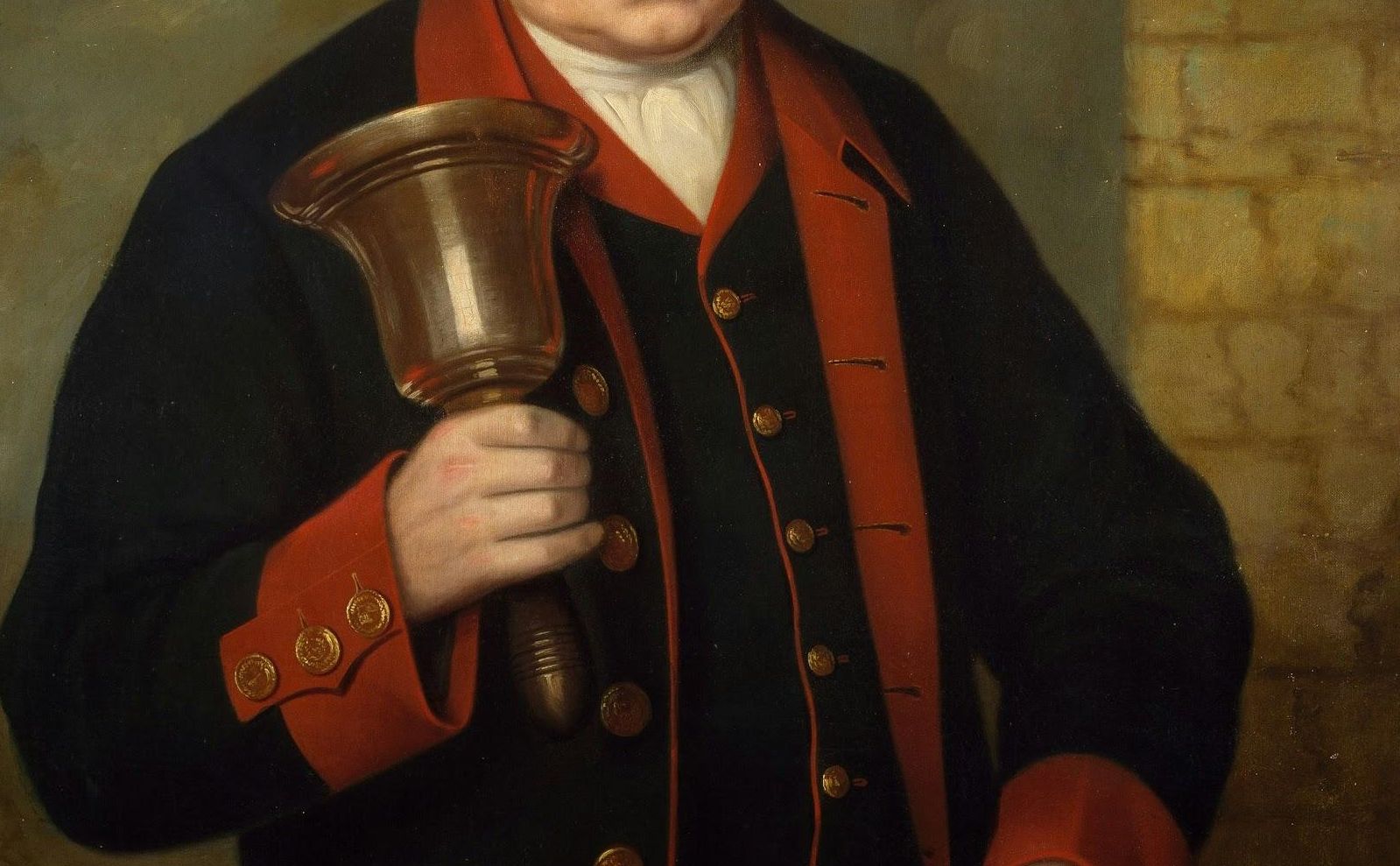
Image: Birmingham Museums Trust

In early American towns (and elsewhere in the world), before printed media and mass communication were the norm, news didn’t arrive through newspapers or broadcasts: it arrived by voice. Town criers walked streets ringing bells and loudly announcing public notices, laws, and important events . They were essential in communities where literacy was limited, and information traveled slowly.

2
Factory lectors
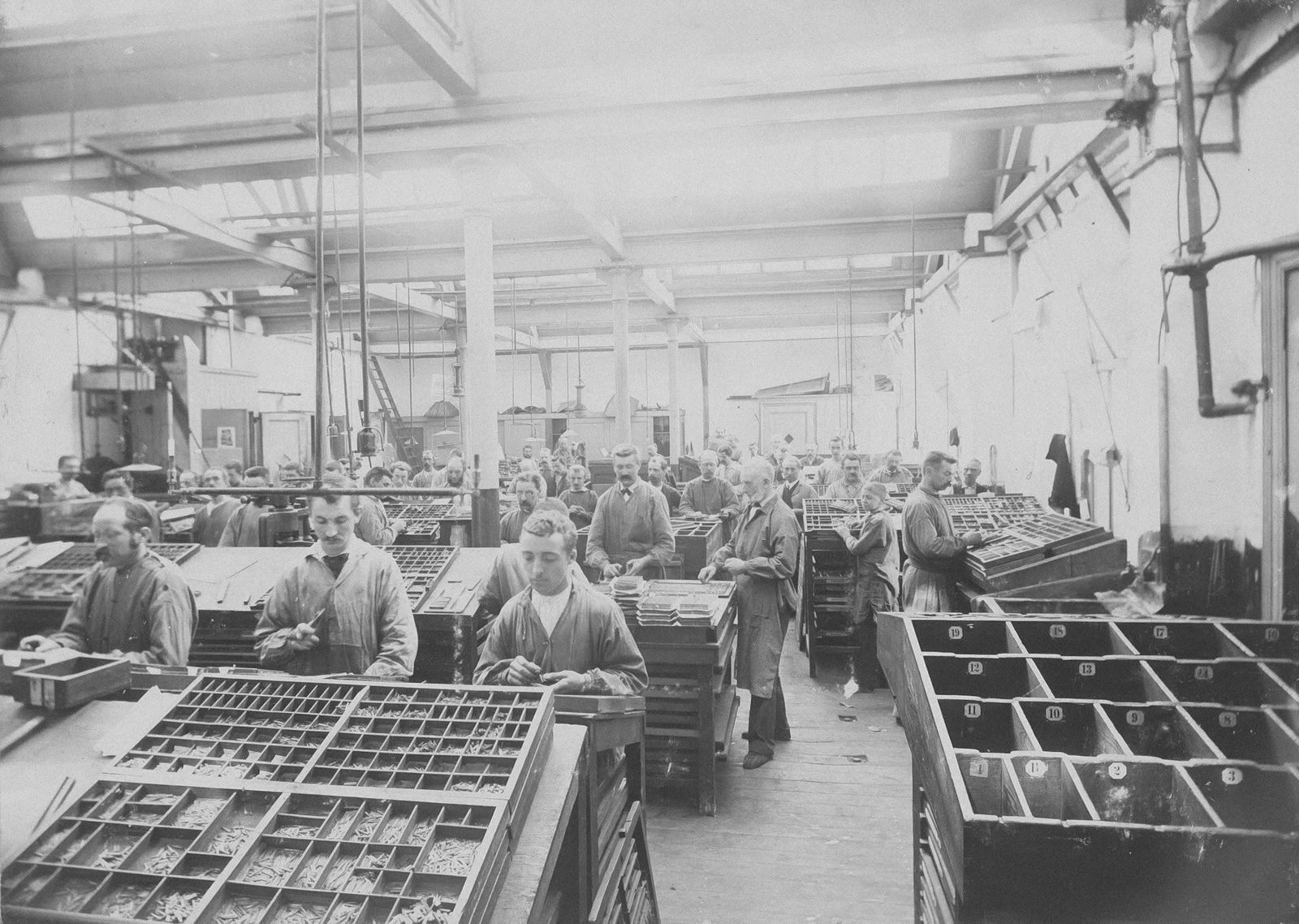
Image: Amsterdam City Archives

Nowadays, when you have some manual, boring labor to do, you can turn on the radio, listen to some music, or a podcast. Of course, that wasn’t an option once upon a time. In some factories, workers hired a lector to read aloud while they worked .

Starting in the mid 1800s and into the beginning of the 1900s, lectors in factories shared newspapers, novels, and political texts, keeping workers informed and entertained during long hours.

3
Elevator operator
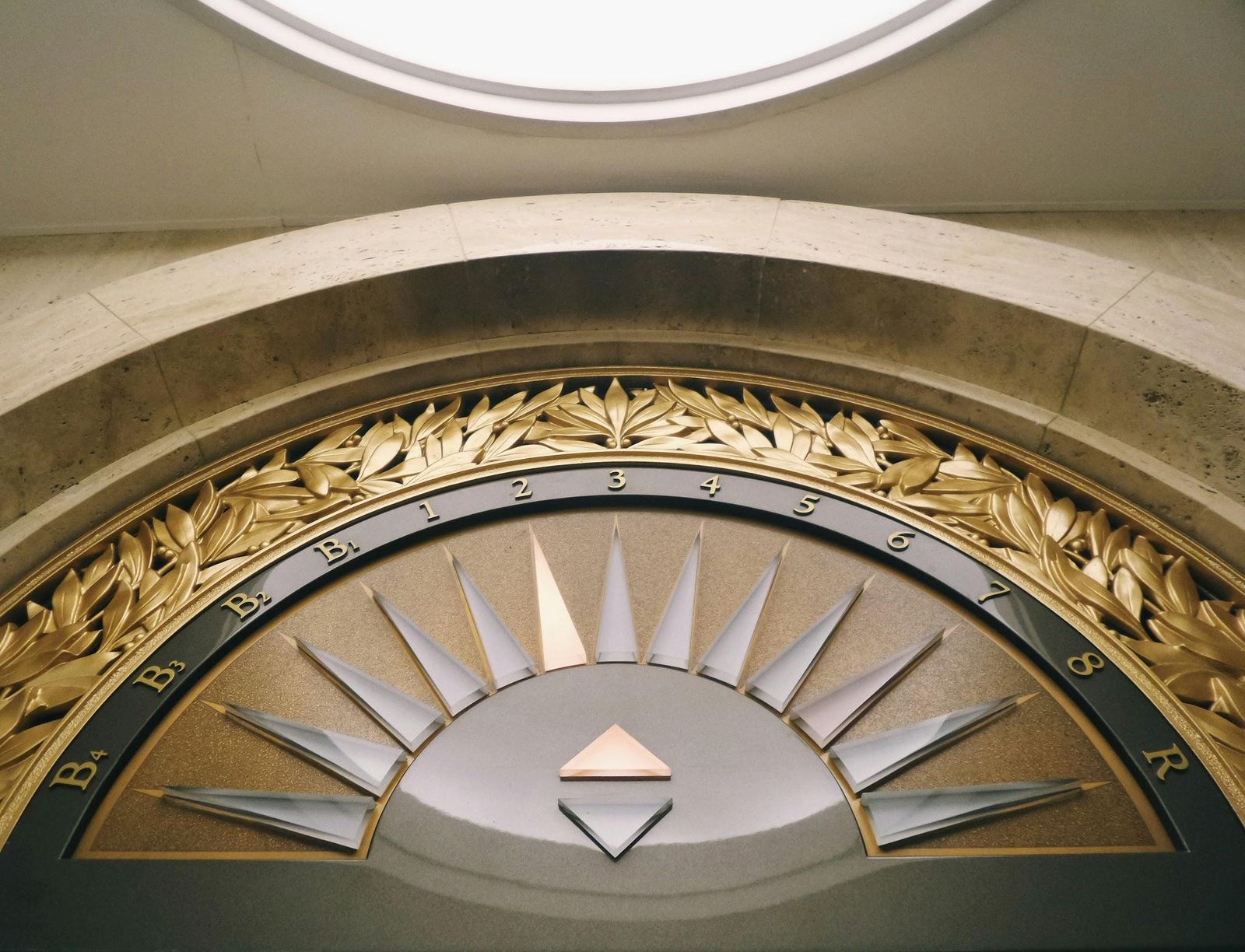
Image: Possessed Photography

Using an elevator seems easy enough today, but for decades, elevators didn’t run themselves. Operators manually controlled speed, direction, and stopping points using levers and switches , while also greeting passengers and announcing floors.

In luxury hotels and department stores, a skilled, often uniformed operator was part of the experience, expected to be polite, precise, and calm under pressure. The job peaked in the early 20th century, especially in big cities like New York and Chicago.

4
Switchboard operator
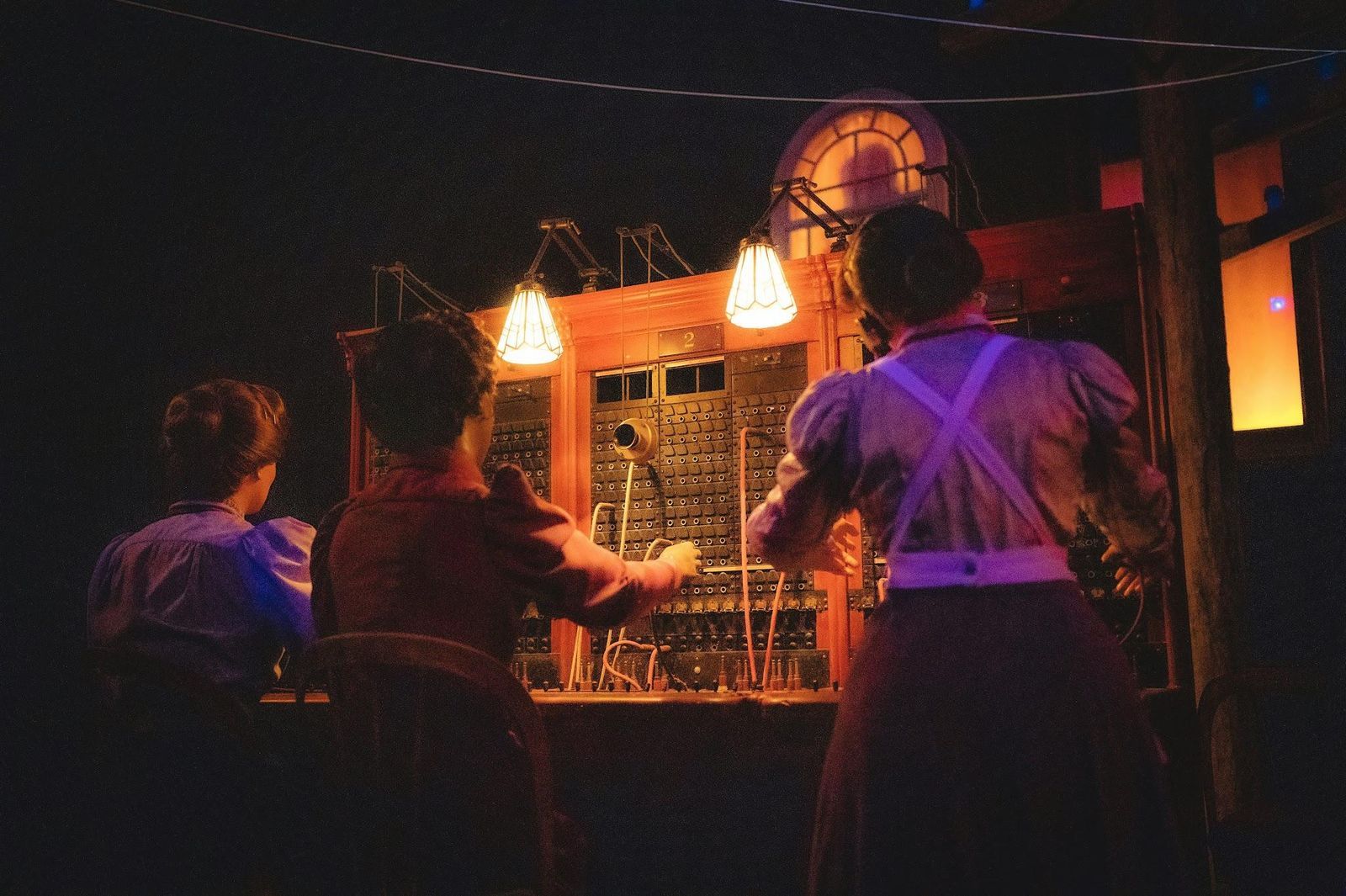
Image: Matt Benson

For early telephone calls, switchboard operators had to manually plug cords into panels to link callers together . The occupation rose shortly after Alexander Graham Bell patented the telephone in the 1870s, and became a fundamental job until the middle of the following century, when direct dialing was introduced.

Most operators were women, chosen for their calm voices, speed, and courtesy. They often memorized local names, numbers, and even callers’ personal habits and routines.

5
Bowling pinsetter
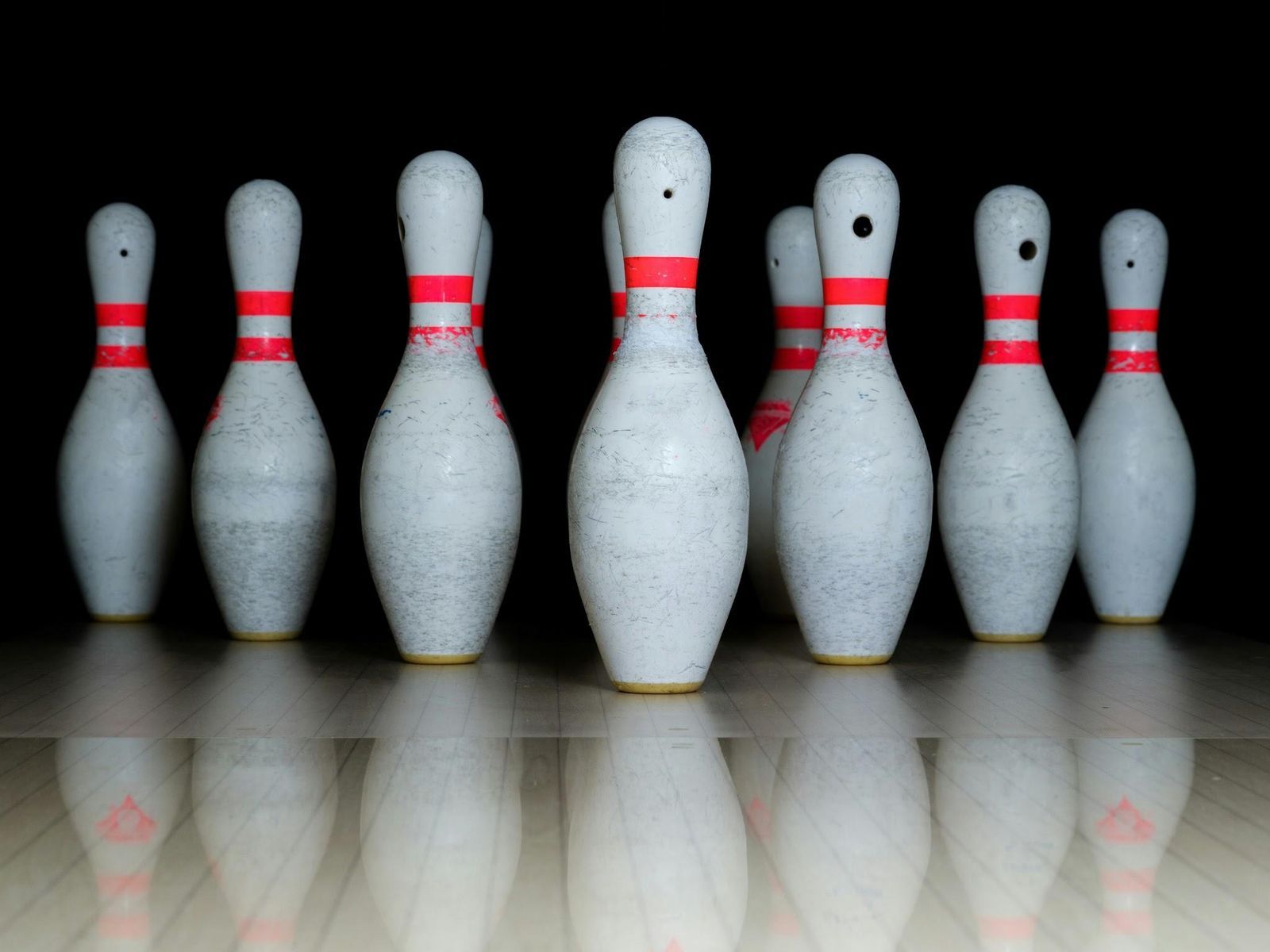
Image: engin akyurt

In early bowling alleys, pins did not magically reset themselves via machines. Pinsetters stood behind the lanes, manually rearranging pins after every roll.

It was noisy, repetitive, and sometimes dangerous work, often done by teenagers . It was only in the 1950s that automatic pinsetting machines were introduced.

6
Lamplighter
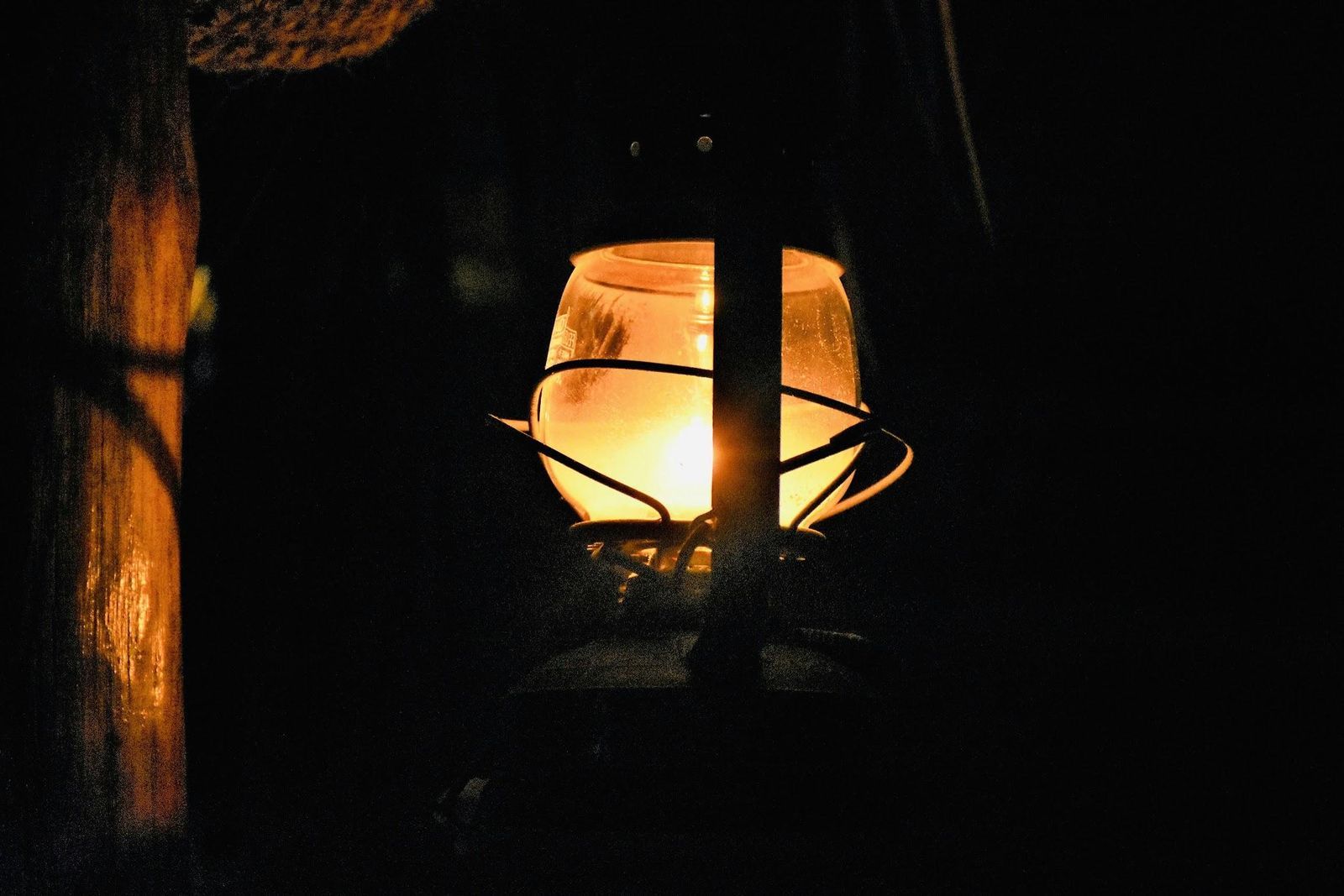
Image: Jason Peter

Since the beginning of the 19th century, every evening, lamplighters walked city blocks, lighting gas lamps one by one . At dawn, they returned to extinguish them. This job was vital for public safety because the lights helped prevent crime and accidents in dark streets.

It wasn’t until the 1880s that the first electric streetlights were introduced in some cities, but they weren’t the norm until the 1950s. At that point, the cost of maintaining gas pipes had become too high compared to electricity, so the last gas lamps were removed.

7
Milkman
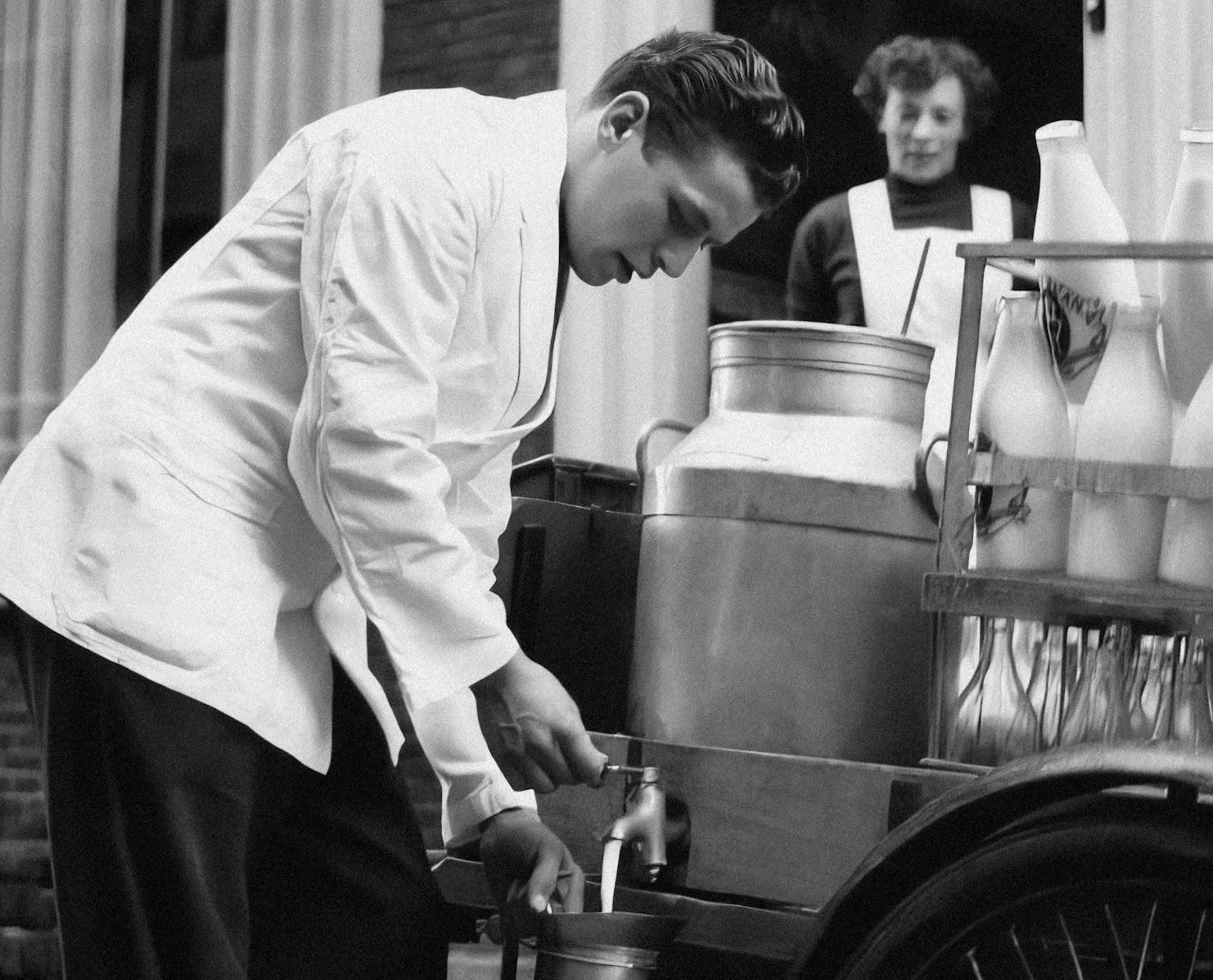
Image: Nationaal Archief

For the first half of the 20th century, the milkman was a familiar sight on American streets. He delivered fresh milk in glass bottles, leaving them in insulated boxes by the door. Many families depended on daily or near-daily deliveries, since refrigeration was limited or unreliable. By the 1940s, however, most American homes owned a refrigerator and the role of milkmen slowly faded.

8
Typist

Image: Denise Jans

There was a time, before computers, autocorrect, and AI, when offices relied on professional typists to produce everything from letters to legal documents. Many large companies employed entire "typing pools," rooms filled with workers trained to type quickly and accurately on typewriters. Precision mattered more than you may think; unlike today, mistakes on paper (rather than the screen) sometimes meant starting the document over.

9
Human computer
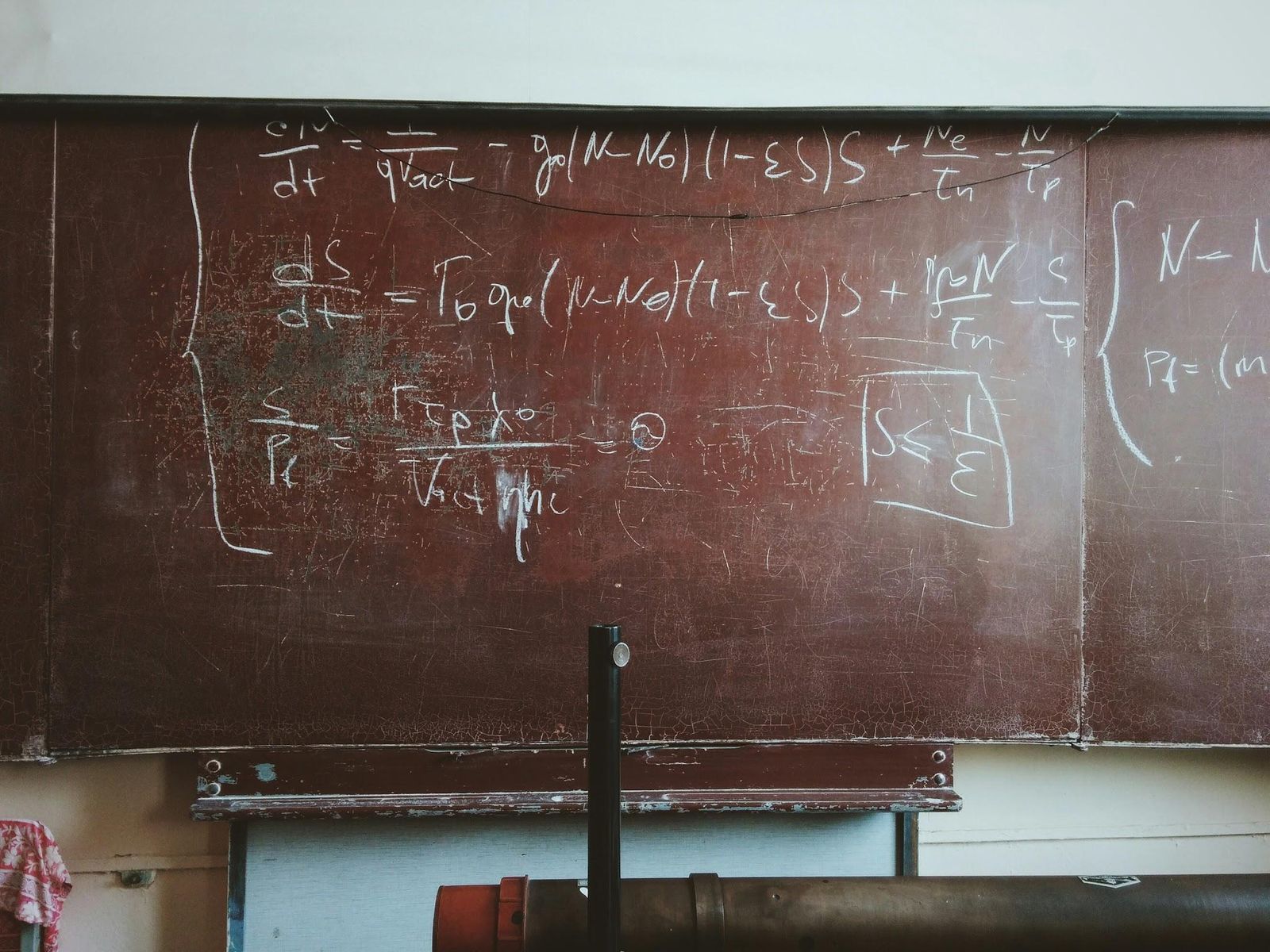
Image: Roman Mager

There was also a time when "computers" were people; their occupation was first mentioned in texts from 1613. Their role was to develop complex mathematical calculations by hand for scientific research, engineering projects, and more. Astronomers during the Renaissance, navigators during the Age of Exploration, and NASA space missions all relied on human computing for their operations.

Imagine that: teams worked through equations for hours or days, checking each other’s math for accuracy. During World War II and the early Cold War, this work was vital to national defense.

10
Knocker-upper
Image: Annie Spratt

Before the Industrial Revolution, most people woke up with the sun. However, by the early 1800s, when factory systems took hold of big cities, being even five minutes late ceased to be an option for workers. To avoid oversleeping, which could mean lost wages, they paid a person to wake them up.

Knocker-uppers walked neighborhoods early in the morning, tapping on windows with long poles or shooting dried peas through blowpipes . Eventually, alarm clocks were introduced in the late 1800s, and the need for this occupation started declining.

11
Telegraph operator
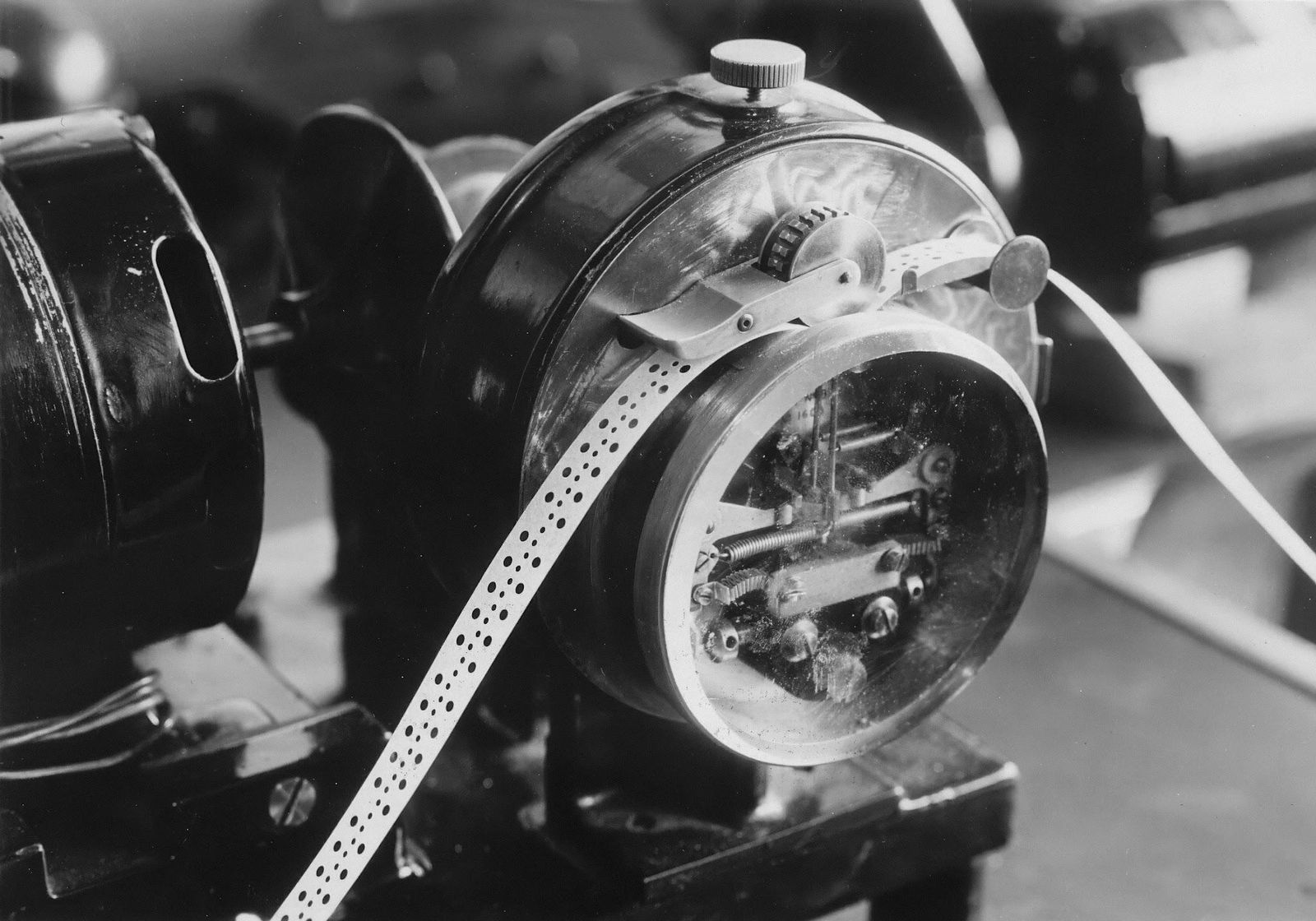
Image: Amsterdam City Archives

A case in which the occupation disappeared along with the technology. Before phones and instant messaging, the telegraph, which was invented in 1837, was the fastest way to send information across long distances.

Telegraph operators translated messages into Morse code , sending dots and dashes through wires that spanned the country. Speed and accuracy were critical, especially for news, business, and wartime communication. With the introduction of radio transmissions and telephones in the late 1800s, the service became more and more obsolete, although Western Union, the major telegraph service in the US, continued to operate until 2006.

12
Iceman
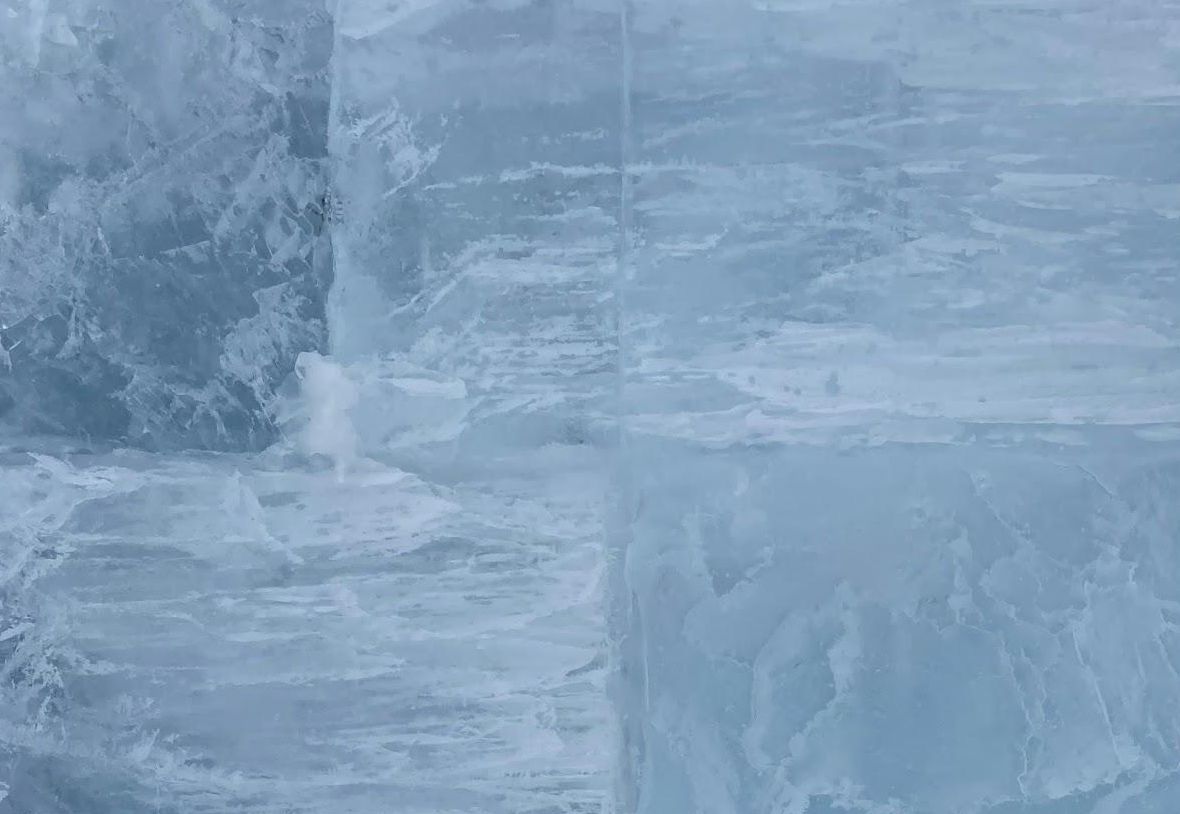
Image: Joy Ru

Finally, there were the icemen. Before refrigerators became household staples, the iceman was an essential figure in American daily life. He delivered massive blocks of ice straight to people’s homes .

These blocks kept food fresh and milk cold in an era before electric cooling. Ice was harvested from frozen lakes in winter, stored in insulated warehouses, and rationed carefully during warmer months.

Geography Geography 5 min read

Walk-in worlds

From Legos to fire-breathing dragons: 10 theme parks and fairs in the US

Image: Samuel Ramos

Ever strolled through a world built entirely of candy? Or Legos? America’s amusement parks and fairs have turned fantasy into reality, one quirky attraction at a time. Here, you’ll find theme parks crafted with movie-set detail, festival grounds that are an ode to traditional foods, and attractions that make visitors lose track of time. Walk through a neon-lit world, grab a 15-inch corn dog, and let’s dive into these places that aren’t just for kids—they’re playgrounds for the kid in everyone.

1
Disneyland

Image: David Guerrero

Let’s start with "The Happiest Place on Earth" itself. The first theme park to be envisioned and built by creative tycoon Walt Disney was Disneyland, the one still located in Anaheim, California. It features a range of themed lands such as Fantasyland or Adventureland, and includes main attractions that are widely famous. Who hasn’t heard the "It’s a Small World" song, whether or not they’ve been on the ride?

Five more Disney parks went on to be opened in the United States, including Animal Kingdom and EPCOT. All of them feature parades, character meet-and-greets, and attractions that invite visitors to immerse themselves in the spirit of Disney films .

2
Legoland

Image: Clyde He

Legos began as small, colorful playthings for children—but they have grown into a whole subculture of their own. Fans who have spent decades inventing and carrying out new designs for their colored blocks dream of visiting the theme park one day. The first Legoland opened in Europe, but the California park debuted over 20 years ago and has been expanding ever since.

It features 9 sectors with over 60 rides, shows, and attractions, all themed around popular Lego sets and characters, such as the Dragon Coaster and Lego Ninjago The Ride. A standout feature is Miniland USA, which displays miniature Lego replicas of famous American landmarks like the Golden Gate Bridge and New York City. The park was so successful that similar resorts have since opened in Florida and New York.

3
The Big E

Image: Zachary DeBottis

The Big E, officially known as the Eastern States Exposition, is held between September and October in West Springfield, Massachusetts . It’s the largest agricultural fair in the northeastern United States, aiming to boast the best of New England culture, food, agriculture, and entertainment.

The fair features state-specific buildings representing all six New England states, each offering regional foods and crafts. The fairgrounds also host a large midway with rides, games, and live performances, as well as livestock shows, parades, and a variety of exhibitions. One of the biggest favorites of the 1.5 million visitors who attend each year is the Big E Cream Puff , a popular treat that’s been served since 1926.

4
Wizarding World of Harry Potter

Image: Aditya Vyas

A round-the-clock fire-breathing dragon , spell-casting spots, immersive stores and alleys, along with themed rides and roller coasters—these can all be found at The Wizarding World of Harry Potter, located within Universal Orlando Resort in Florida and Universal Studios Hollywood in California.

The park's concept is to transport visitors into the magical universe of J.K. Rowling's books and films, featuring recreated settings such as Hogsmeade Village, Hogwarts Castle, and Diagon Alley. Guests can also enjoy interactive experiences, like purchasing magical wands or sampling "butterbeer," a beverage made using a closely guarded secret recipe.

5
Arizona State Fair

Image: PONCIANOMX

Arizona State Fair is held annually in Phoenix. It traditionally combines agricultural exhibits, concerts, and carnival rides, with attractions such as livestock shows, rodeos , and demolition derbies, as well as thrilling roller coasters and rides for all ages.

The fair receives around 1 million visitors a year, who love its diverse range of deep-fried and unique fair foods. A main attraction is the iconic "La Grande Wheel," one of the largest traveling Ferris wheels in North America, standing at an impressive height of 130 feet.

6
Dollywood

Image: Adam Kring

The only singer-songwriter to have her own theme park is Dolly Parton. Dollywood is located in her home state of Tennessee, in Pigeon Forge. It is open from March to early January, with seasonal festivals and special events throughout the year. The family-friendly theme park is nestled in the Smoky Mountains , themed around Appalachian culture and the life of country music star Dolly Parton.

Originally, it was a small attraction called "Rebel Railroad," until it was purchased and rebranded by Dolly Parton in the 1980s. Today, it boasts a mix of roller coasters, craft demonstrations, and live entertainment, including bluegrass and gospel music. Dolly herself is known to make surprise appearances at the park, events affectionately referred to by fans as " Dolly Sightings. "

7
Hersheypark

Image: mjimages

Hershey's Chocolate Bar is another American favorite with its own theme park. Hersheypark is located in Hershey, Pennsylvania, and is a family-friendly amusement park that blends thrilling rides, water attractions, and entertainment, all themed around "The Great American Chocolate Bar. "

"Candymonium" is one of its iconic rollercoasters, and it also features a large water park called The Boardwalk. Hersheypark offers live shows, character meet-and-greets, and a range of dining options that highlight Hershey's chocolate and sweets. It opened in the early 1900s as a leisure area for employees of Hershey, starting as a small picnic area with a carousel. Now, it receives around 3 million visitors yearly!

8
State Fair of Texas

Image: Zabdiel Gonzalez

The State Fair of Texas is celebrated every year in Dallas, Texas. Another fair to celebrate the large state's rich history and cultural heritage, traditionally held in its home Fair Park , which has been expanded over the years to accommodate the growing attendance.

Beyond the live music and carnival rides, the fair is known for its iconic "Big Tex," a 55-foot-tall cowboy figure that serves as the fair's mascot. Another classic of the fair is the competition for the best new fried food item; past winners have included fried butter and fried Coca-Cola.

9
Puyallup Fair

Image: Scott Webb

The Puyallup Fair, officially known as the Washington State Fair, is held annually in Puyallup, Washington. One of the largest fairs in the Pacific Northwest, it features popular attractions like thrilling rides on the Midway , concerts by famous artists, and unique competitions such as pie-eating contests and rodeos.

The fair is also known for its iconic "Giant Pumpkin Contest," where the growers of the largest pumpkins are rewarded. Additionally, the fair hosts a "Food Truck Frenzy," offering a chance to try various local food trucks alongside traditional fair fare. The fair also includes a unique event called the "Farm & Garden Show," where visitors can learn about sustainable farming and gardening practices.

10
Seaworld

Image: J.U.L.Ö

SeaWorld can be found in Florida and Texas, but the first and most iconic park is the one in San Diego, California. This amusement and marine zoological park is known for its aquatic life exhibits, thrilling rides, and live entertainment featuring sea animals. Visitors can enjoy roller coasters like "Mako" and "Kraken," as well as interactive exhibits where they can get close to dolphins, sea lions, and other marine animals.

The park also hosts educational shows about animal behavior and conservation efforts. SeaWorld has played a significant role in animal preservation and has rescued thousands of marine animals over the years, including seals, sea turtles, and birds. In recent years, the park has also introduced virtual reality experiences to immerse visitors into underwater worlds.

History History 5 min read

Exploring local folklore

American Bestiary: 10 famous mythical creatures to fear

Image: Jon Sailer

Welcome to the fascinating world of mythological creatures! This article is a celebration of the human imagination and the stories that have captivated us for generations. This time around, we invite you to explore the most amazing beings American folklore has ever created . From the popular Bigfoot to the mighty Wendigo, dive into these startling legends and uncover the mysteries surrounding them.

1
Bigfoot

Image: Jon Sailer

Legend and cultural icon, Bigfoot— also known as Sasquatch— has fueled our imaginations since at least the mid-20th century. This mythical creature, which appears in both American and Canadian folklore, is believed to inhabit the forests of the Pacific Northwest.

Its origin is not entirely clear, but it likely stems from a blend of stories brought by European immigrants and tales from North American indigenous cultures. Many people throughout history claim to have seen Bigfoot and describe it as a 6- to 9-foot, half-human, half-ape creature covered in dark hair. Others have only found its large 24-inch footprints, which has certainly helped keep the legend alive.

2
Pukwudgie

Image: Johannes Plenio

Pukwudgies are mythical creatures from Native American folklore, more precisely from the New England region. They are described as small, humanoid beings, about 2 to 3 feet tall, with grayish skin, pointed ears, and spines on their back.

According to Wampanoag legends, Pukwudgies are considered guardians of the forest. They are mischievous creatures with the ability to disappear and move swiftly through the forest. In addition, they are known to cast spells and curses on those who offend them or cross their path. So now you know, if you ever travel to these lands, remember to be respectful and honor nature to avoid being punished by these protective little monsters.

3
The Jersey Devil

Image: Belinda Fewings

There are not as many sightings of the Jersey Devil as there are of other creatures on this list. However, some people claim to have found traces of claw prints made by a two-legged creature. The few eyewitnesses who were able to catch a glimpse describe the Jersey Devil as a bizarre assortment of different animal parts, resembling everything from kangaroos and dogs to horses and even reptiles.

This creature theoretically inhabits an area in South Jersey known as the Pine Barrens. It is linked to a local legend from 1735, which claims that a woman nicknamed Mother Leeds allegedly cursed her thirteenth unborn child. The baby eventually became a demon who murdered the entire family and fled to the woods to steal livestock and terrify unwary travelers to the end of times.

4
Urayuli

Image: osensei

Very similar to Bigfoot, the Urayuli, or "hairy men," are a mythical race of creatures that live in the woodlands of southwestern Alaska, near Lake Iliamna. Those who claim to have seen the Urayuli describe them as being 10 feet tall, with shaggy hair, luminescent eyes, and long arms stretching down to their ankles.

According to lore, the Urayuli are said to be transformed children who got lost in the forest, therefore they are considered peaceful creatures. Taking this into consideration, it is very likely that this legend was born as a cautionary tale to prevent children from wandering out alone at night.

5
Wendigo

Image: DGSstudios

One of the most terrifying creatures in Native American mythology is the Wendigo. According to legends originating in Algonquian folklore, the Wendigo is an evil spirit that feeds on human flesh. This creature is believed to have the ability to possess people, turning them into starving monsters who cannot help but devour other humans.

The Wendigo has been depicted in various forms throughout history but is generally described as a slender, skeletal giant with glowing eyes and sharp fangs. This malevolent, cannibalistic, and supernatural being is usually associated with cold winters, as well as with greed and gluttony.

6
Wampus Cat

Image: Peter .

The Wampus cat is usually described as a fierce, bipedal creature with a humanoid body and a feline head. This spectral, panther-sized beast has been reported across the American Southeast for centuries, with numerous legends about its origins varying by region.

One of the most famous stories has its roots in Alabama and comes from a Native American tradition. According to this story, a Cherokee woman disguised herself in the skin of a mountain lion to secretly follow her husband on a hunting trip. When the men gathered around the fire to share stories forbidden to women discovered her, they cursed her to spend eternity as a half-woman, half-mountain lion.

7
Florida Skunk Ape

Image: RyanMcGuire

Florida, the Sunshine State, has its own version of Bigfoot: the Skunk Ape. This creature is said to resemble an orangutan more than the gorilla-like Sasquatch. This particular being got its name for the pungent odor that announces its presence and was seen many times lurking around the Florida swampland during the 1960s and 1970s.

Sightings were so common during that time that, in 1977, the state legislature had to introduce a bill to protect the elusive man-ape. Although the bill was never passed and Florida wildlife officials deny the existence of the Skunk Ape, many people continue to report sightings of the black, hairy creature to this day.

8
Champ

Image: GregMontani

If you thought Scotland had the only lake monster, you haven't met Champ yet. Lake Champlain, a freshwater lake in New York, is said to be home to America's most famous lake monster. Since the early 19th century, there have been accounts of Europeans claiming to have seen a seahorse-headed creature emerging from the water. However, the local Native Americans, the Abenaki, and the Iroquois, had stories of a horned serpent called Tatoskok dating back much earlier.

Over the years this beast has manifested itself to numerous people. In fact, in 1977, a woman named Sandra Mansi claimed to have taken a photo showing a creature with a small head and a long neck, which—let's be honest—looks suspiciously similar to the Loch Ness Monster.

9
Menehune

Image: Timothy Dykes

The Menehune are a mythological race of little people in Hawaiian tradition that only appear at night. For the most part, these two-foot-tall creatures are harmless, although they can become angry if disturbed. It is believed that these supernatural beings may have originated from ancient ancestors who populated the Pacific region, eventually evolving into folklore.

The Menehune are said to be builders, gifted with great strength and architectural skill. They construct stone structures such as dams, roads, and sacred worship sites known as heiau . They work when nobody is watching, so beware—never interrupt them, or they will vanish.

10
Beast of Busco

Image: Pascal Mauerhofer

In this article, we have explored a wide array of mythological creatures resembling apes, cats, birds, serpents, and even humanoids. However, you probably won't guess what kind of creature the Beast of Busco is. In 1898 a farmer from Churubusco, Northern Indiana, claimed to have spotted an enormous turtle in Fulk Lake.

His story was corroborated fifty years later by two fishermen who reported seeing a giant turtle weighing at least five hundred pounds and with a shell as big as the roof of a car. Such was the commotion that the lake’s owner at the time went so far as to drain it in order to catch the creature, which proved to be impossible. Since then, every June, the town of Churubusco celebrates Turtle Days festival, which includes a carnival, a parade, and—wait for it—turtle races.

Explore more American facts

Choose your favorite category!

General
General

As American as apple pie—the very best America has to offer!

Culture
Culture

Delve into the astounding richness of American lore.

Geography
Geography

Hop in and explore vast and diverse American landscapes.

History
History

Discover the key moments that shaped the United States.