Culture Culture 4 min read

Serendipity at its finest

12 classic foods invented by accident. Which is your favorite?
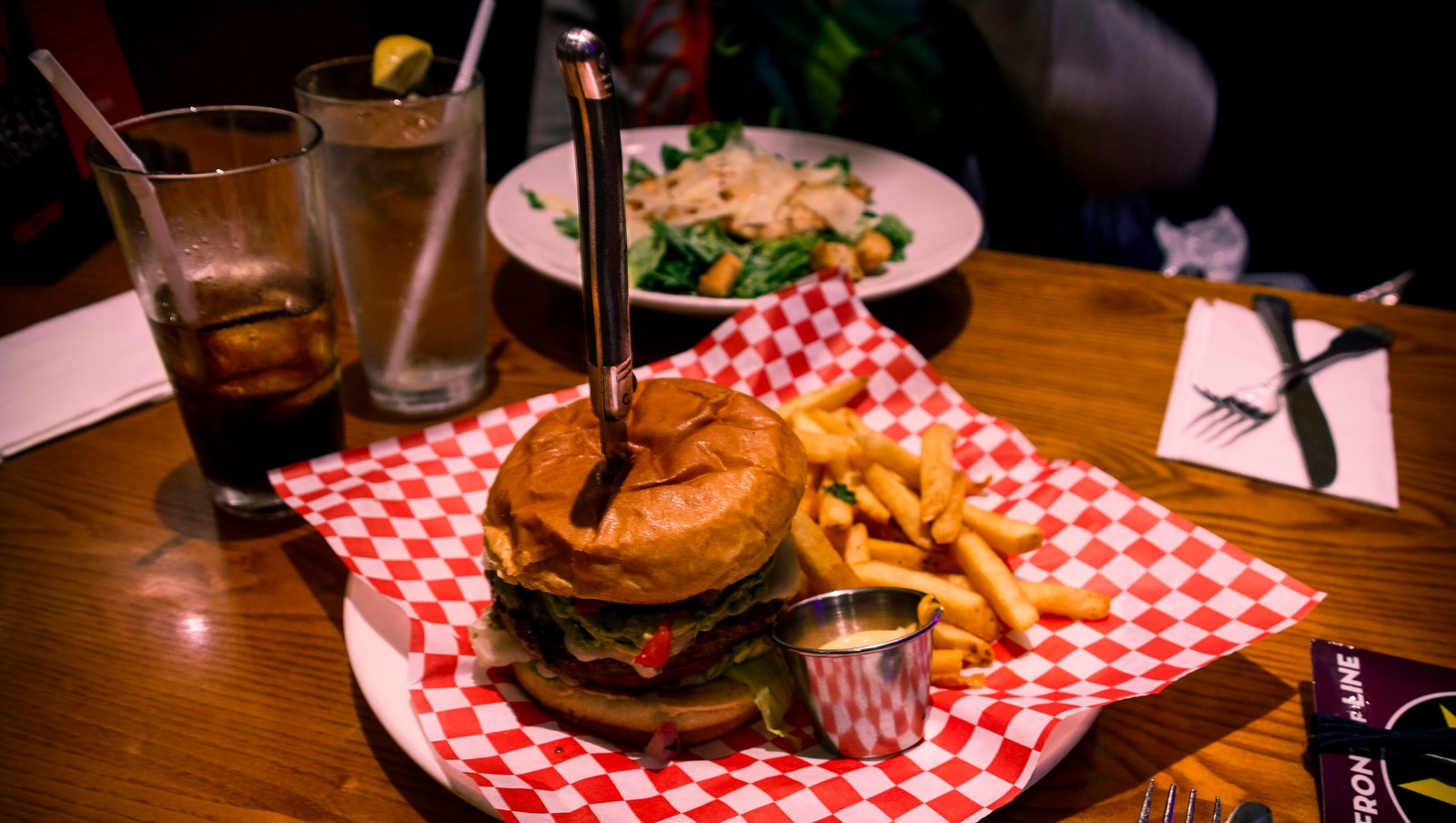
Image: Peter Boccia

Some of our most well-known foods and snacks weren’t planned at all; they were what we call serendipity: happy accidents born from spills, mix-ups, or kitchen improvisations. Can you imagine a world without potato chips? Or Coca-Cola? From small-town diners to curious labs, these 12 inventions have managed to survive to this day.

1
Potato chips
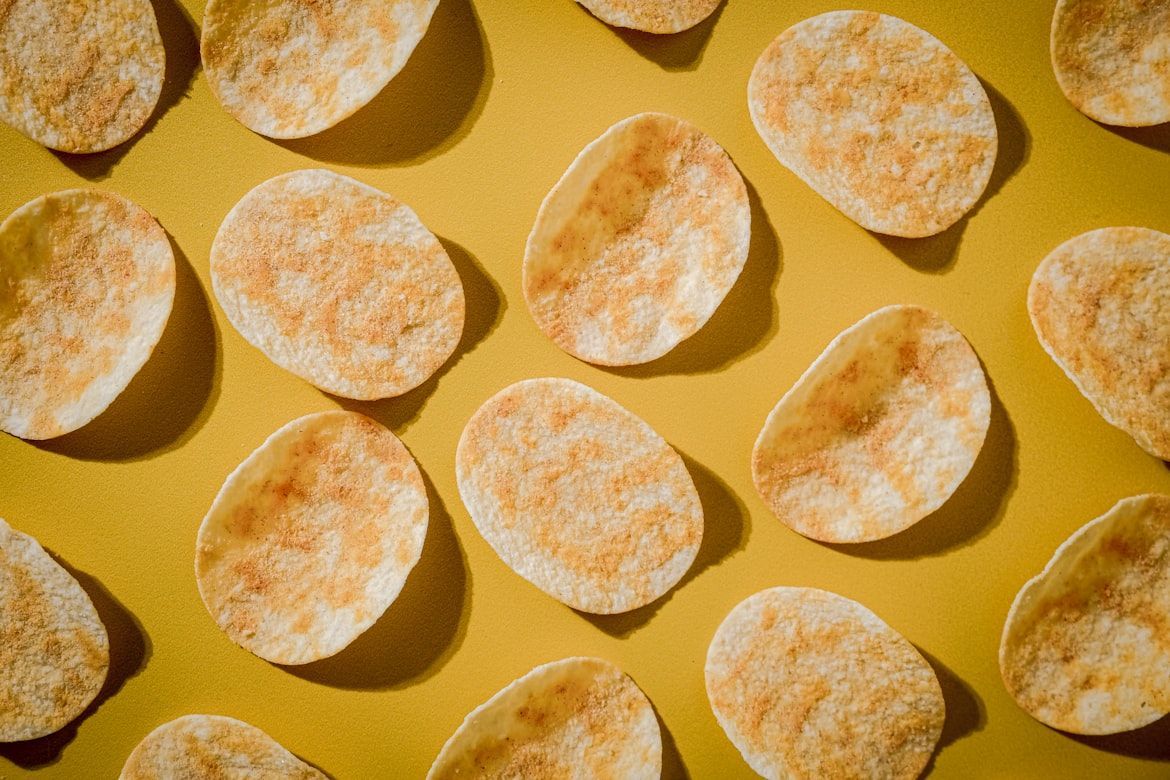
Image: Jeff Siepman

Back in 1853, a cranky diner in Saratoga Springs, New York, complained that his fries were too thick . Irritated, Chef George Crum sliced them paper-thin and fried them crisp to prove a point . To everyone’s surprise, the customer loved them.

What began as a moment of frustration turned into America’s favorite salty snack, inspiring an entire industry of chips and flavors.

2
Popsicles
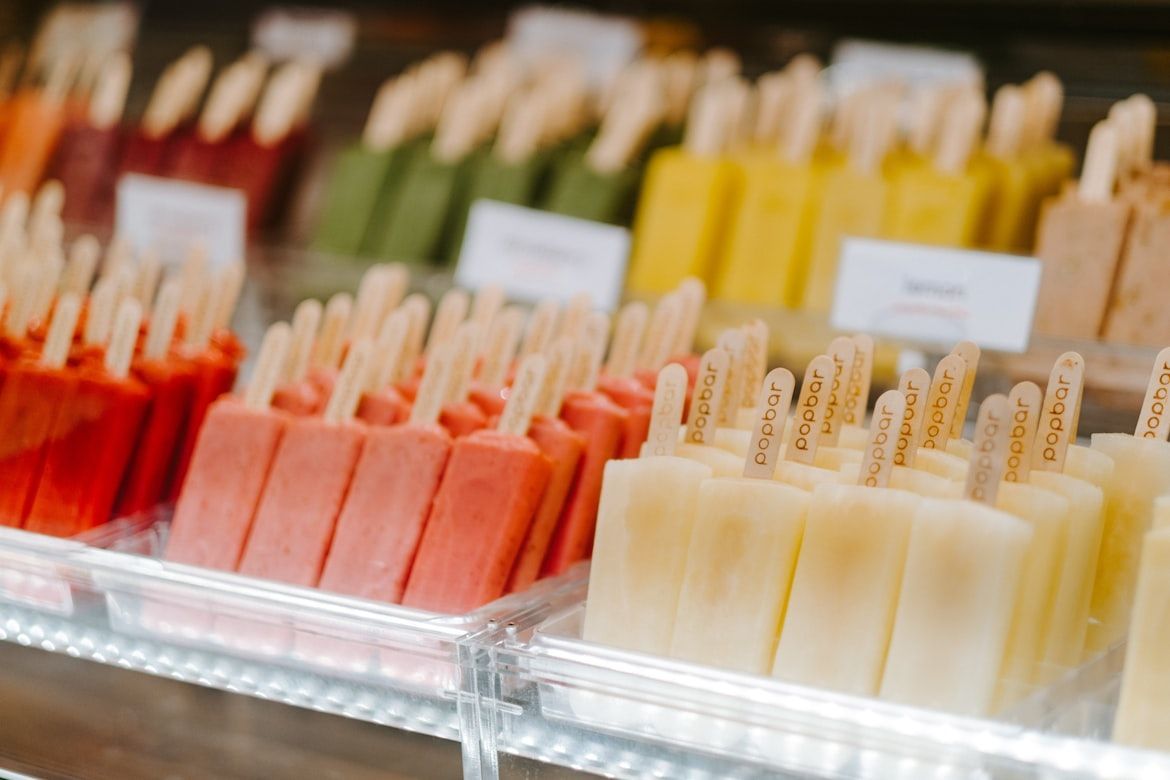
Image: Taylor Heery

In 1905, 11-year-old San Francisco native Frank Epperson accidentally left a cup of soda powder and water outside overnight, with a stick still in it. The next morning, it had frozen solid in the chilly air .

Epperson dubbed it the "Epsicle," which was later renamed the Popsicle. That childhood experiment became one of the most enduring summer treats.

3
Chocolate chip cookies
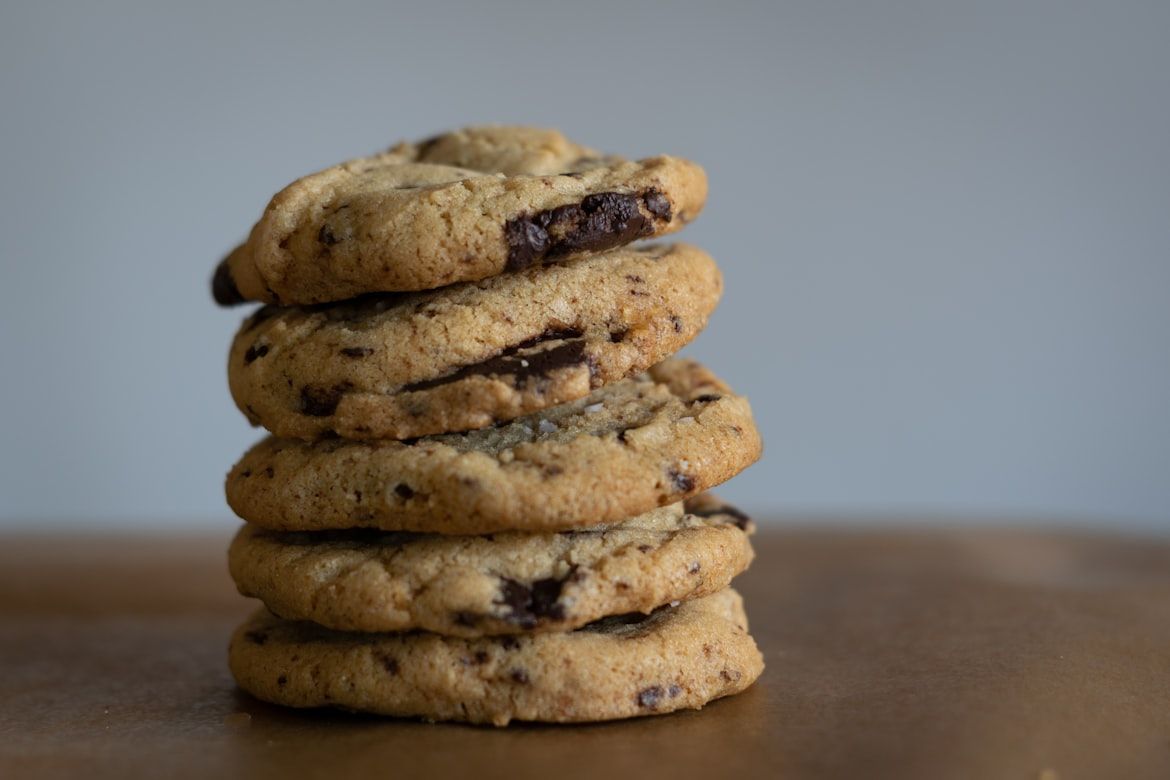
Image: Ben Lei

Ruth Wakefield ran out of baker’s chocolate when she was making traditional chocolate cookies at her Massachusetts inn, the Toll House, in the 1930s. She chopped up Nestlé chocolate snack bars instead . She expected them to melt evenly into the dough, but they stayed in chunks.

The warm, gooey results became an instant hit with her guests. Nestlé soon partnered with her to print the recipe on chocolate bar wrappers, and the rest is history!

4
Corn flakes
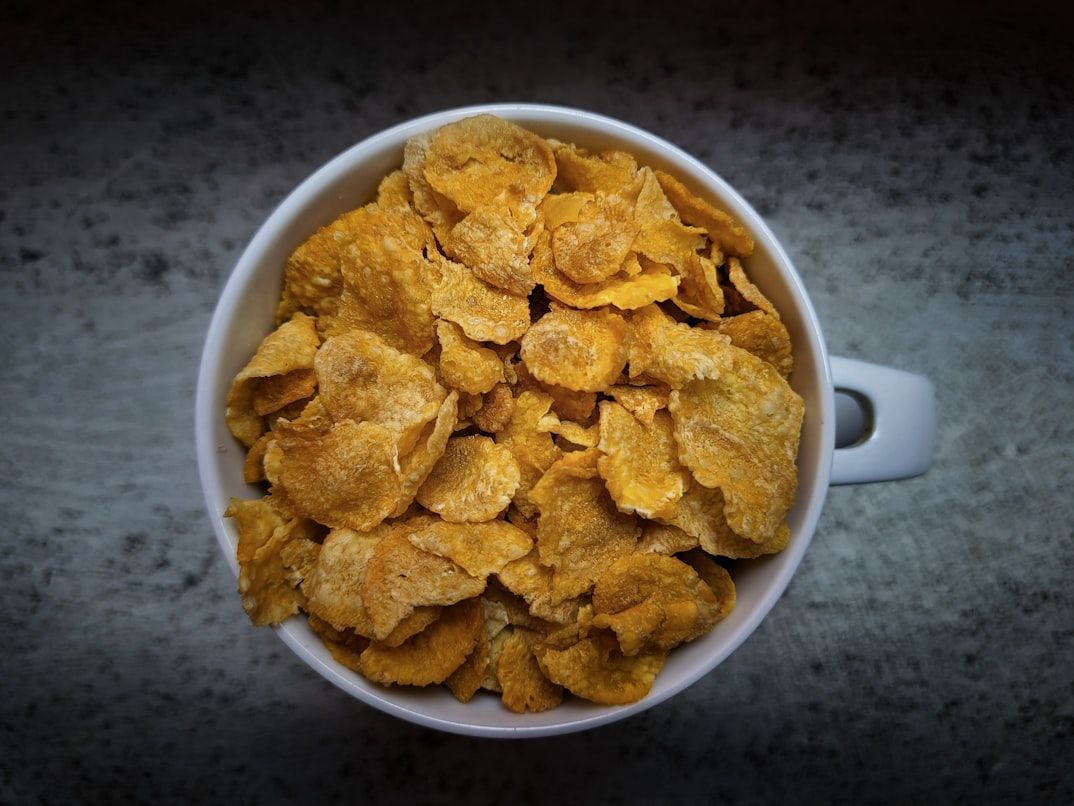
Image: Deepak N

In 1898, the Kellogg brothers accidentally left cooked wheat, unprocessed wheat kernels simmered until tender, sitting out overnight at their Michigan sanitarium, where they promoted a healthy living based on vegetarianism, exercise, sunlight, and strict hygiene. By morning, it had gone stale, but when they rolled and baked it, the flakes came out crisp and tasty .

That happy mistake inspired a new breakfast idea: simple, wholesome, and ready to pour.

5
Coca-Cola
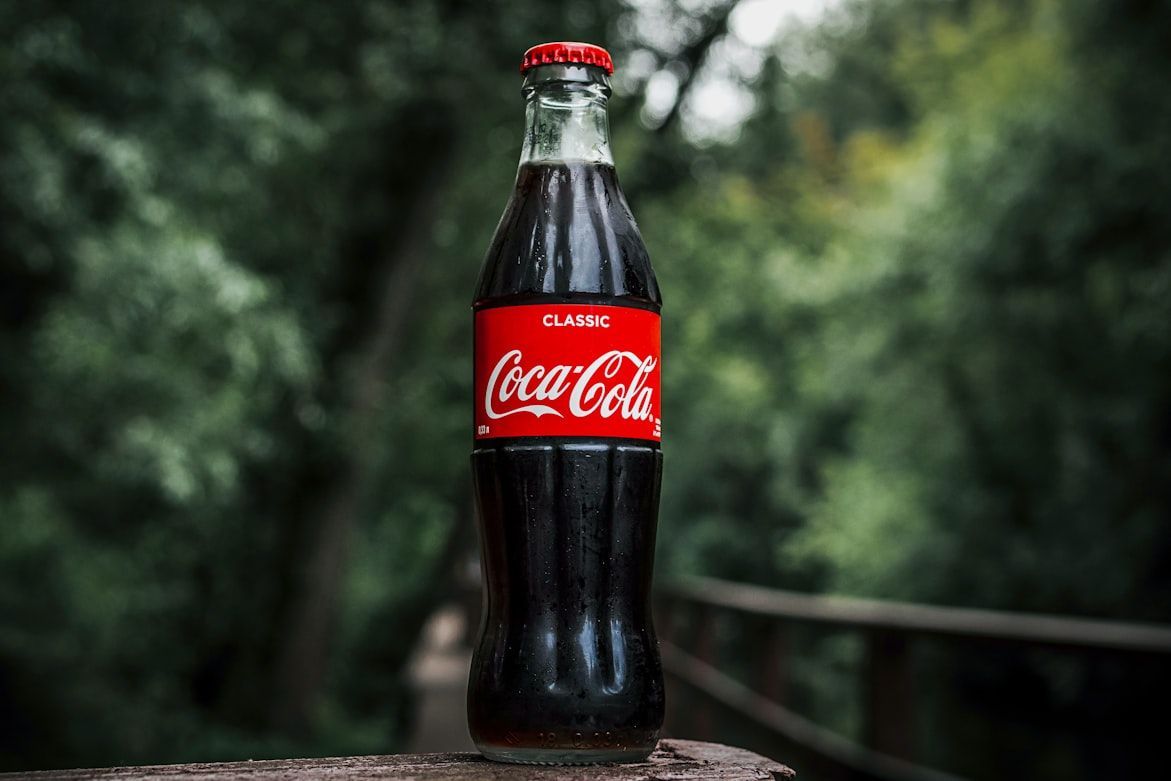
Image: Artem Beliaikin

In one of the most profitable blunders of all time, Atlanta pharmacist John Pemberton was mixing a headache tonic in 1886 when he mistakenly blended his syrup with carbonated water instead of plain water .

Finding the result quite tasty, Pemberton opened a local soda fountain and found immediate success.

6
Cheeseburgers
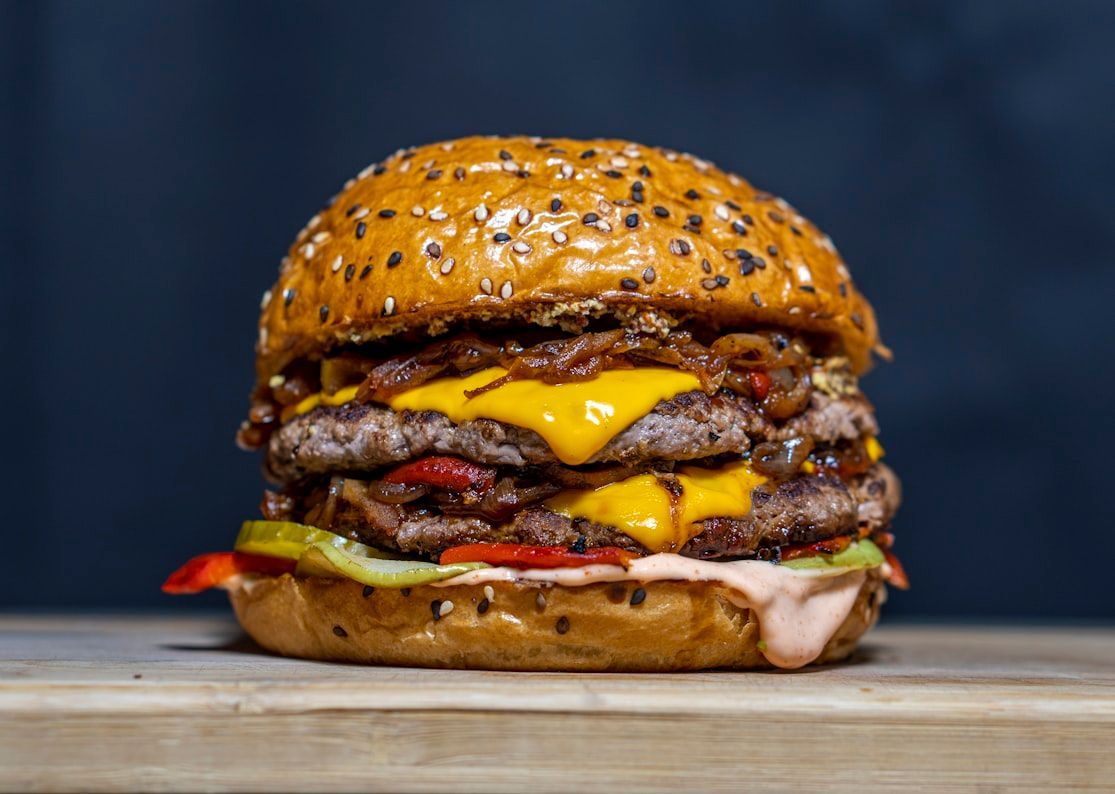
Image: amirali mirhashemian

In the 1920s, a teenage cook in Pasadena accidentally dropped a slice of cheese onto a sizzling hamburger . Instead of tossing it out, he served it to the customer.

The melted topping added a rich, savory twist that caught on fast. Soon, diners across America began adding cheese to burgers, helping to spread this classic.

7
Hard pretzels
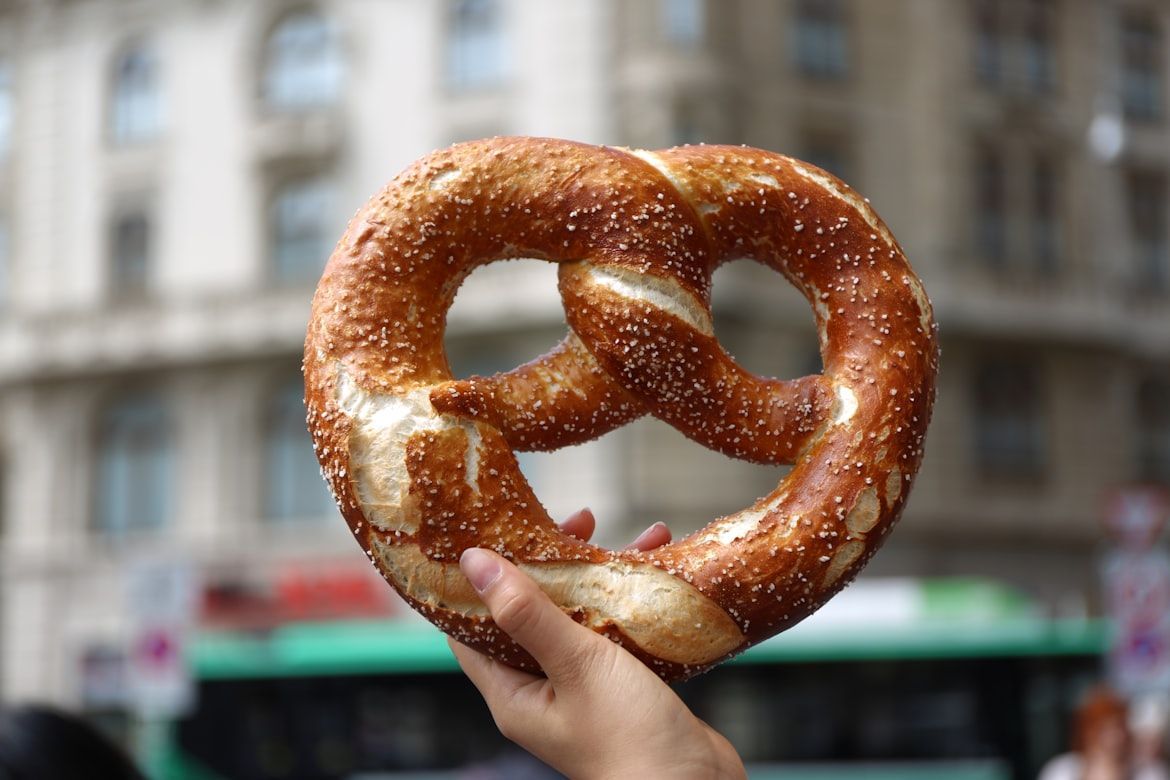
Image: Pierre Gui

One Pennsylvania baker in the 1800s left his soft pretzels in the oven too long, burning them to a deep brown . Expecting a disaster, he tried one and loved the unexpected crunch.

That overbaked batch became the first hard pretzel. The crispy, salty snack soon gained fans nationwide.

8
Slurpees
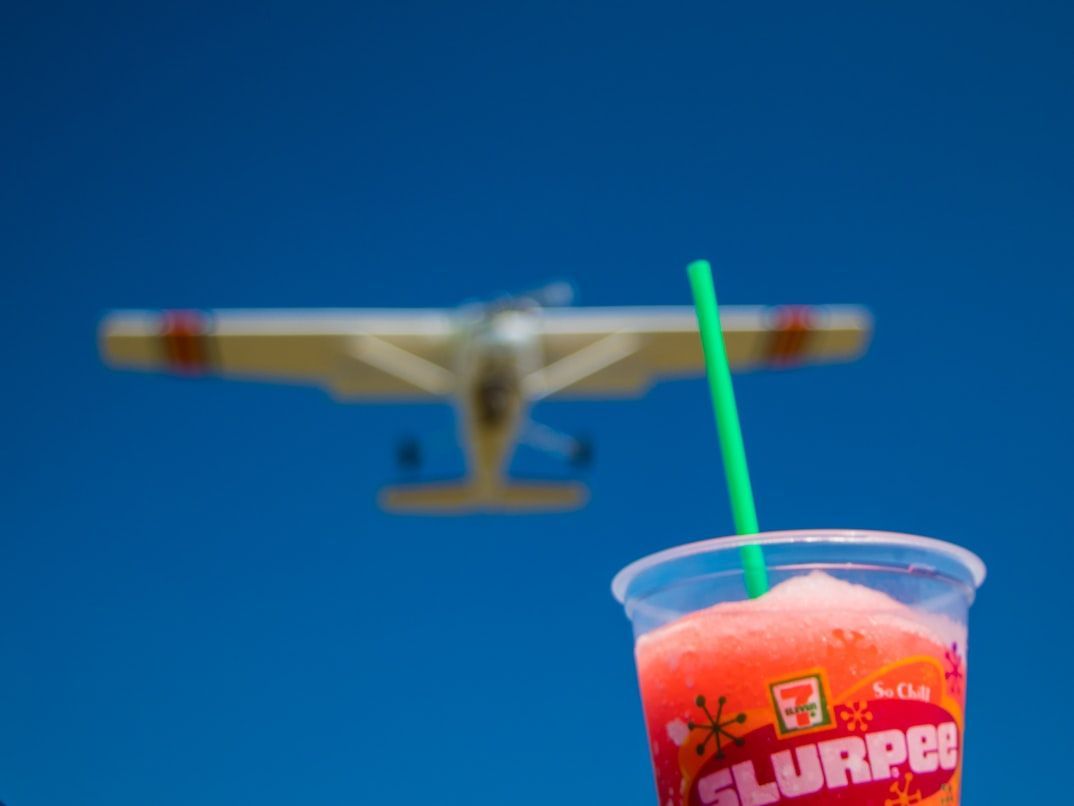
Image: Greg Rosenke

In the 1950s, a Kansas soda shop’s cooler broke down, freezing its drinks halfway . Instead of throwing them out, the owner sold the icy concoctions to curious customers.

They loved the slushy texture so much that he built a machine to reproduce it. The Icee — and later the Slurpee — turned an equipment failure into an omnipresent machine at every 7-Eleven.

9
Tortilla chips
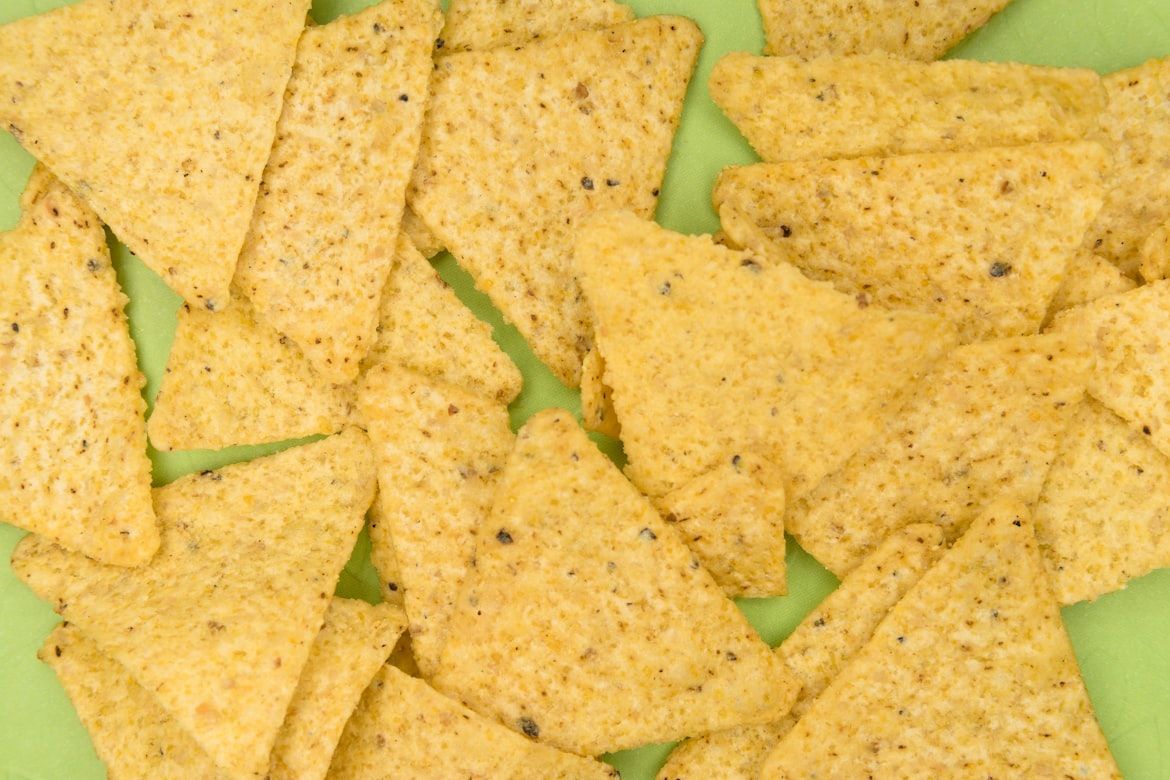
Image: Markus Winkler

In 1940s Los Angeles, a tortilla factory ended up with piles of leftover tortillas. Rather than waste them, workers cut them into triangles and fried them up .

The crunchy bites were a surprise hit. What started as a practical way to use scraps soon became a nationwide snack.

10
Tootsie Rolls
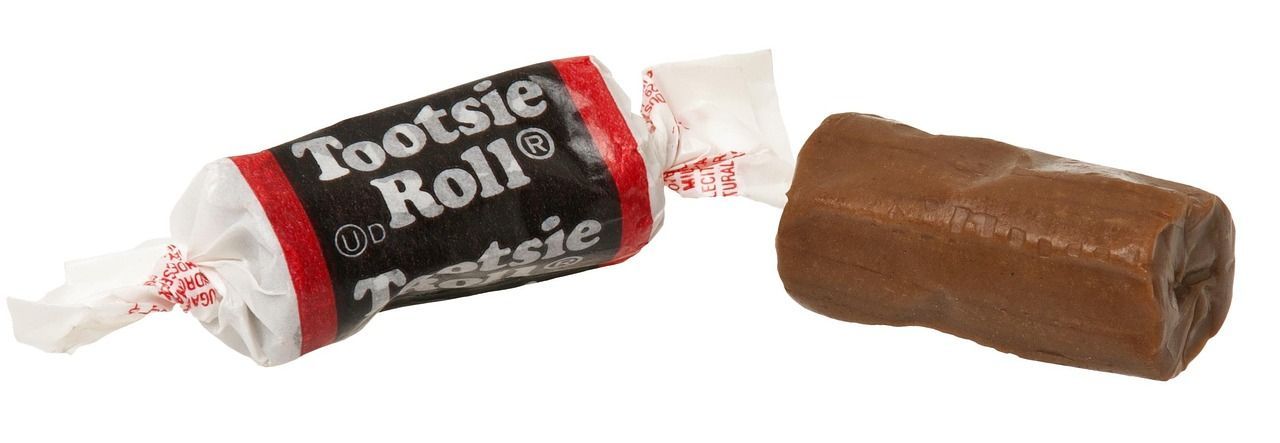
Image: WikimediaImages

Crafty candy maker Leo Hirschfeld wanted to stretch his chocolate supply in 1896, so he experimented by blending in other ingredients such as sugar, corn syrup, and condensed skim milk . The texture turned chewy instead of smooth, but the flavor was rich and lasting.

He named it after his daughter’s nickname, "Tootsie." His thrift-born invention became a candy classic.

11
Reese’s Peanut Butter Cups
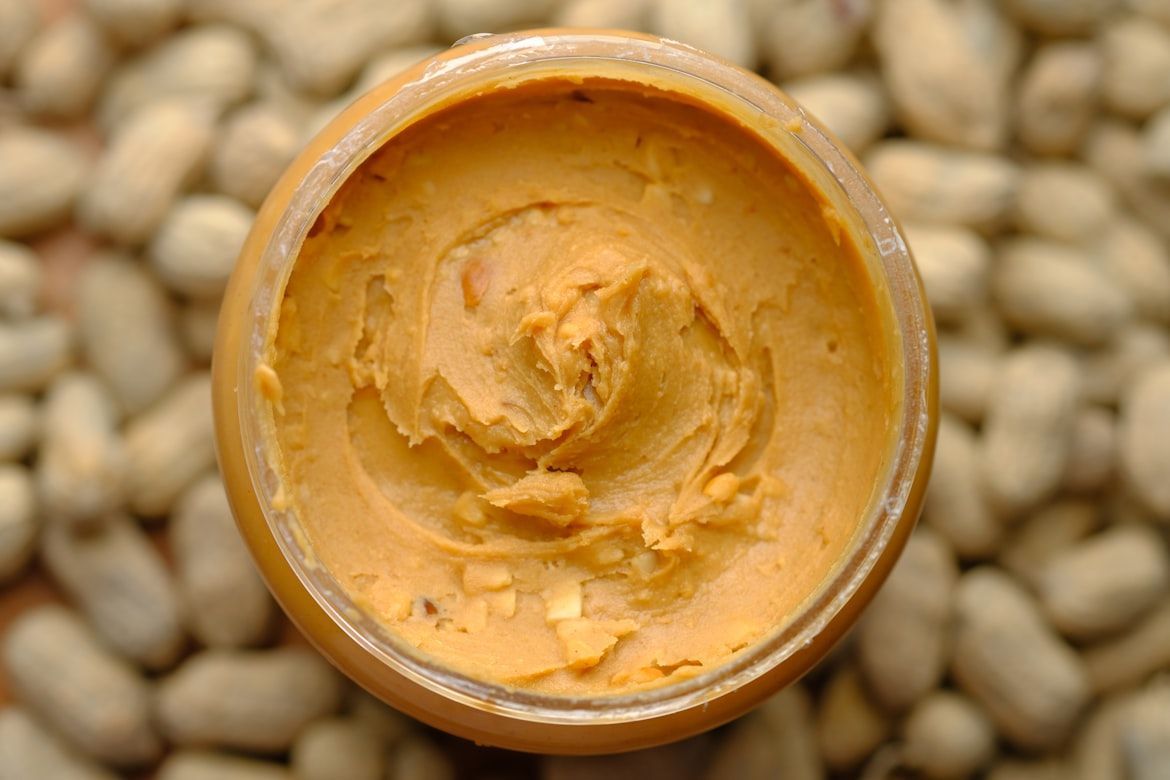
Image: Towfiqu barbhuiya

Back in 1928, a former Hershey employee, H.B. Reese, was tinkering with leftover chocolate at home when he combined it with sweetened peanut butter . The unexpected pairing turned out to be a great-tasting treat.

His homemade experiment evolved into a small business, and later became a candy legend when Hershey acquired the brand.

12
Fudge
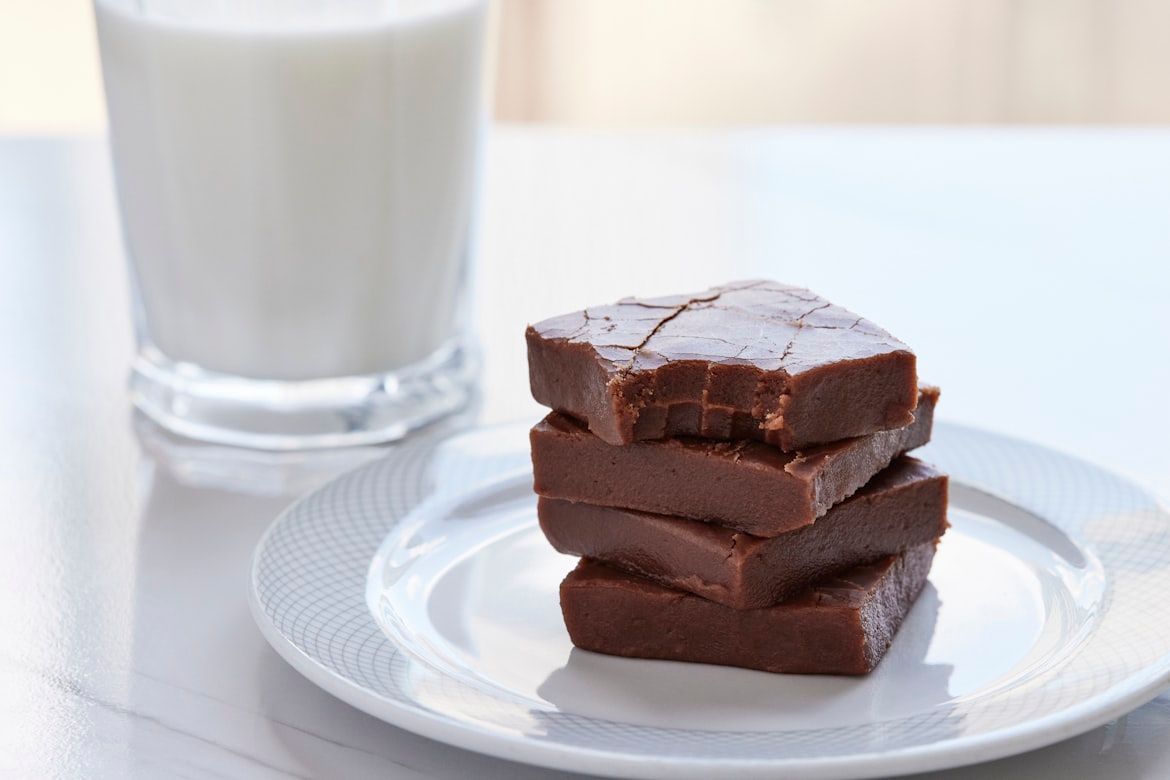
Image: American Heritage Chocolate

According to the popular story, a batch of caramel didn’t heat properly one night , and the cook sighed that it had been "fudged." The softer texture, however, turned out wonderfully creamy.

That tasty error spread quickly through American kitchens and college towns, becoming the classic dessert that it is today.
General General 5 min read

Have you visited any?

10 American food festivals worth traveling for

Image: Ashley Owen

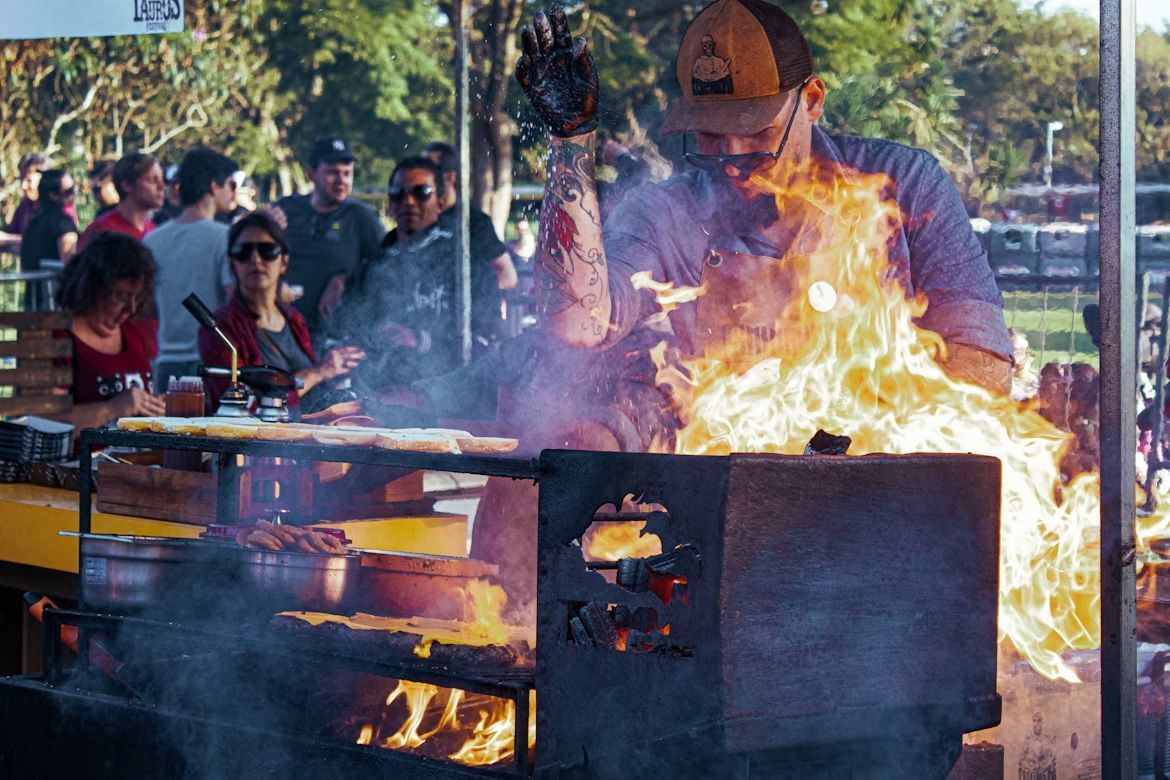
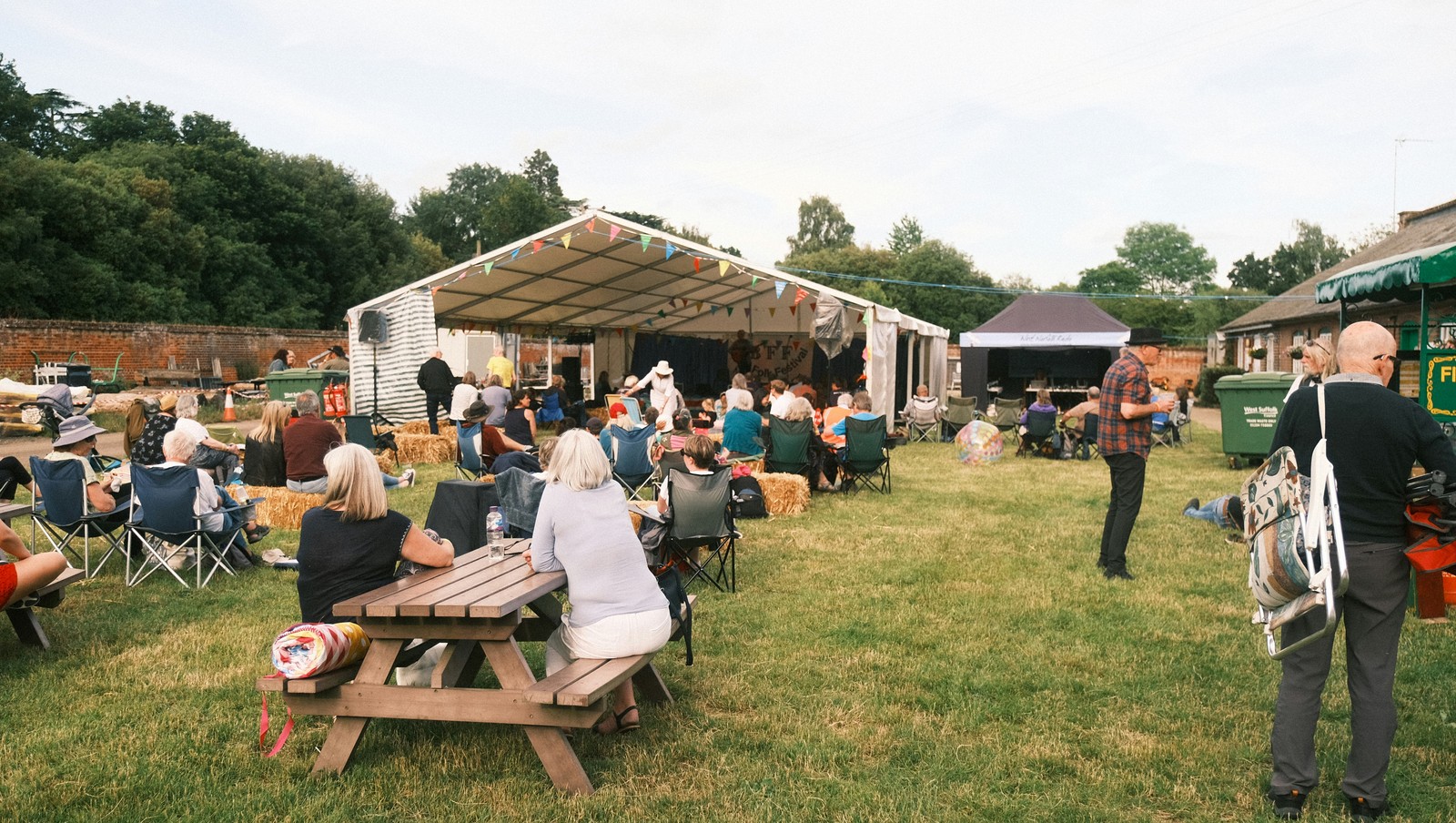
From seafood extravaganzas to chocolate wonderlands, America knows how to throw a party around food . These festivals aren't just about eating, they're about celebrating regional flavors, quirky traditions, and the kind of community spirit that only emerges when thousands of people gather to worship their favorite ingredient.

1
Gilroy Garlic Festival - Gilroy, California

Image: Mitch Hodiondo

This July festival has been going strong since 1979, serving up everything from garlic fries to garlic-infused desserts that'll make you question everything you thought you knew about sweetness. The festival draws over 80,000 garlic enthusiasts who aren't afraid of a little breath situation.

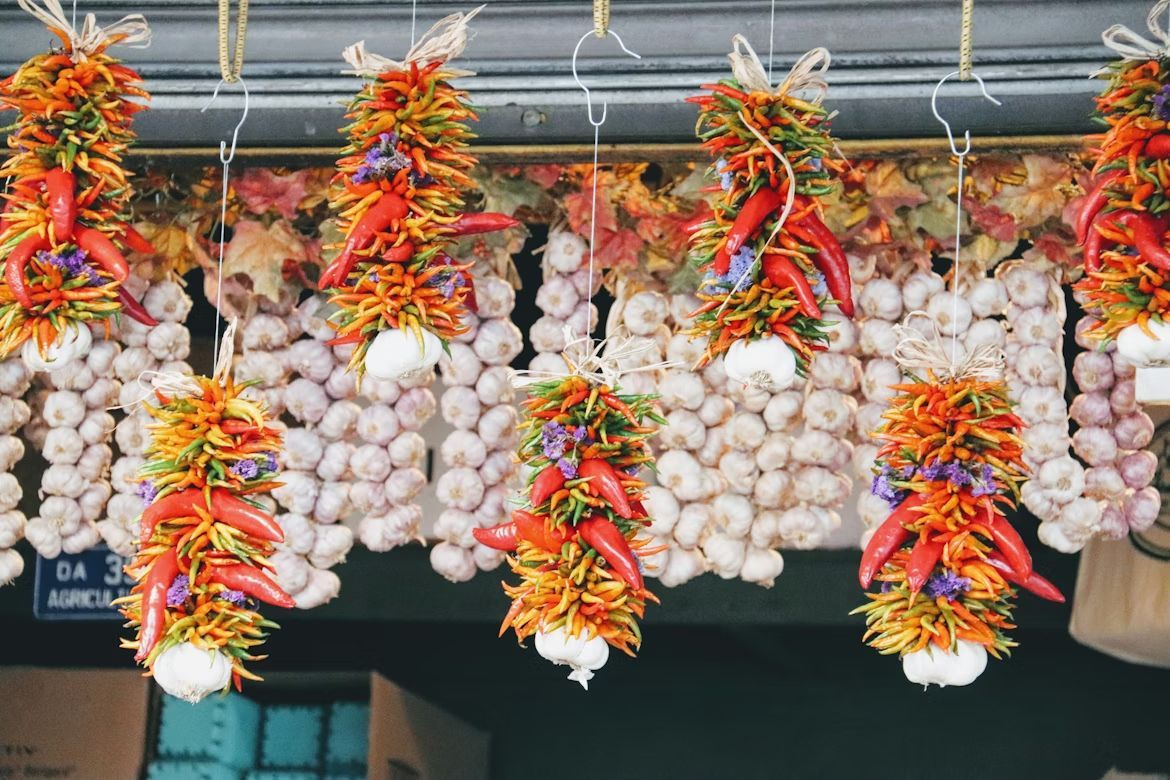
Beyond the obvious eating opportunities, you'll find cook-offs, live entertainment, and enough garlic braids to decorate every kitchen in America. The Miss Gilroy Garlic Festival Queen pageant is a real thing, and yes, contestants probably smell amazing.

2
Maine Lobster Festival - Rockland, Maine

Image: Michelle Tsang

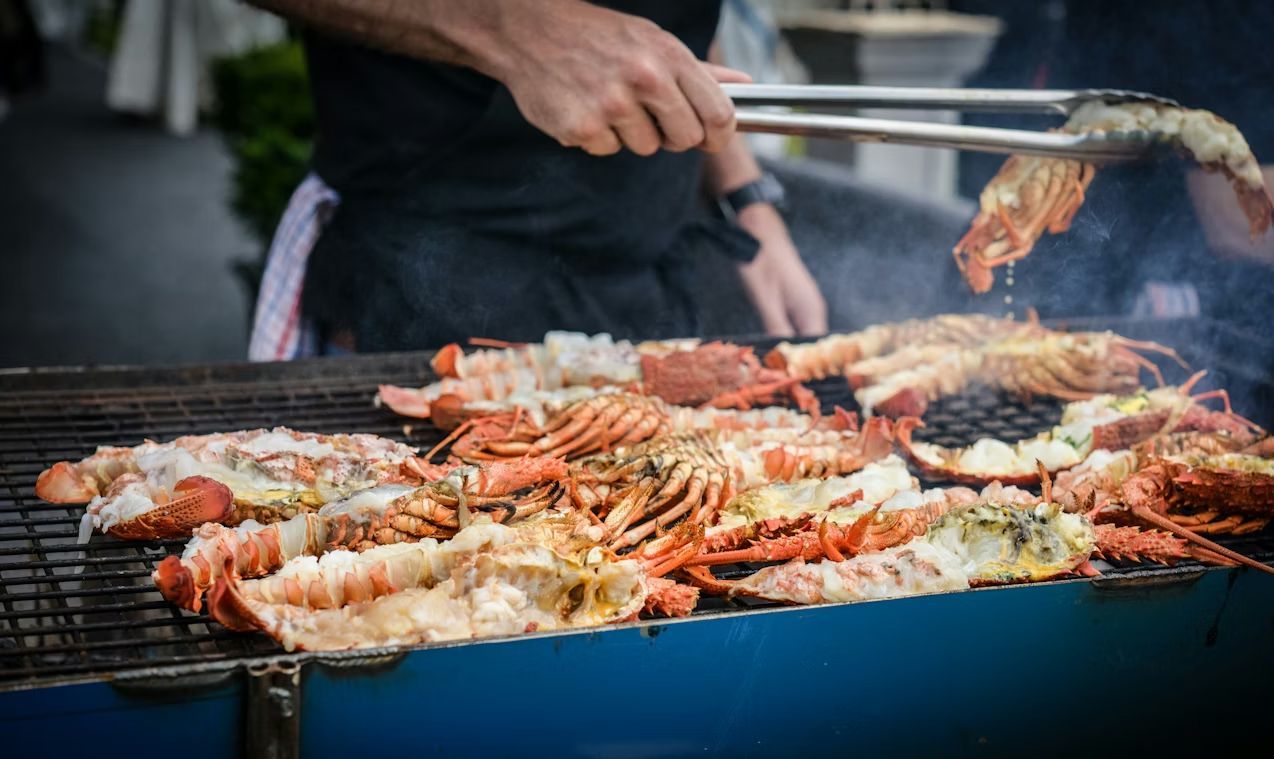
Every August, this coastal town transforms into lobster paradise, where over 20,000 pounds of the crustaceans meet their delicious destiny in a five-day celebration of all things clawed and buttery. The festival serves lobster every way imaginable: boiled, in rolls, and in bisque.

Between lobster courses, you can watch the Maine Sea Goddess Coronation, browse hundreds of arts and crafts vendors, or catch big-name musical acts on the harbor stage. The parade is a charming small-town affair that reminds you why these festivals beat fancy restaurants every time.

3
National Cherry Festival - Traverse City, Michigan

Image: Reza Yaghoobian

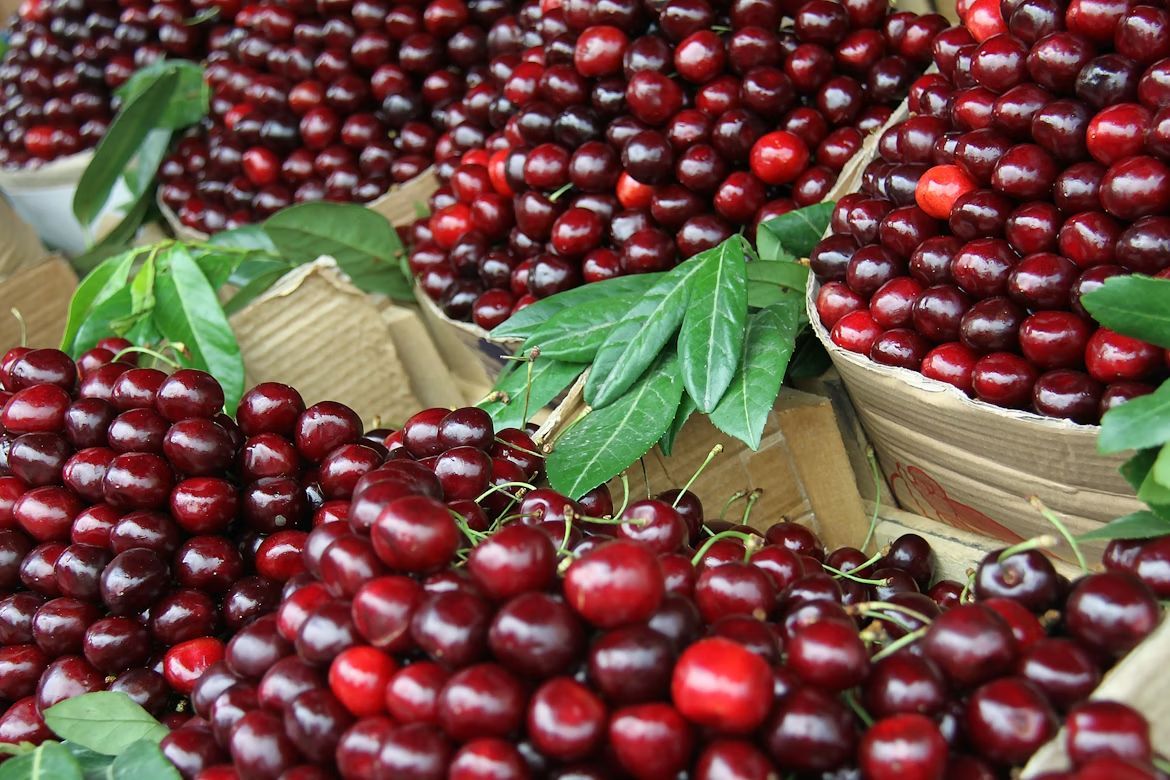
Michigan's cherry country goes absolutely bonkers every July with eight days of cherry-flavored everything in one of the prettiest settings you'll ever see. We're talking cherry pie-eating contests, cherry pancake breakfasts, cherry salsa, and enough cherry wine to make you wonder why you ever drank grape-based beverages.

The festival isn't just about cherries: there are air shows, parades, live concerts, and a sand sculpture contest that'll make you feel inadequate about your beach castle skills. You can even participate in the Very Cherry 5K if you want to pretend you're being healthy before eating your weight in cherry pie.

4
New Orleans Wine & Food Experience - New Orleans, Louisiana

Image: Yuri Krupenin

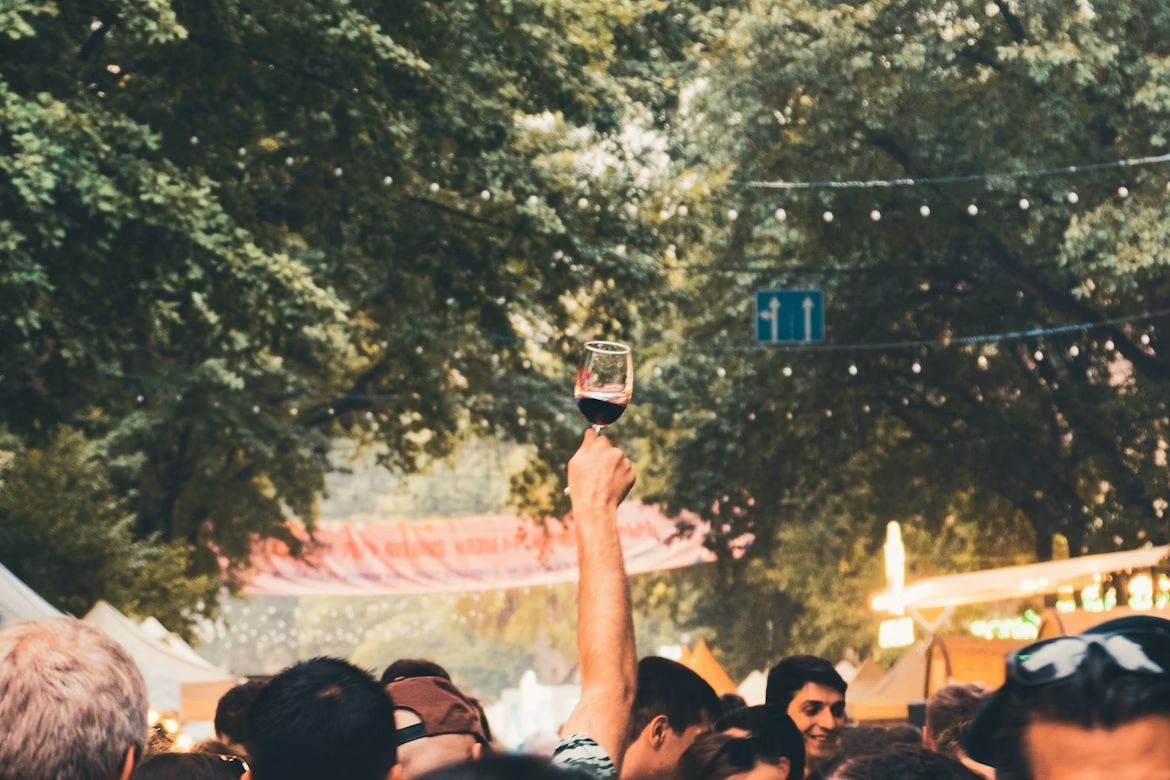
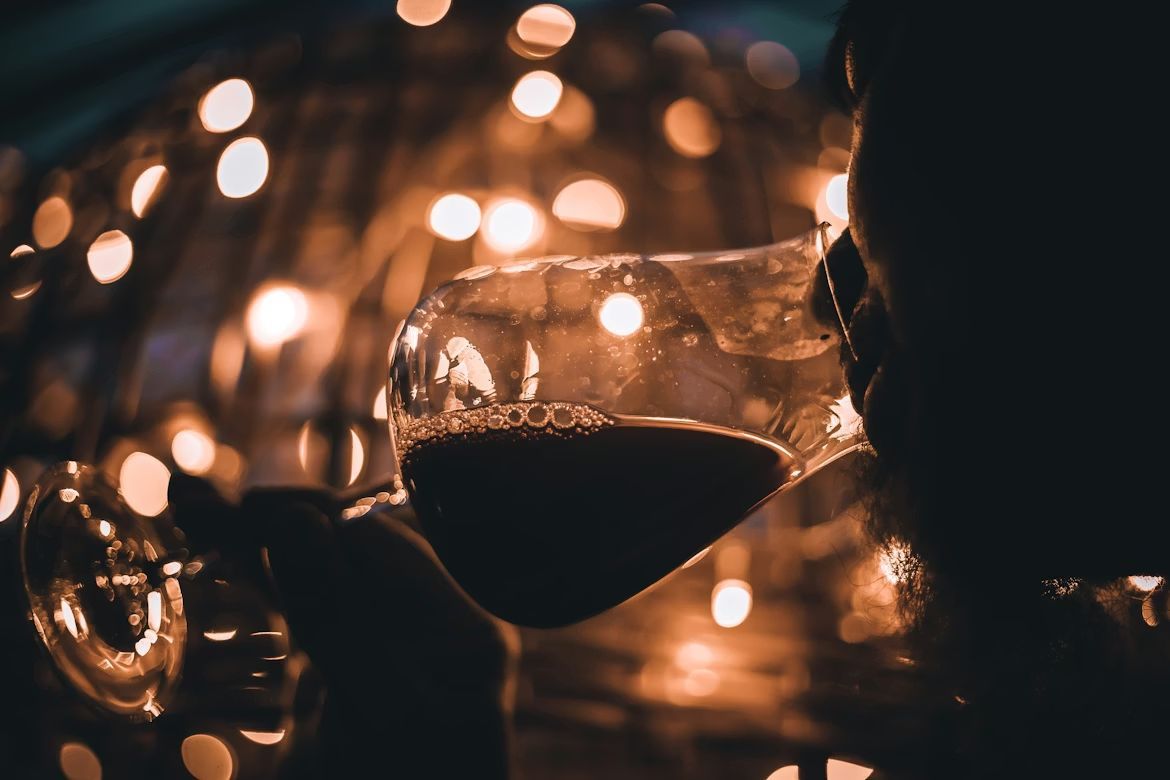
Every May, this city throws a five-day celebration that combines world-class wine with Creole and Cajun cuisine. This is a sophisticated affair with celebrity chef dinners, wine seminars, and events in stunning French Quarter locations that make you feel fancy even with hot sauce on your shirt.

The Royal Street Stroll is the main event, where you can sample dishes from over 50 restaurants while sipping wine and listening to jazz, because New Orleans doesn't do anything halfway. This festival showcases why New Orleans is considered one of America's greatest food cities.

5
Taste of Chicago - Chicago, Illinois

Image: Stéfano Girardelli

The Windy City hosts one of the world's largest food festivals every July, transforming Grant Park into a massive outdoor dining room where deep-dish pizza competes with Italian beef sandwiches for your affection. Since 1980, this free-admission festival has been drawing millions of visitors who want to sample Chicago's legendary food scene without the hassle of restaurant reservations.

With over 300 menu items from dozens of local restaurant s, you can eat your way through Chicago's diverse neighborhoods without leaving the park. There are cooking demonstrations from celebrity chefs, live music on multiple stages, and enough food vendors to ensure you'll need a nap by 2 PM.

6
Hatch Chile Festival - Hatch, New Mexico

Image: L'Odyssée Belle

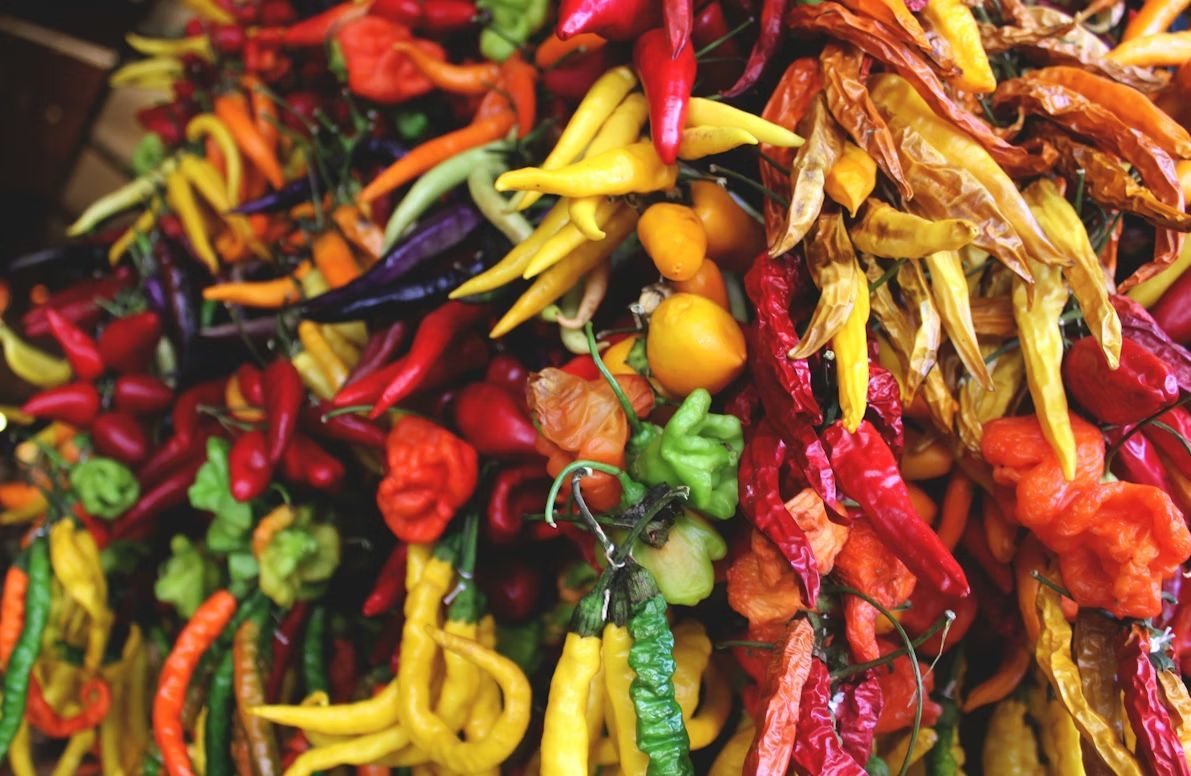
Every Labor Day weekend, this tiny town of 1,600 people swells to over 30,000 as chile pepper fanatics make their annual pilgrimage to the "Chile Capital of the World." The Hatch chile is famous for its unique flavor—earthy, smoky, and just spicy enough to make things interesting without requiring a fire extinguisher. You'll find them roasted, stuffed, turned into salsa, baked into bread , and mixed into ice cream for the adventurous.

The festival is wonderfully unpretentious, with a parade featuring the Chile Queen, live music, arts and crafts, and the kind of small-town charm that makes you want to move to New Mexico. Watching massive roasters tumble thousands of fresh chiles while their aroma fills the air is oddly mesmerizing.

7
Pebble Beach Food & Wine - Pebble Beach, California

Image: Phakphoom Srinorajan

This April event on the stunning Monterey Peninsula is where celebrity chefs, renowned winemakers, and beautiful people gather to celebrate the finer things in life. Set against the backdrop of Pebble Beach's legendary golf courses and dramatic coastline, this is food festival luxury at its finest, with Grand Tasting pavilions, intimate chef dinners, and wine seminars.

You might spot a celebrity chef or two wandering around, and the event attracts serious food lovers willing to splurge for unforgettable culinary experiences. From fresh seafood to innovative cuisine that looks too pretty to eat, this festival proves that California knows how to combine stunning scenery with exceptional food.

8
Vermont Cheesemakers Festival - Shelburne, Vermont

Image: Luba Glazunova

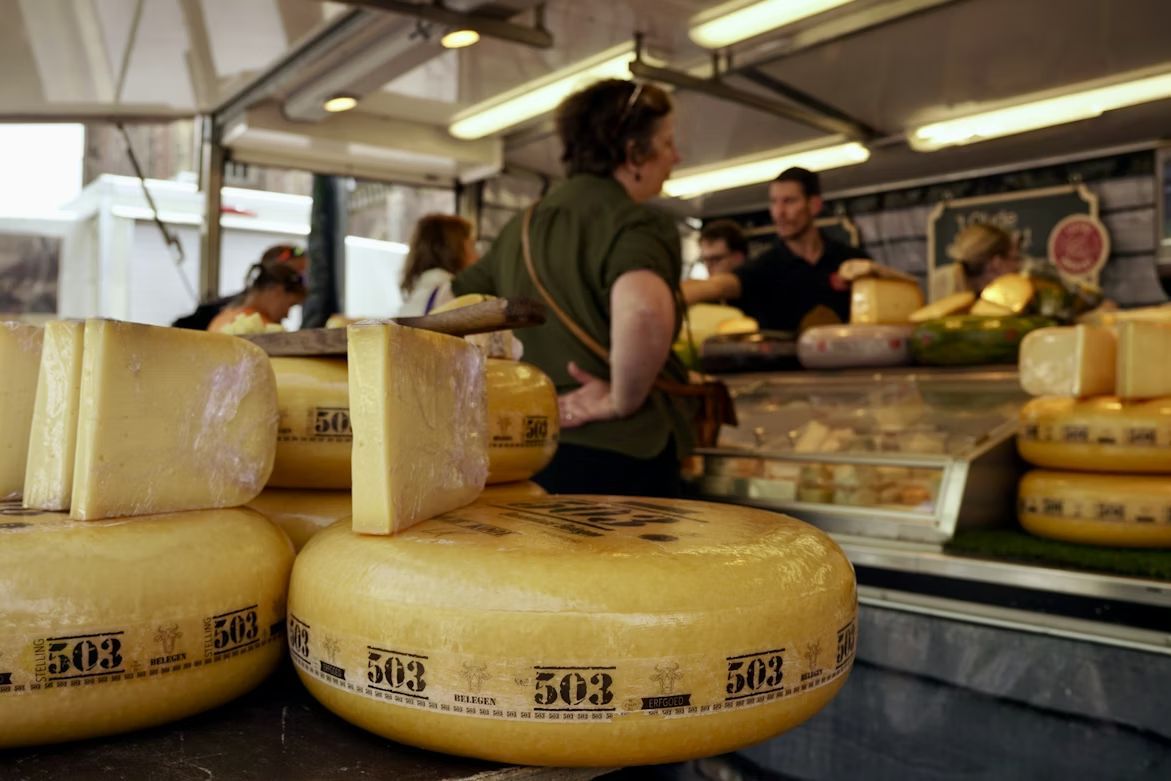
Every August, cheese lovers gather at Shelburne Farms, a stunning 1,400-acre estate overlooking Lake Champlain, for what might be the most civilized food festival in America. We're talking award-winning artisan cheeses from over 40 local cheesemakers, paired with local beers, ciders, and wines in a setting so picturesque you'll think you've wandered onto a movie set.

The festival celebrates Vermont's thriving cheese culture with tastings, demonstrations, and plenty of opportunities to chat with the actual cheesemakers who'll explain why their cheddar is superior to everyone else's (they're all correct, somehow). Live music, children's activities, and farm tours round out the experience, making it perfect for the whole family.

9
Epcot International Food & Wine Festival - Orlando, Florida

Image: Paul Lievens

Disney World's Epcot park transforms every fall into a global food court, with over 30 international marketplaces serving small plates from around the world. Running from late August through November, this is the longest food festival on our list, giving you plenty of chances to "drink around the world" while pretending you're culturally enriching yourself. From French wine to German beer to Canadian pretzel bread, you can passport-stamp your palate without airport security.

Sure, it's touristy, but it's also surprisingly delicious and incredibly convenient—where else can you eat in Morocco, drink in Italy, and catch fireworks over a lagoon all in one afternoon? Celebrity chef demonstrations, beverage seminars, and live concerts (included with park admission) make this festival a surprising value despite Disney's reputation for expensive hot dogs.

10
Boudin, Bourbon & Beer Festival - New Iberia, Louisiana

Image: Hybrid Storytellers

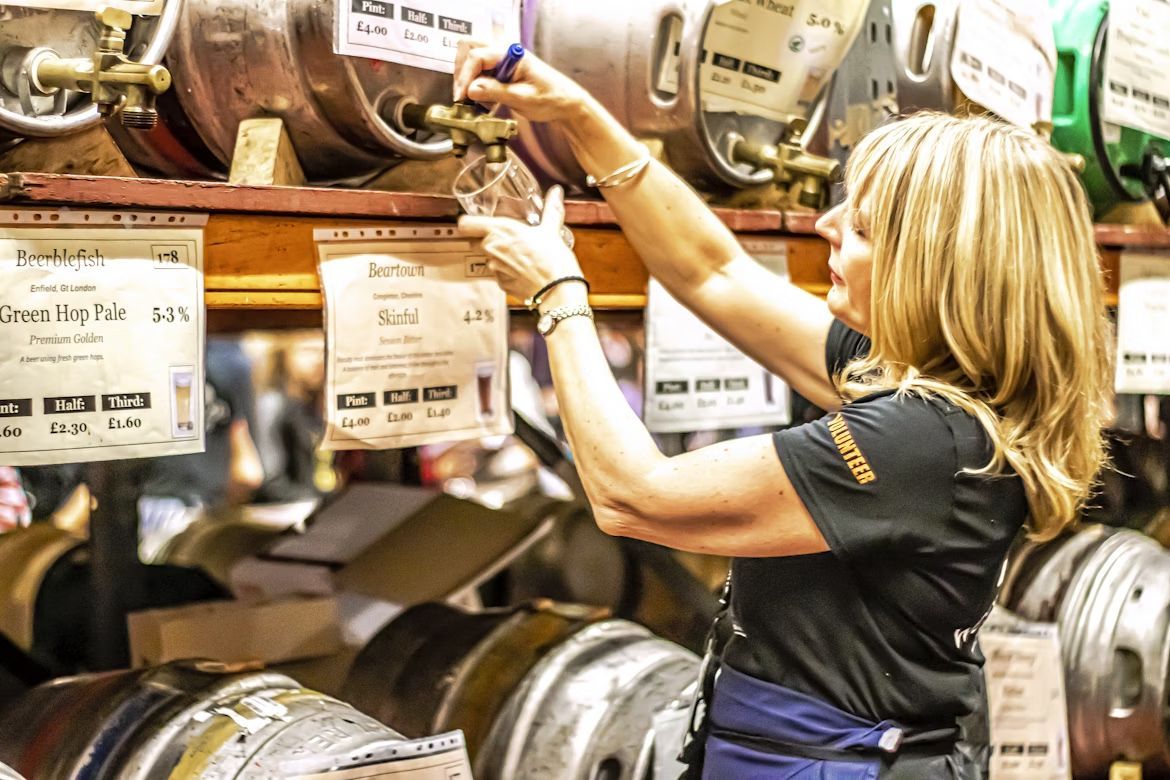
In October festival celebrates the holy trinity of Louisiana living: boudin sausage, bourbon, and beer. Held in the charming downtown district, this relatively new festival has quickly become a favorite for anyone who wants to experience authentic Cajun culture .

Local restaurants compete for the best boudin recipe while musicians play zydeco and Cajun music that'll have you dancing whether you know how or not. The bourbon and beer selections showcase both Louisiana craft beverages and national favorites, creating pairing opportunities you never knew you needed.

General General 4 min read

Before they led the nation

He walked 18 miles to school: Shocking presidential childhood stories

Image: Florida Memory

The figure of the president can feel very serious, but we often forget that behind these leaders were once little kids. From funny pranks to painful moments, today we’ll share 10 surprising facts you probably didn’t know about the childhoods of some of our presidents.

1
John F. Kennedy

Image: History in HD

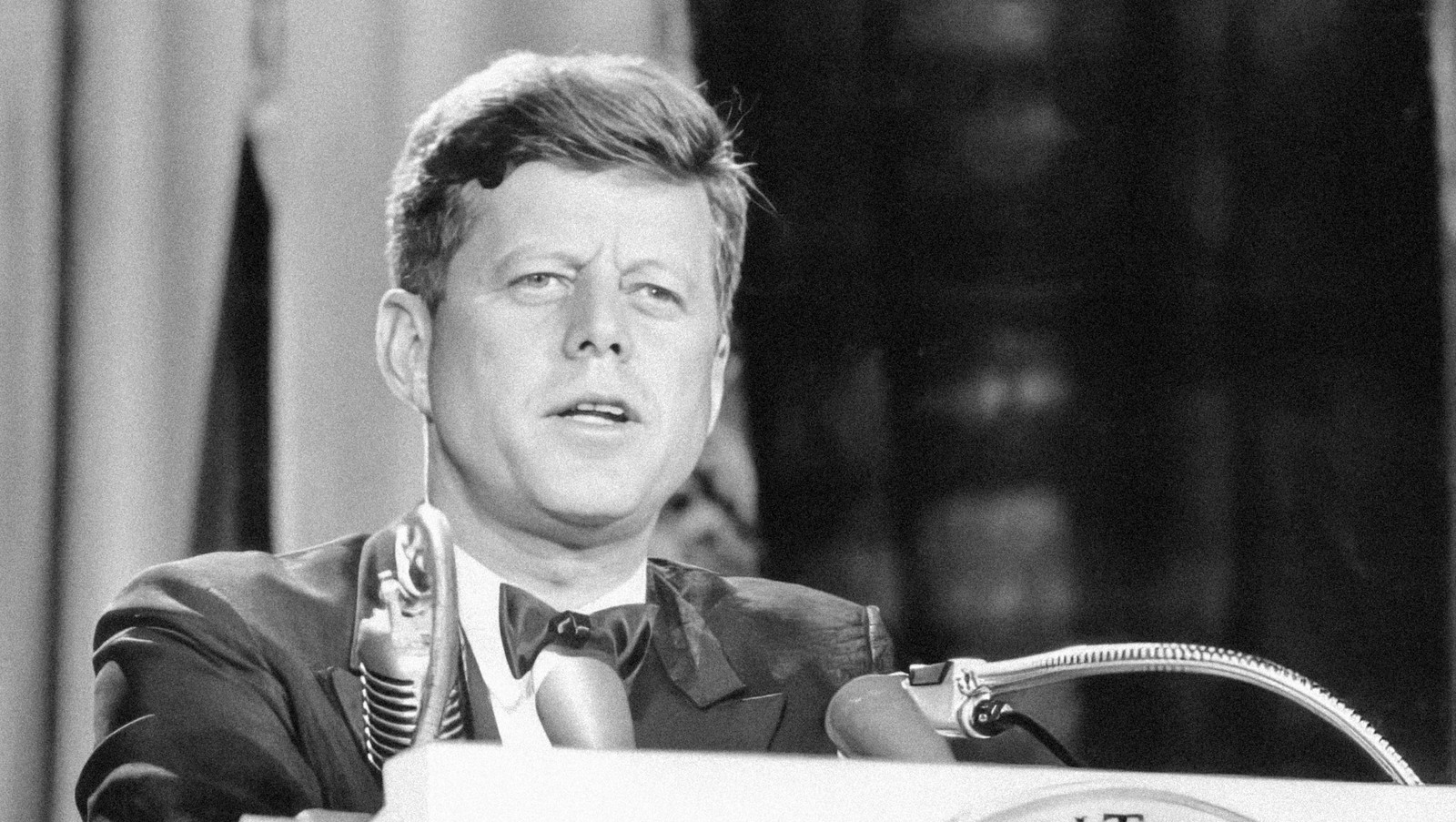
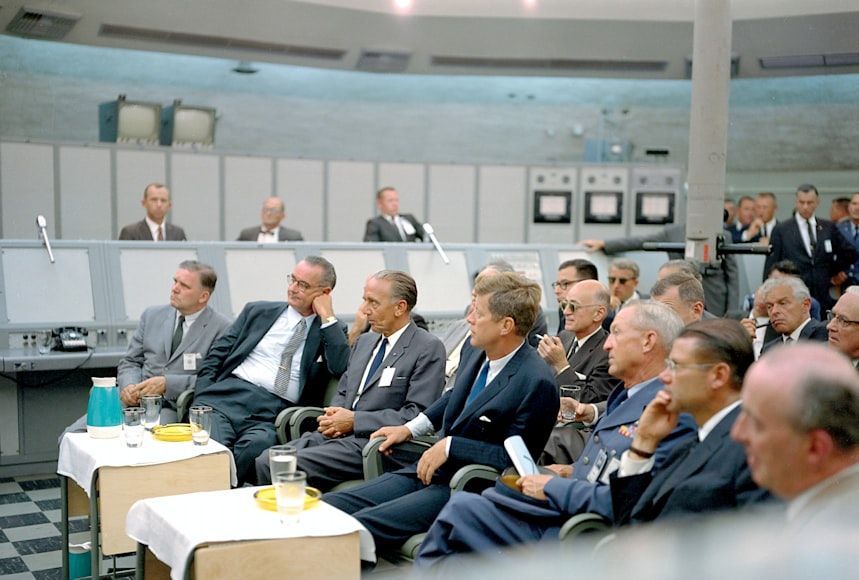
JFK, called "Jack" by his family, grew up with eight siblings in a home that encouraged both physical and intellectual competition. His strict upbringing didn’t stop him from forming the "Muckers Club" at Choate School, a group known for pranks and mischief that nearly got him expelled. Still, he was a popular, athletic student, and when he graduated in 1935, his classmates voted him "most likely to succeed."

2
Franklin D. Roosevelt

Image: Jessica Tan

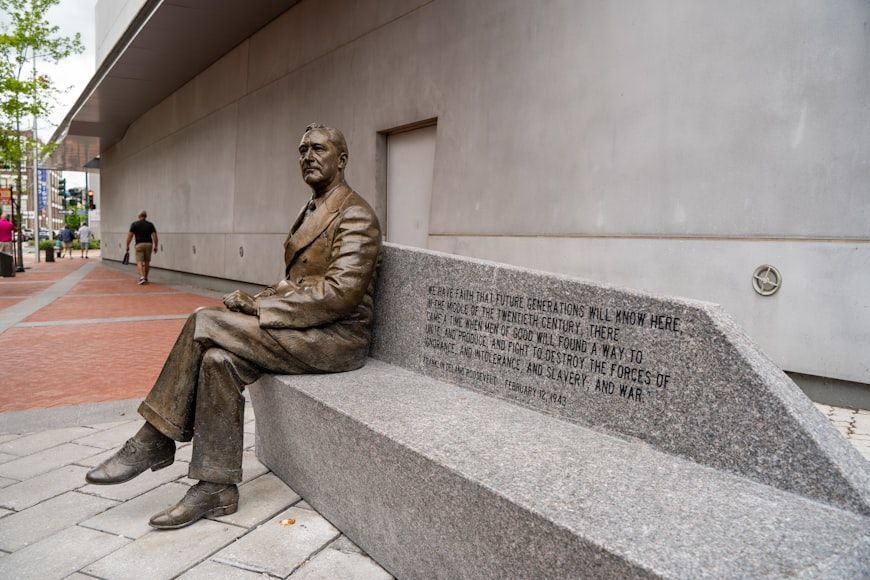
FDR grew up in a wealthy household, enjoying every comfort and taking frequent trips to Europe from an early age. He even visited the White House as a child, where he experienced a moment he would remember years later. When he was five, his family met President Grover Cleveland, who looked at little FDR and said, "My little man, I am making a strange wish for you. It is that you may never be president of the United States," referring to the heavy burden of the office. Curious, isn’t it?

3
Dwight D. Eisenhower

Image: juan pablo rodriguez

Those of us with siblings know just how important they can be, and that was true for young Dwight D. Eisenhower as well. When little Ike was being picked on at school by bullies bigger than him, his older brother Edgar stepped in. One day, Edgar stood up for Ike and made sure the bullies got the message, teaching them (and Dwight) an important lesson.

4
Herbert Hoover

Image: Judy Thomas

Herbert Hoover was still far from becoming president when, at about six years old, he lost his father. He was sent to live with his uncle, a US government agent at the Osage Indian Reservation in Pawhuska, Oklahoma. For a year, young Bertie was surrounded by Native Americans and attended "Indian Sunday School," an experience that later shaped his policies and influenced his choice of Charles Curtis, a member of the Kaw Nation, as vice president.

5
Calvin Coolidge

Image: Joe Dudeck

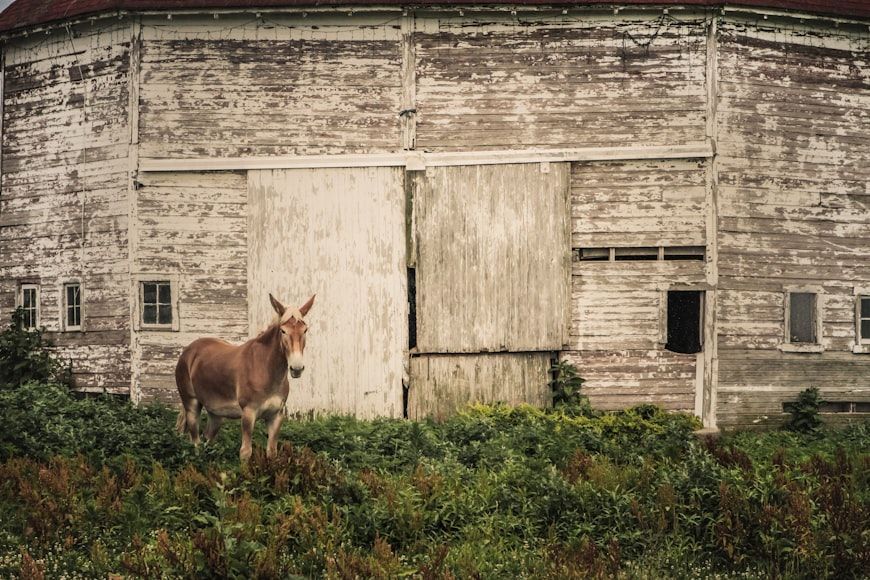
The story goes that in the 1880s, a mule was once found locked inside a classroom at a school in Vermont. Can you imagine the chaos that poor animal must have caused? According to the tale, the culprit was a young Calvin Coolidge, who supposedly did it to get back at a teacher he didn’t like. The story was passed down by people who knew him, and although it was never recorded in official documents, it’s a fun contrast to the quiet, reserved man he later became as president.

6
Bill Clinton

Image: Lesli Whitecotton

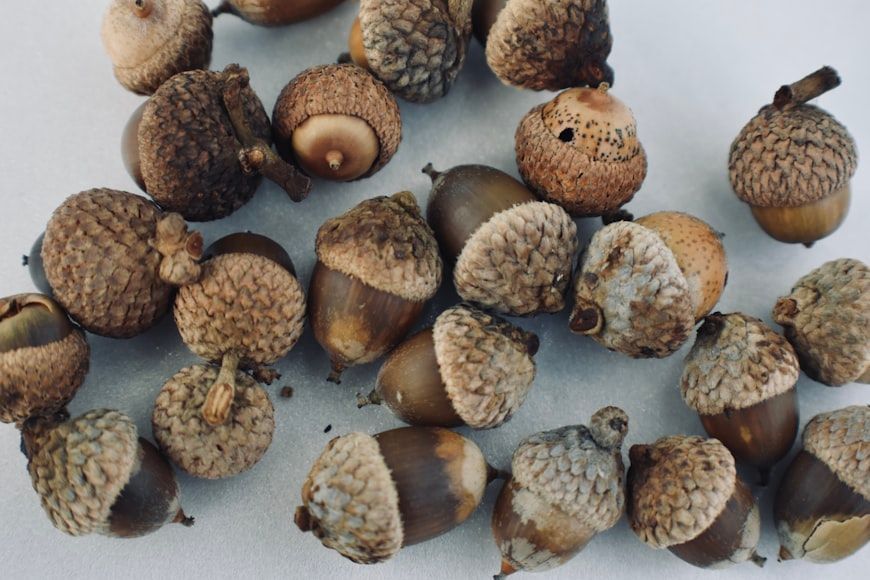
Young Bill was often described as "unbearably responsible." According to one story, when he was in high school, a classmate once turned to him and said, "Don’t you ever break any rules? You’re a teenager!" Still, even this calm, rule-following kid had a mischievous moment: with some friends, he once spent a couple of hours tossing acorns at passing cars. Harmless, right? As long as it wasn’t your car!

7
John Tyler

Image: Brad Switzer

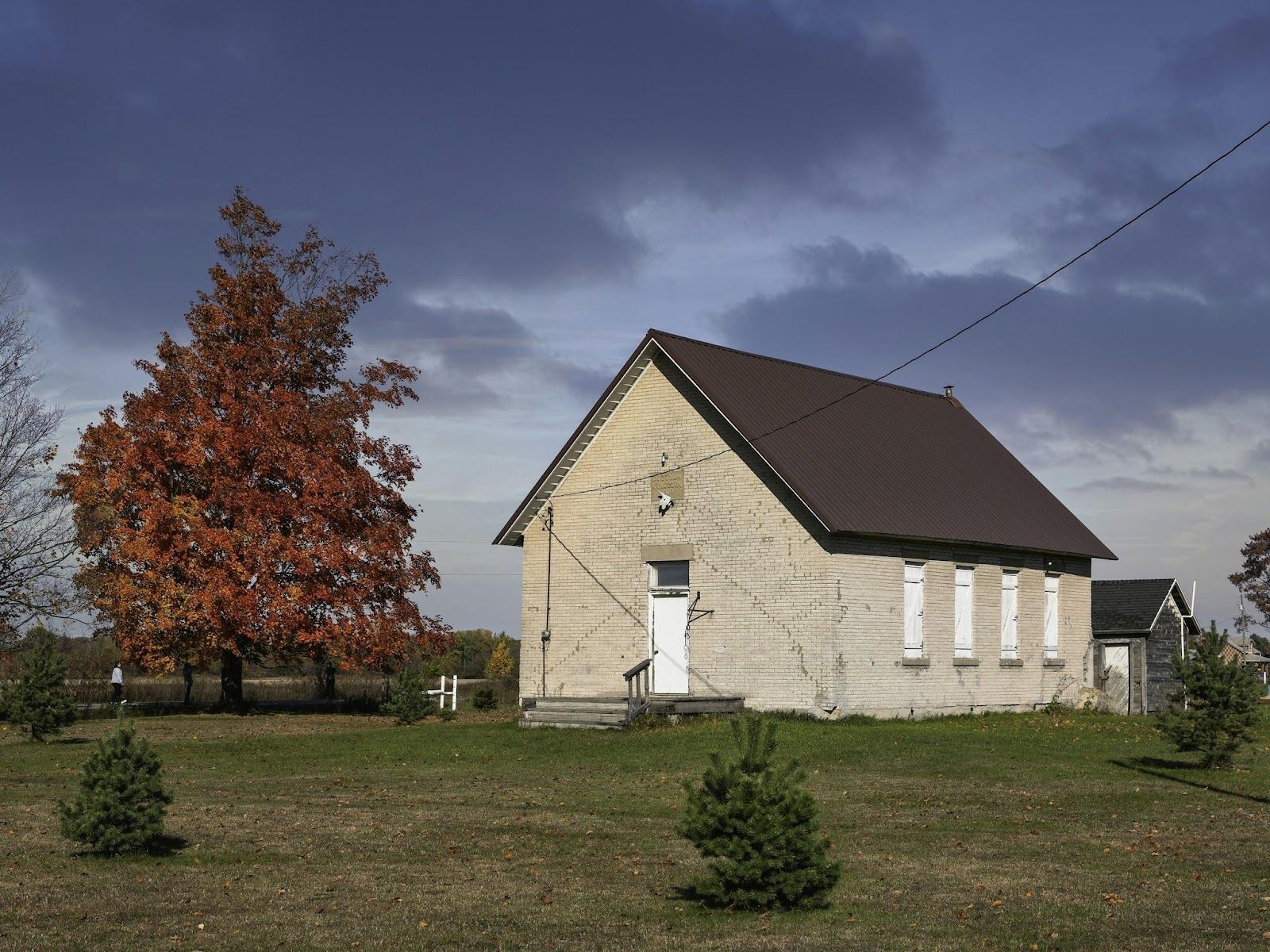
Apparently, young John Tyler had a rebellious, righteous spirit. There’s a story from his youth that shows it perfectly: when he was just 10 years old, he led a revolt at his one-room schoolhouse against a teacher who was cruel and despotic. According to the tale, when the teacher complained to his father, Judge John Tyler, he replied, "Sic semper tyrannis!"

8
Abraham Lincoln

Image: Jacob Thorson

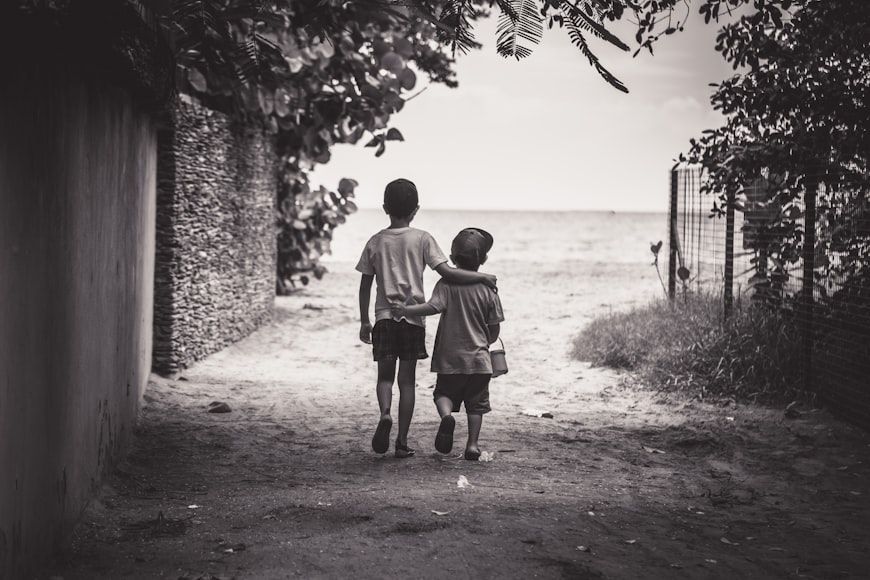
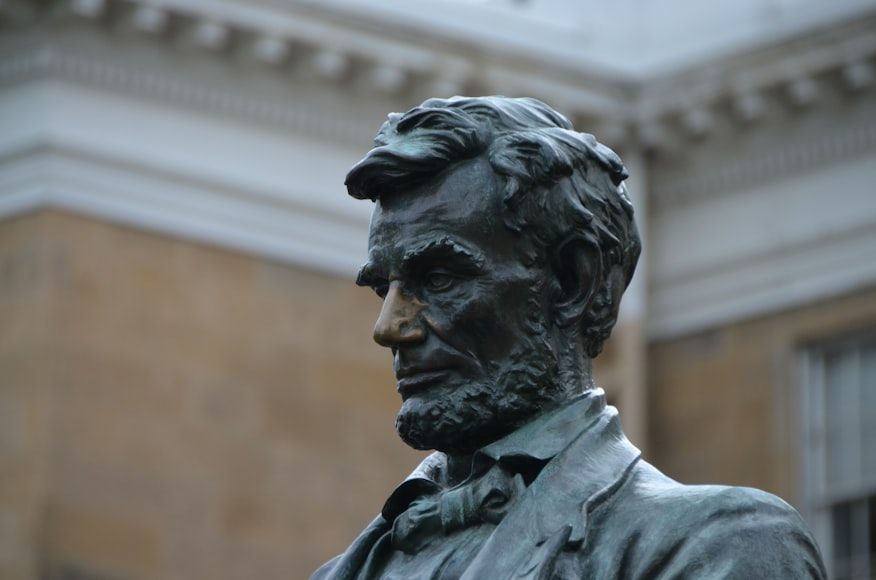
Although she never attended school herself, Abraham Lincoln’s mother believed it was important for her children to get an education, so they began attending one in a nearby town. The thing is, it wasn’t very close: the future president Lincoln and his older sister walked a little over nine miles to school, and another nine back home every day. Talk about perseverance!

9
Ronald Reagan

Image: Nicolas HIPPERT

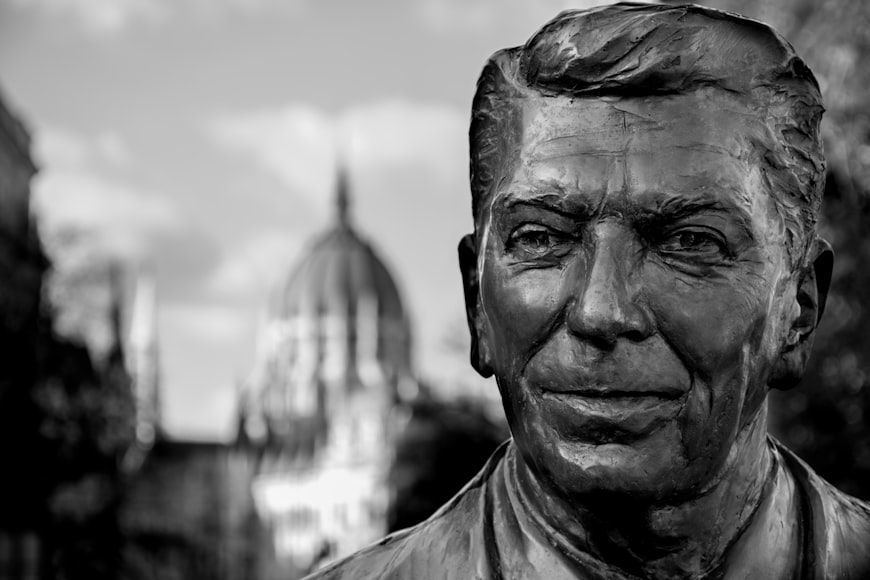
Ronald Reagan was born on February 6, 1911, in Illinois. Although his future would be very bright, his childhood wasn’t easy. From an early age, he struggled with vision problems, which made it hard for him to see clearly and focus on activities he liked, such as sports. But everything changed at 13, when he was finally prescribed his first pair of glasses, and soon landed his first job as a lifeguard. For several summers during his youth, he dove into the water to save people, an experience that, according to Reagan himself, gave him the confidence that stayed with him for the rest of his life.

10
Ulysses S. Grant

Image: Fabian Burghardt

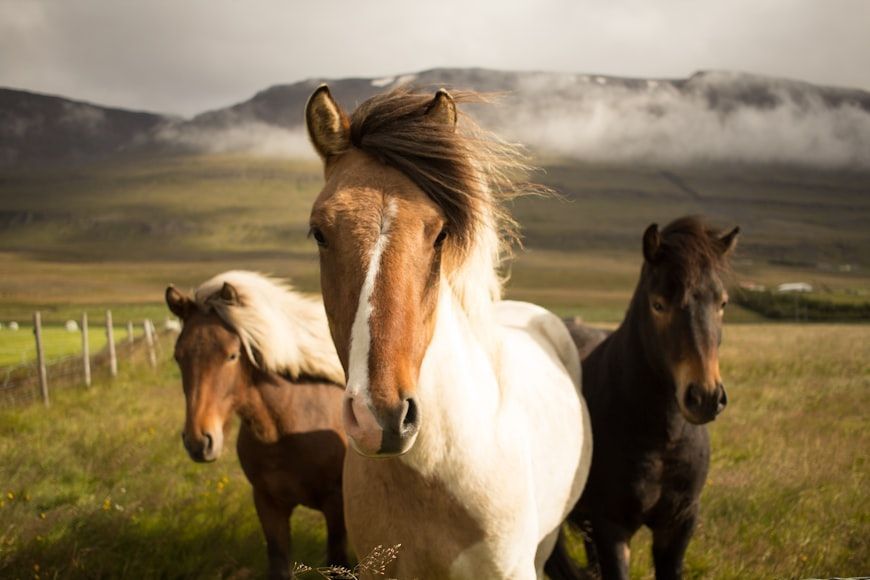
According to historical sources, Ulysses S. Grant showed an extraordinary ability with horses from an early age. So strong was his talent that people in his town brought him their "problem horses" to train. It is said that, at just 10 years old, he led a 40-mile journey driving a team of horses carrying passengers, a remarkable feat for someone so young!

Explore more American facts

Choose your favorite category!

General
General

As American as apple pie—the very best America has to offer!

Culture
Culture

Delve into the astounding richness of American lore.

Geography
Geography

Hop in and explore vast and diverse American landscapes.

History
History

Discover the key moments that shaped the United States.