General General 4 min read

It’s hip to be square!

These are not the Colorado & Wyoming you know: 12 incredible local facts
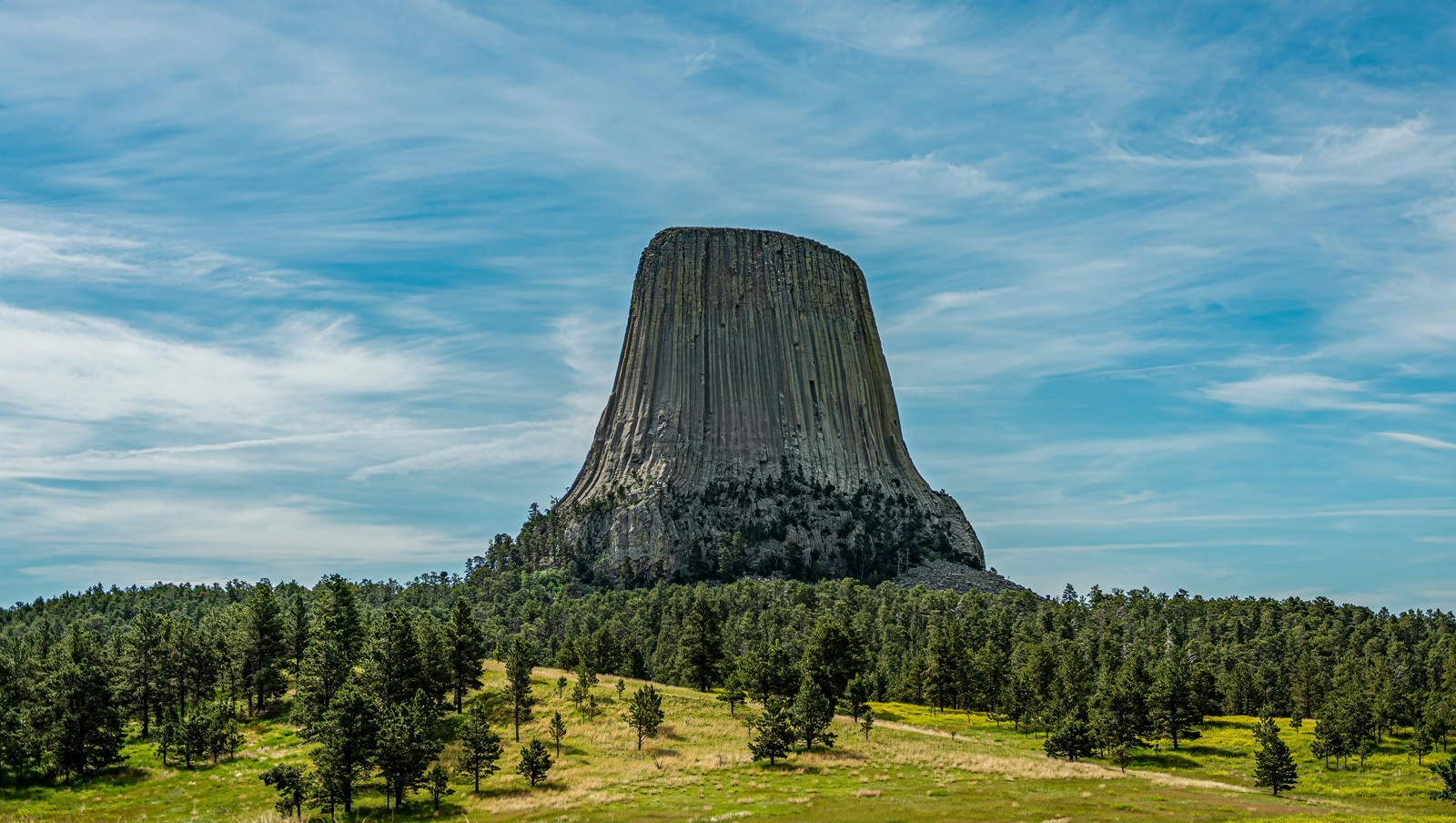
Image: Stephen Walker

While technically there are no perfectly square states in the U.S. due to geographical limitations, Colorado and Wyoming come the closest to fitting that description when looking at them on a map . These "square" states are packed with fascinating stories. Did you know that a headless chicken from Colorado once lived for 18 months? Or that the world’s longest shootout reenactment still takes place in Wyoming? Take a look at these 12 incredible facts and choose your favorite!

1
Colorado once rejected the Winter Olympics

Image: Umanoide

In the 1970s, Colorado turned down the opportunity to host the Winter Olympics in Denver. Voters opposed the plan due to concerns about cost, environmental damage, and overcrowding .

This made Colorado the only U.S. state in history to reject the Olympics—even though it’s home to the U.S. Olympic Committee. The decision reflected a strong commitment to protecting the state’s environment and way of life.

2
Wyoming has only two escalators

Image: Andres Siimon

Wyoming has just two escalators, both located in Casper— one at First Interstate Bank and the other at Hilltop National Bank.

A third once existed at a JCPenney in Cheyenne but was removed when the store relocated to Frontier Mall. The two remaining escalators operate in both directions and remain the only ones in the state.

3
The highest vehicular tunnel in America is in Colorado
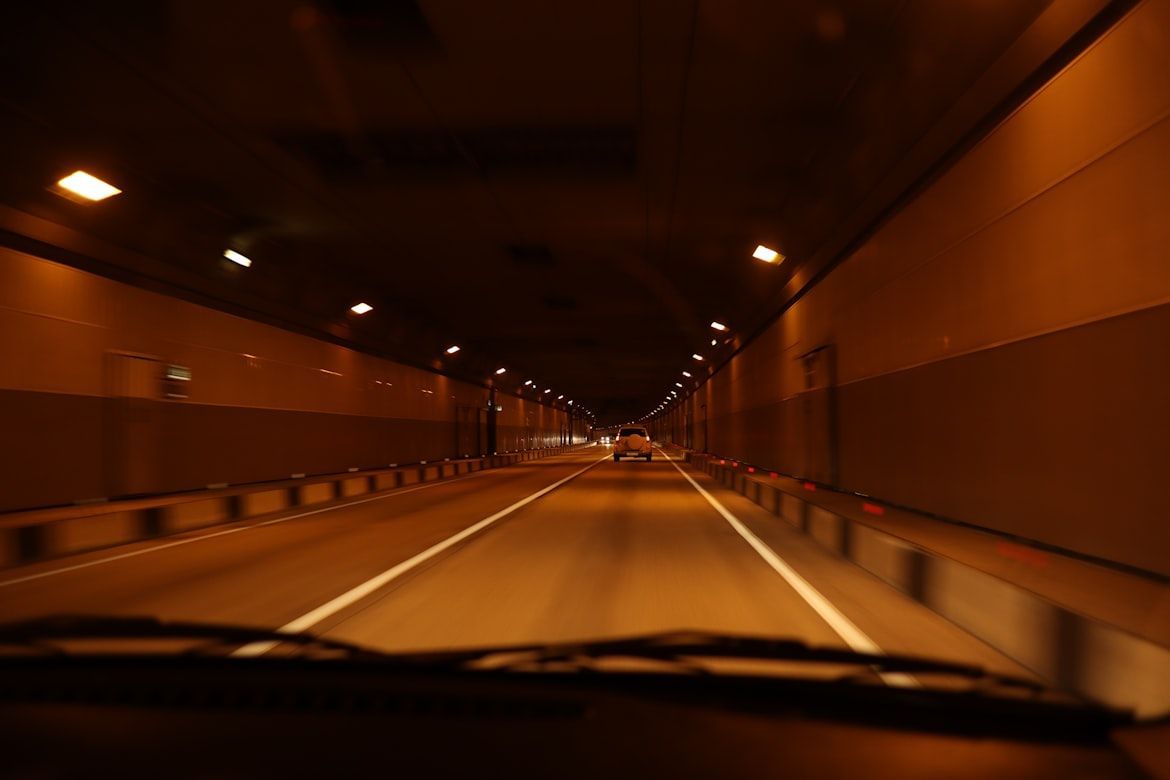
Image: Igor Tverdovskiy

The Eisenhower Tunnel on I-70 in Colorado is the highest vehicular tunnel in the United States , sitting at an elevation of 11,158 feet. It stretches 1.6 miles beneath the Rocky Mountains.

Built to improve winter travel across the Continental Divide, the tunnel is both a vital transportation route and an impressive feat of engineering, connecting the eastern and western regions of Colorado.

4
Shootout reenactments in Wyoming
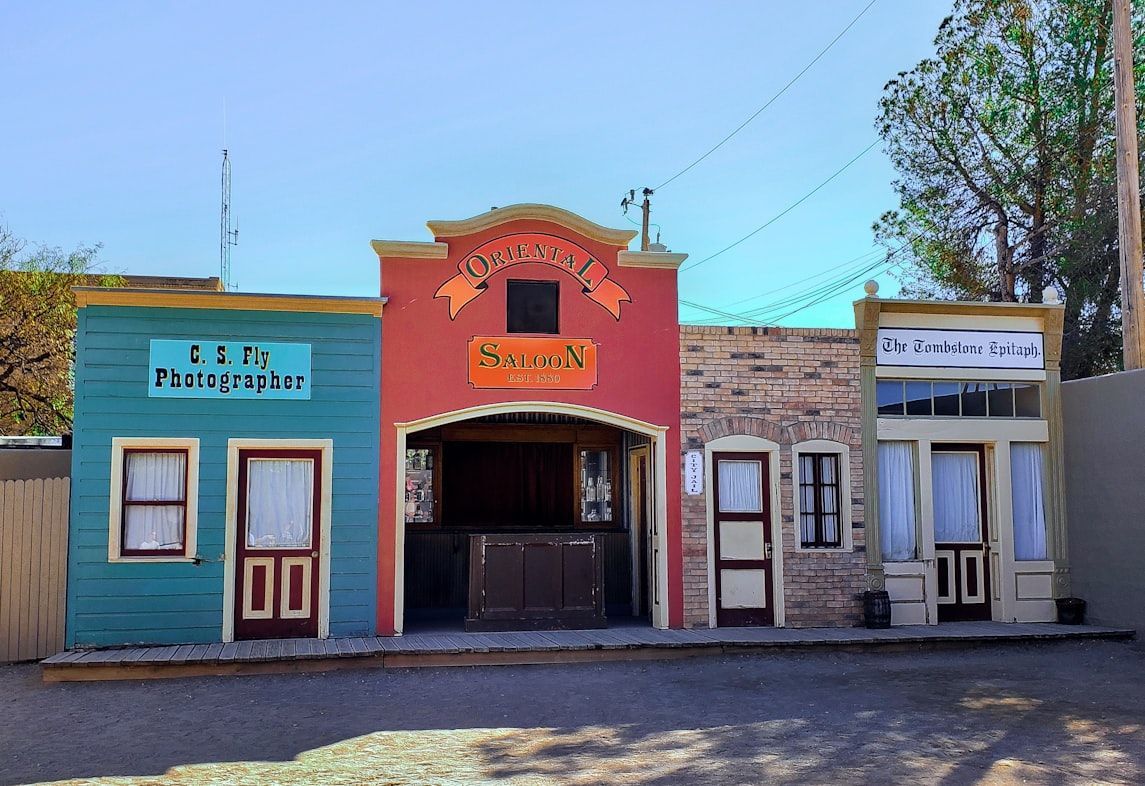
Image: Kevin Dunlap

Since 1957, Jackson Hole, Wyoming, has hosted the world’s longest-running shootout reenactment. It takes place six days a week in the town square. While the event doesn’t portray a particular historical shootout, it is still fun to watch.

The event runs from Memorial Day through Labor Day, Monday through Saturday, beginning at 6:00 p.m. each evening.

5
The world’s largest flat-top mountain is in Colorado
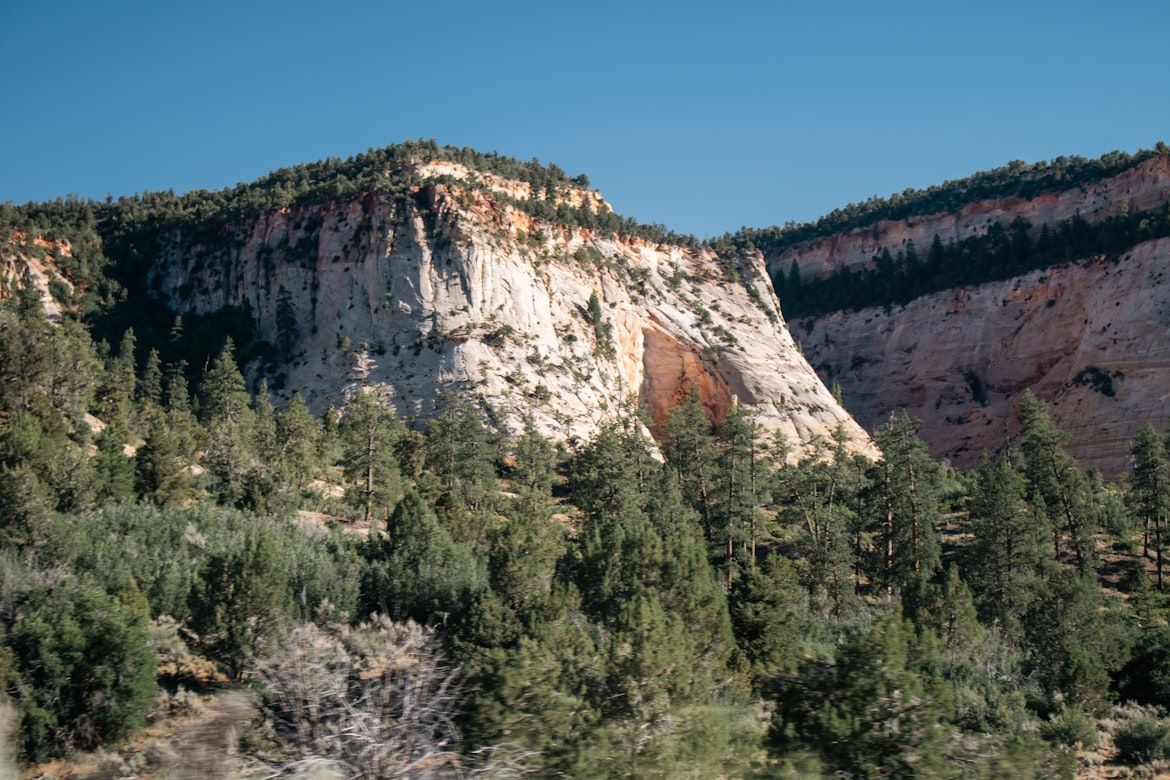
Image: Zoshua Colah

Grand Mesa, located in western Colorado, is the largest flat-top mountain in the world in terms of surface area . It spans over 500 square miles and rises more than 10,000 feet above sea level. The mesa offers sweeping views and breathtaking natural beauty.

The area is rich in forests, alpine lakes, and wildlife, making it a favorite destination for fishing, hiking, and skiing. It’s a must-see for nature lovers and outdoor enthusiasts.

6
Ghost stories from Wyoming

Image: Erik Müller

Yellowstone National Park—Wyoming’s most famous landmark—is said to be haunted. Over the years, many ghost sightings have been reported throughout the park.

The most well-known spirit is the Headless Bride , believed to be a young woman who was murdered by her husband-to-be . Readers will be relieved to know that the event never actually happened. The entire story is a famous piece of local folklore, albeit a very curious one.

7
Colorado once had 3 Governors in a single day
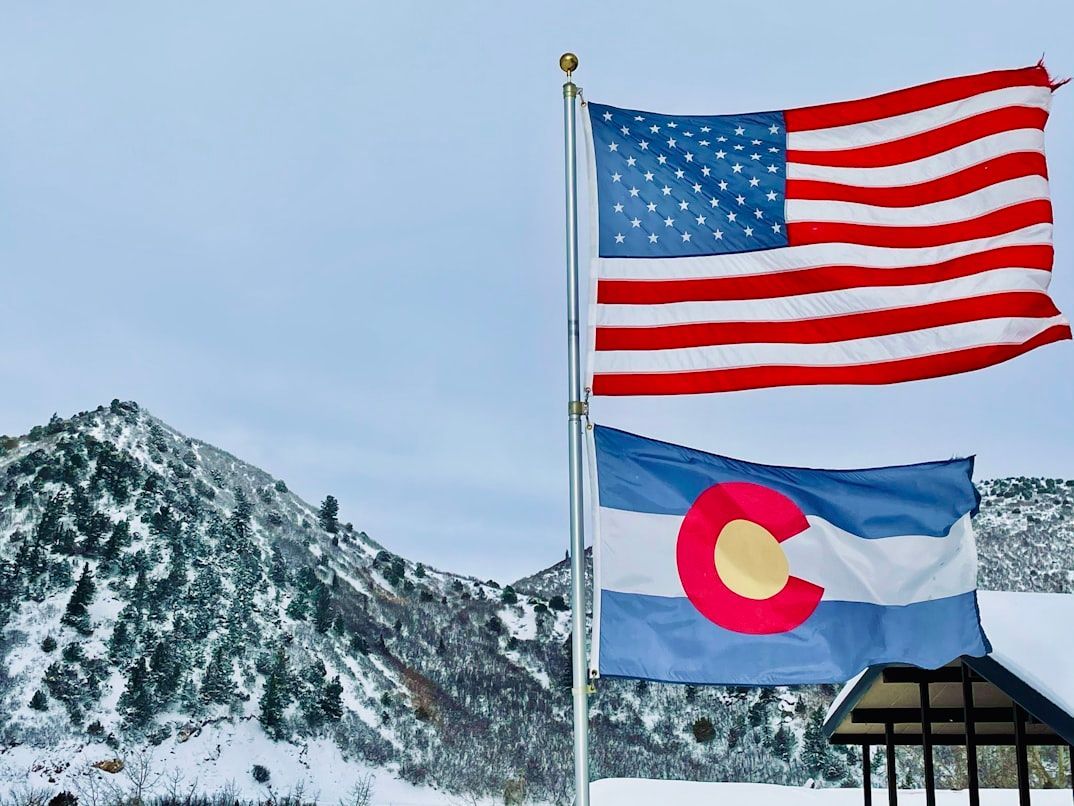
Image: Fr. Daniel Ciucci

On March 17, 1905, Colorado experienced a rare political event—three different governors held office in a single day. Alva Adams resigned after allegations of election fraud , including suspicious vote counts in his favor.

He was replaced by his opponent , James H. Peabody , who had contested the results. However, Peabody agreed to step down immediately—on the condition that his lieutenant governor, Jesse F. McDonald, would succeed him . And so, all three men held the governorship within 24 hours.

8
A parachuting daredevil landed atop Devil's Tower in Wyoming
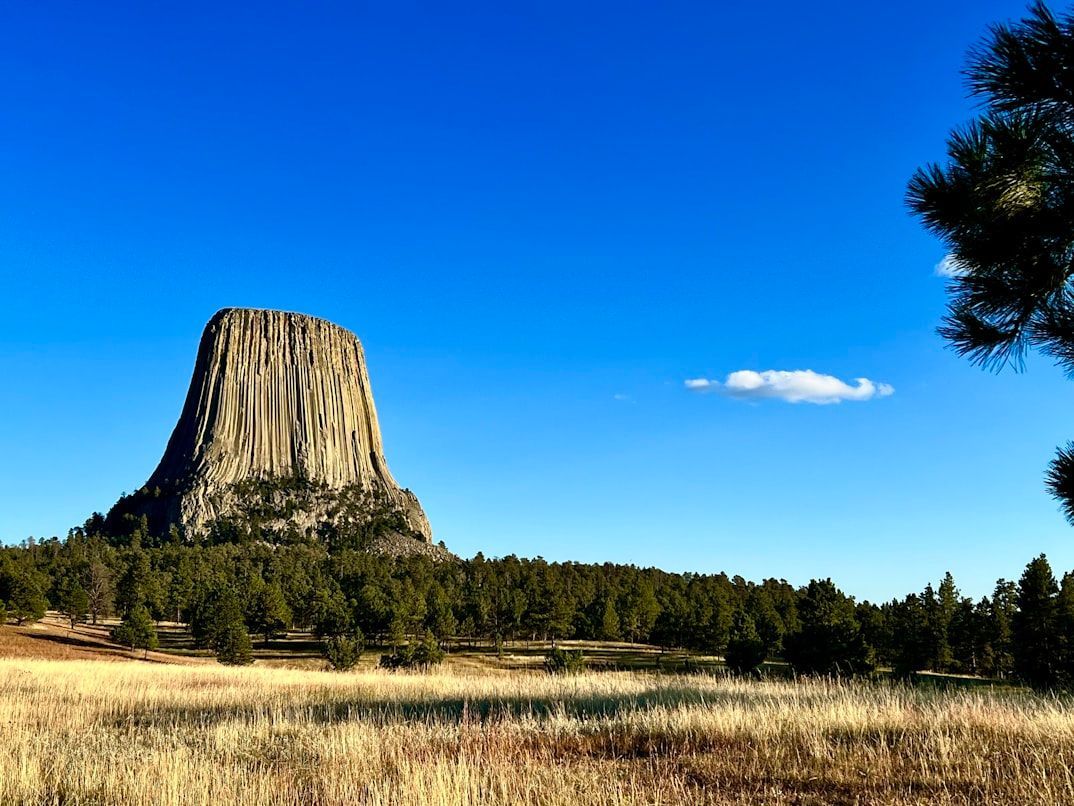
Image: Richard Hedrick

In 1941, George Hopkins parachuted from a plane onto the summit of Devil's Tower as a publicity stunt. However, his plan to descend by rope failed when the rope fell out of reach. Park officials kept him supplied with food while he was stranded for six days . Eventually, a team of seven climbers rescued him—while more than 7,000 spectators watched from below.

Today, the tower’s dramatic rock columns attract climbers year-round. All climbers must register and check in before and after their climbs. The site closes to climbers during the month of June out of respect for Native American cultural practices.

9
Colorado Rose Onyx can only be found in the state Capitol building
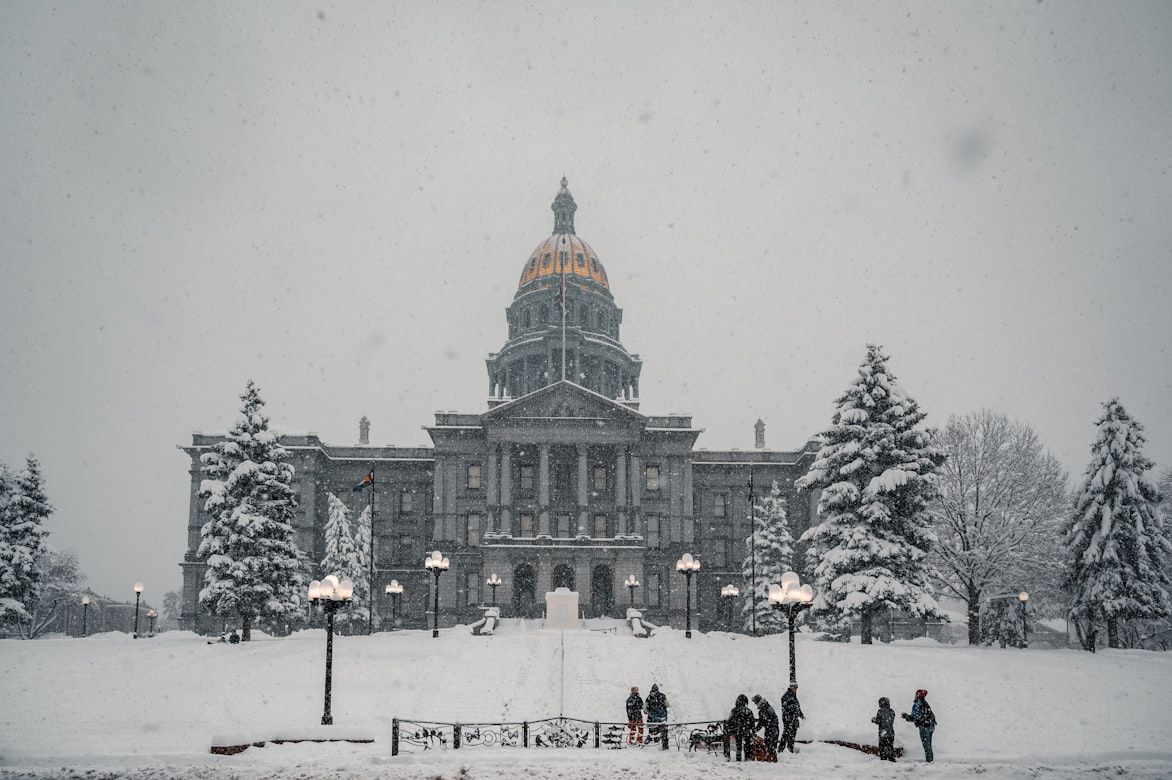
Image: Colin Lloyd

Colorado Rose Onyx is a rare decorative stone found only in Colorado . It was quarried in Beulah and used entirely in the construction of the Colorado State Capitol.

Because the entire known supply was used in the building, none remains available today—making it one of the rarest decorative stones in the world.

10
Wyoming King-size bed

Image: elhaaim

Most people are familiar with the California king-size bed, but few know that there’s also a Wyoming king-size bed. It measures 84 by 84 inches, making it a full foot wider than a California King .

Other oversized options include the Texas King and the massive Alaskan King, which offer even more space for those who want extra room to stretch out.

11
Mike, the headless chicken from Colorado

Image: James Wainscoat

In Fruita, Colorado, locals honor "Mike the Headless Chicken" with a festival and a statue. The odd celebration is rooted in a real event that occurred in 1945.

Farmer L.A. Olsen tried to behead Mike for dinner, but the chicken surprisingly survived . Remarkably, Mike lived for 18 months without a head.

12
A Wyoming town was sold for $900,000
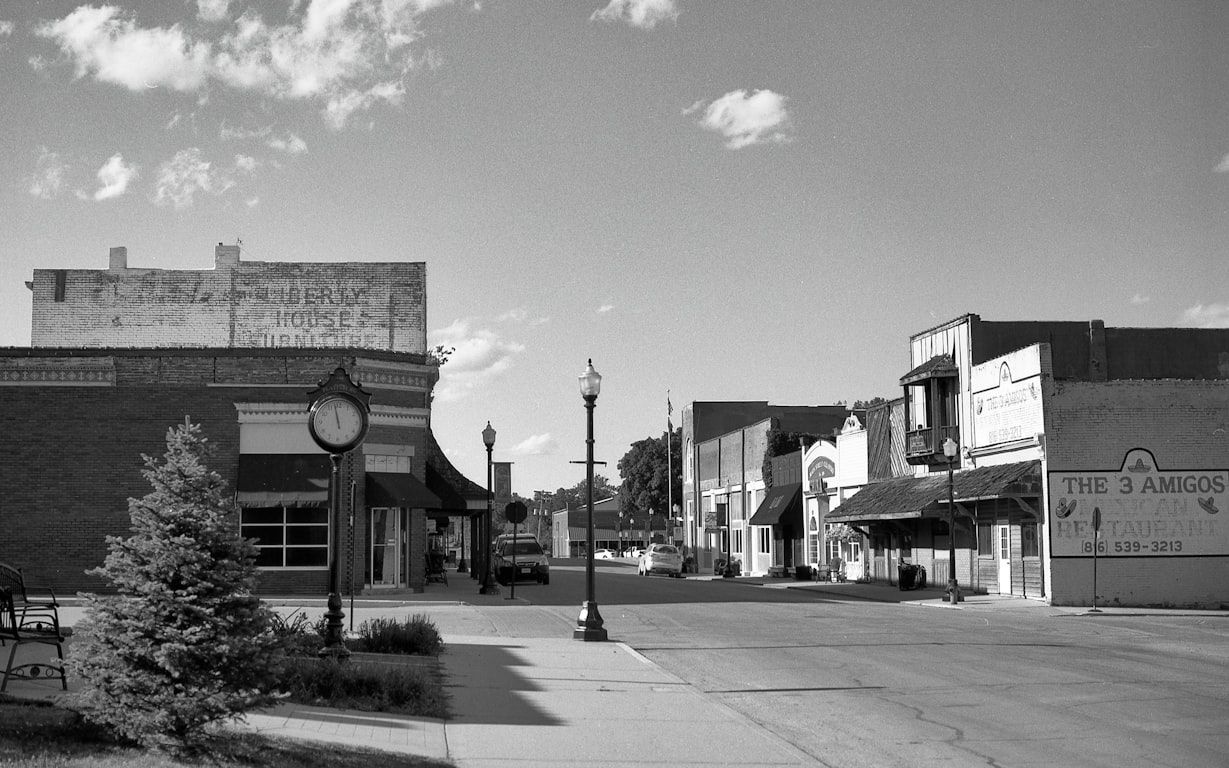
Image: MATHEW RUPP

Bufford, a Wyoming town, lost its residents over a span of 150 years through a classic combination of railroad rerouting, urbanization, and personal family life cycles. In 2016, the town, which had just one resident , was sold for $900,000 . The buyer was an anonymous Vietnamese businessman.

The 4-hectare town included a gas station, a store, and a home. Don Sammons, who moved there from Los Angeles in 1980, owned the whole town after his wife passed away.

History History 3 min read

Stars, stripes, and surprises

What's written on the back of the Declaration of Independence?

Image: Paul Weaver

The 4th of July is all about fireworks, parades, and patriotic pride, and for good reason! It marks the birth of our nation's independence. But the way to that historic day wasn't easy. It was full of challenges, quirks, and a few surprising twists. Did you know some Founding Fathers wanted to celebrate Independence on July 2nd? Or that there's actually something written on the back of the Declaration? Get ready to discover 10 fun and little-known facts about the 4th of July that might surprise you!

1
July 2nd

Image: Joe deSousa

In a letter to his wife Abigail, John Adams predicted that July 2nd would go down in history. Why? Well, because that's the day in 1776 when the Continental Congress voted in favor of independence from Great Britain. But while the vote happened on the 2nd, the Declaration of Independence wasn't officially signed until the 4th, so that's the date we celebrate!

2
Secret signers

Image: Pierre Bamin

The signing of the Declaration of Independence wasn't as simple as it might seem. In fact, signatures were added over time, from July to August. In addition, the names of the signers were kept secret from the public for six months! Why? Because if the fight for independence had failed, those who signed the document would have been labeled traitors, and under British law, that meant a punishment of death.

3
Washington invites

Image: phil cruz

In the middle of the Revolutionary War, 1778 marked the second anniversary of the Declaration of Independence. As Commander-in-Chief of the Continental Army, George Washington wasn't about to let the anniversary go unnoticed, so he ordered a double ration of rum for his soldiers to celebrate the holiday. Cheers!

4
Something written on the back

Image: Anne Nygård

There's actually something written on the back of the Declaration of Independence. This handwritten note appears upside down at the bottom of the back of the parchment, and it reads: "Original Declaration of Independence dated 4th July 1776." Just like we label the files we save on our computers today, it's believed they added the note to help identify the original document from other copies.

5
We are many more now

Image: Rob Curran

Many courageous people did everything they could to make the Independence dream a reality and help the nation grow. And it did grow! While there's no exact official data from that time, the US Census Bureau estimates that about 2.5 million people lived in America in 1776. By the most recent census in 2020, that number had grown to about 332 million!

6
John Adams' idea

Image: Jingda Chen

It's hard to imagine the 4th of July without the classic barbecues, parades, and -of course- fireworks lighting up the sky. But even though these traditions are now a staple, there was a first time for all of them. It's said that John Adams himself, in that letter to his wife Abigail, suggested using fireworks and illuminations to celebrate this important day.

7
Busy hospitals

Image: camilo jimenez

While fireworks are beautiful and help raise patriotic spirit during Independence Day celebrations, it's also true that they can sometimes be dangerous. In fact, it's been reported that hospitals see more patients than usual on July 4th due to fireworks-related injuries.

8
Thomas Jefferson's laptop

Image: Alicia Razuri

Of course, laptops didn't exist at the time of the drafting and signing of the Declaration of Independence, but that's a fun way to describe the lap desk Thomas Jefferson used to write it. That's right: The father of the Declaration of Independence didn't need a grand marble desk or anything fancy to put his ideas into words.

9
Surprising coincidences

Image: Thomas Park

The 4th of July isn't just the day America officially declared its independence; it also holds some incredible historical coincidences. On Independence Day in 1826, both Thomas Jefferson and John Adams died, exactly 50 years after the birth of the nation they helped create. Five years later, in 1831, James Monroe became the third president to die on the 4th of July.

But it's not all about endings: President Calvin Coolidge was born on the 4th of July, 1872, making him the only US president born on Independence Day.

10
Millions of hot dogs

Image: Ball Park Brand

It's clear we Americans love hot dogs, and for good reason! This iconic food is closely tied to one of the most important days in our nation's history. According to the National Hot Dog and Sausage Council (yes, that's a real thing), Americans typically eat around 150 million hot dogs on Independence Day alone. 150 million!

Geography Geography 5 min read

Do you know who was the "Father of the National Parks"?

Image: Rakshith Hatwar

Known for its cliffs, waterfalls, and forests, Yosemite National Park holds far more than meets the eye: ancient trees older than empires, rare creatures that survived the Ice Age, and natural phenomena so strange it feels like magic. Whether you climb its tall granite walls or trace misty trails through hidden valleys, Yosemite invites you into a world where history, wonder, and wilderness meet. Here are ten facts that prove why this iconic park remains one of Earth’s true treasures.

1
Father of the National Parks

Image: Amaury Gutierrez

John Muir was a Scottish-born naturalist who devoted his life to protecting the wilderness, especially the Yosemite Valley area. He wasn’t content to simply admire the towering cliffs and ancient trees; he wrote tirelessly, crafting essays, letters, and articles that stirred both the hearts of ordinary readers and Congress representatives.

Muir’s words painted Yosemite not just as a landscape, but as a sacred treasure worth safeguarding. His relentless advocacy culminated in 1890 with the creation of Yosemite National Park, a triumph that earned him the nickname "Father of the National Parks". Even today, his legacy whispers through the valleys, reminding visitors that one person’s dedication can change the course of history.

2
A hike for every adventurer

Image: Nick Herasimenka

Some trails are built to challenge your limits, while others seem designed to comfort your soul. For those hungry for adrenaline, the Half Dome hike is the crown jewel: a 14-mile round trip of punishing switchbacks, dizzying cliffs, and cables that pull you toward a summit where sky and earth blur into one endless horizon.

Yet, Yosemite is just as generous to the quiet wanderer. The Mirror Lake Trail offers a soft stroll through shaded forest, ending in still waters that hold Half Dome’s reflection like a painting on glass. Here, courage and calm walk side by side—proof that in Yosemite, the trail you choose always leads to wonder.

3
Sunshine and rain: the perfect mix

Image: Joshua Earle

Think of California as a desert with endless sunshine? Yosemite tells a different story! Yosemite Park’s climate shifts dramatically with the seasons, offering a rhythm as dynamic as its landscapes. Winter storms roll in with steady rains feeding rivers, swelling waterfalls, and covering the higher elevations in snow.

Summer, on the contrary, arrives almost bone-dry. This contrast creates the park’s natural pulse: meadows explode with wildflowers, waterfalls thunder with fresh snowmelt, and clear blue skies stretch endlessly above hikers and climbers. The result is a cycle that ensures Yosemite is alive and ever-changing, no matter the season.

4
Carved by ice

Image: Colin + Meg

Nearly a million years ago, colossal glaciers crept through the Sierra Nevada like rivers made of ice, reshaping everything in their path. Some towers of ice reached heights four times taller than the Empire State Building, grinding, carving, and polishing the granite beneath them.

Their patient work sculpted the valley into the sweeping U-shape we see today, framed by jagged peaks, polished domes, and sheer cliffs that rise like walls in a cathedral. What appears like it was always there is, in truth, the breathtaking result of nature’s artistry in motion.

5
Sequoias that look like giants

Image: Adrián Valverde

Yosemite is home to some of the most awe-inspiring trees on Earth. The giant sequoias tower over the landscape, sometimes growing taller than 250 ft and stretching over 30 ft across at the base.

Among these living giants, the Grizzly Giant in Mariposa Grove stands out as a true ancient marvel, estimated to be nearly 3,000 years old—making it older than many human civilizations and a silent witness to millennia of history. Walking among these colossal trees feels like stepping into a natural cathedral, where every trunk tells a story of time, endurance, and the sheer power of nature.

6
Waterfalls that reach for the sky

Image: Jeremy Lwanga

Picture yourself at the base of a waterfall so immense it could swallow nine Statues of Liberty stacked on top of each other. That’s Yosemite Falls, one of the tallest cascades in North America, plunging a mind-blowing 2,425 feet.

But that’s not all. In springtime, Yosemite transforms into a symphony of rushing water: Ribbon Fall hurls its silvery stream, Horsetail Fall shimmers like molten glass, and Nevada Fall thunders with unstoppable force. Each waterfall plays its own note, and together they turn the valley into a grand amphitheater, where water takes center stage and every visitor is swept up in the drama, power, and beauty of nature’s performance.

7
A camping trip that changed the park forever

Image: Underwood & Underwood, Public domain, via Wikimedia Commons

Sometimes, a single night spent in the outdoors can reshape the course of history. In 1903, naturalist John Muir invited President Theodore Roosevelt to a campout in Yosemite—no ceremony, no politics, only the crackle of fire, the chill of mountain air, and the vast sky overhead.

Immersed in the park’s untamed beauty, Roosevelt saw for himself what words alone could never capture. When he returned to Washington, with the beautiful scenery forever carved in his heart, he decided to place Yosemite Valley and the giant sequoias of Mariposa Grove under federal protection, securing a legacy of wild wonder that millions still experience today.

8
Rocks that catch fire at sunset

Image: Leo_Visions

It might seem like something conjured from a legend, yet Yosemite’s cliffs truly blaze with light. As the day draws to a close, the sun paints El Capitan and Half Dome in fiery shades of orange and crimson, giving their granite walls the illusion of burning from within.

But the park saves its most dazzling event for mid-February, when Horsetail Fall transforms into the legendary "firefall." For a few fleeting evenings, the angle of the setting sun ignites the waterfall into a glowing torrent of liquid flame. Photographers, travelers, and dreamers gather from all corners of the country to witness this ephemeral wonder. It lasts only moments, but its brilliance lingers in memory long after the light fades out.

9
A home for the rare red fox

Image: Ray Hennessy

Tucked away in the remote heights of Yosemite lives one of the park’s most extraordinary residents— the Sierra Nevada red fox. Rarely seen and shrouded in mystery, this small but resilient predator has roamed California’s high mountain ranges since the Ice Age. With a lineage stretching back thousands of years, it is both a living relic of the past and a symbol of survival in harsh alpine conditions. Its elusive behavior and ancient roots make every confirmed sighting feel like a glimpse into a secret chapter of natural history.

10
A nighttime rainbow

Image: Karl Anderson

If a daytime rainbow feels too normal, Yosemite unveils a secret reserved for the night: the moonbow. On crisp spring evenings, when the sky is clear and the moon is bright, its silvery light bends through the fine spray of the waterfalls. The result is a faint, shimmering arc —delicate, ghostly, and glowing against the darkness. This phenomenon is so rare that catching it almost feels like stumbling into a hidden doorway, where the ordinary world slips away and nature reveals one of its most magical illusions.

Explore more American facts

Choose your favorite category!

General
General

As American as apple pie—the very best America has to offer!

Culture
Culture

Delve into the astounding richness of American lore.

Geography
Geography

Hop in and explore vast and diverse American landscapes.

History
History

Discover the key moments that shaped the United States.