General General 5 min read

Why did the Artemis II astronauts wake up to Queen and John Legend?
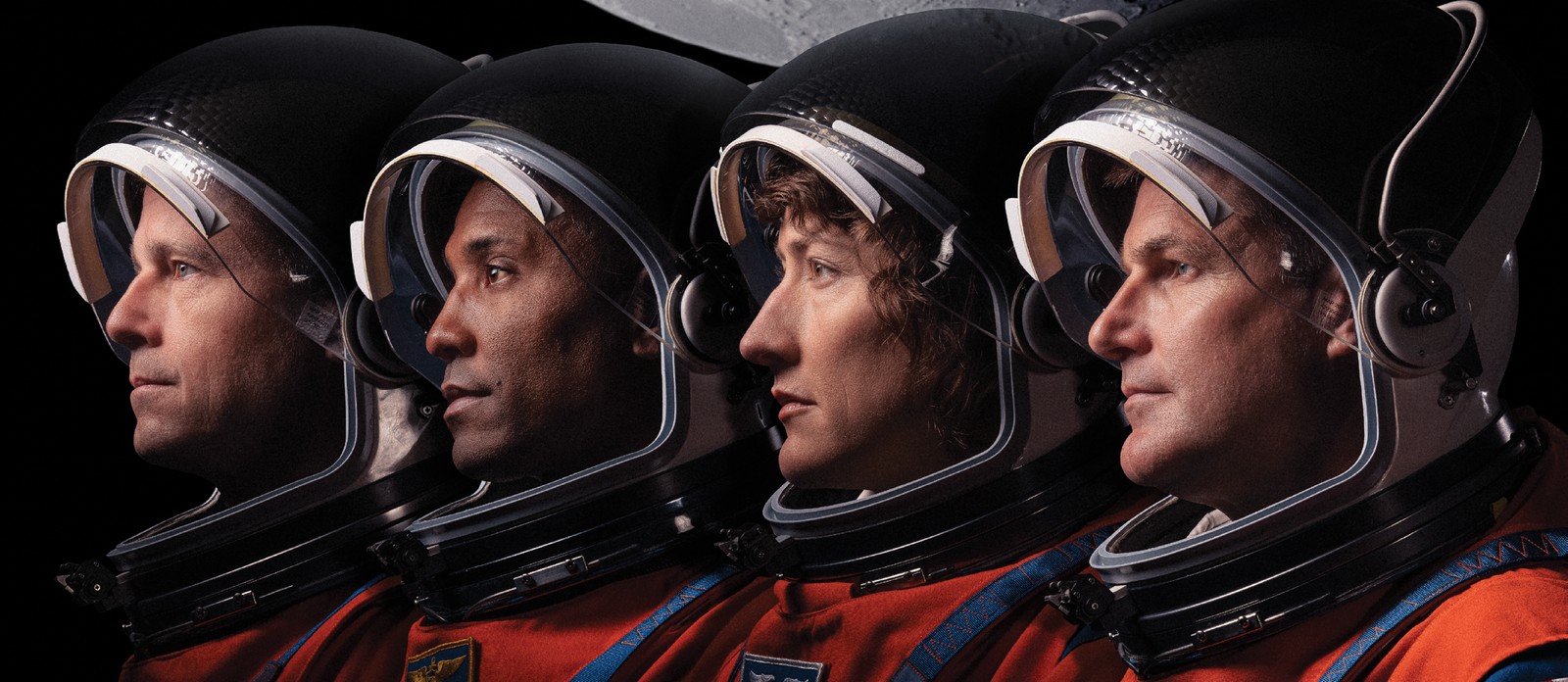
Image: NASA Headquarters / NASA/Daniel O'Neal, Public domain, via Wikimedia Commons

The tradition of the "wake-up call" is one of NASA’s most enduring legacies, stretching back to the Gemini missions of the 1960s. On April 1, 2026, NASA launched the Artemis II mission, sending four astronauts aboard the Orion spacecraft to the Moon and back. This historic flight, the first crewed lunar mission in over half a century, required a soundtrack that balanced the high-stakes precision of deep-space navigation with the sheer human wonder of seeing the Earth rise over the lunar horizon. In this article, we’ll go through the 10-track playlist the crew put together to wake up to and get moving each day.

1
Flight Day 1: "Sleepyhead" by Young & Sick
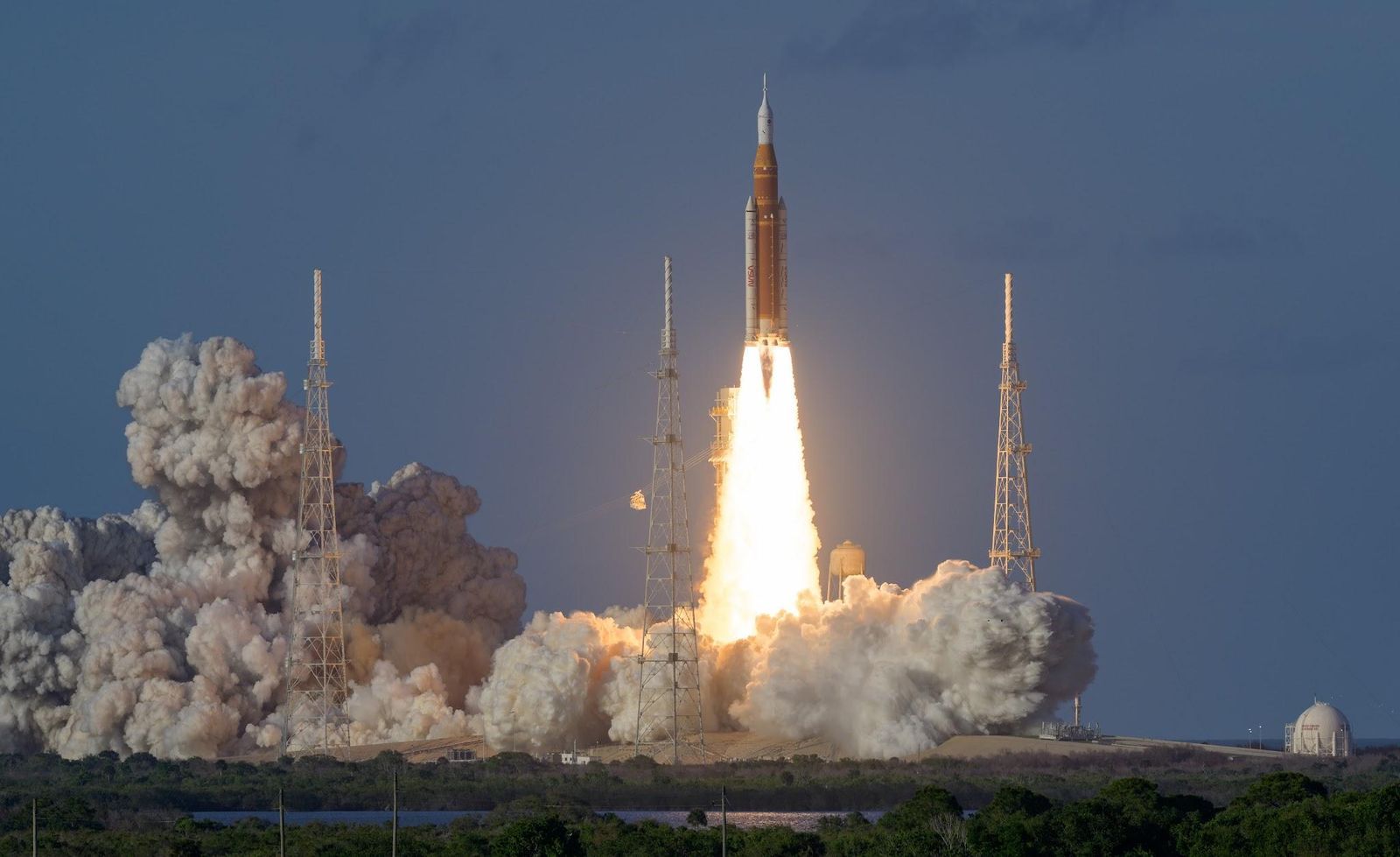
Image: NASA HQ PHOTO, Public domain, via Wikimedia Commons

The first morning in microgravity is notoriously disorienting. As the crew adjusted to the puffy face caused by fluid shifts and the novelty of floating out of their sleeping bags, "Sleepyhead" by the American band Young & Sick provided a fittingly ethereal backdrop.

The 2018 track’s swirling synths and falsetto vocals mirror the dreamlike quality of looking back at a receding Florida coastline from thousands of miles away. It’s a nice way to start a mission that is anything but gentle during the initial ascent.

2
Flight Day 2: "Green Light" by John Legend
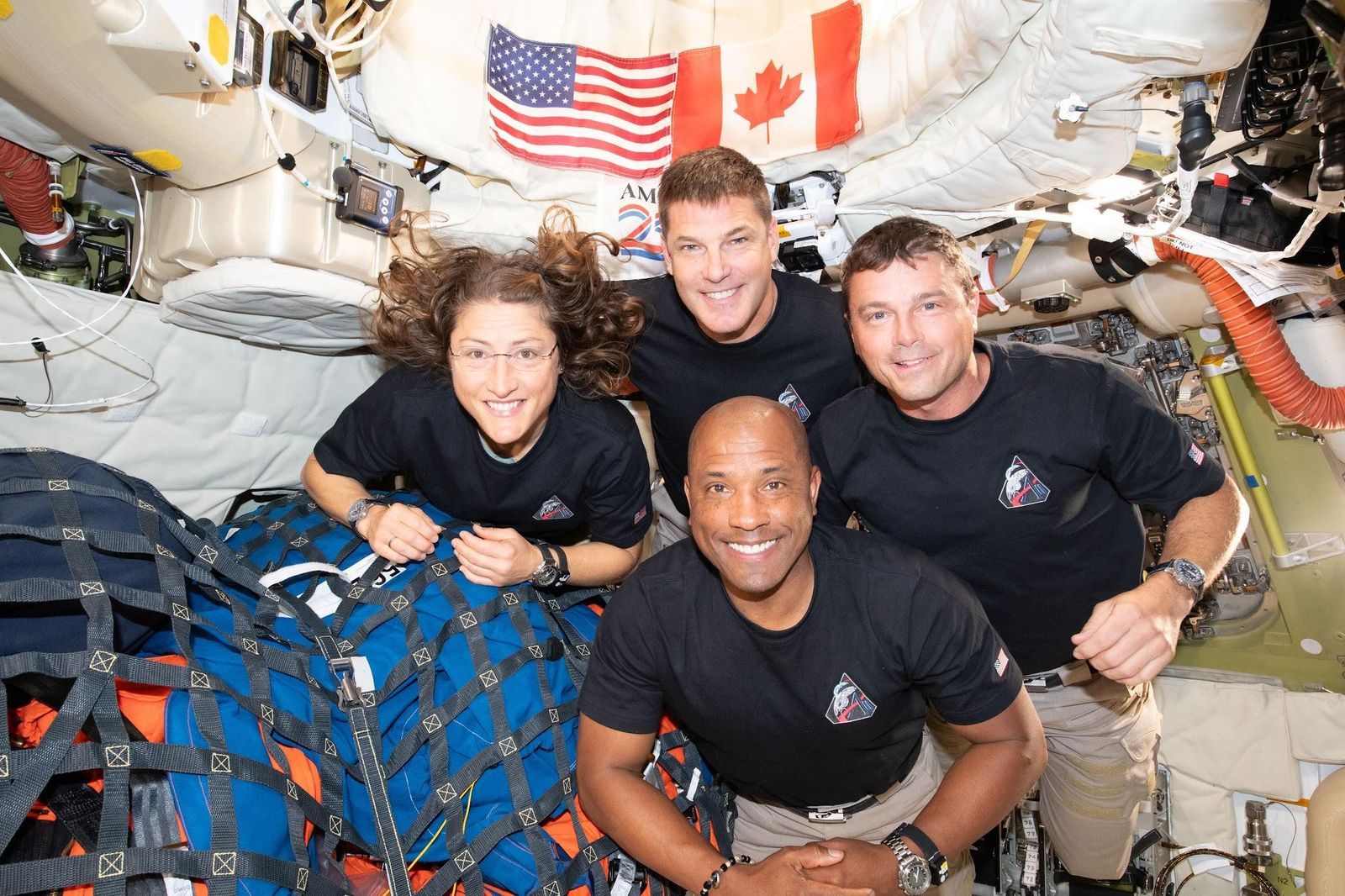
Image: NASA Johnson Space Center / NASA, Public domain, via Wikimedia Commons

By the second day, the adrenaline of launch begins to settle into the reality of the mission's objectives. "Green Light," a collaboration between John Legend and American rapper André 3000, served as the literal and figurative signal to get to work.

For the Artemis II crew, this funk-infused track, released in 2008, played as they performed the first critical proximity operations with the ICPS (Interim Cryogenic Propulsion Stage), testing Orion’s handling before the final "green light" for the Trans-Lunar Injection.

3
Flight Day 3: "In a Daydream" by Freddy Jones Band
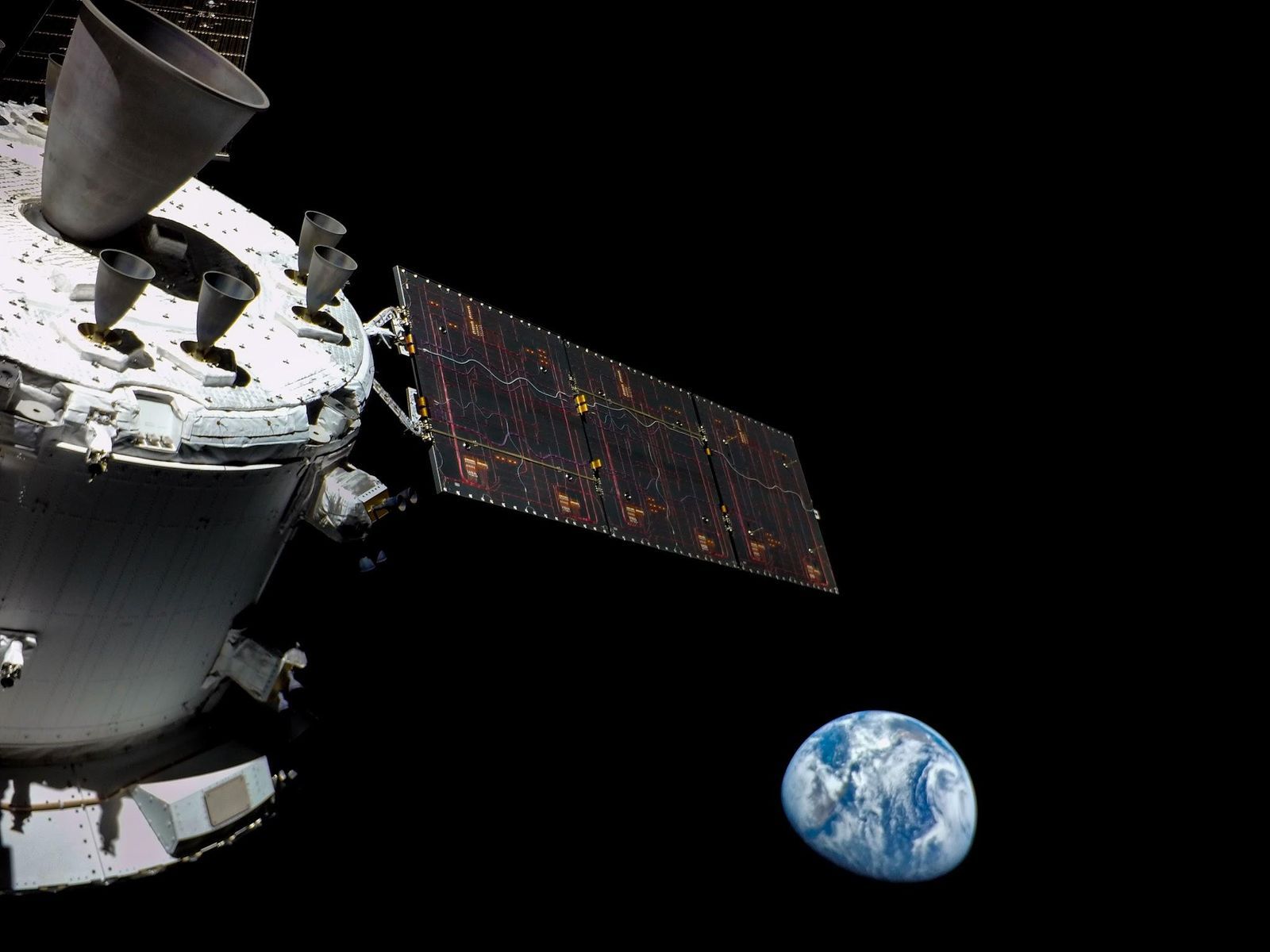
Image: Kevin M. Gill, CC BY 4.0, via Wikimedia Commons

As Orion moved further into the void, the Earth, seen through the window, began to shrink. The Freddy Jones Band’s 1993 rock hit "In a Daydream" captured the mid-transit vibe perfectly.

The song is famous for its guitar work and relaxed tempo. It evokes the feeling of being untethered—a literal reality for four humans traveling toward a destination that has remained unvisited for over 50 years.

4
Flight Day 4: "Pink Pony Club" by Chappell Roan
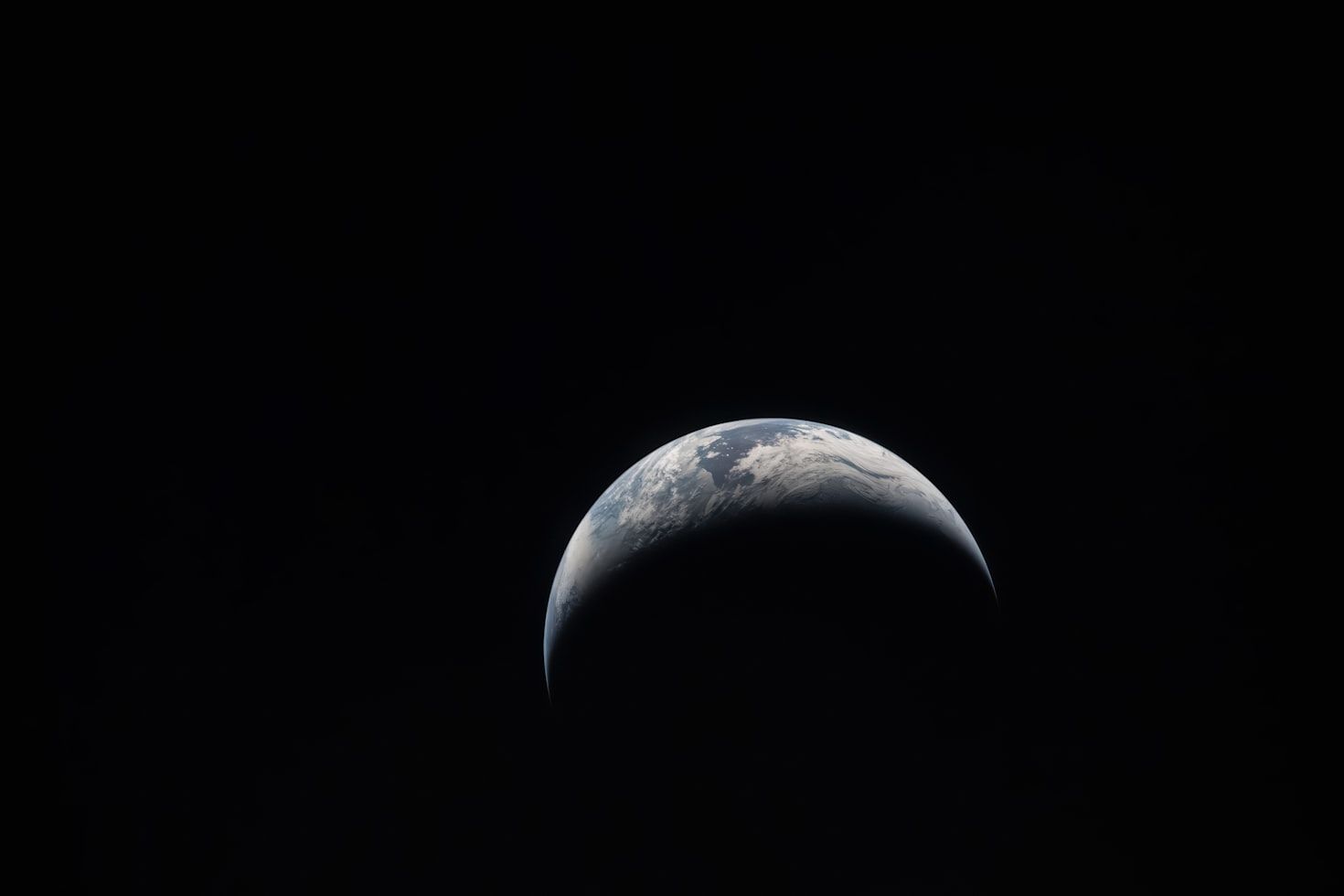
Image: NASA

In space missions, morale is a critical component. The inclusion of Chappell Roan’s 2020 cult hit "Pink Pony Club" brought a burst of high-camp energy and neon-drenched pop to the capsule.

Roan’s anthem about self-discovery and finding your place is a fan favorite on Earth, but it took on a new meaning in the stars. The contrast between the sterile, high-tech interior of Orion and the song’s lyrics about a shimmering dance floor in West Hollywood is the kind of humor and humanity that keeps a crew grounded while they are physically anything but.

5
Flight Day 5: "Working Class Heroes (Work)" by CeeLo Green
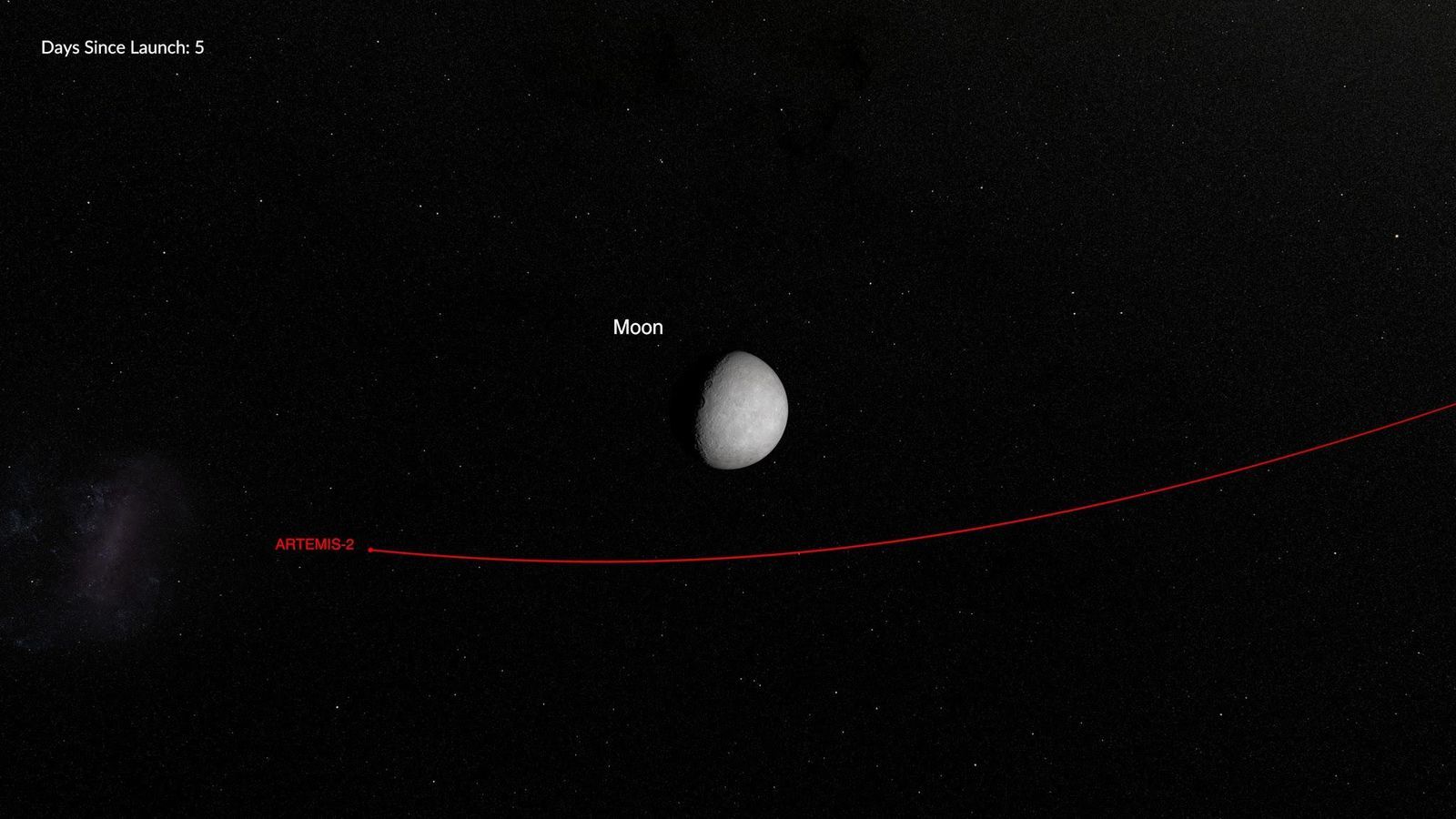
Flight Day 5 is the heart of the grind. Deep-space transit involves constant system checks, radiation monitoring, and exercise routines to prevent bone density loss. CeeLo Green’s 2015 "Working Class Heroes (Work)" served as the anthem for the mission's core. The track’s heavy beat and gospel-inflected vocals emphasize the dignity of labor; beneath the glory of the Moon mission is the hard, repetitive work of thousands of engineers on the ground and four highly trained professionals in the sky.

6
Flight Day 6: "Good Morning" by Mandisa, TobyMac
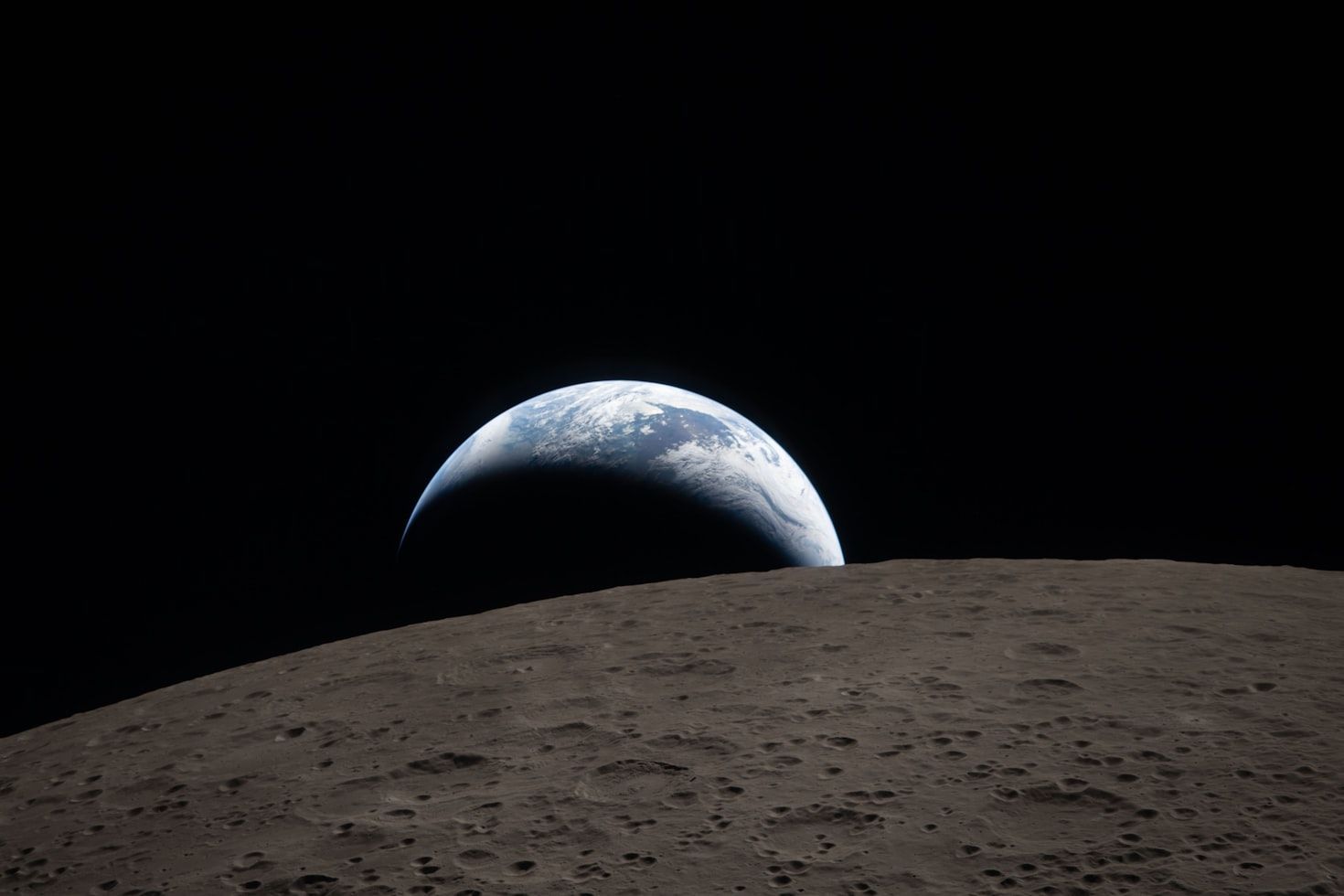
Image: NASA

As the crew prepared for the lunar flyby, they needed a jolt of pure optimism. Mandisa’s 2011 "Good Morning" is a blend of pop and gospel that is impossible to listen to without moving. Mandisa, a Grammy winner and American Idol alumna, often spoke about music as a tool for resilience, a quality the Artemis crew embodied as they crossed the threshold into the Moon’s gravitational sphere of influence.

7
Flight Day 7: "Tokyo Drifting" by Denzel Curry and Glass Animals
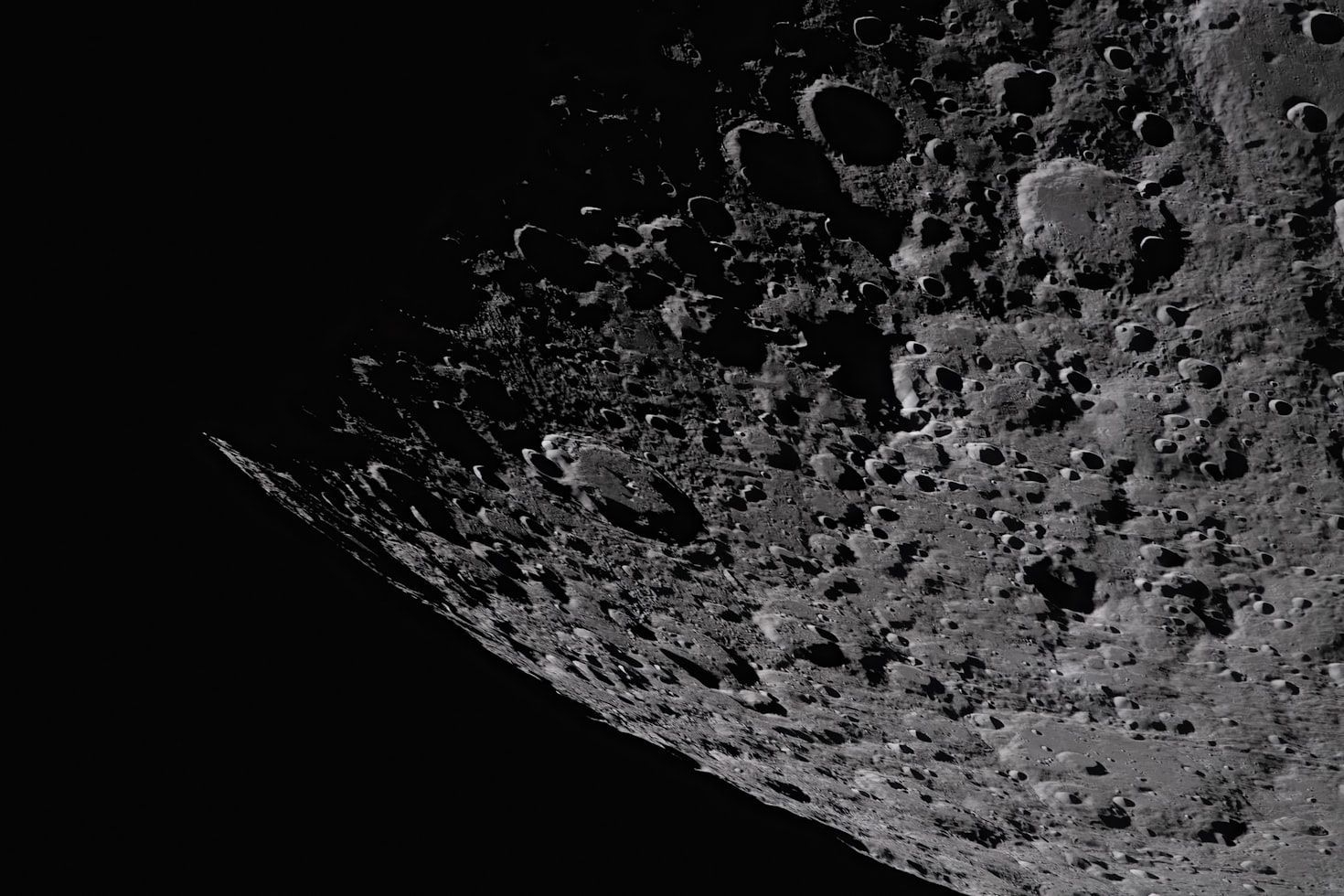
Image: NASA

The slingshot around the Moon is the fastest part of the journey. To match the velocity of a lunar gravity assist, the crew chose the frantic energy of "Tokyo Drifting." The brass fanfares and aggressive flow of the 2019 collaboration between Florida rapper Denzel Curry and British indie band Glass Animals provided the perfect sonic environment for the maneuvers as Orion whipped around the lunar far side, briefly losing communication with Earth.

8
Flight Day 8: "Under Pressure" by Queen and David Bowie
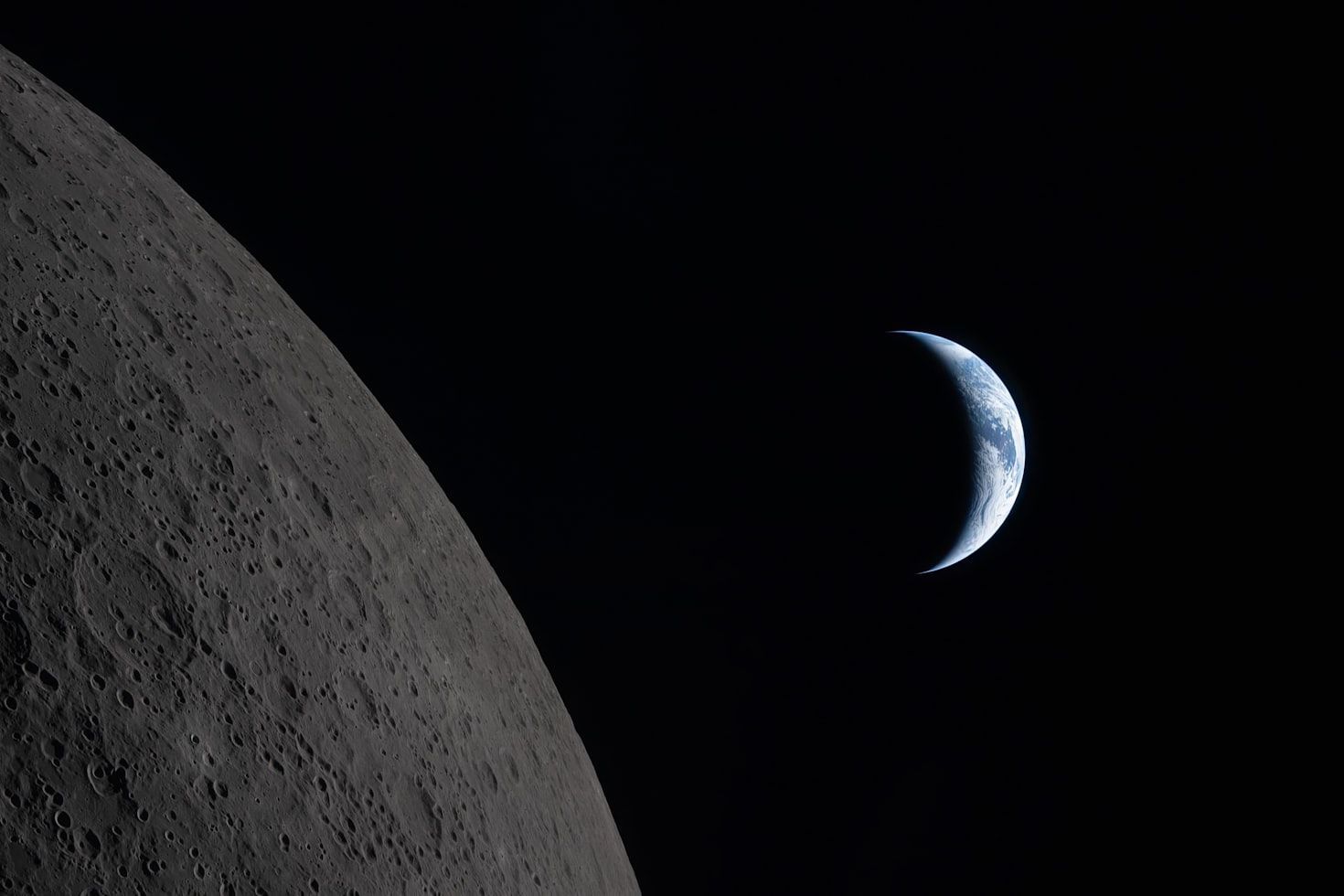
Image: NASA

As Orion turned its nose back toward home, the reality of reentry began to emerge. There’s probably no song in rock and roll history that captures the tension of high-stakes environments better than "Under Pressure" by Queen and David Bowie (1981). The song’s message of empathy and humanity in the face of immense stress is a fitting tribute to the international cooperation that made the Artemis program possible.

9
Flight Day 9: "Lonesome Drifter" by Charley Crockett
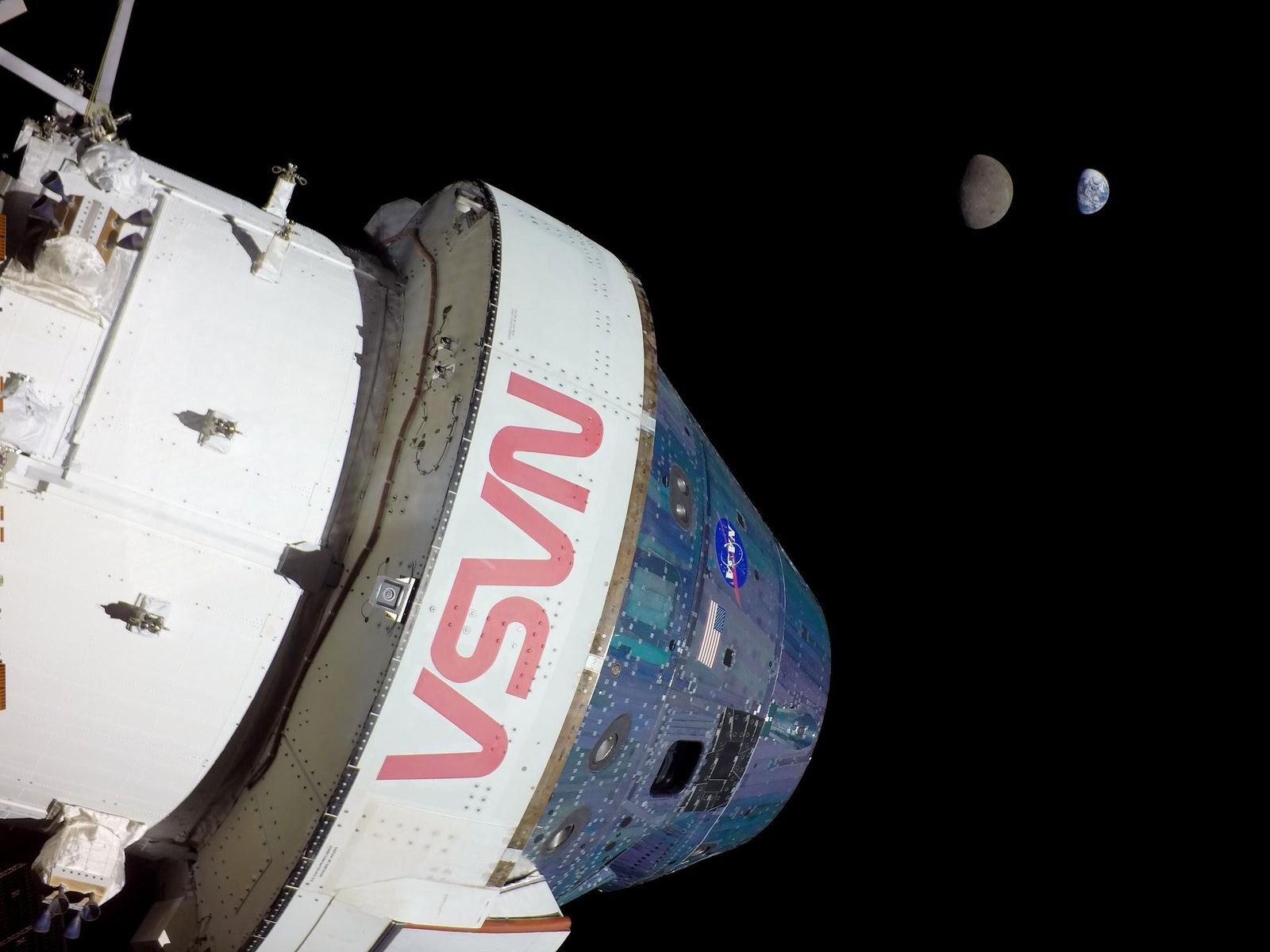
Image: Kevin M. Gill, CC BY 4.0, via Wikimedia Commons

The pen-ultimate day of the mission is often a reflective one. Looking back at the Moon while the Earth grows larger in the forward view creates a unique sense of isolation and belonging. Charley Crockett’s "Lonesome Drifter" (2025) provided the neo-country soul necessary for this moment. Crockett’s music often deals with wandering and the search for home. His deep, baritone voice echoing through the Orion cabin emphasized the lonely nature of the long trip back across the cosmos.

10
Flight Day 10: "Run to the Water" by Live
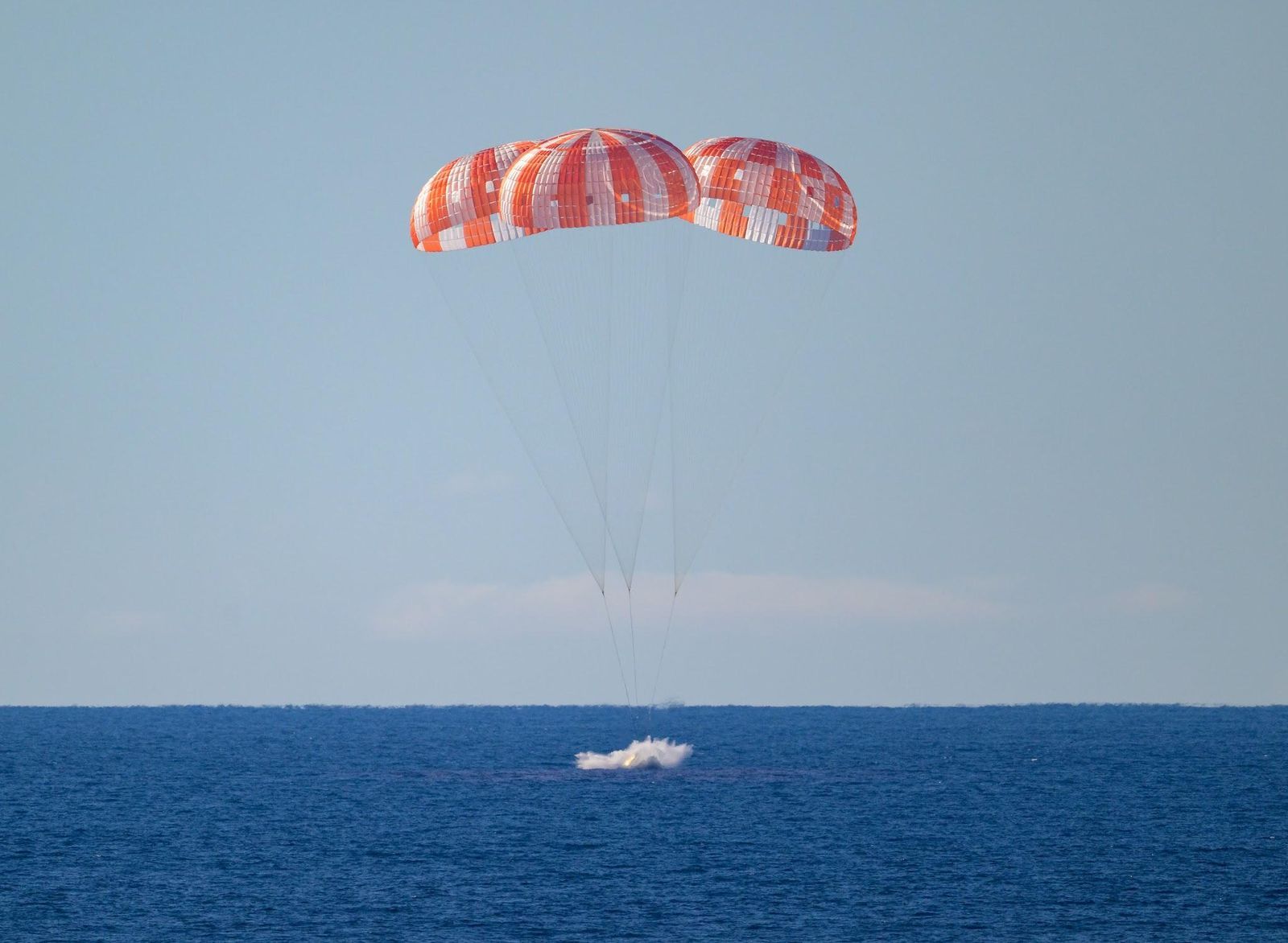
Image: NASA, Public domain, via Wikimedia Commons

The final wake-up call of the mission was a literal instruction. As Orion plummeted through the atmosphere at Mach 25, 2026, aiming for a precision splashdown in the Pacific Ocean, the 1999 hit "Run to the Water" by Live signaled the end of the journey. The song’s soaring chorus and themes of return and renewal coincided with the deployment of Orion’s eleven parachutes. After the capsules finally hit the water, the crew returned to their families, bringing a new era of lunar exploration back to Earth.
History History 4 min read

Dystopian spoilers ahead

No Michael J. Fox as Marty McFly? 12 films nearly turned out differently

Image: Roger Ce

It’s hard to imagine classic movies with different stories or characters than the ones we know today, but there are many examples of Hollywood blockbusters that were originally supposed to be very different—and, thanks to wise (or accidental) decisions, were changed for good. Imagine Back to the Future without Michael J. Fox, or a version of Jaws where the shark swims away. It sounds wild, but it nearly happened. Here are some surprising what-ifs from iconic films that just missed the cutting room floor.

1
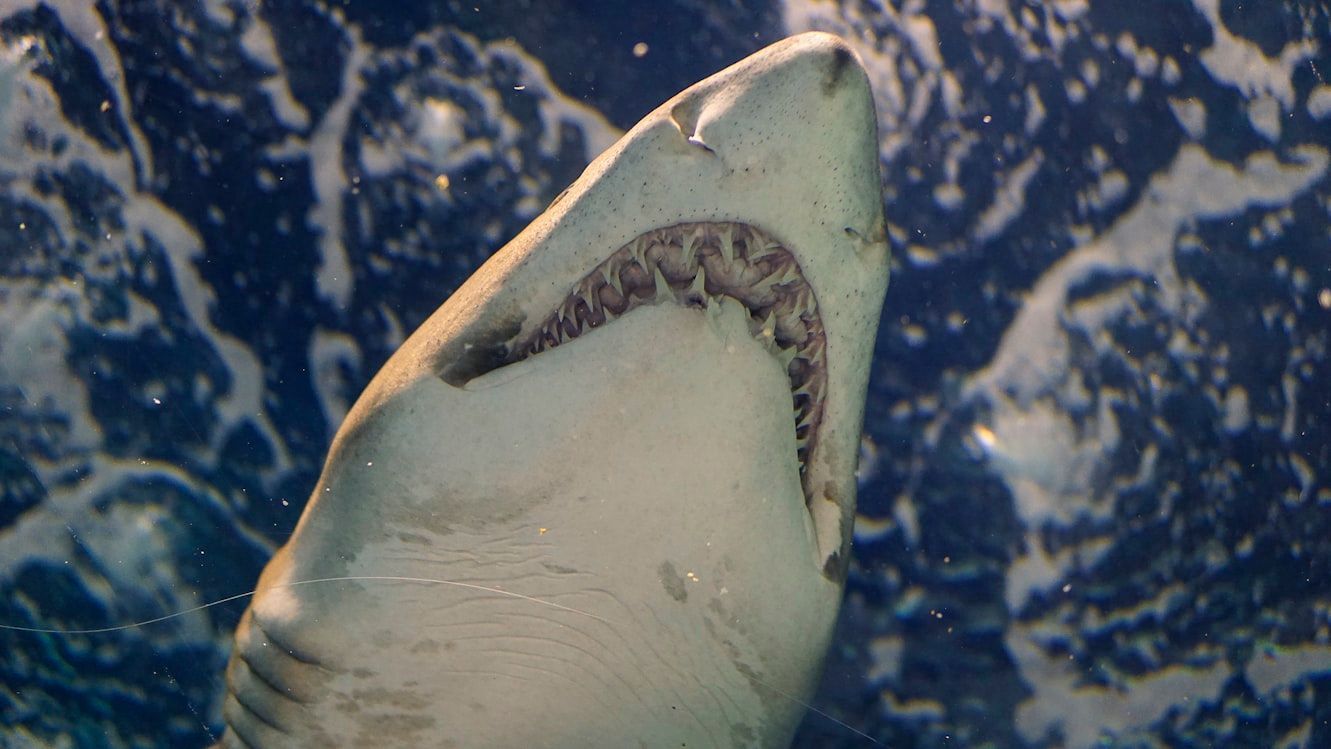
More Jaws

Image: Karen Zhang

One early idea for the Jaws ending involved not one shark, but several . After the first was killed, Brody would’ve seen more fins approaching , hinting the threat wasn’t over.

Another scrapped version, closer to the novel, had the shark drift away after being harpooned, leaving Brody alone at sea. Both endings were dropped in favor of the explosive finale we know today.

2
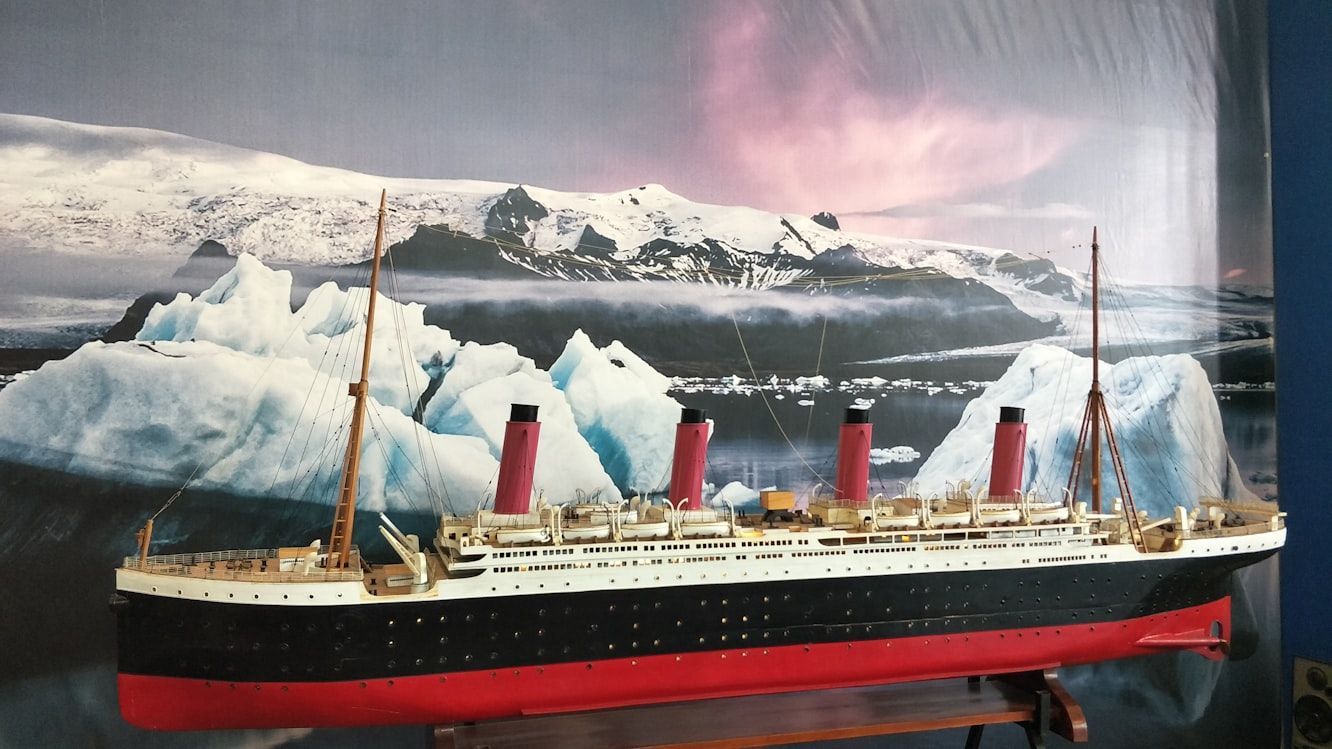
Titanic’s Jack & Rose

Image: Edwin Petrus

Claire Danes, best known at the time for Romeo + Juliet , turned down the role of Rose in _Titanic_—and says she has "no regrets" today. It’s tough to picture anyone but Kate Winslet in that part.

Matthew McConaughey also came close to playing Jack. He was confident he had the role, but Leonardo DiCaprio ultimately got it.

3
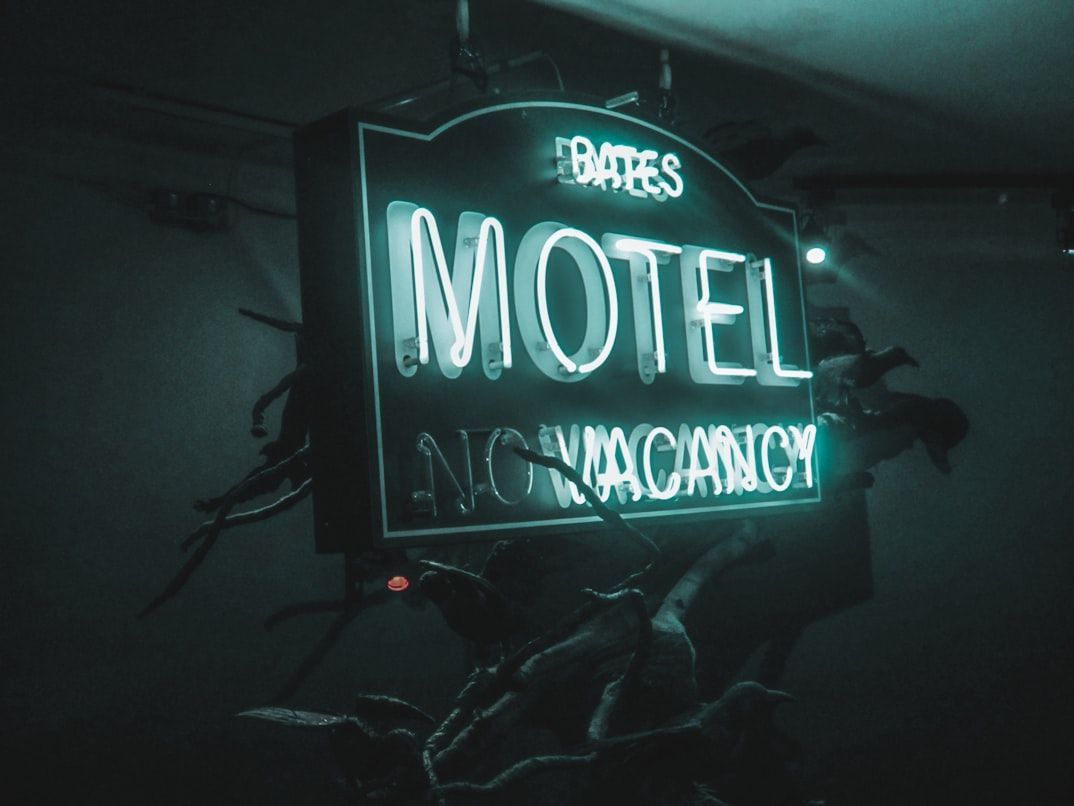
Psycho, in Technicolor

Image: Maxime Roedel

These days, many assume Alfred Hitchcock shot Psycho in black and white for artistic or symbolic reasons. It turns out that it was just a budget issue .

Paramount found the concept too "distasteful," so Hitchcock financed the film himself. Despite its now-legendary status, the studio initially gave it only a limited release.

4
When Harry Almost Didn’t Meet Sally

Image: Nur Fadhillah Fajarudeen

Director Rob Reiner began When Harry Met Sally after his divorce, feeling cynical about love. Originally, the film was written so that Harry and Sally would remain just friends.

But during production, Reiner fell in love again—and changed his mind. The ending was rewritten so the two characters end up together , giving the rom-com its iconic, heartwarming finish.

5
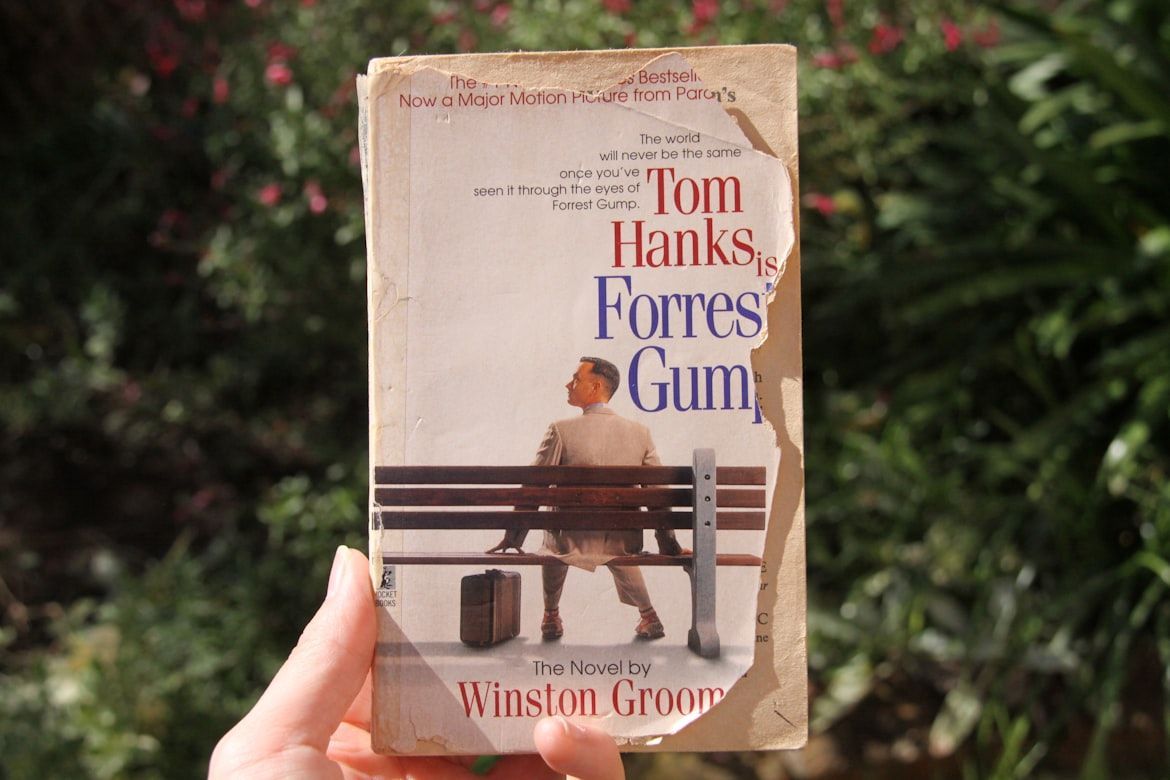
Saturday Night Gump

Image: Yosuke Ota

Believe it or not, John Travolta was originally offered the role of Forrest Gump —but he turned it down, and the part went to Tom Hanks instead.

Still, Travolta went on to star in Pulp Fiction , which became a huge hit, so in the end, it worked out for everyone.

6
Pretty Sad Woman

Image: Krists Luhaers

The original Pretty Woman script—titled _3000_—was a dark drama about sex work, ending with Edward leaving Vivian. It had little romance or humor and was meant to serve as a cautionary tale.

Al Pacino and Michelle Pfeiffer once auditioned, but things changed after Julia Roberts and Richard Gere were cast. Their charm shifted the tone, and rewrites led to the romantic ending we know today.

7
The Slaptrix

Image: Markus Spiske

Will Smith was originally offered the role of Neo but turned it down. He has since praised Keanu Reeves’s performance in The Matrix and admitted he would have ruined the film.

Smith's a great actor, but it's tough to picture anyone but Reeves as Neo, dodging bullets in slow motion.

8
Fatal Attraction

Image: Pawel Janiak

Screenwriter James Dearden disliked the altered ending to Fatal Attraction . Originally, Alex framed Dan for her murder, but test audiences didn’t like it .

As a result, the team reshot the film’s climax, giving Alex a more conclusive fate. The new version offered clearer consequences and closure, making it far more satisfying for viewers.

9
Ghost Smashers

Image: Viktor Forgacs

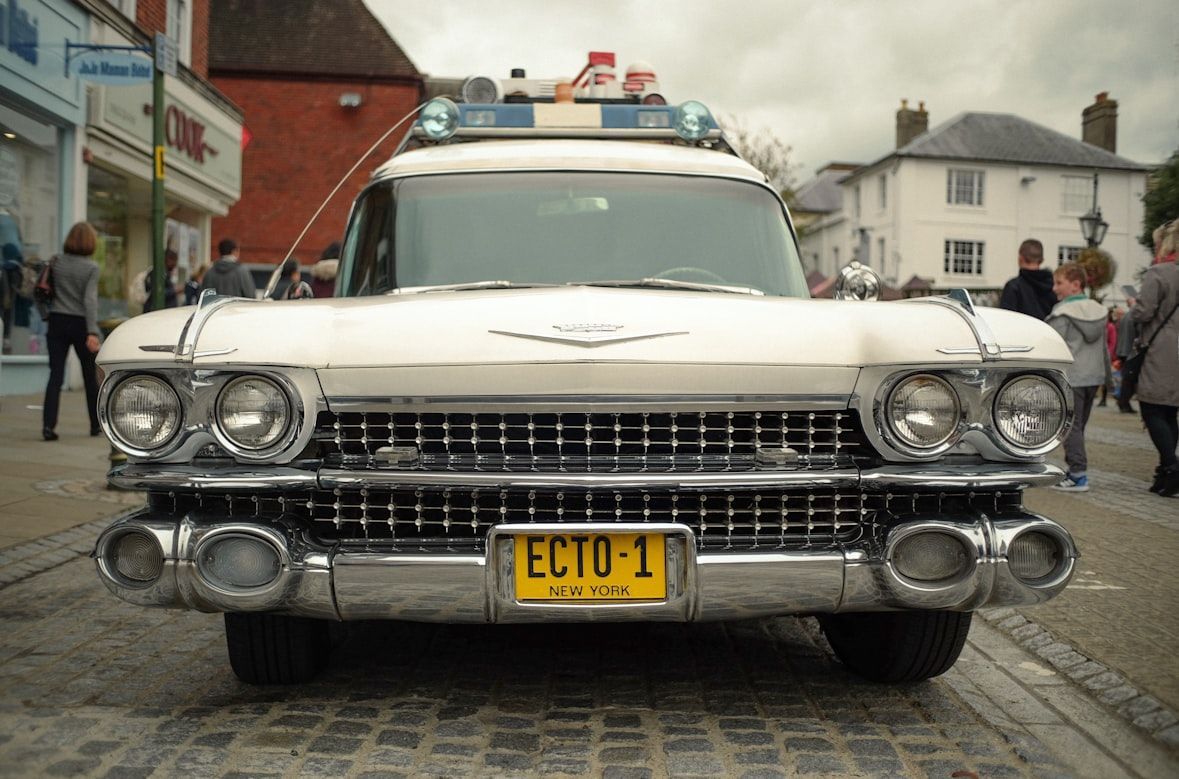
Dan Aykroyd’s original Ghostbusters concept—called _Ghost Smashers_—was a wild sci-fi adventure involving time travel and dimension-hopping .

Filmmakers simplified the story, shifting the focus to ghost-catching instead. That change transformed it into the hilarious, iconic classic we know today.

10
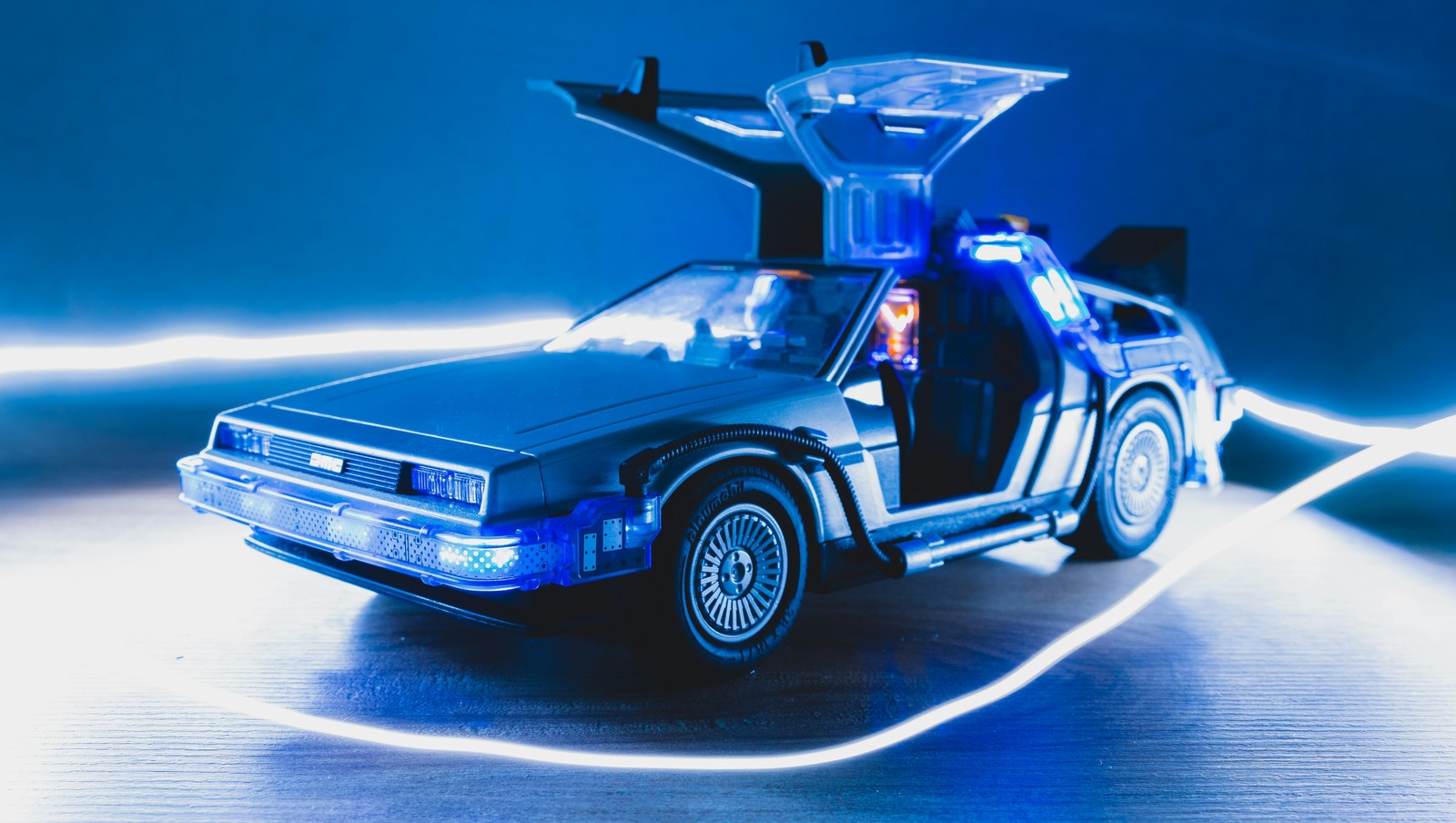
No Marty McFly

Image: Roger Ce

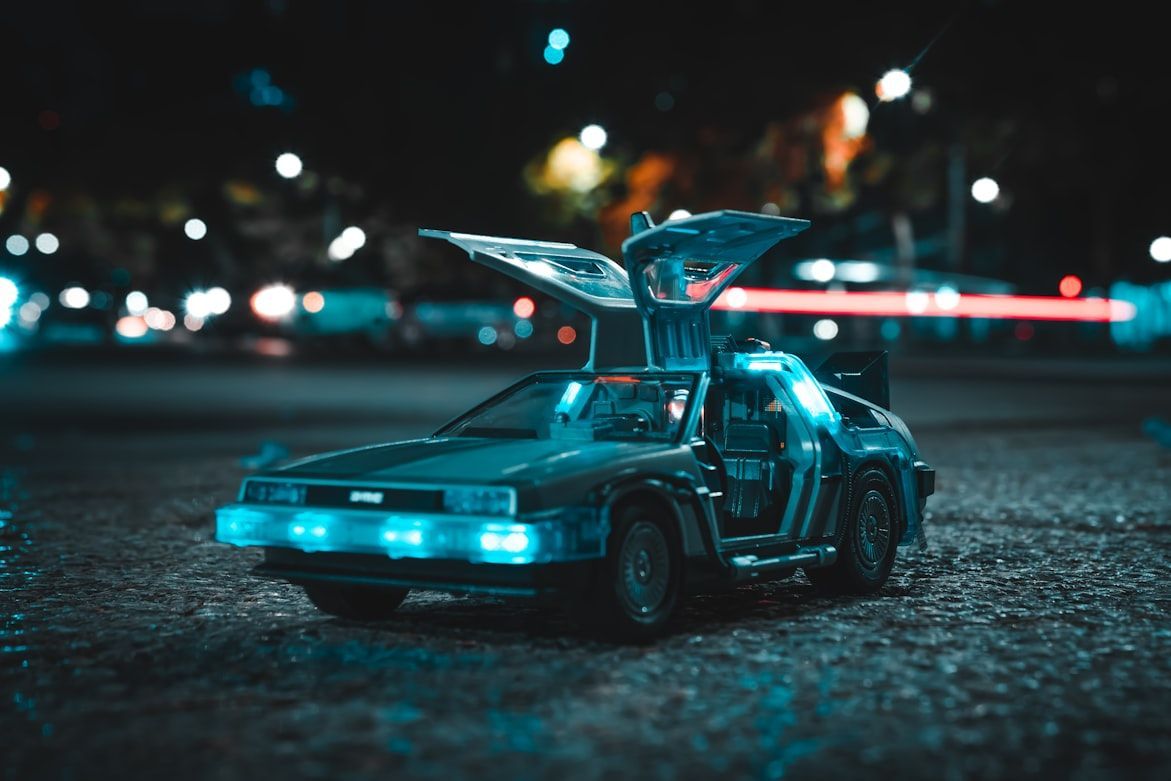
Eric Stoltz was originally cast as Marty McFly in Back to the Future, and even filmed several scenes. However, director Robert Zemeckis and producer Steven Spielberg felt that Stoltz didn’t embody the comedic, fun-loving spirit they were looking for.

As a result, Michael J. Fox was brought in to play the iconic Marty—and the rest is history. It’s hard to imagine the film without Fox’s perfect balance of humor and charm.

11
No Michael Corleone

Image: Enrique Bancalari

Al Pacino nearly missed out on playing Michael Corleone in The Godfather . Director Francis Ford Coppola had doubts about Pacino’s fit for the powerful role, and stars like Jack Nicholson and Robert Redford were also considered .

Luckily, Pacino was cast, and his intense, layered performance became iconic. His portrayal added depth that helped make the film a lasting classic.

12
Gone With No Lead Actress

Image: micheile henderson

Gone With the Wind began filming without a lead actress, and Clark Gable was reportedly less than thrilled when Vivien Leigh was finally cast as Scarlett O’Hara.

The production faced creative clashes, including pushback on the film’s tone and even Rhett Butler’s famous line. Fortunately , "Frankly, my dear, I don’t give a damn" stayed in .

General General 5 min read

How did a slogan turn a fast-food order into a promise of total control?

Image: Sergiu Bretea

One of the world’s most famous slogans came from a death row sentence . Another arose from observing soldiers eat chocolate that wouldn’t melt during the Spanish Civil War. And one turned a fast-food order into a promise of total control. Check out these 10 slogans and the incredible secrets behind them.

1
I’m lovin’ it

Image: PhotoGranary02

McDonald’s tapped into the 2003 zeitgeist with its slogan "I’m lovin’ it," one of its most enduring campaigns. It also has a catchy tune originally produced by Pharrell Williams, and Justin Timberlake was paid millions to sing the first radio edit and make it cool.

The catchphrase hits home because it focuses on happy emotions we can all relate to. The active grammar of "I’m lovin it", instead of the passive "I love it", implies an ongoing pleasurable experience, not just one isolated bite .

2
Just do it

Image: Robert Way

How many times have we renewed our New Year’s resolutions, promised to start going to the gym, or get outdoors as soon as spring arrives? But actualizing our ambitions isn't as easy as it sounds.

That’s exactly what Nike captured so well in its iconic slogan, "Just do it", because it motivates action, inspiring a resilient and go-getter attitude. But the origin story is darker than most people know. It was Gary Gilmore, a convicted murderer, who uttered the words "Let’s do it" before his execution in 1977 . Advertising executive Dan Weiden later said that that blunt line inspired the slogan.

3
Maybe she's born with it, maybe it's Maybelline

Image: Mustday

It’s natural to wonder about the beauty secrets of celebs or people we know. They could be genetics, a healthy lifestyle, or a skin-care routine. Whatever it may be, when we admire someone’s look, we want to find out how they do it.

That’s why this slogan, introduced in the 1990s by the cosmetic brand, works so well. It cleverly leaves room for doubt: maybe it’s natural beauty, or maybe it’s the product . Either way, it connects directly to the desire for effortless, flawless beauty.

4
Think different

Image: Hadrian

Who hasn’t felt different at some point? And being different is often perceived as a negative. Apple flipped the idea, asserting that those who don’t fit in are the ones who change the world ; they are the true visionaries, the rebels and the geniuses.

This two-word slogan, "Think different", used by Apple from 2002 to 2007 and created by art director Craig Tanimoto, appeals not just to what you buy, but to who you become by buying it . The audacious campaign even invoked such history-making icons as Albert Einstein and Martin Luther King Jr. It’s also believed to be a response to IBM’s "Think," adding boldness by even breaking grammar rules (since "Think differently" would be technically correct).

5
Like a good neighbor, State Farm is there

Image: JHVEPhoto

Have you ever run out of sugar and knocked on your neighbor's door? Or has a neighbor fed your cat when you’re away? At the end of the day, everyone wants a good neighbor .

State Farm, one of the largest insurance companies in the U.S., turned a faceless corporation into a helpful friend next door through this jingle, created by Barry Manilow in 1971. It is still widely used today, alongside the "Jake from State Farm" character.

6
Have it your way

Image: Sorbis

Wanting things our way is one of the most universal human desires. But from a young age, we’re taught the opposite: that not everything can go our way and we need to adapt.

Burger King promises the opposite: at this eatery, you can "Have it your way" . Introduced in 1974, it emphasizes customization by letting customers choose their toppings and make the burger their own; turning it into a promise of choice, like no pickles or extra sauce. Here, at least, buyers are the boss.

7
Built Ford Tough

Image: Jonathan Weiss

When it comes to vehicles, durability matters, especially over long distances, in tough conditions, and through unpredictable weather.

That’s why this slogan, introduced in 1979 for the Ford F-series, was so effective. It highlights endurance and reliability, while elevating the brand to a whole new level of toughness , asserting that Ford stands out from the rest.

8
Melts in your mouth, not in your hands

Image: Longfin Media

Even if we’re not that hungry, thinking of our favorite treats can make our mouths water. This slogan is a good play on this reaction, although its origin is unexpected.

"Melts in your mouth, not in your hands" is the 1954 catchphrase promoting M&M’s candy-coated chocolates. The outer shell is what keeps it from melting, letting you enjoy it without the sticky mess. Reportedly, it was during the Spanish Civil War (1936 -1939) that the creator, Forrest Mars, saw soldiers eating a chocolate pellet that wouldn’t melt in the heat. In fact, during World War II, M&M’s were sold exclusively to the US military for this reason .

9
Don't leave home without it

Image: kevin brine

Getting ready to head out the door is no simple task. Even today, we double-check essentials like keys, wallets, and more.

American Express made a fantastic play on this in its 1975 slogan, first coined by advertising legend David Ogilvy for traveler's checks. Although at first glance it’s simple travel advice, it subtly suggests worldliness, wealth, safety, and security; ultimately making people feel that traveling without the card is simply a bad idea .

10
Can you hear me now?

Image: PJ McDonnell

How many times have you asked this during a call, a Zoom, or a FaceTime? A bad connection leads to poor communication, and Verizon turned that frustration into a memorable message.

Launched in 2002, "Can you hear me now?" reminds us of all the times we’ve asked this question when trying to talk with someone, highlighting signal reliability over cheaper plans. The actor Paul Marcarelli was featured in various locations across the country yelling the question and, after a pause, saying, "Good" . The catchphrase and Marcarelli became so well known that people would shout it at him in real life, and, allegedly, even at his grandmother's funeral.

Explore more American facts

Choose your favorite category!

General
General

As American as apple pie—the very best America has to offer!

Culture
Culture

Delve into the astounding richness of American lore.

Geography
Geography

Hop in and explore vast and diverse American landscapes.

History
History

Discover the key moments that shaped the United States.