General General 6 min read

Timeless inventions

12 amazing American patents that shaped technology and culture
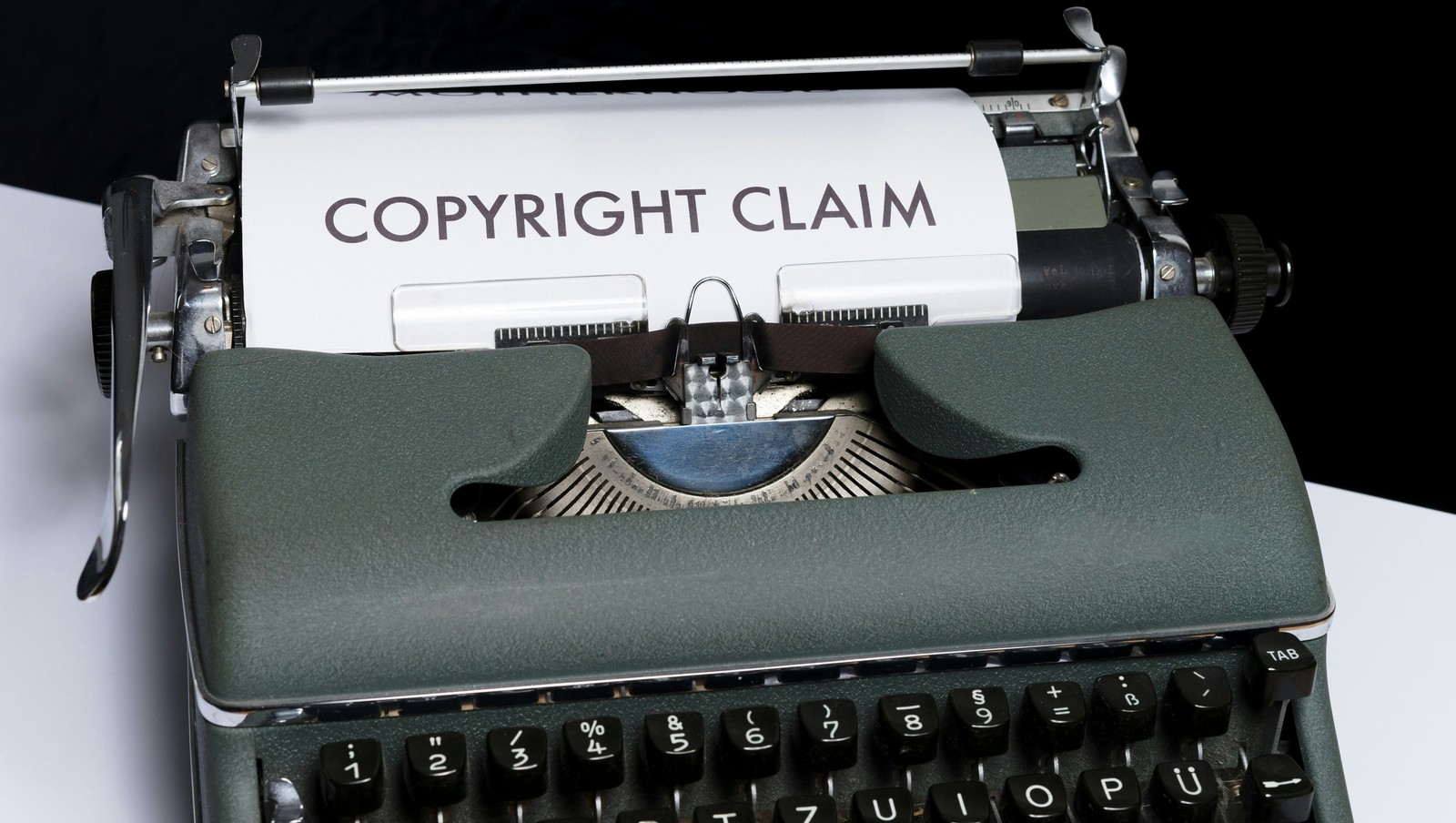
Image: Markus Winkler

The United States Patent and Trademark Office has issued over 12 million patents since its establishment in 1836. Many of the inventors who applied for these patents are well known—such as Elisha Graves Otis or Orville and Wilbur Wright —while others may come as a complete surprise, like President Abraham Lincoln . Some of the patents listed in this article are grandiose; others are smaller and seemingly insignificant. However, they all have something in common: they were invented in our country and changed the course of history. Wondering what they might be? Read on to find out!

1
Locomotive steam-engine for rail (Patent #1)
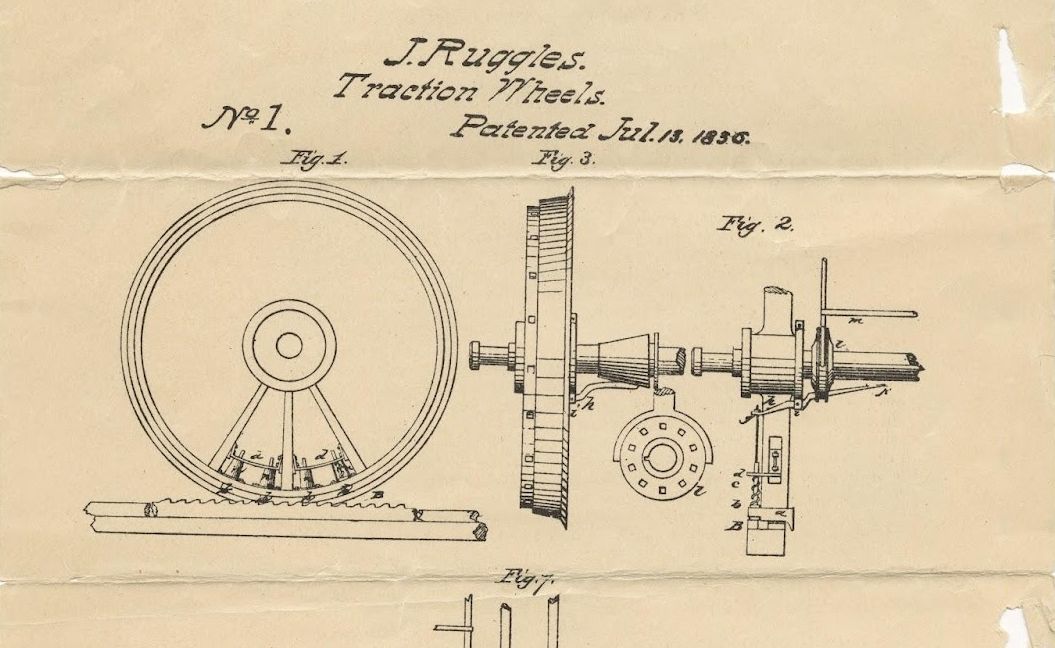
Image: National Archives at College Park - Textual Reference, Public domain, via Wikimedia Commons

Between 1790 and 1836, the United States granted 9,802 patents that were not awarded on their merits and didn’t have an identification number. The Patent Act of 1836, which established the official Patent Office, aimed to make the system more transparent. Among other reforms, it introduced a numbering system for easier identification.

This system started on July 13, 1836, and remains in effect today. United States Patent No. 1 was issued to John Ruggles —an inventor, attorney, and senator from Maine—for improvements in locomotive traction.

2
Anesthesia (Patent #4,848)
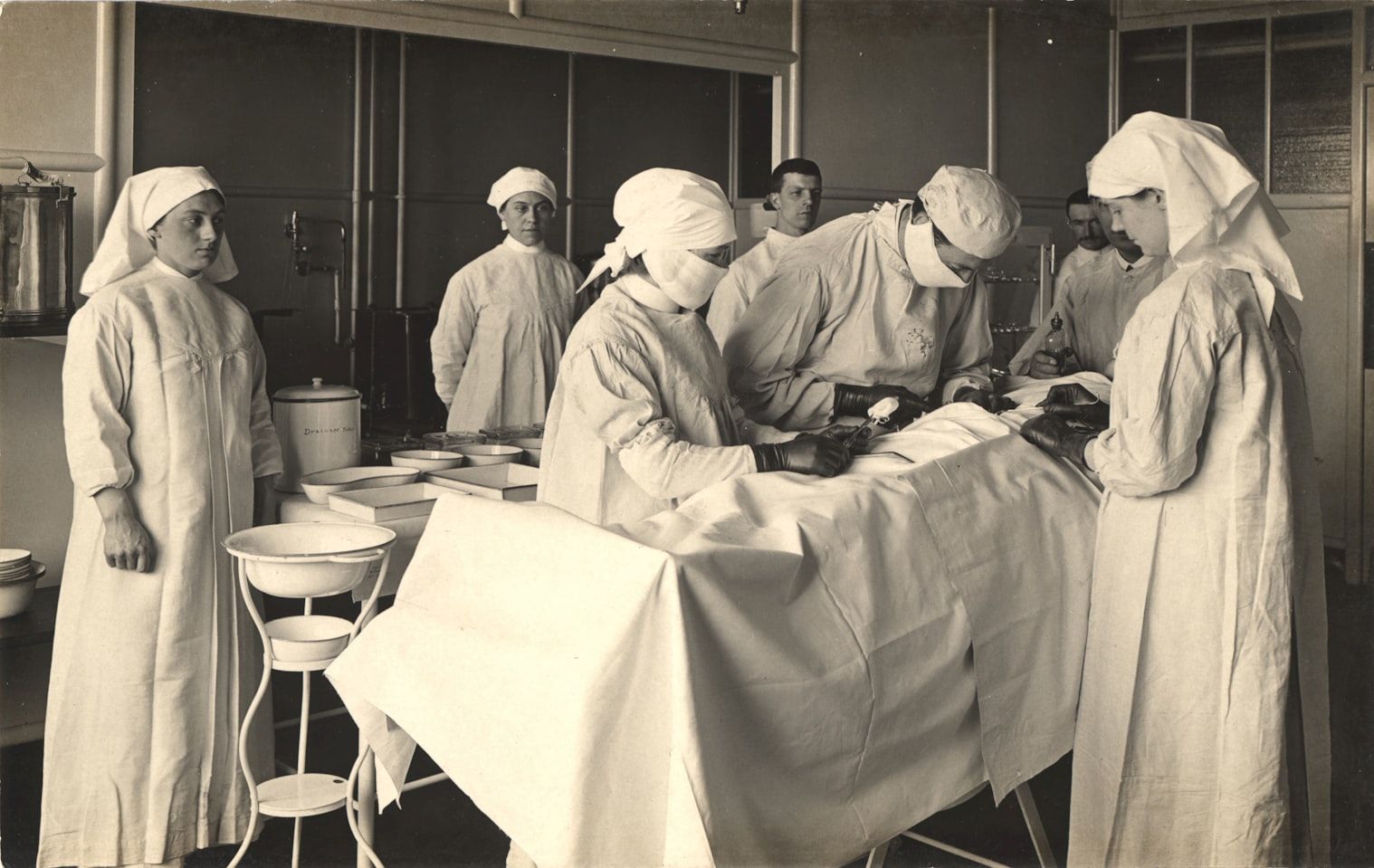
Image: National Library of Medicine

How did patients endure surgery before anesthesia? Before the discovery of an effective anesthetic, surgery was synonymous with excruciating pain. Many large hospitals placed their operating rooms in isolated and remote sections of the hospitals so patients’ screams couldn’t be heard. Alcohol, opium, and even hypnotism were tried as methods of pain relief, but these had little effect.

Fortunately, we no longer have to endure such experiences, thanks to a Boston dentist named William T. G. Morton, who—along with Charles T. Jackson—received the first United States patent for an anesthetic in November 1846.

3
Buoying vessels over shoals (Patent #6,469)
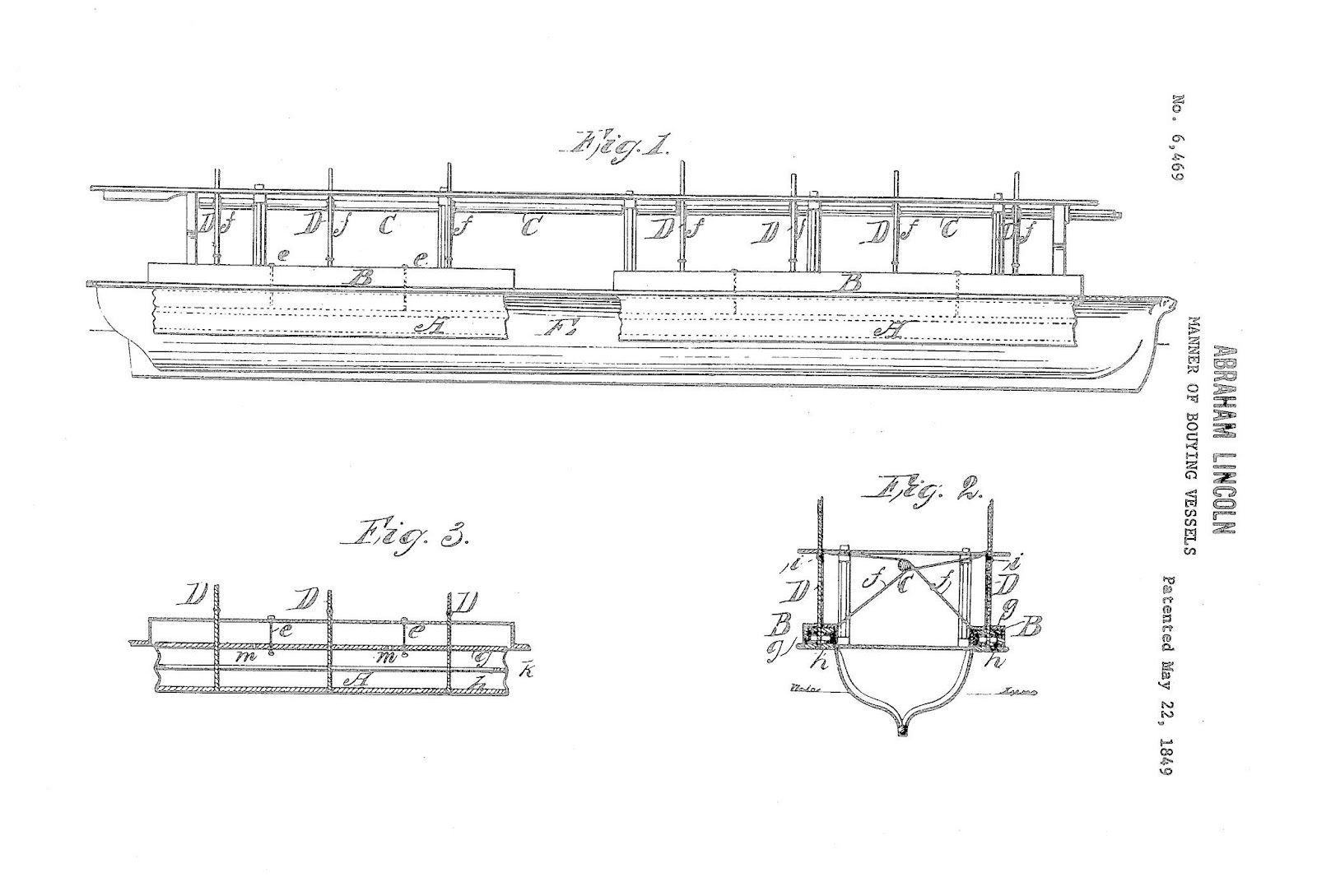
Image: invented by Abraham Lincoln. Issued by United States government Patent Office, Public domain, via Wikimedia Commons

This may be the most unique patent ever issued by the United States Patent Office: it is the first and only U.S. patent granted to an inventor who later became president. Although at least three presidents—George Washington, Thomas Jefferson, and Abraham Lincoln—were inventors, Lincoln is the only one who formally applied for and received a patent .

In 1849, he was awarded Patent No. 6,469 for a flotation device designed to lift boats over shoals and other obstacles in the water. While the invention itself had little bearing on his election, Lincoln’s inventive mindset and mechanical curiosity served him well during his presidency. Although the device was never commercially produced, his appreciation for innovation helped shape the nation's future.

4
Beehive (Patent #9,300)
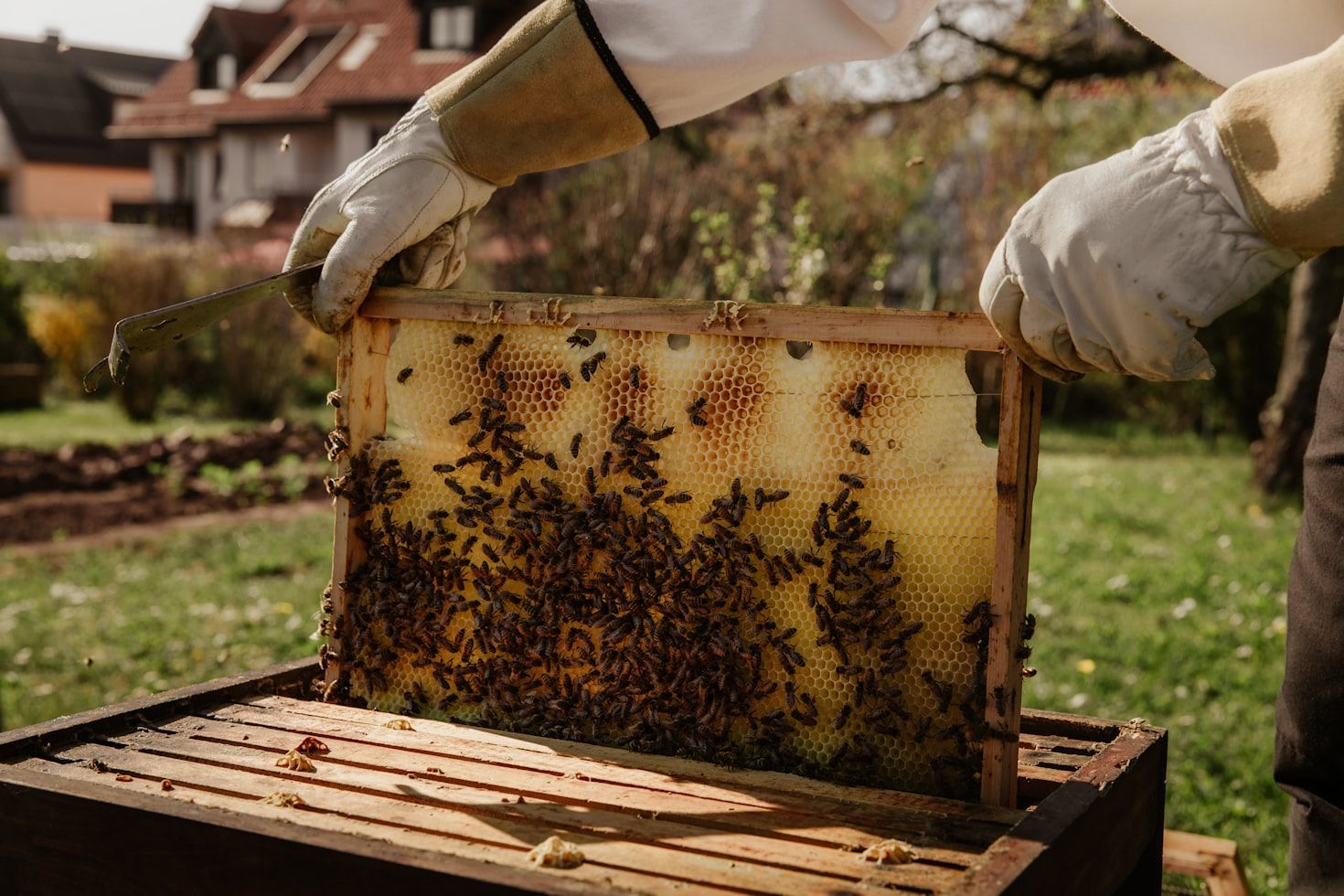
Image: Bianca Ackermann

Beekeeping arrived in America with the early settlers, and by the end of the 18th century, bee colonies were widespread. However, early efforts met with only partial success.

The first U.S. patent for a practical and effective movable-frame beehive—which revolutionized traditional methods of beekeeping—was granted to American apiarist, clergyman, and teacher Lorenzo Lorraine Langstroth on October 5, 1852. His invention of the "bee space" laid the foundation for all modern beekeeping and hive management.

5
Elevator (Patent #31,128)
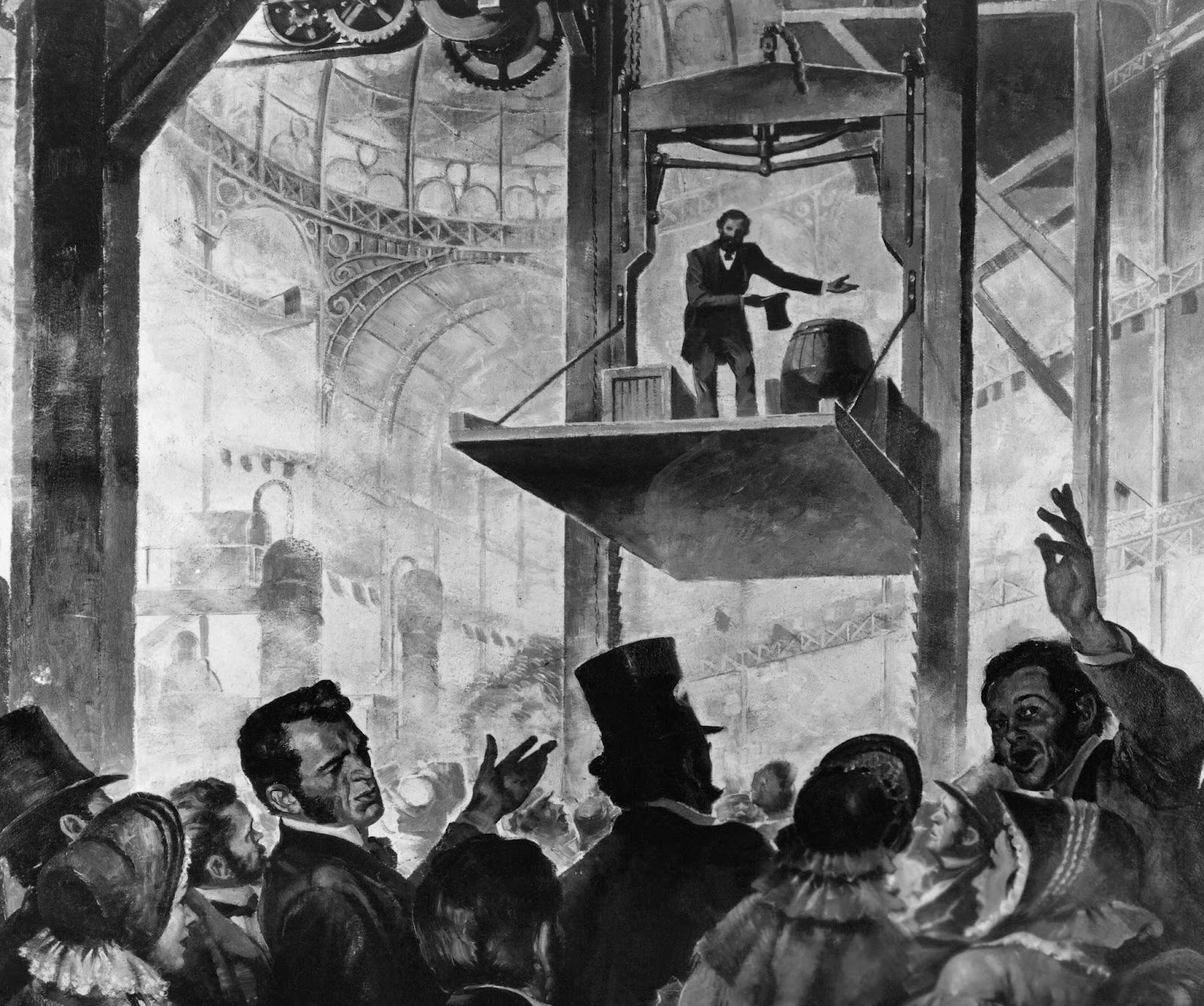
Image: Copie de gravure ancienne, Public domain, via Wikimedia Commons

The New York skyline would look very different today had it not been for the invention of the elevator. The man responsible for the forerunner of the modern elevator was American industrialist Elisha Graves Otis , who, on January 15, 1861, received the first U.S. patent for a safety-type passenger elevator.

The concept of vertical travel was not new. However, the first successful passenger safety elevator was installed in 1857 by Otis in the E. V. Haughwout & Company building, a department store in Manhattan. Otis also held patents for other inventions, including railroad trucks and brakes, a steam plow, and a bake oven. But it was the elevator with its safety feature that brought him fame and his sons great fortune.

6
Lock (Patent #31,278)

Image: Parastoo Maleki

The idea of the lock probably stems from the time man first acquired goods he wanted to safeguard from others. However, the first commercially successful modern lock and key system was invented by American mechanical engineer and metalsmith Linus Yale Jr., who received a U.S. patent in 1861.

Yale developed several types of locks, including the Yale Double Treasury Bank Lock, created at the request of the U.S. government. These designs brought him nationwide recognition, but the invention that made him truly famous was the pin-tumbler cylinder lock . Yale died just a few years after receiving his patent. However, every lock and key produced by the Yale & Towne Lock Company since then has proudly carried the Yale name.

7
Barbed wire (Patent #157,124)

Image: Lexis Chadwick

In an age of video surveillance, barbed wire might seem obsolete. Yet it was crucial to the settlement of the American plains in the late 19th century—and it remains widely used around the world today .

On November 24, 1874, Joseph F. Glidden, a farmer from Illinois, received a U.S. patent for the first commercially successful barbed wire . While several earlier patents had been granted for wire fencing, it was Glidden’s design that proved durable, affordable, and easy to mass-produce—making it the dominant form of fencing on the frontier**.**

8
Air conditioner (Patent #808,897)

Image: Prasopchok

On those hot and humid days of summer, we should all be thankful for the work of Willis Haviland Carrier, often called the father of air conditioning. For his efforts, he received the first U.S. patent for a modern air conditioning system on January 2, 1906.

Air conditioning is a complex process that involves refrigeration, dehumidification, air purification, and circulation. Before Carrier’s invention, various individuals had worked on these individual components. But it was Carrier, an American engineer, who successfully integrated them —focusing on the crucial relationship between temperature and humidity.

9
Airplane (Patent #821,393)
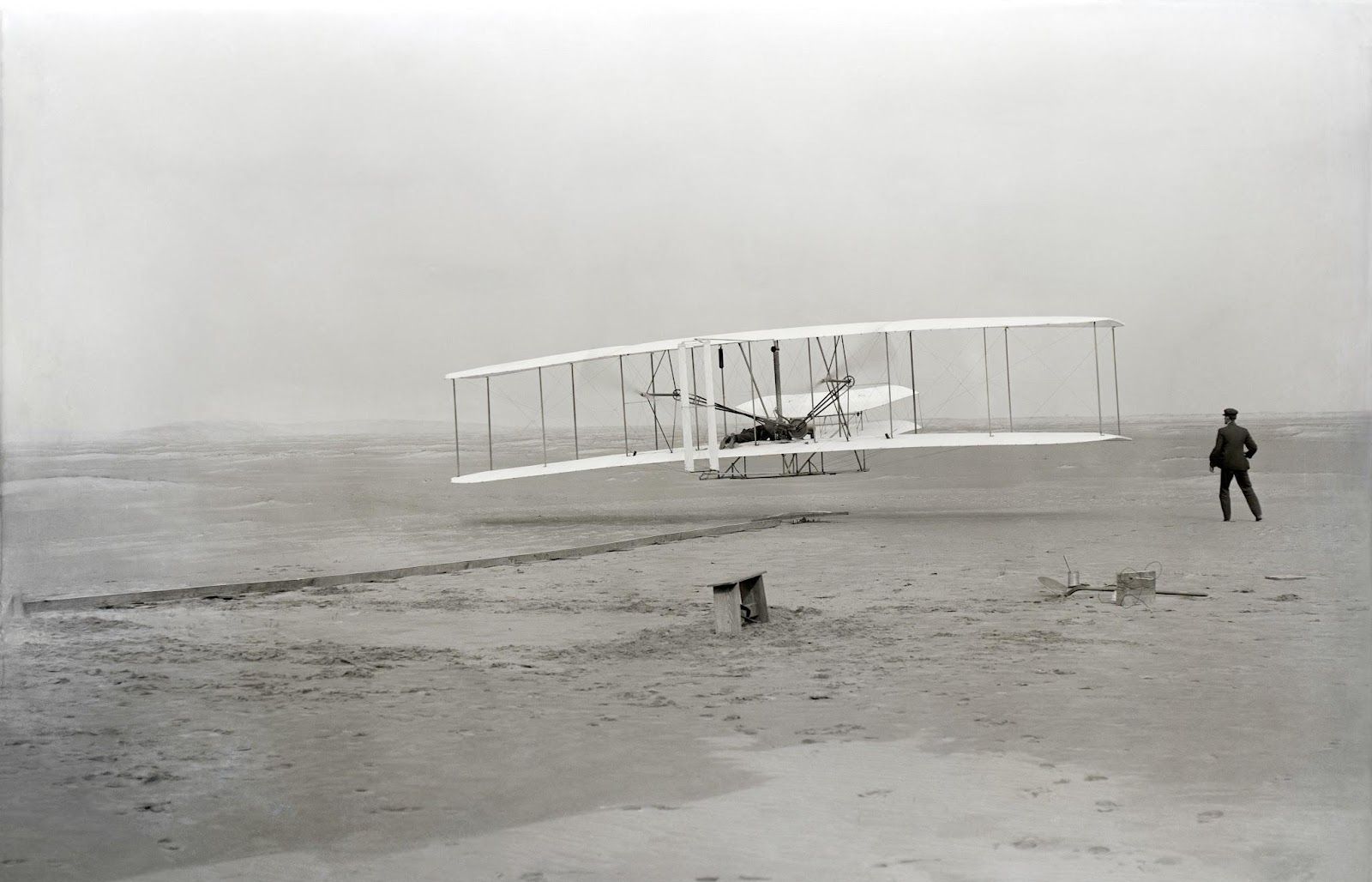
Image: John T. Daniels, Public domain, via Wikimedia Commons

Orville and Wilbur Wright are credited with achieving the first controlled, manned flight in history. For their pioneering work, they received the first U.S. patent for an airplane, issued on May 22, 1906.

Many had been intrigued by the idea of human flight before them. However, it was the Wright brothers who succeeded in building, flying, and promoting the world's first successful airplane —an invention that revolutionized transportation.

10
Bakelite (Patent #942,809)
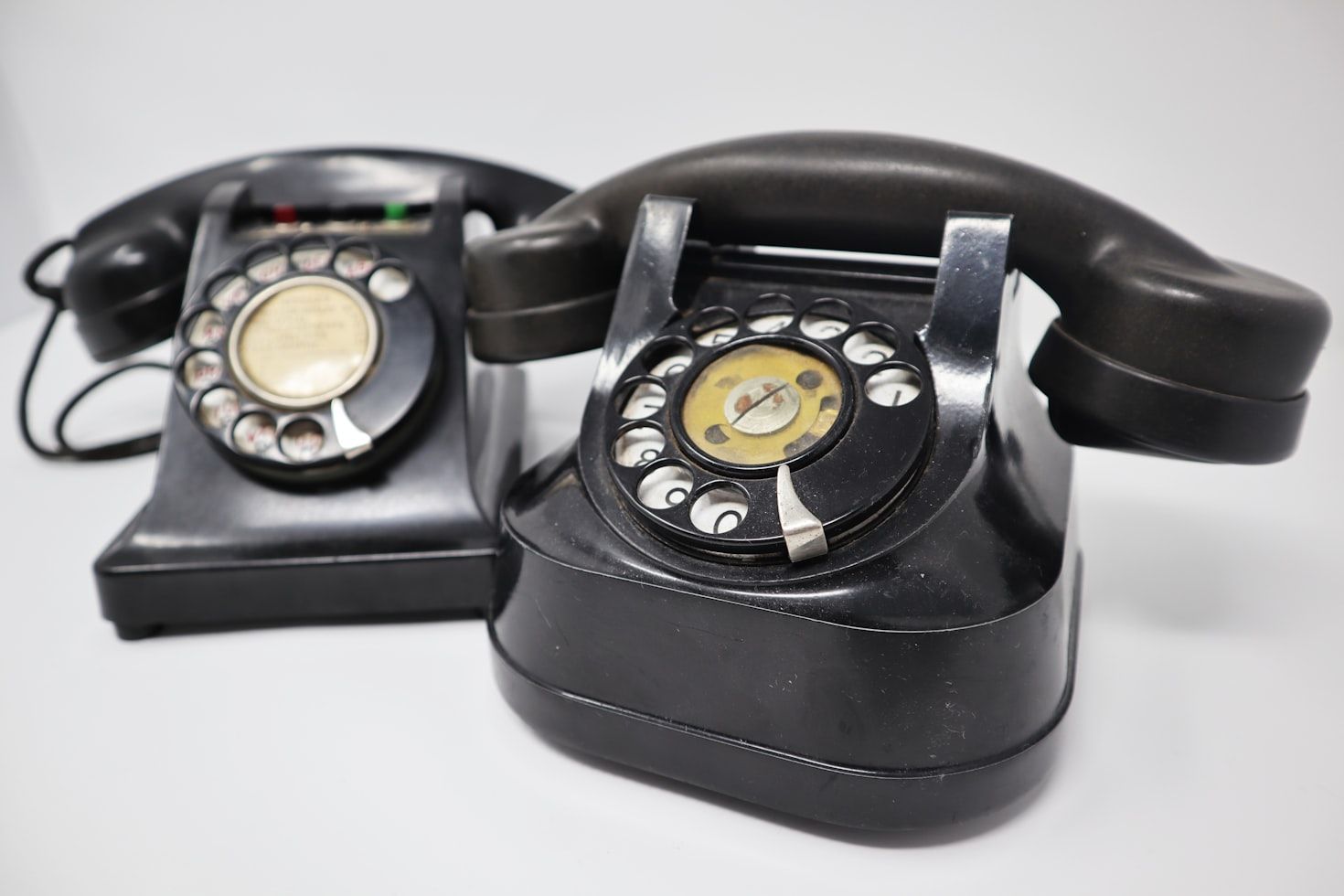
Image: Call Me Fred

The modern plastics industry wouldn’t exist without Belgian-American chemist Leo Hendrik Baekeland , who received the first U.S. patent for a thermosetting plastic in 1909. Before him, others had attempted to produce synthetic resins but were unsuccessful.

Baekeland corrected his predecessors’ mistakes. The result was the first thermosetting resin —one that, once set, would not soften under heat. Bakelite was the first in a long series of resins that shaped the U.S. economy, paving the way for materials such as cellophane, acetate, vinyl, Plexiglas, acrylic, Formica, and polyester.

11
Frozen food (Patent #1,773,080)

Image: United States Patent Office (Clarence Birdseye, inventor)., Public domain, via Wikimedia Commons

Do you know where the name Birds Eye Frozen Food comes from? From its inventor! In 1930, American entrepreneur Clarence Birdseye received the first U.S. patent for this type of product.

Food preservation has been a concern since the beginning of time. Techniques such as salting, pickling, smoking, curing, canning, and later inventions like the icebox and home refrigerator have all contributed to preserving food.

However, one of the most successful methods was developed and commercialized by Birdseye. His process involved quick-freezing meat, seafood, vegetables, and fruit in convenient packages without altering their original taste. Birdseye’s name became a household word, and his innovation created a multibillion-dollar industry.

12
Instant photography (Patent #2,543,181)
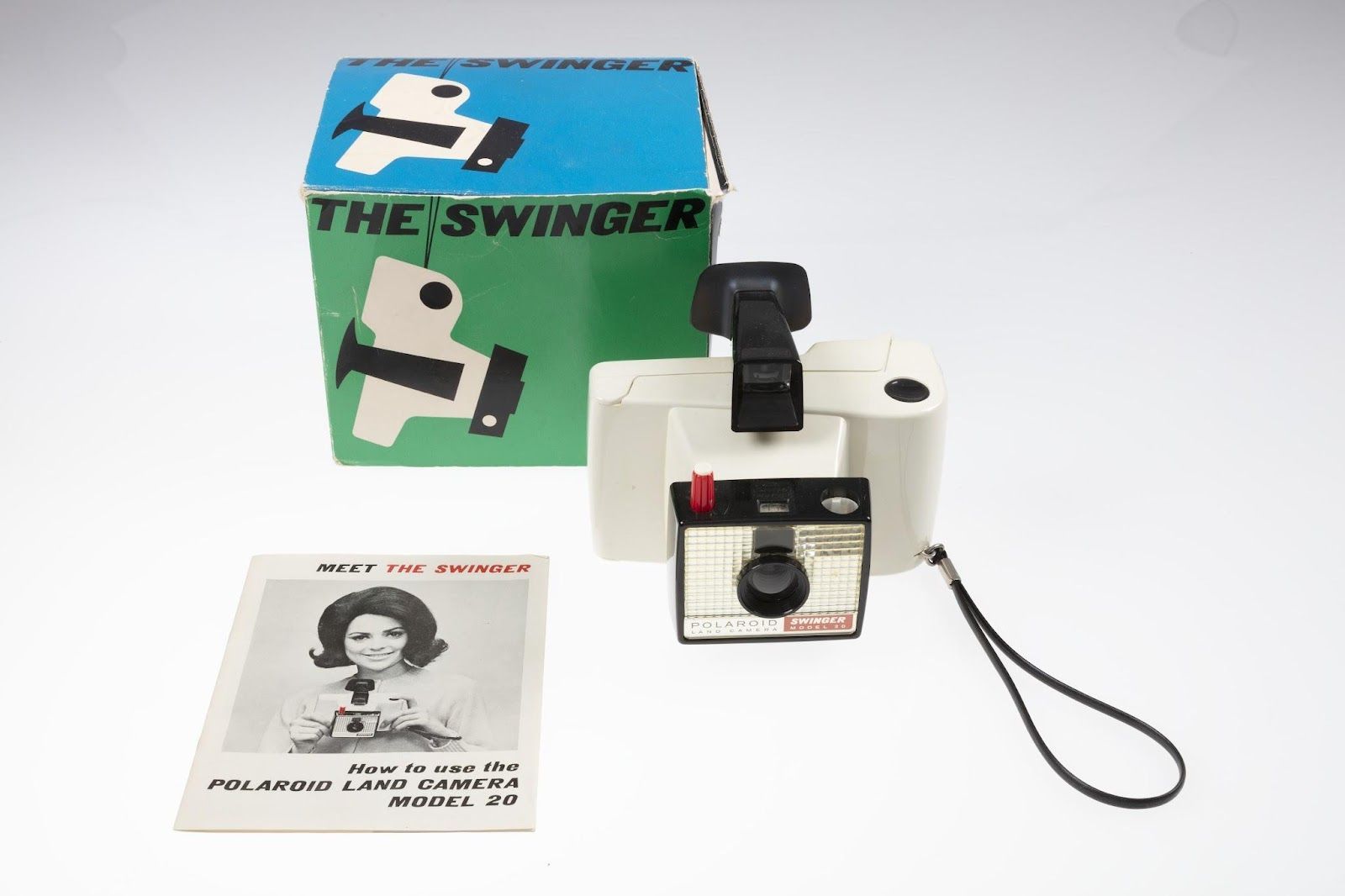
Image: Missouri Historical Society, Public domain, via Wikimedia Commons

When we think of instant photography, Polaroid is often the first name that comes to mind. But how much do we know about the man behind the company? American scientist, inventor, and co-founder of the Polaroid Corporation, Edwin Herbert Land , was granted the first U.S. patent for a one-step photographic process in 1951.

While on vacation with his family, Land conceived the idea for a camera and film that could produce an immediate photograph. In 1948, the first Polaroid Land Camera went on sale, though without much public approval. Polaroid continued to improve the Land Camera and, in 1965, introduced the affordable Swinger model , which became an immediate success. Throughout his life, Land was granted more than 533 patents, was inducted into the National Inventors Hall of Fame, and received the Presidential Medal of Freedom.

General General 6 min read

Frontier lingo

Learning is never “barkin' at a knot” 10 phrases from the Wild West!

Image: Anya Juárez Tenorio

We all know about the cowboys and the outlaws! But the Wild West, or the American Frontier, was much more than that! The culture, history, and geography of this time were fascinating, as was its dialect. Can you guess what "barkin’ at a knot" or "highfalutin" means? Many of these expressions may sound odd to our modern ears, but they once captured the rugged spirit of the time , and they helped early Americans describe their surroundings. So, keep reading if you’re eager to learn 10 expressions directly taken from the Wild West!

1
Higgledy-piggledy

Image: Peter Herrmann

Imagine a table full of random objects, all jumbled together, with no categories whatsoever. Chaotic, right? Well, that’s exactly what "higgledy-piggledy" means. Can you figure it out from context?

When things got all mixed up or disorganized , folks in the Wild West would call it "higgledy-piggledy." This playful phrase was used to describe chaos or confusion. But it’s not only about a mess of objects, a pile of papers sort of mess, it could also be a situation that got out of hand.

It’s believed to be of British origin, but it found a way to cross the pond and make its way into the American frontier lingo. The repeating sound of the words adds to the sense of disorder – kind of like a tongue-twister that reflects the state of things.

2
Bag of nails

Image: Blake Emge

Don’t take this too literally—it gets gross quickly. But when it comes to the meaning, it’s highly relatable. Ever had one of those days where nothing seems to go right ? The Wild West had a term for that: "bag of nails."

When things were in complete disarray, those personal situations that quickly escalated into chaos, they were described as a bag of nails.

Imagine spilling a bag of nails everywhere, gross at first, but then it’s also messy, frustrating, and hard to clean up.

The origin of the term is not very clear, but it paints a vivid picture of total disorder. If you are having a bag-of-nails kind of day, it’s time to take a deep breath and try again tomorrow!

3
Toad strangler

Image: Mike Kotsch

One curious thing about this phrase, originally from the South, is that in every variation it refers to the same animal in the same situation. For example, "frog choker."

In any case, when the rain came down so hard it could "drown a toad," you were in the middle of a "toad strangler."

This funny phrase (although it may not be so funny for the poor toad) was used to describe a heavy downpour , the kind that left everything soaked and muddy. In a land where the weather could change in an instant, such storms were both a blessing and a nuisance. Now, if you come to think about the mud, this wasn’t so funny for the people either!

4
Barkin' at a knot

Image: Robert Gramner

You could get the meaning of this phrase by simply picturing a dog barking at a not. What’s the first thought that crosses your mind? "What on Earth is that dog doing?" Well, that’s pretty much the gist of the expression.

In Wild West lingo, if you were "barkin' at a knot," it meant you were trying to do something impossible or wasting time on a rather pointless task .

This term comes from the image of a dog barking at a tree knot: the dog thinks the knot is a threat, but all the barking gets them nowhere.

It was used on the frontier to describe situations where people were expending effort for no reward. But it can be used today to talk, don’t you think? Time to move on, partner!

5
Leaky mouth

Image: Vitolda Klein

From the gross to the nonsensical and straight into the literal, in the Wild West, if someone had a "leaky mouth," it meant they couldn’t keep their lips sealed, that they talked too much, and, more often than not, spilled secrets. We all know someone like this!

Gossipers were everywhere back then, (and this is still the case!), and having a leaky mouth was definitely not a compliment, as you can imagine. People who shared too much information or spread rumors were seen as troublemakers, which made sense considering the number of outlaws around!

We may not have those kinds of outlaws anymore, but the leaky-mouthed ones are still around!

6
Raisin' sand

Image: Richard Lee

You may have heard the expression "to raise Cain," and if that’s the case, you can guess what this expression means!

When someone was causing trouble or creating a disturbance, they were basically "raisin' sand." You know the type—the kind of person who can’t sit still for a second, the kind that is always kicking up a storm of dust; mischief in every step they take. Well, this expression is about them.

Frontier towns had their fair share of rowdy folks, and raising sand could mean anything from a loud argument to a full-blown fight. And we’ve all seen enough Western movies to know how that usually ended!

7
High-falutin'

Image: Senya Mitin

Pretentious, fancy people have existed since the beginning of times. No society has escaped the "highfalutin’" sort of folks who are always bragging about. Can you guess what it means?

"Highfalutin" or "high-falutin’" referred to people in the Wild West who were acting overly fancy or pompous , and it was not precisely a compliment.

This term was used to poke fun at people who were full of themselves or trying too hard to appear important. The origin of the phrase is a bit hazy, but there seems to be consensus to believe the phrase is a combination of "high" and "fluting" which means having ornamental grooves. Either way, if you were labeled high-falutin’, it was time to dial it down a notch.

8
Guttersnipe

Image: Amsterdam City Archives

Kids on the street trying to survive are not just a thing of today; there have always been cases of children abandoned to their own fate. Back in the Wild West, "guttersnipe" was the term used to describe a homeless kid who was trying to make it on the streets.

These kids were scrappy survivors, navigating the rough streets much like birds picking through the gutters for food.

Dating back to the 1850s, the word became highly popular thanks to Mark Twain’s descriptions in his novels, and it stuck. Had you heard it before?

9
Four-flusher

Image: Klim Musalimov

Oh, who hasn’t had a fun game night with the family that didn’t end quite like one imagined? Suddenly, everyone is arguing over the rules of the game just because there was one four-flasher who couldn’t resist the temptation to cheat!

In the Wild West, a "four-flusher" was someone who tried to cheat their way to victory , and also someone who resorted to bluffing to win a game.

The phrase comes from poker, where a flush requires five cards of the same suit. A four-flusher, then, would be someone who tried to pass off four matching cards as a flush, hoping no one noticed. Outside of cards, the term grew to describe any liar, cheat, or fraud. If you were called a four-flusher, you were someone who couldn’t be trusted. And those were certainly not welcome in the typical Wild West saloons!

10
California widow

Image: gaspar zaldo

The term "widow" in this phrase is quite deceptive because the expression doesn’t refer to a woman whose husband has died. Instead, it referred to a woman whose husband had gone off to seek fortune, often in the California Gold Rush.

These women were left behind, sometimes for years, while their husbands pursued riches out West. Though they were still married, they were called "widows" because they were left to manage on their own.

It was a common term in the mid-1800s, as the Gold Rush drew many men away from their homes. For some women, this separation was temporary, but for others, their husbands never returned. Quite sad, huh?

History History 4 min read

Lands that were only dreams

Superior, Transylvania, Sequoyah, and other states that never were

Image: Chris Lawton

The map of the United States could have looked very different—perhaps with around 70 states, each having its own capital and constitution. For example, have you ever heard of the proposed states of Franklin or Westsylvania? And can you guess where Superior was supposed to be located? Let’s dive into 13 states that almost—but never—found a place on the map.

1
Superior

Image: Brian Beckwith

As we know, Michigan is divided into the Upper and Lower Peninsulas. The discussion about whether the Upper Peninsula should become its own state dates back as far as 1858.

During the 19th and 20th centuries, residents of the region proposed creating the State of Superior , named after the Great Lake that defines the region. Although the movement never gained enough traction, some people still support the idea today, even though Superior would become the state with the smallest population.

2
Jefferson

Image: Kirk Thornton

Jefferson was a proposed state, much like Washington was before it became a state. Picture this: a state straddling Northern California and Southern Oregon, rich in timber and minerals. This was the vision for Jefferson , first proposed in the mid-19th century and revived in 1941.

Residents even declared a symbolic "secession" and distributed pamphlets proclaiming their independence. However, World War II shifted priorities , and the movement eventually fizzled out.

3
Deseret

Image: Wolfgang Hasselmann

Mormon settlers had big dreams in 1849—they proposed Deseret , a massive theocratic state . The name, meaning "honeybee" in the Book of Mormon , symbolized industry and cooperation. But Congress wasn’t exactly buzzing with enthusiasm.

Instead, Congress created the smaller Utah Territory , which at the time included present-day Utah as well as parts of Nevada, Colorado, and Wyoming.

4
Sequoyah

Image: Nina Luong

In 1905, Native American tribes in eastern Oklahoma proposed the State of Sequoyah , named after the Cherokee scholar who created the Cherokee syllabary .

It was a bold move to create a Native-majority state. However, Congress chose instead to merge the area with Oklahoma Territory to form the state of Oklahoma . The constitution drafted for the proposed State of Sequoyah went on to influence the final Constitution of Oklahoma.

5
Lincoln

Image: Clark Van Der Beken

The proposed State of Lincoln had multiple identities. One version placed it in eastern Washington and northern Idaho. Although the name was intended to honor Abraham Lincoln, other names, such as Columbia and Eastern (East) Washington , were also considered.

Another proposal envisioned Lincoln in southern Texas. This version reportedly had a prepared constitution and a distinctive red flag featuring Lincoln’s face inside a yellow circle.

6
East and West Jersey

Image: Nick Fewings

Can you imagine two New Jerseys? Back in 1674, when the area was still a British province, New Jersey was divided into East Jersey and West Jersey , each with its own government and constitution.

But the separation lasted only 28 years . The territories were rejoined in 1702, and the first New Jersey state constitution wasn’t adopted until 1776, following independence from Britain.

7
Franklin

Image: Dan Mall

The State of Franklin was another plan, except this one worked, for a while. In 1784, settlers in eastern Tennessee had had enough with what they saw as North Carolina’s neglect. They declared independence and formed the State of Franklin , named after Benjamin Franklin, of course.

For four years, Franklin operated as a de facto state , complete with its own constitution and government. However, Congress refused to recognize it, and by 1788, the State of Franklin ceased to exist.

8
Transylvania

Image: Julia Volk

Transylvania (from the Latin for "beyond the woods" ) is more than just a remote land of vampire legends—it was also nearly the name of a short-lived American colony in what is now mostly Tennessee and parts of Kentucky.

In 1775, land speculator Richard Henderson struck a deal with the Cherokee to create the Colony of Transylvania , in parts of Kentucky, Tennessee, and Virginia. But Virginia and North Carolina declared the venture illegal. Still, the name lives on today in Transylvania University in Lexington, Kentucky.

9
Nickajack

Image: lauren barton

During the Civil War, Union sympathizers in northern Alabama, northern Georgia, and eastern Tennessee proposed the creation of the State of Nickajack . The name came from a Cherokee village, but the idea never gained much traction.

Today, the Nickajack Dam and Nickajack Lake reservoir mark areas that would have fallen within the boundaries of this proposed state.

10
Absaroka

Image: Mohan Nannapaneni

Have you ever heard of Absaroka ? During the Great Depression, residents of parts of Wyoming, South Dakota, and Montana proposed the creation of the State of Absaroka , named after the Crow Nation’s word for "children of the large-beaked bird."

The movement was largely a symbolic protest against federal neglect. Absaroka even had its own license plates and a self-declared "governor," but the state never came to fruition.

11
Westsylvania

Image: Isaac Wendland

Yet another -vania . In the late 18th century, settlers west of the Appalachian Mountains proposed the creation of the State of Westsylvania . Frustrated by neglect from eastern state governments—especially Virginia and Pennsylvania—they wanted a state of their own.

But like many other separatist efforts, the proposal was rejected by Congress and never became a reality.

12
Madison

Image: Library of Congress

Another president nearly had a state named after him—but didn’t. The name of the fourth U.S. president, James Madison, was once proposed for the area that is now part of the Dakotas.

In the late 19th century, residents of what is now southwestern North Dakota proposed the creation of the State of Madison . However, the idea faced a major hurdle: Congress was already considering dividing the Dakota Territory into two separate states. In 1889, North and South Dakota were admitted to the Union, and the Madison proposal was quietly shelved.

Explore more American facts

Choose your favorite category!

General
General

As American as apple pie—the very best America has to offer!

Culture
Culture

Delve into the astounding richness of American lore.

Geography
Geography

Hop in and explore vast and diverse American landscapes.

History
History

Discover the key moments that shaped the United States.