History History 3 min read

Post history

11 shocking facts about the U.S. Postal Service
Image: Ekaterina Belinskaya

If you think that the U.S. Postal Service is just about delivering mail and selling stamps, you’ve got another thing coming. Over its long history, the USPS has encountered some unusual occurrences, like the time someone mailed a child, or how it has a whole department just to decode messy handwriting. Prepare to be surprised by these 11 incredible facts about our postal service!

1
Postal "Army" (of Sorts)
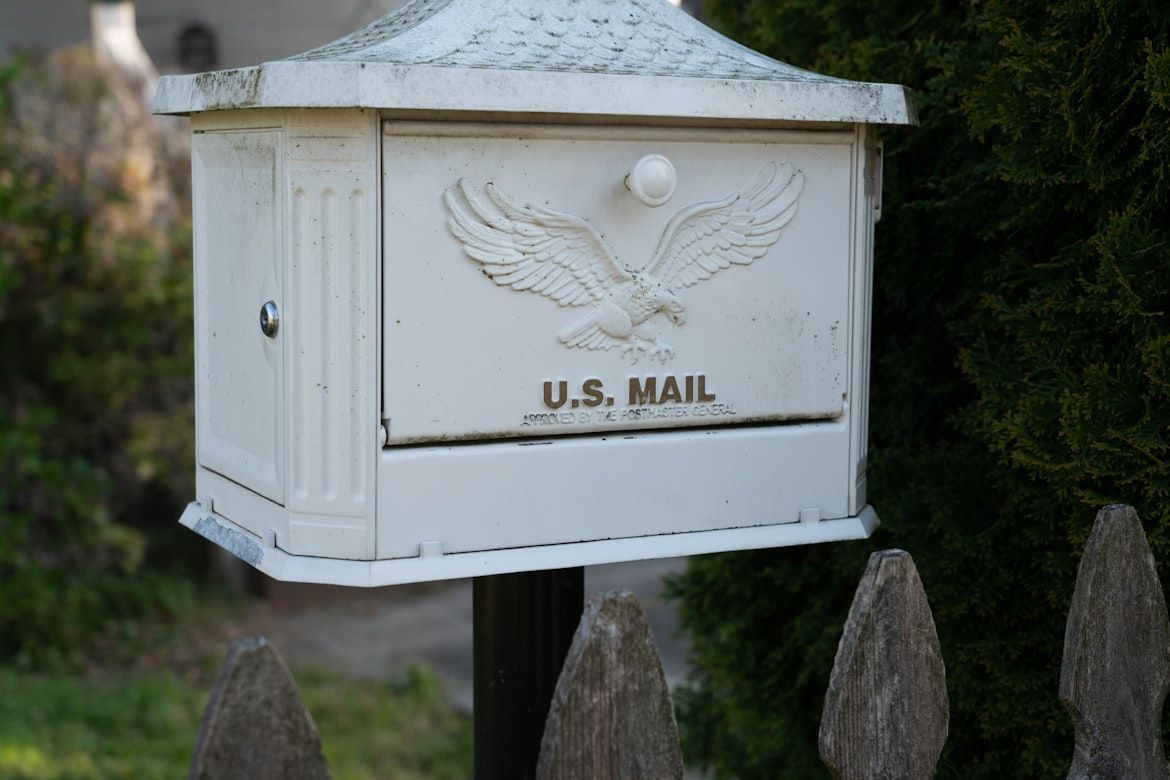
Image: Emily Powers

The U.S. Postal Inspection Service (USPIS), founded in 1775, is the nation’s oldest federal law enforcement agency . It protects the USPS, its employees, and its customers from crimes such as mail fraud, theft, and identity theft.

USPIS agents investigate mail-related crimes, provide security at postal facilities, and work to stop illegal drugs from being transported through the mail system.

2
Zip codes
Image: Tareq Ismail

ZIP codes were introduced by the USPS in 1963 to improve mail sorting and delivery. The five-digit code, short for Zone Improvement Plan, pinpoints specific geographic areas.

The digits represent a region, a city or county, and a local delivery zone . Today, ZIP codes are also used to study demographics and help businesses target mailings to particular areas.

3
The Postal Anthem

Image: Keagan Henman

The "United States Postal Service Anthem," composed by Jack Stamp (yes, that is his real name), honors the USPS and its long-standing service to the nation. It’s a musical tribute to the dedication of postal workers and the agency’s role in American life.

The lyrics highlight the USPS’s core values: honesty, integrity, and reliability, while celebrating its impact on U.S. history and everyday citizens.

4
Guaranteed delivery
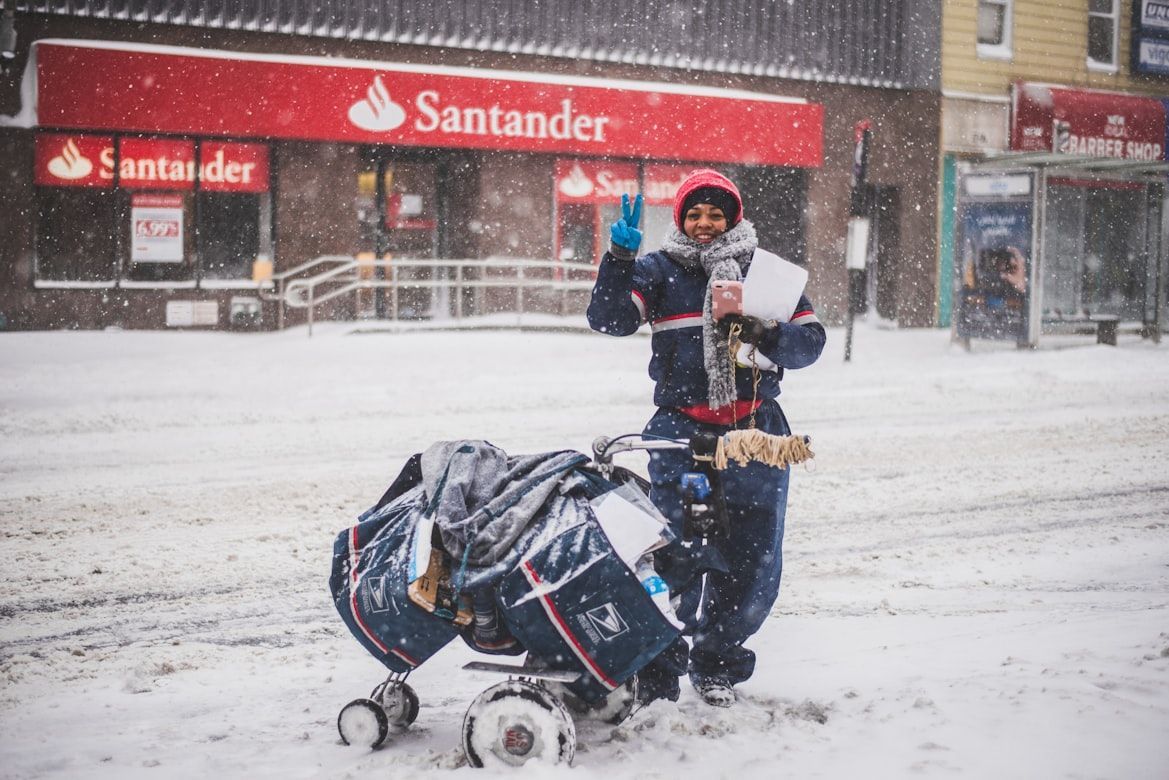
Image: Victória Kubiaki

The USPS is legally required to deliver to every U.S. address, no matter how remote . This includes over 153 million addresses, even in hard-to-reach areas.

To meet this huge challenge, USPS uses curbside mailboxes, local post offices, and partnerships with community centers. Virtual mailbox services, such as Stable, also help remote residents access and manage their mail online.

5
A lot of mail
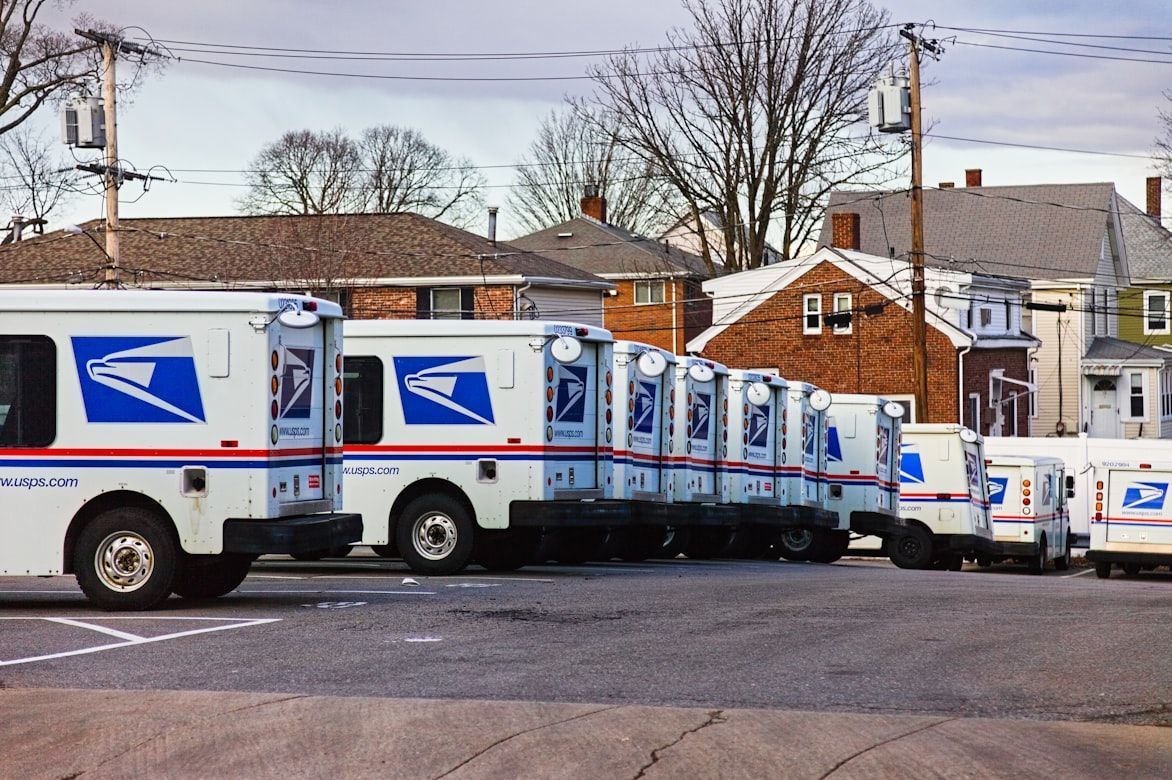
Image: Sam LaRussa

Every day, the USPS handles over 400 million pieces of mail, including 162 million First-Class items. It delivers worldwide to more than 180 countries through its Global Express Guaranteed service and processes approximately 44% of the world’s mail . That is a lot of mail, by any standard.

To manage this massive volume, USPS uses advanced automation tools and operates over 34,000 retail locations, keeping its system fast, efficient, and reliable.

6
Going out West
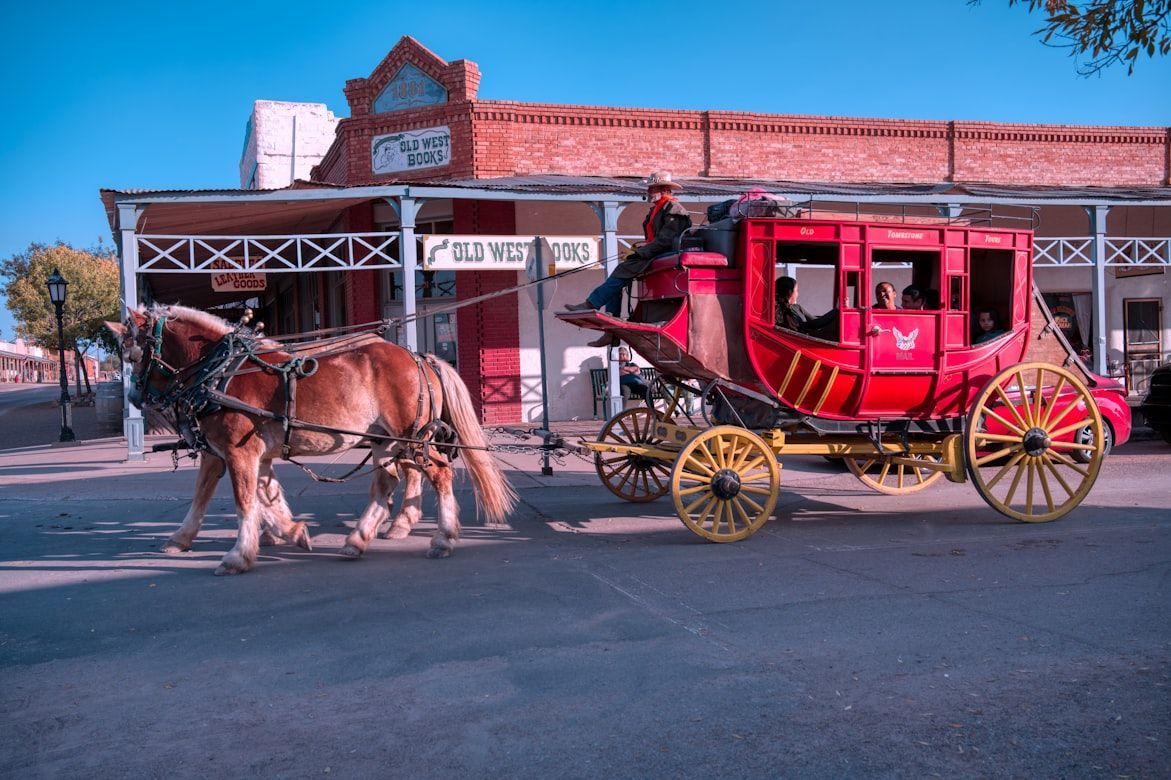
Image: Jim Strasma

In the 19th century, the USPS played a vital role in developing the American West, providing new settlements with access to mail, supplies, and communication. Post offices and mail routes connected remote areas to the rest of the country.

This network helped settlers stay in touch with loved ones, receive news, and trade goods. Without the USPS, much of the frontier would have remained isolated.

7
Post office in a tavern
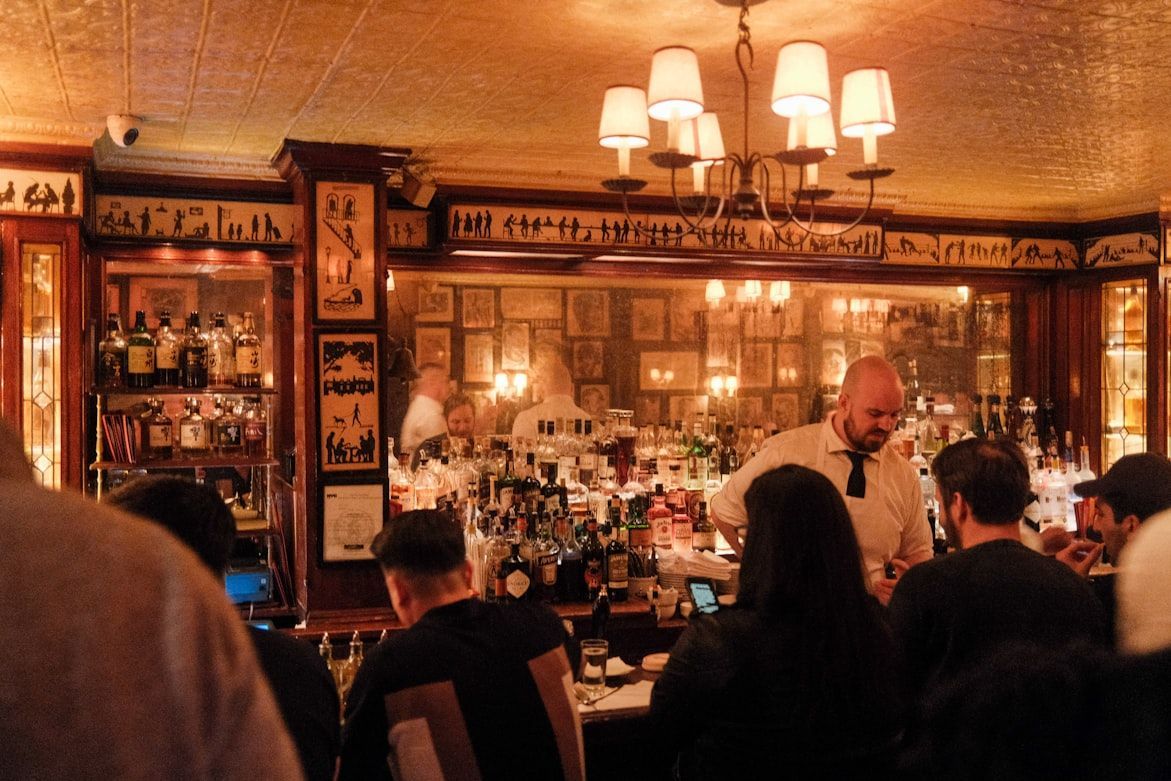
Image: Kevin Snow

The first USPS office was established in Boston in 1775, inside a tavern associated with Benjamin Franklin , who served as the first Postmaster General. Franklin viewed mail delivery as key to America’s independence and began developing a postal network.

The office supported routes to Philadelphia and New York, and by 1789, post offices existed in all 13 colonies.

8
A floating post office
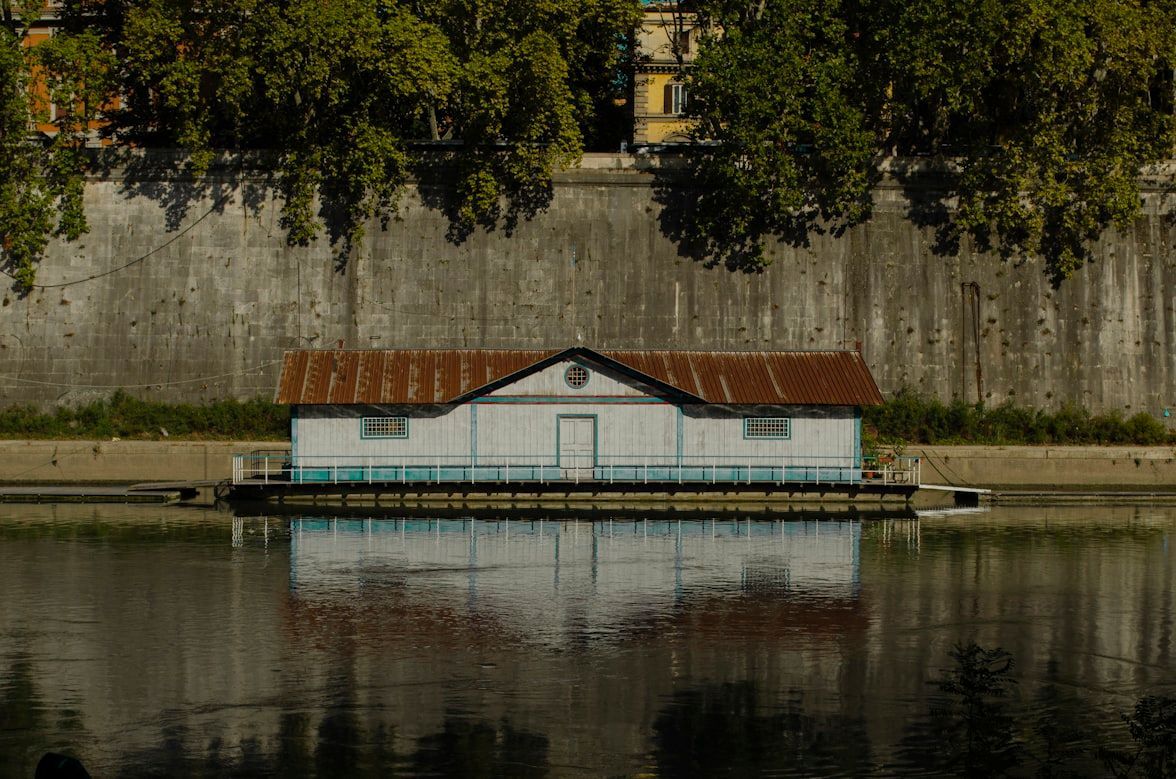
Image: Alessio Billeci

The Halibut Cove Post Office in Homer, Alaska (ZIP code 99603, in case you are interested), is unlike any other: it floats on water!

This tiny post office operates from a houseboat that’s permanently docked , serving the local community right from the harbor.

9
Bad handwriting department
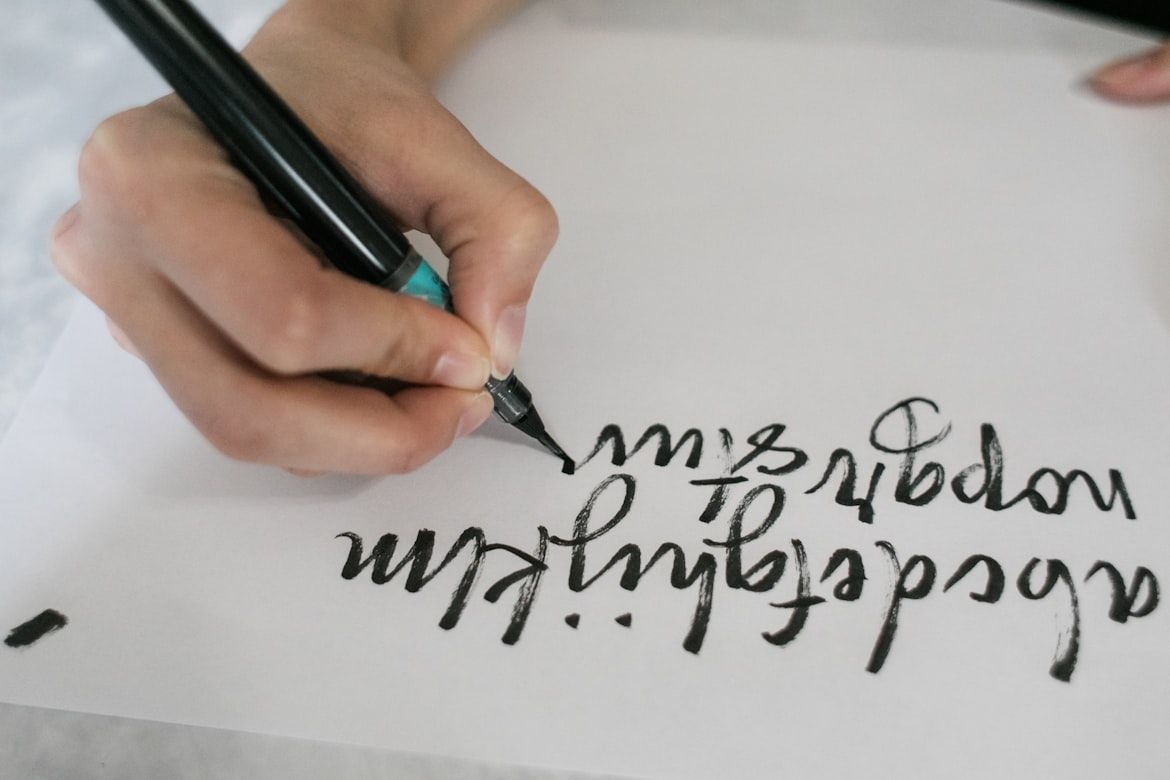
Image: Kit (formerly ConvertKit)

We are not sure as to how often this happens, but it must be often. When automated equipment at a USPS processing plant cannot read a piece of letter mail, an image of the mail is captured and sent to the Remote Encoding Center (REC). At the REC, employees review the image and manually enter the address information .

The information is matched up with a valid address, the data is transmitted back to the equipment at the plant, and a barcode is printed on the letter, which can be read by the processing machines.

10
Mail a brick
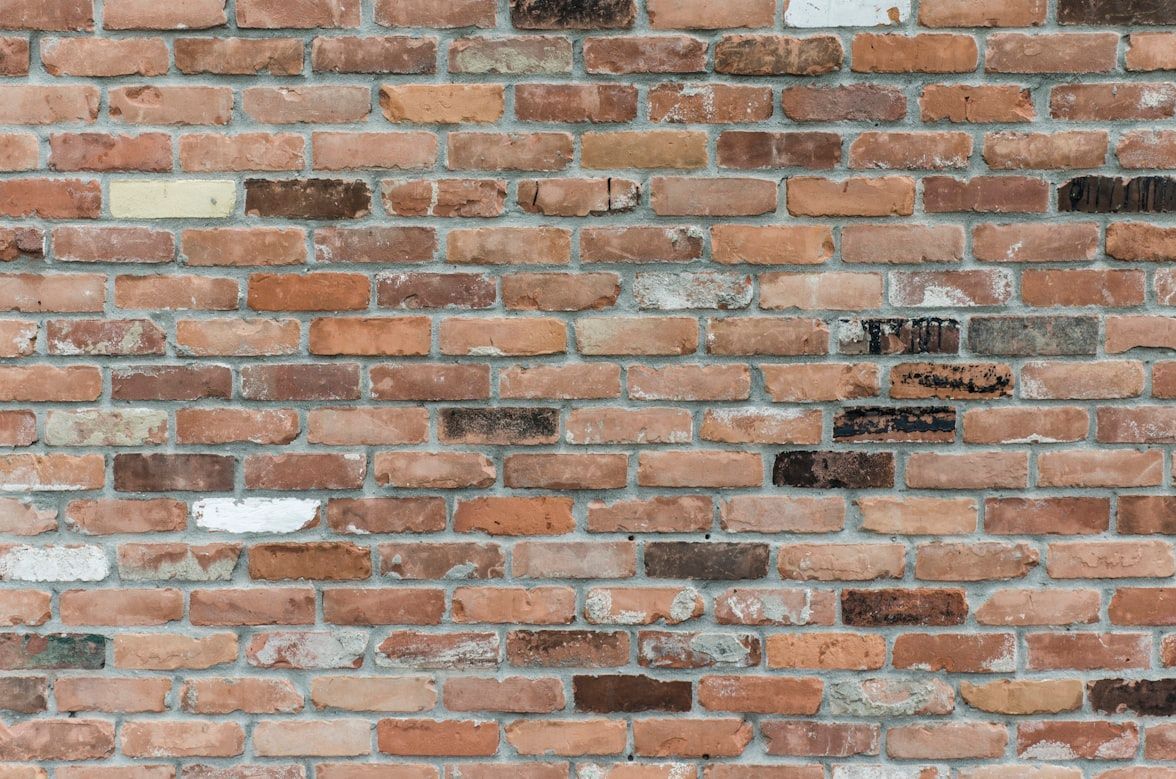
Image: Math

Yes, you can mail a brick through the U.S. Postal Service. Just write the recipient’s address and return information directly on the brick with a permanent marker .

Once it’s weighed and stamped with the correct postage, your brick is ready to ship.

11
Someone mailed a kid

Image: Jonathan Borba

In 1913, shortly after the Parcel Post service began, some parents mailed their children to relatives. One baby in Ohio was sent to his grandmother just a few miles away .

The child arrived safely, but the incident led to new rules banning people from being sent through the mail.
Geography Geography 3 min read

American wonders

Awesome facts about Mt McKinley (Denali) that will leave you speechless

Image: John Feng

Alaska is a land of incredible natural wonders. Its lakes and mountains come together to form stunning landscapes that look almost otherworldly. But the true star is Mount McKinley, the tallest peak in the United States and all of North America. Join us as we explore 10 amazing facts about this mountain that you might not know.

1
Earthquakes

Image: Sue Henderson

As if the incredible altitude and extreme temperatures weren't enough, Mount McKinley faces another challenge: earthquakes. Due to tectonic plate activity, this type of natural disaster is common in the area, with an estimated 600 earthquakes of varying strength occurring there each year.

2
Always dressed in white

Image: Dillon Groves

The summit of Mount McKinley is always painted white. Even during the warmer months, when grass and plants flourish in the surrounding park, the mountain's upper half remains permanently covered in snow and massive ice formations.

3
Life thrives

Image: Patrick Federi

It's not just snow around Mt. McKinley. In the area, you'll find about 160 bird species, 39 types of mammals, 14 kinds of fish, and even one species of amphibian. That's a surprising amount of life for such a cold region.

4
Super frog

Image: Stanisław Krawczyk

If you're curious about this unique amphibian, here's the answer: it's the wood frog, a tiny species that can survive even the harshest winters. How? By almost freezing its entire body. While the frog's cells don't actually freeze, the fluids between them do. Its heart and lungs stop working until spring returns.

5
Millions of years ago

Image: Lisa Yount

There was a time when giant reptiles roamed what is now the Mount McKinley area. In 2005, the first dinosaur footprints were discovered in the area, followed by fossil remains. The region was once home to three-toed theropods (carnivorous dinosaurs similar to Velociraptors) and winged pterosaurs that soared through the skies above.

6
Harsh weather

Image: John Peters

If you're a fan of summer, Mount McKinley might not be the best choice for you, as it's famous for its extreme cold. Temperatures at the summit can drop as low as -75.5°F, with wind chills plunging to -118.1°F.

7
Not an easy task

Image: Fabrizio Conti

Climbing McKinley is not for everyone. In fact, it's considered extremely difficult and dangerous due to the harsh weather conditions. On average, only about half of those who attempt the climb succeed.

8
Alone

Image: Barth Bailey

Mount McKinley is lonely. While that may sound sad, it actually means it's one of the most topographically isolated peaks on Earth. In other words, it's far from any other mountain of similar height, which makes it even more striking and impressive.

9
The first

Image: Tim Oun

In 1913, Mount McKinley was successfully climbed for the first time. Walter Harper, a native Alaskan, is credited with the honor of being the first person in history to reach the summit of North America’s tallest peak. He was followed by his teammates: Harry Karstens, Hudson Stuck, and Robert Tatum.

10
America's "Big 5"

Image: Lesly Derksen

When it comes to mammals, Mount McKinley and its surrounding park are home to what's known as the "Big Five." These are the most powerful mammals in the region: moose, caribou, Dall sheep, grizzly bears, and wolves.

Culture Culture 3 min read

Memorial facts

Why does the Lincoln Memorial have 87 steps? The real reason

Image: Kyaw Tun

Washington, DC, is known for its many landmarks, but the Jefferson and Lincoln memorials stand out, drawing millions of visitors every year. And even though they’ve been part of the city for decades, there’s still a lot that most people don’t know about them. If you want to discover 10 facts you probably never learned in school, this article is for you!

1
87 steps

Image: Ryan Stone

In case you haven't counted them, there are exactly 87 steps leading up to the Lincoln Memorial. But why does that number matter? Although the National Park Service says it wasn’t intentional, many people connect it to the opening line of Lincoln’s Gettysburg Address: "Four score and seven years ago...", a coincidence that's hard to ignore.

2
Hidden underground chamber

Image: Kdwk Leung

The Lincoln Memorial is more than what you see at first glance; there’s an entire hidden world beneath it. That’s right! Underground lies a large chamber built as part of the monument’s foundation. Giant concrete columns support the structure above, and there are also narrow corridors where workers once walked. You can even find graffiti and markings left by those builders in the early 1900s. Although the public can’t visit this space yet, the National Park Service has said it hopes to open it in the future.

3
A pyramid?

Image: Andrew Backhouse

Can you imagine a giant pyramid rising over the landscape of Washington, DC? It’s hard to picture, but it could have happened. Among the many design proposals for the Lincoln Memorial were some extravagant ideas, including a huge pyramid. In the end, the Greek temple design we know today won out.

4
The typo

Image: Andre Schofield

To err is human, and the Lincoln Memorial is no exception. As you may know, Lincoln’s Gettysburg Address and his Second Inaugural Address are engraved on the interior walls. But the carver made a small mistake when transcribing the Second Inaugural Address, writing "euture" instead of "future" in the line "high hopes for the future." Although the error was corrected, people say that if you look closely enough, you can still see it.

5
Lincoln's friends made it happen

Image: Casey Horner

For years, several proposals to build a memorial to Abraham Lincoln failed in Congress. Fortunately, Senator Shelby Collum and Speaker of the House Joseph Cannon joined forces to get the final bill approved. These men had known Lincoln and felt that a memorial to Honest Abe was both fitting and necessary.

6
Who is Thomas Jefferson looking at?

Image: J. Amill Santiago

It’s well known that the statue of Thomas Jefferson inside his memorial faces north toward the White House and the Washington Monument. But there’s another interesting interpretation. Also to the north is the statue of Alexander Hamilton on the south side of the US Treasury Building. Since Jefferson and Hamilton were once colleagues who later became political rivals, some like to imagine that Jefferson’s bronze likeness is keeping a cautious, almost "watchful eye" on Hamilton.

7
FDR specifically requested the Jefferson Memorial

Image: Rafik

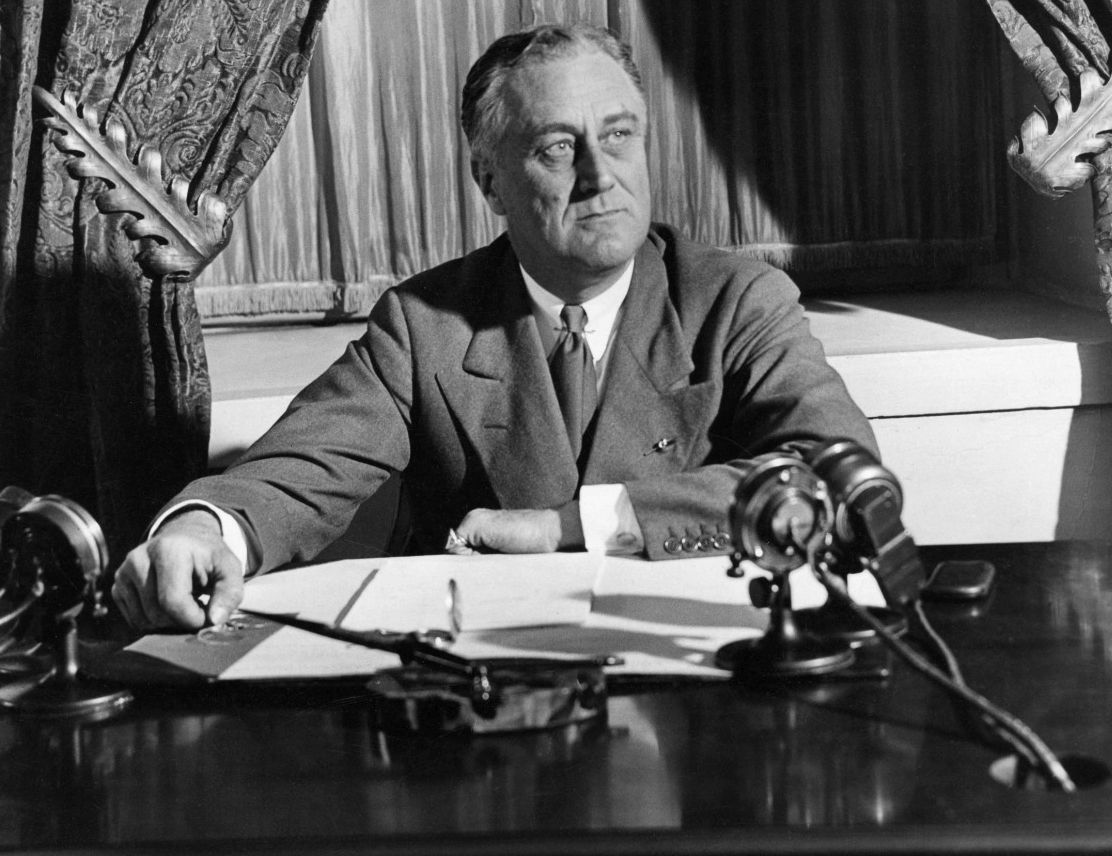
Since the early 20th century, there had been talk of building a memorial to honor Thomas Jefferson. But nothing moved forward until Franklin D. Roosevelt took office in 1933. An admirer of Jefferson, FDR pushed tirelessly for the project until Congress approved it. But he was not only the one who requested it; he even delivered the dedication speech when the memorial was completed in 1943.

8
10,000 pounds

Image: Michael Kranewitter, Public domain, via Wikimedia Commons

We all know Jefferson was a great man, but do you know how big his statue is? It stands around 19 feet tall and weighs an astonishing 10,000 pounds; that’s a lot of bronze! Originally, the statue was a painted plaster model because, when it was dedicated in 1943, metal shortages from World War II made bronze unavailable. Four years later, in 1947, the bronze statue we see today was installed.

9
Once a popular beach

Image: Amelia Cui

Before becoming the site of the Jefferson Memorial, the Tidal Basin Beach was a popular beach in Washington. That's right; at the beginning of the 20th century, the area was used for swimming, boating, and picnics. This, coupled with the need to cut down some cherry blossom trees for construction, sparked controversy and turned some people against the project.

10
Created by a landfill

Image: Sharosh Rajasekher

Before the Jefferson Memorial could be built, the area had to be transformed. The Tidal Basin was originally shallow and surrounded by marshland, so workers filled it with material dredged from the Potomac River to create a stable foundation. Definitely a big effort.

Explore more American facts

Choose your favorite category!

General
General

As American as apple pie—the very best America has to offer!

Culture
Culture

Delve into the astounding richness of American lore.

Geography
Geography

Hop in and explore vast and diverse American landscapes.

History
History

Discover the key moments that shaped the United States.