History History 5 min read

Comeback Nation

What is the biggest comeback in U.S. history? 10 strong contenders listed

Image: Daniele Franchi

American history is full of moments when the odds seemed impossible. Outnumbered armies, struggling economies, desperate sports teams, and risky space missions all tested the country’s resilience. In many of these cases, experts were expecting failure. Instead, the U.S. pulled off dramatic turnarounds that became part of our national story. Here are 10 famous times our country fought from behind and came back on top.

1
The American Revolution against the British Empire
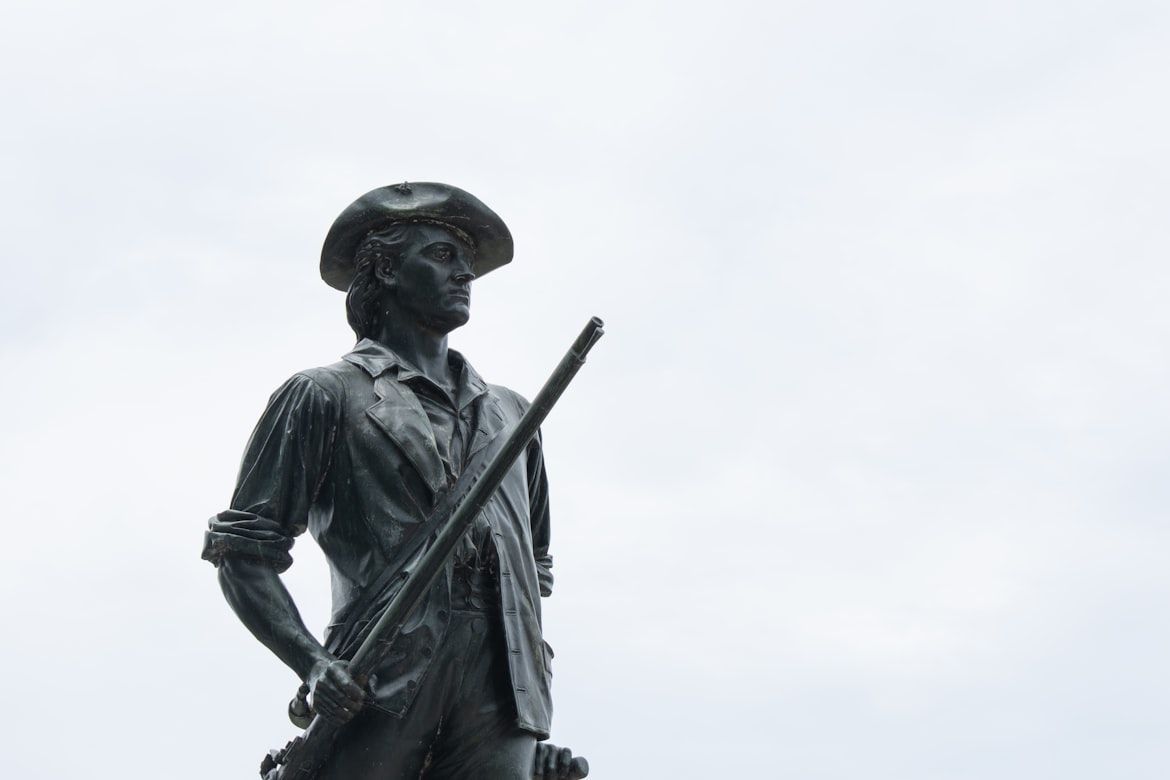
Image: Donovan Reeves

When fighting began in 1775, Britain was the world’s most powerful empire. The colonies had no professional army, little money, and limited supplies . George Washington’s Continental Army often struggled with food shortages, harsh winters, and major defeats during the early years of the war.

The turning point came after the American victory at Saratoga, New York, in 1777, which convinced France to support the colonies. British General Charles Cornwallis finally surrendered at Yorktown, Virginia, on October 19, 1781. The Treaty of Paris officially recognized U.S. independence in 1783.

2
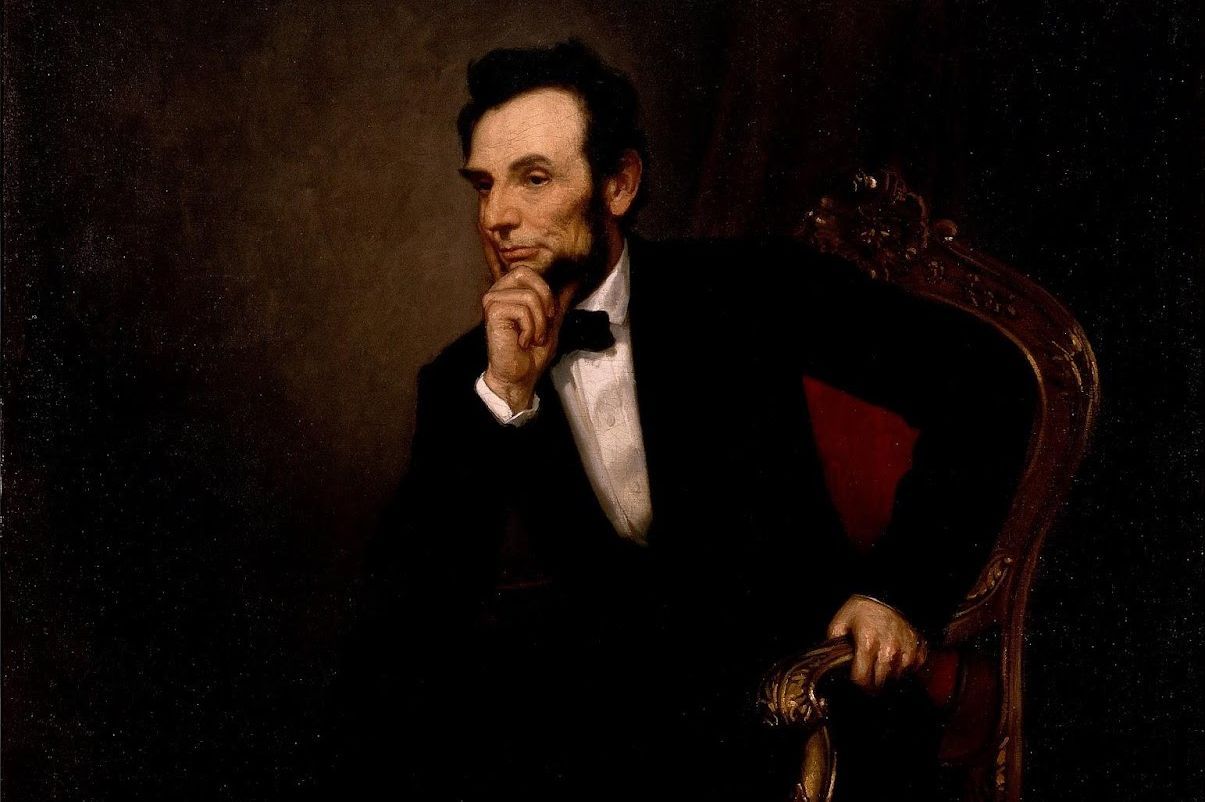
Abraham Lincoln won the Civil War after early Union defeats
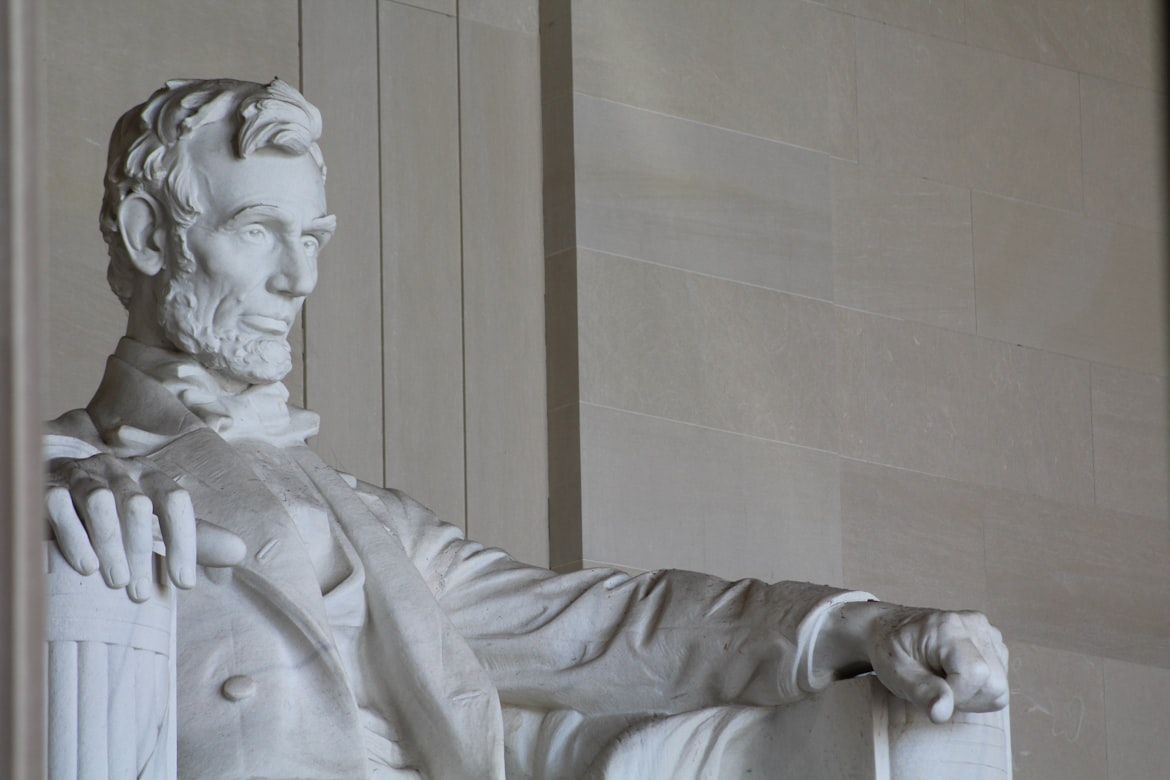
Image: Ed Fr

At the start of the Civil War, the Union suffered humiliating losses, including the First Battle of Bull Run in 1861. Many Americans doubted President Abraham Lincoln’s leadership, while Confederate General Robert E. Lee repeatedly defeated Union forces in Virginia.

Things changed in July 1863, when Union victories at Gettysburg, Pennsylvania, and Vicksburg, Mississippi, shifted momentum . Lincoln’s support for General Ulysses S. Grant helped the North gain control. Lee surrendered at Appomattox Court House, Virginia, on April 9, 1865.

3
The Apollo 13 mission’s safe return
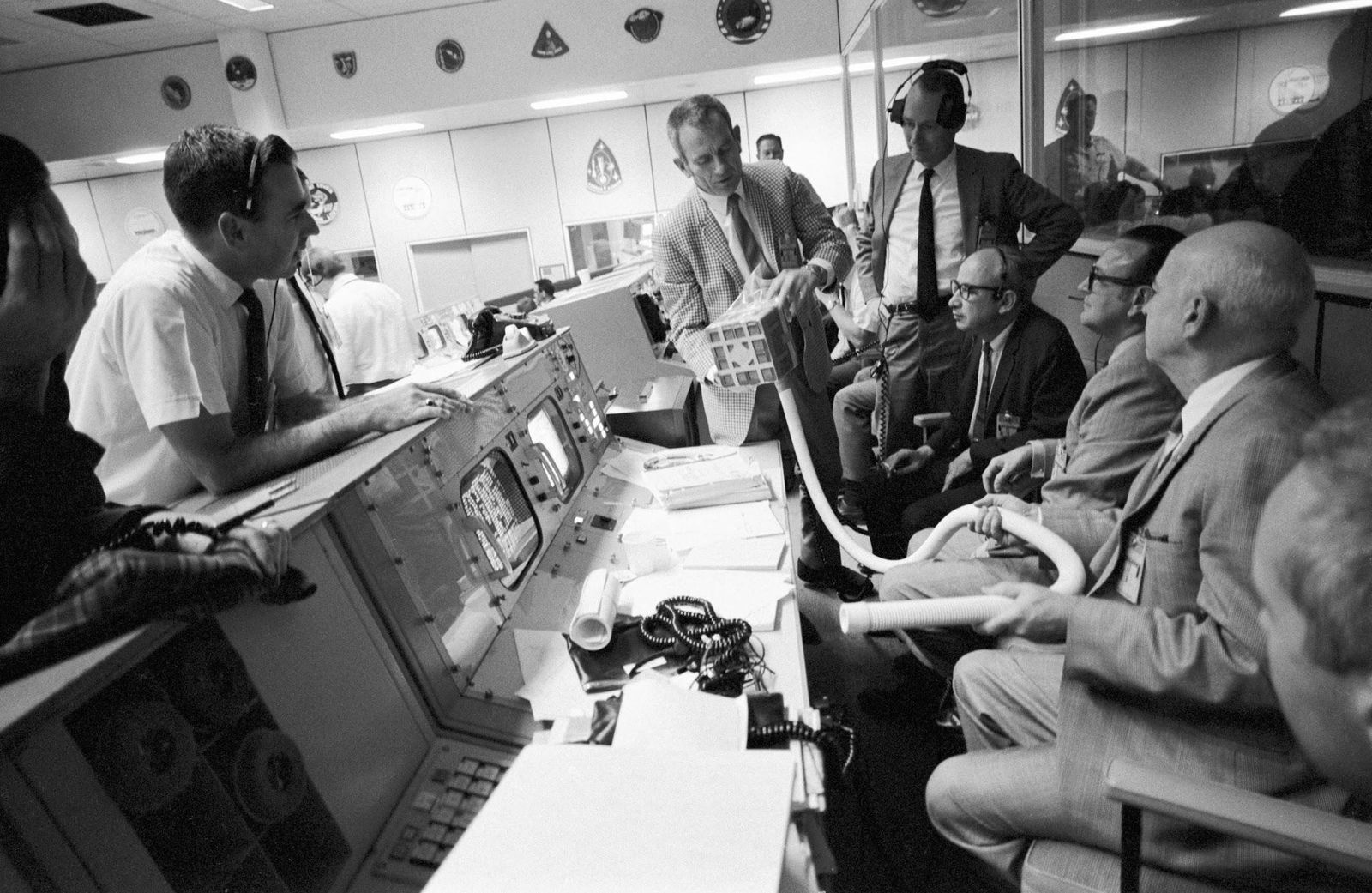
Image: NASA, Public domain, via Wikimedia Commons

Apollo 13 was launched on April 11, 1970, and was supposed to become NASA’s third Moon landing. But two days later, an oxygen tank exploded in space. Astronauts Jim Lovell, Fred Haise, and Jack Swigert suddenly faced freezing temperatures, limited power, and dwindling oxygen .

NASA engineers in Houston worked nonstop to save the crew. The astronauts used the lunar module as a lifeboat and improvised repairs with onboard materials. Against enormous odds, Apollo 13 safely splashed down in the Pacific Ocean on April 17, 1970.

4
Economic recovery from the Great Depression
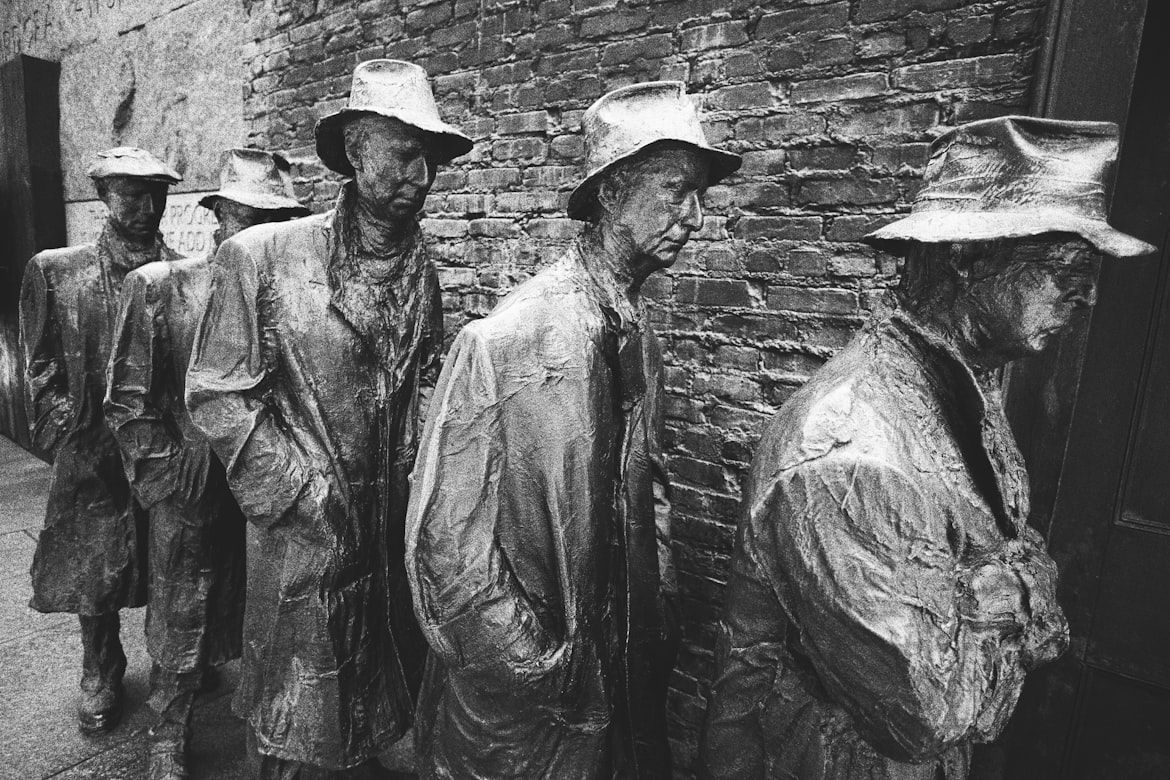
Image: Sonder Quest

The Great Depression devastated the U.S. after the stock market crash of 1929. By 1933, unemployment had reached nearly 25%, banks were collapsing, and millions of Americans lost homes, jobs, and savings during the worst economic crisis in modern U.S. history.

President Franklin D. Roosevelt introduced New Deal programs aimed at relief and recovery after taking office in March 1933. Public works projects, banking reforms, and job programs slowly helped stabilize the economy . The country eventually emerged stronger during the years leading up to World War II.

5
The 1980 "Miracle on Ice" victory v.s the USSR
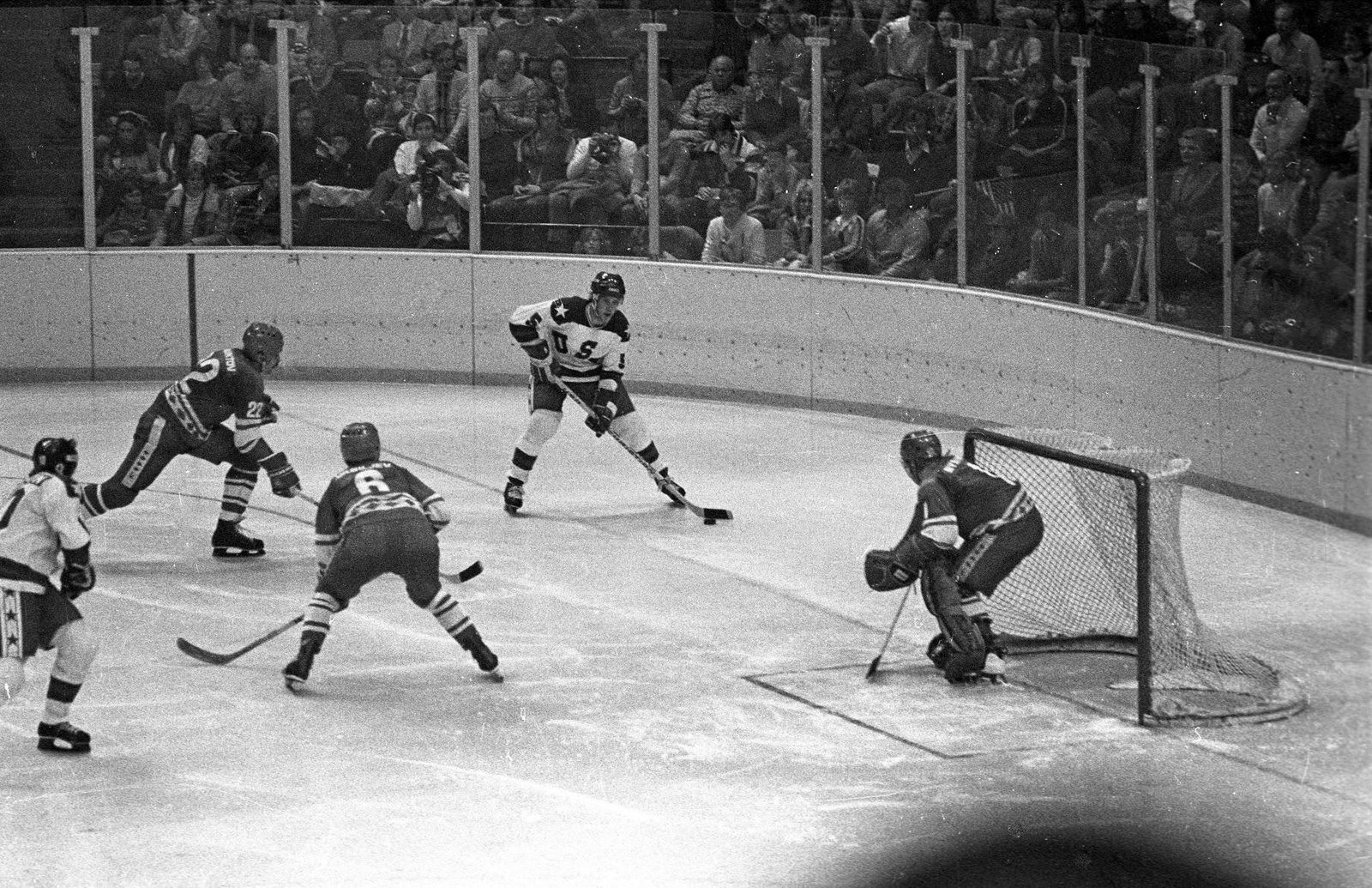
Image: Henry Zbyszynski, CC BY 2.0, via Wikimedia Commons

During the 1980 Winter Olympics in Lake Placid, New York, the Soviet hockey team was considered nearly unbeatable . The USSR had dominated international hockey for years, while the young American team consisted mostly of amateur and college players.

On February 22, 1980, the U.S. shocked the world with a dramatic 4-3 victory over the Soviets . Mike Eruzione scored the winning goal, and broadcaster Al Michaels famously asked, "Do you believe in miracles?" The Americans later defeated Finland to win Olympic gold.

6
The Chicago Cubs ending their 108-year World Series drought in 2016
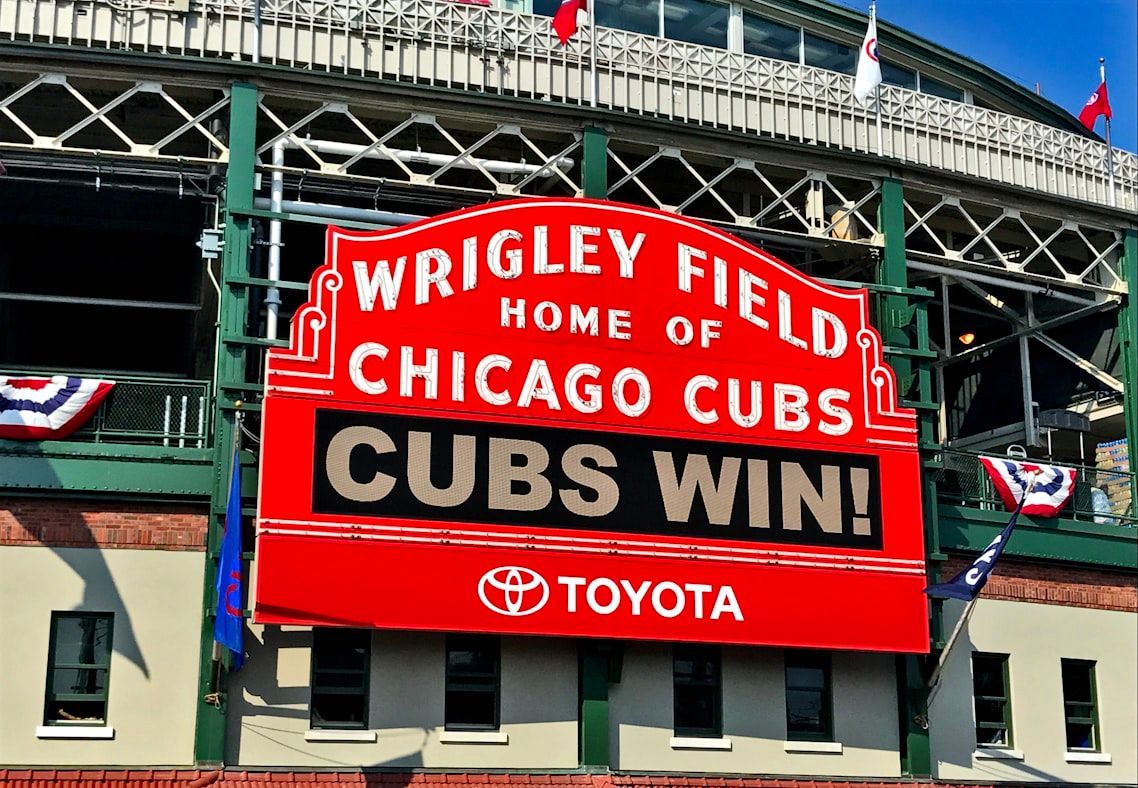
Image: Heather Maguire

The Chicago Cubs had not won the World Series since 1908, suffering one of the longest championship droughts in sports history. By 2016, generations of fans believed the team was cursed after decades of heartbreaking losses and missed opportunities.

The Cubs fell behind three games to one against Cleveland in the 2016 World Series, but fought back to force Game 7. On November 2, 2016, Chicago won 8-7 in 10 innings after a rain delay, finally ending its 108-year drought

7
The Space Race
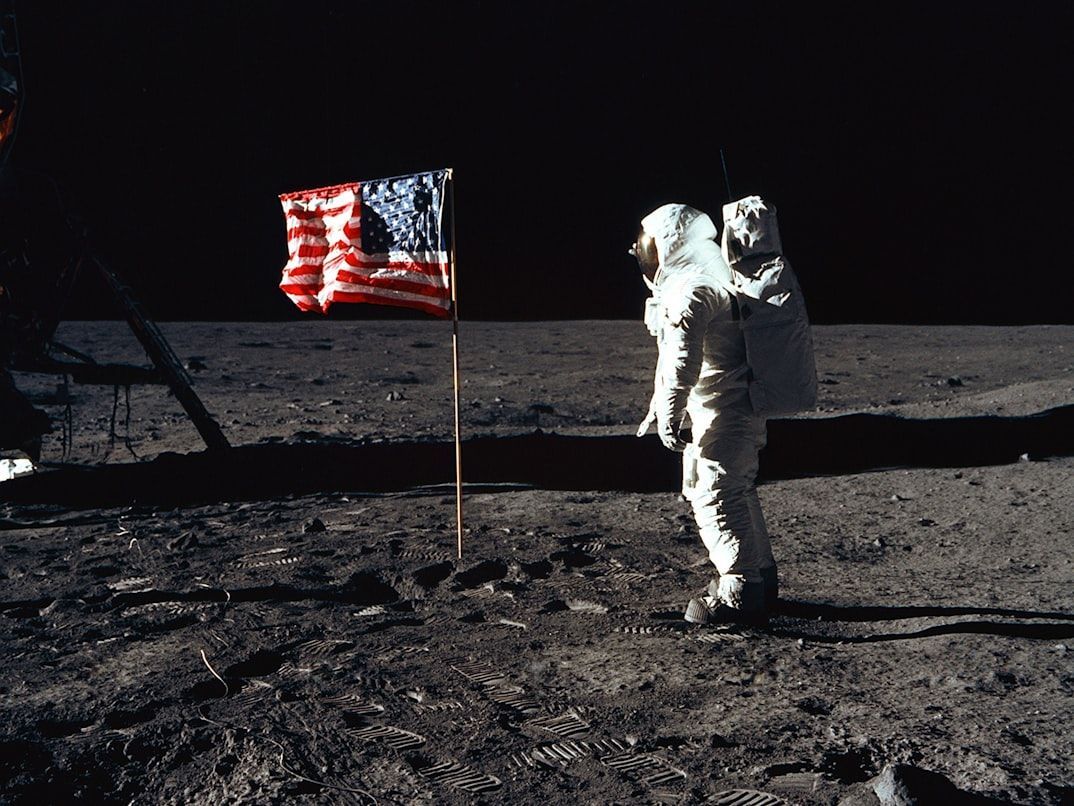
Image: NASA

The Soviet Union dominated the early Space Race by launching Sputnik in 1957 and sending Yuri Gagarin into orbit in 1961. At the time, many experts believed the U.S. was permanently behind in space technology.

President John F. Kennedy challenged NASA to land a man on the Moon before the decade ended. After years of Mercury, Gemini, and Apollo missions, Neil Armstrong and Buzz Aldrin landed on the Moon on July 20, 1969, during Apollo 11.

8
New Orleans’ recovery after Hurricane Katrina
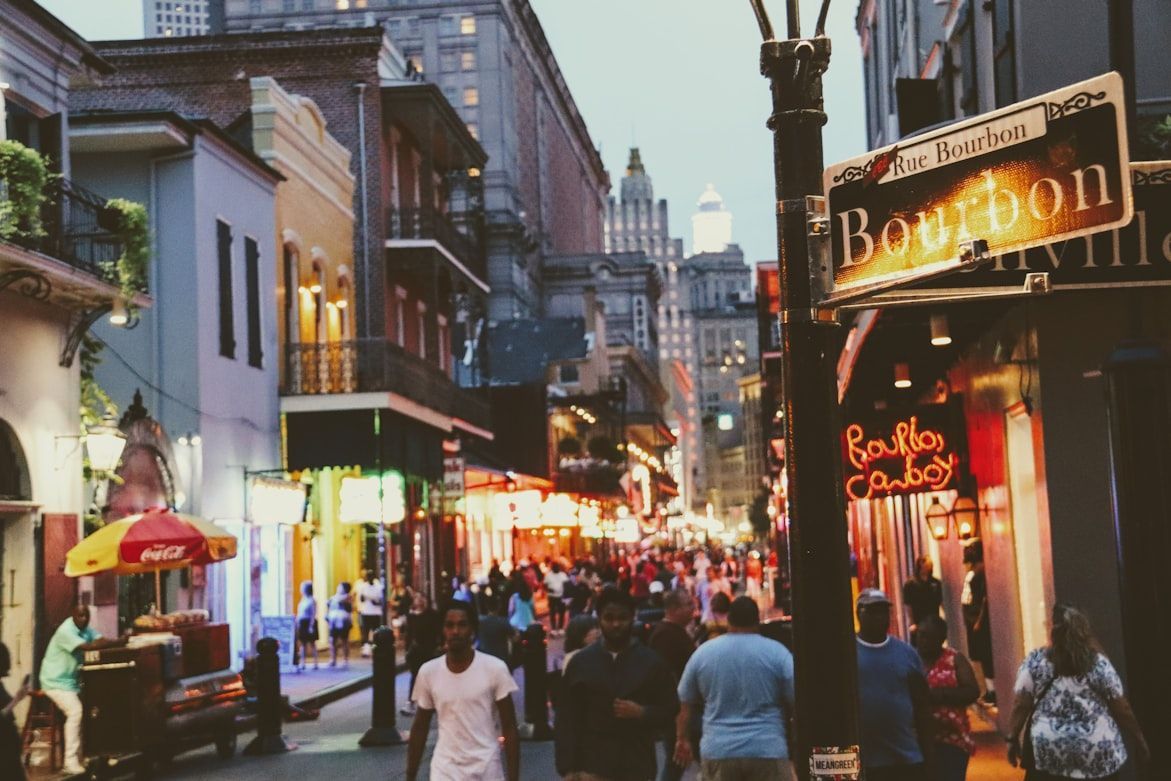
Image: Mitch Hodiono

Hurricane Katrina struck the Gulf Coast in August 2005 and caused catastrophic flooding in New Orleans after the levees failed. About 80% of the city was flooded, and hundreds of thousands of residents were displaced in one of America’s worst natural disasters.

Recovery took years and required rebuilding homes, schools, roads, and flood protection systems . Despite enormous challenges, New Orleans gradually restored much of its tourism, culture, music scene, and population while continuing to strengthen its storm defenses.

9
The U.S. women’s soccer team in 1999 and 2019
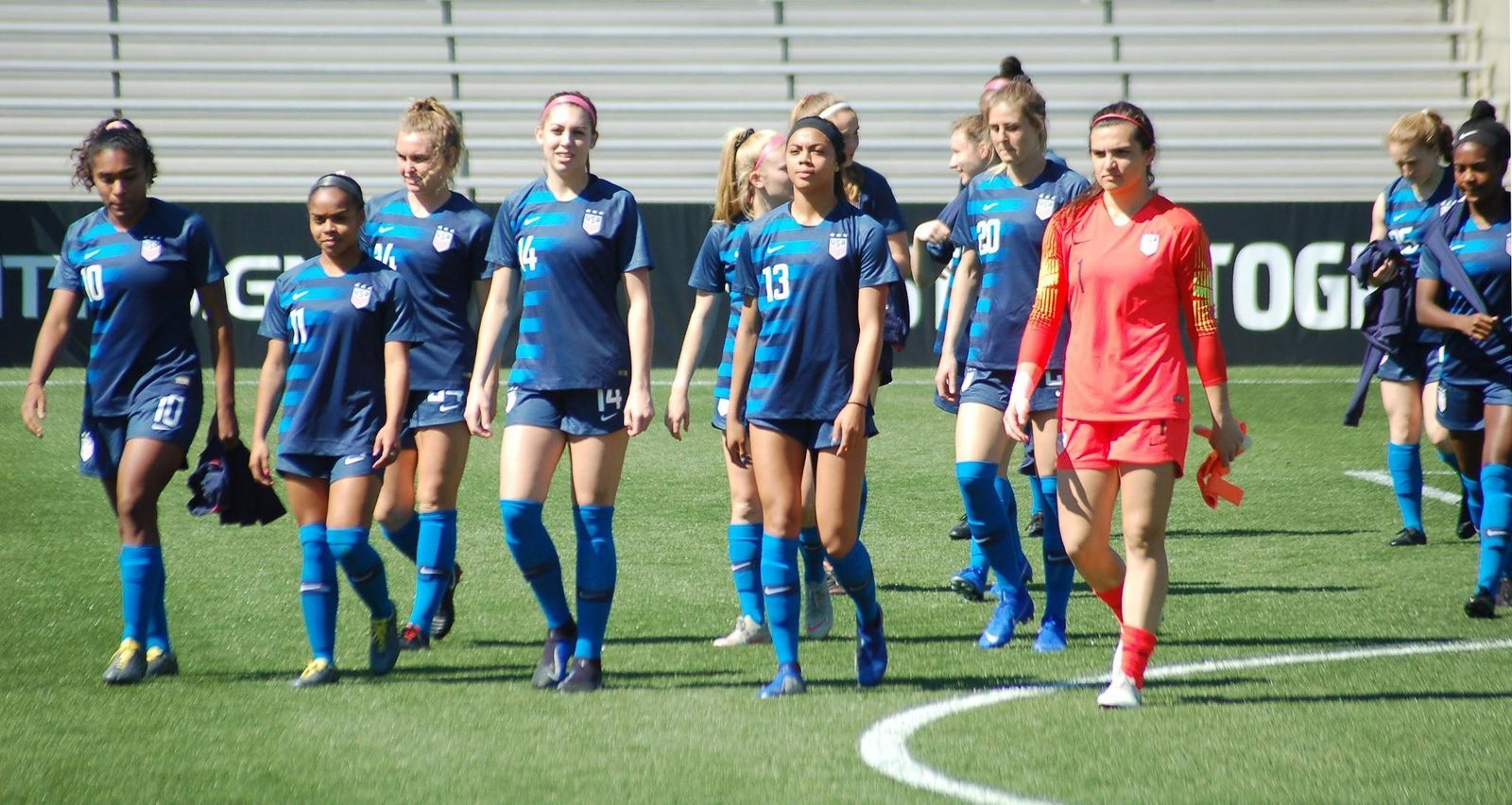
Image: Dana Orlosky, CC BY 2.0, via Wikimedia Commons

The 1999 U.S. women’s soccer team helped transform women’s sports in America. Facing strong international competition, the Americans defeated China in the Women’s World Cup final before more than 90,000 fans at the Rose Bowl in Pasadena, California.

Twenty years later, the U.S. returned to the top again at the 2019 Women’s World Cup in France . Megan Rapinoe and Rose Lavelle scored in a 2-0 victory over the Netherlands in Lyon, giving the U.S. its fourth world title.

10
The Boston Red Sox reversing a 0-3 deficit against the Yankees in 2004
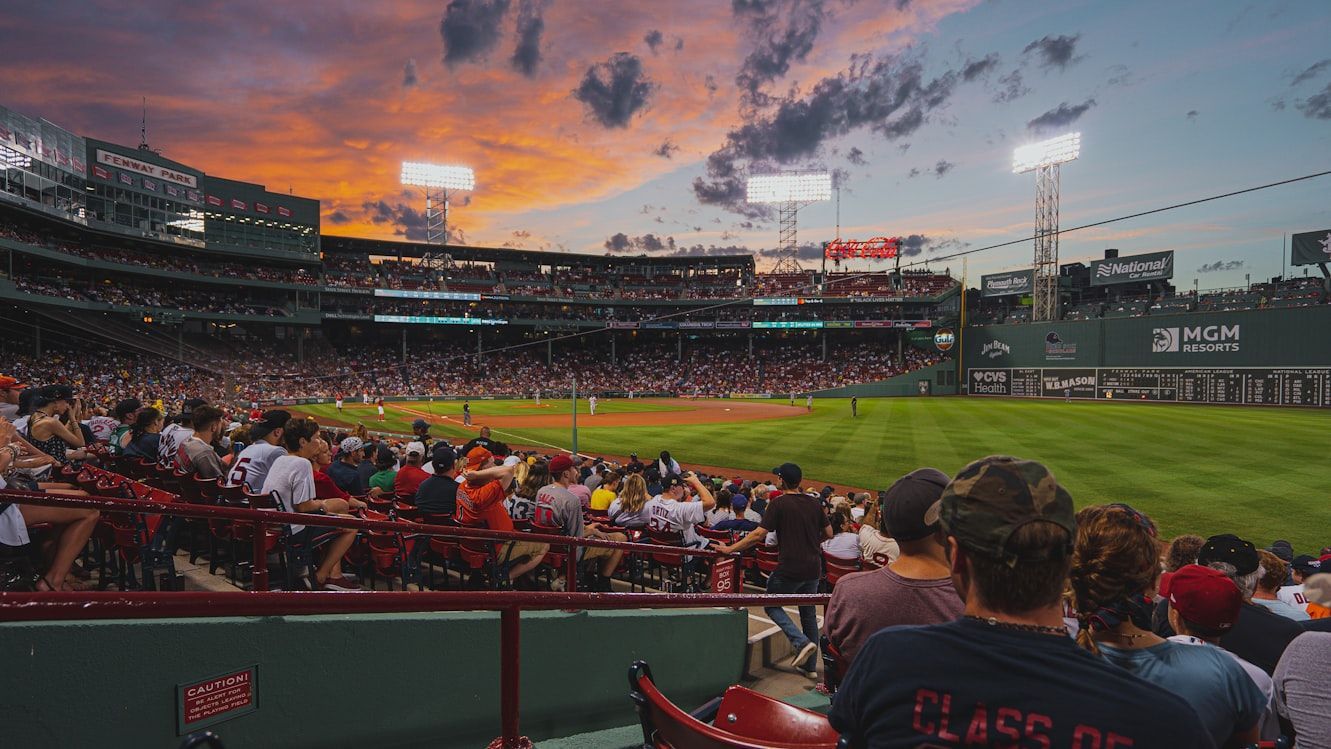
Image: Wei Zeng

In a 2004 American League Championship Series, the Boston Red Sox lost the first three games against their rivals, the New York Yankees. No baseball team had ever recovered from a 0-3 deficit in a best-of-seven postseason series.

Boston stayed alive after Dave Roberts stole second base in the ninth inning of Game 4. The Red Sox then won four straight games to complete the comeback . They went on to sweep the St. Louis Cardinals and win their first World Series since 1918.
Geography Geography 2 min read

Back to the roots

10 great American trees that shaped our history—and you never knew

Image: Art Institute of Chicago

From towering forests to city streets, American trees have shaped culture, commerce, and the environment. Many provided food, medicine, and building materials, while others played a role in history. This list explores 10 iconic American trees and the surprising ways they’ve been used, preserved, and celebrated.

1
Sugar Maple (Acer saccharum)

Image: GraceHues Photography

The sugar maple produces the sap that becomes maple syrup, a North American staple. Its hardwood is also prized for furniture and flooring.

Native to the northeastern U.S. and Canada, sugar maples support both culinary traditions and forestry industries. They can live for over 200 years and are crucial to fall foliage tourism.

2
White Oak (Quercus alba)

Image: Tina Xinia

White oak wood is valued for barrels, furniture, and flooring due to its strength and natural rot resistance.

Historically, it was used in shipbuilding during colonial times. White oak forests also support diverse wildlife, and their acorns feed deer, squirrels, and birds.

3
Eastern Red Cedar (Juniperus virginiana)

Image: Aimee Summers

This tree’s wood is aromatic and naturally repels moths, making it a good choice for closets and storage chests.

Red cedar oil was also used in medicine by Native Americans. Its dense wood has been extensively used for fence posts and small-scale construction.

4
American Chestnut (Castanea dentata)

Image: Marta Reis

Once dominant in eastern forests, the American chestnut was devastated by blight in the early 20th century.

Its wood was lightweight yet strong, ideal for furniture and building. The nuts were a staple food for wildlife and humans alike. Breeding programs now aim to restore it.

5
Ponderosa Pine (Pinus ponderosa)

Image: benjamin lehman

Ponderosa pines dominate the western U.S. and are a major timber source.

Their wood is used for construction, paper, and fuel. Native Americans also used the bark and resin for medicinal purposes and ceremonial practices.

6
Red Maple (Acer rubrum)

Image: Edmond Lau

Red maples are adaptable trees that provide timber and spectacular fall colors.

Like the sugar maple, their sap can also produce syrup, and the wood is used in furniture and flooring. The species thrives in wetlands, supporting a wide range of ecological diversity.

7
Douglas Fir (Pseudotsuga menziesii)

Image: Ulrike R. Donohue

A key timber species, the noble Douglas fir is used for construction, plywood, and paper.

It’s also one of the most popular Christmas trees. Native Americans used the bark and needles for medicinal purposes.

8
Black Walnut (Juglans nigra)

Image: Ross Domke

Black walnut produces edible nuts and dark, durable wood for furniture and gunstocks.

Its wood is highly prized by woodworkers for fine cabinetry. The nuts support wildlife, while the husks can be used for natural dye.

9
American sycamore (Platanus occidentalis)

Image: Heather Wilde

American sycamores are found along rivers and lakes, stabilizing soil and preventing erosion.

Their large, patchy bark makes them visually distinctive. Historically, their wood was used for butcher blocks, furniture, and veneers.

10
White Spruce (Picea glauca)

Image: Joel Cross

White spruce supports timber, paper, and pulp industries in northern forests.

Its wood is lightweight yet strong, ideal for construction and musical instruments. Spruce forests are also critical habitats for migratory birds and wildlife.

General General 3 min read

Banned in the USA

Would you ban velvet Elvis paintings? These towns really did it

Image: Dmitry Alexandrovich

The Land of the Free has had its fair share of strange bans over the years, and not all of them make sense today. From quirky laws to outright odd restrictions, plenty of everyday things have been outlawed at one point or another. Here are 12 unusual things that, believe it or not, were once banned in the U.S.

1
Sliced bread

Image: Laura Ockel

Not even the best of inventions are safe from odd bans. In 1943, the U.S. government temporarily banned pre-sliced bread as part of wartime resource conservation .

Thankfully, the ban only lasted a few months. Housewives, bakeries, and even newspapers complained, arguing that sliced bread was a necessity. The ban was lifted quickly due to public backlash.

2
Pinball machines

Image: Louie Castro-Garcia

Believe it or not, from the 1940s until the mid-1970s, pinball machines were outlawed in several major cities, including New York and Chicago. Officials claimed the machines promoted gambling and corruption .

Machines were confiscated and destroyed. The ban finally ended when it was proven that pinball was more skill-based than luck, leading to its revival as a popular arcade game.

3
Yo-Yos

Image: Eric Prouzet

During the 1930s, some U.S. towns banned yo-yos, believing they caused bad luck and distracted children from schoolwork . The fad was seen as both frivolous and superstitious.

Though short-lived, the bans show how something as harmless as a toy could spark moral panic and strange local laws.

4
Christmas

Image: Erwan Hesry

In the 1600s, the Puritans of Massachusetts Bay Colony banned Christmas , claiming it was rooted in pagan traditions and encouraged rowdy behavior .

Anyone caught celebrating risked punishment or fines. It wasn’t until the mid-1800s that Christmas gained widespread acceptance in the U.S.

5
Dancing after midnight

Image: Scott Broome

At different occasions during the 20th century, some cities enforced laws that restricted or outright banned late-night dancing . New York City’s "Cabaret Law" limited dancing to licensed venues only.

Authorities argued it was about maintaining order, but many saw it as cultural repression. By the 1990s, these laws faced strong opposition, and most have since been repealed, allowing nightlife to thrive.

6
Comic books

Image: Waldemar

Comic books have been a scapegoat for different things in different periods. For example, in the 1950s, they came under fire, accused of corrupting America’s youth . Parents, educators, and politicians believed violent and horror-themed comics encouraged delinquency.

Entire towns banned sales, and even public book burnings took place in different corners of the country.

7
Yellow margarine

Image: Marine Le Gac

Being a substitute for butter, margarine was heavily lobbied against by dairy farmers in the late 1800s. Several states passed laws banning margarine dyed yellow to resemble butter .

As a result, margarine was sold plain white, or consumers had to mix in dye packets themselves. These odd restrictions lasted well into the mid-1900s before finally being repealed.

8
Men’s long hair

Image: Siri louis

During the 1960s and 70s, schools across the U.S. cracked down on boys with long hair . Beatles-inspired styles were viewed as rebellious, unclean, and disruptive.

Some students were suspended or expelled over hair length. These policies reflected the cultural clashes of the era.

9
Left-handed writing

Image: Anna Savina

For much of the 19th and early 20th centuries, left-handed students were forced to switch hands . Teachers tied their left arms or punished them until they wrote with their right hand.

This practice was based on superstition and prejudice, with left-handedness considered "wrong" or even sinister.

10
Bathing suits above the knee

Image: Brett Jordan

In the early 1900s, strict laws dictated swimwear modesty at public beaches . Bathing suits that rose above the knee could result in fines or even arrest by "beach police."

Photographs from the time show officers measuring swimsuit lengths with rulers. The bans slowly disappeared as fashion and social norms shifted.

11
Coffee

Image: Jakub Dziubak

In the late 1600s, in Boston, coffee was briefly banned for being considered dangerous and unproductive . Authorities feared it encouraged idleness and vagrancy.

Coffeehouses were seen as gathering places for gossip and dissent. The ban didn’t last long, and coffee soon became a staple of American culture, eventually surpassing tea in popularity.

12
Velvet Elvis paintings

Image: Susan Mohr

In the 1970s and 80s, velvet Elvis paintings became a kitschy art craze. Some towns, embarrassed by the trend, tried banning their sale, calling them indecent or tacky .

Though the bans were rarely enforced, they reflected how taste and morality sometimes crossed into law.

Explore more American facts

Choose your favorite category!

General
General

As American as apple pie—the very best America has to offer!

Culture
Culture

Delve into the astounding richness of American lore.

Geography
Geography

Hop in and explore vast and diverse American landscapes.

History
History

Discover the key moments that shaped the United States.