General General 5 min read

White House Secrets Revealed

11 secret rooms inside the White House you'll never get to tour
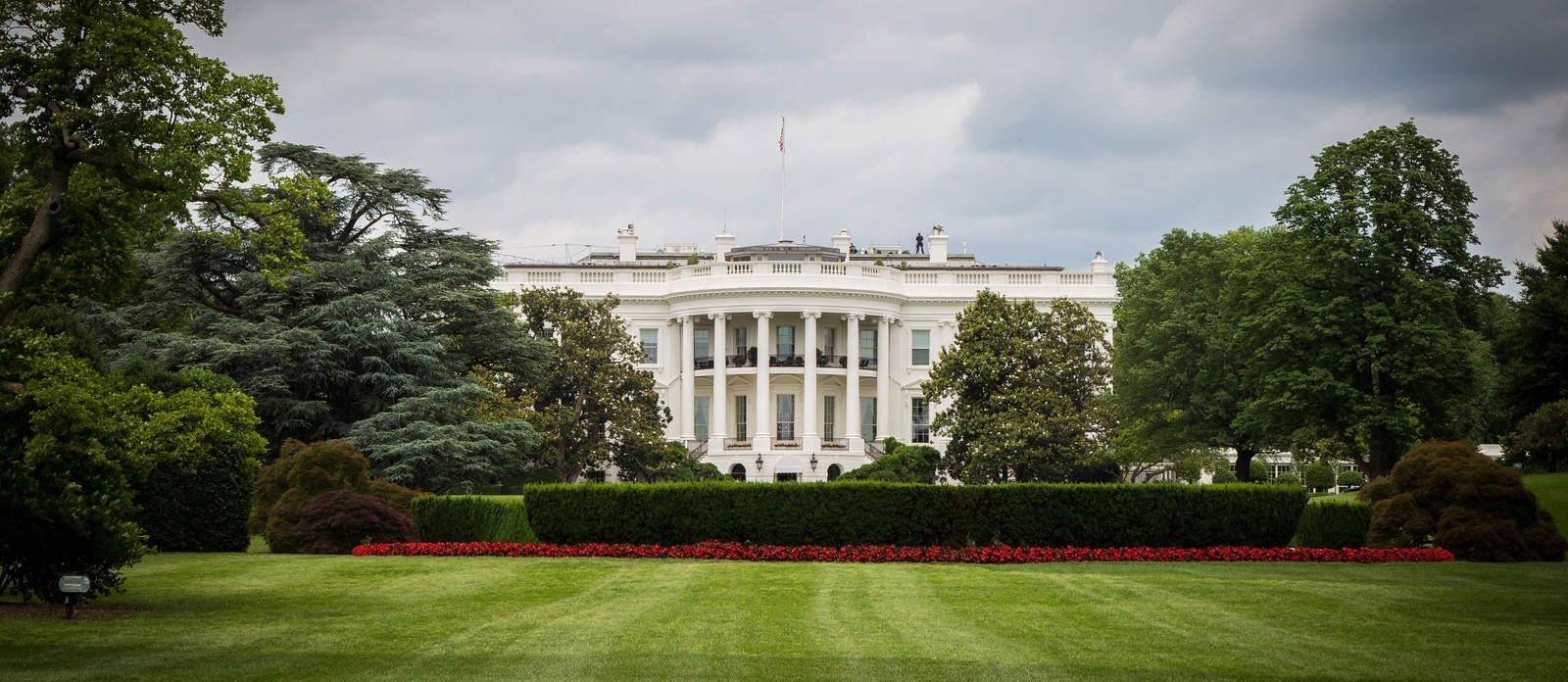
Image: Yevgeniy Melnik

The White House is on the news, in countless movies, and even open for tours. Yet there are rooms no visitor ever sees, because the building does triple duty: it's a home, an office, and a museum . Take the Situation Room, where presidents handle crises, or the PEOC, an emergency bunker built for the worst day imaginable. Those are only two of the secrets. Let's open some doors.

1
The Situation Room
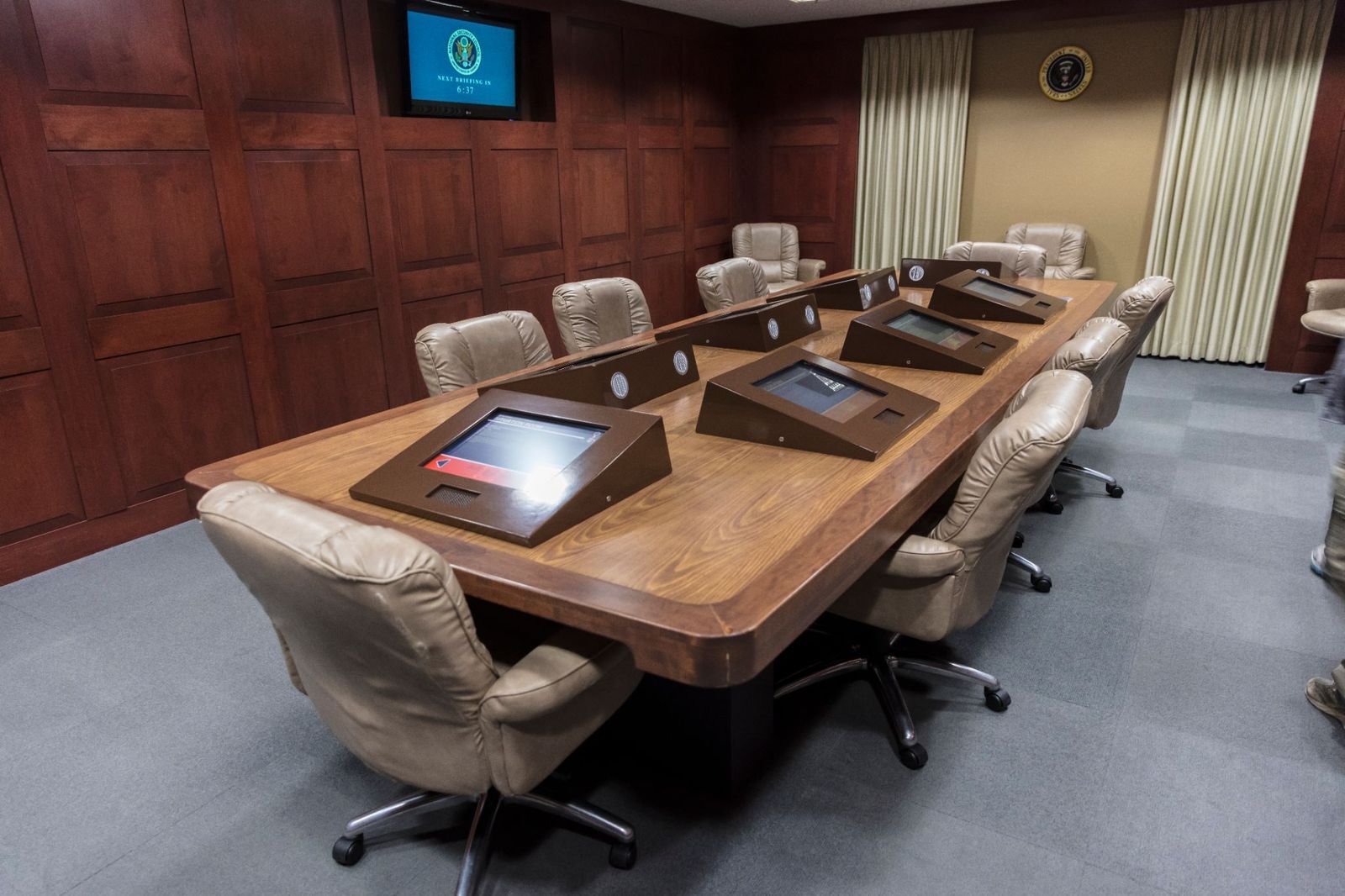
Image: Joseph Sohm

Tucked into the West Wing basement, the Situation Room is the White House crisis headquarters . President Kennedy ordered it built in 1961, after the Bay of Pigs fiasco left him frustrated by slow, jumbled intelligence. It's a complex of rooms, staffed around the clock. The famous 2011 photo of Obama's team watching the bin Laden raid was taken there. A $50 million, year-long gut renovation finished in 2023; the previous one was in 2007.

2
The PEOC
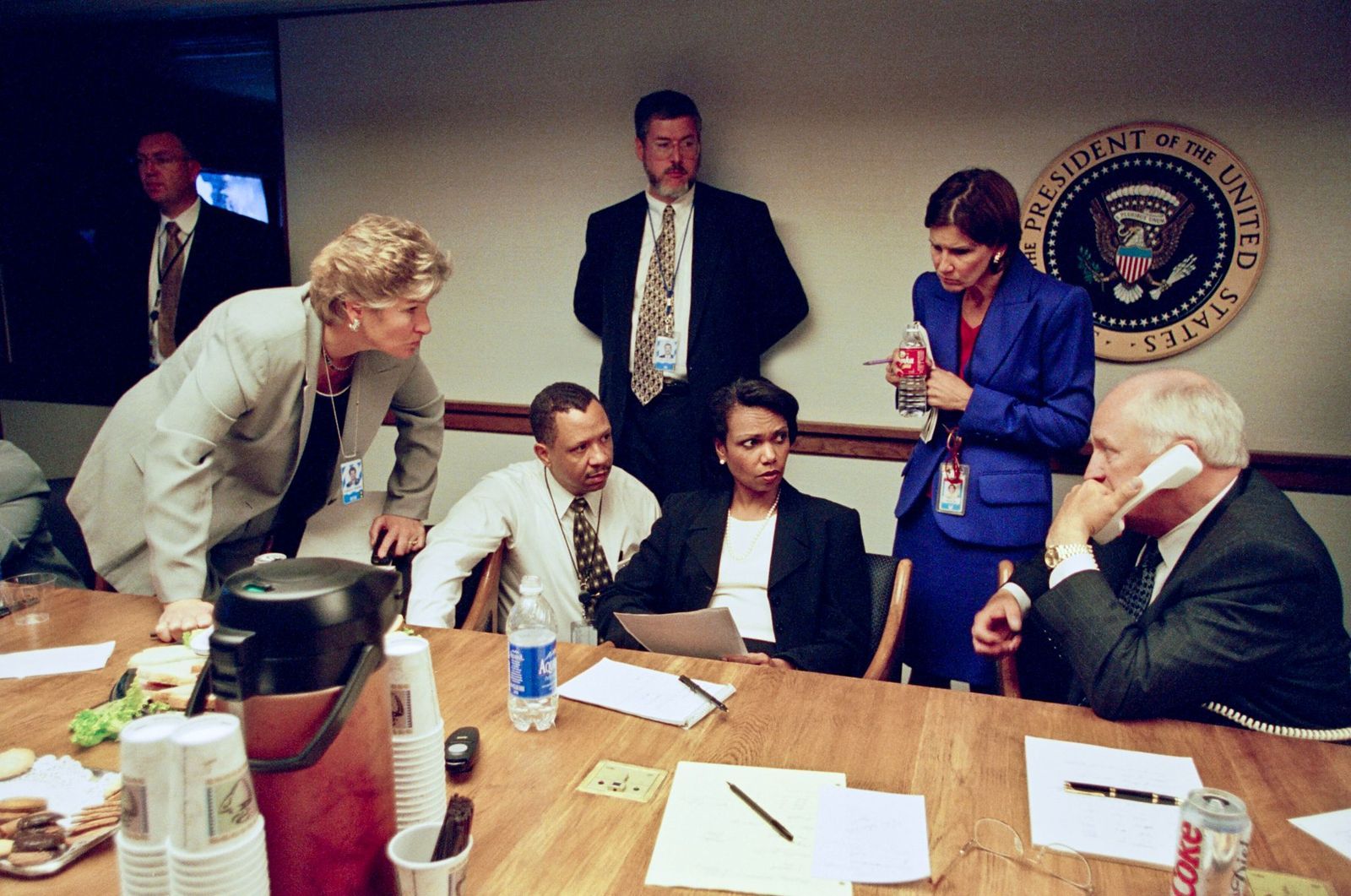
Image: Presidential Materials Division, Public domain, via Wikimedia Commons

Deep beneath the East Wing sat the PEOC, short for Presidential Emergency Operations Center . FDR had the bomb shelter built in 1942, disguised as an office wing, and Truman's early-1950s rebuild expanded it. Military staff ran it around the clock.

Vice President Cheney was rushed inside on 9/11, and Trump sheltered there in May 2020. The East Wing was demolished in 2025, and they are digging a bigger, secret replacement.

3
The Map Room
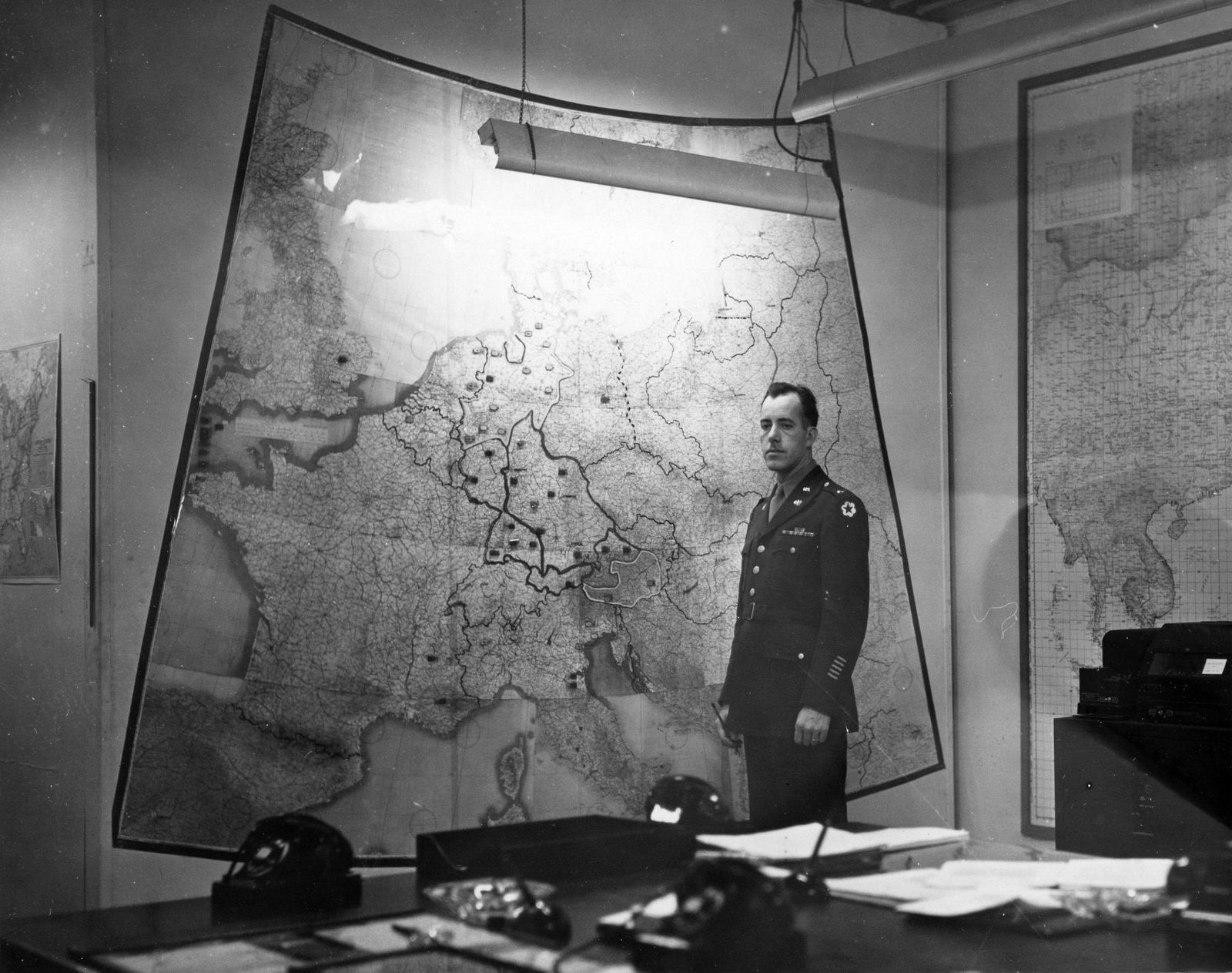
Image: FDR Presidential Library & Museum, CC BY 2.0, via Wikimedia Commons

Before the Situation Room, there was the Map Room, on the residence's ground floor. During World War II, FDR used it to follow the fighting, with maps, pins, and secret messages handled by Army and Navy officers. It was off-limits to nearly everyone.

The Truman rebuild of 1949–52 paneled it, and it was last redecorated in 1994. Today it's a sitting room that still shows off a few maps.

4
The Family Theater
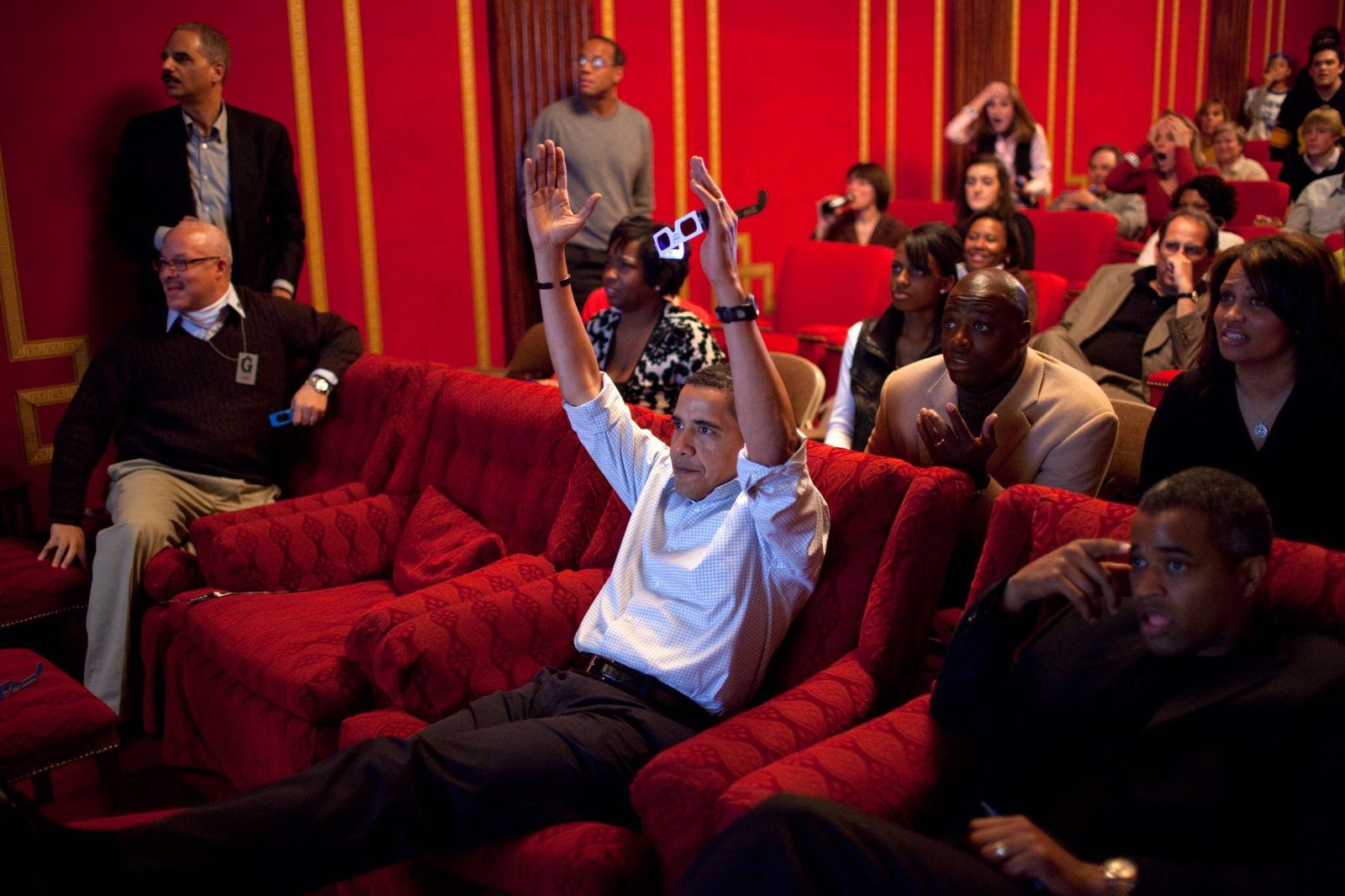
This 42-seat movie theater began in 1942 as a cloakroom nicknamed the "Hat Box," when the White House needed a screening room. Eisenhower added the plush front-row armchairs, Reagan's team redid it in 1982–83, and Laura Bush gave it "movie-palace red" in 2005.

Carter reportedly watched about 480 films there in four years, and Kennedy's last movie there was reportedly the James Bond flick From Russia With Love , in the fall of 1963. The theater was demolished in October 2025 for the new ballroom.

5
The Press Briefing Room
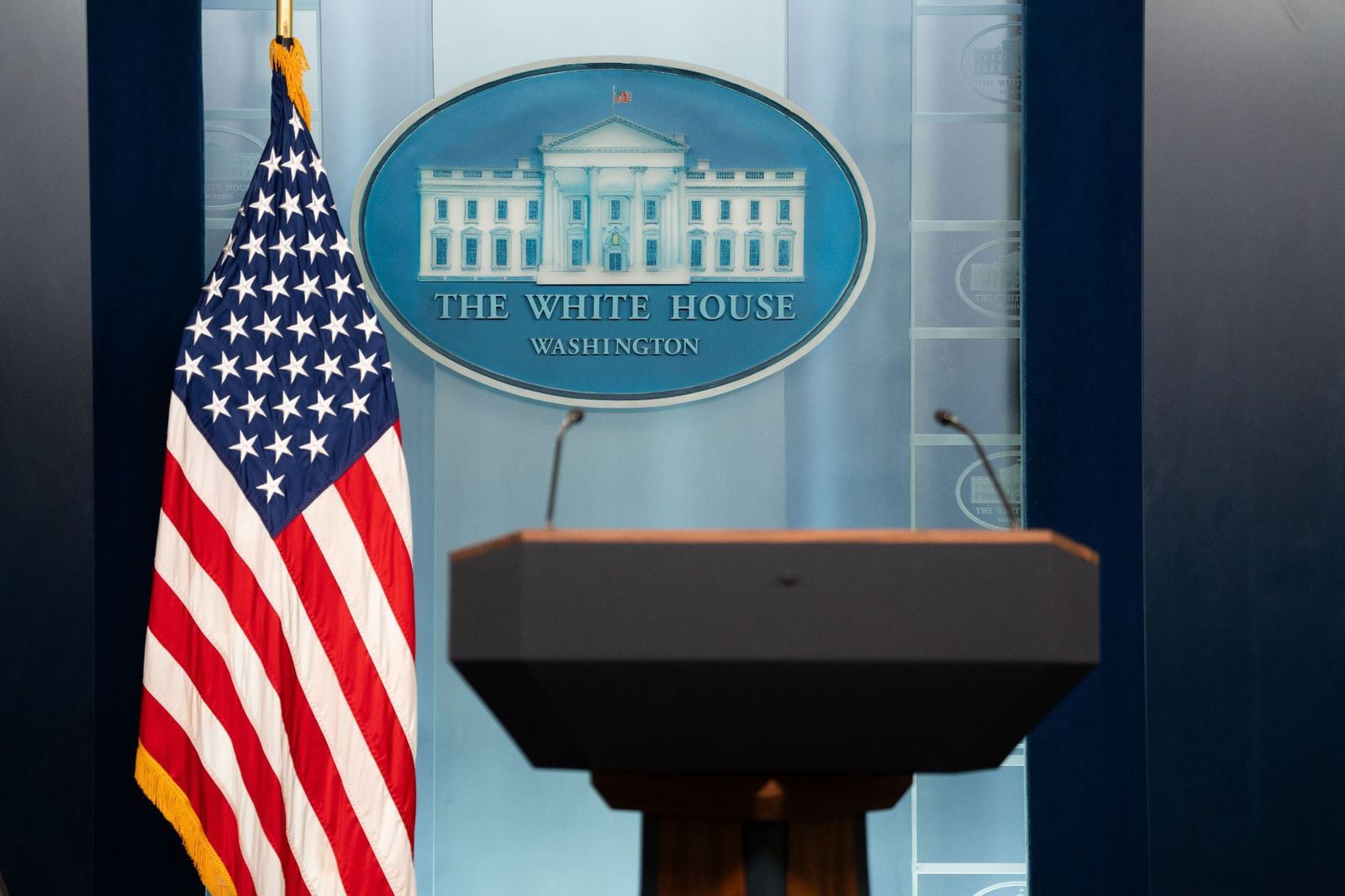
Image: Cristi Dangeorge

You've seen it on TV, but the secret is underneath. In 1933, FDR got an indoor pool here to ease his polio pain. Nixon, who preferred bowling, covered it in 1970 and built the press room on top , reportedly insisting it could be restored. The pool still sits under the floor.

Renamed for James Brady in 2000, the room was renovated and reopened in 2007; the press secretary holds court there.

6
The Bowling Alley
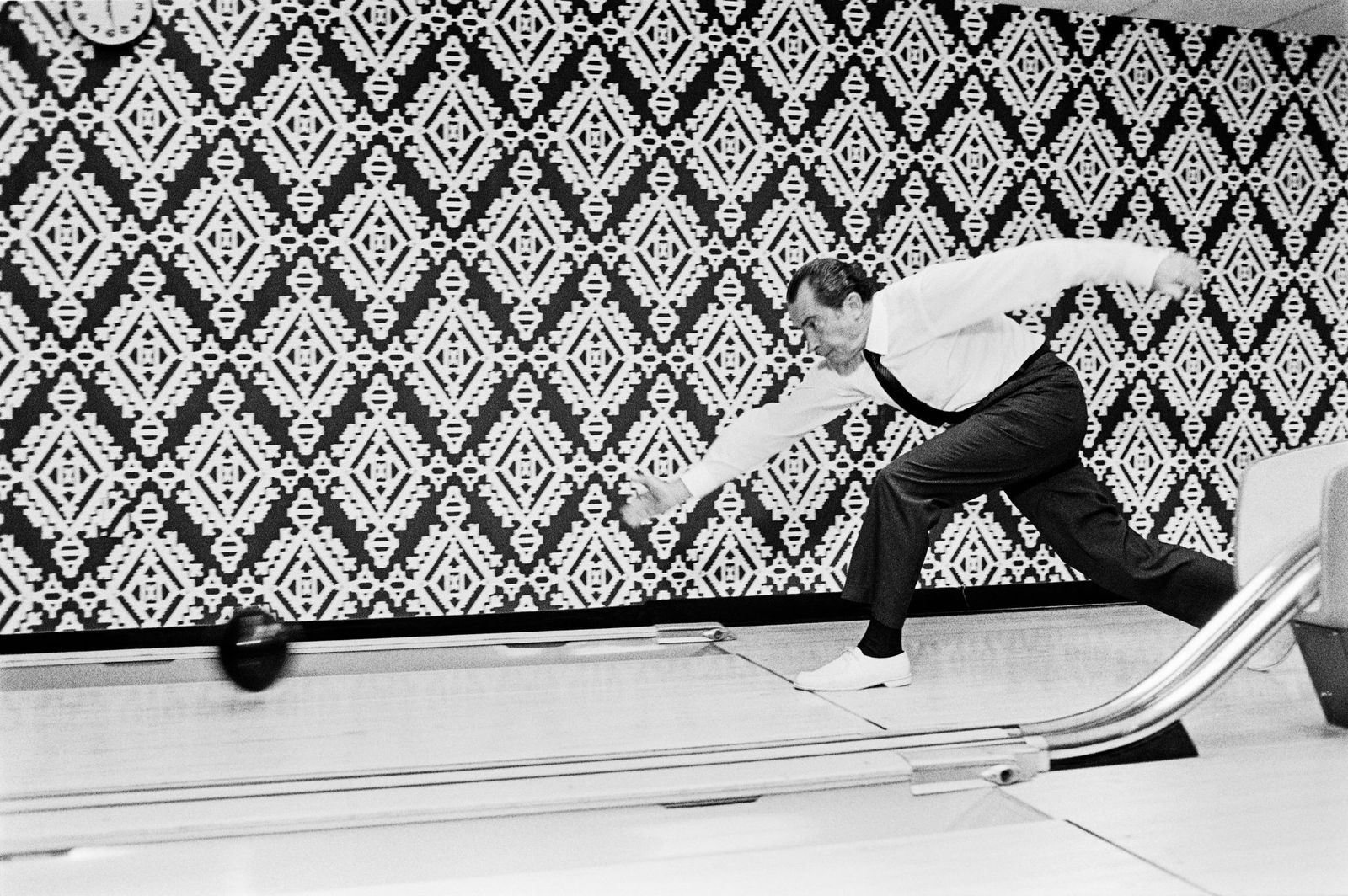
Image: National Archives and Records Administration, Public domain, via Wikimedia Commons

The first White House bowling alley arrived in 1947, a two-lane birthday gift for Truman from Missouri friends. Staffers formed a league in 1950, but the lanes were moved out in 1955. Then, in 1969, friends funded a one-lane alley for Nixon , hidden beneath the North Portico driveway. He and Pat bowled there often, and his best reported score was 232. It's still down there, closed to the public.

7
The Solarium
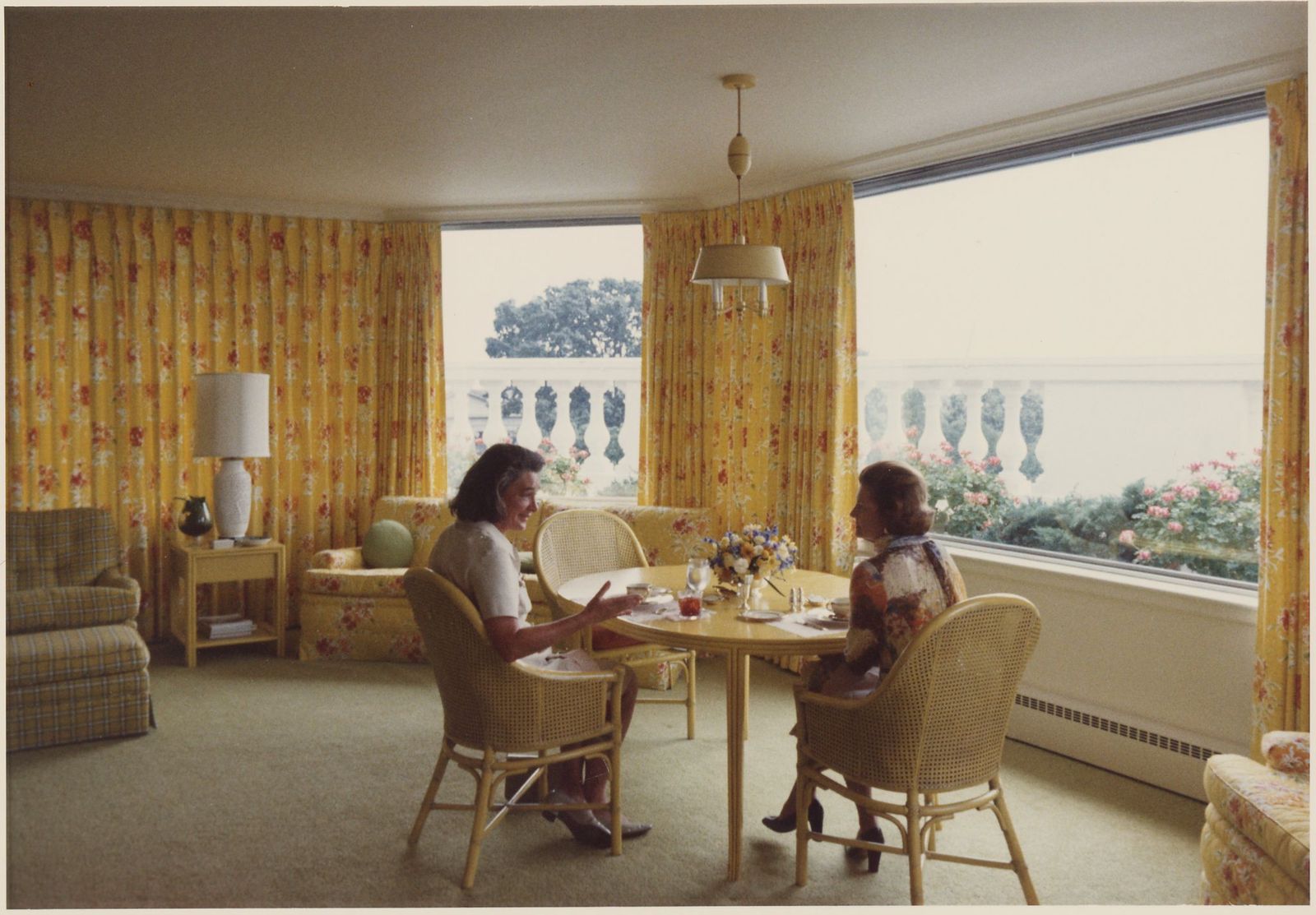
Image: David Hume Kennerly, Public domain, via Wikimedia Commons

Perched on the third floor over the South Portico, the Solarium is a sunny family hangout . Pre-AC, President Taft had a rough sleeping porch up there for hot summer nights, and the real room came in 1927, when Coolidge added the third floor. Grace Coolidge called it her "Sky Parlor."

After World War II, it became more of a family rec room. Mamie Eisenhower hosted card games there, while Ike grilled steaks outside.

8
The Lincoln Bedroom
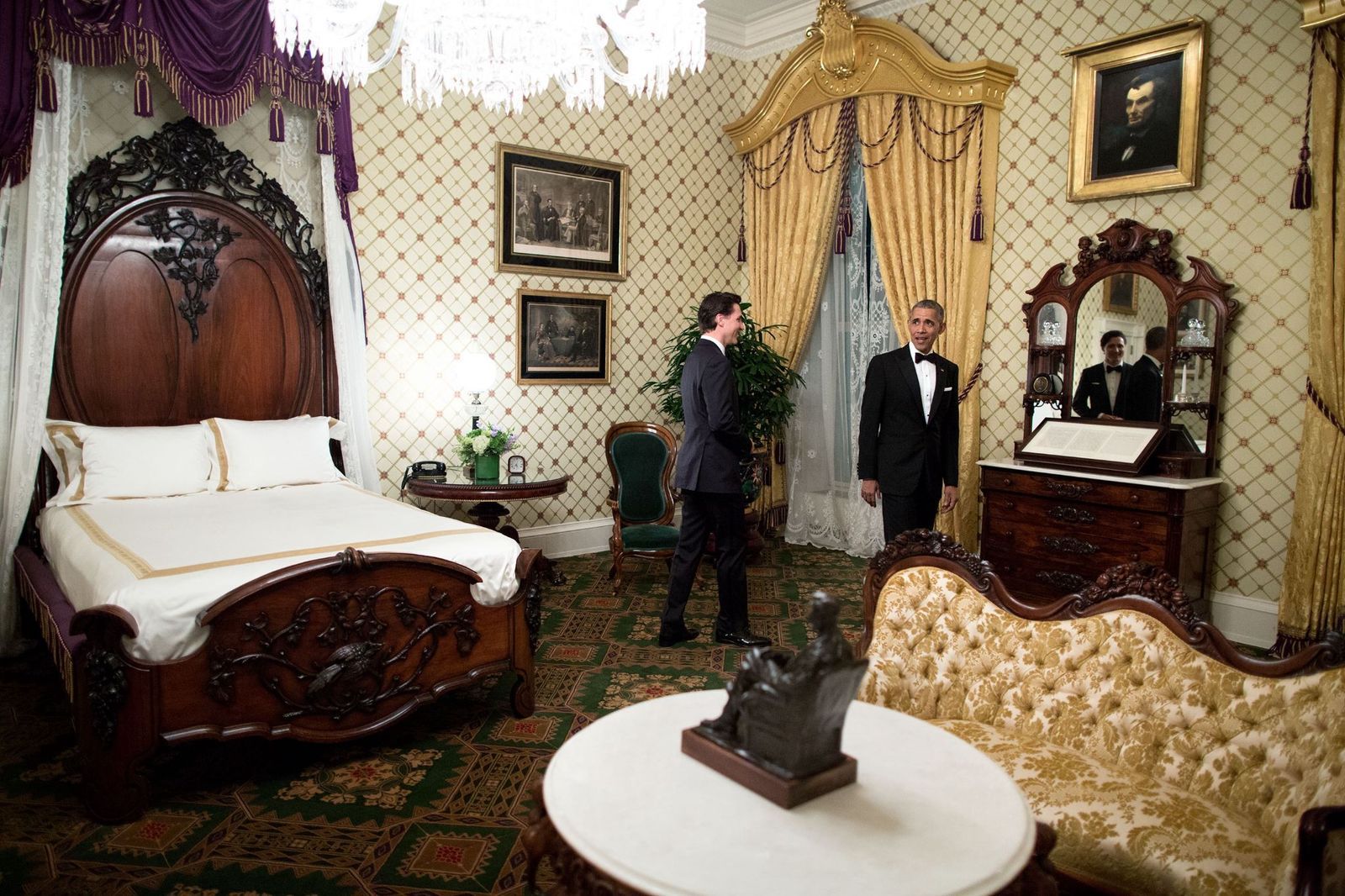
Image: Pete Souza, Public domain, via Wikimedia Commons

Despite the name, Lincoln never slept in that bed. In the southeast corner of the second floor, the room was his office and Cabinet room, and he signed the Emancipation Proclamation there on January 1, 1863. Mary Todd Lincoln bought the famous rosewood bed in 1861, but the space became a bedroom only in the Truman years.

Today it's a guest room, famously used for overnight guests during the Clinton years.

9
The Medical Clinic
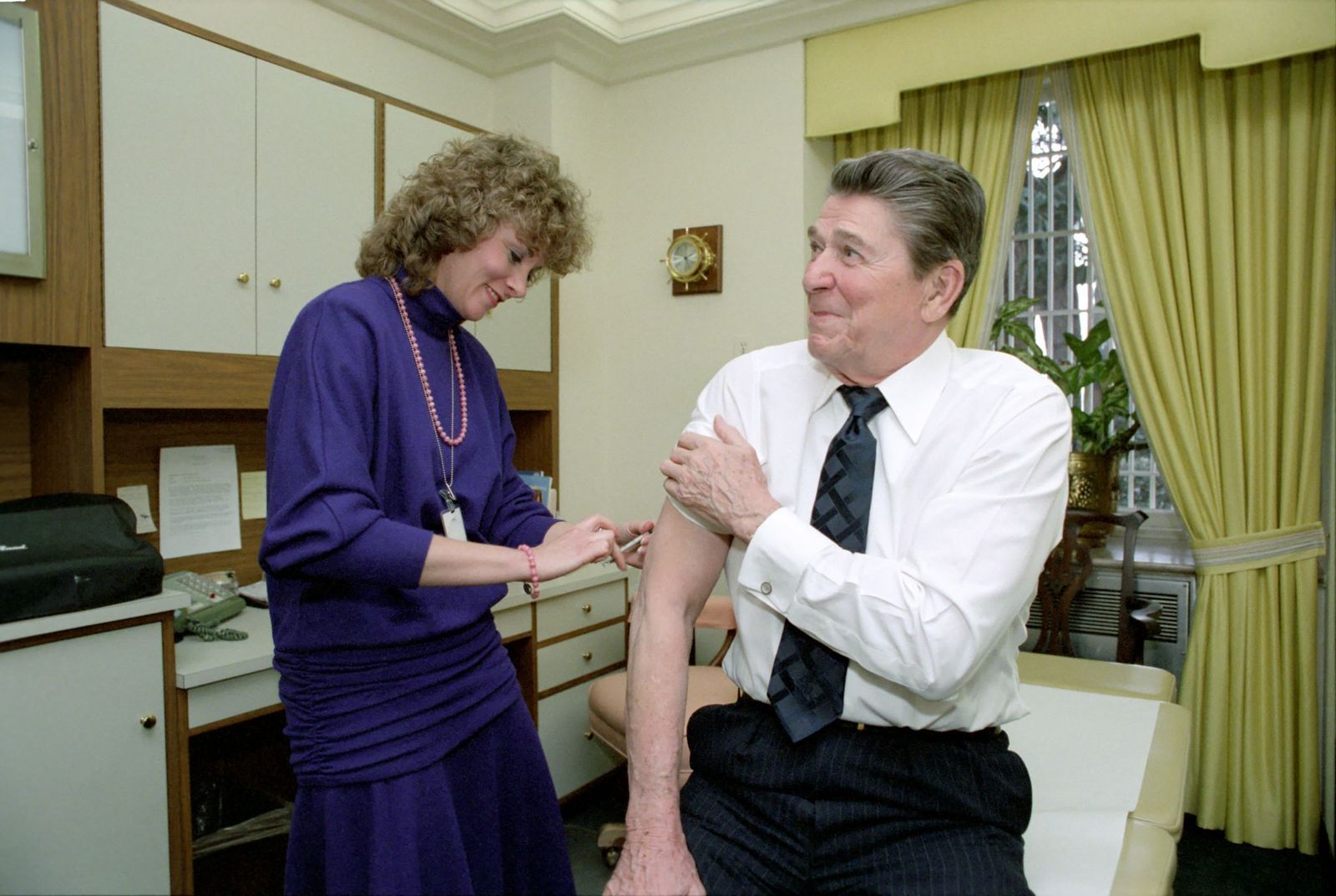
Image: National Archives and Records Administration, Public domain, via Wikimedia Commons

It's less "hospital" and more "doctor's office." A small exam room sits on the ground floor, near the Map Room, backed by the White House Medical Unit: about two dozen military doctors, nurses and aides, with offices in the next-door Eisenhower building. They're on call around the clock for the president, the VP, staff, and even tourists . Full-time presidential doctors date to McKinley, and a formal 24-hour rule came in the 1990s.

10
The Treaty Room
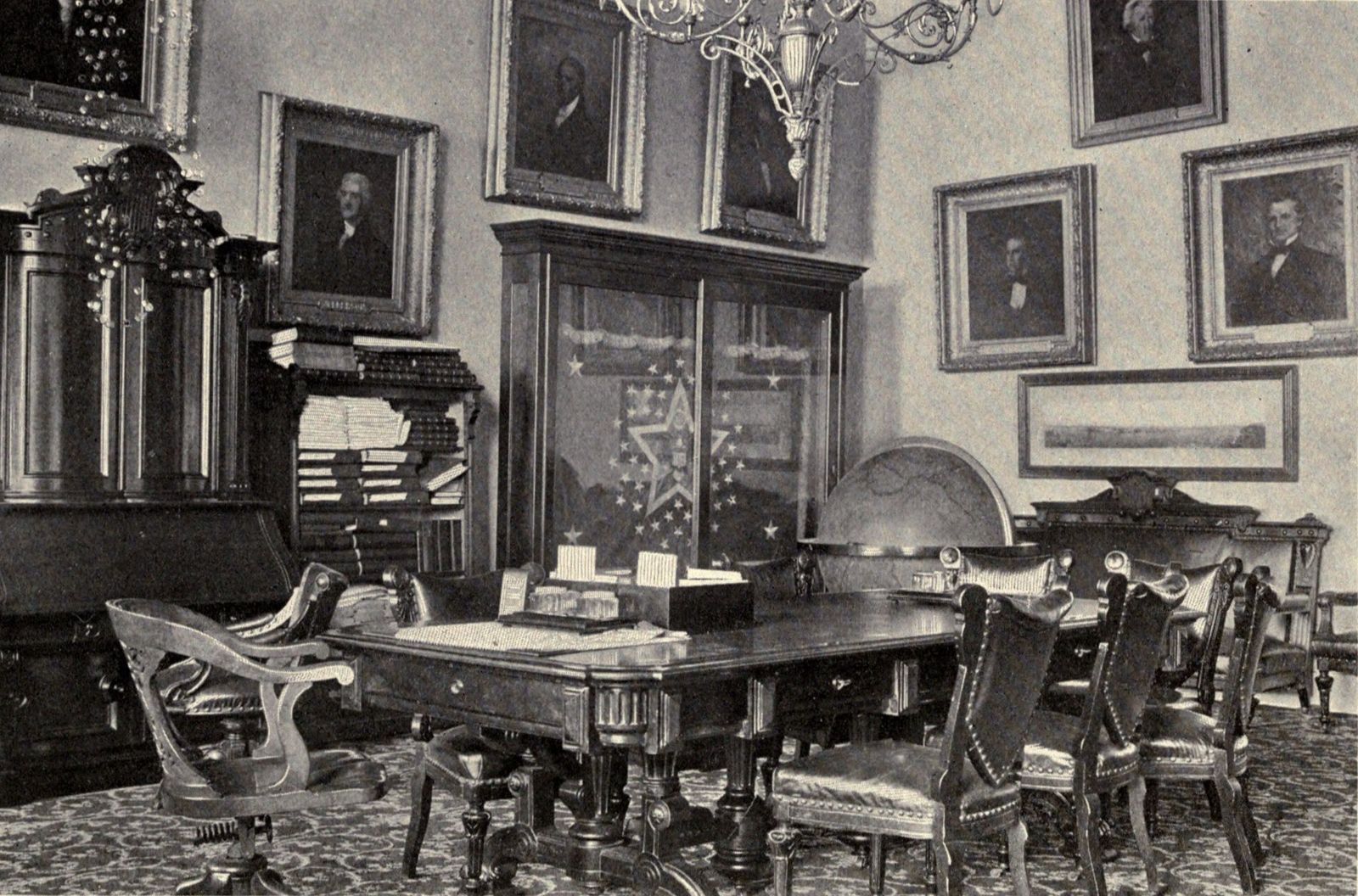
Image: John A. Logan, Public domain, via Wikimedia Commons

On the second floor, the Treaty Room was the Cabinet Room from 1865 to 1902. On August 12, 1898, President McKinley witnessed the peace protocol ending the Spanish-American War being signed there. Jackie Kennedy's restoration gave it its name in the early 1960s , and JFK signed the 1963 nuclear test ban treaty there. Obama used it as a main office. Today it's a presidential study, with drapes modeled on Lincoln-era designs.

11
The Flower Shop
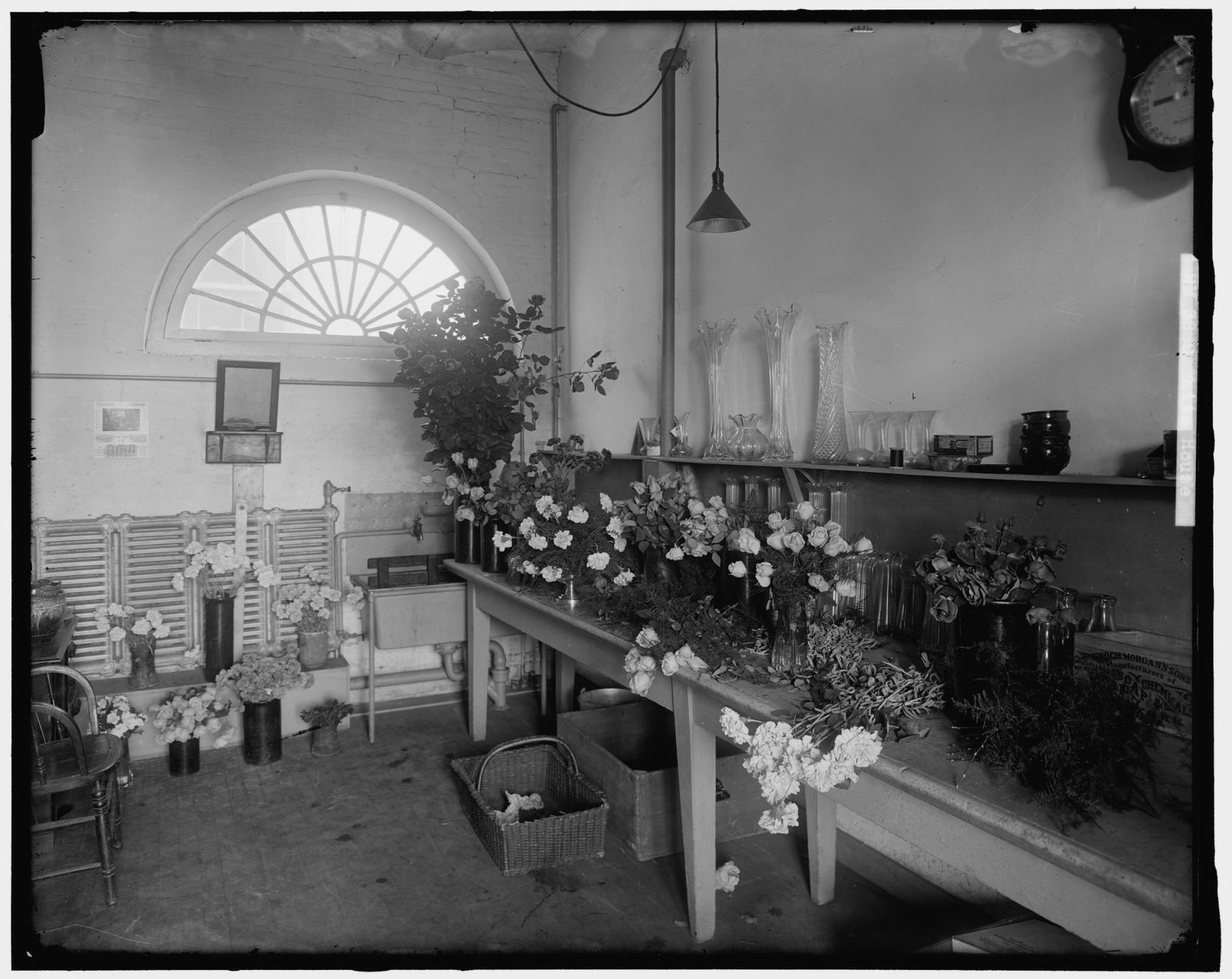
Image: Harris & Ewing Collection, Public domain, via Wikimedia Commons

Yes, the White House has its own flower shop, tucked beneath the North Portico. A Chief Floral Designer and a staff of florists create arrangements for the public and private rooms, matched to each room's color scheme . First Lady Jacqueline Kennedy established the Office of the White House Florist in the early 1960s.

Flowers have been a White House habit far longer, though: a conservatory supplied blooms through the 1800s.

Culture Culture 6 min read

STORIES OF CHAMPIONS

Do You Remember These 10 Iconic American Olympic Moments?

Image: Aditya Joshi

Every four years, the world comes together and competes for a chance of glory. The Olympics are mostly a time for every country to be proud of its amazing athletes, and the United States is definitively no exception. After all, we are the country with the most Olympic medals in the world! The task of selecting ten iconic moments in American Olympic history is definitively a daunting one. Nevertheless, here is our selection of legendary American athletes and how each of them made our country proud. Enjoy!

1
The "Dream Team"

Image: Markus Spiske

We’ll start with what many believe to be the greatest sports team ever assembled . Before the 1992 Summer Olympics held in Barcelona, the rules stated by the International Basketball Federation prevented professional players from competing in Olympic tournaments. However, once this rule was revoked, the United States saw this opportunity to summon the very best the NBA had to offer. And with that, the "Dream Team" was born.

The Dream Team roster included basketball legends like Michael Jordan , Patrick Ewing, Magic Johnson, and Larry Bird. Accordingly, their performance was flawless: The American team stampeded through every match, earning the gold medal in a 117–85 victory over Croatia.

2
Muhammad Ali

Image: Johann Walter Bantz

There’s no denying that Muhammad Ali’s nickname "The Greatest" is very well-deserved: Few boxers have left a mark as indelible in the history of this sport as Ali has. Bearing that in mind, it seems only fitting to take a look at the point in time at which his transformation into a sports legend began, and most boxing enthusiasts agree that this took place during his outstanding performance at the 1960 Olympics.

Before the 1960 Summer Olympics in Rome, Muhammad Ali (then known as Cassius Clay) was a promising but relatively unknown pugilist from Kentucky. However, that 18-year-old boxer showed the world who he was by winning the light-heavyweight gold medal, the first achievement in a career filled with nothing but greatness.

3
Michael Phelps

Image: Gentrit Sylejmani

Speaking of nicknames, American swimmer Michael Phelps has also earned his share of monikers, like "The Flying Fish" or "The Baltimore Bullet". Phelps’ achievements are not restricted to just one Olympics: This iconic athlete had incredible performances in five separate Olympics, becoming the most decorated Olympian of all time in the process.

Michael made his Olympic debut at the young age of 15, becoming the youngest male to make a U.S. Olympic swim team in 68 years. By the time he participated in the 2008 Beijing Olympics, he was already an outstanding competitor: Phelps earned first place in eight different categories, breaking the record for most gold medals won in a single Olympics.

4
Simone Biles

Image: Eduardo Cano Photo Co.

During the 2016 Summer Olympics in Rio de Janeiro, American gymnast Simone Biles dazzled the world with her debut performance. She earned four gold medals, one as part of the U.S. gymnastic team known as the "Final Five". With an impressive total of 37 Olympic and World Championship medals, Simone is the most decorated gymnast in history.

Nowadays, at age 27, Biles still competes professionally, earning her eighth U.S. Gymnastics title in 2023. Her determination and impressive skills made her the recipient of the Presidential Medal of Freedom in 2022.

5
Joan Benoit

Image: sporlab

In March 1984, American marathon runner Joan Benoit injured her knee while training for the 1984 Los Angeles Olympics. This forced Benoit to undergo surgery just 17 days before the trials. While this could have understandably been the end of her Olympic dream, Benoit was not daunted by this dreadful situation: Instead, she recovered much more quickly than expected and earned her place in the American team.

While this feat alone is remarkable, Benoit didn’t stop there . She went on to win the gold medal in the Los Angeles Olympics, becoming the first women's Olympic Games marathon champion in history.

6
The "Miracle on Ice"

Image: gerhard crous

Just like with the "Dream Team", the American ice hockey team's victory in the 1980 Winter Olympics was a team effort. However, while the Dream Team was fully expected to earn the gold medal, the American team’s win over the heavily favored Soviet Union was so unexpected that it is now known as "The Miracle on Ice".

The United States faced the Soviet Union in the first game in the medal round. The odds heavily favored the Soviet team, since it was a four-time defending gold medalist. Not only that, their players were more experienced and seasoned compared to the American team, the youngest team in the entire tournament. And yet, the underdog prevailed: the American team upset the Soviets and won the game 4-3. After this remarkable victory, the U.S. team defeated Finland in their final game and earned the gold medal.

7
Mary Lou Retton

Image: Vladyslav Melnyk

The 1984 Los Angeles Games introduced the world to the energetic gymnast Mary Lou Retton, who quickly and understandably gained the nickname "America’s Sweetheart" . Retton’s pleasant demeanor and unforgettable smile were only eclipsed by her amazing talent: She scored perfect tens and won the individual all-around gold medal, the first female gymnast from outside Eastern Europe to achieve this feat.

What makes this accomplishment even more impressive is the fact that Retton had just recovered from suffering a severe knee injury just five weeks before the Olympics. She was forced to undergo an operation, recovering just in time for the competition. Nevertheless, Retton’s outstanding performance secured her a place among the greatest Olympians of all time.

8
Carl Lewis

Image: Braden Collum

Track and field star Carl Lewis truly made a name for himself throughout his 17-year career: He set world records in three different disciplines and amassed a total of nine Olympic gold medals and 10 World Championships medals. Nevertheless, however fruitful his career was, Lewis is still most fondly remembered for his debut in the 1984 Los Angeles Olympics, considered one of the best Olympic debuts in history.

During his first Olympic games, Lewis won the gold medal in all four events he entered: 100 meters, 200 meters, long jump, and 4x100-meter relay, on which he set a world-record time of 37.83 seconds. This exceptional performance proved to be only the beginning of an outstanding athletic career.

9
The Williams Sisters

Image: Josephine Gasser

Venus and Serena Williams truly need no introduction: these sisters have earned 22 women’s doubles titles, as well as a combined total of 30 Grand Slam titles. Naturally, their outstanding careers include several achievements in the Olympics, both playing individually and as a team.

Perhaps the most iconic of these Olympic wins is the sisters’ first doubles championship win, which they achieved during the 2000 Olympics. While many gold medals would follow this first one, their triumph in Sydney showed the tennis world that they were truly a force to be reckoned with.

10
1996 Atlanta Olympics Opening Ceremony

Image: Igor Lepilin

We’ll end this list with one of the most touching instances in Olympic history. Granted, this moment is not an athletic landmark, but rather a celebration of one of America’s most inspiring athletes. The Olympic opening ceremony is always an extraordinary display of energy and excitement, during which the entire world expectantly awaits that moment at which the cauldron is finally lit. In that regard, the opening of the 1996 Atlanta Olympics is still fondly remembered, thanks to the legend that officially inaugurated the games.

Muhammad Ali ’s declining health didn’t stop him from lighting the cauldron in the Atlanta Games. This spectacle was particularly moving not only because of Ali’s battle against Parkison’s Disease but also because it symbolized the passing of the torch from one of history’s most prominent sports legends to a new generation of American athletes.

History History 6 min read

Nicknames with lore

What did Delaware do to be called 'The First State'?

Image: Emiliano Bar

U.S states often have more than one nickname, be it those officially adopted or those bestowed on the state by their neighbors (or their adversaries). Some are used as advertisements for their resources and attractions, some are a result of a unique quality of the territory and its people, and some are related to the state’s history and traditions. Here is the history behind 10 state nicknames you have certainly heard of, but never knew how they came to be.

1
New York, The Empire State

Image: Michael Discenza

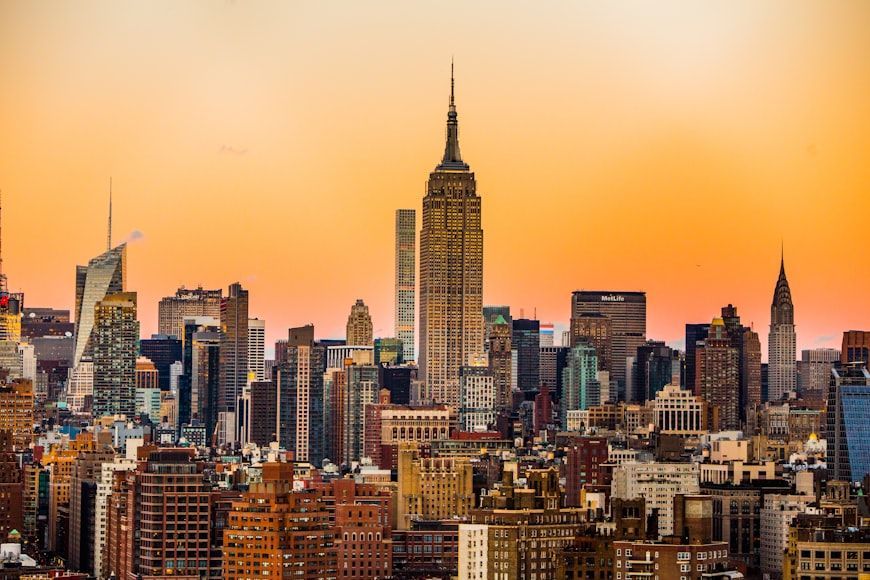
Probably the most famous and recognizable state nickname, no one really knows who was the first to call New York State the "Empire State", but everyone agrees on the reason for the nickname. The state of New York has always been one of the richest, most developed, and strategically important territories in America , a powerhouse akin to an empire. George Washington himself had described it as "the seat of the Empire" in 1785, and many believe that these words were the source of the nickname.

2
Indiana, The Hoosier State

Image: Ginger Jordan

Another instantly recognisable nickname, the origin of the term ‘Hoosier’ is also widely debated. Believed to have emerged in the 1830s, some say that it is a deformation of the phrase "Who's here?". No matter its actual origin, the term was popularized by John Finley's 1833 poem "The Hoosier's Nest" , a description of rugged but welcoming Indiana pioneers, and it became a source of pride for the state, so much so that ‘Hoosier’ was officially adopted as a demonym by the state of Indiana in 2017.

3
Delaware, The First State

Image: Anthony Garand

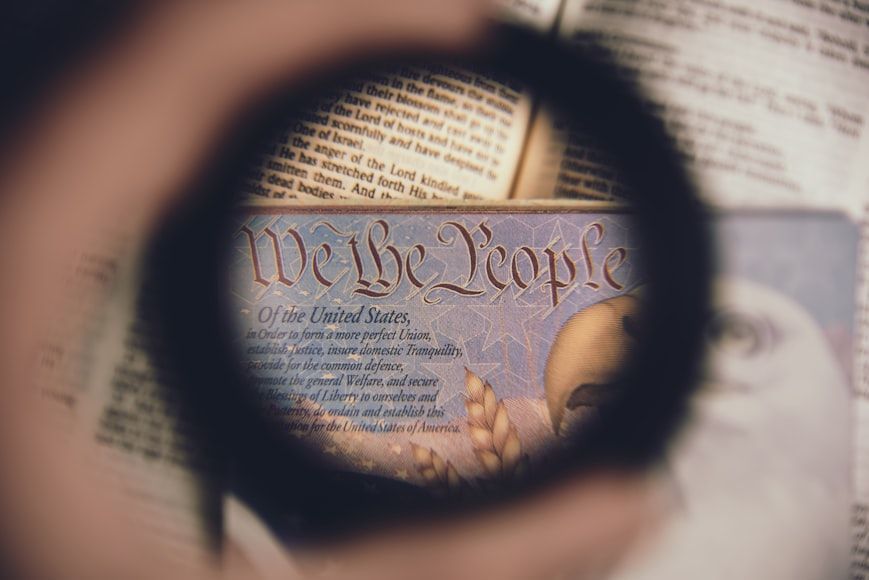
Delaware was not the first colony to exist or to become a state. In fact, Delaware wasn’t even a colony: it was technically part of Pennsylvania. The ‘first’ referenced in the nickname alludes to Delaware’s role in the ratification of the U.S. Constitution , a task that took time and political compromise, as several states had concerns about the document and its articles. But while it took nearly two years for all the states to ratify the Constitution, it took less than three months for Delaware to do so unanimously, setting a precedent for other states.

4
Virginia, The Old Dominion

Image: Matthew Lancaster

Probably the oldest state nickname still in use, Virginia’s ‘Old Dominion’ nickname has existed for more than 400 years. The first English colony in America, Virginia was also the main colony to remain faithful to the monarchy during the English Civil War , supporting the exiled King, inviting him to take refuge in their territory, and resisting the siege from the Parliamentary fleet for a long time. After the restoration, King Charles II conferred the colony the title of ‘dominion’ —similar to a kingdom in rank— and affectionately called it "the most Ancient Colloney and Dominion."

5
Oklahoma, The Sooner State

Image: See page for author, Public domain, via Wikimedia Commons

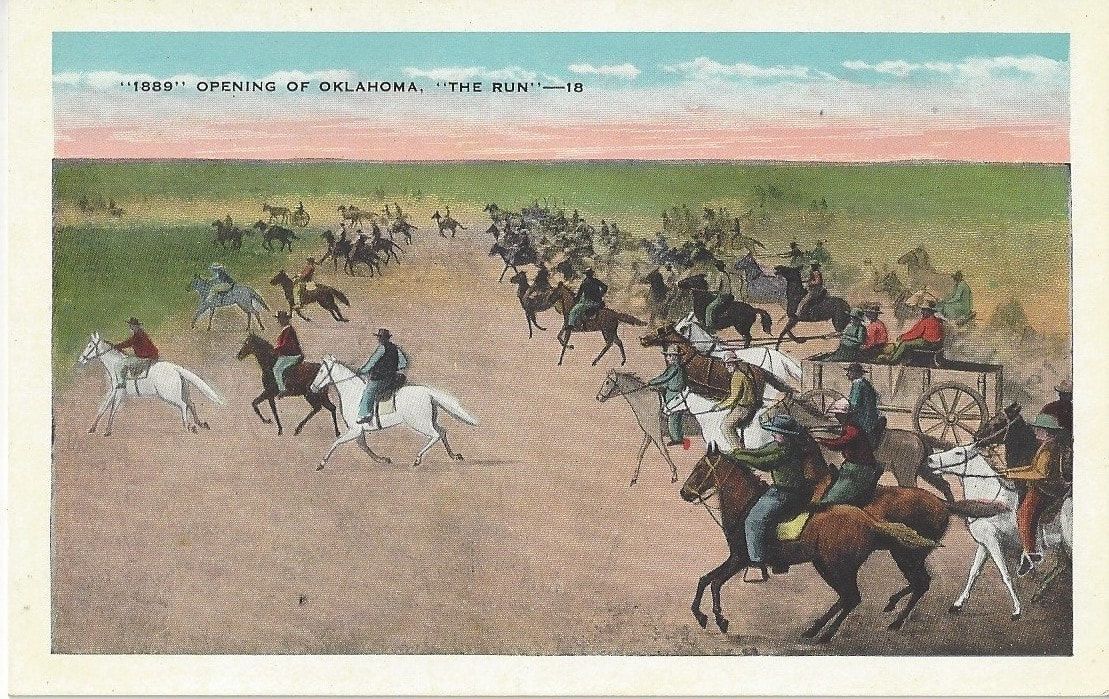
Although it is now used as a symbol of a competitive and pioneering attitude, the term ‘Sooner’ was not always seen as positive. During the Land Rush of April 22, 1889, the U.S. government opened a territory —freed by the forced displacement of thousands on ative Americans— for pioneers to take. At noon, a bugle would signal that settlers could enter and claim areas of land. However, several pioneers broke the rules, entering the territory ‘sooner’ , before the signal. Initially a pejorative nickname, the people of Oklahoma eventually owned the term as a symbol of their ‘can-do’ attitude.

6
Connecticut, The Constitution State

Image: Rusty Watson

Unlike what many people think, Connecticut’s nickname is not related to the U.S. Constitution. In fact, the ‘constitution’ referenced in it predates the American Constitution by more than a century. Unlike other colonies, established by royal charters, the Connecticut Colony was established through The Fundamental Orders , a document delineating a representative government based on "the free consent of the people". The Fundamental Orders are considered to be the first written constitution in Western modern history, a fact that gave Connecticut its nickname.

7
Tennessee, The Volunteer State

Image: Scan by NYPL, Public domain, via Wikimedia Commons

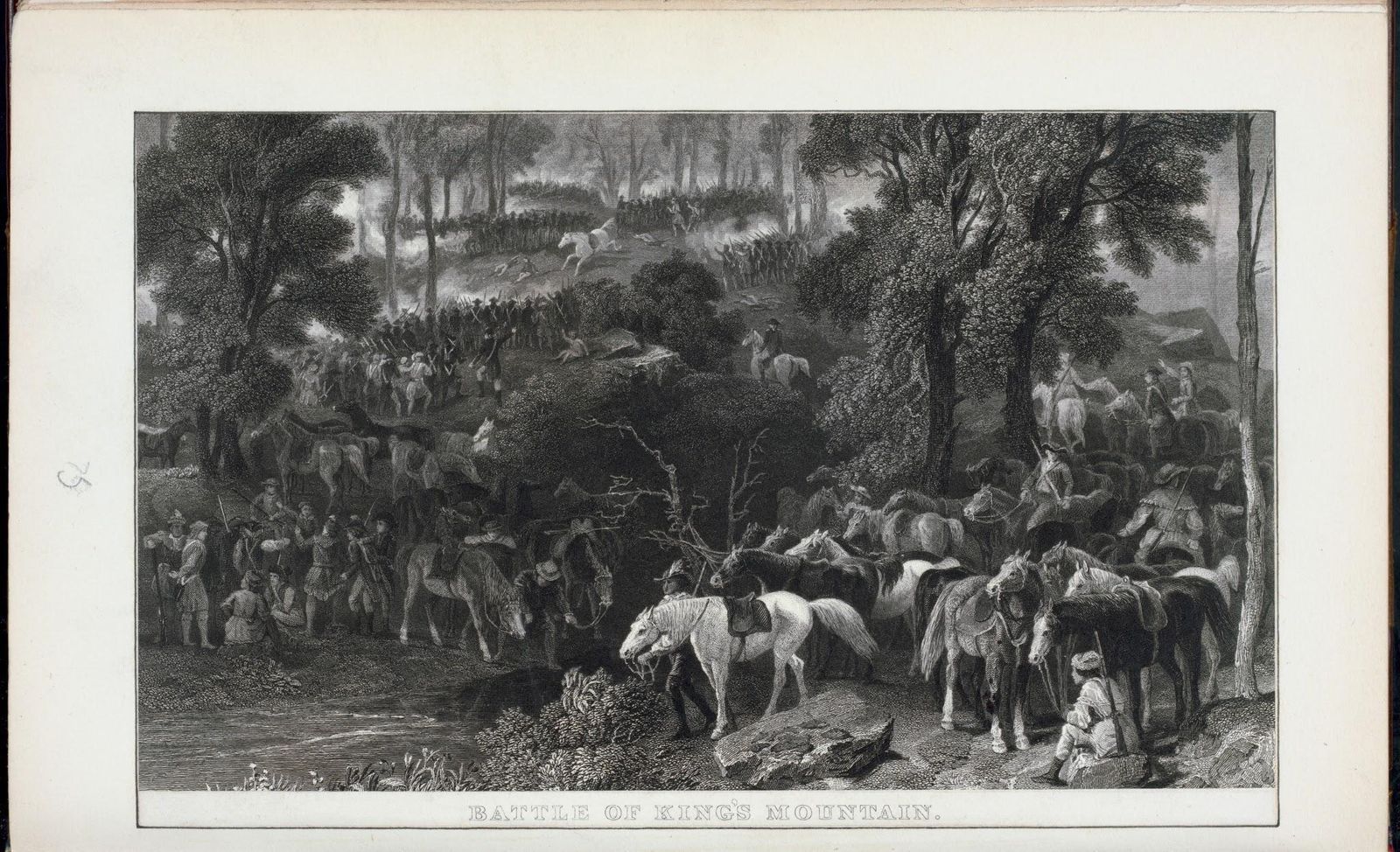
Out of the many things that showcase Tennessee’s patriotism, none is as old or as well-documented as its volunteer vocation. Starting during the Revolutionary War, with the Appalachian Overmountain men volunteering to fight during the Battle of King's Mountain, Tennessee’s men's willingness to volunteer as soldiers became known during the War of 1812 , with hundreds fighting under Andrew Jackson’s command and earning Tennessee the name of the Volunteer State. To further solidify it, when President James K. Polk asked Tennessee for 2,800 volunteers during the Mexican-American War of 1846, the state responded to the call by sending 30,000 volunteer troops.

8
Vermont, The Brave Little State

Image: Bob P. B., CC BY 2.0, via Wikimedia Commons

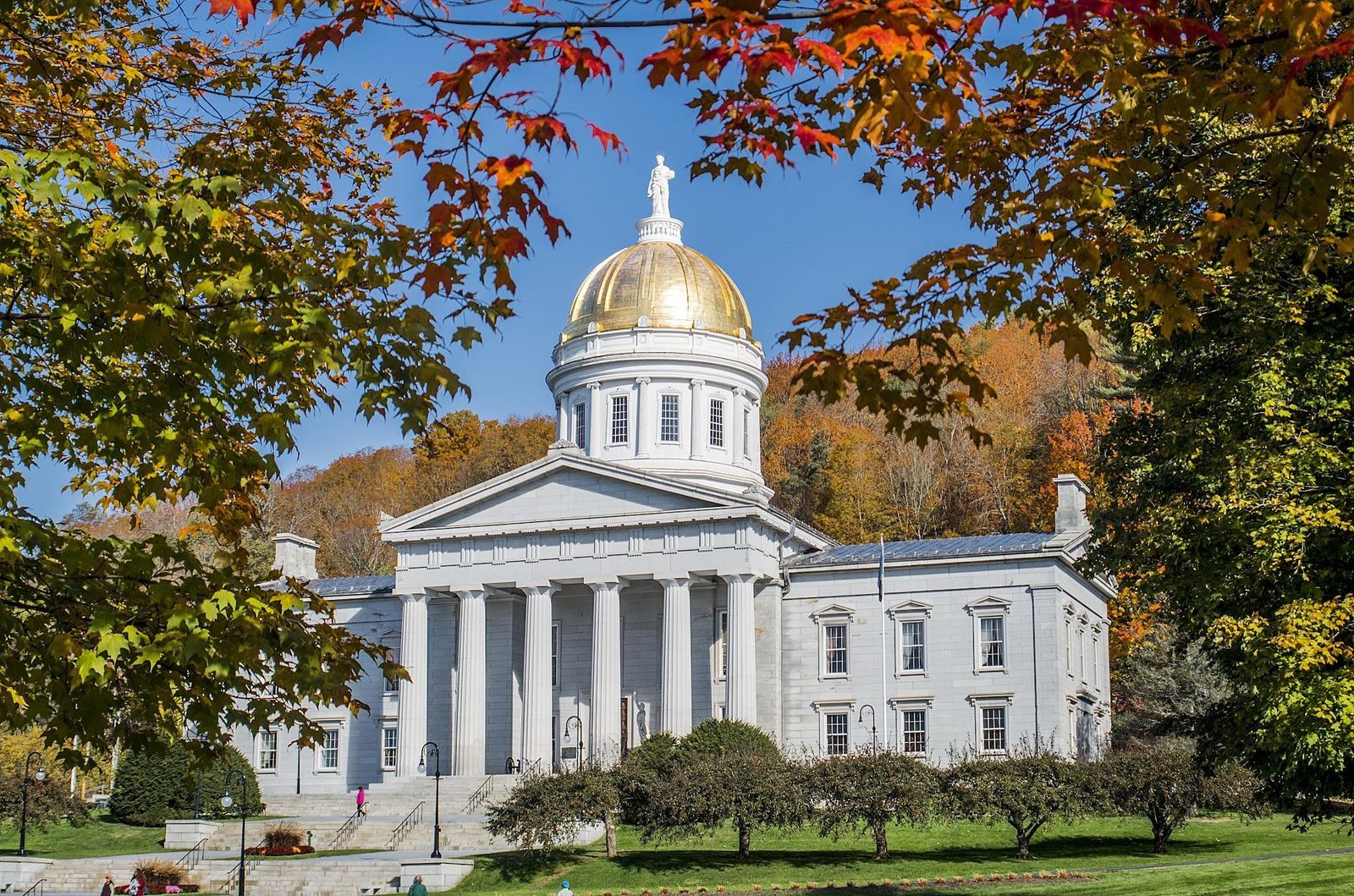
A relatively more recent nickname than others in this list, the description of Vermont as a ‘brave little state’ dates back to 1928. After a flood in 1927 resulted in nearly 100 casualties and millions of dollars in damages, President Coolidge, a Vermont native, visited the state to assess the situation. Coolidge, often seen as calm and taciturn, gave an emotional speech praising the efforts and the resilience of his fellow Vermonters , and their ties to a land that gave them sustenance but posed the hazard of natural disasters. Coolidge ended his speech by acknowledging the generosity of the people of "this brave little state of Vermont", a phrase that became so popular that it was later inscribed in the Vermont State House and became a common nickname for the state.

9
Wisconsin, The Badger State

Image: Neil Bates

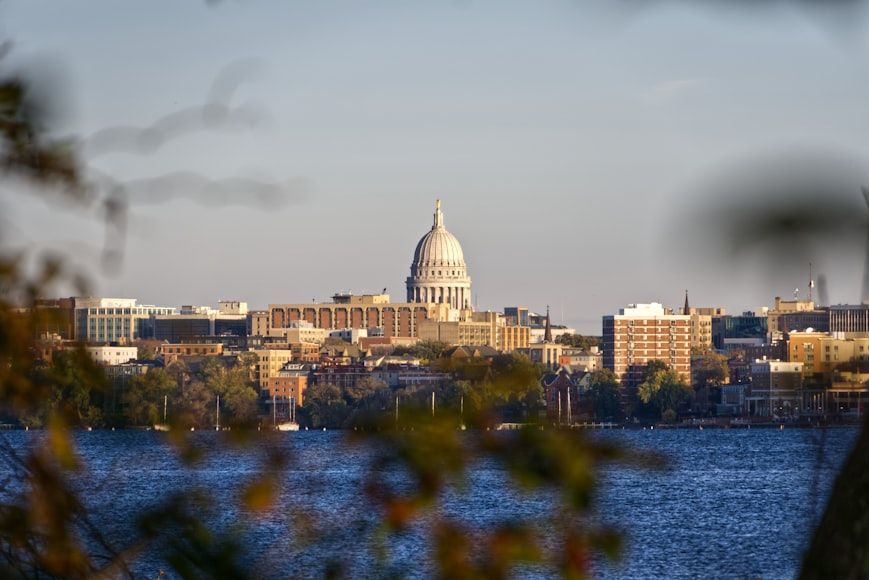
Though badgers can be found across Wisconsin, they are far less common than one would think, especially considering the state’s nickname. But this nickname has little to do with real badgers and much to do with people behaving like a badger. In the 1820s, prospectors all over America travelled to Wisconsin to look for lead ore. Working all day in the mines and lacking proper housing, the miners usually ended up living in the mines or digging holes in the hillsides to serve as shelter , which led people to compare them with burrowing badgers. Eventually, the ‘badger’ nickname became a symbol of the tenacity of the miners, and a point of pride for all Wisconsinites, who campaigned in 1957 to officially adopt the badger as their state animal.

10
Nebraska, The Cornhusker State

Image: Maize & Blue Nation, CC BY 2.0, via Wikimedia Commons

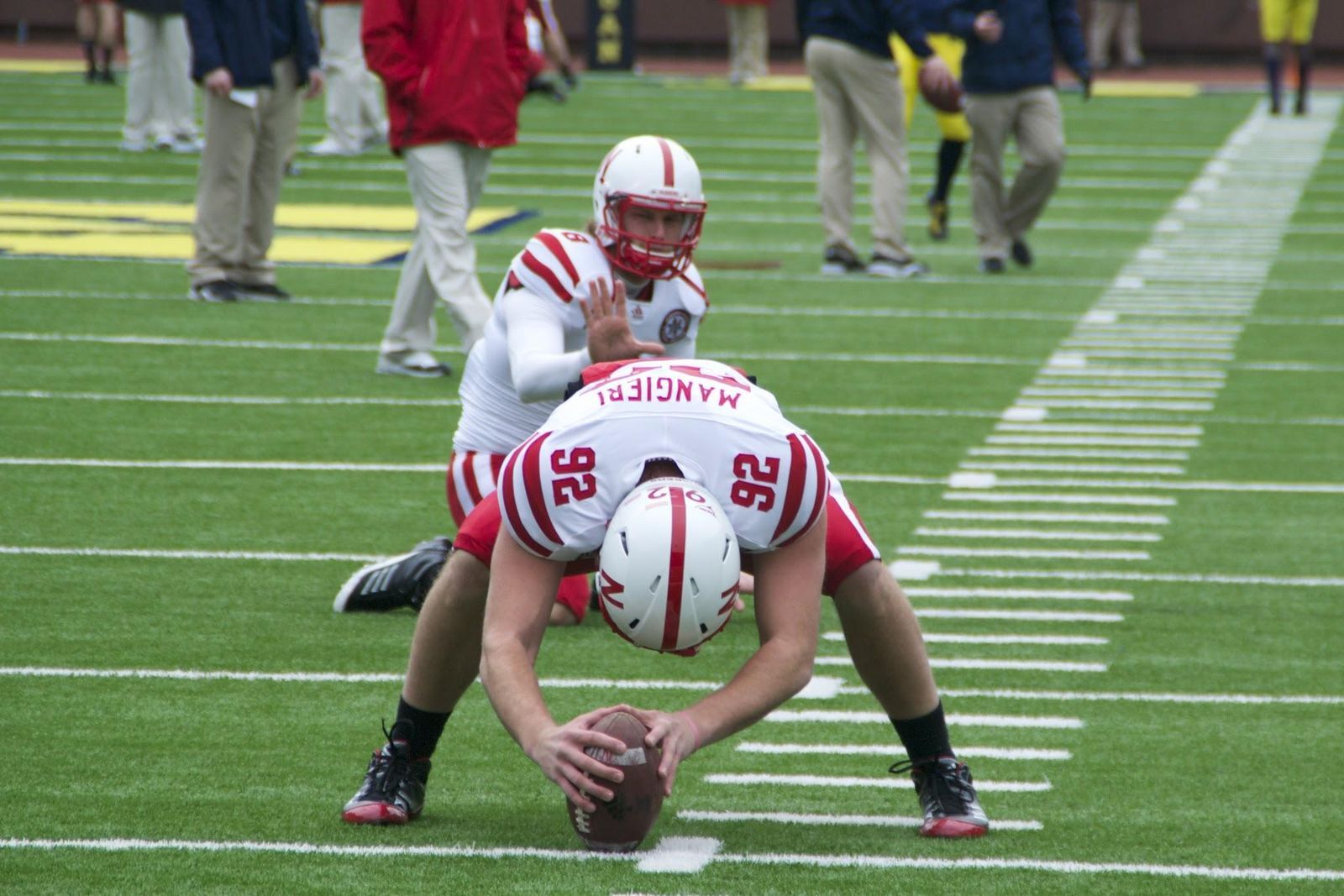
Though this famous nickname for Nebraska has ties with the agricultural identity of the state, it actually originated in the world of college football. Before 1900, the University of Nebraska football team had used several nicknames, such as Bugeaters, Tree Planters, or Rattlesnake Boys. Following a rough patch and wanting to give the team a new direction, sportswriter Charles Sherman suggested the nickname ‘cornhusker’ as a homage to the traditional corn husking done by hand by the Nebraska settlers . The name caught on and was eventually made extensive to all Nebraskans, being officially adopted by the state in 1945.

Explore more American facts

Choose your favorite category!

General
General

As American as apple pie—the very best America has to offer!

Culture
Culture

Delve into the astounding richness of American lore.

Geography
Geography

Hop in and explore vast and diverse American landscapes.

History
History

Discover the key moments that shaped the United States.