Geography Geography 3 min read

Natural wonders

These are the 10 most visited national parks in America
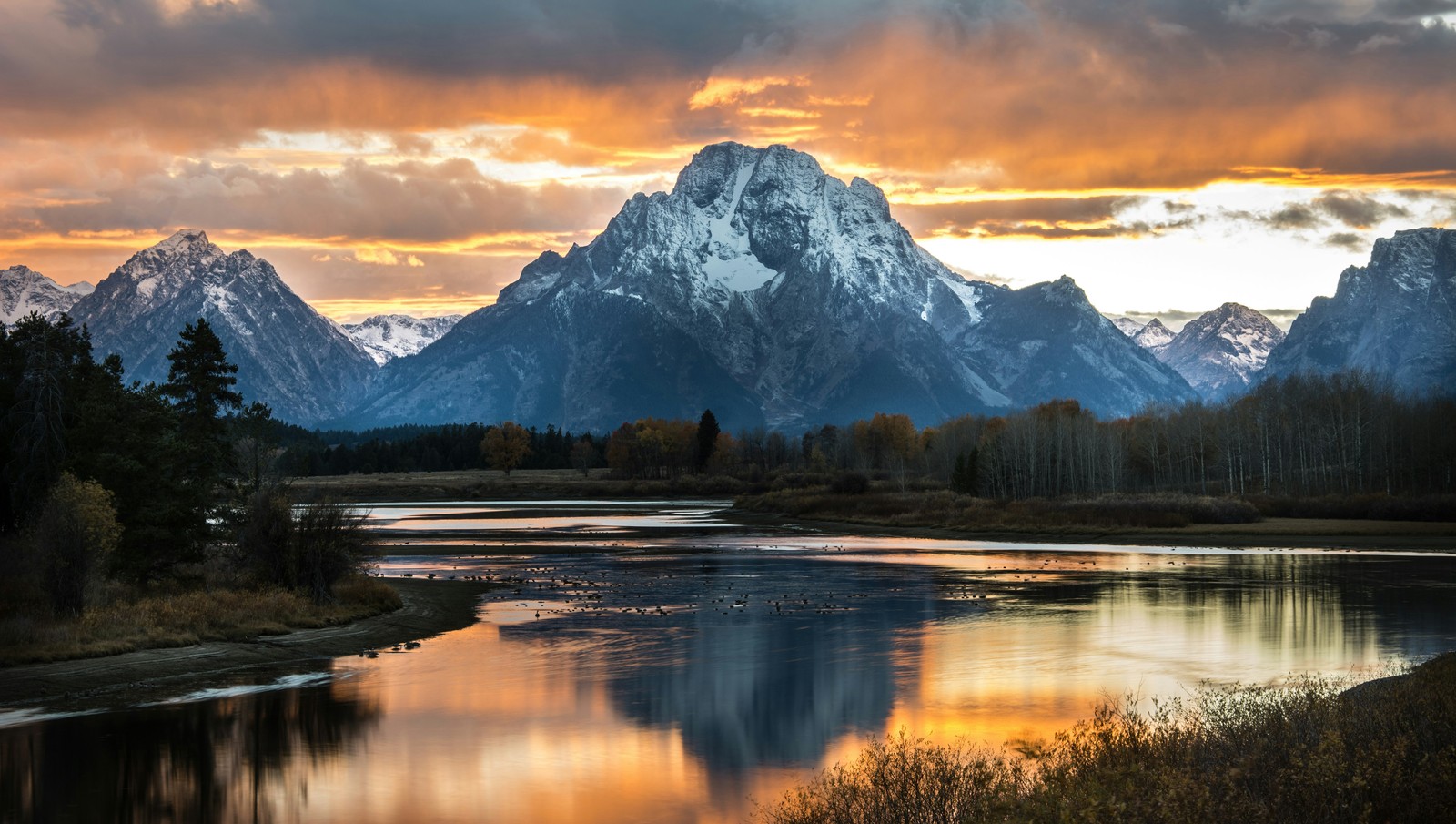
Image: Nate Foong

America’s first national park, Yellowstone, was created in 1872 with the intention of protecting the unique landscape and all its environment for future generations. Nowadays, the National Park System includes 63 officially designated national parks among its 433 units (which include recreation areas, monuments, and historic sites as well).

National parks are a popular choice for those who want to enjoy nature, interact with wildlife, and enjoy recreational activities such as hiking, skiing, or kayaking. Let’s have a look at the top ten national parks by the yearly number of visitors.

1
Olympic National Park, Washington (2.9 million visitors)
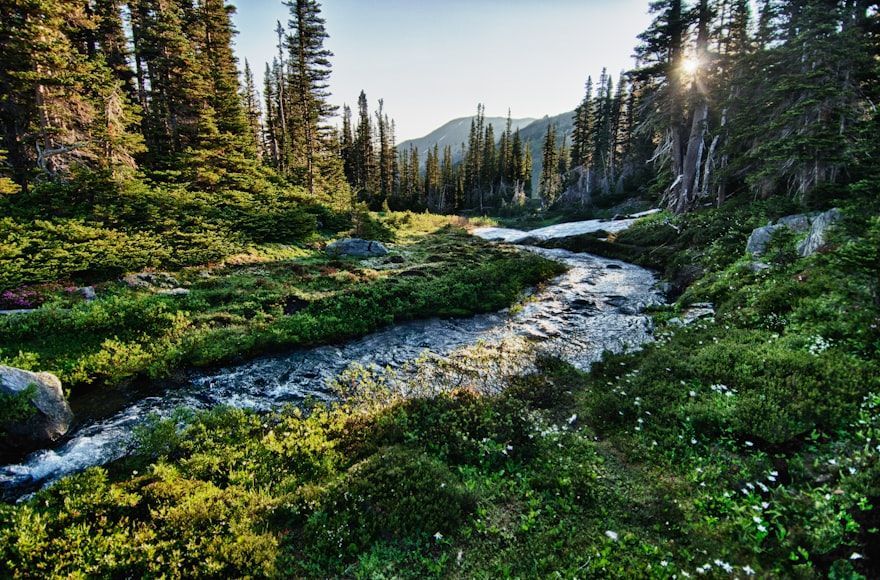
Image: Jachan DeVol

Located in Washington state, in the Pacific Northwest, this park offers a mix of glaciated mountains, lush rainforests, lakes, rivers, and more than 70 miles of coastline . Established as a national monument in 1909, it was designated a national park in 1938 by President Franklin D. Roosevelt.

2
Joshua Tree National Park, California (3.2 million visitors)
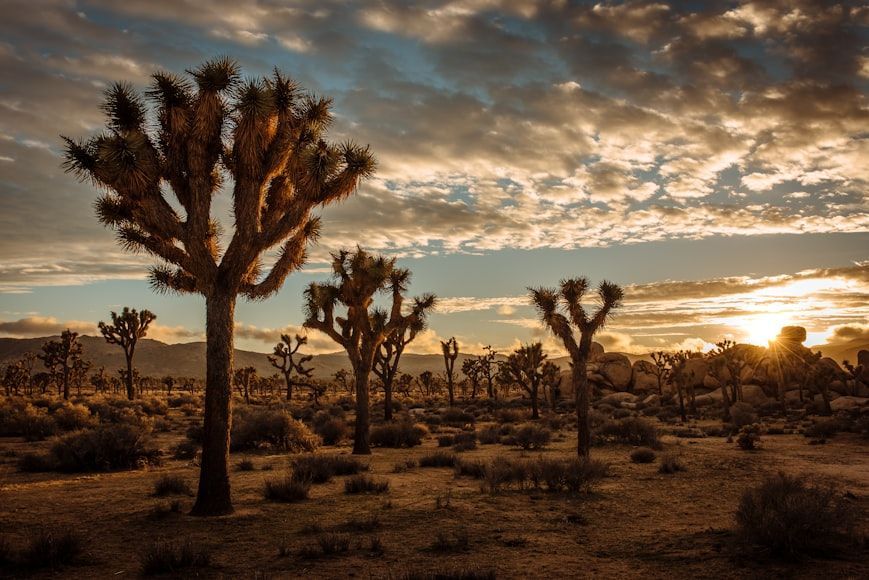
Image: Cedric Letsch

Famous for the Joshua trees that give it its name, this area was designated a national monument in 1936 and a national park in 1994. The park encompasses part of two California deserts —the Mojave and Colorado deserts—and is lined by the Little San Bernardino Mountains in the southwest.

3
Grand Teton National Park, Wyoming (3.4 million visitors)
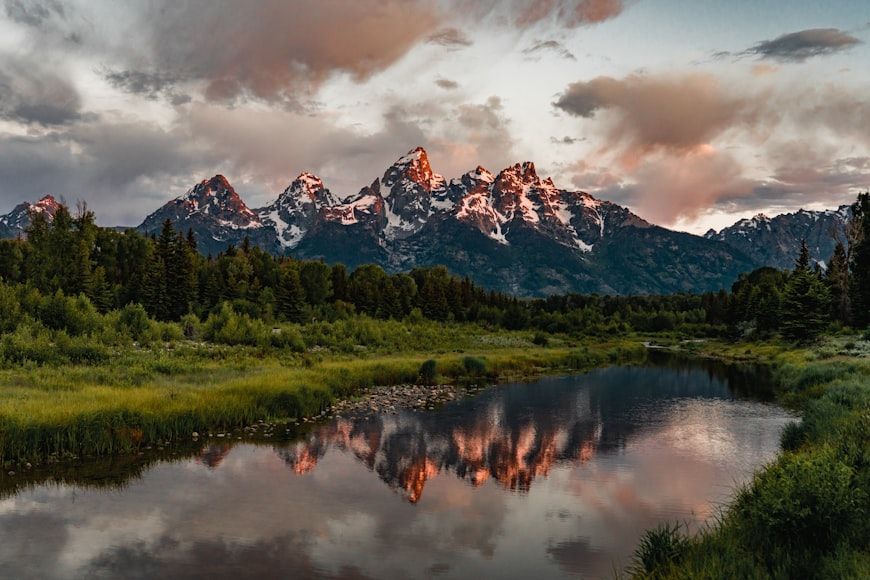
Image: Toan Chu

Did you know that most of this national park exists thanks to an oil magnate? The park was established in 1929, but it was enlarged when John D. Rockefeller Jr. —who also contributed to many other national parks— secretly purchased surrounding land to be established as a monument. The park gets its name from the tallest peak of the Teton mountain range , and it's famous for its pristine lakes and abundant wildlife.

4
Acadia National Park, Maine (3.8 million visitors)
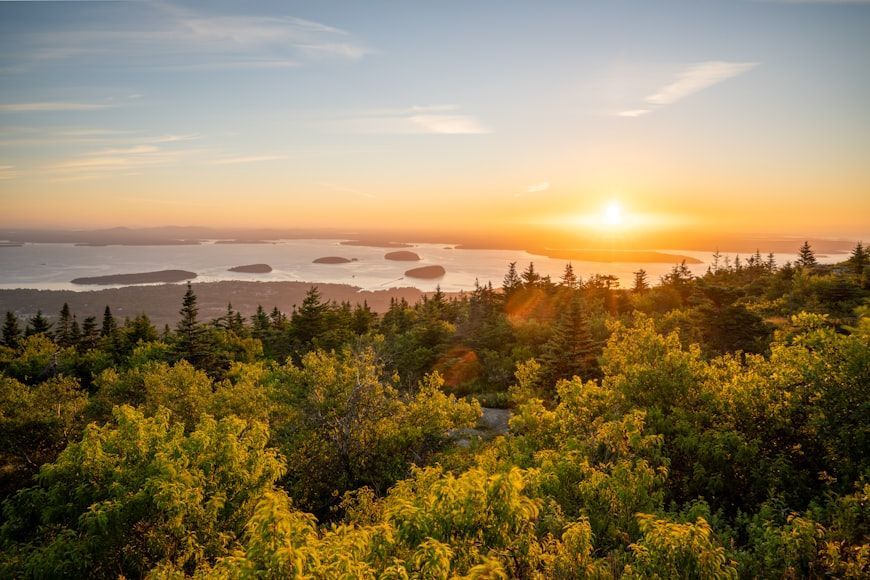
Image: Ran Ding

Located on the Maine coast, this park was established as a national monument in 1916 and a national park in 1919. Besides the beautiful Atlantic shoreline, Acadia National Park offers granite mountain peaks, forests, lakes, and islands .

5
Yosemite National Park, California (3.8 million visitors)
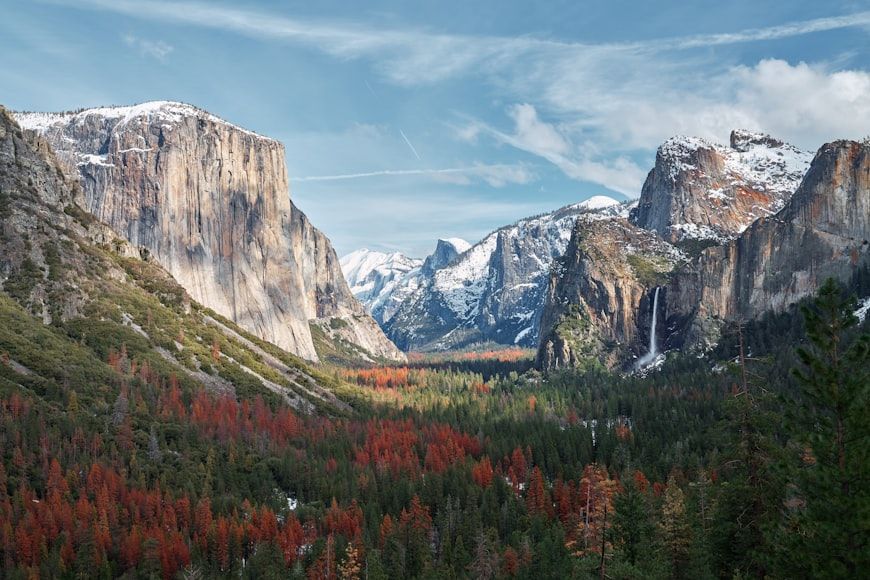
Image: Aniket Deole

Famous for both its granite peaks and its tall sequoias, Yosemite National Park is located in the Sierra Nevada range in California . Established in 1890, some of its popular features are the El Capitan —a tall rock formation— the Cathedral Peak, and the Sentinel dome.

6
Rocky Mountain National Park, Colorado (4.1 million visitors)
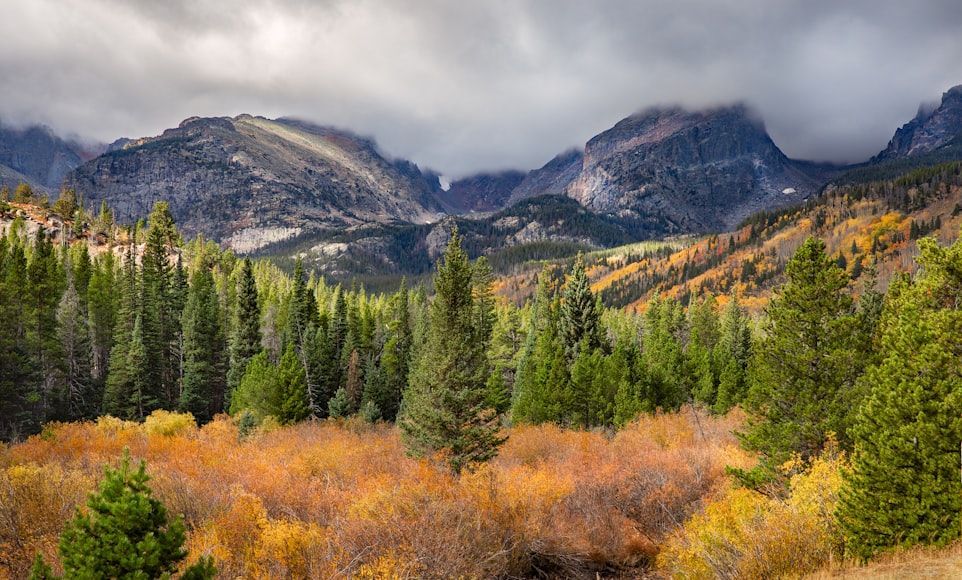
Image: Sonja Wilkinson

Located within the Front Range of the Rocky Mountains, it was established in 1915 by President Woodrow Wilson. Besides its stunning mountain views and alpine lakes, the park is home to the Trail Ridge Road , one of the highest paved routes in the country.

7
Yellowstone National Park, Wyoming, Montana, and Idaho (4.5 million visitors)
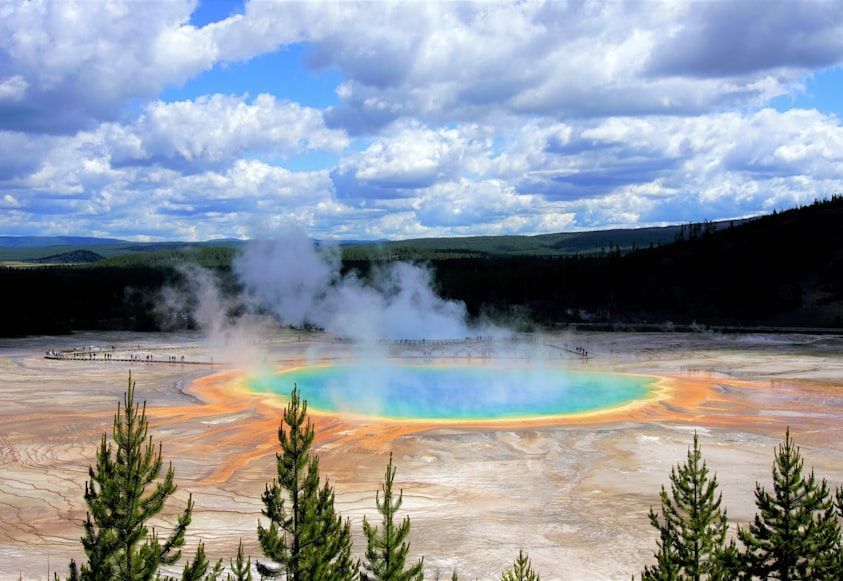
Image: Meina Yin

Considered to be the first national park in the world, Yellowstone was established in 1872 and covers part of three different states —Wyoming, Montana, and Idaho. Besides its wildlife and mountain scenery, it is famous for being located in a volcanic caldera and having many geothermal features. The most famous among them is the Old Faithful geyser.

8
Zion National Park, Utah (4.6 million visitors)
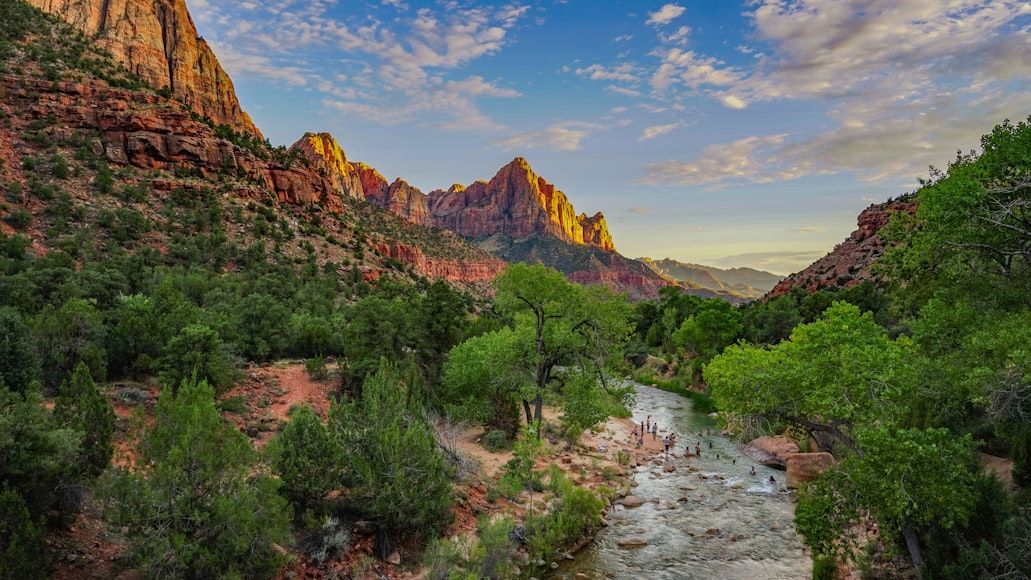
Image: Rich Martello

Located in Utah, where the Colorado Plateau, the Great Basin, and the Mojave Desert meet, this national park boasts a hugely diverse ecosystem , with varied plants and animals. Its geography includes mountains, canyons, buttes, mesas, and monoliths, including the famous Zion Canyon. The park was established in 1919.

9
Grand Canyon National Park, Arizona (4.7 million visitors)
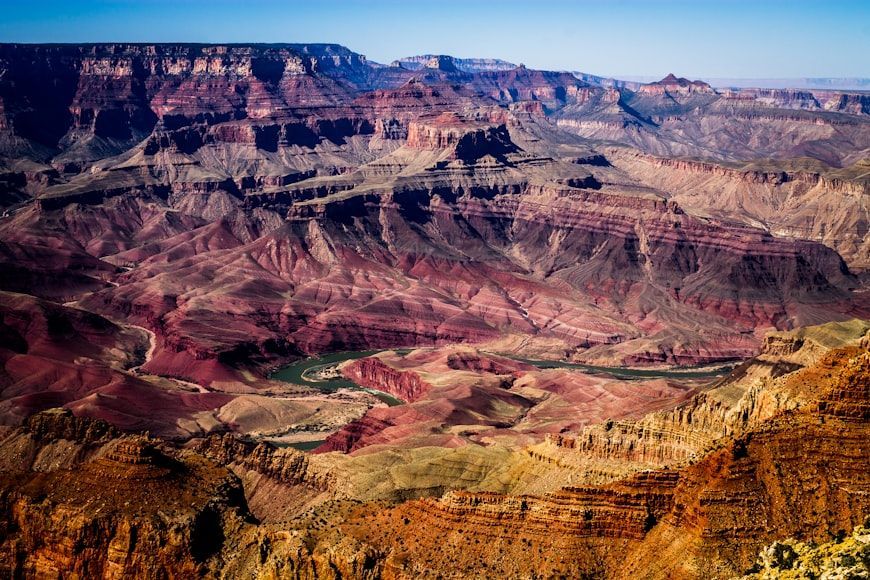
Image: Quinn Nietfeld

Centered around one of the most famous landmarks in America , this national park was established in 1908 as a national monument and designated a national park in 1919. The Grand Canyon, carved by the Colorado River in the Arizona desert, was designated a World Heritage Site by UNESCO.

10
Great Smoky Mountains National Park, North Carolina and Tennessee (13.2 million visitors)
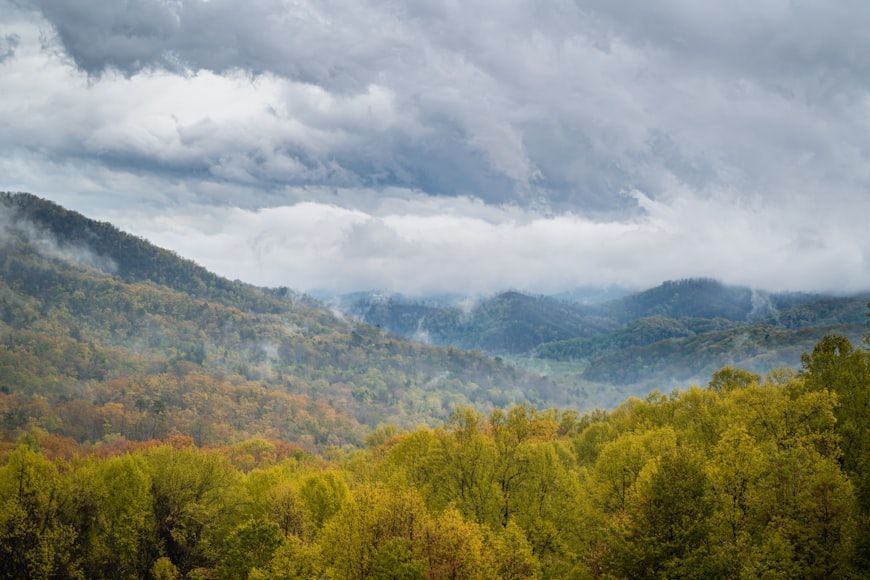
Image: A n v e s h

Straddling the North Carolina-Tennessee border, this national park not only includes part of the Great Smoky Mountain range, but also the Blue Ridge Mountains and the Appalachian rainforest. Established in 1934 by Franklin D. Roosevelt, this park is the home of some of the tallest mountains of eastern North America , such as Kuwohi or Mount Guyot.
Geography Geography 3 min read

Only in America

Born in Accident, raised in Looneyville—the wildest U.S. town names

Image: Lachlan Donald

From puns to head-scratchers, some U.S. towns have names that sound like jokes—but they’re very real! Behind many of them lie strange stories, old legends, or just one stubborn settler with a sense of humor. From Accident to Booger Hole, and even straight-up Hell, these oddly named places tell stories of America’s diverse and often eccentric past. Here’s a coast-to-coast look at 10 towns that’ll make you do a double take.

1
Truth or Consequences, New Mexico

Image: Lachlan Donald

Originally named Hot Springs, the town changed its name in 1950 after a popular radio show. Host Ralph Edwards had promised to broadcast from the first town that renamed itself after the program.

The publicity stunt worked—Edwards visited annually for the next 50 years. Despite its playful name, Truth or Consequences is a legitimate spa town, known for natural hot springs and health resorts.

2
Accident, Maryland

Image: David Trinks

Surveyors in the 1700s accidentally claimed the same plot of land twice, giving rise to the town’s odd name. The mistake was eventually resolved, but the name stuck.

Today, Accident is a quiet town in Garrett County with fewer than 400 residents. It occasionally draws attention from curious travelers and lovers of unique place names.

3
Boring, Oregon

Image: everett mcintire

Named after William H. Boring, a Civil War veteran who settled in the area. Locals embraced the name, even forming a tongue-in-cheek partnership with Dull, Scotland, and later Bland, Australia, to form the so-called "Trinity of Tedium"—all in good fun!

Boring capitalizes on the irony with signs that read, "The most exciting place to live." It’s a quiet suburb of Portland with a strong farming history.

4
Chicken, Alaska

Image: Yiyi Yang

Miners wanted to name it after the ptarmigan, a local bird, but couldn’t agree on the spelling , so they went with "Chicken" instead.

Located near the Canadian border, Chicken has no phone service and a population of fewer than 20. It remains a favorite roadside stop along the Taylor Highway.

5
Booger Hole, West Virginia

Image: Sharosh Rajasekher

Named after ghost stories and tales of mysterious disappearances in the early 1900s. "Booger" was slang for ghost or boogeyman.

The area gained notoriety for several unsolved crimes, adding to its spooky reputation. Today, it’s mostly a rural area with a curious past and no official signage.

6
Monkey’s Eyebrow, Kentucky

Image: Roger Starnes Sr

One origin story claims the name came from the area’s appearance on a map —it looked like the eyebrow on a monkey’s face.

Located in Ballard County, this unincorporated community doesn’t offer much beyond a memorable name. It’s a quiet farming region in western Kentucky.

7
Hell, Michigan

Image: Brad Switzer

Allegedly, this name came from a German traveler’s comment, "So schön hell!" meaning "so beautifully bright." In a humorous twist, however, locals took the "hell" part literally.

Today, tourism thrives on the name, with themed businesses like the Hell Hole Diner and even a wedding chapel. You can even buy a square inch of "Hell" online.

8
No Name, Colorado

Image: Holly Mandarich

When building a highway exit, engineers labeled the spot "No Name" as a placeholder. Locals voted to keep it that way.

Located near Glenwood Springs, it’s known for No Name Creek and the No Name Tunnel. It remains a photo favorite along I-70.

9
Toad Suck, Arkansas

Image: Claud Richmond

Likely comes from riverboat crews who drank at the local tavern until they "swelled up like toads." The "suck" refers to a river eddy—a swirling current in the water.

Today, the town is best known for the annual Toad Suck Daze festival, which celebrates the odd name with music, food, and toad races.

10
Satan's Kingdom, Massachusetts

Image: Jeffrey Clayton

Located near Northfield, this ominously named unincorporated village borders the Connecticut River. Despite its fiery name, it’s a mostly quiet rural area.

Legend says the name came after a churchgoer left a sermon about hellfire and saw a forest fire raging across the river —declaring that "Satan’s Kingdom was burning." A similarly named area exists in Vermont as well.

11
Why, Arizona

Image: Laura Mann

Named for the Y-shaped intersection of State Routes 85 and 86, the town had to adopt a name with at least three letters due to Arizona law, so "Y" became "Why."

Why lies near the Organ Pipe Cactus National Monument and remains a popular pit stop for desert road trippers.

12
Looneyville, Texas

Image: Vivian Arcidiacono

Named after store owner John Looney in the 1800s, Looneyville is not a joke—just an old Texas family name.

Looneyville is in Rusk County, deep in East Texas. It remains unincorporated but shows up on maps and road signs.

General General 4 min read

Historical documents

Did you find the grammar mistake in the US Constitution? We have!

Image: Tara Winstead

The US Constitution is one of the most important documents in American history, but even the most well-read citizens might not have noticed some mistakes and details. This document has its fair share of surprises, from typos and outdated spellings to missing signatures and common misconceptions. Did you know it contains grammar mistakes? Or that the document doesn’t establish a democracy? Let’s see how this goes!

1
Let’s start with a grammar mistake

Image: Shotkitimages

2

Even the nation’s most important document wasn’t immune to typos! Article I, Section 10 writes "it’s" instead of "its," mistakenly using the contraction instead of the possessive form.

The funny part? The correct spelling of "its" appears properly in other parts of the document. This suggests it was just a careless transcription mistake rather than a misunderstanding of grammar. Since rewriting historical documents isn’t exactly encouraged, the mistake remains to this day. Even the Founding Fathers weren’t perfect proofreaders, you know?

3
A republic, not a democracy

Image: Joshua Sukoff

One of the biggest misconceptions about the Constitution is that it established an American democracy. However, the US was founded as a republic , which differs in that it relies on elected representatives and a system of checks and balances.

When asked whether the Convention had created a monarchy or a republic, Benjamin Franklin famously replied: "A republic, if you can keep it." It was a warning that democracy requires active participation to survive.

4
The Constitution’s British roots

Image: Romain Vignes

Even though the U.S. had declared independence from Britain, the Constitution still used British spellings. Words like "defence," "labour," and "controul" (instead of defense, labor, and control) can be found in the original text.

These spellings were still common in American English at the time, though they would eventually fade away in favor of more distinctly American versions.

5
A comma that shouldn't be there

Image: Anemone123

Grammar nerds, brace yourselves: the Constitution contains a strange comma mistake. In Article III, Section 1, the sentence reads: "The judicial Power of the United States, shall be vested in one Supreme Court." That comma between "United States" and "shall" separates the subject from the verb, making it grammatically incorrect. While punctuation rules were more flexible back then, this particular comma sticks out as a clear mistake.

6
Who signed the Constitution? Not Jefferson or Adams!

Image: WikiImages

You might assume that Thomas Jefferson and John Adams signed the Constitution, but they didn’t. But that’s not because they didn’t stand by it, it was because they weren’t even in the country at the time!

In 1787, Jefferson was in France serving as the US Minister, while Adams was in Great Britain as the first US. Ambassador. Despite their absence, both men played major roles in shaping the early American government.

7
Not everyone signed both the Declaration and the Constitution

Image: sarina gr

Let’s focus on the ones who did sign both documents. Both the Declaration of Independence and the Constitution were signed by key American figures, but only six men signed both .

Those names? Benjamin Franklin, George Clymer, Robert Morris, George Read, James Wilson, and Roger Sherman. While many Founding Fathers contributed to both documents, the actual signatures overlap far less than one might expect. How surprising is this?

8
Rhode Island wanted no part in it

Image: Michael Denning

When the Founding Fathers met in Philadelphia in 1787 to draft the Constitution, all 13 states were invited, but Rhode Island refused to show up . The state feared that a strong federal government would overpower them, so they boycotted the entire process.

They even rejected the Constitution’s ratification in 1788 before finally agreeing two years later, by just two votes!

9
They "chuse" some interesting spellings

Image: Brett Jordan

If you were told our Constitution reads " The House of Representatives shall chuse their Speaker and other Officers; and shall have the sole Power of Impeachment," would you believe it?

You better do because this spelling mistake doesn’t happen only once, it appears multiple times throughout the document.

While it may seem like an error, "chuse" was actually a perfectly acceptable spelling at the time. Language evolves, and by the 19th century, "choose" had won out as the standard spelling.

10
The President cannot veto Constitutional Amendments

Image: David Everett Strickler

Presidents may have veto power over laws, but they have zero say when it comes to Constitutional amendments. Congress or a constitutional convention must propose and ratify them without requiring presidential approval.

While presidents can support or lobby for amendments, they can’t introduce or block them directly. Not many people knew this, what about you?

11
The Supreme Court’s most famous power isn’t in the Constitution

Image: Adam Michael Szuscik

Many people assume the Constitution explicitly gives the Supreme Court the power of judicial review, that is, the ability to declare laws unconstitutional. But guess what? It doesn’t.

Actually, judicial review became a standard practice after the famous Marbury v. Madison case in 1803. The Founding Fathers expected the courts to play this role, but the power isn’t actually written in the document itself. Even the Constitution has its unwritten rules!

Explore more American facts

Choose your favorite category!

General
General

As American as apple pie—the very best America has to offer!

Culture
Culture

Delve into the astounding richness of American lore.

Geography
Geography

Hop in and explore vast and diverse American landscapes.

History
History

Discover the key moments that shaped the United States.