History History 6 min read

Success stories

10 ordinary things that made their creators a fortune
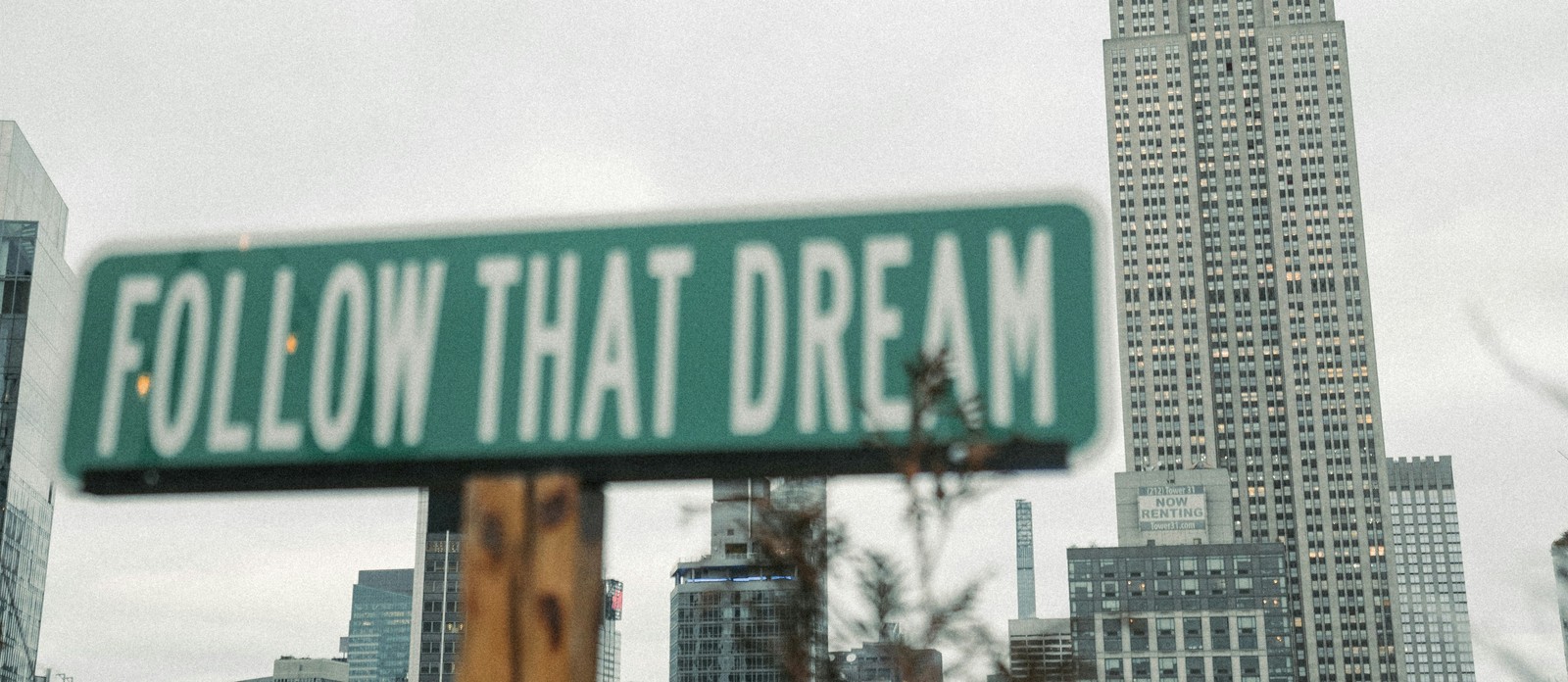
Image: Photo by Leo Bayard on Unsplash

Sometimes, the best ideas come from recognizing an everyday problem—a frustrating morning shave, an annoying typo, a kitchen full of chipped dishes—and finding an interesting solution. In fact, some of America's greatest fortunes began with deceptively simple ideas : an improved razor, a way to correct typing mistakes, a better way to do the dishes. Read on to find out how some of the most ubiquitous business empires grew from surprisingly humble beginnings.

1
King C. Gillette: Safety razor
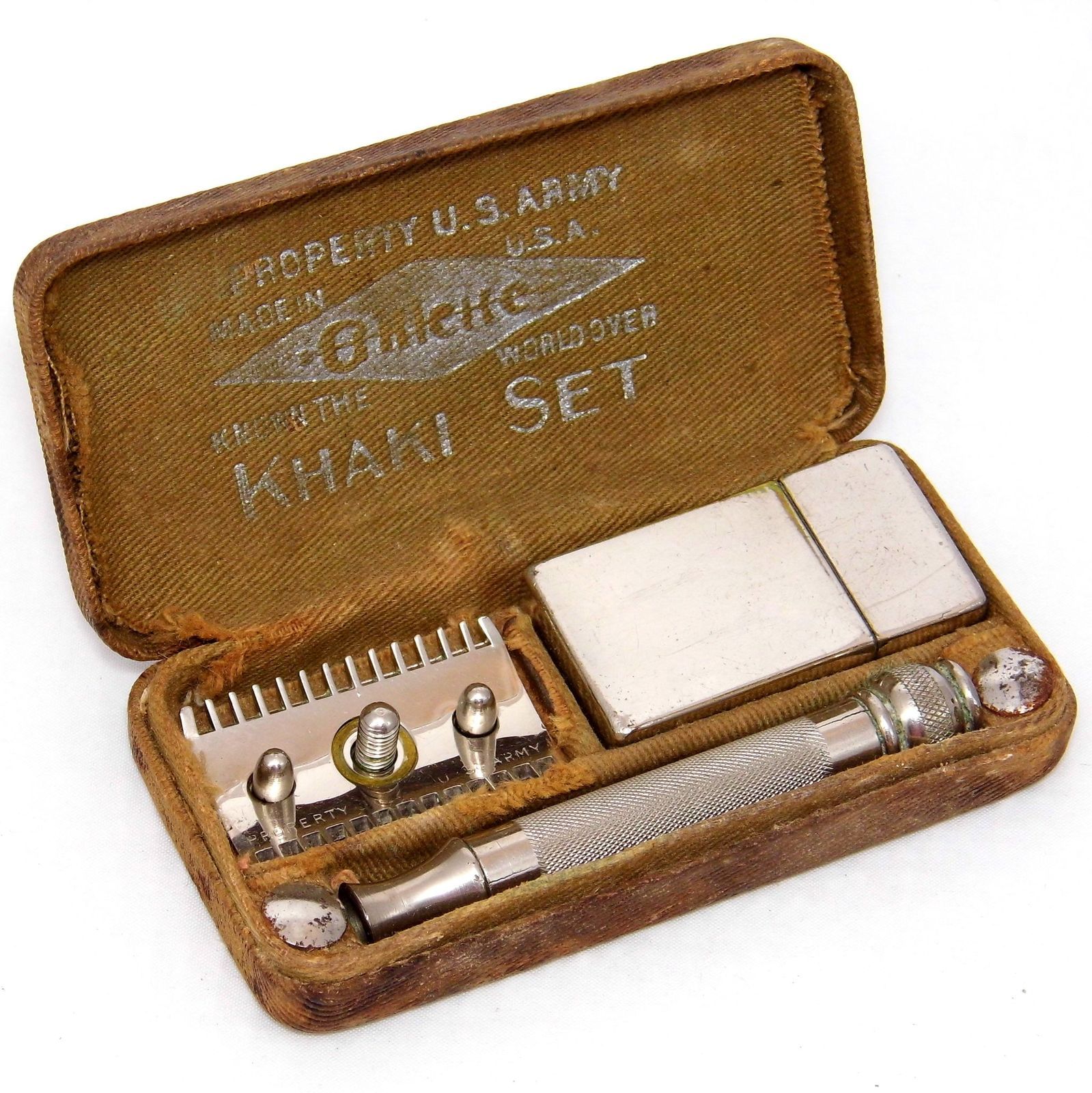
Image: Joe Haupt, CC BY-SA 2.0, via Wikimedia Commons

In 1895, traveling salesman King C. Gillette was struggling to shave with a dull blade when he came up with an idea for a safer, more convenient shave. He envisioned a razor with thin, disposable blades, but it took him years to turn the concept into a working product . Finally, with the help of engineer William Emery Nickerson, he launched the Gillette Safety Razor company in 1901.

The real breakthrough was the business model: customers could keep the handle and buy inexpensive replacement blades, which proved to be more convenient than sharpening or replacing an entire razor. The idea helped build a lasting fortune, and Gillette remains a household name to this day.

2
Bette Nesmith Graham: Liquid Paper
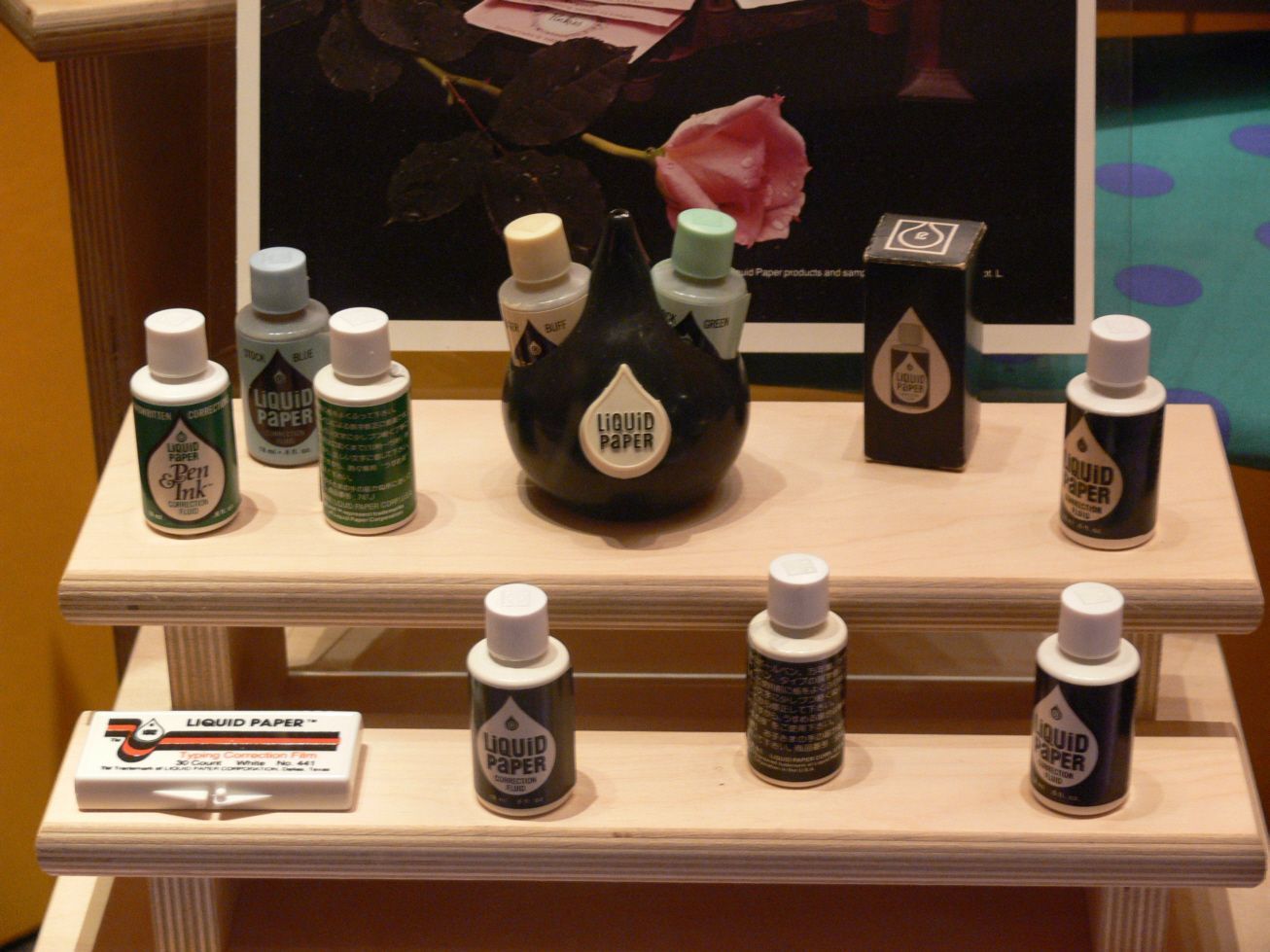
Image: Public domain, via Wikimedia Commons

In the 1950s, Bette Nesmith Graham worked as an executive secretary using an IBM electric typewriter. She was frustrated that even a small mistake often made it necessary to retype entire pages . Inspired by painters who covered errors with an extra coat of paint, she developed a white liquid to hide typos. She began selling it to co-workers as Mistake Out, later rebranded as Liquid Paper .

The product caught on despite early setbacks, including accusations that it was a way to "cut corners." In 1979, Graham sold Liquid Paper to Gillette for a reported $47.5 million. Her office trick for covering up mistakes became a million-dollar business, even as computers eventually reduced the need for correction fluid.

3
Josephine Cochrane: Dishwasher
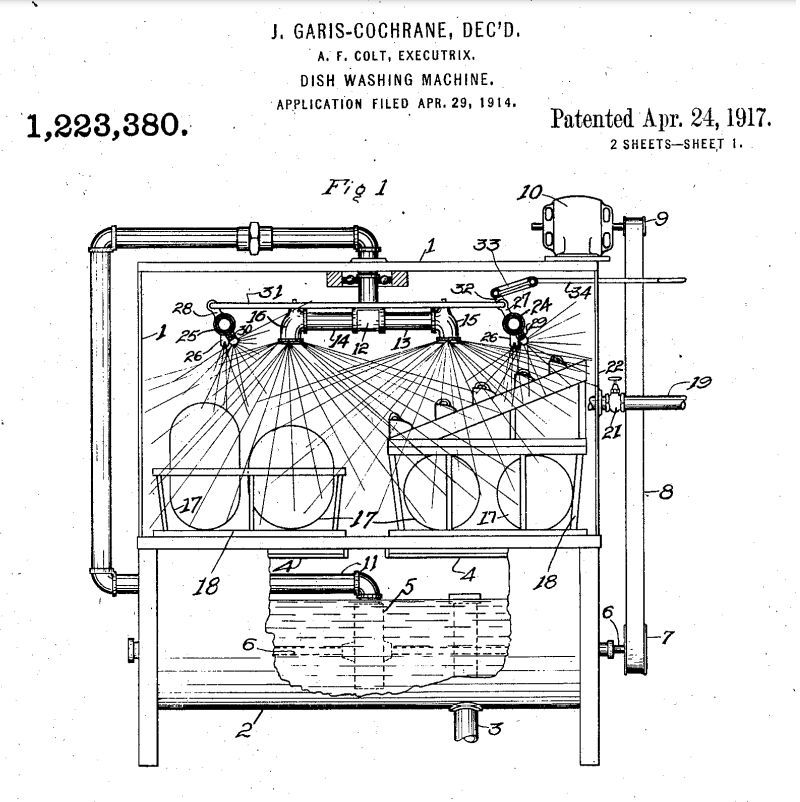
Image: Josephine Garis Cochrane, Public domain, via Wikimedia Commons

Josephine Cochrane, a Chicago socialite married to a successful merchant and politician, was frustrated to find some of her heirloom dishes chipped after being handwashed. She wasn't the first to imagine a dishwashing machine, but her design was the first that used water pressure instead of scrubbers.

After the death of her spouse in 1883, Cochrane was left with little money and significant debt. However, she kept working on her machine and received a patent in 1886. Her main customers were hotels and restaurants; it wasn't until the 1950s that dishwashers became popular for home use.

Cochrane built a successful business around her invention and, after her death in 1913, her company was sold to KitchenAid in 1926.

4
George Eastman: Kodak film roll
Image: lesanimaux_, CC BY 2.0 , via Wikimedia Commons

In the 1870s, George Eastman was a bank clerk, but he developed an interest in photography. Back then, most cameras used plates that were cumbersome and difficult to work with and develop. He began experiments to create flexible film rolls to replace plates and make photography more convenient.

In 1885, Eastman received a patent for a film roll, and in 1888 he patented and released the first Kodak camera . The camera came loaded with a 100-exposure film roll and could be mailed back to the Eastman Company for development.

Eastman's invention made amateur photography accessible to the general public, and he used the considerable fortune he amassed to pursue various philanthropic endeavors.

5
Chester Carlson: Xerox machine
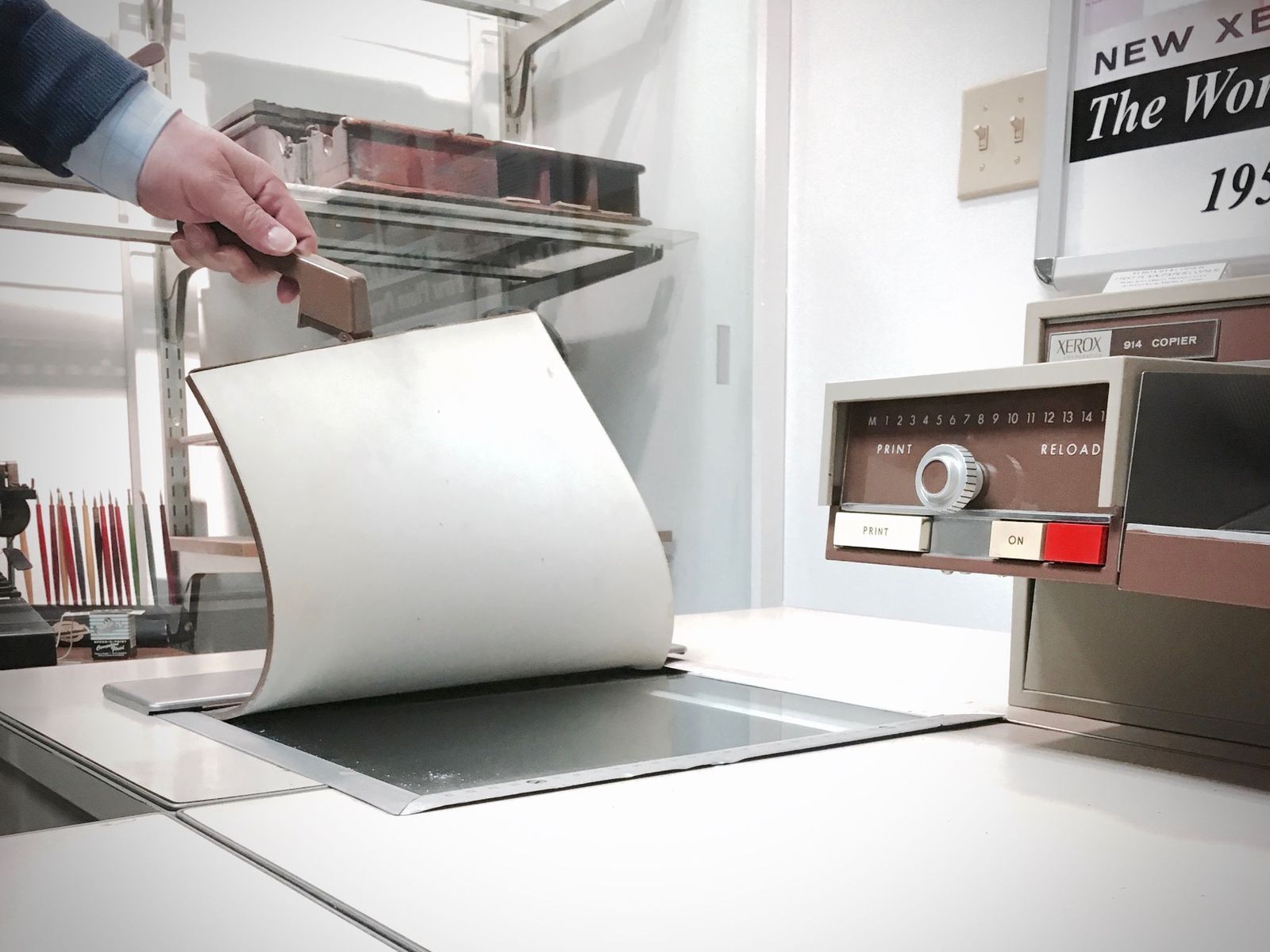
Image: Marcin Wichary from San Francisco, U.S.A., CC BY 2.0 , via Wikimedia Commons

Chester Carlson, a patent attorney, grew frustrated with the tedious process of copying documents in the 1930s, which involved multiple steps, photographic equipment, and special chemicals and papers.

Carlson developed xerography , a method of electrostatic printing that requires no liquid chemicals. He received a patent for it in 1942, and by 1946 he had signed an agreement with the Haloid Photographic Company to develop xerography into a commercial product.

It took almost 18 years before a fully automated xerography process was developed. This work resulted in the Xerox 914 machine, sold by Haloid (later renamed Xerox Corporation ) to huge commercial success. Carlson continued to earn royalties on his patents, and he became one of the wealthiest people in America.

6
Edwin Land: Polaroid instant camera
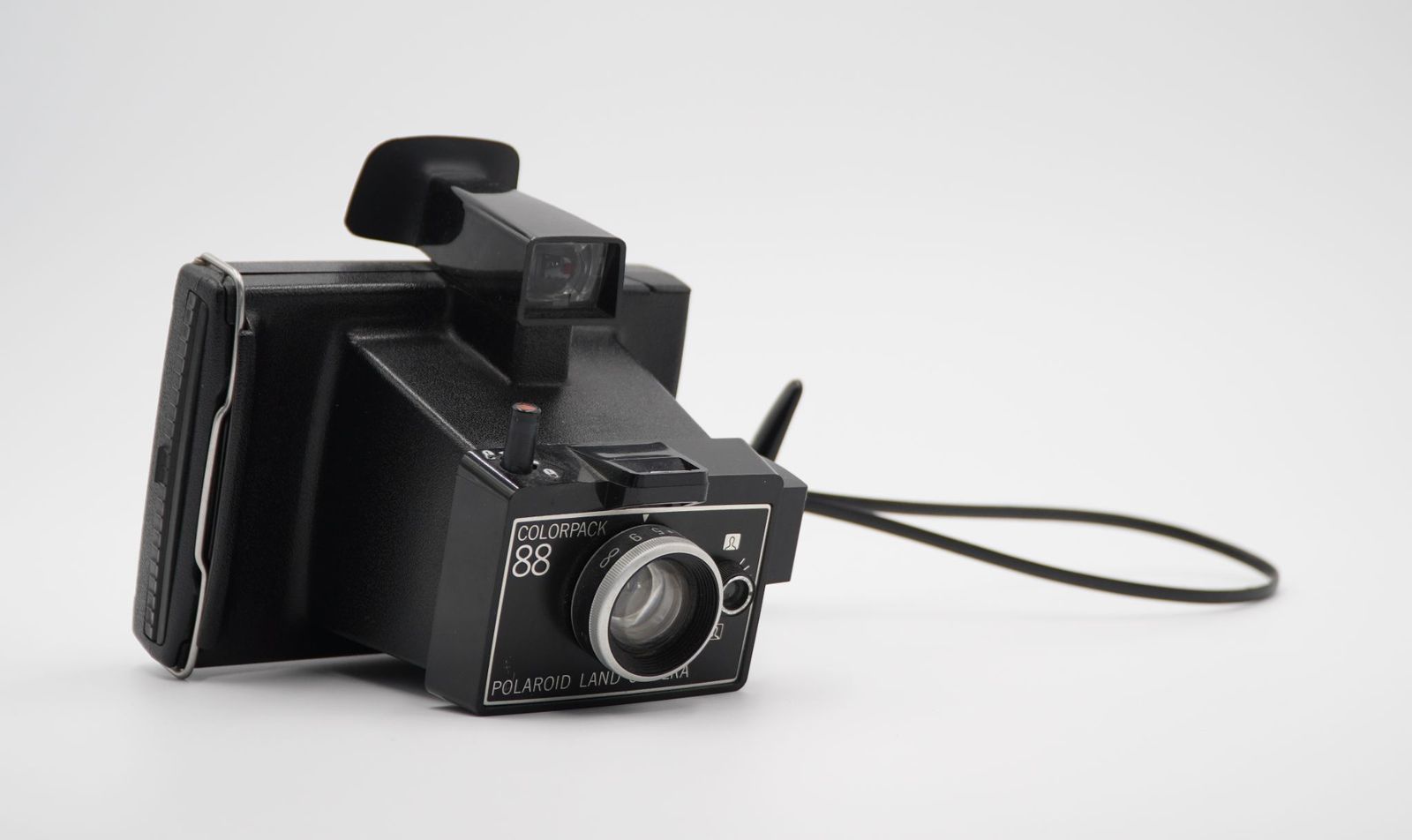
Image: Sammlung der Medien und Wissenschaft, CC BY 4.0 , via Wikimedia Commons

Despite leaving Harvard after his freshman year and holding no formal degree, Edwin Land was fascinated by optics and light, and dedicated his life to studying them. He invented inexpensive filters for polarizing light, which allowed him to develop a practical system for instant photography.

Land co-founded the Polaroid Corporation , and the first Polaroid instant camera reached the market in 1948. He ran the company until 1981, but considered himself a scientist first and foremost, and made multiple contributions in the fields of military photo intelligence and color theory.

7
Lonnie Johnson: Super Soaker
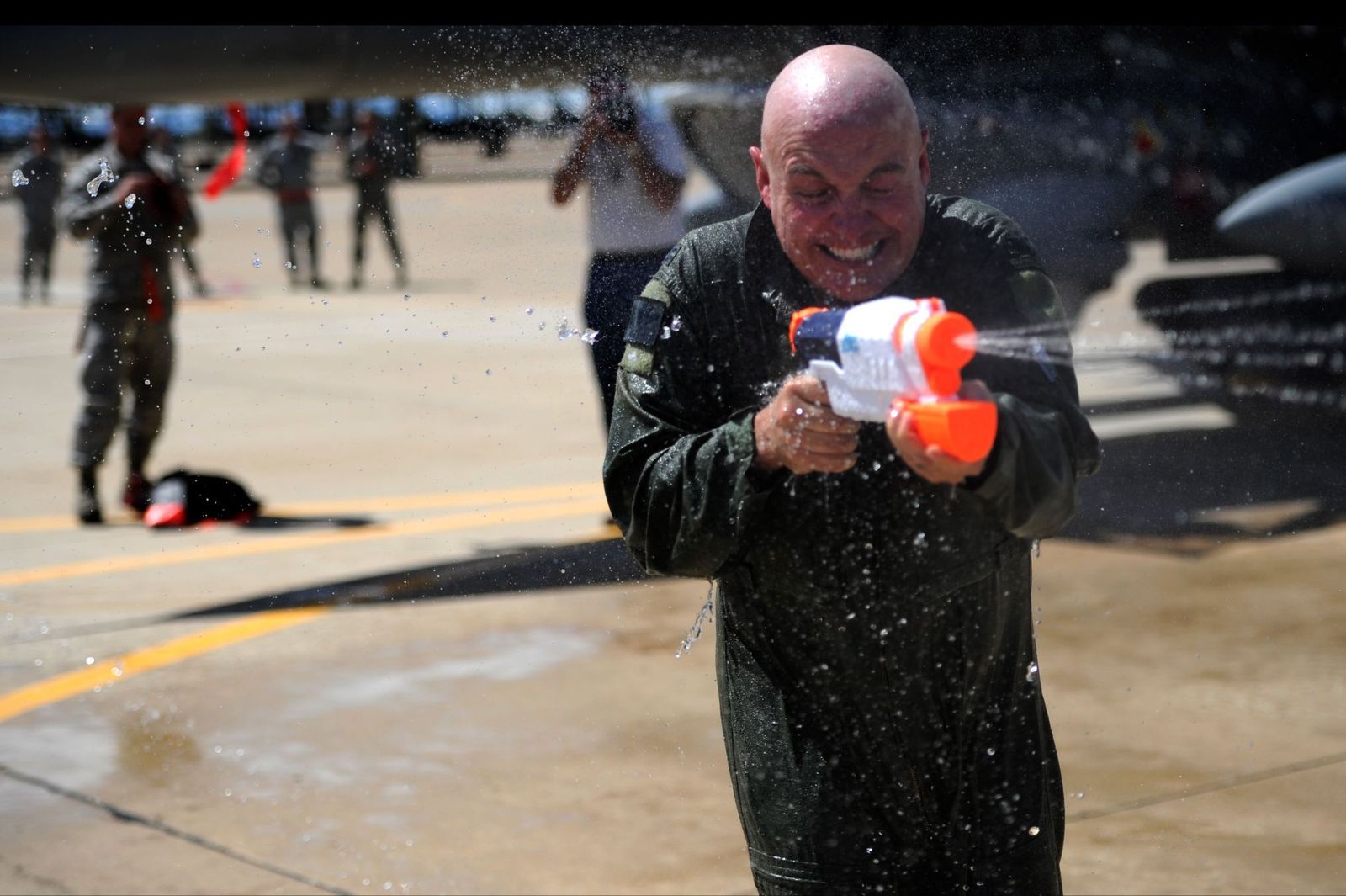
Image: Airman 1st Class Allen Stokes, Public domain, via Wikimedia Commons

In 1985, Lonnie George Johnson, who had previously served in the Air Force, worked at NASA's Jet Propulsion Laboratory. He conceived the idea of a pressurized water gun while performing experiments for a new type of heat pump. In 1989, he managed to secure funding from the toy company Larami.

The first version of Johnson's water gun hit the market in 1990 as the Power Drencher, but it achieved commercial success in 1991 after changing its name to Super Soaker . The toy generated over $1 billion in lifetime sales, making Johnson a wealthy inventor.

8
Willis Carrier: Air conditioning
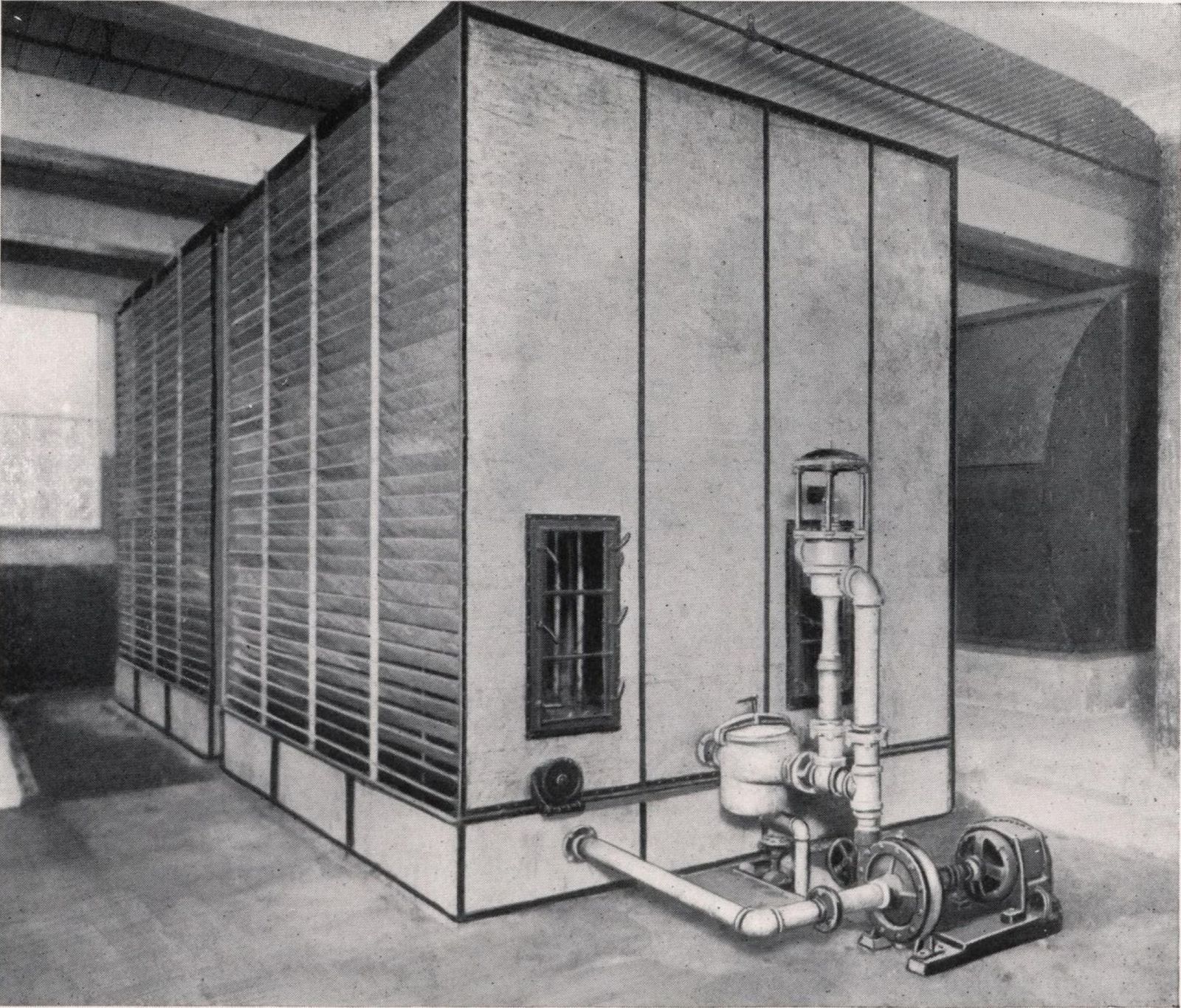
Image: Carrier Air Conditioning Company of America, No restrictions, via Wikimedia Commons

Willis Carrier was a young engineer when a printing plant in Brooklyn asked him to solve a humidity problem that was ruining paper and ink. In 1902, he developed a system that controlled both temperature and moisture, thus inventing the first electrical air conditioning unit.

Carrier founded his own company in 1915. What began as a solution for a specific problem in a specific industry eventually transformed homes and workplaces worldwide. The Carrier Corporation is still a household name not only in America, but all around the world.

9
Earl Tupper: Tupperware
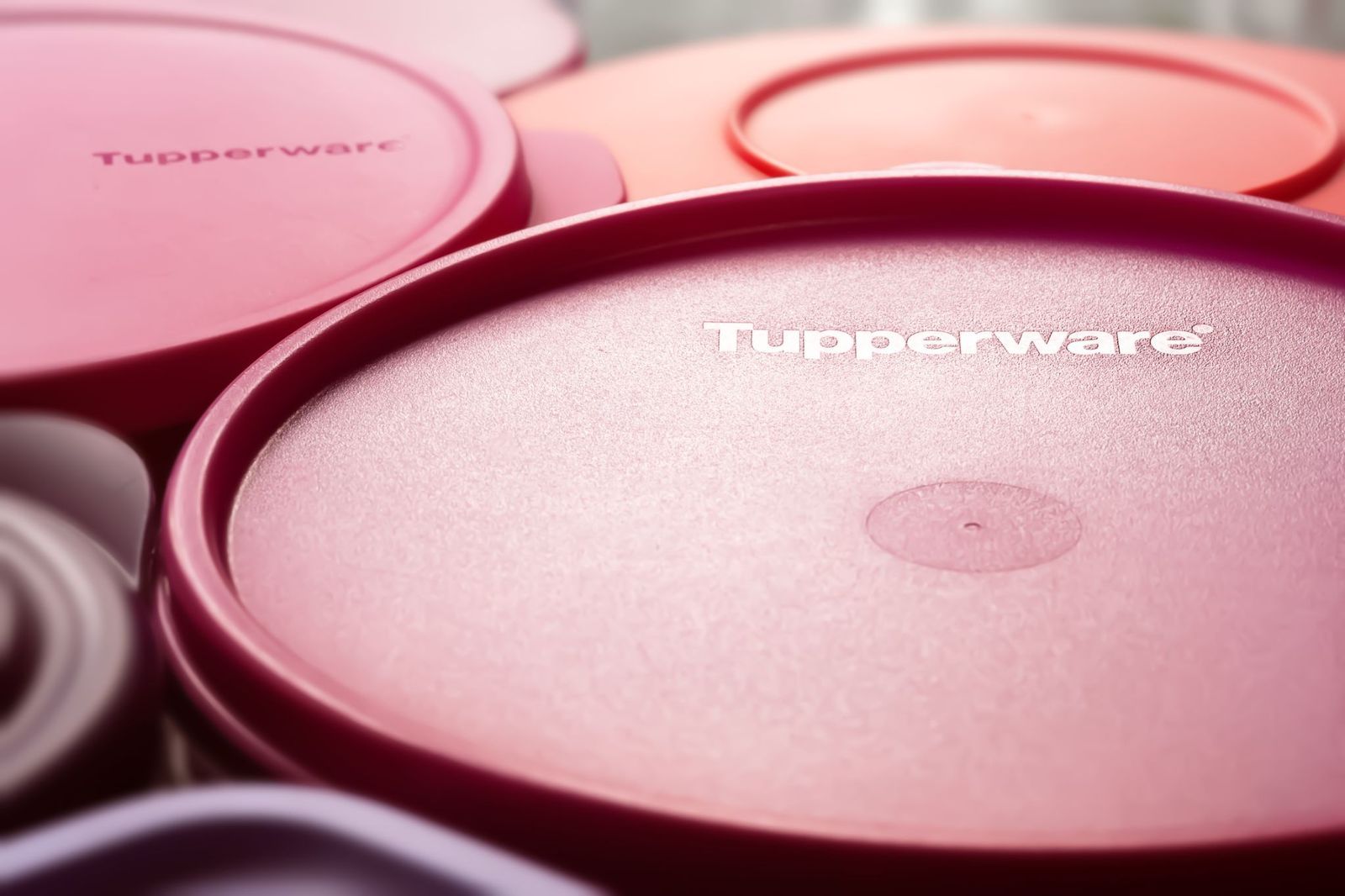
Image: Oleksiichik

Earl Tupper first developed lightweight, airtight containers while working for the chemical company DuPont, using leftover pieces of polyethylene. He founded Tupperware Plastics in 1938 and began selling his products at department stores in 1948.

Tupperware's commercial breakthrough came through Brownie Wise , a pioneering saleswoman who caught Tupper's attention by explaining the benefits of selling his products via at-home "Tupperware parties." Their partnership proved successful, and by the 1950s Tupperware had become a household staple.

Tupper and Wise had a much-publicized falling-out in 1958. Wise was forced out, and Tupper sold the company to Rexall for $16 million that same year.

10
Milton Hershey: Affordable chocolate
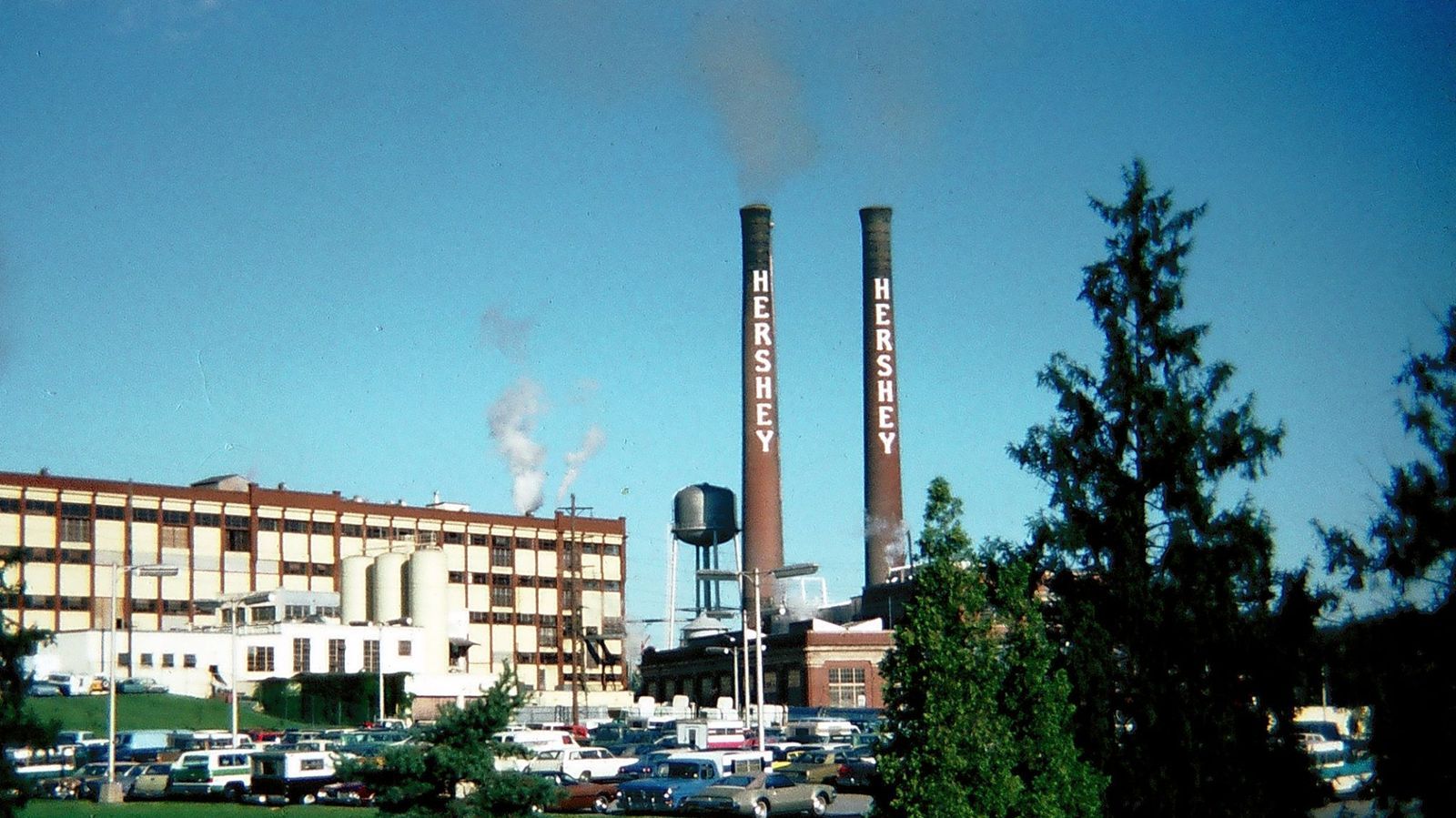
Image: Antarctic96, CC BY-SA 3.0 , via Wikimedia Commons

Milton Hershey had very little formal education, but was trained in the confectionery business. In 1883, he started the Lancaster Caramel Company, which was successful enough that he sold it in the 1890s for $1 million to start the Hershey Chocolate Company.

Hershey's company supplied mass-produced milk chocolate, which had previously been a luxury good. The first Hershey bars, known as "The Great American Chocolate Bar," were first sold in 1900 and became immensely popular. The area around the factory eventually developed into the company town of Hershey, Pennsylvania.

During World War II, the Hershey Company supplied the Armed Forces with military chocolate bars and was rewarded for exceeding expectations for both quality and quantity.

History History 4 min read

Movies that were to be

Were these movies cursed? Films that never got finished

Image: DS stories

Some movies flicker out before they’re even made. What do you call a film with a famous director, a finished script, and a dream cast? In many cases, unfinished. Hollywood’s drawers are filled with a graveyard of unfinished movies in varying stages: scripts, production plans, casting decisions, and even filmed footage. But they all remain tantalizing what-ifs. Let’s look into the stories of some flicks that never achieved their full potential!

1
The mythical "Kill Bill Vol. 3"

Image: Til Man

Ah, yes, the revenge of the revenge. Quentin Tarantino has been teasing Kill Bill Vol. 3 for nearly two decades. He’s talked about giving the character of Nikki time to grow up and take center stage in the third installment, even floating the idea of casting Zendaya or another grown-up actress in the role.

But as of now? It’s all smoke and samurai swords. Tarantino claims he has one more film left in him, and every fan theory points to Vol. 3 as the final strike.

2
The loaded history of "The Man Who Killed Don Quixote"

Image: Iuliia Dutchak

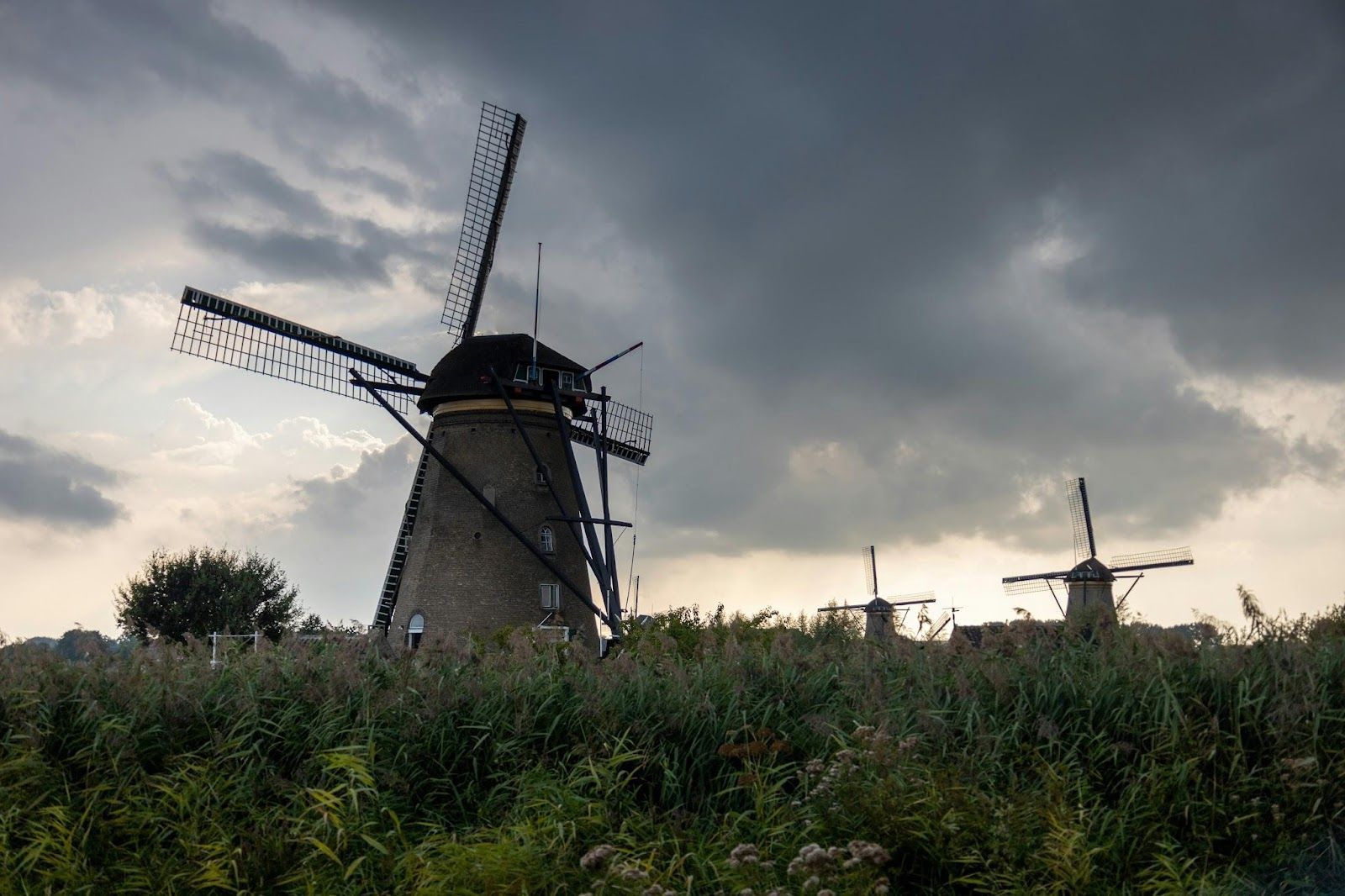
Johnny Depp and Jean Rochefort were originally set to take the leads, battling windmills as Cervantes’ mad knight and his companion. But this is another case of a film that seemed hexed.

Terry Gilliam first attempted the project in 2000, but many disasters ensued. Health issues, floods that wrecked the sets, and insurance company failings led to the project's dramatic collapse. In 2018, Gilliam finally released a version starring Adam Driver and Jonathan Pryce. But fans agree—it wasn’t that version.

3
Kubrick’s "Napoleon"

Image: Nicolas HIPPERT

The holy grail of unmade epics. Stanley Kubrick devoted years to this project—allegedly reading over 500 books, creating a card catalog of Napoleon’s daily life, and scouting locations across Europe.

He wanted Jack Nicholson in the lead and even planned to use actual armies to stage the battles. MGM said yes… then said nope. The budget was colossal, and Kubrick ultimately shelved it. Though he carried the idea to his grave, the script survived. Steven Spielberg has since talked about adapting it into a miniseries.

4
The irony of "Superman Lives"

Image: Yogi Purnama

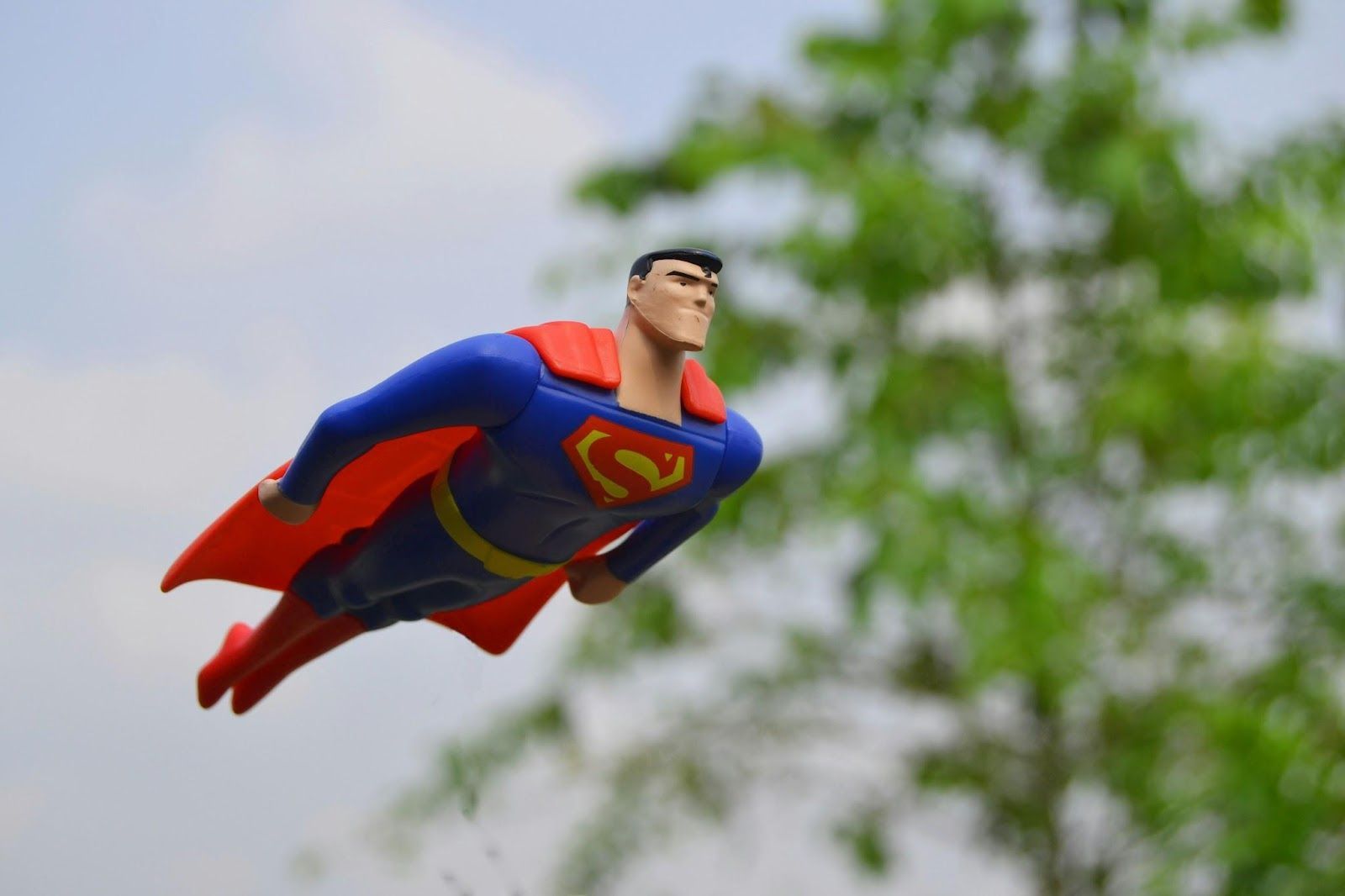
Superman Lives was meant to reboot the Man of Steel, with Tim Burton at the helm and Nicolas Cage sporting long black hair and a glow-in-the-dark suit.

But after years of rewrites, studio shake-ups, and ballooning budgets, the whole thing collapsed under its own weight. Though it was never filmed, test footage of Cage in costume became internet legend. And if you really want the full story, the documentary The Death of Superman Lives: What Happened? is the way to go.

5
Jodorowsky’s "Dune"

Image: Francisco Gomes

Alejandro Jodorowsky’s Dune was meant to be a 10-hour odyssey, starring Salvador Dalí as the Emperor, Orson Welles as Baron Harkonnen, and featuring music by Pink Floyd. Yes, really.

However, as one can imagine, the budget grew past sanity. No studio could afford Jodorowsky’s vision. The 2013 documentary Jodorowsky’s Dune explores how this unmade film went on to influence countless others—from Star Wars to Blade Runner .

6
The true "The Thief and the Cobbler"

Image: Fabian Centeno

Richard Williams, the man behind Who Framed Roger Rabbit , spent nearly three decades working on _The Thief and the Cobbler_—a painstakingly hand-drawn masterpiece, inspired by Persian art and silent comedy.

However, by the 1990s, delays and mounting costs led the studio to reconsider its decision. The film was recut, rewritten, and released under various titles, with added songs and jarring voice-overs. The truth is, the original version was never fully completed.

7
The cursed "Blood Meridian"

Image: Erik

So many doomed attempts have been made that Cormac McCarthy’s brutal novel is often labeled "unfilmable." Blood Meridian is a violent fever dream, soaked in sun and sand—which might sound easy to bring to the screen.

Ridley Scott tried. So did James Franco and Todd Field. But each version was ultimately abandoned. In 2024, New Regency announced a new adaptation was in the works. As of now, however, it still seems cursed— Blood Meridian remains untouched by the screen.

8
Orson Welles’ "The Other Side of the Wind"

Image: Andre Moura

Yes, a version was released by Netflix in 2018… but it wasn’t quite what its director originally envisioned.

Orson Welles began shooting The Other Side of the Wind in the early ’70s, imagining a satirical, semi-autobiographical tale about a fading director staging a comeback. But financial chaos, legal snarls, political drama, and even missing reels meant that Welles never lived to finish it.

9
"At the Mountains of Madness" featuring Tom Cruise

Image: Balazs Busznyak

Imagine Tom Cruise battling ancient, brain-melting monsters in Antarctica—based on H.P. Lovecraft’s most mind-bending novella. Now picture Guillermo del Toro directing that nightmare in IMAX 3D. So what happened? It’s not entirely clear, though budget concerns likely played a role. You never know, though. Del Toro has shared some original concept art and designs that just might be revived someday.

10
The Rat Pack’s "The Rogues"

Image: Brice Cooper

A film called The Rogues , starring the Rat Pack, appears in fan lore and anecdotal sources—though there’s little documented proof. Frank Sinatra. Dean Martin. Sammy Davis Jr. The Rat Pack was Hollywood’s smoothest syndicate, both on and off-screen.

In the mid-’60s, they began filming The Rogues , a heist flick in the spirit of Ocean’s 11 . But egos clashed, schedules frayed, and the project derailed mid-production, as legend has it.

General General 6 min read

Curious keepsakes

America’s Quirkiest Artifacts Hidden in the Library of Congress

Image: Iñaki del Olmo

History has seen all kinds of objects come and go—some more fascinating than others, of course. Some were worth saving and preserving. The Library of Congress is home to some of the most fascinating historical artifacts from across time. Among the millions of items housed within its walls are treasures that range from quirky to iconic. From antique board games to century-old maps, each artifact tells its own story and connects both locals and visitors to specific moments in history. Today, we’ll take a lighthearted look at 10 of the most interesting finds . Sit back and let’s dive into history!

1
Movie etiquette slides: The "don’ts" of early cinema

Image: Alex Litvin

Long before "silence your phones" became a common phrase, the audience was advised to mind their manners with whimsical "movie etiquette" slides. These slides, from the early 1900s, reminded theatergoers to behave properly while in the establishment. Suggestions like "Applaud with hands only" were a gentle nudge to stay courteous—after all, what else would one applaud with, right?

Another classic recommendation: "If annoyed when here, please tell the management," a precursor to modern customer service advice.

2
America’s birth certificate: The map that named a continent

Image: Chris Lawton

Does America have a birth certificate? Not exactly, but something like that—hear this out. It’s actually a map that holds the unique honor of using the name "America" for the very first time . Created by Martin Waldseemüller in 1507, it has a lengthy Latin title and shows an emerging understanding of the globe, especially the newly discovered Western Hemisphere and Pacific Ocean.

For the first time, a cartographer separated the Americas from Europe and Asia, recognizing them as distinct continents. The Library of Congress acquired the map in 2003 and is often referred to as America’s "birth certificate."

3
A Monopoly prequel: The Office Boy

Image: Jaciel Melnik

Before Monopoly was monopolizing (pun intended) family game nights, Parker Brothers tested the waters with a lesser-known board game called "The Office Boy." Released in 1889, this early game was all about climbing the corporate ladder , reflecting the "American Dream" narrative popular at the time.

Players began as humble stock boys and had to work their way up to the head of the firm, with virtues like integrity and promptness helping them along, while carelessness could set them back. Pretty much like real life, huh?

Although "The Office Boy" never reached the same iconic status, it’s a fascinating precursor to Monopoly and you can take a look at it at the Library of Congress.

4
Locks of famous hair: A snip of history

Image: Taylor Smith

It might sound strange today, but saving locks of hair from notable figures was a common practice in the past. The Library of Congress holds strands from historical figures like Thomas Jefferson, Walt Whitman, and James Madison.

Along with the locks, you can also learn some interesting facts. For example, Jefferson’s hair was cut at his deathbed by his family, while Whitman’s came courtesy of his housekeeper, who took the liberty of snipping a few strands. These tiny, personal (maybe too personal) belongings have lost their shine over the years, but they still connect visitors to some of the most influential figures in history.

5
Bizarre health labels: Fat-Ten-U tablets, anyone?

Image: Jenelle

We might find it hard to believe at times, but societies do change. Want to see how? Take a look at advertisements from a certain era, and you’ll notice the early 20th century had its fair share of questionable health products—some of them can be found at the Library of Congress.

For example, one product you can take a look at is "Loring’s Fat-Ten-U Food Tablets," which promised to help skinny folks gain weight quickly . The accompanying ads featured dramatic before-and-after illustrations of people plumping up into "rosy" health with these tablets.

Compare that with today, and you’ll see that marketing, fads, and science have certainly come a long way, don’t you think?

6
The first road map: Paving the way for American travelers

Image: LouisMoto

We’ve mentioned the first map to name America as a continent, but have you ever wondered who the first person to draw a roadmap of the US was? Well, you can learn about that at the Library of Congress.

Back in 1789, when George Washington became president, Christopher Colles published what is now considered the first road map of the United States . His guide, titled A Survey of the Roads of the United States of America , helped travelers navigate the relatively new nation. Rather than displaying large swathes of territory, each page zoomed in on short stretches of road, making it much easier to navigate.

Of course, if you look at it today, it is outdated, but back then, it made traveling around the country a lot easier!

7
Culinary advice for motorists: Gourmet on the go

Image: Debby Hudson

One doesn’t usually—or immediately—place a motorist in a kitchen, right? But we guess this is here to prove us wrong!

When early motorists hit the road, there weren’t fast-food chains or convenience stores on every corner. This posed a problem, but the solution came around rather quickly: The Motorist’s Luncheon Book by May Southworth, published in 1923, provided travelers with the advice they needed to plan their meals on the go. The book suggested packing emergency supplies like sardines, canned frankfurters, and even "bacon in jars" and some recipes to cook on the road.

If you’re ever out of ideas in the kitchen, you might want to get a quick look at this book!

8
Jefferson’s vanilla ice cream recipe: Founding Father of desserts

Image: Hidden

Wait, Jefferson—as in the Founding Father? That’s right. Thomas Jefferson may have helped write the Declaration of Independence, but he also knew how to make a mean vanilla ice cream.

Among his vast collection of papers at the Library of Congress is his personal recipe for the classic dessert . The recipe is as simple as it gets: just "good cream," egg yolks, sugar, and vanilla. Jefferson, known for his love of French cuisine, likely picked up this ice cream-making skill while serving as a diplomat in Paris. While the recipe is quite detailed, it’s a reminder that even the most powerful figures in history had a sweet tooth. You could honor him by making this for your loved ones tonight!

9
The first known book printed in America: The Bay Psalm Book

Image: Aaron Burden

We all know what the first printed book in the world was, right? But what about the first printed book in America? Here’s what you need to know about it.

North America’s first printed book, The Whole Booke of Psalmes , also known as The Bay Psalm Book , dates back to 1640, just two decades after the Mayflower landed. This hymnal was created in the Massachusetts Bay Colony and contains psalms translated from Hebrew into English—but with a twist: the spelling and grammar were, well… creative by modern standards.

The book has no music notes, just the lyrics for worshippers to follow along with. Though simple in appearance, it pretty much marks a milestone in American printing and religious history.

10
Helen Keller’s plea to Alexander Bell: A message of hope

Image: Anne Nygård

As you probably already know, Hellen Keller was both deaf and blind. But that was never an obstacle to her journey of self-improvement and activism for the rights of the disabled. She is, still today, one of the most influential figures in history.

Now, concerning this article, here’s the fascinating artifact’s history: In 1907, Helen Keller sent a telegram to Alexander Graham Bell, the inventor of the telephone and an advocate for the deaf. In it, Keller, who was both deaf and blind, asked Bell to join her in delivering a speech , hoping he would repeat her words aloud for the audience. This small but powerful telegram is now part of the Library of Congress’s collection and you can take a look at it to learn about the deep bonds formed between two icons of American history.

Explore more American facts

Choose your favorite category!

General
General

As American as apple pie—the very best America has to offer!

Culture
Culture

Delve into the astounding richness of American lore.

Geography
Geography

Hop in and explore vast and diverse American landscapes.

History
History

Discover the key moments that shaped the United States.